A historical overview of Sisak, the city on three rivers, from the Roman era to the post-WWII industrialization.
Social & External
The people behind it
Raphael: The Lord of the Arts is a documentary about the 15th century Italian Renaissance painter Raphael Sanzio.
Examine the history of bluegrass music, from its origins to its eventual worldwide popularity, and hear from dozens of musicians who explain the ways bluegrass music transcends generational, cultural and geographic boundaries.
A history of the French Revolution beginning from the decision of the king to convene the Etats-Generaux in 1789 in order to deal with France's debt problem. Part one spans the event until August 10, 1792 (when the King Louis XVI lost all authority and was imprisoned). Part two carries the story through the end of the terror in 1794.
JEWS excavates a lost world of manners and ritual in home movies shot by several Chicago families from the 1920s through the 1940s. Much as in similar found footage soliloquies by Péter Forgács, Jay Rosenblatt and Ken Jacobs, director Roger Deutsch wrings unexpected pathos from mundane traces of the past. Children mug for the camera with dances of the day, upright mothers march their strollers up the avenue, men smoke, the family gathers around the table to light the candles. The bare title cannot help but raise the specter of contemporaneous events in Europe, lending an extra degree of urgency to the film's meditation on disappearance. - Max Goldberg
After World War II, fighter pilot Antonín Maděra returns from England to his native village in the Ore Mountains to forget the hardships and horrors of war and to "live, work, and love his neighbors," as he himself says. But Svatý Štěpán, which his family had to leave in 1939, is no longer the same place it used to be. However, even in his wildest dreams, he could not have imagined what really awaited him there.
Young Cabiria is kidnapped by pirates and sold as a slave in Carthage. Just as she's to be sacrificed to Moloch, Cabiria is rescued by Fulvius Axilla, a good-hearted Roman spy, and his powerful slave, Maciste. The trio are broken up as Cabiria is entrusted to a woman of noble birth. With Cabiria's fate unknown, Maciste punished for his heroism, and Fulvius sent away to fight for Rome, is there any hope of our heroes reuniting?
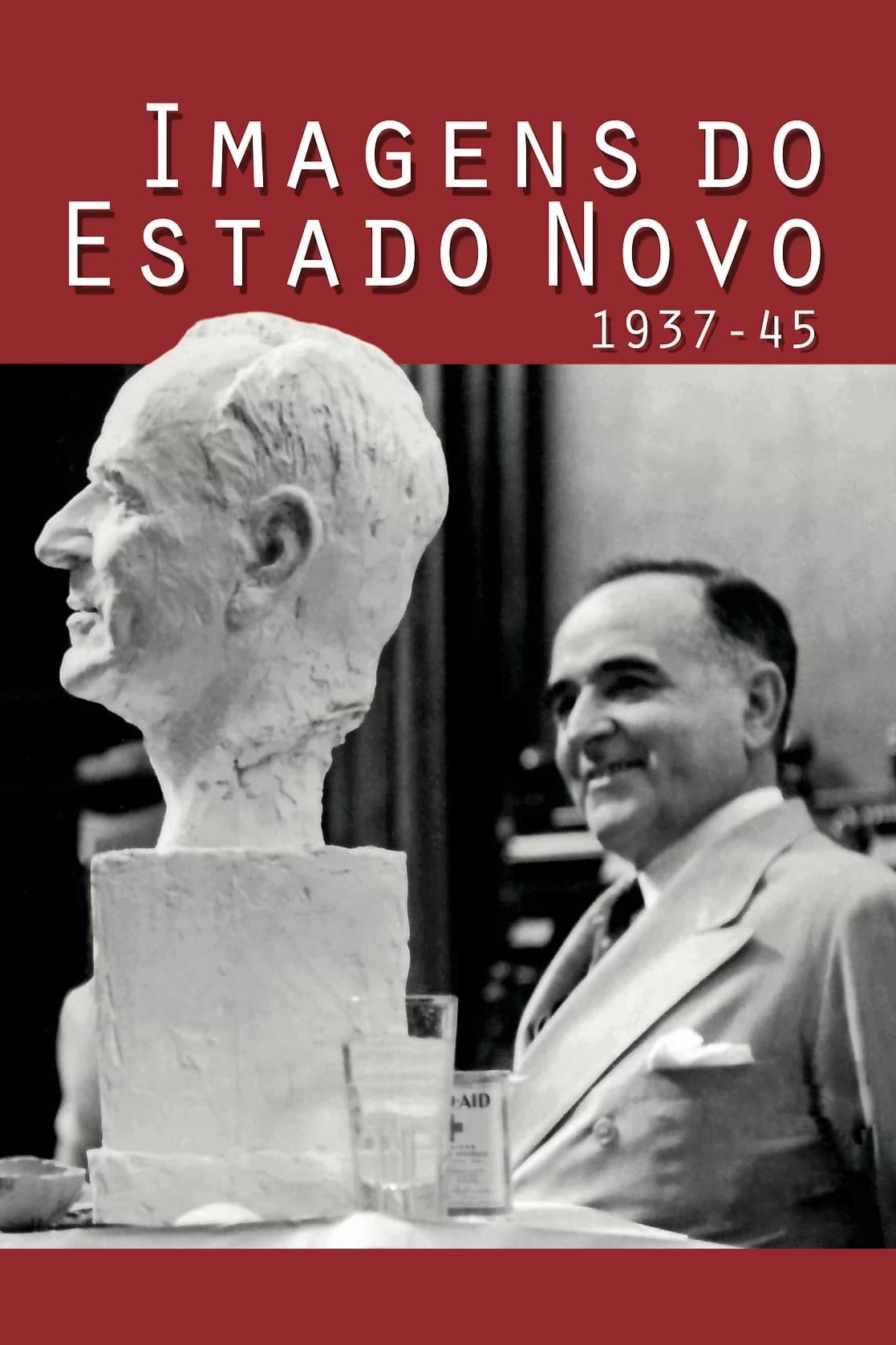
Resorting on a vast archive material of newsreels, photographs, letters, family videos, fiction movies, diary and popular songs excerpts, the documentary reassesses the legacy of the dictatorial period of Getúlio Vargas (1937-1945). Through the comparison and analysis of these heterogeneous records, produced for different purposes, from political propaganda to family celebration, the film explores the several layers of the political web of the Estado Novo, exposing its external inspirational sources, functionality and contradictions.
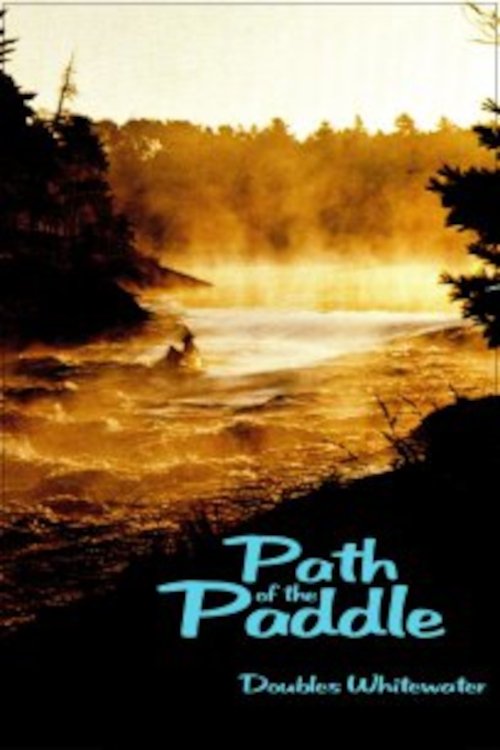
This short film from canoeist Bill Mason illustrates the joy and poetry of paddling solo. All the basic strokes used to control the canoe are rendered with perfect clarity through animated lines. Part of 'Path of the Paddle: Quiet Water', in Bill Mason's Path of the Paddle Series.
This short film from canoeist Bill Mason demonstrates the basic doubles paddling strokes and how to apply them in various combinations. The application of each stroke in rapids is shown briefly and the emphasis is always on working as a well-coordinated team. Part of 'Path of the Paddle: Quiet Water', in Bill Mason's Path of the Paddle Series.
This short film from canoeist Bill Mason explains clearly how to locate a deep water channel by reading the rapids and how to apply paddling strokes and manoeuvres to steer the canoe where you want it to go. It also depicts what happens if you "wipe out" in a turbulent rapid and shows you how to survive the swim. Part of 'Path of the Paddle: Whitewater', in Bill Mason's Path of the Paddle Series.
This short film from canoeist Bill Mason shows how to read the rapids and plan a course and follow it, with complete control of the boat, using the basic paddling strokes. Running rapids will always be a calculated risk, but risk diminishes with skill and knowledge. The strokes can be used in endless combination to reduce the risks of whitewater canoeing and increase the sheer joy and exuberance. Part of 'Path of the Paddle: Whitewater', in Bill Mason's Path of the Paddle Series.
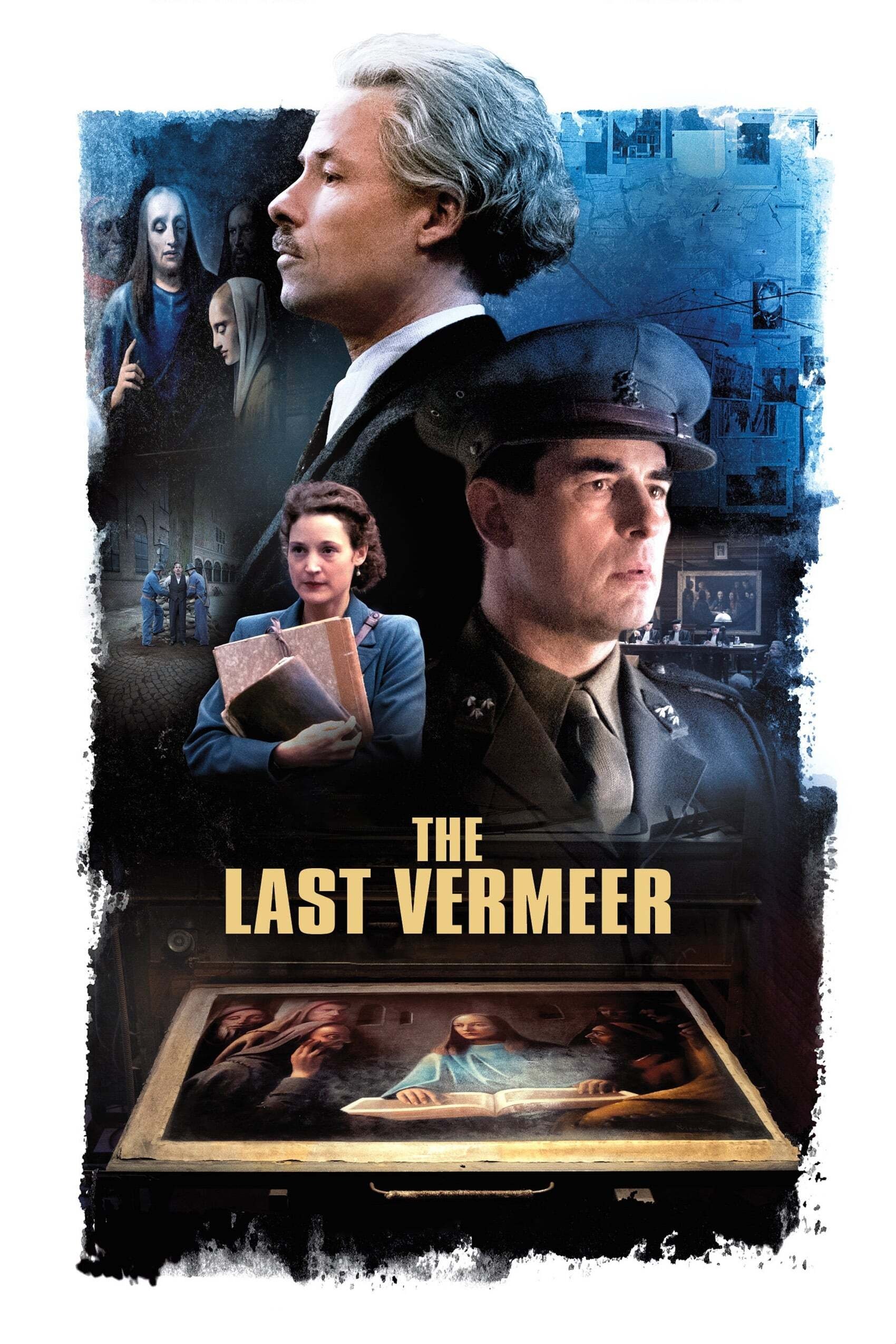
A soldier and member of the Dutch resistance investigates stolen art in the wake of the Second World War, including a Vermeer sold to the Nazis by a flamboyant forger.
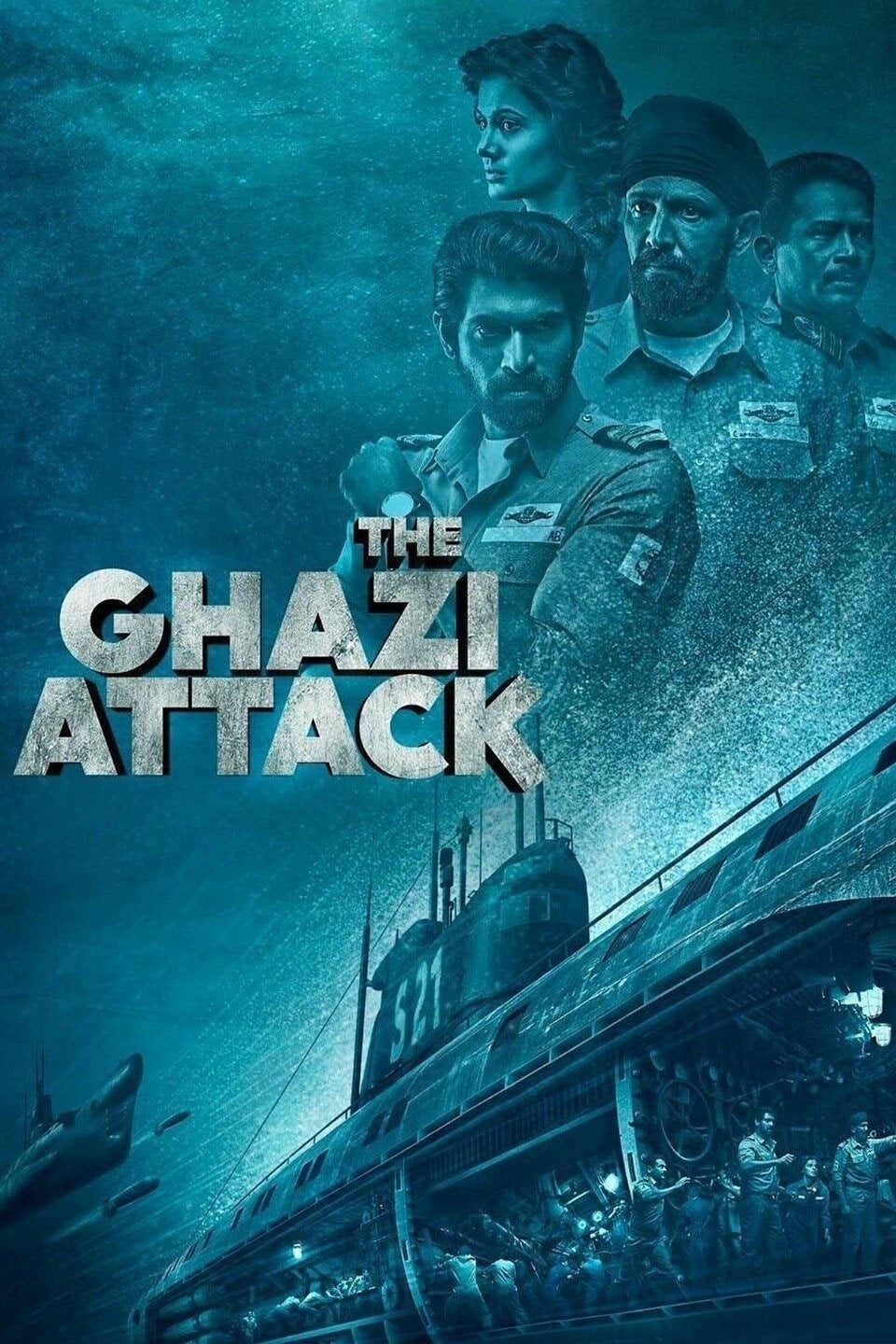
India’s first underwater war film tries to decode the mystery behind the sinking of Pakistani submarine PNS Ghazi during the Indo-Pak war of 1971.
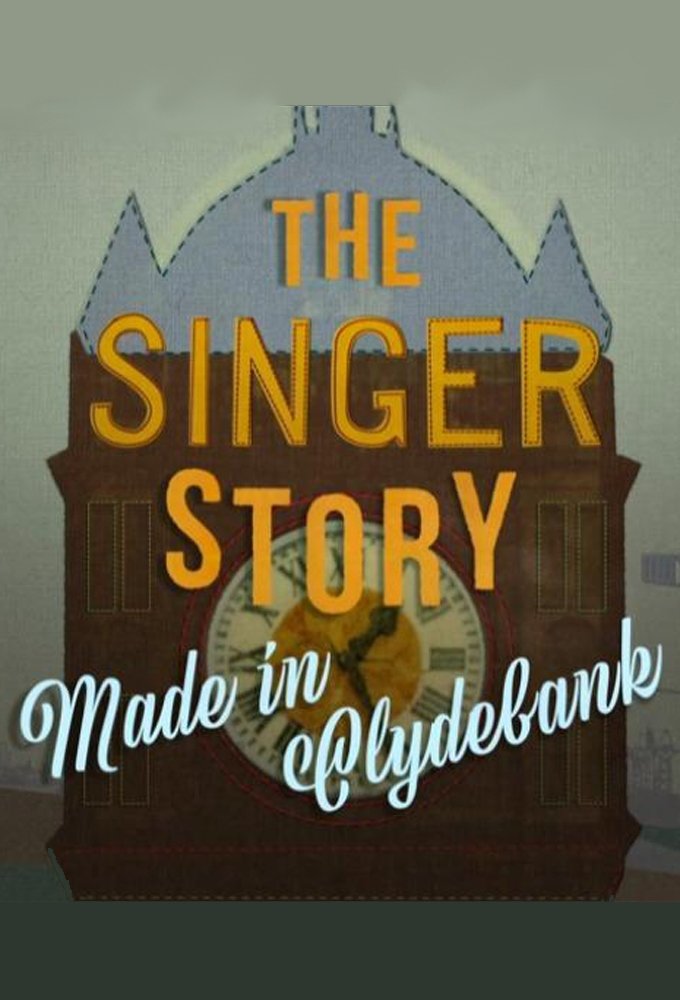
The Singer sewing machine, international icon and a symbol of the Industrial Revolution, helped put the town of Clydebank on the map. Over the course of a century, it employed tens of thousands of 'bankies' before its demise nearly 40 years ago. This documentary charts the story of those workers: how their lives were intertwined with the fortunes of Scotland’s first US multinational company. The programme pays homage to the Singer machine, and the huge impact it made on families and households all over the world.
One peaceful day for the farmers in the summer of 2009, the Korean government announced the master plan for the “4 Major Rivers Project.” The government suddenly announced that organic agriculture severly polluted the water. The 4 Major Rivers Project was a mega-sized national project by the LEE Myungbaek Administration to “renovate” the 4 major rivers in Korea to construct the Korean Peninsula Great Canal. The project constructs 16 dams in the rivers and expropriates farming lands and riverbeds to build bicycle roads and parks. The Paldang “Dumulmeori” organic farming area known as the hub of Korean organic farming was to be included as part of the 4 Rivers Project. This film is about the 40 Months of struggles by organic farmers against the 4 Major Rivers Project.
The Castro revolution was just consolidating its power when, in 1961, over 100,000 students were sent from their schools into the countryside to teach the peasants there how to read. Coinciding with the Bay of Pigs invasion, in this docudrama, 15-year-old Mario (Salvador Wood) has come to a tiny village in the Zapata swamps and gradually wins the villagers over to his task. At the same time, he receives an education in the realities of rural life from the hard-working peasants.
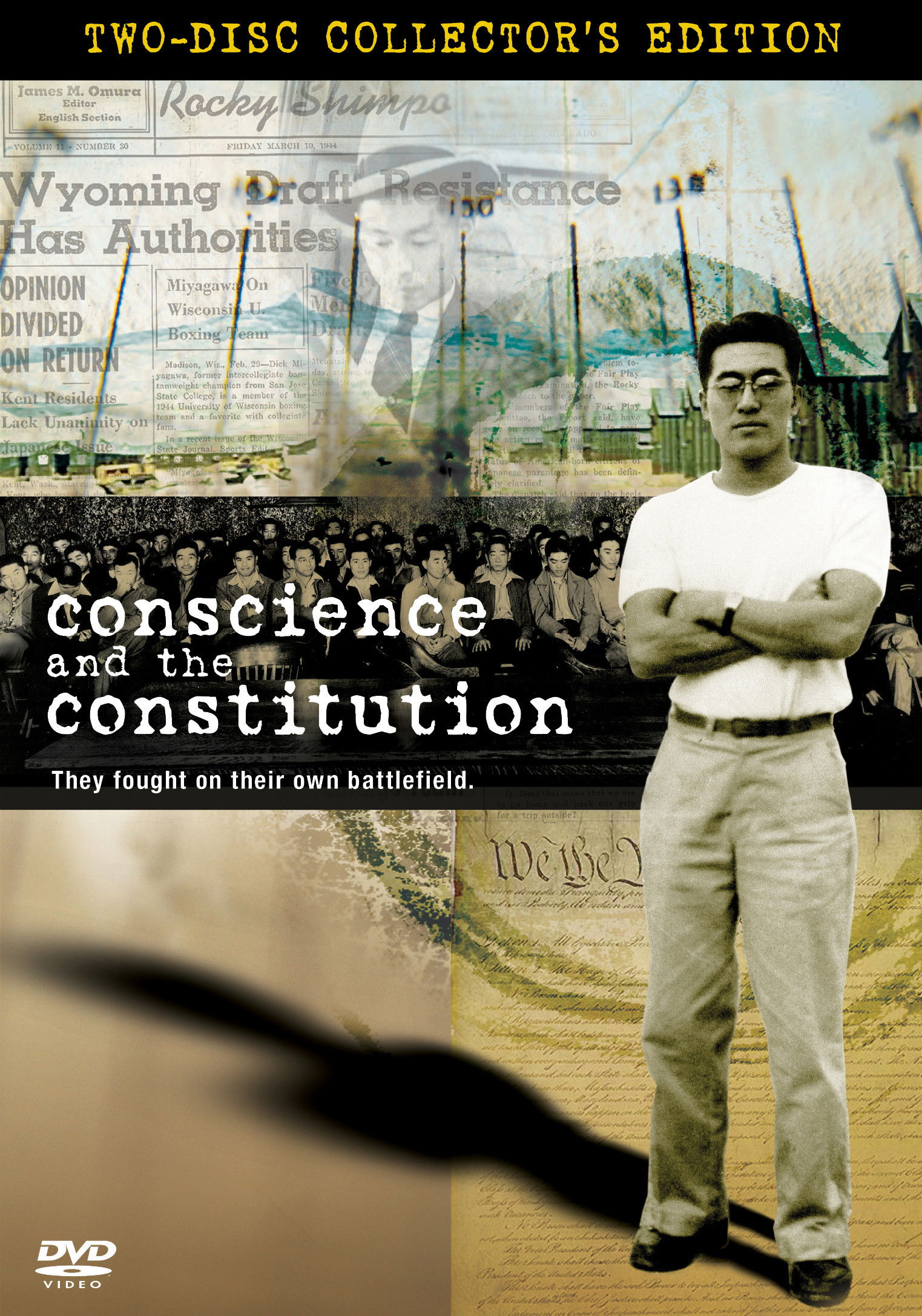
Americans refused to be drafted from the concentration camp at Heart Mountain, Wyoming. Ready to fight, but not before their rights as U.S. citizens were restored and families released.
Lee Anne Schmitt explores California's landscape and past to document the history of one-time boom towns built and abandoned by the industries that necessitated their creation. Sold as a limitless land expansive with free opportunity, California was actually, from its onset, fissured by the interwoven needs of private and public interests. Schmitt's film covers various locations through time, as the major industries of the early 20th century (mining, lumber, oil) give way to the military, eventually leading to multinational corporations, and the use of small towns as satellites for growing urban metropolises.
Professor Saul David uses the BBC archive to chart the history of the world's most destructive war, by chronicling how the story of the battle has changed. As new information has come to light, and forgotten stories are remembered, the history of World War Two evolves. The BBC has followed that evolution, and this programme examines the most important stories, and how our understanding of them has been re-defined since the war ended over 70 years ago.
The history of cinematic sound, told by legendary sound designers and visionary filmmakers.
This revealing documentary honors the legendary Sidney Poitier—iconic actor, filmmaker, and civil rights activist. Featuring interviews with Denzel Washington, Spike Lee, Halle Berry, and more.
Al Pacino's deeply-felt rumination on Shakespeare's significance and relevance to the modern world through interviews and an in-depth analysis of "Richard III."
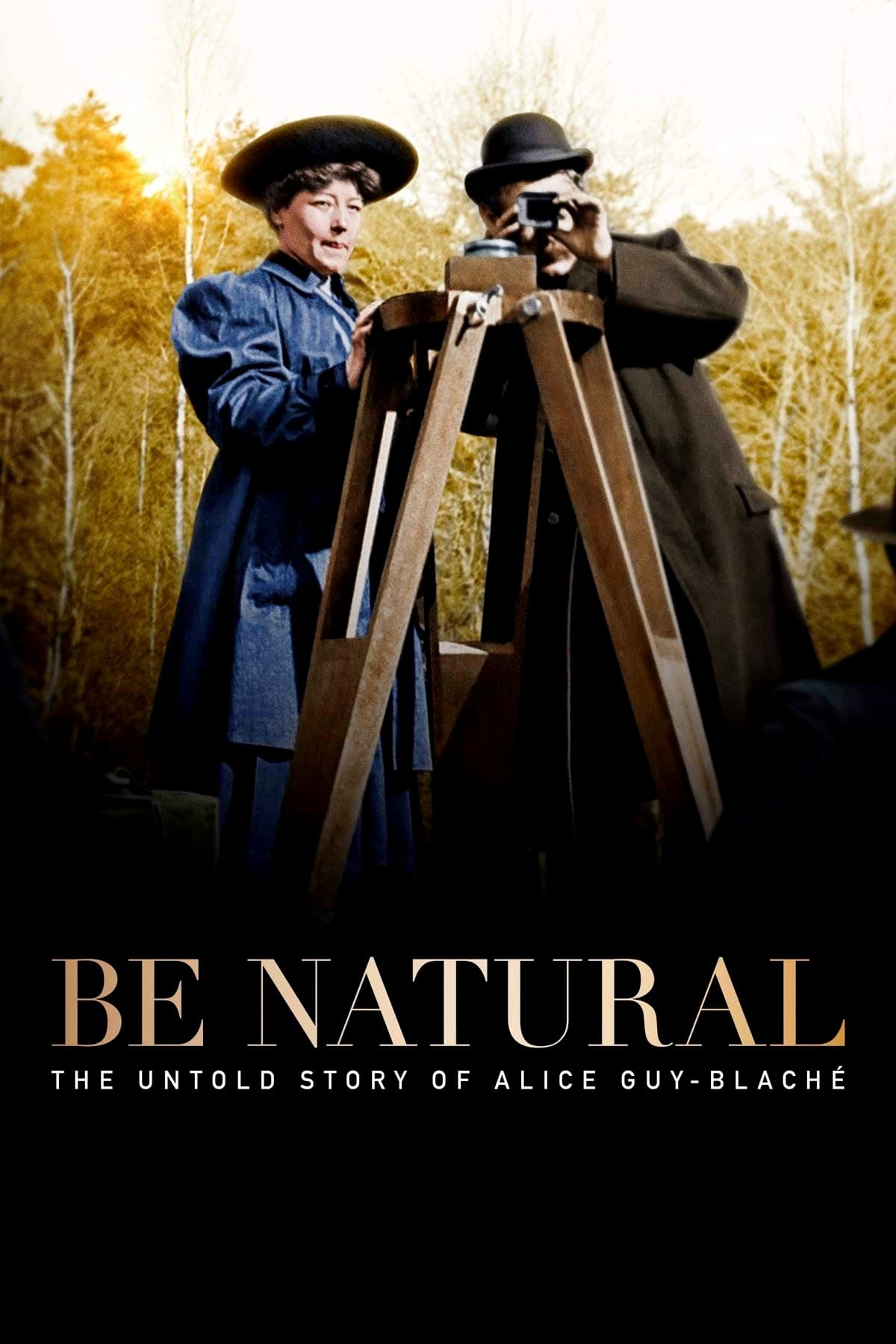
The epic life story of Alice Guy-Blaché (1873–1968), a French screenwriter, director and producer, true pioneer of cinema, the first person who made a narrative fiction film; author of hundreds of movies, but banished from history books. Ignored and forgotten. At last remembered.
SEDUCED AND ABANDONED combines acting legend Alec Baldwin with director James Toback as they lead us on a troublesome and often hilarious journey of raising financing for their next feature film. Moving from director to financier to star actor, the two players provide us with a unique look behind the curtain at the world's biggest and most glamourous film festival, shining a light on the bitter-sweet relationship filmmakers have with Cannes and the film business. Featuring insights from directors Martin Scorsese, 'Bernando Bertolucci' and Roman Polanski; actors Ryan Gosling and Jessica Chastain and a host of film distribution luminaries.
Brilliant, long in-the-works story of the life and art of the world's greatest comedian and the cinema's first genius, Charlie Chaplin. Produced, written and directed by renowned film critic Richard Schickel.
Over 35 years after Bob Lazar's revelations, this documentary exposes secrets of a facility the government still denies. Featuring Lazar's testimony, recreations, and new evidence, it reopens a case that continues to spark global curiosity
A documentary about the rise and fall of the Cannon Film Group, the legendary independent film company helmed by Israeli cousins Menahem Golan and Yoram Globus.
Experience the events of September 11, 2001 through the eyes of President Bush and his closest advisors as they personally detail the crucial hours and key decisions from that historic day.
Exuberant, eye-opening movie that serves up a dazzling hundred-year history of the role of gay men and lesbians have had on the silver screen. Film contains fabulous footage from 120 films showing the changing face of cinema sexuality, from cruel stereotypes to covert love to the activist triumphs of the 1990s.
Filmmaker Lawrence Shapiro discusses voice-over acting with the talented people behind the characters.
The life and career of an actor, artist, and icon. His own journey through his own camera.
An inside look at one of the most anticipated movie sequels ever with James Cameron and cast.
Oliver Stone charts the history of the United States from the Second World War to the present.
The chronicle of the mind-blowing journey that was Hollywood during the seventies; the true and gripping story of the last golden age of American cinema, an exalted celebration of creativity and experimentation; but also of sex, drugs and rock 'n' roll: a turbulent and dark tale of ambition, envy, betrayal, hatred and self-destruction.
An unprecedented and intimate look at the life, work and enduring legacy of British actress Audrey Hepburn (1929-1993).
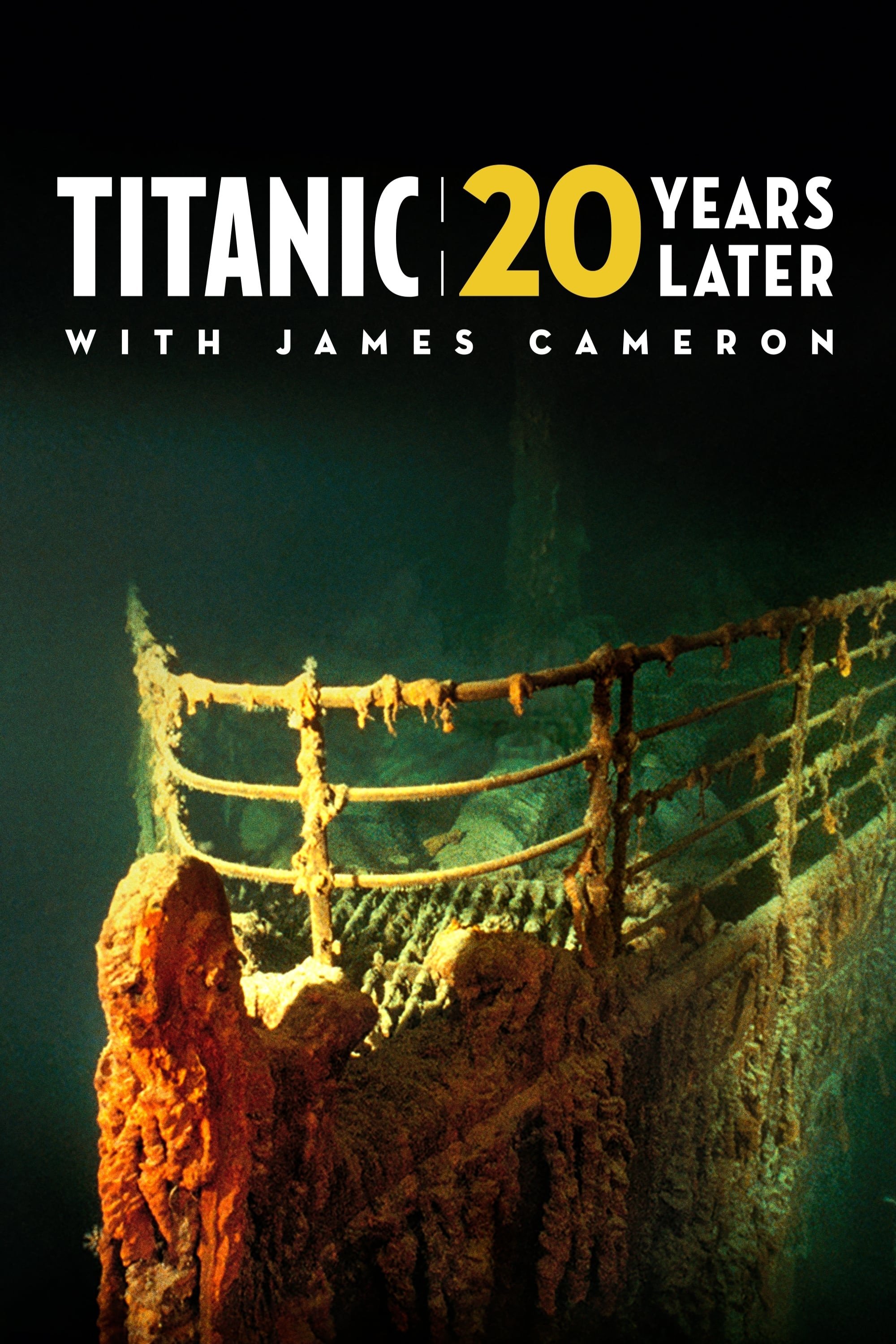
For the 20th anniversary of "Titanic," James Cameron reopens the file on the disaster.
Martin Scorsese's documentary intertwines footage from The Band's incredible farewell tour with probing backstage interviews and featured performances by Eric Clapton, Bob Dylan, Joni Mitchell, Van Morrison, and other rock legends.
Documentary about the art of film editing. Clips are shown from many groundbreaking films with innovative editing styles.
In 1972, a seemingly typical shoestring budget pornographic film was made in a Florida hotel: "Deep Throat," starring Linda Lovelace. This film would surpass the wildest expectation of everyone involved to become one of the most successful independent films of all time. It caught the public imagination which met the spirit of the times, even as the self-appointed guardians of public morality struggled to suppress it, and created, for a brief moment, a possible future where sexuality in film had a bold artistic potential. This film covers the story of the making of this controversial film, its stunning success, its hysterical opposition along with its dark side of mob influence and allegations of the on set mistreatment of the film's star.