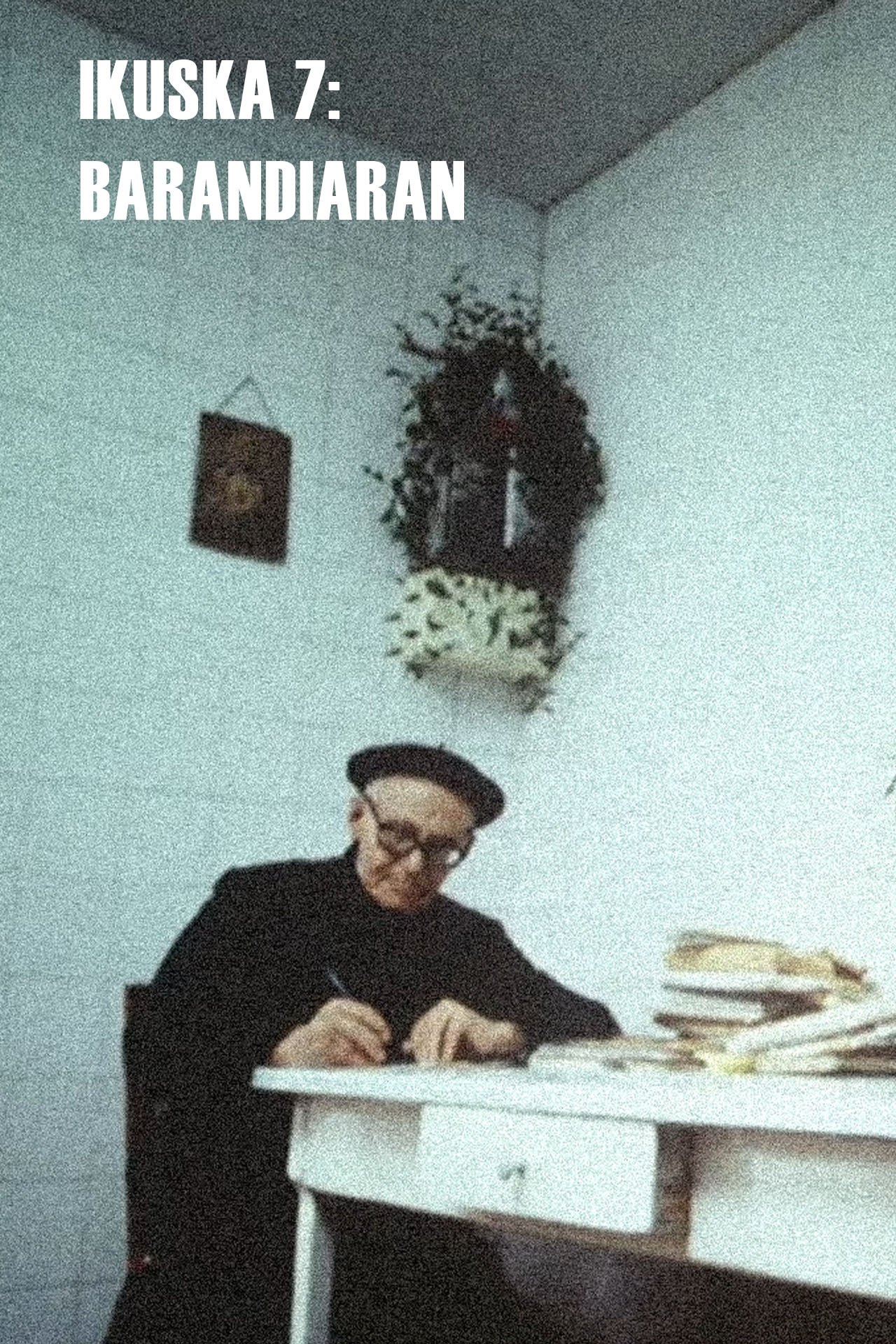
Interview and tribute to Jose Migel Barandiaran, researcher on Basque culture.
Social & External
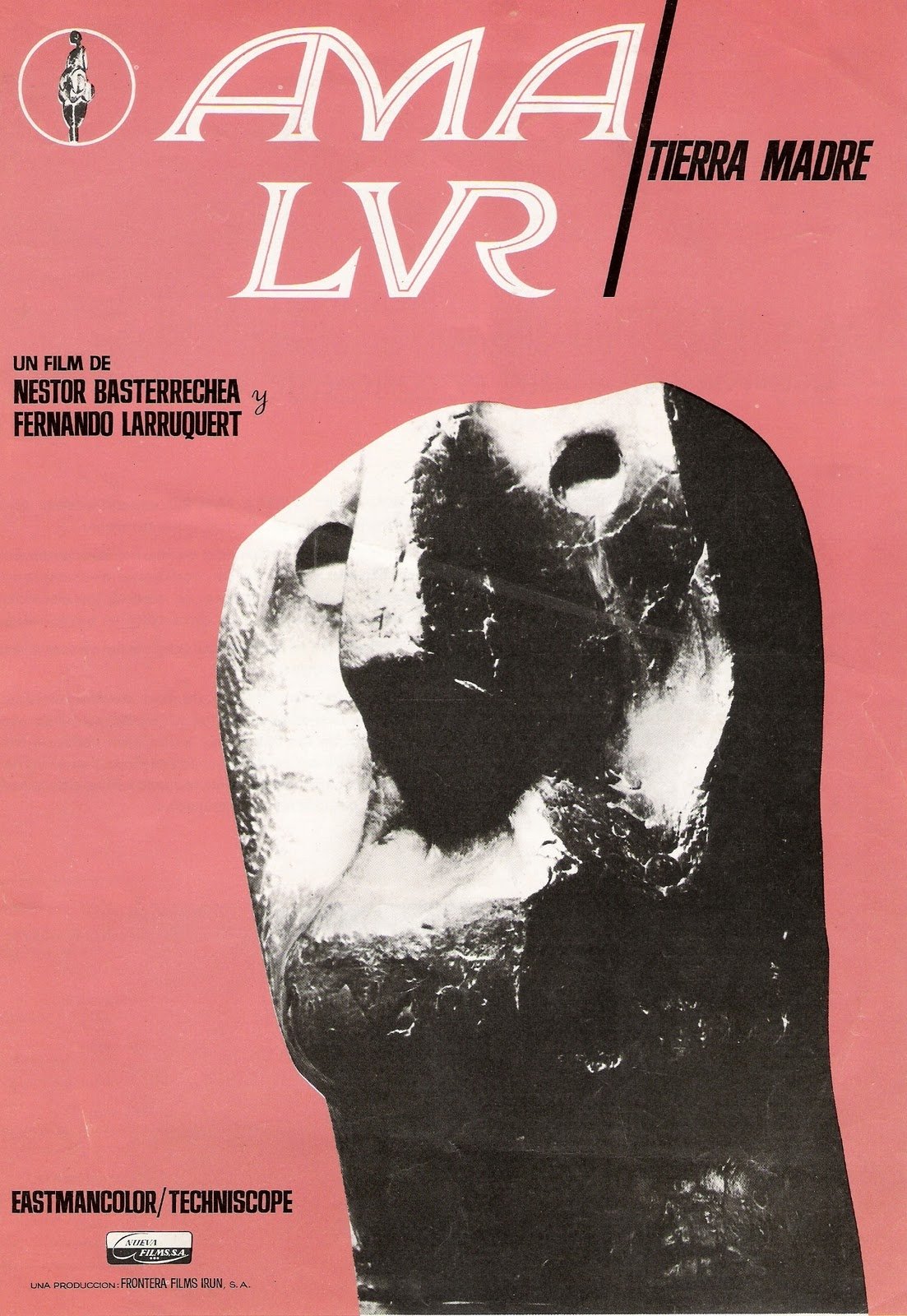
'Ama Lur' is a documentary, directed by Nestor Basterretxea and Fernando Larruquert, that premiered in San Sebastián in 1968, and it is considered the foundation of Basque cinema.
The troubles of learning Basque in adults.
A memory to the victims and a tribute to the survivors of one of the most tragic episodes of the Spanish Civil War: the bombings suffered by the population of Gernika.
A documentary view of the Basque ball-game in which a small hard leather ball is hit against a wall. The film gives an impression of the game itself and of those who play it, not only the star performers (and the myths that surround them), but also those who just play in the streets and alleyways. The film sees the game it its cultural context and conveys the emotions and stories that are peculiar to the Basque country.
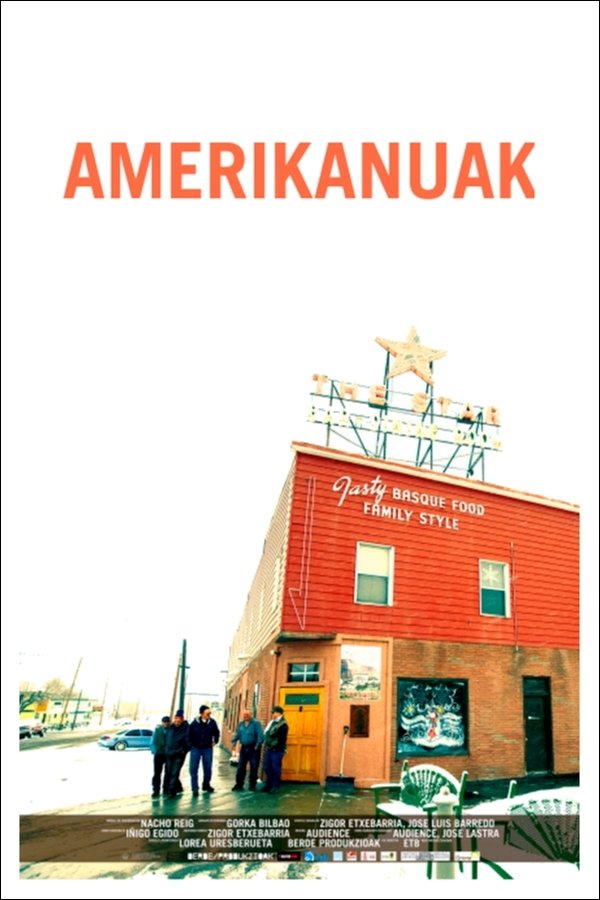
A documentary about Basque inmigrants who went to USA looking for work and a better future. Basically, Amerikanuak talks about feeling homesick, about struggling in a different country to make a decent living and about being part of a comunity.
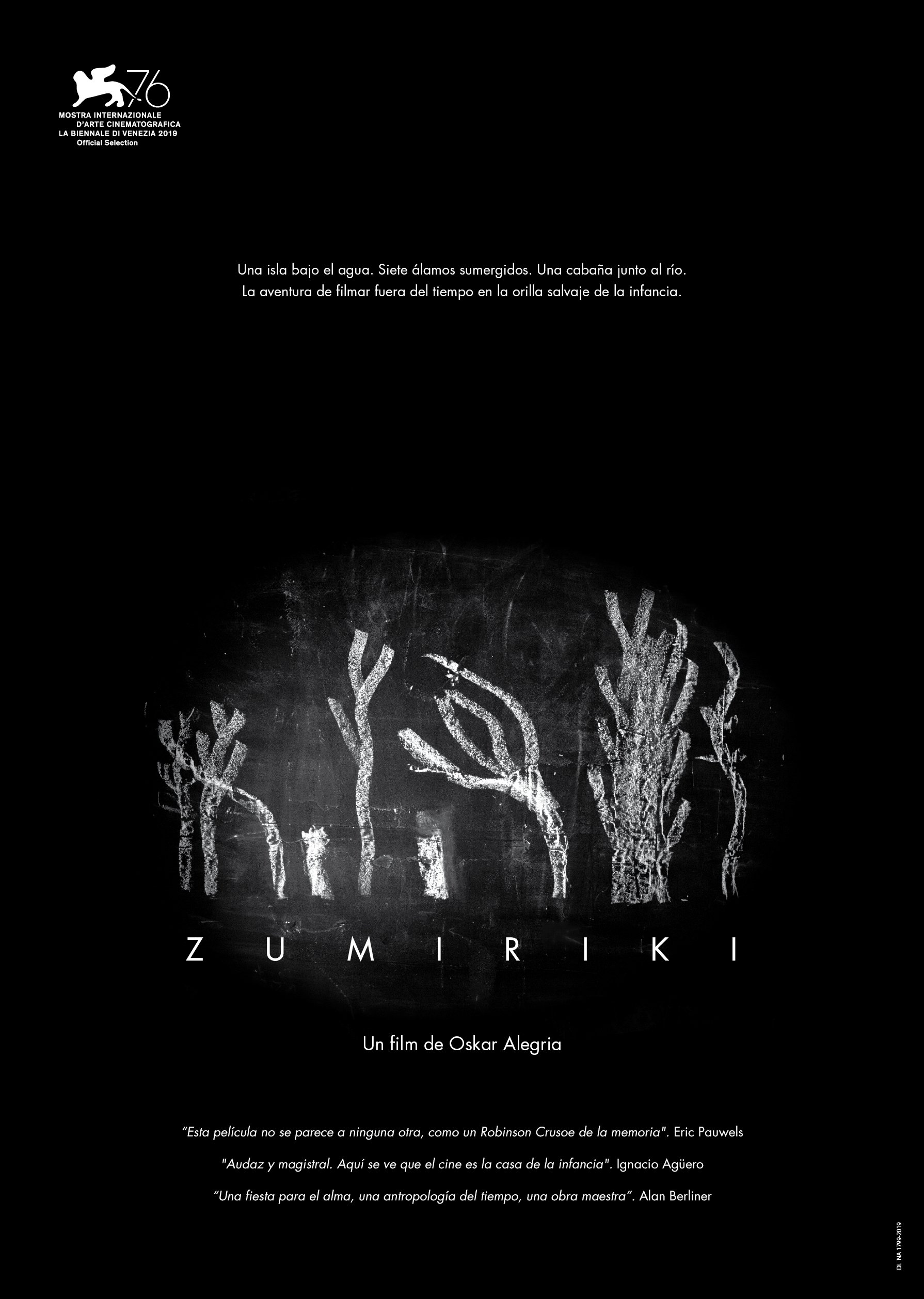
Is it possible to travel twice to the same memory? The filmmaker built a cabin on an isolated riverbank, just opposite his childhood island, which had disappeared under the water after the construction of a dam. The goal was to go back to that place, which had become invisible. Only the trees of the island where he’d played stood firm in the middle of the water, like the masts of a broken toy boat, so the air was the only space left, the only vestige of the past to be conquered. This film is a diary of a castaway in memories: four months of a Walden experience in a lost paradise with two hens, a small vegetable garden and a clock that stopped forever at 11.36 and 23 seconds.
An ethnographic documentary which looks at the relationship between music and work in predominantly rural cultures. It depicts the lives of fisherman, shepherds and farmers and their relationship with music. The film also describes Basque ancestral instruments, with special emphasis on the origin and history of ‘bertsolarism’ (Basque verse singing) as a form of oral communication.
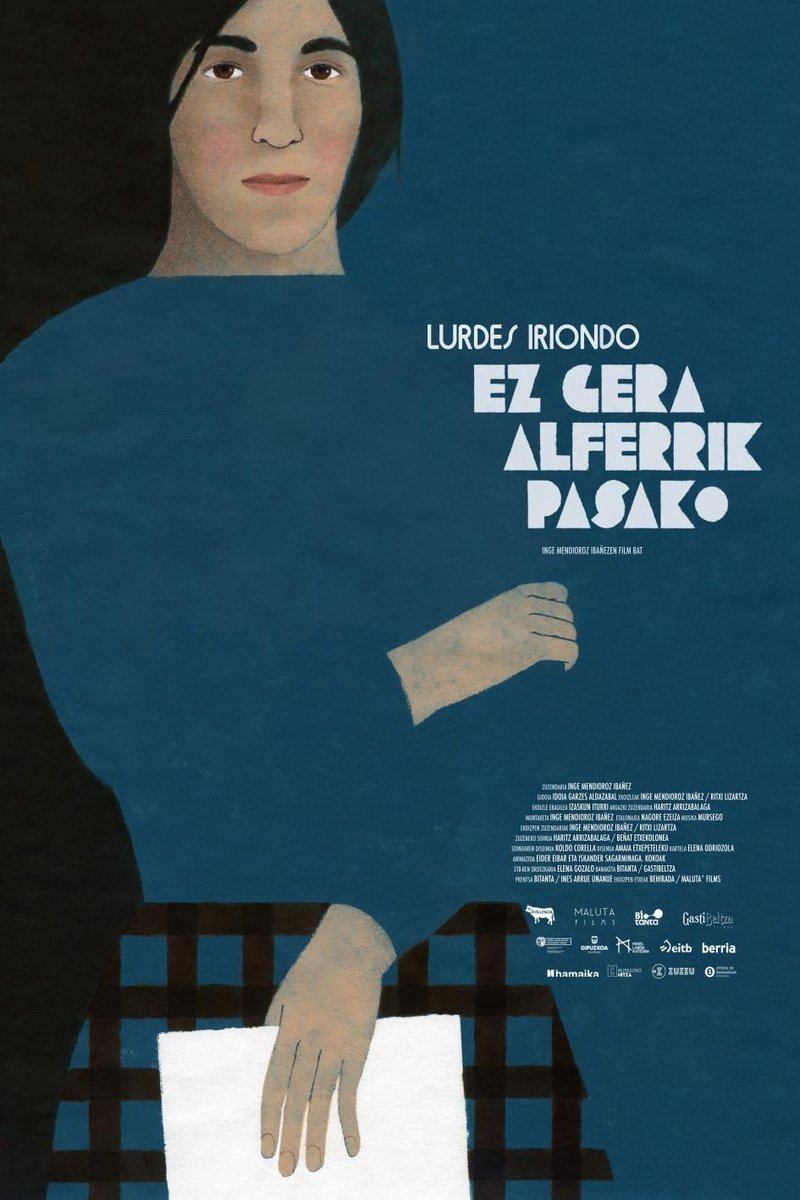
A singer frozen in old black and white photos. Forever young. Encapsulated. Trapped in the frame, just like her voice on her vinyl records. Forgetting that the point of view is chosen. Forgetting that, in addition to being a singer, Lurdes Iriondo is also an essential reference in the transmission of Basque culture. She understood that children were the key, and she worked for them.
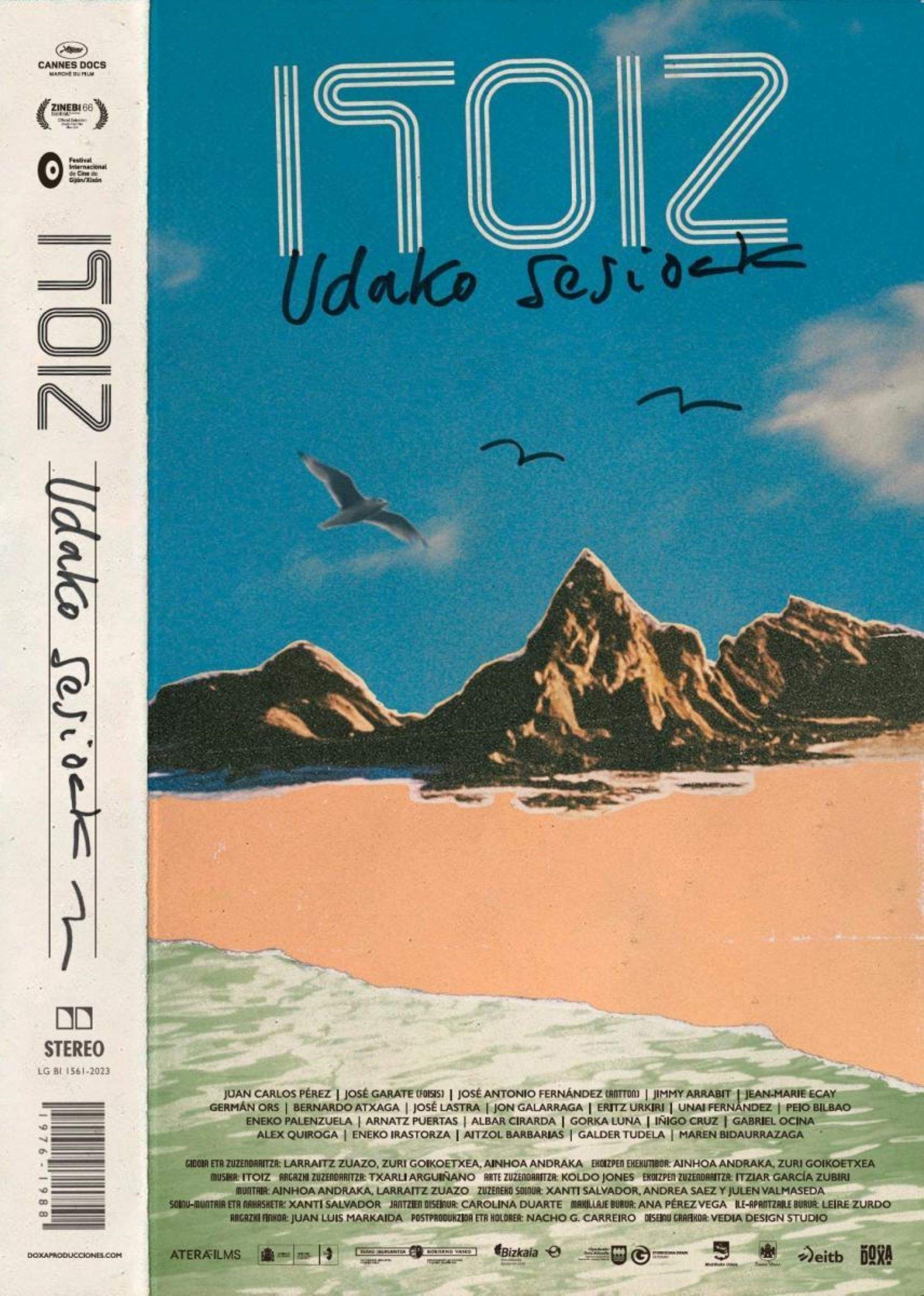
The discovery of a series of unreleased tapes leads Juan Carlos Pérez, leader of the iconic group Itoiz, to reflect on the dissolution of the band at its peak, after a clear change of style towards pop that he still denies today. Juan Carlos will thus begin a cathartic journey to the essence of the group, reliving the beginnings of the band as a progressive rock group in Mutriku in the 70's, which will serve him to reconcile with the past.
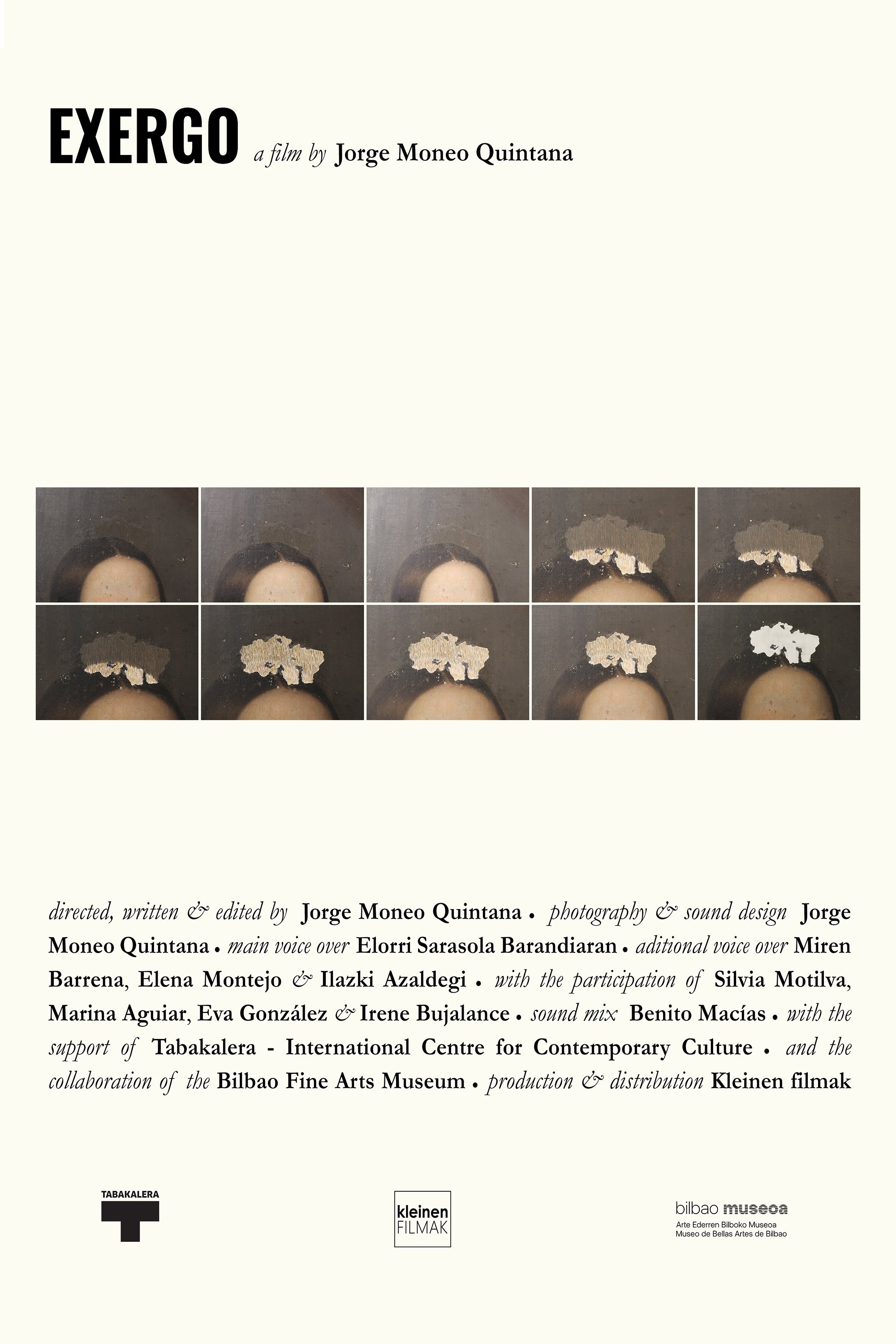
Departing from peripheral details of some paintings of the Bilbao Fine Arts Museum, a female narrator unravels several stories related to the economic, social and psychological conditions of past and current artists.
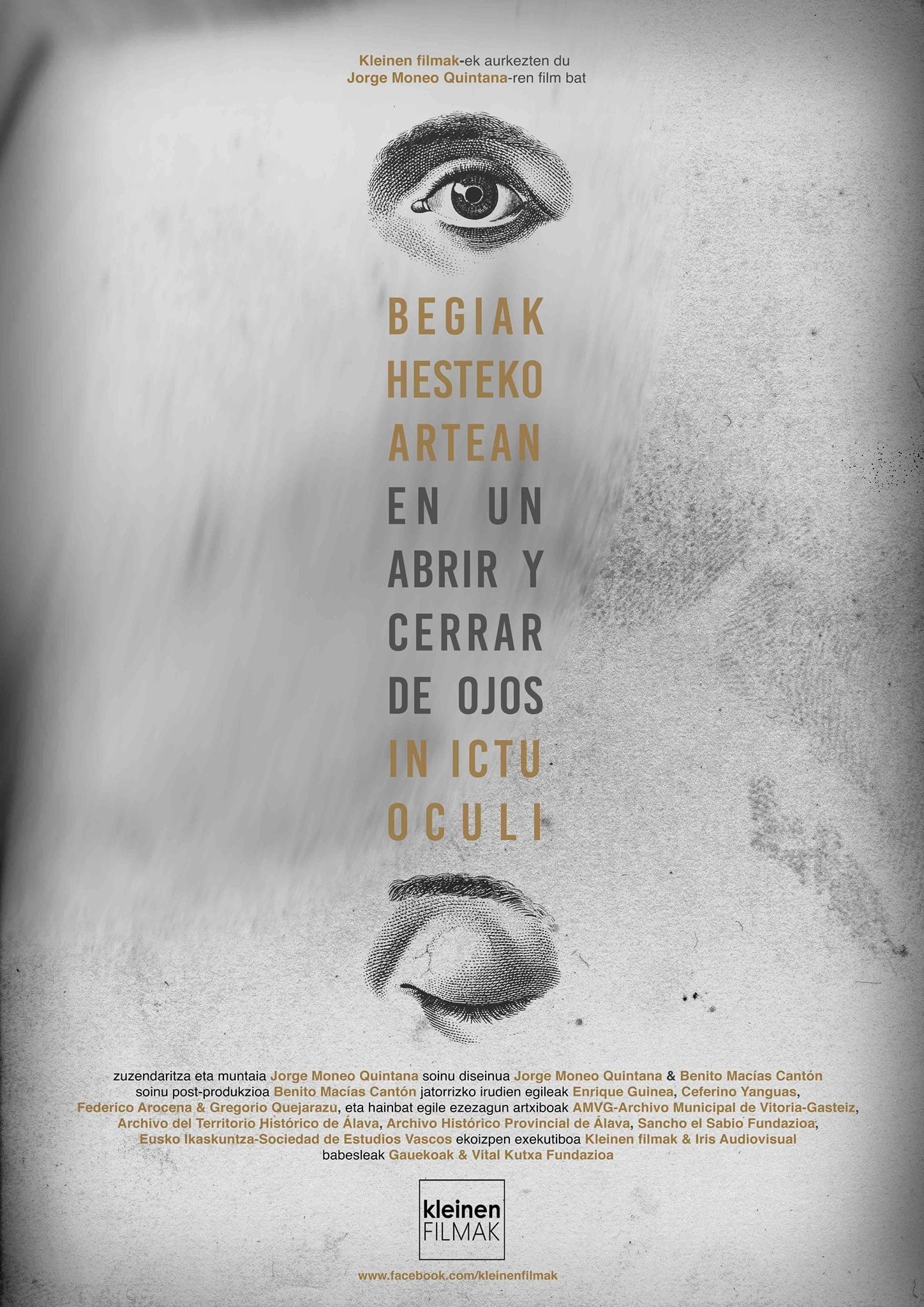
The six-decade transformation of a block of houses, shown by means of artfully featured archival shots, highlights the beauty and sadness of human-made decay. In the blink of an eye 66 years pass by and a savings bank replaces a church.
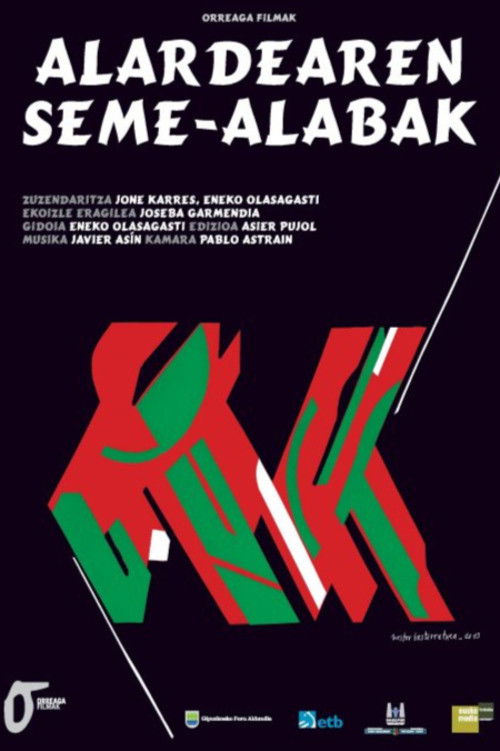
An analysis of the controversy over the participation of women in the Irun and Hondarribia festivity known as Alarde. It is divided into three parts: in the first part, the history, structure, and characteristics of the Alarde are explained; in the second part, the beginning of the conflict and its development in the 1990s; and in the third part, the present situation, reflecting on the present and future of the festival.
In this short documentary film about Basque pelota, in addition to showing the different modalities (basket ball, handball, paddle, ratchet...), well-known pelota players of the time take part.
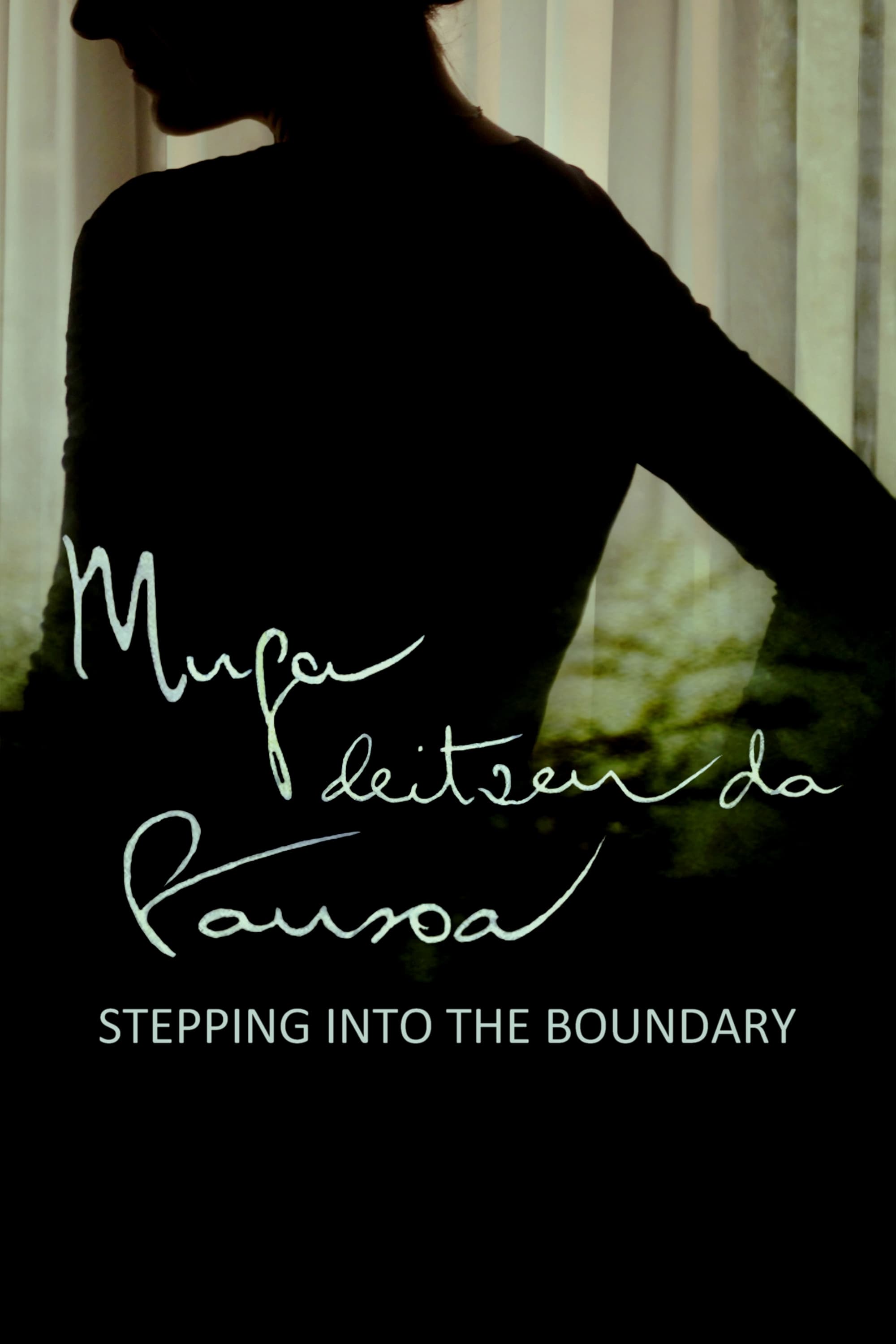
Donostia-San Sebastián, Basque Country, Spain, 2011. Maider, a filmmaker, moves to the very same flat where pedadogist Elbira Zipitria Irastorza (1906-1982) clandestinely established the first ikastola, a Basque school, under the harsh regime of dictator Francisco Franco. Despite of her pioneering work, developed throughout thirty years, her story is not well known, so Maider, intrigued, begins to research…
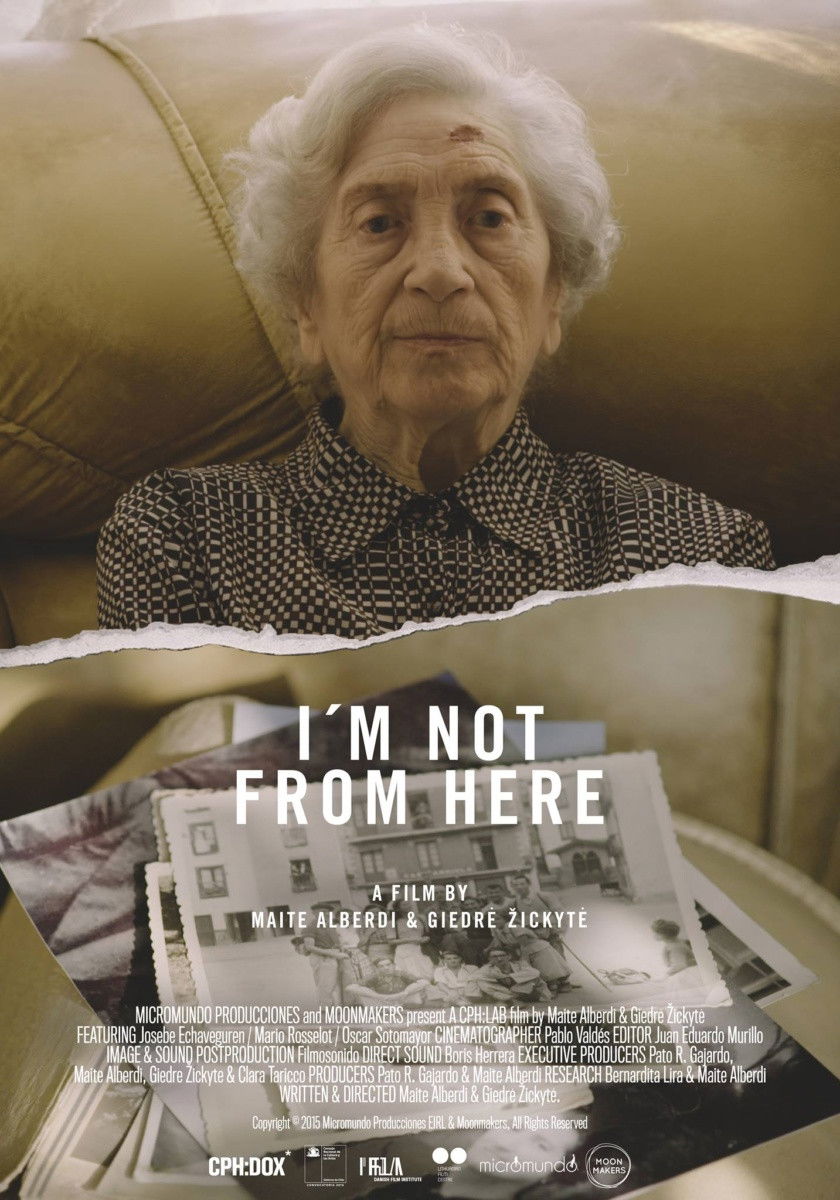
Day after day, an elderly woman recalls the Spanish Basque country of her youth — while forgetting she is consigned to a retirement home in Chile.
The personal stories lived by the Uncle, the Father and the Son, respectively, form a tragic experience that is drawn along a line in time. This line is comparable to a crease in the pages of the family album, but also to a crack in the walls of the paternal house. It resembles the open wound created when drilling into a mountain, but also a scar in the collective imaginary of a society, where the idea of salvation finds its tragic destiny in the political struggle. What is at the end of that line? Will old war songs be enough to circumvent that destiny?

Documentary that presents the urban problems of Bilbao.
Documentary on the rural world and the city in the Basque Country.
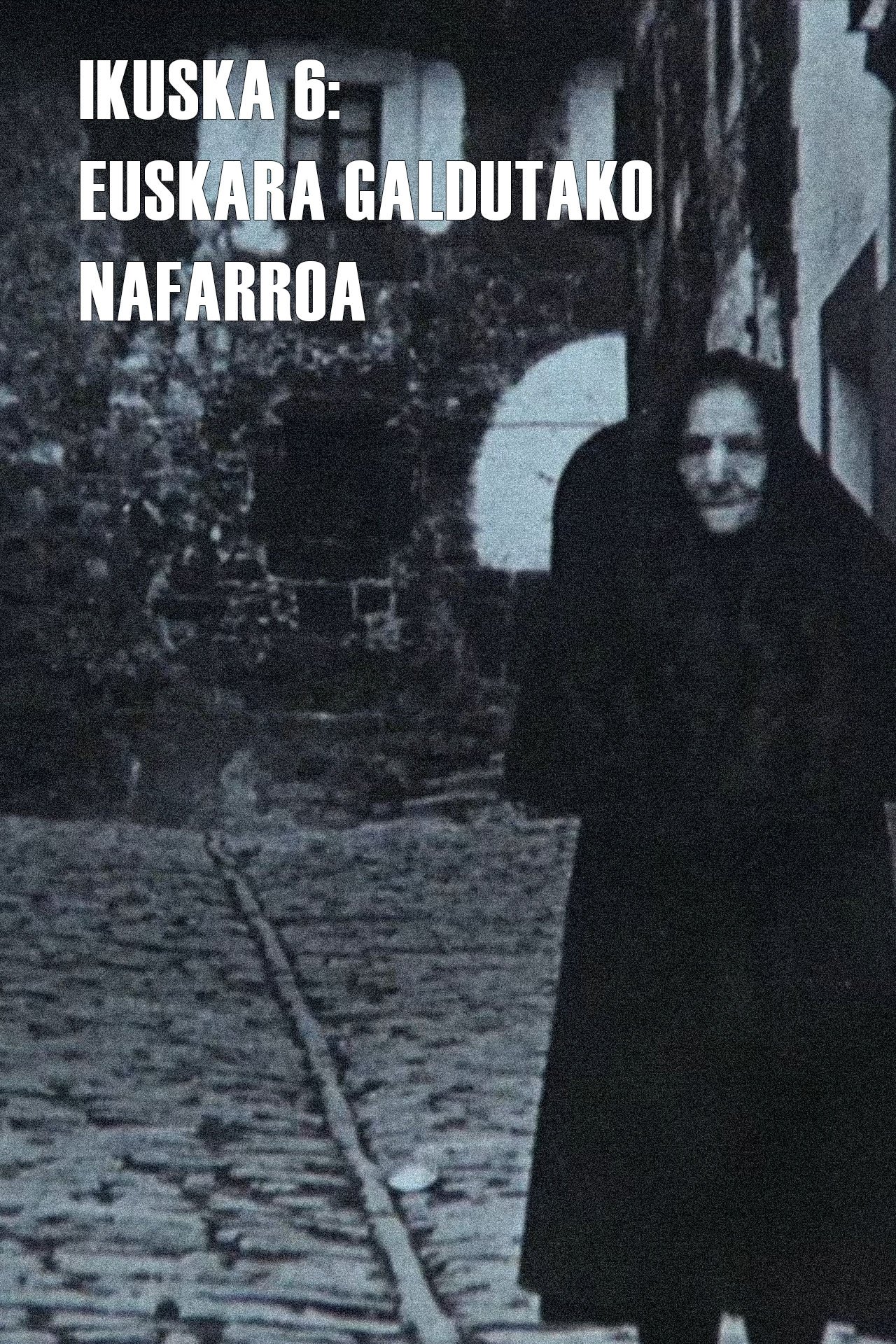
The situation of the Basque language in Navarra.
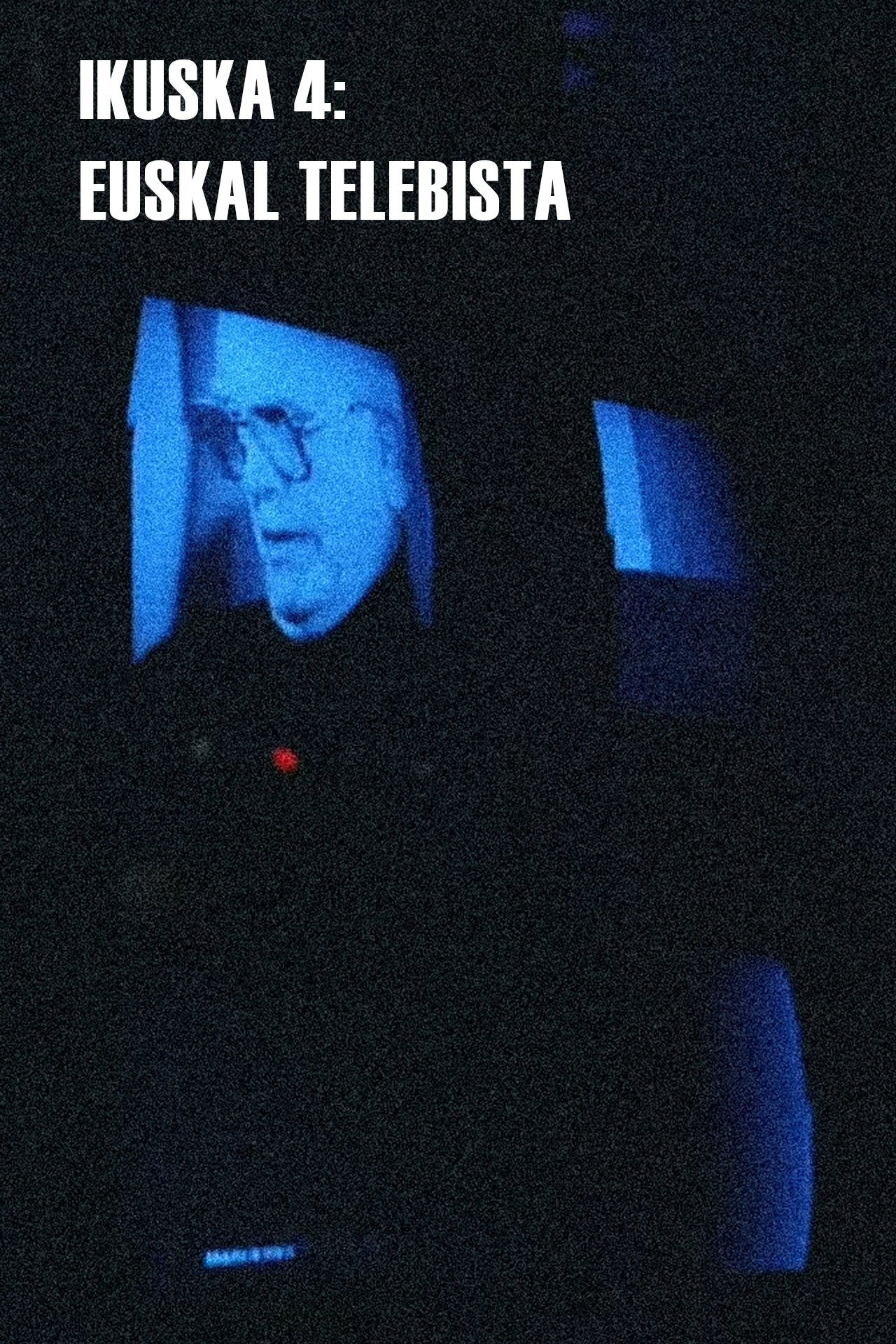
Debate on the launch of Basque television (ETB, Euskal Telebista).
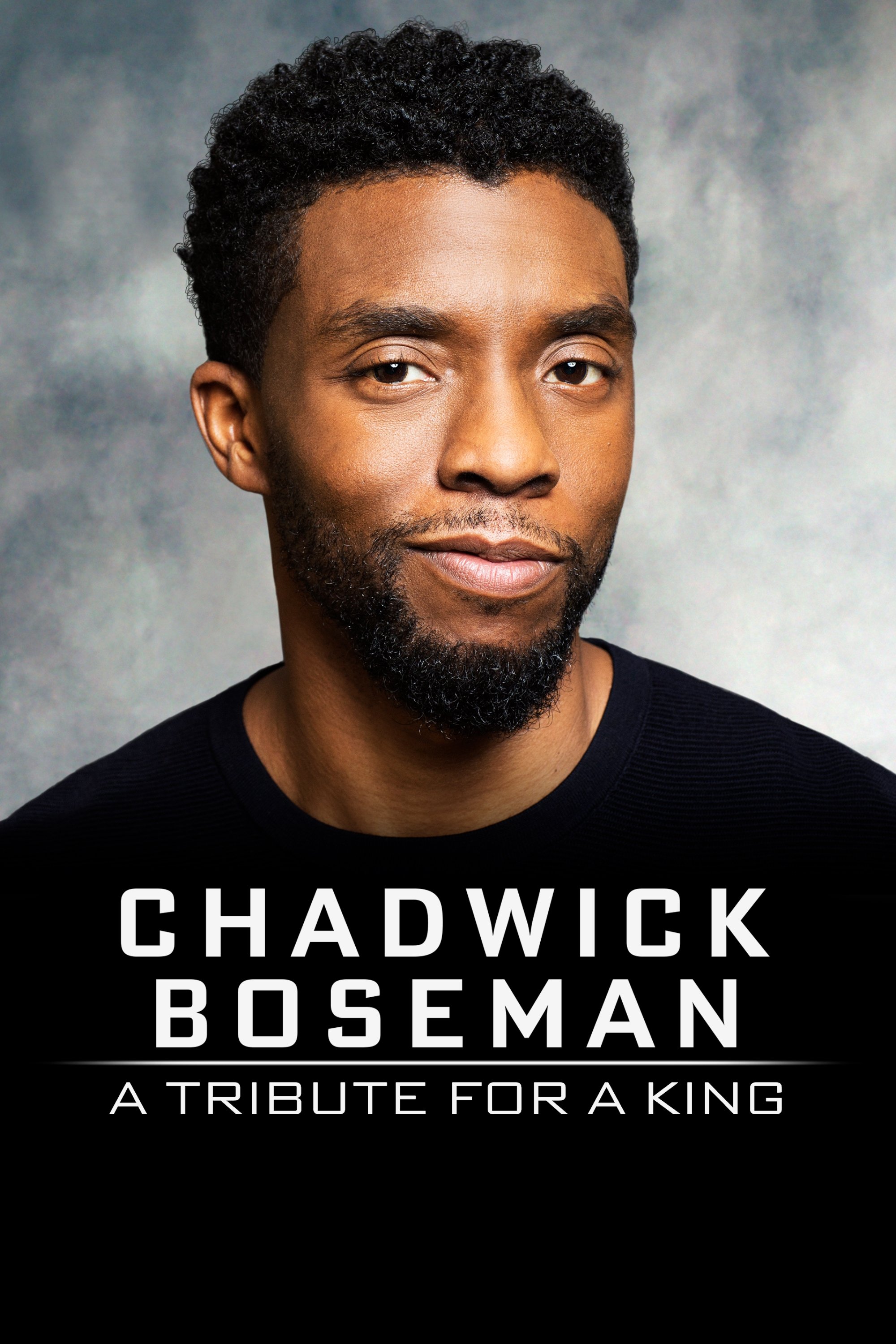
A tribute to Chadwick Boseman, celebrating his life and legacy.
Those who knew iconic funnyman John Candy best share his story, in their own words, through never-before-seen archival footage, imagery, and interviews.
The life and career of one of comedy's most inimitable modern voices, Mr. Gilbert Gottfried.
Experience the iconic rock band's legacy in the first major documentary to tell their story. Directed with the era’s avant-garde spirit by Todd Haynes, this kaleidoscopic oral history combines exclusive interviews with dazzling archival footage.
Featuring interviews with filmmakers and industry legends, discover the origins and evolution of The Joker, and learn why The Clown Prince of Crime is universally hailed as the greatest comic-book supervillain of all time.
SEDUCED AND ABANDONED combines acting legend Alec Baldwin with director James Toback as they lead us on a troublesome and often hilarious journey of raising financing for their next feature film. Moving from director to financier to star actor, the two players provide us with a unique look behind the curtain at the world's biggest and most glamourous film festival, shining a light on the bitter-sweet relationship filmmakers have with Cannes and the film business. Featuring insights from directors Martin Scorsese, 'Bernando Bertolucci' and Roman Polanski; actors Ryan Gosling and Jessica Chastain and a host of film distribution luminaries.
The life and career of an actor, artist, and icon. His own journey through his own camera.
JB Smoove and Martin Starr host a celebration of 20 years of "Spider-Man" movies, from the Sam Raimi trilogy to Marc Webb's movies and the trio from Jon Watts.
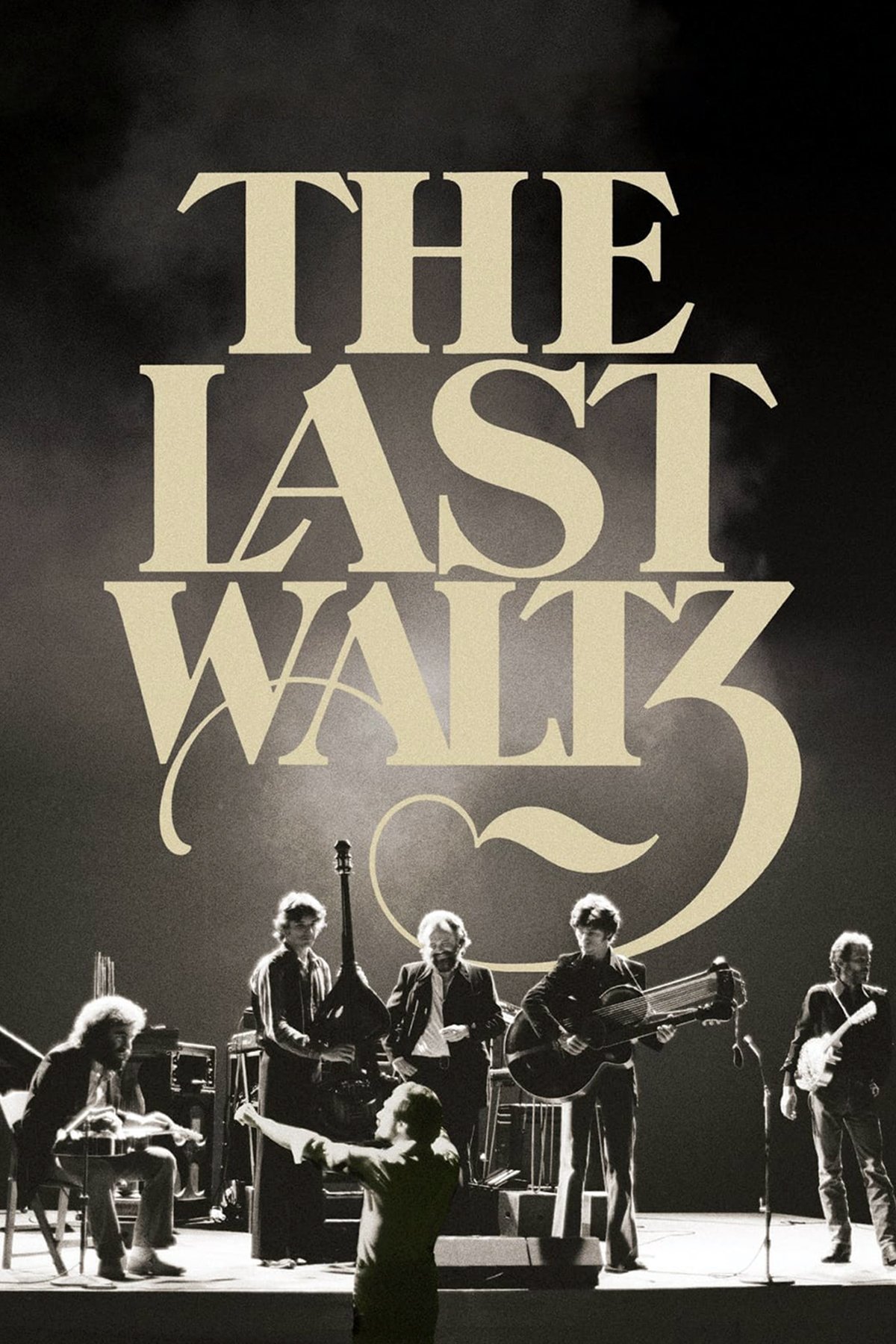
Martin Scorsese's documentary intertwines footage from The Band's incredible farewell tour with probing backstage interviews and featured performances by Eric Clapton, Bob Dylan, Joni Mitchell, Van Morrison, and other rock legends.
A documentary chronicling Vogue editor-in-chief Anna Wintour's preparations for the 2007 fall-fashion issue.
This revealing documentary honors the legendary Sidney Poitier—iconic actor, filmmaker, and civil rights activist. Featuring interviews with Denzel Washington, Spike Lee, Halle Berry, and more.
In this concert film, 'Hannah Montana' star Miley Cyrus performs a slew of hit songs, including 'Just Like You' and 'Life's What You Make It.'
With exclusive access to his extraordinary unseen and unheard personal archive including hundreds of hours of audio recorded over the course of his life, this is the definitive Marlon Brando cinema documentary. Charting his exceptional career as an actor and his extraordinary life away from the stage and screen with Brando himself as your guide, the film will fully explore the complexities of the man by telling the story uniquely from Marlon's perspective, entirely in his own voice. No talking heads, no interviewees, just Brando on Brando and life.
Al Pacino's deeply-felt rumination on Shakespeare's significance and relevance to the modern world through interviews and an in-depth analysis of "Richard III."
A documentary that explores the downloading revolution; the kids that created it, the bands and the businesses that were affected by it, and its impact on the world at large.
Through deeply personal interviews with her siblings and an examination of the photographs, letters, and belongings left behind, Mariska assembles a new portrait of her mother Jayne Mansfield, an extraordinary and complex woman.
The life of Mr. Spock, as well as that of Leonard Nimoy, the actor who played him for almost fifty years, written and directed by his son: Adam.
Artists in LA discover the work of forgotten Polish sculptor Stanislav Szukalski, a mad genius whose true story unfolds chapter by astounding chapter.
The Making-of James Cameron's Avatar. It shows interesting parts of the work on the set.
When Allied forces liberated the Nazi concentration camps in 1944-45, their terrible discoveries were recorded by army and newsreel cameramen, revealing for the first time the full horror of what had happened. Making use of British, Soviet and American footage, the Ministry of Information’s Sidney Bernstein (later founder of Granada Television) aimed to create a documentary that would provide lasting, undeniable evidence of the Nazis’ unspeakable crimes. He commissioned a wealth of British talent, including editor Stewart McAllister, writer and future cabinet minister Richard Crossman – and, as treatment advisor, his friend Alfred Hitchcock. Yet, despite initial support from the British and US Governments, the film was shelved, and only now, 70 years on, has it been restored and completed by Imperial War Museums under its original title "German Concentration Camps Factual Survey".