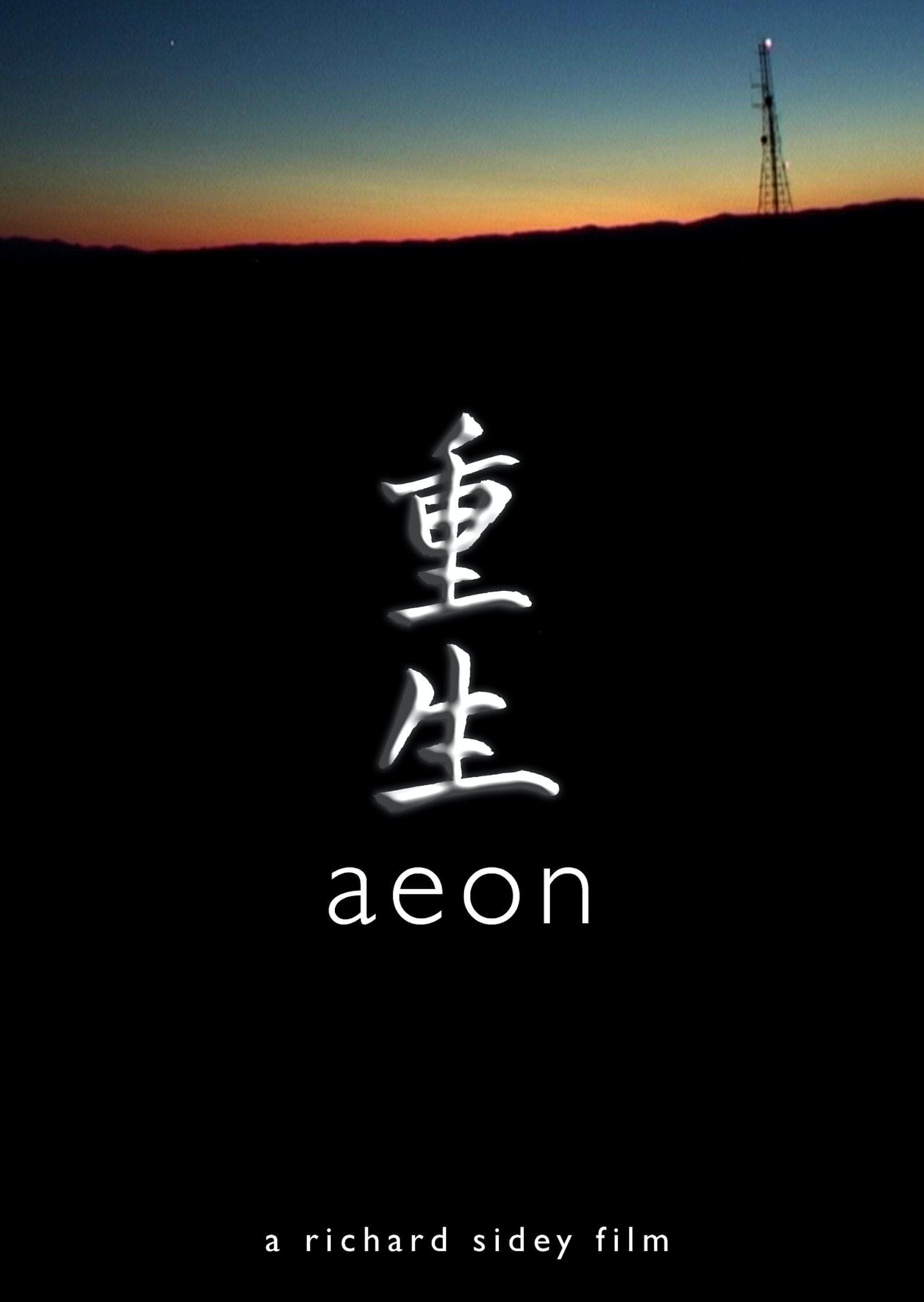
Dealing heavily with perceptions of time, Aeon documents the urban cityscape as Wellington transforms through a zen-influenced eternal cycle of birth, life, death and rebirth within a 24-hour period.
Social & External
The people behind it
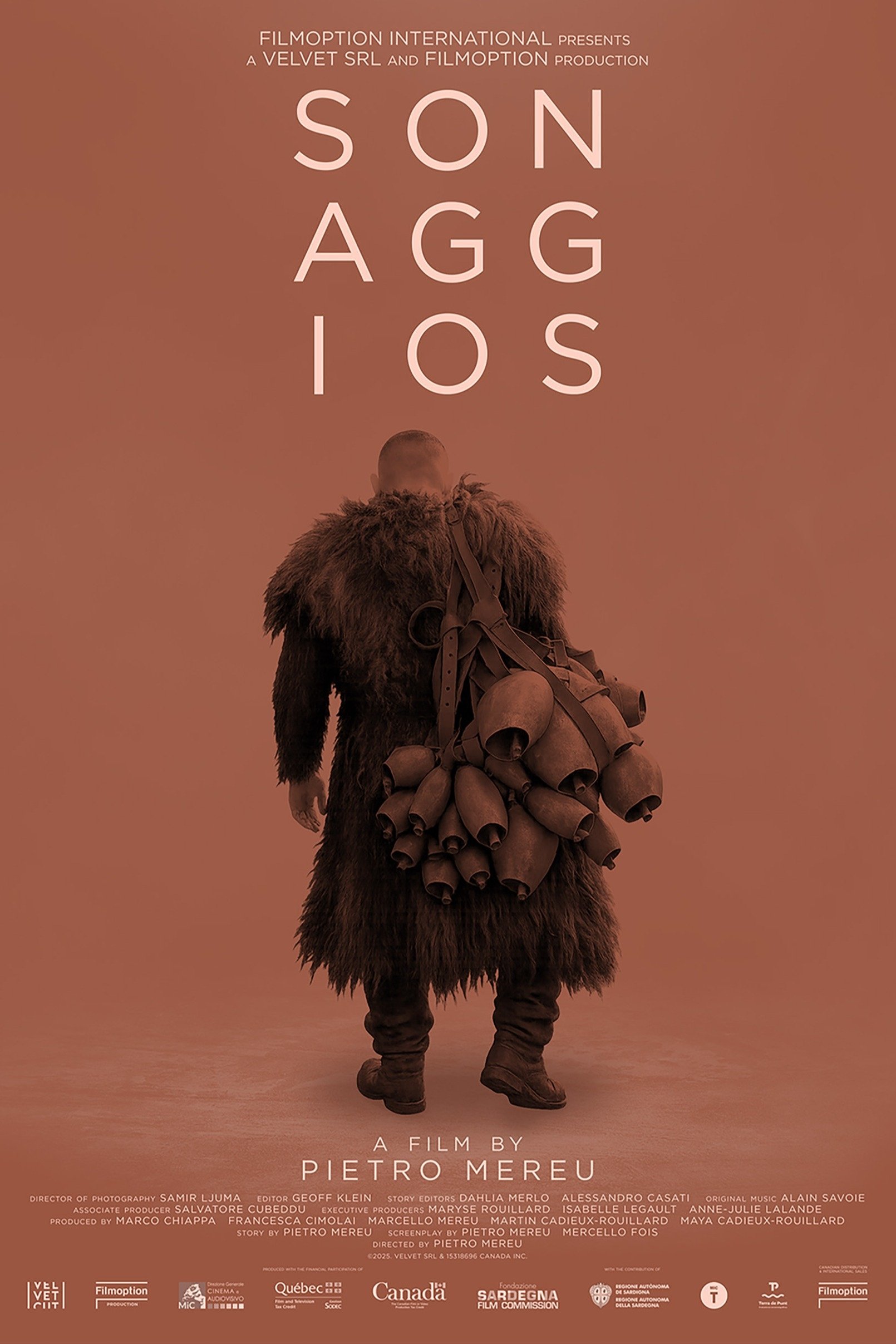
In the Sardinian town of Tonara, where the ancient art of crafting cowbells teeters on the edge of extinction, a family battles to preserve their heritage, passing down skills to a new generation while grappling with personal struggles and the pull of modernity. English subtitles.
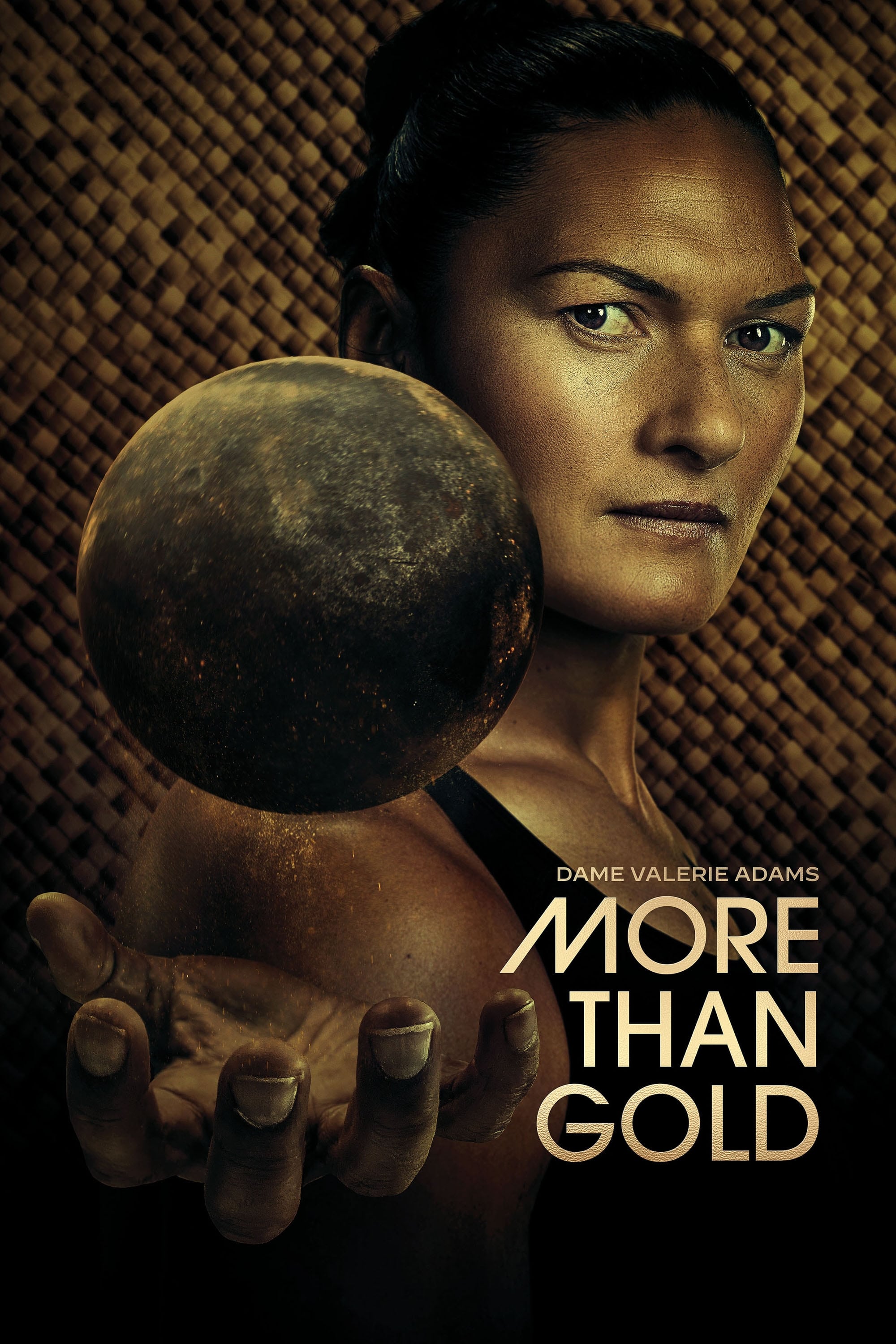
Olympic Champion, Kiwi Icon, Tongan Leader, Orphan, Mother...winning was just part of the journey.
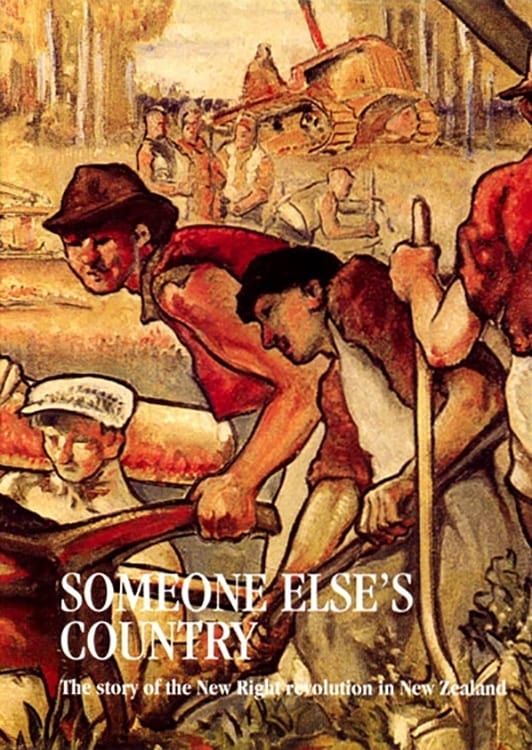
Someone Else’s Country looks critically at the radical economic changes implemented by the 1984 Labour Government - where privatisation of state assets was part of a wider agenda that sought to remake New Zealand as a model free market state. The trickle-down ‘Rogernomics’ rhetoric warned of no gain without pain, and here the theory is counterpointed by the social effects (redundant workers, Post Office closures). Made by Alister Barry in 1996 when the effects were raw, the film draws extensively on archive footage and interviews with key “witnesses to history”.
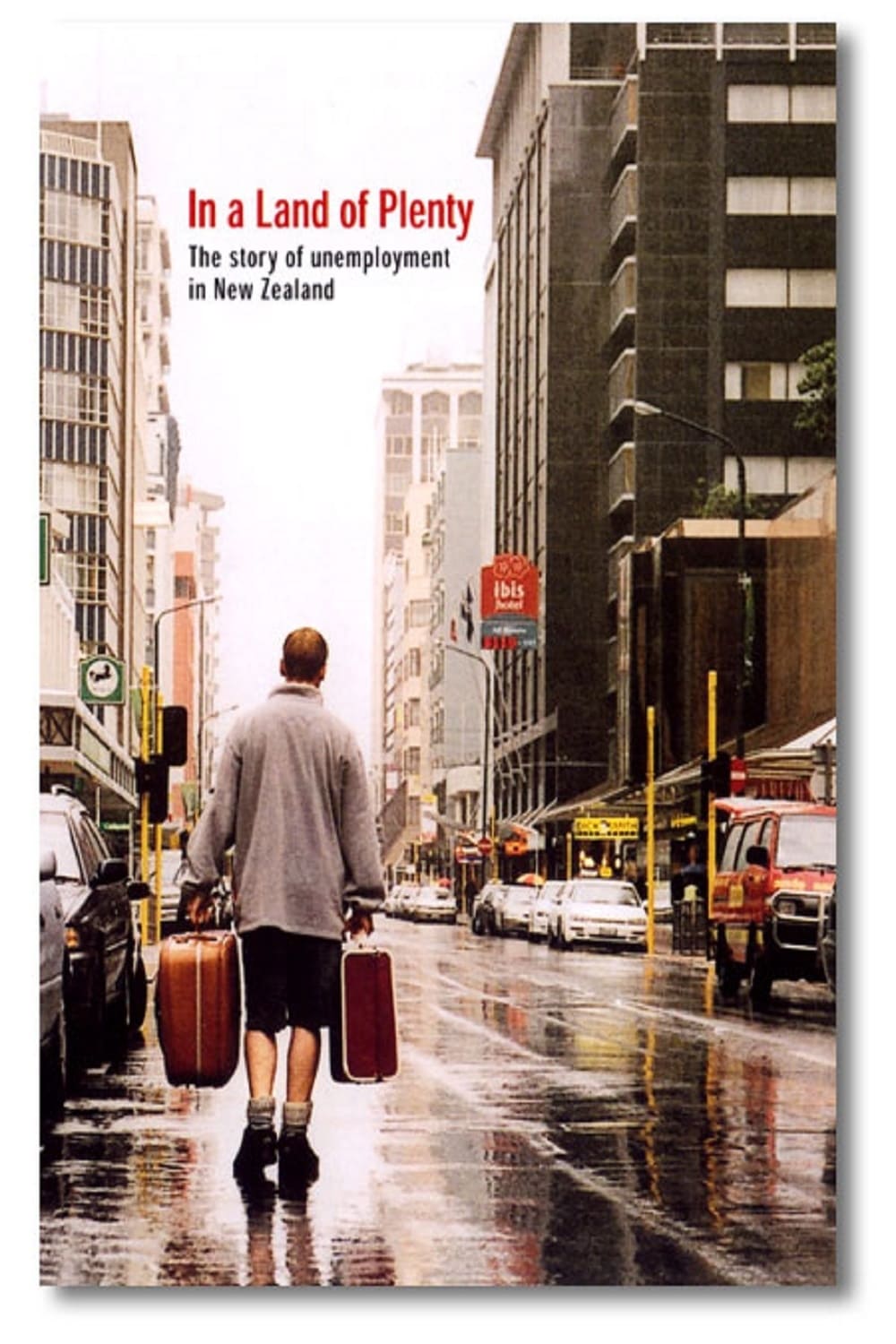
The story of unemployment in New Zealand and In A Land of Plenty is an exploration of just that; it takes as its starting point the consensus from The Depression onwards that Godzone economic policy should focus on achieving full employment, and explores how this was radically shifted by the 1984 Labour government. Director Alister Barry's perspective is clear, as he trains a humanist lens on ‘Rogernomics' to argue for the policy's negative effects on society, as a new poverty-stricken underclass developed.
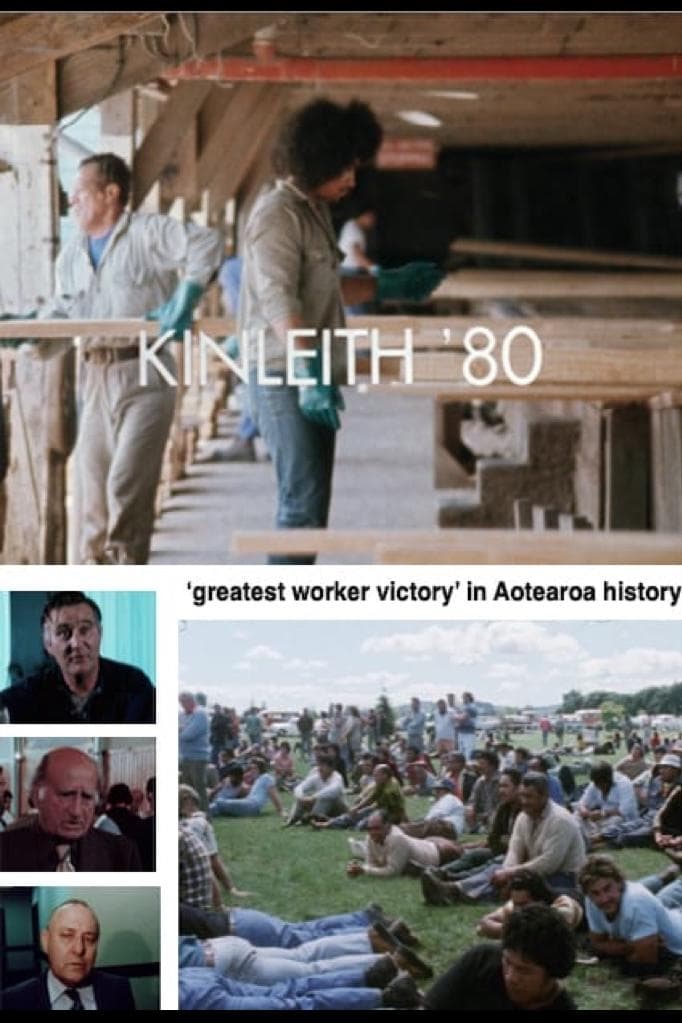
Covers the 12-week-long strike at Kinleith Pulp and Paper Mill, owned by New Zealand Forest Products in January 1980.
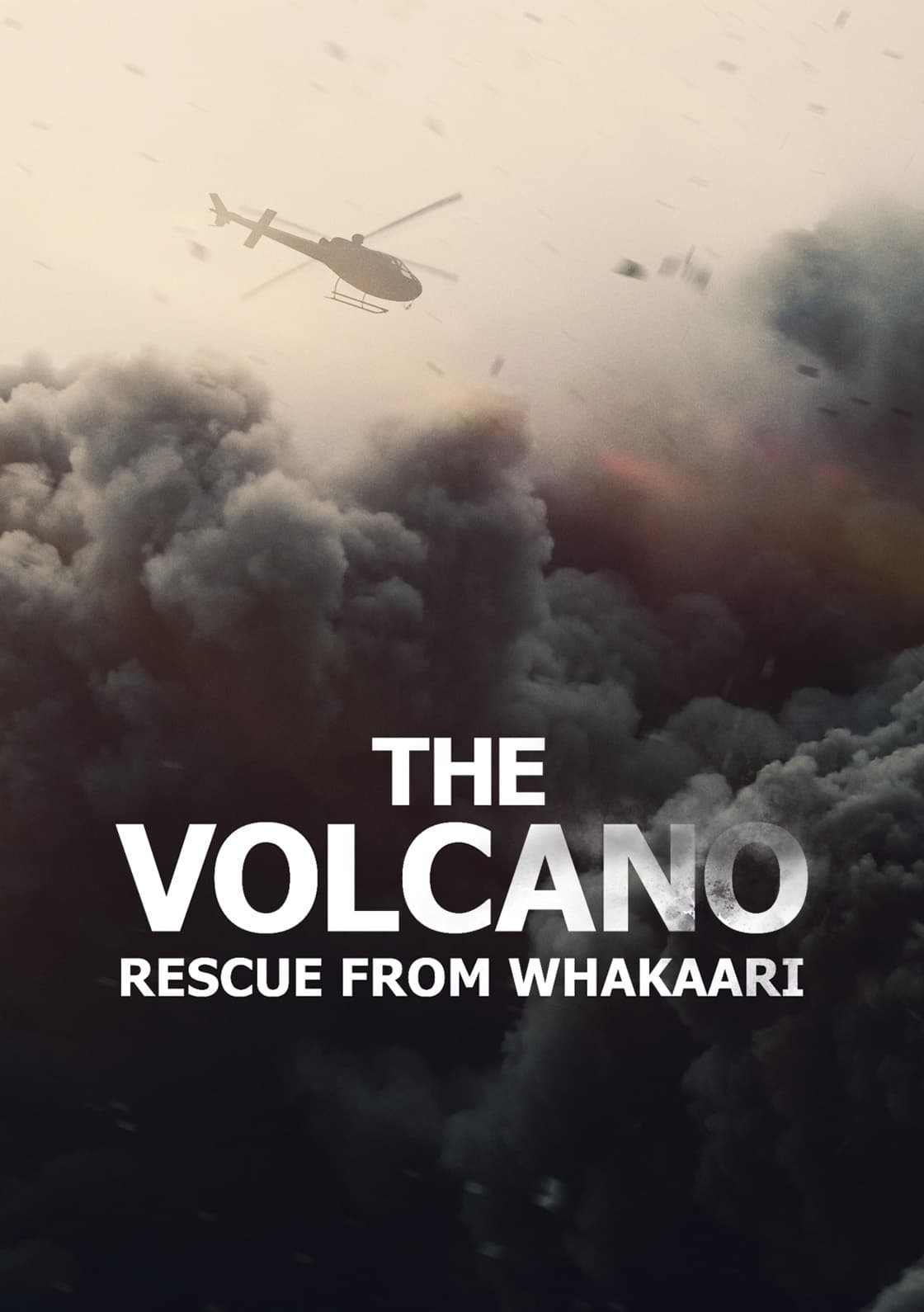
A close examination of the Whakaari / White Island volcanic eruption of 2019 in which 22 lives were lost, the film viscerally recounts a day when ordinary people were called upon to do extraordinary things, placing this tragic event within the larger context of nature, resilience, and the power of our shared humanity.
Delegates and workers discuss the issues that effect the Timberworkers’ Union, the reasons for the formation of the Combined Council of Timber Workers Delegates (CCD) and their industrial action.
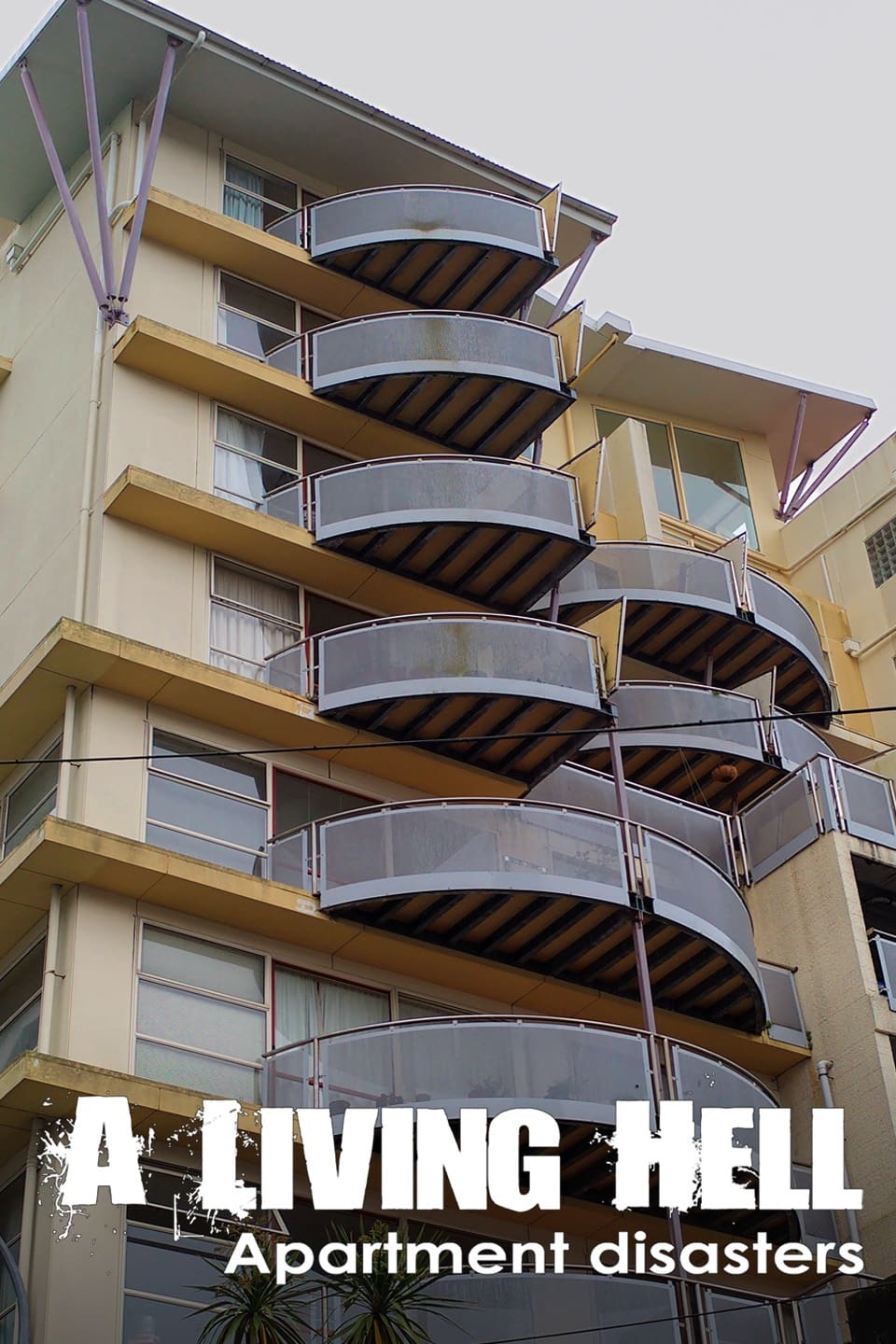
Leaky home experts John Gray and Roger Levie uncover the shocking truth about the dreadful and dangerous state of many apartment buildings in New Zealand. Buildings that look sound turn out to be seriously defective, costing millions to fix, and in the worst cases, only fit to be pulled down. The owners who thought they were making a good step on the property ladder, now find themselves faced with an emotional and financial cost that will affect the rest of their lives. How did this building disaster come about and can it be fixed?
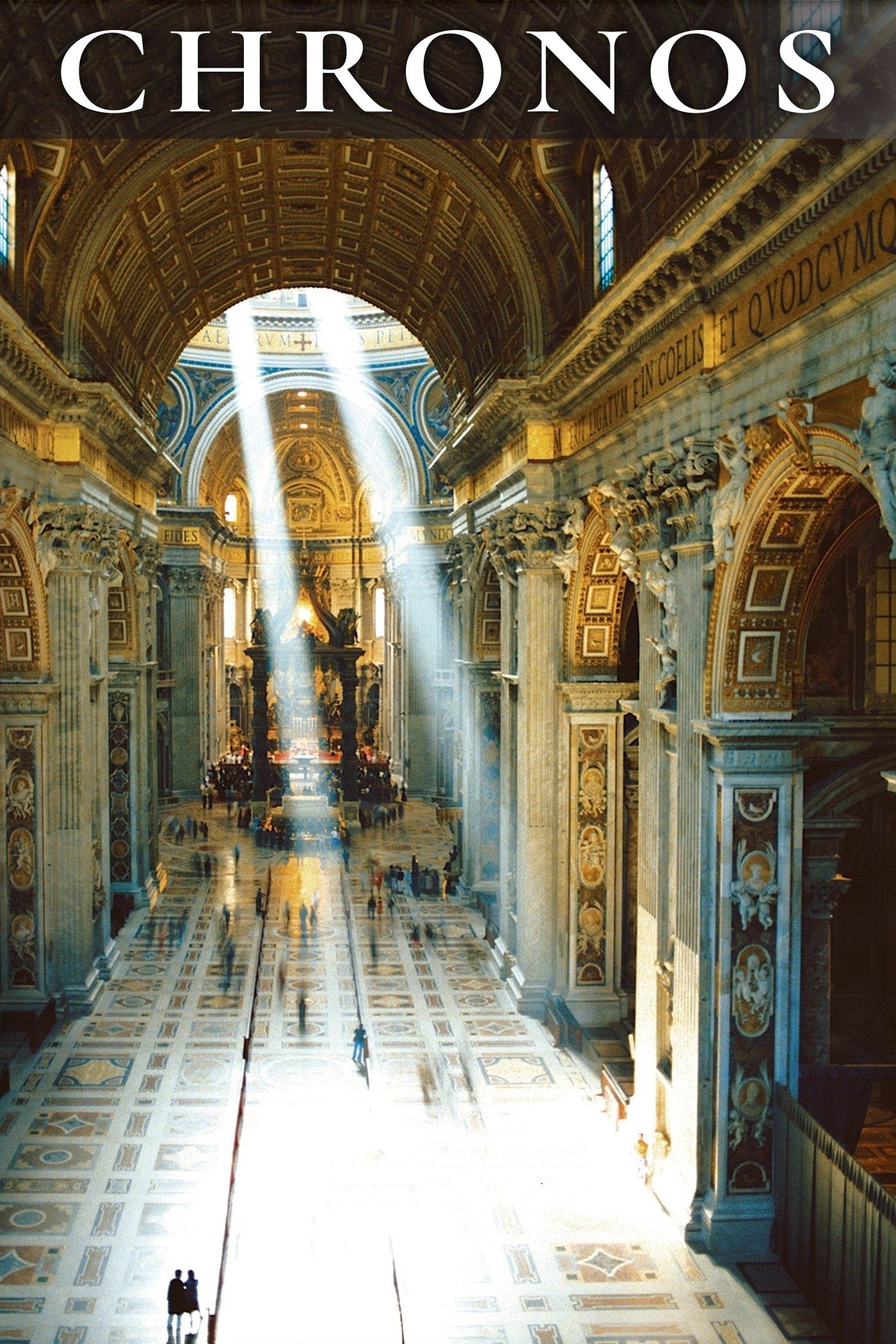
A cinematic journey through the world. Non-verbal.
Developed by Thích Nhất Hạnh himself, the exercises taught here combine simple stretching and graceful gestures with mindfulness meditation. Join Thich Nhat Hanh and Plum Village monk Brother Michael to explore ten unique movements. Practice them before or after sitting meditation anytime you have a few minutes to refresh your body and quiet your mind.
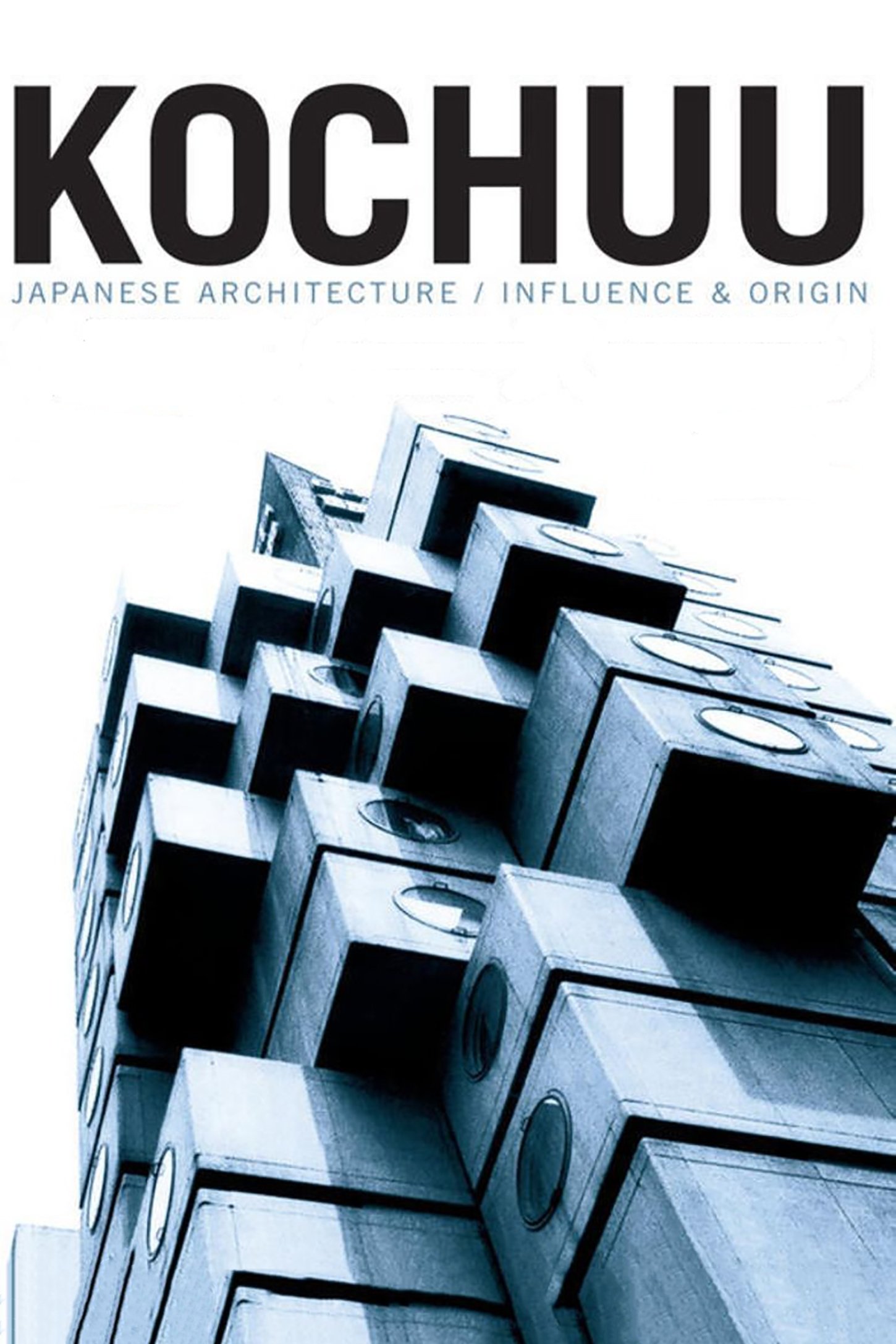
A film about modern Japanese architecture, its roots in the Japanese tradition and its impact on the Nordic building-tradition. Winding its way through visions of the future, traditions, nature, concrete, gardens and high-tech, KOCHUU tells us how contemporary Japanese architects strive to unite the ways of modern man with the old philosophies in astounding constructions. Interviews with, and works by, Japanese architects Tadad Ando, Kisho Kurokawa, Toyo Ito and Kazuo Shinohara and Scandinavian architects Sverre Fehn, Kristian Gullichsen and Juhani Pallasmaa.
A documentary exploring the human-cat love story amidst a movement to eradicate cats in New Zealand.
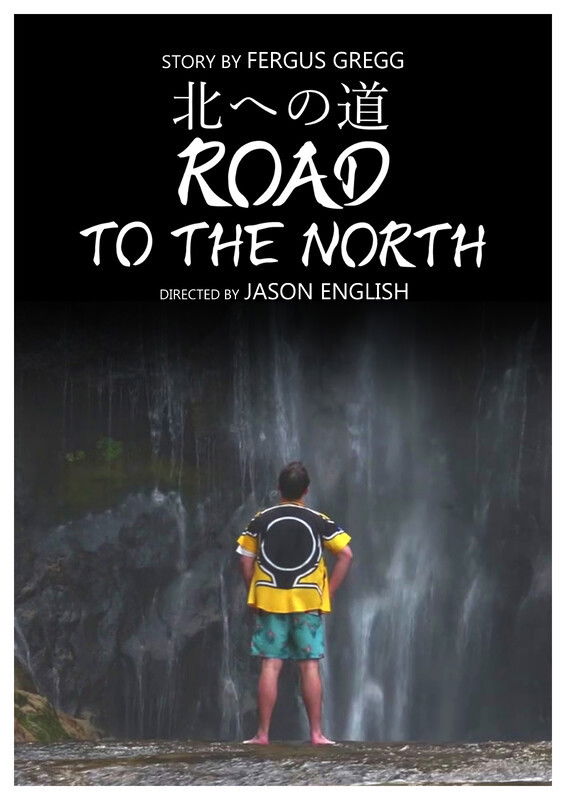
After nearly three years living in Japan, Fergus Gregg finds himself struggling to bid farewell to this beautiful country. On a journey tracing the path of his hero, the poet Matsuo Basho, Fergus decides to trek the northern landscapes of Tohoku. As he travels, he encounters more than he bargained for - facing setbacks, meetings with traditional hunter-gathers, and dances at northern Japan's largest Summer festival. Join Fergus Gregg on his 'Road to the North'.
The influential life and powerful messages of Vietnamese Buddhist monk Thich Nhat Hanh are explored in this biographical documentary. For more than 50 years, this amazing social activist has preached self-awareness and compassion for all living beings. Follow him as he travels through France and the United States—including a stop at the Vietnam War Memorial in Washington, D.C.—spreading peace by teaching mindfulness and forgiveness.
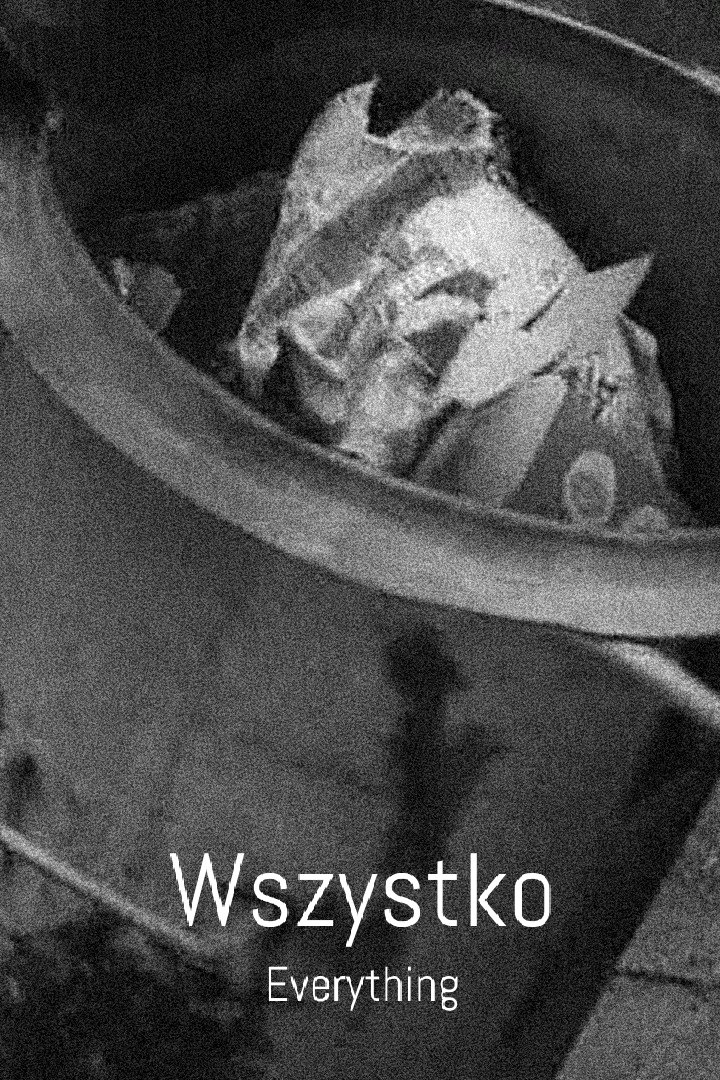
Here's a strange one. First, a song on a blackboard: a Polish translation of “I love my little rooster” by American folk writer Almeda Riddle. Then, two men roll around trash bins and lift them to the garbage truck. They do it several times. A woman shouts in the distance. At the end, the picture stops, and the woman sings the song. An early short by Piotr Szulkin.
Carefully picked scenes of nature and civilization are viewed at high speed using time-lapse cinematography in an effort to demonstrate the history of various regions.
Director Michael Apted revisits the same group of British-born adults after a 7 year wait. The subjects are interviewed as to the changes that have occurred in their lives during the last seven years.
Through deeply personal interviews with her siblings and an examination of the photographs, letters, and belongings left behind, Mariska assembles a new portrait of her mother Jayne Mansfield, an extraordinary and complex woman.
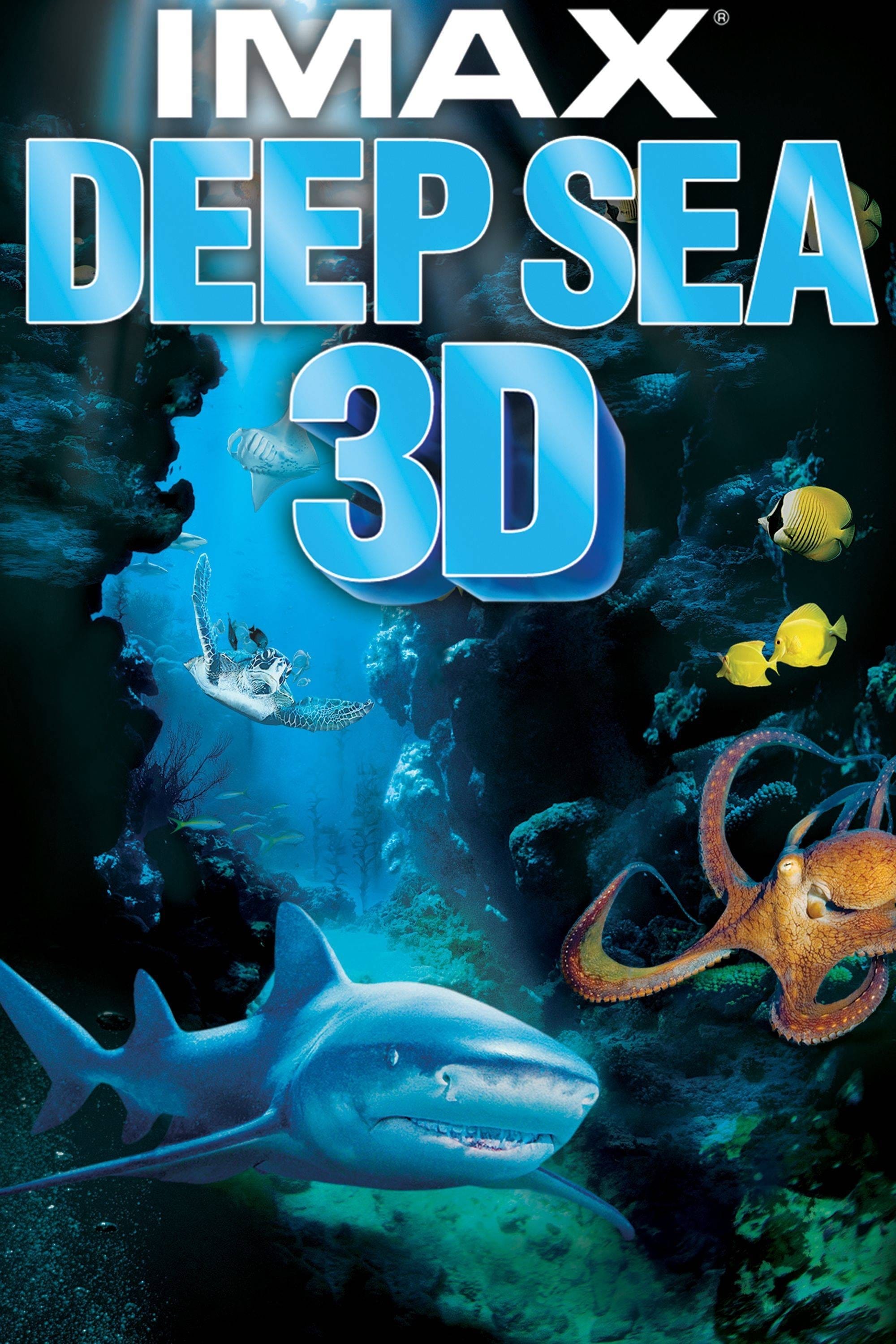
Sea life in a whole new way. Deep Sea 3D, an underwater adventure from the filmmakers behind the successful IMAX® 3D film Into the Deep, transports audiences deep below the ocean surface. Through the magic of IMAX®; and IMAX 3D, moviegoers will swim with some of the planets most unique, dangerous and colorful creatures, and understand this inspiring underworld.
Witness the never-before-seen footage and true story behind the John Wick phenomenon – from independent film to billion-dollar franchise.
NUDE explores perceptions of nudity in art by chronicling the creative process of photographer David Bellemere as he's commissioned by NU Muses founder Steve Shaw to shoot a fine art calendar of nude photographs.
A paralysingly beautiful documentary with a global vision—an odyssey through landscape and time—that attempts to capture the essence of life.
Ranjit, a farmer in India, takes on the fight of his life when he demands justice for his 13-year-old daughter, the victim of a brutal gang rape. His decision to support his daughter is virtually unheard of, and his journey unprecedented.
In an intimate and joyful story of love in the face of loss, celebrated poets Andrea Gibson and Megan Falley find strength—and unexpected hilarity—in what might be their final year together.
Filmed over nearly five years in twenty-five countries on five continents, and shot on seventy-millimetre film, Samsara transports us to the varied worlds of sacred grounds, disaster zones, industrial complexes, and natural wonders.
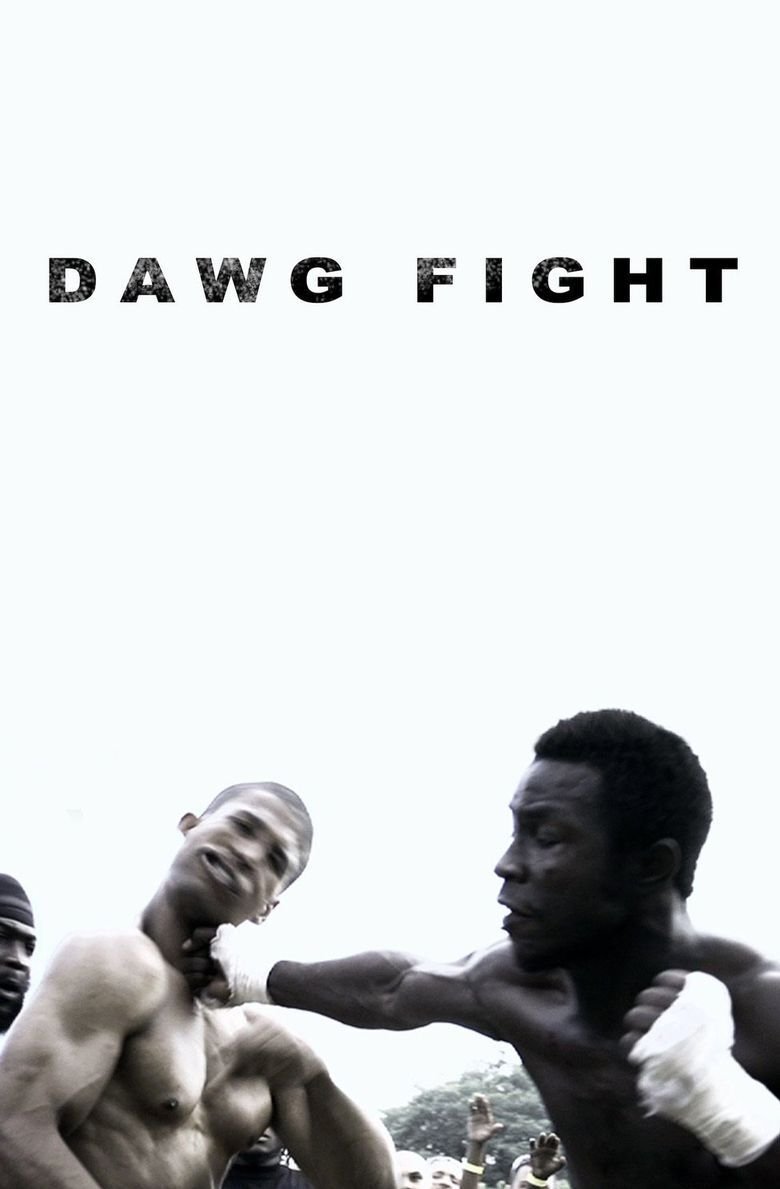
In a crime-plagued neighborhood near Miami, brutal, bare-knuckled backyard fights give young men a chance to earn money -- and self-respect.
Alexander McQueen's rags-to-riches story is a modern-day fairy tale, laced with the gothic. Mirroring the savage beauty, boldness and vivacity of his design, this documentary is an intimate revelation of McQueen's own world, both tortured and inspired, which celebrates a radical and mesmerizing genius of profound influence.
A glimpse into the raw and simple power of nature through encounters with farm animals: the eponymous Gunda, a mother pig; two cows, and a one-legged chicken.
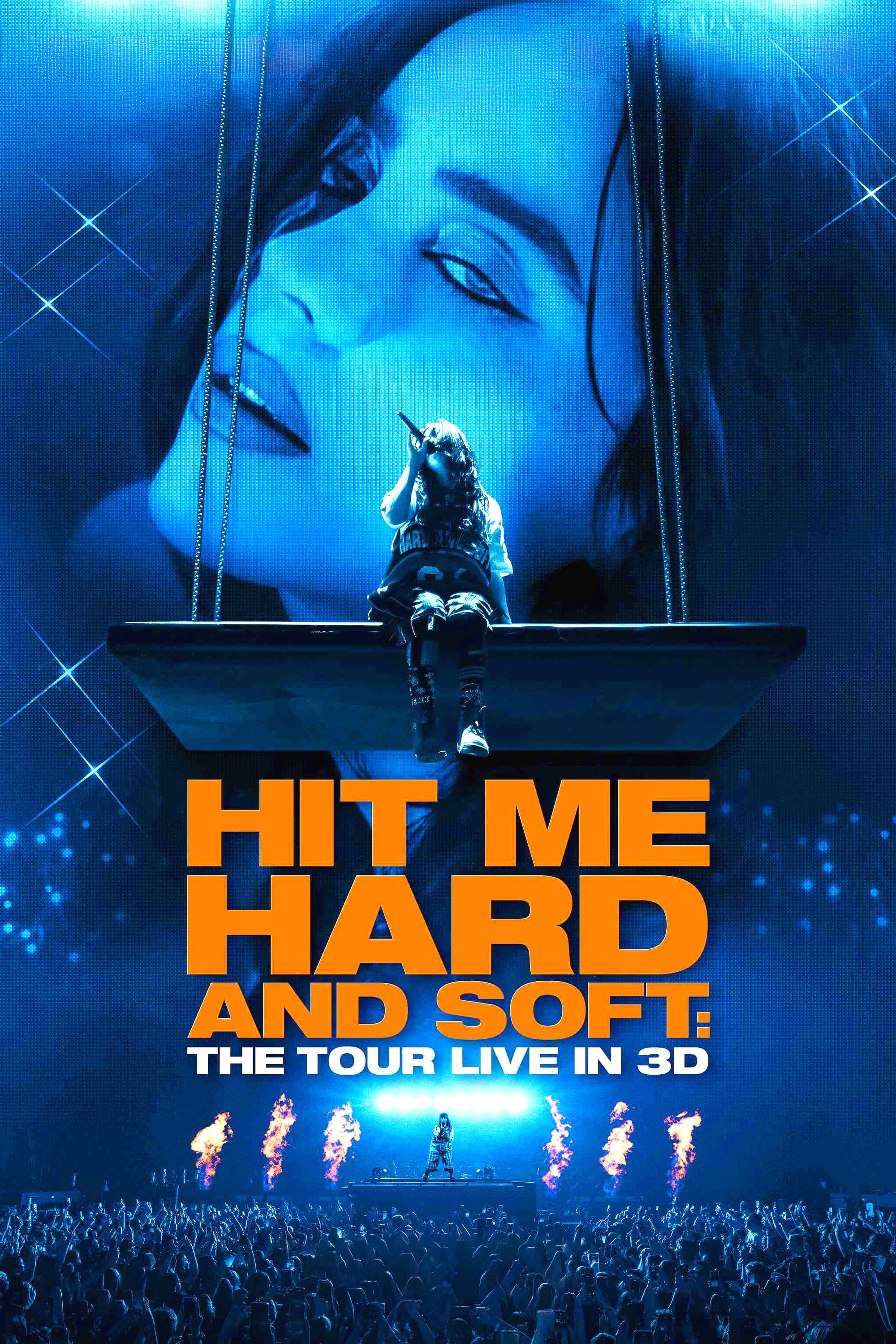
Captured during Billie Eilish's sold-out world tour, a concert experience from one of the most celebrated and successful artists of her generation, presented in immersive 3D.
Capturing Avatar is a feature length behind-the-scenes documentary about the making of Avatar. It uses footage from the film's development, as well as stock footage from as far back as the production of Titanic in 1995. Also included are numerous interviews with cast, artists, and other crew members. The documentary was released as a bonus feature on the extended collector's edition of Avatar.
Just two years away from turning 30, participants in Michael Apted's documentary series are facing serious questions of identity and purpose, wondering whether they've found their place in the world.
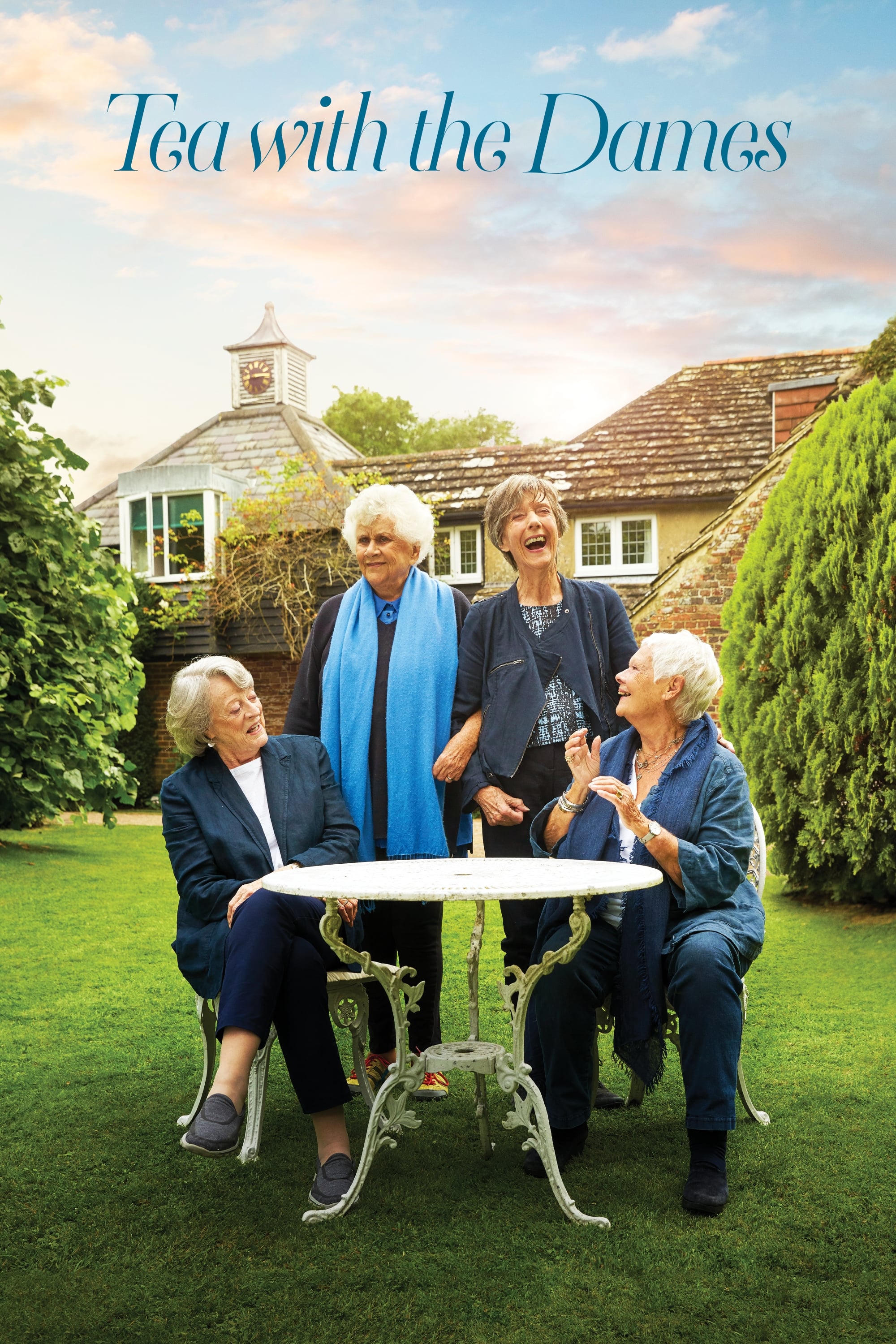
BBC Arena's documentary on the Dames of British Theatre and film featuring Maggie Smith, Eileen Atkins, Judi Dench and Joan Plowright on screen together for the first time as they reminisce over a long summer weekend in a house Joan once shared with Sir Laurence Olivier.
A group of British children aged 7 from widely ranging backgrounds are interviewed about a range of subjects. The filmmakers plan to re-interview them at 7 year intervals to track how their lives and attitudes change as they age.
Join the likes of Jeremy Renner, Hailee Steinfeld, Florence Pugh, and Vincent D’Onofrio as they reveal how Marvel Studios’ “Hawkeye” was conceived and created. Witness firsthand what it took to pull off the show’s pulse-pounding action set pieces, and discover how iconic characters from the pages of Marvel Comics such as Kate Bishop were adapted and brought to life for the six-episode series.
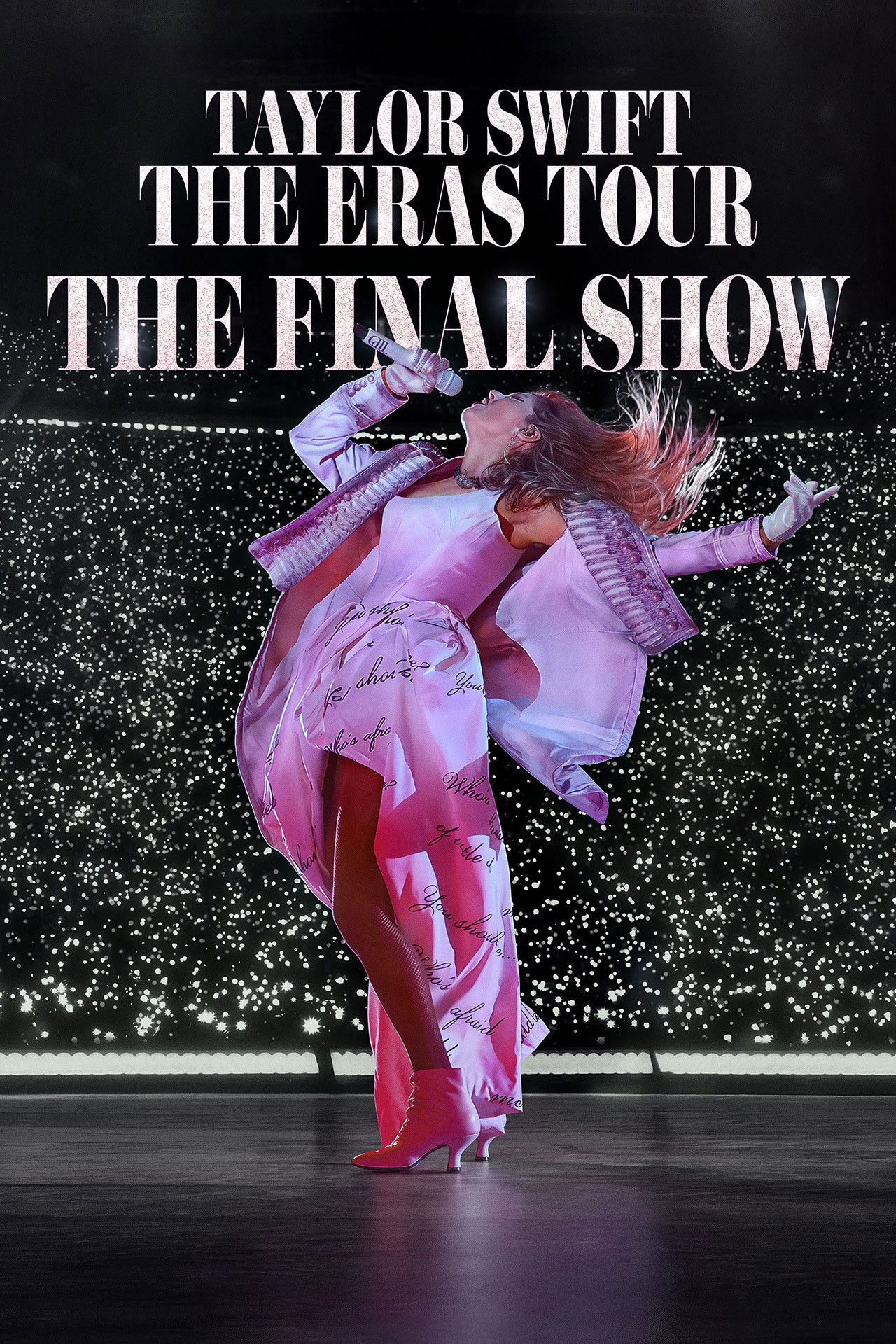
Filmed at the end of Taylor Swift's record-breaking Eras Tour in Vancouver, B.C., this complete, in-depth 45-song concert includes the complete 'The Tortured Poets Department' set and special mashups.