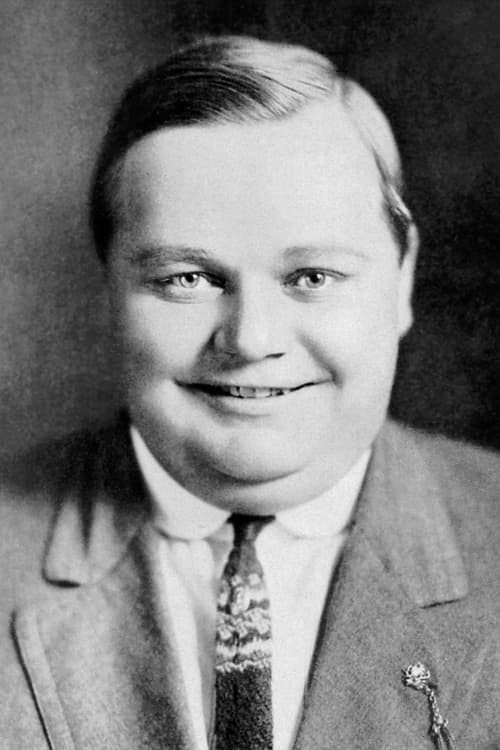
The Bank Clerk is a 1919 American short comedy film directed by and starring Fatty Arbuckle. The film is considered to be lost.
Social & External
Unknown Role
Prof. Jaquin Delano joins a circus to study practical zoology. Old man Cummings is the guardian of Anita, a beautiful girl. Cummings rages because the circus tents are pitched too near his palatial home. Anita visits the menagerie tent, sees Jaquin and is impressed with his kind treatment of the wild beasts.
The boys are fagged with the long summer's work and are undecided where to spend their vacation. One day Eddie is idly looking over the paper when he sees that a young man has met and married a wealthy heiress at the beach; suddenly, nothing but the beach will suit them. Eddie sees the boss and they are given permission to take a vacation.
The Swell Head is a 1928 silent comedy short
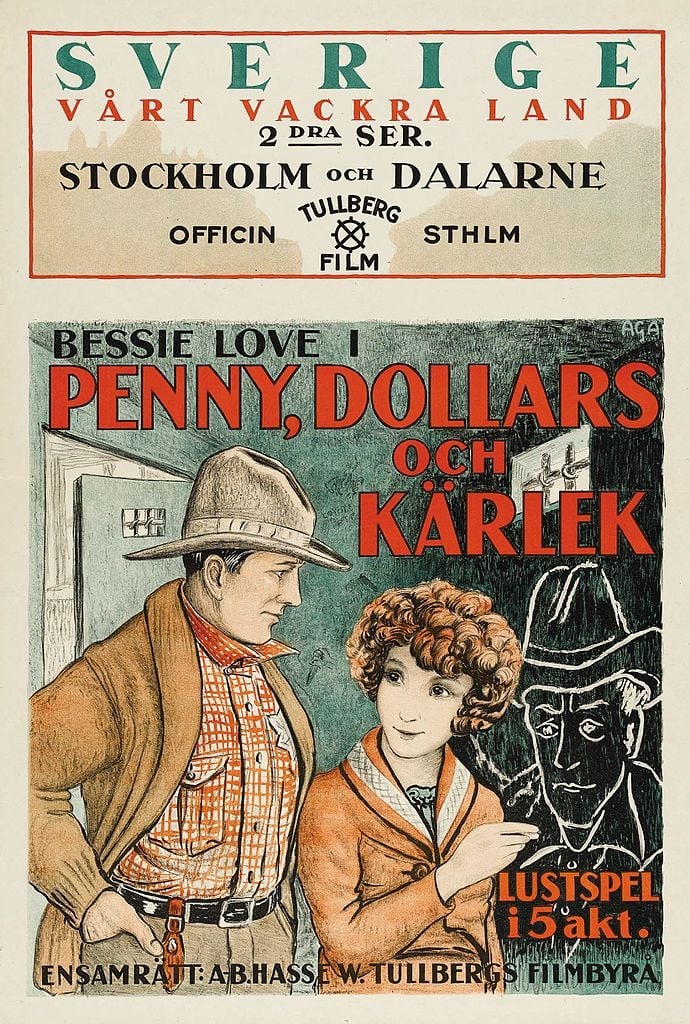
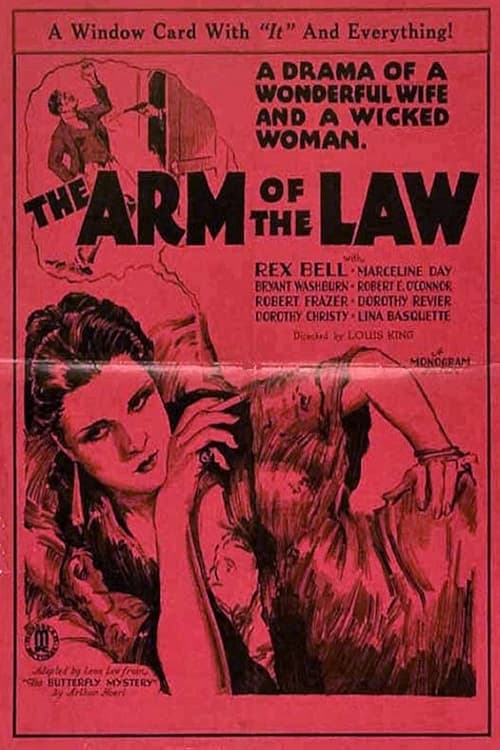
Penny arrives in the West by aeroplane. She is considered a suspicious character and thrown into jail. Kurt Walters, a ranch foreman and deputy sheriff, discovers that she is the same girl that his friend, Jo Gary, met in Chicago. Gary fell in love with her, but she confessed she was a thief. Since Penny claims she wants to reform, Walters releases her and sends her to live with Mrs. Kingdon. In spite of her teasing and taunts (or perhaps because of them), Walters finds himself falling in love with Penny.
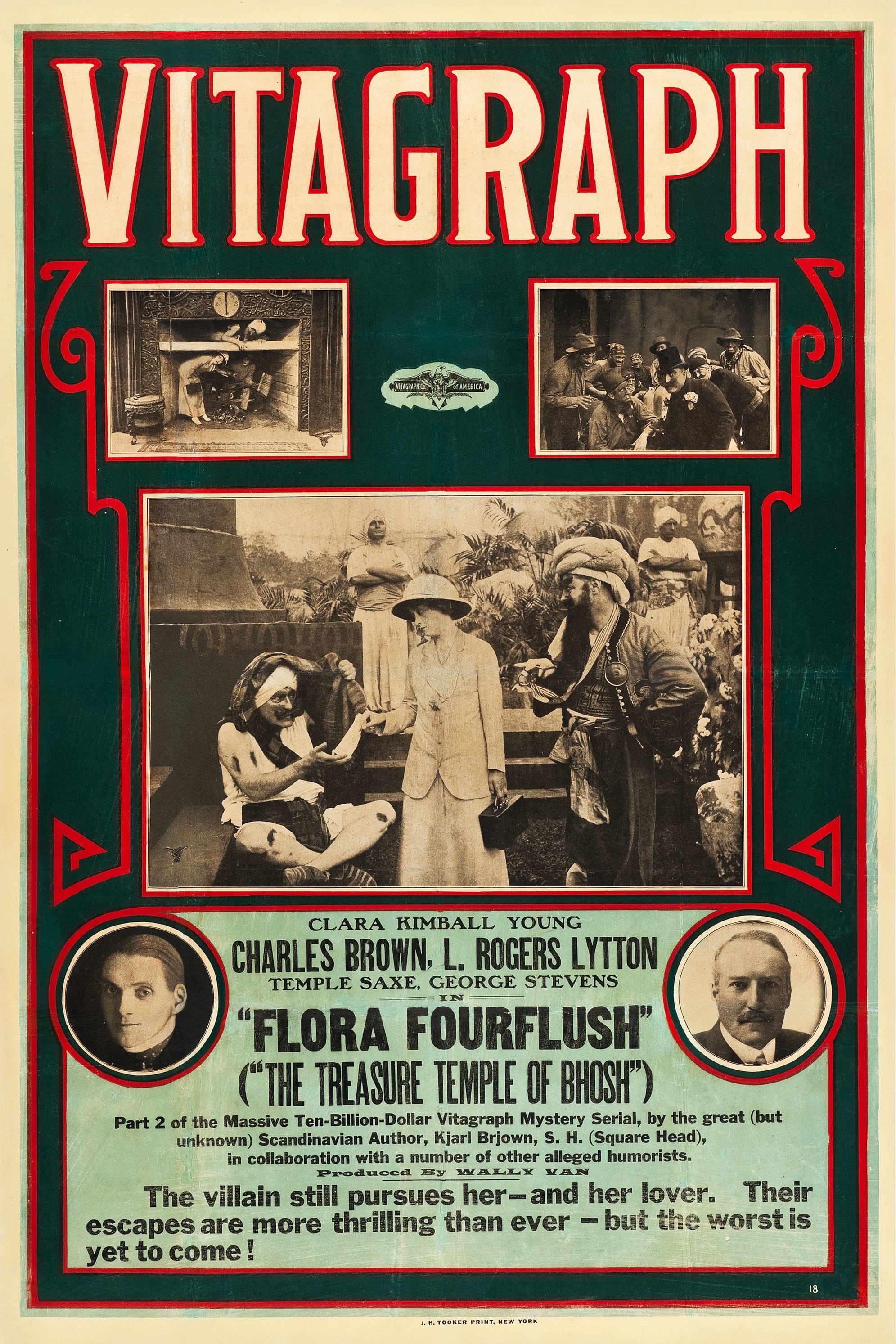
Three part adventure serial starring Clara Kimball Young. Chapter Titles: 1. "Treachery in the Clouds" 2. "The Treasure Temple of Bhosh" 3. "A Race for Life"
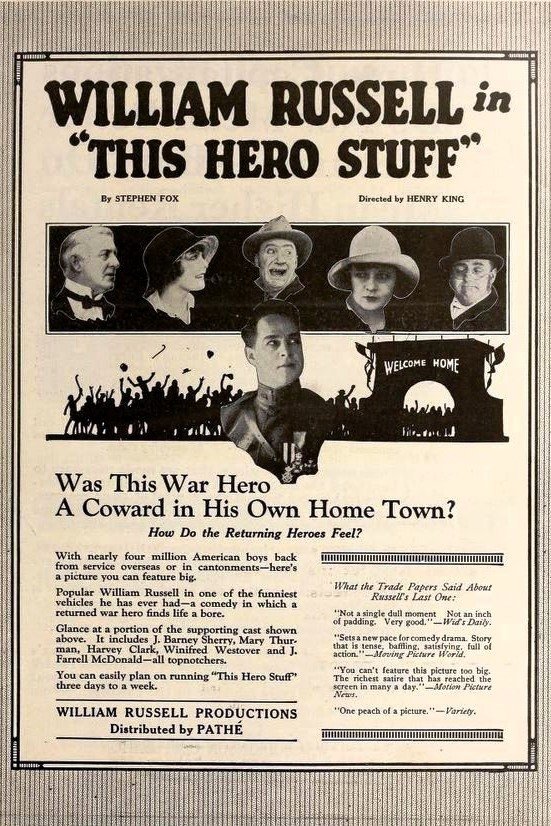
War hero Captain November Jones tries to sneak into his hometown of Gold City, Nevada undetected but when he rescues a child from being run over by a train he’s recognized and obliged to receive the town's congratulations. Meanwhile, unscrupulous stockbroker Samuel Barnes and adventuress Teddy Craig are trying to get control of the Bluebird Lode from New Yorker Jackson J. Joseph, who is coming West to meet his daughter Nedra. Teddy tries to ensnare November to help fight Joseph, claiming he's trying to take her mine, but he refuses. Teddy's accusation of Jones's cowardice does not bother him until he falls in love with Nedra, who shuns him, believing Teddy's rumor. When Mr. Joseph is kidnapped and Jones saves him Nedra learns the truth and agrees to marry him.
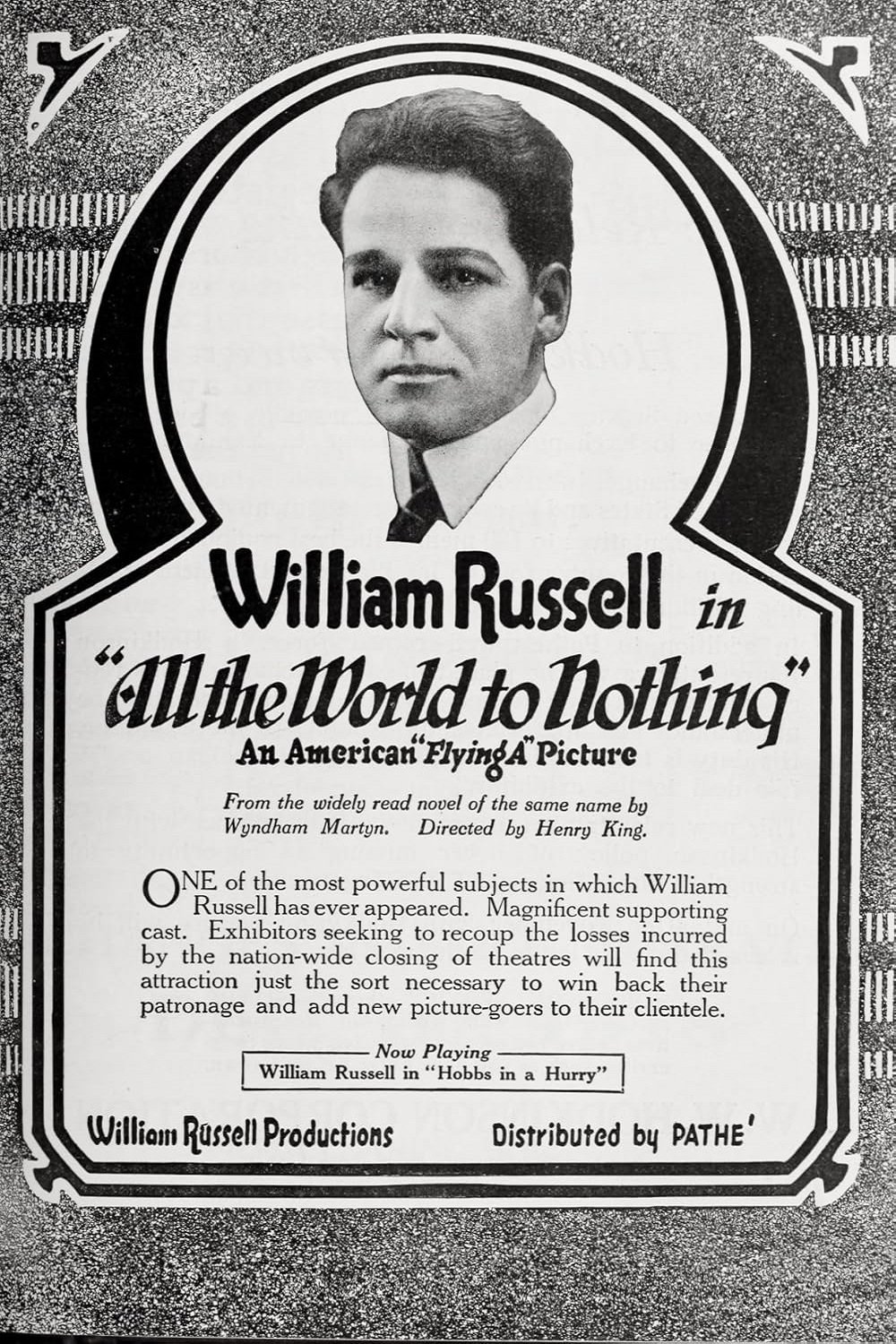
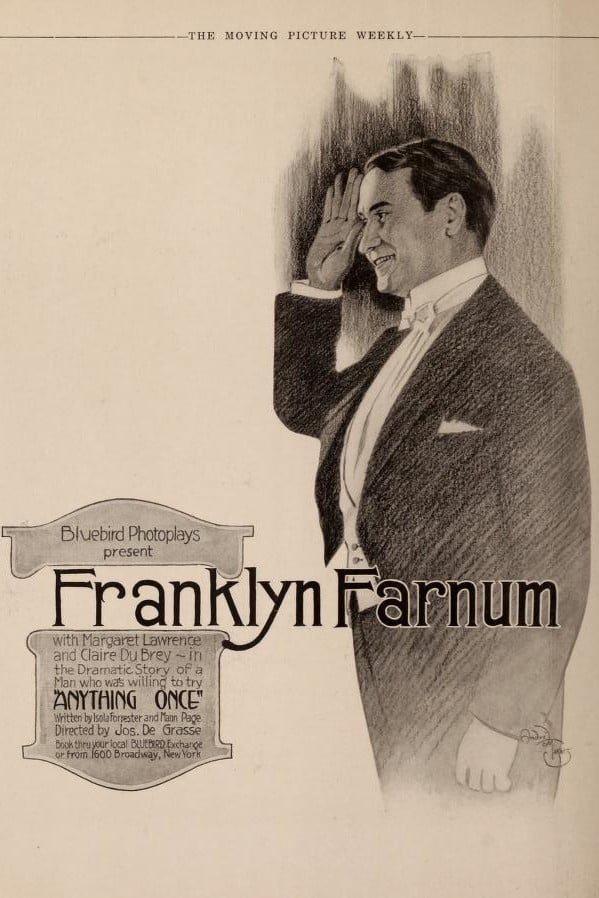
Richard Chester, a bachelor who has lost everything in a poker game, blunders into the apartment of Nora Ellis, who has just inherited a fortune under the stipulation that she marry immediately. Assuming the name Chester Dick, Richard marries Nora and leaves. Unaware of this marriage of convenience, Charles Renalls, Nora's suitor, later assumes that her wealth is the only impediment to their union and conspires to ruin her on the market. Upon learning of his scheme, Richard ruins Charles. Nora falls in love with Richard, not recognizing her benefactor as her husband of an evening. Hoping to spoil Richard's chances with Nora, Charles tells her that Richard is already married and that he carries his wife's picture in his pocket. To her surprise and delight, Nora discovers that the incriminating picture is her own photograph and that Richard is already her husband.
First Pa said Theodore was a lizzy-nizzy. He let that go, but when Pa said he was too sporty because he spent a nickel for a ticket for a voting contest for the fairest girl in town, Pa's daughter, of course, then Theodore decided to settle Pa. He played at being a lady. Then Pa said he might not be as young as he used to be, but Ma came along. So Pa said all on the sly, "Go to it, Theodore."
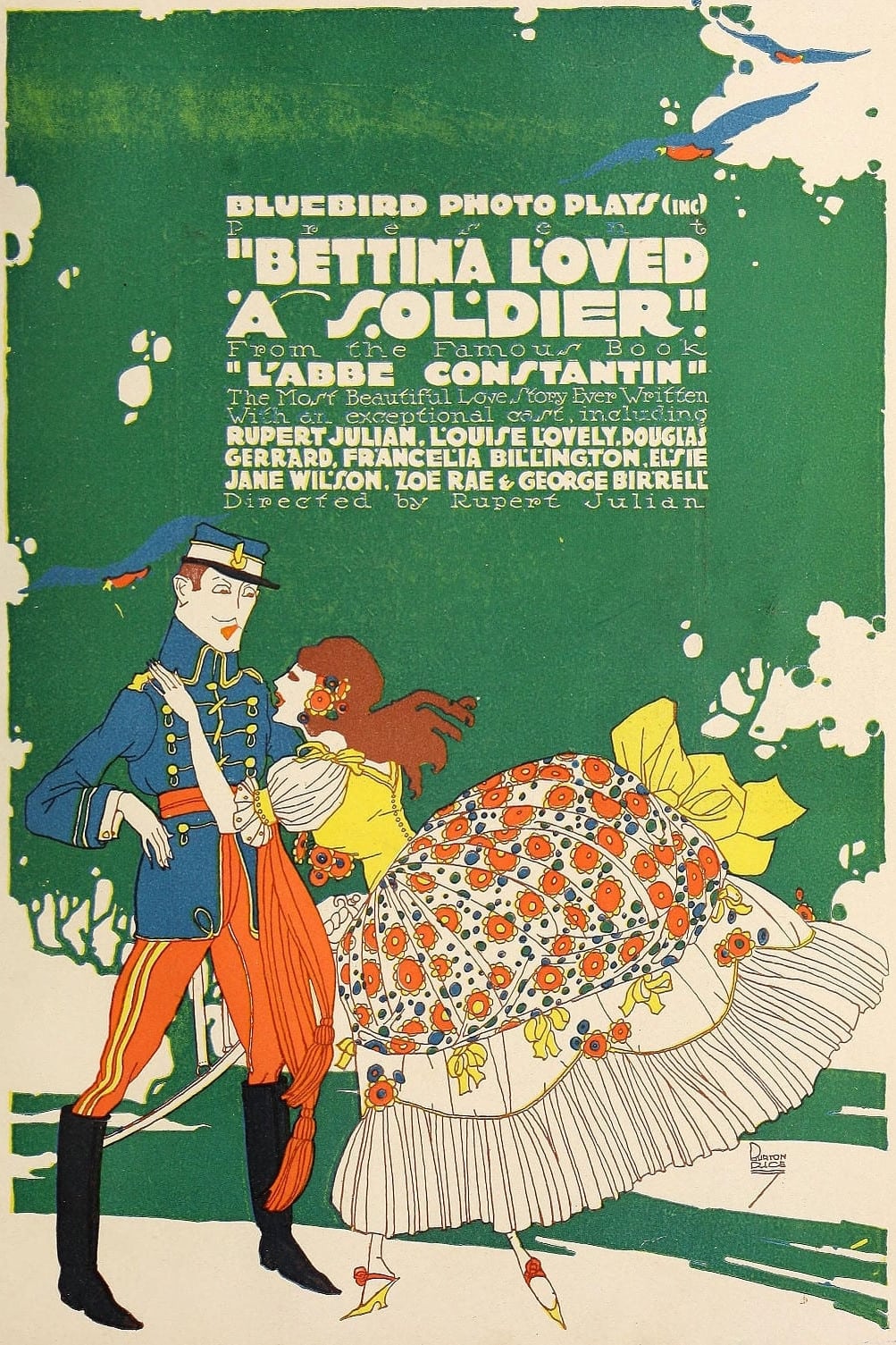
Very wealthy Bettina is also very reluctant to get married. She changes her mind in a hurry when she meets Reynaud, the nephew of Abbe Constantin, the poverty-stricken religious leader of the small French village of Longueval.
A virtuous lawyer falls for a beautiful but extravagant woman, leading him into financial trouble as he tries to keep up with her wasteful spending, ultimately testing their relationship and his principles.
A showgirl's baby has an adventure with brigands.
A comedy of wrong assumptions, misunderstandings and martial mix ups because of jumping to conclusions.
Henry Baird, a young newspaperman with a second-hand car but little money, decides to raffle off the car at a county picnic, so that he can take out his sweetheart, Mabel Darrow, the daughter of a wealthy businessman. However, as soon as Henry gets the money, his tailor demands that he pay off his debt. Also, youngsters set the car on fire before he can give to the winner, Joseph Plant, whose wife Evelyn was formerly Henry's sweetheart.
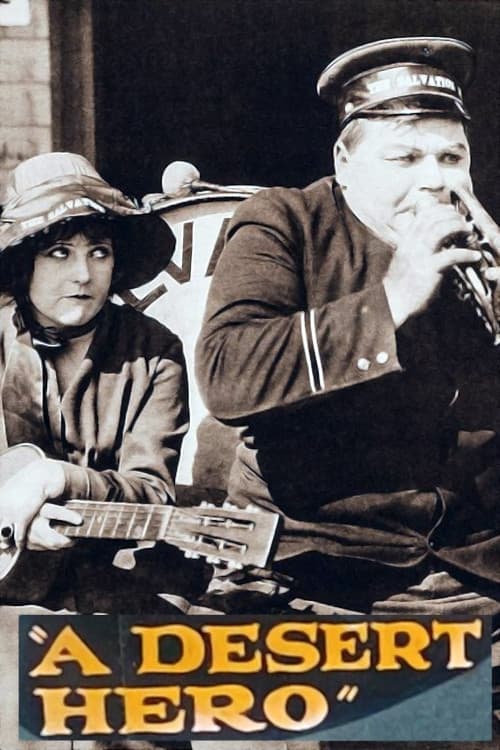
A Desert Hero is a 1919 American short comedy film directed by and starring Fatty Arbuckle. The film is considered to be lost.
A court fool believes the Duke is after his beautiful daughter, and arranges to have the Duke murdered. The daughter overhears the plot and, disguised in the Duke's cloak, sacrifices her life to save him.
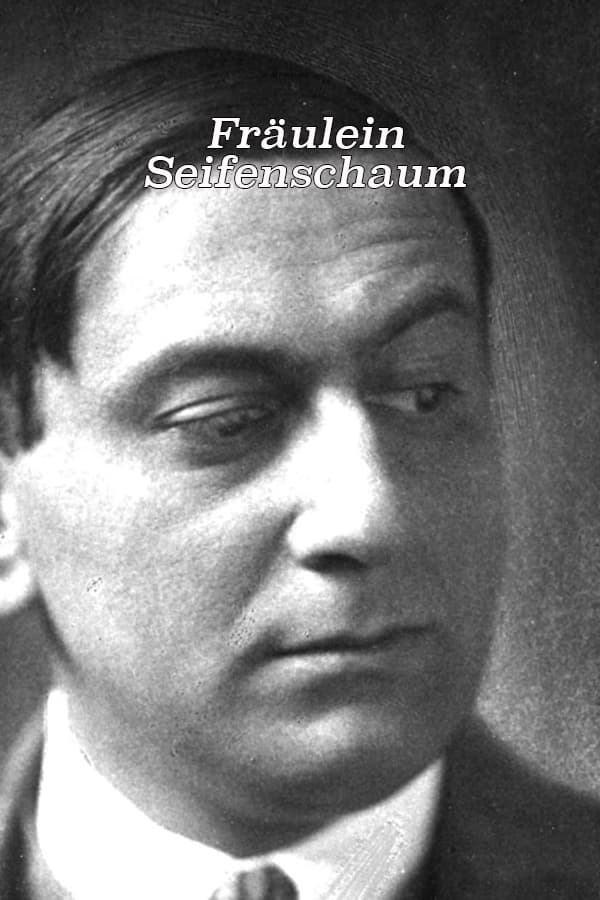
Fräulein Seifenschaum is a German silent film by Ernst Lubitsch from 1915. It is considered Lubitsch's first directorial work and is one of the director's lost works. With the outbreak of World War I , all the men, including the barbers , are drafted. As a result, the women have to take over their work, and so mother and daughter share the work in a barber's shop: the daughter soaps the customers, while the mother then more or less skilfully shaves the men. A customer named Ernst also wants to be shaved. He makes eyes at the daughter and is resolutely thrown out of the shop by his mother. Ernst flees with his great love in the car and is followed by his mother on foot and finally on a tricycle.
A reporter and a detective team up to solve the murder of a nightclub singer who had been involved in a divorce scandal.
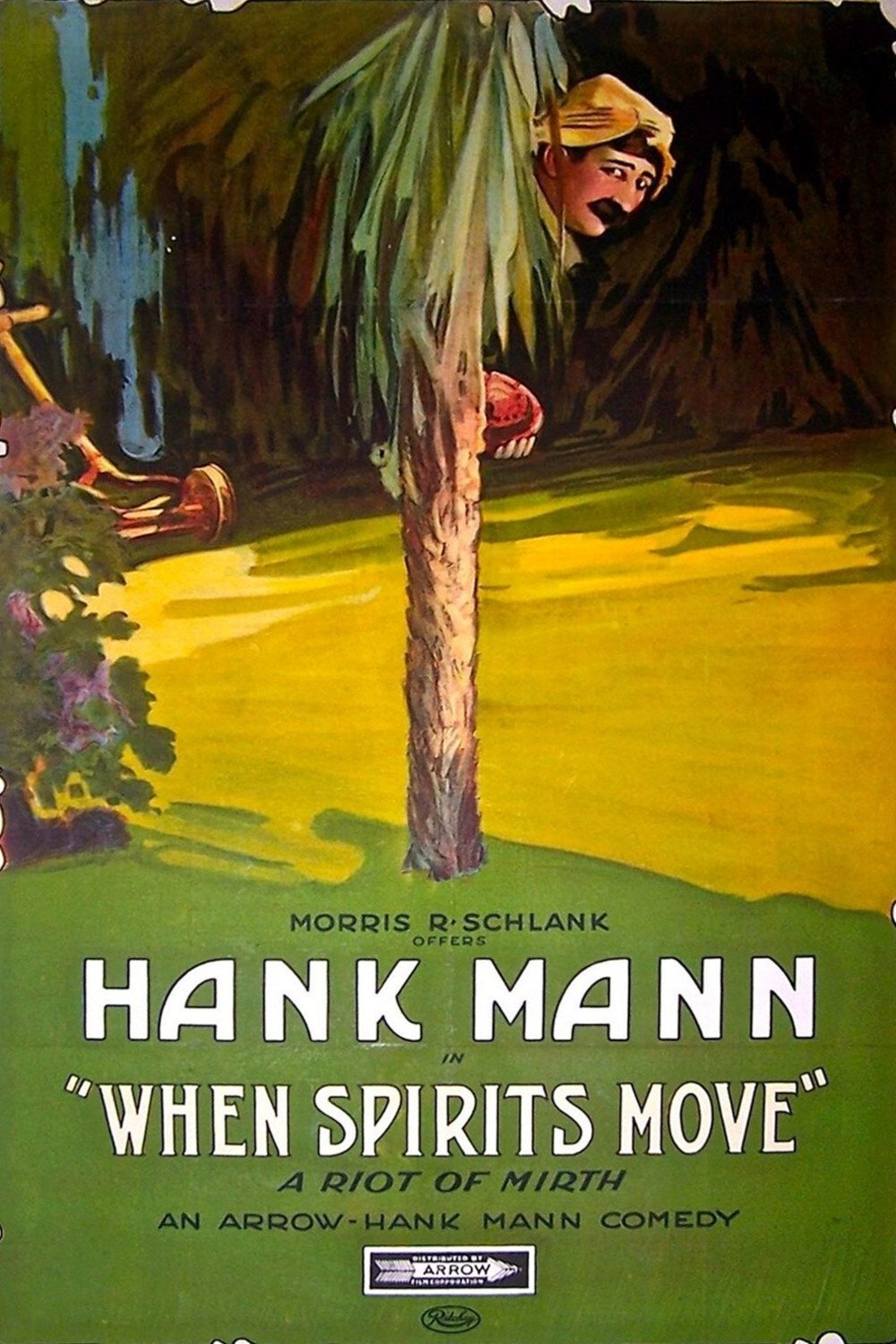
Silent Hank Mann comedy set in a haunted house.
Tomson, a financial adviser, is called to the aid of the country of Sylvania by the Grand Duke Constantino, known as "Tino." Tomson refuses to aid Tino until the Duke's son Alexis is married. However, Alexis, a romantic, is not interested in the blue-blooded types that his father has selected for him. Instead he wants fate to intercede. Upon learning this, Tomson plans a wife-hunting trip to Paris, "the beauty mart of the world."
A Playboy inherits a Western ranch on the condition that he shall run it properly for 6 months. A villain makes an attempt to distract him from reaching the goal, but he, no longer the wastrel of yore, persists and becomes full owner of the property.
A hypochondriac vacations in the tropics for the fresh air - and finds himself in the middle of a revolution instead.
Neil, a self-proclaimed film geek and owner of Gumshoe video, has always been content to live vicariously through his favorite films noir. But when he meets Violet, a real-life femme fatale, his mundane world gets turned upside down and the line between reality and the movies quickly begins to blur.
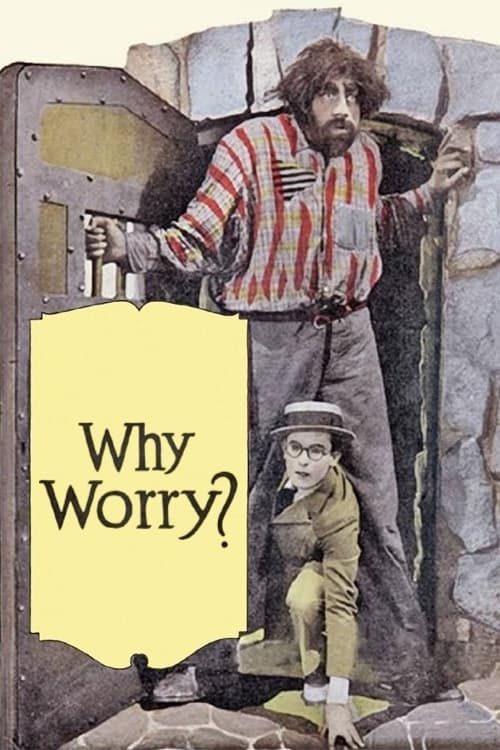
An investment banker loses everything and must discover what's really important in life.
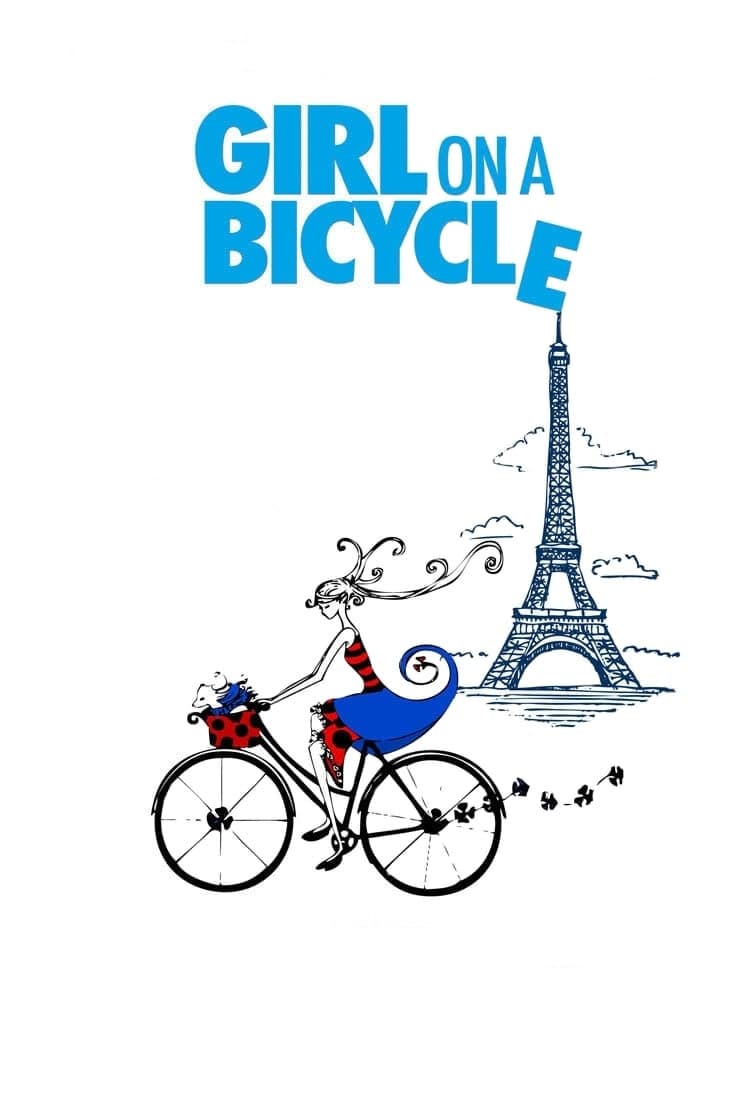
Paolo, an Italian tour bus driver living in Paris, has just summoned up the courage to propose marriage to his German girlfriend Greta. However, a chance encounter with a French woman on a bicycle the very next day turns Paolo's life upside down.
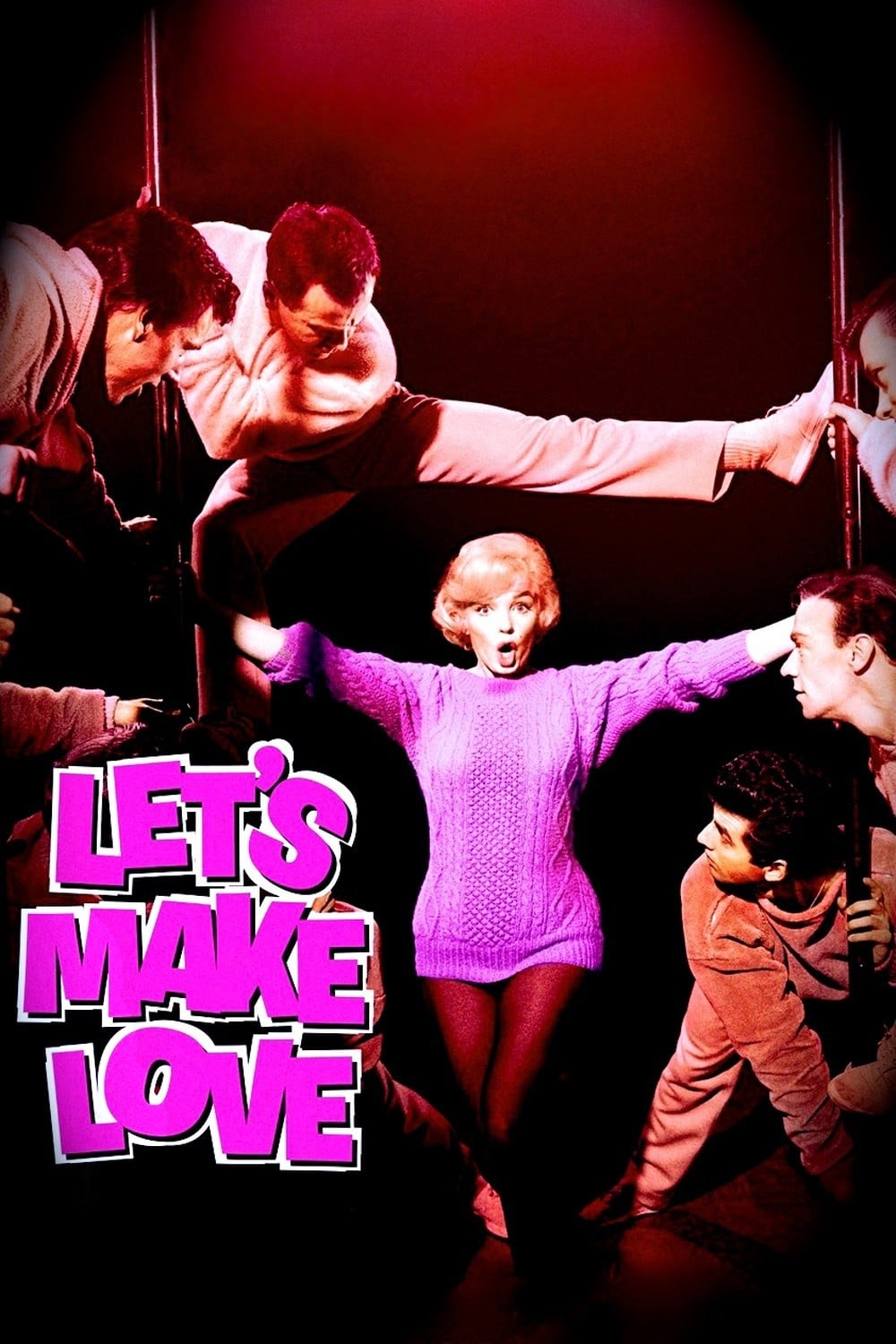
When billionaire Jean-Marc Clement learns that he is to be satirized in an off-Broadway revue, he passes himself off as an actor playing him in order to get closer to the beautiful star of the show, Amanda Dell.
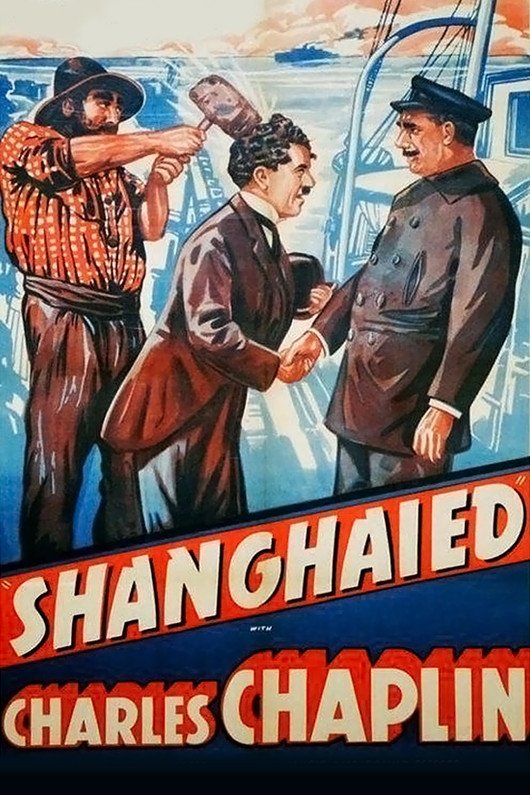
A shipowner intends to scuttle his ship on its last voyage to get the insurance money. Charlie, a tramp in love with the owner's daughter, is grabbed by the captain and promises to help him shanghai some seamen. The daughter stows away to follow Charlie. Charlie assists in the galley and attempts to serve food during a gale.
Aspiring filmmakers Mel Funn, Marty Eggs and Dom Bell go to a financially troubled studio with an idea for a silent movie. In an effort to make the movie more marketable, they attempt to recruit a number of big name stars to appear, while the studio's creditors attempt to thwart them.
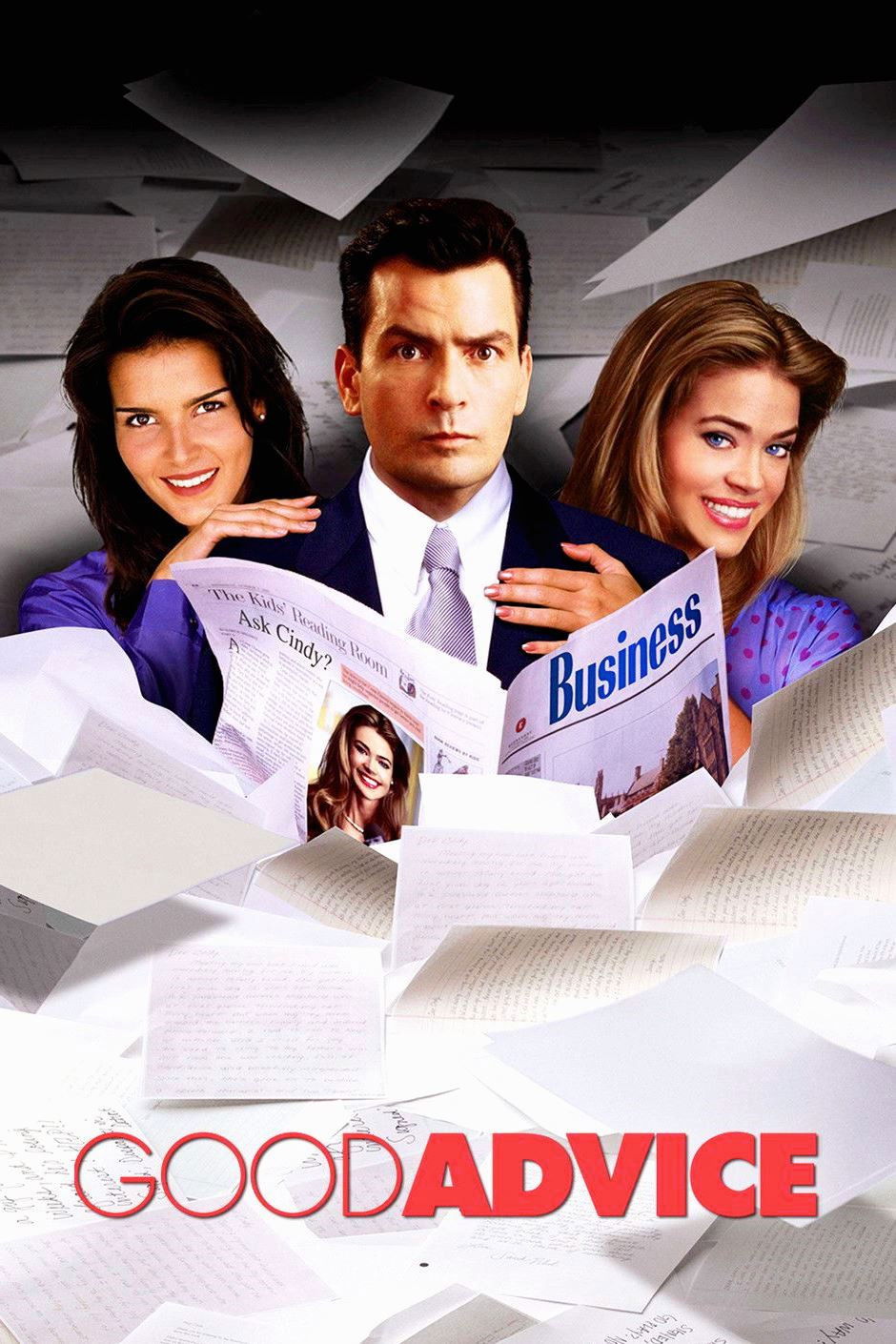
An uptight advertising exec has his entire life in a filofax organizer which mistakenly ends up in the hands of a friendly convict who poses as him.
Feeling career burnout, pop star Angelina escapes to grant a young fan's wish in small-town New York, where she not only finds the inspiration to revitalize her career but also a shot at true love.
In 1920s Soviet Russia, a fallen aristocrat, a priest and a con artist search for a treasure of jewels hidden inside one of twelve dining chairs, lost during the revolution.
A four-time widow discusses her four marriages, in which all of her husbands became incredibly rich and died prematurely because of their drive to be rich.
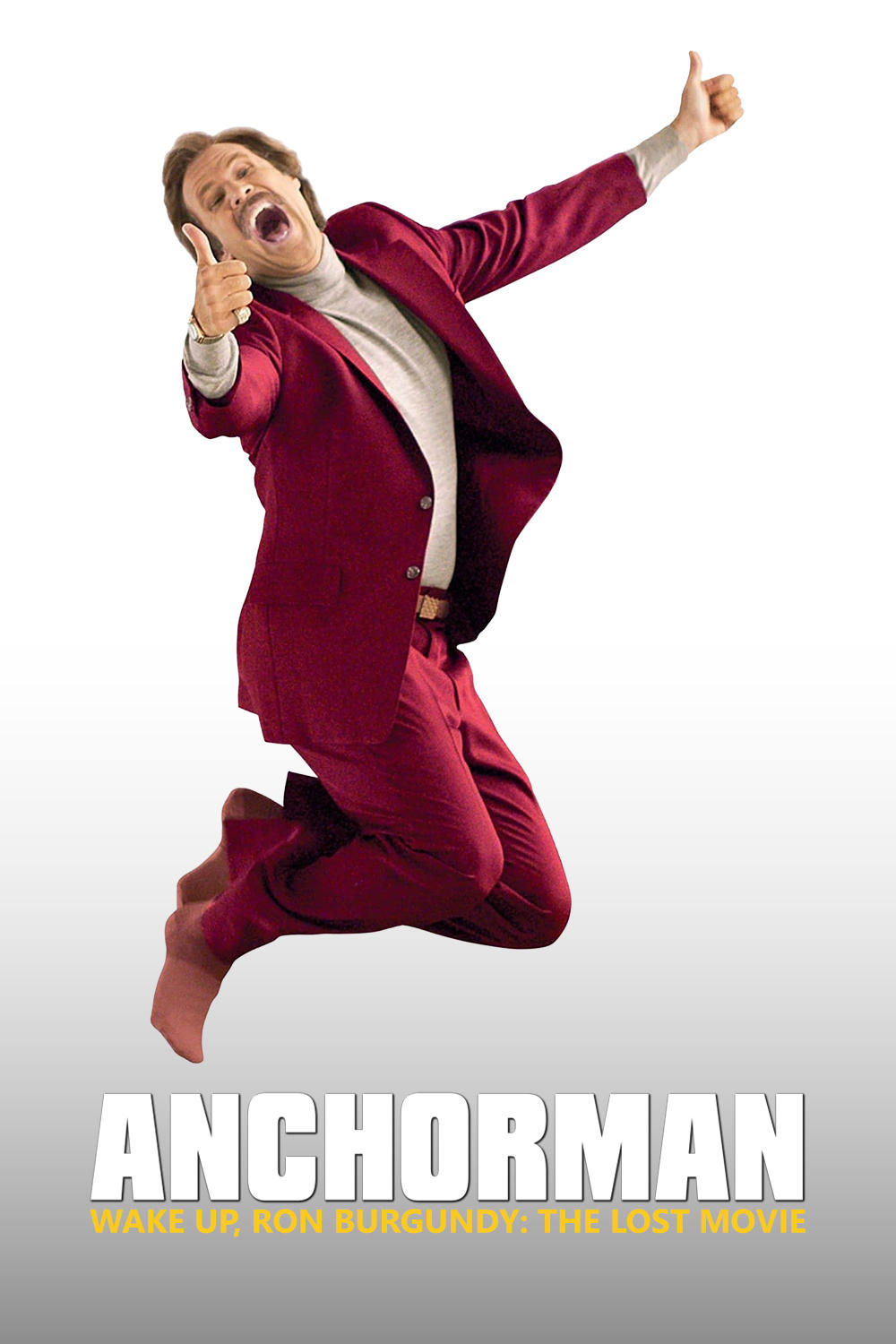
While Ron Burgundy's rivalry with Veronica Corningstone escalates quickly, a group of unprofessional thieves better known as 'The Alarm Clock' try to make the truth known, whatever that may mean...
A fiercely independent pilot fighting to keep her family business afloat starts to fall for the man sent by corporate to ground her operation forever.
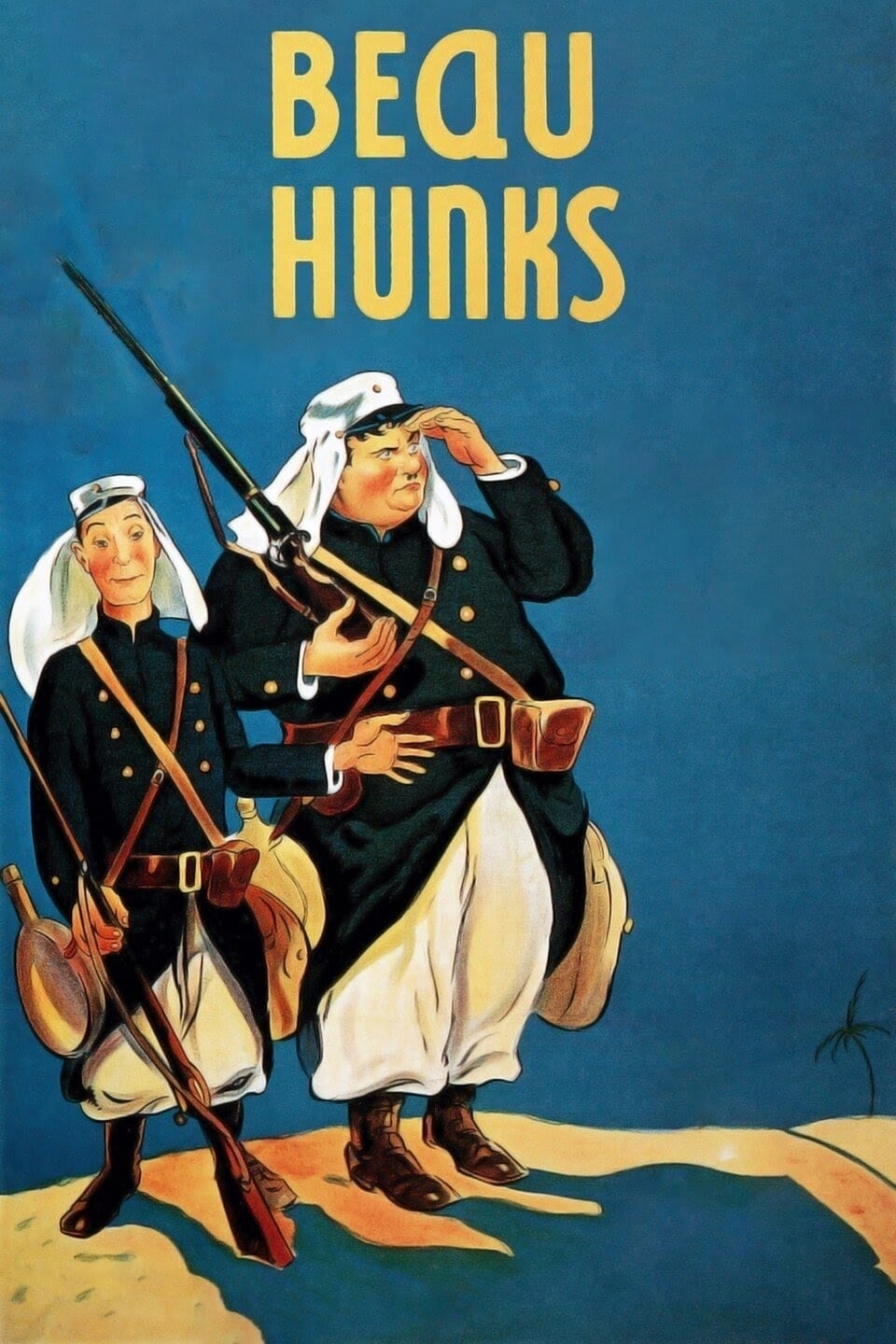
Stan and Ollie join the French Foreign Legion after Ollie's sweetheart rejects him.
A computer expert tries to prove his electronic brain can replace a television network's research staff.
Groot investigates a spooky noise that’s been haunting the Quadrant, which leads to an intense dance off.
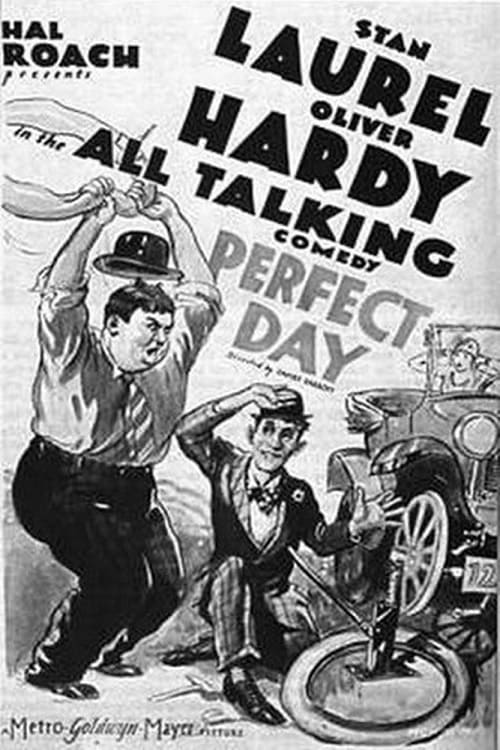
Two families embark on a pleasant Sunday picnic but manage to run into a variety of issues with their temperamental automobile. Each incident requires repeated exits and reboardings by Laurel, Hardy, their wives and grouchy, gout-ridden Uncle Edgar.
Mater, the rusty but trusty tow truck from Cars, spends a day in Radiator Springs playing scary pranks on his fellow townsfolk. That night at Flo's V8 Café, the Sheriff tells the story of the legend of the Ghostlight, and as everyone races home Mater is left alone primed for a good old-fashioned scare.
Will is looking for an escape from his family when he encounters Lee, the school bully. Armed with a video camera and a copy of Rambo, Lee plans to make his own action-packed video epic.
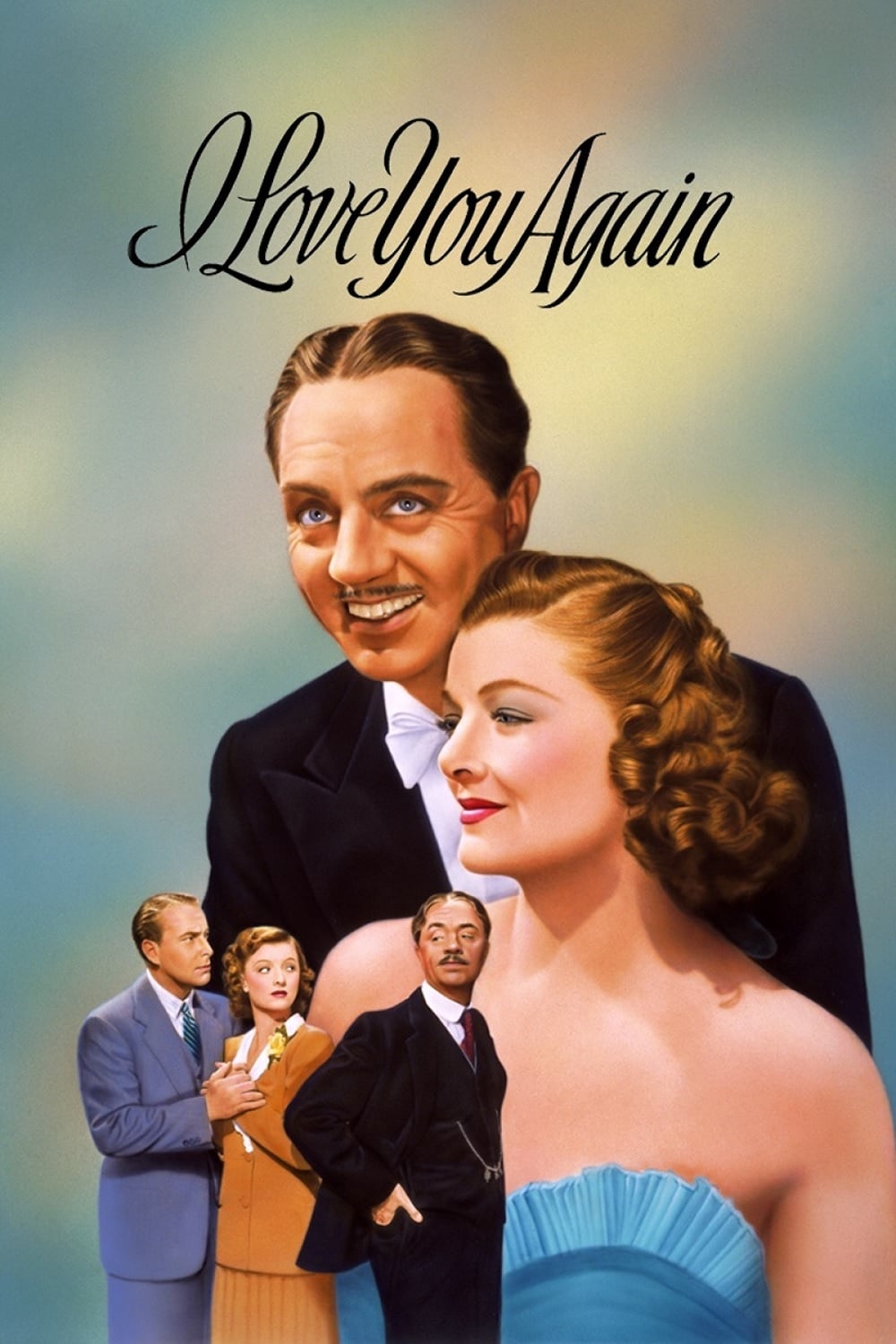
Boring businessman Larry Wilson recovers from amnesia and discovers he's really a con man...and loves his soon-to-be-ex wife.