Social & External
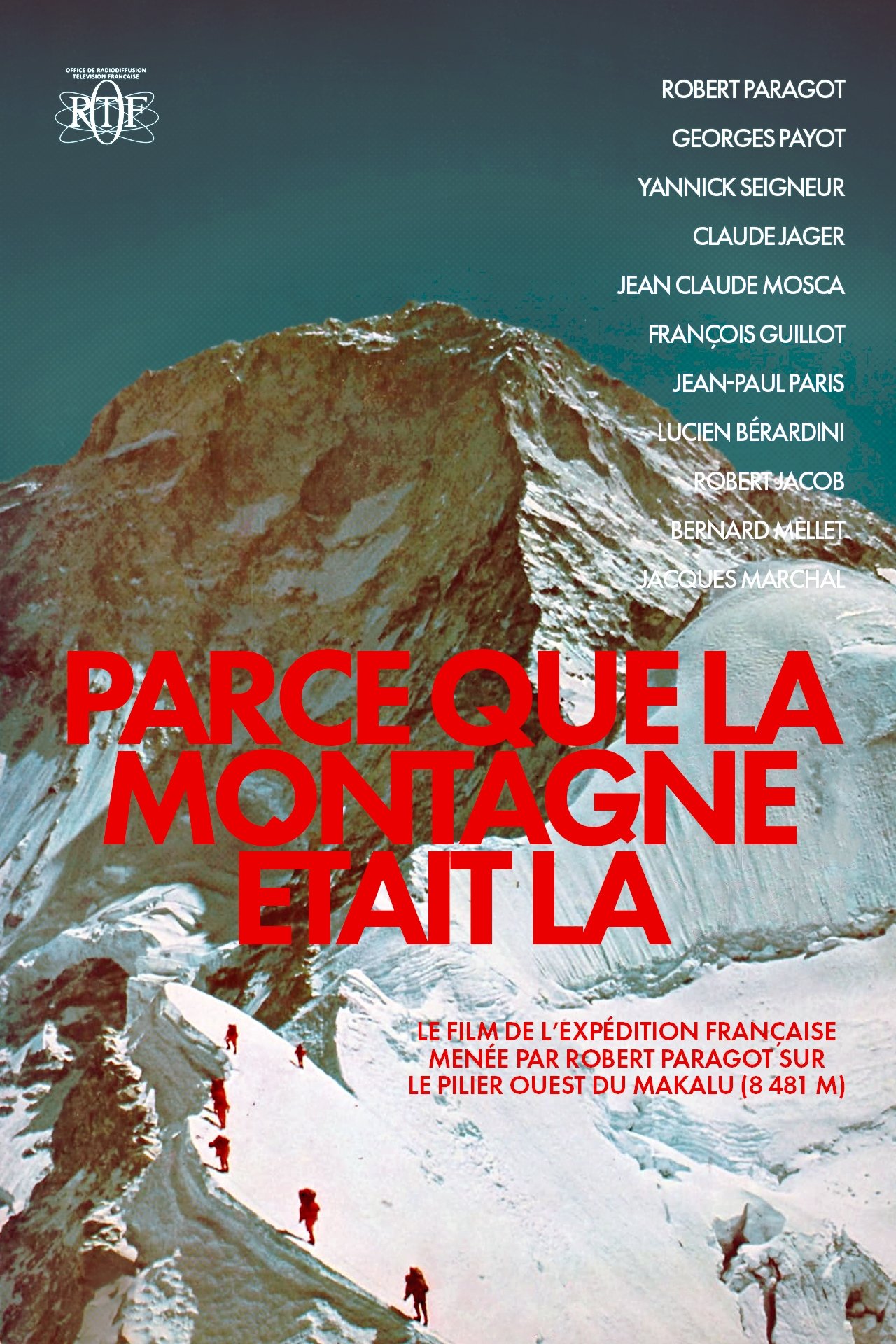
On May 23, 1971, a French expedition led by Robert Paragot successfully climbed Makalu via its west pillar. Makalu is one of the five highest peaks in the world, located in the Himalayas on the Nepalese-Tibetan border. Jean-Pierre Janssen and Lucien Bérardini filmed this expedition, where Robert Paragot spoke about the expedition conditions, life at altitude, and his state of mind as expedition leader. On the return to base camp, Jean-Pierre Janssen interviewed Lucien Berardini, Georges Payot, Jean-Claude Mosca, François Guillot, and Jean-Paul Paris, all of whom played a key role in bringing Bernard Mellet and Yannick Seigneur to the summit. Expedition members: Robert Paragot (expedition leader), Georges Payot, Yannick Seigneur, Claude Jager, Jean-Claude Mosca, François Guillot, Bernard Mellet, Lucien Bérardini, Jean-Paul Paris, Robert Jacob, Jacques Marchal (surgeon).
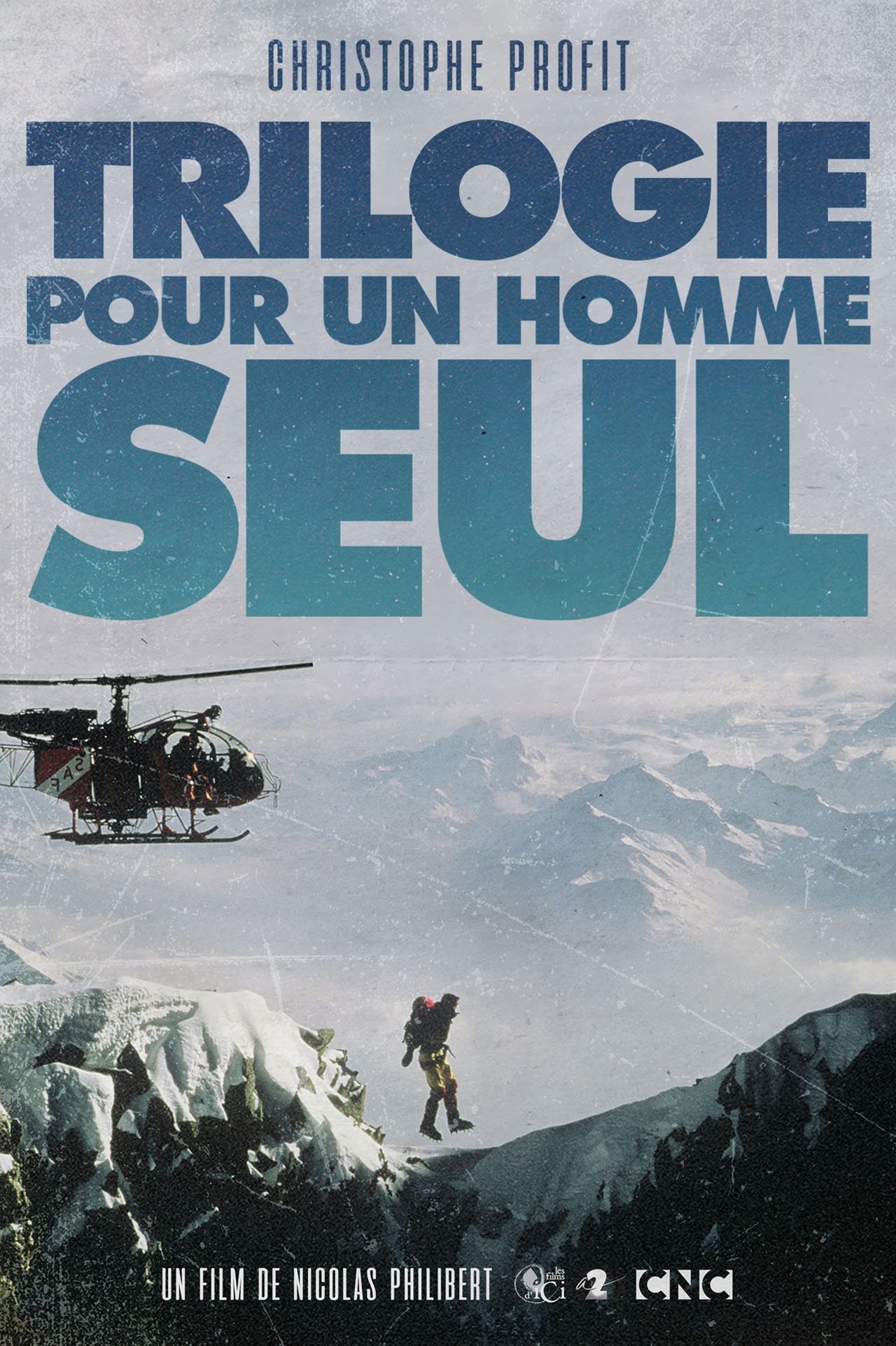
The most legendary 'sequence' ever achieved by a mountaineer: on 12 and 13 March 1987, in 40 hours, 26-year-old Christophe Profit managed to climb three of the highest north faces in the Alps, in winter: Grandes Jorasses, Eiger, and Matterhorn. But over and above this 'coverage' of the feat, we discover the wings, the story behind the project, the peaks and troughs of the preparations for it, and the personality of the man behind the climbs, a dancer on sheer rock faces, focusing all the energy and reflexes of life itself in his fingertips.
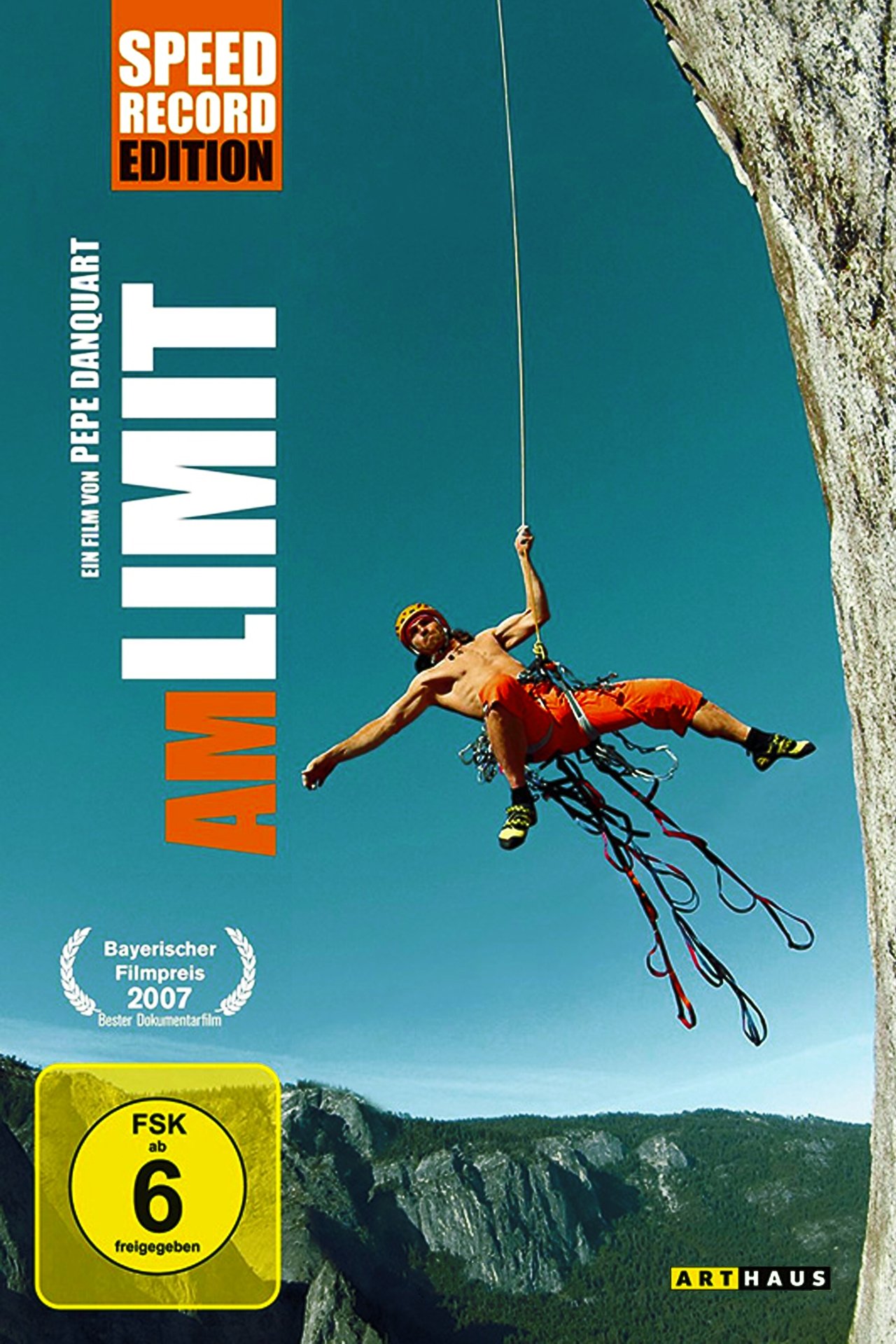
At the Limit is a documentary about extreme climbing. In this sports documentary, Pepe Danquart shows brothers Thomas and Alexander Huber climbing in Patagonia and on the granite rock "El Capitan" in Yosemite Valley (USA). A key part of the film is their attempt at a speed ascent of the 1,000-meter-high route "The Nose," in which the two athletes aim to break the then speed record of 2:48:30 hours, set by Hans Florine and Yuji Hirayama in September 2002.
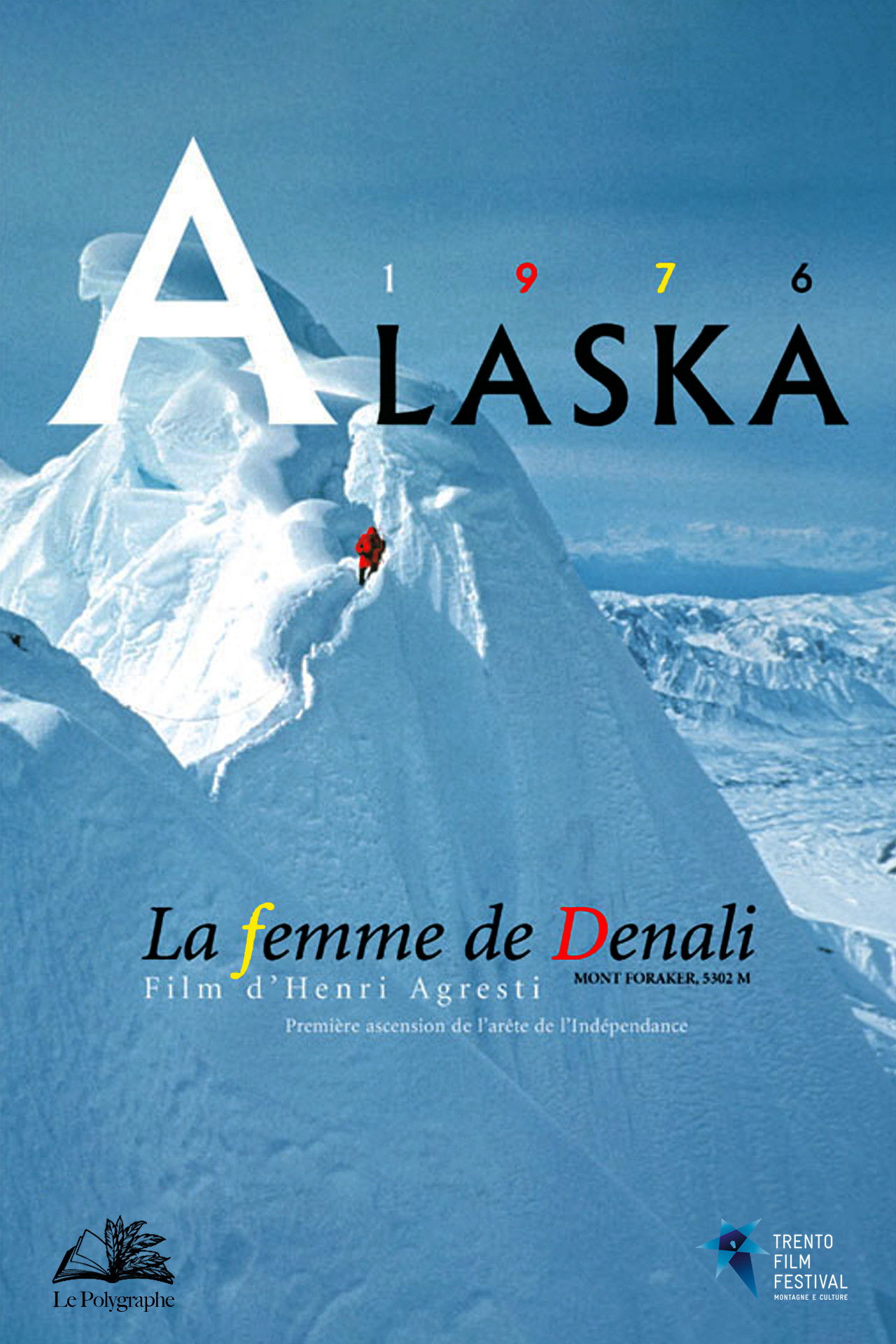
The film of the first ascent of Mont Foraker (5,304 m) in the Denali chain in Alaska, by the southeast ridge of independence in 1976, which remains years after an unequaled sporting and human adventure. The 7 members of the expedition, Henri Agresti, Jean-Paul Bouquier, Jean-Marie Galmiche, Werner Landry, Gérard Creton, Isabelle Agresti, Hervé Thivierge, all came to the top after thirty days of climbing in conditions still limits. Breathtaking images where the grandiose views of the icy desert and the scenes of daily life alternate on a most rough mountains on the planet. The film received the Gentiane d'Or Festival prizes from Thirty 1977, Public Prize Festival des Diablerets 1977, SFP Festival de la Plagne in 1977.
One of the best Bulgarian mountain runners – Kiril Nikolov, known as Disl, attempted to set a new record – to run through the longest and legendary Bulgarian mountain route – 600 km from the mountain peak of Kom on the west border to cape Emine on the Black Sea coast, in less than 5 days. Through steep mountain paths, pouring rain, and sticky mud, the glorious adventure takes him beyond the barriers of his own consciousness, facing hidden fears, pain and exhaustion. Tо the point where he has to make a tough choice – to quit or to push his will to the ultimate challenge, beyond his own limitations.
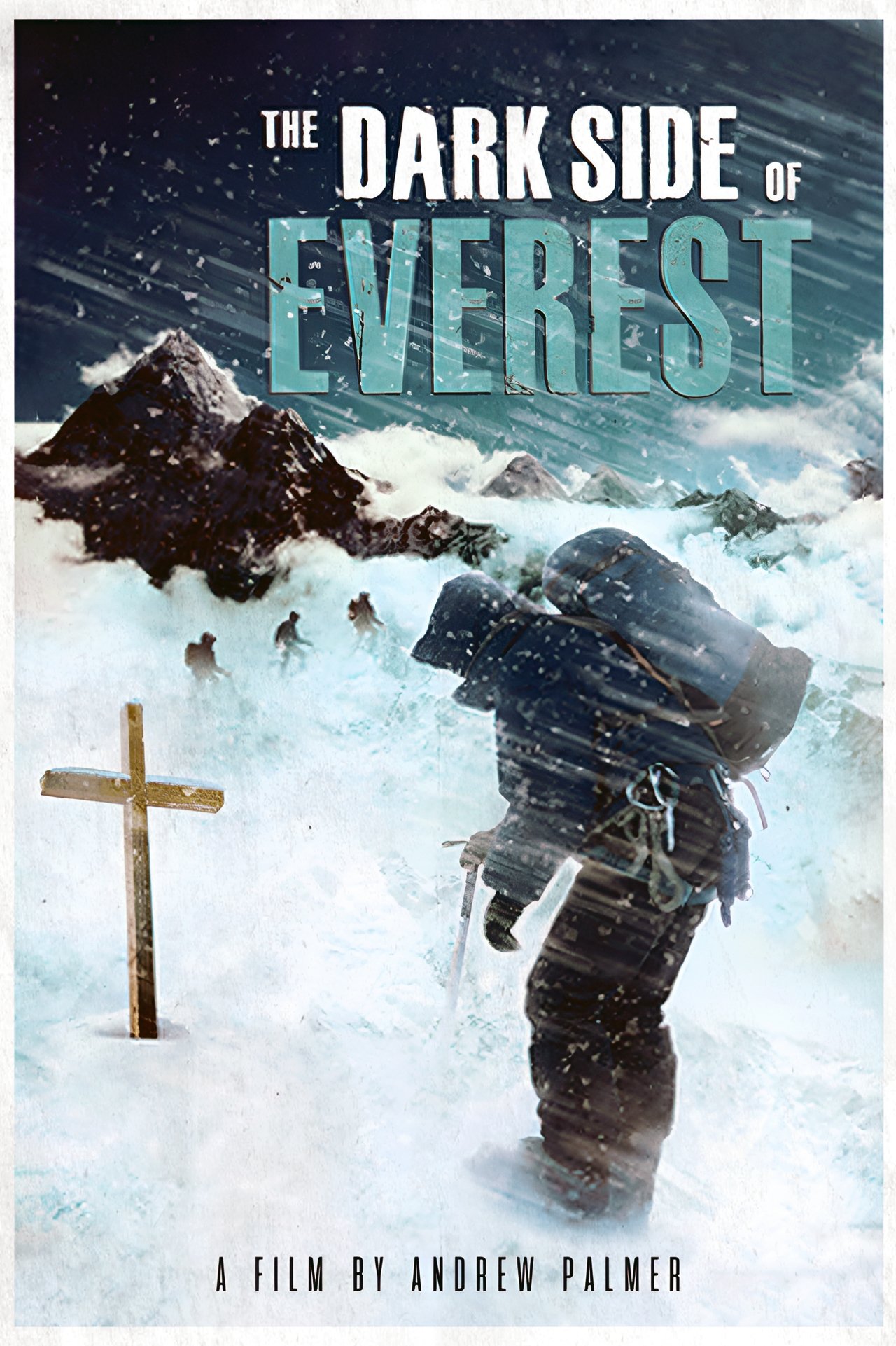
May 25, 1996 - Bruce Herrod, a South African mountaineer reached the summit of Everest at 5 p.m. On the radio, we urge him to come down as soon as possible because the descent is dangerous in the middle of the night. A few hours later, no news from him. From this South African expedition which turned into a fiasco and another expedition carried out in parallel, the testimonies of the members of these expeditions show to what extent the thirst for climbing to the top of certain mountaineers, combined with the lack of oxygen , can alter the lucidity of climbers to the point of changing their relationship to death and thus lead them to neglect other expedition members in order to ensure their victory or save their own life.
Portrays the adventure of the first Dominican expedition to reach the top of Mount Everest in Nepal. It contrasts the highest mount in the world with the low lands of the Caribbean, as the three climbers surpass the difficult track to the top. At the same time, three Dominican children, son of fishermen, start their own challenge in climbing the highest mountain in the island.
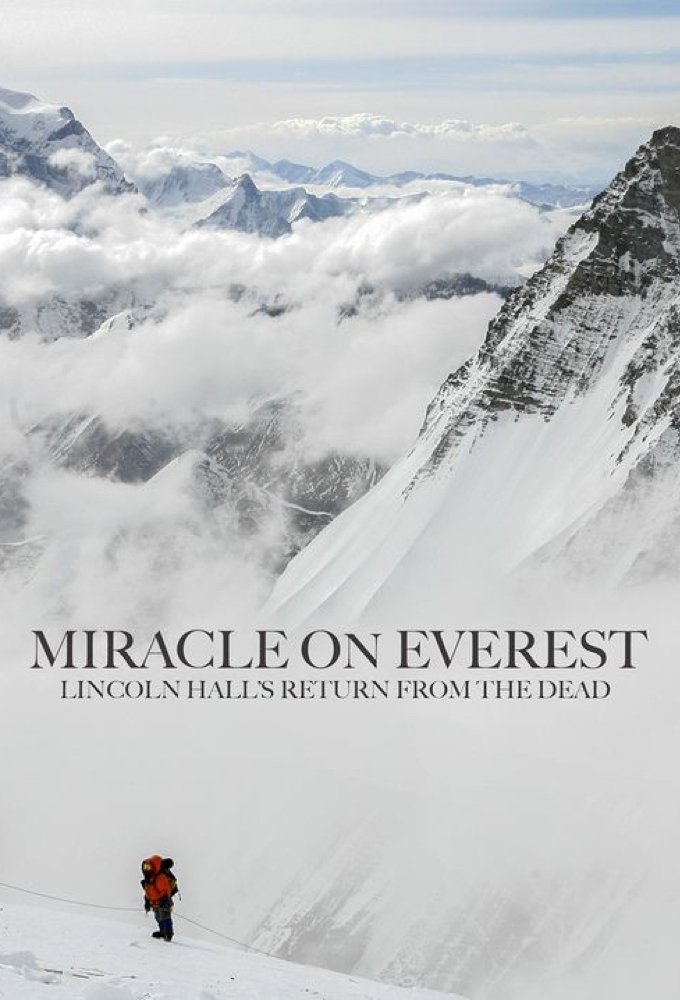
2006 was one of the deadliest Everest seasons on record. Experienced mountaineer Lincoln Hall was invited to join an expedition as a high altitude cameraman. It was his second attempt to summit the mountain, having turned back just short 22 years earlier. Shortly after reaching the summit, Hall began to behave irrationally, suffering from lack of oxygen. Aided by his loyal Sherpas for over 9 hours, he eventually collapsed and they declared him dead. His family were informed and the news hit headlines. But something happened that night that science cannot explain. The next morning Lincoln Hall was found alive by approaching climbers and his dramatic rescue began. Never before has a man been declared dead so high on Everest and survived. This is the remarkable true story of Lincoln Hall’s extraordinary journey back from beyond.
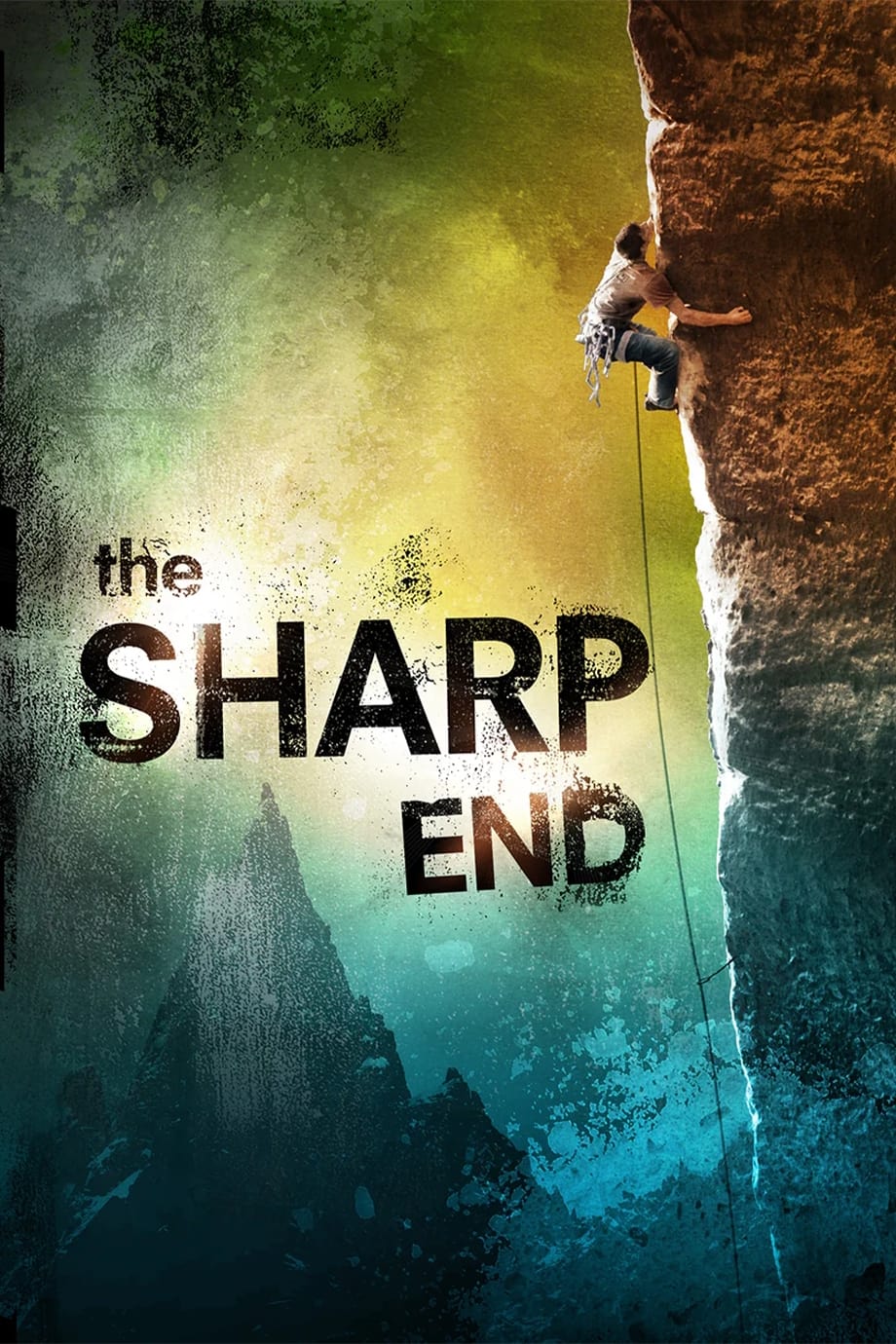
The Sharp End is an adrenaline-soaked journey up the world's most challenging walls: the French Alps, the Eiger, the Utah desert, the Diamond of Colorado, Indian Kashmir, Yosimite Granite, and the sandstone spires of the Czech Republic. Run-out routes, scary high-ball boulder problems, ice-covered alpine walls and all-or-nothing free-solo ascents will keep your palms perspiring.
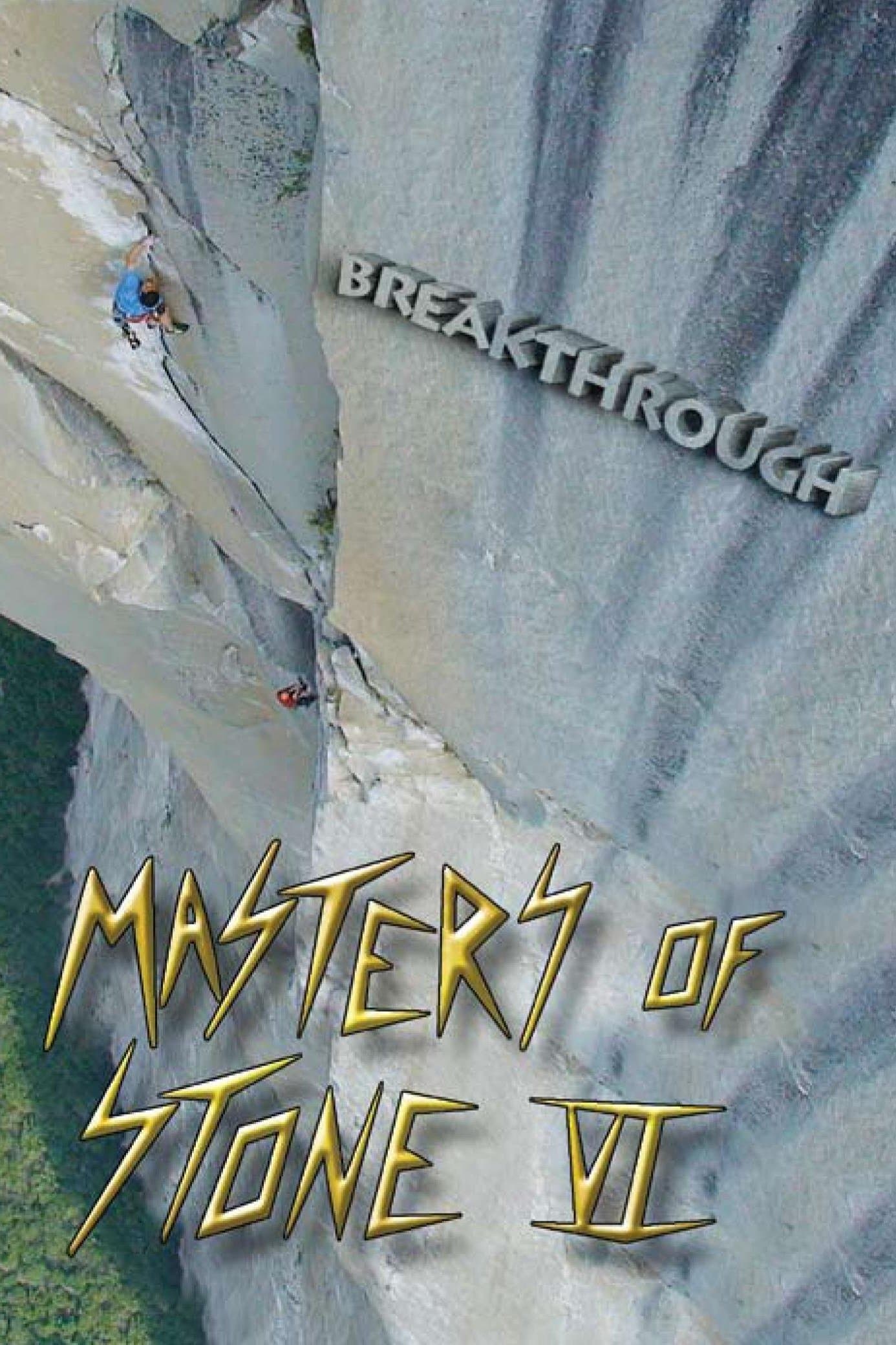
Once again, Masters of Stone breaks through to the cutting edge of the sport. Harder, Faster, Bolder, Newer, and more...six points of breakthrough in all.... where human edges toward the superhuman. This is the Super Bowl, Olympics, and Boston Marathon of rock climbing, all rolled into one. More than any other sport, rock climbing continually redefines its rules and resets its limits. Yesterday's impossible becomes today's warm-up as advances in mental and physical mastery combine to break new ground. Every few years the Masters of Stone series delivers a new episode that captures these breakthroughs in a tasty mix of music, character, commentary, and above all, visual action.
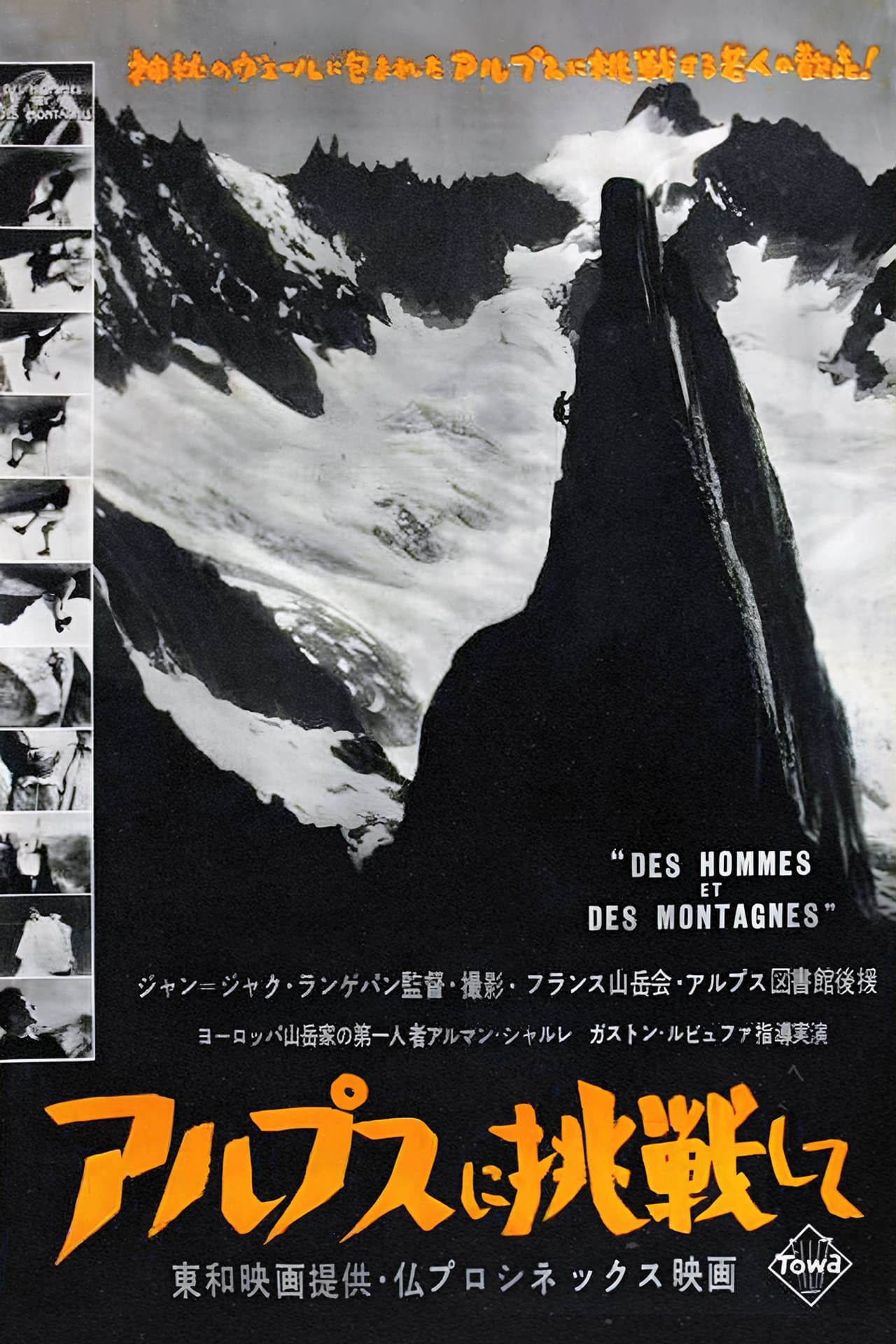
History, advice and demonstrations of mountaineering in the Mont Blanc massif by the renowned guides of the National School of Ski and Mountaineering from Chamonix. The film starts with an historical summary illustrating the aspirations and methods that lead man to conquer the mountains. Armand Charlet teaches mountaineering techniques and takes his students to the field for glacier or rock exercises. Gaston Rebuffat makes demonstrations of particularly dangerous climbs. At altitude, people move in solitude, cold and silence, like circus acrobats without spectators, but nothing stops the modern mountaineer.
L'Appel Des Cimes, directed by Alain Pol, is a documentary commissioned by the CAF and the various French ministries on the practice of post-war mountaineering. In 1946, climbers trained at the Fontainebleau Climbing School. Guy Poulet and Jacques Poincenot try to climb the Aiguilles de Chamonix but fail during the climbing phase. After a night in a refuge with Denise Rouzeau and the guide Pierre Allain, the mountaineers make a new attempt. Successful demonstration for those who continued the approach walk then the passage of the seracs of the glacier. On the rock, the roped party crosses a chimney and a crack to reach the summit and abseil down. Led by high mountain scouts, Guy and Jacques rediscover the glaciers and needles of the Mont-Blanc massif during the next lesson.
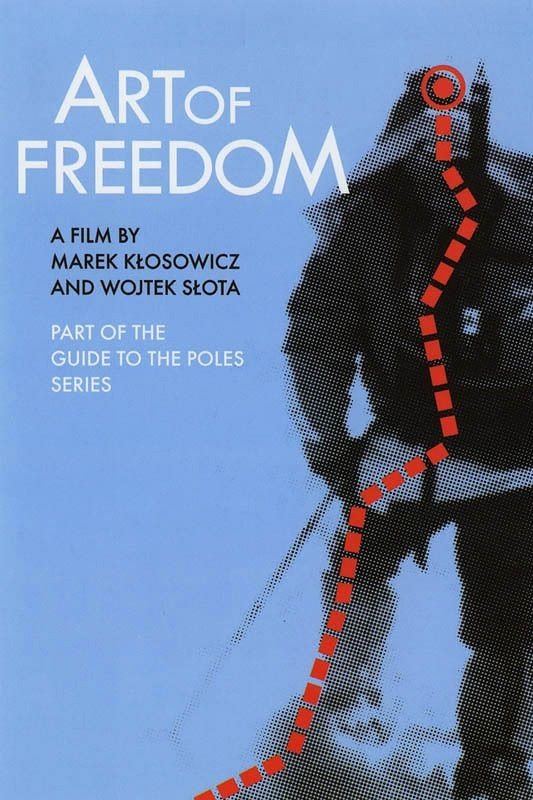
The documentary film Art of Freedom answers the most poignant questions on the phenomenon of Polish expeditions to the Himalayas. Poles have reigned the highest mountaintops of the world for more than 20 years. They not only set down new trails, but new rules of behavior. They set themselves apart with an original style of climbing, endurance, conscientiousness about the overall well-being of the team - and solidarity.
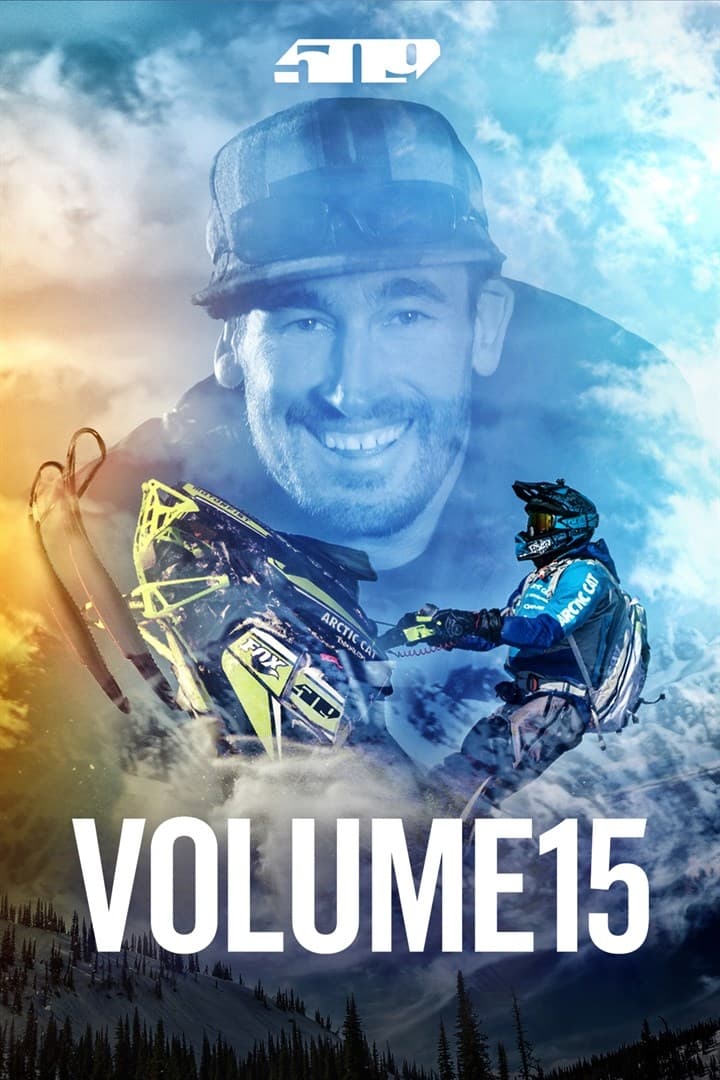
509 is back for another year of snowmobile action! How does adrenaline push our riders to send it year after year? What keeps them searching for the next big jump or breathtaking view? We travel across the West, Midwest and Sweden to capture the best in the world in their natural element.
509 Films presents their sixth installment of their award winning backcountry snowmobile film series. Co-produced by Tom Delanoy and Phil Yribar, vol. 6 is a film two years in the making. Tagged "We Are Snowmobilers", the film takes you on an epic ride, showcasing the world's best snowmobile athletes and how THEY are snowmobilers. Featuring top riders such as Chris Burandt, Dan Adams, Brett Turcotte, Keith Curtis, Ross Martin, and many more. Volume 6 is a well rounded snowmobile film covering all aspects of riding from deep powder, big air, insane hillclimbs, to snocross race action. Sit back, strap in, and enjoy an exhilarating ride.
Conrad Anker is one of the greatest and most notorious professional mountain climbers in history. But at 54, his career in the big mountains is winding down, especially after suffering a heart attack on a climb high in the Himalayas. His friend Alex Wildman is a novice big-wall climber and cardiac nurse with his own history of traumatic illness. Together, they team up to support each other on a climb up Yosemite's El Capitan in Yosemite Valley.
Pseudo-ethnological documents about two villages which, without roads and electricity, "stopped existing".
An international team of climbers ascends Mt. Everest in the spring of 1996. The film depicts their lengthy preparations for the climb, their trek to the summit, and their successful return to Base Camp. It also shows many of the challenges the group faced, including avalanches, lack of oxygen, treacherous ice walls, and a deadly blizzard.
Marc-André Leclerc, an exceptional climber, has made solo his religion and ice his homeland. When filmmaker Peter Mortimer begins his film, he places his camera at the base of a British Columbia cliff and waits patiently for the star climber to come down to answer his questions. Marc André, a little uncomfortable, prefers to return to the depths of the forest where he lives in a tent with his girlfriend Brette Harrington. In the heart of winter, Peter films vertiginous solos on fragile ice. He tries to make appointments with the climber who is never there and does not seem really concerned by this camera pointed at him "For me, it would not be a solo if there was someone else" . Marc-André is thus, the "pure light" of the mountaineers of his time, which marvel Barry Blanchard, Alex Honnold or Reinhold Messner, interviewed in the film. An event film for an extraordinary character.
JB Smoove and Martin Starr host a celebration of 20 years of "Spider-Man" movies, from the Sam Raimi trilogy to Marc Webb's movies and the trio from Jon Watts.
In this genre-bending tale, Errol Morris explores the mysterious death of a U.S. scientist entangled in a secret Cold War program known as MK-Ultra.
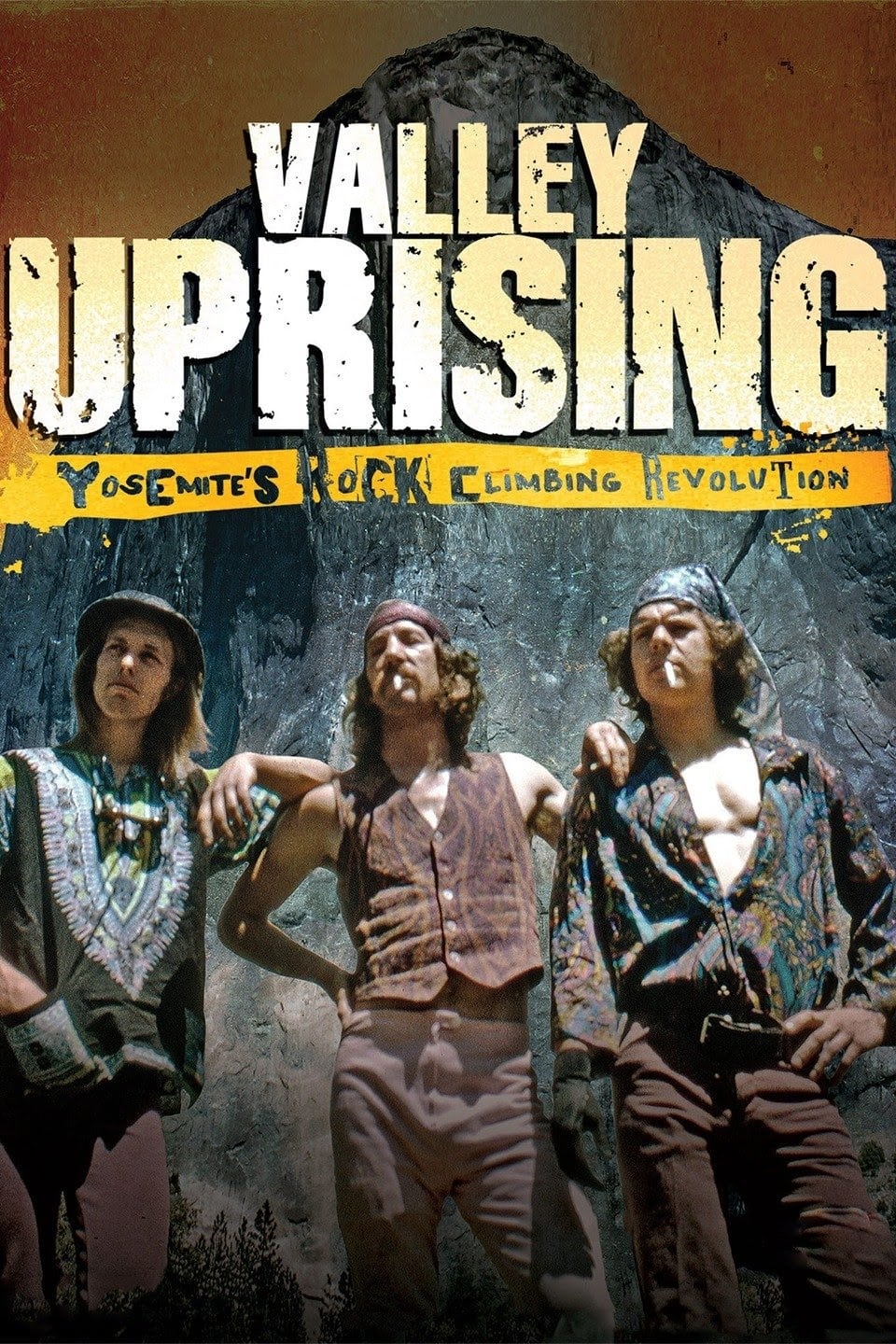
In the shady campgrounds of Yosemite valley, climbers carved out a counterculture lifestyle of dumpster-diving and wild parties that clashed with the conservative values of the National Park Service. And up on the walls, generation after generation has pushed the limits of climbing, vying amongst each other for supremacy on Yosemite's cliffs. "Valley Uprising" is the riveting, unforgettable tale of this bold rock climbing tradition in Yosemite National Park: half a century of struggle against the laws of gravity -- and the laws of the land.
Artists in LA discover the work of forgotten Polish sculptor Stanislav Szukalski, a mad genius whose true story unfolds chapter by astounding chapter.
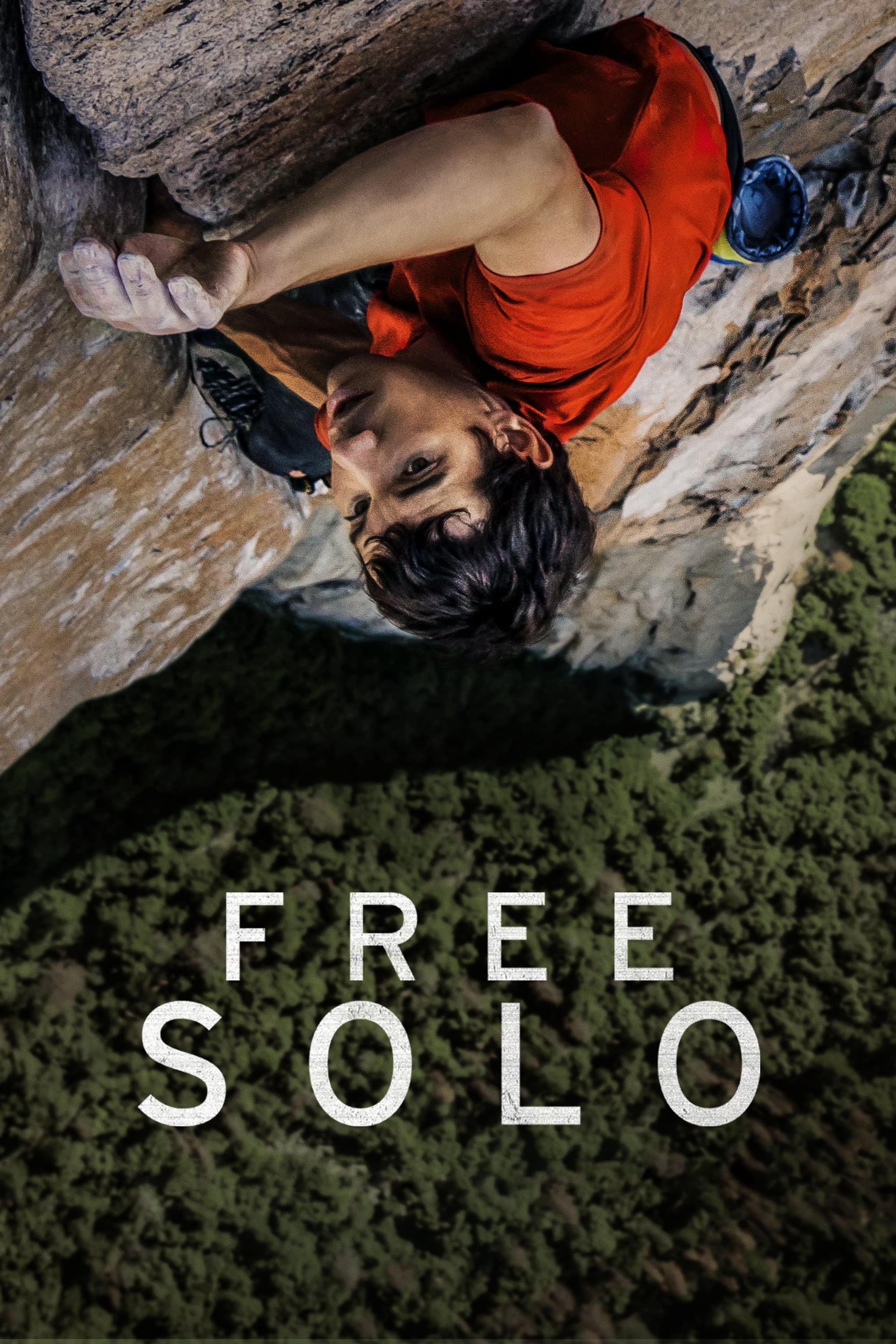
Follow Alex Honnold as he attempts to become the first person to ever free solo climb Yosemite's 3,000 foot high El Capitan wall. With no ropes or safety gear, this would arguably be the greatest feat in rock climbing history.
A documentary about the making of season five of the acclaimed AMC series Breaking Bad.
Ten of Muhammad Ali's former rivals pay tribute to the three-time world heavyweight champion.
As boxing's popularity wanes, three fighters at different stages of their career make sacrifices to pursue their dreams of becoming champions.
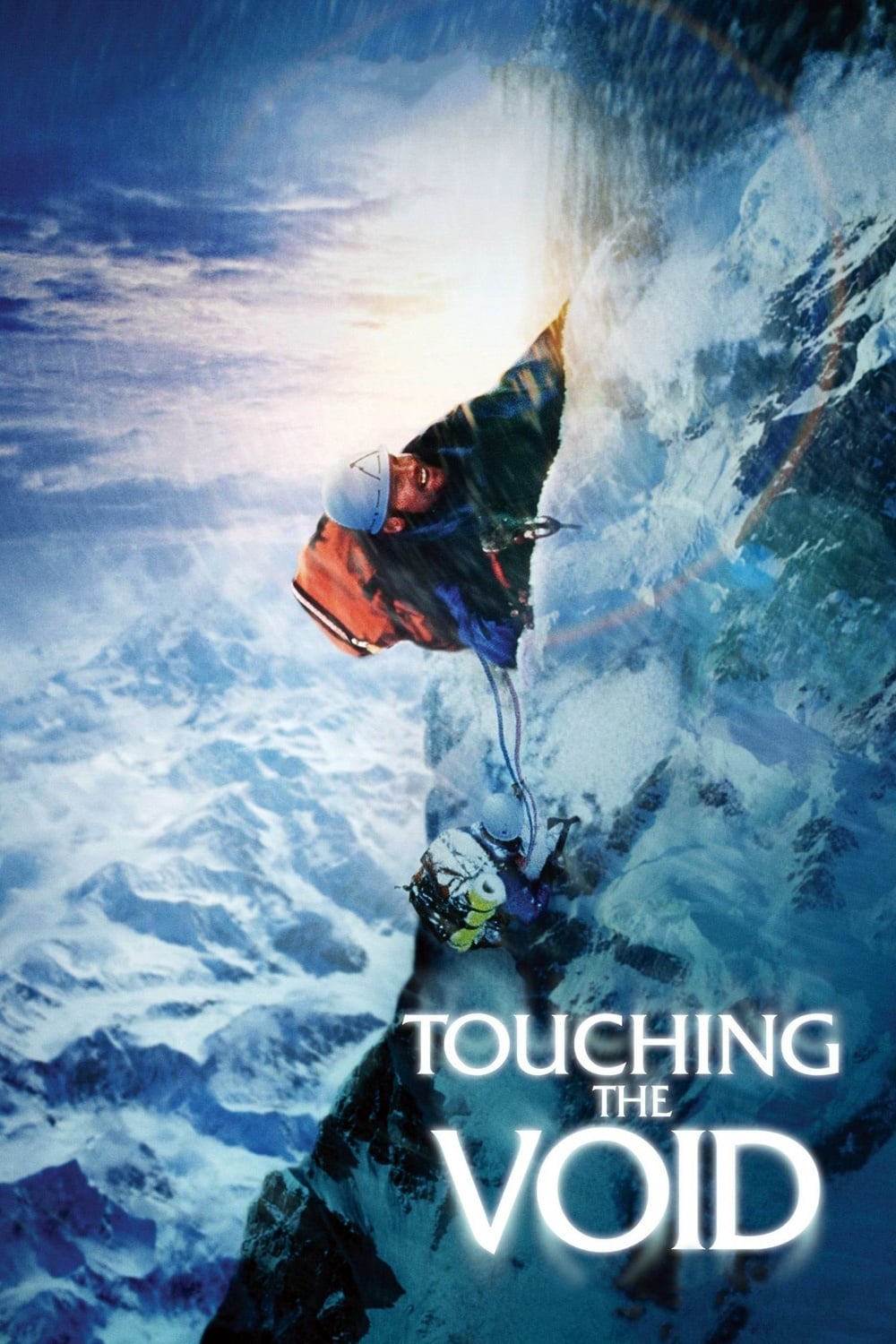
The true story of Joe Simpson and Simon Yates' disastrous and nearly-fatal mountain climb of 6,344m Siula Grande in the Cordillera Huayhuash in the Peruvian Andes in 1985.
In 2019, Nepalese mountain climber Nirmal “Nims” Purja set out to do the unthinkable by climbing the world’s fourteen highest summits in less than seven months. (The previous record was eight years). He called the effort “Project Possible 14/7” and saw it as a way to inspire others to strive for greater heights in any pursuit. The film follows his team as they seek to defy naysayers and push the limits of human endurance.
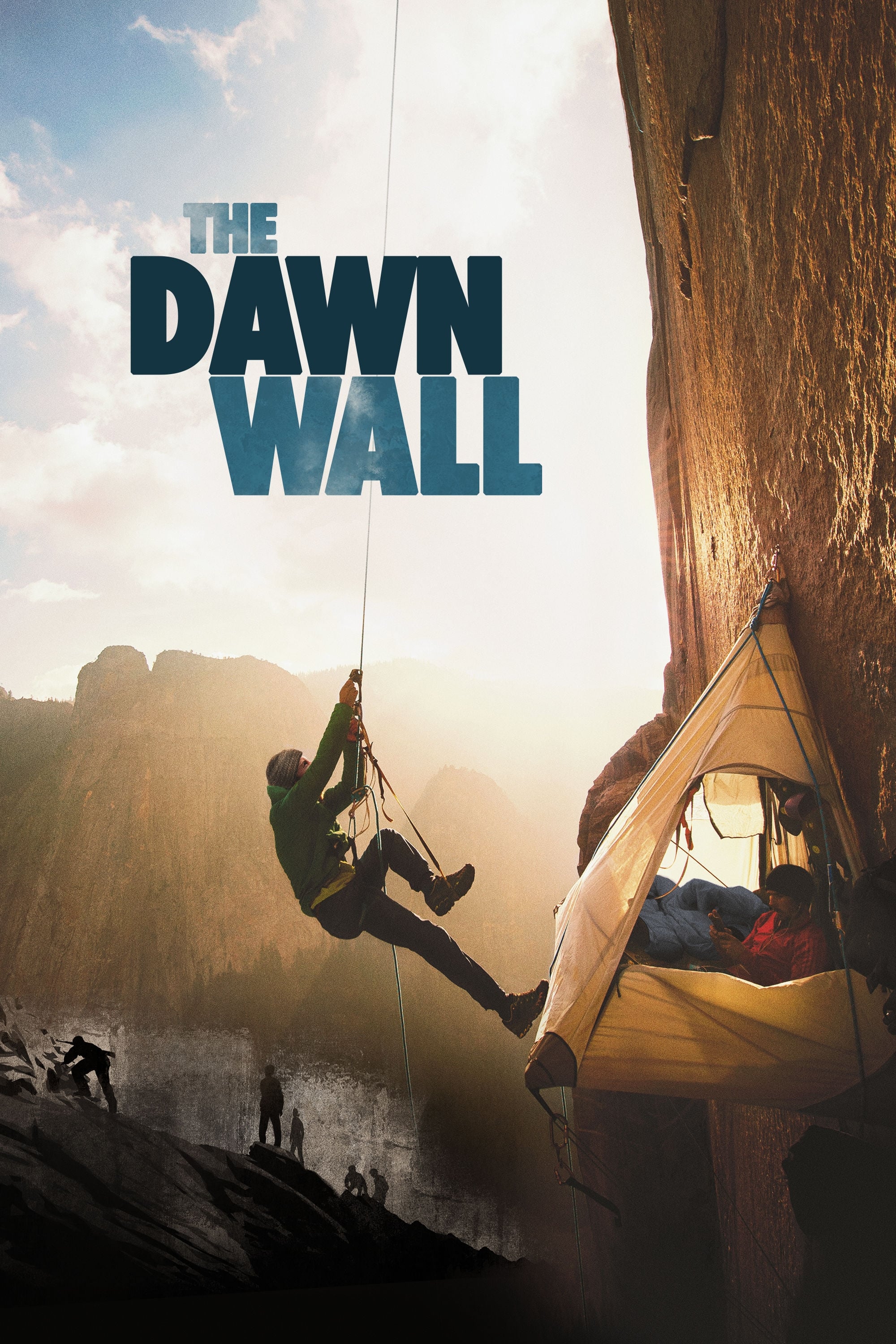
The definitive film on the climb that captured headlines and ignited imaginations worldwide. Tommy Caldwell and Kevin Jorgeson ascend the hardest big wall of all time: a 19 day ascent of The Dawn Wall, on the 3,000 foot vertical face of El Capitan, in Yosemite National Park. The film travels deeper than the climb, digging into the history of the climbers and painting an intimate portrait of Caldwell's harrowing life experiences that culminated in a single-minded drive to complete this impossible climb. The Dawn Wall is a heart-warming and inspiring movie that celebrates perseverance, camaraderie, and the universal spirit of dreaming big, and never giving up.
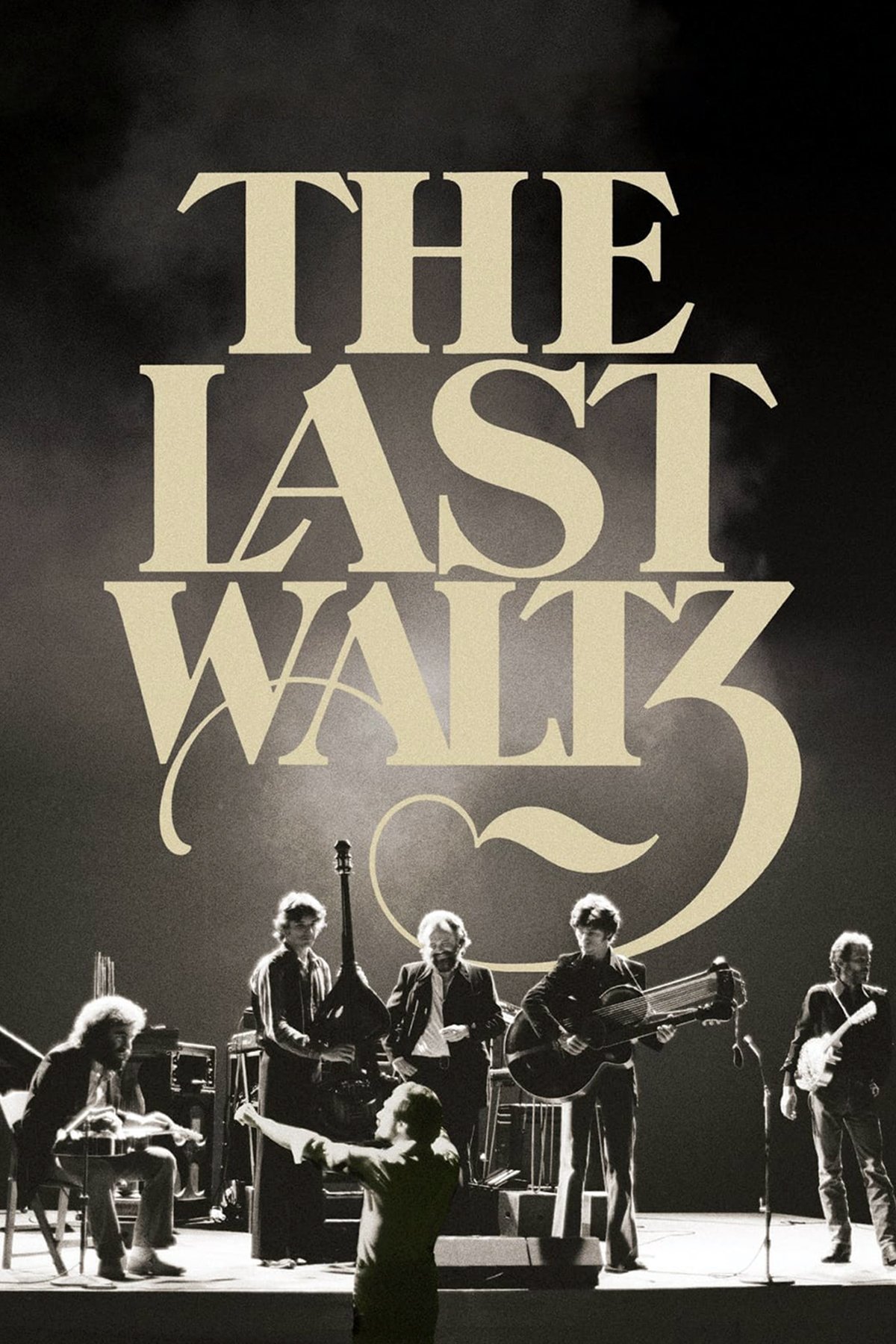
Martin Scorsese's documentary intertwines footage from The Band's incredible farewell tour with probing backstage interviews and featured performances by Eric Clapton, Bob Dylan, Joni Mitchell, Van Morrison, and other rock legends.
Join the likes of Jeremy Renner, Hailee Steinfeld, Florence Pugh, and Vincent D’Onofrio as they reveal how Marvel Studios’ “Hawkeye” was conceived and created. Witness firsthand what it took to pull off the show’s pulse-pounding action set pieces, and discover how iconic characters from the pages of Marvel Comics such as Kate Bishop were adapted and brought to life for the six-episode series.
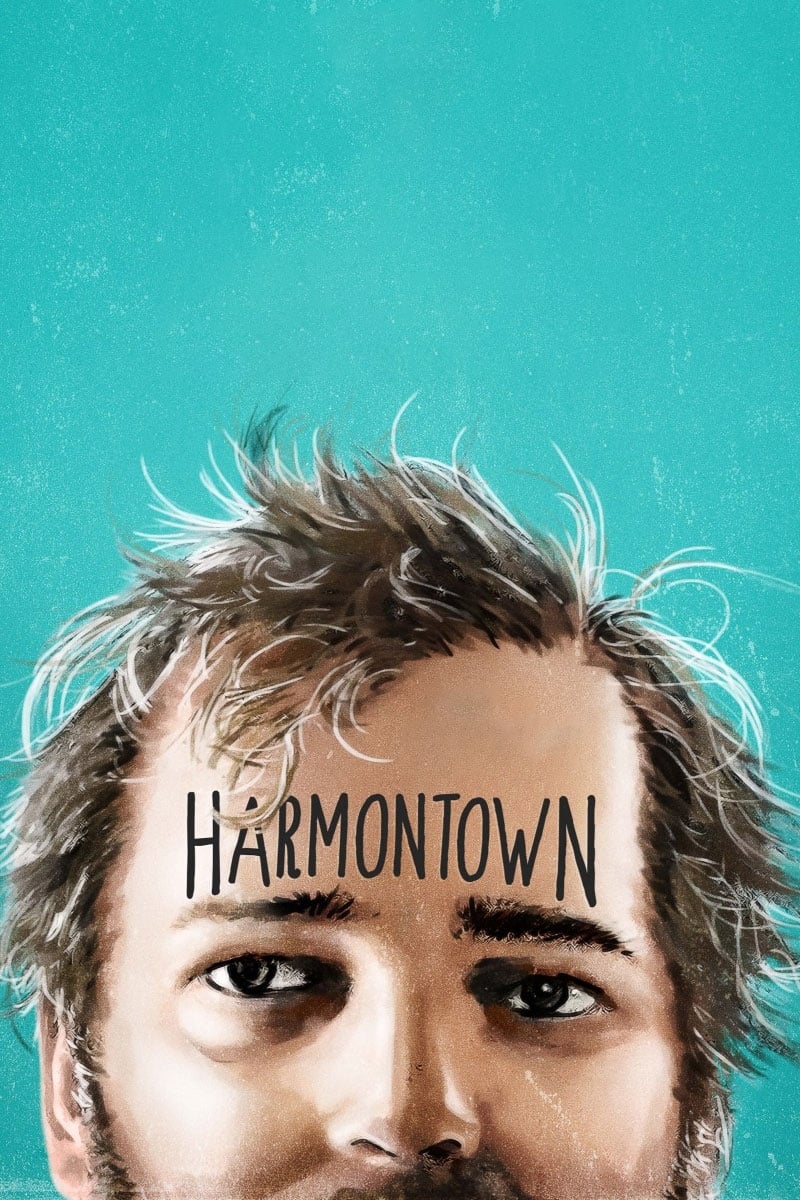
A comedic, brutally honest documentary following self-destructive TV writer Dan Harmon as he takes his live podcast on a national tour.
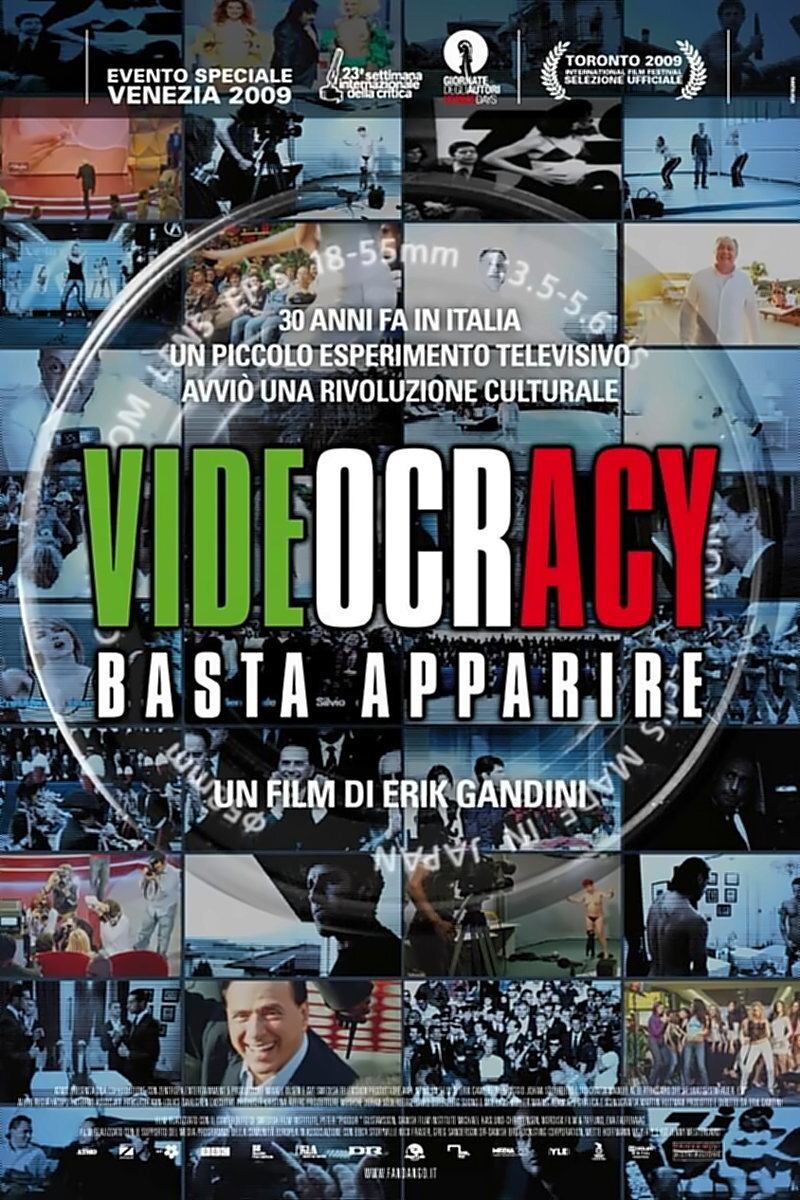
In a country where bella figura is a national pastime, Prime Minister Silvio Berlusconi is the maestro of media manipulation. Having risen to political primacy with the aid of his Mediaset empire, he now controls 90% of the bel paese’s television channels including the state-run RAI network. Quantity, it seems, does not equal quality. Fed on a diet of semi-naked dancing girls, inane competitions and rickety reality shows built around the most ridiculous of premises, is it any wonder that Italians are becoming a nation of fame-hungry wannabes?
Behind-the-scenes documentary about how Lionel Messi succeeded in lifting the World Cup – the only trophy to have eluded him in an incredible career.
Those who knew iconic funnyman John Candy best share his story, in their own words, through never-before-seen archival footage, imagery, and interviews.
An epic cinematic and musical collaboration between SHERPA filmmaker Jennifer Peedom and the Australian Chamber Orchestra, that explores humankind's fascination with high places.