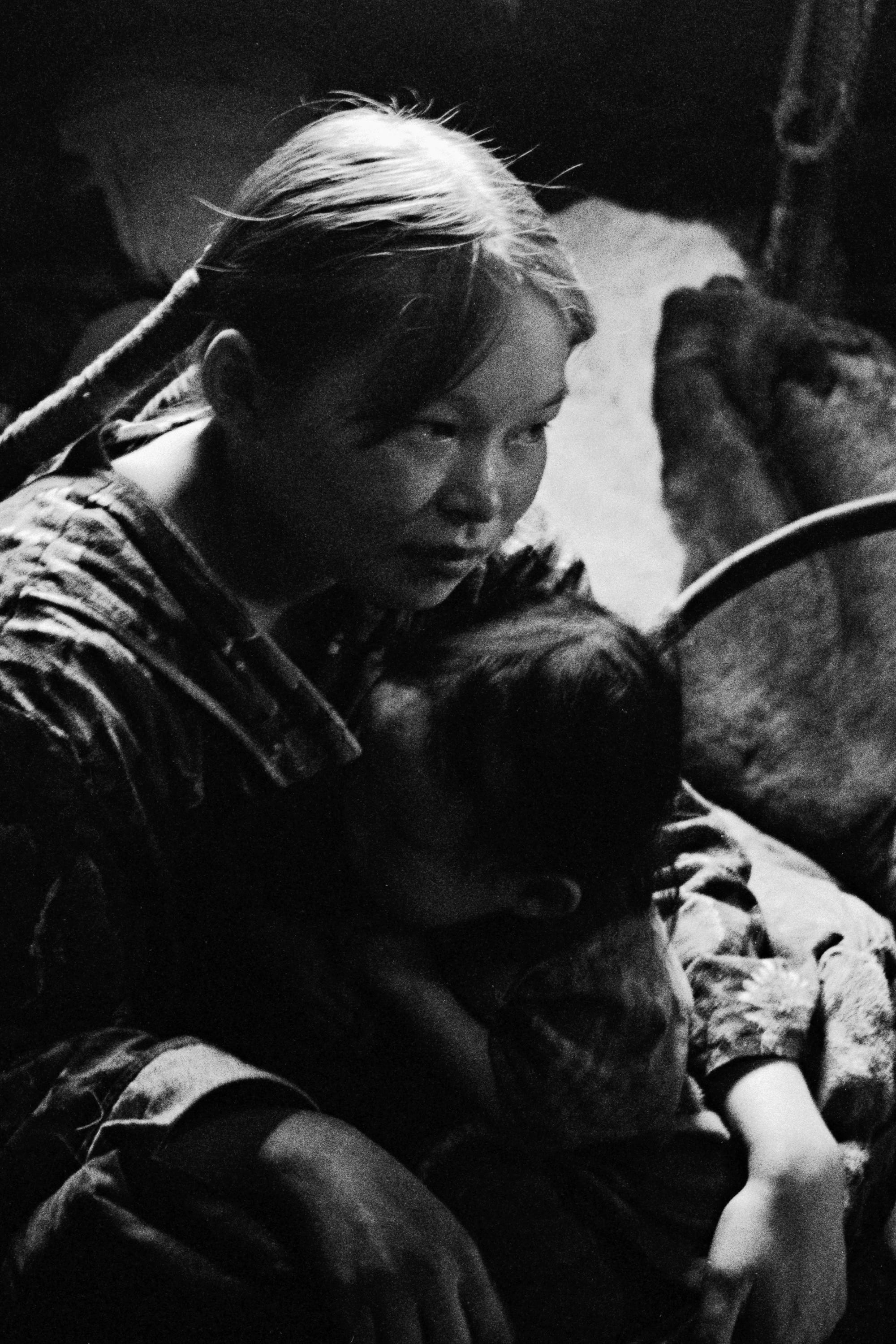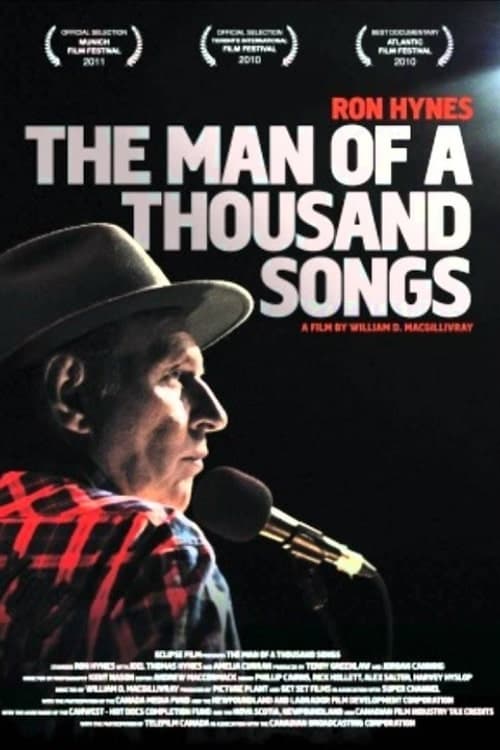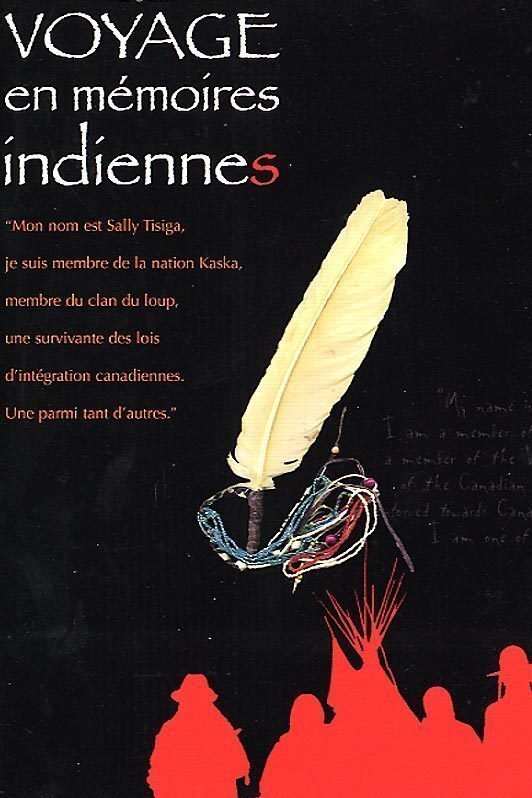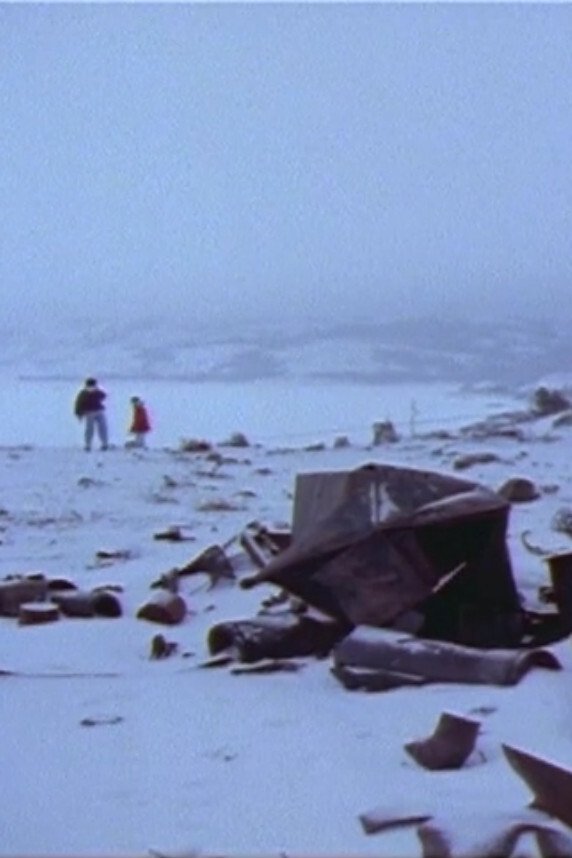
In the '60s, the Mushuau Innu had to abandon their 6,000-year nomadic culture and settle in Davis Inlet. Their relocation resulted in cultural collapse and widespread despair.

Social & External
Narrator
Sensationalized in the media as a high profile catfishing case involving an NBA superstar and an aspiring model, Shelly Chartier was portrayed as a master manipulator who used social media as her weapon. Through the sensitive and intelligent lens of Indigenous directors Lisa Jackson and Shane Belcourt, the sensationalism is swept aside to reveal something much more compelling and complex - the story of a young woman caught in historical circumstances beyond her control and how she struggles to rebuild her life after incarceration.
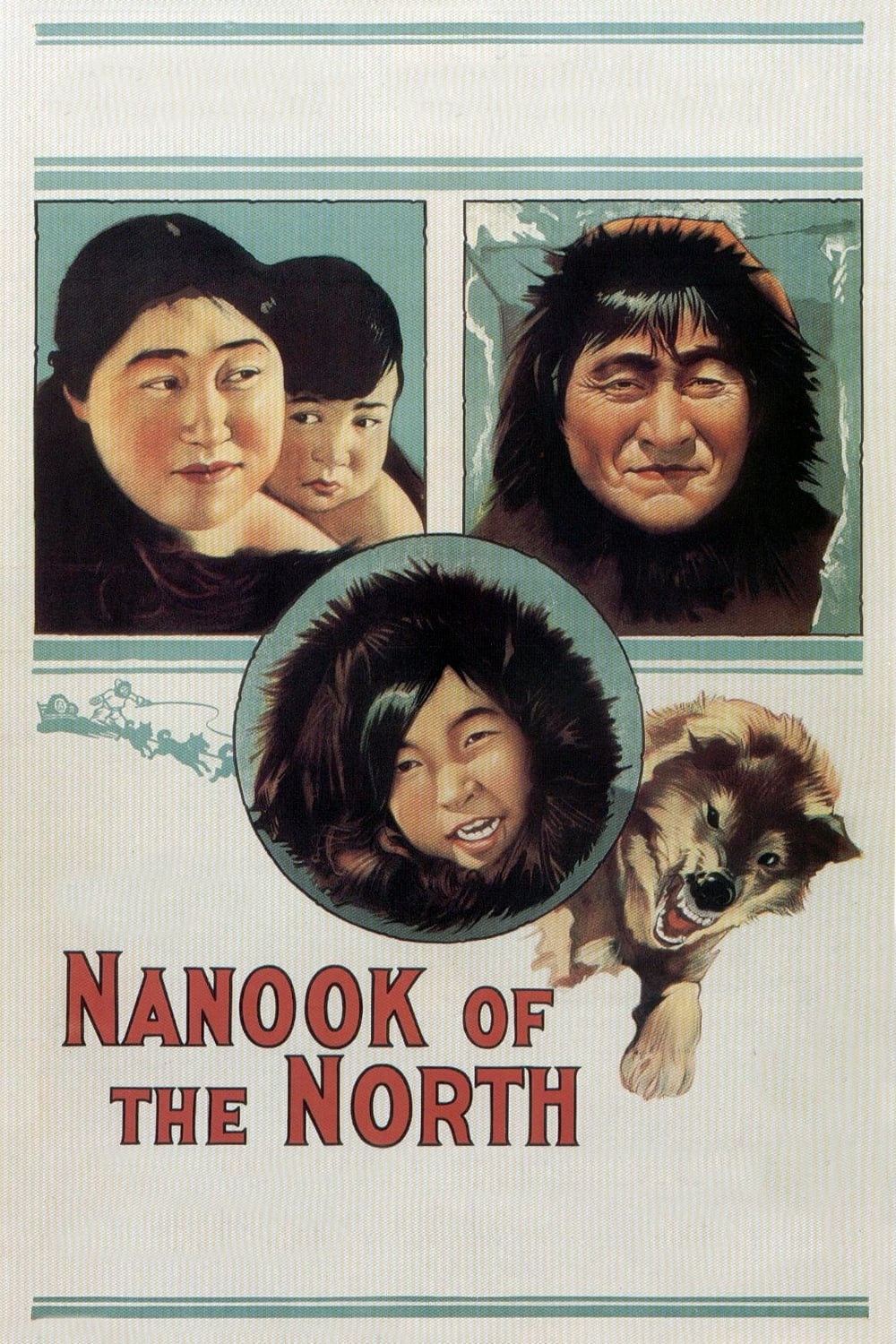
This pioneering documentary film depicts the lives of the indigenous Inuit people of Canada's northern Quebec region. Although the production contains some fictional elements, it vividly shows how its resourceful subjects survive in such a harsh climate, revealing how they construct their igloo homes and find food by hunting and fishing. The film also captures the beautiful, if unforgiving, frozen landscape of the Great White North, far removed from conventional civilization.
This lively satire uses animation and a pseudo-documentary style to depict Canada's search for a national identity. The National Scream explains, amongst other elements of Canadiana, how and why the beaver became the country's symbol.
In 1953 the Canadian government relocated Inuit families from Northern Québec to the High Arctic, promising an abundance of game and fish and assuring them they could return home after two years if things didn't work out. They would not see their ancestral lands for 30 years. Abandoned in flimsy tents, the Inuit were left to fend for themselves in the desolate settlements of Resolute Bay and Grise Fiord, where the sea was nearly always frozen and darkness reigned for months on end.
The life and times of Leilani Muir, the first person to file a lawsuit against the Alberta provincial government for wrongful sterilization under the Sexual Sterilization Act of Alberta.
In 1832 the government of Van Diemen’s Land sent the last Aboriginal resistance fighters into exile at Wybalenna on Flinders Island, bringing an end to the Black War and opening a new chapter in the struggle for justice and survival by Tasmanian Aboriginal people. Black Man’s Houses tells a dramatic story of the quest by Aboriginal people to reclaim the graves of their ancestors against a background of racism and denial. Documenting a moving memorial re-enactment of the funeral of the great chief Manalargenna, the film also charts the cultural strength and resilience of his descendants as they are forced to fight for recognition in a society that is not ready to remember the terrible events of the past.
Benito Arévalo is an onaya: a traditional healer in a Shipibo-Konibo community in Peruvian Amazonia. He explains something of the onaya tradition, and how he came to drink the plant medicine ayahuasca under his father's tutelage. Arévalo leads an ayahuasca ceremony for Westerners, and shares with us something of his understanding of the plants and the onaya tradition.
The filmed account of a large Canadian rock festival train tour boasting major acts. In the summer of 1970, a chartered train crossed Canada carrying some of the world's greatest rock bands. The Grateful Dead, Janis Joplin, The Band, Buddy Guy, and others lived (and partied) together for five days, stopping in major cities along the way to play live concerts. Their journey was filmed.
Go head-to-head with an icebreaker. Plunge down a twisting mountain gorge. Soar through the clouds in the nosecone of a jet, then speed along with a dog team as it races across a frozen Arctic lake. A sweeping, moving tribute to Canada's stunning geography and rich cultural heritage, Momentum leaps off your screen--and touches your heart. Momentum wowed audiences from around the world when it premiered at Seville, the greatest world's fair of the last quarter century.
In the summer of 2000, federal fishery officers appeared to wage war on the Mi'gmaq fishermen of Burnt Church, New Brunswick. Why would officials of the Canadian government attack citizens for exercising rights that had been affirmed by the highest court in the land? Alanis Obomsawin casts her nets into history to provide a context for the events on Miramichi Bay.

Stan Hill Jr. is a Haudenosaunee artist living in Miawpukek First Nation Reserve, Conne River, Newfoundland. In “The Bear Inside a Whale,” he and his family discuss racism, identity, religion, creation and art, along with the cultural extinction of the Beothuk of Newfoundland. Throughout the film, we follow Stan carving a bear out of a whale vertebra. And we visit The Rooms (museum) in St. John’s, Newfoundland, where Stan talks about viewing and reclaiming Indigenous artefacts.
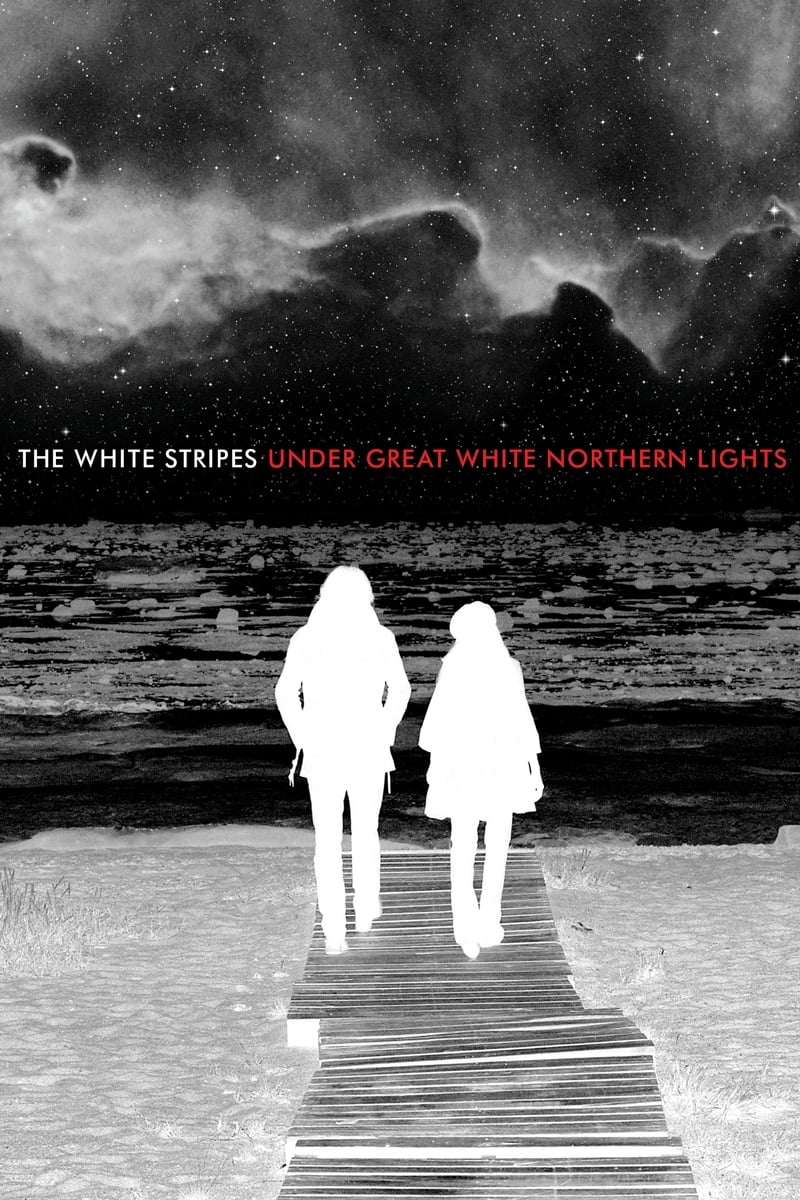
A documentary of an expedition to Churchill, Manitoba to film the Northern Lights.
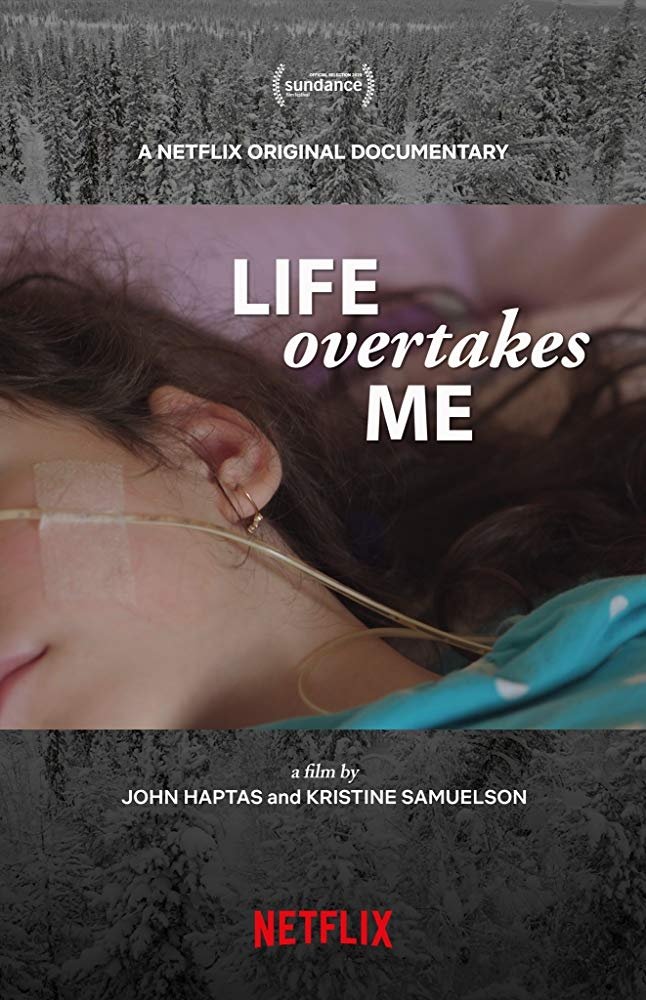
The story of a young boy forced to spend all five years of his short life in hospital while the federal and provincial governments argued over which was responsible for his care, as well as the long struggle of Indigenous activists to force the Canadian government to enforce “Jordan’s Principle” — the promise that no First Nations children would experience inequitable access to government-funded services again.
Elliot Page brings attention to the injustices and injuries caused by environmental racism in his home province, in this urgent documentary on Indigenous and African Nova Scotian women fighting to protect their communities, their land, and their futures.

This short documentary is part of the Canada Carries On series of morale-boosting wartime propaganda films. In Home Front, the various WWII-era social contributions of women are highlighted. From medicine to industrial labour to hospitality, education and domesticity, the service these women provided to their country is lauded.
A mother moose’s journey through nature’s eternal cycles.
ARCTIC SUMMER is a poetic meditation on Tuktoyaktuk, an Indigenous community in the Arctic. The film captures Tuk during one of the last summers before climate change forced Tuk's coastal population to relocate to more habitable land.
Nedarma (Travelling) is one of several documentary features co-directed by Anastasia Lapsui and Markku Lehmuskallio that portray the daily lives of the Nenets, Lapsui’s tribe based in the northern tundra of Siberia. The film invokes Nenets cosmology as a way of leading into a filmic structure that portrays the arc of life from birth to death.
This film recreates the true story of Tom Sukanen, an eccentric Finnish immigrant who homesteaded in Saskatchewan in the 1920s and 1930s. Sukanen spent ten years building and moving overland a huge iron ship that was to carry him back to his native Finland. The ship never reached water.
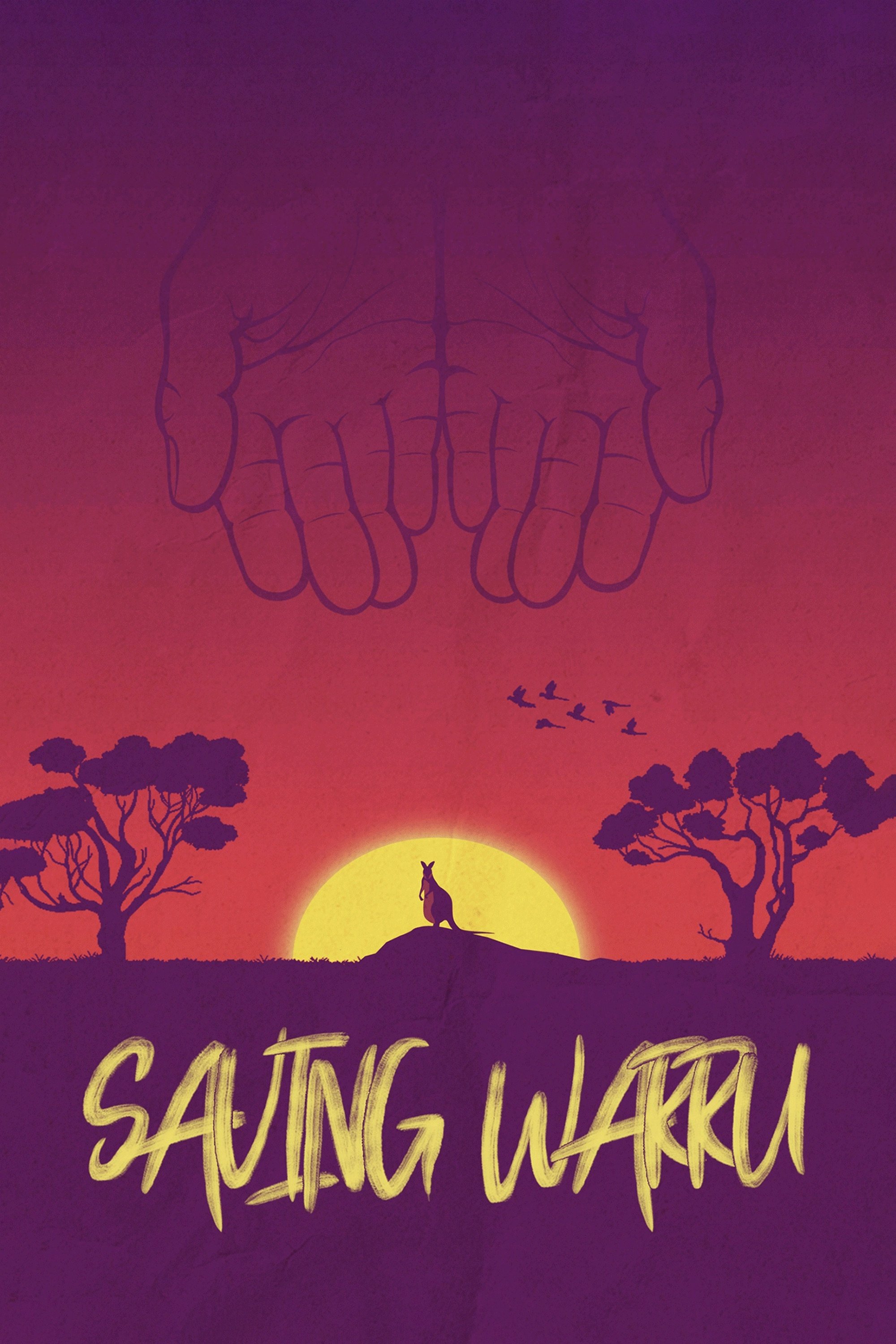
Warru, or black-footed rock-wallaby, is one of South Australia's most endangered mammals. In 2007, when numbers dropped below 200 in the APY Lands in the remote north-west of the State, the Warru Recovery Team was formed to help save the precious species from extinction. Bringing together contemporary science, practical on-ground threat management and traditional Anangu ecological knowledge, this unique decade-long program has celebrated the release of dozens of warru to the wild for the first time.
A documentary on the expletive's origin, why it offends some people so deeply, and what can be gained from its use.
From a prolific career in film and television, Anton Yelchin left an indelible legacy as an actor. Through his journals and other writings, his photography, the original music he wrote, and interviews with his family, friends, and colleagues, this film looks not just at Anton's impressive career, but at a broader portrait of the man.
Unravel the case of Utah therapist Jodi Hildebrandt, whose child abuse arrest with parenting YouTuber Ruby Franke exposed a twisted tale of manipulation.
Grammy® winner singer-songwriter Olivia Rodrigo takes a familiar road trip from Salt Lake City, where she began writing her debut album “SOUR,” to Los Angeles. Along the way, Rodrigo recounts the memories of writing and creating her record-breaking debut album and shares her feelings as a young woman navigating a specific time in her life. Through new live arrangements of her songs, intimate interviews and never-before-seen footage from the making of the album, audiences will follow Olivia along on a cinematic journey exploring the story of “SOUR.”
A tribute to Chadwick Boseman, celebrating his life and legacy.
The compelling feature-length documentary film, by director Barry Ptolemy, chronicles the life and controversial ideas of luminary Ray Kurzweil. For more than three decades, inventor, futures, and New York Times best-selling author Ray Kurzweil has been one of the most respected and provocative advocates of the role of technology in our future.
An inside look at one of the most anticipated movie sequels ever with James Cameron and cast.
The film MISS REPRESENTATION exposes how American youth are being sold the concept that women and girls’ value lies in their youth, beauty and sexuality. Explores the under-representation of women in positions of power and influence in America, and challenges the media's limited portrayal of what it means to be a powerful woman. It’s time to break that cycle of mistruths.
A documentary chronicling Queen and Lambert's incredible journey since they first shared the stage together on "American Idol" in 2009.
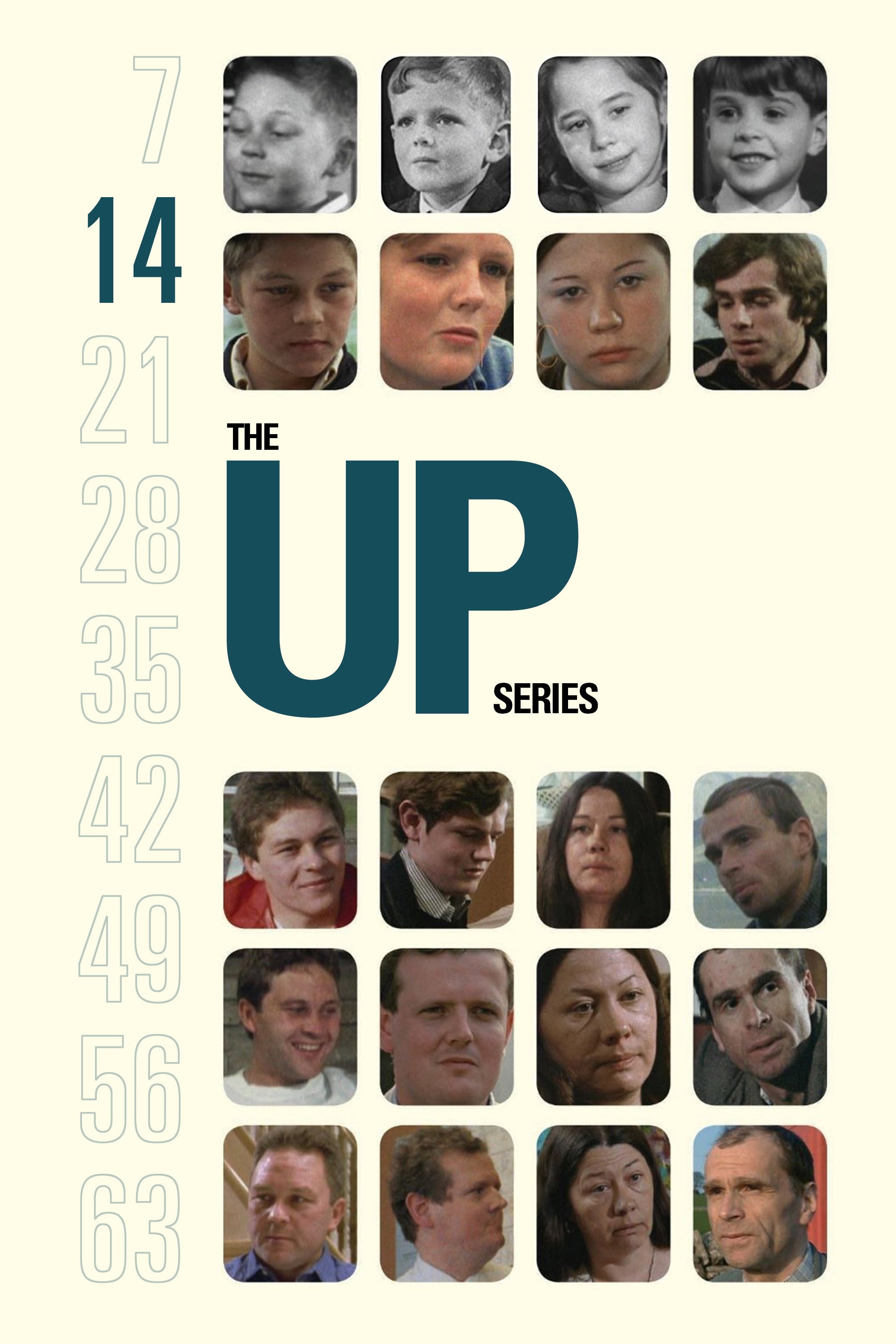
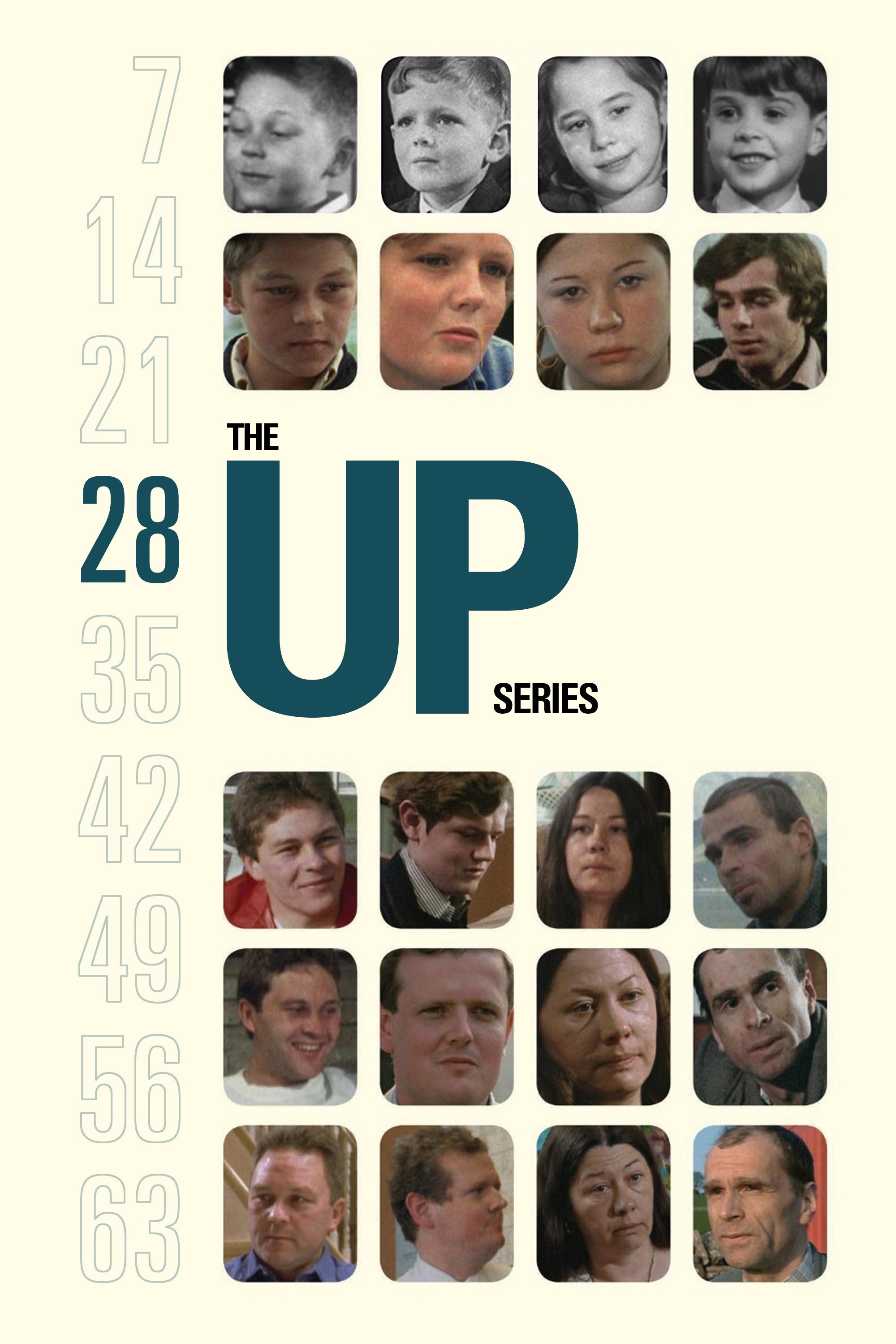
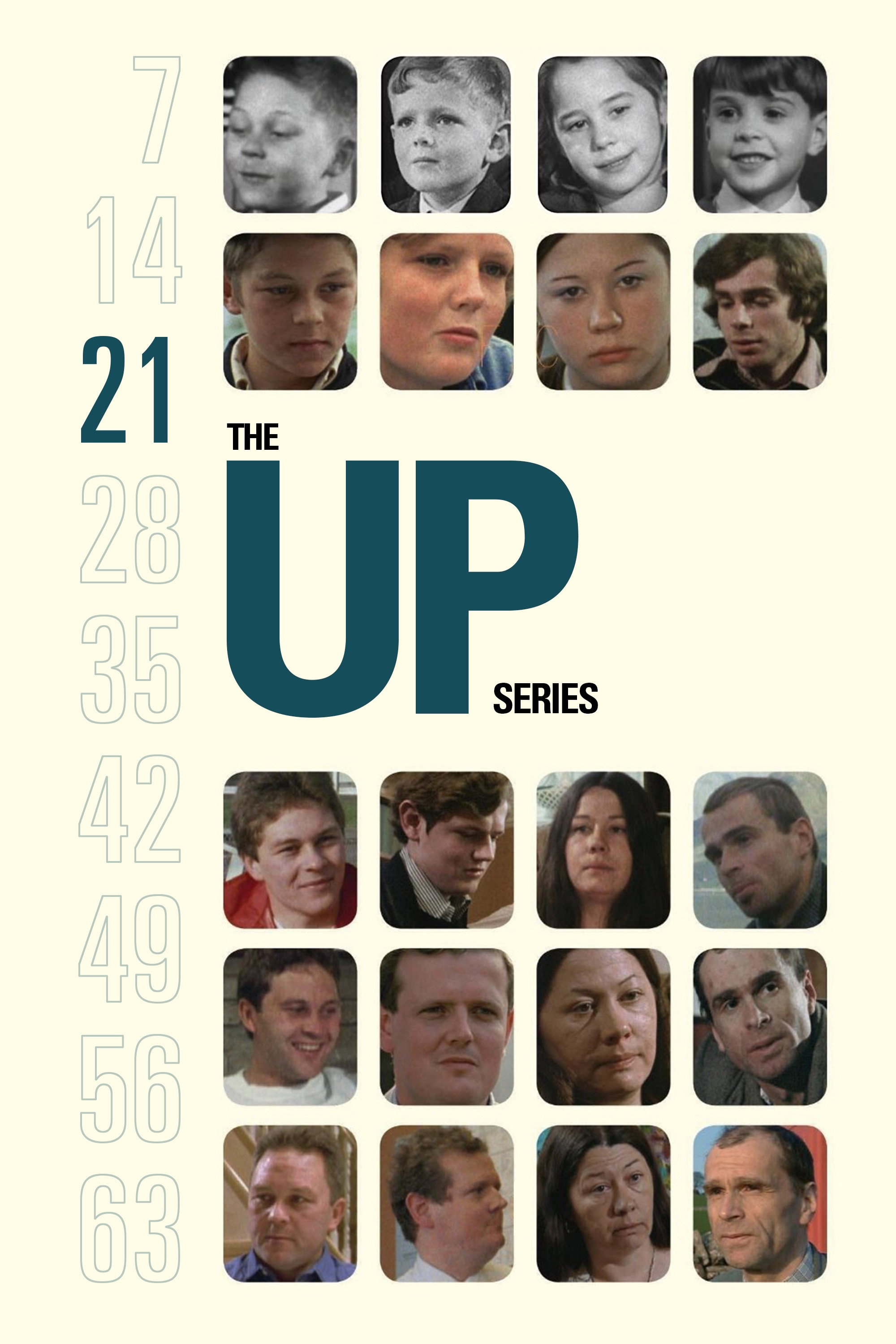
Just two years away from turning 30, participants in Michael Apted's documentary series are facing serious questions of identity and purpose, wondering whether they've found their place in the world.
A documentary shot by filmmakers all over the world that serves as a time capsule to show future generations what it was like to be alive on the 24th of July, 2010.
Nine filmmakers each profile a young girl from a different part of the world to weave a global tapestry of youth in the 21st century.
In this genre-bending tale, Errol Morris explores the mysterious death of a U.S. scientist entangled in a secret Cold War program known as MK-Ultra.
Documentary exploring the human tendency to be dishonest. Inspired by the work of social scientist, Dan Ariely, the film interweaves personal stories, expert opinions, behavioral experiments, and archival footage to reveal how and why people lie.
While investigating the furtive world of illegal doping in sports, director Bryan Fogel connects with renegade Russian scientist Dr. Grigory Rodchenkov—a pillar of his country’s “anti-doping” program. Over dozens of Skype calls, urine samples, and badly administered hormone injections, Fogel and Rodchenkov grow closer despite shocking allegations that place Rodchenkov at the center of Russia’s state-sponsored Olympic doping program.
Takes us to locations all around the US and shows us the heavy toll that modern technology is having on humans and the earth. The visual tone poem contains neither dialogue nor a vocalized narration: its tone is set by the juxtaposition of images and the exceptional music by Philip Glass.
In this concert film, 'Hannah Montana' star Miley Cyrus performs a slew of hit songs, including 'Just Like You' and 'Life's What You Make It.'
A true-crime comedy exploring a failed music festival turned internet meme at the nexus of social media influence, late-stage capitalism, and morality in the post-truth era.
Martin Scorsese’s portrait of writer and social commentator Fran Lebowitz, celebrated for her sharp wit and observations on modern life. Filmed at New York’s Waverly Inn and intercut with archival footage and interviews, the documentary captures Lebowitz’s distinctive worldview through her spontaneous monologues and public appearances.
An exploration of technologically developing nations and the effect the transition to Western-style modernization has had on them.