After getting caught in a fight, Vahid needs to sell one of his kidneys to avoid a prison sentence of many years. While waiting for the liberating call from a buyer, a wish for a better life starts to grow within him.

Social & External
Migrants from the countryside and unemployed people from neighbouring cities take over some unused land and establish a neighbourhood in the industrial zone of Maracay. The event coincides with a presidential election campaign, which motivates political demonstrations in that town.
What is possible when we have guaranteed money to meet our basic needs? No requirements. No stipulations. No paybacks. We look to the village of Busibi to discover what’s possible when we give money directly to people. No strings attached. The answer lies in the residents’ personal stories. Their successes and tribulations illustrate the impact of one of the most daring projects in contemporary development cooperation. Their life stories unexpectedly prove to be all too familiar. They make us laugh. They move us. Blending in together, they create a colorful and poetic reality portrait, illustrating the big consequences of a small sum of money …
An unlikely collaboration between a forensic scientist from Texas and a group of Latin American students changes the course of forensic science and international human rights.
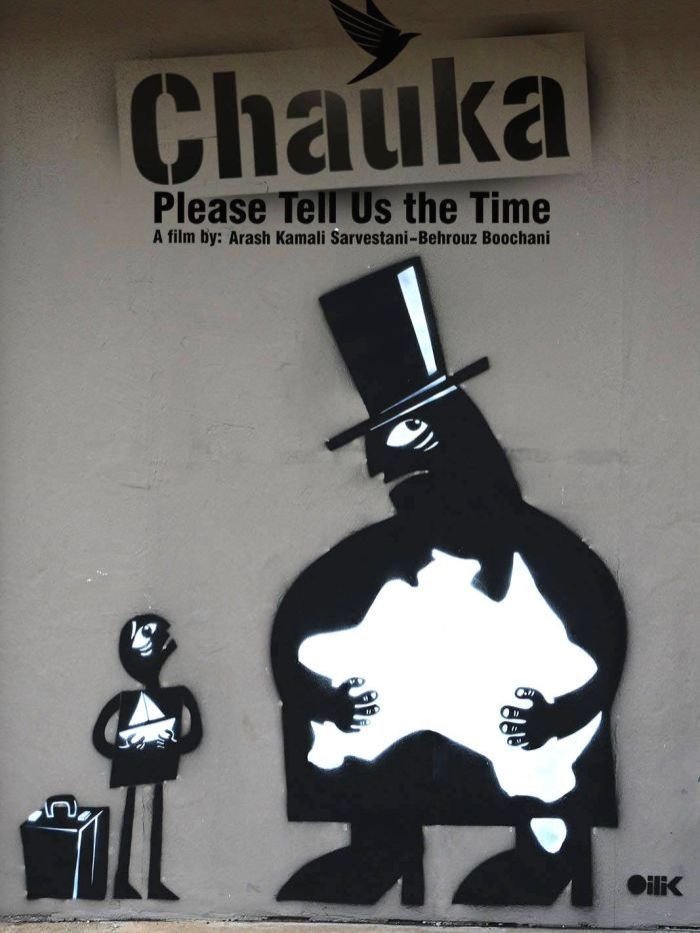
An urgent and powerful documentary, shot in a detention centre where asylum seekers trying to reach Australian shores are indefinitely detained. Secretly shot on a mobile phone by Iranian journalist Behrouz Boochani while detained on Manus, in Papua New Guinea, the film is a collaboration with Dutch-Iranian filmmaker Arash Kamali Sarvestani. Boochani recounts, via the testimonies of fellow inmates, the abuse and violence inflicted and the precarious state of limbo they find themselves in. Chauka, the name of the dreaded solitary confinement unit within the detention centre, was originally the name of a beautiful bird and symbol of the Manus Island. By interweaving dialogue with two Manusian men and shots of daily life on the island, the film gives a much-needed voice to Manus inhabitants, understandably distressed by the current situation. With marked restraint, the film exposes lives broken by shocking immigration policies.
In this guided tour of a unique Persian carpet, a close-up of the delicate "spine" of a tree branches out into the discovery of a fantastical world.
J and Jacky are good friends who attend the same school. J is from a single-parent family, and will be taken care by Jacky’s family whenever his mother has to return to Mainland to renew her visa; such kind of story is not an isolated case. These families have been uprooted for a “better future” in Hong Kong, but is this “future” that the children really long to have? A Chinese saying: “How does one understand the joy of fish, if one is not a fish?” Will the adults really understand what the children want?
In a candid and unflinching portrait of Palestinian prisoners, Shimon Dotan takes viewers inside the highest security prisons in Israel where thousands of Palestinians fill these detention facilities.
David Asmmann's Football Under Cover documents the hard work involved in setting up an exhibition soccer match, known as a "friendly," between a German girls squad and Iranian women's team. In addition to showing how the two groups come from very different cultures, the documentary showcases what playing the game means to the members of both teams, and displays how passionate the fans of these two squads are.

The challenges of the present, expectations for the future, and the dreams of those who experience the reality of public high school in Brazil. Through the voices of students, principals, teachers and experts, "Not Even In a Wildest Dream" offers a reflection on the value of education.
Documentary about the Lyon sex workers who occupied the church of St. Nizier on June 3, 1975.
Through testimonies and images, the crude reality of human rights in Argentina in democracy is portrayed and the role of the hegemonic means of communication to make causes and protests invisible ...
Iran, January 16th, 1979. Shah Mohammad Reza Pahlavi flees after being overthrown. Ayatollah Khomeini returns to Tehran and proclaims the Islamic Republic on April 1st, 1979. In the same year, Saddam Hussein seizes power in Iraq and, after several border skirmishes, attacks Iran on September 22nd, 1980, initiating a cruel war that will last eight years. Since its outbreak, correspondent Saeid Sadeghi documented it from its beginning to its bitter end.
Oxana is a woman, a fighter, an artist. As a teenager, her passion for iconography almost inspires her to join a convent, but in the end she decides to devote her talents to the Femen movement. With Anna, Inna and Sasha, she founds the famous feminist group which protests against the regime and which will see her leave her homeland, Ukraine, and travel all over Europe. Driven by a creative zeal and a desire to change the world, Oxana allows us a glimpse into her world and her personality, which is as unassuming, mesmerising and vibrant as her passionate artworks.
Behind the scenes documentary about the making of the two time selected film "Moonflower"
The Freedom of the Sea is a short documentary highlighting the freedom of living in the UK - in contrast to a more restrictive life in Iran - through the joy of daily sea swimming in Brighton.
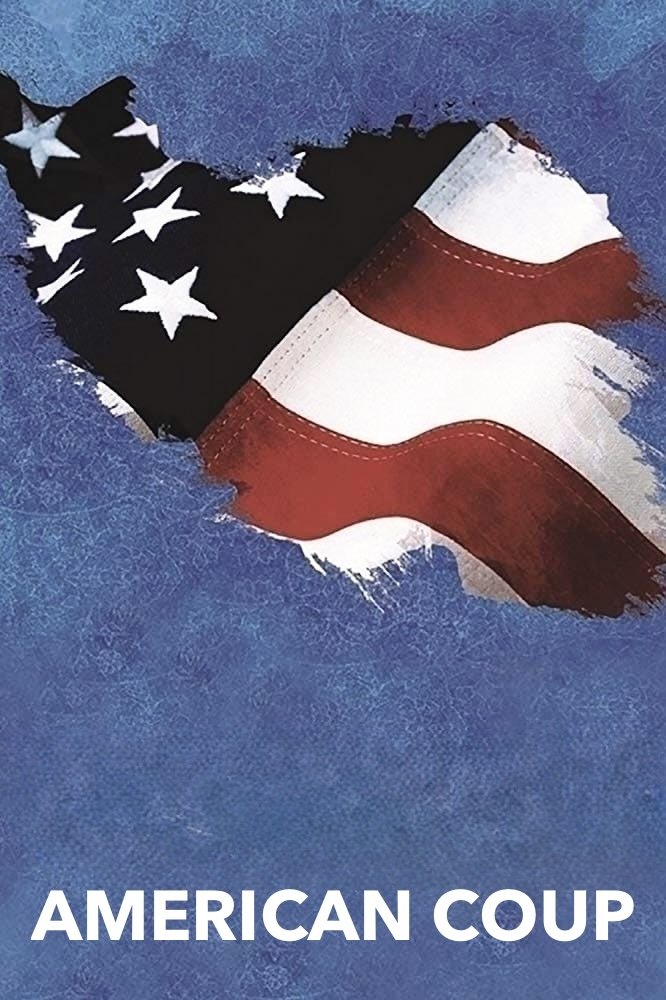
AMERICAN COUP tells the story of the first coup ever carried out by the CIA - Iran, 1953. Explores the blowback from this seminal event, as well as the coup's lingering effects on the present US-Iranian relationship. Includes a segment on the 1979 Iranian Hostage Crisis and its relation to the 1953 coup. Concludes with a section on the recent Iranian presidential election. Contains interviews with noted Middle East experts and historians and prominent public figures such as Stephen Kinzer (author, All The Shah's Men), Prof. Ervand Abrahamian, Trita Parsi, Col. Lawrence Wilkerson, Ted Koppel and Rep. Ron Paul of Texas. With Iranian cinematography by James Longley.
An exploration —manipulated and staged— of life in Las Hurdes, in the province of Cáceres, in Extremadura, Spain, as it was in 1932. Insalubrity, misery and lack of opportunities provoke the emigration of young people and the solitude of those who remain in the desolation of one of the poorest and least developed Spanish regions at that time.