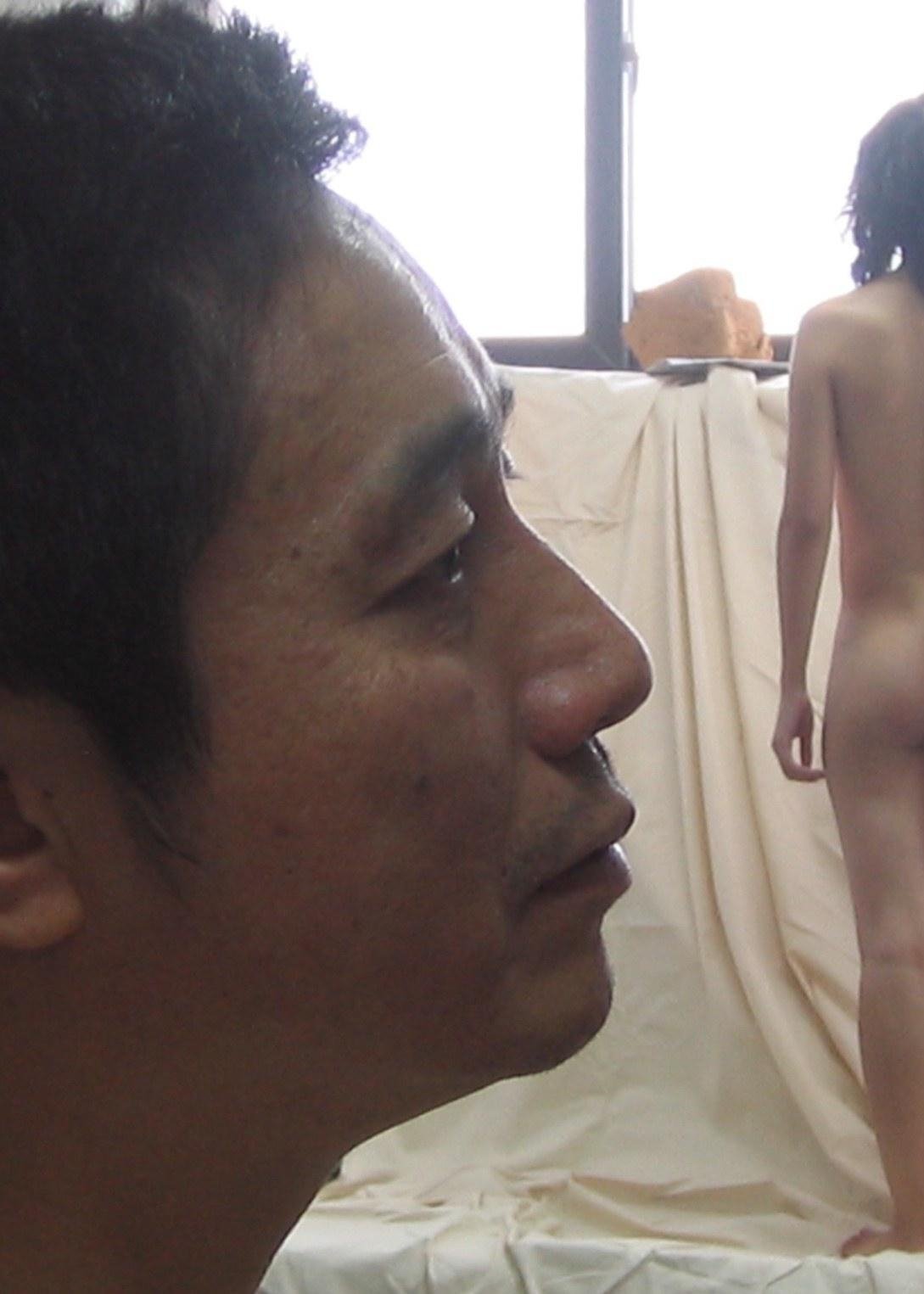
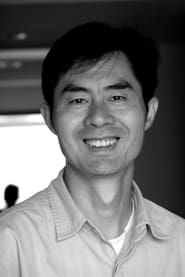
Some memories from a painter.
Social & External
The people behind it
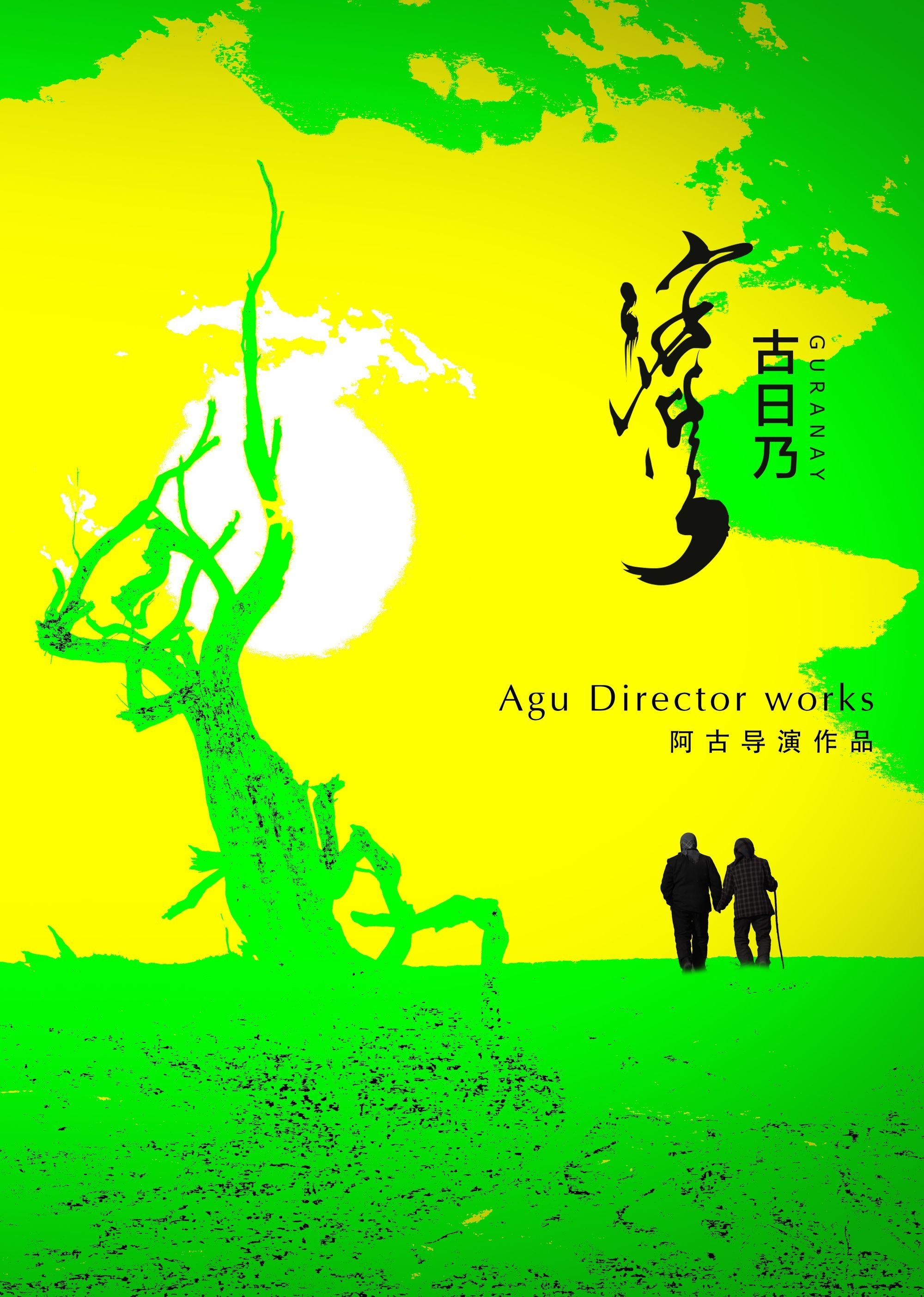
This film is a realistic record of a sixty-year-old couple living in a remote village (Gurenay) in the Badain Jaran Desert of Alashan, Inner Mongolia plant thousands of mu of ammodendron and euphratica to fight against expanding deserts.
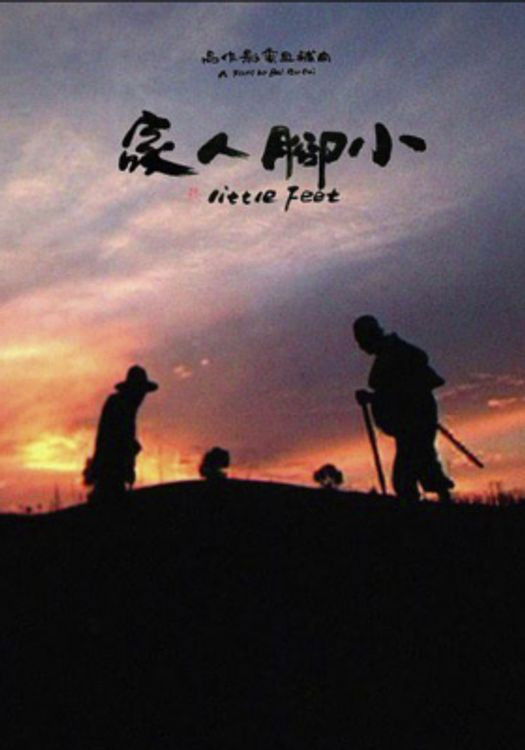
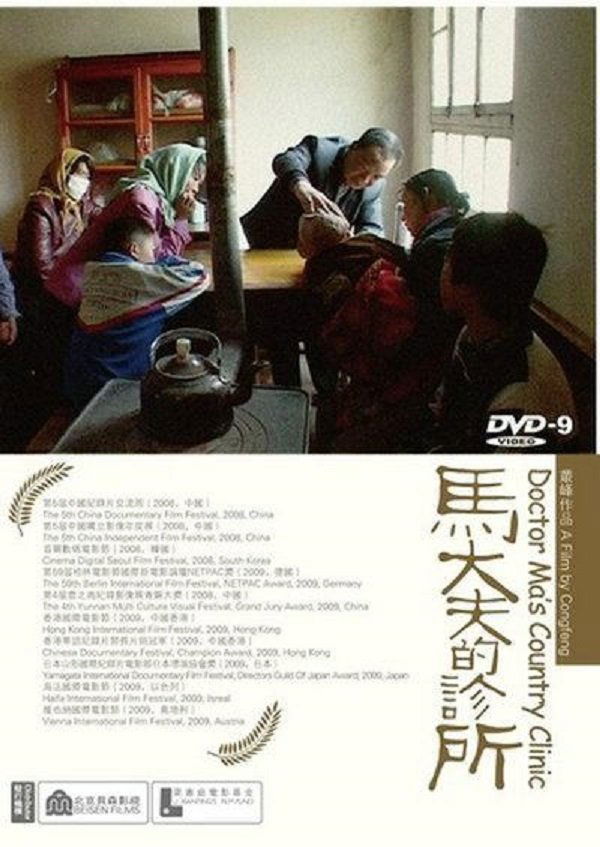
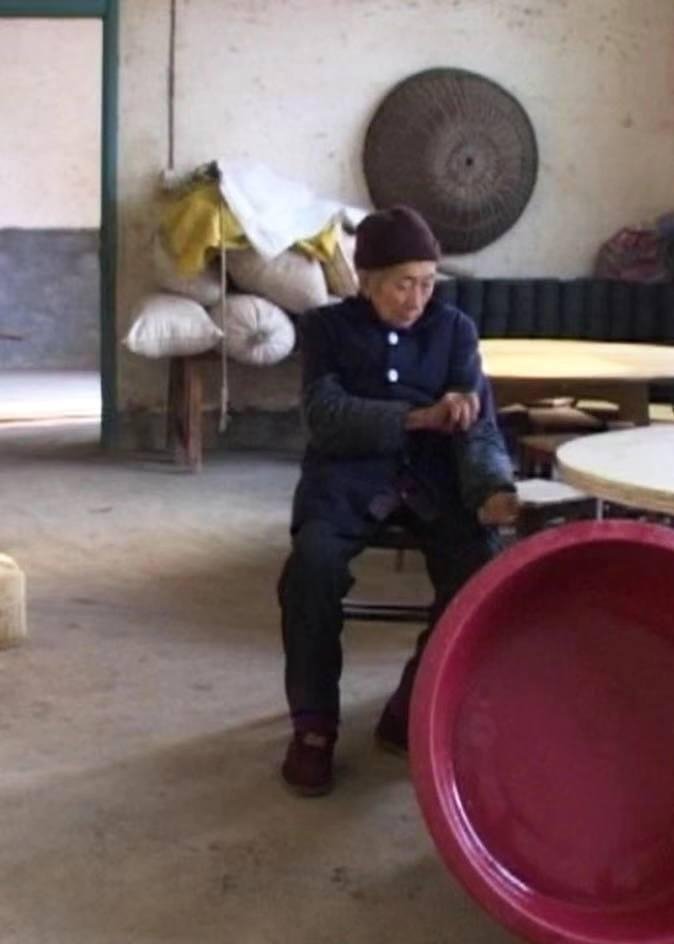
Xiayao Village, Youyu County, Shanxi ProvinceThe 7-year-old and big-footed Bai Nu and Liu Buhan, both of whom died because of their loved ones, were brought together with their three children more than 40 years ago. (Bai Danu 2 Men 1 Women) (Liu Buhan 3 (Daughter) Nowadays, the children have become grandparents, and most of them are not next to Bai Bainu and Liu Buhan. The children of both sides have differences over the old age of raising the two elderly people ... so despite the two They are all in their eighties, and still need to get up and return to the field to farm in the morning and night, and the old lady Bai is more because of her little feet, she has to stagger in the wind and rain, kneeling in the fields ... A foot-binding old lady faces the camera and talks to her little feet ...
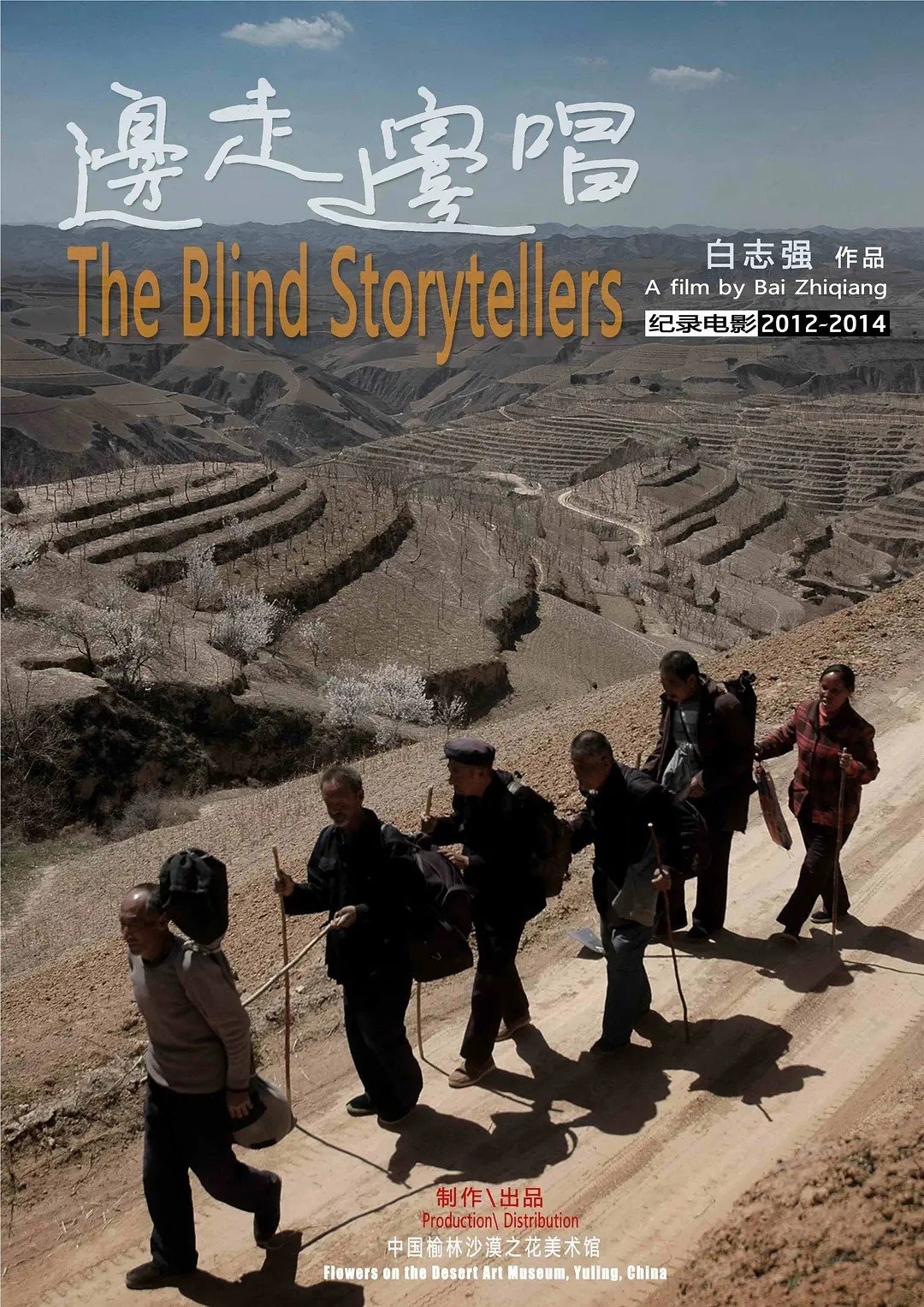
Li Shouwang is the leader of a blind storytellers team, learned storytelling at the age of 19. His childernare living hard in other cities. Li's money amost goes to his children's pocket every year. But with urbanisation, the storytellers have lost almost all their audience. As the conflict between the storytelling team and the village team intensified, his son, who was far away from home, became the only spiritual sustains... When he was excited that his son would be taking his family home for Chinese New Year, what's await is a sigh.
In Yuncheng County, Shandong, there is a girl born in the 90s named Han Wenjing who was paraplegic in a car accident in her childhood. As Han Wenjing gets older and older, she is worried about her future life. Marriage has become the biggest concern of parents. Han Wenjing got acquainted with a soldier online, but finally broke up under his father's opposition. The younger sister-in-law also had a dispute between the two over her marriage. When Han Wenjing was depressed, her father proposed to carry her to Liangshan. First, fulfilling Han Wenjing's wish was also compensation for Han Wenjing. Later, Han Wenjing met a dumb while studying e-commerce sales. The dumb liked her very much. Both parents were satisfied when they met. However, Han Wenjing felt that she still couldn't accept the disabled and wanted to try to combine healthy people, even if it failed. Under the pressure of her parents and sister-in-law on Han Wenjing, Han Wenjing still insists on her choice
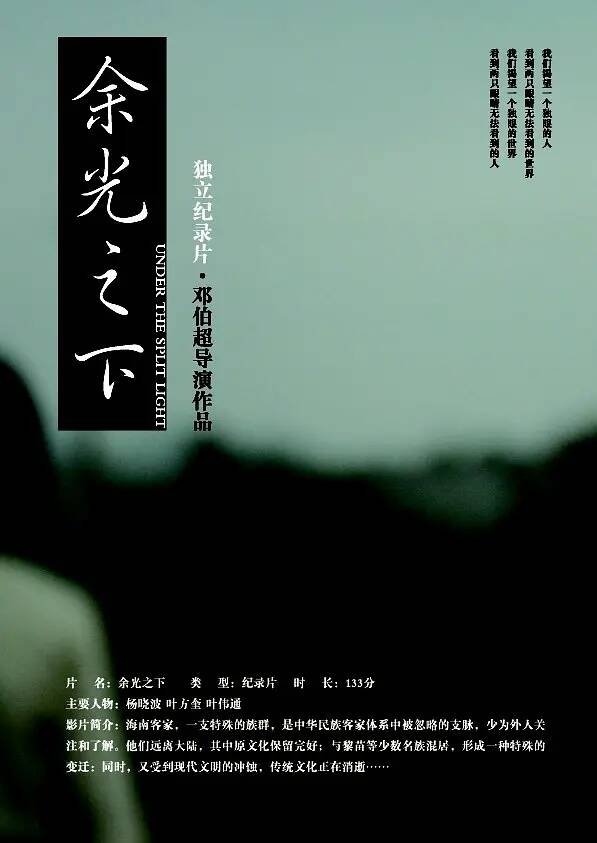
Hakka, a special and little-known ethnic group in Hainan, is a branch of the Chinese Hakka system that has been neglected. They are far from the mainland, and they are rarely mentioned. The relatively closed environment has allowed the Central Plains culture to be completely preserved. After that, it has formed a special change with the ethnic minorities such as Li Miao. However, this unique traditional culture is now fading away in the erosion of modern civilization.
The story took place in 2008. Henan Guo Hui, who was a harvester, went to the provinces to harvest wheat for him. He and his father then invited a driver and set off. I went to Shanxi, Shaanxi, and also included Henan. They met other mairs to talk about the earthquake in Sichuan and talk about the difficulties of collecting wheat. Bargaining with the farmers, thinking of the law less to give the leader a little commission, sometimes to think of the way to get money, sometimes to think of ways to escape the control of the leader. The driver complained that the car owner was too bad, and the owner complained that the driver had eaten too much. In the middle of the road, I also encountered the need to collect the toll, and finally met the young and confused.
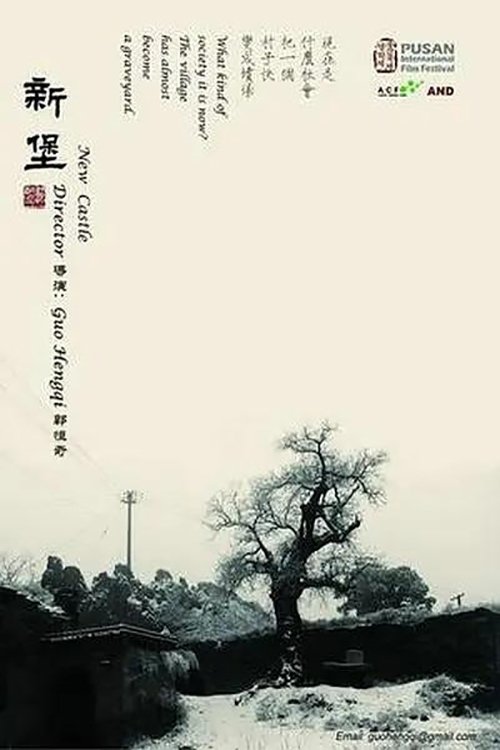
New Castle is a remote rural village where houses and mountains have been distorted due to excessive mining. Under the "New Village" campaign, all the villagers will be moved into the nearly completed Luxury Buildings. The documentary depicts the life of two groups of people, miners and villagers. The miners who are from all over the country, lost their jobs because of the Olympic Games in Beijing - the mine was shut down to make the air less polluted. The villagers had no better luck. Granny Fan lost two sons and two grandsons in a mining accident. Old Han and Old Wang are still farming. Some youngsters are gambling in the house of Han Bin, who was crippled in another mining accident. In the film, you can also see the village election, the service of local Christians, and people worshipping for a better year to come.
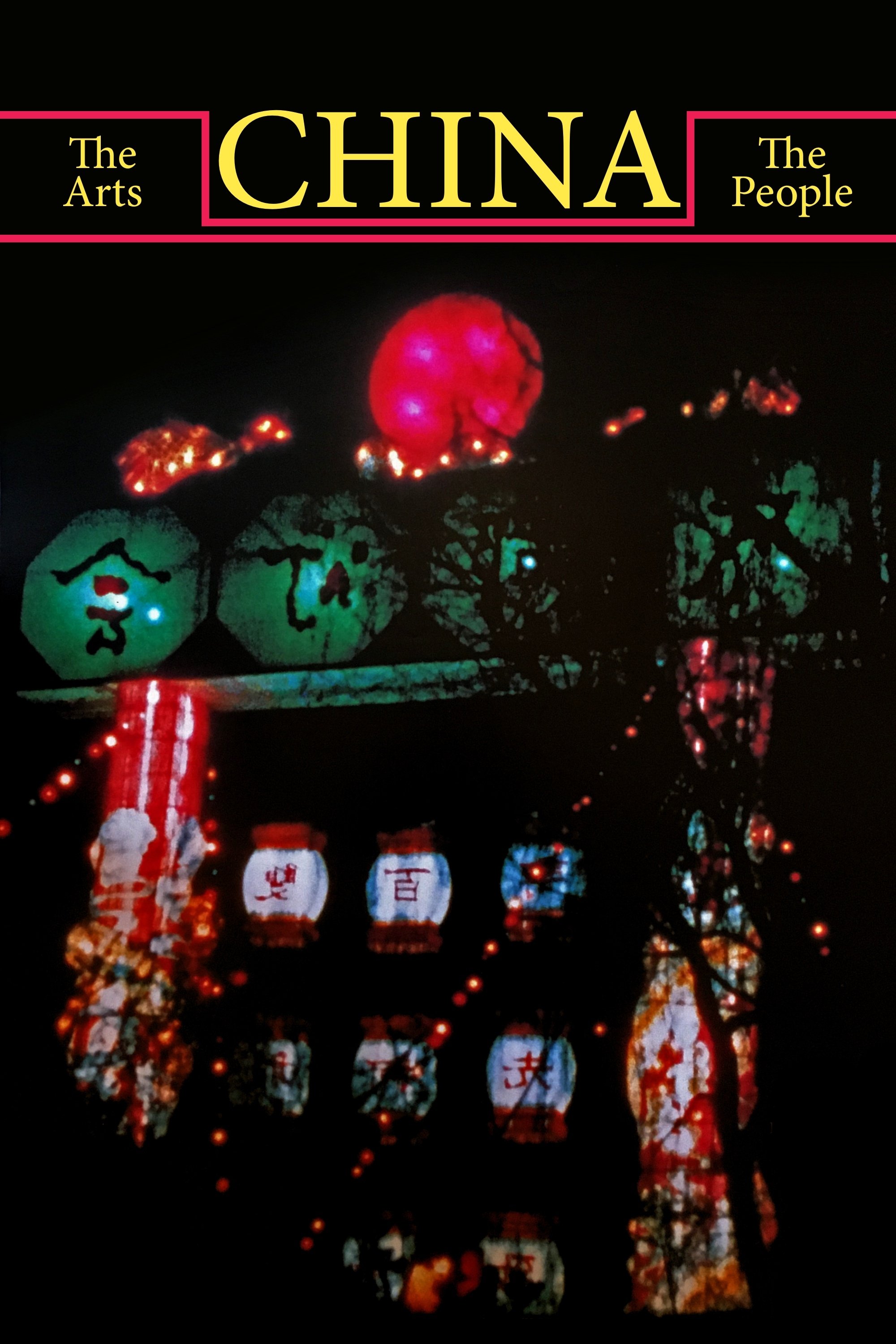
China marks the beginning of the extensive Asian theme in Ottinger’s filmography and is her first travelogue. Her observant eye is interested in anything from Sichuan opera and the Beijing Film Studio to the production of candy and sounds of bicycle bells.
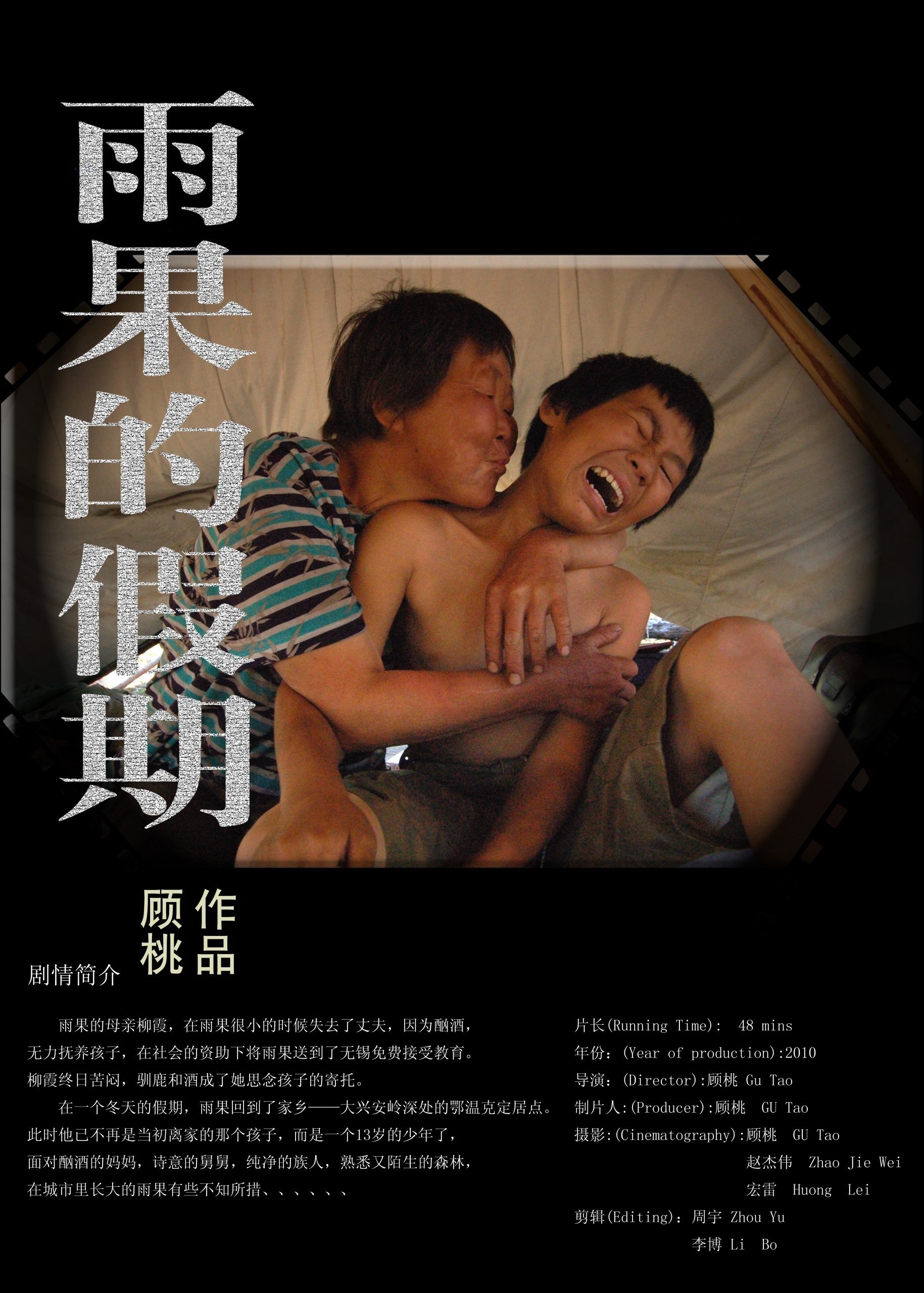
Yuguo, from Mongolia, lost his father when he was very young. His mother Liuxia was not able to raise him as a heavy drinker. With social support, she sent Yuguo to Wuxi for free education. Liuxia is depressed all day long, and she finds sustenance of missing Yuguo in reindeer and wine. One winter holiday after many years, Yuguo returns to his hometown, the Evenki settlement deep in the Greater Khingan mountains. At that time, he is no longer the boy who just left home, but a thirteen-year-old teenager. Facing alcoholic mother, poetic uncle, pure people from the tribe, familiar yet strange forest, Yuguo, who grew up in the city, doesn’t know what to do. In the snow-laden mountains of Aoluguya, northeast of Inner Mongolia, the film chronicles their brief time together. Yuguo and His Mother is the second documentary of Gu Tao’s Evenki trilogy.
A Jian, Zhang Chiand Gou Zi took the train from Beijing to Tongliao. They made a promise that no one could speak during the trip, and who broke the rules should be punished. But it's still necessary to pick up some phone call, ask the way after you get off the train...For educated decadents, life is as if always in a state of intoxication, without goal or objective.
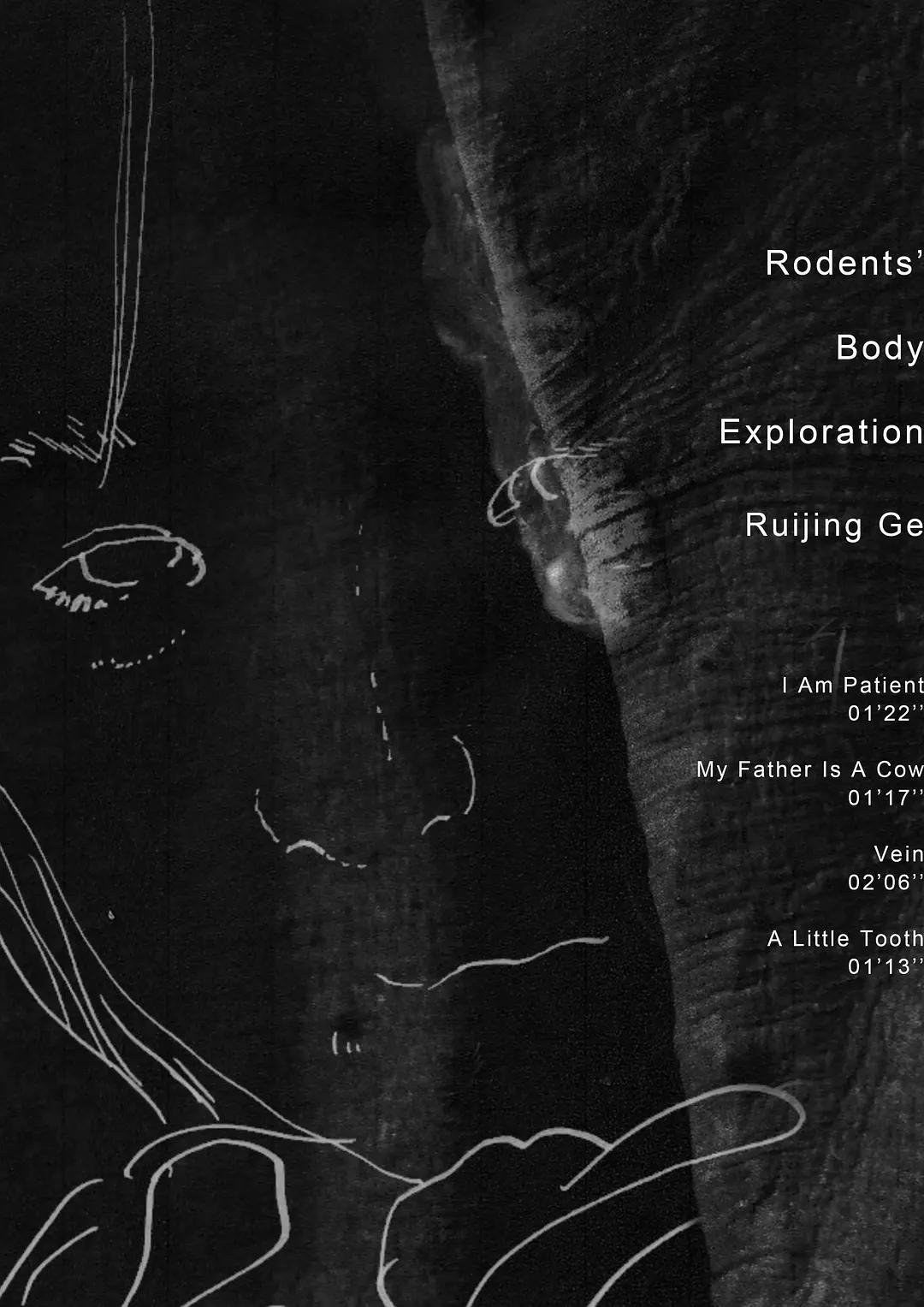
The artist works around the different individual experiences which consolidates the different changes in the body while examines intimate relationships under the structure of the disease, all by making her experience visible and public. Within the realms of Ruijing’s discussions, she hopes for the work to push the boundaries of the marginality of the body, for the work to allow oneself to look at their and others’ body in an objective manner that escapes the ontological. She further wished for the experience of living and the reflection on the mass would help the discovery of the self and its connection with society, while reflecting on life itself by doing so.
"Huangyangchuan, Gansu province, China. It's an arid mountain area with poor roads. Ma Bingcheng is well-respected local doctor, so many patients (most of them farmers) come to see him every day. In his small clinic, people chat with each other about their lives, local conditions, or the people they know. The clinic seems to open up like a microcosm, the information and experiences of different people intertwine, revealing the conditions of typical Chinese farmers, and the typical fates of both young and old--"
A 480-minute documentary, a historical record of the change of independent music across China, mammoth and complete, involving evolution and conflicts of several generations in Chinese society. In the second decade of the 21 century, it has been ten years since the Beijing Olympics. China has seen the abundance of wealth and civilization. Facing such a diverse lifestyles, people are far more different from each other than ever. Conservative, avant-garde, worried, daring, they not only fail to be understood, but also fail to understand one another. The film is a driving bus of our times, which has already lost its political halo in 30-years glory history, filled with artists, businessmen, workers and all different people who get in and off, however, the innocent younger generation is still queuing up anxiously outside, who might get in one of the buses, or smash all buses.
Zhang Ming went back to hometown to visit his aunt.
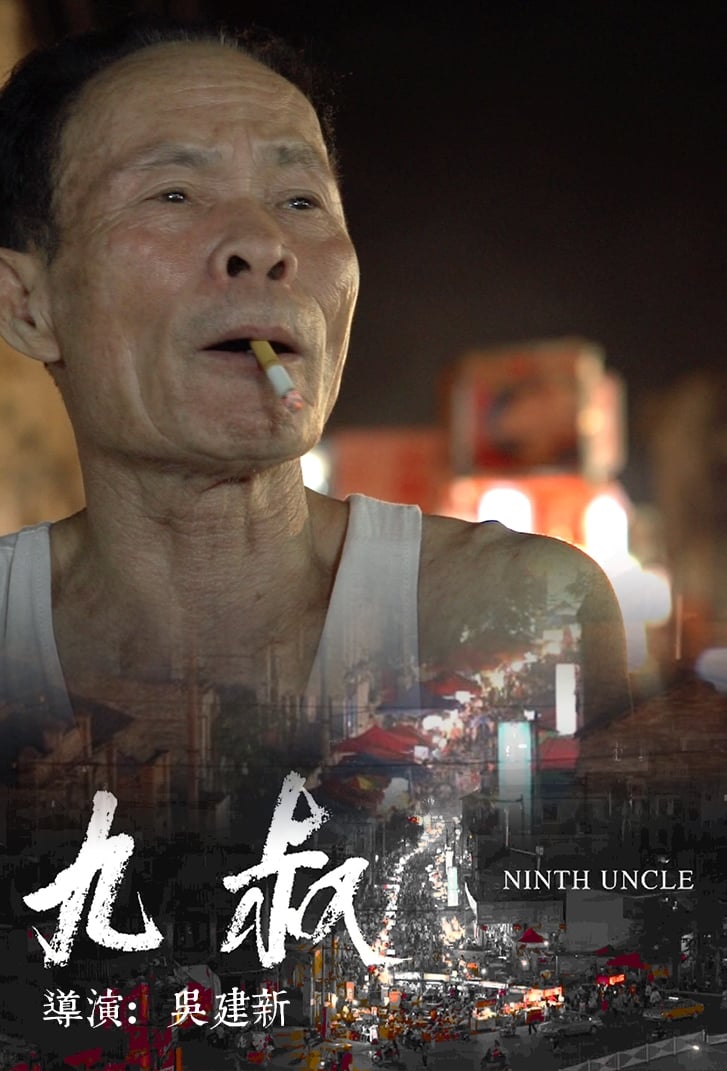
Nicknamed "Mayor of the Night Market", Ninth Uncle has been a temporary worker managing the night market for over 30 years. Despite of his success in the night market, his family life appears quite the opposite. Almost 70 years old now, he continues his life in the night market. As the night falls every evening, Zhong Shan Road and its hundred years of history are now facing reconstruction and the night market full of yummy food venders [sic] is soon to be gone. Ninth Uncle helplessly watches the empire he worked his whole life for slowly fall apart.
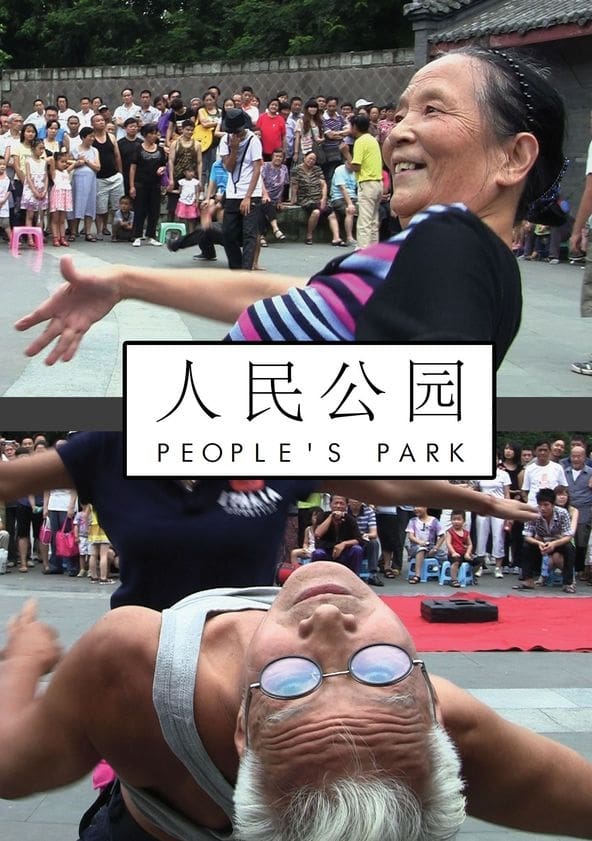
One long tracking shot through a park in Chengdu.
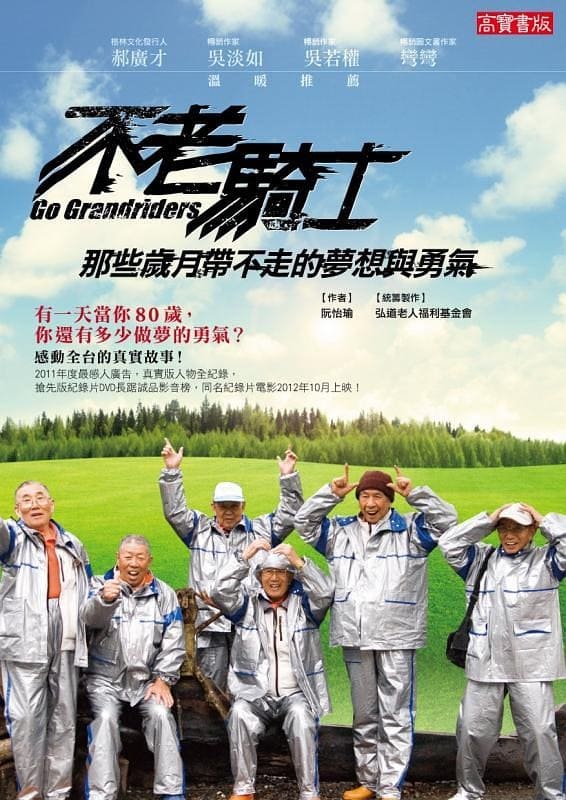
17 riders with avarage age 81 decide to follow the dream of their youth and start their journey to ride around Taiwan island.
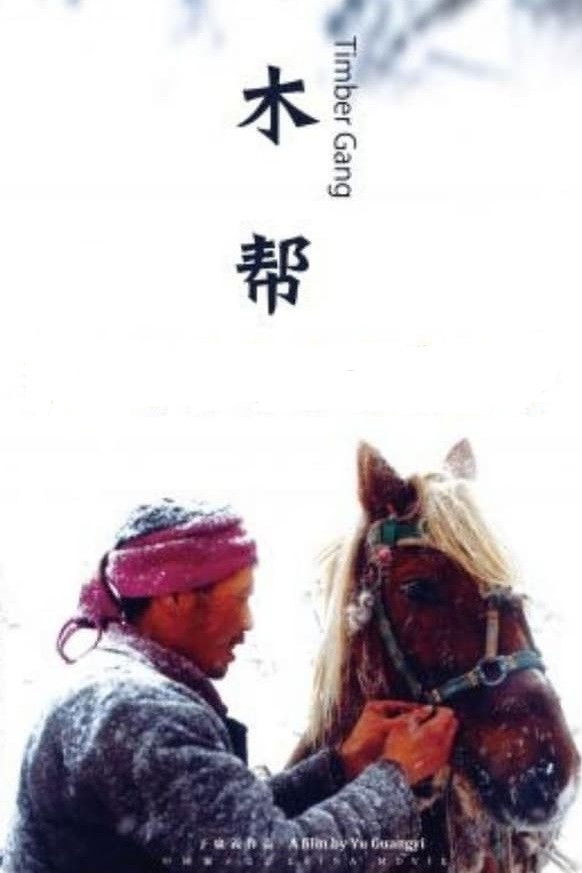
Yu Guangyi's stunning debut explores a grueling winter amongst loggers in Northeast China as they employ traditional practices through one last, fateful expedition. For generations, the lumberjacks of Heilongjiang, China have made their living harvesting timber amidst a barren, wintry landscape. These woodcutters confront the elements, living in makeshift cabins surrounded by snow and ice. Hand tools, sleds and horses are the only technology they employ to drag massive trees down the perilous slopes of Black Bear Valley. At constant risk of injury and death, they attempt to appease the mountain gods with ancient rituals and sacrifices. Despite their heroic efforts to subsist, the deforestation caused by their decades-long customs may lead to their ultimate demise.
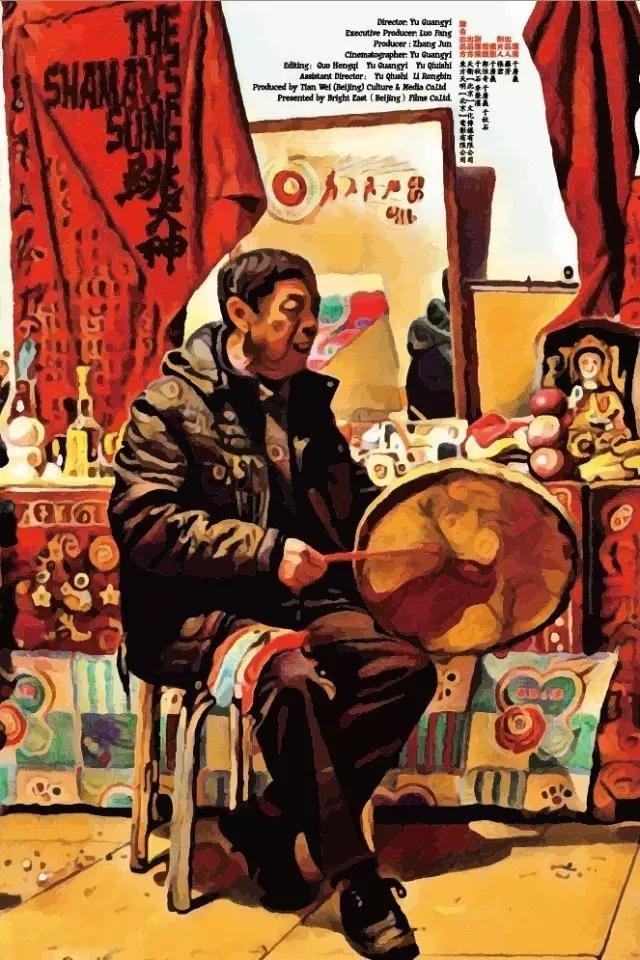
In a cold mountain village in northeastern China,when a peasant gets sick they invite the local shaman to do trance healing. In the village there is Shaman XU, a renowned shaman in the area who is almost 70-year-old. He had been a teacher in his youth and an accountant for a factory production team. In his later age, serving as a spirit medium became his profession. He beats his donkey-hide drum and sings ancient melodies, inviting all kind of spirits to come.
In his third film on life and work in the (once) heavily wooded north of China, Yu Guangyi (Survival Song) follows the lonely San Liangzi (46), who for the past ten years has been in love with a woman who doesn’t like men much. Intimate and revealing, but never rude. A moving and human portrait of a group of unemployed and above all lonely men who stayed behind when their wives moved to the city looking for work. They worked in the timber industry in the province of Heilongjiang, but deforestation has taken its toll. For instance, we see 46-year-old San Liangzi. Twelve years ago, he divorced his wife and became unemployed. For 10 years, he has had an eye on Wang Meizi, the only unmarried woman in the area. But the love is not mutual.
Over 35 years after Bob Lazar's revelations, this documentary exposes secrets of a facility the government still denies. Featuring Lazar's testimony, recreations, and new evidence, it reopens a case that continues to spark global curiosity
The life and career of an actor, artist, and icon. His own journey through his own camera.
Those who knew iconic funnyman John Candy best share his story, in their own words, through never-before-seen archival footage, imagery, and interviews.
Through deeply personal interviews with her siblings and an examination of the photographs, letters, and belongings left behind, Mariska assembles a new portrait of her mother Jayne Mansfield, an extraordinary and complex woman.
Told through performances, TV interviews, home movies, family photographs, private letters and unpublished memoirs, the film reveals the essence of an extraordinary woman who rose from humble beginnings in New York City to become a glamorous international superstar and one of the greatest artists of all time.
A visual montage portrait of our contemporary world dominated by globalized technology and violence.
A documentary about the life and films of director John Ford.
Alexander McQueen's rags-to-riches story is a modern-day fairy tale, laced with the gothic. Mirroring the savage beauty, boldness and vivacity of his design, this documentary is an intimate revelation of McQueen's own world, both tortured and inspired, which celebrates a radical and mesmerizing genius of profound influence.
A string of threatening emails escalates into a revenge plot involving a newly married US marshal and his ex-girlfriend.
The story of artist Lil Peep from his birth in Long Island and meteoric rise as a genre blending pop star & style icon, to his death due to an accidental opioid overdose in Arizona at just 21 years of age.
Lyrical and powerfully personal essay film that reflects on the deaths of her husband Lou Reed, her mother, her beloved dog, and such diverse subjects as family memories, surveillance, and Buddhist teachings.
From a prolific career in film and television, Anton Yelchin left an indelible legacy as an actor. Through his journals and other writings, his photography, the original music he wrote, and interviews with his family, friends, and colleagues, this film looks not just at Anton's impressive career, but at a broader portrait of the man.
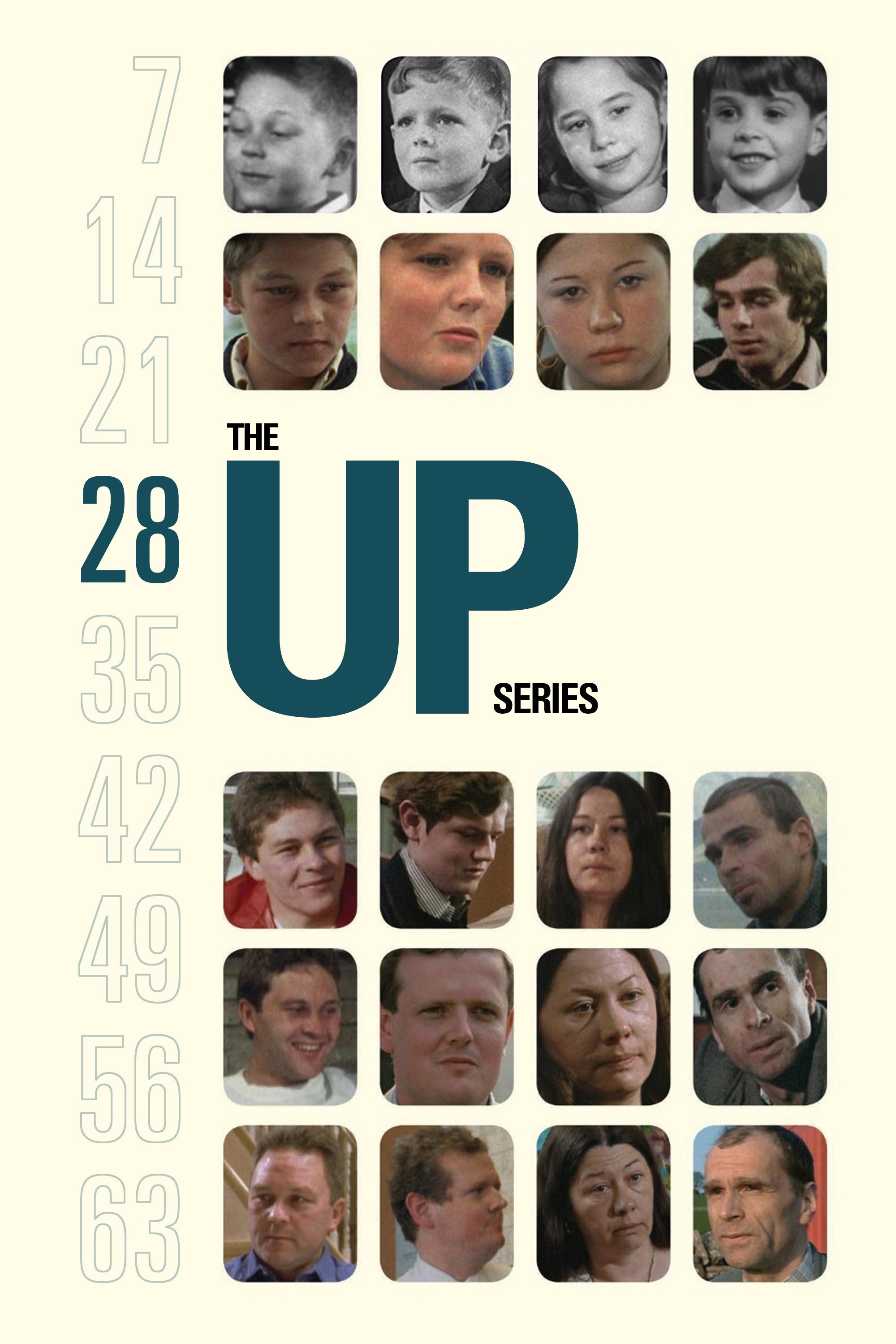
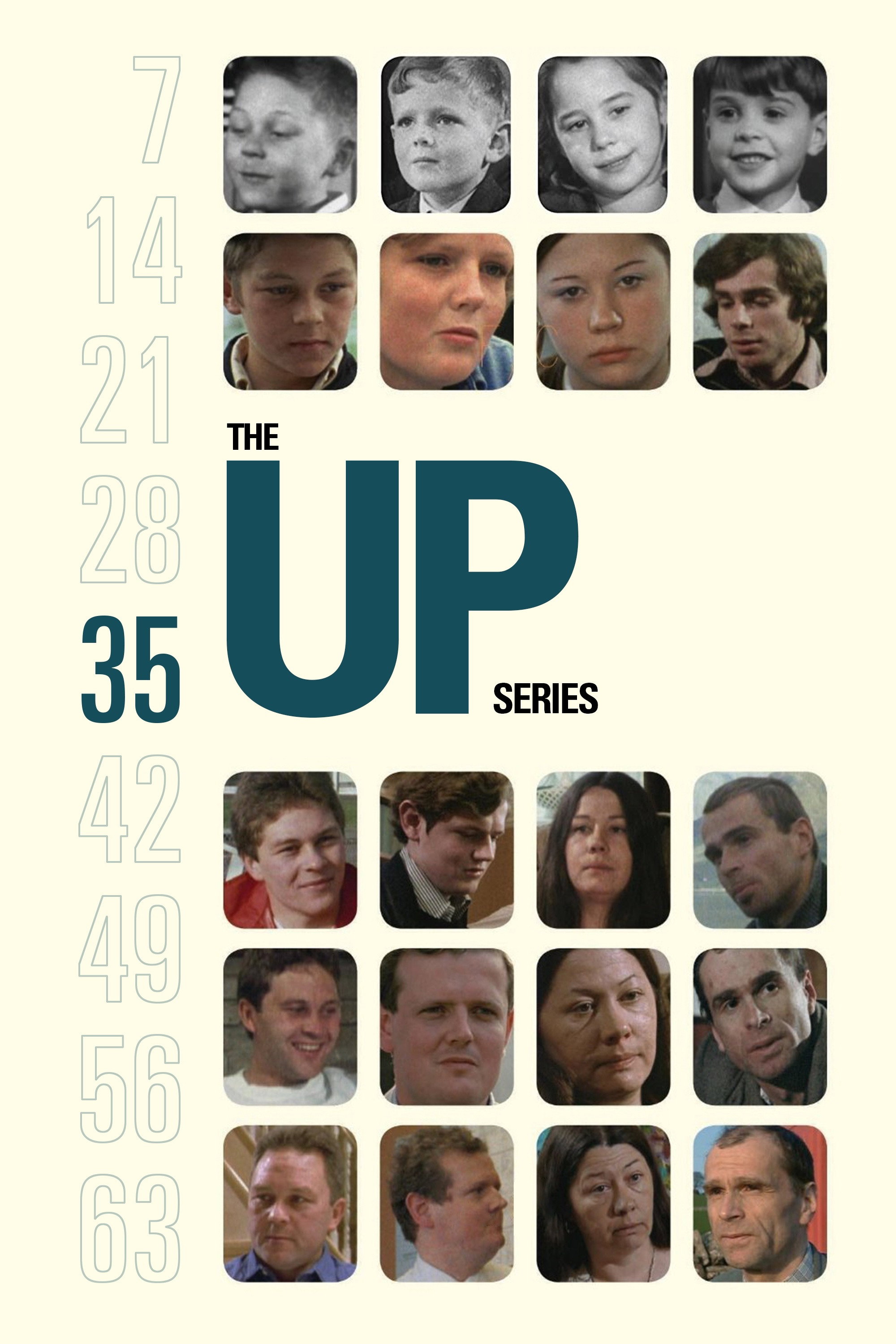
Just two years away from turning 30, participants in Michael Apted's documentary series are facing serious questions of identity and purpose, wondering whether they've found their place in the world.
RETURN tells the story of a retired Green Beret who embarks on a healing journey from Montana to Vietnam. There he retraces his steps, shares his wartime experiences with his son, treats his Post-Traumatic Stress Disorder, and seeks out the mountain tribespeople he once lived with and fought alongside as a Special Forces officer.
Daniel Craig candidly reflects on his 15 year adventure as James Bond. Including never-before-seen archival footage from Casino Royale to the upcoming 25th film No Time To Die, Craig shares his personal memories in conversation with 007 producers, Michael G Wilson and Barbara Broccoli.
SEDUCED AND ABANDONED combines acting legend Alec Baldwin with director James Toback as they lead us on a troublesome and often hilarious journey of raising financing for their next feature film. Moving from director to financier to star actor, the two players provide us with a unique look behind the curtain at the world's biggest and most glamourous film festival, shining a light on the bitter-sweet relationship filmmakers have with Cannes and the film business. Featuring insights from directors Martin Scorsese, 'Bernando Bertolucci' and Roman Polanski; actors Ryan Gosling and Jessica Chastain and a host of film distribution luminaries.
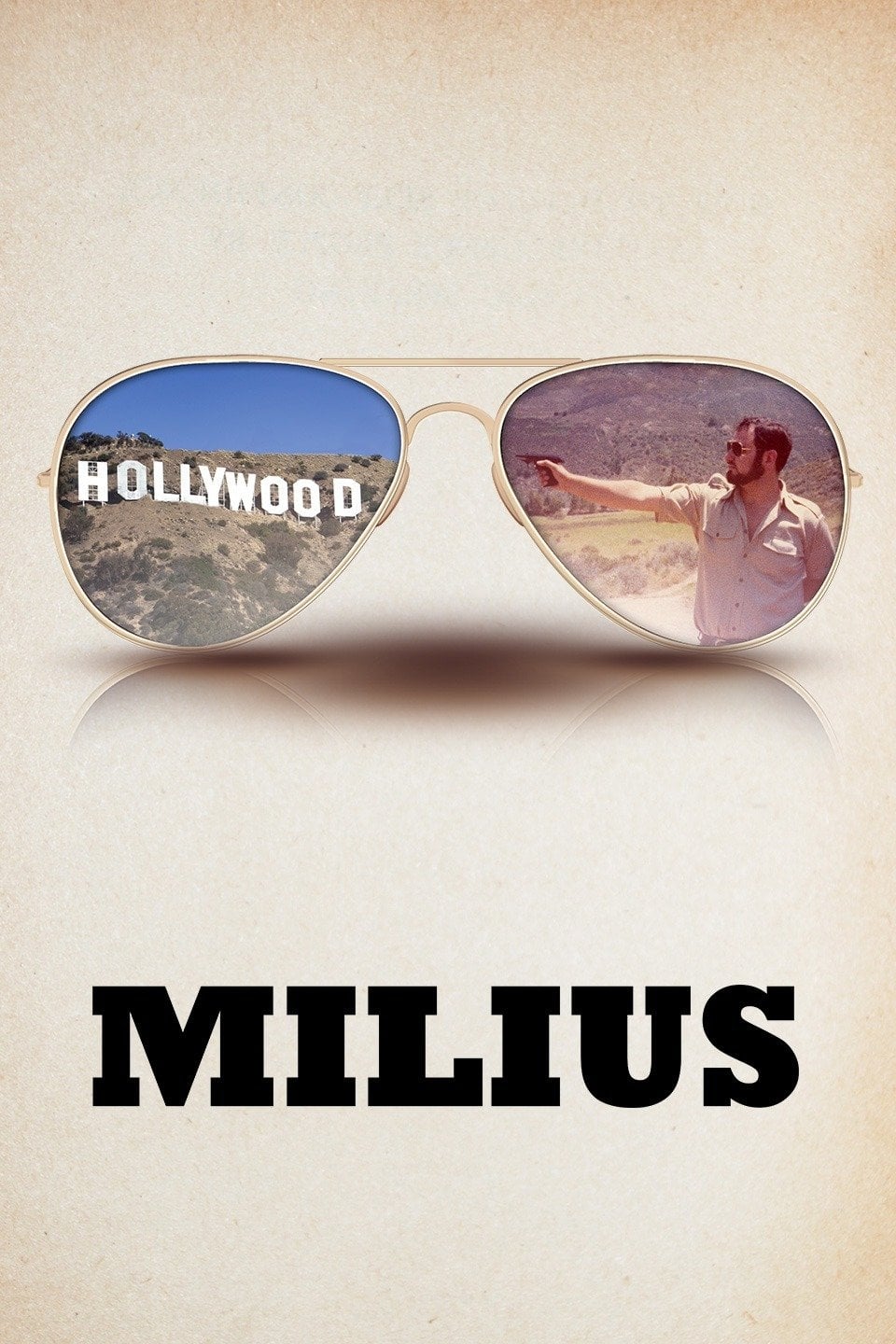
The life story of ‘Zen Anarchist’ filmmaker John Milius, one of the most influential storytellers of his generation.
Director Michael Apted revisits the same group of British-born adults after a 7 year wait. The subjects are interviewed as to the changes that have occurred in their lives during the last seven years.
Unravel the case of Utah therapist Jodi Hildebrandt, whose child abuse arrest with parenting YouTuber Ruby Franke exposed a twisted tale of manipulation.
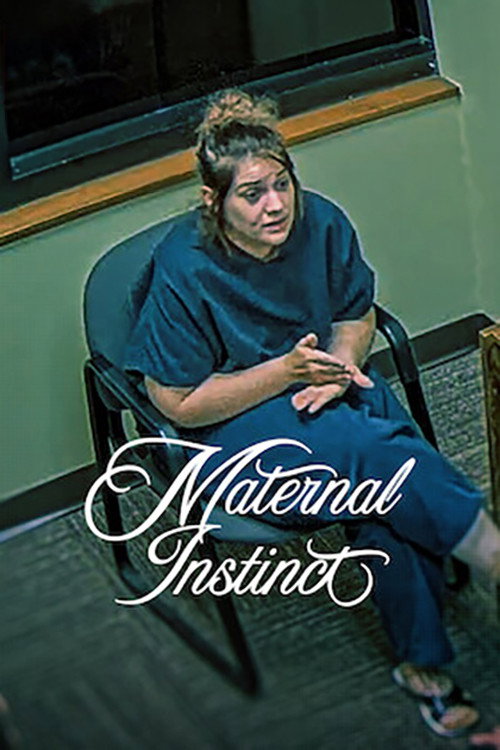
Police pull over a woman who claims she just gave birth. But the baby — and the blood — aren't hers. Twisted lies unravel in this true-crime documentary.