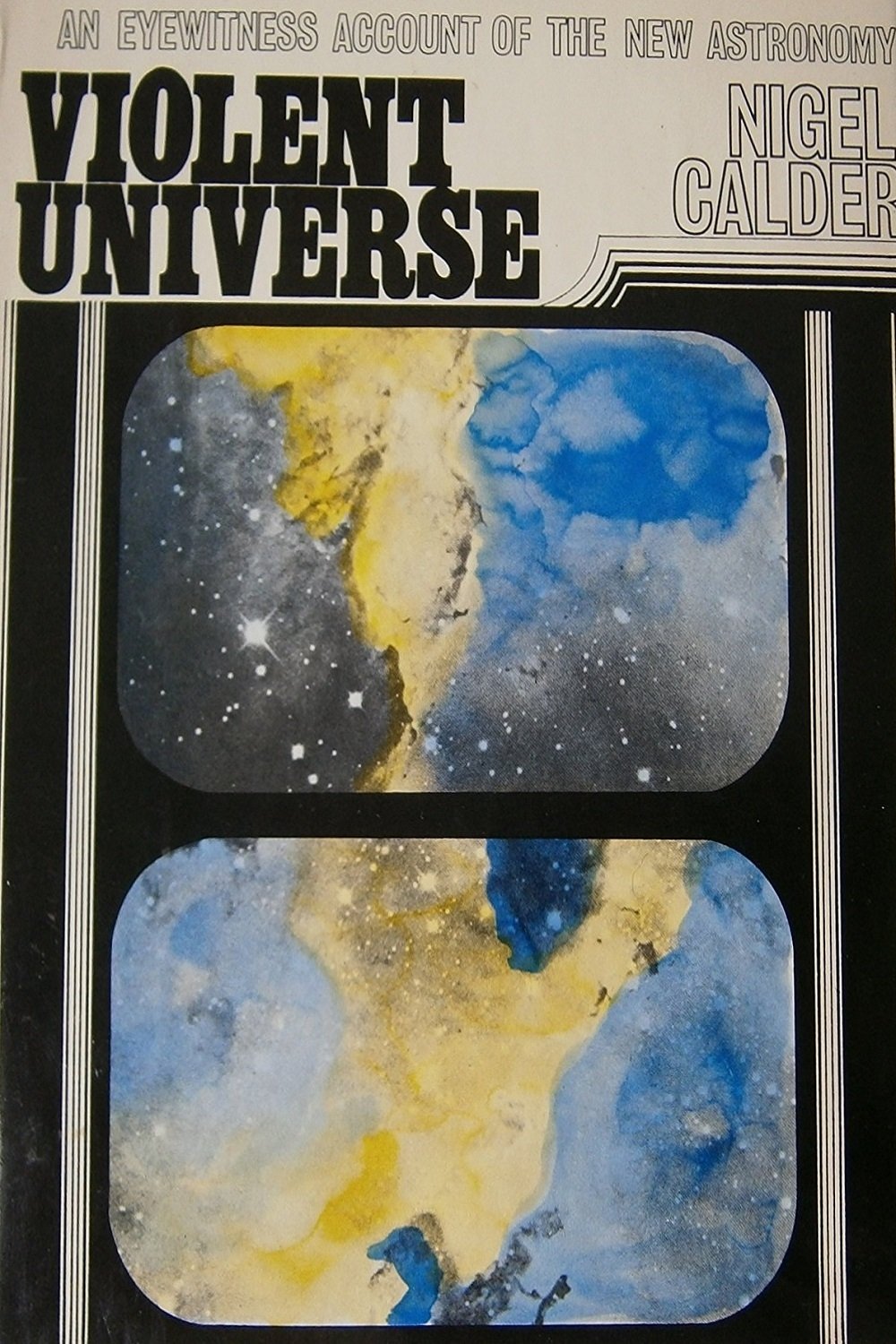
Thirty distinguished astronomers are visited at their observatories throughout the world in this comprehensive report of astronomical theories, research, and discoveries.
Social & External
Narrator
Host
Narrator - Verse Spoken
Geologist Ian Stewart explain in three stages of natural history the crucial interaction of our very planet's physiology and its unique wildlife. Biological evolution is largely driven bu adaptation to conditions such as climate, soil and irrigation, but biotopes were also shaped by wildlife changing earth's surface and climate significantly, even disregarding human activity.
A man paves his own way to his own soul through an intellectual quest, tragedies of nations and personal drama. The road moving through the cosmic distances is a flight into one's internal world. This flight and this drama are revealed in this philosophical film-poem.
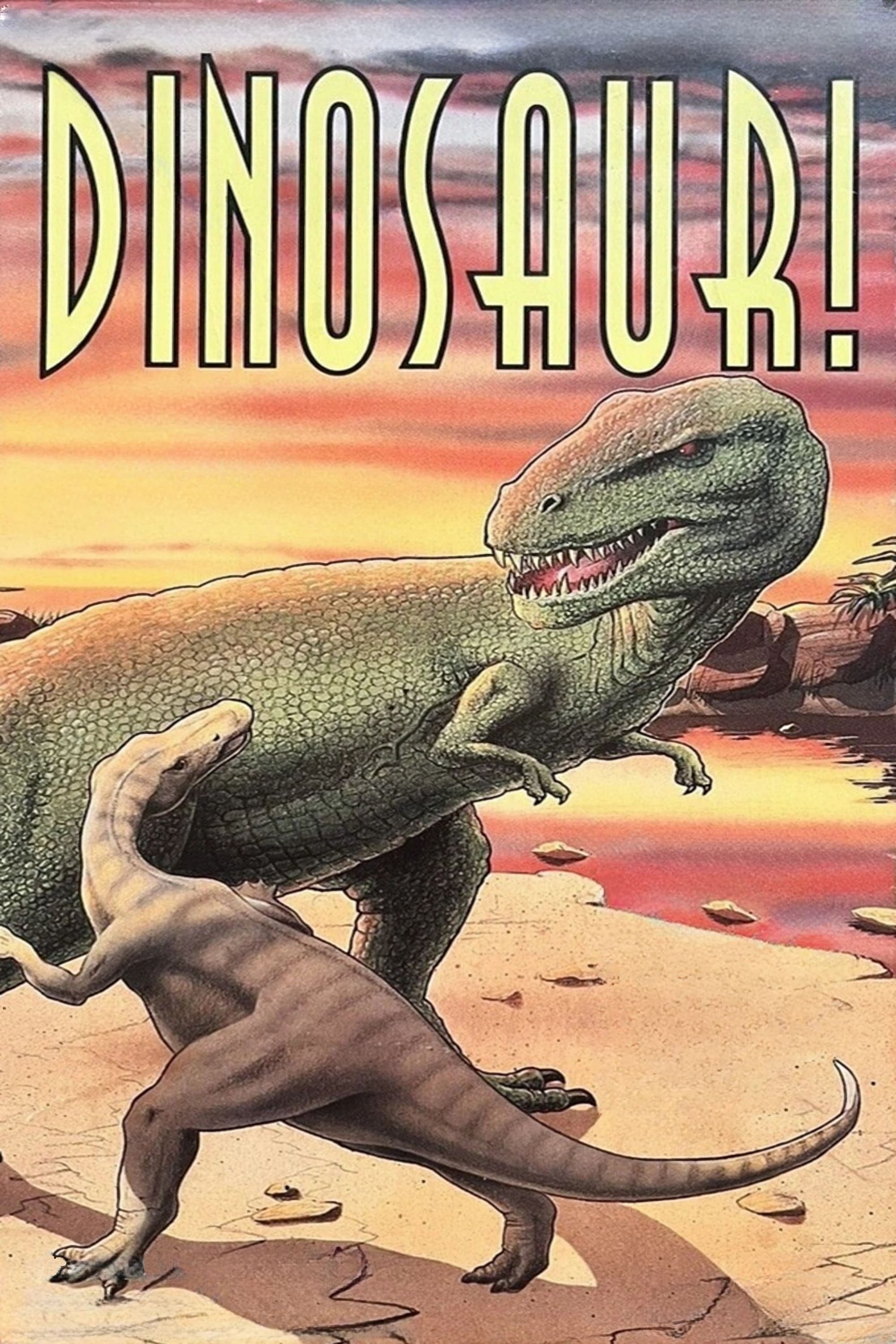
An entertaining documentary look at dinosaurs with Emmy Award-winning special effects, feature film clips and stills, commentary by leading paleontologists of the time, and an on camera as well as voice-over narrative by Christopher Reeve. Shot on location in Los Angeles and New York at the American Museum of Natural History
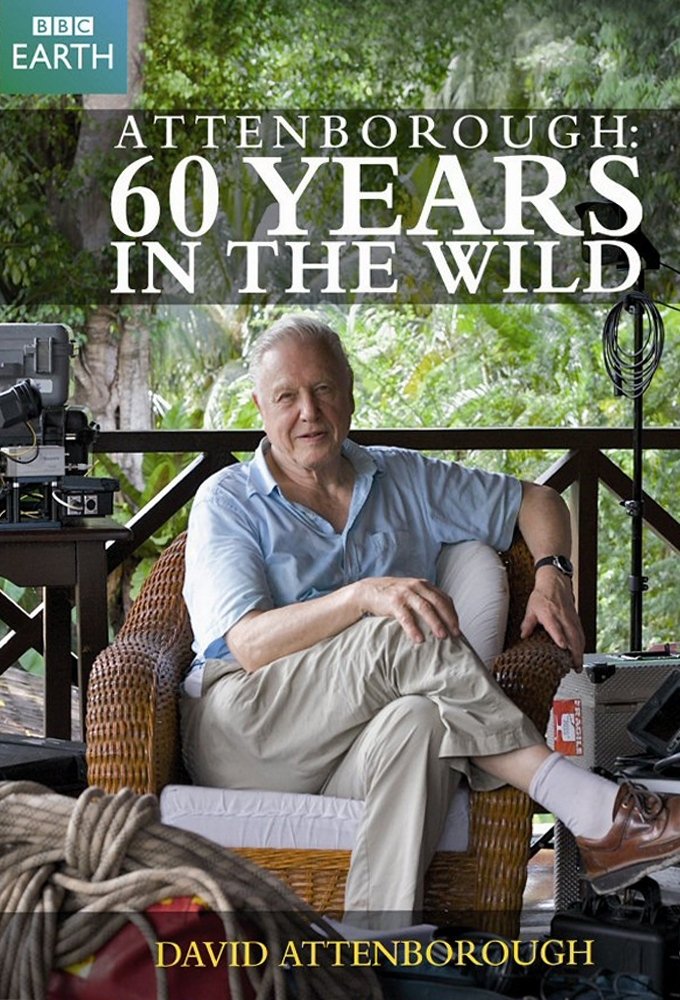
Over three very personal films, Sir David Attenborough looks back at the unparalleled changes in natural history that he has witnessed during his 60-year career.
This Emotional Life is a three-part series that explores improving our social relationships, learning to cope with depression and anxiety, and becoming more positive, resilient individuals.
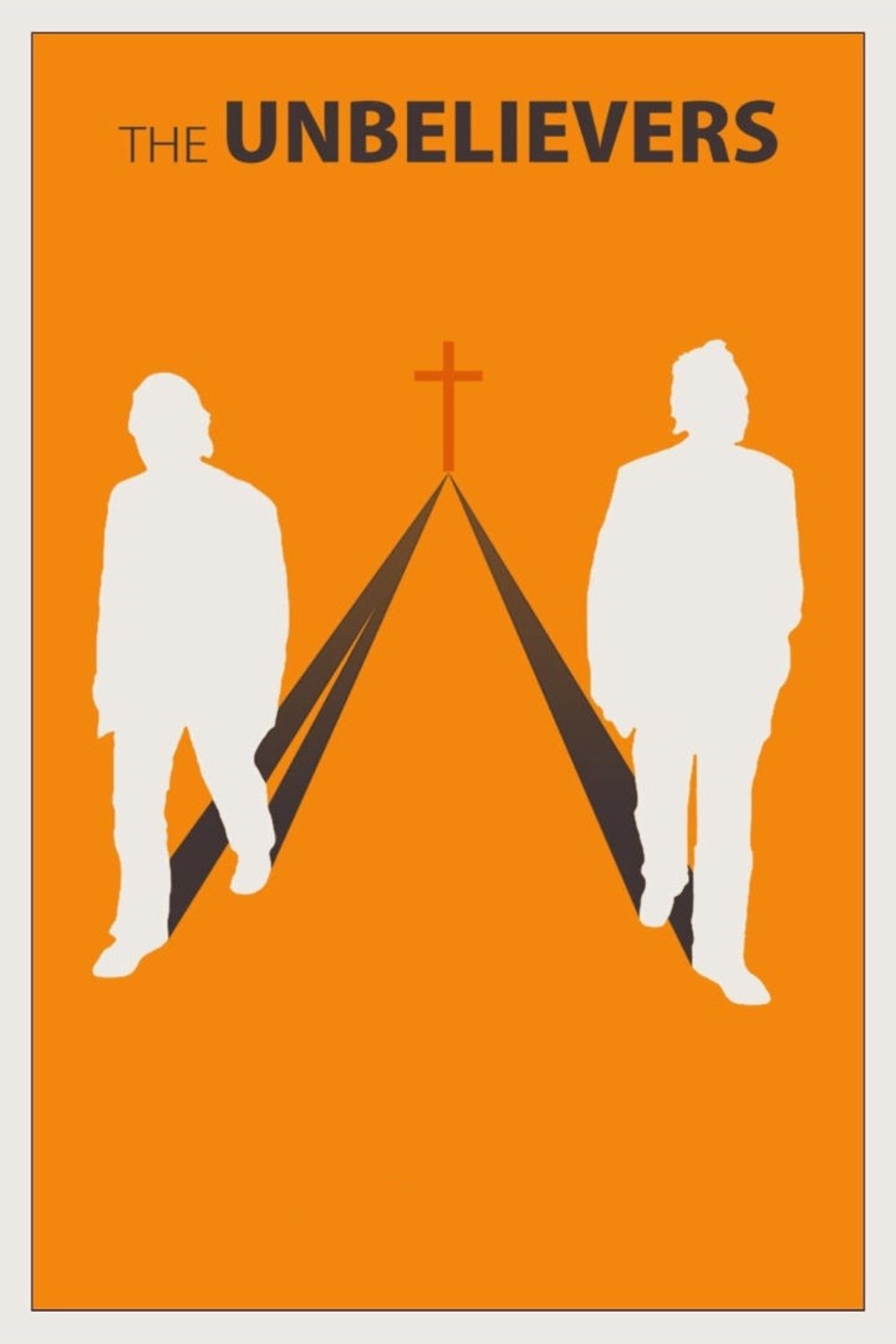
Scientists Richard Dawkins and Lawrence Krauss travel the globe promoting a scientific worldview and the rational questioning of religious belief.
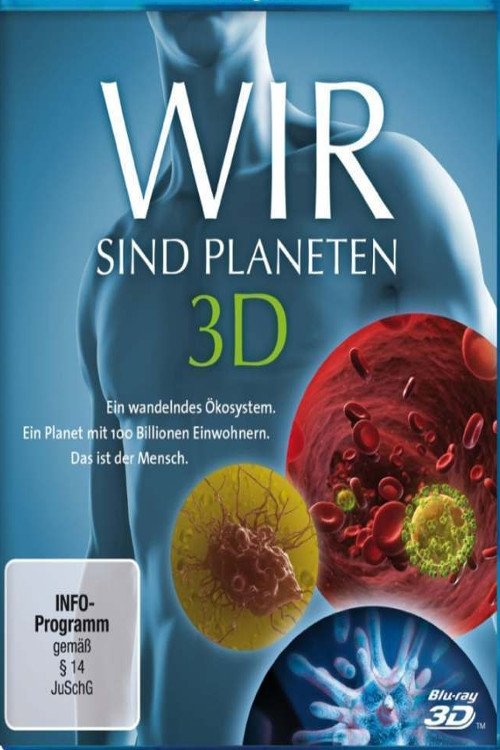
It’s a world we don’t truly know—yet it feels oddly familiar. Deep canyons and jagged crevices carve through the land, while towering mountains rise above scorched plains. Lush jungles and acidic lakes conceal strange creatures—fierce predators, peaceful grazers, and masters of disguise. But this alien world isn’t in outer space. This world... is your body.
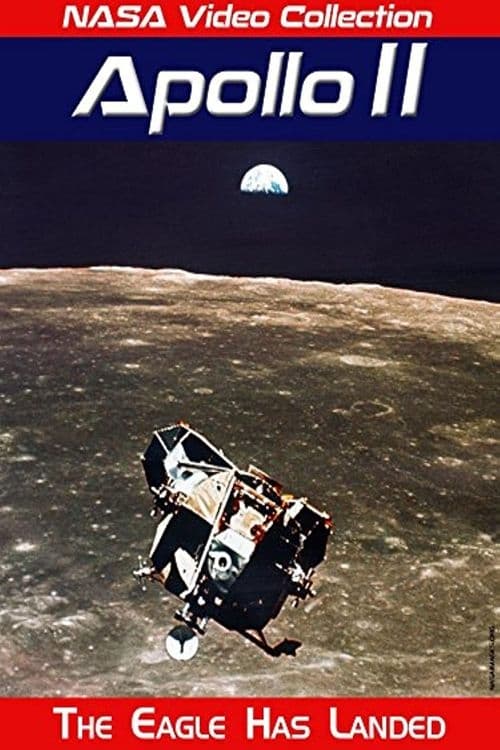
A 1969 documentary on the Apollo 11 mission to the Moon made by NASA, telling the story of the historic first landing of men on the Moon in July, 1969. It depicts the principal highlight events of the mission from launching through post-recovery activities of Astronauts Neil Armstrong, Edwin "Buzz" Aldrin, and Michael Collins. Through television, motion picture and still photography, the film provides an "eye-witness" perspective of the Apollo 11 mission.
"Though not given a New York showing until 1935, V. I. Pudovkin's Mechanics of the Brain (Mekhanika Golovnovo Mozga) was written and directed by Pudovkin in 1926. A full year in the making, this scientific documentary concentrates on the behavioral studies conducted by Prof. Ivan Pavlov. The laboratory dogs used in Pavlov's research don't seem too happy about it, and as a result this film might be hard to take for the more sensitive viewers (the vivisection sequence is particularly rough). The progress of the research is detailed with charts and graphs, hardly the "cinematic" touches one might expect from Pudovkin. Interestingly, Mechanics of the Brains was released two years before the results of Pavlov's studies were printed in book form."
"The Amblystoma: Curious Salamander From Mexico". Vintage French educational film from 1913 describing the Axolotl. Very impressive footage for the time.
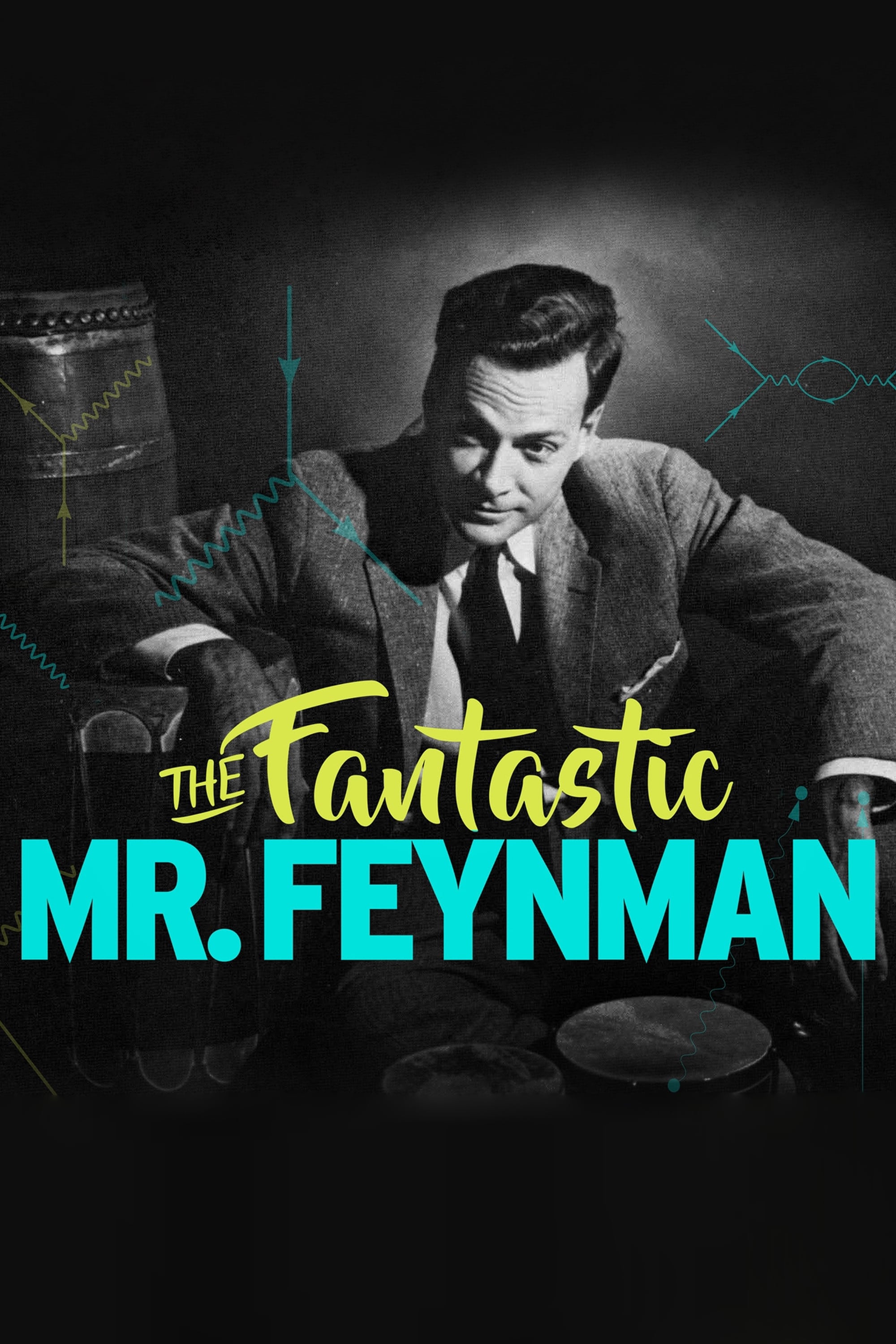
Richard Feynman is one of the most iconic, influential and inspiring scientists of the 20th century. He helped design the atomic bomb, solved the mystery of the Challenger Shuttle catastrophe and won a Nobel Prize. Now, 25 years after his death - in his own words and those of his friends and family - this is the story of the most captivating communicator in the history of science.
A documentary about the study of plant sentience with original music by Stevie Wonder. Utilizing time-lapse photography, the film proposes that plants are able to experience emotions and communicate with the world around them.
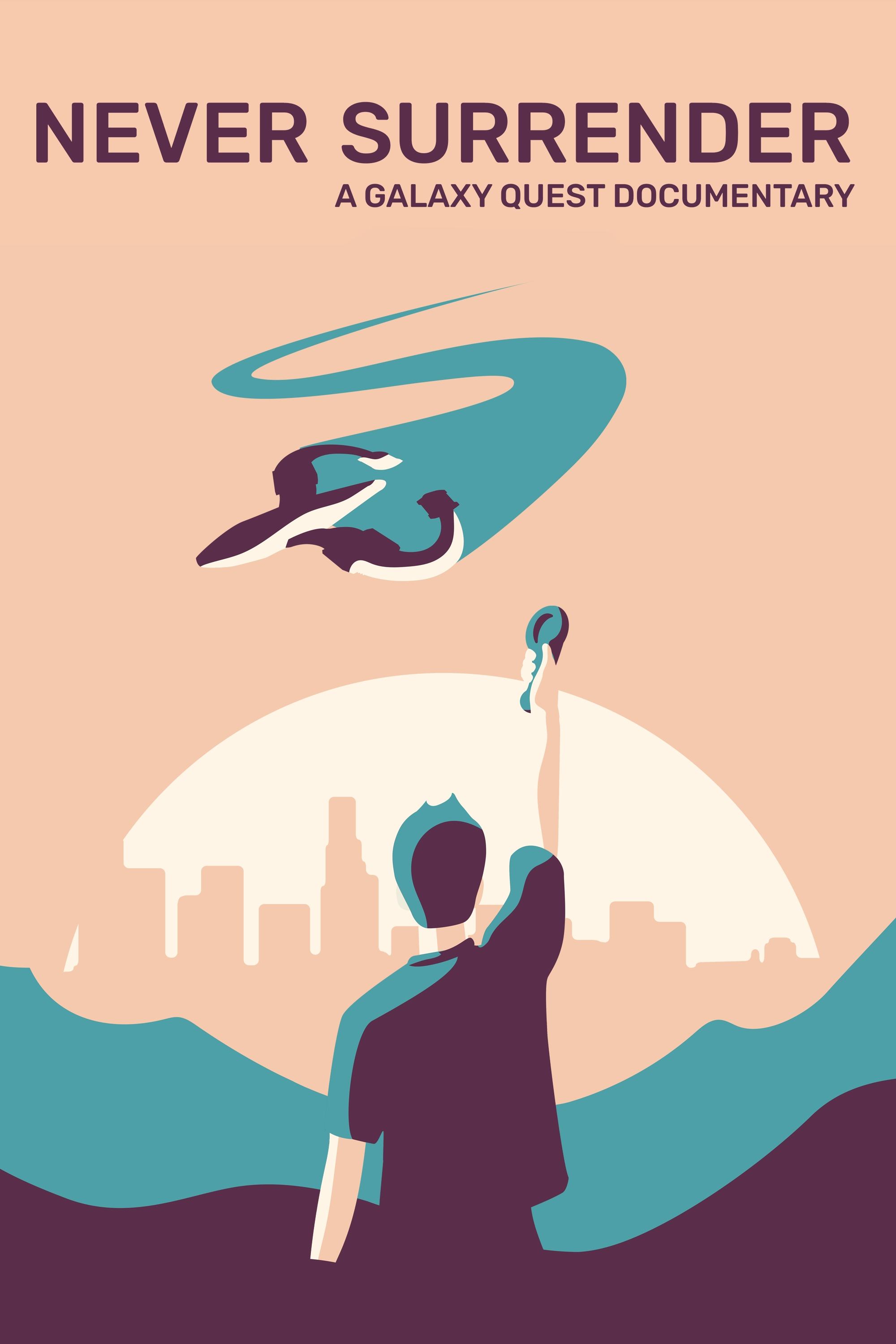
A feature-length documentary about the film Galaxy Quest and its legacy, celebrating its milestone 20th anniversary.
Raising angora rabbits for wool; new marine navigation and safety technology; kitchen gadgets; developing new rose varieties.
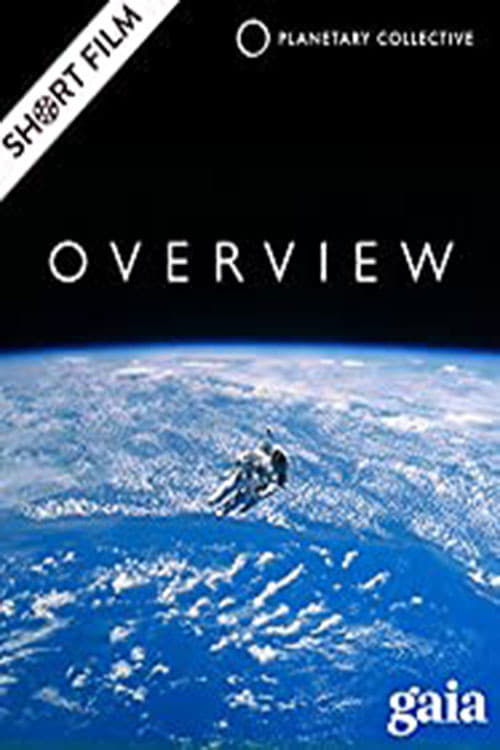
Astronauts who have seen the Earth from space have often described the 'Overview Effect', an experience that has transformed their perspective of the planet and mankind's place upon it, and enabled them to perceive it as our shared home, without boundaries between nations or species. 'Overview' is a short film that explores this perspective through interviews with astronauts who have experienced the Overview Effect. The film also features insights from commentators and thinkers on the wider implications and importance of this understanding for humanity as a whole, and especially its relevance to how we meet the tremendous challenges facing our planet at this time.
From F.Z. Maguire catalogue: The background of this picture is the Lick Observatory, Mount Hamilton, Cal. This observatory, the gift of James Lick, of Pennsylvania, was constructed at a cost of $700,000, being equipped with one of the most powerful telescopes that has ever been produced, and is famous the world over. The view of the Observatory is very complete, showing the style of architecture, including the glass covered dome in which are placed the various astronomical instruments. Every Saturday night throughout the year is set apart for visitors to inspect the Observatory and look through the great glass. This view shows a coach load driving up and alighting.
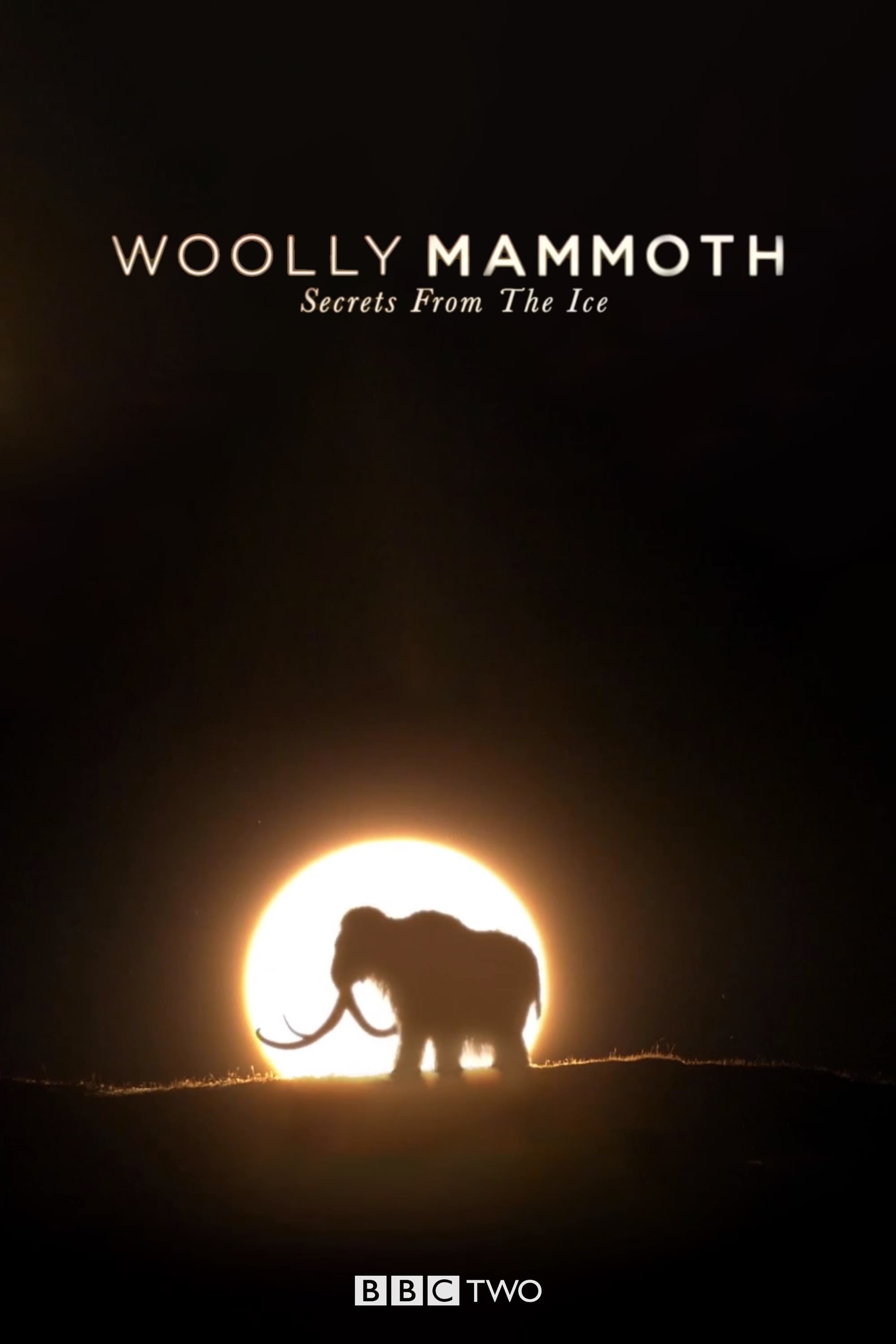
Woolly Mammoth: Secrets from the Ice is a documentary presented by English anatomist Dr. Alice Roberts that reveals some of the secrets of one of the most widely known extinct animals ever. Humans have been transfixed by the Wolly Mammoth since the end of the last ice age when there were still herds of them roaming the continents of Asia and Europe. Despite many people knowing about the great Woolly Mammoth until recently very little was known about them despite ancient humans living along side them for so long; few documented accounts exist.
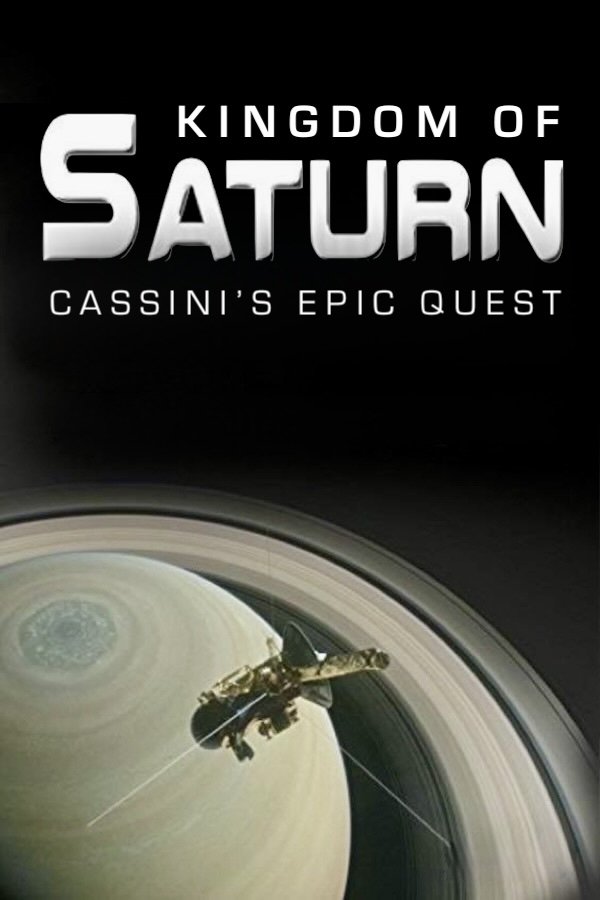
Before the joint NASA/ESA Cassini-Huygens mission, humanity only knew what had been learned, decades earlier, with the previous limited, rapid "fly-by" Pioneer and Voyager missions. Cassini-Huygens spent more than 13 years in wildly varied orbits around Saturn, allowing the spacecraft to pass near many of its moons, as well as execute a soft-landing of its Huygens lander on the moon Titan. By mission end, it accumulated a mountain of imagery and scientific data that will continue to be studied for years to come. This film is a testament to the amazing efforts of the scientists who planned and executed the mission. It combines breathtaking images, movies, and a variety of animations to take the viewer into Saturn's complex system of rings and moons, as well as stepping viewers through some of the more exciting scientific discoveries made over the course of the elaborately complex mission.
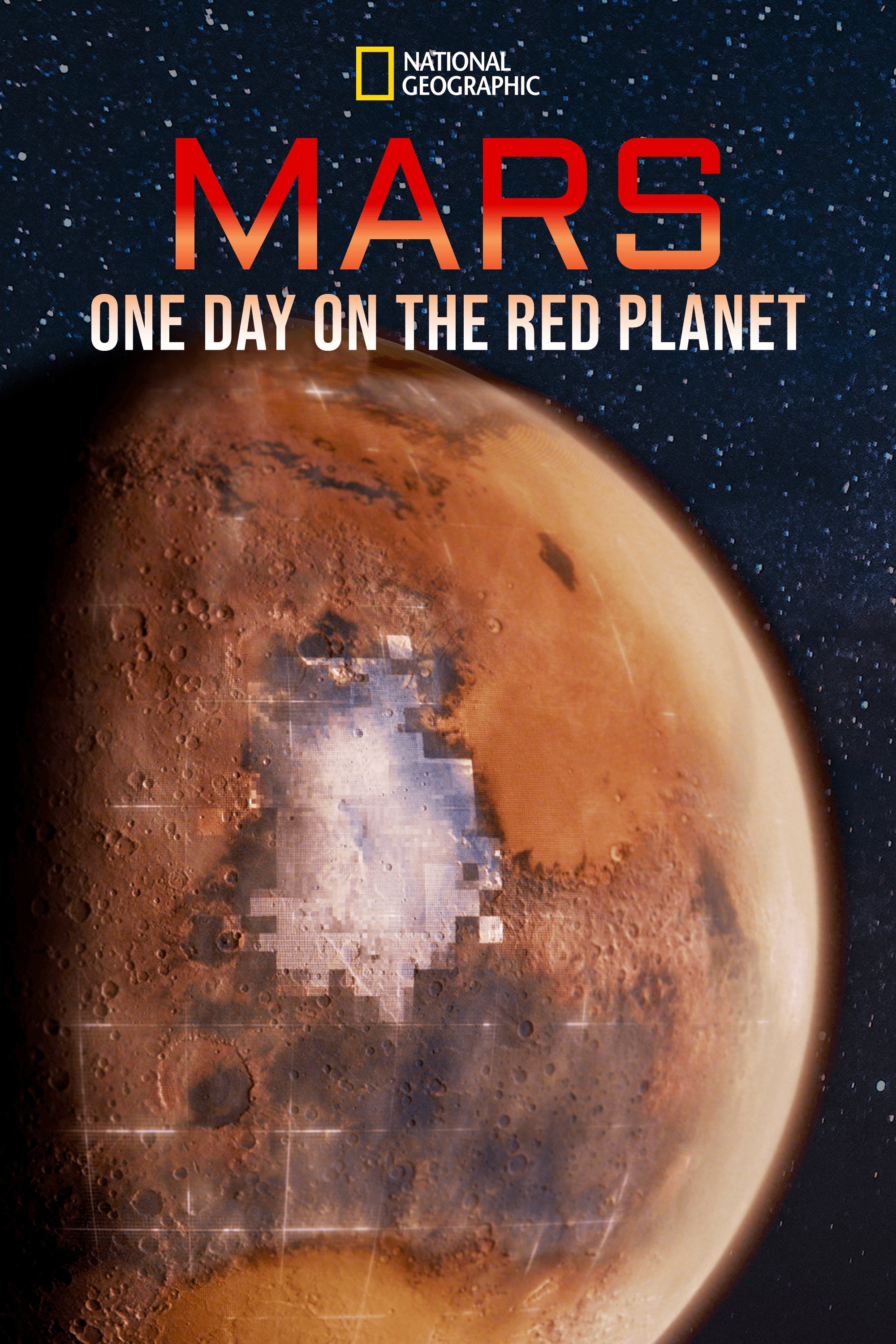
An epic journey around Mars — built from real satellite and rover data — revealing the red planet as you’ve never seen it before.
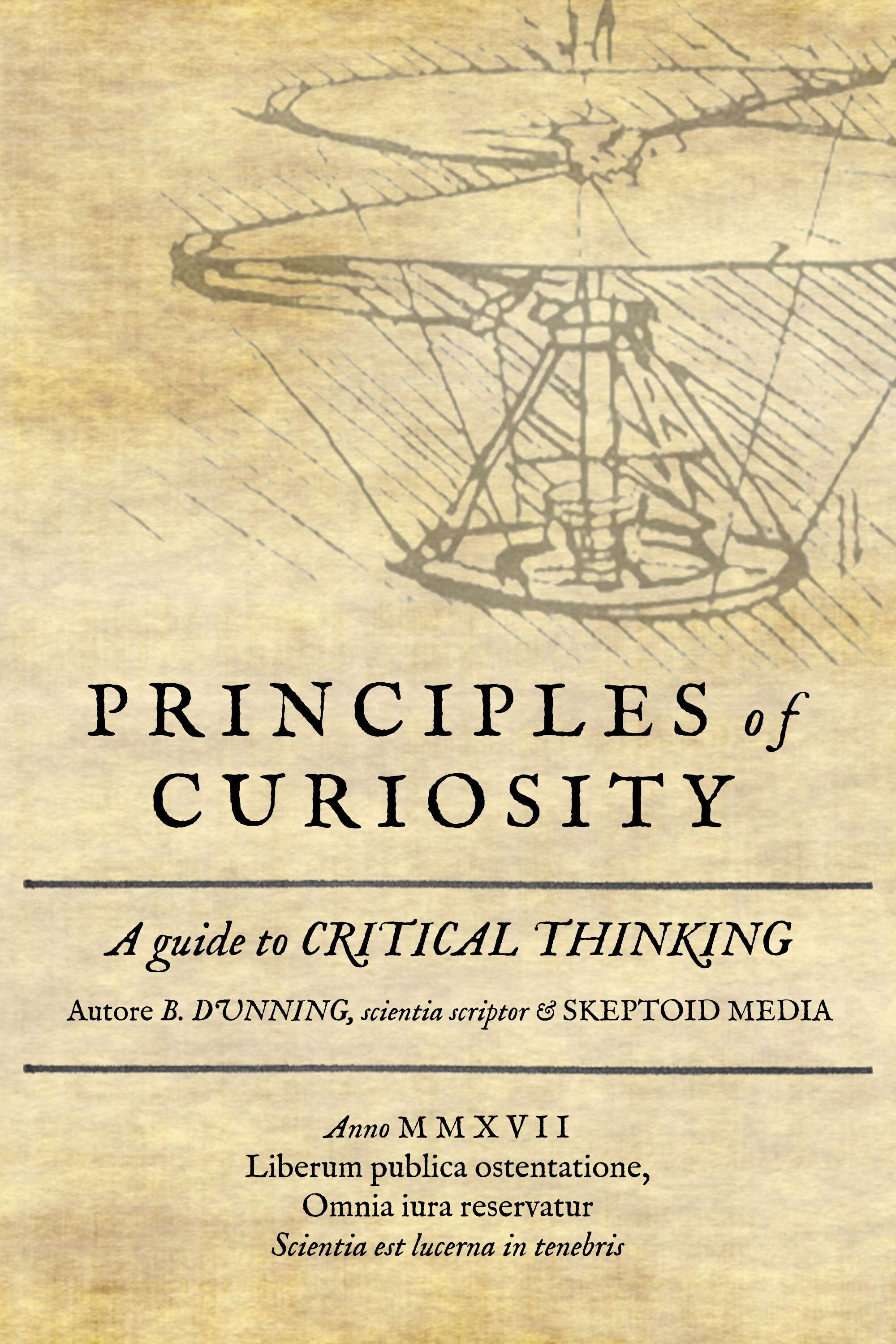
Principles of Curiosity presents a general introduction to the foundations of scientific skepticism and critical thinking, focusing on a simple process we call the three Cs.