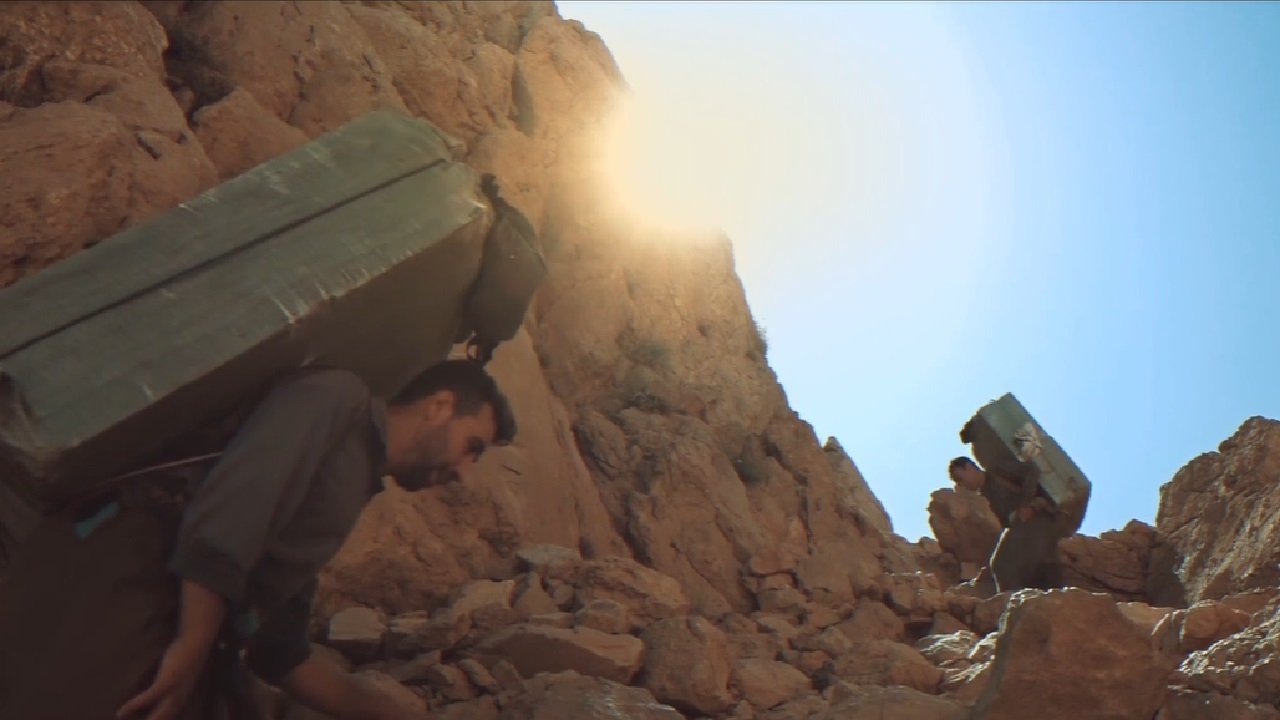
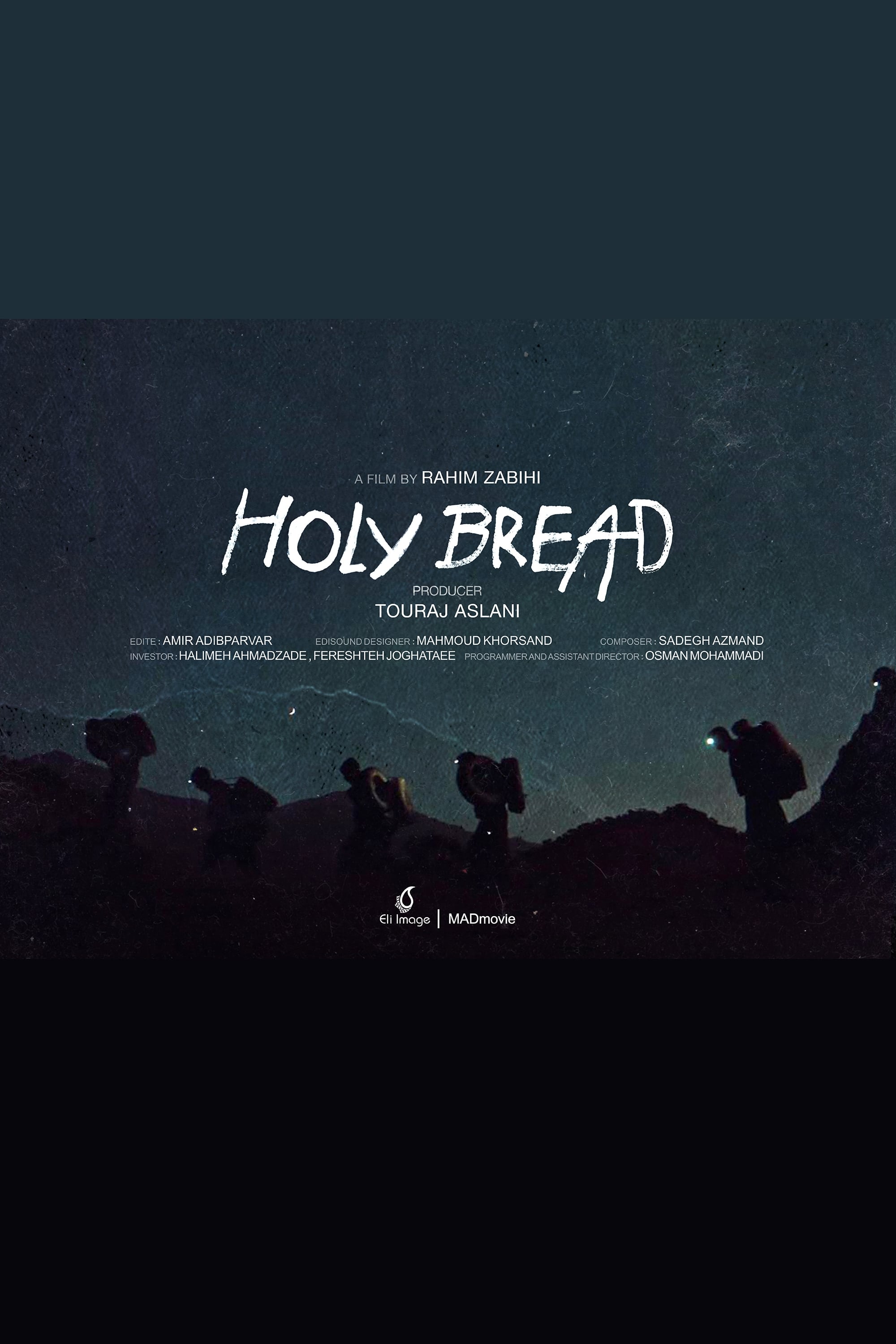
A documentary on the precarious lives of the koolbari, who carry goods on foot across the mountainous borders from Iran's northwestern Kurdish region.
Social & External
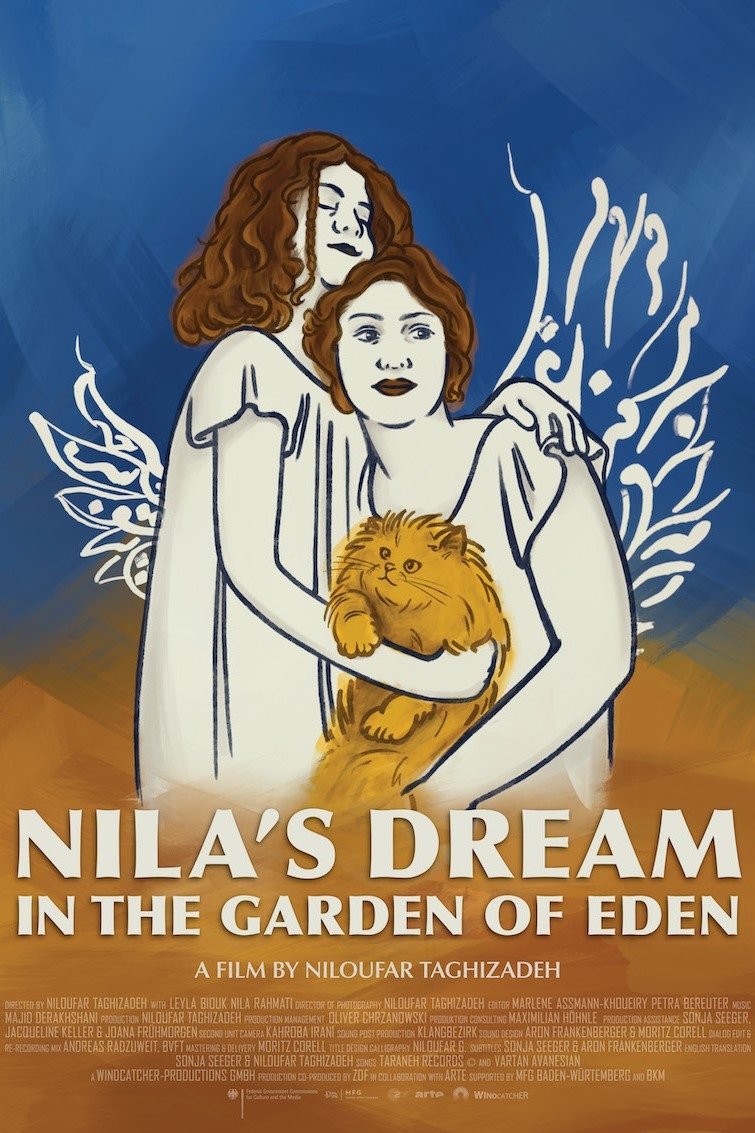
Leyla and her six-year-old daughter Nila live in the holy city of Mashhad in Iran. Nila is the result of a temporary marriage, which allows a man to marry a woman even if he is already married. Children born from such a relationship are legally non-existent. As long as the father does not recognize the child, no birth certificate can be issued and Nila cannot attend school. The documentary depicts Leyla's tireless efforts to clarify Nila's legal status in order to offer her a perspective for her future. In a never-ending bureaucratic battle, Leyla fights not only against the legal system, but also against a judgmental society.
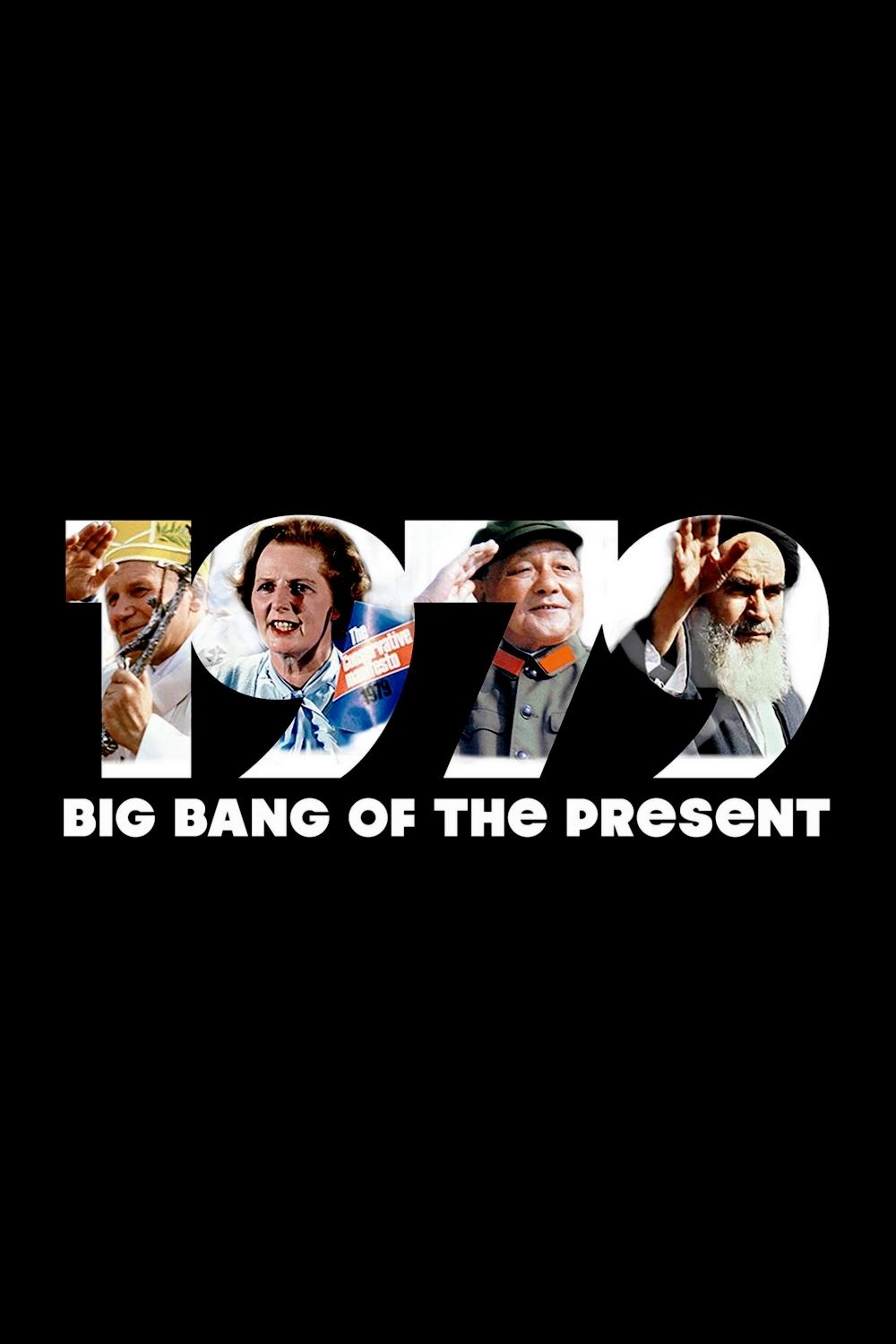
Deng Xiaoping's economic and political opening in China. Margaret Thatcher's extreme economic measures in the United Kingdom. Ayatollah Khomeini's Islamic Revolution in Iran. Pope John Paul II's visit to Poland. Saddam Hussein's rise to power in Iraq. The Soviet invasion of Afghanistan. The nuclear accident at the Harrisburg power plant and the birth of ecological activism. The year 1979, the beginning of the future.
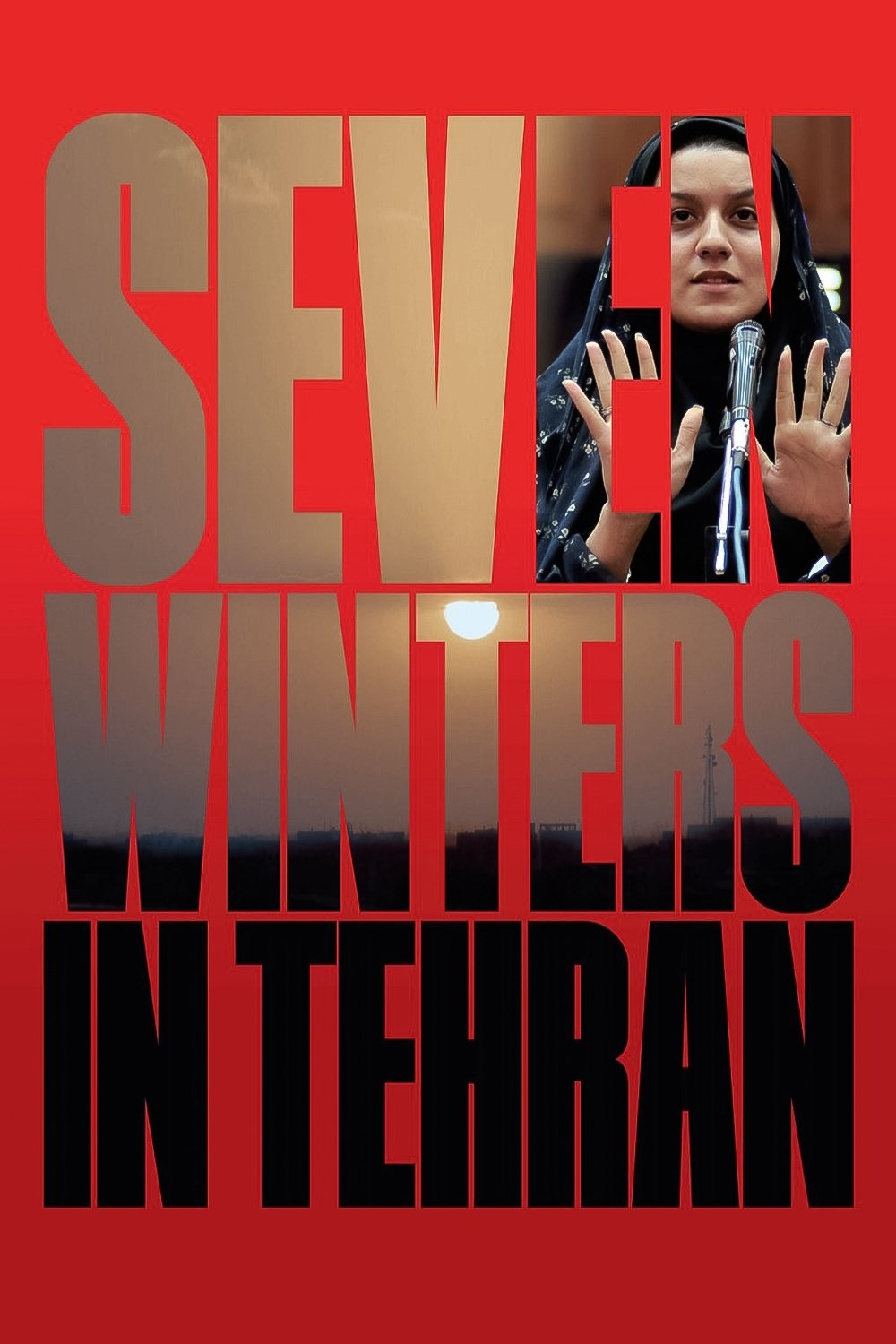
After seven years in prison, a female student in Tehran is hanged for murder. She had acted in self-defence against a rapist. For a pardon, she would have had to retract her testimony. This moving film reopens the case.
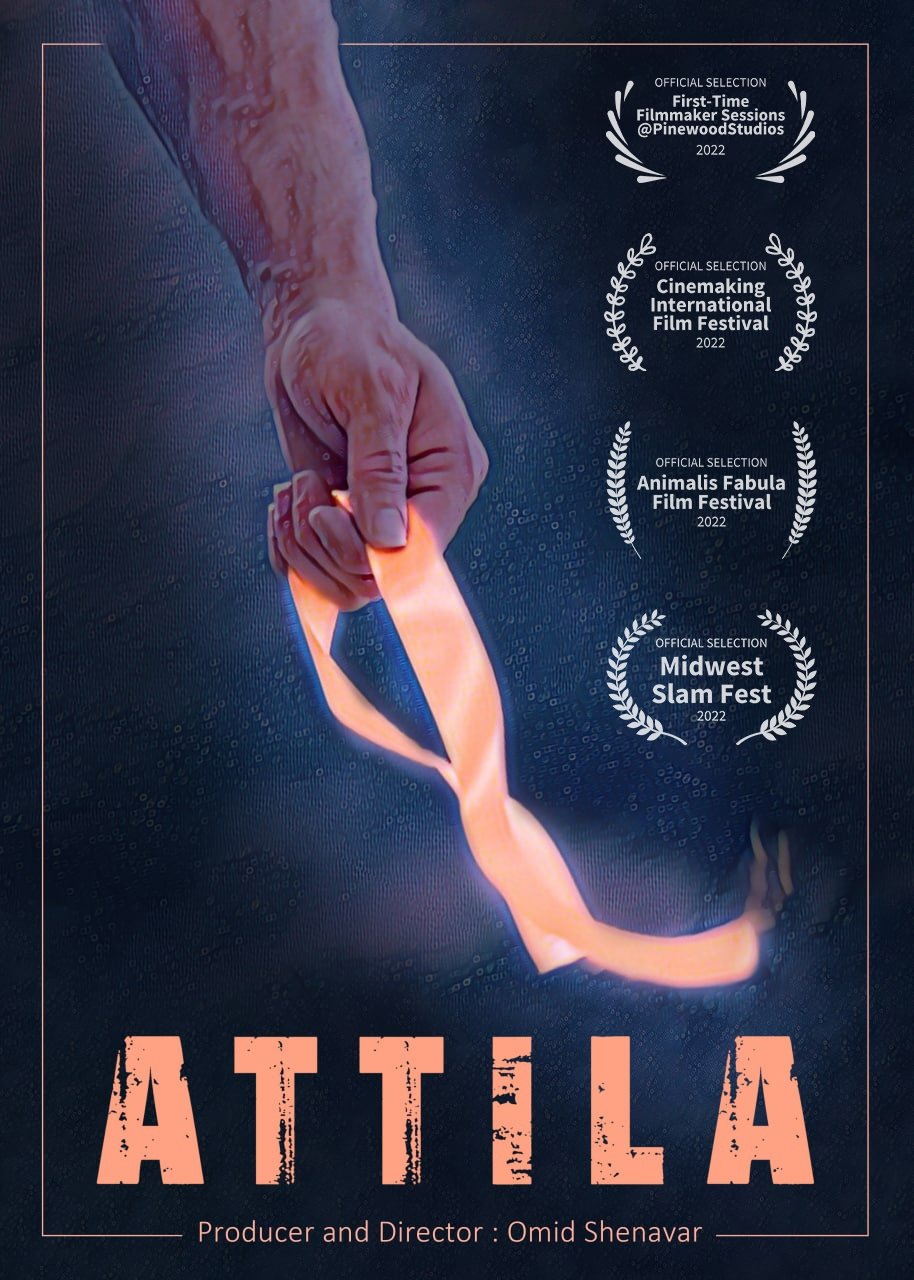
A harrased dog is found by animal helpers near a small village in Iran, they take him to the shelter and cure his disease but soon they find out Attila the dog suffers from an infected leg. As the helpers don't want his leg to be cut off They manage to send Attila to the USA via an unbelievable story.
It's a satirical comedy that chronicles 3 young Canadian film makers from Yellowknife as they travel from northern Canada to the middle east just as the Iraq war is erupting. As well as being very funny, it is also quite thought provoking. The trio travels through Canada, Turkey, Israel, Jordan and finally Washington DC interviewing "regular people" for their comments on the impending war. This film won best documentary at the 2003 Whistler Film Festival in Canada.
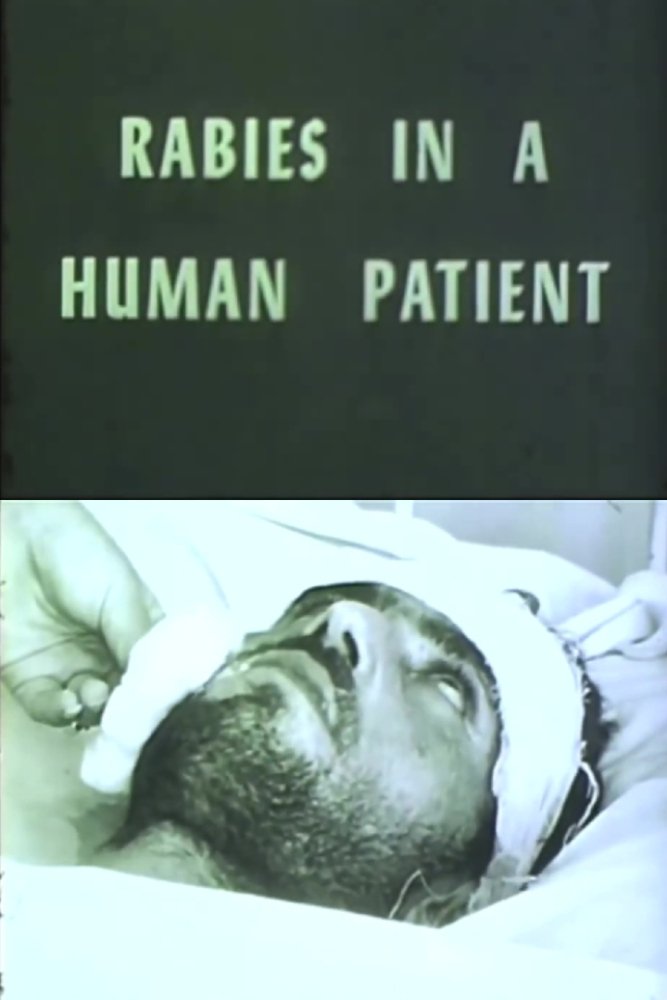
Case history of an Iranian patient bitten by a rabid wolf.
In this guided tour of a unique Persian carpet, a close-up of the delicate "spine" of a tree branches out into the discovery of a fantastical world.
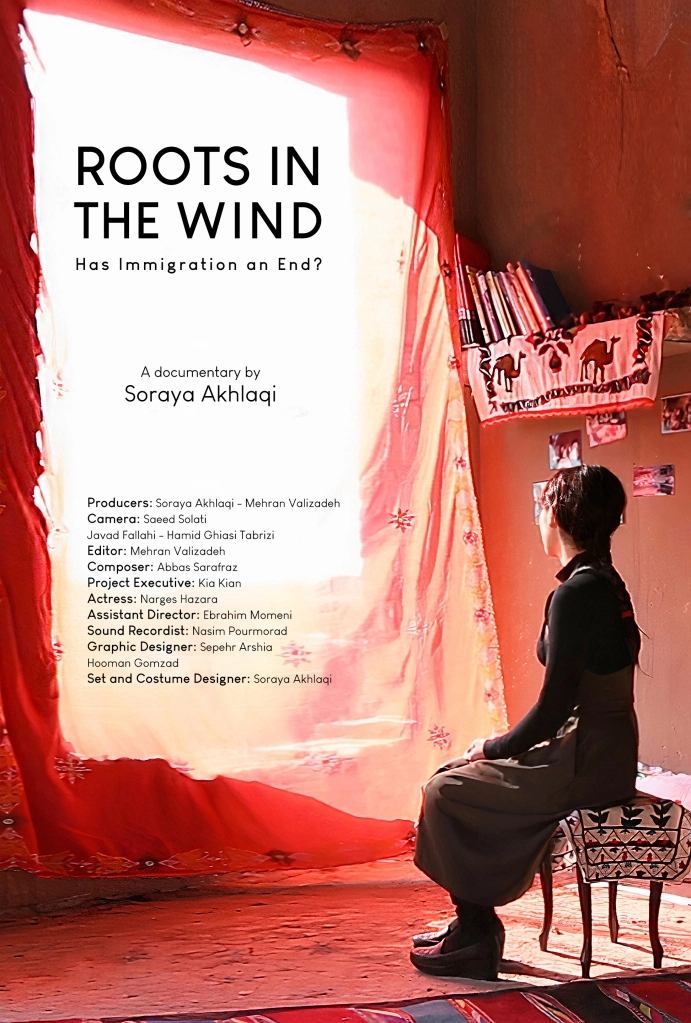
In 1979, after the Soviet Union attacked Afghanistan, millions of Afghans were forced to leave their homeland to save their lives, and in the meantime, a huge wave of them immigrated to Iran.
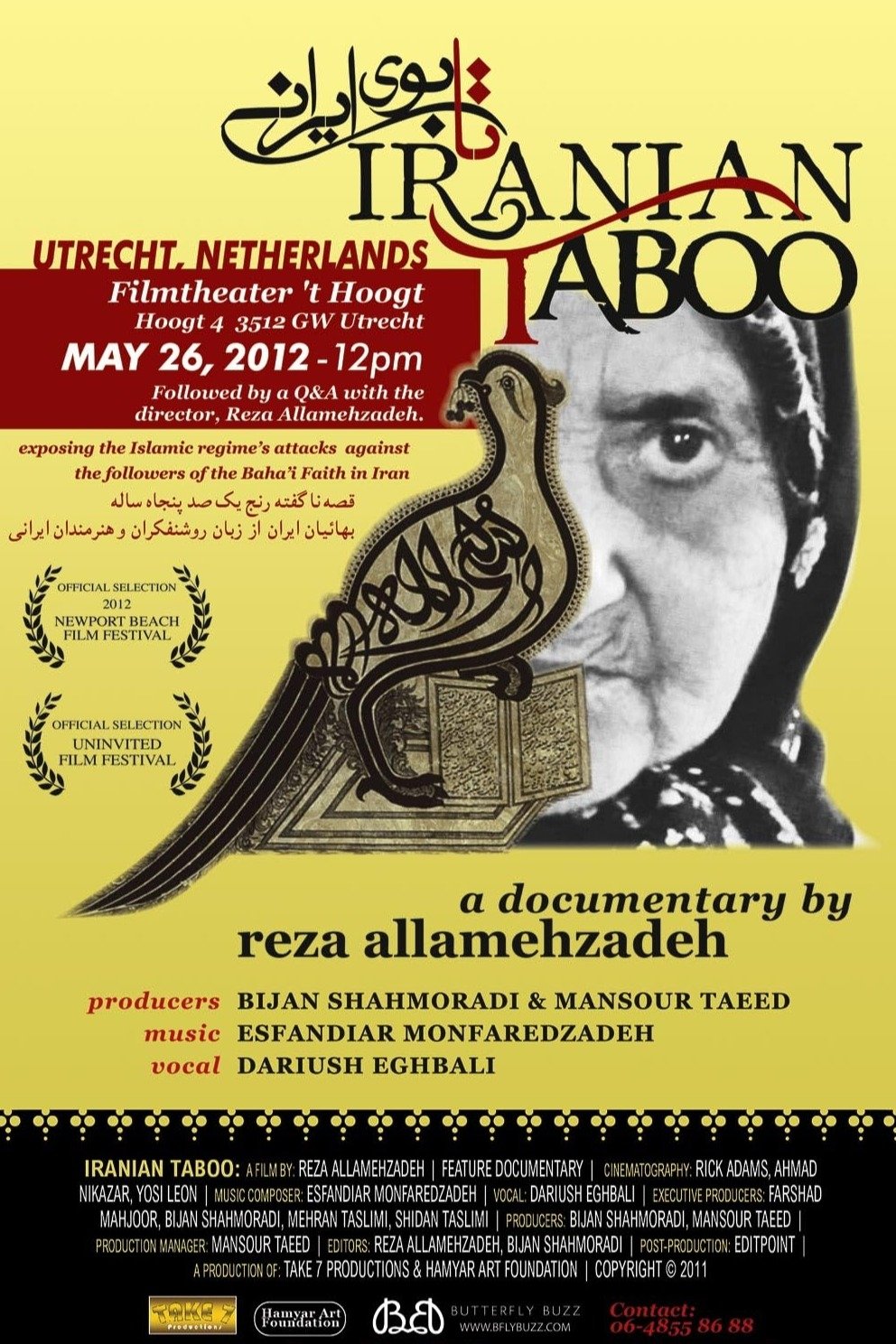
Iranian Taboo tells the harrowing story of Baha'i woman Nadereh and her 14-year-old daughter who decide to sell all their belongings and leave their home in Isfahan to take refuge in the west. The film takes us across continents from Turkey to Israel and from the USA to Iran. We are given unique insights - from the underground Baha'i university (BIHE) to Iranian Nobel Peace Prize winner, Shirin Ebadi, from the suppressed Baha'i peasants of the Ivel village in the northern province of Mazanraran to Abolhassan Banisadr, 1st president of the Islamic Republic of Iran.
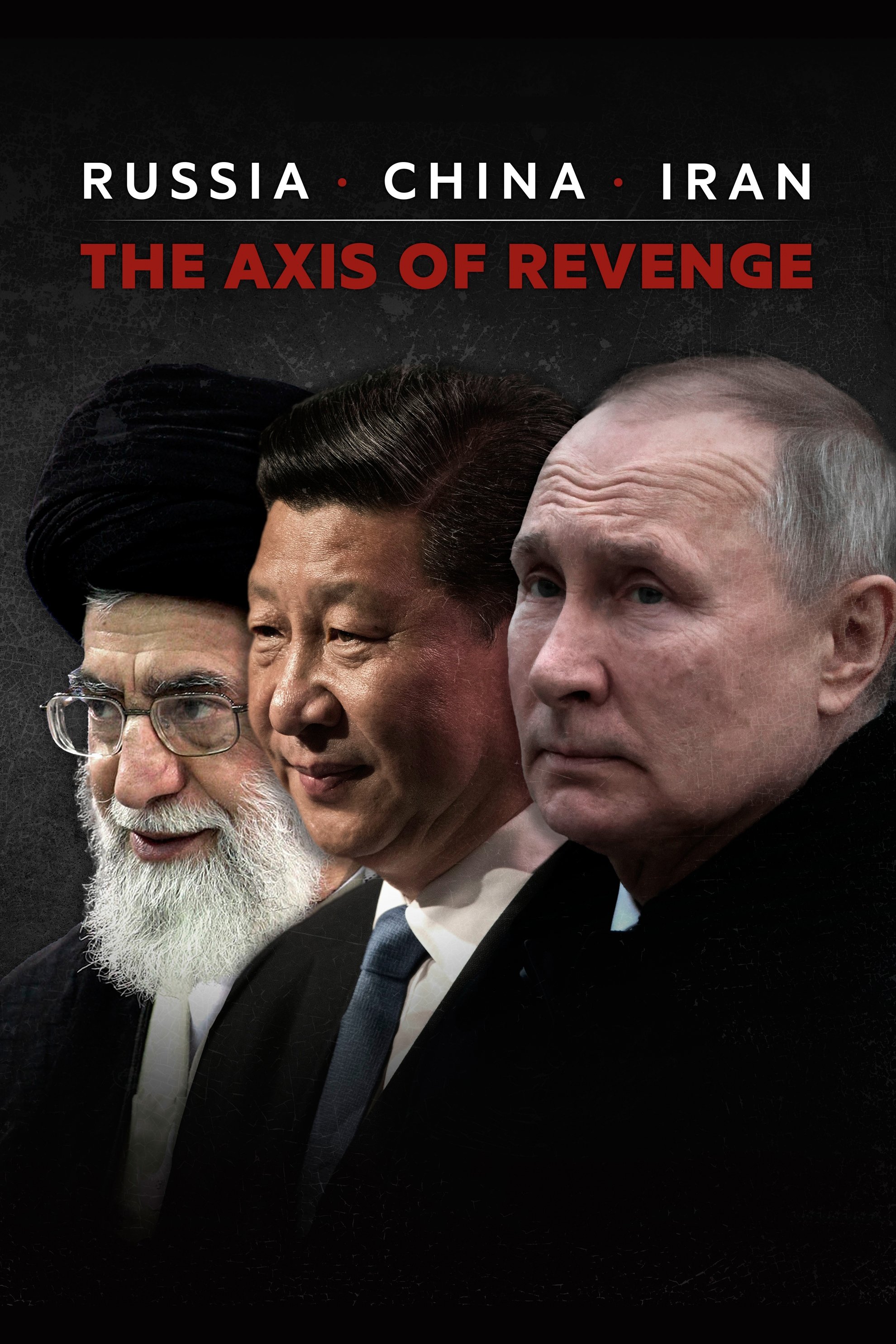
Russia, China and Iran: three former empires are determined to take their revenge and reassert their power after centuries of humiliation. Since the start of the war in Ukraine, they have never been so aligned on the international stage. Their common goal: to put an end to Western hegemony, restore their zone of influence and propose a new model of society. To achieve this, they are waging a hybrid war against the democracies: military, technological, economic, informational and ideological. Are they on the verge of joining forces to create a new world order?
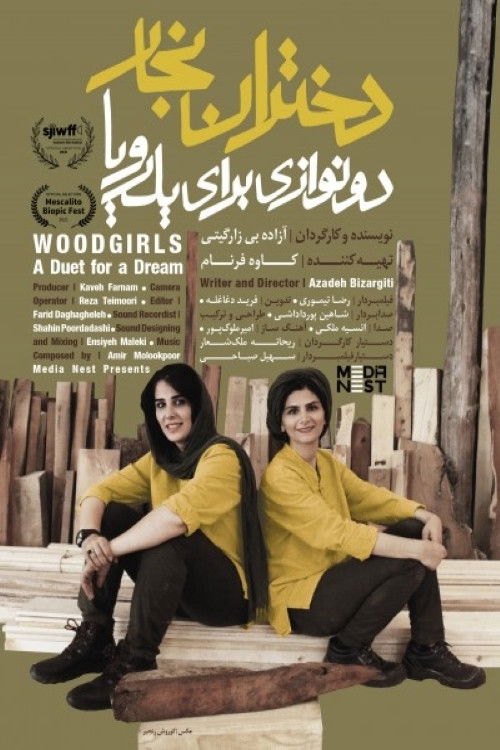
A story about the lives of Leila Avakh and Sedigheh Momennia who have chosen, with much love and passion, carpentry as a profession, a profession that is considered extremely masculine in the traditional society of Iran. As such, these two face many difficulties and obstacles. However, they are determined to prove to themselves and their society that it is not impossible to achieve your dreams. Leila and Sedigheh are amongst the first female carpenters in Iran.
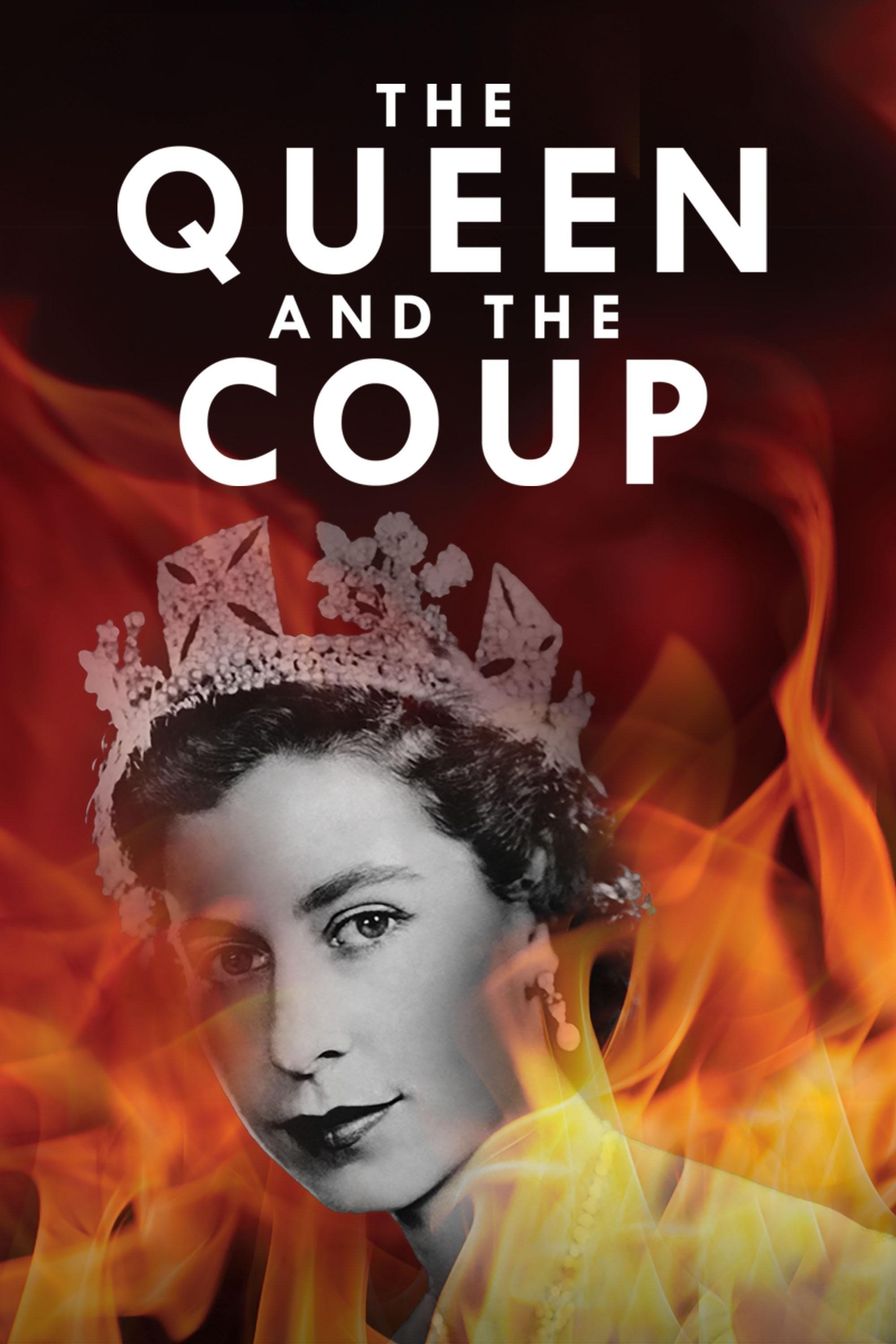
Planned by Britain’s MI6 and then executed by America’s C.I.A., the coup d’état which follows will destroy Iran’s last democracy, and relations between Iran and the West until the present day. Most shocking of all, the truth about Her Majesty’s role will be hidden from the Queen herself, and even the all-powerful Shah who will be used by Britain and American to replace Iran’s last democratic Prime Minister. The coup will lead to political upheaval all over the Middle East for decades to come, eventually resulting in the Islamic Revolution of 1979 which will end the reign of the Shah, and British and American influence in Iran, inspiring countless other Islamist revolutions around the world.
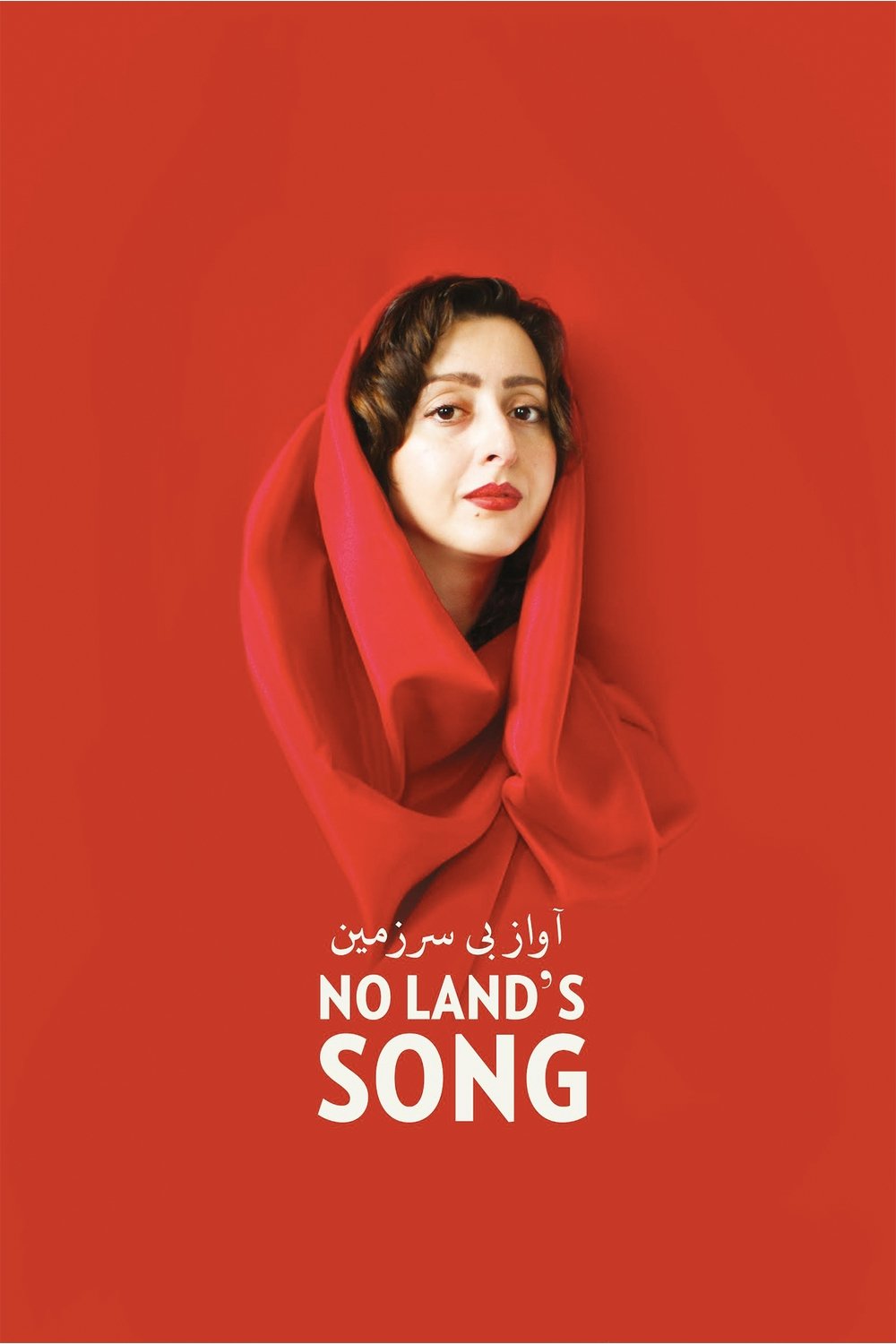
In Iran, since the 1979 Islamic revolution, women are no longer allowed to sing in public as soloists - at least in front of men. Defying censorship and taboos, the young composer Sara Najafi is determined to organize an official concert for solo female singers. In order to support their fight, Sara and her friends invite three French female singers, Elise Caron, Jeanne Cherhal and Emel Mathlouthi, to join them in Tehran and collaborate on their musical project, re-opening a musical bridge between Europe and Iran. Are they going to succeed and finally be gathered in Tehran, sing together, on stage and without restrictions, and to open a door towards a new freedom of women in Iran ?
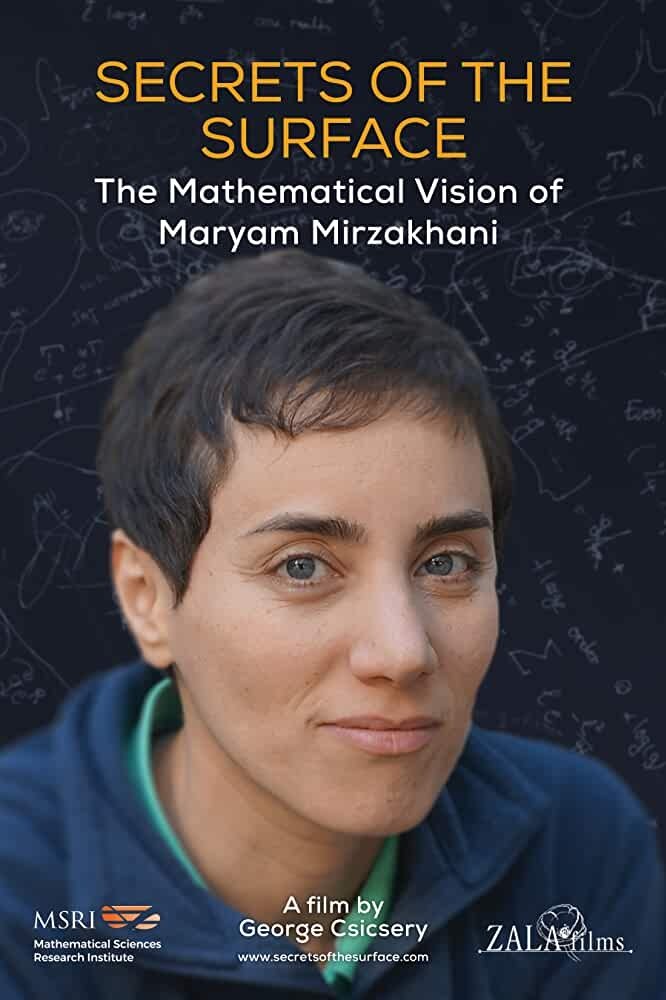
Filmed in Canada, Iran, and the United States, Secrets of the Surface: The Mathematical Vision of Maryam Mirzakhani examines the life and mathematical work of Maryam Mirzakhani, an Iranian immigrant to the United States who became a superstar in her field. In 2014, she was both the first woman and the first Iranian to be honored by mathematics' highest prize, the Fields Medal. Mirzakhani's contributions are explained by leading mathematicians and illustrated by animated sequences. Her mathematical colleagues from around the world, as well as former teachers, classmates, and students in Iran today, convey the deep impact of her achievements. The path of her education, success on Iran's Math Olympiad team, and her brilliant work, make Mirzakhani an ideal role model for girls looking toward careers in science and mathematics. Written by George Csicsery
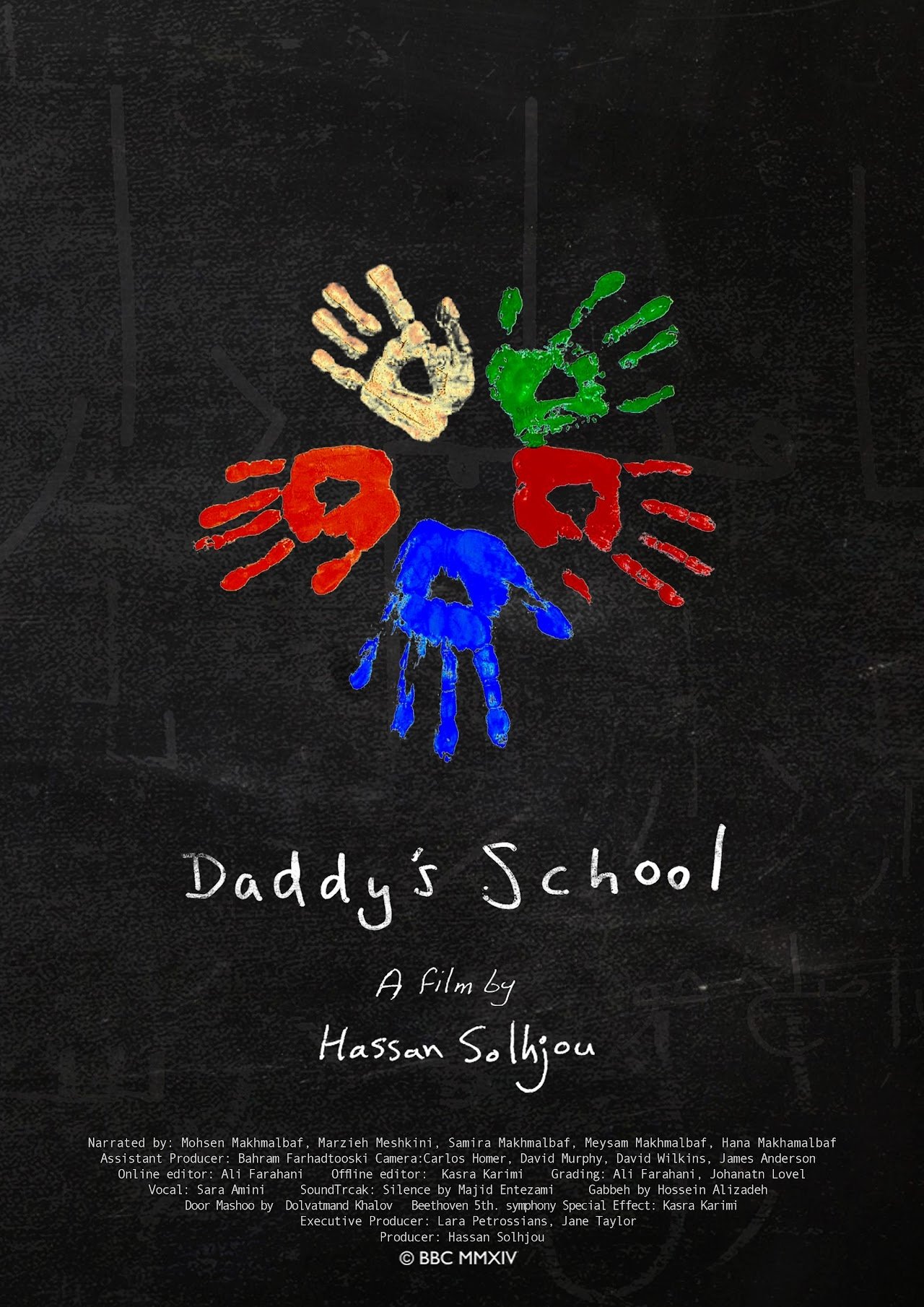
It is a story of a unique family in the world; A documentary on how a former political imprisoned revolutionary in a religious closed society like Iran, turned his house in to an open Film School and pave to way for his family to became world class film maker and top International award winners , including Cannes Venice , Berlin, San Sebastian , Locarno and many.
'They Think It's All Over' presenter Nick Hancock teams together with Andy Smart of the Vicious Boys to follow the progress of the Iranian squad as they prepare for, and play through, the 1998 World Cup Finals. With only one, goalless, Finals appearance behind them, the team were 500/1 outsiders to win the competition, but they weren't about to exit the contest without putting up a fight
On stage since she was a toddler, Googoosh has been an icon of Iranian pop culture since the 1970s. Her progressive style and raw singing talent attracted worldwide acclaim and saw her performing alongside the likes of Tina Turner and Ray Charles. But the star's career came to an abrupt halt after the Islamic Revolution, which banned women from singing in public. Googoosh was placed under house arrest, where she remained for the next two decades. Niloufar Taghizadeh's documentary, which includes interviews with the charismatic singer (now in her seventies, but still performing and advocating for women and girls) and arresting archival footage, offers both a loving portrait of a national icon and a fascinating historical and cultural record of Iran.
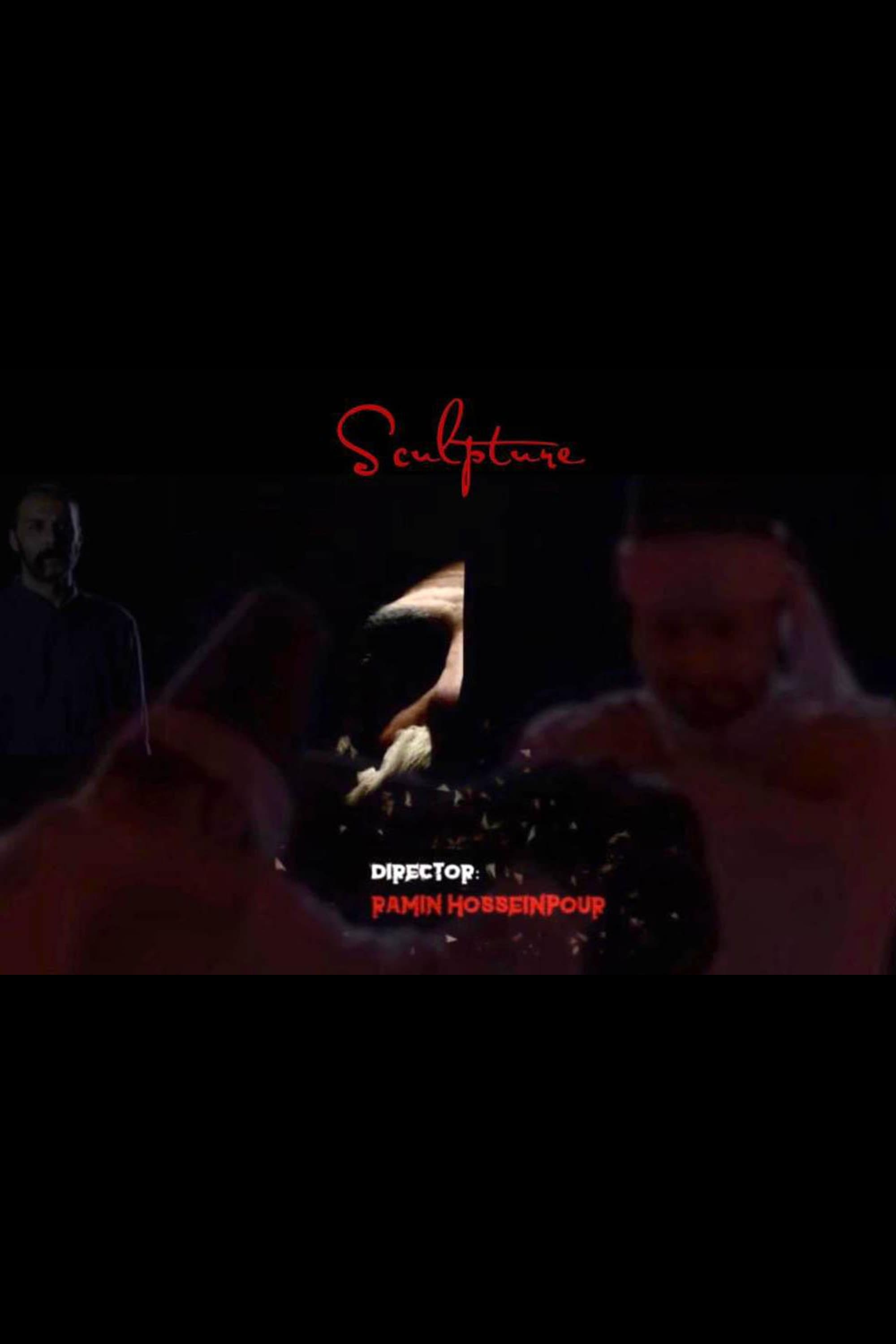
Video art of sculpture is the real life story of Rumi (Mevlana) and Shams Tabrizi. Rumi and Shams are well known international poets of Persian language. One day, Rumi invites Shams Tabrizi to his house, Shams throws the book into the pool of water and Rumi is worried and Shams returns the book to Rumi without any trace of water. The lost half of the sculpture in the film is a representation of the same concept. "Sculpture" has won more than 69 International Awards, third place (semi-final) in called Flickers' Rhode Island International Film Festival (Academy Award ® Qualifying, BAFTA Qualifying, Canadian Screen Award Qualifying) , Winner of the 2025 Jury Award for Best Short Documentary – Toronto International Nollywood Film Festival (TINFF) – A Canadian Screen Award-Qualifying Festival , Crown Point International Film Festival(Chicago),(US),Gold Star Movie Awards (US),One-Reeler Short Film Competition (US),Accolade Competition (US), and many other events.
Told through striking animation, one woman’s powerful account of surviving a fire in Tehran’s Evin prison captures resistance; an urgent, creative act rooted in the Iranian Woman! Life! Freedom! movement.