Social & External
Self
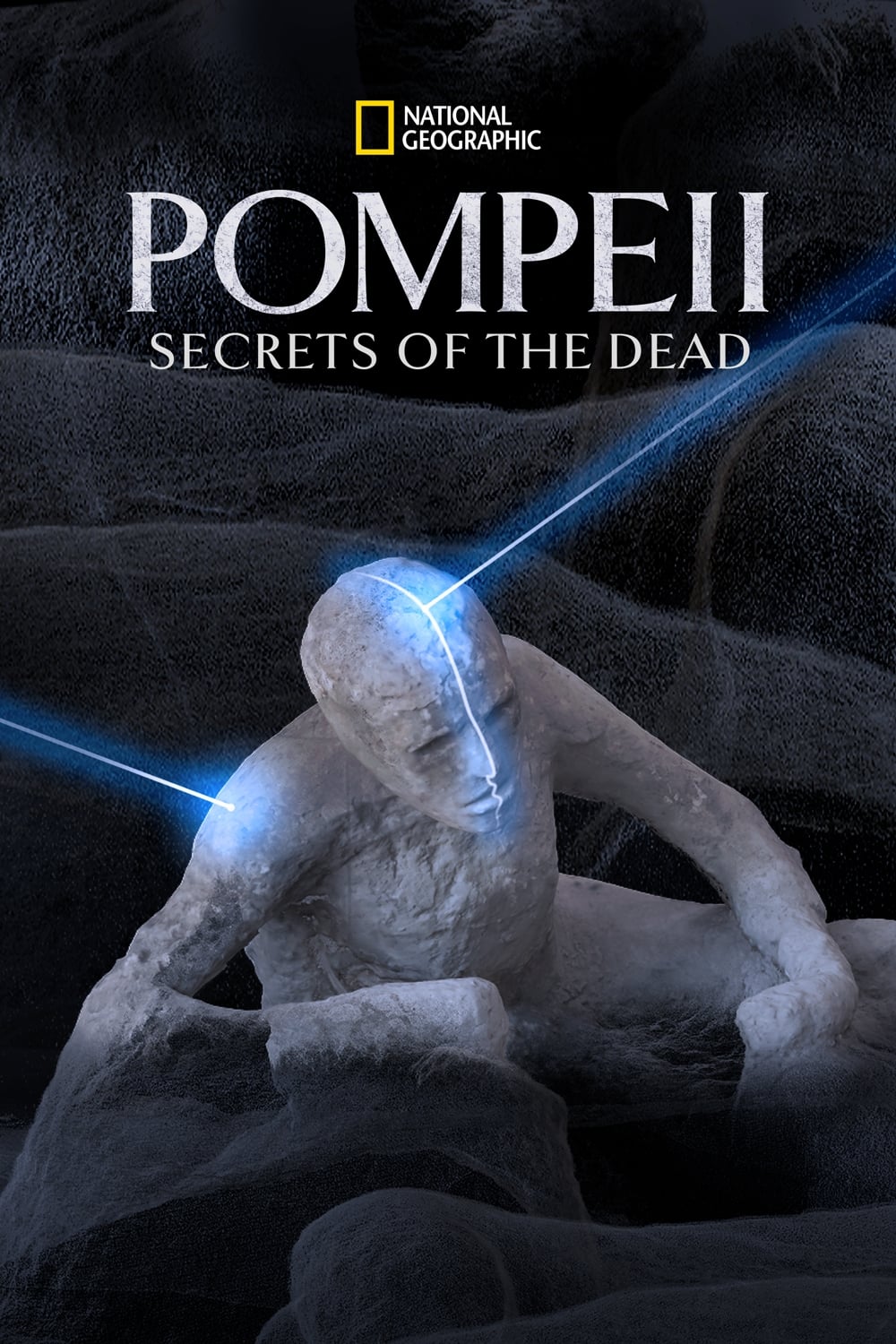
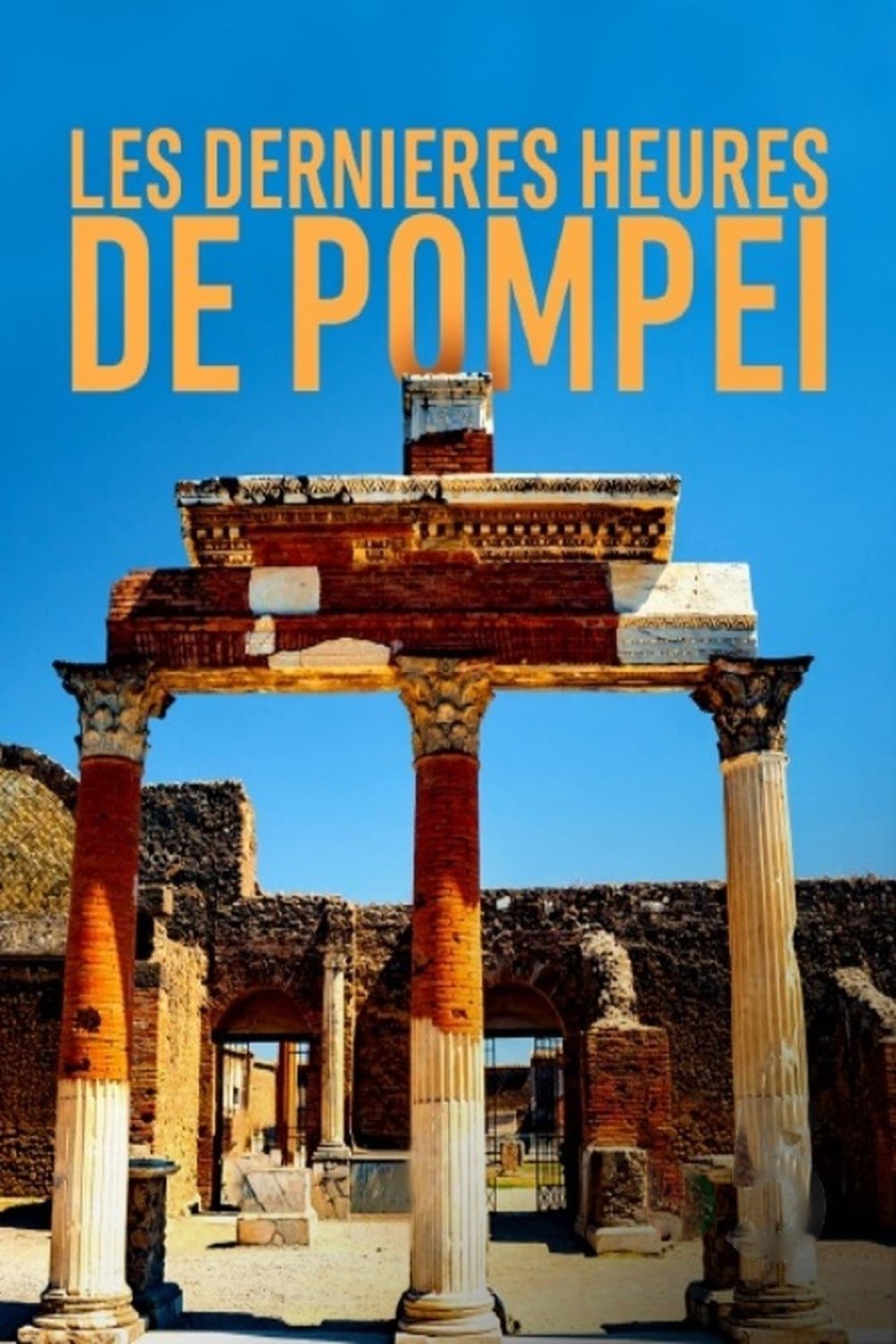
Forensic experts scan Pompeii’s victims to investigate why they didn’t escape the eruption.
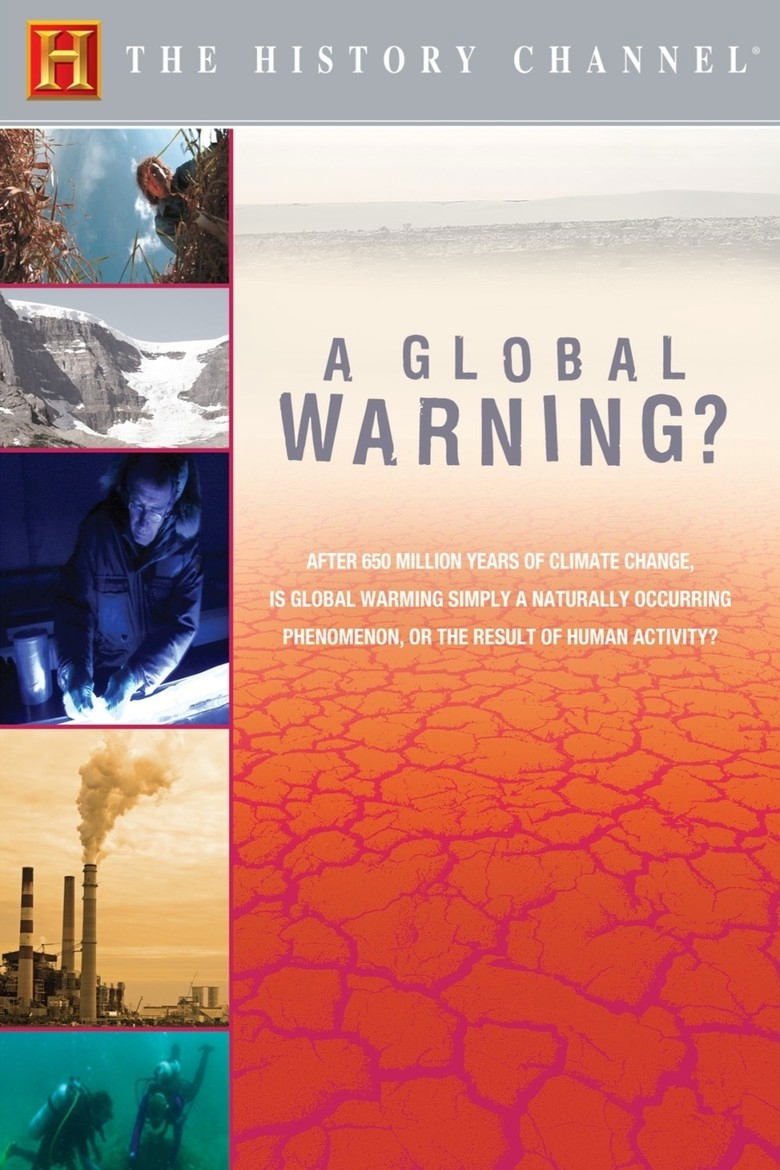
Global warming in context. What the climate of the past tells us about the climate of the future.
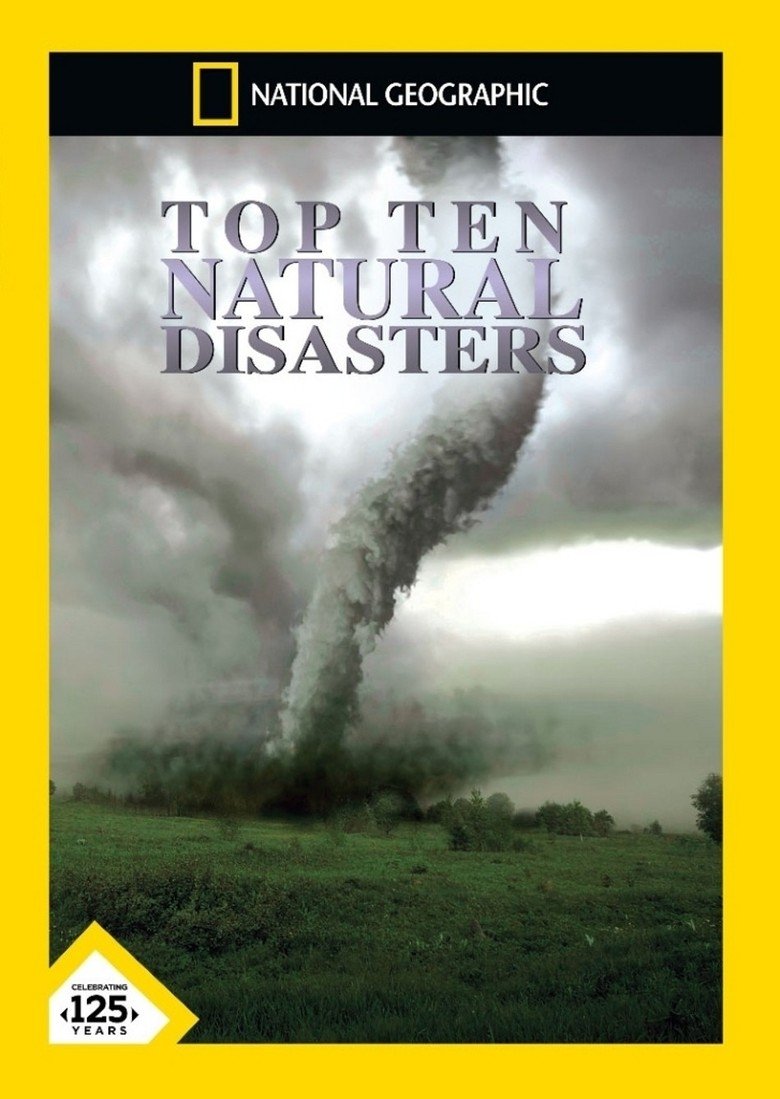
National Geographic gets 10 experts to pick the most significant natural disasters ever, adding eyewitness accounts and CGI to flesh out the stories.
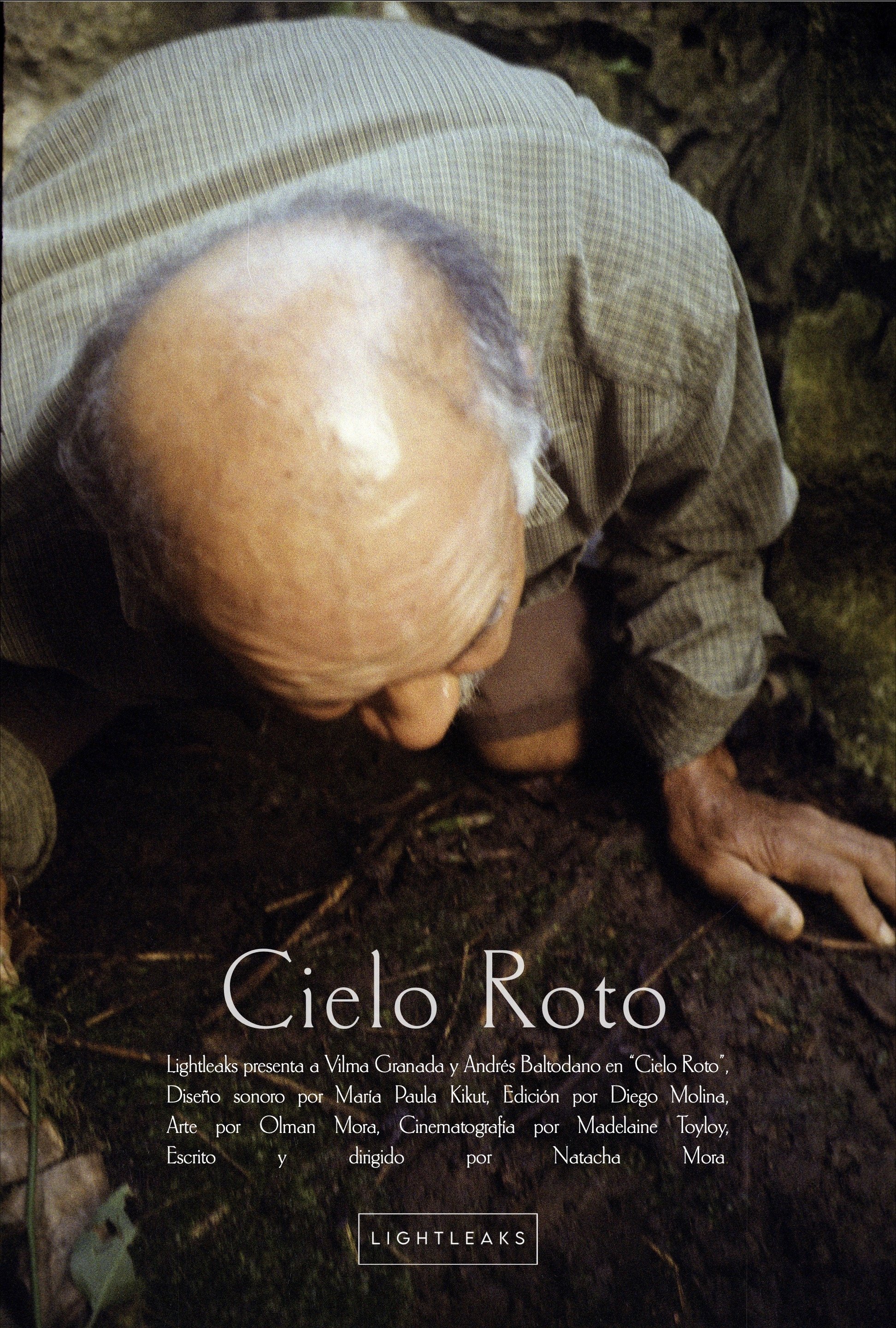
In the lush depths of the rainforest, Vilma and Andrés find themselves gripped by an eerie premonition, a haunting sense of a catastrophe looming on the horizon-a disaster they have never encountered in reality but have always feared in their imaginations. As the dense foliage and ominous whispers of the forest heighten their senses, Vilma and Andrés are propelled into a profound introspection.
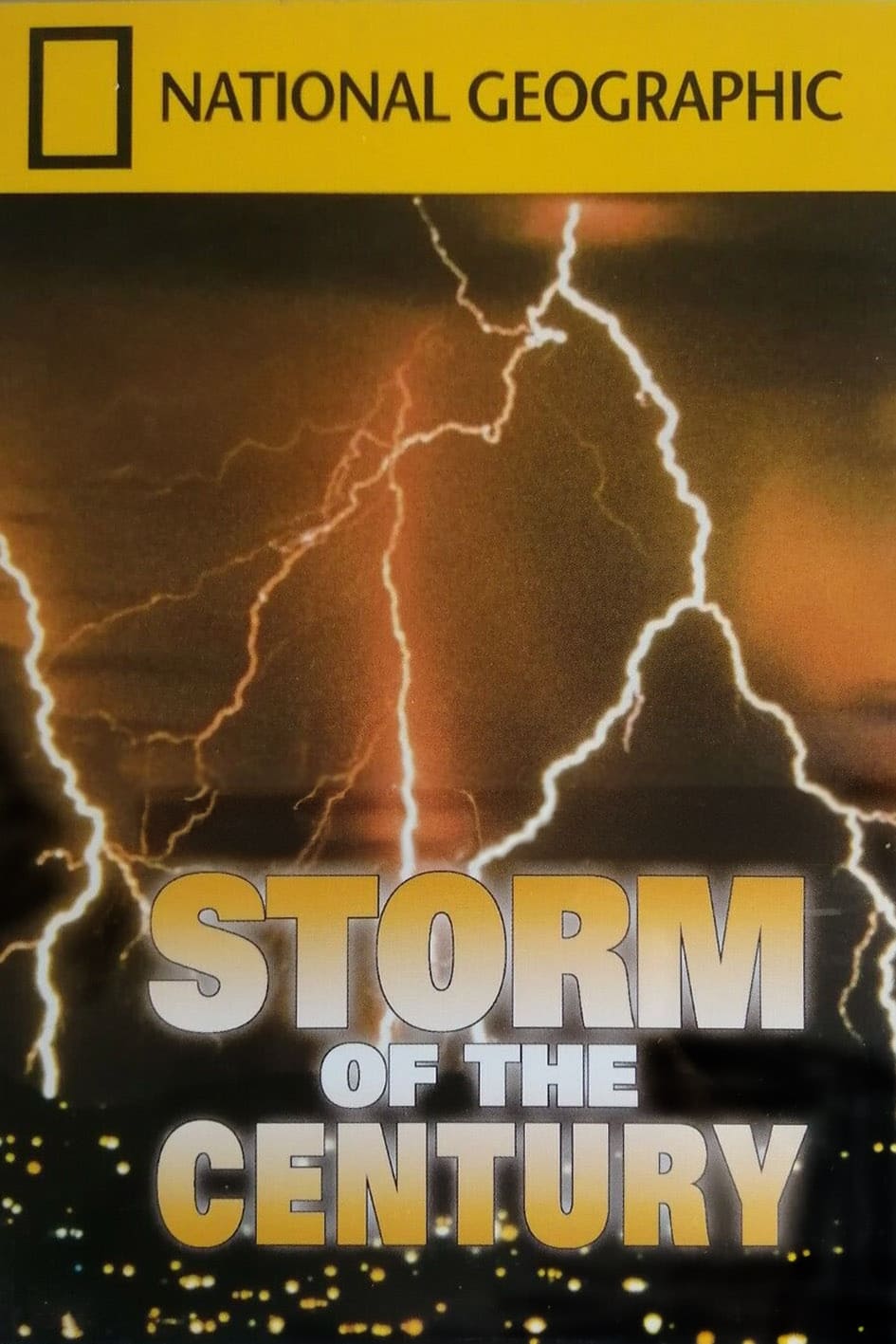
The storm of 1993 that ravaged the Eastern Seaboard was bigger than any since the 1800s. Most were expecting only more unseasonable warmth, and were caught off-guard by the hurricane winds, massive thunderstorms, and fierce blizzards. Meteorologists puzzled over bizarre reports from their computers. Late warnings went largely unheard. Video footage from Florida to Maine documents nature's savagery.
Eyewitnesses give first hand testimony about the worst natural disaster to strike Britain in modern times. On 31 January 1953, a massive storm and its huge tidal surge flooded 250 square miles of land from the Shetlands to the Thames estuary, killing hundreds of people, sinking several ships, and destroying tens of thousands of homes. Few remember this disaster that shocked the country as it emerged from the trauma of World War II, but those who do remember it vividly.
The enthralling, against-all-odds story that transfixed the world in 2018: the daring rescue of twelve boys and their coach from deep inside a flooded cave in Northern Thailand.
"Trouble the Water" takes you inside Hurricane Katrina in a way never before seen on screen. The film opens the day before the storm makes landfall--just blocks away from the French Quarter but far from the New Orleans that most tourists knew. Kimberly Rivers Roberts, an aspiring rap artist, is turning her new video camera on herself and her Ninth Ward neighbors trapped in the city. Weaving an insider's view of Katrina with a mix of verité and in-your-face filmmaking, it is a redemptive tale of self-described street hustlers who become heroes--two unforgettable people who survive the storm and then seize a chance for a new beginning.
A look at the state of the global environment including visionary and practical solutions for restoring the planet's ecosystems. Featuring ongoing dialogues of experts from all over the world, including former Soviet Prime Minister Mikhail Gorbachev, renowned scientist Stephen Hawking, former head of the CIA R. James Woolse
Starting off a kilometre high, travelling at the speed of a jet aircraft, and heading for us. It doesn't make for a good outcome. Hollywood-style graphics and real-life archive bring home an imagined near-future scenario, all based on cutting-edge science. —Trevor
Using film footage shot by the Genevese film director, Fernand Reymond, in Bangladesh in 1972, this documentary film describes the cyclone prevention programme drawn up by the governmental authorities and the League of Red Cross Societies. It particularly depicts the cyclone warning system set up to protect the population. (League Film Library Catalogue Supplement No. 2, p. 39)
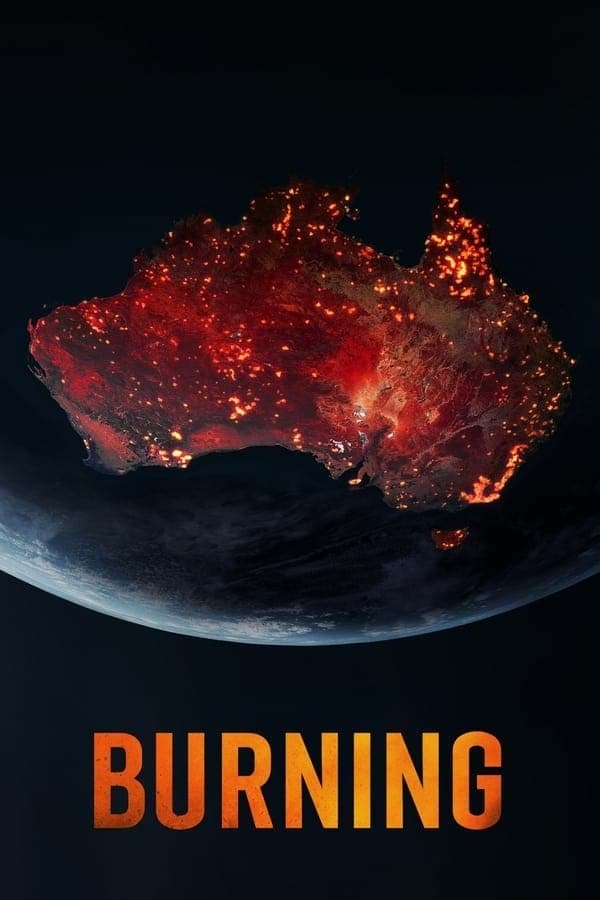
Follows the deadly Australian bushfires of 2019-2020, known as ‘Black Summer’. Burning is an exploration of what happened as told from the perspective of victims of the fires, activists and scientists.
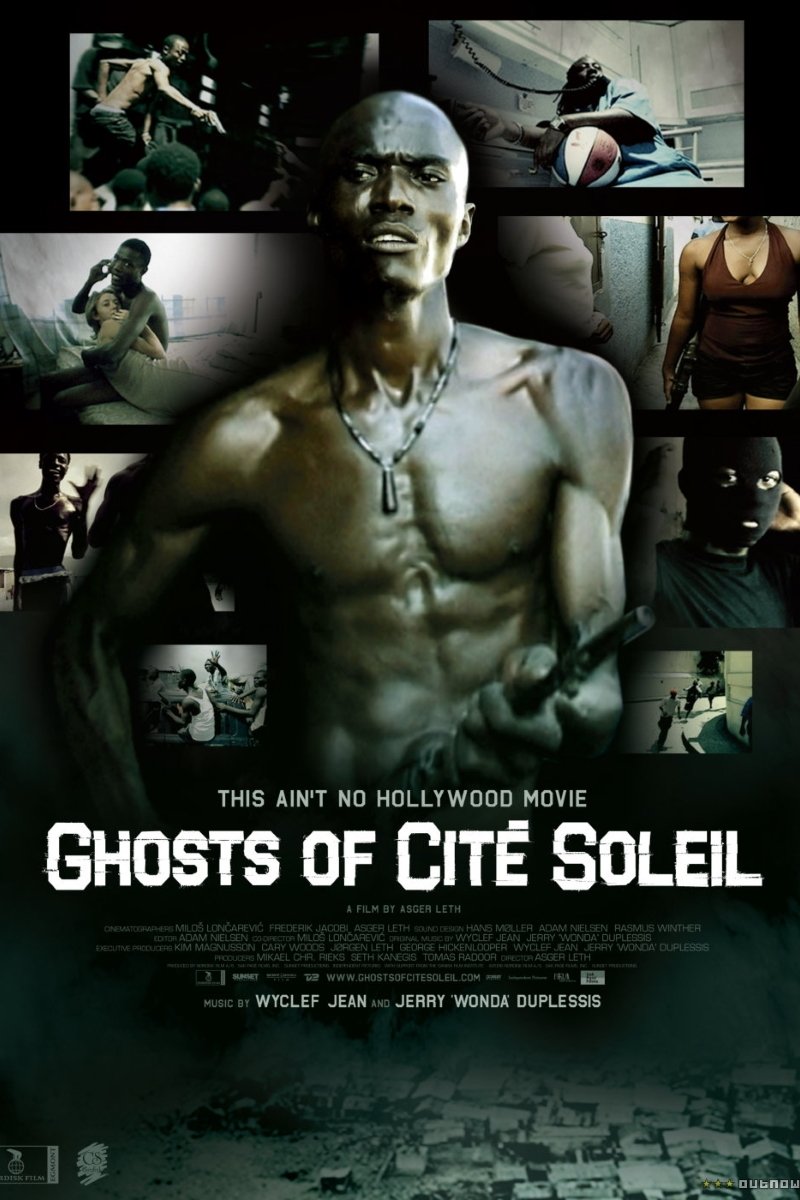
In the slum of Cité Soleil, President Aristide's most loyal supporters were ruling as kings. The five major gang leaders were controlling heavily armed young men; the Chiméres. The Secret army of President Jean-Bertrand Aristide. "Ghosts of Cité Soleil" is a film about Billy and Haitian 2pac. Two brothers. Gang Leaders of the Chiméres.
In 1925, during the occupation of Haiti, a U.S. Marine Corps sergeant was stationed in charge of the small island of La Gonave. He befriended the natives and was so popular that they named him King Faustin I and installed him as their ruler. He ruled the island for three years, then left and returned to make this documentary.
A love letter to a place that will forever be home, a visual ode, and a farewell to a neighborhood that is rapidly changing due to the forces of gentrification and Miami’s housing crisis.
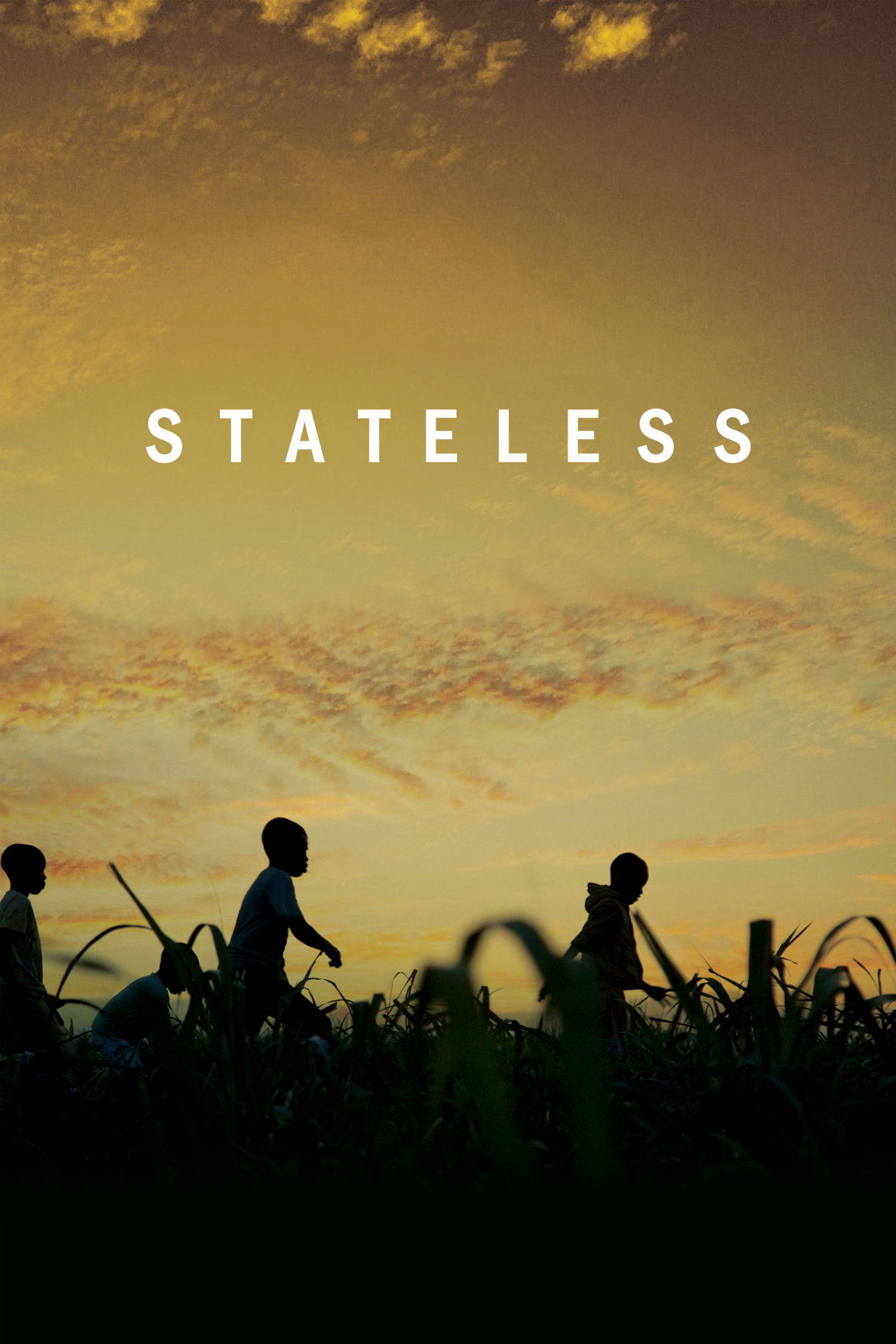
Director Michèle Stephenson’s new documentary follows families of those affected by the 2013 legislation stripping citizenship from Dominicans of Haitian descent, uncovering the complex history and present-day politics of Haiti and the Dominican Republic through the grassroots electoral campaign of a young attorney named Rosa Iris.
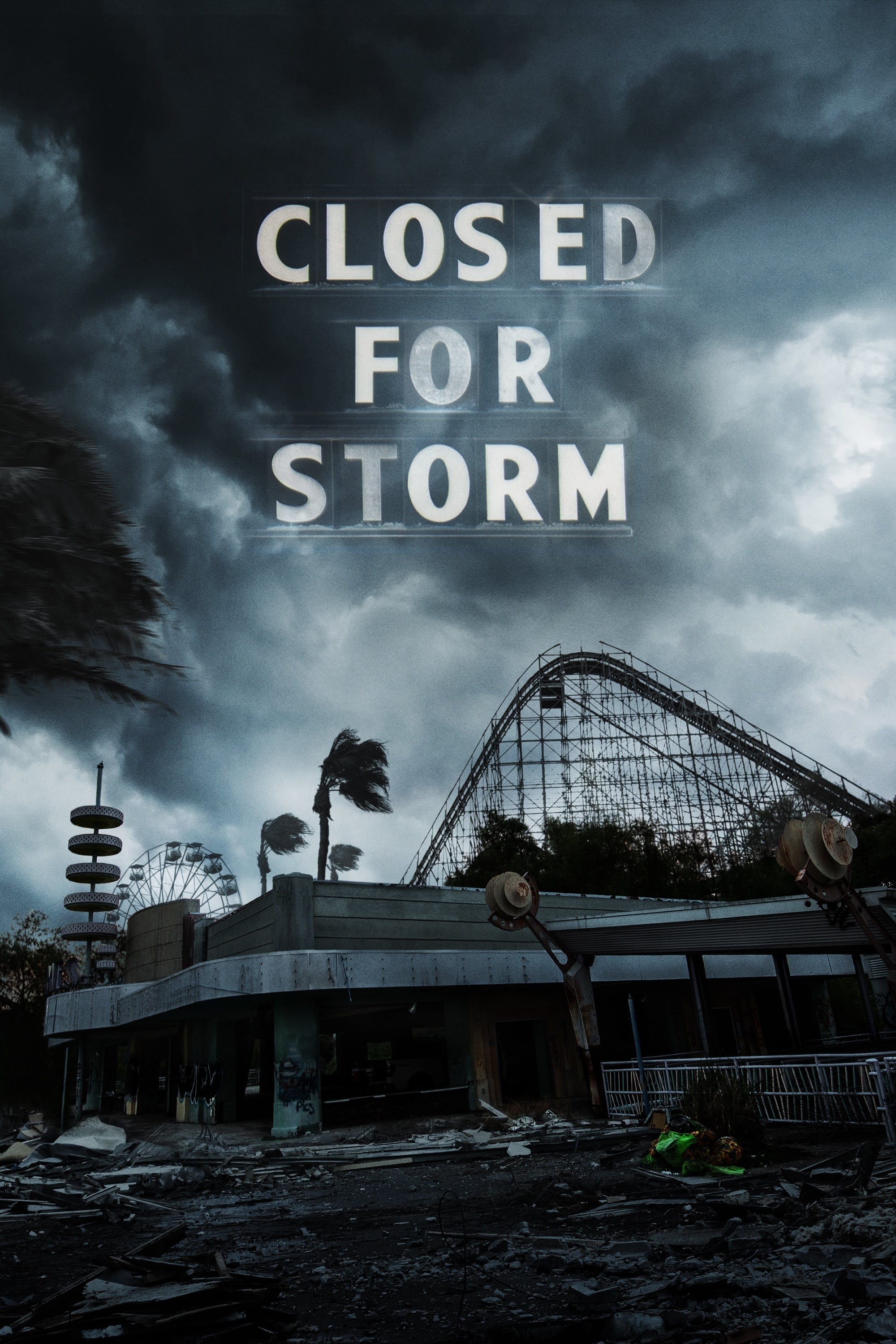
The story of Six Flags New Orleans, a theme park devastated by Hurricane Katrina that has become a holy grail of sorts for urban exploration and the efforts to restore the park to its former glory.