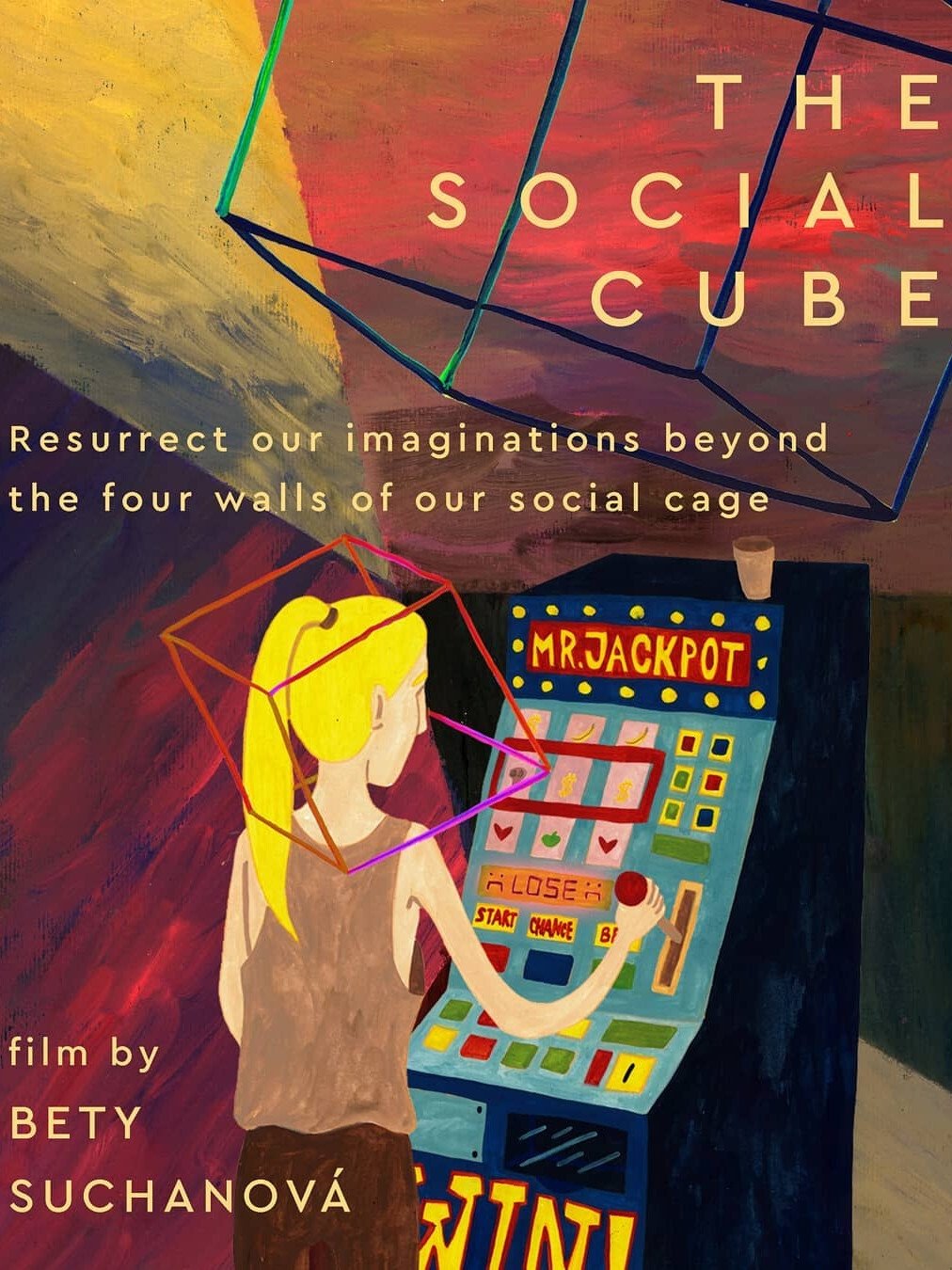
A critical animated essay on the current global state of society. Among other things, it deals with neoliberalism and the need for endless growth.
Social & External
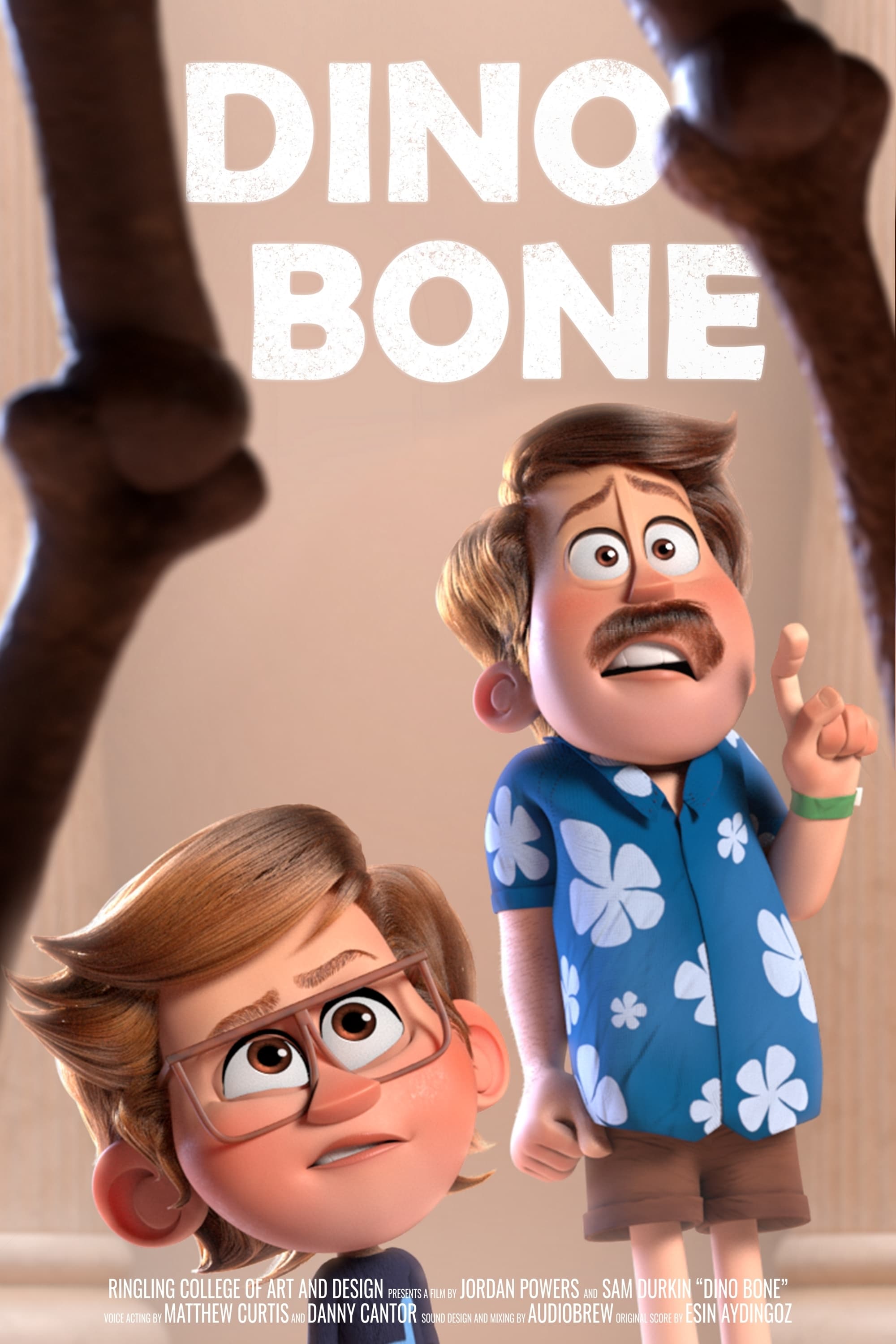
After seeing a suggestive fossil of two dinosaurs "getting it on," an anxious father tells his curious son a series of little white lies to avoid having "The Talk."
Enter Hamlet is a collage of images in cartoon form of a word put in balloon in each jump-cut scene as that word is said by the narrator Maurice Evans during his “To be or not to be…” soliloquy recording.
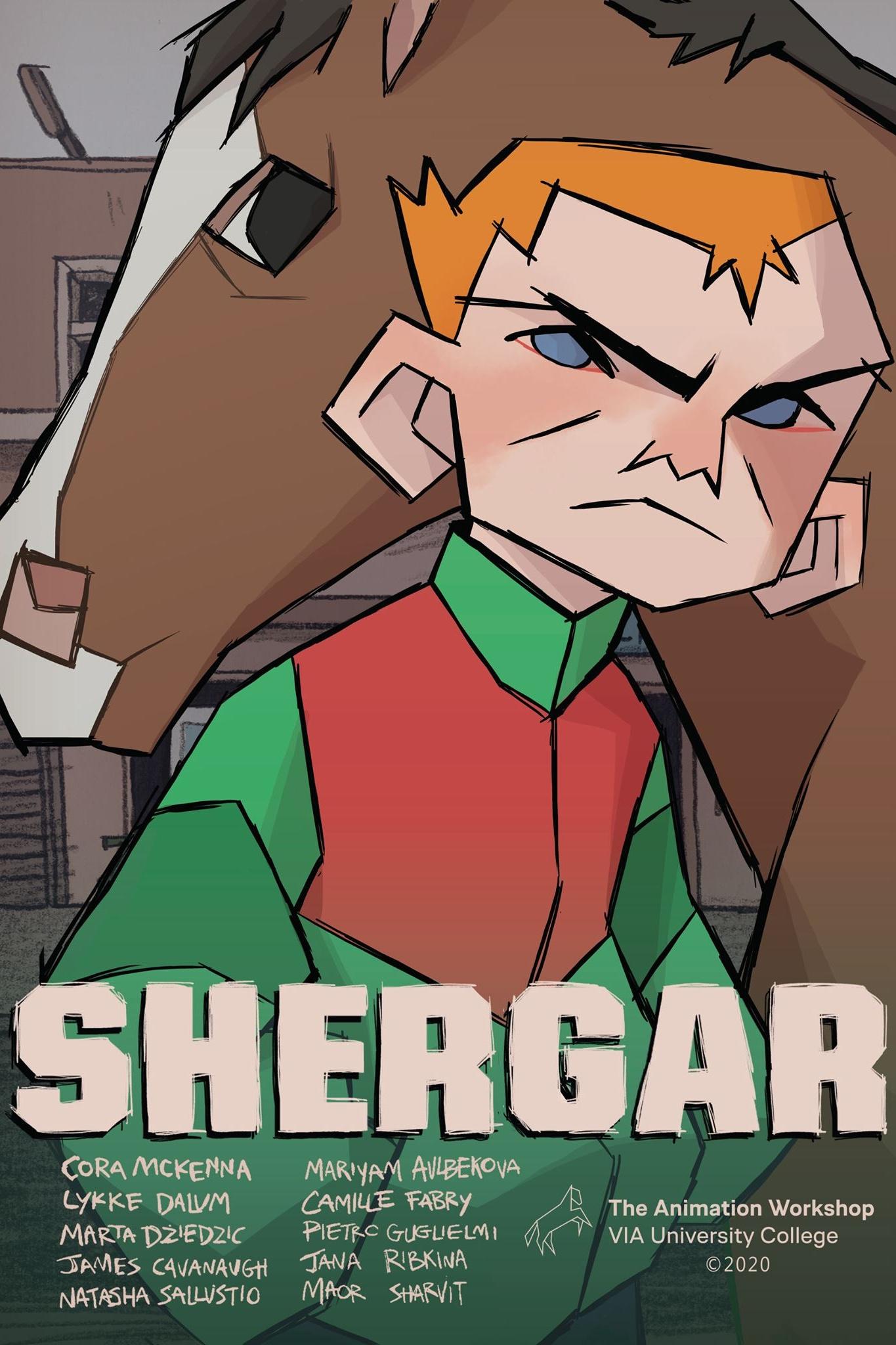
A boy lives a fast-paced, free-roaming life with his friends on the streets of Dublin, which doesn’t always lead to good choices.
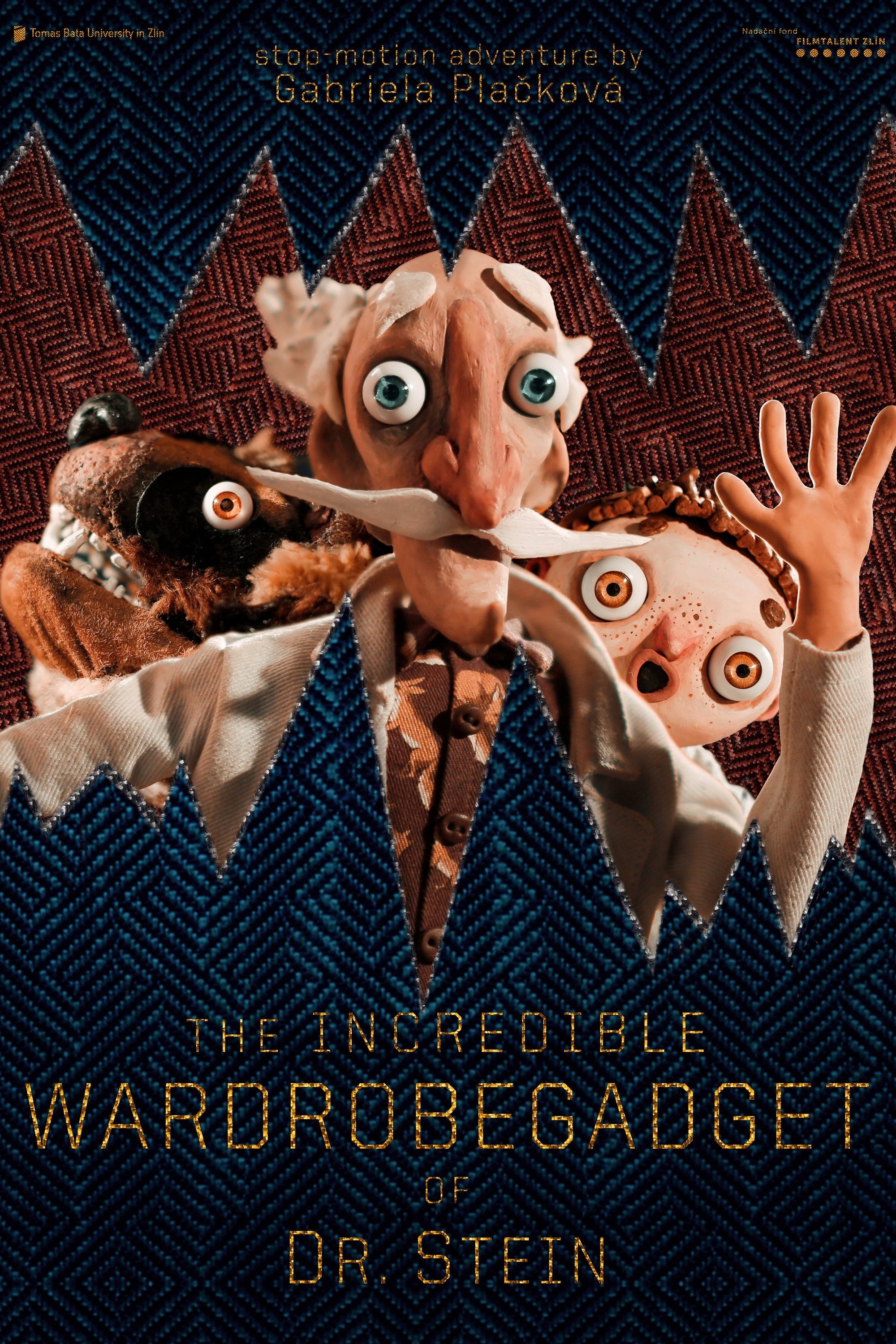
When professor Stein's dog dies in an accident, he's ready to do whatever it takes to get him back. He builds an incredible life-reviving machine but instead of a cute pup a hideous monster comes out of it. How can the monster prove that it has the dog's good heart inside?
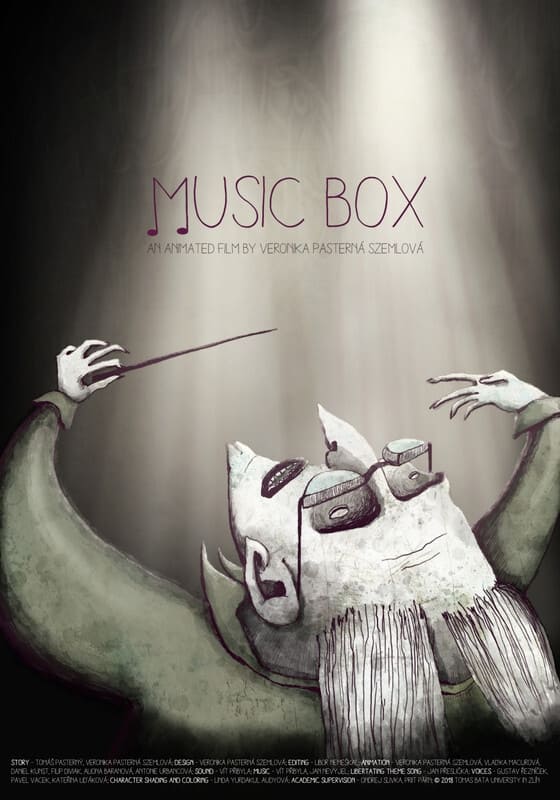
The mysterious mechanism of a music box keeps playing different versions of the same melody. In isolation and an atmosphere of fear you might think that other melodies do not exist because it helps to bear the constant pain. False notes give hope for a better fate and freedom but no one knows what price they'll have to pay.
In the diary of a six-year-old girl, Marie, we learn what important things happened during one holiday month before she started first grade and how she perceived the changes in her family.
A student from Sutnar in Pilsen, who is also an animation teacher for children, uses faded old objects, transparencies, and an overhead projector in her film experiment to create different moods. However, these speak to the audience not only through their visuality, but also through the poem of the same name by Ewald Murrer.
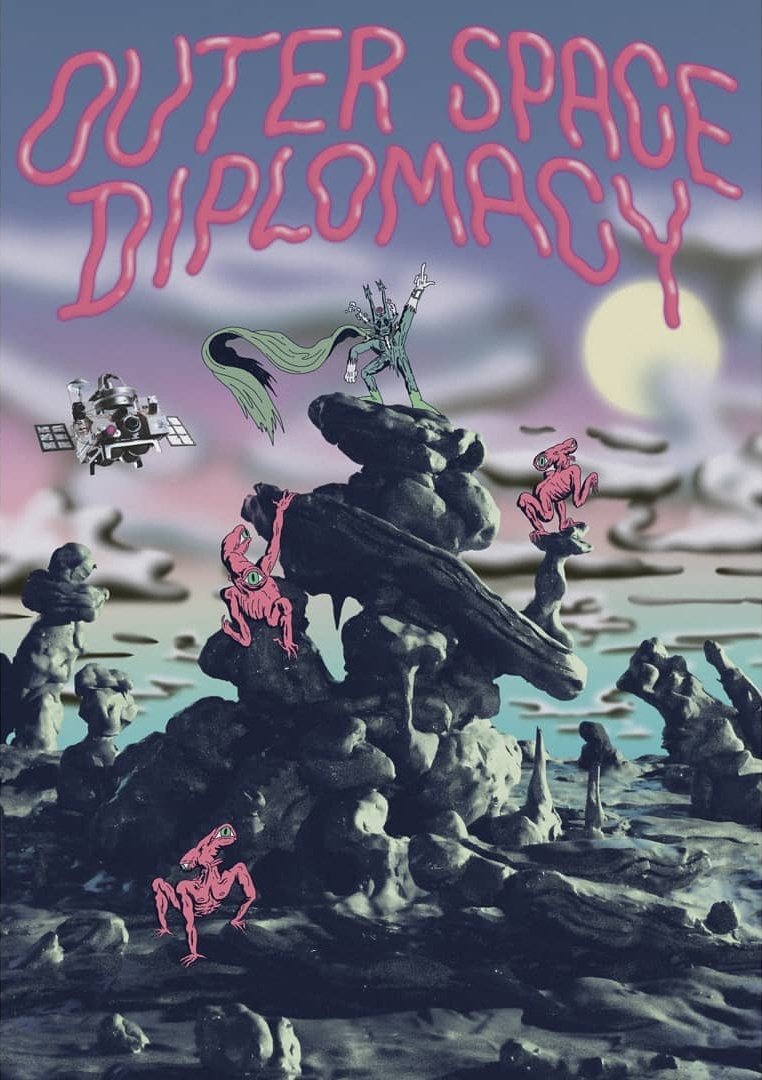
A critical essay on the anthropocentric nature of space colonization.
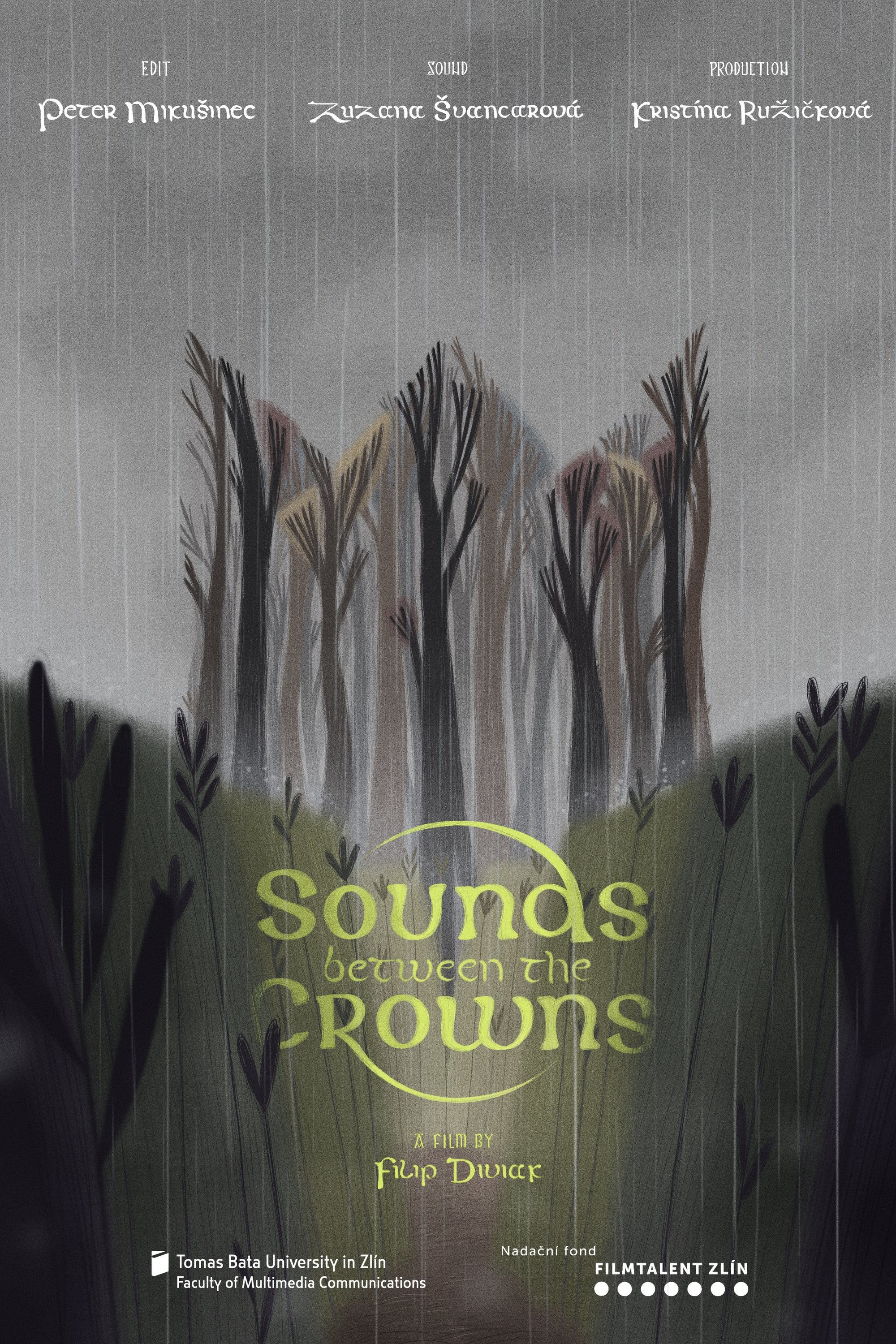
This atmospheric film depicts the folk custom of carrying out and burning Morana every year to celebrate the end of winter. The author also raises the question of whether it is fair to view Morana solely in a negative light. After all, if nature did not rest during winter, spring could not come.
This film takes place in a world where clouds knowingly interfere with people’s lives. But the people don’t suspect a thing. The whole history of the clouds is revealed after a newborn cloud tries to help a selfish biker. However, because of the biker’s recklessness, nothing changes for humanity.
A troubadour is expelled from the city when the queen sees his disfigured face. The palace guards smash his instrument as punishment, but the musician does not lose his determination to continue making music.
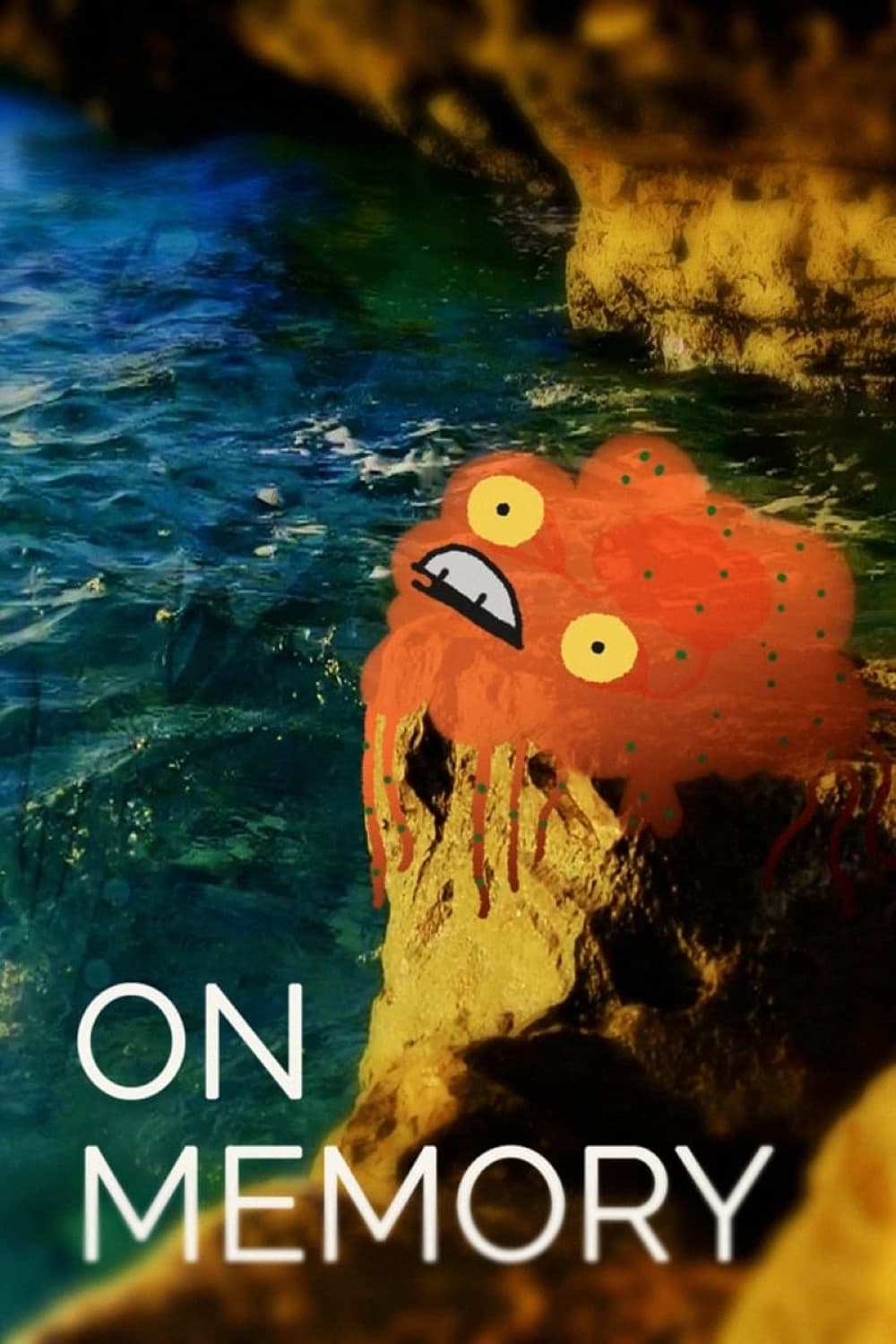
Musing on the nature of memory, Don Hertzfeldt recounts stories about a kiss from The King, a floating child in a backyard and a giant foot.
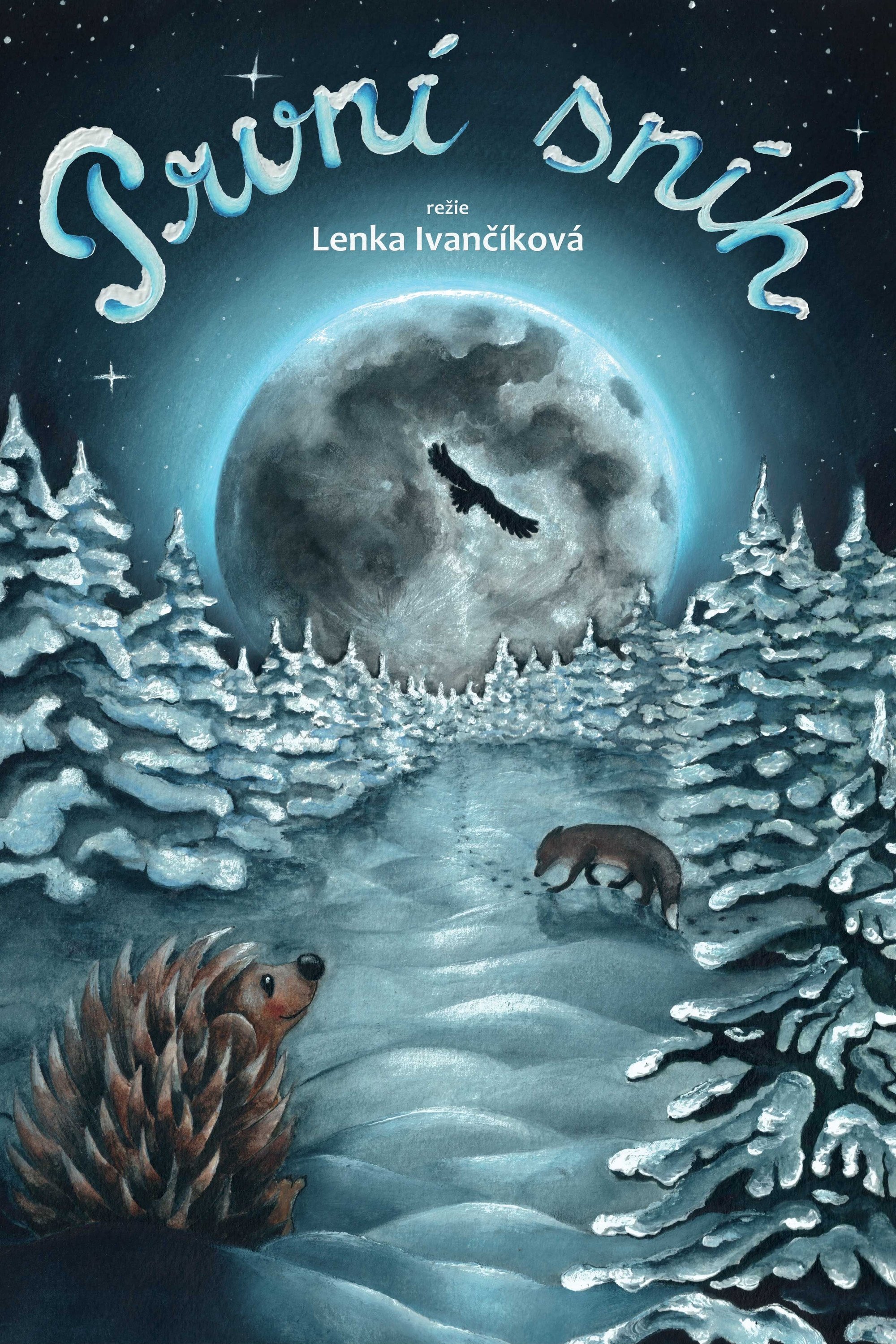
During hibernation one sleeps and never leaves the warm bed. The little hedgehog initially wants to go on a very short expedition - to see the full moon and come right back - but he is surprised by the first snow. The search for the home where Dad and Mum stayed is not easy and gradually turns into an unexpected adventure.
The first sequence of the Hearst Castle was rotoscoped from Steven Lisberger's film and animated in Cosmic Cartoon. Lisberger did much of the matte painting, figure rotoscoping and airbrush painting, and Eric Ladd did the Earth rotation animation.
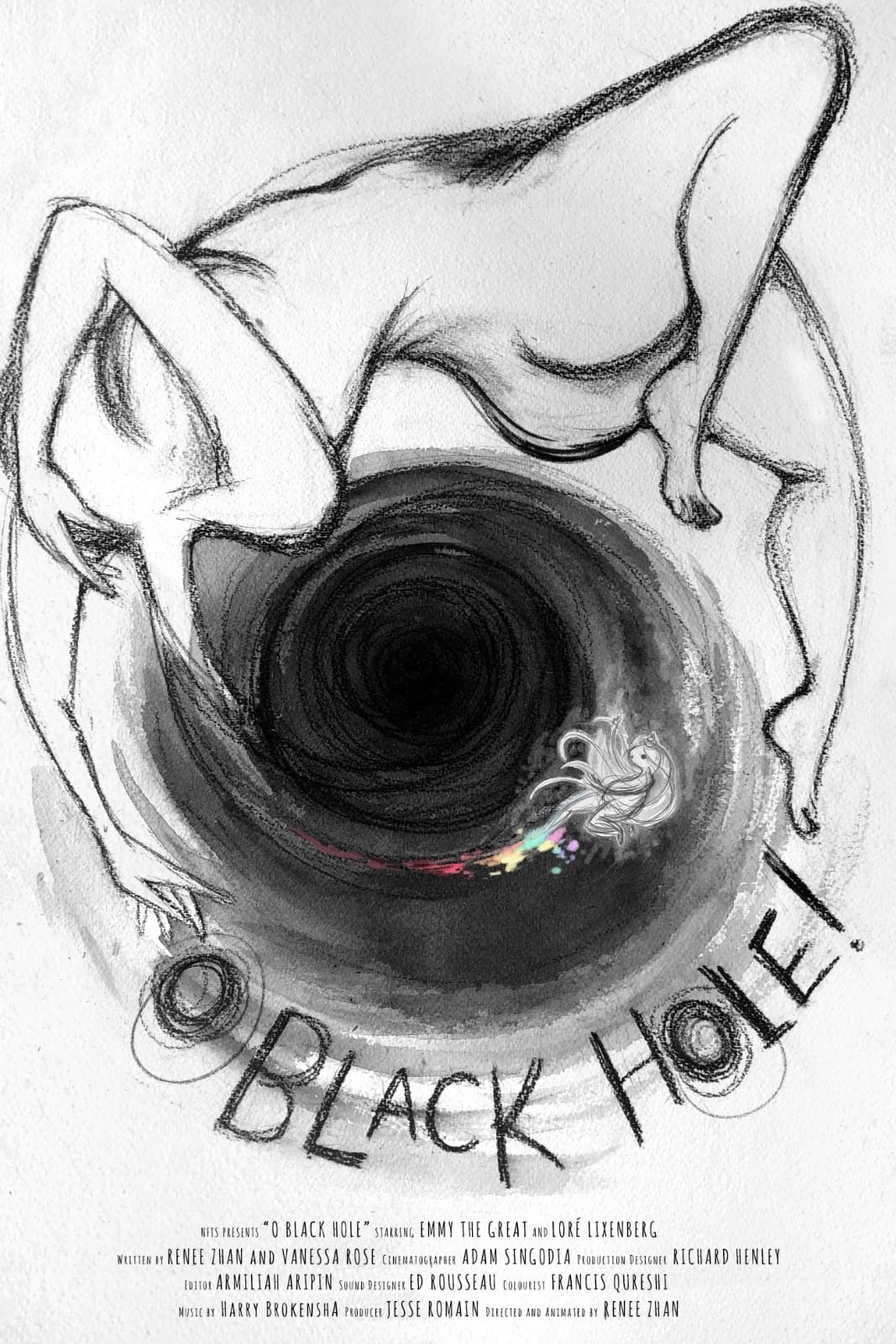
A woman who can't stand the passing of time turns herself into a black hole. A thousand unchanging years pass inside her warm and dark embrace until, finally, the Singularity awakens inside.
Watch the featured feline knock over a garbage can and eventually create a bigger mess of the virtual kind. It's further proof that a curious cat will find its way into anything.
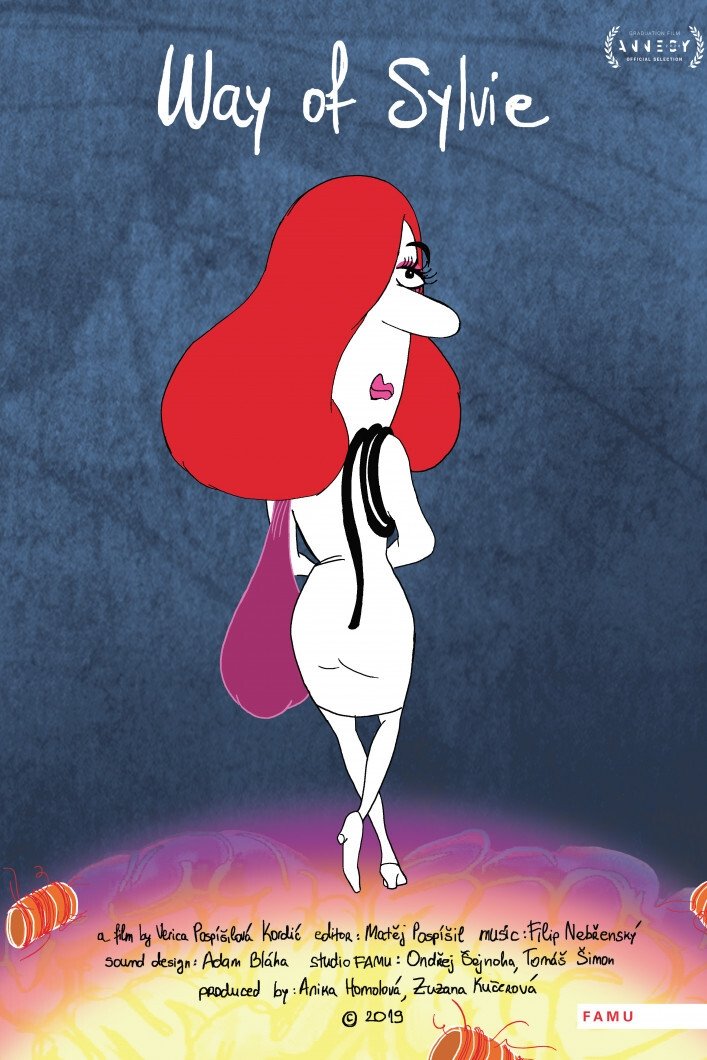
They say that women are great multitaskers and Sylvie definitely is. How does she do it? And does she really manage to do it?
1950. Agathe is preparing to audition for the Moulin Rouge, with the stress she recalls her past to overcome his fears .
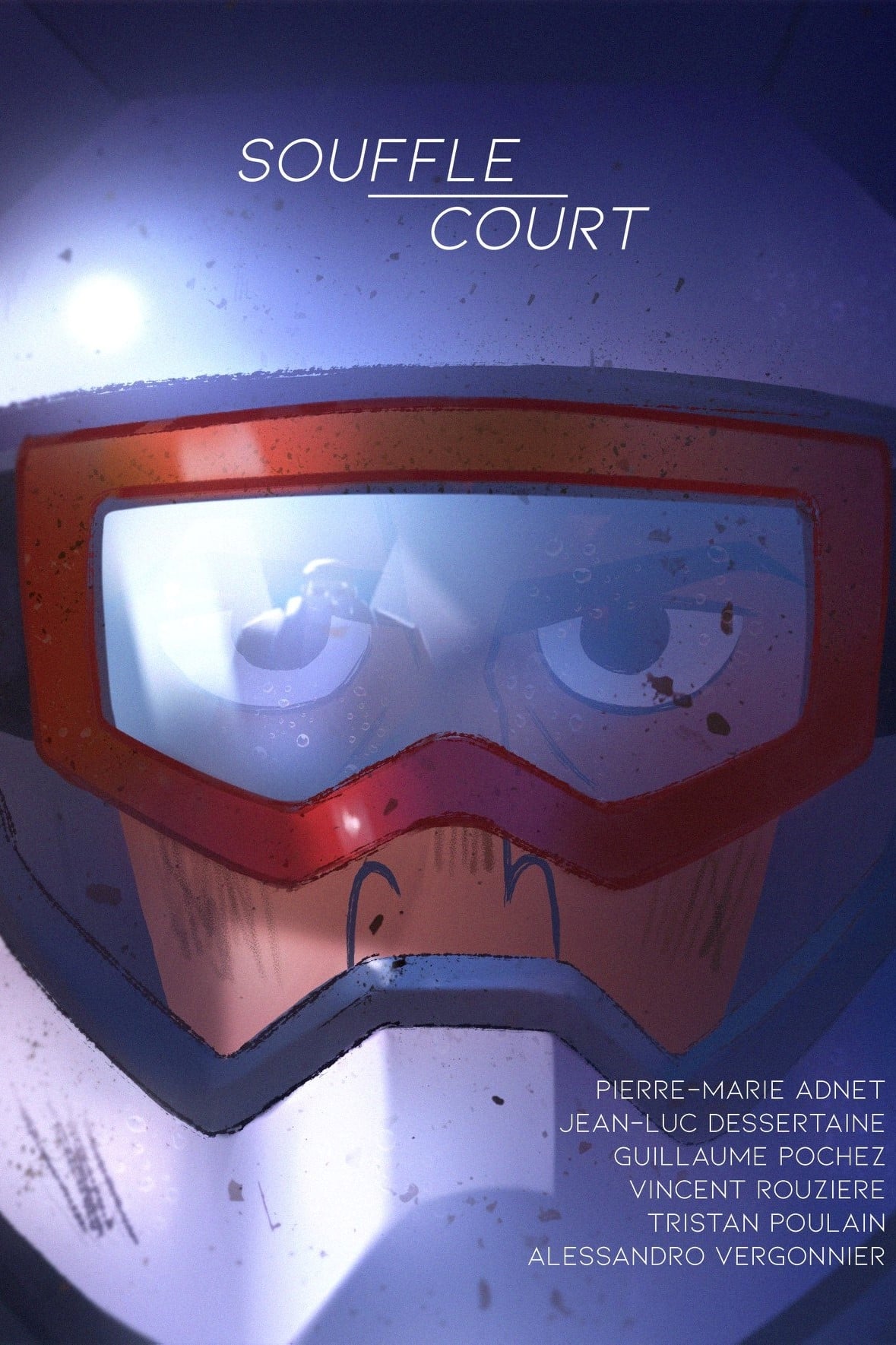
Approaching a Supercross competition, Thomas, a young driver, is under pressure from his father who projects great hopes in him.
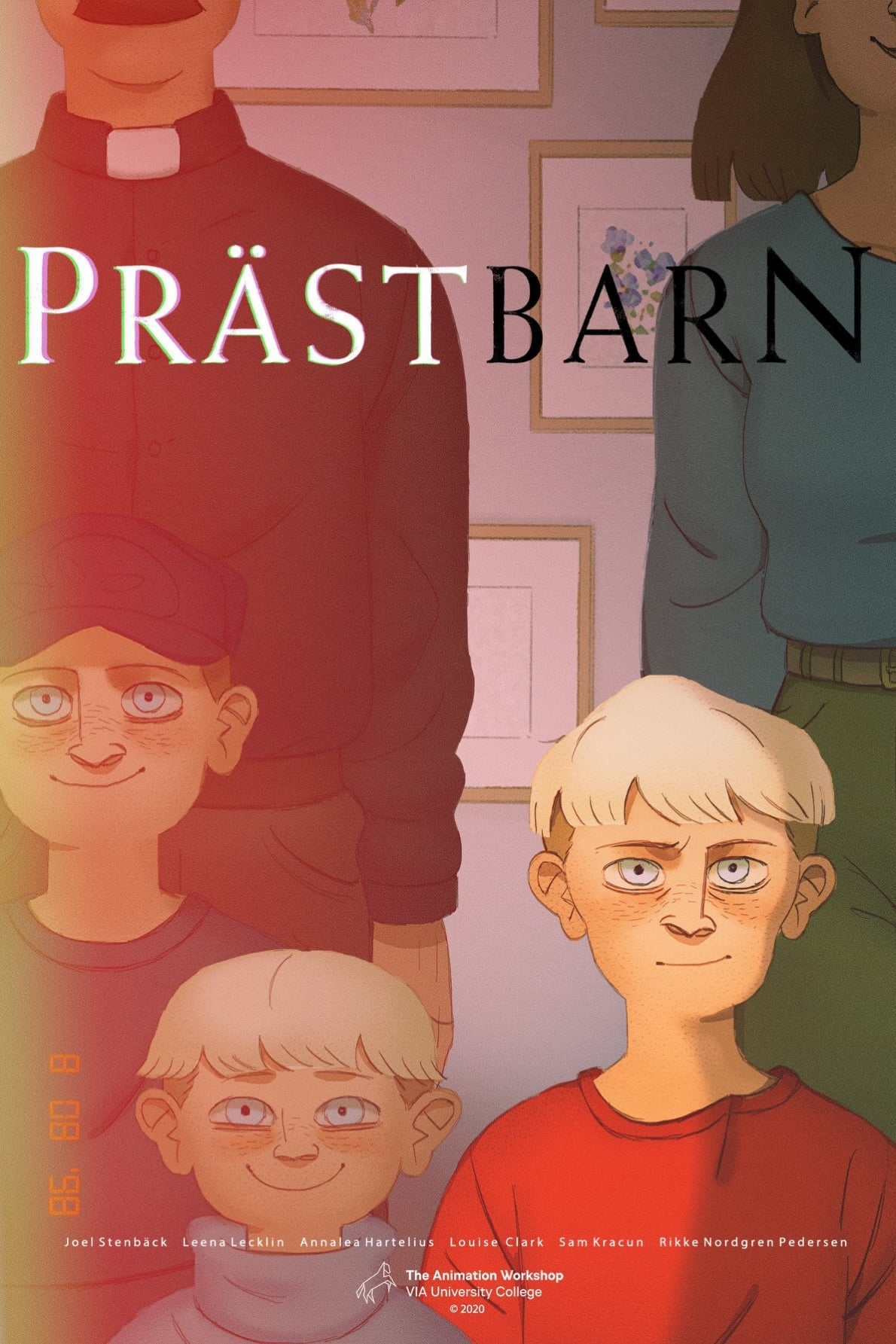
The story follows Oskar and his two brothers, Jonathan and Lukas, during the 90s, in the outskirts of the Swedish city of Gothenburg. Their father is the local priest of a quiet church and he brings his kids there every Sunday. On this particular Sunday, Oskar doesn’t like what his father says about faith. He and his brothers sneak out to play games in the forest instead. Oskar wants to play a game that has nothing to do with religion, where he has powers of his own. They launch into an anime schoolgirl fantasy frenzy of killing imaginary monsters with laser beams when some older kids find them near the edge of a tall cliff. They bully the brothers, forcing them to confront how weak their faith actually is. Oskar is conflicted: should he stick up for his faith or admit it’s not real?