Social & External
The people behind it
Claudia Michelsen
Narrator
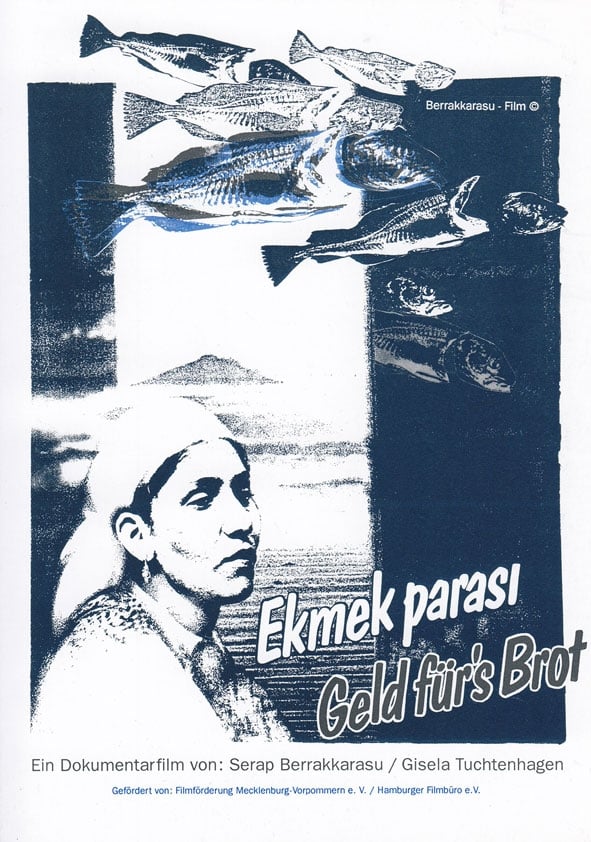
Women from Turkey and Mecklenburg are working together side-by-side at a fish-processing factory in Lübeck. As they work, they share stories about their lives, including their sorrows, griefs, hopes, and dreams, while expressing their longing for home and feelings of being lost in a foreign place.
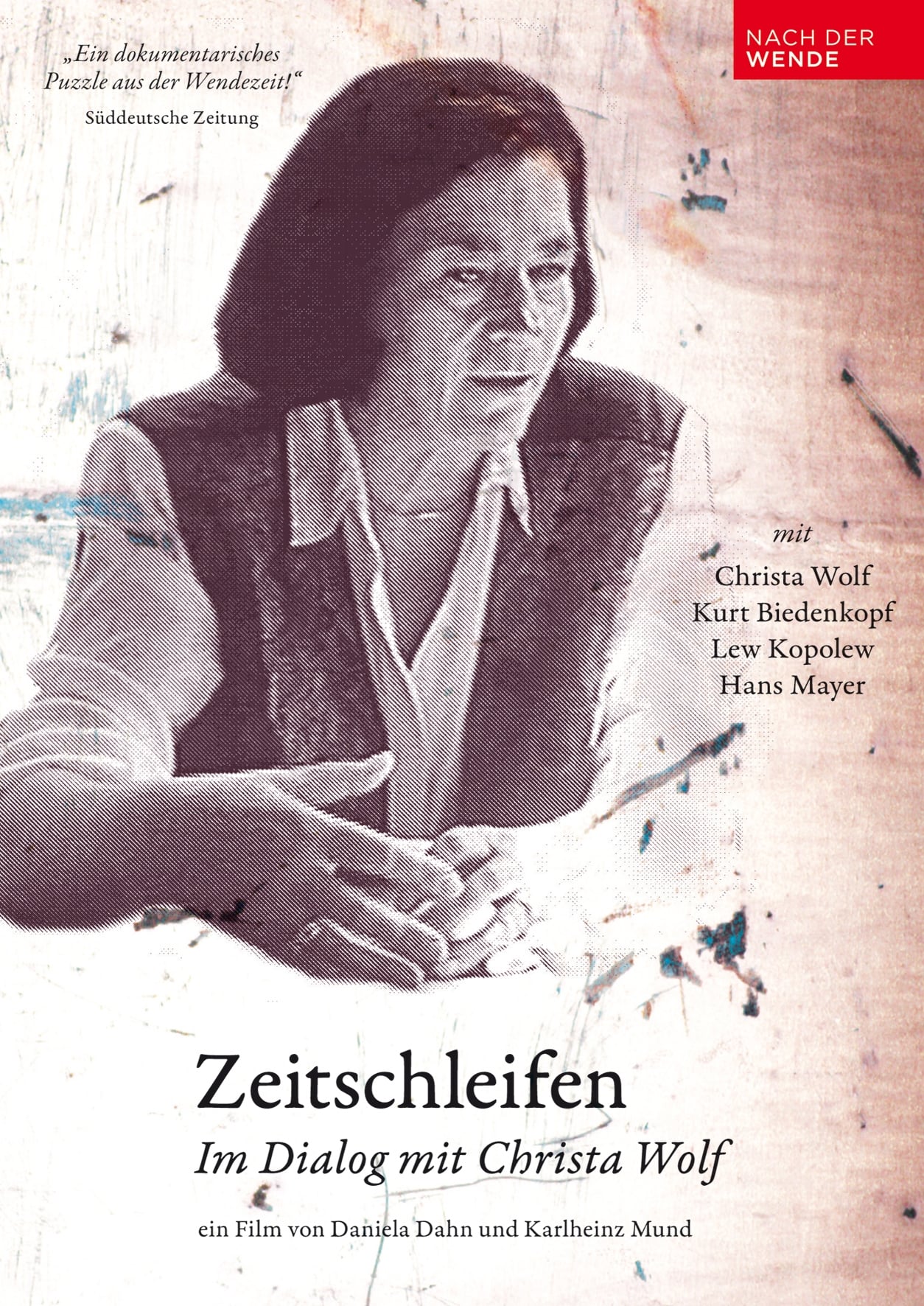
Journalist Daniela Dahn interviews the East-German author Christa Wolf during the German reunification: reflections on history, changing politics, life and work.
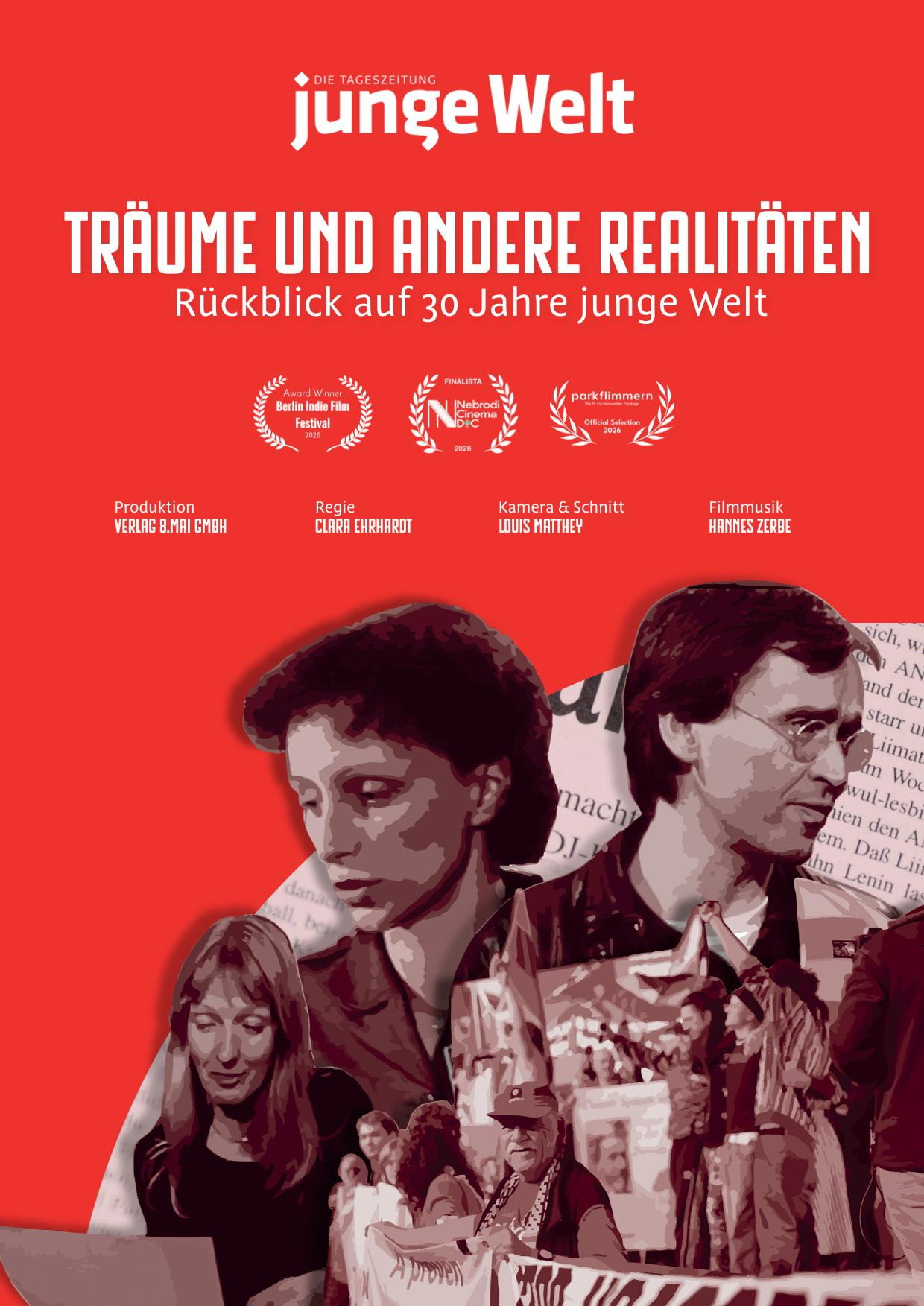
The film looks both back and forward, examining traditions, ruptures, and reinventions. It recounts the struggle for survival in the years following German reunification, the unique role of *junge Welt* as a national Marxist daily newspaper, and its place within the Left movement—as well as the repression, resistance, and visions for the future it has encountered. It is a portrait of the newspaper, the last three decades of its history, and the people who create it.
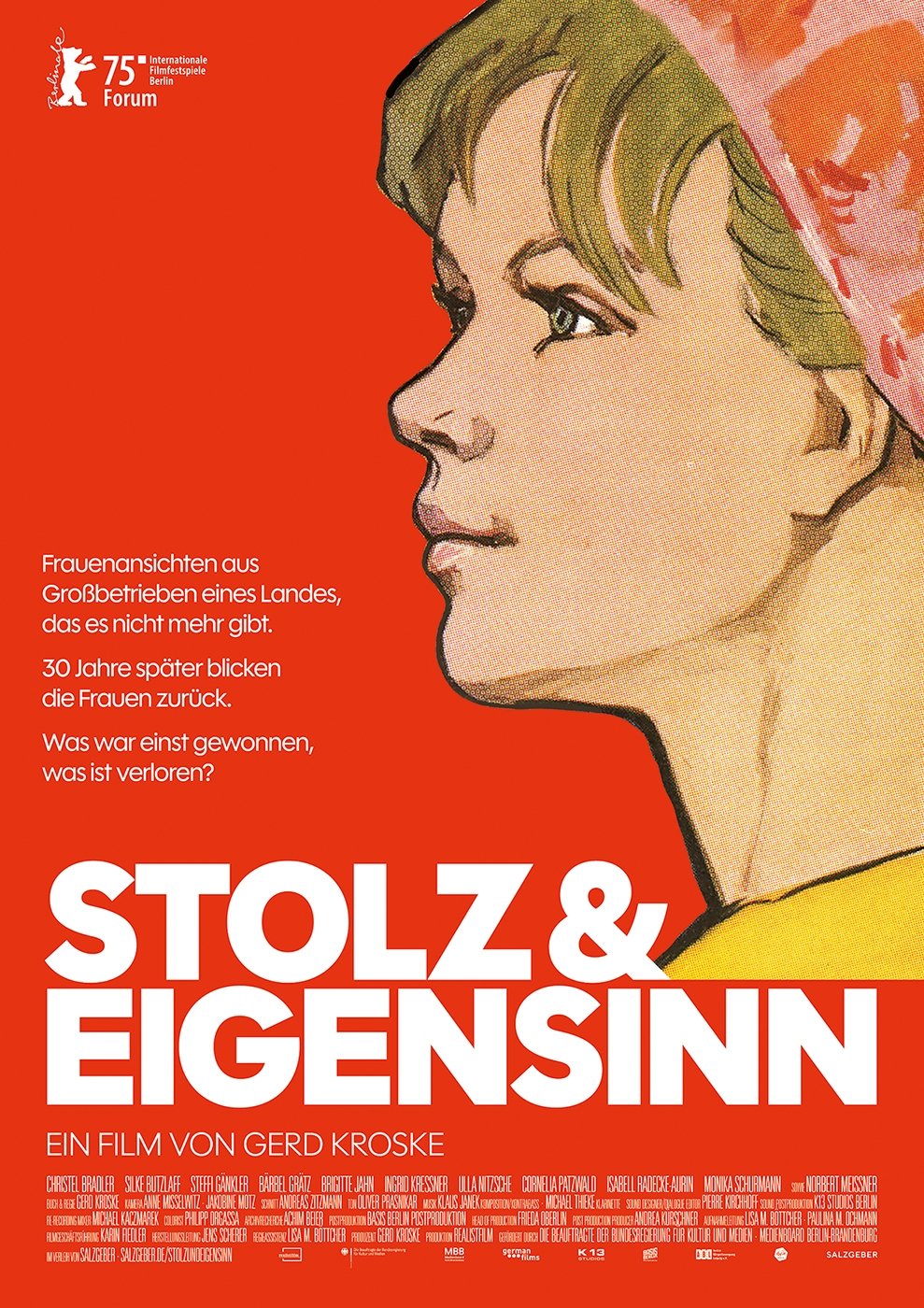
The viewpoints of women from a country that no longer exists preserved on low-band U-matic tape. GDR-FRG. Courageous, self-confident and emancipated: female industry workers talk about gaining autonomy.
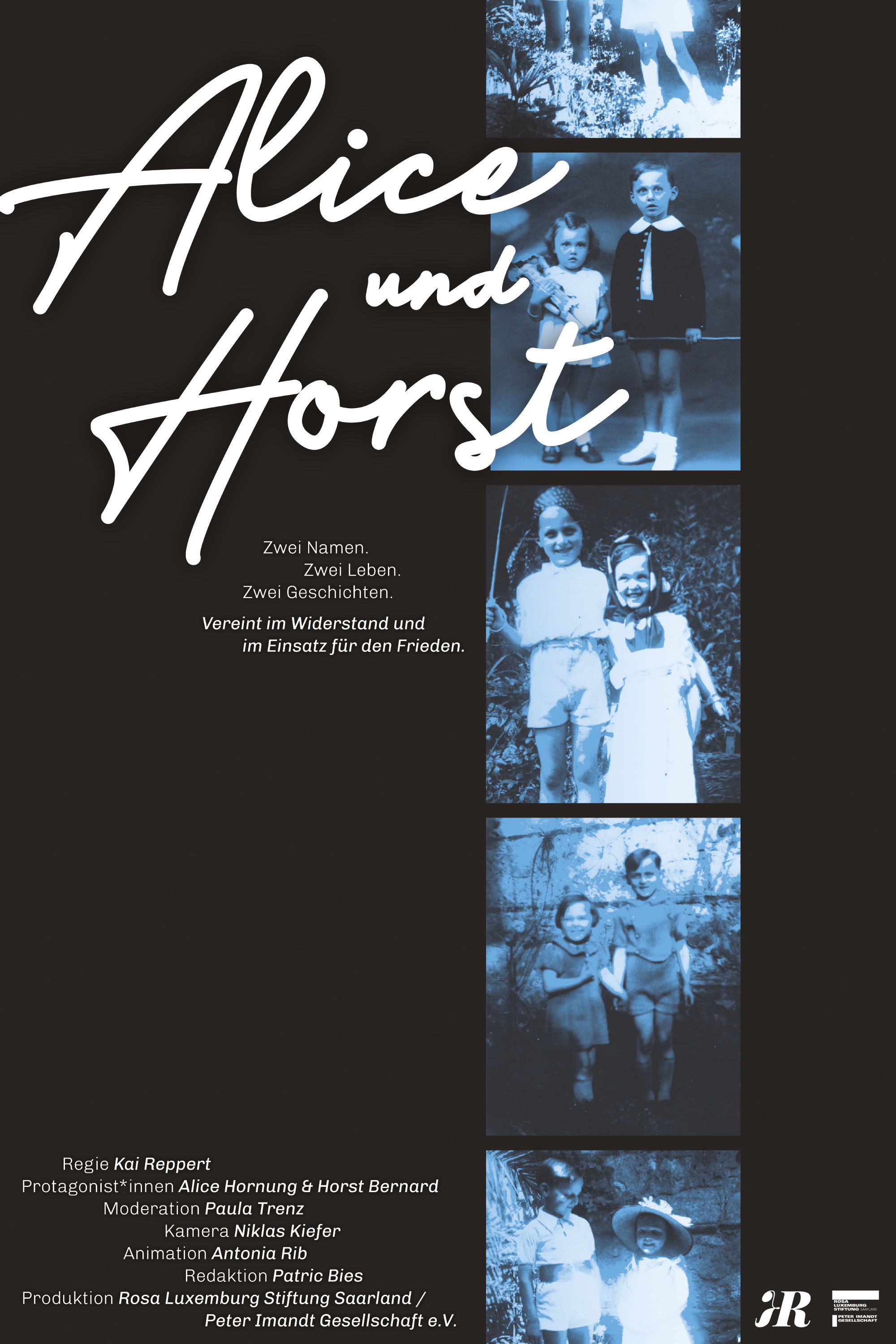
Alice and Horst paints a moving portrait of two siblings from Saarbrücken whose lives were shaped by their family’s antifascist resistance. As children, Alice Hornung and Horst Bernard were forced to flee from the Nazis into exile in France, where, despite constant danger, they also experienced great solidarity. After their return they continued their parents’ political commitment: against fascism, for peace and disarmament. The film combines personal memories with rare archival footage and portrays two individuals who, well into old age, remain unwavering in their commitment to justice and remembrance.
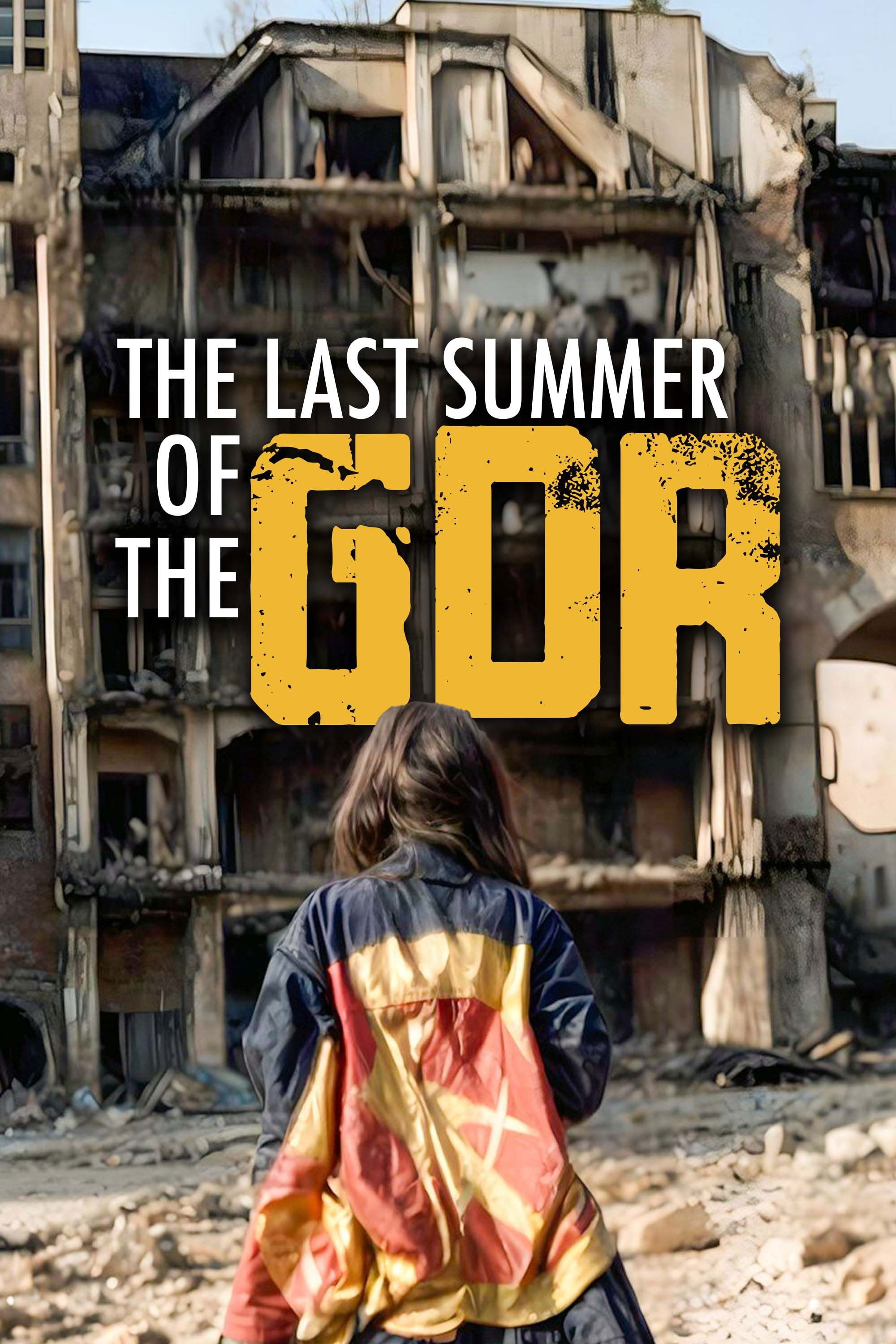
After the fall of the Berlin Wall, citizens of East Germany had to get used to a new way of consuming, working, and living. New-found freedoms were a breath of fresh air for many but in the chaos leading up to reunification with West Germany, the experience was also disconcerting.
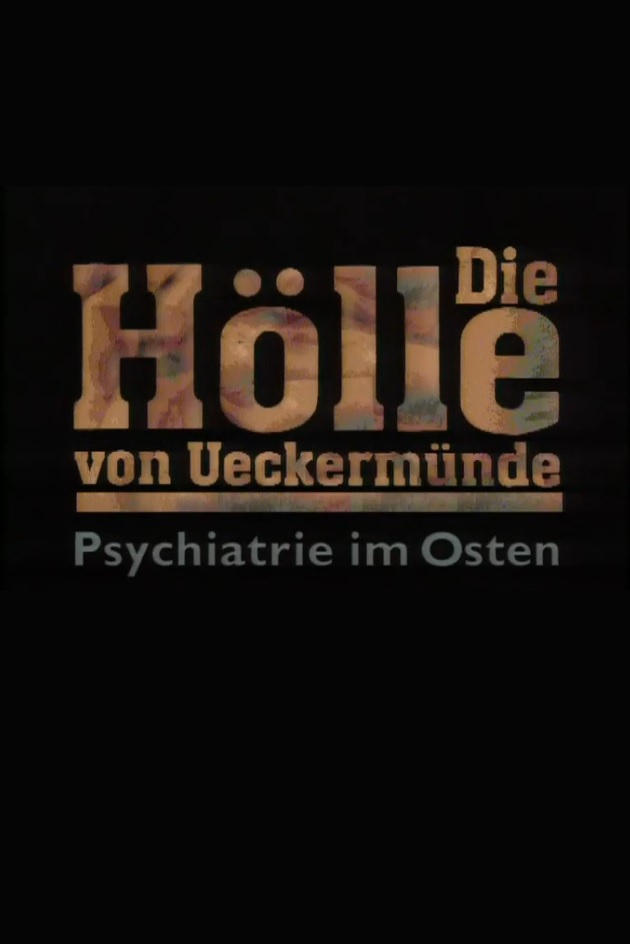
This report was broadcast on ARD in 1993. In 43 minutes, the development of psychiatry "in the third year after reunification" is shown using two institutions in the new federal states as examples. A touchstone for all of psychiatry and disability care to this day. The film shows a shocking way in which disabled people are treated. The commentary uses the perspective of those affected. 50 years after euthanasia in Germany, this documentary reminds us of this once again.
Shocking experiences with nudism on the Baltic Sea beach, the desire to rebuild the Wall "10 meters higher" - these are just some of the stories collected by the rbb-Erzählmobil 30 years after the "year of reunification". People from Berlin-Brandenburg have described their moving, exciting and humorous experiences for the website www.rbb-deine-geschichte.de and their view of unity today.
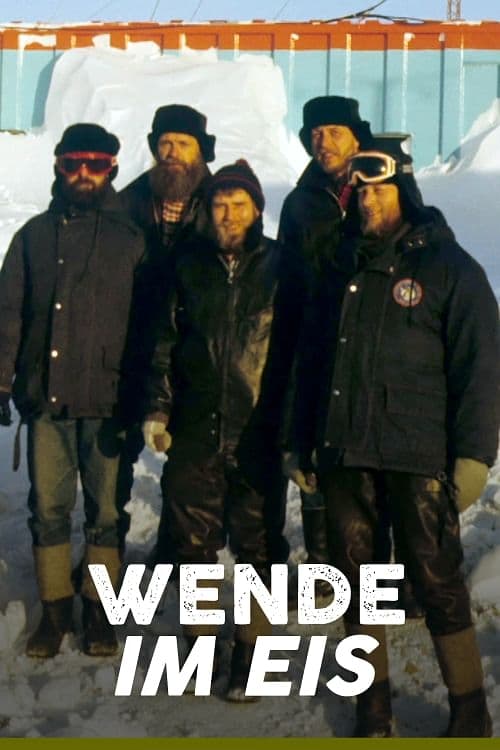
In 1989, thirteen GDR scientists and technicians set off from East Berlin to the Georg Forster research station in the Antarctic. During their expedition the Berlin Wall fell on November 9th. Cut off from the images that go around the world, the men can only experience the historical events passively. When they returned in the spring of 1991, their homeland was a foreign country. The documentary reconstructs the thoughts and feelings of the East German researchers on the basis of eyewitness accounts, diary excerpts, letters, film material, grandiose landscape shots from the location of the action and unique photos to make the consequences of the events tens of thousands of kilometers away on the small GDR expedition in the middle of the eternal ice tangible.
Early summer 1990: West German money transporters carrying billions of Deutschmarks roll towards the former GDR. From the inner-German border, the People's Police and the heavily armed National People's Army take over guarding the transports. Over 25 billion Deutschmarks are transferred from West to East within a few weeks. On July 1, 1990, the German-German monetary union takes place. The citizens of the former GDR were to hold the D-Mark in their hands from this point onwards, but a huge amount of work had to be done before this could happen. 441 million banknotes had to be printed and 102 million coins minted. This is because the organizers of the Bundesbank barely had time to prepare for the largest money transport in history. Many contemporary witnesses describe their experiences in the documentary, which gives an insight into the exciting months before monetary union, the consequences of which still have an impact today.
Citizens of East Germany talk about their experiences and feelings in the face of upcoming elections that will lead to reunification with the West. The past is tinged with regret, frustration and anger, while the future is uncertain.
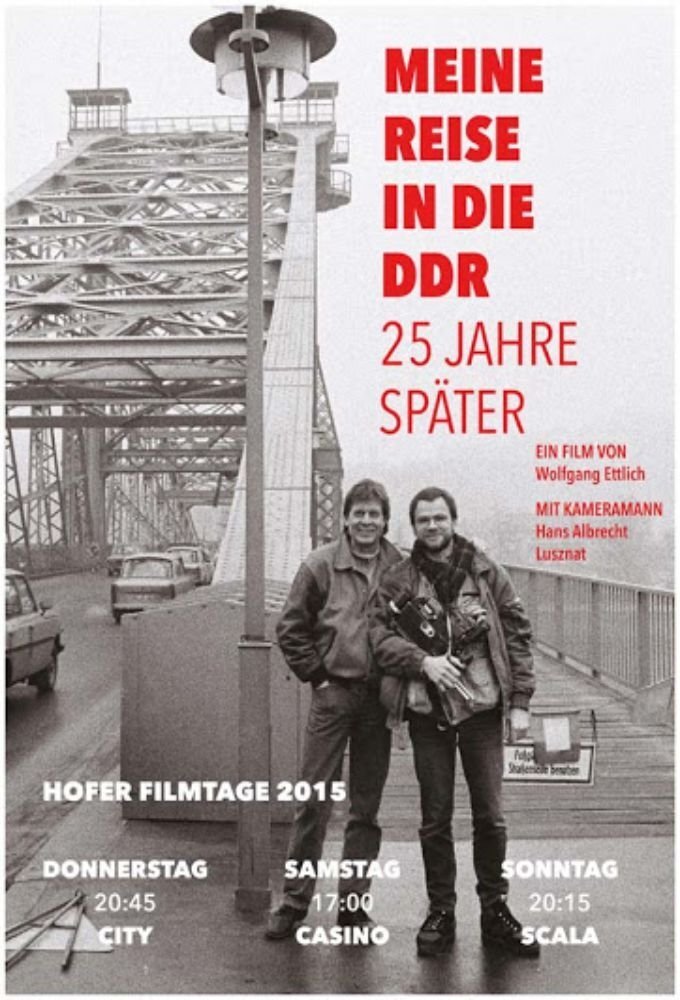
About a journalist and his cameraman visiting East Germany, former GDR, 25 years later again after their journey which took place in January 1990, just between the Fall of the Wall and the reunification with West Germany, comparing the old pictures with the present of 2015 and meeting former interview partners a second time. An impressive work of time documentary showing seemingly surreal scenes about the changings of cities, industrial locations and lifes in different political and economical systems.
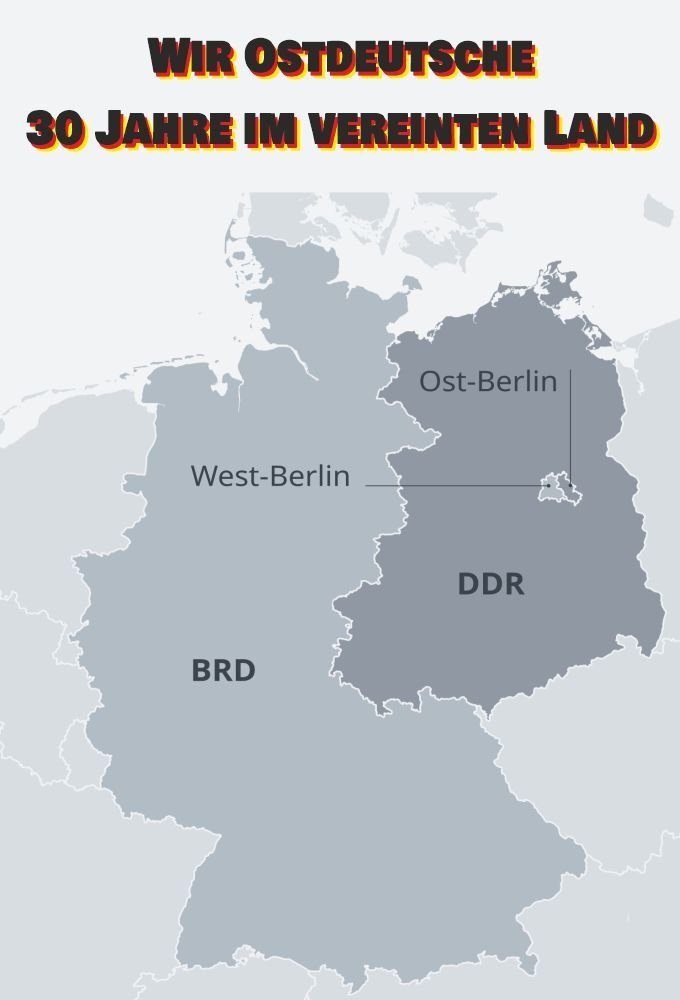
Explration of today’s East German identity, shaped by history, hopes, and upheaval. Through multimedia storytelling, it explores lives between the Elbe and Oder, intergenerational socialization, and self-perception three decades after reunification. Are the new Länder lost to nostalgia and extremism or still salvageable?
Documentation about the intra-German relations after the reunification.
In an intimate and joyful story of love in the face of loss, celebrated poets Andrea Gibson and Megan Falley find strength—and unexpected hilarity—in what might be their final year together.
Through deeply personal interviews with her siblings and an examination of the photographs, letters, and belongings left behind, Mariska assembles a new portrait of her mother Jayne Mansfield, an extraordinary and complex woman.
Follow the evolution of the 'Halloween' movies over the past twenty-five years. It examines why the films are so popular and revisits many of the original locations used in the films - seeing the effects on the local community. For the first time, cast, crew, critics and fans join together in the ultimate 'Halloween' retrospective.
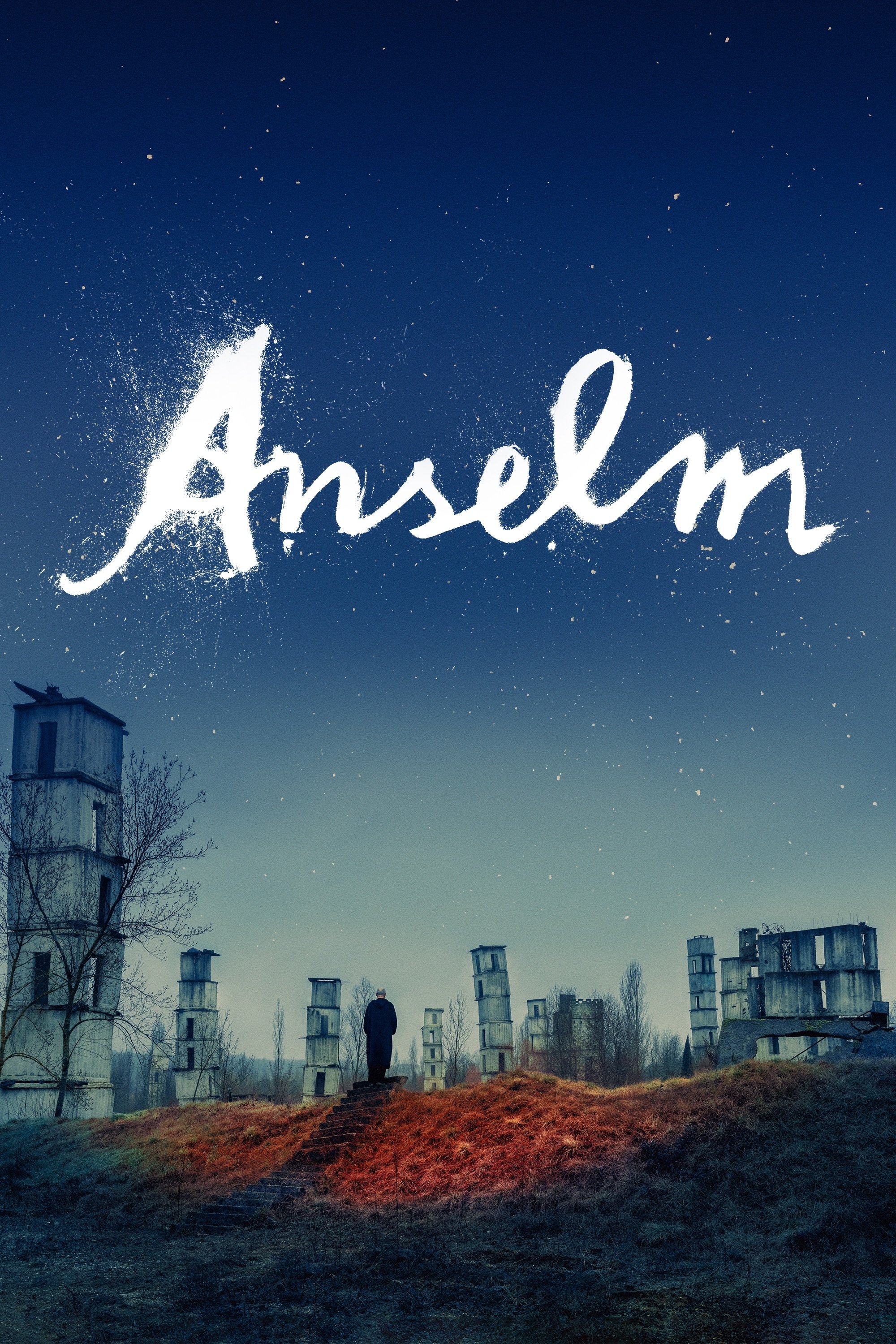
This unique cinematic experience dives deep into an artist’s work and reveals his life path, inspiration, and creative process. It explores his fascination with myth and history. Past and present are interwoven to diffuse the line between film and painting, allowing the audience to be completely immersed in the remarkable world of one of the greatest contemporary artists, Anselm Kiefer. Wim Wenders shot this unique portrait over the course of two years in stunning 3D.
A documentary on the expletive's origin, why it offends some people so deeply, and what can be gained from its use.
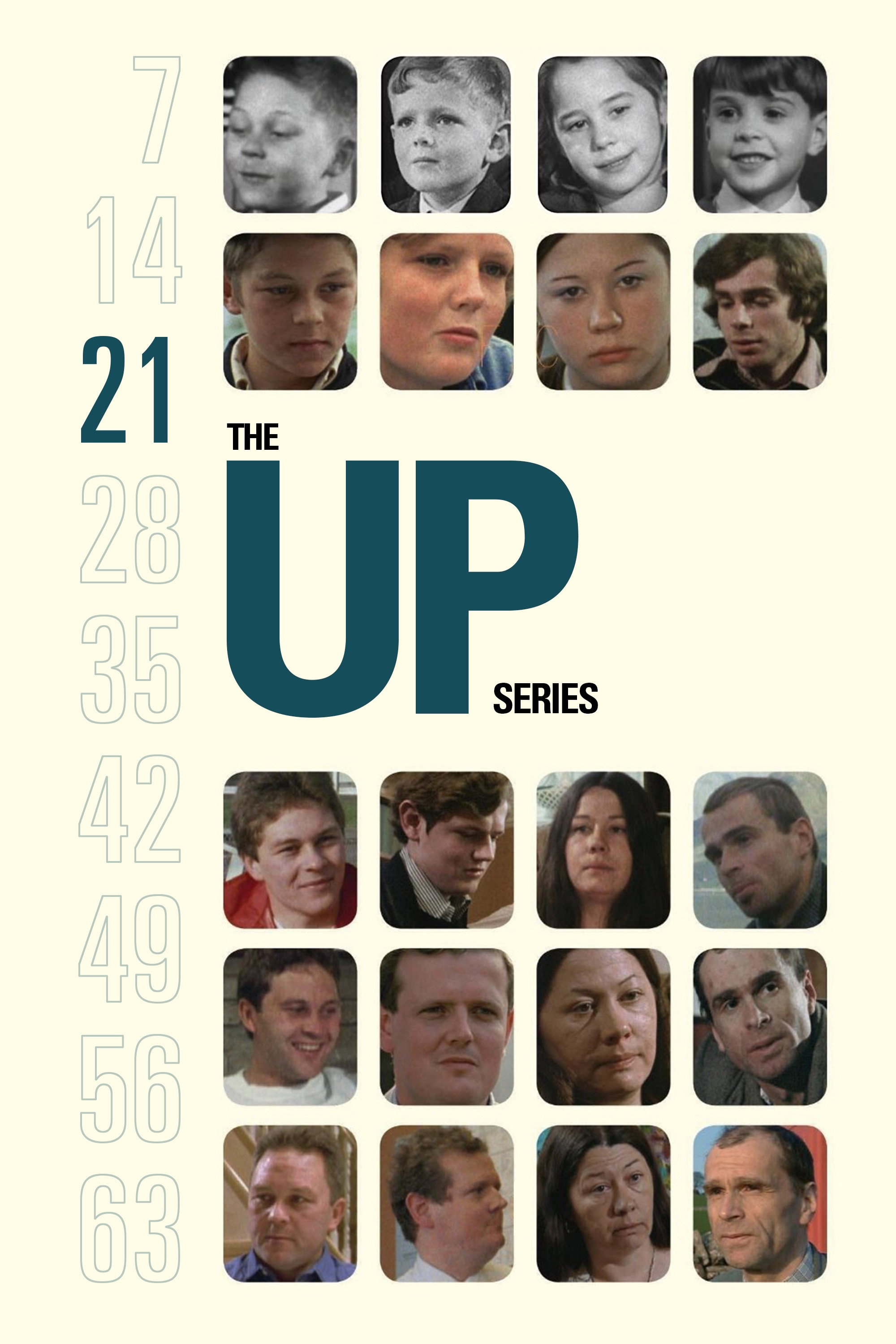
Director Michael Apted revisits the same group of British-born adults after a 7 year wait. The subjects are interviewed as to the changes that have occurred in their lives during the last seven years.
A documentary about the life and films of director John Ford.
Musician and performance artist Laurie Anderson reflects on the deaths of her husband Lou Reed, her mother and her beloved dog.
An inside look at one of the most anticipated movie sequels ever with James Cameron and cast.
Daniel Craig candidly reflects on his 15 year adventure as James Bond. Including never-before-seen archival footage from Casino Royale to the upcoming 25th film No Time To Die, Craig shares his personal memories in conversation with 007 producers, Michael G Wilson and Barbara Broccoli.
The life and career of an actor, artist, and icon. His own journey through his own camera.
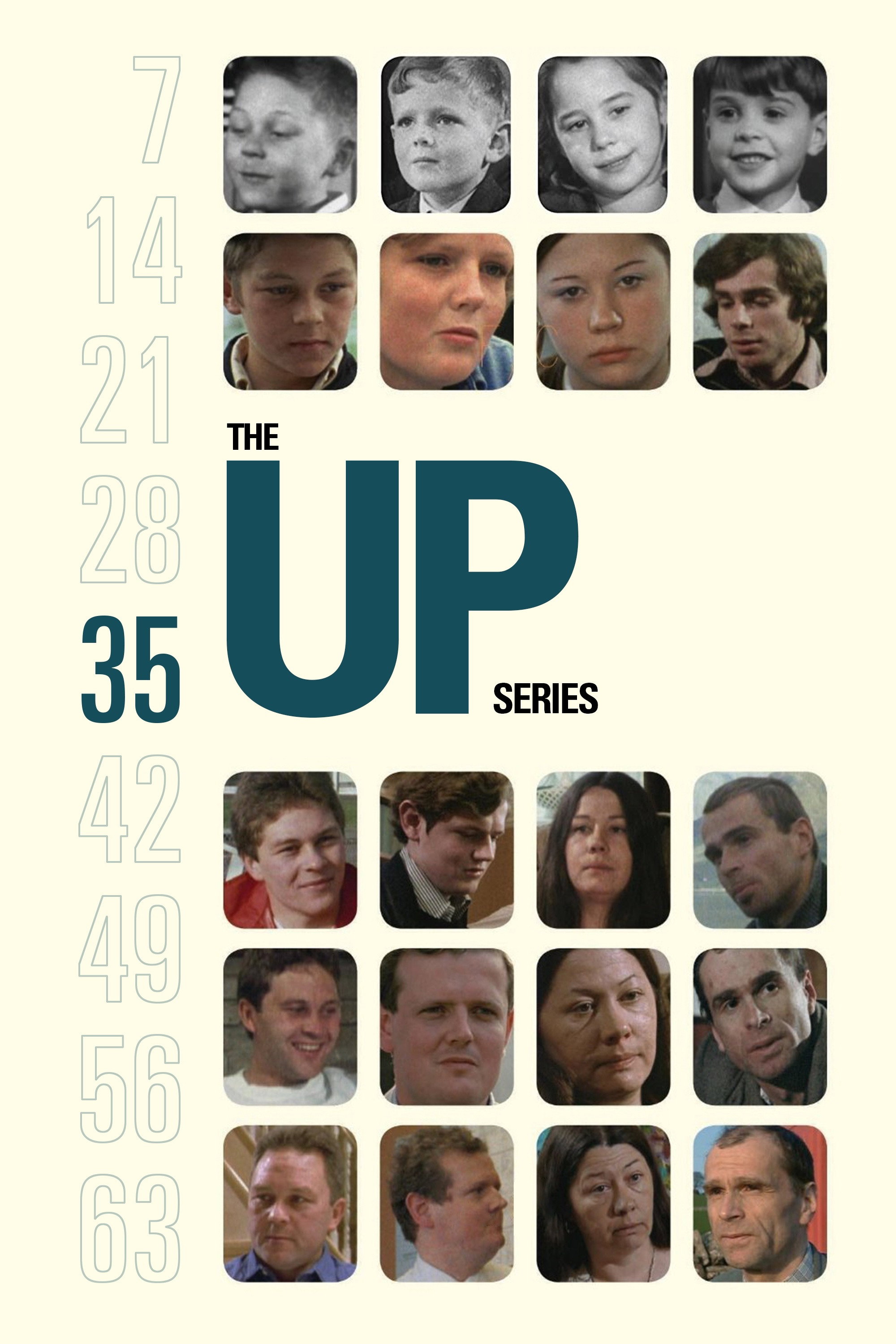
After another 7 year wait, director Michael Apted revisits the same group of British-born children from Seven Up! and 7 Plus Seven. The subjects are interviewed as to the changes that have occurred in their lives during the last seven years.
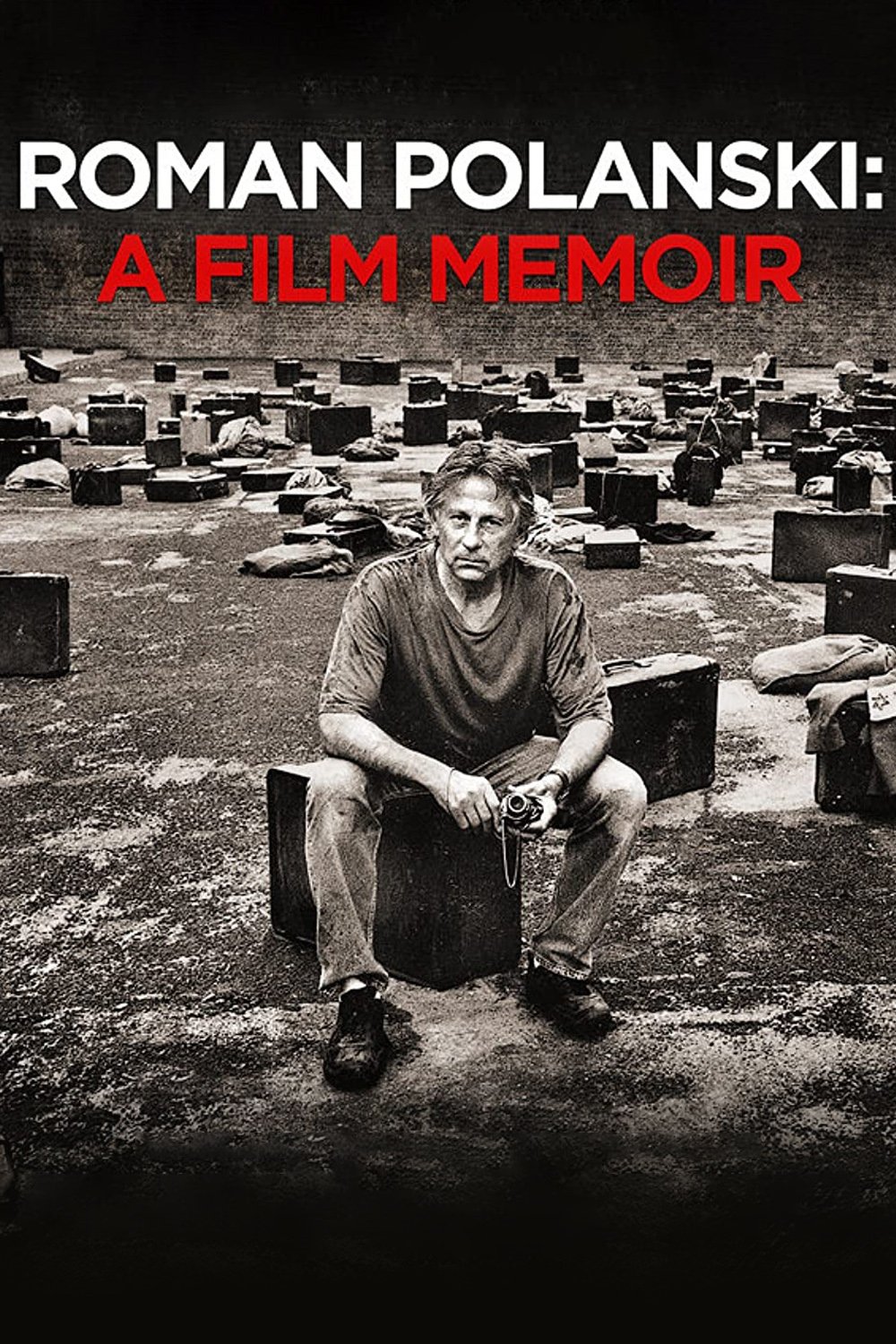
An interview with film director Roman Polanski conducted during his period of house arrest, discussing his life and work.
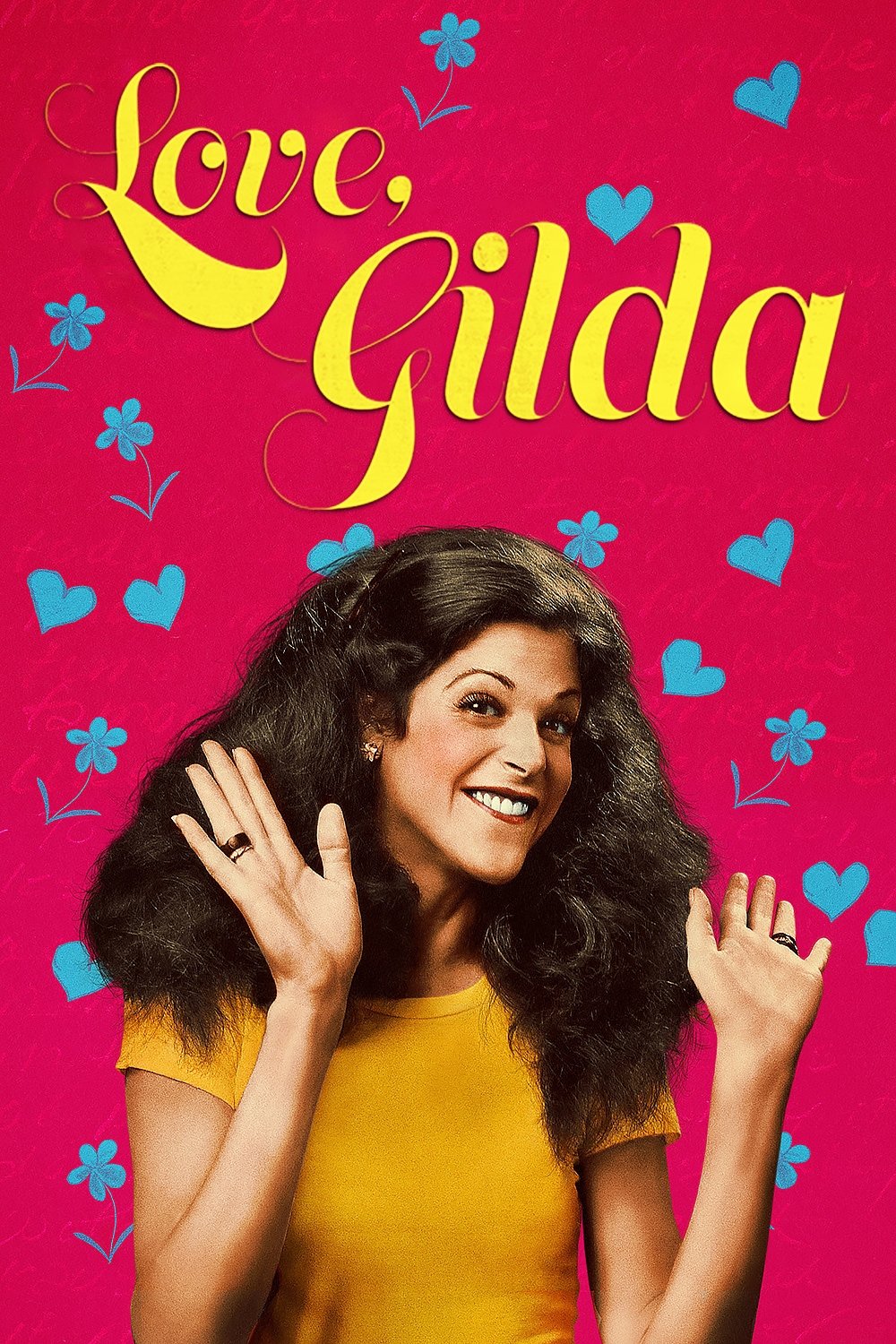
Diaries, audiotapes, videotapes and testimonials from friends and colleagues offer insight into the life and career of Gilda Radner -- the beloved comic and actress who became an icon on Saturday Night Live.
Over 35 years after Bob Lazar's revelations, this documentary exposes secrets of a facility the government still denies. Featuring Lazar's testimony, recreations, and new evidence, it reopens a case that continues to spark global curiosity
Journey into the extraordinary world of "The Witcher" — from casting the roles to Jaskier's catchy song — in this behind-the-scenes look at the series.
The life of Mr. Spock, as well as that of Leonard Nimoy, the actor who played him for almost fifty years, written and directed by his son: Adam.
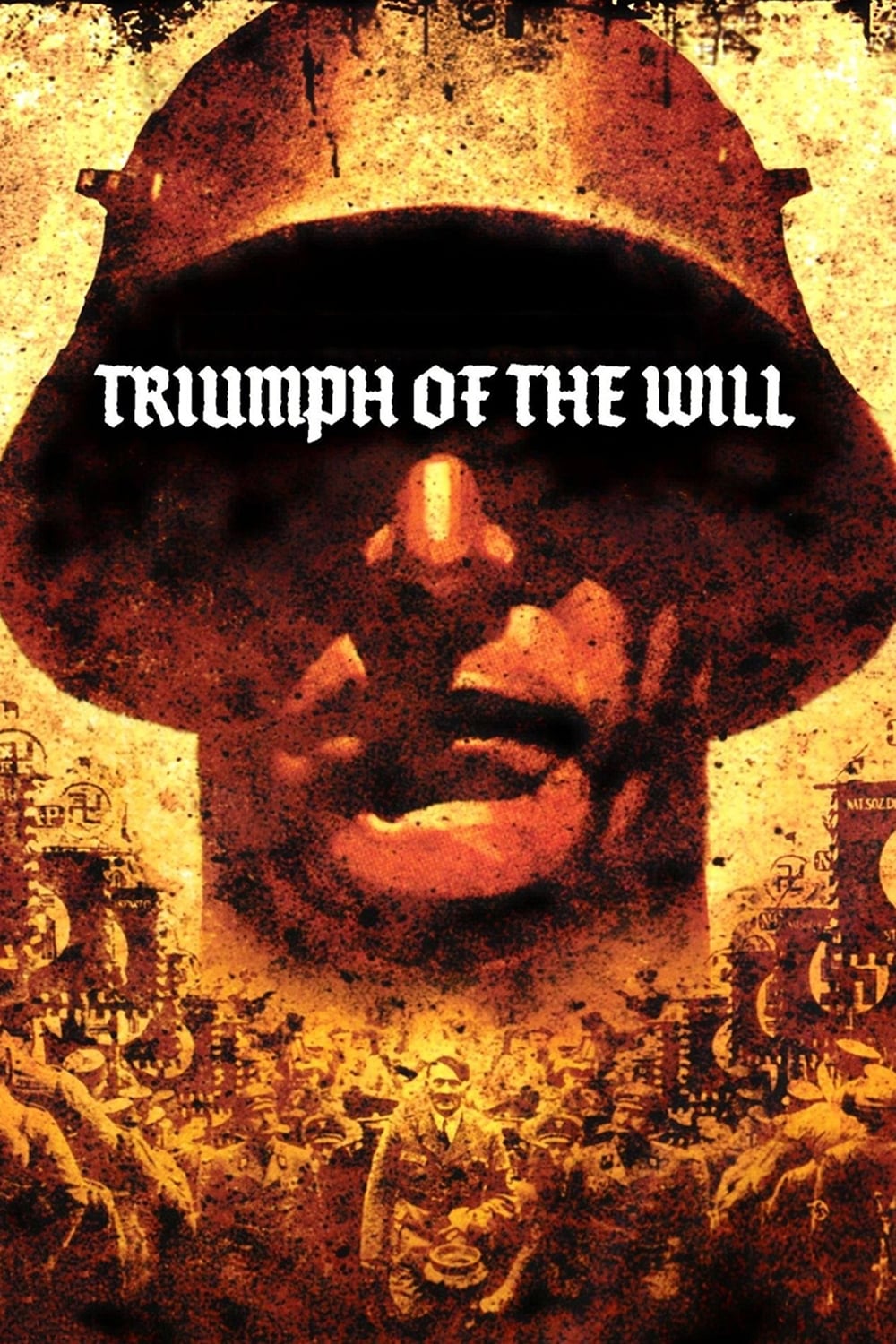
A showcase of German chancellor and Nazi Party leader Adolf Hitler at the 1934 Nuremberg Rally.
A look at the origins, history and conspiracies behind the "Majestic 12", a clandestine group of military and corporate figureheads charged with reverse-engineering extraterrestrial technology.