Social & External
The people behind it
Bely Basarte
Herself
Julen Hernandez
Himself
Joaquin Reixa
Laura Tibisay
Gonzalo Bradshaw
A structuralist work composed of static, long-duration shots of Roman ruins and architectural details, all filmed on Super 8. The film operates without a traditional narrative or dialogue, relying on fixed compositions to document the interplay of light and shadow across ancient stone. By framing monuments through windows and doorways, Jean-Claude Rousseau explores the relationship between historical space and the act of observation.
Roma are an important part of Ukraine's population. There are quite a large number of them living in the country—between fifty and one hundred thousand. This documentary shows the peculiarities of the Gypsy people's life in modern society. You will see the stories of five Gypsy barons who will talk about the traditions of their people and reveal some secrets that were previously known only to the Roma.
Longitudinal documentary film was shot for past 16 years and the main protagonist is Roman musician and activist Vojta Lavička. Vojta is a master in violin play, who focuses not only on music but also deals with problems of his origin Roman nationality. Vojta is very active in media - he worked in the national radio and television, he worked in the NGO that organize street work for Roman ghettos around the Czech republic, Vojta worked also as a social worker. All together we can watch him struggling with the main topic of his life - his national minority and problems that are caused by living next to Czech majority. Aside this topic films discovers Vojta's private life and his fight for being a good musician and a good man.
This film was made out of the capture of a live animation performance presented in Rome in January 2005 by Pierre Hébert and the musician Bob Ostertag. It is based on live action shooting done that same afternoon on the Campo dei Fiori where the philosopher Giordano Bruno was burned by the Inquisition in 1600. A commemorative statue was erected in the 19th century, that somberly dominate the market held everyday on the piazza. The film is about the resurgence of the past in this place where normal daily activities go on imperturbably. The capture of the performance was reworked, shortened and complemented with more studio performances.
The story of Italian cinema under Fascism, a sophisticated film industry built around the founding of the Cinecittà studios and the successful birth of a domestic star system, populated by very peculiar artists among whom stood out several beautiful, magnetic, special actresses; a dark story of war, drugs, sex, censorship and tragedy.
On the evening of March 11, 1950, Annabella Bracci, a 12-year-old girl, was brutally killed and thrown into a pit on the outskirts of Rome, near the village of Primavalle. A brief and poetic account of the events and their impact on an impoverished community. A handful of wild flowers and a painful catch in the voices.
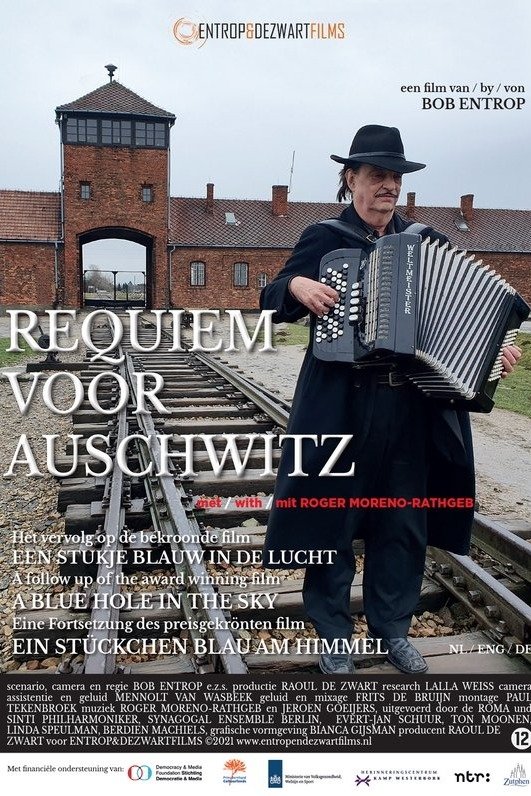
13 years ago, director Bob Entrop made the film A piece of blue in the sky, the first film in the Netherlands that depicted the murder of almost 1 million Sinti and Roma during the Second World War. There is a taboo on what happened during the war, you don't talk about it with anyone and certainly not in front of a camera. Requiem for Auschwitz is a sequel, with the most valuable moments from the first film, supplemented with the grandchildren and the creation and performance of the 'Requiem for Auschwitz' by Sinti composer Roger Moreno Rathgeb by the Sinti and Roma Philharmonic from Frankfurt and a Jewish choir in the Berliner Dom in Berlin, during Holocaust Memorial Day. During his visit to Auschwitz in 2020 with four musicians from the Dutch Accompaniment Orchestra, Roger shows them the places that inspired him.
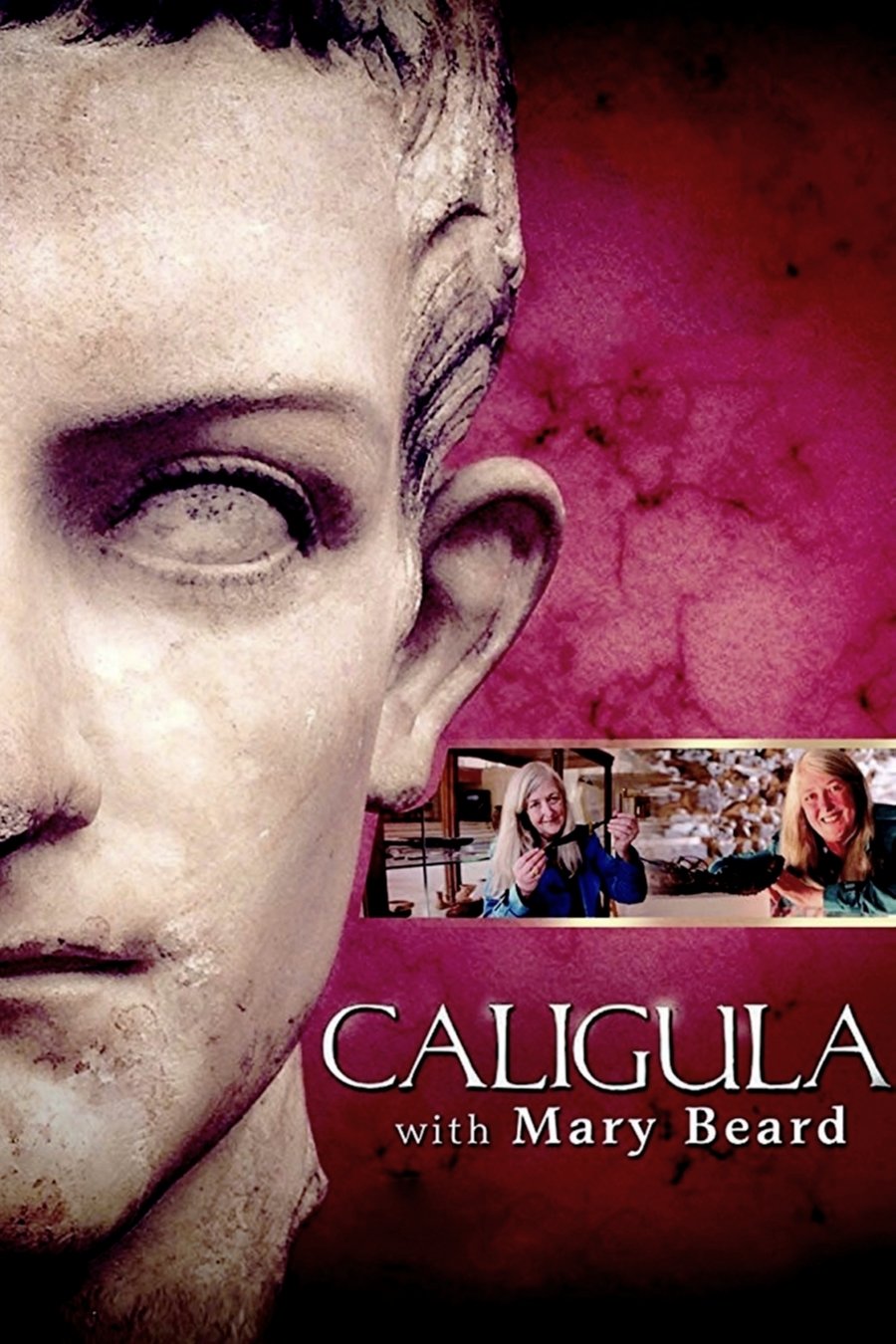
What is true and what is false in the hideous stories spread about the controversial figure of the Roman emperor Gaius Julius Caesar Augustus Germanicus (12-41), nicknamed Caligula? Professor Mary Beard explains what is accurate and what is mythical in the historical accounts that portray him as an unbalanced despot. Was he a sadistic tyrant, as Roman historians have told, or perhaps the truth about him was manipulated because of political interests?
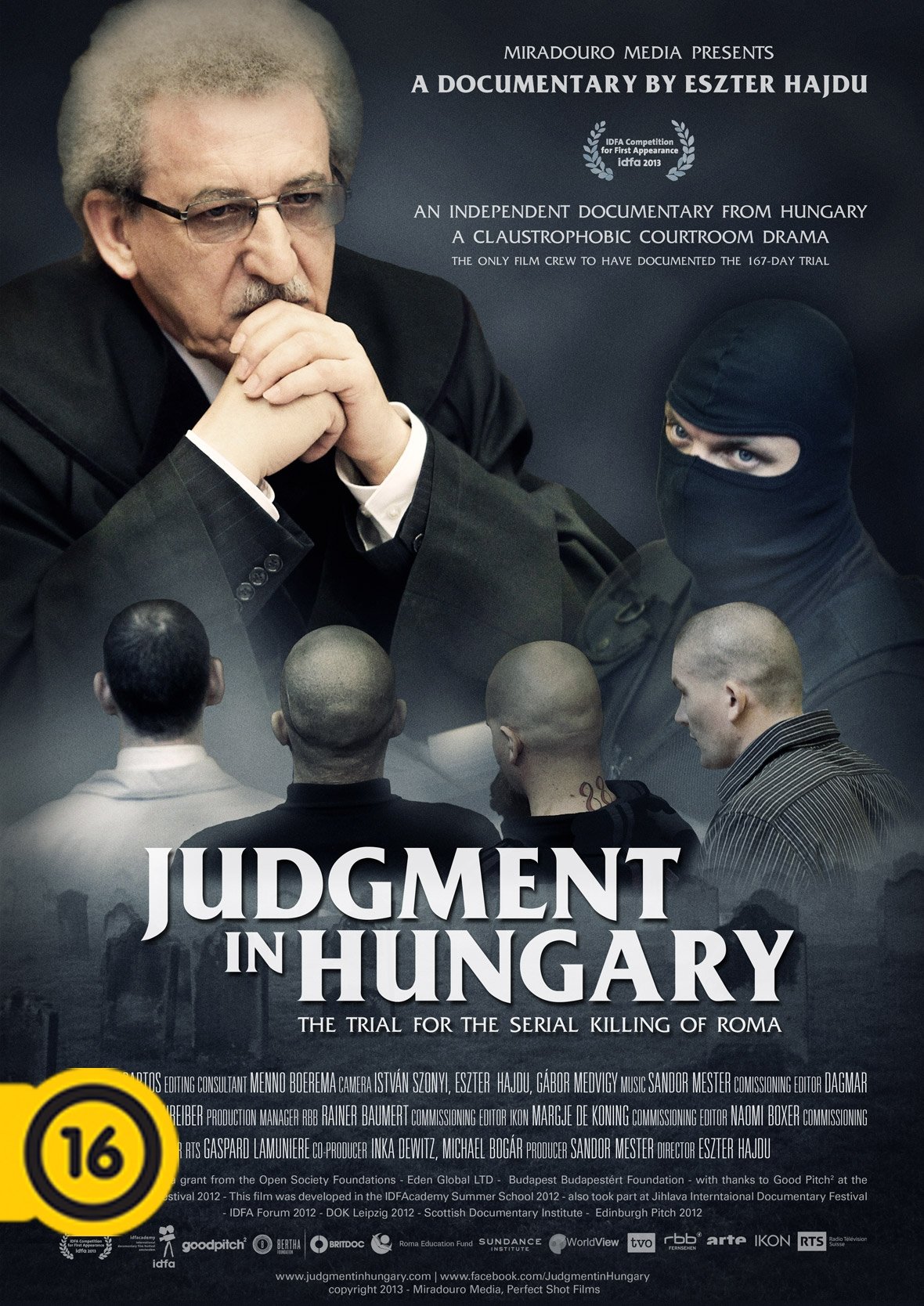
Hungary was the site of serial murders on ethnic basis. Over the course of one year, the murderers killed and seriously injured Roma children and adults. The state charged 4 men with committing the crime with racial motivation. This historical trial started March, 2011, and ended August, 2013 in Budapest. The 167 days of hearings was only documented continuously by our crew. We had exclusive permission to use multiple cameras in the court-room. The film is a classical chamber-drama, taking place in a small, claustrophobic court room, in the middle of Europe. What will be the outcome of the marathon, 3 year-long trial?
A tribute not so much to the river that runs through the Eternal City, but to that part of Rome that very often remains invisible to the eyes of tourists-the suburbs, with their streets and rituals.
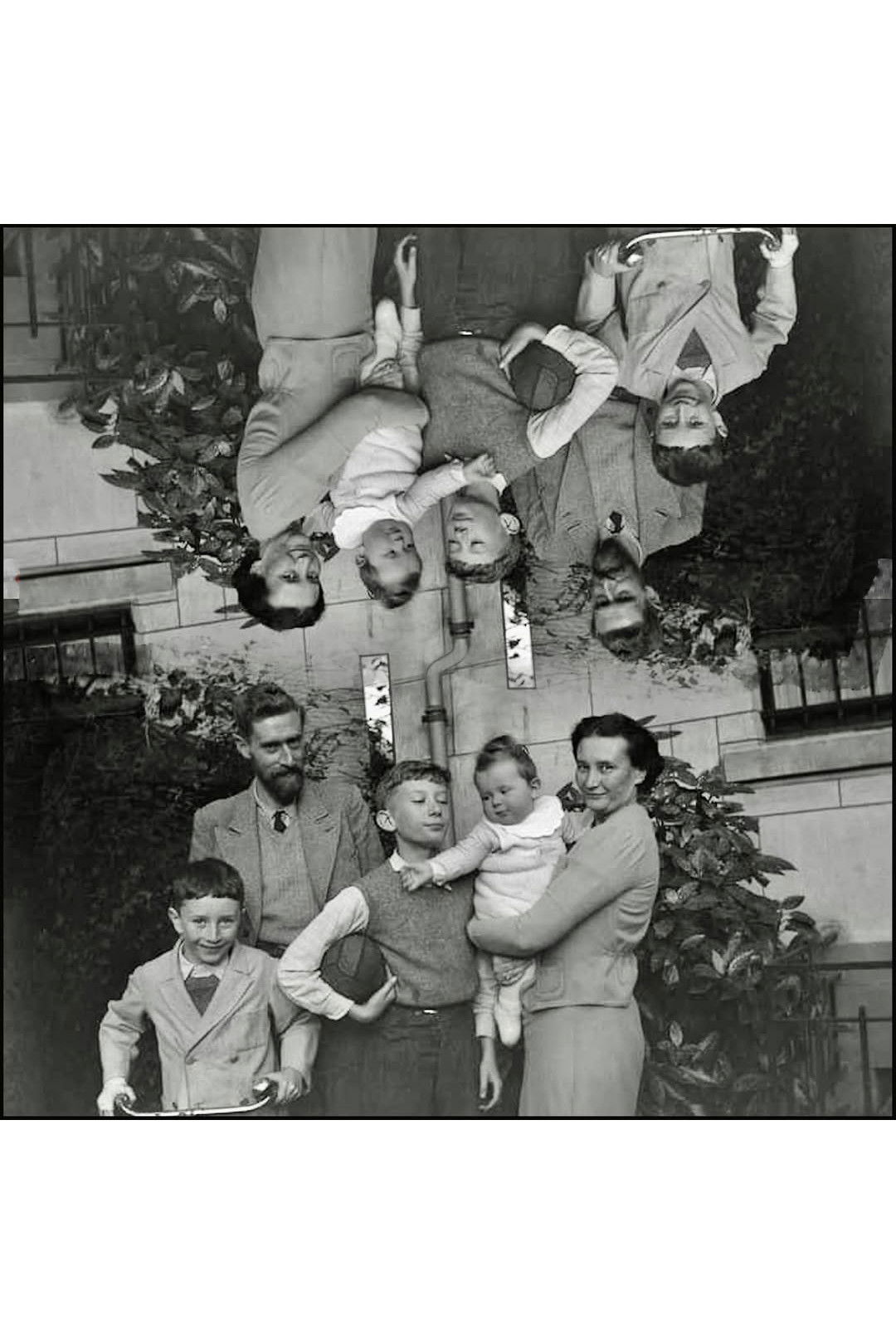
George Escher, eldest son of M.C. Escher, shares personal stories of growing up in Rome and witnessing his father at work.
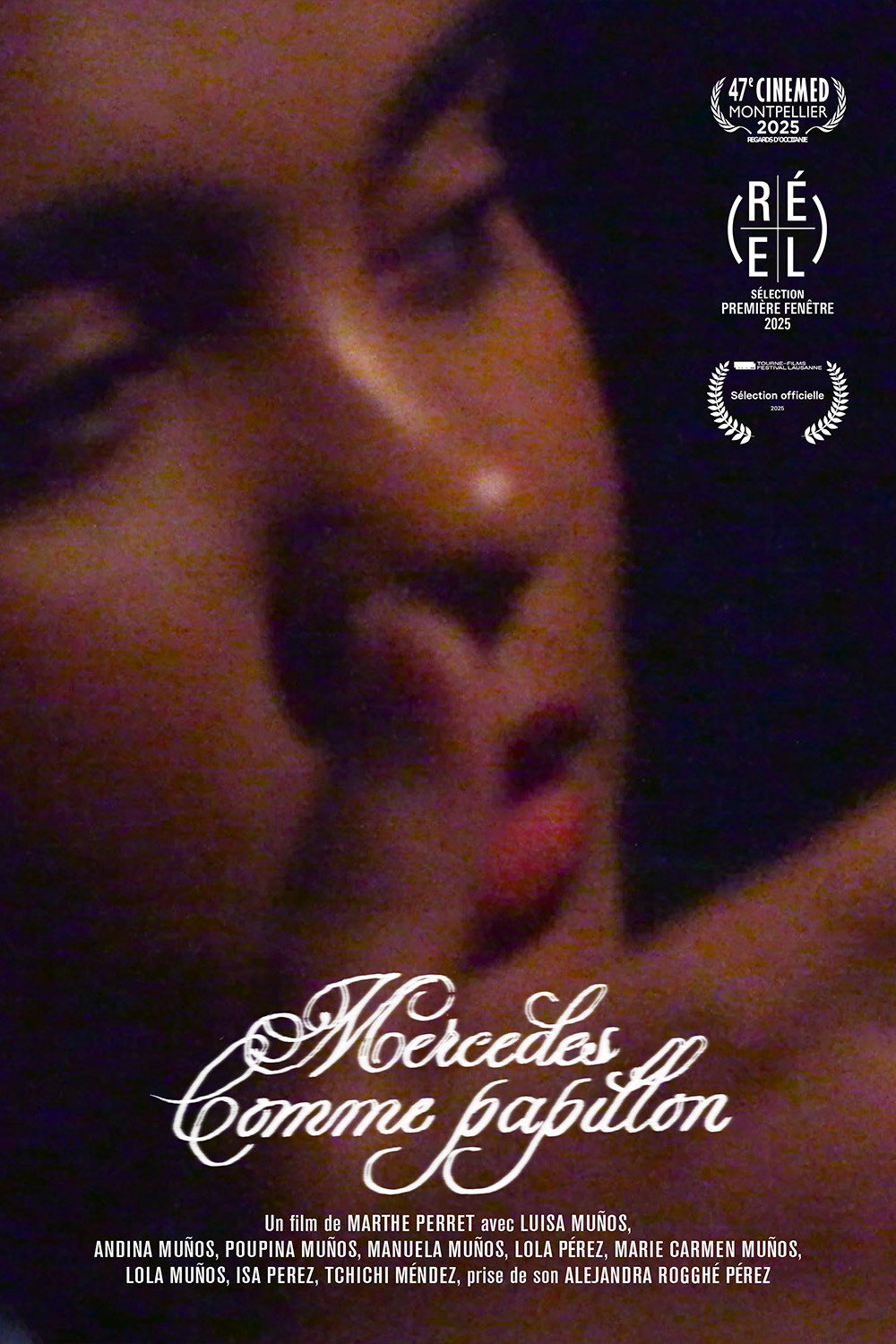
In the suburbs of Montpellier, France, in the spring of 2024, a Roma wedding celebration is about to begin. In the bedroom of a small apartment, Luisa and her cousins meet up to talk about their dreams, their traditions, and their desire for emancipation. The ritual of flamenco dancing became for Luisa a space of freedom.
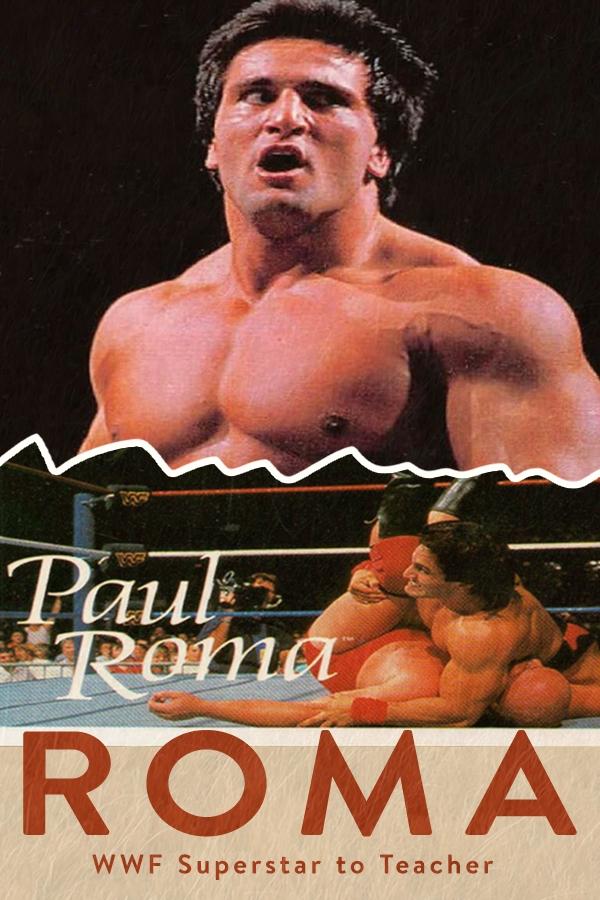
Watch the inspiring story of Paul Roma, a former WWF wrestler turned teacher, as he shares not only wrestling techniques but also valuable life lessons with his students…
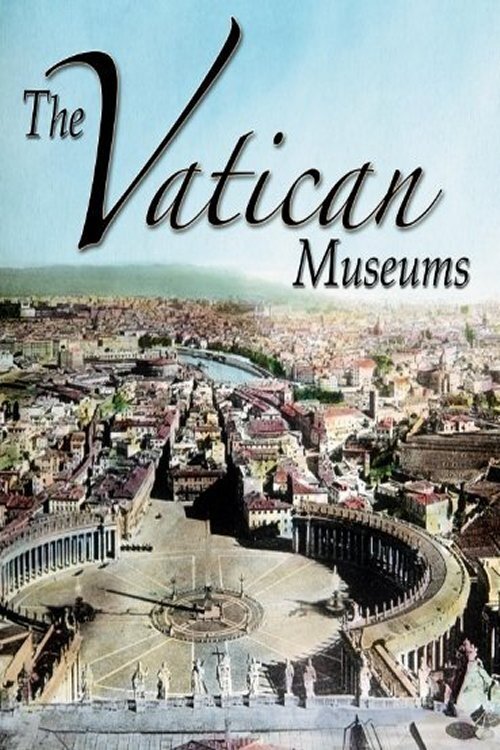
Originally produced in 1997 on the threshold of the Third Millennium of the Christian Era, and in celebration of the Jubilee of the Year of Our Lord 2000, The Vatican Museums was the culmination of three years of research and filming, the collaboration of thirty-two scholars and historians from around the world, a crew of forty directors of photography, operators, and lighting technicians, state-of-the-art digital cinematography, lighting, animation, and computerized editing, and the work of a famous composer with original performances by master musicians. Now available on DVD for the first time, this historic three-disc collection features seven hours of magnificent documentary film that illuminates and chronicles the great journey of the human spirit. Here then is the world's most spectacular and sacred repository of art, history, and faith.
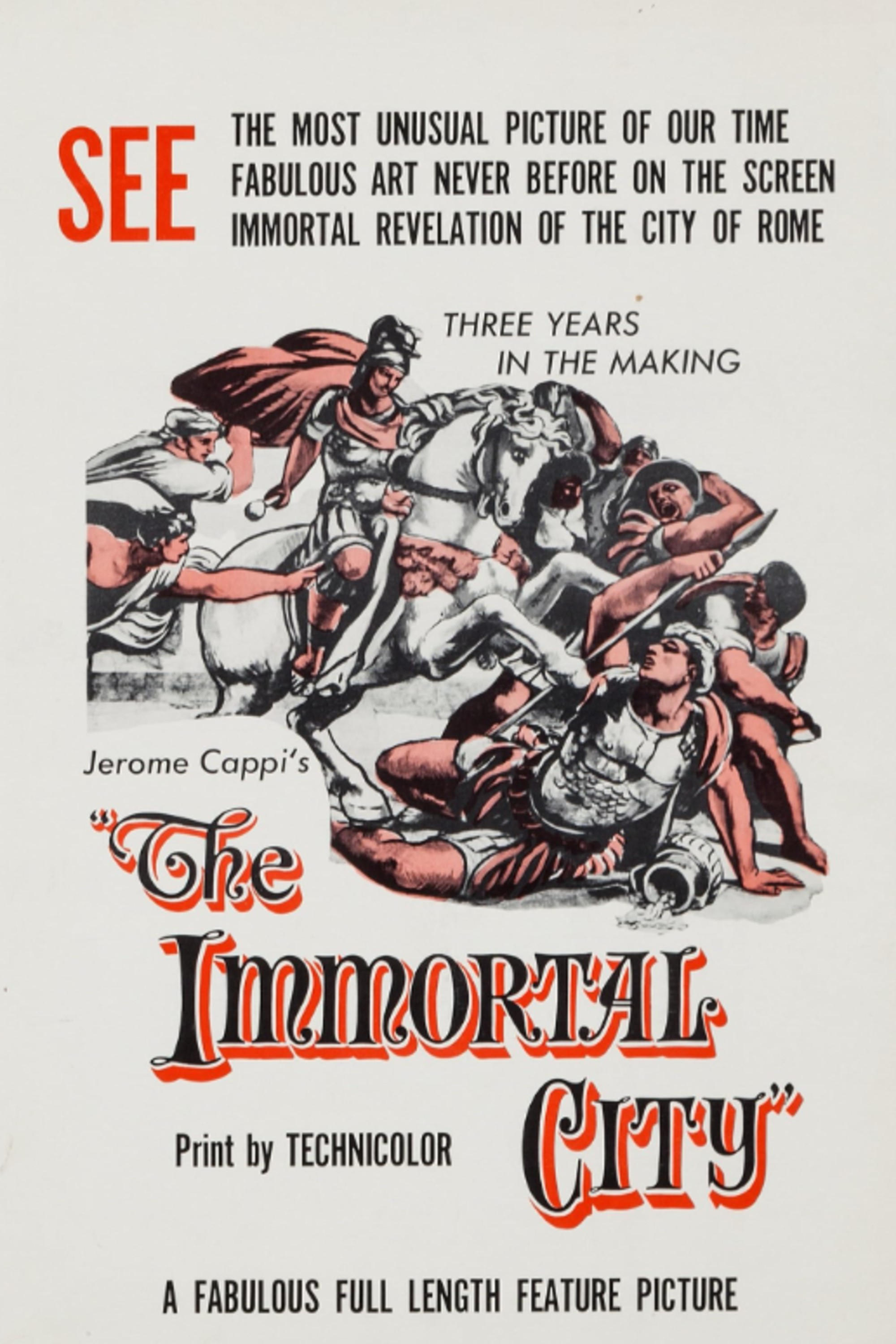
From the legendary times of Romulus and Remus to the present day, the compelling story of the eternal city's twenty-five centuries of civilization traces the rise of Christianity over paganism through studies of Vatican art treasures.
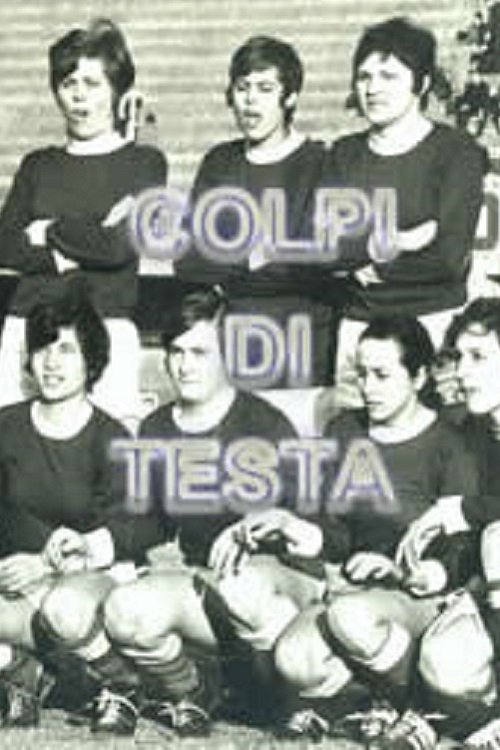
Rome, 1968. A football passionate PE teacher formed the first woman team. Thirty eight years later, these women players remember with proud and a tinge of nostalgia how they stood up against all prejudices at a time when a woman wearing shorts was absolutely outrageous.
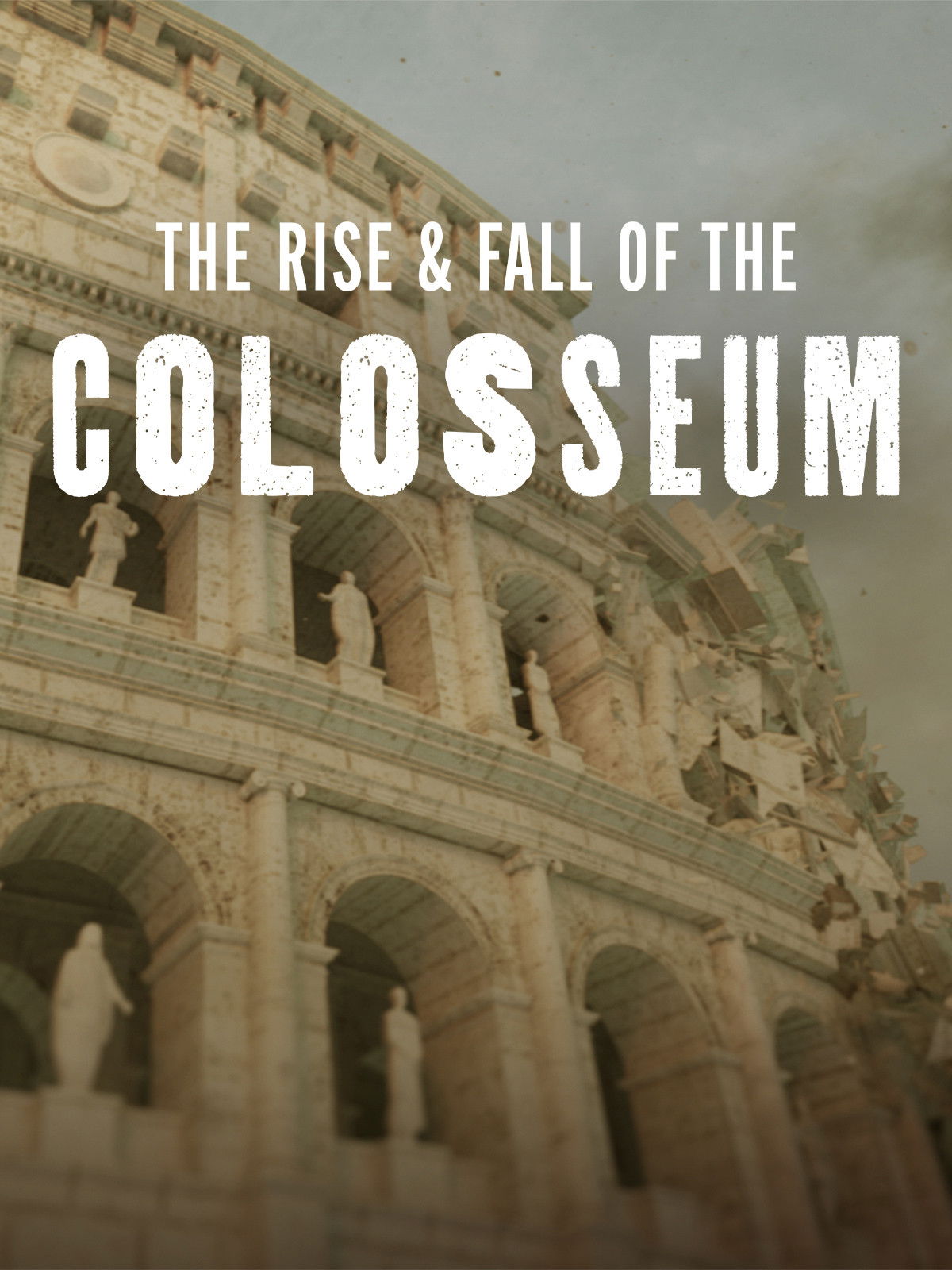
The Colosseum: the jewel of Ancient Rome. It wowed vast crowds with extraordinary battles. It pushed the boundaries of technology. It exhibited Rome’s vast wealth and power. Roman leaders spread the Colosseum’s design throughout the Empire, and it helped them conquer the ancient world. But just as the structure embodied Rome’s power, so too did it contribute to the Empire’s downfall.
Two thousand years ago, at the dawn of the first century, the ancient world was ruled by Rome. Through the experiences, memories and writings of the people who lived it, this series tells the story of that time - the emperors and slaves, poets and plebeians, who wrested order from chaos, built the most cosmopolitan society the world had ever seen and shaped the Roman empire in the first century A.D.
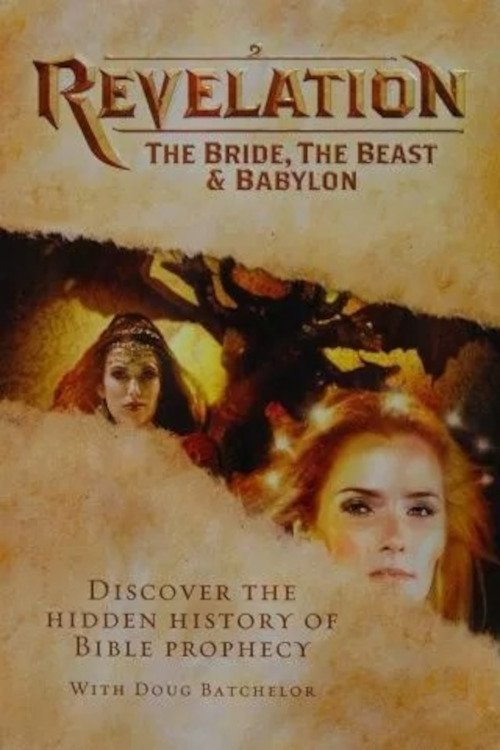
Going to the very heart of the Bible's most challenging Book, this one hour documentary decodes the visions of Revelation 12 and 17 for everyone to understand. Journeying from the birth of Christ through the Christian era, this amazing video pulls aside the veil of hidden history to reveal the rise of Babylon, the persecution of the bride of Christ, and the real-world identity of the beast. Educational and inspiring, Revelation delivers the keys to understanding the epic conflict between Christ and Satan and what it means for your life today.
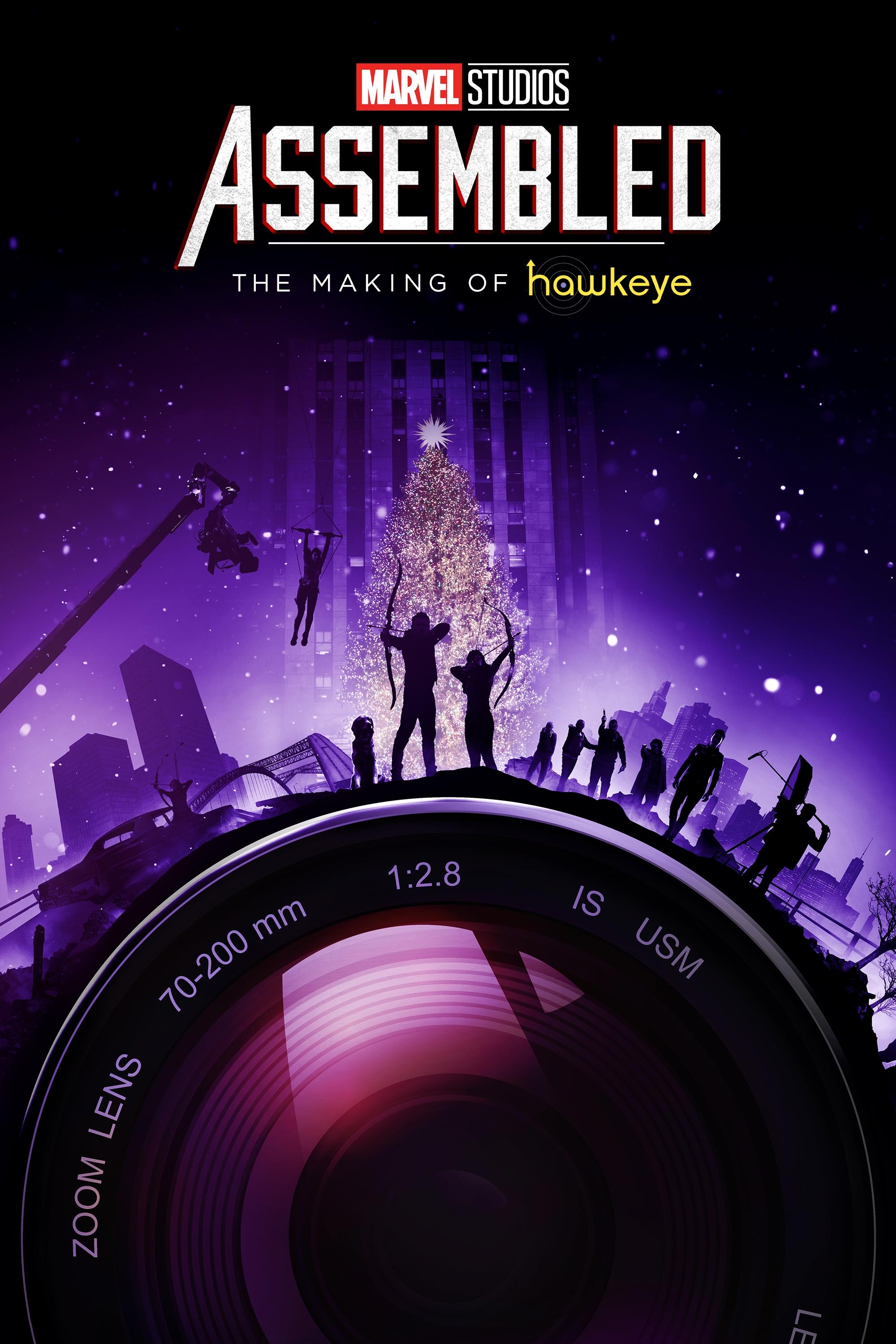
Join the likes of Jeremy Renner, Hailee Steinfeld, Florence Pugh, and Vincent D’Onofrio as they reveal how Marvel Studios’ “Hawkeye” was conceived and created. Witness firsthand what it took to pull off the show’s pulse-pounding action set pieces, and discover how iconic characters from the pages of Marvel Comics such as Kate Bishop were adapted and brought to life for the six-episode series.
An inside look at one of the most anticipated movie sequels ever with James Cameron and cast.
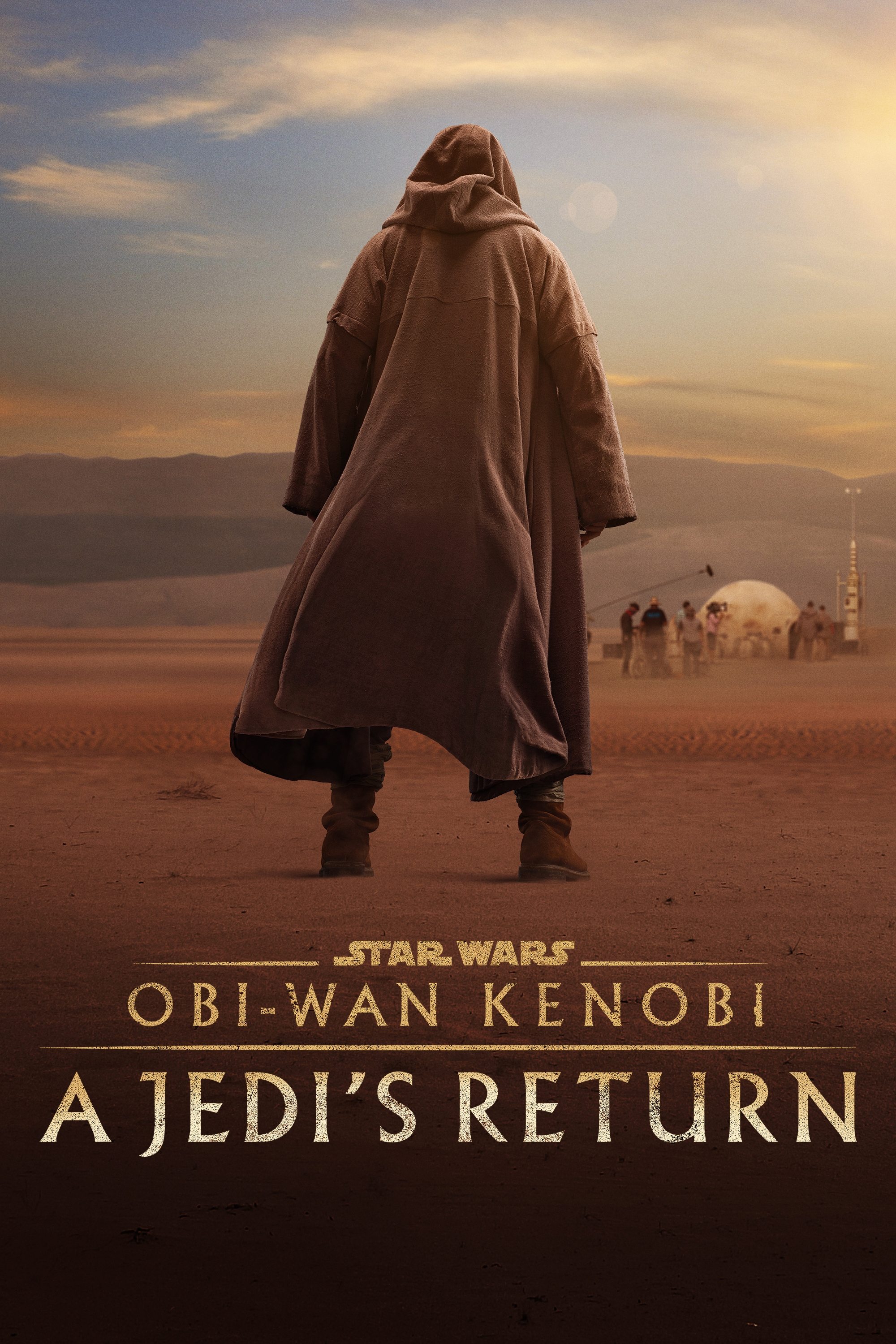
This special explores the return of Obi-Wan Kenobi and Anakin Skywalker to the screen, as well as Ewan McGregor and Hayden Christensen to their classic roles. Director Deborah Chow leads the cast and crew as they create new heroes and villains that live alongside new incarnations of beloved Star Wars characters, and an epic story that dramatically bridges the saga films.
Examines the life and career of singer Whitney Houston. Features never-before-seen archival footage, exclusive recordings, rare performances and interviews with the people who knew her best.
A documentary special that explores the power of identity behind the iconic superheroes we know and love today. These legendary Marvel creations and stories have not only reflected the world outside our window – they have become a reflection of our own identities and who we truly are.
Those who knew iconic funnyman John Candy best share his story, in their own words, through never-before-seen archival footage, imagery, and interviews.
Daniel Craig candidly reflects on his 15 year adventure as James Bond. Including never-before-seen archival footage from Casino Royale to the upcoming 25th film No Time To Die, Craig shares his personal memories in conversation with 007 producers, Michael G Wilson and Barbara Broccoli.
SEDUCED AND ABANDONED combines acting legend Alec Baldwin with director James Toback as they lead us on a troublesome and often hilarious journey of raising financing for their next feature film. Moving from director to financier to star actor, the two players provide us with a unique look behind the curtain at the world's biggest and most glamourous film festival, shining a light on the bitter-sweet relationship filmmakers have with Cannes and the film business. Featuring insights from directors Martin Scorsese, 'Bernando Bertolucci' and Roman Polanski; actors Ryan Gosling and Jessica Chastain and a host of film distribution luminaries.
This revealing documentary honors the legendary Sidney Poitier—iconic actor, filmmaker, and civil rights activist. Featuring interviews with Denzel Washington, Spike Lee, Halle Berry, and more.
A documentary chronicling Queen and Lambert's incredible journey since they first shared the stage together on "American Idol" in 2009.
“Showrunners” is the first ever feature length documentary film to explore the fascinating world of US television showrunners and the creative forces aligned around them. These are the people responsible for creating, writing and overseeing every element of production on one of the United State’s biggest exports – television drama and comedy series. Often described as the most complex job in the entertainment business, a showrunner is the chief writer / producer on a TV series and, in most instances, the show’s creator. Battling daily between art and commerce, showrunners manage every aspect of a TV show’s development and production: creative, financial and logistical.
Join director Chloe Zhao and the Cast of Eternals as they recount their experiences during the making of Marvel Studios’ most ambitious film to date. Discover how the ensemble cast felt stepping into their roles, filming in remote locations, and creating bonds that would help to create the on-screen relationships that span over 7,000 years.
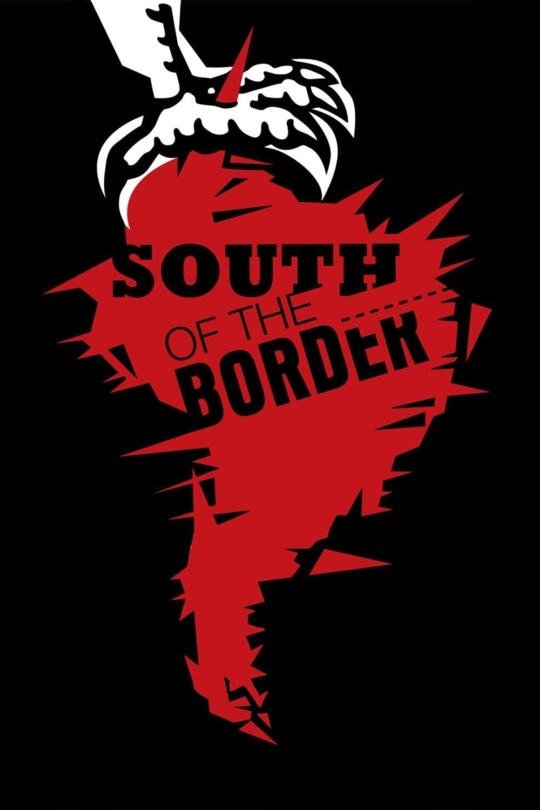
A road trip across five countries to explore the social and political movements as well as the mainstream media's misperception of South America while interviewing seven of its elected presidents.
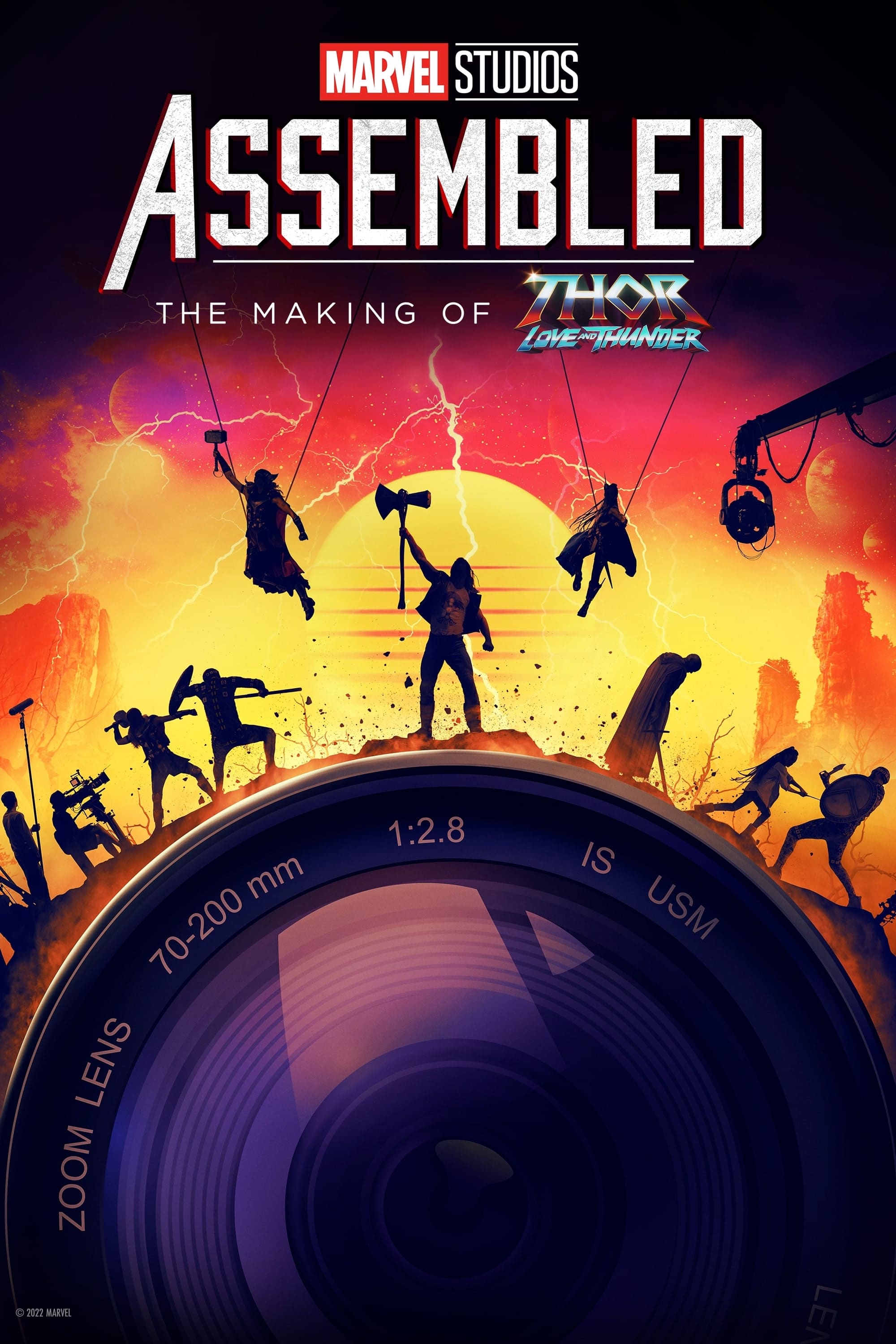
Settle in with the likes of Taika Waititi, Chris Hemsworth, Natalie Portman, Christian Bale, and Tessa Thompson, and as they divulge the secrets behind the creation of Thor: Love and Thunder. Through in-depth interviews with cast and crew, along with raw, unseen footage from the set and beyond, this documentary special pulls back the curtain on the God of Thunder’s fourth feature film.
Denise Crosby takes a first look at the huge fans of "Star Trek" from around America and how the series has affected and shaped their lives.
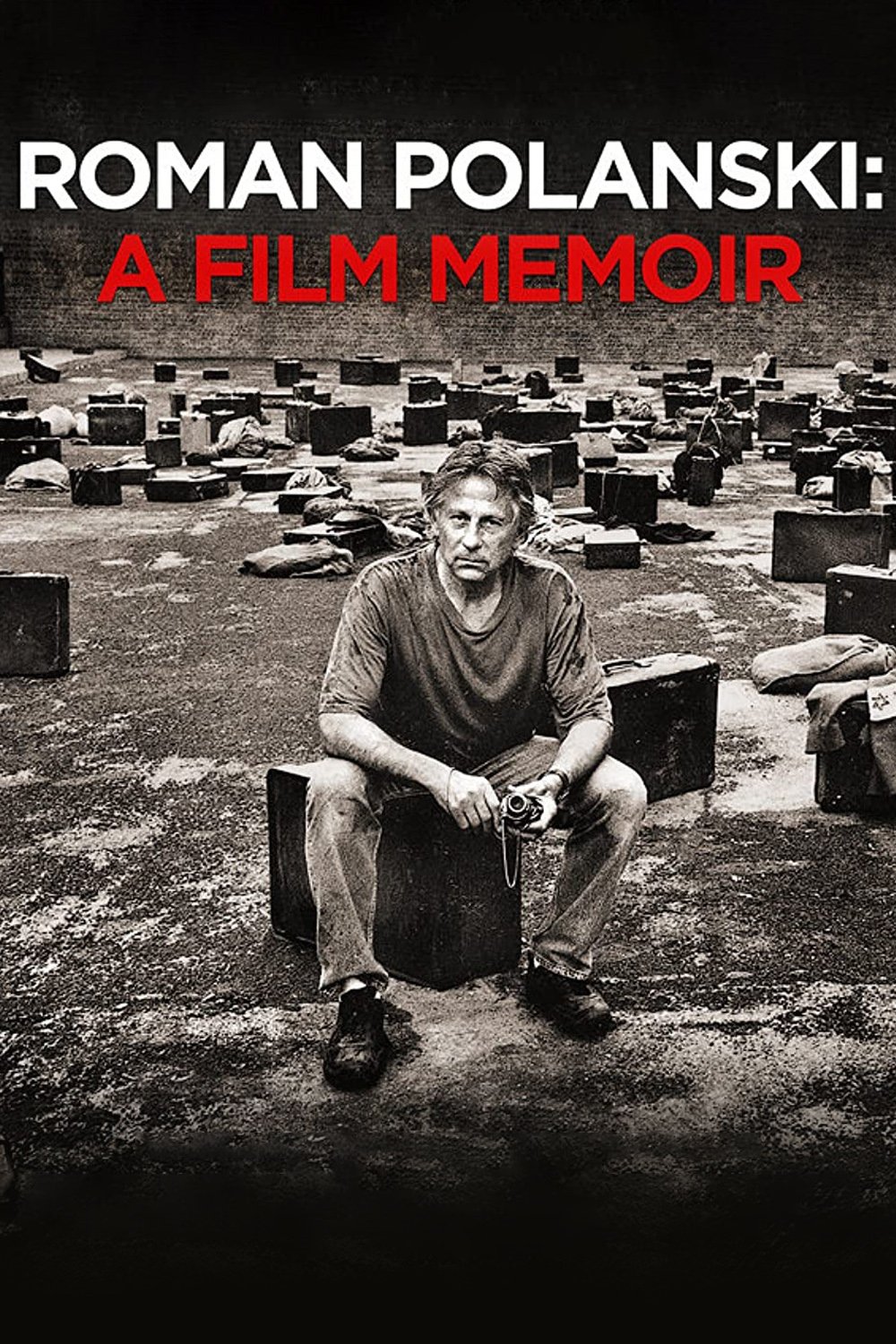
An interview with film director Roman Polanski conducted during his period of house arrest, discussing his life and work.
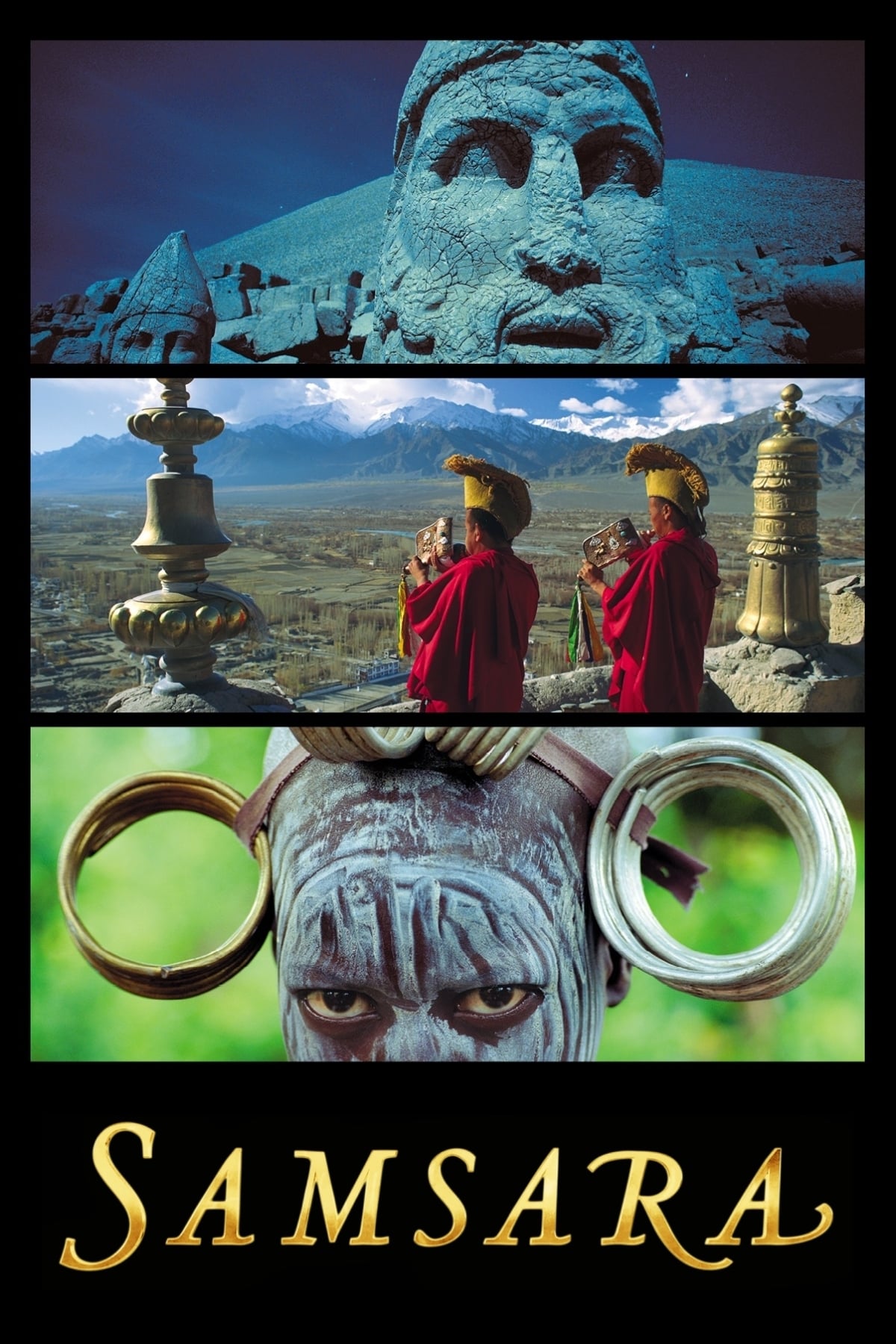
Filmed over nearly five years in twenty-five countries on five continents, and shot on seventy-millimetre film, Samsara transports us to the varied worlds of sacred grounds, disaster zones, industrial complexes, and natural wonders.
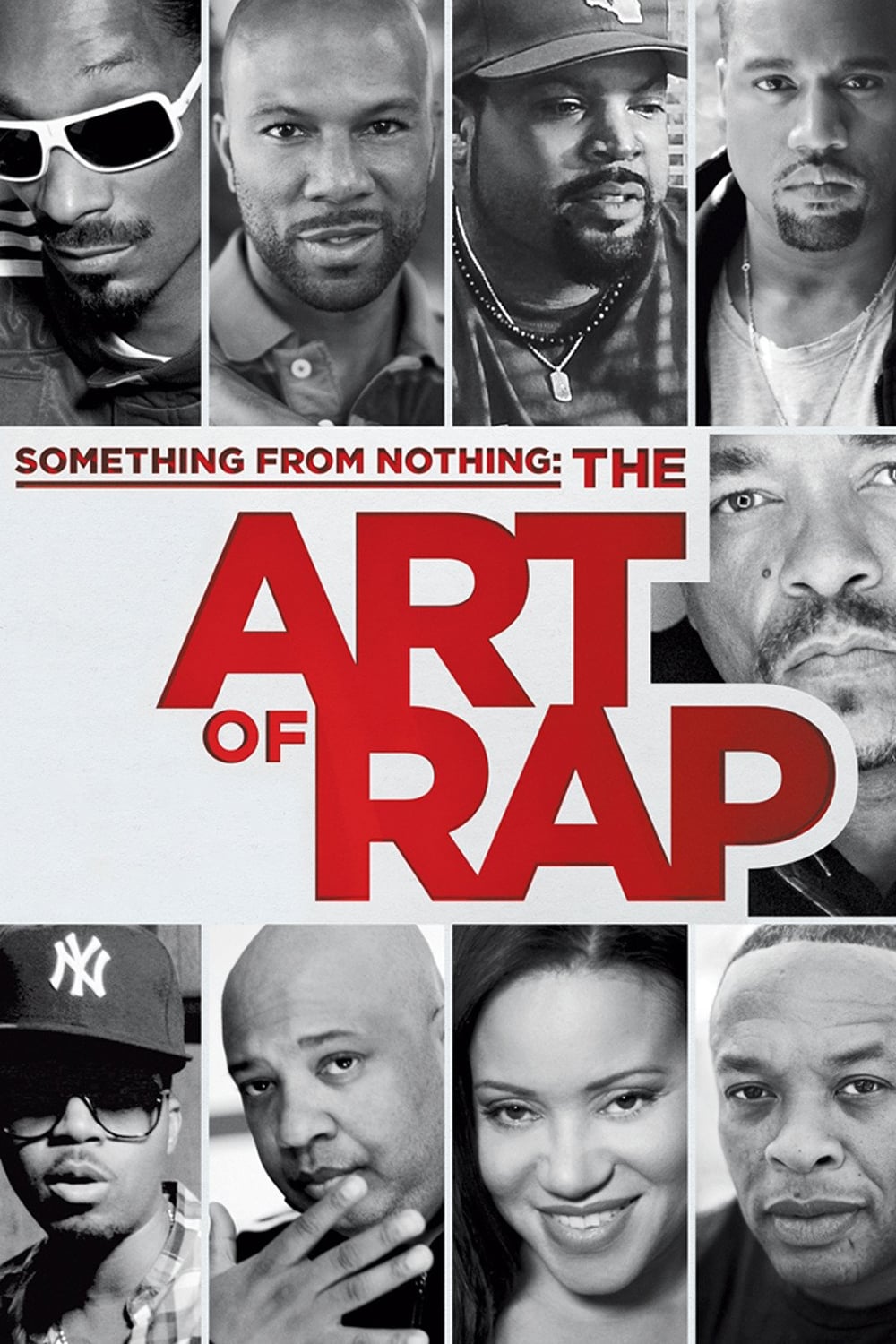
SOMETHING FROM NOTHING: THE ART OF RAP is a feature length performance documentary about the runaway juggernaut that is Rap music. At the wheel of this unstoppable beast is the film's director and interviewer Ice-T. Taking us on a deeply personal journey Ice-T uncovers how this music of the street has grown to dominate the world. Along the way Ice-T meets a whole spectrum of Hip-Hop talent, from founders, to new faces, to the global superstars like Eminem, Dr Dre, Snoop Dogg and Kanye West. He exposes the roots and history of Rap and then, through meeting many of its most famous protagonists, studies the living mechanism of the music to reveal 'The Art Of Rap'. This extraordinary film features unique performances from the entire cast, without resorting to archive material, to build a fresh and surprising take on the phenomenon that is Rap.
Follow the production of “Black Panther: Wakanda Forever” as the cast and crew take on the incredible challenge of remembering T’Challa with a chapter befitting the late king. Through intimate behind-the-scenes footage and interviews, watch Shuri take on the mantel of Wakanda’s hero and face a new foe from the ocean’s depths in Namor.
JB Smoove and Martin Starr host a celebration of 20 years of "Spider-Man" movies, from the Sam Raimi trilogy to Marc Webb's movies and the trio from Jon Watts.