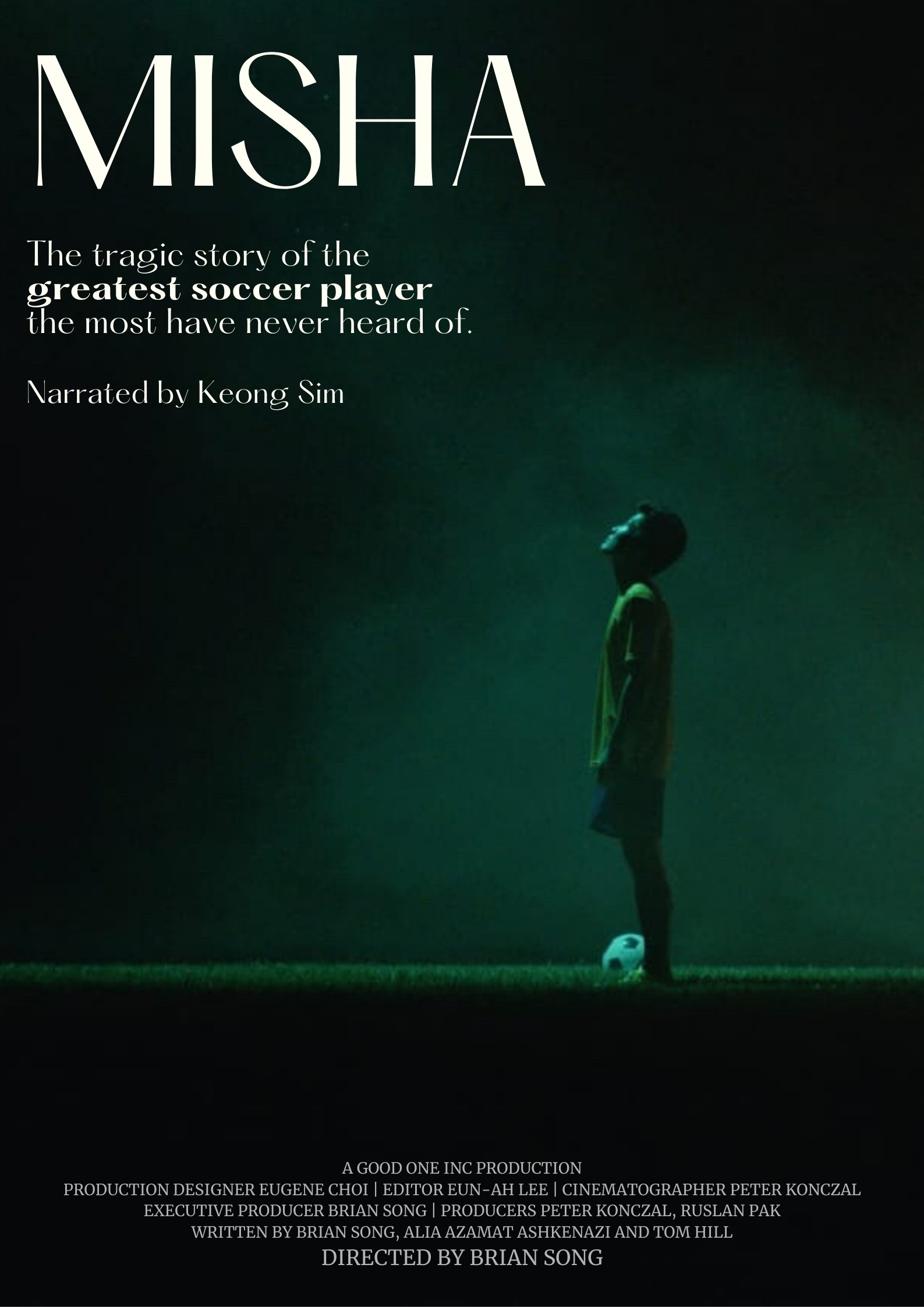
The tragic story of the greatest soccer player the most have never heard of.
Social & External
The people behind it
Keong Sim
Narrator
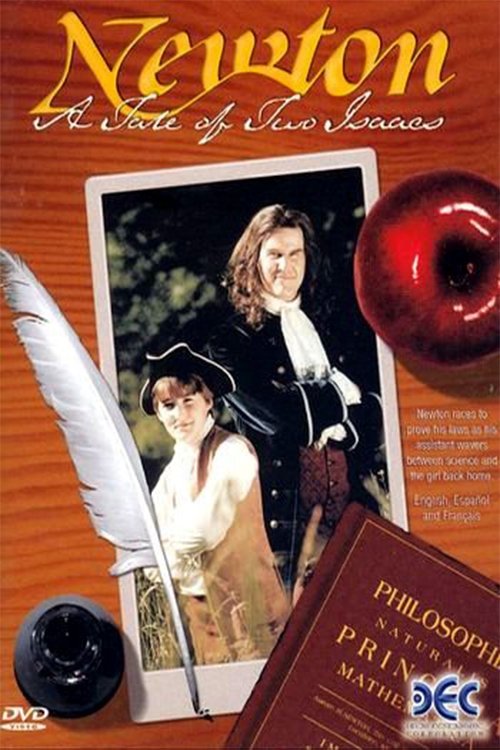
As Newton devotes himself to the difficult and solitary path of challenging the existing view of the universe and proving his own theories on celestial movement and gravity, his young scribe Humphrey wavers between pursuing science or following his heart.
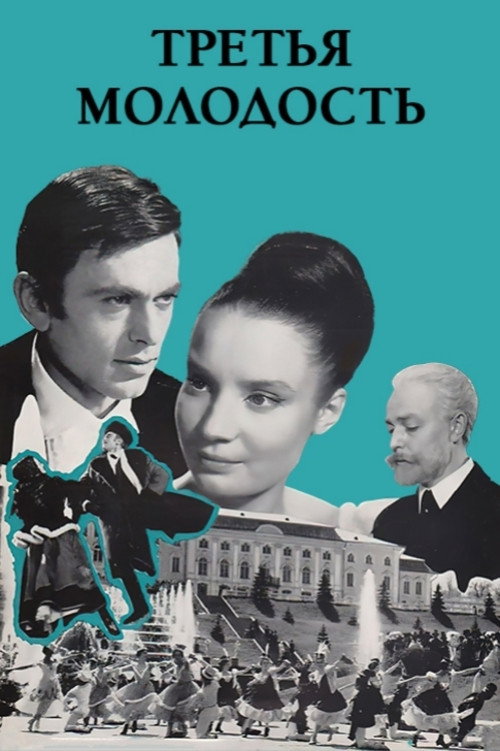
Paris, the middle of the XIX century. Young Marius Petipa is going on a long journey to St. Petersburg, where he is invited to become the first dancer. He doesn't know that his life will develop both happily and dramatically, and his work will be the glory and pride of Russian ballet.
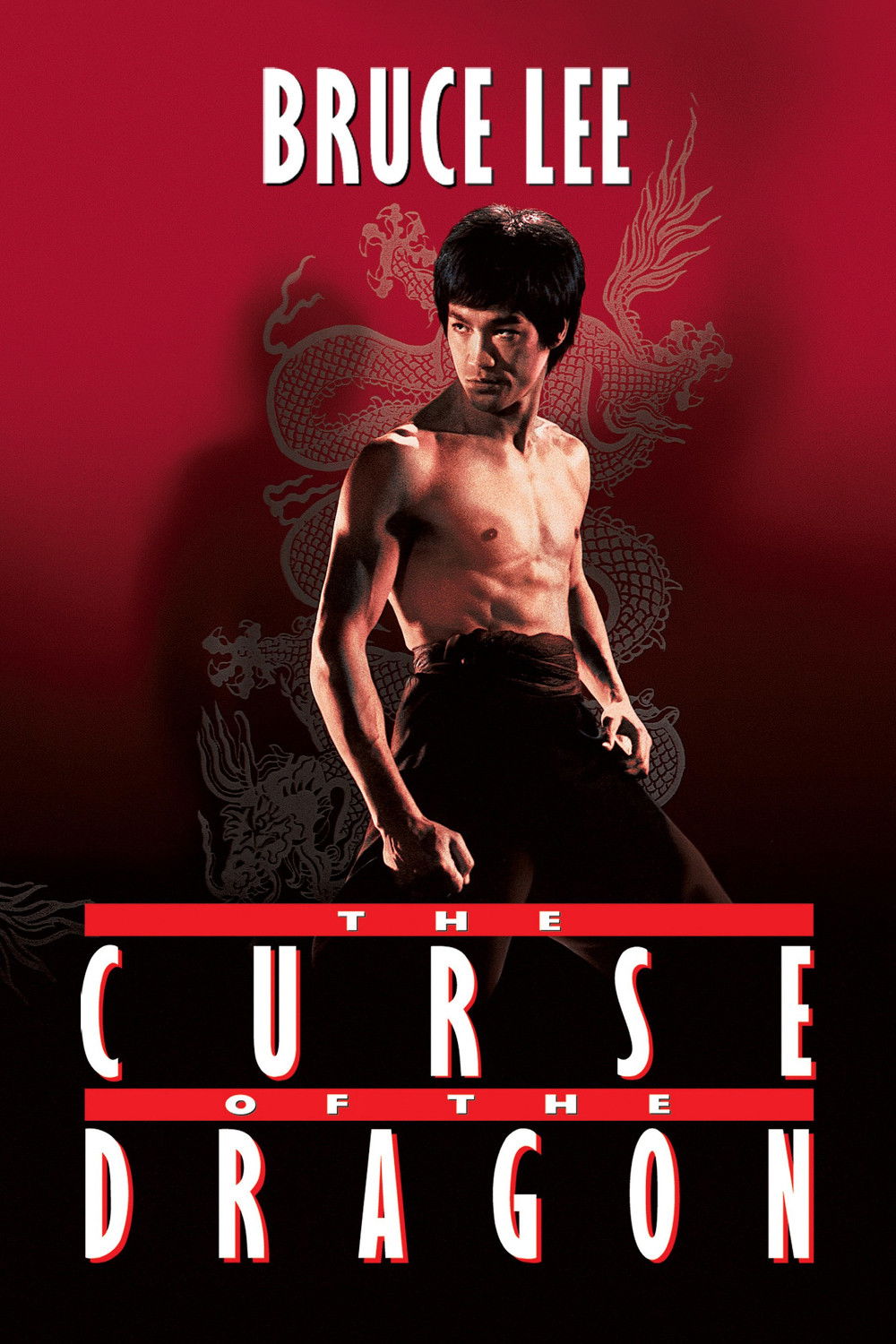
A 1993 documentary film about Bruce Lee. The film includes interviews from some of his fellow students and opponents who worked alongside him in his movies.
Documentary about atheist Madalyn Murray O'Hair who, for 30 notorious years, successfully challenged God in America, and was brutally murdered in the summer of 1995. O'Hair had come to occupy a special place in the American psyche since her 1963 campaign which ended compulsory prayer in US schools after a Supreme Court action on behalf of her son William. She journeyed from Cold War paranoia, through to the rise of the neocons and born again Christianity in Reagan's America and beyond. (Storyville)
Comedian Paul Hogan opens the door into his private and public life. It’s been 40 years since he first stepped into the comedy limelight, and now at 73, he is ready to share - warts-and-all – his story with fellow comedian Shane Jacobson (Kenny, The Time of our Lives). This relaxed, candid and hilarious program charts his journey from raising a family in a housing commission home, to the highs of Crocodile Dundee, the Golden Globe Awards and performing stand-up at the Oscars. It also delves into the lows of Hogan’s battle with the Australian Tax Office. And right now Paul Hogan is once again set to do what he does best - entertain.
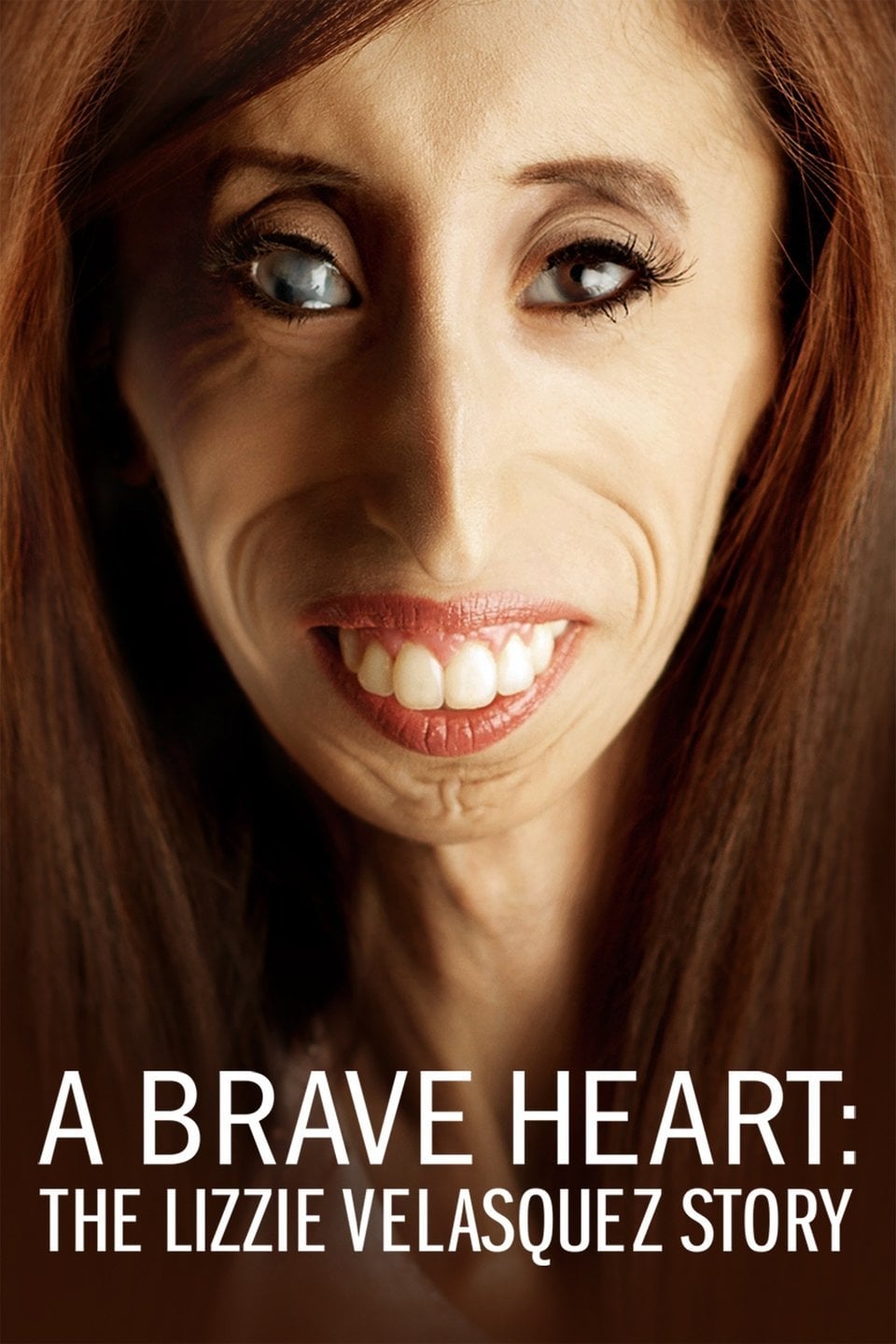
A documentary following the inspiring journey of 25 yr old, 58 pound Lizzie from cyber-bullying victim to anti-bullying activist
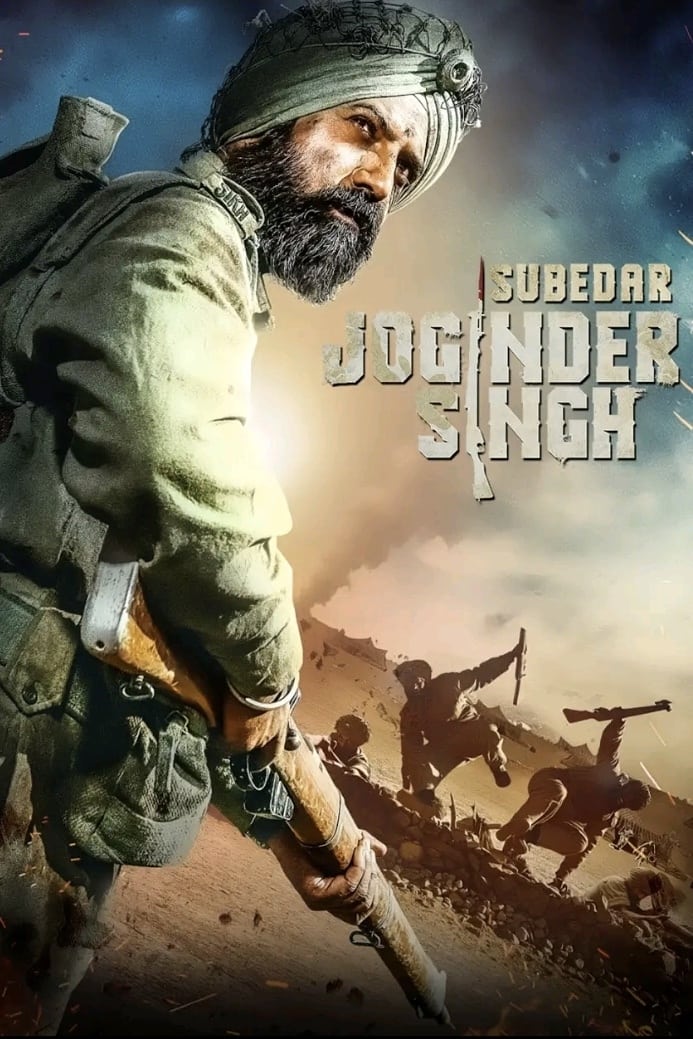
It is a biographical feature film on India's Highest Wartime Gallantry Award - Param Vir Chakra winner Subedar Joginder Singh. He fought three wars (as per records) for India before achieving martyrdom in the Sino-Indian War of 1962 while commanding a platoon in North Eastern Frontier Agency (NEFA) (Now Arunachal Pradesh). The story portrays his character and motivation in the scene of battle.
This documentary is not a straightforward portrait of Armenian film director Sergei Paradjanov's life, but rather a fluid celebration of his talent and creativity. Focusing on the collages he produced during his years in prison, and featuring interviews with the director himself, Cazals' film demonstrates the scope of Paradjanov's artistic vision, lovingly commemorating this rebel of art cinema.
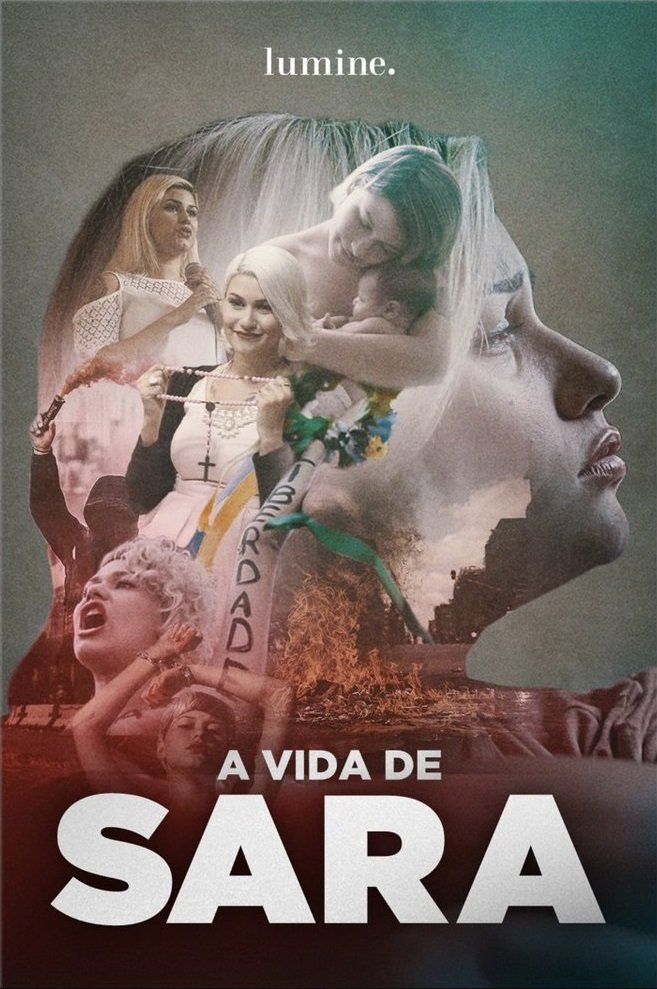
The life of Sara Winter - former Brazilian feminist and founder of FEMEN in Brazil - told by herself; since the troubled youth, through the years of prostitution and feminist militance, until the discovery of motherhood and God.
Pray for me: Pope Francis’ story is a documentary that follows the life journey of Pope Francis, with a particular focus on his social and humanitarian work. The film portrays a man deeply devoted to the causes of the poor, the marginalised, and the forgotten: from his early years in Argentina to his role as a spiritual leader on the global stage. Blending archival footage, personal testimonies, and a thoughtful, ethical perspective, the documentary offers an intimate and timely portrait of one of the most influential figures of our time.
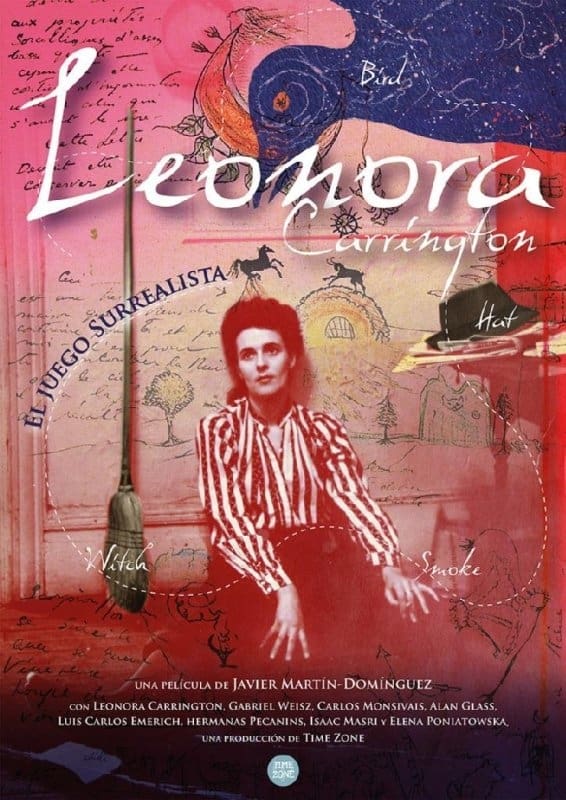
Biographical account of the brilliant painter, featuring talks with Leonora Carrington during the later stage of her life in her home in Mexico.
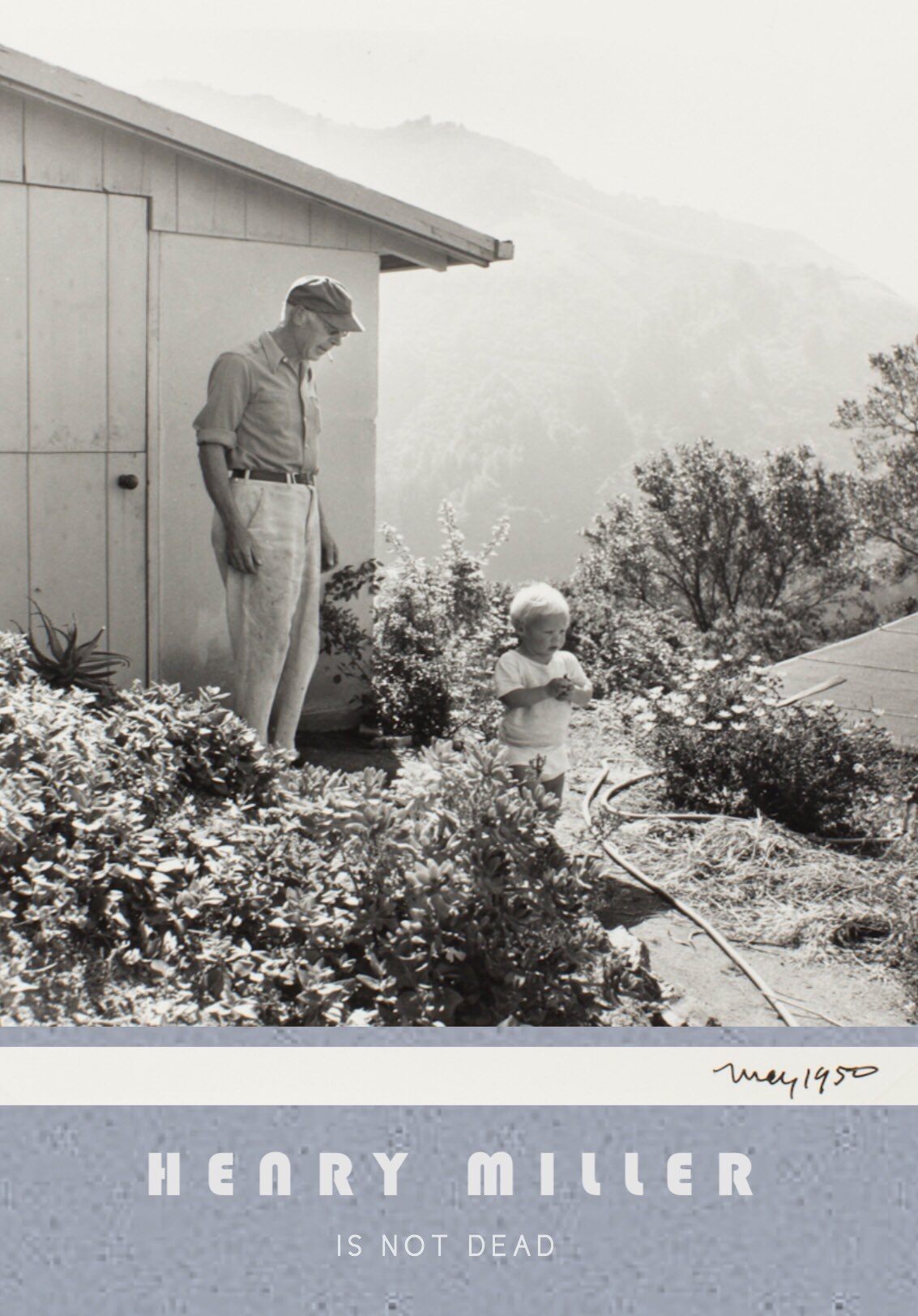
In this artistic exploration of the life and work of writer Henry Miller, filmmaker Joe Kishton skillfully weaves clips of films and interviews of Miller with the music of Laurie Anderson. From Miller himself we hear of his difficult relationship with his parents, and of his need to create, even (or especially) when his message abrades social mores.
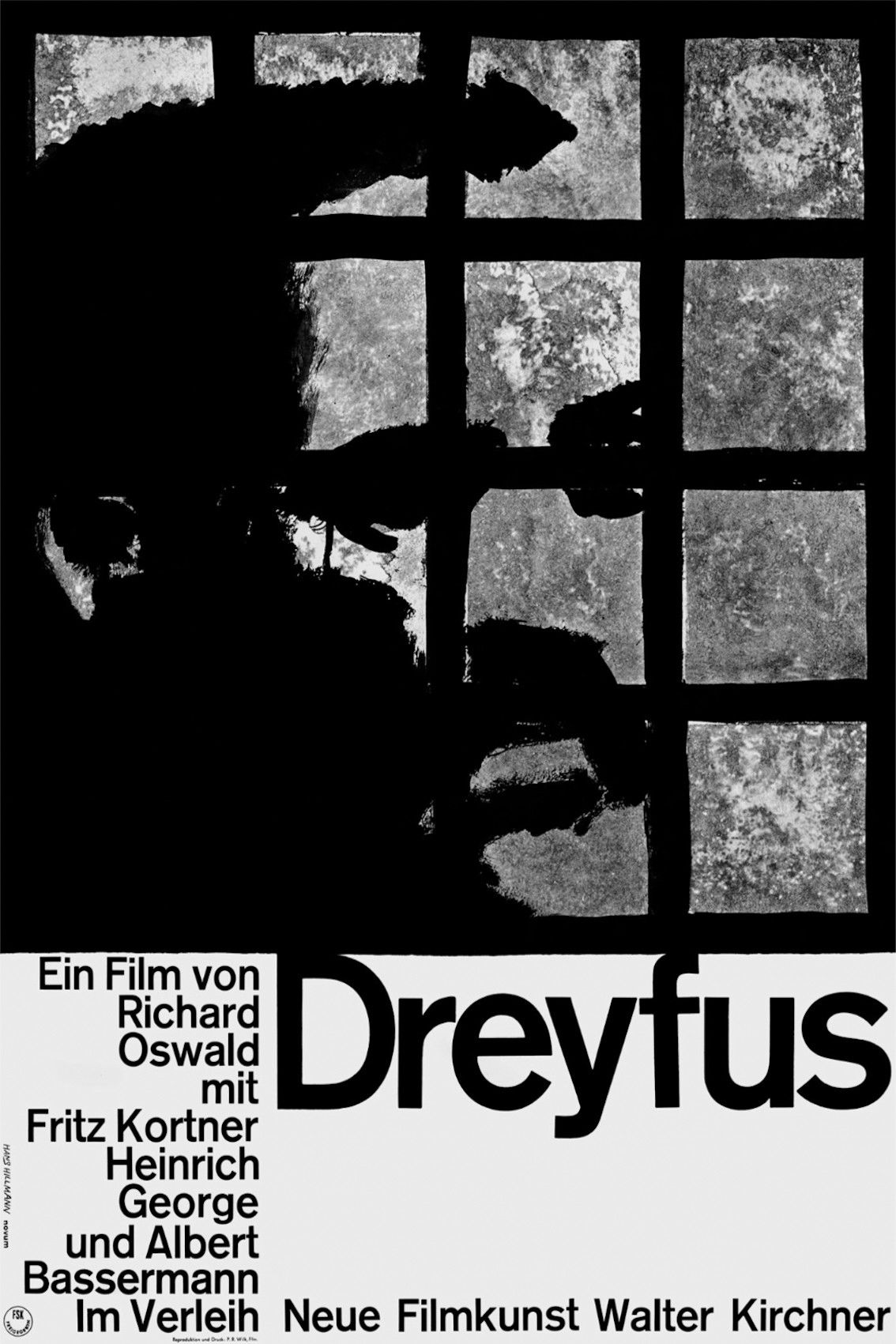
In late nineteenth century Alfred Dreyfus, a French army officer of Jewish heritage, is falsely accused of espionage. Found guilty of treason he is drummed out of the army and sent to prison on Devil's Island.
Ramsgate FC take on Arundel FC in an FA Cup qualifying match.
1911. Lenin organizes the first Bolshevik party school near Paris, in the small town of Longjumeau. Through a chain of historical parallels and associations, this time is intertwined with the events of the Paris Commune, the October Revolution and the political struggles of the post-revolutionary years.
From his birth in Bethlehem to his death and eventual resurrection, the life of Jesus Christ is given the all-star treatment in this epic retelling. Major aspects of Christ's life are touched upon, including the execution of all the newborn males in Egypt by King Herod; Christ's baptism by John the Baptist; and the betrayal by Judas after the Last Supper that eventually leads to Christ's crucifixion and miraculous return.
The true, harrowing story of a young Jewish girl who, with her family and their friends, is forced into hiding in an attic in Nazi-occupied Amsterdam.
Filmed over 14 months with unprecedented access into the inner circle of the man and the sport, this is the first official and fully authorised film of one of the most celebrated figures in football. For the first time ever, the world gets vividly candid and un-paralleled, behind-closed-doors access to the footballer, father, family-man and friend in this moving & fascinating documentary. Through in-depth conversations, state of the art football footage and never before seen archival footage, the film gives an astonishing insight into the sporting and personal life of triple Ballon D'Or winner Cristiano Ronaldo at the peak of his career. From the makers of ‘Senna’ and ‘Amy’, Ronaldo takes audiences on an intimate and revealing journey of what it’s like to live as an iconic athlete in the eye of the storm.
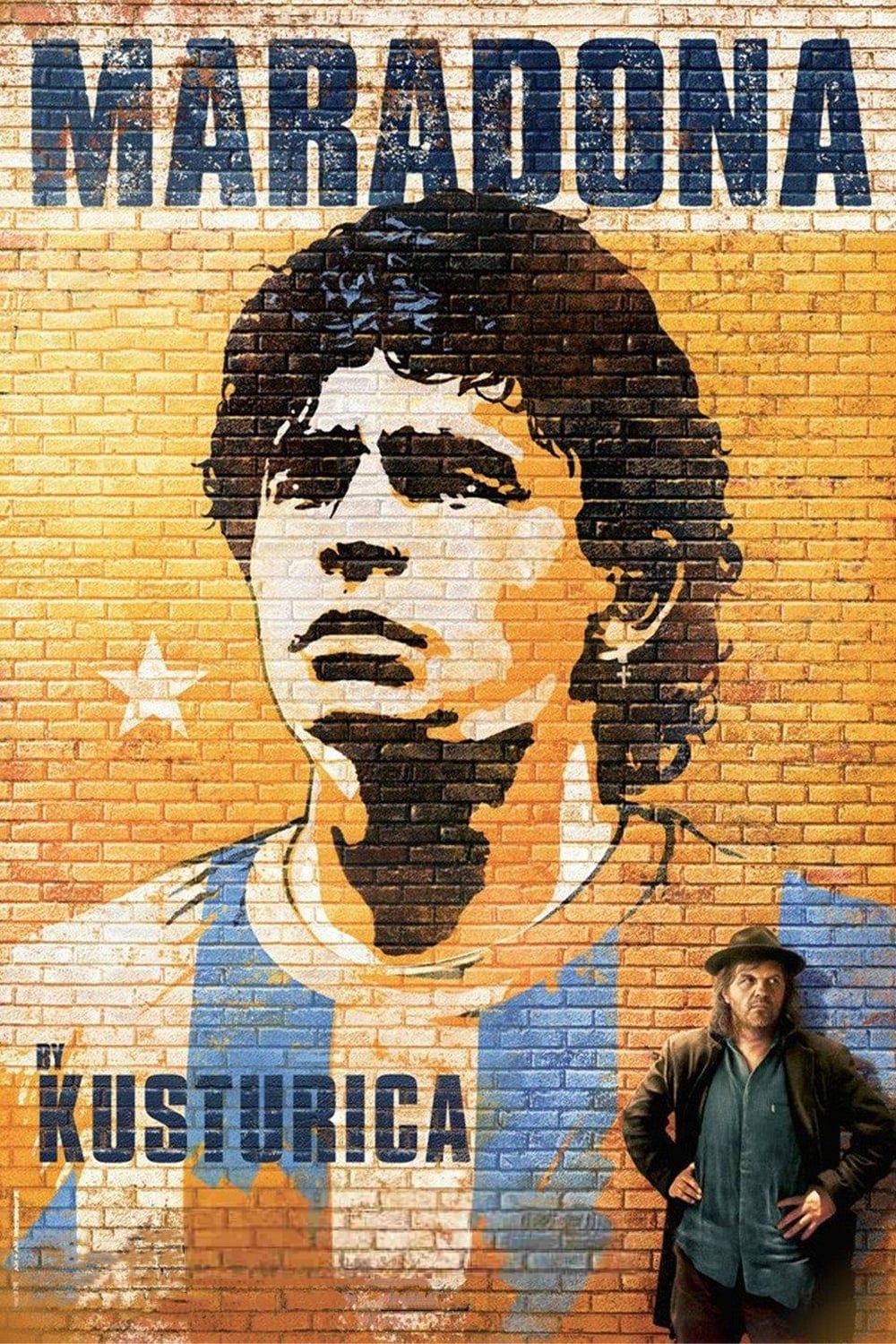
Constructed from over 500 hours of never-before-seen footage, this documentary centers on the personal life and career of the controversial football player Diego Maradona who played for SSC Napoli and Argentina in the 1980s.
A feature length, theatrical documentary on the life of Paul Gascoigne, one of the greatest footballers that ever lived: delving deep into his psyche, vulnerabilities, fears and triumphs.
As England reach the final of the Euros at last, 6,000 ticketless football fans storm Wembley stadium, leaving destruction in their wake.
A documentary on Argentinean soccer star Diego Maradona, regarded by many as the world's greatest modern player.
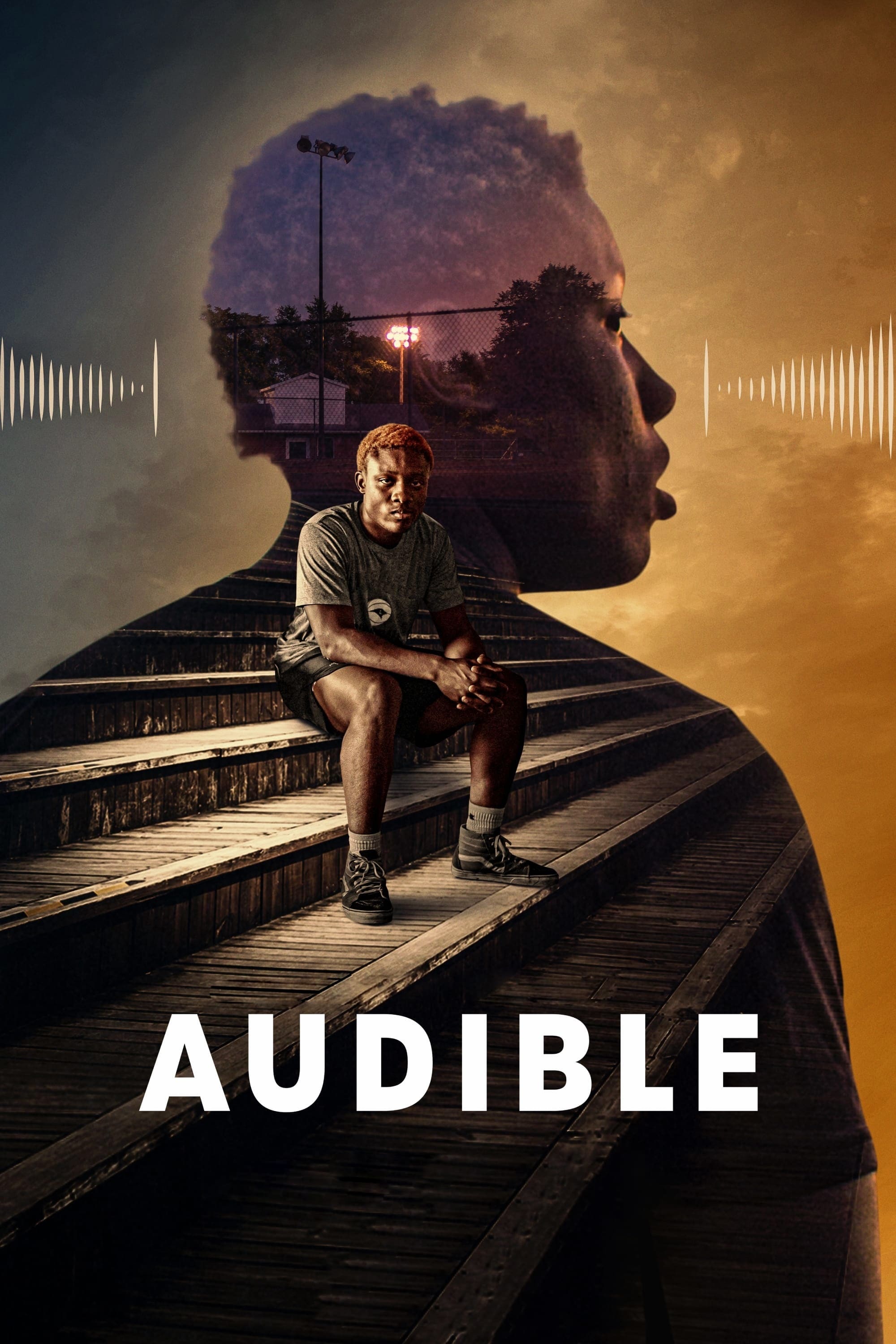
Football player Amaree McKenstry-Hall and his Maryland School for the Deaf teammates attempt to defend their winning streak while coming to terms with the tragic loss of a close friend.
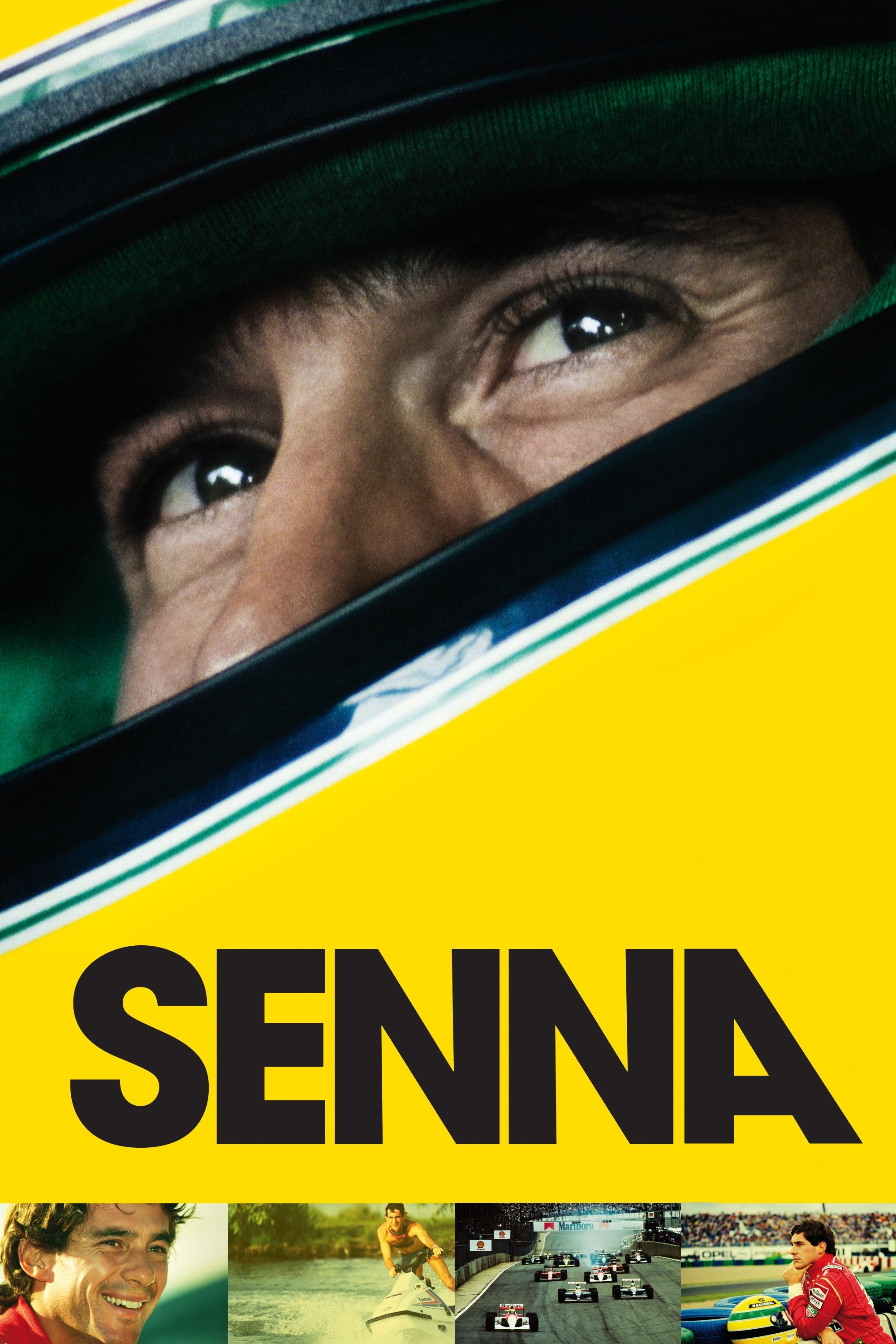
The remarkable story of Brazilian racing driver Ayrton Senna, charting his physical and spiritual achievements on the track and off, his quest for perfection, and the mythical status he has since attained, is the subject of Senna, a documentary feature that spans the racing legend's years as an F1 driver, from his opening season in 1984 to his untimely death a decade later.
A Hungarian girl dreams of conquering international men’s chess. After a 15-year battle against world champion Garry Kasparov and her domineering father, Judit Polgár revolutionizes the sport’s patriarchal culture to become one of the greatest chess prodigies in history and the greatest woman chess player of all time.
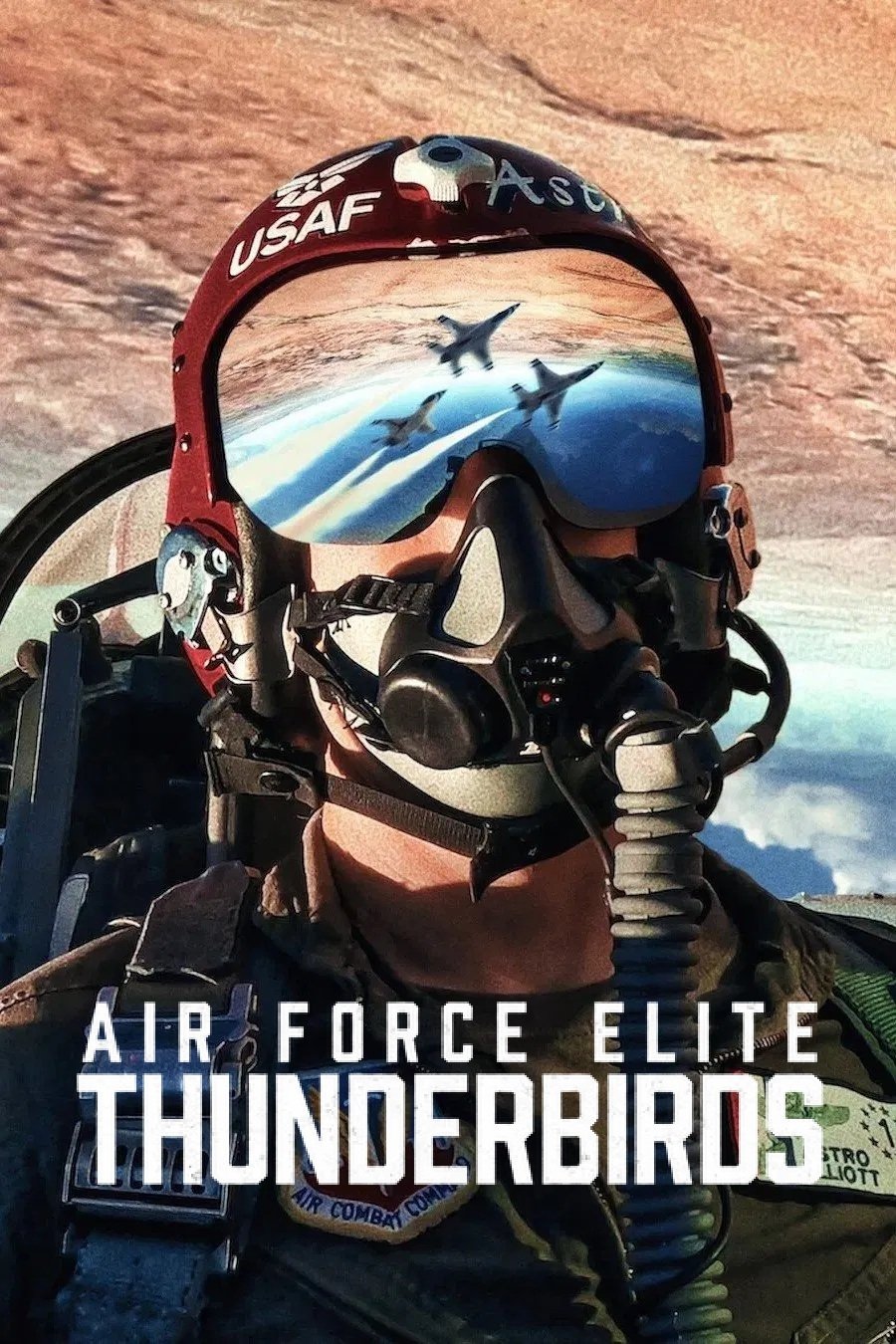
The elite pilots of the Air Force Thunderbirds display exceptional skill, trust and courage during a high-stakes training season.
The story of artist Lil Peep from his birth in Long Island and meteoric rise as a genre blending pop star & style icon, to his death due to an accidental opioid overdose in Arizona at just 21 years of age.
Those who knew iconic funnyman John Candy best share his story, in their own words, through never-before-seen archival footage, imagery, and interviews.
At the age of 34, former New Orleans Saints defensive back Steve Gleason was diagnosed with ALS and given a life expectancy of two to five years. Weeks later, Gleason found out his wife, Michel, was expecting their first child. A video journal that began as a gift for his unborn son expands to chronicle Steve’s determination to get his relationships in order, build a foundation to provide other ALS patients with purpose, and adapt to his declining physical condition—utilizing medical technologies that offer the means to live as fully as possible.
Pat Tillman never thought of himself as a hero. His choice to leave a multimillion-dollar football contract and join the military wasn't done for any reason other than he felt it was the right thing to do. The fact that the military manipulated his tragic death in the line of duty into a propaganda tool is unfathomable and thoroughly explored in Amir Bar-Lev's riveting and enraging documentary.
Directors Hetherington and Junger spend a year with the 2nd Battalion of the United States Army located in one of Afghanistan's most dangerous valleys. The documentary provides insight and empathy on how to win the battle through hard work, deadly gunfights and mutual friendships while the unit must push back the Taliban.
Lupita Nyong'o narrates a documentary about Peanuts and its creator, Charles M. Schulz. Famous fans—including Drew Barrymore, Kevin Smith, and Al Roker—share its influence on them, and a new animated story finds Charlie Brown on a quest.
The Official Golden Harvest tribute to the Master of the Martial Arts Film, Bruce Lee.
After years in the limelight, Selena Gomez achieves unimaginable stardom. But just as she reaches a new peak, an unexpected turn pulls her into darkness. This uniquely raw and intimate documentary spans her six-year journey into a new light.
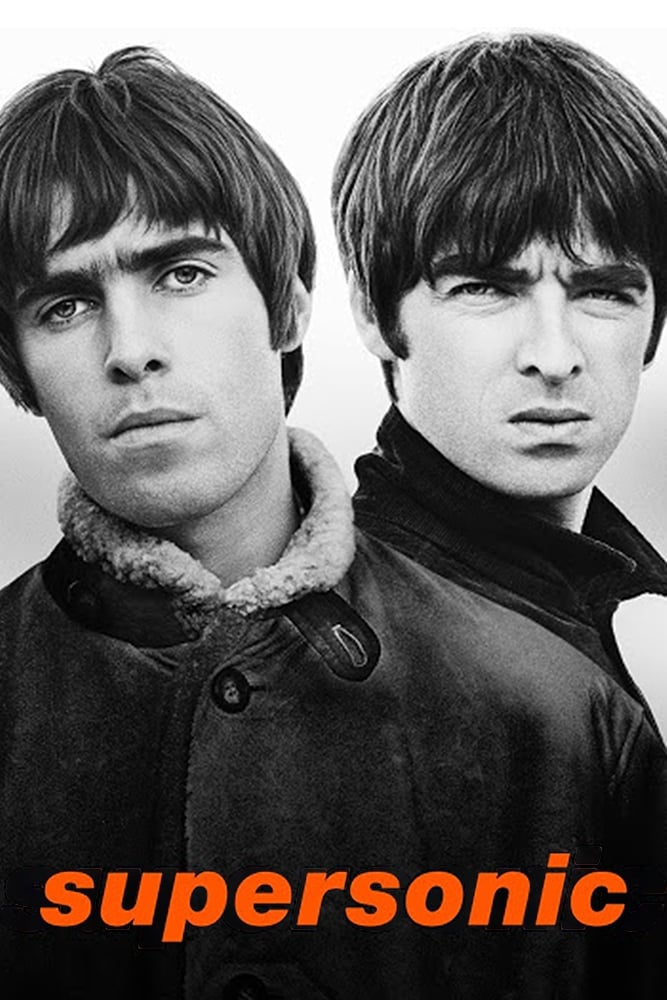
Supersonic charts the meteoric rise of Oasis from the council estates of Manchester to some of the biggest concerts of all time in just three short years. This palpable, raw and moving film shines a light on one of the most genre and generation-defining British bands that has ever existed and features candid new interviews with Noel and Liam Gallagher, their mother, and members of the band and road crew.
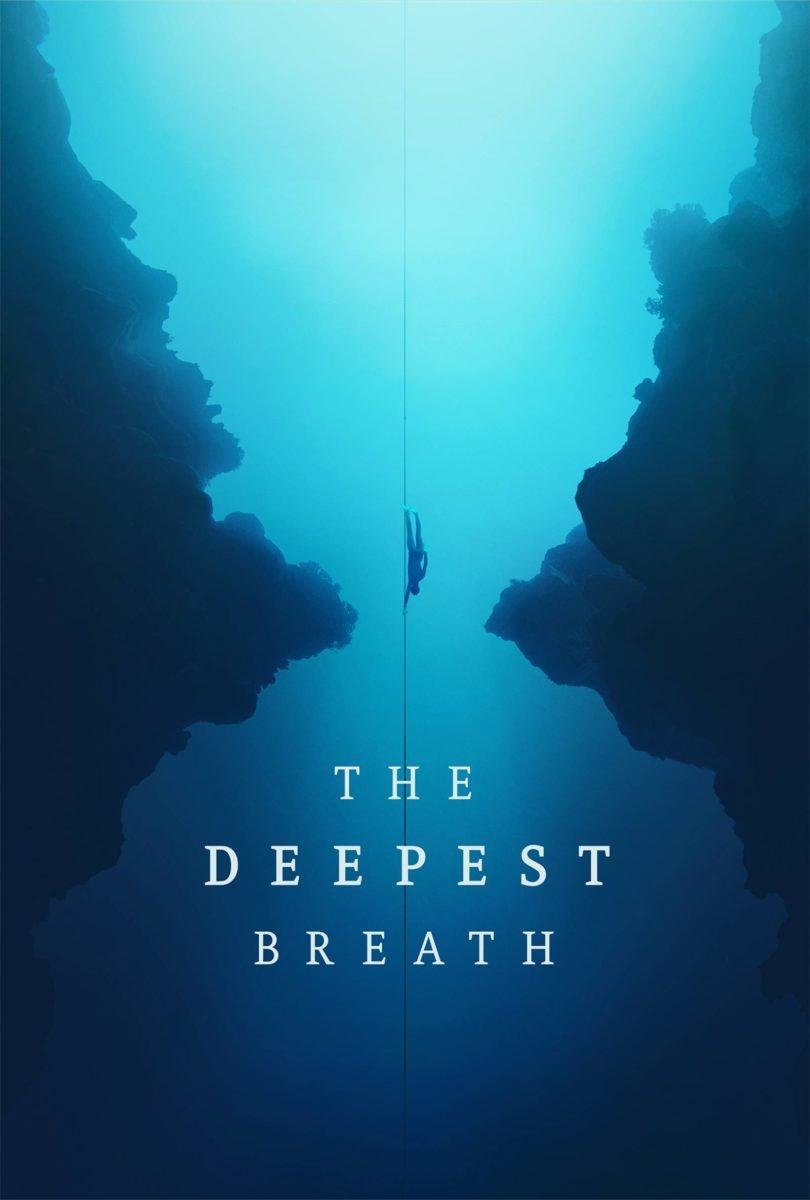
Bonded by their love of freediving, a record-setting champion and a heroic safety diver try to make history with a remarkable feat, ready to risk it all.
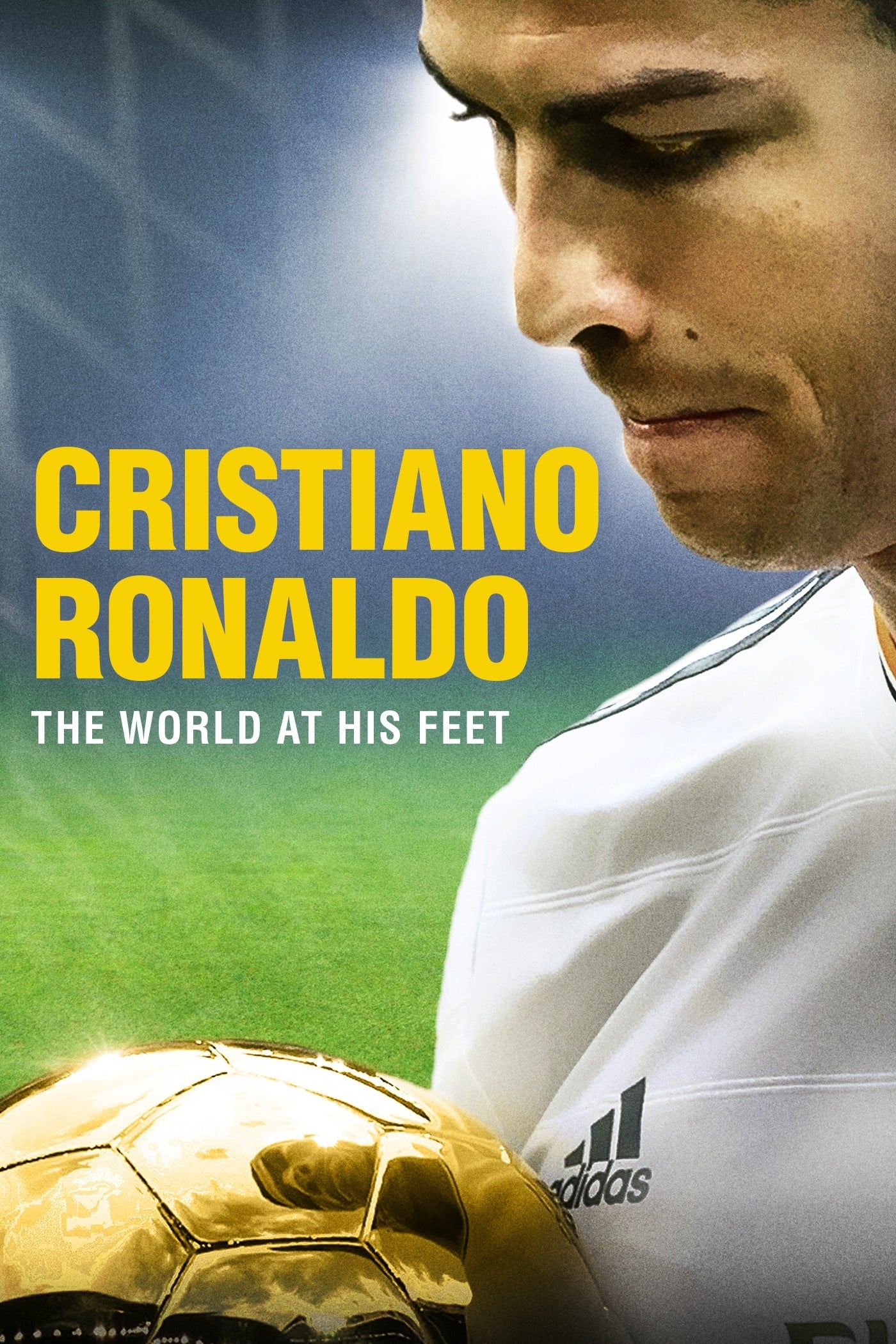
Cristiano Ronaldo: The World at His Feet follows the footballer from his beginnings in Portugal, breakthrough start with Manchester United and current career at Real Madrid.