Social & External
Alvarina
Narradora
Barretão
Bombeiro
Unknown Role
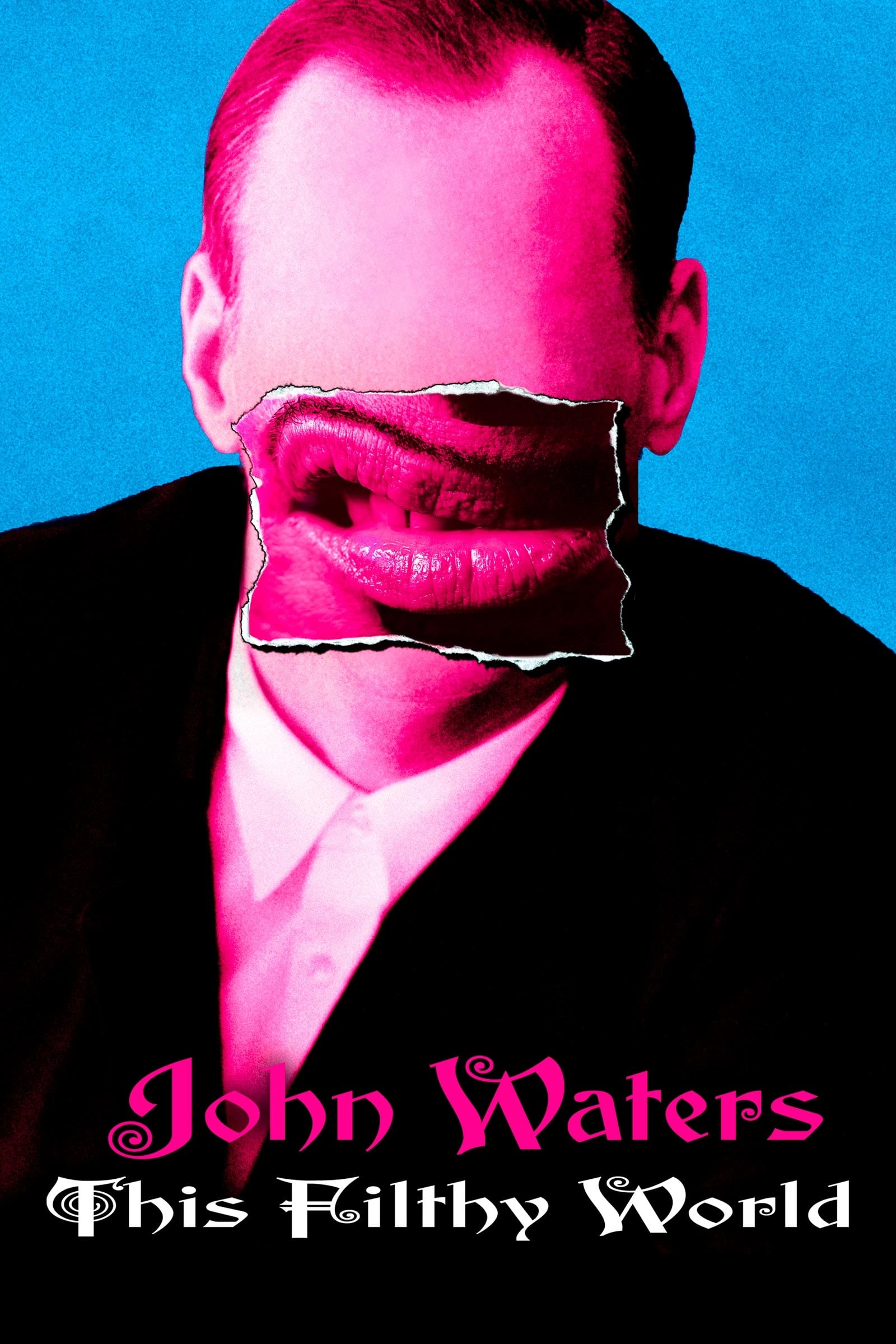
In this filmed version of cult film director John Waters' popular one-man show, the Pink Flamingos and A Dirty Shame director takes the stage to discuss everything from his early influences, fondest career memories, and notorious struggles against the MPAA rating system. Part endearing memoir and part hilarious lecture, This Filthy World touches on everything from the insanity of contemporary pop culture to the director's unforgettable early collaborations with inimitable Pink Flamingos star Divine.
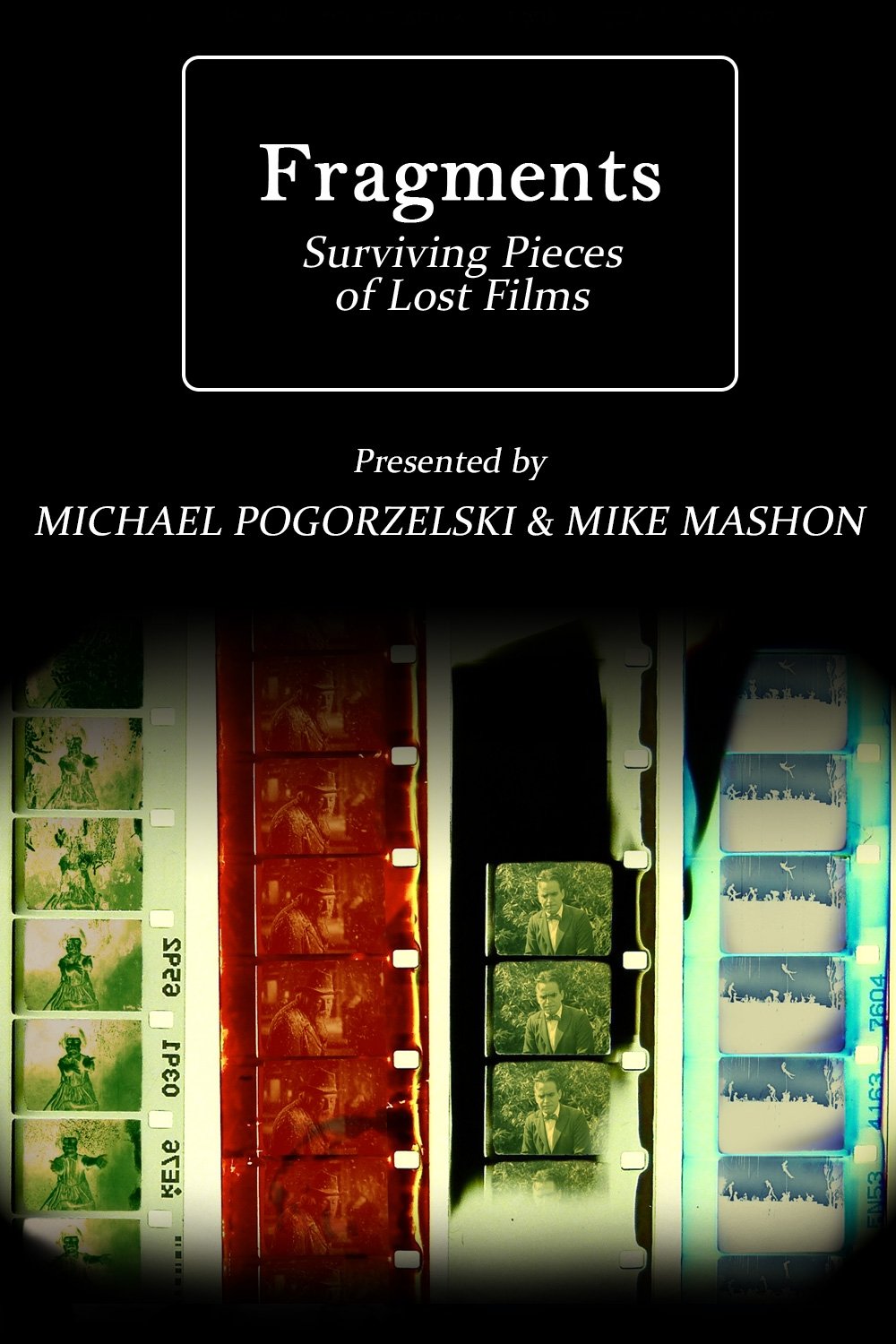
Among the pieces featured in Fragments are the final reel of John Ford's The Village Blacksmith (1922) and a glimpse at Emil Jannings in The Way of All Flesh (1927), the only Oscar®-winning performance in a lost film. Fragments also features clips from such lost films as Cleopatra (1917), starring Theda Bara; The Miracle Man (1919), with Lon Chaney; He Comes Up Smiling (1918), starring Douglas Fairbanks; an early lost sound film, Gold Diggers of Broadway (1929), filmed in early Technicolor, and the only color footage of silent star Clara Bow, Red Hair (1928). The program is rounded out with interviews of film preservationists involved in identifying and restoring these films. Also featured is a new interview with Diana Serra Cary, best known as "Baby Peggy", one of the major American child stars of the silent era, who discusses one of the featured fragments, Darling of New York (1923).
Japan, 1954. A legend emerges from the ashes of Hiroshima and Nagasaki, devastated by atomic bombs in 1945. The creature's name is Godzilla. The film that tells its story is the first of kaiju eiga, the giant monster movies.
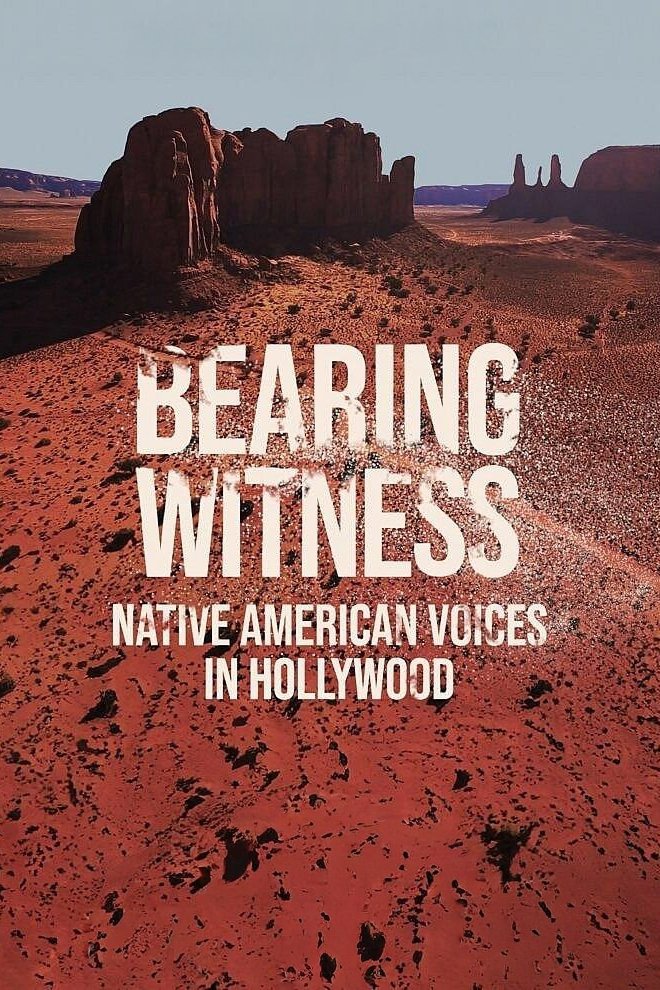
For over 100 years, Hollywood cinema has crafted the ultimate "villain"- the Indian, as they were labeled in early Westerns. Confined almost exclusively to this genre, the Western became a vehicle for American racism, obscuring the genocide upon which the United States was built. In this documentary, only Native Americans are given a voice to share their story, one that has been overshadowed by Hollywood's portrayal. Their narrative, part of the larger American story, highlights how cinema has long been used as a powerful propaganda tool, distorting history and perpetuating harmful stereotypes.
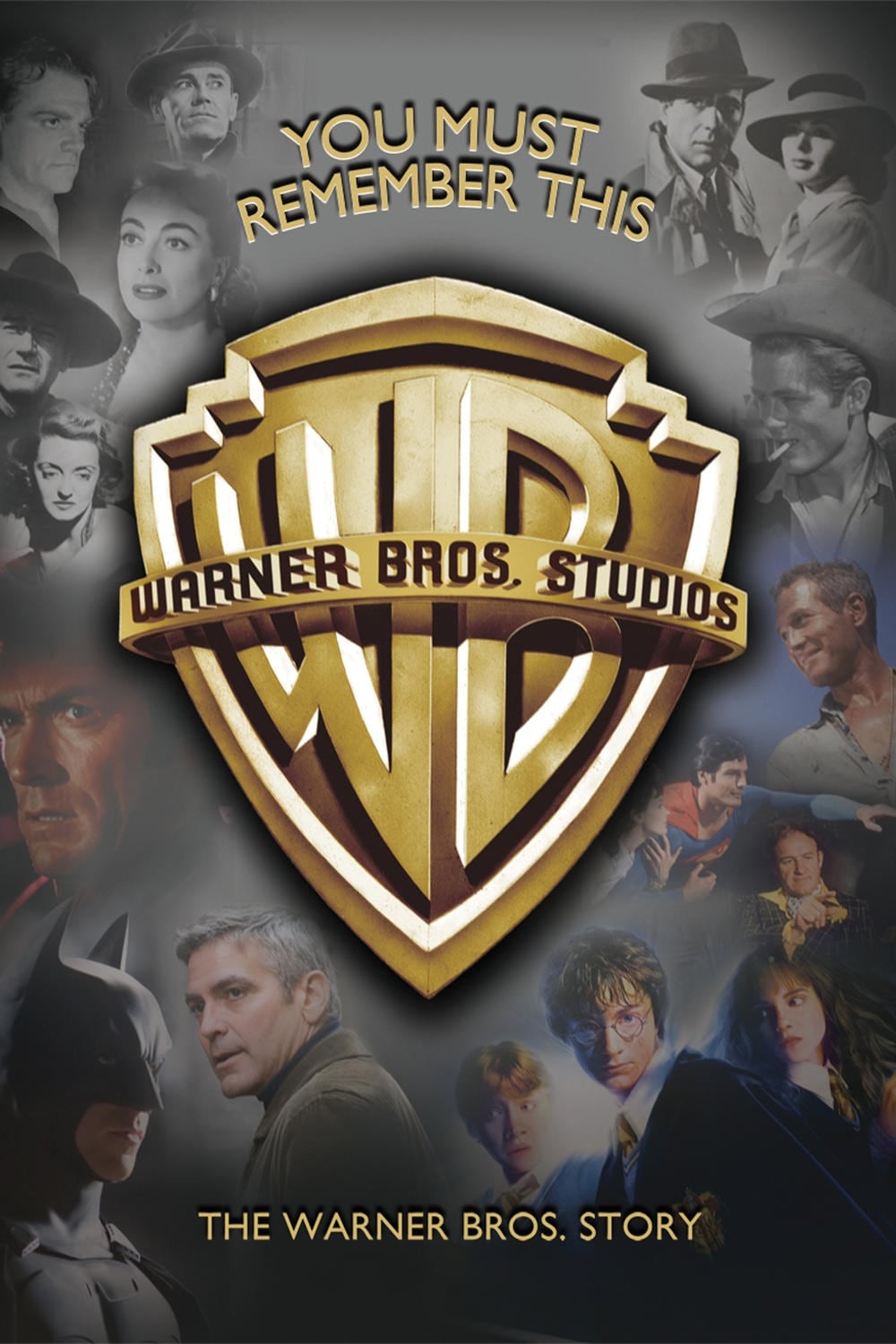
Jack L. Warner, Harry Warner, Albert Warner and Sam Warner were siblings who were born in Poland and emigrated to Canada near the turn of the century. In 1903, the brothers entered the budding motion picture business. In time, the Warner Brothers moved into film production and would open their own studio in 1923.
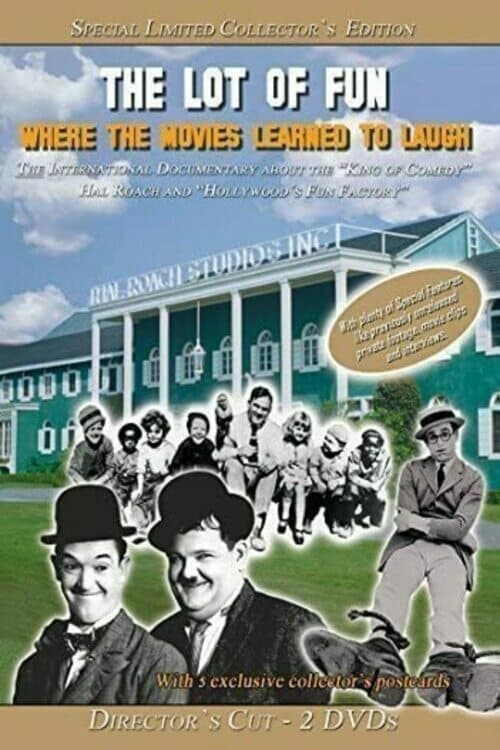
A documentary about film producer Hal Roach.
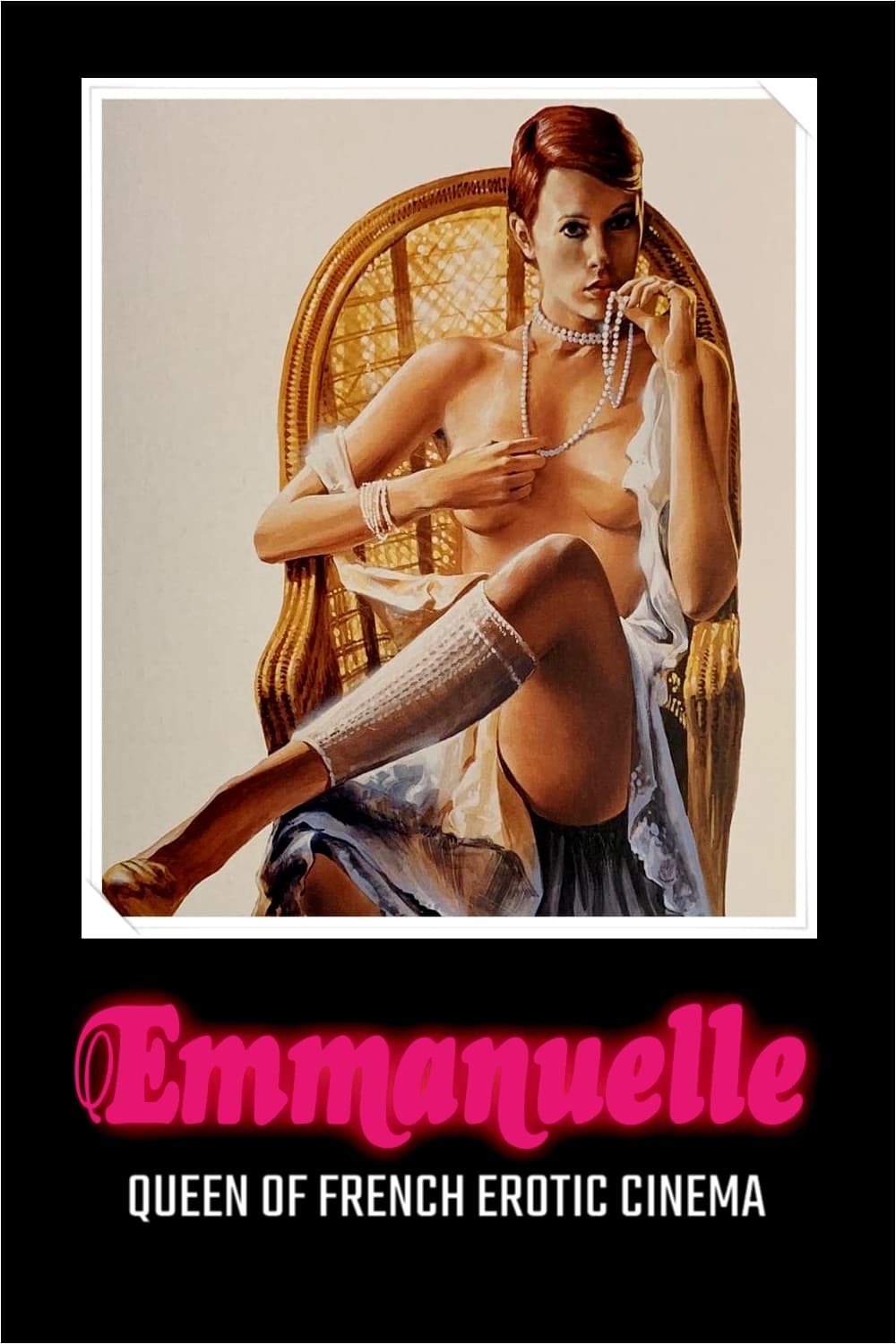
France, 1974. The erotic film Emmanuelle, directed by Just Jaeckin, breaks all records for cinema attendance: the story of the creation of a sensual epic that marked a turning point in the struggle for sexual emancipation.
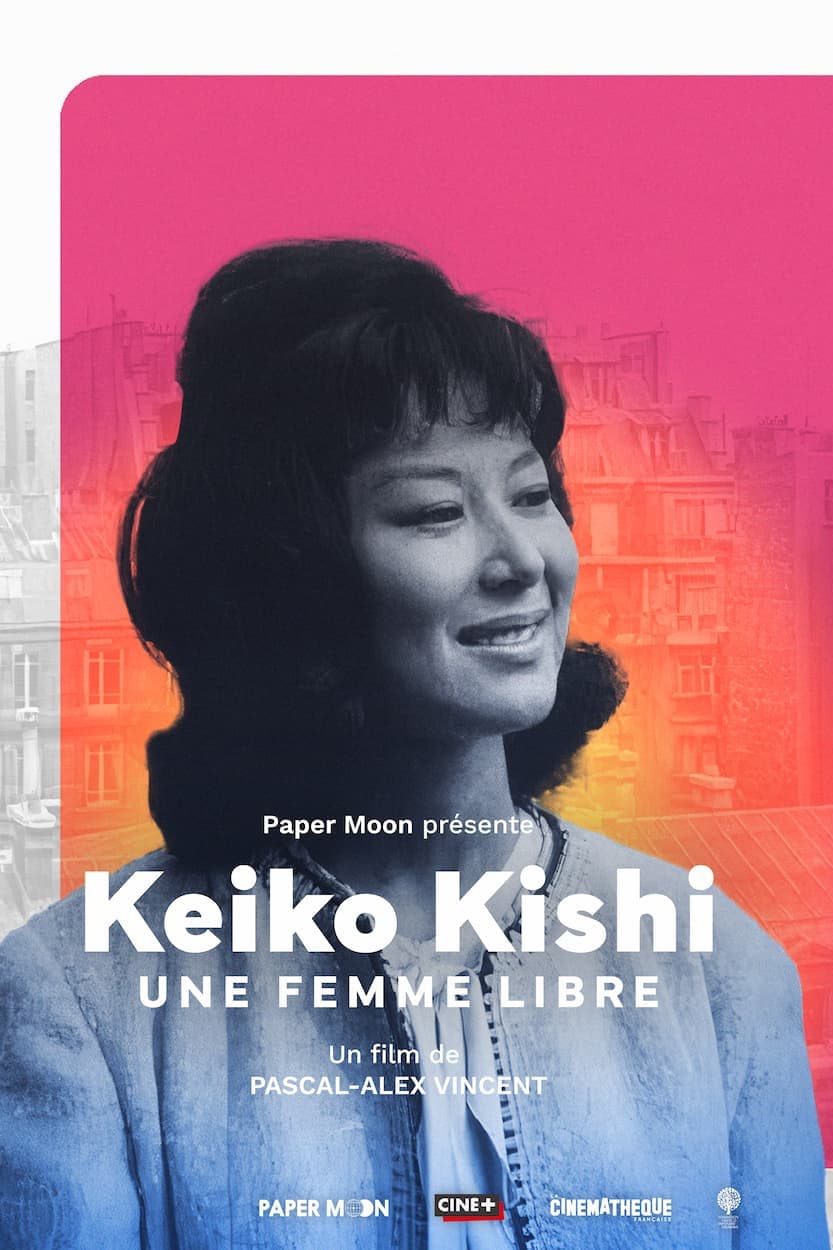
Born in 1932, Keiko Kishi has been one of the first Japanese actresses known worldwide. Her decision to move to France and to marry director Yves Ciampi in 1957 – after he filmed her in Typhoon Over Nagasaki starring Jean Marais and Danielle Darrieux – caused a huge scandal in Japan. Despite this transgression, Keiko Kishi continued acting in her home country with Kon Ichikawa, Yasujiro Ozu, Masaki Kobayashi… building unique bridges between Japanese and European cultures. Free and rebellious, she emancipated herself from the many obstacles she encountered in the film industry, and created her own production company in her early twenties. Let’s look back at the story of a pioneer, an inspiration for many generations.
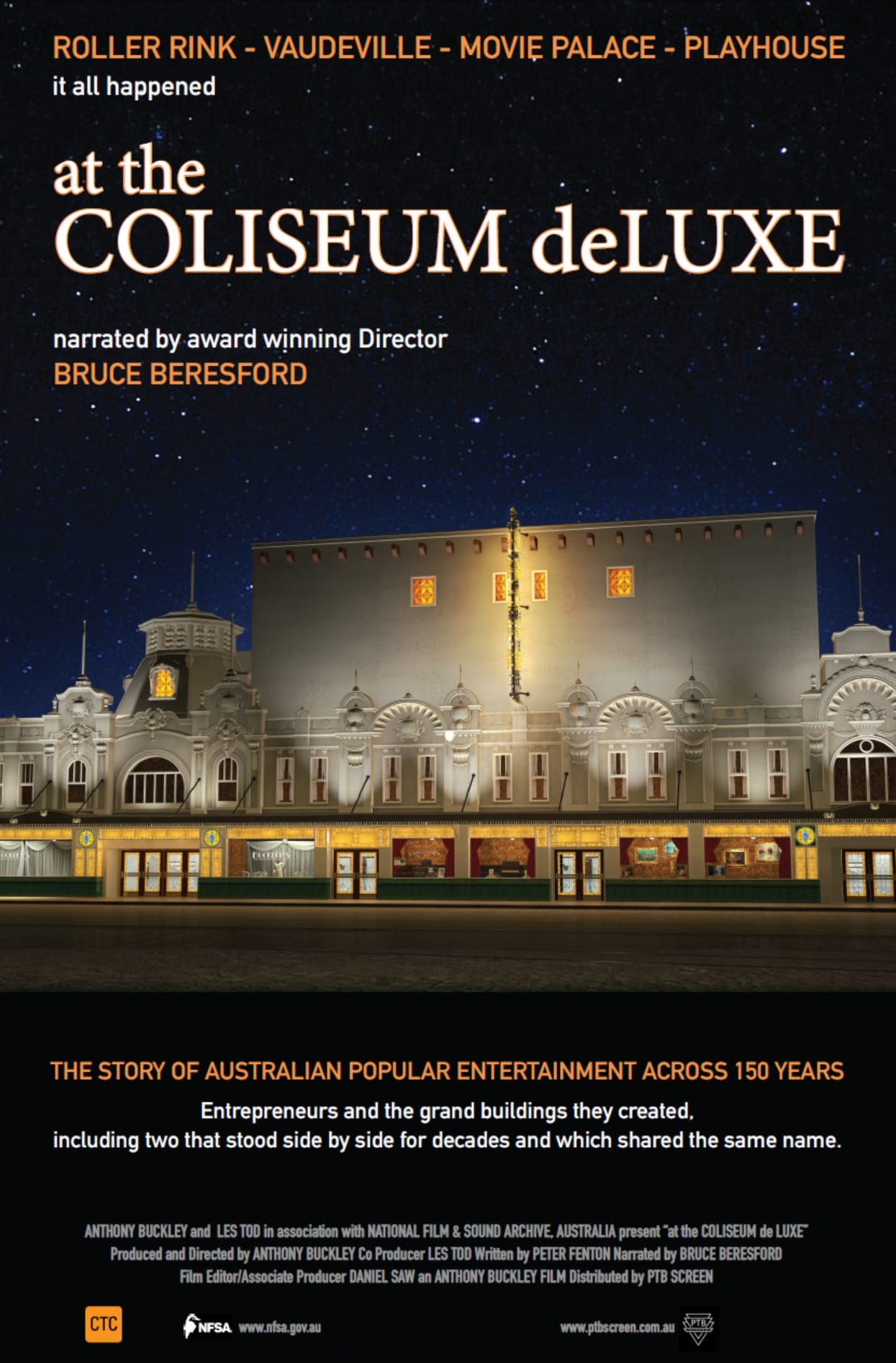
A feature length documentary about Australian popular entertainment across 150 years; of Skating and Dancing, Vaudeville and Moving Pictures.
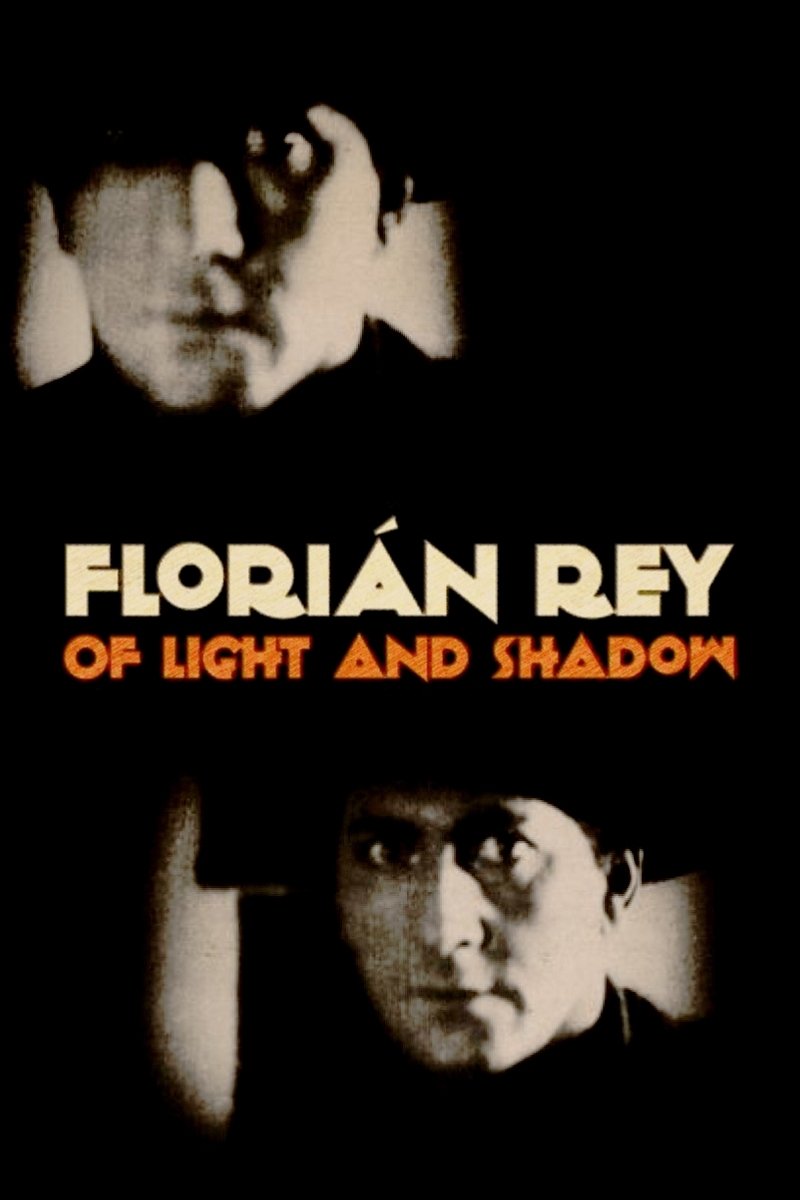
The life and professional career of the Spanish filmmaker Florián Rey (1894-1962), a brilliant artist who began his career in silent films and had great commercial success during the Second Republic (1931-1936): a journey to the early days of Spanish cinema.
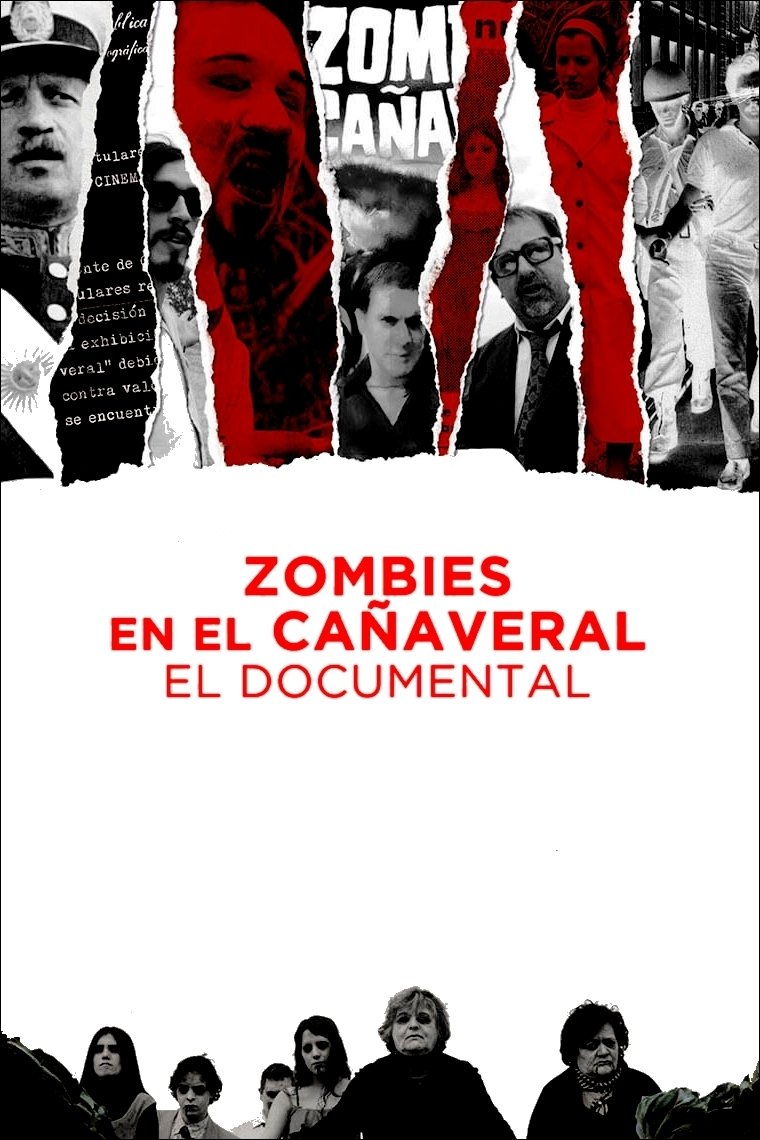
Tucumán, Argentina, 1965. Three years before George A. Romero's Night of the Living Dead was released, director Ofelio Linares Montt shot Zombies in the Sugar Cane Field, which turned out to be both a horror film and a political statement. It was a success in the US, but could not be shown in Argentina due to Juan Carlos Onganía's dictatorship, and was eventually lost. Writer and researcher Luciano Saracino embarks on the search for the origins of this cursed work.
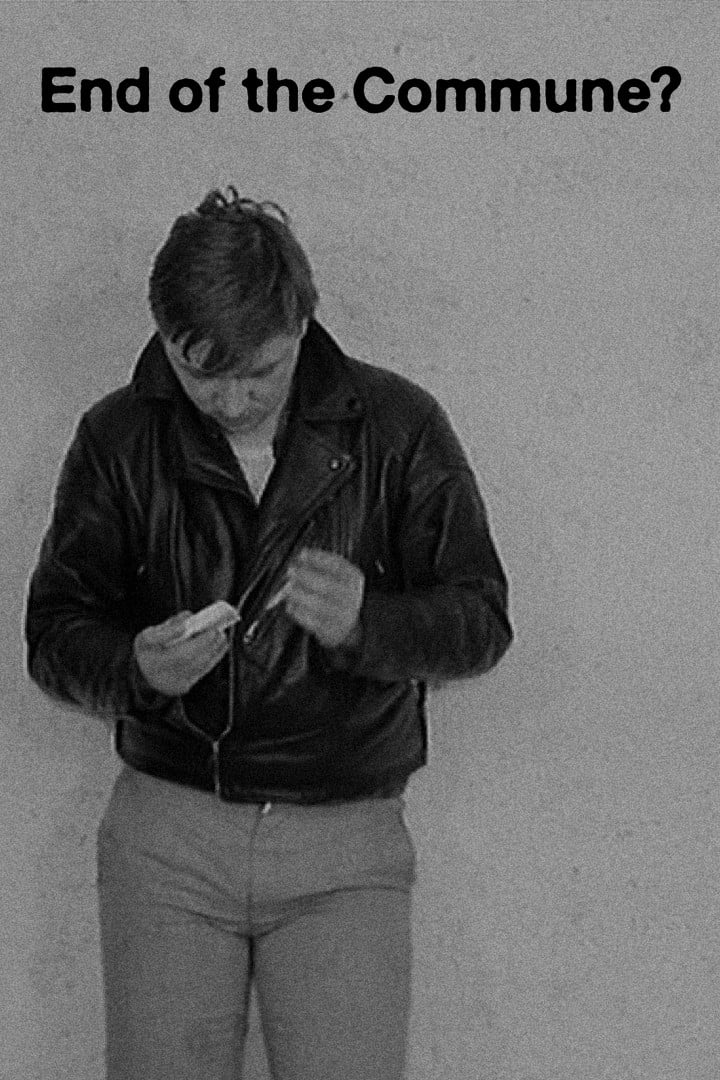
A documentary about Fassbinder and the early years of the legendary Antiteater, the group he was a member/leader of. You can here see and hear some of the actors he was going to use in his movies for the next years. The movie shows rehearsals for his play "The Coffeehouse," which also became a television movie, and you can watch unique footage from the 19th Film Festival in Berlin (1969) where "Love is Colder Than Death" was shown. As told in this documentary, his first feature movie was given a cold shoulder by many of the journalists and visitors at the festival. You can in "End of the Commune" watch Fassbinder and actor Ulli Lommel walk out on stage after the opening of "Love is Colder Than Death,” while a man in the audience is shouting "Out with the director!” In this documentary, Fassbinder also talks a lot about his father, who was a respectable doctor.
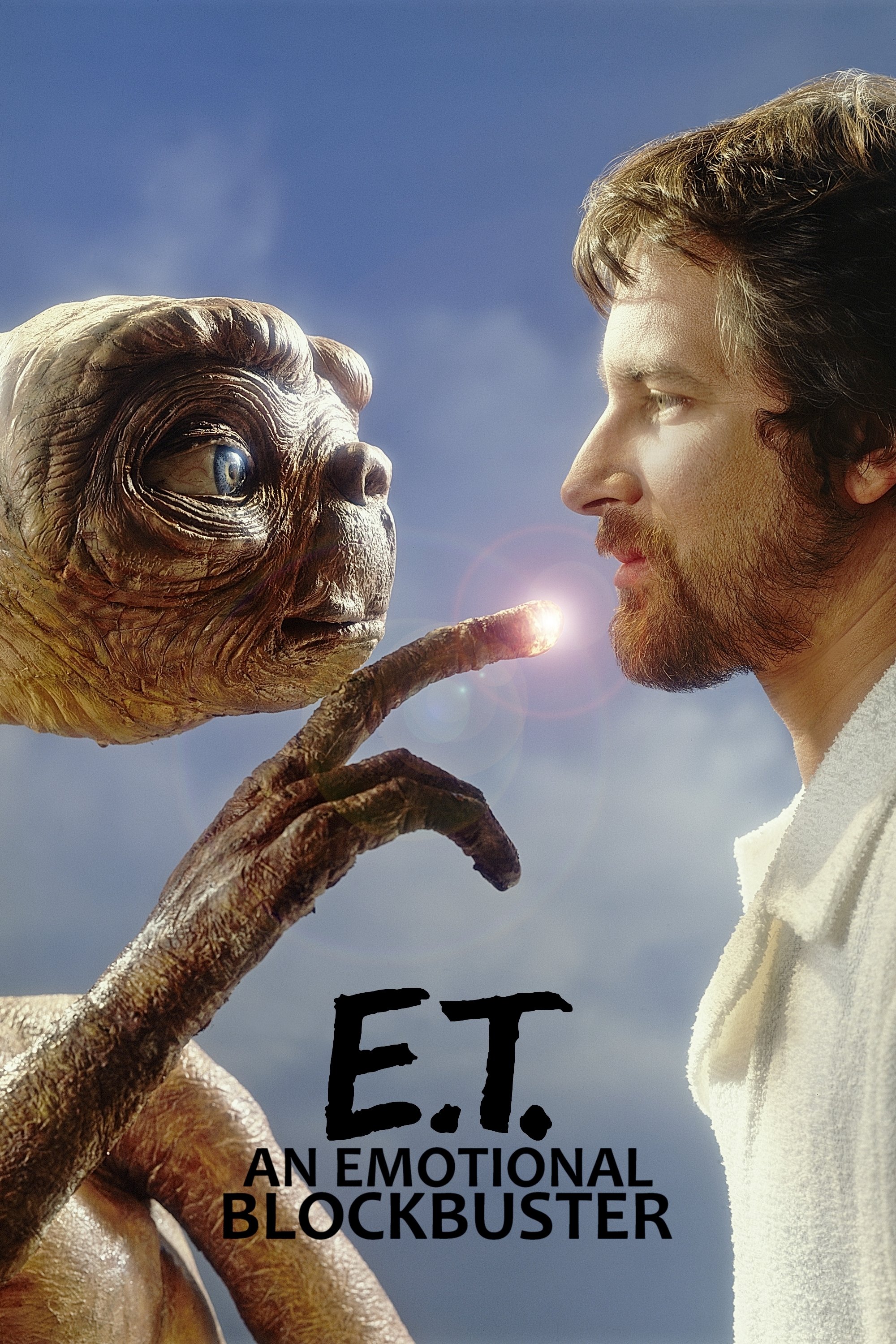
E. T. the Extra-Terrestrial, Steven Spielberg's endearing movie released in 1982, achieved the triple feat of bringing to life one of the most iconic characters in pop culture, revolutionizing science fiction cinema and establishing itself as one of the highest-grossing family movies in the history of cinema, capable of making the whole world laugh and cry.
A retrospective documentary about the groundbreaking horror series, Friday the 13th, featuring interviews with cast and crew from the twelve films spanning 3 decades.
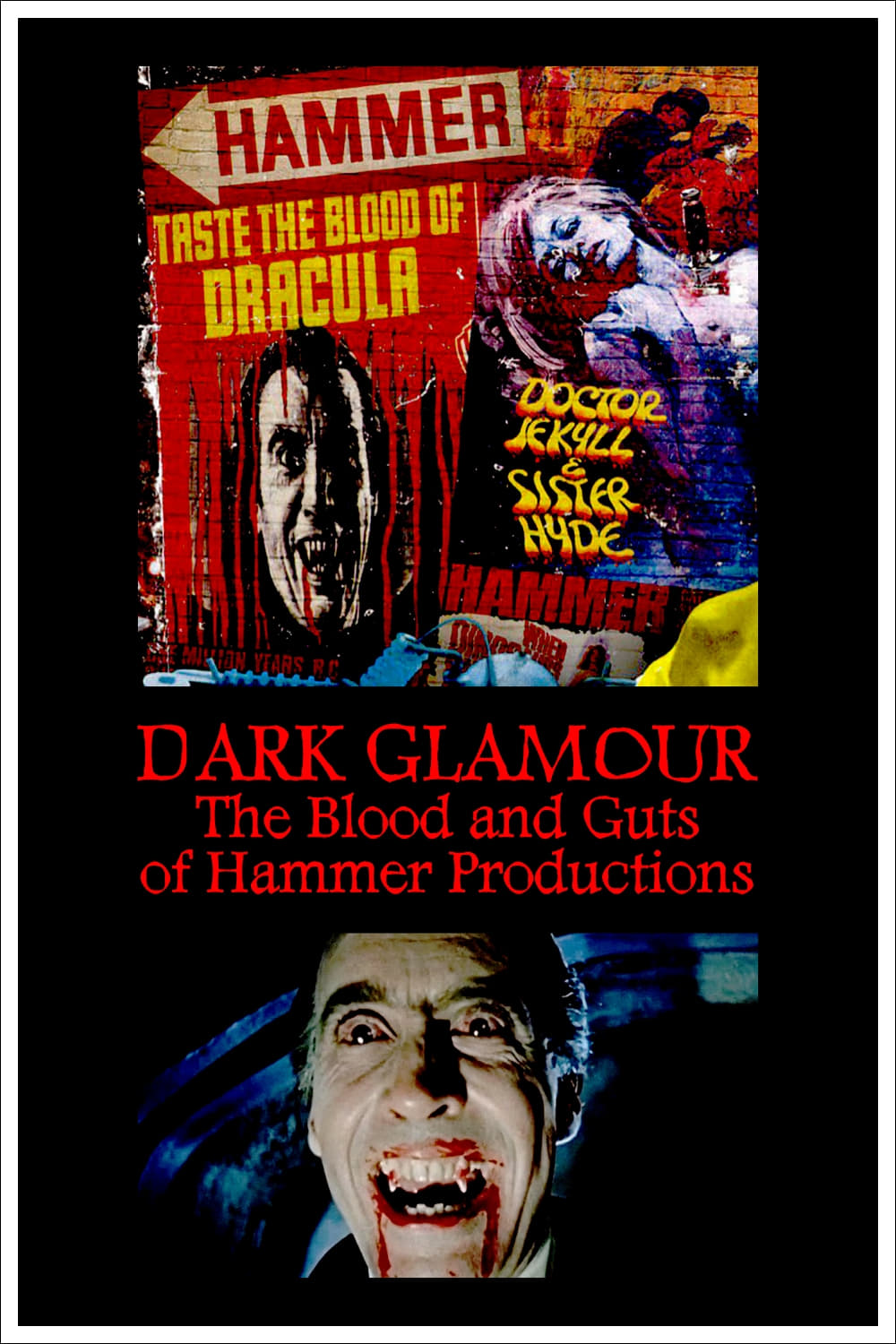
The greatness, fall and renaissance of Hammer, the flagship company of British popular cinema, mainly from 1955 to 1968. Tortured women and sadistic monsters populated oppressive scenarios in provocative productions that shocked censorship and disgusted critics but fascinated the public. Movies in which horror was shown in offensive colors: dreadful stories, told without prejudices, that offered fear, blood, sex and stunning performances.
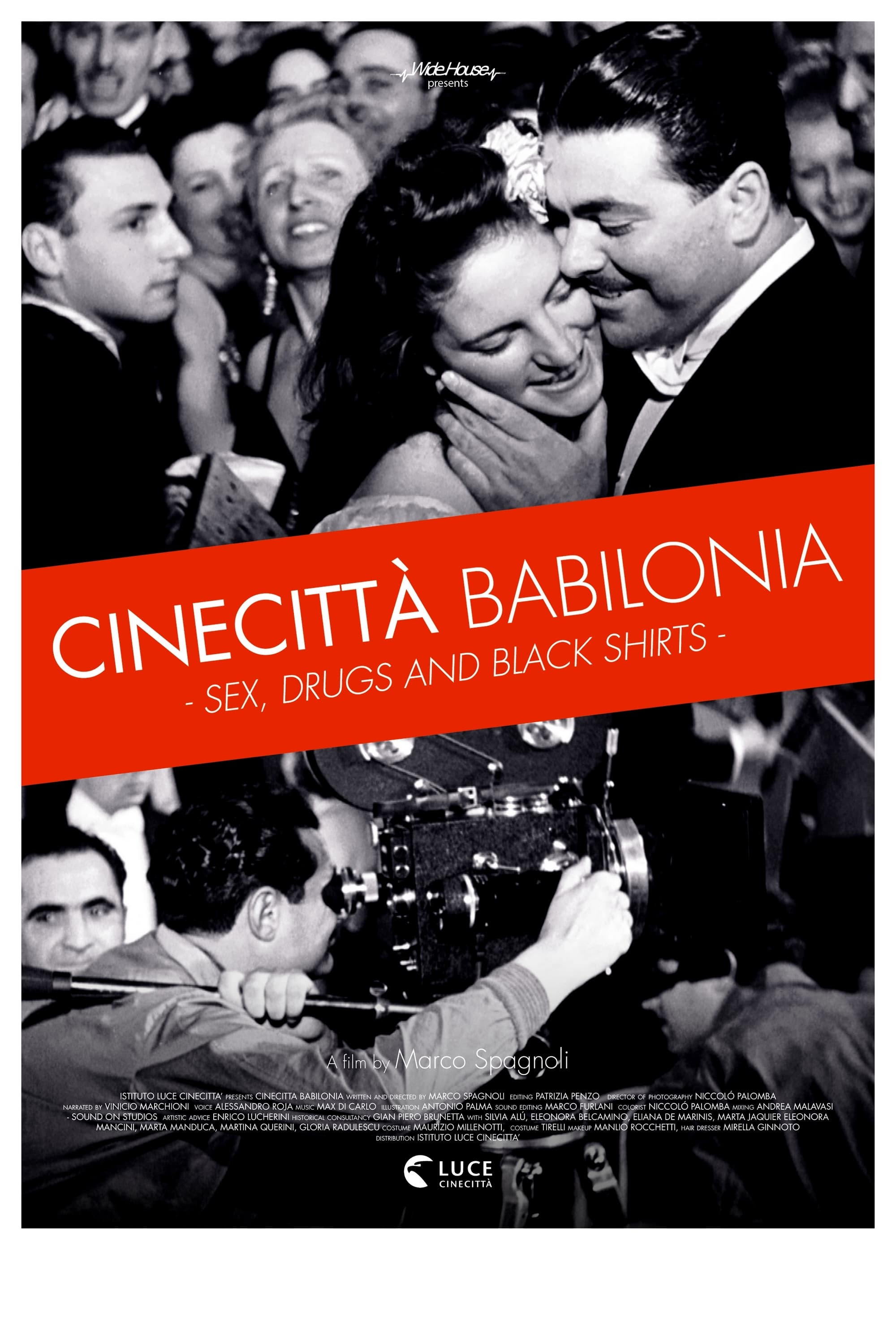
The story of Italian cinema under Fascism, a sophisticated film industry built around the founding of the Cinecittà studios and the successful birth of a domestic star system, populated by very peculiar artists among whom stood out several beautiful, magnetic, special actresses; a dark story of war, drugs, sex, censorship and tragedy.