Social & External
The people behind it
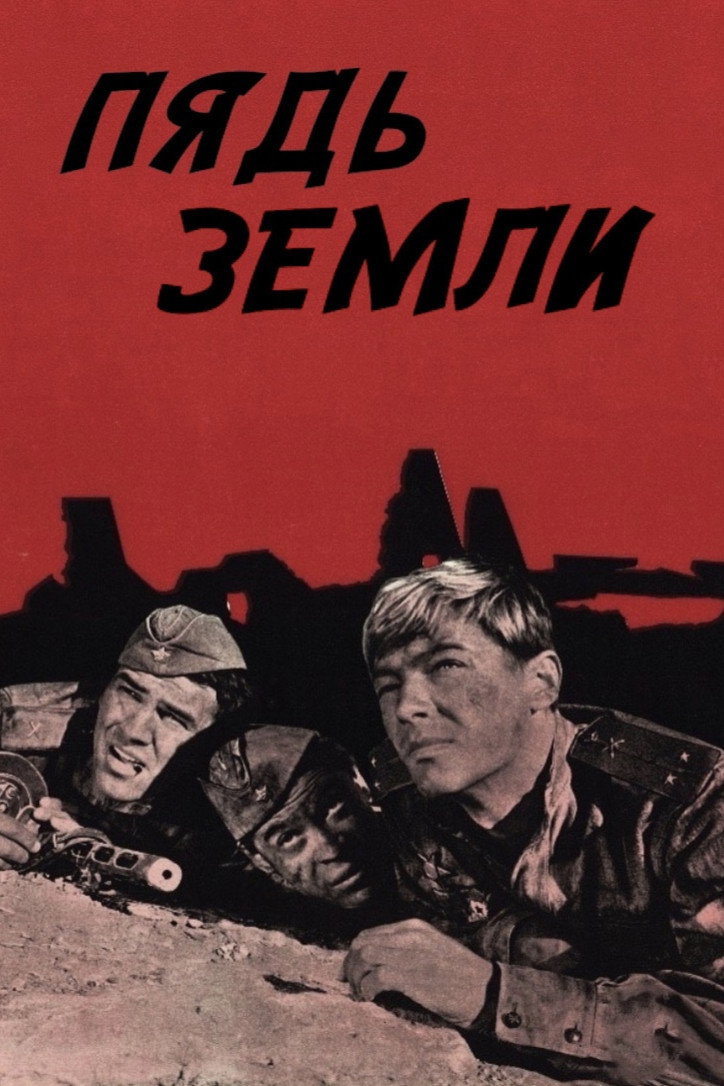
The film is about the hot war summer of 1944. A group of several gun crews defends a tiny bridgehead on the right bank of the Dniester. The fates of the main characters: the front-line soldier-battalion commander Babin, the young lieutenant Motovilov, the nurse Rita Tamashova and the rank-and-file gunners, soldiers, among whom are brave people, faint-hearted and scoundrels, unnoticed heroes, are shown in a setting of several hours of peaceful life before another violent attack of the enemy, after which not everyone will survive...
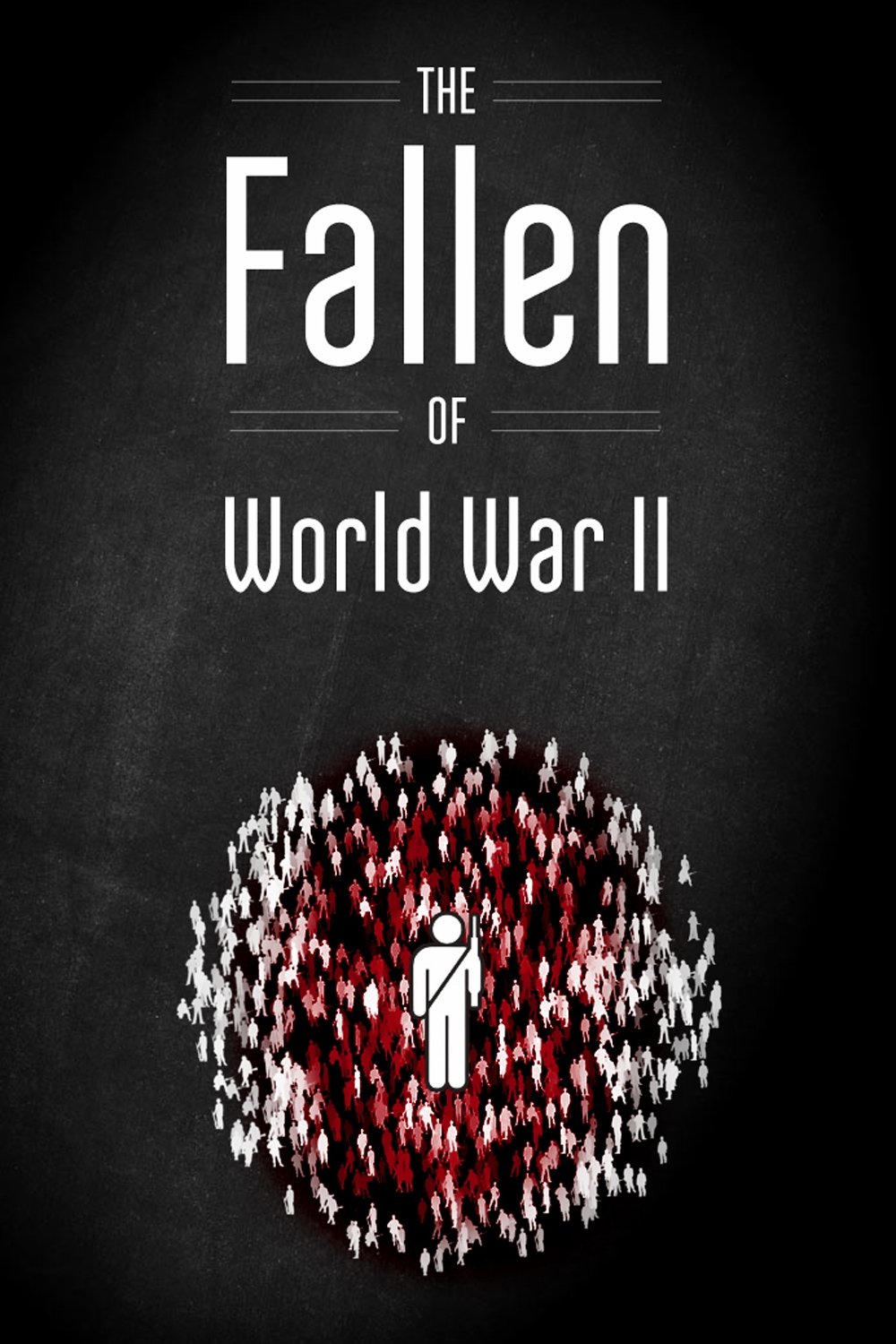
This interactive infographic short documentary examines the human losses of the Second World War between 1939 and 1945 and the decline in battle deaths in the years since that most terrible war of human history. The 19-minute data visualization uses cinematic storytelling techniques to provide viewers with a fresh and dramatic perspective of a pivotal moment in history. The film follows a linear narration, but it allows viewers to pause during key moments to interact with the charts and dig deeper into the numbers.
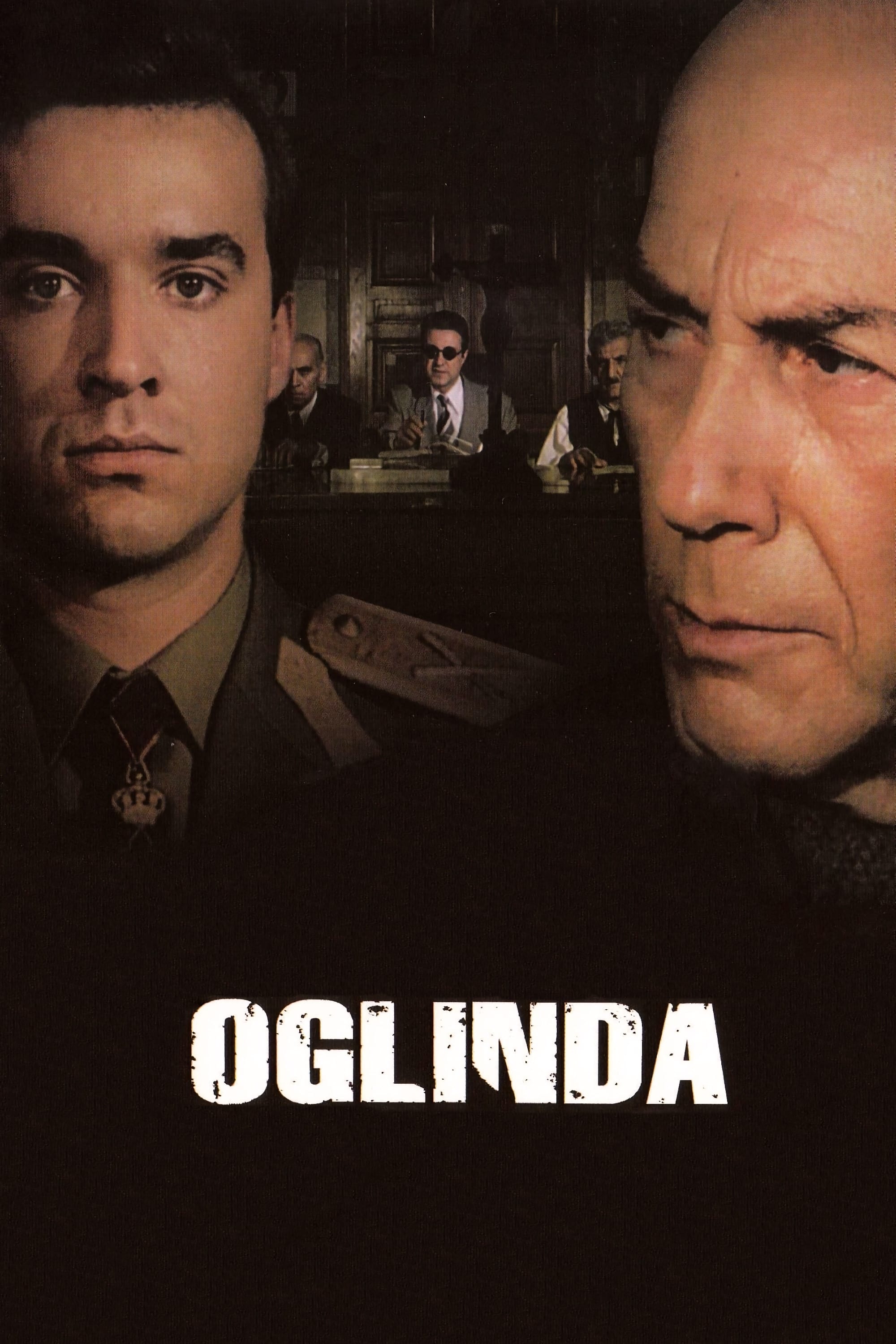
Depicts Romania during World War II, focusing on the Royal Coup that toppled Ion Antonescu, the Axis-allied Conducător and authoritarian Prime Minister. Focused around the August 23rd 1944 coup against Marshal Antonescu, the movie also tackles other topics from the same era such as the Iron Guard rebellion and the execution of political leaders by communists.
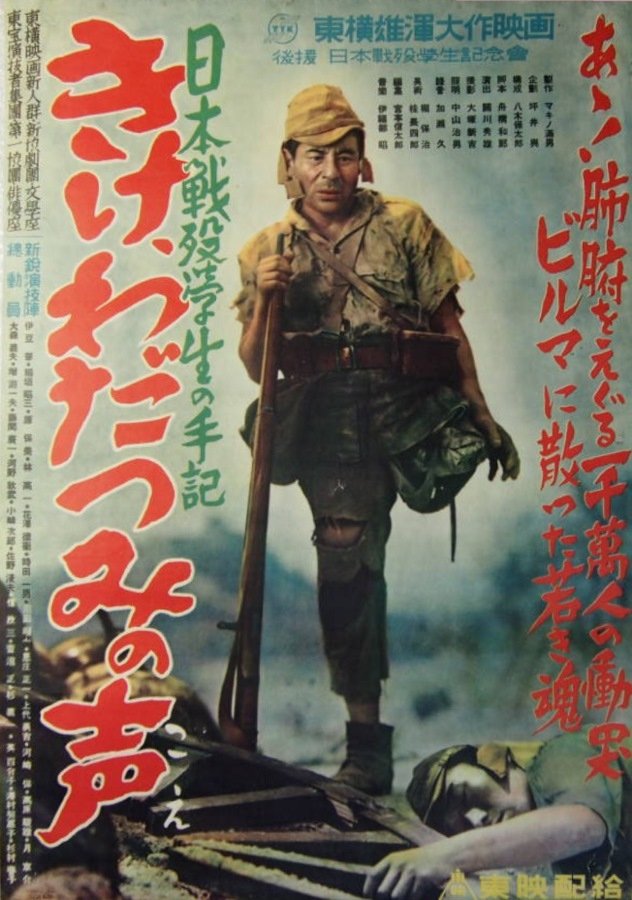
This film is strongly anti-war film. The film is based on the collection of writings by Japanese student soldiers who died during World War II. The film is located to Burma. It shows the everyday problems of soldiers in contrast of their ideas and the cynicism of their commanders. Soldiers are also victims of military bullying by their commanders.
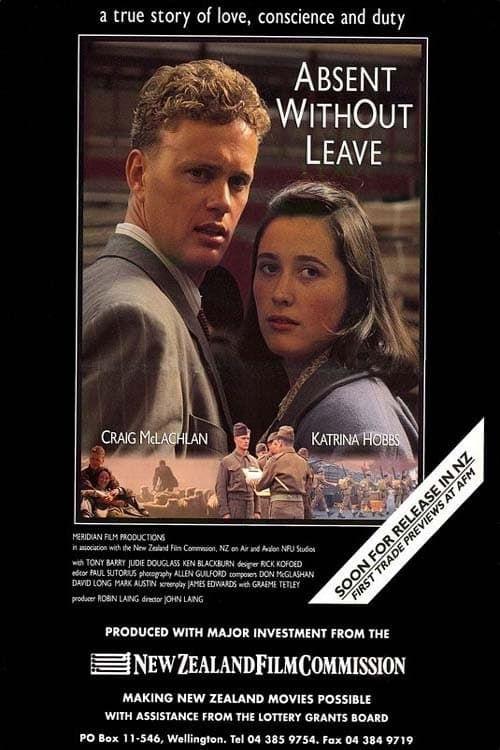
In 1942 Wellington, Daisy Edwards, 16 and pregnant, relies totally on her just-wed husband, Ed, who is little older than she. Ed is suddenly drafted into the army and is to be sent overseas to battle while Daisy is sent to her father in Auckland. When Ed's leave is cancelled at the last minute he takes the dangerous decision to go absent without leave to be with Daisy on her journey home. As a deserter, Ed is hunted, captured and imprisoned. Life inside is bad enought without the worry of what is going on outside. The film is based upon a true story.
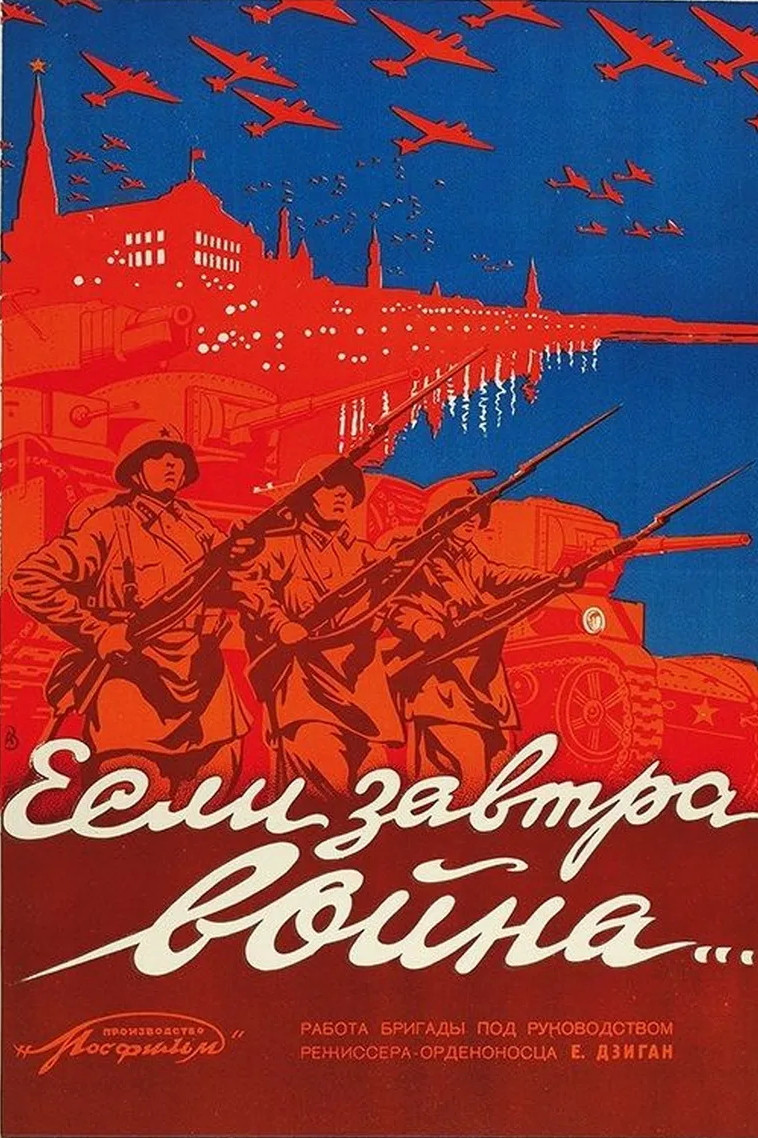
The propaganda documentary about the readiness of the Red Army to repulse any enemy is based on documentary shots taken during the real maneuvers of the Red Army. Armadas of tanks, immense columns of infantry, dozens of fighters and bombers, thousands of cavalry, legendary divisions of the Civil War. The film glorifies Soviet military power and shows the Soviet people what the war will be like when the imperialists attack the USSR — quick, victorious, almost bloodless.
Louis-Ferdinand Céline described the period he spent in Sigmaringen in his delirious and infernal novel, Castle to Castle, published in 1957. The last months before the German “moment of truth”, as they’ve never been portrayed before: Documented in delirious reality. A documentary film based on Céline’s texts. A screen adaption with documentary material.
Newsreel footage from both sides of World War II make a case for convicting Nazi war criminals.
The elderly inhabitants of a village in Vojvodina look back on the war and the partisan battles. The film also examines how collective memories and myths enter the individual consciousness.
Know Your Ally: Britain was a 45-minute propaganda film made in 1944. It was narrated by Walter Huston and produced by the United States War Department and Signal Corp to solidify Anglo-American solidarity within the ranks as well as counter Nazi propaganda aimed at weakening the Alliance.
Brand new documentary marking the 70th anniversary of the Hiroshima and Nagasaki bombings which ended WWII and began the nuclear age. Features interviews with survivors from both sides.
Inya, a heroine of the Philippine resistance against the Japanese during World War II, recalls events involving her husband Edilberto and their childhood friend Ignacio, a transvestite who, masquerading as a woman also named Inya, becomes the lover of the local Japanese commander, Ichiru, and is caught between a duty to be a spy for his country and friends and his reluctant but growing love for Ichiru.
Part of BFI collection "They Stand Ready."
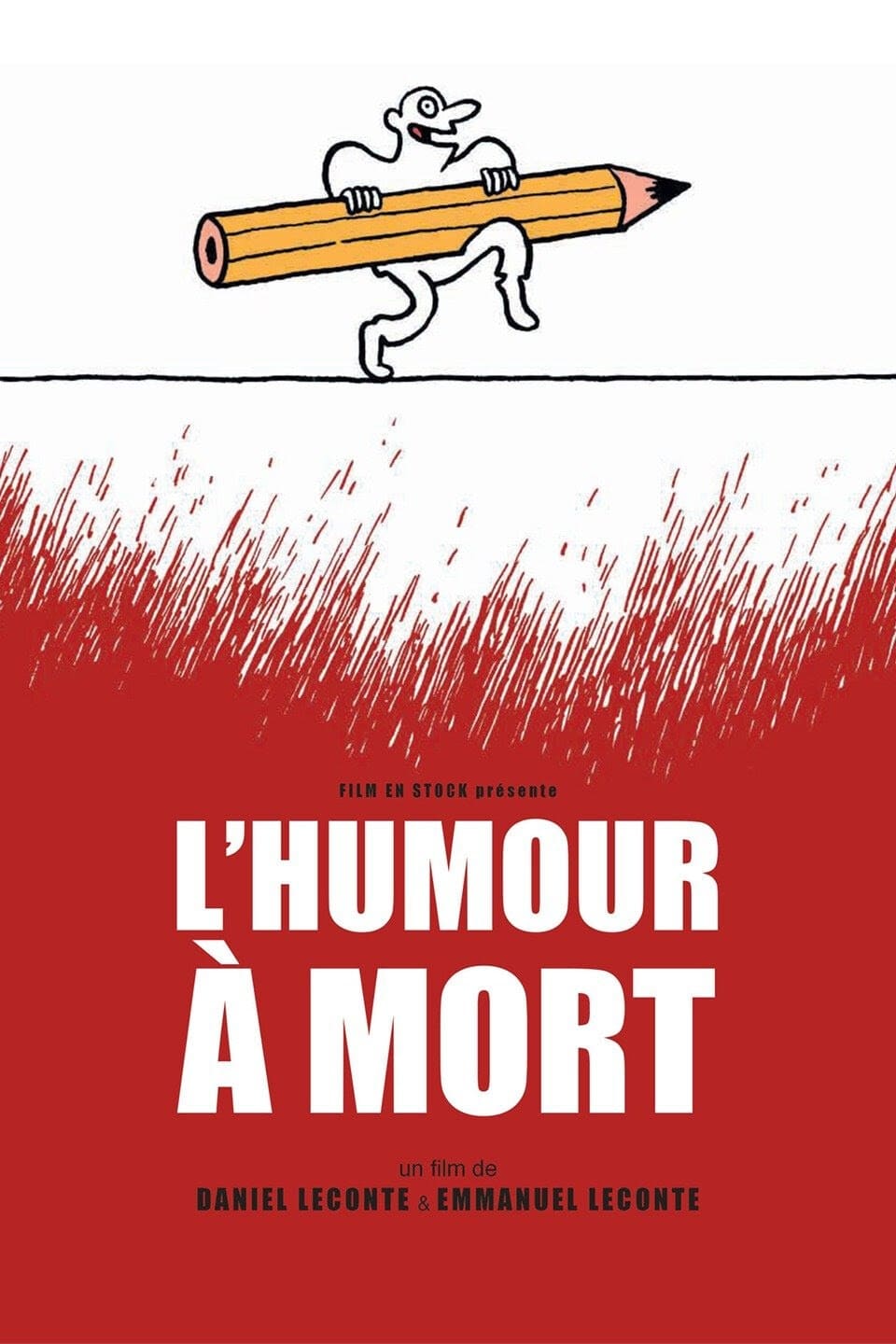
This new documentary by the father-and-son directing team of Daniel and Emmanuel Leconte pays tribute to the 11 journalists of the French satirical magazine Charlie Hebdo who were killed in the January 2015 attack by radical Islamic extremists.
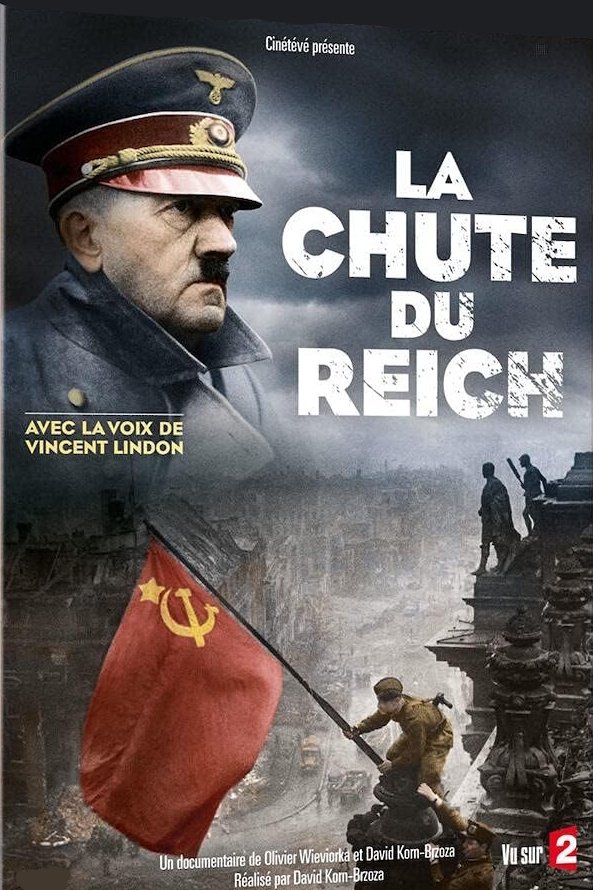
In June 1944, optimism reigned in the Allied camp. In the West, the Normandy landings were a success. In their advance, the troops soon threatened the German border. In the East, the Red Army launched an attack. With Operation Bagration, it swept into Belarus and forced the Wehrmacht into a terrible retreat. It was a time for confidence. There was no doubt: "The war would be over before Christmas." And yet... The war dragged on for almost another year. Eleven long months of fighting, punctuated by terrible battles and atrocious war crimes. Eleven months of fear and hope, which shook the certainties of the leaders and the daily lives of the men. Eleven murderous months, which left an eternal scar on hearts and in history.
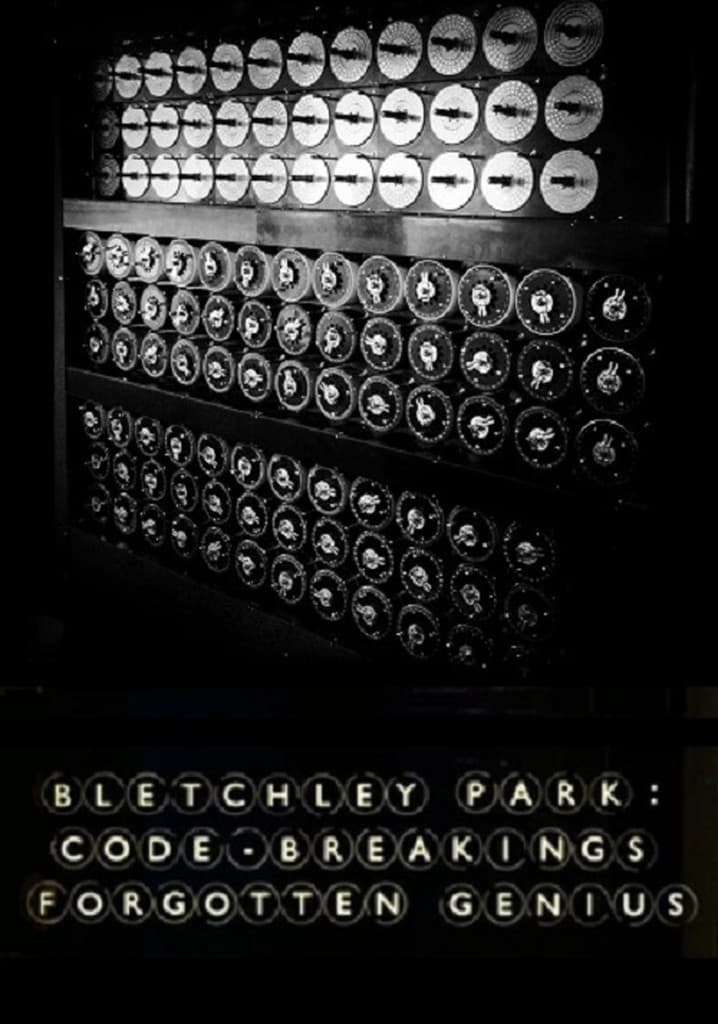
Gordon Welchman was one of the original elite codebreakers crucial to the allies defeating the Nazis in World War II. He is the forgotten genius of Bletchley Park.
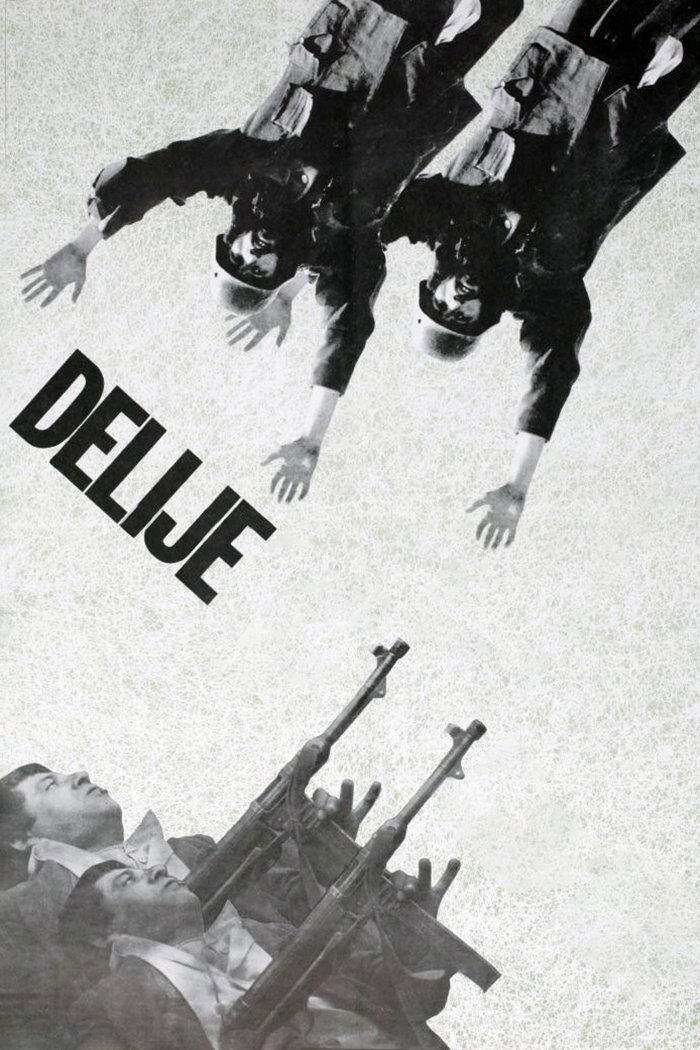
Two brothers return to their devastated home village after the end of the Second World War with nothing to their name but their army-issue machine guns. There they find a traumatised German, abandoned in retreat. Together, the three men act out a tragicomic tale.
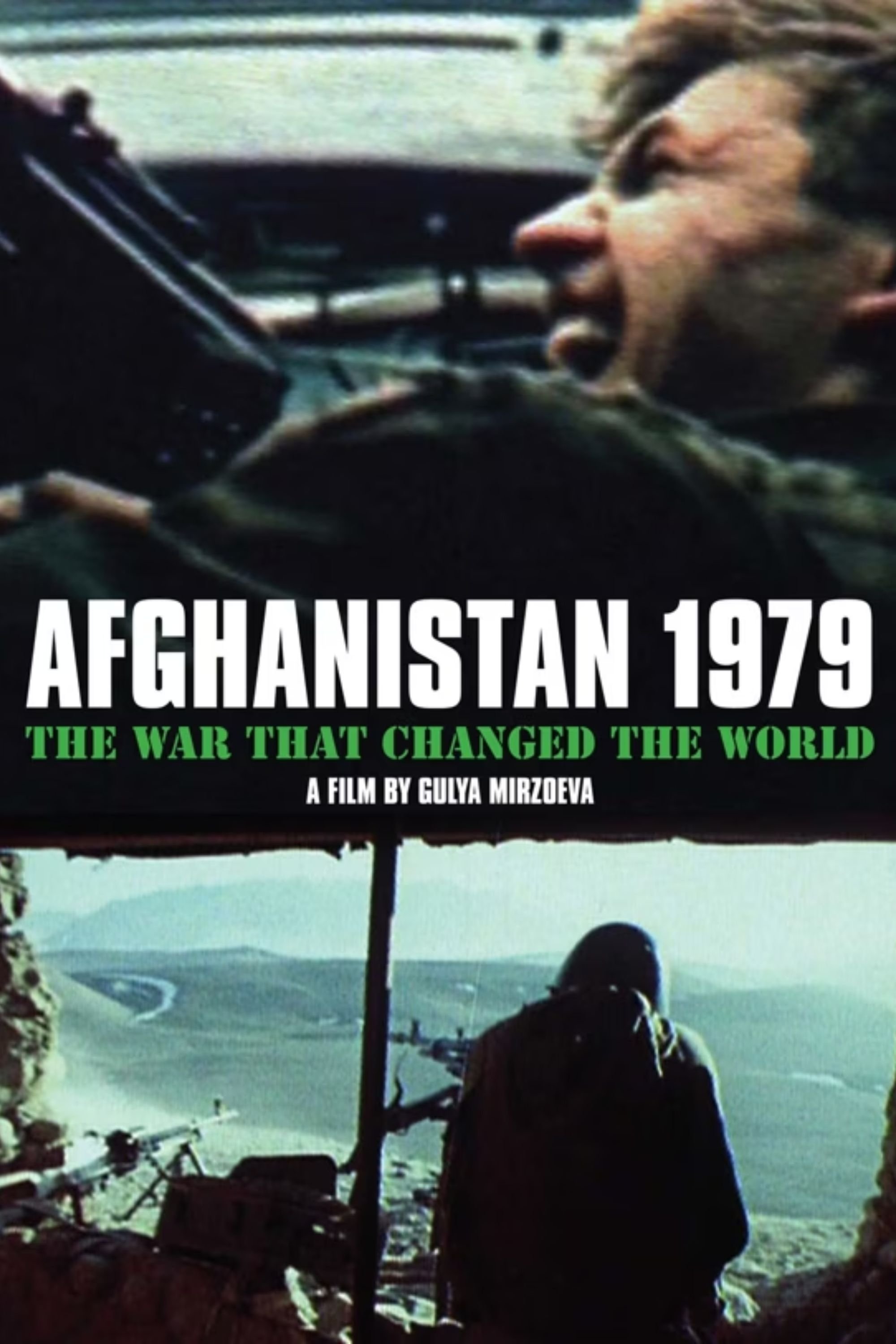
'Afghanistan 1979: the war that changed the world', is a French documentary about the Sovjet invasion in Afghanistan in 1979. It was one of the most crucial events of the 20th century, and changed the world forever. This documentary gives a good insight in the Afghan-Russian war ; the alliance between the Russian and Afghan communist governments ; Islamic resistance ; the support of America for the resistance and its consequences on the war.
A tribute to the important work of female nurses during World War II.
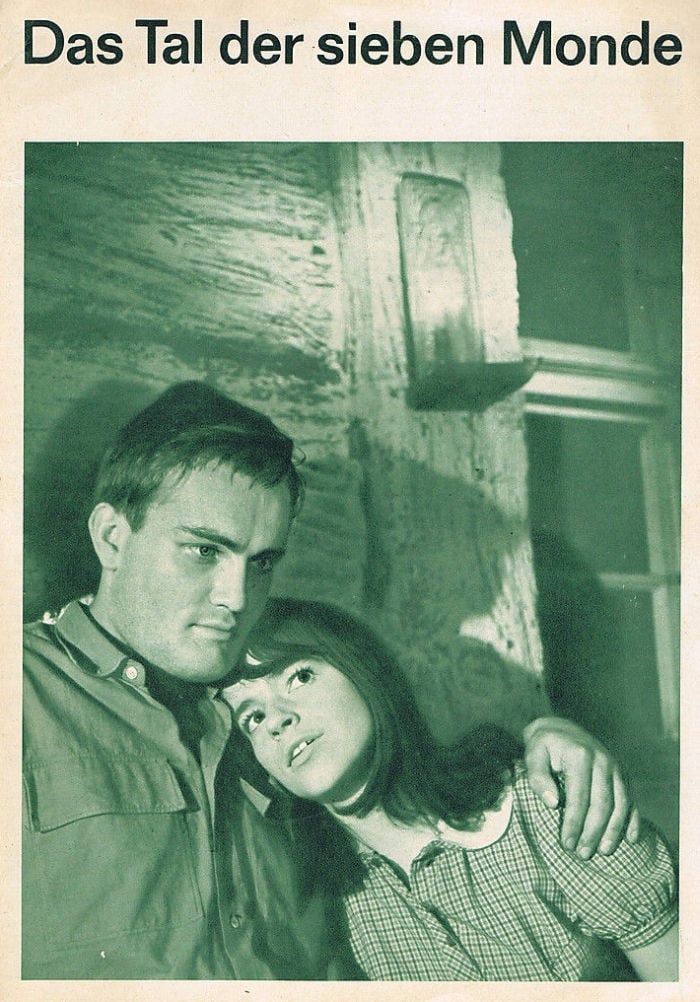
Based on the novel of the same name by Harry Turk. 1944. In occupied Poland, a railway line is being built to transport lead ore to Germany. The Valley of Seven Moons is restless, with construction materials disappearing and people vanishing. The occupiers feel uneasy on foreign soil. Despite increased security, partisans carry out one act of sabotage after another, hindering construction in every way possible. The German Rudek and the Jewish girl Martina, who at first stand aside from any struggle, join the partisan detachment.
“The Soviet Story” is a story of an Allied power, which helped the Nazis to fight Jews and which slaughtered its own people on an industrial scale. Assisted by the West, this power triumphed on May 9th, 1945. Its crimes were made taboo, and the complete story of Europe’s most murderous regime has never been told. Until now...
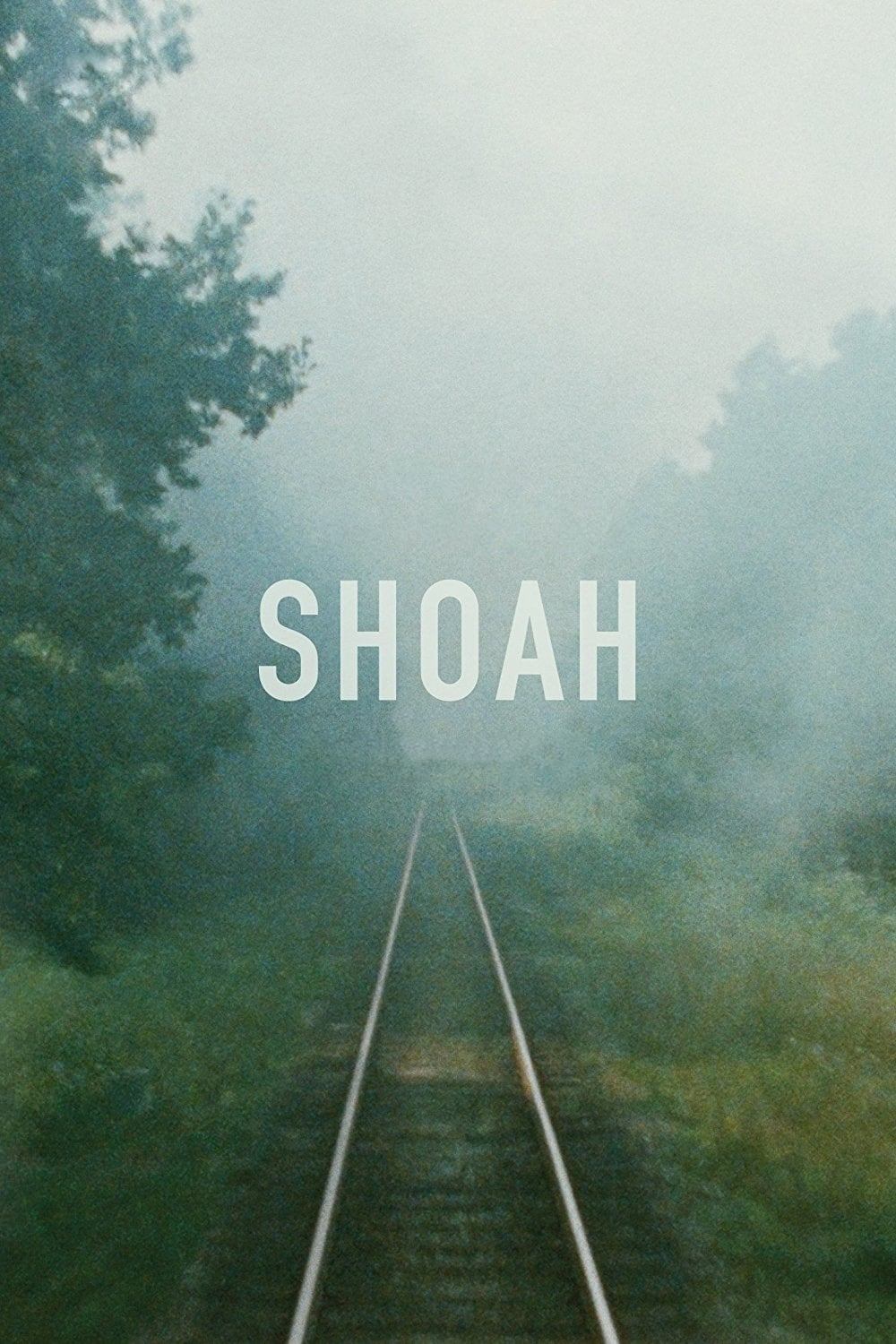
Director Claude Lanzmann spent 11 years on this sprawling documentary about the Holocaust, conducting his own interviews and refusing to use a single frame of archival footage. Dividing Holocaust witnesses into three categories – survivors, bystanders, and perpetrators – Lanzmann presents testimonies from survivors of the Chelmno concentration camp, an Auschwitz escapee, and witnesses of the Warsaw Ghetto Uprising, as well as a chilling report of gas chambers from an SS officer at Treblinka.
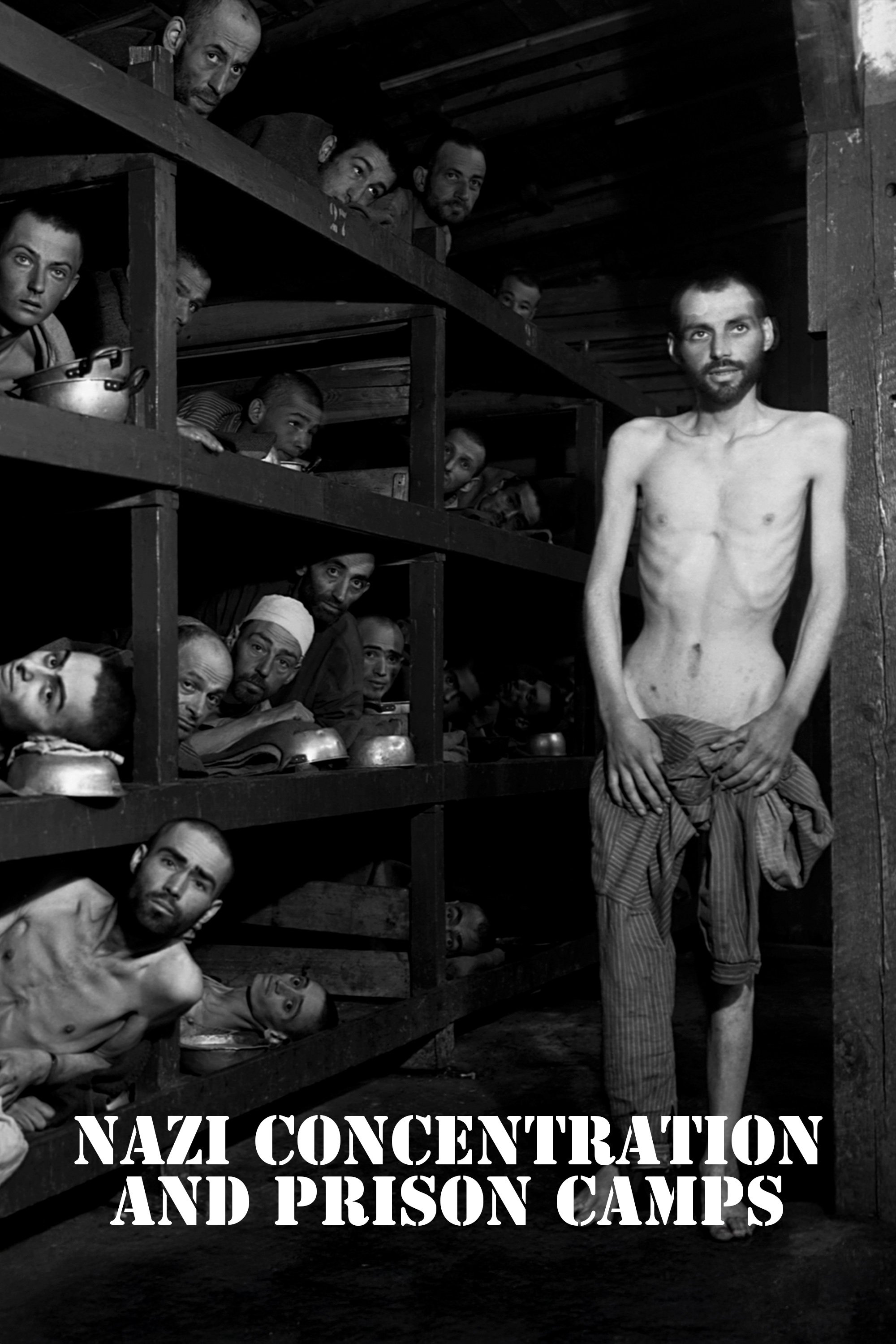
Produced and presented as evidence at the Nuremberg war crimes trial of Hermann Göring and twenty other Nazi leaders, this film consists primarily of dead and surviving prisoners and of facilities used to kill and torture during the World War II.
Filmmaker Alain Resnais documents the atrocities behind the walls of Hitler's concentration camps.
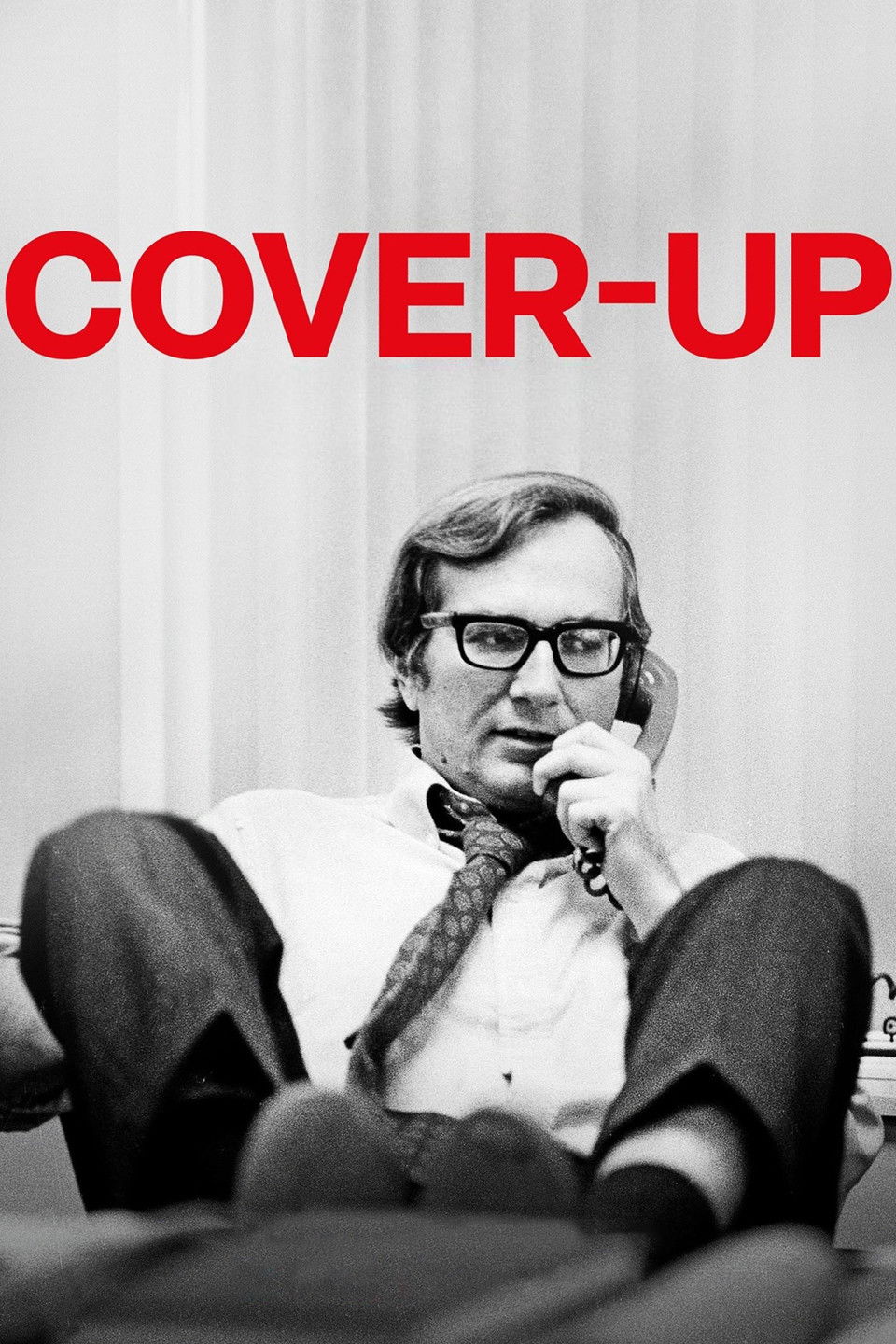
He's devoted his career to uncovering stories the powerful want buried. From My Lai to Abu Ghraib, dig into the life's work of journalist Seymour Hersh.
Prelude to War was the first film of Frank Capra's Why We Fight propaganda film series, commissioned by the Pentagon and George C. Marshall. It was made to convince American troops of the necessity of combating the Axis Powers during World War II. This film examines the differences between democratic and fascist states.
Amid the failing counteroffensive, a journalist follows a Ukrainian platoon on their mission to traverse one mile of heavily fortified forest and liberate a strategic village from Russian occupation. But the farther they advance through their destroyed homeland, the more they realize that this war may never end.
A documentary about World War I with never-before-seen footage to commemorate the centennial of Armistice Day, and the end of the war.
This documentary movie is about the battle of San Pietro, a small village in Italy. Over 1,100 US soldiers were killed while trying to take this location, that blocked the way for the Allied forces from the Germans. Preserved by the Academy Film Archive in 2005.
Meet the real-life airmen who inspired Masters of the Air as they share the harrowing and transformative events of the 100th Bomb Group.
A love letter from a young mother to her daughter, the film tells the story of Waad al-Kateab’s life through five years of the uprising in Aleppo, Syria as she falls in love, gets married and gives birth to Sama, all while cataclysmic conflict rises around her. Her camera captures incredible stories of loss, laughter and survival as Waad wrestles with an impossible choice– whether or not to flee the city to protect her daughter’s life, when leaving means abandoning the struggle for freedom for which she has already sacrificed so much.
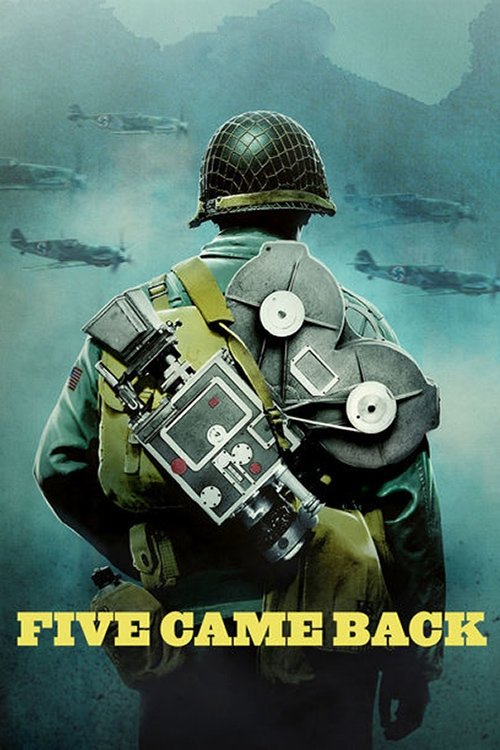
The extraordinary story of how Hollywood changed World War II – and how World War II changed Hollywood, through the interwoven experiences of five legendary filmmakers who went to war to serve their country and bring the truth to the American people: John Ford, William Wyler, John Huston, Frank Capra, and George Stevens. Based on Mark Harris’ best-selling book, “Five Came Back: A Story of Hollywood and the Second World War.”
A documentary about the legendary series of nationally televised debates in 1968 between two great public intellectuals, the liberal Gore Vidal and the conservative William F. Buckley Jr. Intended as commentary on the issues of their day, these vitriolic and explosive encounters came to define the modern era of public discourse in the media, marking the big bang moment of our contemporary media landscape when spectacle trumped content and argument replaced substance. Best of Enemies delves into the entangled biographies of these two great thinkers, and luxuriates in the language and the theater of their debates, begging the question, "What has television done to the way we discuss politics in our democracy today?"
"Trinity and Beyond" is an unsettling yet visually fascinating documentary presenting the history of nuclear weapons development and testing between 1945-1963. Narrated by William Shatner and featuring an original score performed by the Moscow Symphony Orchestra, this award-winning documentary reveals previously unreleased and classified government footage from several countries.
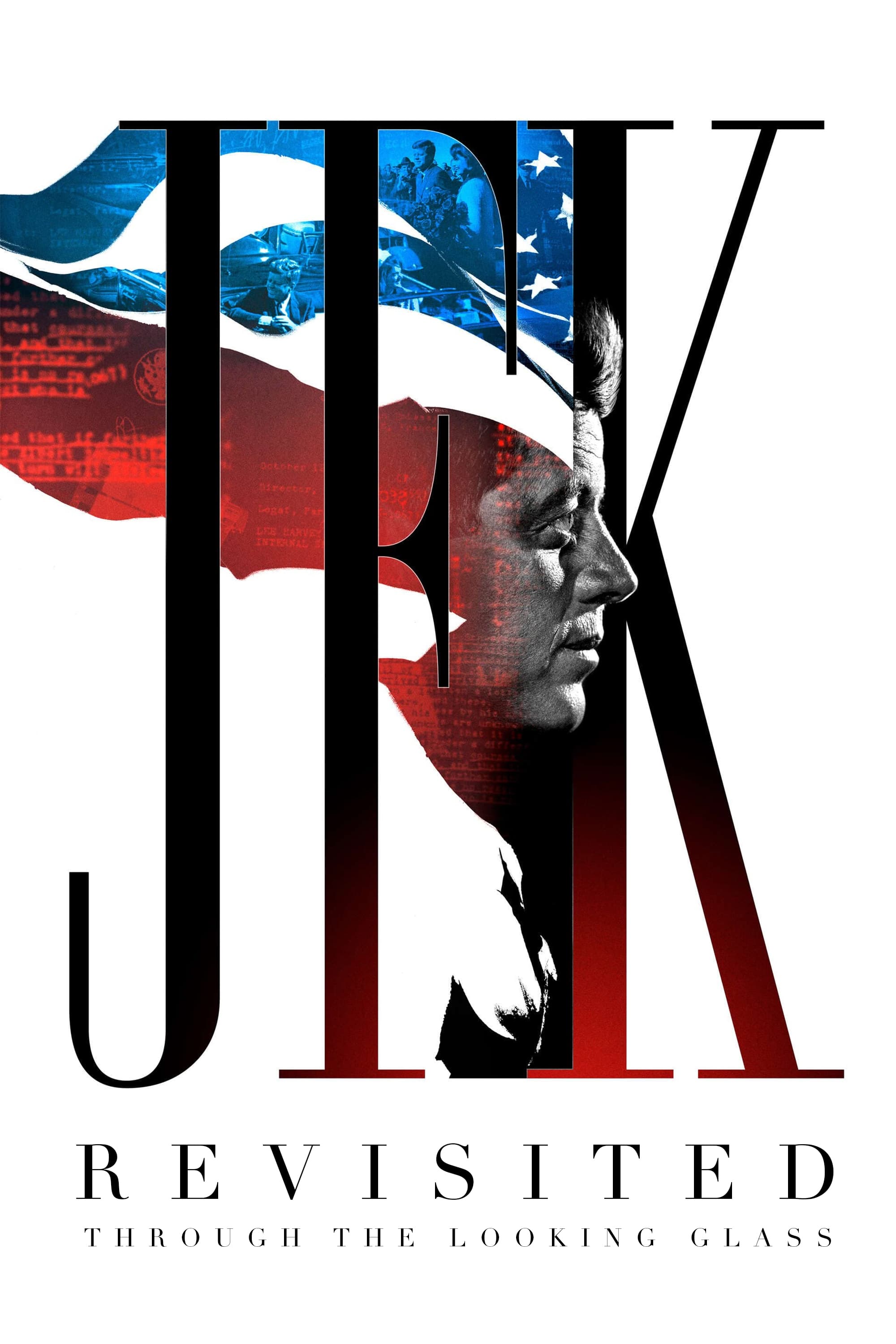
Thirty years after the release of his film JFK (1991), filmmaker Oliver Stone reviews recently declassified evidence related to the assassination of President John F. Kennedy, which took place in Dallas on November 22, 1963.
Over a period of two years, Mark Cowen and his crew travelled to thirty U.S. states and ten European cities, to interview the veterans of Easy Company. The stories told by the veterans themselves, create a history of the Second World War from the point of view of this heroic company of men, made famous in the mini-series Band of Brothers.
A behind-the-scenes documentary about the Clinton for President campaign, focusing on the adventures of spin doctors James Carville and George Stephanopoulos.
Korengal picks up where Restrepo left off; the same men, the same valley, the same commanders, but a very different look at the experience of war.
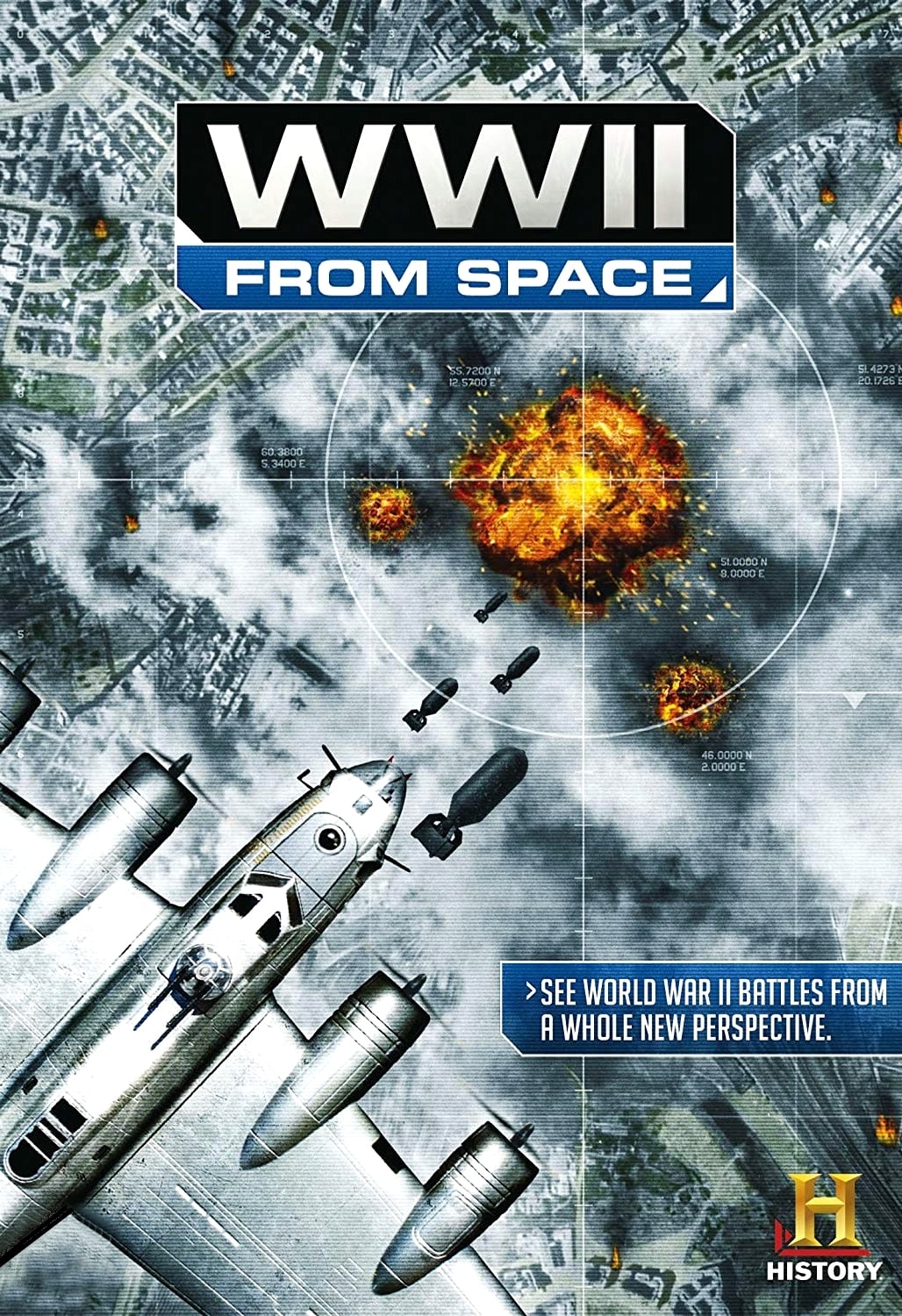
WWII from Space delivers World War II in a way you've never experienced it before. This HISTORY special uses an all-seeing CGI eye that offers a satellite view of the conflict, allowing you to experience it in a way that puts key events and tipping points in a global perspective. By re-creating groundbreaking moments that could never have been captured on camera, and by illustrating the importance of simultaneity and the hidden effects of crucial incidents, HISTORY presents the war's monumental moments in a never-before-seen context. And with new information brought to the forefront, you'll better understand how a nation ranked 19th in the world's militaries in 1939 emerged six years later as the planet's only atomic superpower.
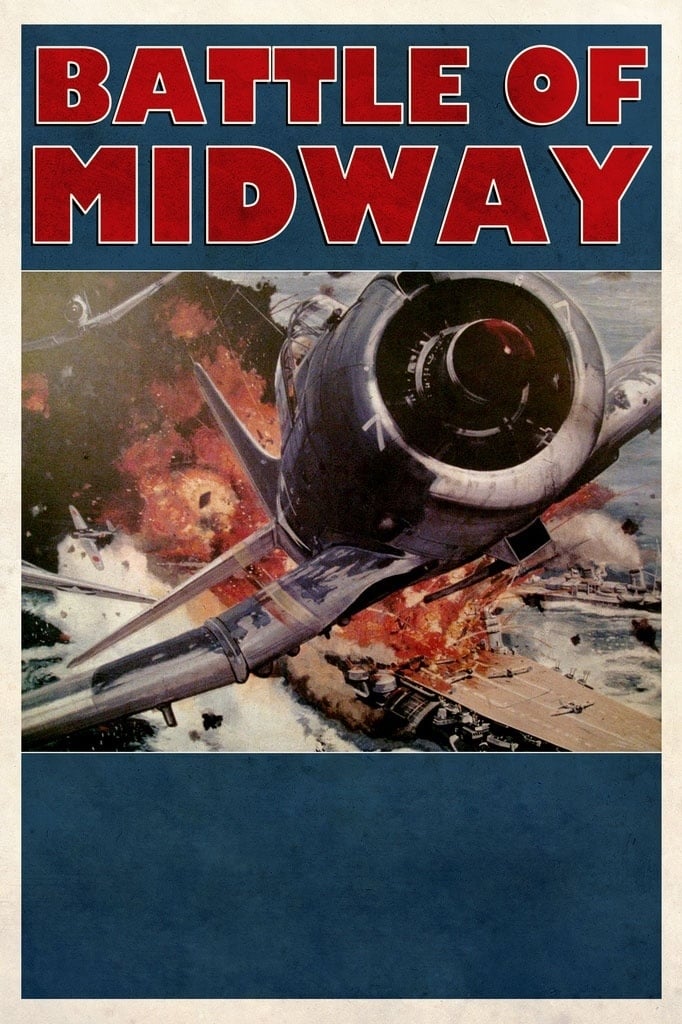
The Japanese attack on Midway in June 1942, filmed as it happened. Preserved by the Academy Film Archive, in partnership with Twentieth Century Fox Film Corporation, in 2006.