Social & External
The people behind it
The life of a couple is observed through the home they have left behind.
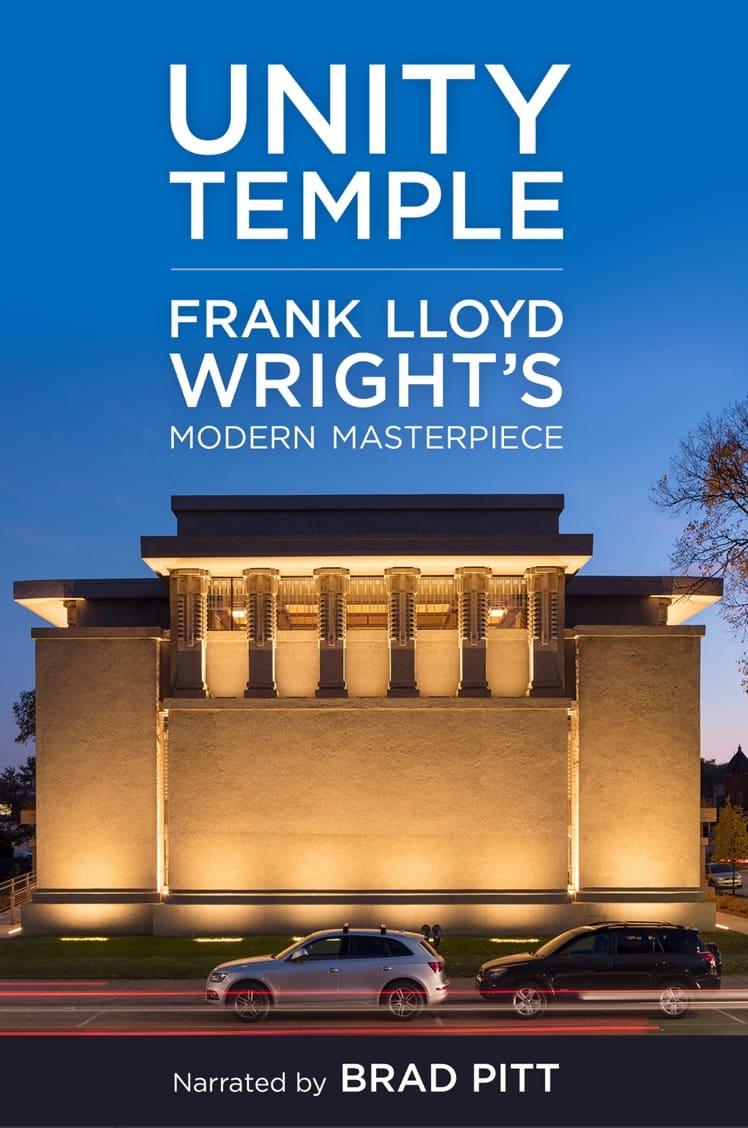
Frank Lloyd Wright’s Modern Masterpiece, Unity Temple is an homage to America’s most renowned architect. The film pulls back the curtain on Wright’s first public commission in the early 1900’s to the painstaking efforts to restore the 100 year old building back to its original beauty. The dedicated team of historians, craftspeople, members of the Unitarian congregation and Unity Temple Restoration Foundation reveal the history of one of Wright’s most innovative buildings that merged his love of architecture with his own spiritual values. The film intersperses the architect’s philosophies with quotes narrated by Brad Pitt.
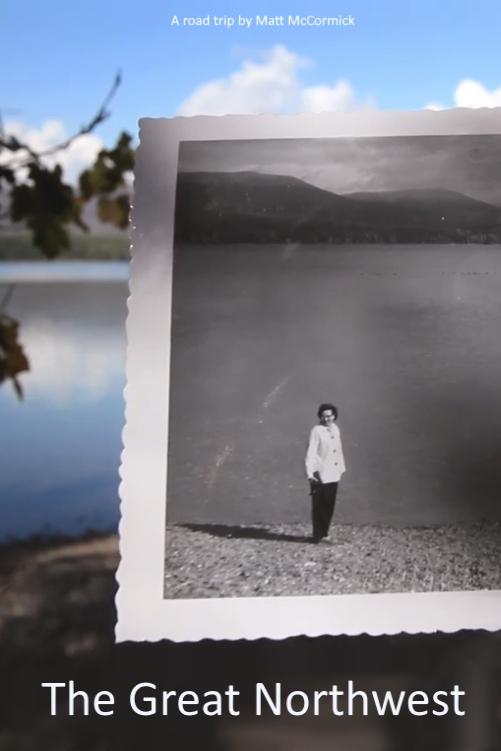
The Great Northwest is a documentary film based on the re-creation of a 3,200 mile road-trip made in 1958 by four Seattle women who thoroughly documented their journey in an elaborate scrapbook. Fifty years later, Portland artist Matt McCormick found that scrapbook in a thrift store, and in 2010 set out on the road, following their route as precisely as possible and searching out every stop in which the ladies had documented. Patiently shot with an observational, cinema-vérité approach, The Great Northwest is a lyrical time- capsule that explores how the landscape, architecture, and culture of the Pacific Northwest has changed over the past fifty years.
Over the period of 25 years the director met General Võ Nguyên Giáp, a legendary hero of Vietnam’s independence wars, a number of times. She was the first American who entered the home of the “Red Napoleon”. The fruit of this friendship is a film, personal and politically involved at the same time. Travelling across the country and talking to important figures as well as ordinary people, the director finds out more about her roots and offers the audience a unique perspective on Vietnam’s present and past.
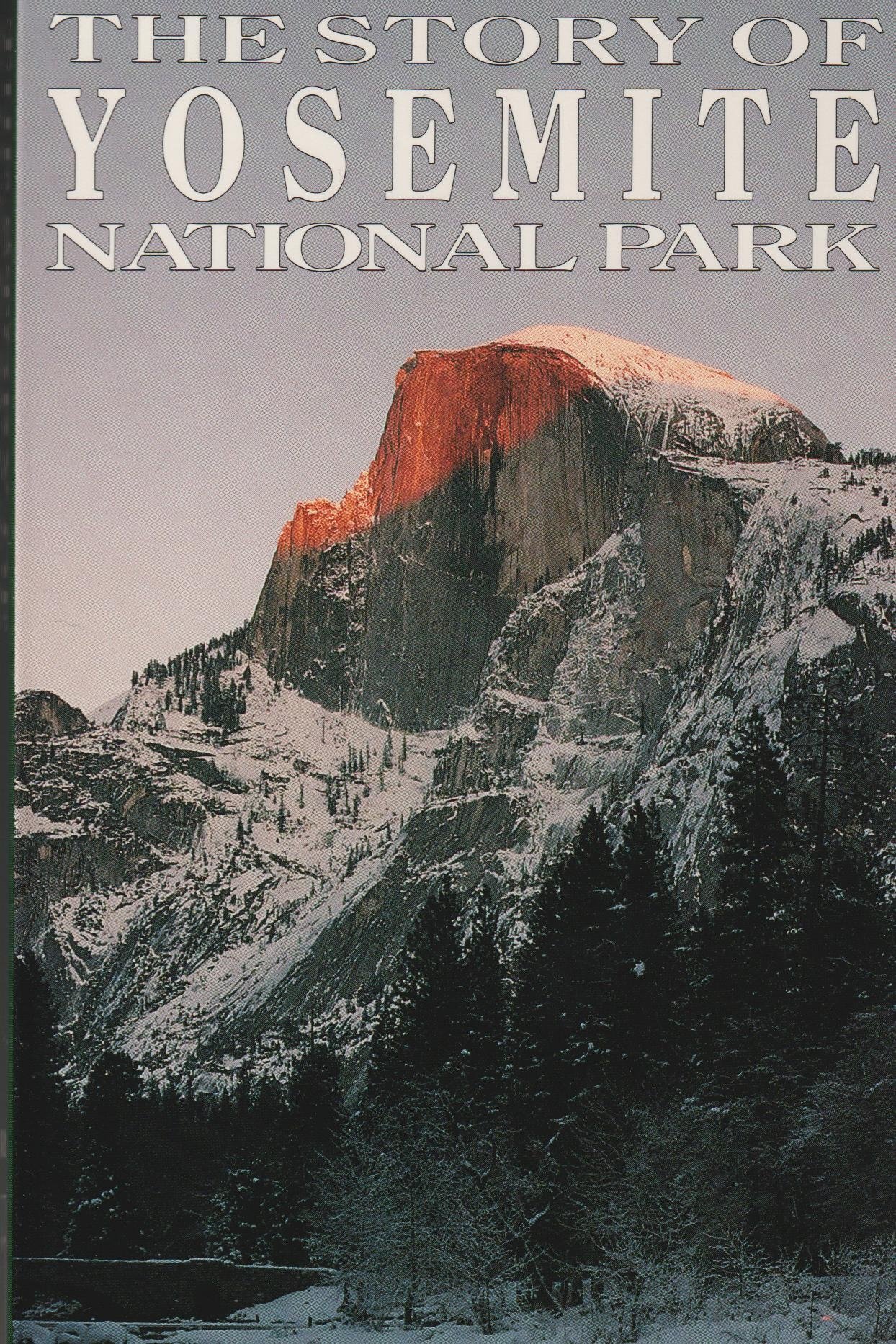
Mountain men Joseph R Walker was probably the first non-Indian to see Yosemite, in 1833, but not until the California militia entered the valley rounding up the Ahwahneechee Indians was the region discovered. In June, 1864, President Abraham Lincoln signed the Yosemite Grant, making it a California State Park. It became famous through the writings of Horace Greeley and the efforts of John Muir. Cinematographer Dennis Burkhart captures in this video the magnificence of Yosemite Valley (El Capitan, Bridalveil Fall, Half Dome), the High Sierra (John Muir Trail, Tuolumne Meadows, Tioga Pass) and the Mariposa Grove of giant sequoias. The camera catches the wildlife that roams the 1,1170 square miles of Yosemite, i.e. the mule deer, mountain lion, black bear, coyotes, bighorn sheep, and the rare peregrine falcon. This video reveals why 3.8 million visitors come each year and stand before awe-inspiring panoramas they will never forget.
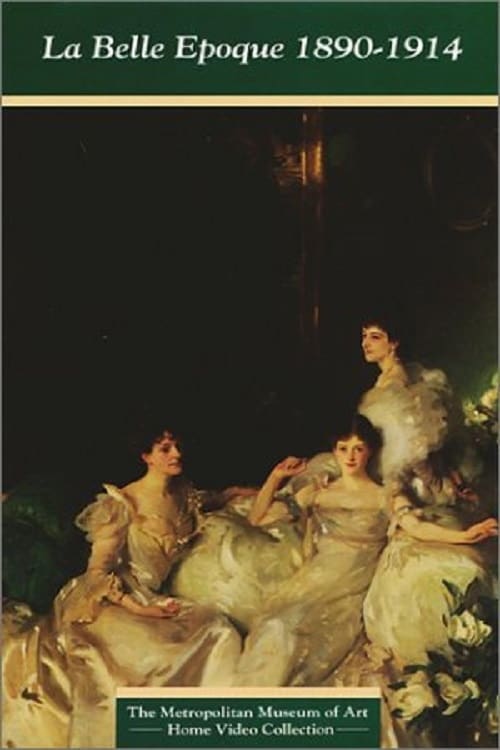
Featuring Douglas Fairbanks Jr. and Diana Vreeland, La Belle Epoque evokes "the beautiful era" of 1890-1914, a time in which the wealthy upper classes of the Western world gave themselves over to a life of elegance and taste-making, their eyes closed to the increasing social and political turmoil fermenting beneath the surface of polite society. The program uses period motion pictures, photographs, and sound recordings, as well as the arts and fashions of the period to supplement the spoken memories of the participating interviewees who actually lived... La Belle Epoque.
Examines the early 1980s Hong Kong filmmaking community. Tony Rayns interviews some of the new generation of filmmakers and figures from the wider film culture.
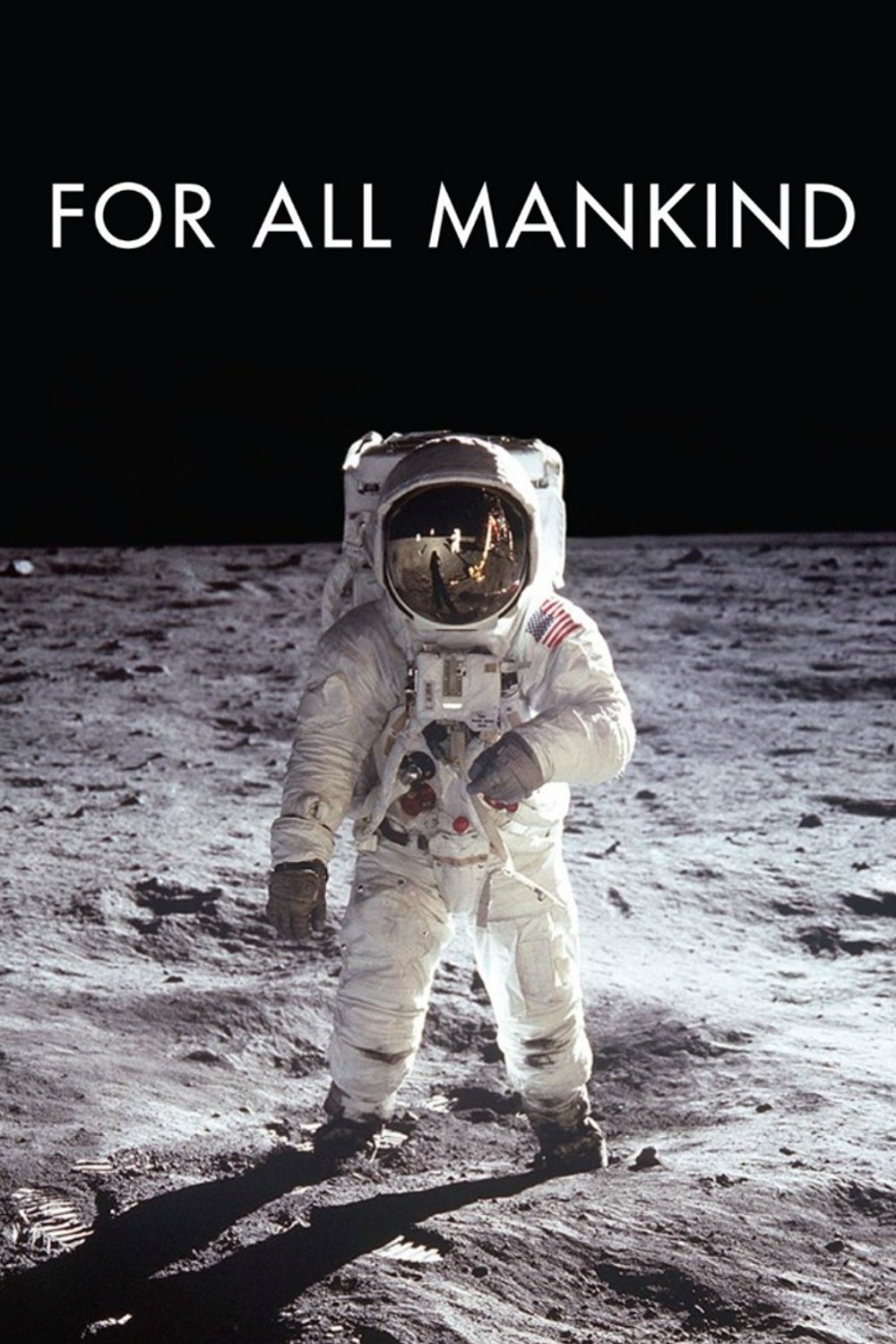
A testament to NASA's Apollo program of the 1960s and '70s. Composed of actual NASA footage of the missions and astronaut interviews, the documentary offers the viewpoint of the individuals who braved the remarkable journey to the moon and back.
This documentary explores the creation of the Holocaust Memorial in Berlin as designed by architect Peter Eisenman. Reaction of the German public to the completed memorial is also shown.
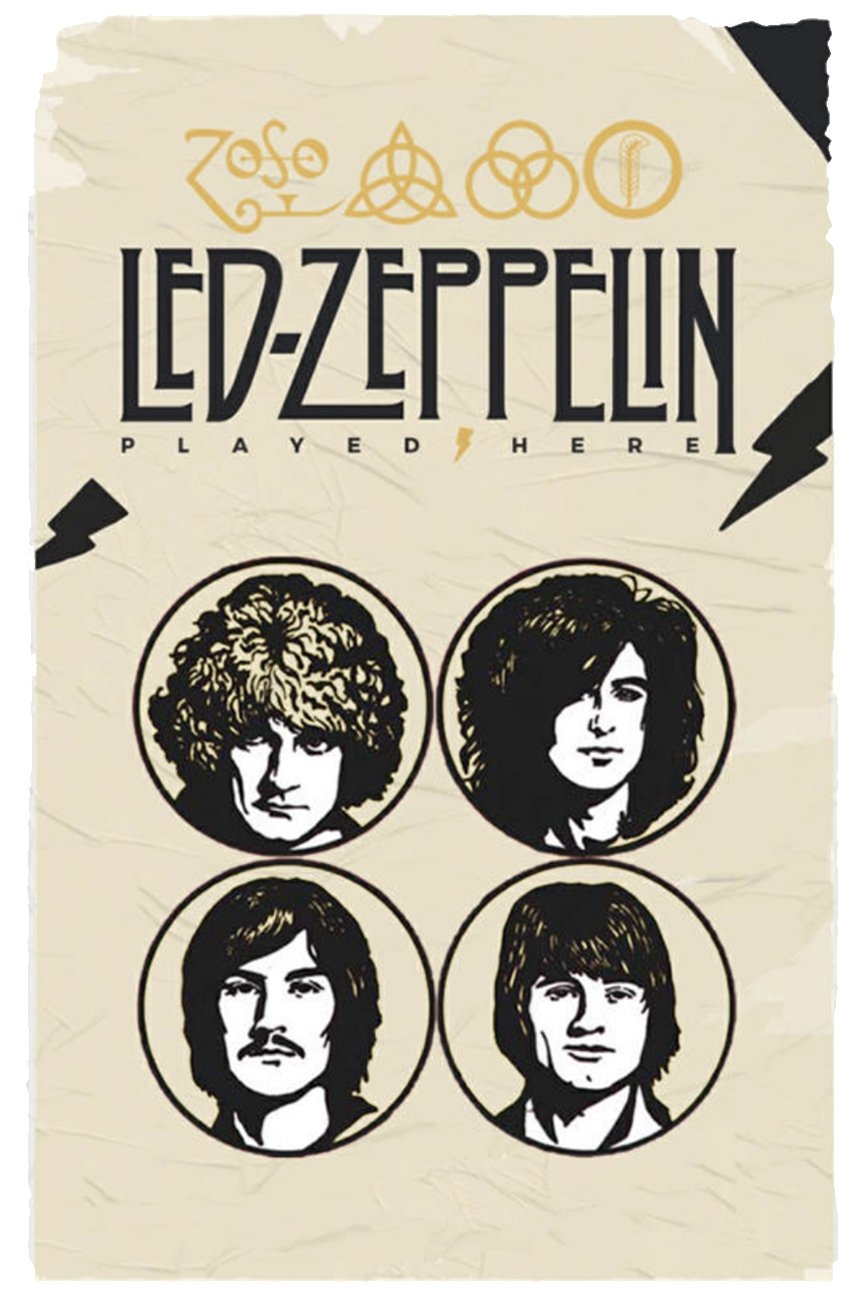
1969. Man lands on the moon. Half a million strong at Woodstock....and Led Zeppelin perform in the gym of the Wheaton Youth Center in front of 50 confused teenagers. Or did they? Filmmaker Jeff Krulik chronicles an enduring Maryland legend, of the very night this concert was alleged to have taken place, January 20, 1969, during the first Presidential Inauguration of Richard Nixon. Led Zeppelin Played Here presents a mid-Atlantic version of what was happening nationwide as the rock concert industry took shape. Featuring interviews with rock writers, musicians, and fans, and several who claim they were witnessing history that night.
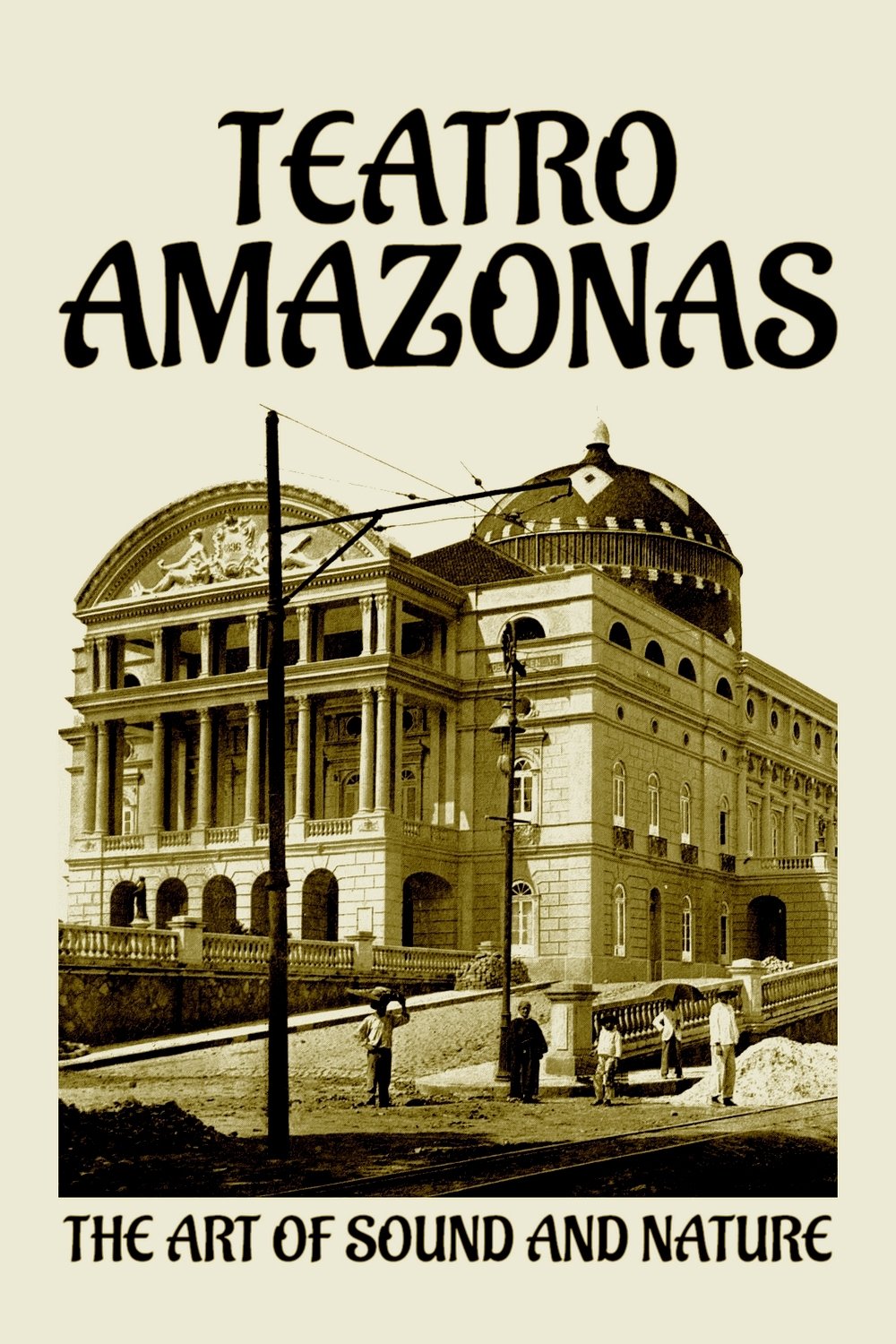
The history of the Teatro Amazonas in Manaus, an opera house located in the middle of the Amazon rainforest, whose construction, between 1884 and 1896, depended on the labor exploitation of the local indigenous populations, provides an insight into the cultural, social and political situation in Brazil.
No matter what your age you'll love watching this impressive and comprehensive story of the development of railroading in America. Rail enthusiasts as well as history buffs, teachers and home schoolers, plus kids of all ages will appreciate this magnificent rail adventure covering live action historic operating railroads, rare photos of drawings and valuable memorabilia, and live action re-enactments. Featuring spectacular cinematography and an inspiring musical score, this Award-Winning four part DVD covers over one-hundred years of railroading evolution.
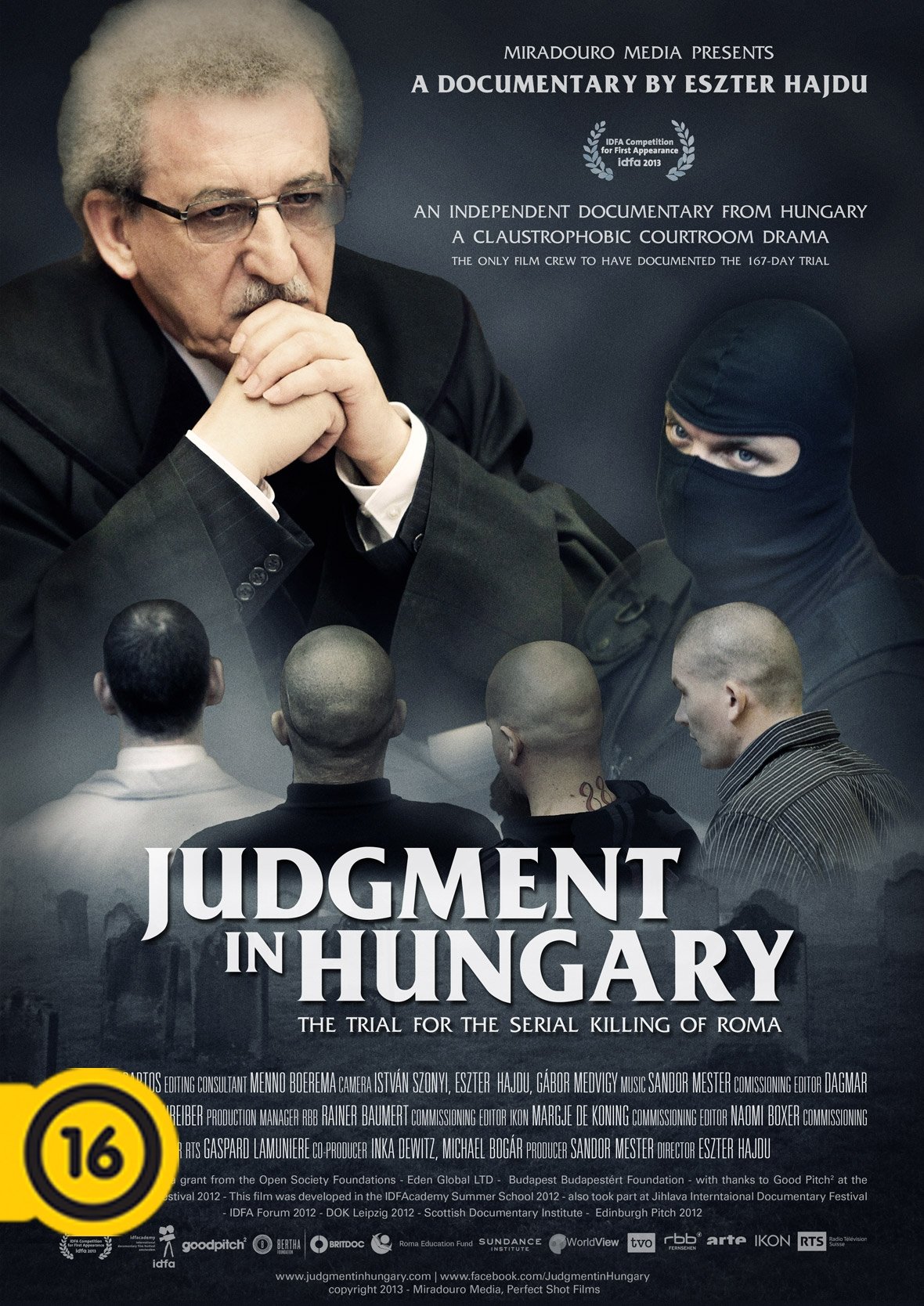
Hungary was the site of serial murders on ethnic basis. Over the course of one year, the murderers killed and seriously injured Roma children and adults. The state charged 4 men with committing the crime with racial motivation. This historical trial started March, 2011, and ended August, 2013 in Budapest. The 167 days of hearings was only documented continuously by our crew. We had exclusive permission to use multiple cameras in the court-room. The film is a classical chamber-drama, taking place in a small, claustrophobic court room, in the middle of Europe. What will be the outcome of the marathon, 3 year-long trial?
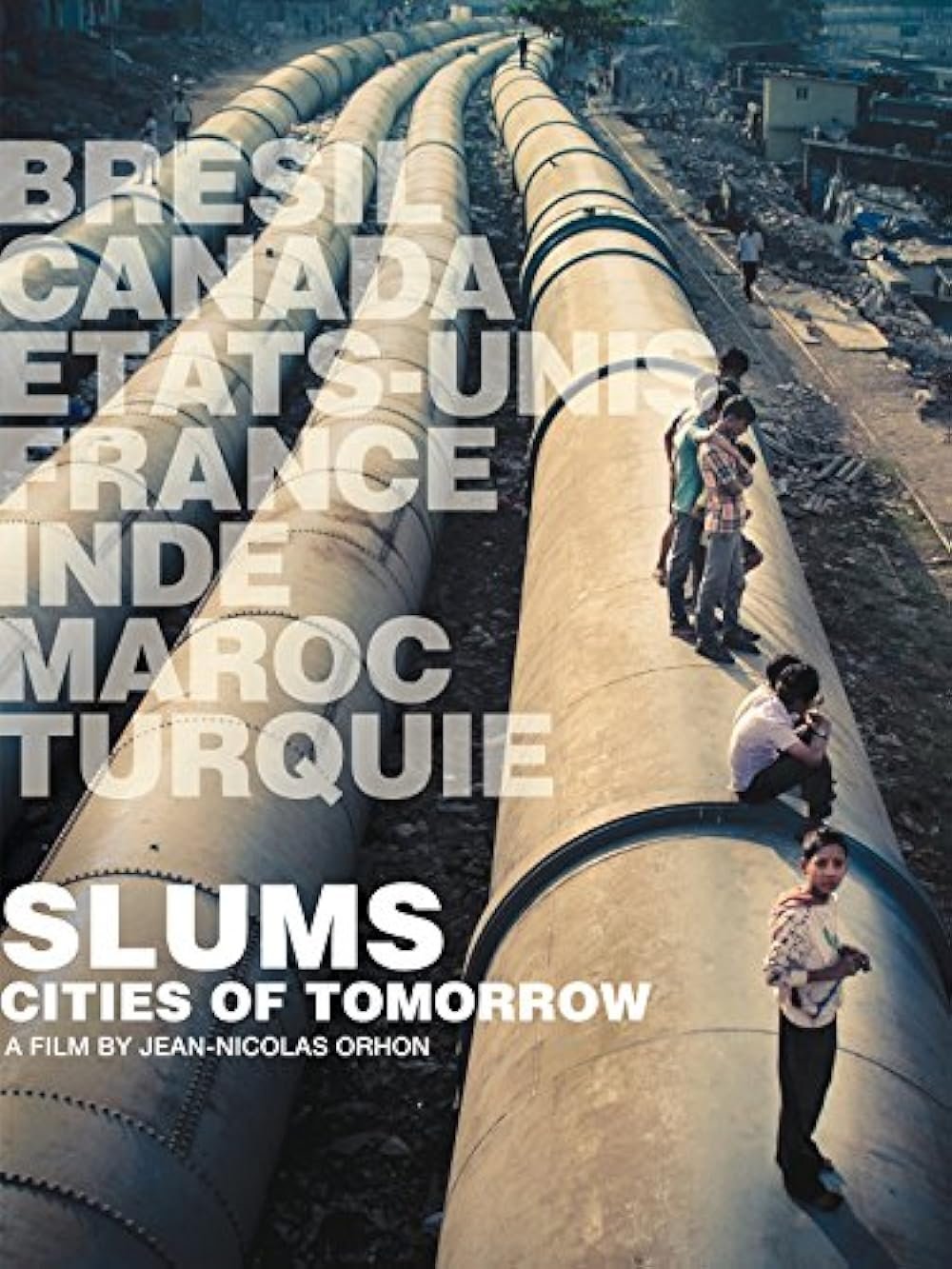
One billion people on our planet—one in six—live in shantytowns, slums or squats. Slums: Cities of Tomorrow challenges conventional thinking to propose that slums are in fact the solution, not the problem, to urban overcrowding caused by the massive migration of people to cities. (Lynne Fernie, HotDocs)
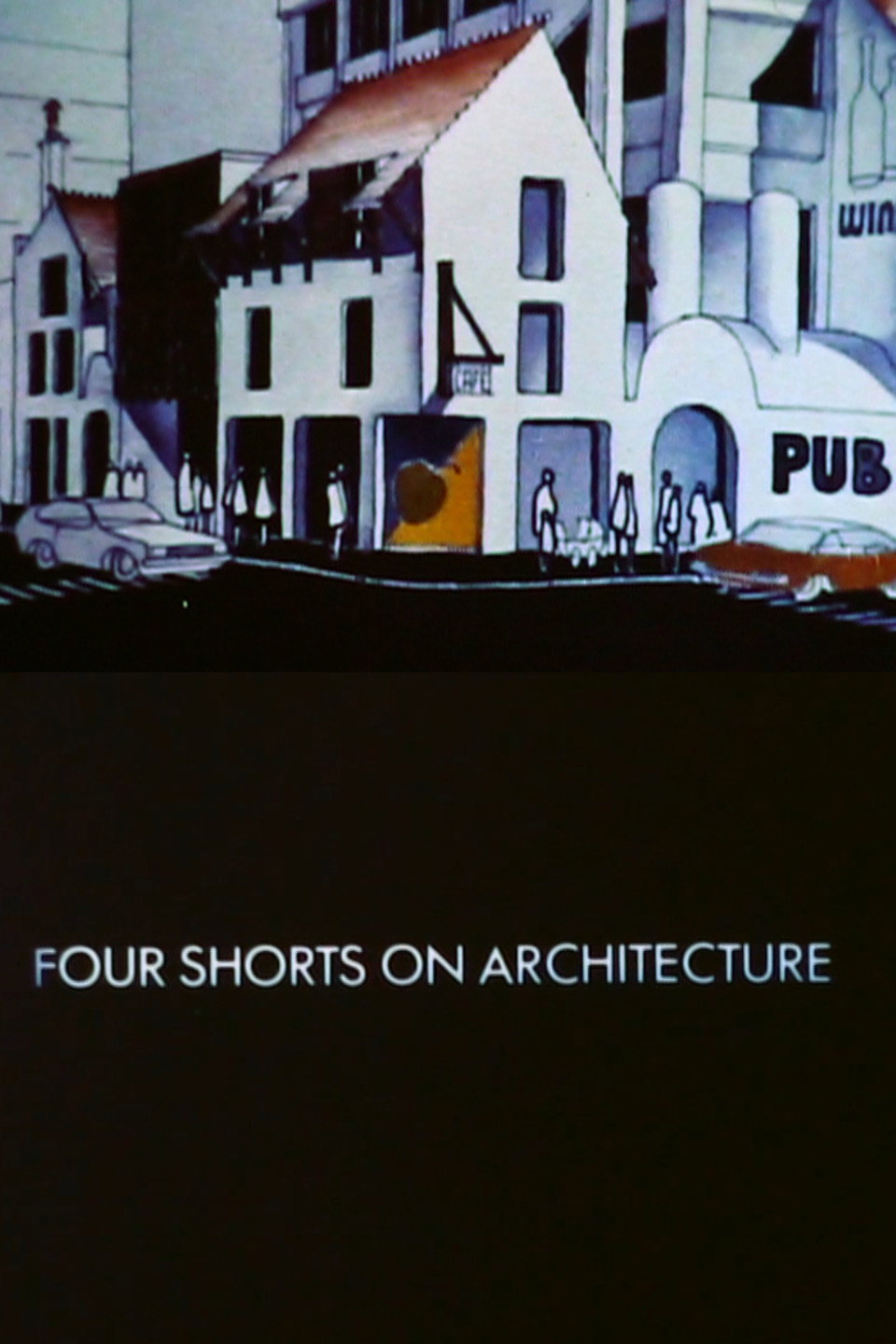
A visual essay on contemporary Kiwi architecture.
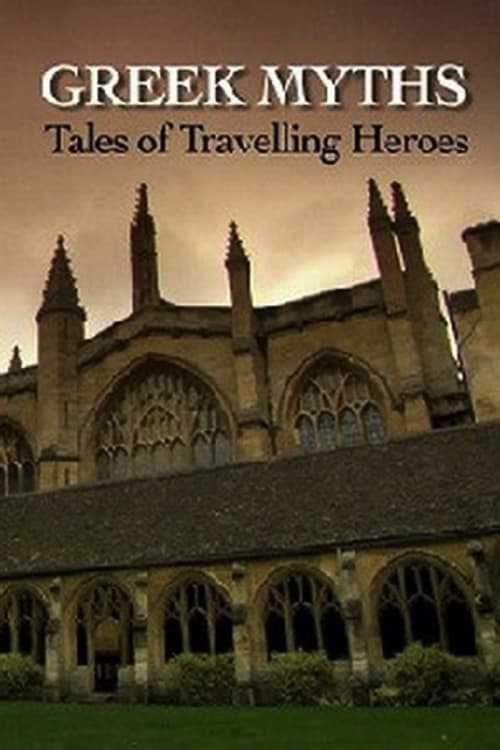
Eminent classical historian Robin Lane Fox embarks on a journey in search of the origins of the Greek myths. He firmly believes that these fantastical stories lie at the root of western culture, and yet little is known about where the myths of the Greek gods came from, and how they grew. Now, after 35 years of travelling, excavation and interpretation, he is confident he has uncovered answers.
In the Realms of the Unreal is a documentary about the reclusive Chicago-based artist Henry Darger. Henry Darger was so reclusive that when he died his neighbors were surprised to find a 15,145-page manuscript along with hundreds of paintings depicting The Story of the Vivian Girls, in What is Known as the Realms of the Unreal, of the Glodeco-Angelinnian War Storm, Cased by the Child Slave Rebellion.
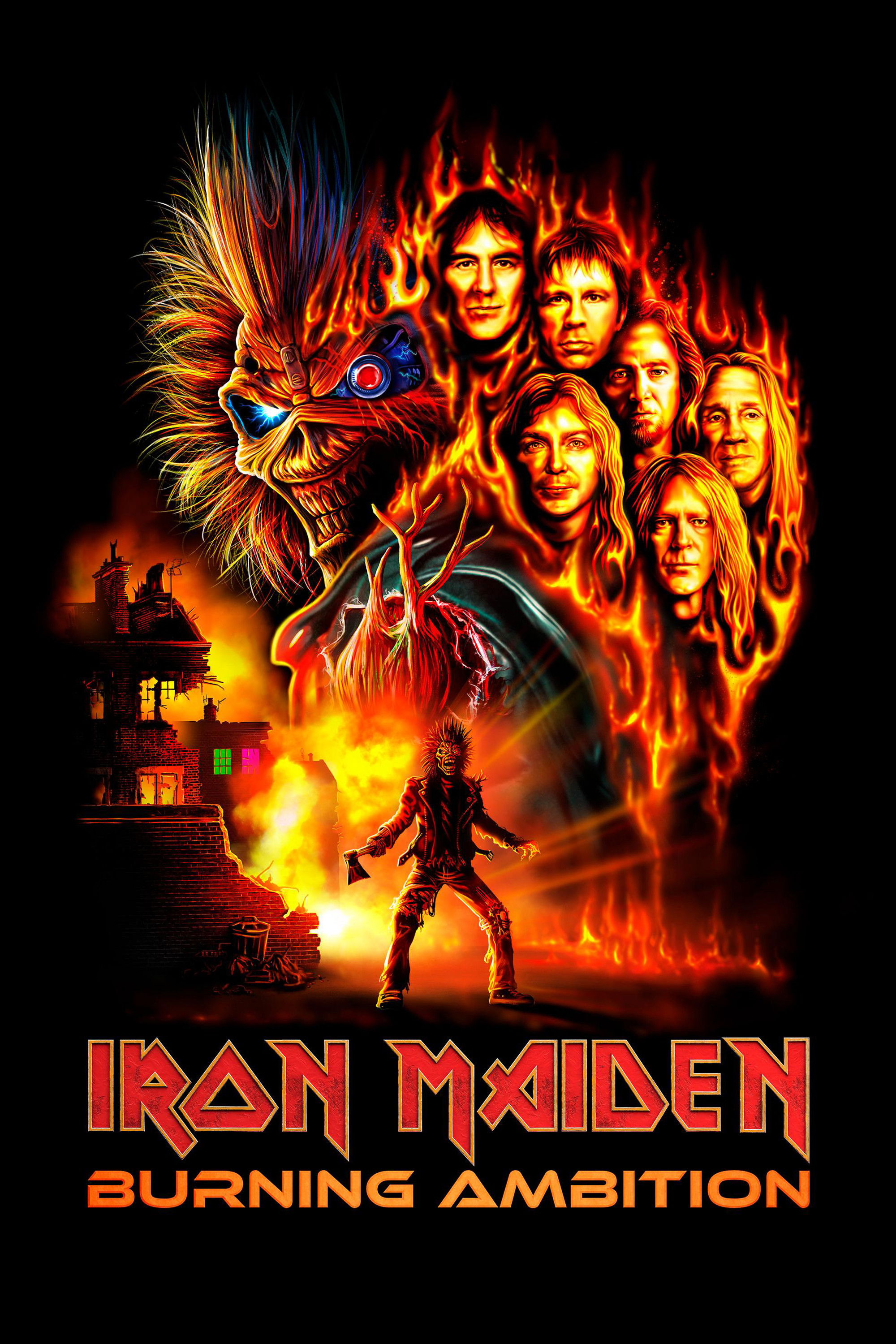
With unprecedented access to the official archives and intimate recollections from the band, both current and past, Iron Maiden: Burning Ambition invites fans to experience one of the most iconic journeys in music history. Spanning five decades, this electrifying documentary charts the band’s rise from the pubs of East London to the world’s biggest stadiums. Featuring exclusive interviews with band members and contributors such as Javier Bardem, Lars Ulrich and Chuck D, as well as all-new animated sequences of the band's legendary mascot, Eddie, the film offers a rare and intimate look at Iron Maiden’s uncompromising vision and unwavering connection with their truly global army of fans.
The film is based on interviews with 2,000 women from 50 countries, and covers the status of women all over the world. The topics covered include forced marriages, sexual assault, female genital mutilation, acid attacks, motherhood, sexuality, menstruation, education and the professional success of women.
Go backstage with French rap duo Bigflo & Oli in this intimate music documentary, then join the superstar siblings as they embark on a major tour.
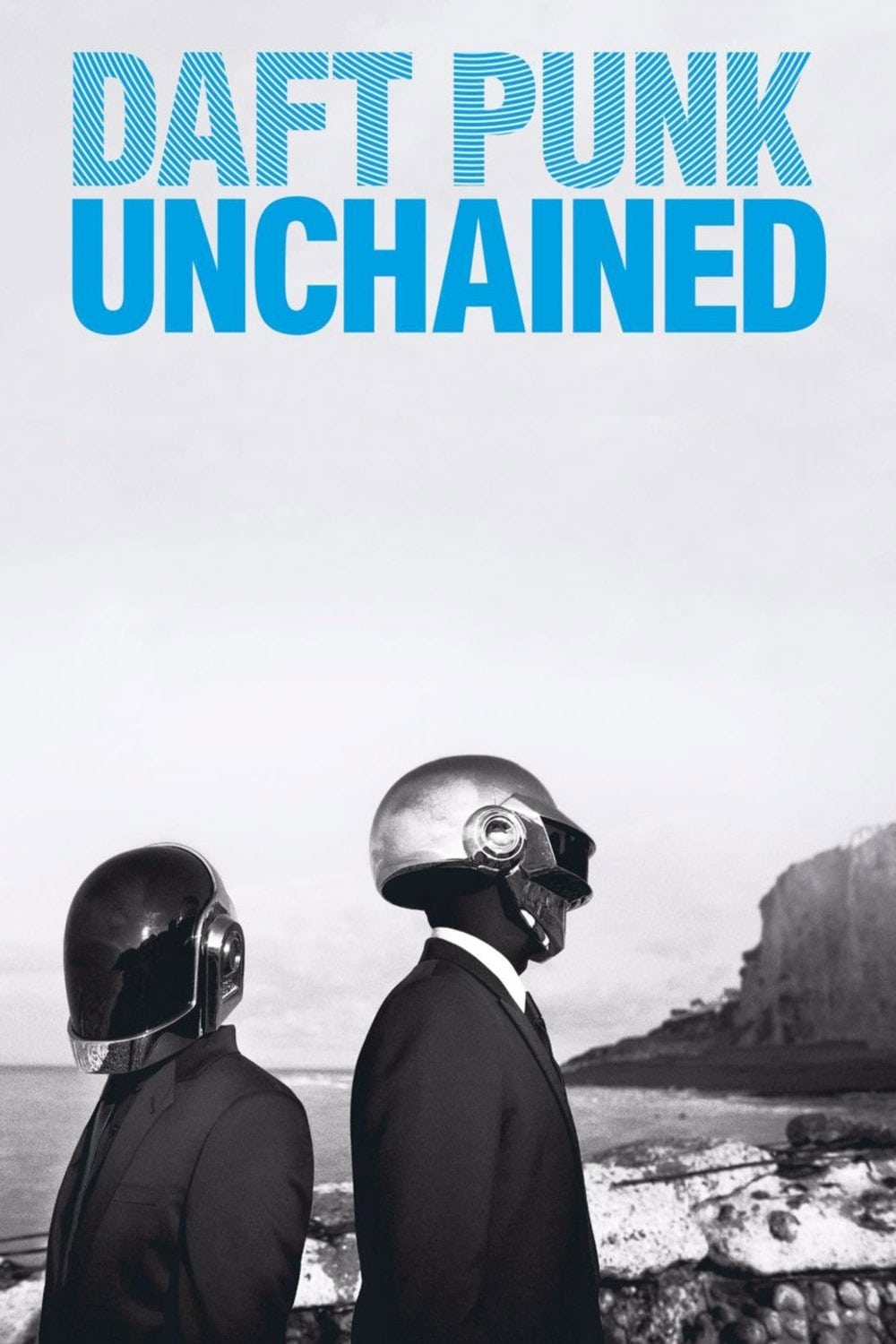
Daft Punk Unchained is the first film about the pop culture phenomenon that is Daft Punk, the duo with 12 million albums sold worldwide and seven Grammy Awards. Throughout their career Thomas Bangalter and Guy-Manuel de Homem-Christo have always resisted compromise and the established codes of show business. They have remained determined to maintain control of every link in the chain of their creative process. In the era of globalisation and social networks, they rarely speak in public and neither do they show their faces on TV. This documentary explores this unprecedented cultural revolution revealing a duo of artists on a permanent quest for creativity, independence and freedom.
Vulgar, taunting texts blow up the phones of a teen and her boyfriend. Who's sending them — and why? This twisty documentary reveals the shocking answer.
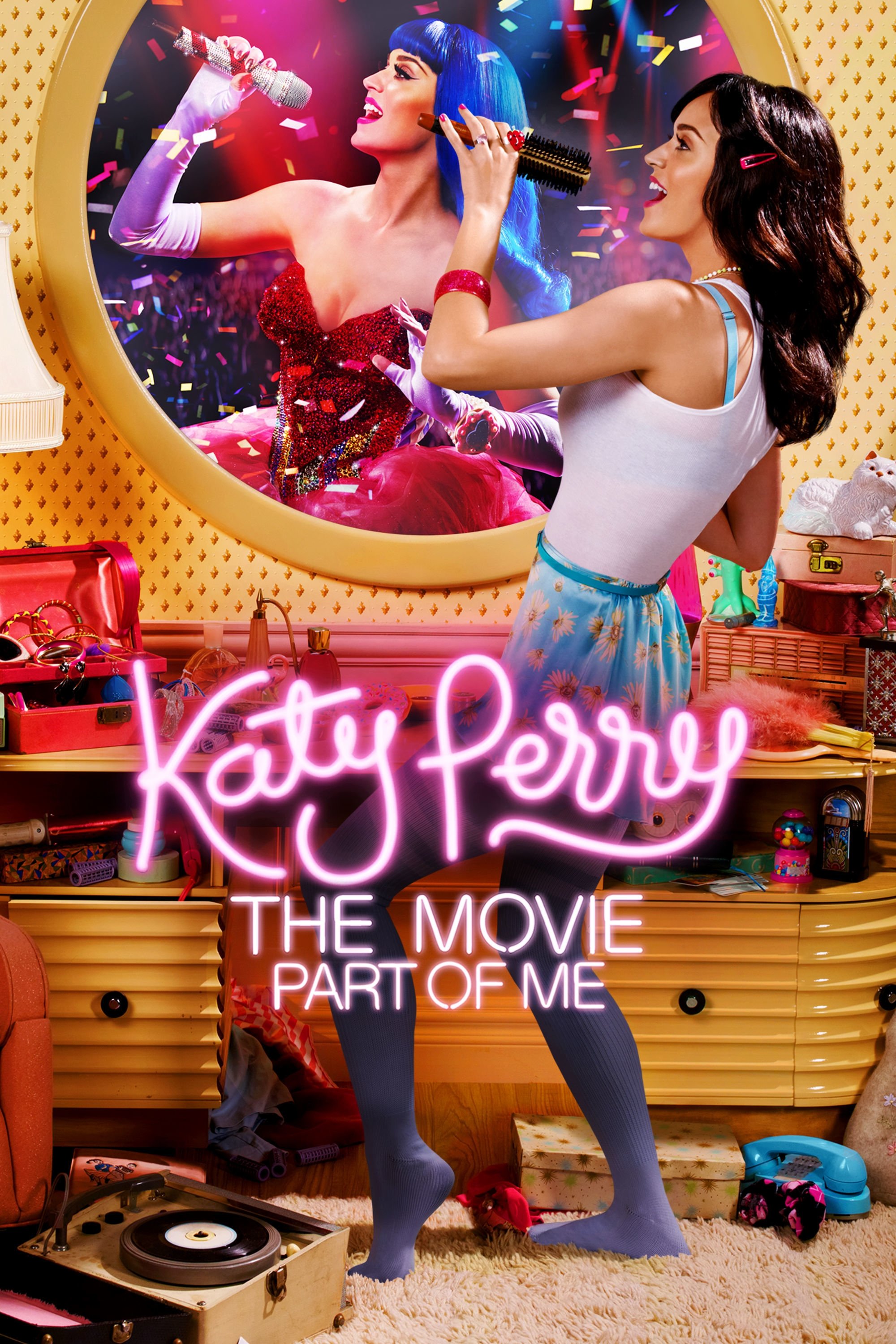
Giving fans unprecedented access to the real life of the music sensation, Katy Perry: Part of Me exposes the hard work, dedication and phenomenal talent of a girl who remained true to herself and her vision in order to achieve her dreams. Featuring rare behind-the-scenes interviews, personal moments between Katy and her friends, and all-access footage of rehearsals, choreography, Katy’s signature style and more, Katy Perry: Part of Me reveals the singer’s unwavering belief that if you can be yourself, then you can be anything.
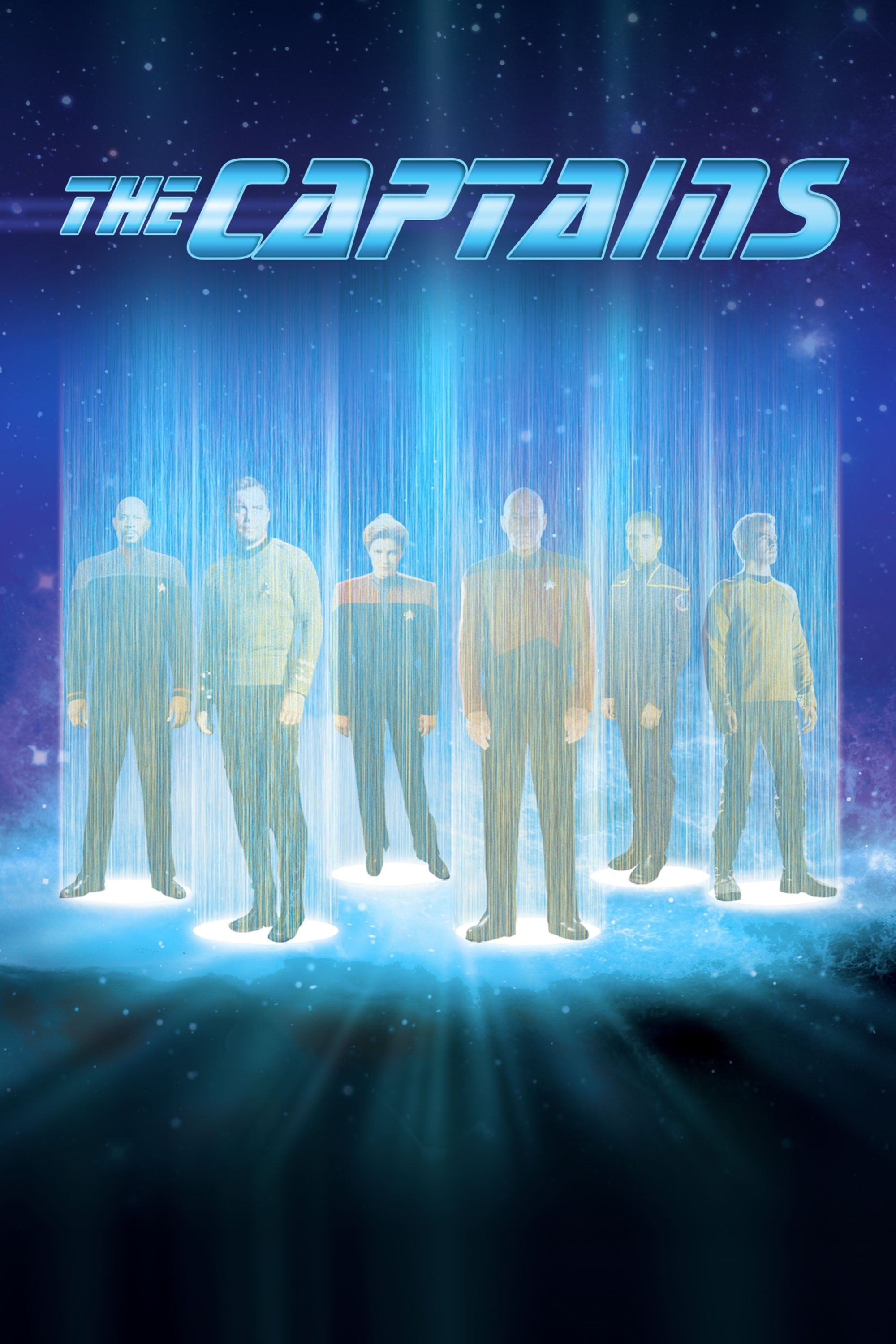
The Captains is a feature-length documentary film written and directed by William Shatner. The film follows Shatner as he interviews the other actors who have portrayed starship captains in the Star Trek franchise.
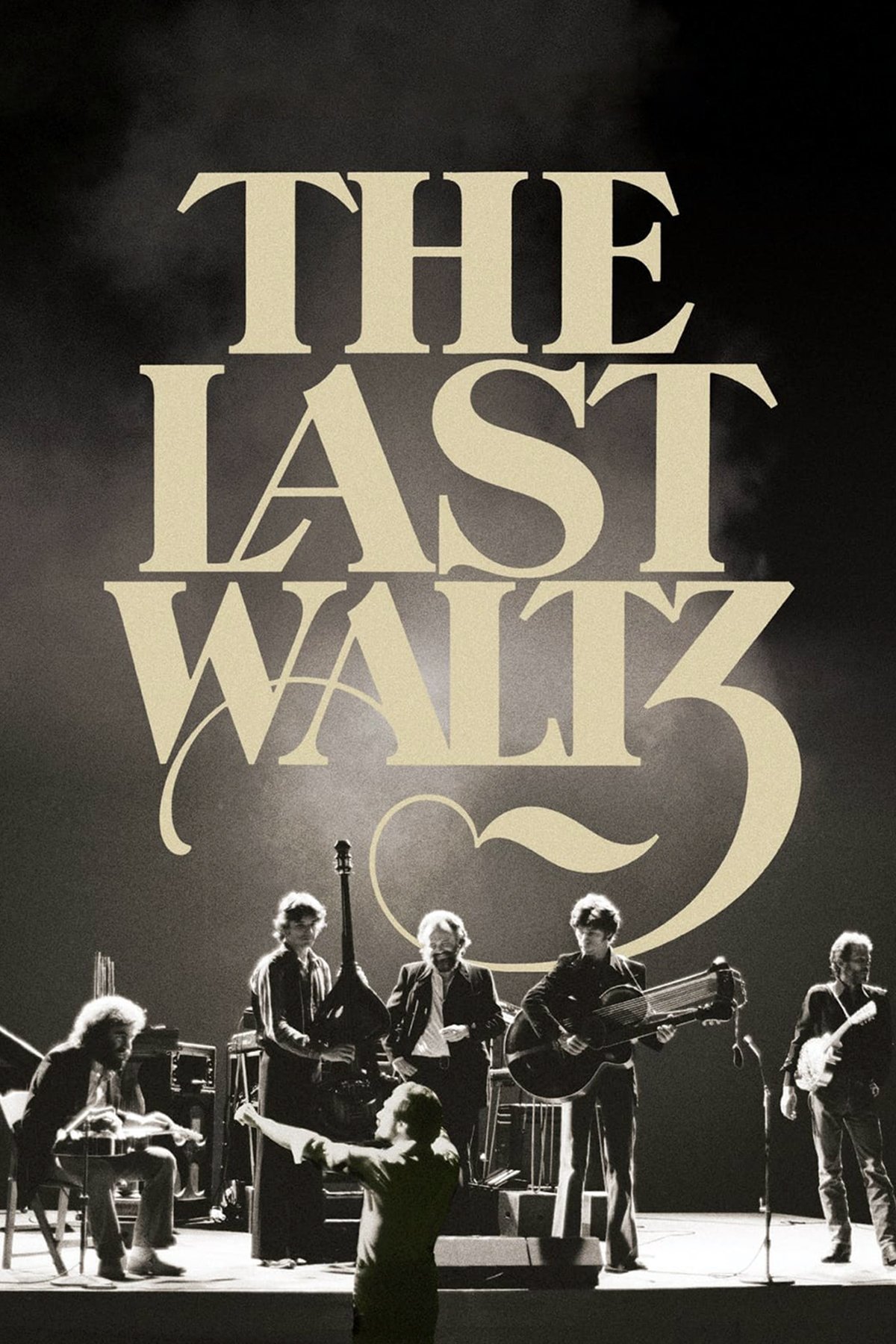
Martin Scorsese's documentary intertwines footage from The Band's incredible farewell tour with probing backstage interviews and featured performances by Eric Clapton, Bob Dylan, Joni Mitchell, Van Morrison, and other rock legends.
Interviews with leading authors, philosophers and scientists, with an in-depth discussion of the Law of Attraction. The audience is shown how they can learn and use 'The Secret' in their everyday lives.
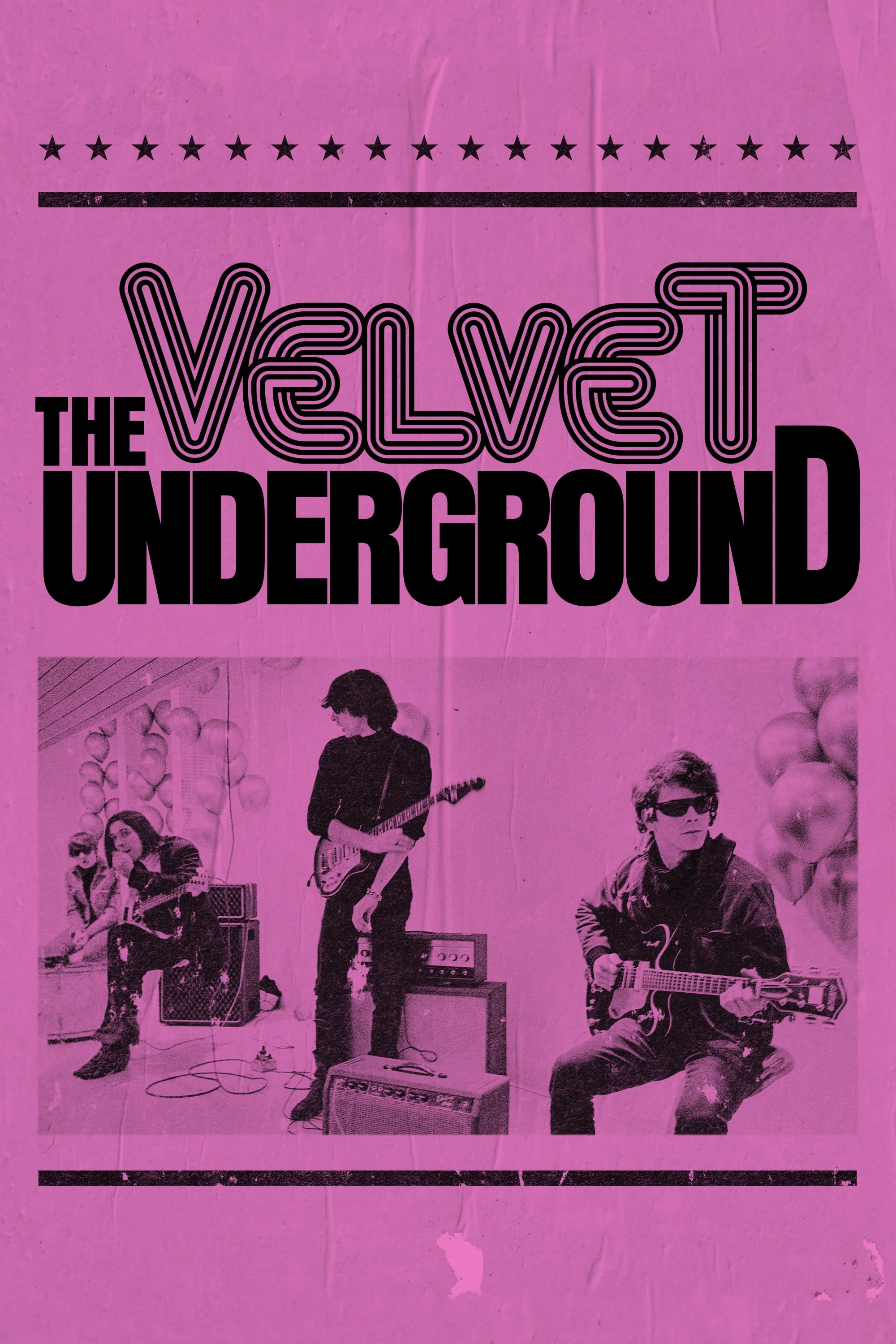
Experience the iconic rock band's legacy in the first major documentary to tell their story. Directed with the era’s avant-garde spirit by Todd Haynes, this kaleidoscopic oral history combines exclusive interviews with dazzling archival footage.
Amber Heard and Nicole Kidman discuss their characters Mera and Atlanna.
A look at the origins, history and conspiracies behind the "Majestic 12", a clandestine group of military and corporate figureheads charged with reverse-engineering extraterrestrial technology.
Alexander McQueen's rags-to-riches story is a modern-day fairy tale, laced with the gothic. Mirroring the savage beauty, boldness and vivacity of his design, this documentary is an intimate revelation of McQueen's own world, both tortured and inspired, which celebrates a radical and mesmerizing genius of profound influence.
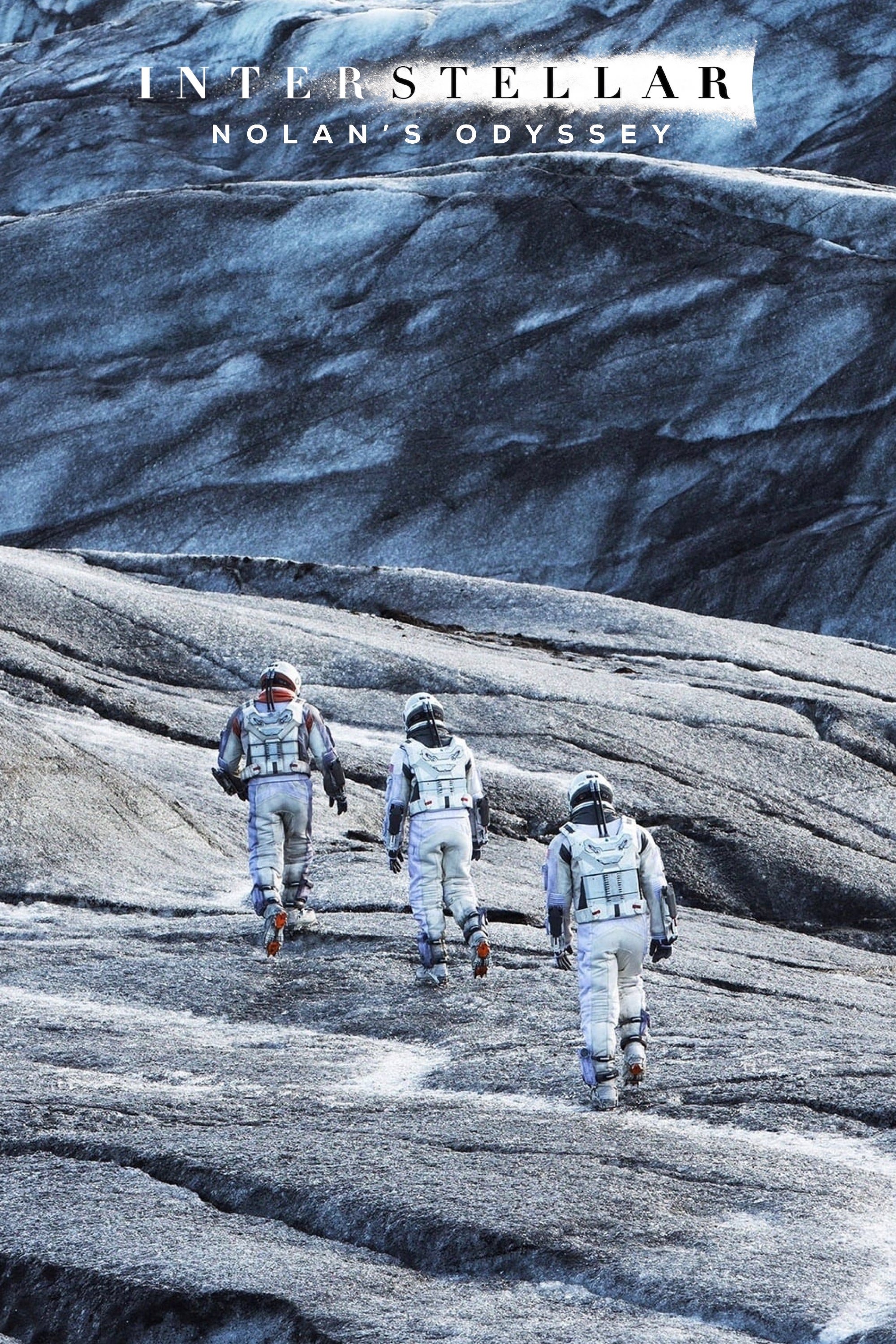
A look behind the lens of Christopher Nolan's space epic.
Global superstar Jennifer Lopez reflects on her multifaceted career and the pressure of life in the spotlight in this intimate documentary.
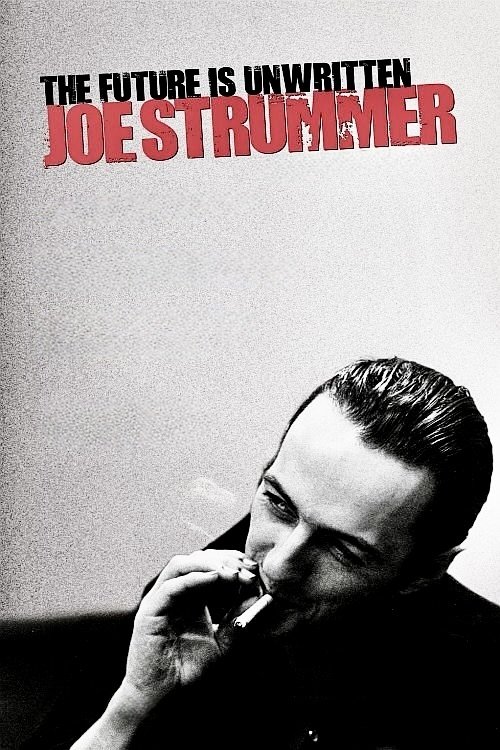
As the front man of the Clash from 1977 onwards, Joe Strummer changed people's lives forever. Four years after his death, his influence reaches out around the world, more strongly now than ever before. In "The Future Is Unwritten", from British film director Julien Temple, Joe Strummer is revealed not just as a legend or musician, but as a true communicator of our times. Drawing on both a shared punk history and the close personal friendship which developed over the last years of Joe's life, Julien Temple's film is a celebration of Joe Strummer - before, during and after the Clash.
A documentary about the making of season five of the acclaimed AMC series Breaking Bad.
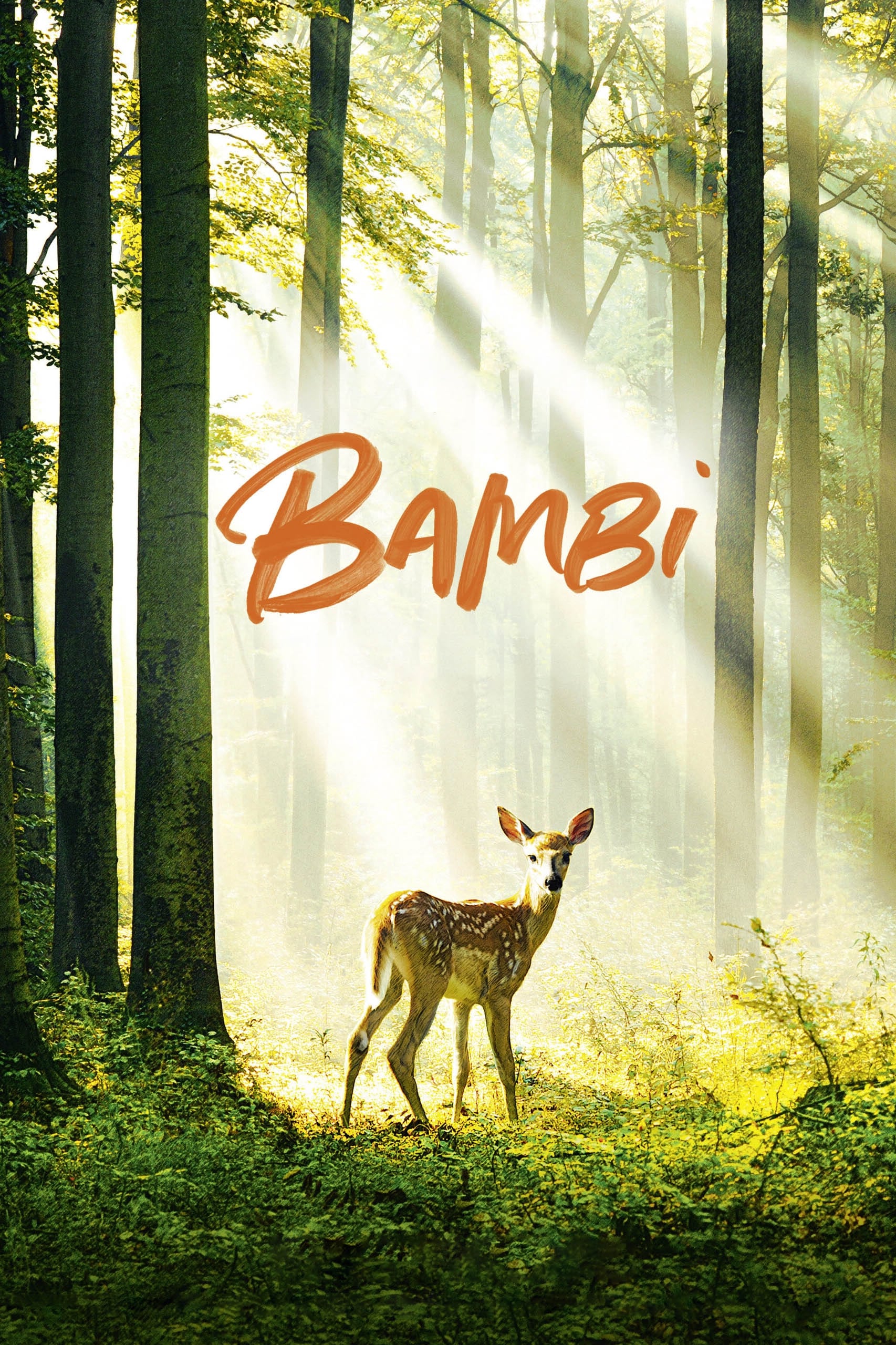
The life of Bambi, a male roe deer, from his birth through childhood, the loss of his mother, the finding of a mate, the lessons he learns from his father, and the experience he gains about the dangers posed by human hunters in the forest.
A documentary about the life and films of director John Ford.