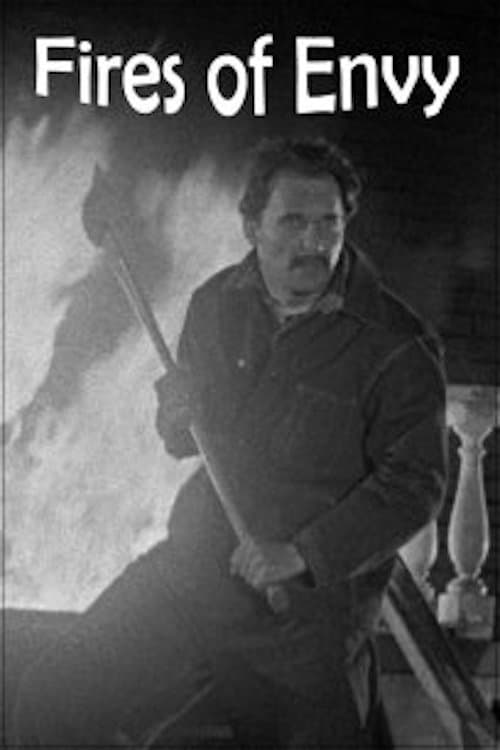
A dramatization of Canadian author W.O. Mitchell's penetrating story about the racial prejudice encountered by a Polish immigrant farmer in a rural Saskatchewan community.
Social & External
The people behind it
Sydney Brown
Tony Brown
Jack Creley
Mavor Moore
John Vernon
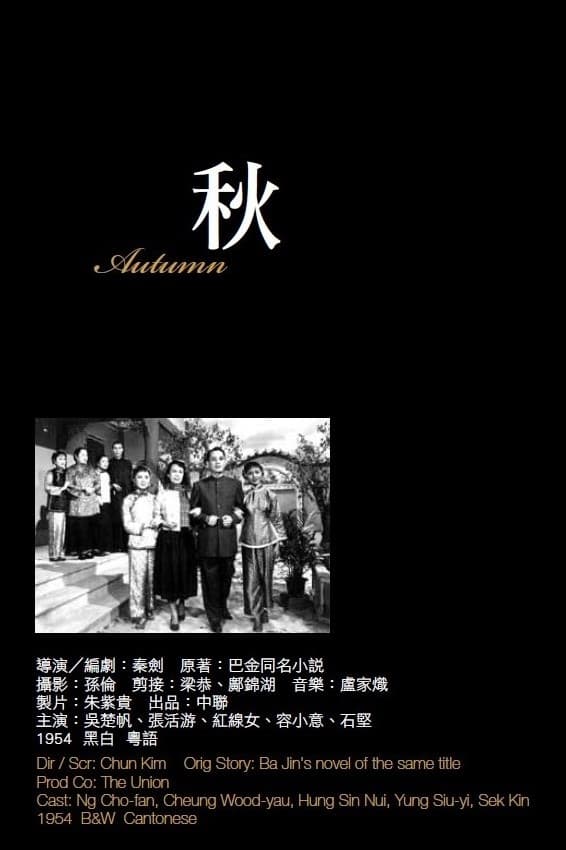
Hak-ming heads the Ko Family, but he and his brothers, Hak-ting and Hak-on, and the second wife of the late Master Ko quarrel. Young Cousin Mui, who has tuberculosis, is forced by to marry an older woman. Kok-sun is guilty of being unable to stop the marriage. Sun and maid Chui-wan are wary of their feelings for each other due to class difference. Cousin Mui dies of illness. Hak-ting has his eyes on Wan. His wife, Wong, complains to their daughter, Shuk-ching, who cannot take it and commits suicide. Wong blames herself for her death. Undergone these tragedies, Cousin Kam's mother let Kam have a modern wedding with Kok-man. When Ming is ill, Ting and On want to sell the ancestral home. Hak-ming dies of angst. When the fifth uncle of Sun forces Wan to be his concubine, Wan tries to kill herself but is intercepted by Sun. Pressurised by people of the house over the issue of inheritance, Sun protests by declaring his love for Wan and leaves the family, with his mother, brother Man and Wan.
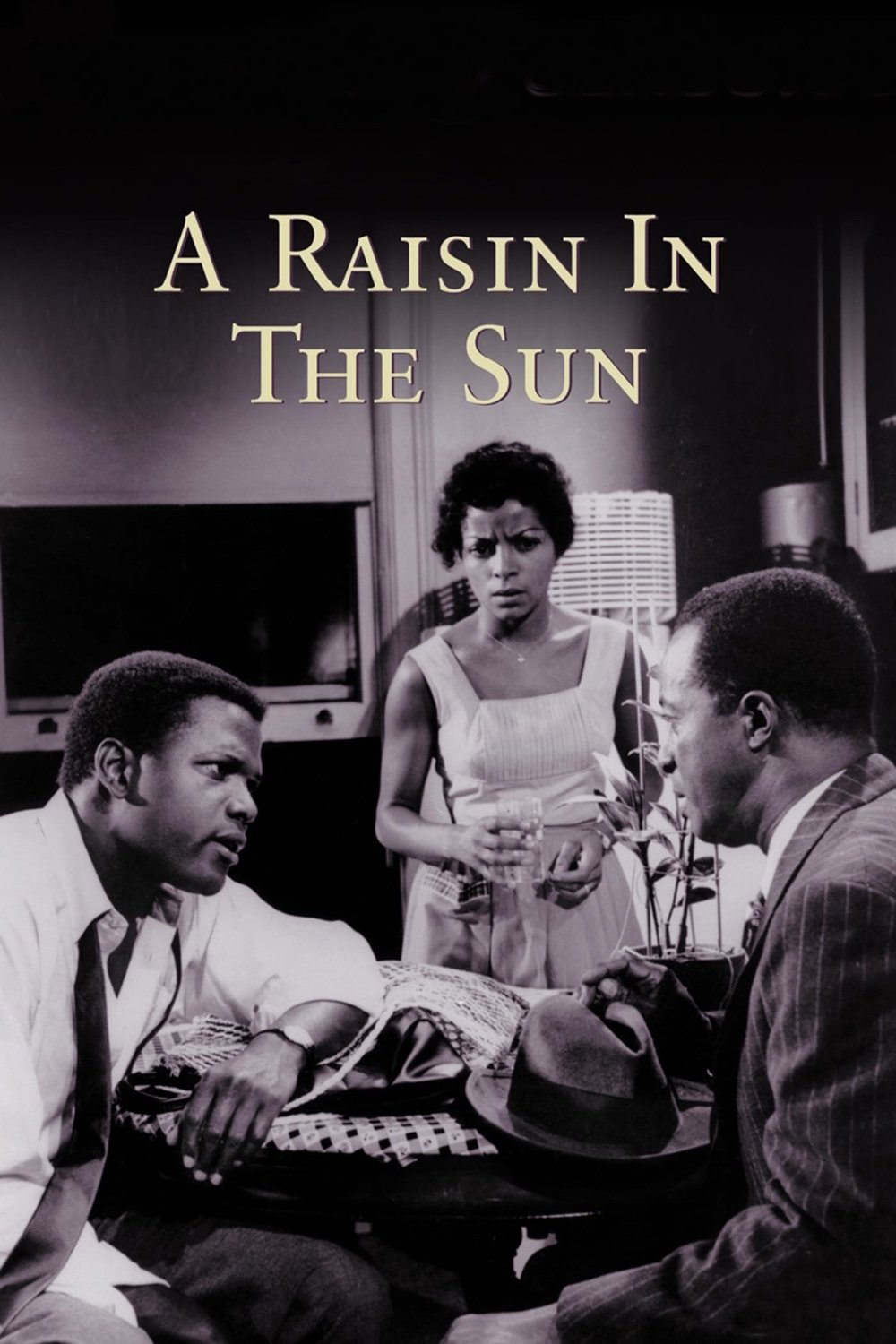
Walter Lee Younger is a young man struggling with his station in life. Sharing a tiny apartment with his wife, son, sister and mother, he seems like an imprisoned man. Until, that is, the family gets an unexpected financial windfall.
Ko Suk-ying is saddened over her arranged marriage as manipulated by her father Hak-ming. Ko Kok-sun's Cousin Chow Wai's spends the Mid-Autumn Festival before her marriage with the Kos. She has been in love with Sun. Sun finds out about her love for him when she is about to be married off, he is too weak to oppose to Wai's betrothal to another man. Sun's son, Hoi-sun, falls ill. Fearing the displeasure of his elders, Sun dares not consult a western doctor. Meanwhile, another dispute arises among members of the family over the ancestral land. When accused of being incompetent in his management, Sun takes the blame silently. Wai dies of grief while Hoi-sun becomes a victim of mistreatment. Sun is devastated at this double blow. Hak-ming instructs Sun to arrange for Ying's wedding. Knowing the kind of man Ying's fiancee is, Sun is reluctant. Not wanting to follow in Wai's footsteps, Ying fights for her own rights, and backed by an enlightened Sun, she leaves for a new start.
A little pig from rural P Town goes off to live in the metropolis. But he finds that a small town pig isn't always welcome among the elephants who live in City Ele.
Framed for murder and left for dead, a local legend comes back to make the guilty pay as he seeks revenge on those who killed his family, in this traditional Western about one man who stood against injustice.
A new bold interpretation of the plot of the literary masterpiece "Running Melos", transferred to our days! A high-tension literary comedy from the popular actor Yuta Koseki and director Ryutaro Nakagawa!
Adapted from the series aired in 2001. Looking for inspiration during the holidays, Nando sees Anita as the ideal character for his novel. She lives in a townhouse where a passionate crime happened in the past. Intense, Anita seduces Nando and awakens to
A black, female, apprentice carpenter faces discrimination and must choose between taking a stand or keeping her job.
A young victimized boy decides to confront his inner demons by drowning himself, and during the process finds purpose and meaning in his life.
An actress, three months post-partum, reads through fragments of the archive of Suzanne Césaire as she prepares to perform excerpts of the writer's work.
Teresa is a spirited young girl chafing under the oppressive attitudes of 1930s society, and her father in particular. She fancies her poverty-stricken Latin tutor Johnathan Crow, without realising he merely considers her a pleasant diversion and nothing more, and eventually follows him from Sydney to London. En route she meets the gentle banker James Quick. Whilst navigating her relationships in London, including with a political poet bound for the Spanish Civil War, she experiences a transformation in her understanding of love. Based upon Christina Stead's best-selling Australian novel.
Despite mixed emotions, Frederick Winterbourne tries to figure out the bright and bubbly Daisy Miller, only to be helped and hindered by false judgments from their fellow friends.
Vincent is an all-too-human man who dares to defy a system obsessed with genetic perfection. He is an "In-Valid" who assumes the identity of a member of the genetic elite to pursue his goal of traveling into space with the Gattaca Aerospace Corporation.
Arrested for an unnamed crime, Josef K. is trapped in a surreal bureaucratic maze where justice is unknowable and guilt is assumed.
A small town somewhere in Poland. "Małolat", a member of a nationalist militia, is blackmailed into planting a bomb at an LGBT rally in Warsaw. However, he does not know that his gay brother will be at the demonstration. The mother of both characters will get involved in the whole situation. The young man faces a dramatic choice.
A case of mistaken identity leads to a heated confrontation between a young Black man and two law enforcement officers.
Inspector Maigret responds to a call from a young woman in the middle of the night, but he then finds himself accused of raping her. He is forced to clear his name, and search for what had really taken place that night.
Two competing lawyers join forces to sue a prestigious law firm for AIDS discrimination. As their unlikely friendship develops, their courage overcomes the prejudice and corruption of their powerful adversaries.
Percy Schmeiser, a third-generation farmer, gets sued by a corporate giant for allegedly using their patented seeds. With little resources to fight a legal battle, Percy joins forces with up-and-coming attorney Jackson Weaver and environmental activist Rebecca Salcau for a monumental case that leads all the way to the Supreme Court.
Follows the life of Native Canadian Saul Indian Horse as he survives residential school and life amongst the racism of the 1970s. A talented hockey player, Saul must find his own path as he battles stereotypes and alcoholism.
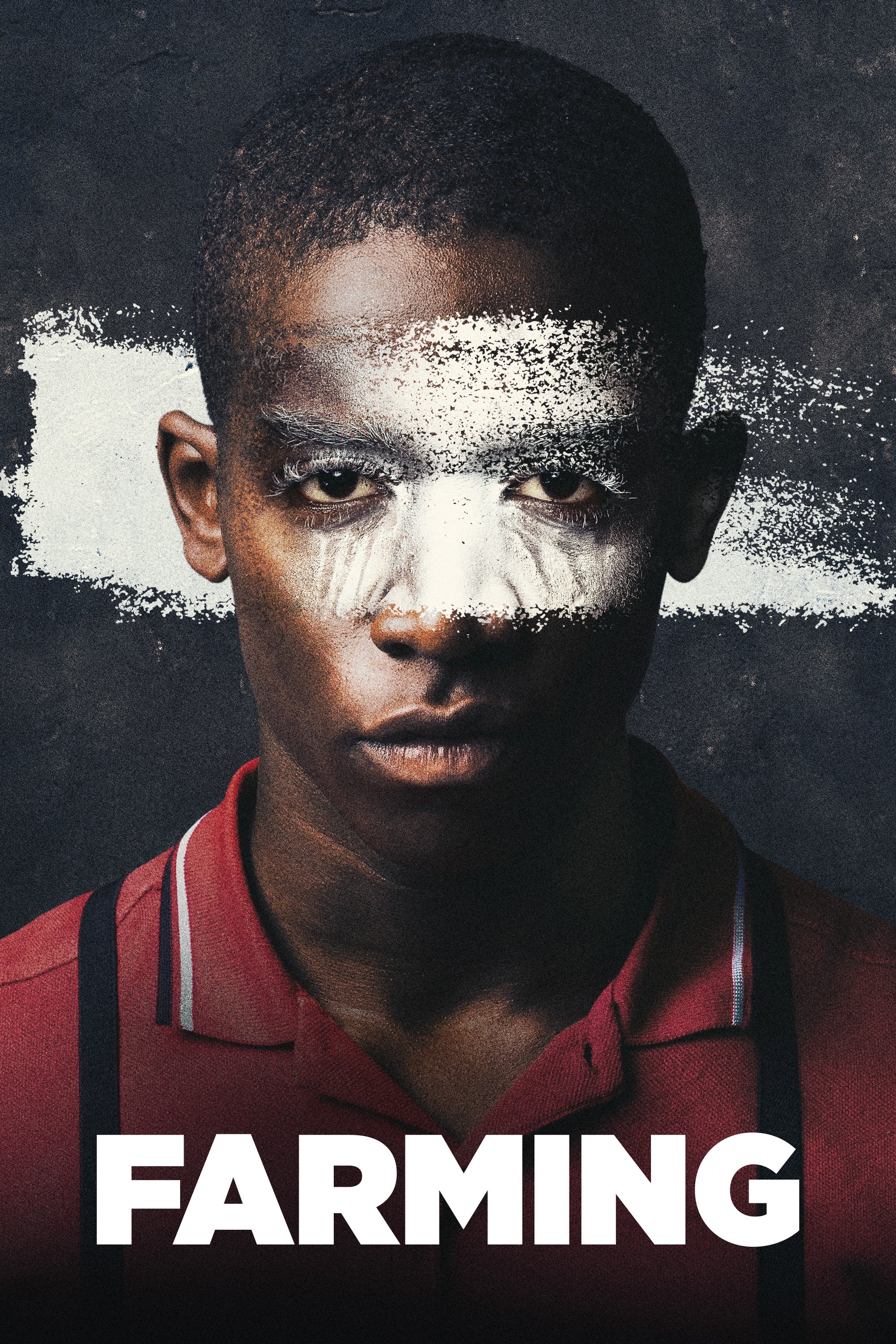
Based on the writer/director's childhood, FARMING tells the story of a young Nigerian boy, 'farmed out' by his parents to a white British family in the hope of a better future. Instead, he becomes the feared leader of a white skinhead gang.
Craig, a fiercely determined New Brunswick farmer, sets out to build a more suitable house for his ailing wife, Irene, despite their children's concerns. As he starts building, he is blindsided by the bureaucratic codes and officials. As Irene becomes increasingly ill, Craig fights back. Based on a true story.
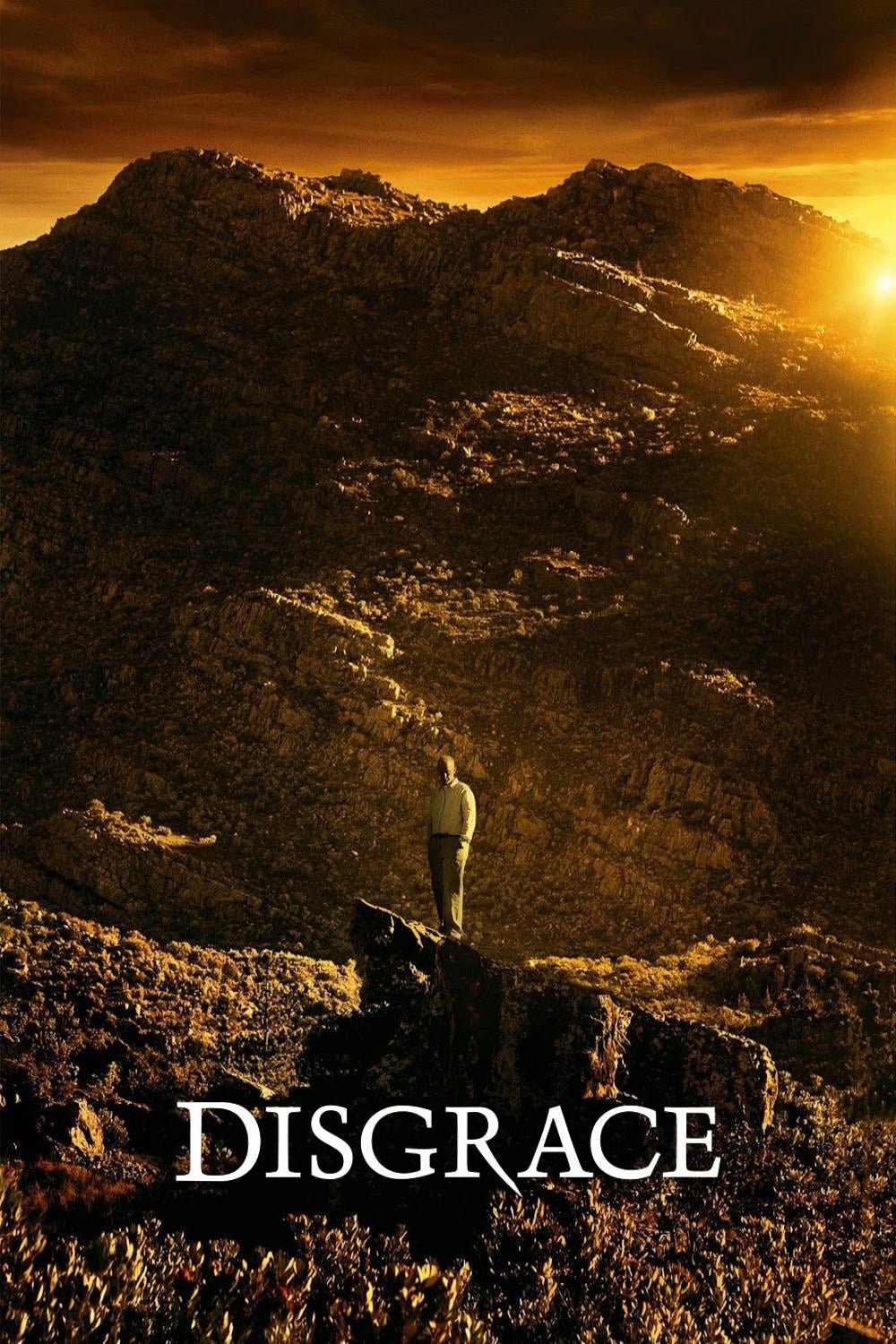
Disgrace is the story of a South African professor of English who loses everything: his reputation, his job, his peace of mind, his good looks, his dreams of artistic success, and finally even his ability to protect his cherished daughter. After having an affair with a student, he moves to the Eastern Cape, where he gets caught up in a mess of post-apartheid politics.
After inheriting a remote Montana house, Jackson moves there from New York with his partner Grace, and the couple soon welcome a child. As Jackson becomes increasingly absent and rural isolation sets in, Grace struggles with loneliness, creative frustration, and unresolved emotional wounds. What begins as an attempt at renewal gradually turns into an intense psychological descent, placing strain on their relationship and exposing the fragile balance between love, identity, and motherhood.
A young transgender man explores his gender identity and searches for love in rural Nebraska.
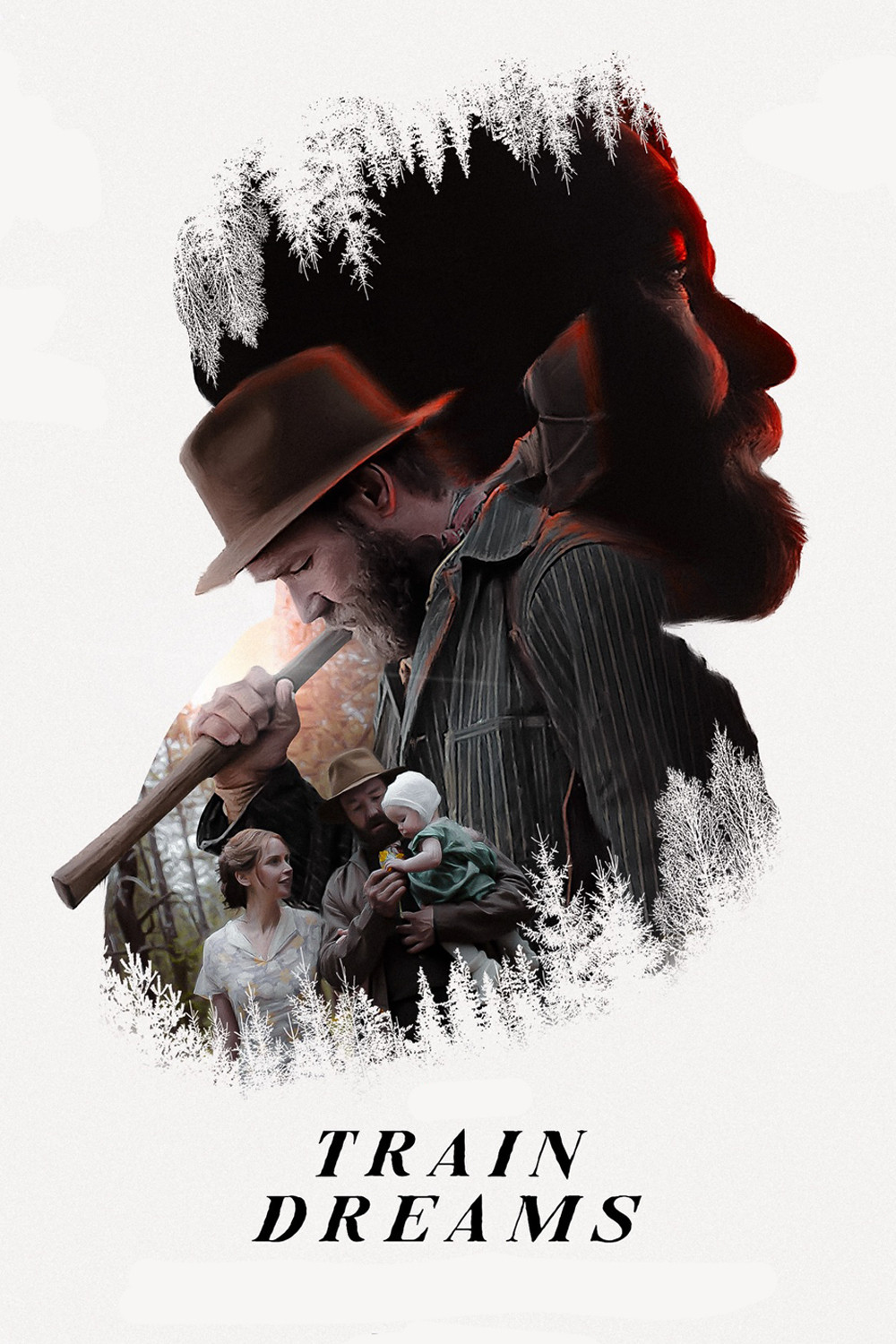
A logger leads a life of quiet grace as he experiences love and loss during an era of monumental change in early 20th-century America.
After a botched robbery results in the brutal murder of a rural family, two drifters elude police, in the end coming to terms with their own mortality and the repercussions of their vile atrocity.
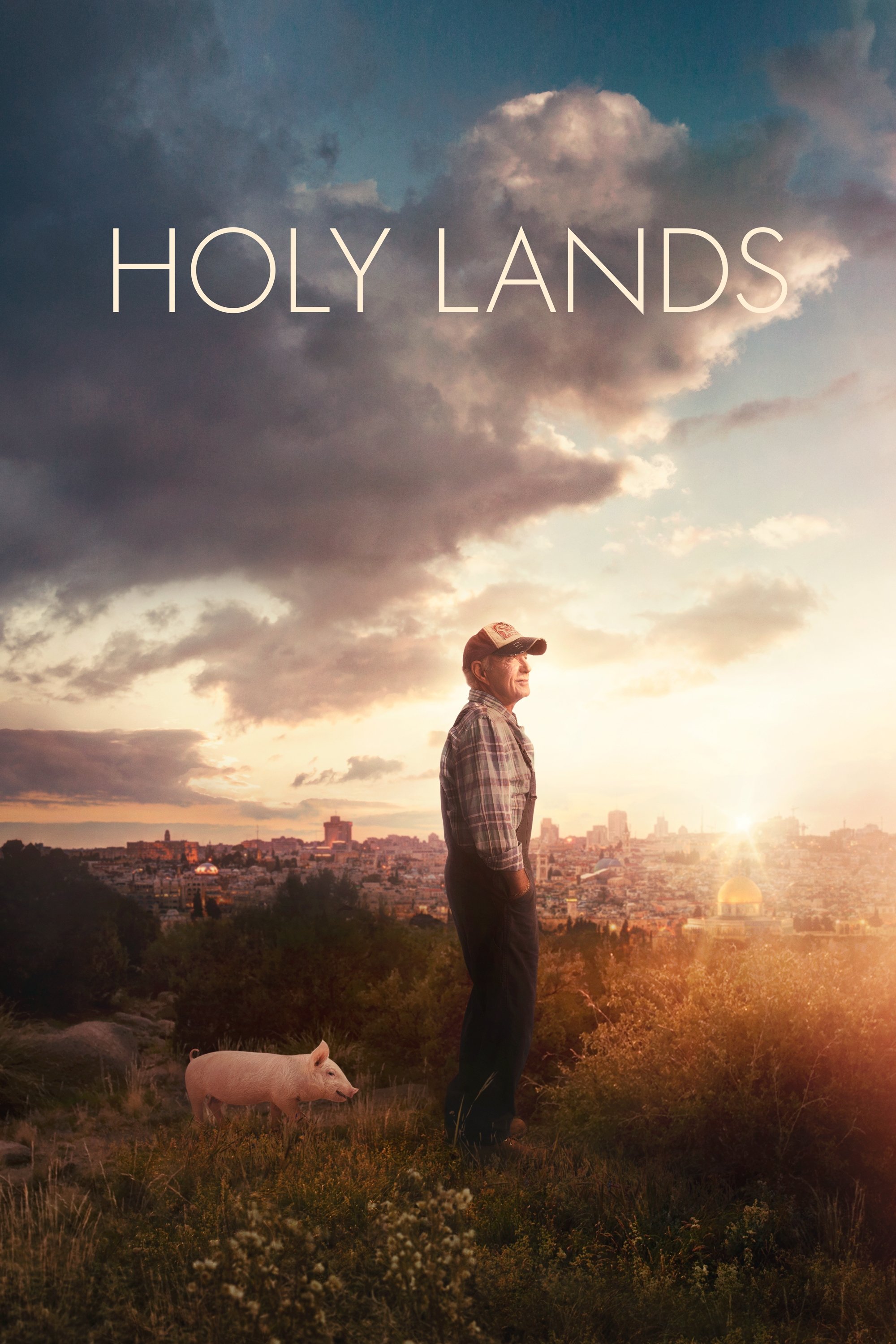
When lapsed Jew and former cardiologist Harry suddenly decides to spend his retirement as a pig farmer in Nazareth, Israel, the move deeply shocks his family and his new neighbours. Back in New York, Harry’s ex-wife Monica is trying to manage the lives of their adult children, Annabelle and David, as well as her own.
A Korean American family moves to an Arkansas farm in search of its own American dream. Amidst the challenges of this new life in the strange and rugged Ozarks, they discover the undeniable resilience of family and what really makes a home.
Based on the true story of a black girl who was born to two white Afrikaner parents in South Africa during the apartheid era.
When the ongoing rivalry between farmers Michael and Jack suddenly escalates, it triggers a chain of events that take increasingly violent and devastating turns, leaving both families permanently altered.
Accused barn burner and conman Ben Quick arrives in a small Mississippi town and quickly ingratiates himself with its richest family, the Varners.
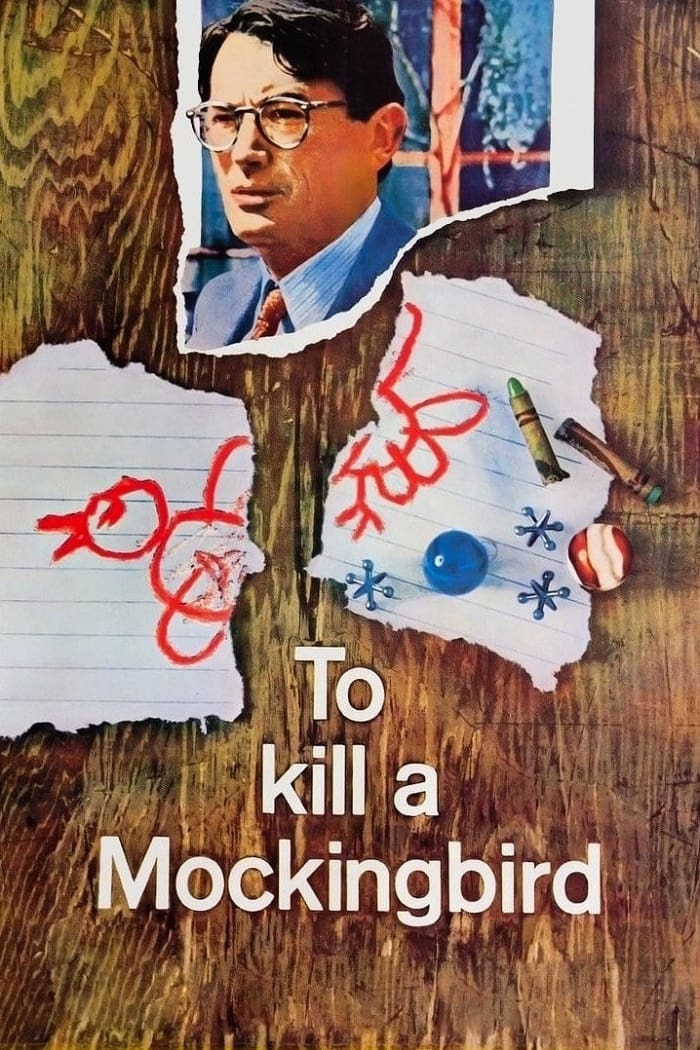
Scout Finch, 6, and her older brother Jem live in sleepy Maycomb, Alabama, spending much of their time with their friend Dill and spying on their reclusive and mysterious neighbor, Boo Radley. When Atticus, their widowed father and a respected lawyer, defends a black man named Tom Robinson against fabricated rape charges, the trial and tangent events expose the children to evils of racism and stereotyping.
Rural England, 1865. Katherine, suffocated by her loveless marriage to a bitter man and restrained by his father's tyranny, unleashes an irresistible force within her, so powerful that she will stop at nothing to get what she wants.
A jazz musician seeks refuge from a lynch mob on a remote island, where he meets a hostile game warden and the young object of his attentions.
Four women from different backgrounds forge an unbreakable sisterhood while trapped and in hiding during the genocide in Rwanda.
The story of Rickey Hill, who overcomes his physical disability and repairs his relationship with his father in a quest to become a major league baseball (MLB) player.
A former special forces contractor is forced out of retirement as an avocado farmer in Mexico when local gangsters try to force him and his family off their farm.