Social & External
The people behind it
Jane Birkin
Self
Laurent Voulzy
Sonia Rolland
Thomas Dutronc
Ariane Ascaride
Alex Lutz
Pierre Palmade
Régine
Amel Bent
Bertrand Tavernier
Why do people vent such toxic opinions online? Filmmaker Kyrre Lien spent three years travelling the world to find out who these anonymous ‘internet warriors’ are and why they do it.
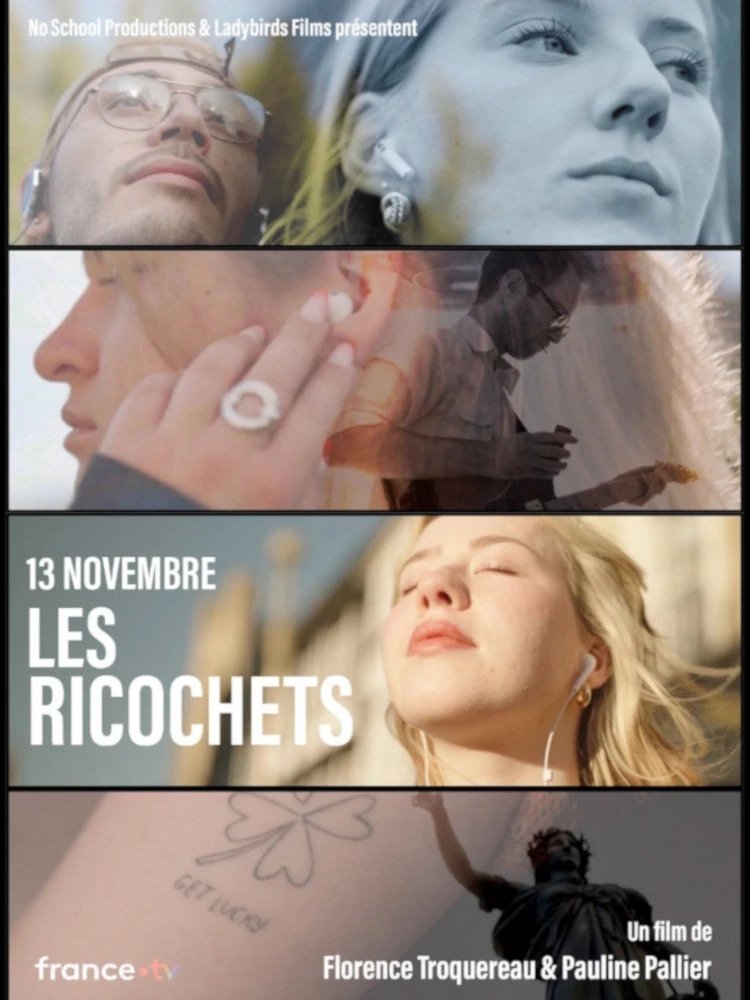
This is one of the blind spots of the November 2015 attacks, a piece of history that has been ignored and never told: an invisible consequence of that fateful Friday the 13th is that dozens of childhoods and adolescences were also cut short. That night, as a result of the various attacks, 69 children were left orphaned. Most of them reject the term "victim," which is too heavy a burden to bear.
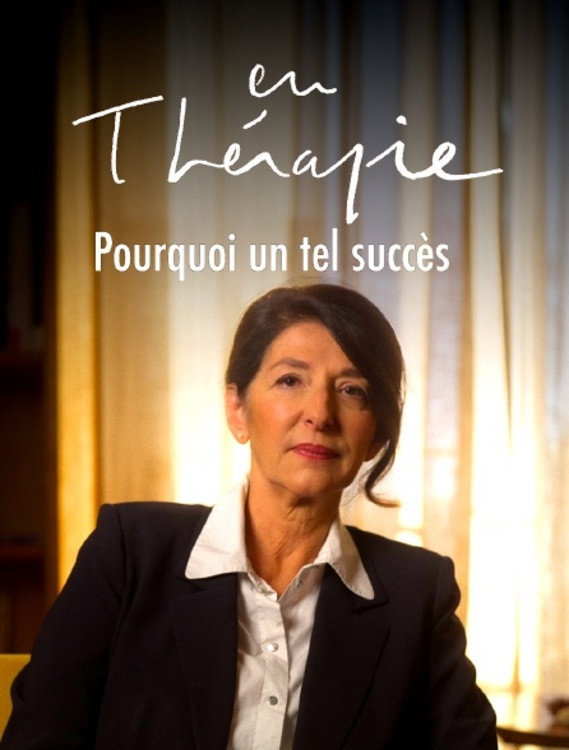
Why did the series "In Therapy" on ARTE break audience records? Does it reflect the truth of psychoanalysis? From personal quests to collective traumas, this sensitive documentary explores the reciprocal influences between fiction and reality.
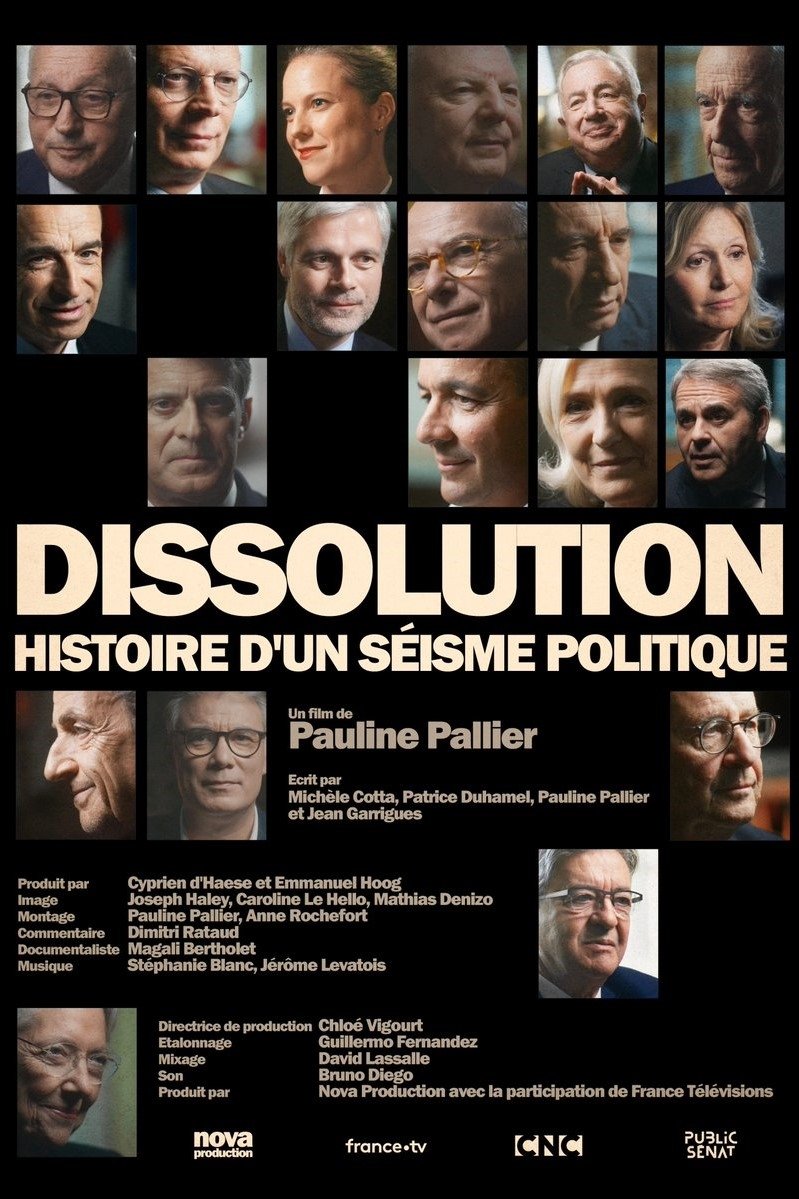
Misunderstood by the French, Emmanuel Macron’s dissolution of the National Assembly on June 9, 2024, led to an unprecedented political deadlock. This documentary examines whether he miscalculated, why he took such a risk, and whether this signals a deeper institutional crisis in the Fifth Republic.
Openland is an art film guided by issues surrounding micro states and its derivative definitions. Through intertwining interviews, meta-narratives, and digital landscapes, Openland unfurls a dialogue between consciousness, individuality and collectivity.
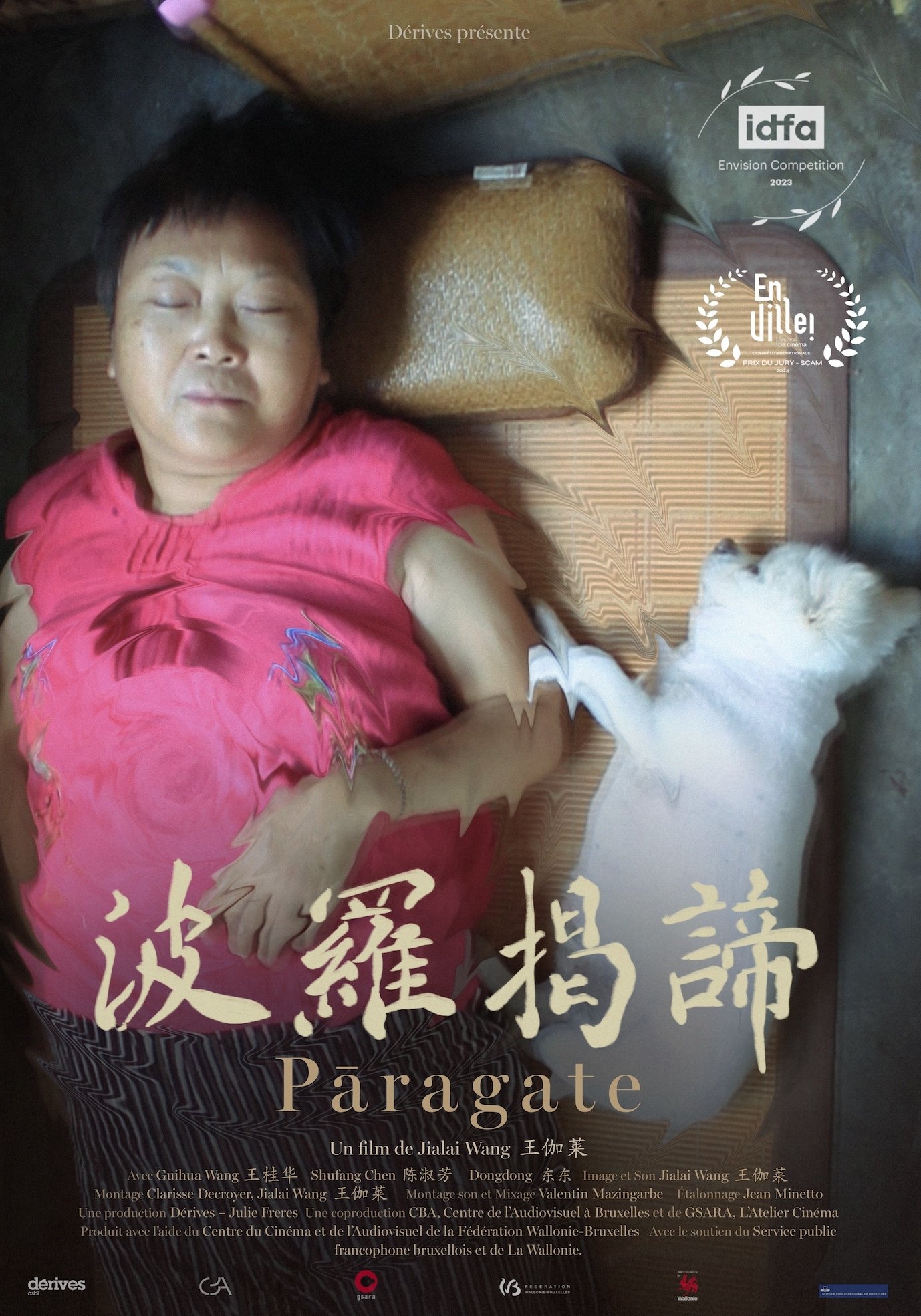
From Belgium, Jialai Wang maintains contact via smartphone and camera with her mother and grandmother in China. When her grandmother’s health deteriorates, Jialai returns to Shanghai, but when she arrives, her grandmother has already died, and she is left alone with her mother. A devout Buddhist, her mother seems to pay more attention to her daily prayers, Maoist past and dog Dongdong than she does to her daughter. She herself had been abandoned as a child by her own mother, when she divorced Jialai’s grandfather and moved to the city.
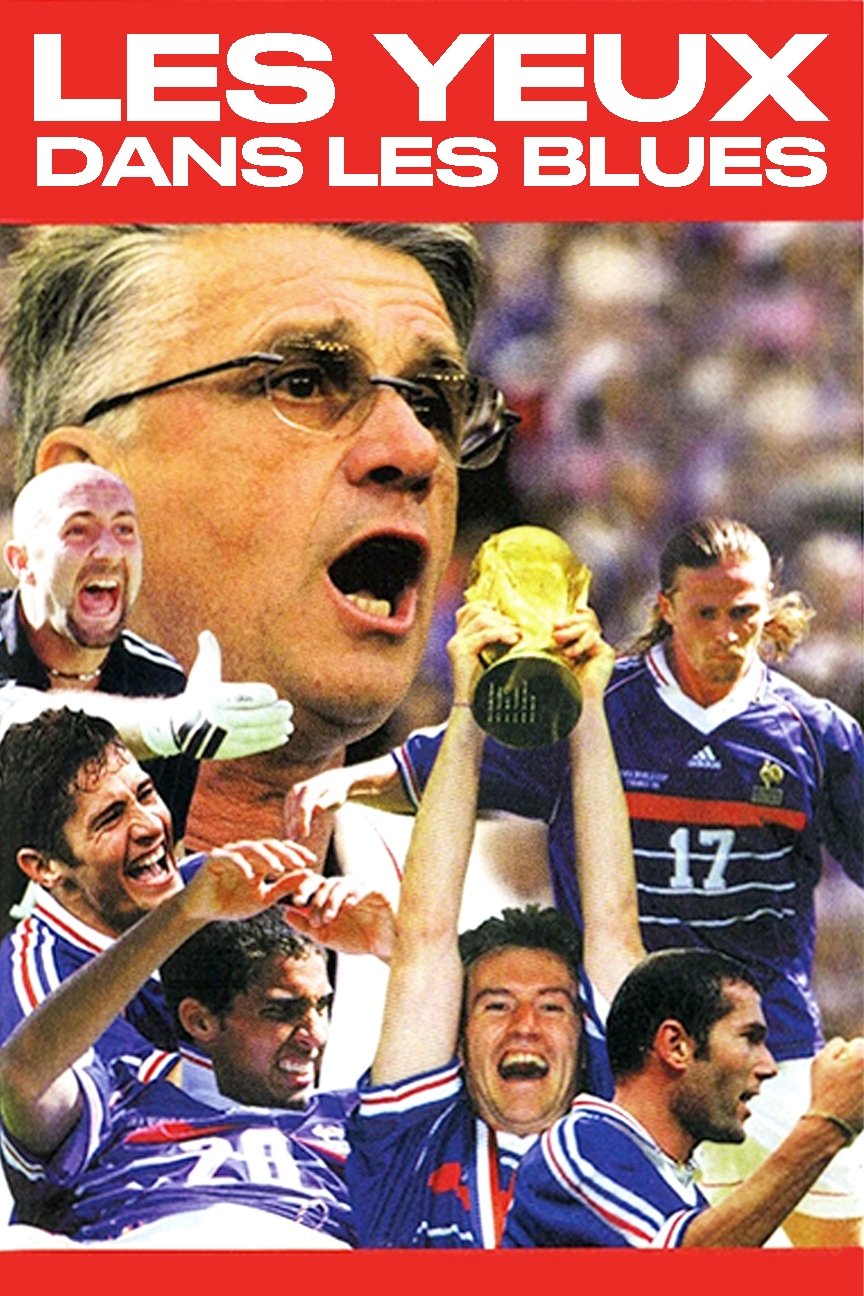
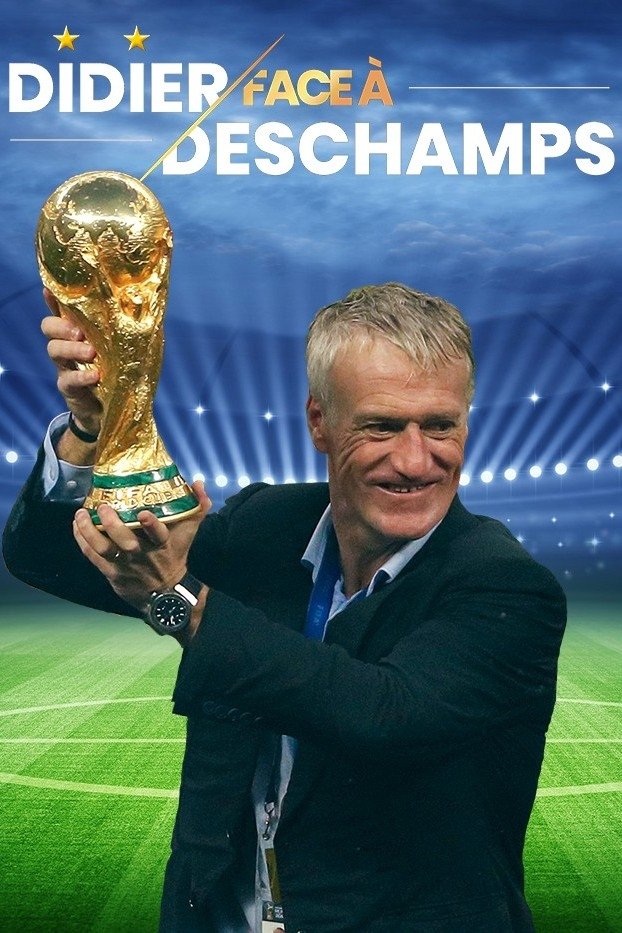
This documentary follows the French soccer team on their way to victory in the 1998 World Cup in France. Stéphane Meunier spent the whole time filming the players, the coach and some other important characters of this victory, giving us a very intimate and nice view of them, as if we were with them.
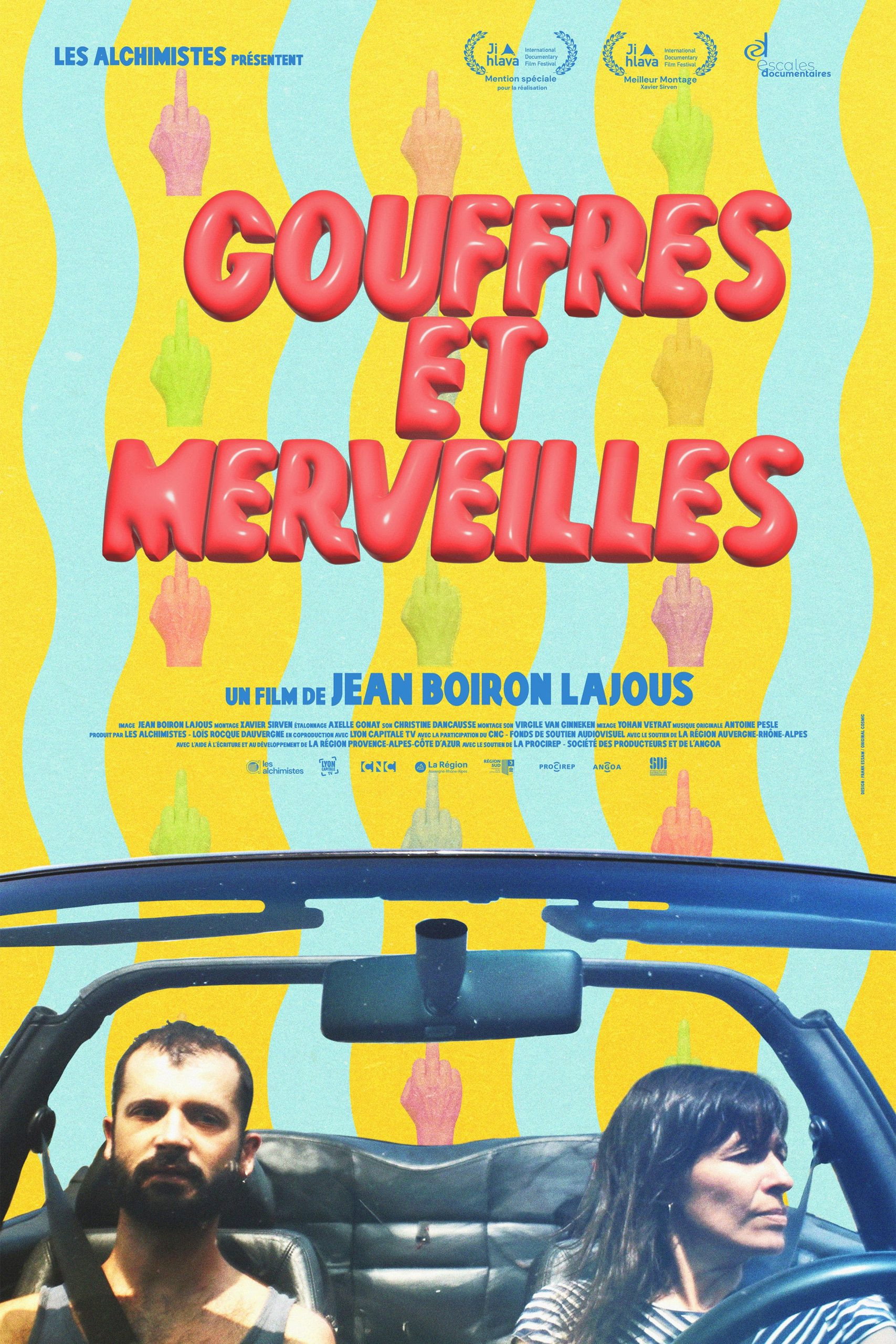
Christine’s father died when she was still a small child, and she remained in the care of her sadistic mother, who beat her and abused her psychologically. Christine is still convinced that her mother hid a farewell letter from her beloved father. Jean’s father committed suicide several years ago, and left behind a lengthy letter, but Jean never found the courage to read it. Together, Christine and Jean embark on a unique road trip across the French countryside to visit Christine’s mother, and try to confront the past.
For almost three years, nature filmmaker and ecologist David Cebulla has been observing wild Common hamsters. He not only tries to learn more about the species, but also documents why hamsters are globally threatened with extinction. David travels from the western border of the distribution area in France via Germany, Poland, Austria and Hungary to the eastern border of the distribution area in the Kazakh steppe. In the process, he manages to capture some unique and fantastic images. But during the project, it becomes increasingly difficult to find animals living in the wild.
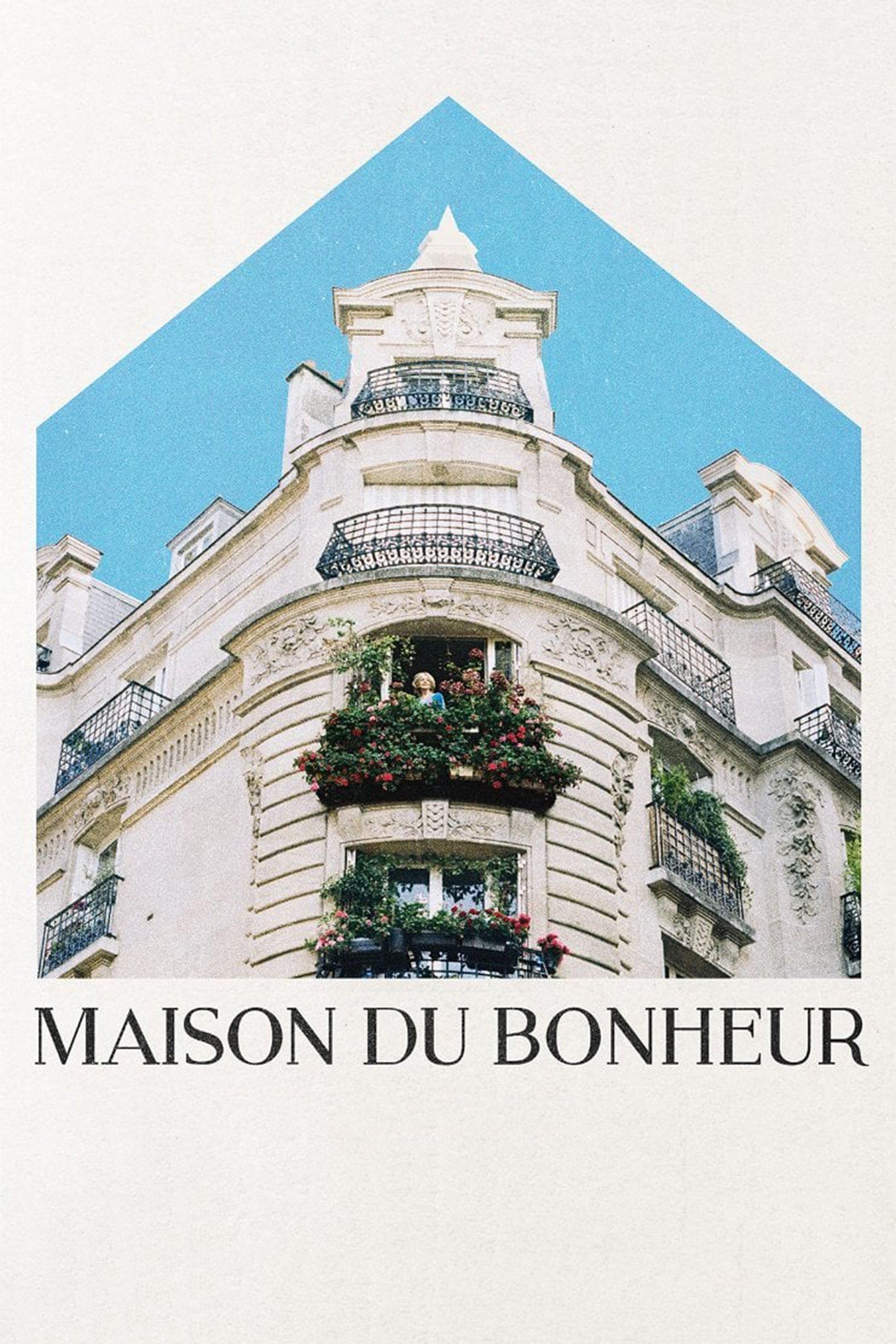
When asked to make a documentary about her friend’s mother—a Parisian astrologer named Juliane—the filmmaker sets off for Montmartre with a Bolex to craft a portrait of an infectiously exuberant personality and the pre-war apartment she’s called home for 50 years.
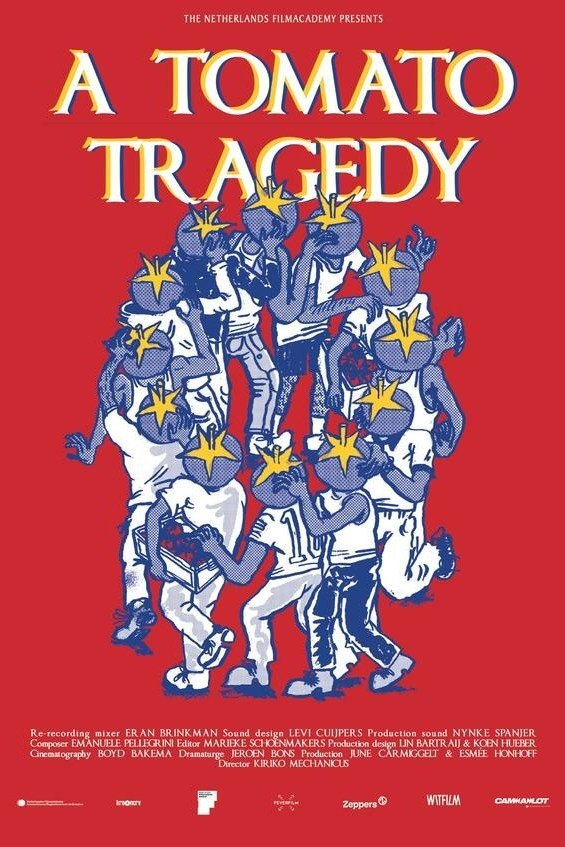
In southern Italy, stateless migrants pick the tomatoes the rest of the world will taste. But what about these workers’ European dreams? Will they be ground to a pulp? Our canned tomatoes are picked by migrant workers who have come to southern Italy to realise their dream of Europe. However, they never get beyond the tomato fields. This documentary shows how the tomato broaches a broader issue. Will the pickers keep believing in their dream, or fight against a Europe where others reap the sweet rewards of their disillusion?
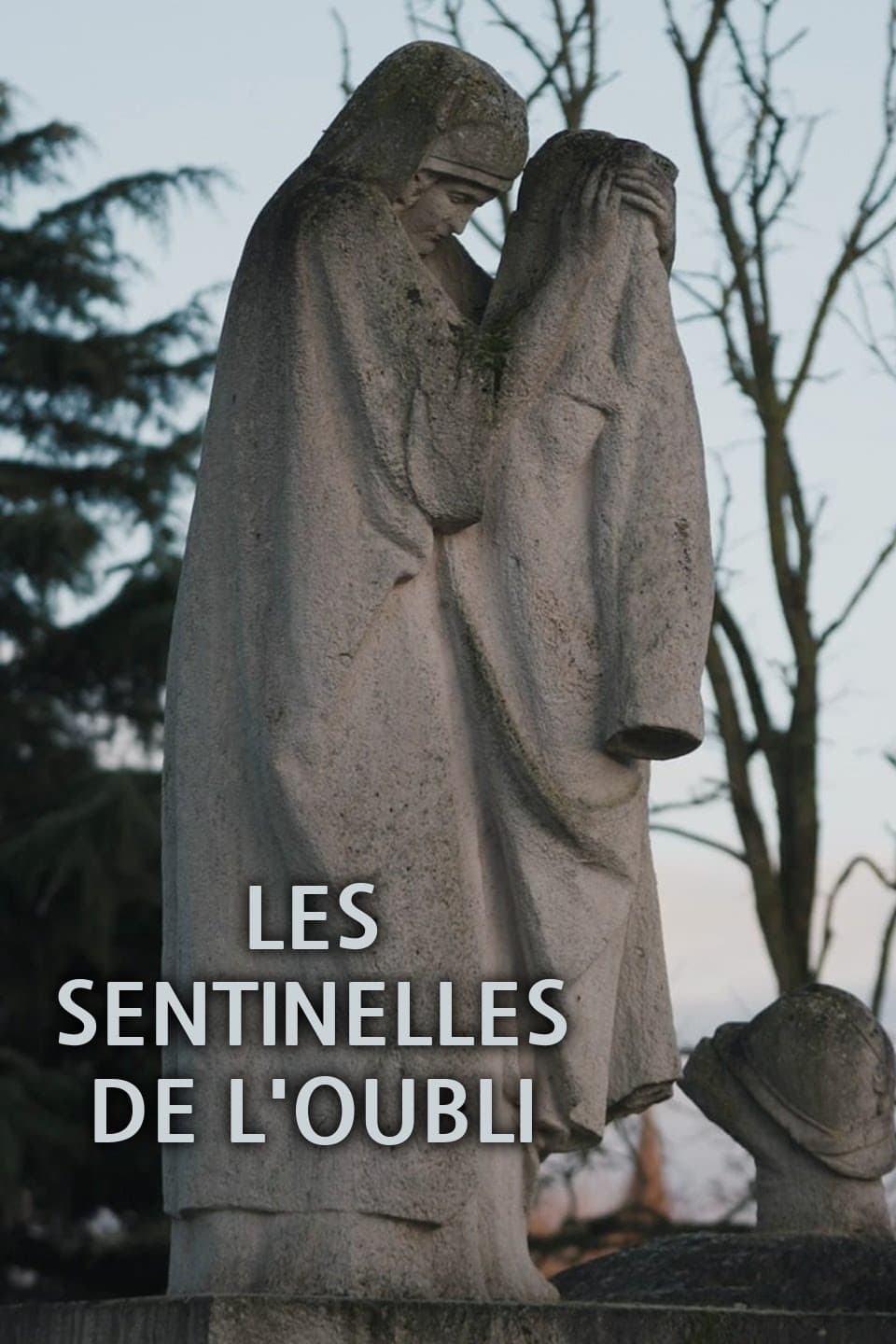
The war memorials of 1914-1918 have become so familiar that we no longer see them. They've become an invisible museum, blending into the landscape of France. Then, one fine day, a sculpture catches our eye. Another History appears, perhaps the most gigantic artistic project since the cathedrals...
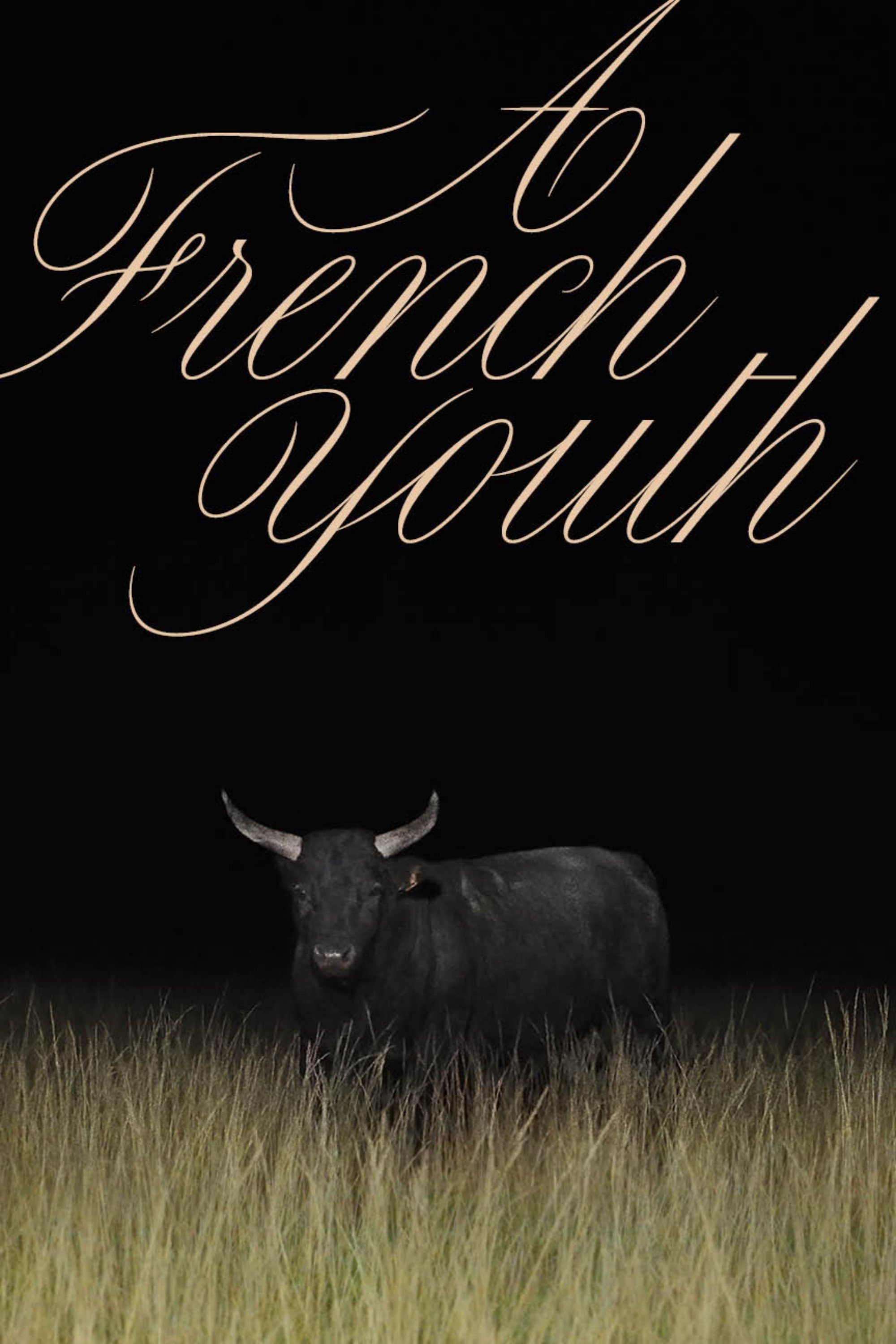
In the heart of the Camargue region, in the south of France, Jawad and Belka find freedom in their love of Camargue races. For these young Maghrebi men, the event is more than a simple tradition. Facing off with a bull is an opportunity to establish their place in the arena—and in French society. But at what cost?
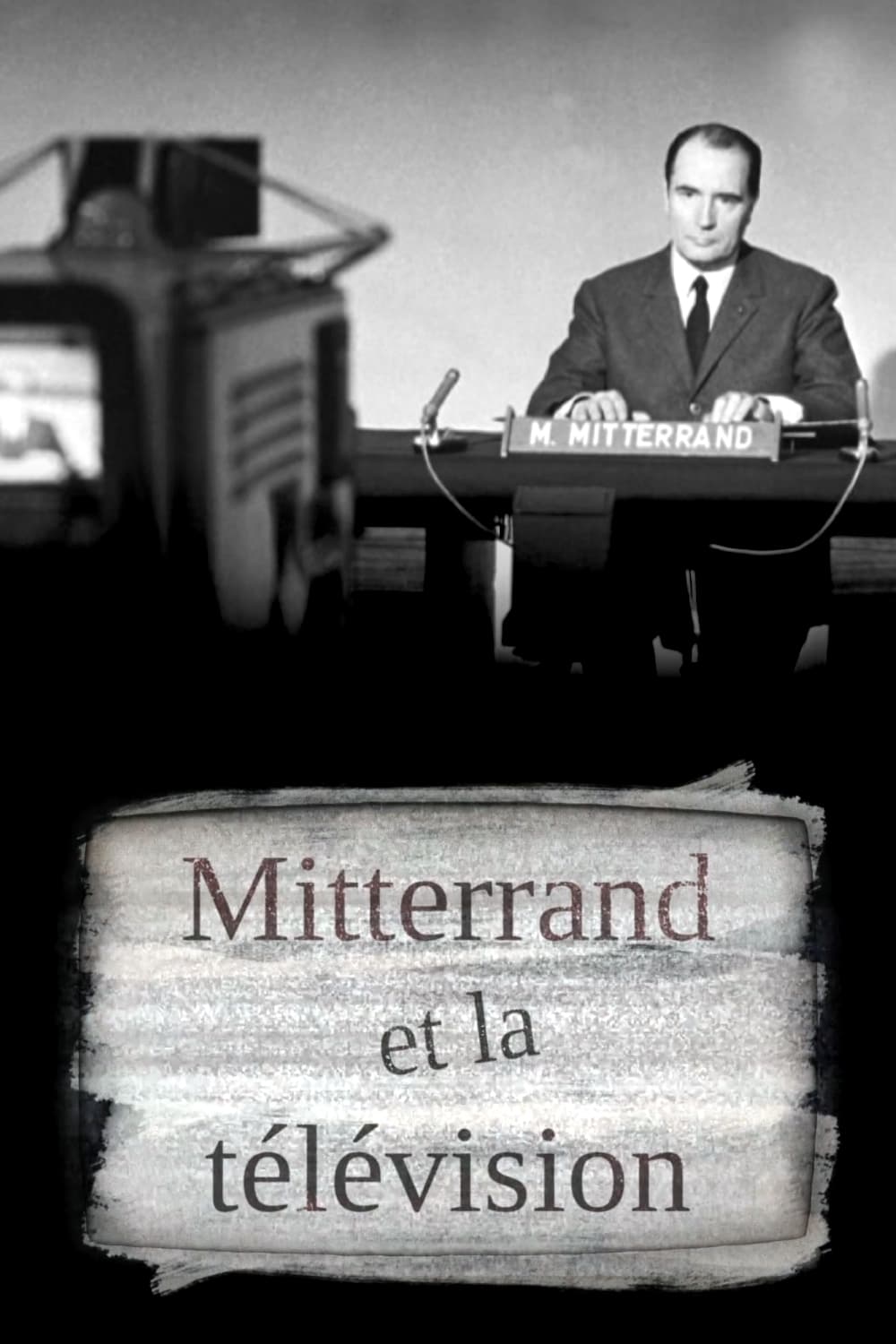
May 10th, 1981. François Mitterrand is elected President of the Republic. The “soviet tanks” supposedly coming upon the Champs-Élysées dressed in red, feared by some, did not march. Serge Moati takes a personal look at this episode, focusing on the relationship the president had with television, that he witnessed and played a role in.
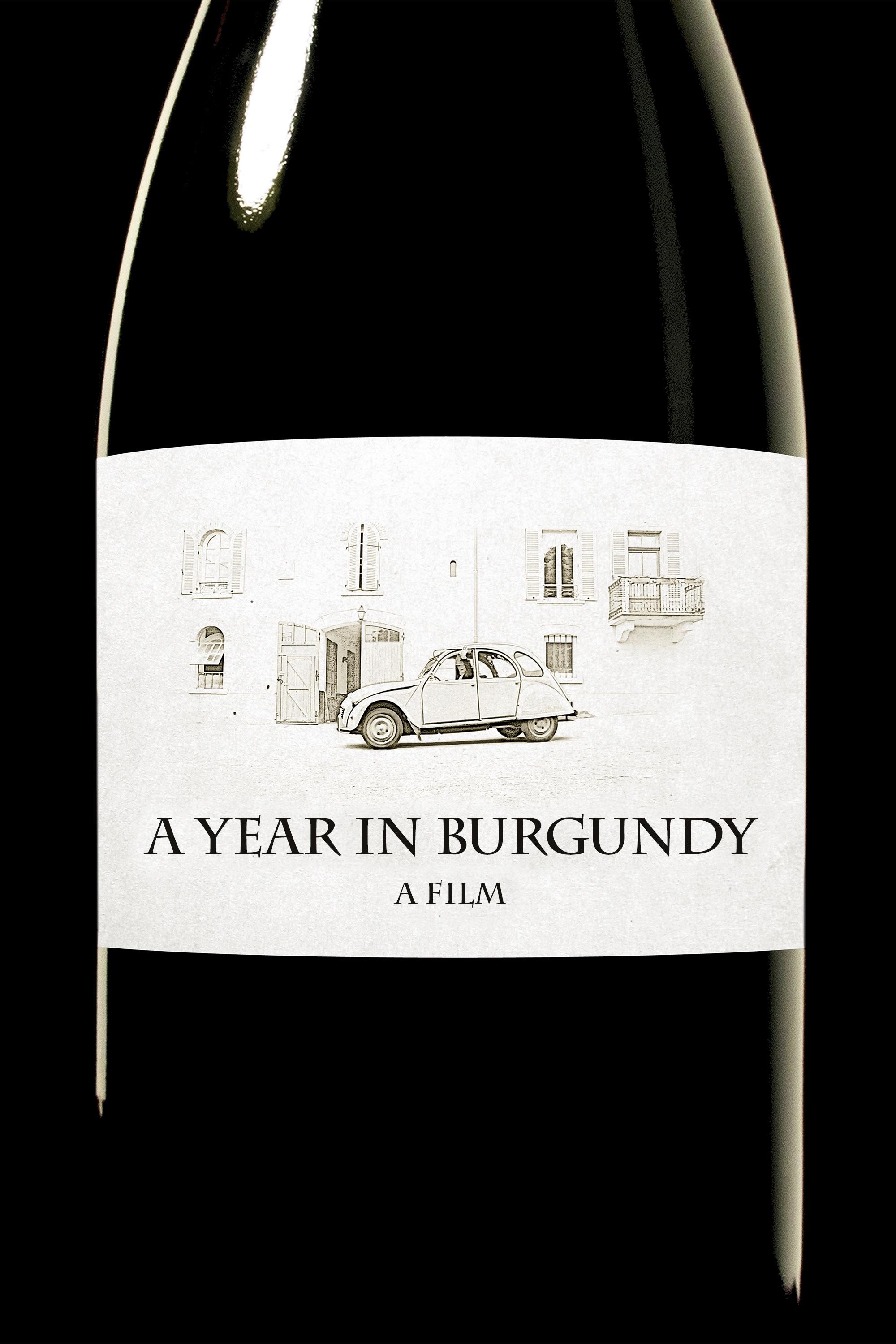
This documentary follows seven wine-making families in the Burgundy region of France, delving into the cultural and creative process of making wine. You'll never look at wine the same way again.
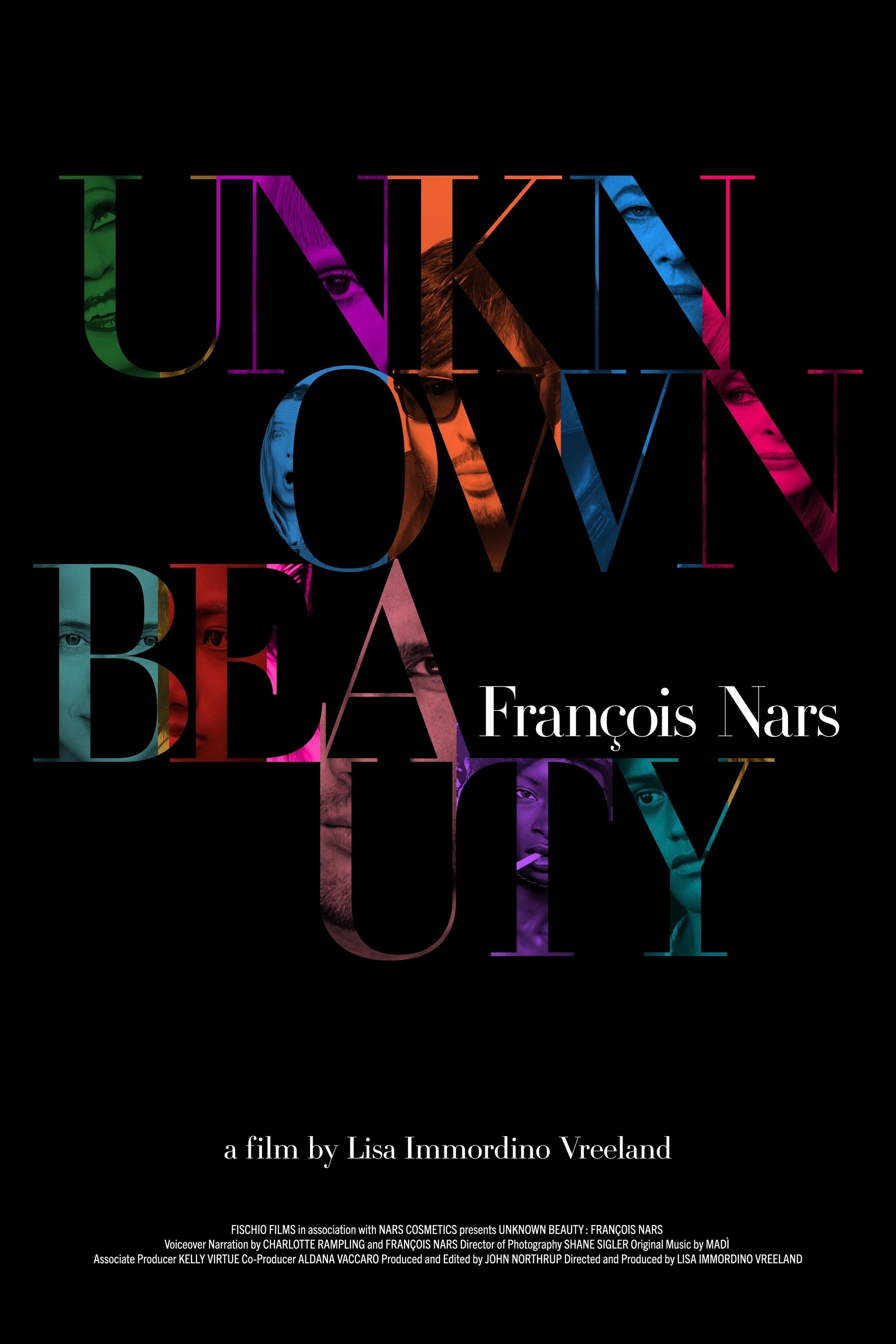
Photographer and make-up artist François Nars reveals his visually stunning inner world in this feature-length documentary by filmmaker Lisa Immordino Vreeland. Mr. Nars takes us on a tour of the fashions, designers and models of '70s Paris, the underground of '90s New York, and the timeless world of cinema, filled with actors, actresses, and directors who have shaped his visual aesthetics.
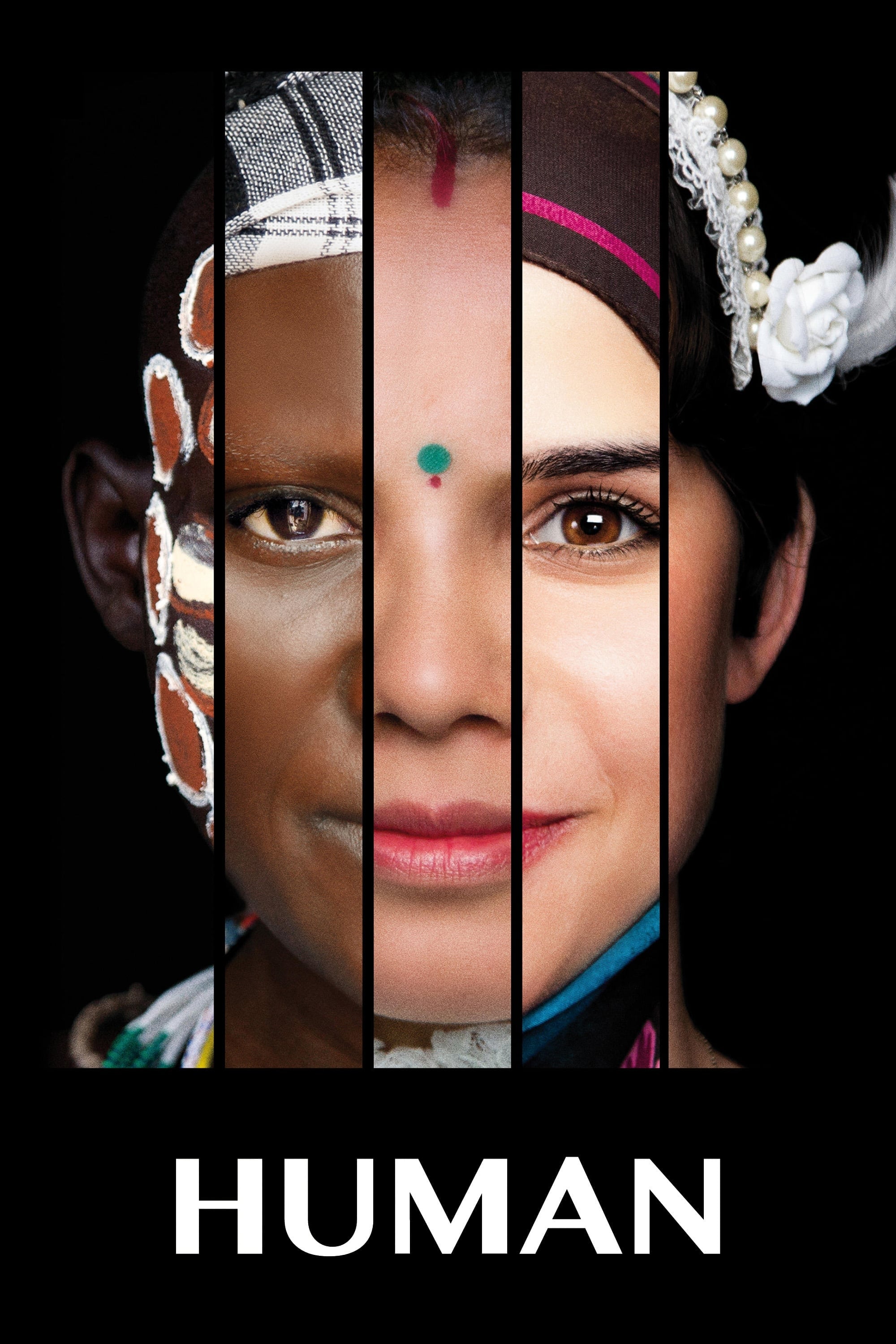
A collection of stories about and images of our world, offering an immersion to the core of what it means to be human. Through these stories full of love and happiness, as well as hatred and violence, it brings us face to face with the Other, making us reflect on our lives. From stories of everyday experiences to accounts of the most unbelievable lives, these poignant encounters share a rare sincerity and underline who we are – our darker side, but also what is most noble in us, and what is universal. Our Earth is shown at its most sublime through never-before-seen aerial images accompanied by soaring music, resulting in an ode to the beauty of the world, providing a moment to draw breath and for introspection. This film is a politically engaged work which allows us to embrace the human condition and to reflect on the meaning of our existence.
This revealing documentary honors the legendary Sidney Poitier—iconic actor, filmmaker, and civil rights activist. Featuring interviews with Denzel Washington, Spike Lee, Halle Berry, and more.
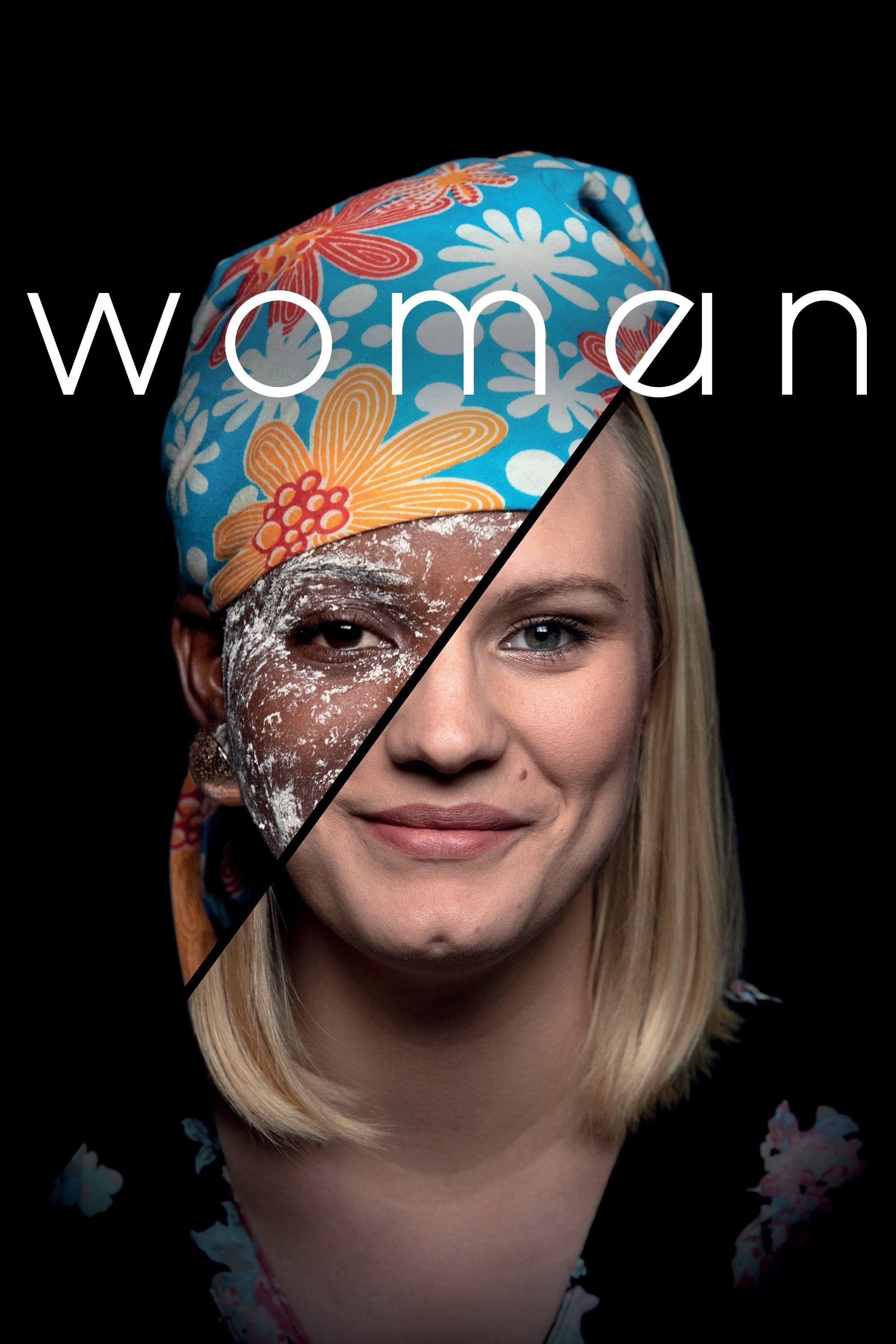
The film is based on interviews with 2,000 women from 50 countries, and covers the status of women all over the world. The topics covered include forced marriages, sexual assault, female genital mutilation, acid attacks, motherhood, sexuality, menstruation, education and the professional success of women.
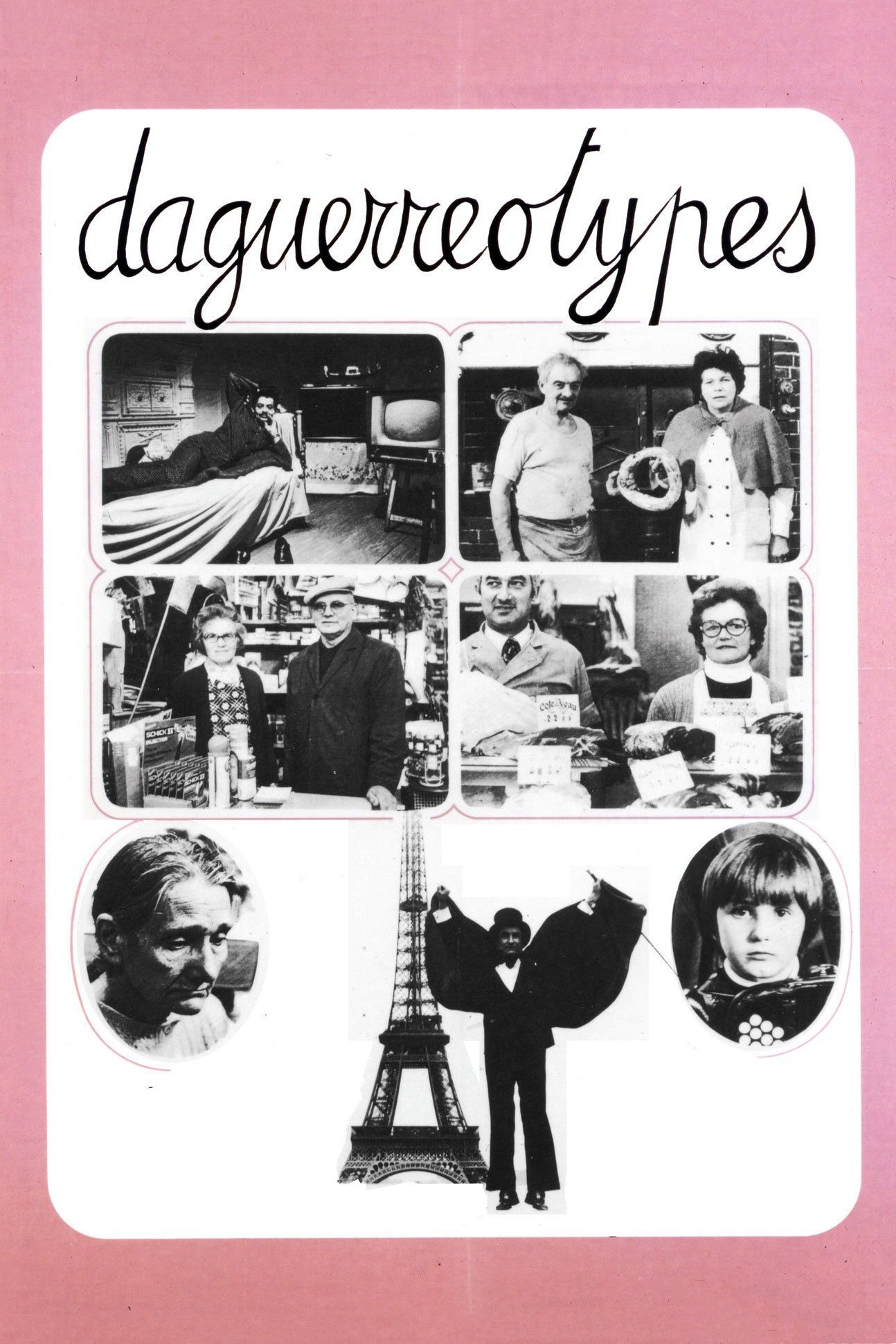
An intimate portrait of the small shops and shopkeepers of the Rue Daguerre in Paris, a picturesque street that has been the filmmaker’s home for more than 50 years.
In an intimate and joyful story of love in the face of loss, celebrated poets Andrea Gibson and Megan Falley find strength—and unexpected hilarity—in what might be their final year together.
Those who knew iconic funnyman John Candy best share his story, in their own words, through never-before-seen archival footage, imagery, and interviews.
An inside look at one of the most anticipated movie sequels ever with James Cameron and cast.
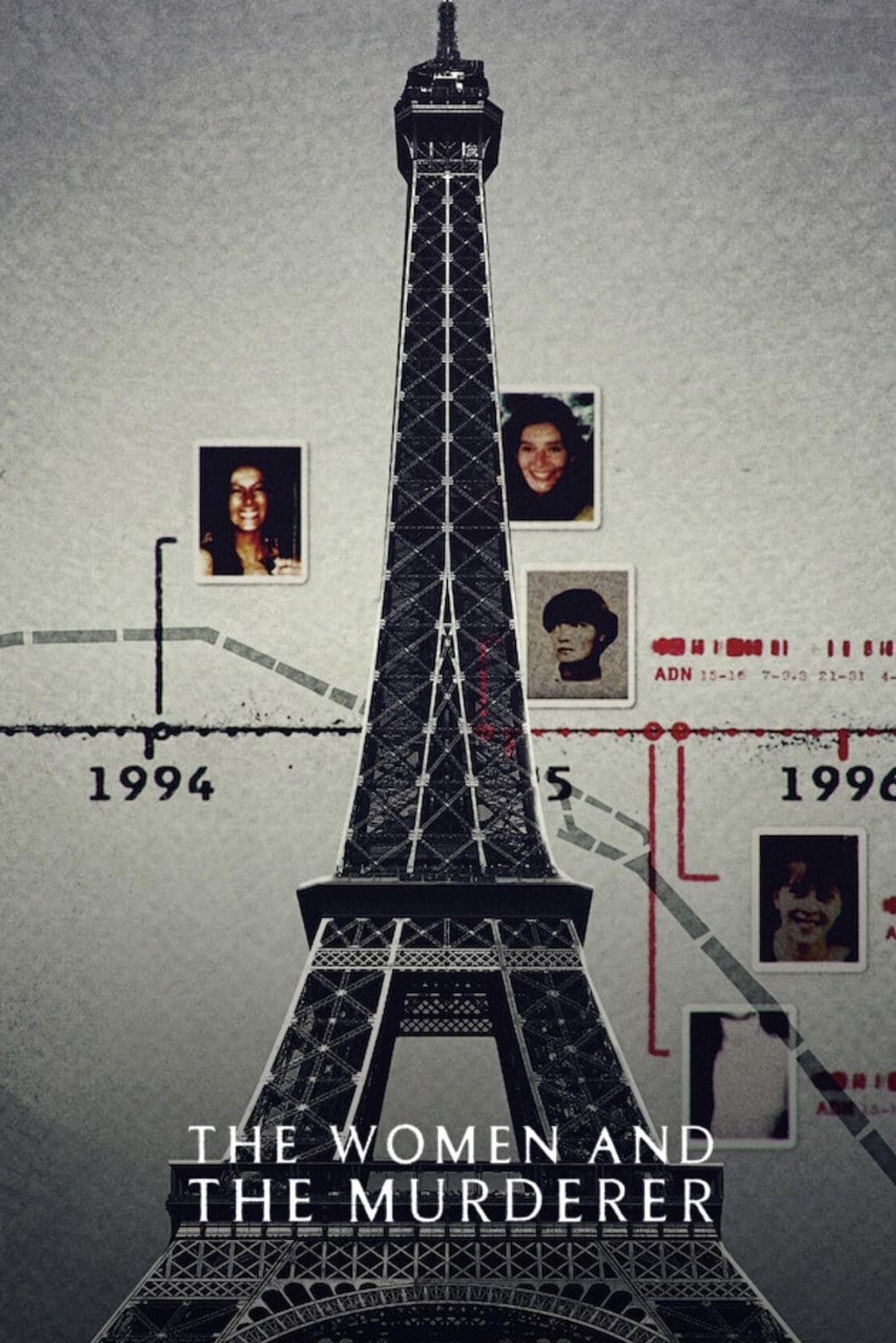
This documentary traces the capture of serial killer Guy Georges through the tireless work of two women: a police chief and a victim's mother.
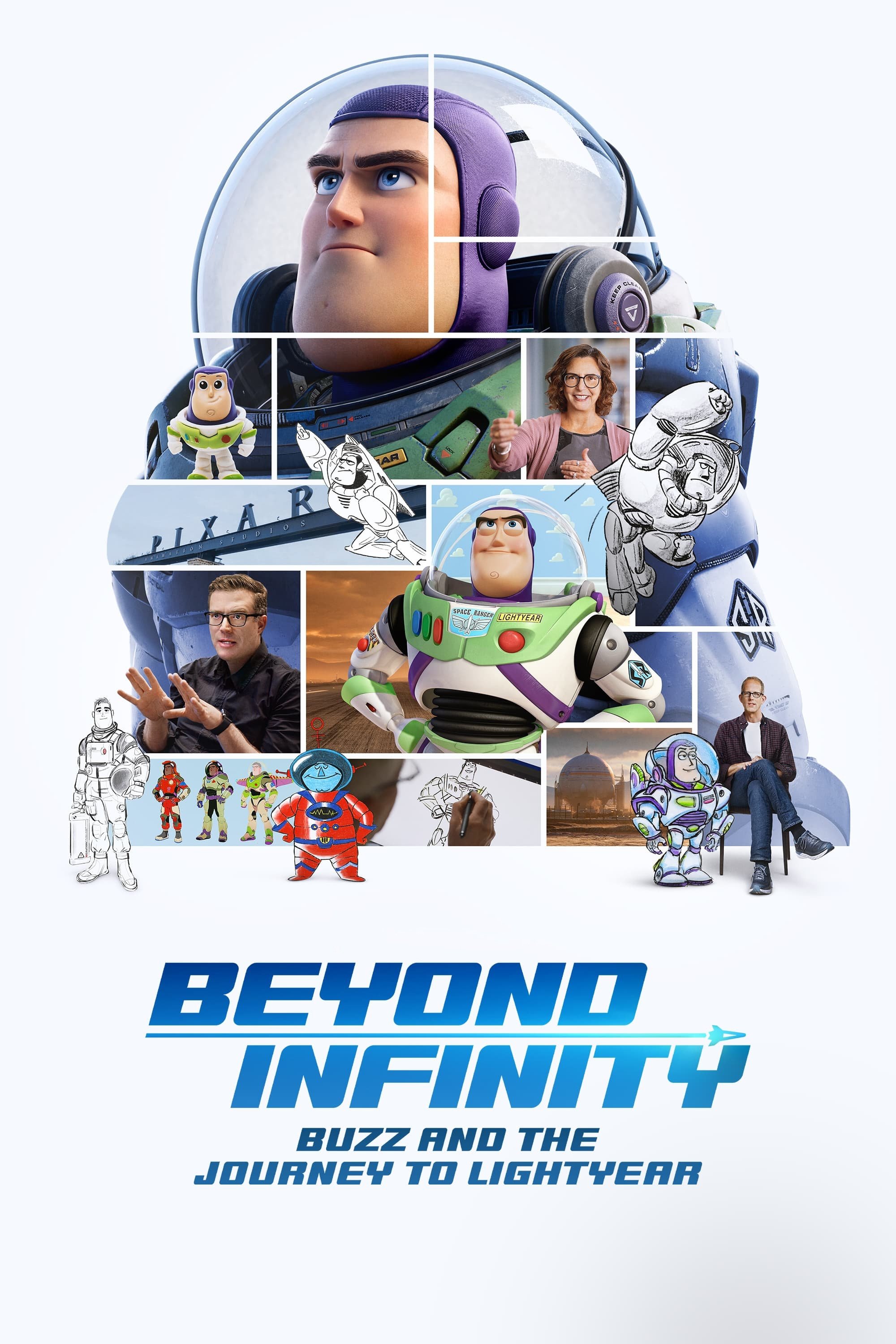
Explore the evolution of Buzz Lightyear from toy to human in the making of Pixar’s Lightyear. Dive into the origin and cultural impact of everyone’s favorite Space Ranger, the art of designing a new “human Buzz,” and the challenges faced by the Lightyear crew along the way.
Over 35 years after Bob Lazar's revelations, this documentary exposes secrets of a facility the government still denies. Featuring Lazar's testimony, recreations, and new evidence, it reopens a case that continues to spark global curiosity
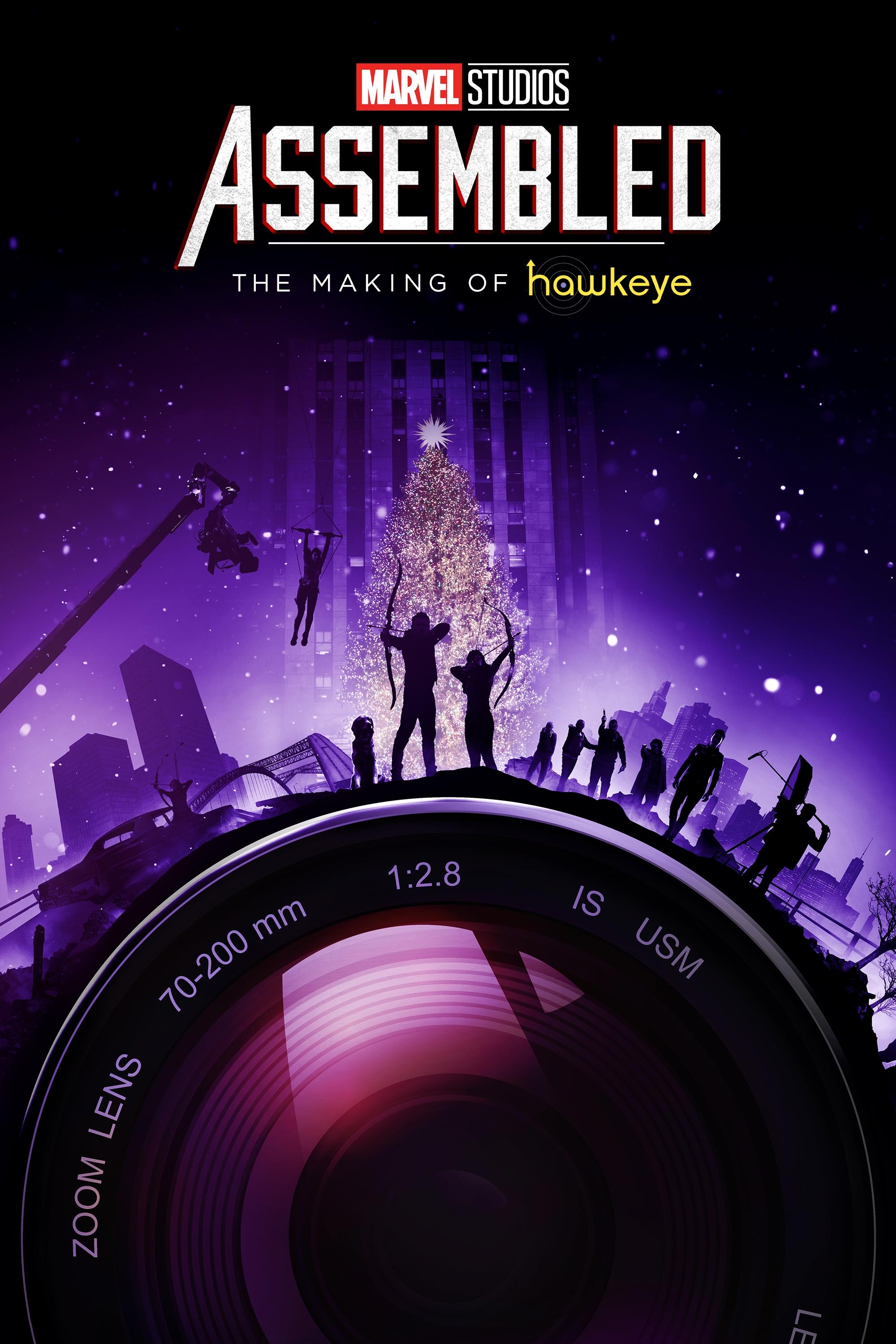
Join the likes of Jeremy Renner, Hailee Steinfeld, Florence Pugh, and Vincent D’Onofrio as they reveal how Marvel Studios’ “Hawkeye” was conceived and created. Witness firsthand what it took to pull off the show’s pulse-pounding action set pieces, and discover how iconic characters from the pages of Marvel Comics such as Kate Bishop were adapted and brought to life for the six-episode series.
A documentary about the life and films of director John Ford.
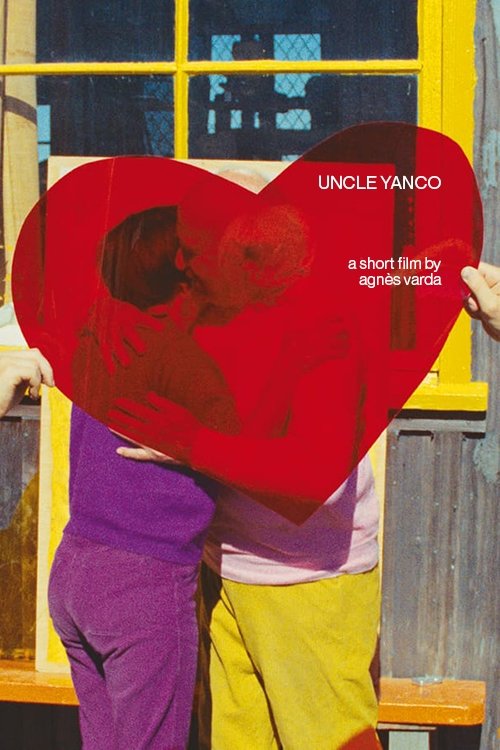
While in San Francisco for the promotion of her last film in October 1967, Agnès Varda, tipped by her friend Tom Luddy, gets to know a relative she had never heard of before, Jean Varda, nicknamed "Yanco". This hitherto unknown uncle lives on a boat in Sausalito, is a painter, has adopted a hippie lifestyle and loves life. The meeting is a very happy one.
Alexander McQueen's rags-to-riches story is a modern-day fairy tale, laced with the gothic. Mirroring the savage beauty, boldness and vivacity of his design, this documentary is an intimate revelation of McQueen's own world, both tortured and inspired, which celebrates a radical and mesmerizing genius of profound influence.
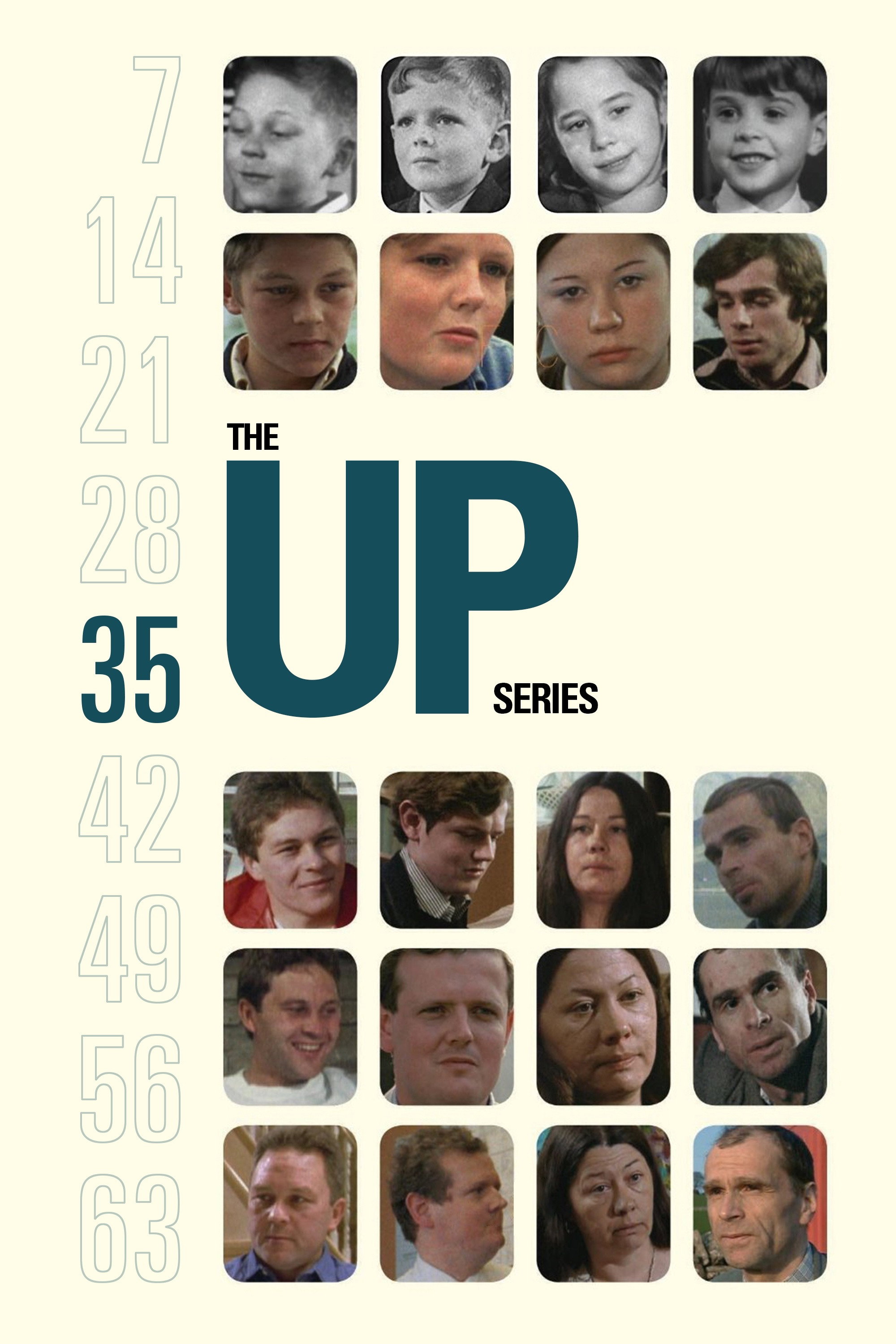
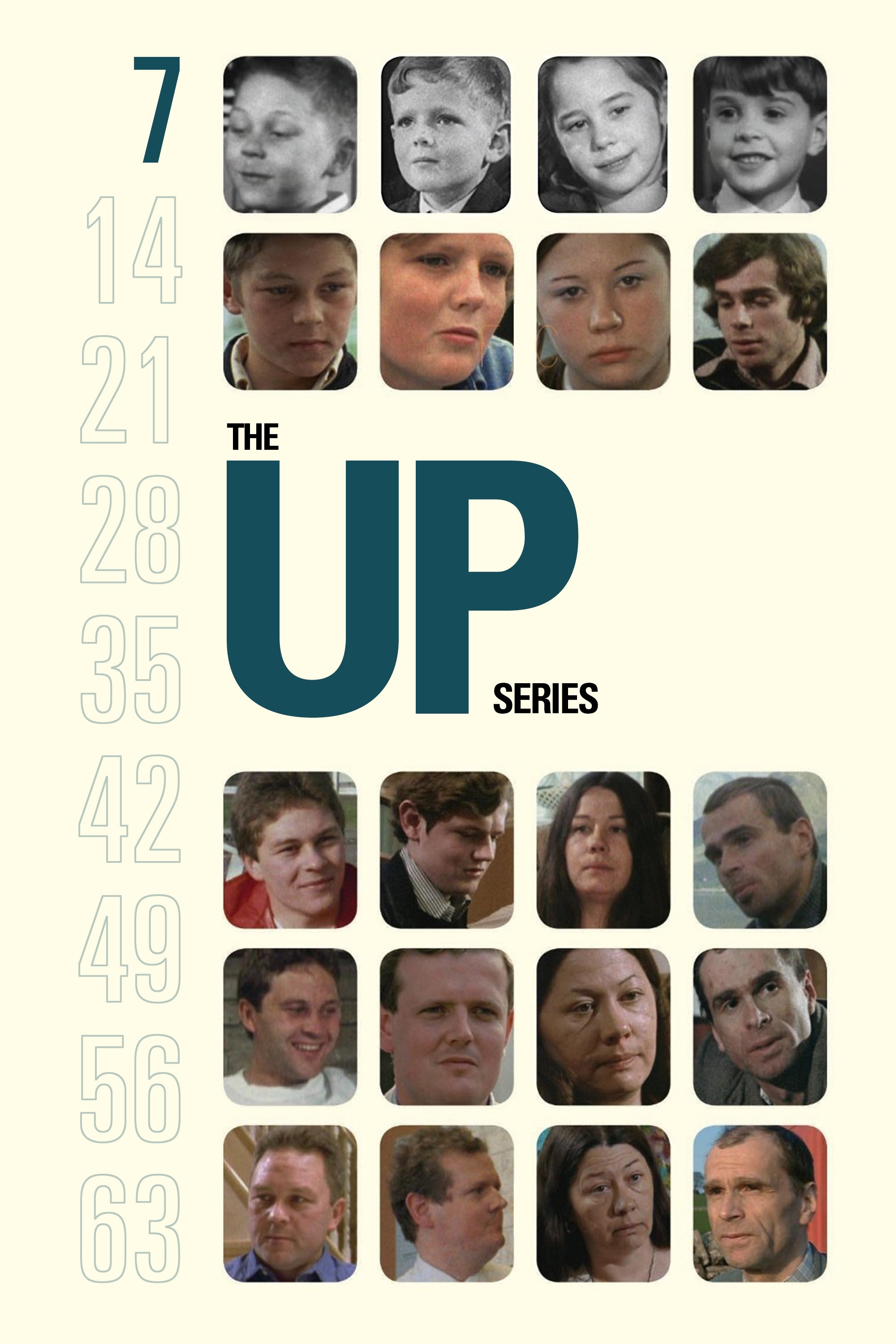
Director Michael Apted revisits the same group of British-born adults after a 7 year wait. The subjects are interviewed as to the changes that have occurred in their lives during the last seven years.
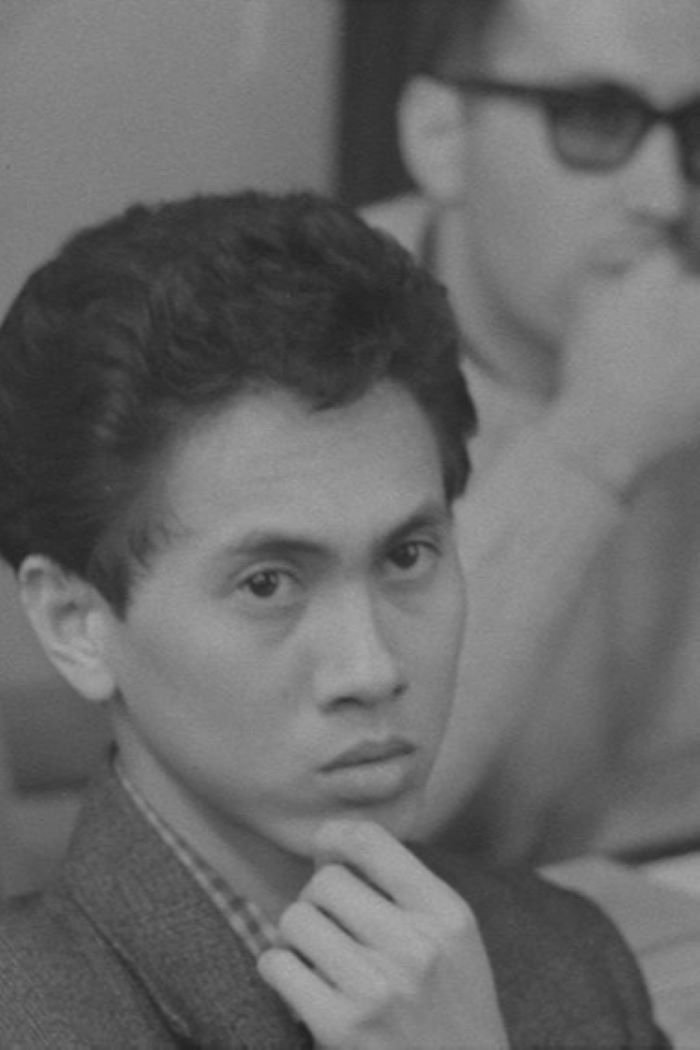
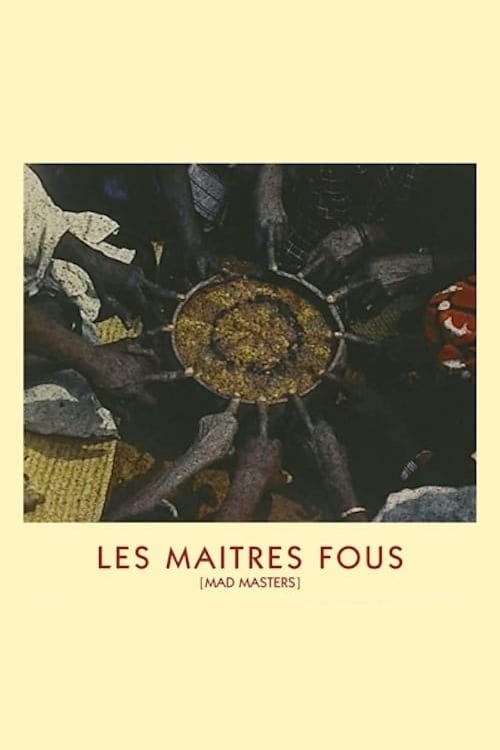
The subject of the film was the Hauka movement. The Hauka movement consisted of mimicry and dancing to become possessed by French Colonial administrators. The participants performed the same elaborate military ceremonies of their colonial occupiers, but in more of a trance than true recreation.
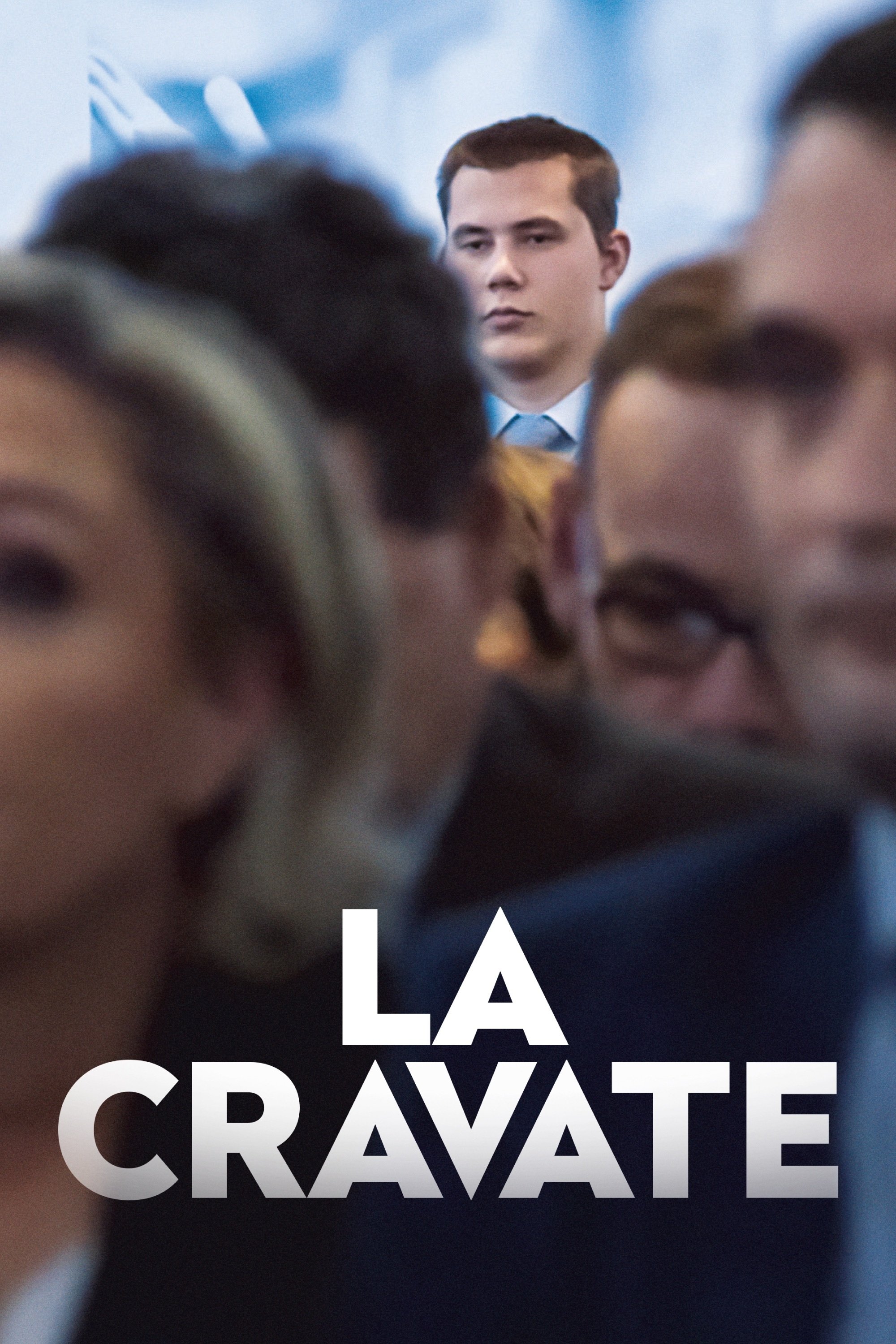
Bastien is twenty years old and has been an activist for five years in the main extreme right party. When the presidential campaign begins, he's invited by his superior to commit even further. Initiated into the art of decking himself out like a politician, he starts to dream of a career, but old demons surge forth...
A group of British children aged 7 from widely ranging backgrounds are interviewed about a range of subjects. The filmmakers plan to re-interview them at 7 year intervals to track how their lives and attitudes change as they age.
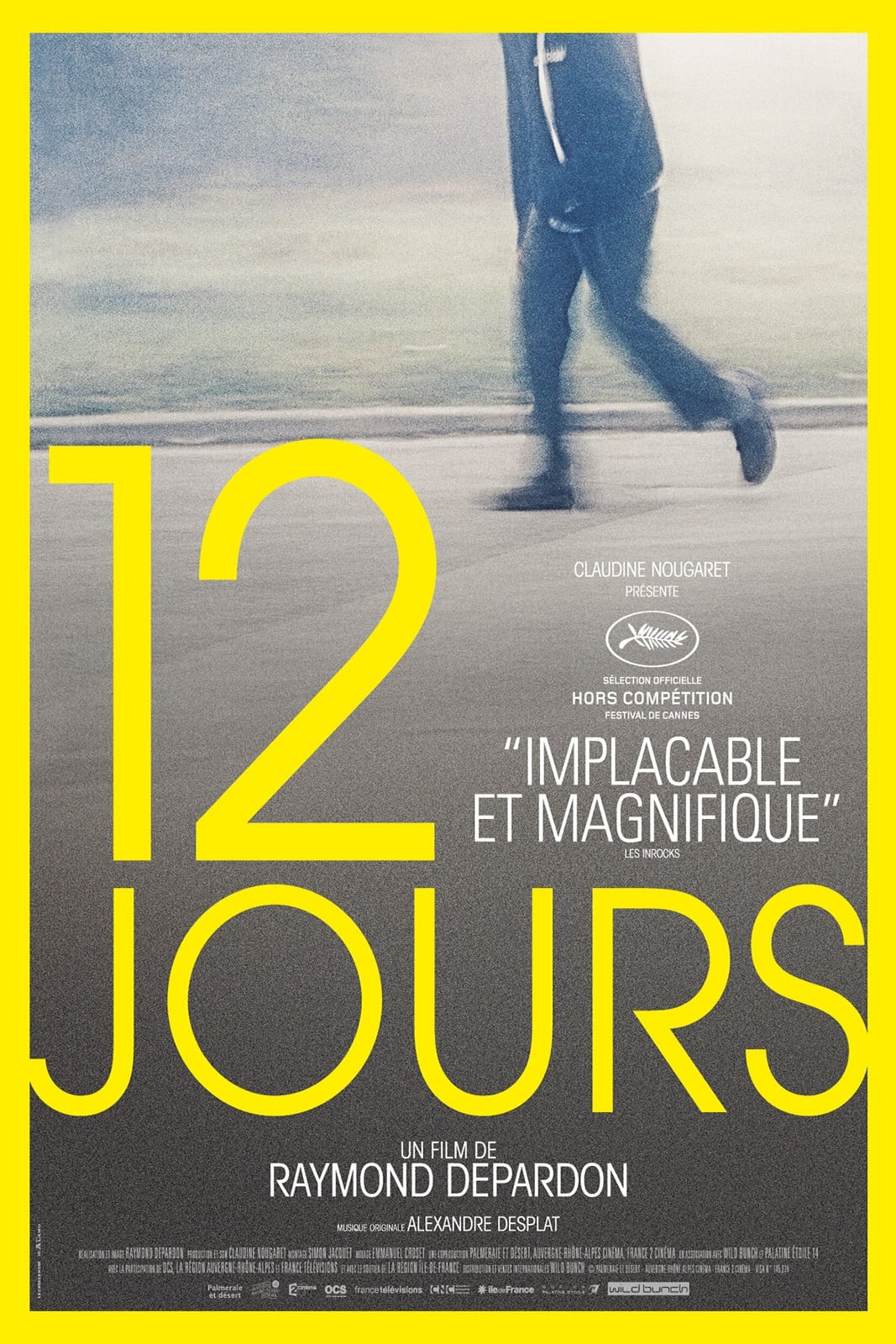
A new documentary by filmmaker-photographer Raymond Depardon – where justice and psychiatry meet.
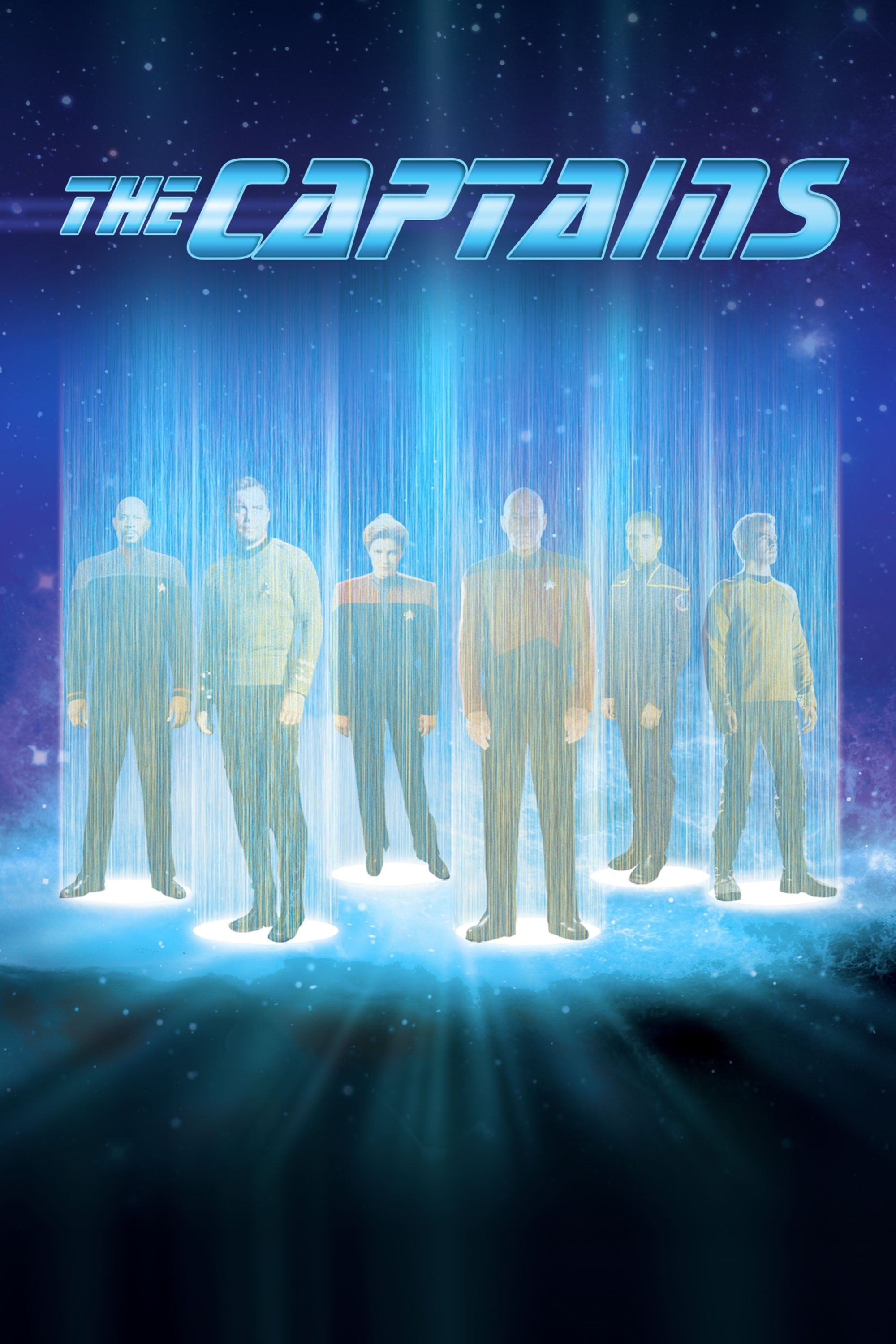
The Captains is a feature-length documentary film written and directed by William Shatner. The film follows Shatner as he interviews the other actors who have portrayed starship captains in the Star Trek franchise.