Social & External
Himself
Narrator (voice)
The world knows the image of the good Canadian. But what if there was a dark secret behind a national identity? THE GOOD CANADIAN exposes the truth behind the idea of a True North strong and free. In this unflinching and eye-opening documentary, directors Leena Minifie and David Paperny move us through the corridors of systemic inequity, from the Indian Act to residential schools, to modern-day family separation. Fusing shocking footage with detailed interviews with experts, advocates, whistleblowers and politicians, THE GOOD CANADIAN challenges national myth-making, while offering Canadians the chance to forge a new identity from the truth.
Filmed on location in Saskatchewan from the Qu'Appelle Valley to Hudson Bay, the documentary traces the filmmaker's quest for her Native foremothers in spite of the reluctance to speak about Native roots on the part of her relatives. The film articulates Métis women's experience with racism in both current and historical context, and examines the forces that pushed them into the shadows.
An in-depth documentary on the behind-the-scenes of the 1990 Canuck cult classic The Final Sacrifice.
A different perspective on the exile and social impact of major projects such as oil sands mining in Alberta, Canada. These large-scale projects, based on economic growth, also have human costs that change the cultural face of the regions on a small or large scale. Over a six-month period, three families from the Acadian Peninsula in New Brunswick opened their doors and hearts to director Renée Blanchar and her team. A film about exile, choice of life, values, but especially absence; absence being probably the highest price to pay for each member of these families.
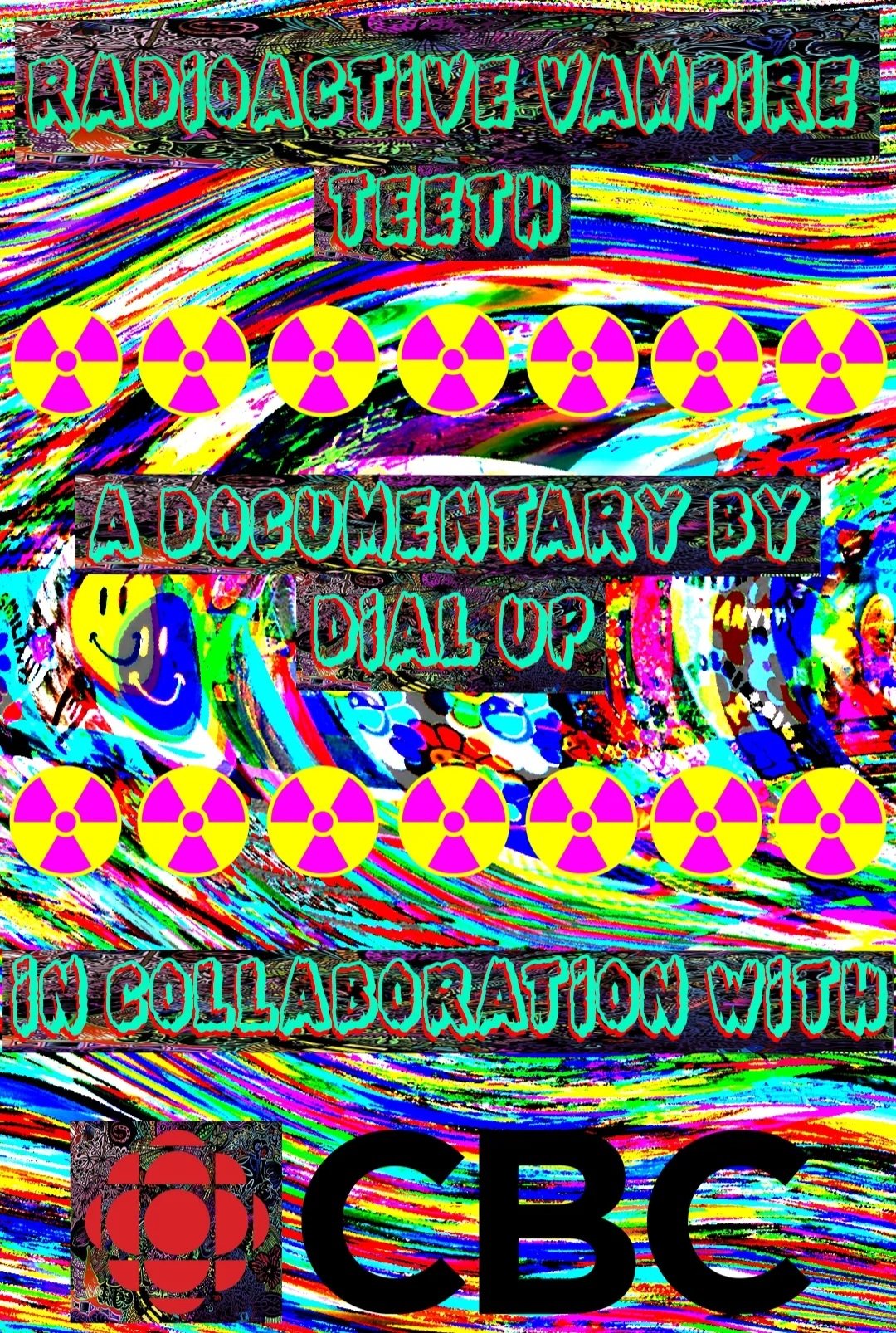
A short documentary exploring Calgary noise-rock band, Radioactive Vampire Teeth.
89-year-old Italian immigrant Mike Nardone operates a farm all by himself in Alberta, Canada.
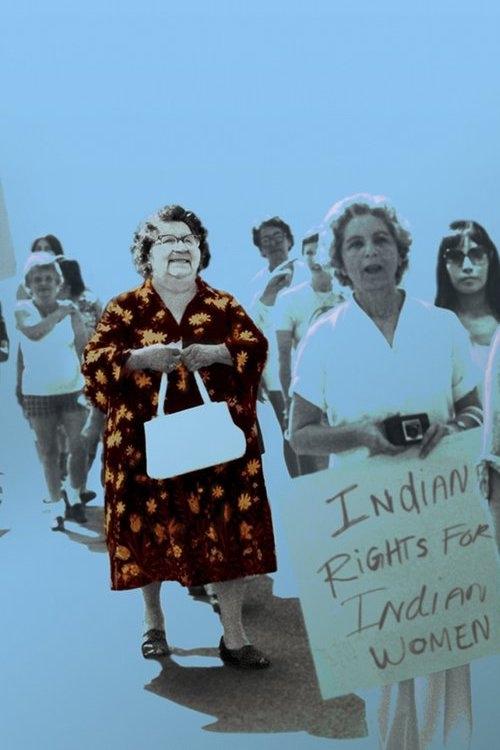
After marrying a settler, Mary Two-Axe Earley lost her legal status as a First Nations woman. Dedicating her life to activism, she campaigned to have First Nations women's rights restored and coordinated a movement that continues to this day. Kahnawake filmmaker Courtney Montour honours this inspiring leader while drawing attention to contemporary injustices that remain in this era of truth and reconciliation.
Since 1950, Alberta's fabled Rat Patrol has kept the province rat-free. But as pest control meets ecology in the 21st century, what does the future hold for this mythic institution and their "enemy?"
A documentary describing the forests of Alberta - their history, contribution, diversity, and bounty. Made in conjunction with Alberta's 2005 centennial anniversary celebration.
Nose and Tina are a couple in love. The film captures the domestic details of their life together and documents their hassles with work, money and the law. The unusual bit: He is employed as a brakeman, and she as a sex worker.
This short dramatic film illustrates a cooperative program of fire protection that was carried out across Alberta in the late 1950s. It presents the problems inherent in a voluntary fire brigade, as well as the everyday heroes who step up and get the job done. The film is an entertaining look at how a crew that was once considered to be the joke of the town can evolve into the best fire brigade in the West.
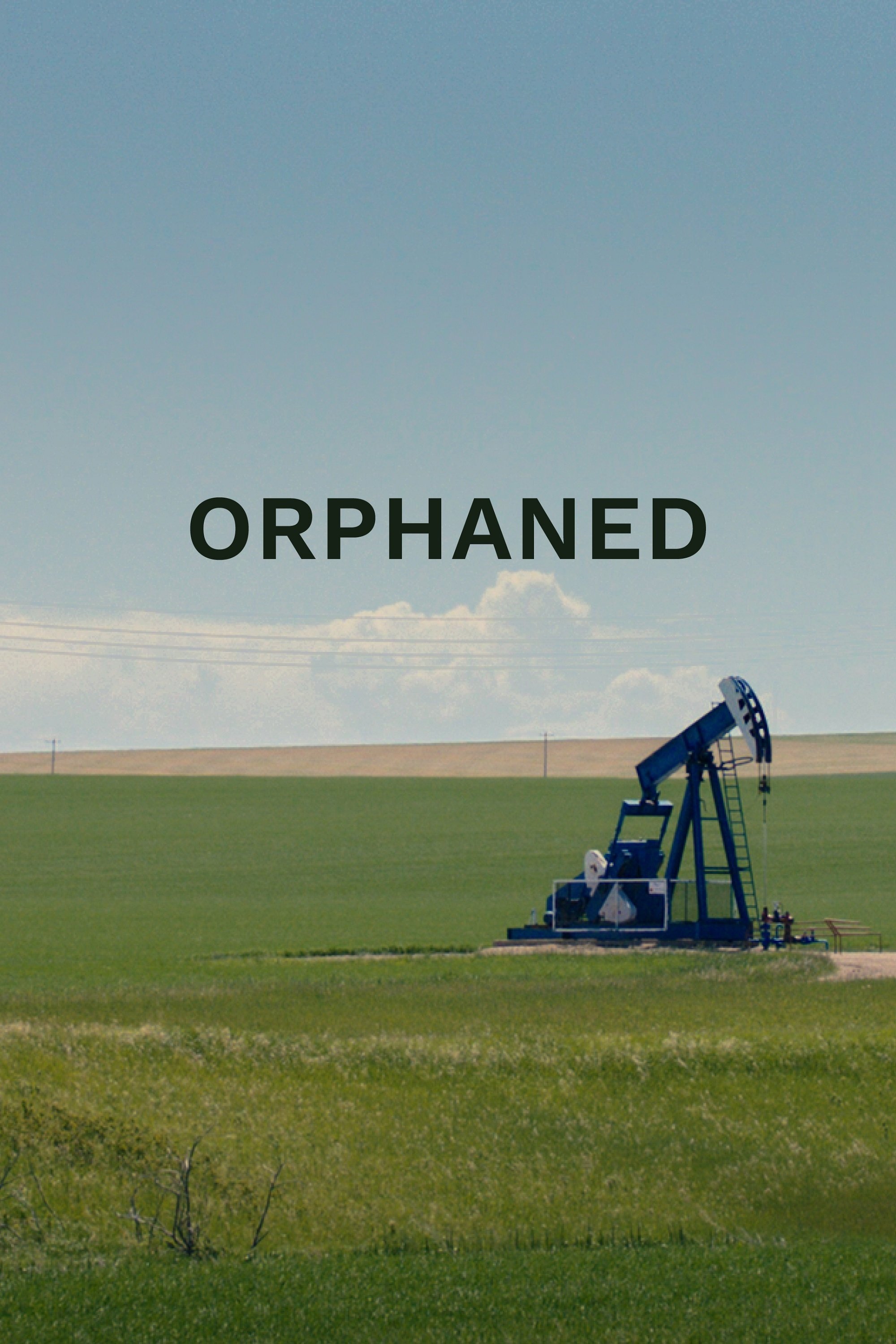
Through the eyes of ex-engineer, now filmmaker Gillian McKercher, Orphaned explores the huge task of cleaning up thousands of idle oil and gas wells in the prairies before it's too late.
Lii Michif Niiyanaan: We Are Métis is a documentary that addresses the invisibility of the Metis by shining a new light on the historical and contemporary experience of Métis people in Canada and providing a space for Métis people to share their diverse perspectives on what it means to be Métis today.
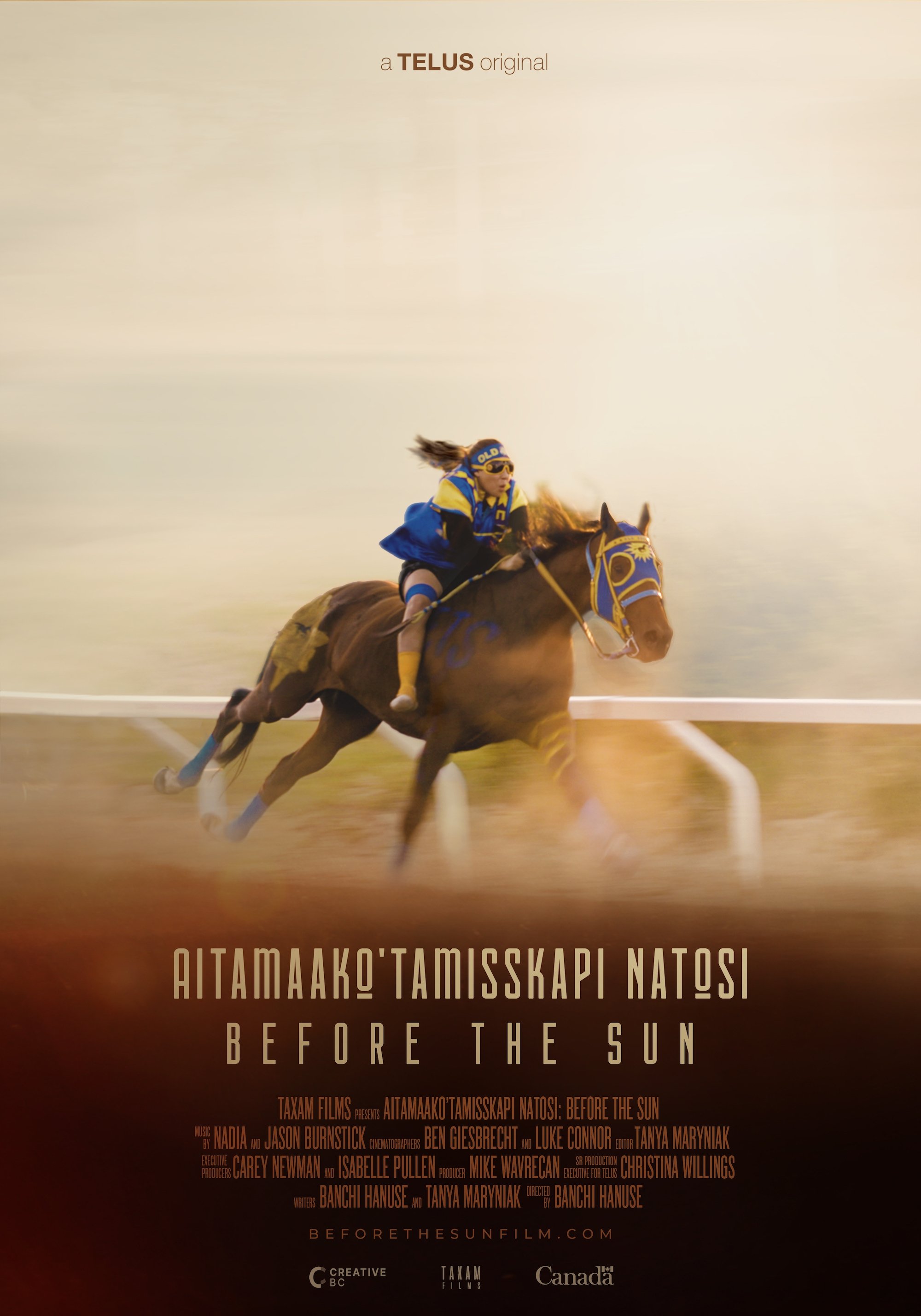
An intimate and thrilling portrait of a young Siksika woman and the deep bonds between her father and family in the golden plains of Blackfoot Territory as she prepares for one of the most dangerous horse races in the world… bareback.
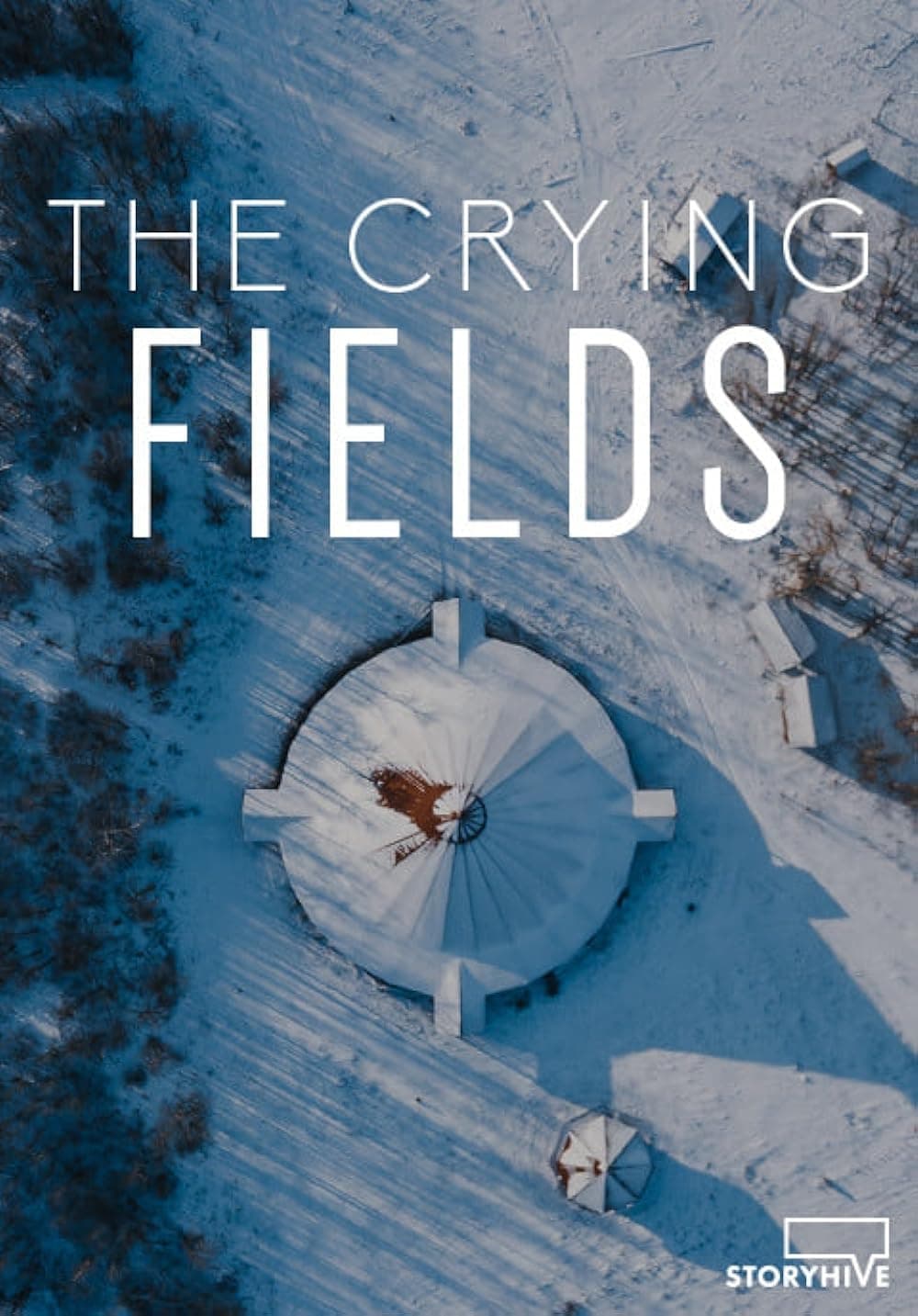
A deep dive into the history of the Canadian Government and the Department of National Defence leasing First Nations reserves as practice bombing ranges during World War I and World War II. This documentary follows the Enoch Cree Nation's process of developing it's land claim against the Canadian Government following the discovery of active landmines in the heart of the nation's cultural lands and golf course in 2014, almost 70 years later.
An in-depth look at the early 2011 crisis for public sector unions in Wisconsin, and why it matters in Alberta.
A documentary about the psychological costs of working in Alberta's oil sands and the mental health crisis that's been ignored for a decade.
Deftly upending the popular assertion that Canadian law enforcement agencies differ from those in the US, this provocative exposé fixes a sharp lens on the Calgary Police Service’s rampant, unchecked use of excessive force.
How the Fiddle Flows follows Canada's great rivers west along the fur-trading route of the early Europeans. The newcomers introduced the fiddle to the Aboriginal people they intermarried with along the way. A generation later, their mixed-blood offspring would blend European folk tunes with First Nations rhythms to create a rich and distinct musical tradition. From the Gaspé Peninsula, north to Hudson Bay and to the Prairies, How the Fiddle Flows reveals how a distinctive Metis identity and culture were shaped over time. Featuring soaring performances by some of Canada's best known fiddlers and step dancers and narrated by award-winning actress Tantoo Cardinal.
The work of an oil-drilling crew. Audiences will relish this tale of tough roustabouts who bulldoze a wilderness in a push for liquid wealth.
JB Smoove and Martin Starr host a celebration of 20 years of "Spider-Man" movies, from the Sam Raimi trilogy to Marc Webb's movies and the trio from Jon Watts.
This revealing documentary honors the legendary Sidney Poitier—iconic actor, filmmaker, and civil rights activist. Featuring interviews with Denzel Washington, Spike Lee, Halle Berry, and more.
A detailing of the rise to prominence and global sporting superstardom of six supremely talented young Manchester United football players (David Beckham, Nicky Butt, Ryan Giggs, Paul Scholes, Phil and Gary Neville). The film covers the period 1992-1999, culminating in Manchester United's European Cup triumph.
A documentary examining the decade of the 1970s as a turning point in American cinema. Some of today's best filmmakers interview the influential directors of that time.
A documentary on a former Miss Wyoming who is charged with abducting and imprisoning a young Mormon Missionary.
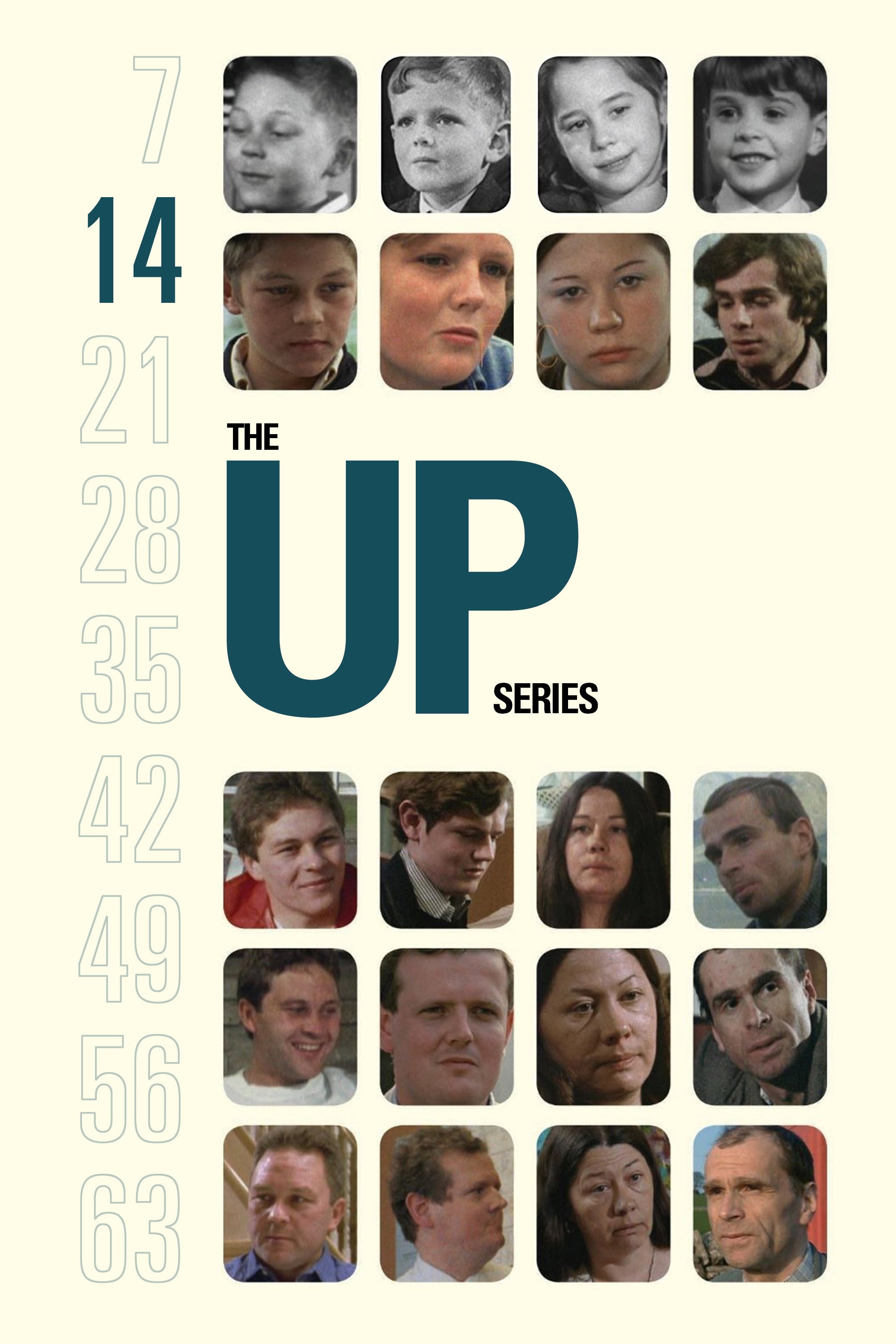
Just two years away from turning 30, participants in Michael Apted's documentary series are facing serious questions of identity and purpose, wondering whether they've found their place in the world.
Those who knew iconic funnyman John Candy best share his story, in their own words, through never-before-seen archival footage, imagery, and interviews.
In this concert film, 'Hannah Montana' star Miley Cyrus performs a slew of hit songs, including 'Just Like You' and 'Life's What You Make It.'
After another 7 year wait, director Michael Apted revisits the same group of British-born children from Seven Up! and 7 Plus Seven. The subjects are interviewed as to the changes that have occurred in their lives during the last seven years.
From the heights of her modeling fame to her tragic death, this documentary reveals Anna Nicole Smith through the eyes of the people closest to her.
After a 7 year wait, director Michael Apted revisits the same group of British-born children from Seven Up! The subjects are interviewed as to the changes that have occurred in their lives during the last seven years.
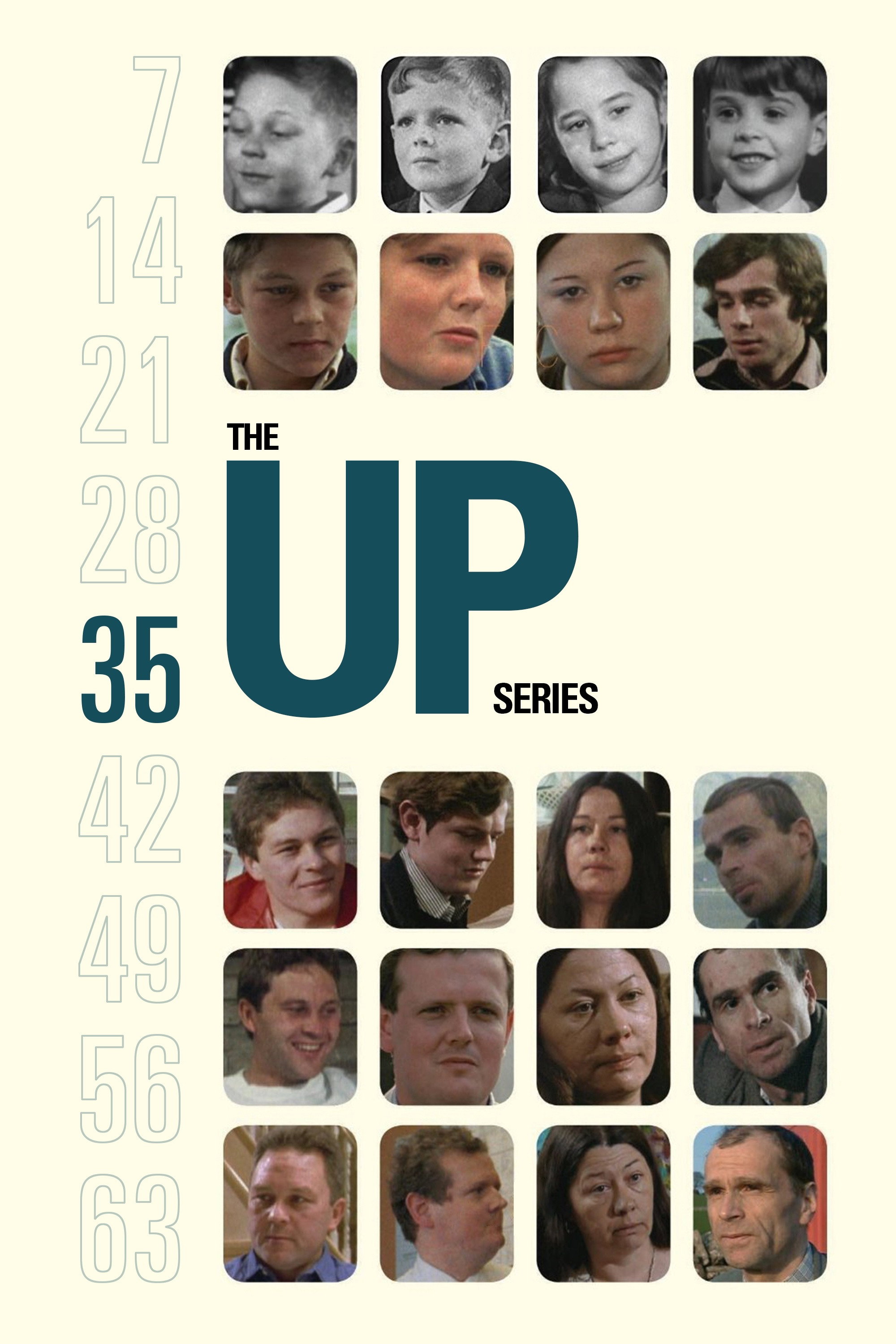
Director Michael Apted revisits the same group of British-born adults after a 7 year wait. The subjects are interviewed as to the changes that have occurred in their lives during the last seven years.
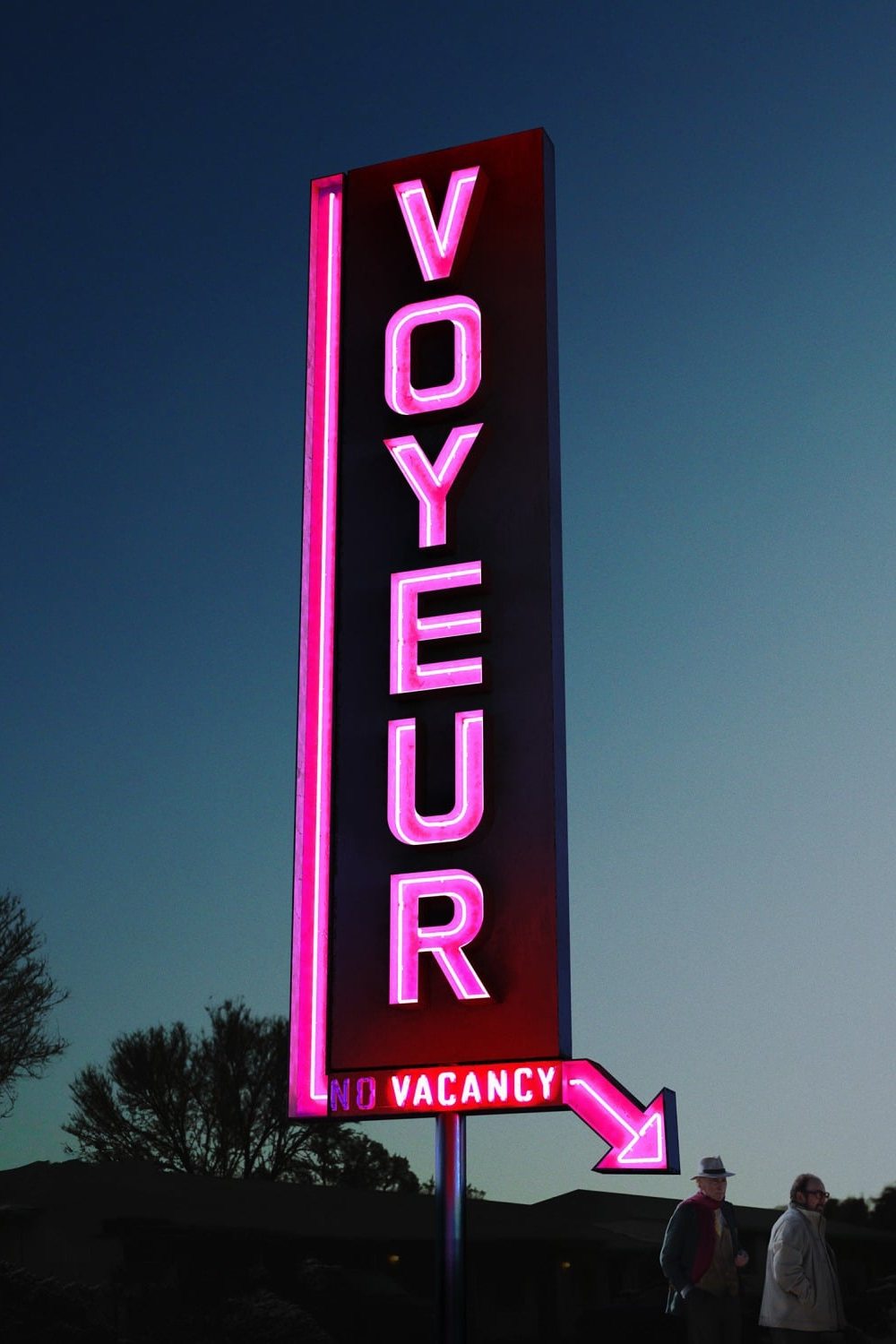
Legendary journalist Gay Talese unmasks a motel owner who spied on his guests for decades. But his bombshell story soon becomes a scandal of its own.
Police pull over a woman who claims she just gave birth. But the baby — and the blood — aren't hers. Twisted lies unravel in this true-crime documentary.
Behind-the-scenes documentary about how Lionel Messi succeeded in lifting the World Cup – the only trophy to have eluded him in an incredible career.
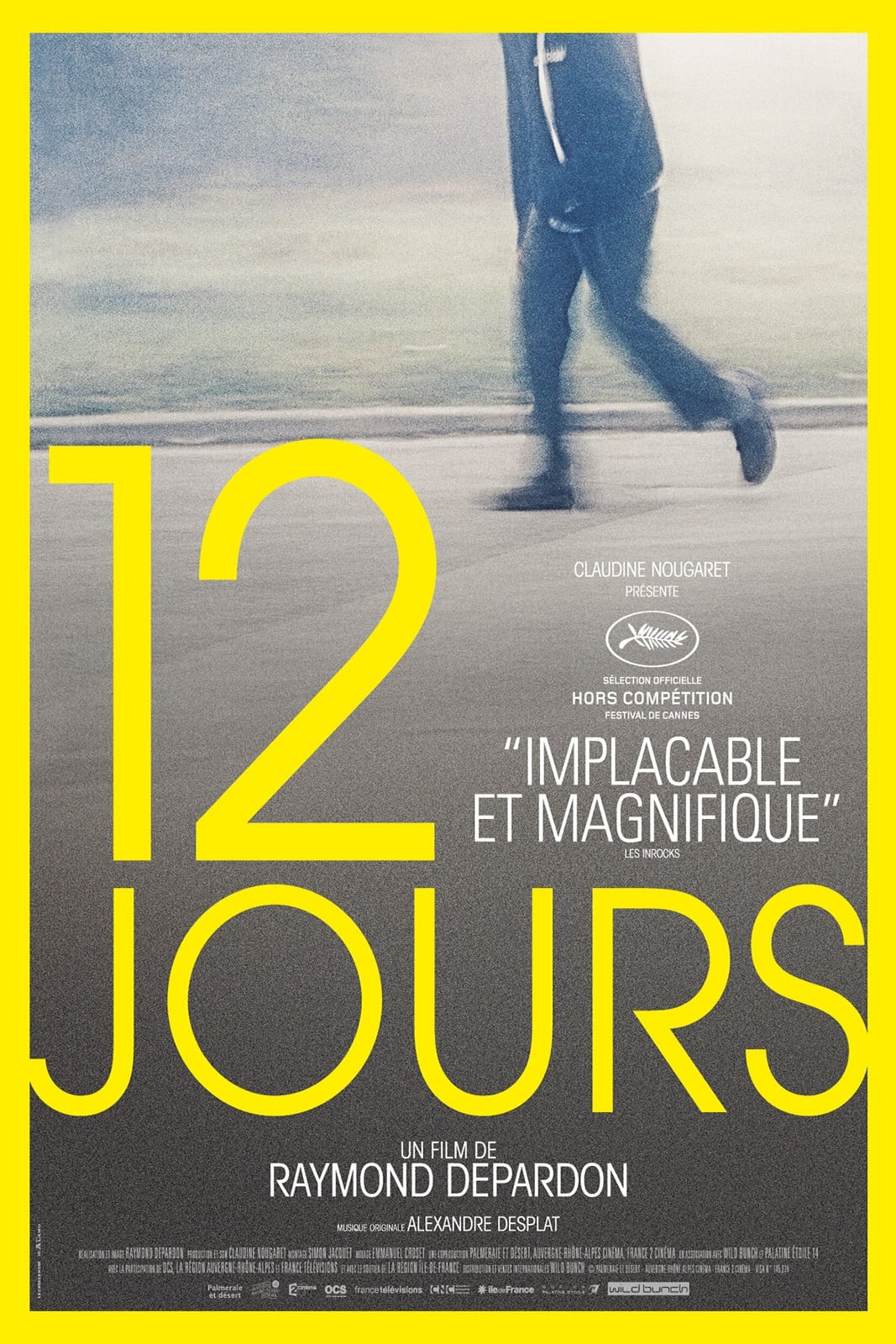
A new documentary by filmmaker-photographer Raymond Depardon – where justice and psychiatry meet.
Al Pacino's deeply-felt rumination on Shakespeare's significance and relevance to the modern world through interviews and an in-depth analysis of "Richard III."
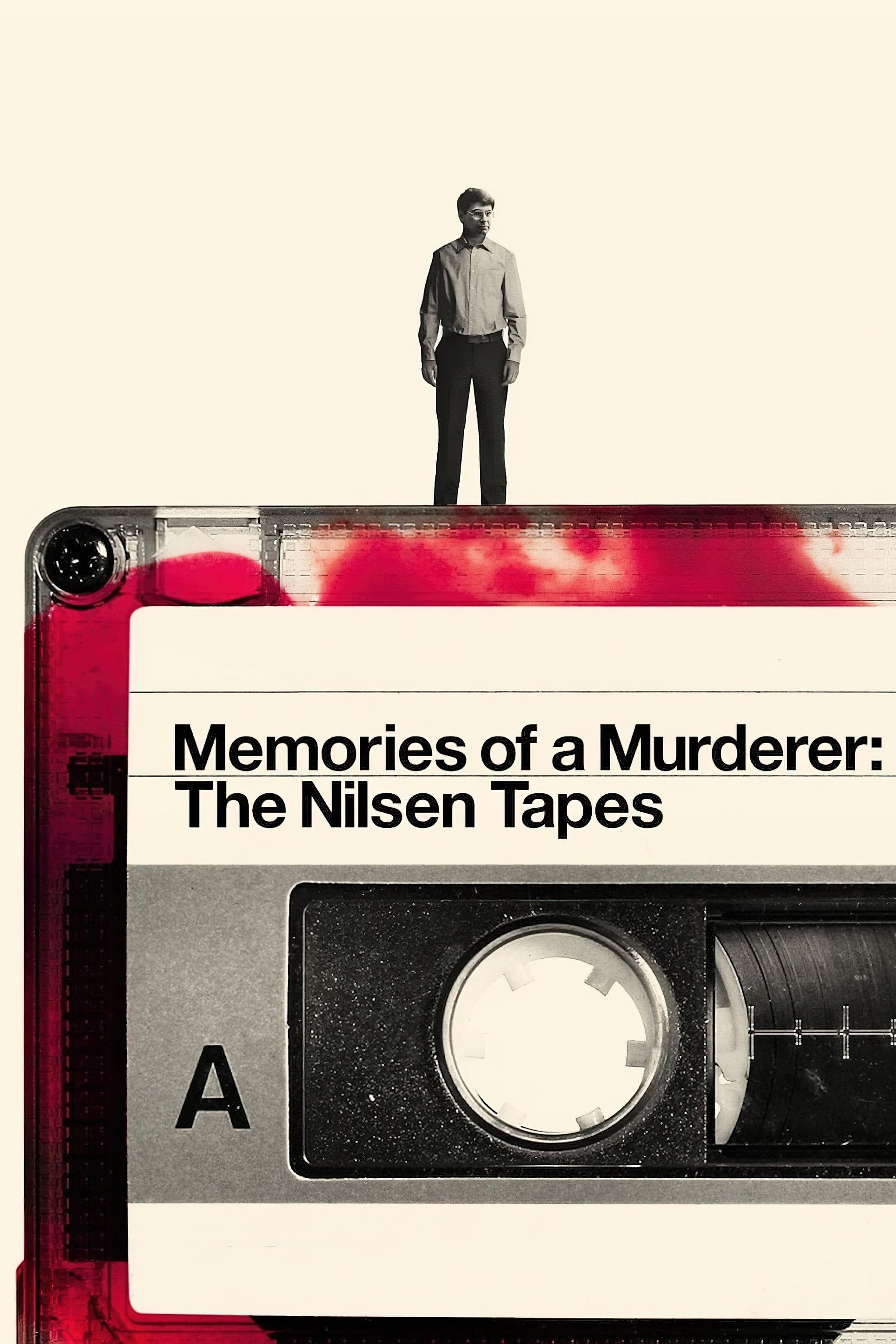
Serial killer Dennis Nilsen narrates his life and horrific crimes via a series of chilling audiotapes recorded from his jail cell.
The film follows adventurer Jeff Johnson as he retraces the epic 1968 journey of his heroes Yvon Chouinard and Doug Tompkins to Patagonia.
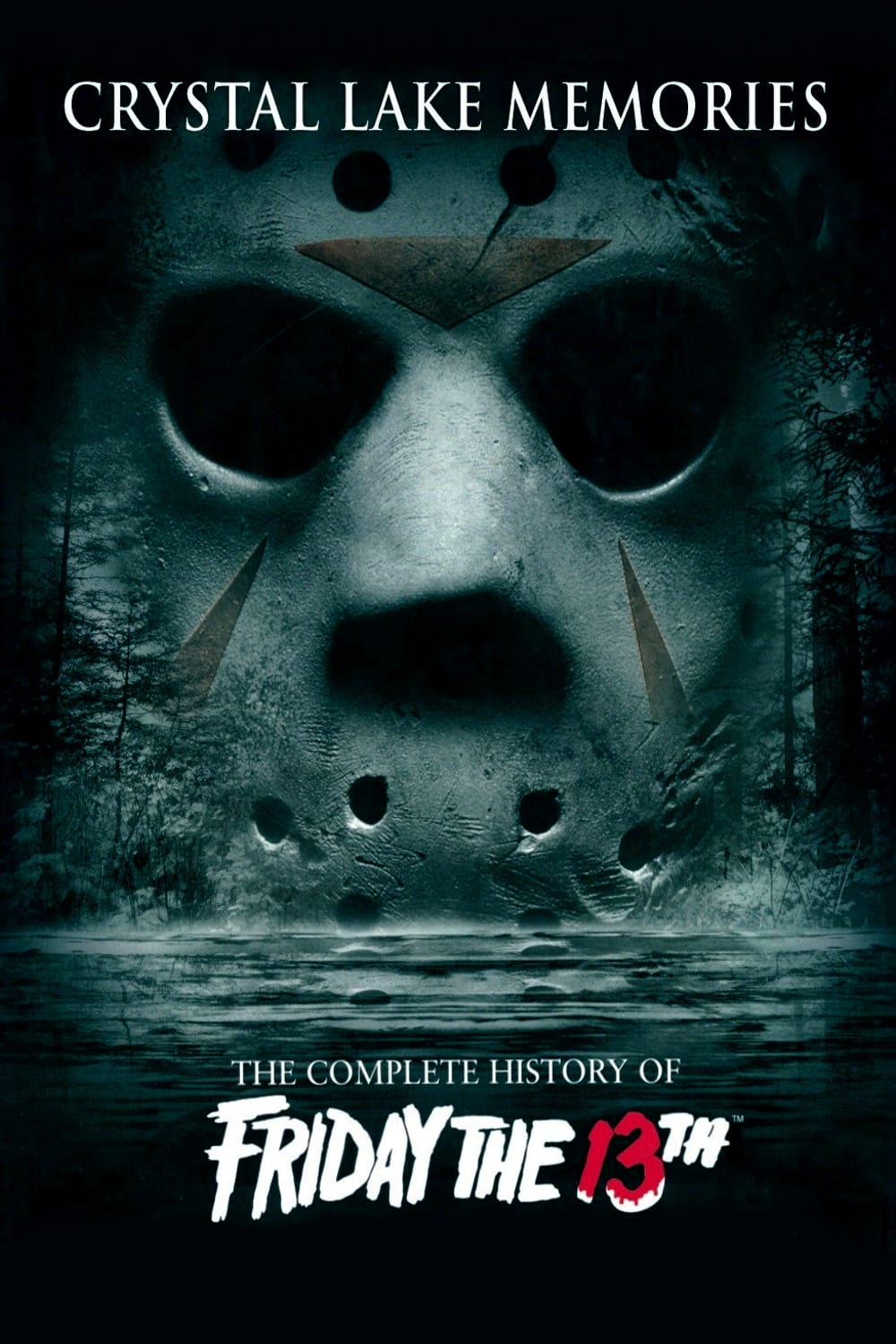
Taking inspiration from Peter M. Bracke's definitive book of the same name, this seven-hour documentary dives into the making of all twelve Friday the 13th films, with all-new interviews from the cast and the crew.