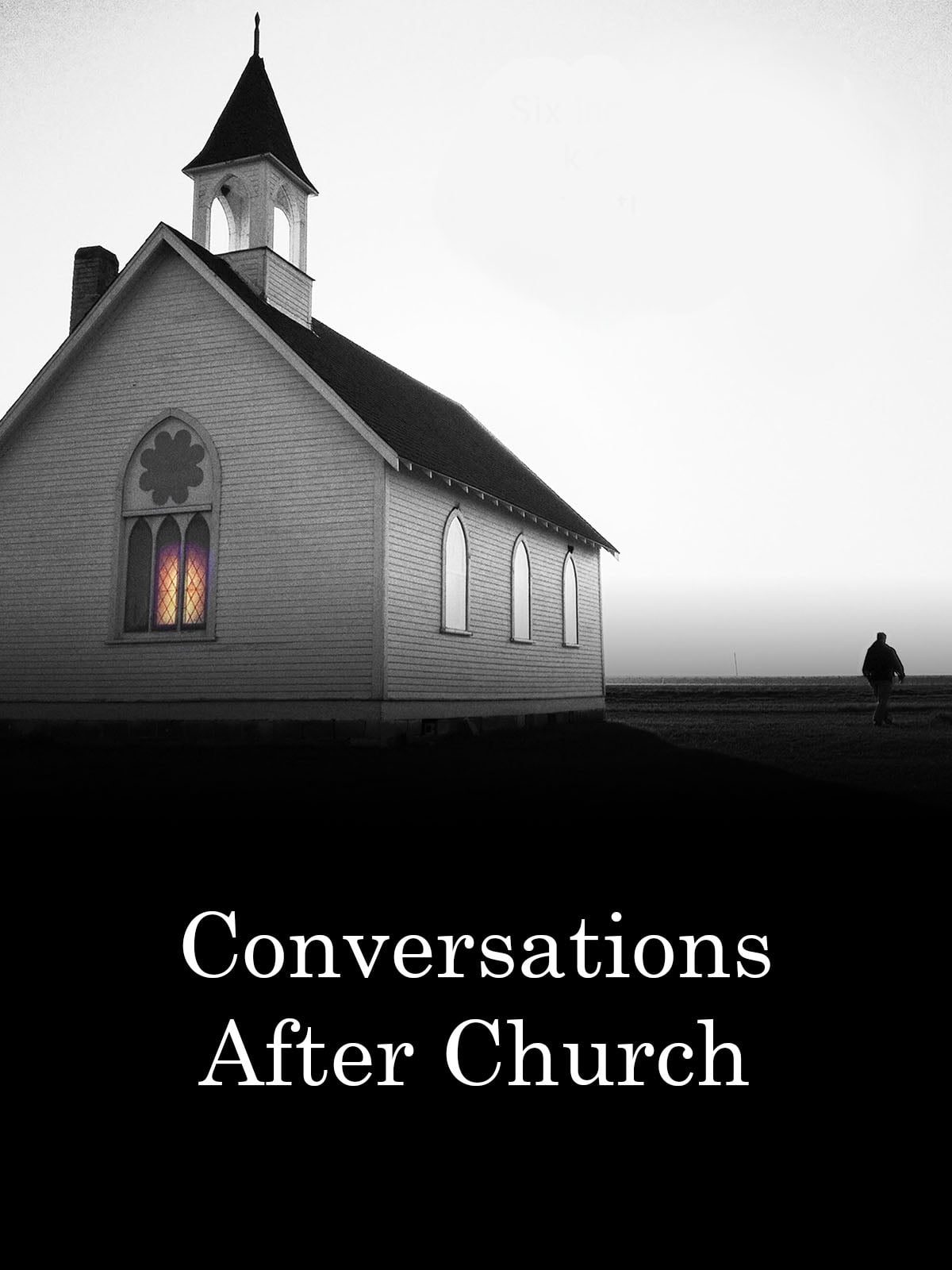
Six Christians face a dark night of the soul that leads them to question everything they believe.
Social & External
The people behind it
Bevan Klassen
Himself
An exploration —manipulated and staged— of life in Las Hurdes, in the province of Cáceres, in Extremadura, Spain, as it was in 1932. Insalubrity, misery and lack of opportunities provoke the emigration of young people and the solitude of those who remain in the desolation of one of the poorest and least developed Spanish regions at that time.
Deep Brazil. Between drifting through a city in the interior of Mato Grosso on the banks of the BR-163, we follow moments of the routine of Ana Rúbia, who is preparing for the launch of the book “School Memories of Travestis”.
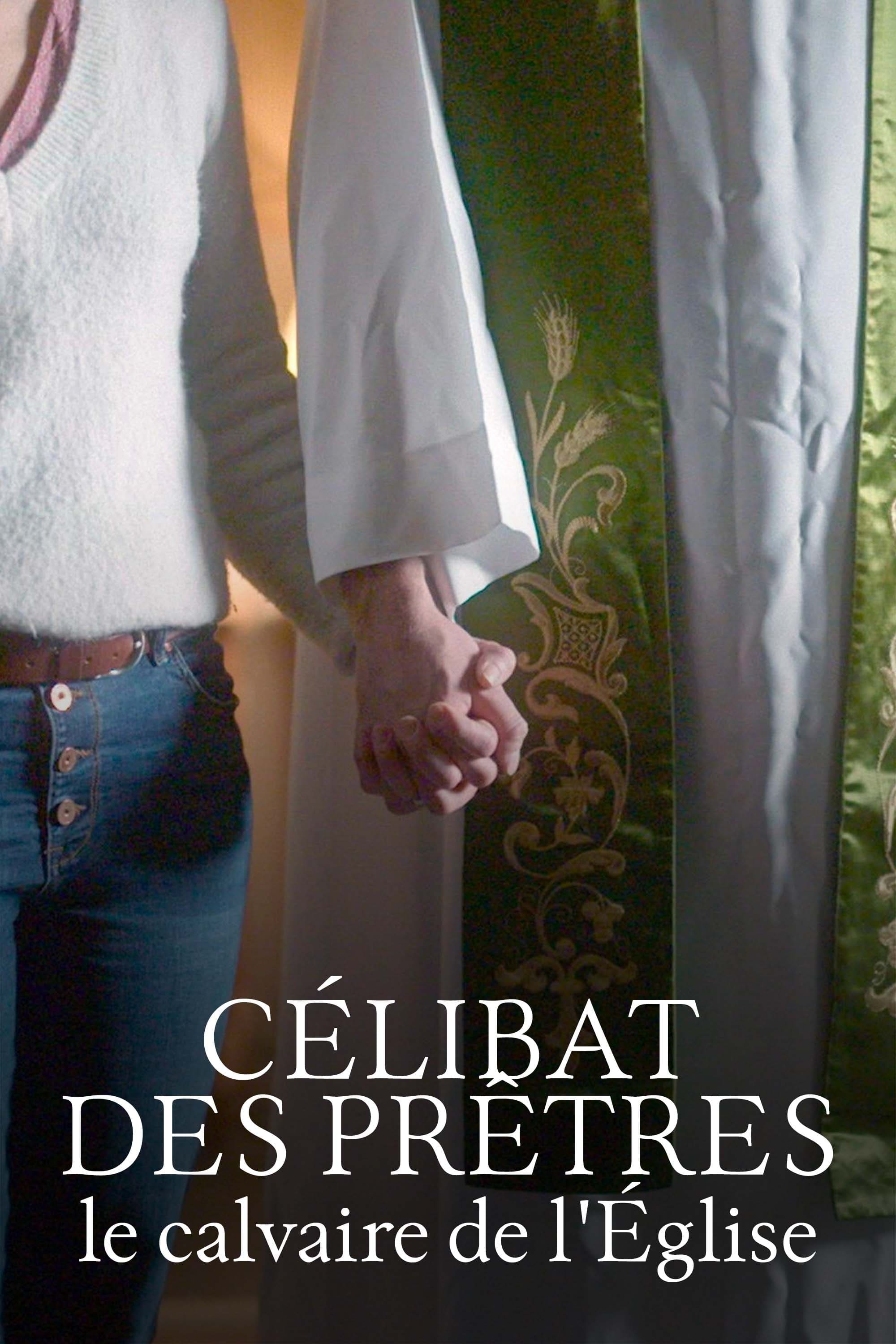
Priests, theologians and bishops are increasingly confessing that the majority of clergy no longer keep celibacy. They condemn the institution of the church and its treatment of priests. And they refuse to obey the ecclesiastical laws imposed by the Vatican. They no longer want to keep their private lives secret. Many are calling for an end to compulsory celibacy.
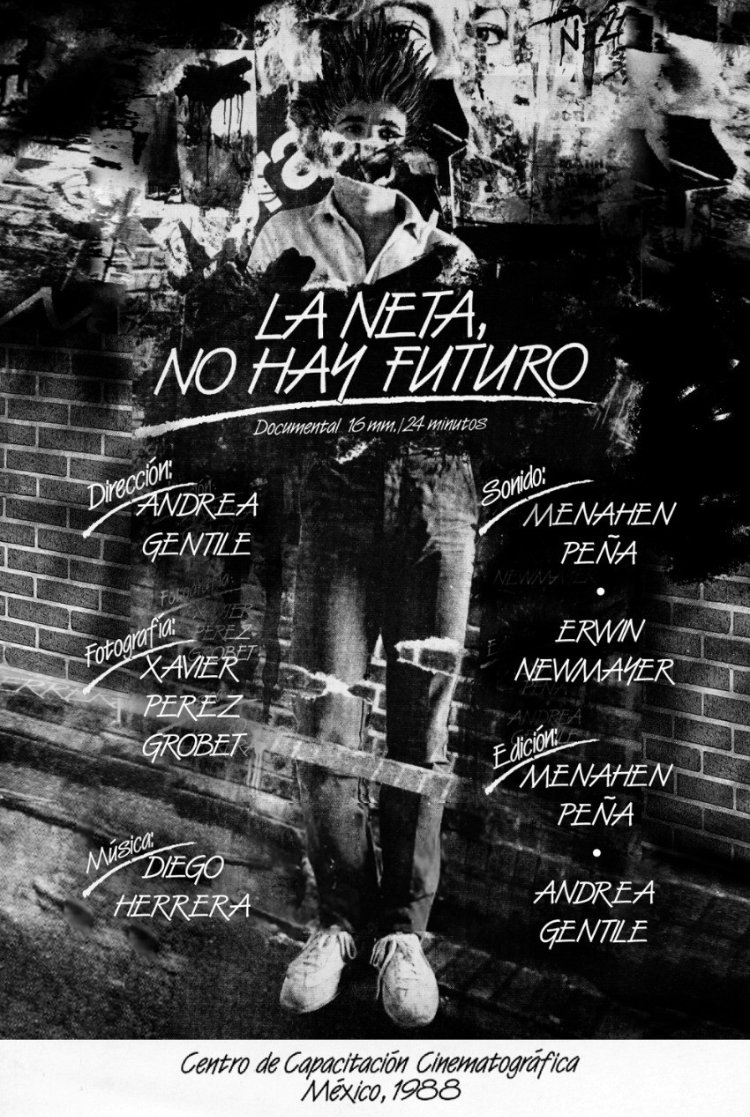
Documentary about young people who are dedicated to cleaning windshields in Ciudad Nezahualcóyotl to survive.
Social media phenomenon Deive Leonardo reflects on God's love, sings and tells stories about the disciple Peter's spiritual journey in this special.
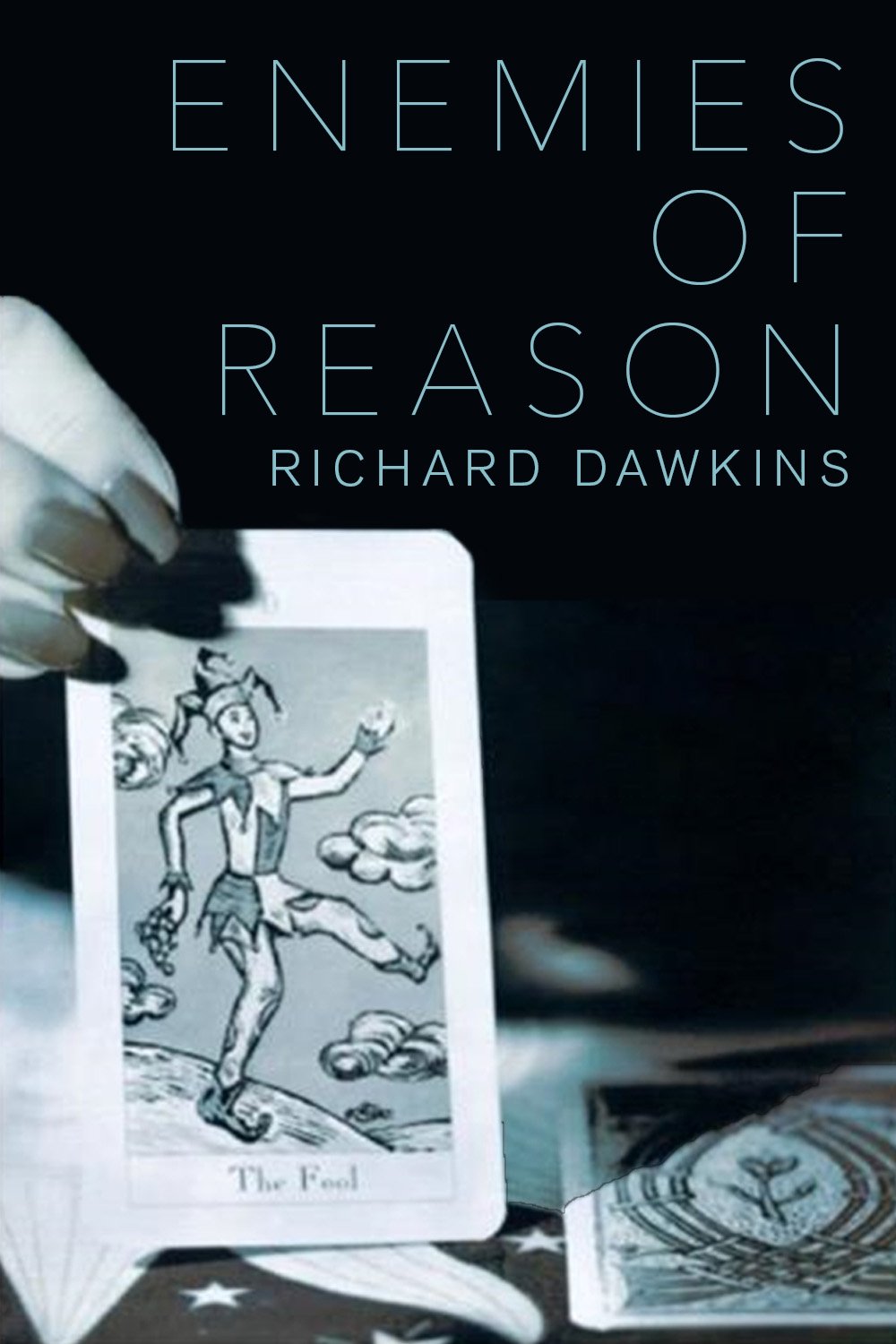
Documentary written and presented by scientist Richard Dawkins, in which he seeks to expose "those areas of belief that exist without scientific proof, yet manage to hold the nation under their spell", including mediumship, psychokinesis, acupuncture, and other forms of alternative medicine.
Haida Gwaii, an archipelago off the west coast of Canada, is home to Skil Jaadee and her family. They live in harmony with nature and have made it their mission to save their language and preserve their history.
American states and parents in both Europe and the United States are engaging in a joint fight against digital giants to ensure their responsibility in the addiction of young people to screens and social media is recognized. Among them, five women have chosen to disrupt their daily lives: Alexis, Kathleen, Elisabet, Laure, and Socheata.
Exploration of the ordinary lives led by women of different classes—a college professor, an unmarried woman, and a seasoned drama artist. They unveil the societal intricacies woven into their social backgrounds, with typical evening talks besides them. Gripping tales of yore immersed in the metaphorical embrace of their surroundings, their familial shelters are emblematic of resilience and protection, where profound truths lie hidden within the depths of the commonplace.
At Milan’s Niguarda public hospital, the unconventional Dr. Bini leads a bold mission overseeing aspiring parents undergoing in vitro fertilization and the journeys of individuals reconciling their bodies with their gender identities. He navigates the constraints set by a conservative government and an aggressive market eager to commodify bodies.
In the mid-aughts, Dateline NBC's To Catch a Predator drew millions of weekly viewers to watch sting operations: men planning to meet minors for sex would instead be confronted by polished host Chris Hansen, then by the police — all on hidden camera.
This film is the result of a two-year oral history project which collected the stories of people living and working in Douglas, gathering reflections on the story of the past and witnessing the changes in a small village that became a suburb of Cork, Ireland.
A city that has been living for two years with the law that prohibits "clandestine parties". A youth who, when reunited, risks receiving a police raid on their doorstep, in the street, in the park or in the square. Spatial segregation, denial of the right to the city and public space for the leisure of the poor, black and peripheral. Willingness to make art, create music, lyrics, poetry, beats, hits and spread culture in this repressive scenario.
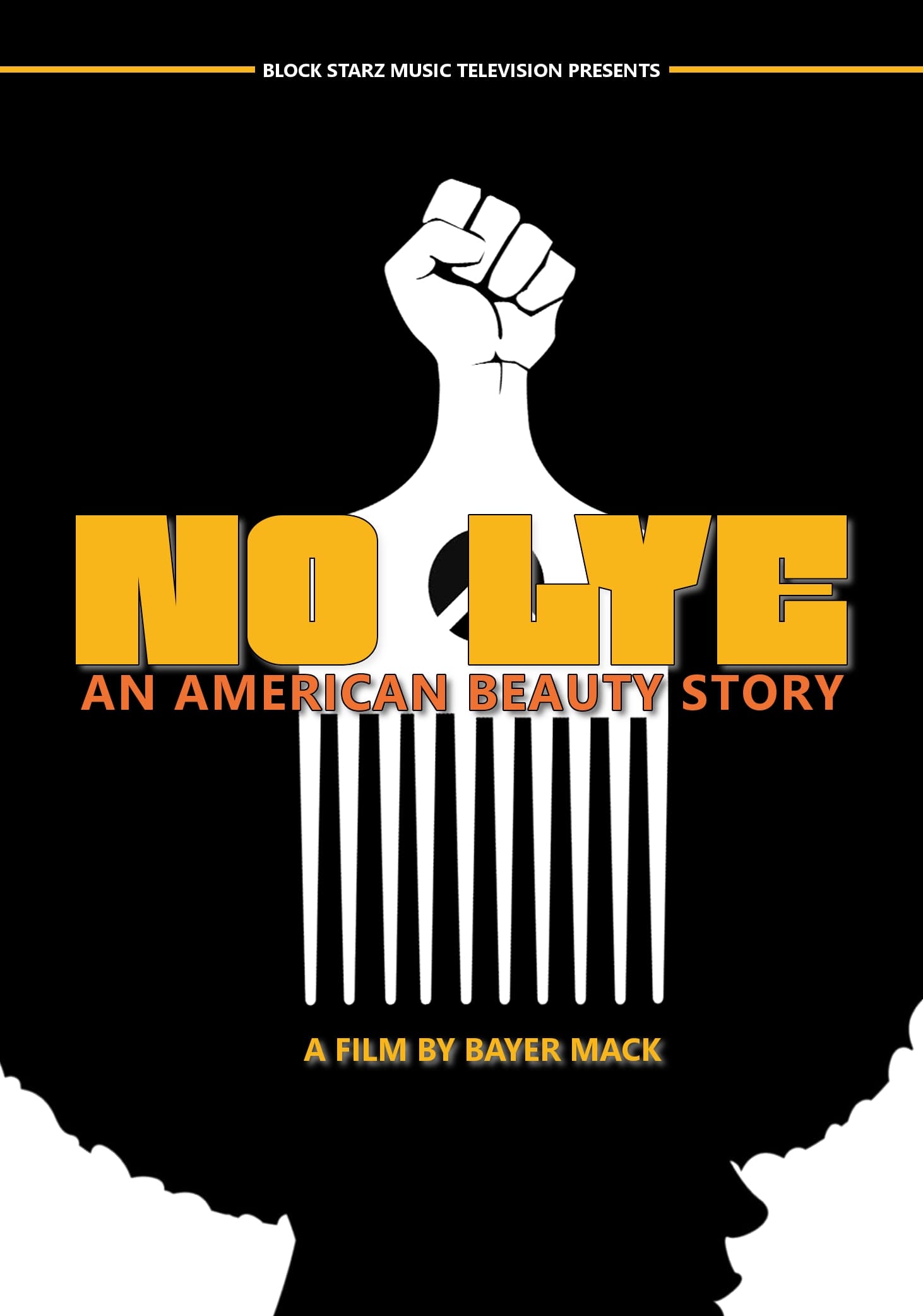
A documentary that chronicles the rise and decline of the black-owned ethnic beauty industry in America.
Since the invention of the automobile, women have distinguished themselves by their daring: the history of women in motor sport.
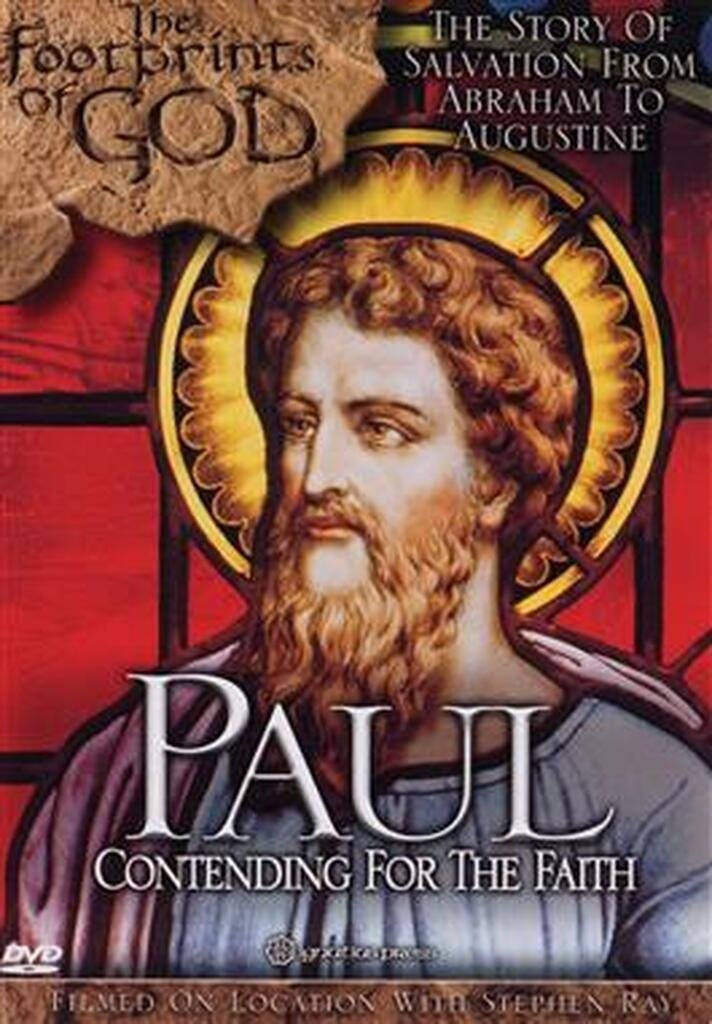
Before he "saw the light," Saul of Tarsus pursued murderous threats against the disciples of Jesus. But Saul's zeal was upended when he was knocked from his horse and humbled by the hand of God. Join Stephen Ray, best-selling Catholic author and popular Bible teacher, as he takes you on the road with St. Paul through Israel, Syria, Turkey, Greece and Italy. Part of the "Footprints of God" series of devotional DVDs.
A documentary on the life of the youth in post-Independence India.
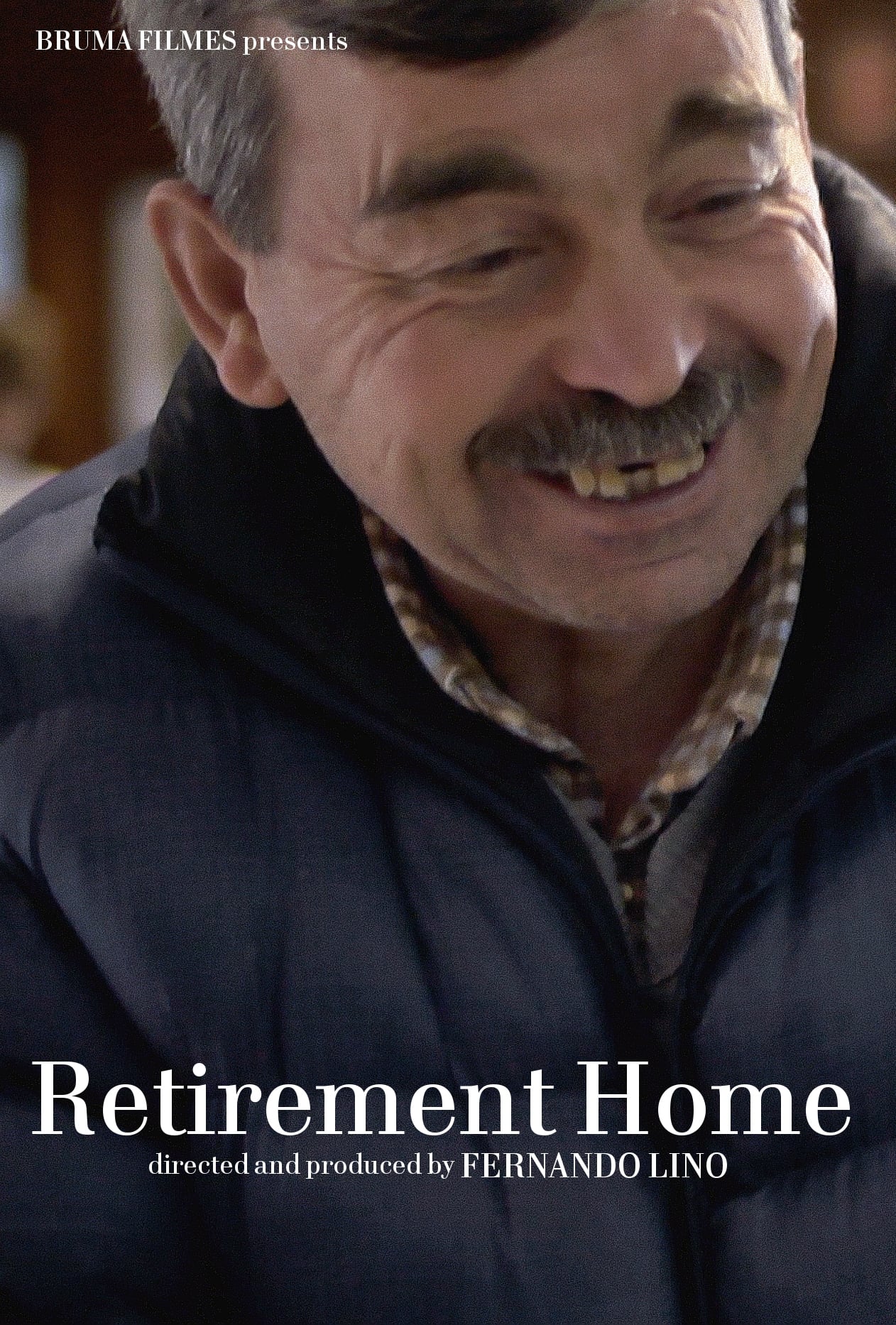
A group of elders spends their weekdays in a retirement home in Sandim, in the north of Portugal, where they talk, do arts and crafts, practice yoga and pray. We follow them between October 2012 and March 2013, when an economic crisis overshadowed Portuguese society and unemployment rates reached record levels. Meanwhile, arrangements are made for the Carnival ball. Will they bring the first place home this time?
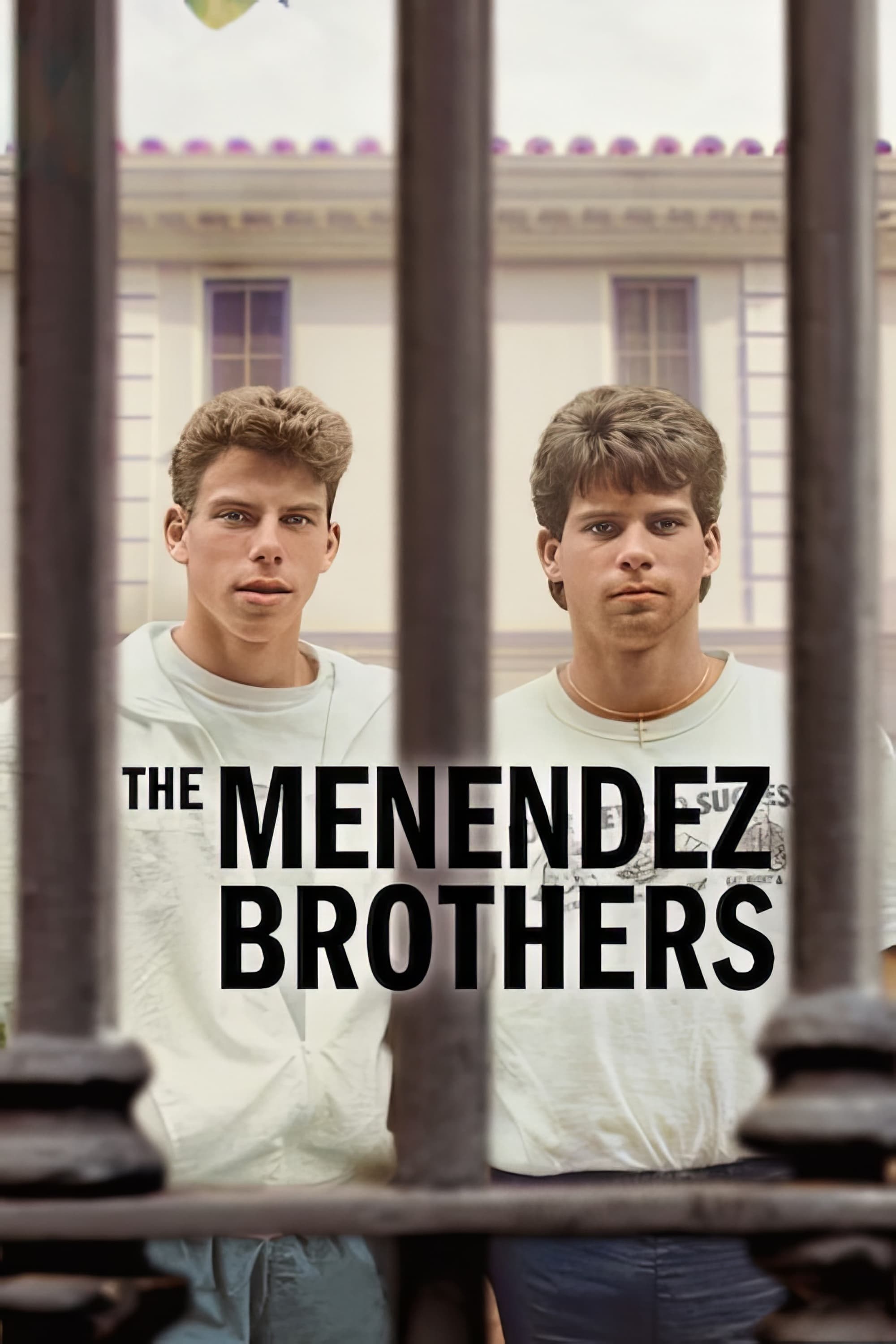
Serving life in prison for murdering their parents, Lyle and Erik Menendez speak out in this documentary explaining the shocking crime and ensuing trials.
Through deeply personal interviews with her siblings and an examination of the photographs, letters, and belongings left behind, Mariska assembles a new portrait of her mother Jayne Mansfield, an extraordinary and complex woman.
After years in the limelight, Selena Gomez achieves unimaginable stardom. But just as she reaches a new peak, an unexpected turn pulls her into darkness. This uniquely raw and intimate documentary spans her six-year journey into a new light.
A night of drunken chaos rocks a quiet Dutch town in this shocking documentary about a teen's birthday invite that accidentally went viral on Facebook.
This revealing documentary honors the legendary Sidney Poitier—iconic actor, filmmaker, and civil rights activist. Featuring interviews with Denzel Washington, Spike Lee, Halle Berry, and more.
In the Realms of the Unreal is a documentary about the reclusive Chicago-based artist Henry Darger. Henry Darger was so reclusive that when he died his neighbors were surprised to find a 15,145-page manuscript along with hundreds of paintings depicting The Story of the Vivian Girls, in What is Known as the Realms of the Unreal, of the Glodeco-Angelinnian War Storm, Cased by the Child Slave Rebellion.
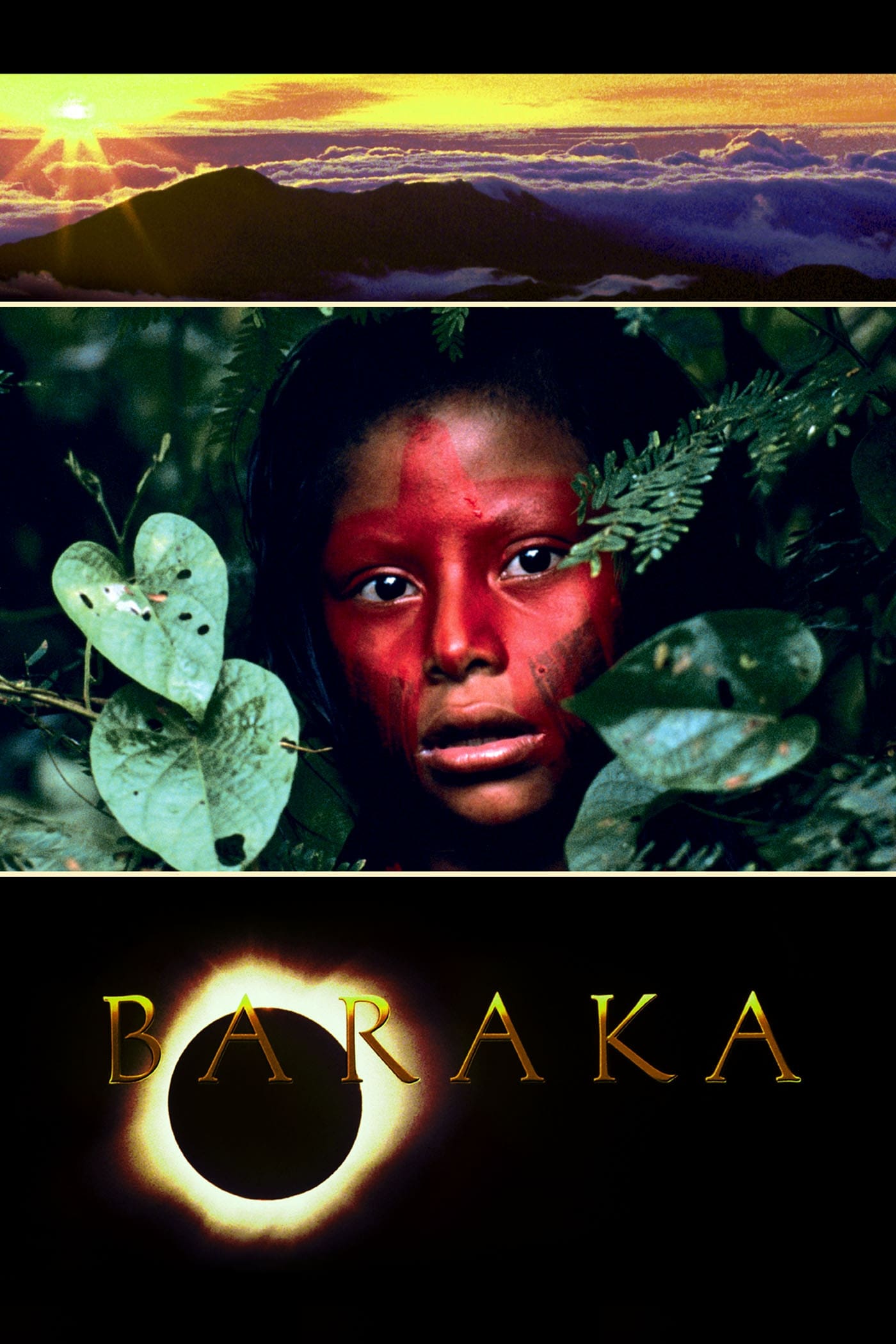
A paralysingly beautiful documentary with a global vision—an odyssey through landscape and time—that attempts to capture the essence of life.
Alexander McQueen's rags-to-riches story is a modern-day fairy tale, laced with the gothic. Mirroring the savage beauty, boldness and vivacity of his design, this documentary is an intimate revelation of McQueen's own world, both tortured and inspired, which celebrates a radical and mesmerizing genius of profound influence.
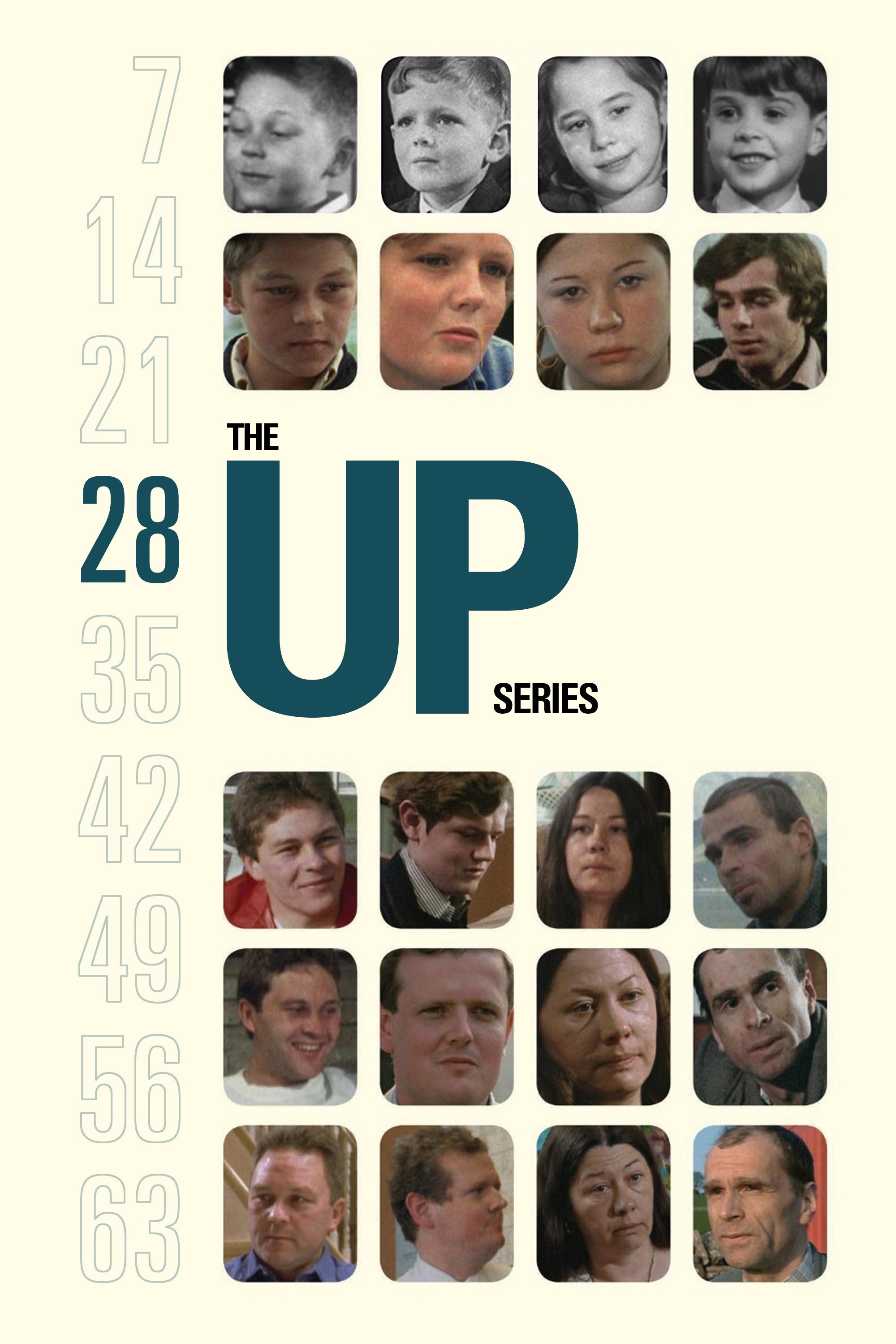
Just two years away from turning 30, participants in Michael Apted's documentary series are facing serious questions of identity and purpose, wondering whether they've found their place in the world.
Unravel the case of Utah therapist Jodi Hildebrandt, whose child abuse arrest with parenting YouTuber Ruby Franke exposed a twisted tale of manipulation.
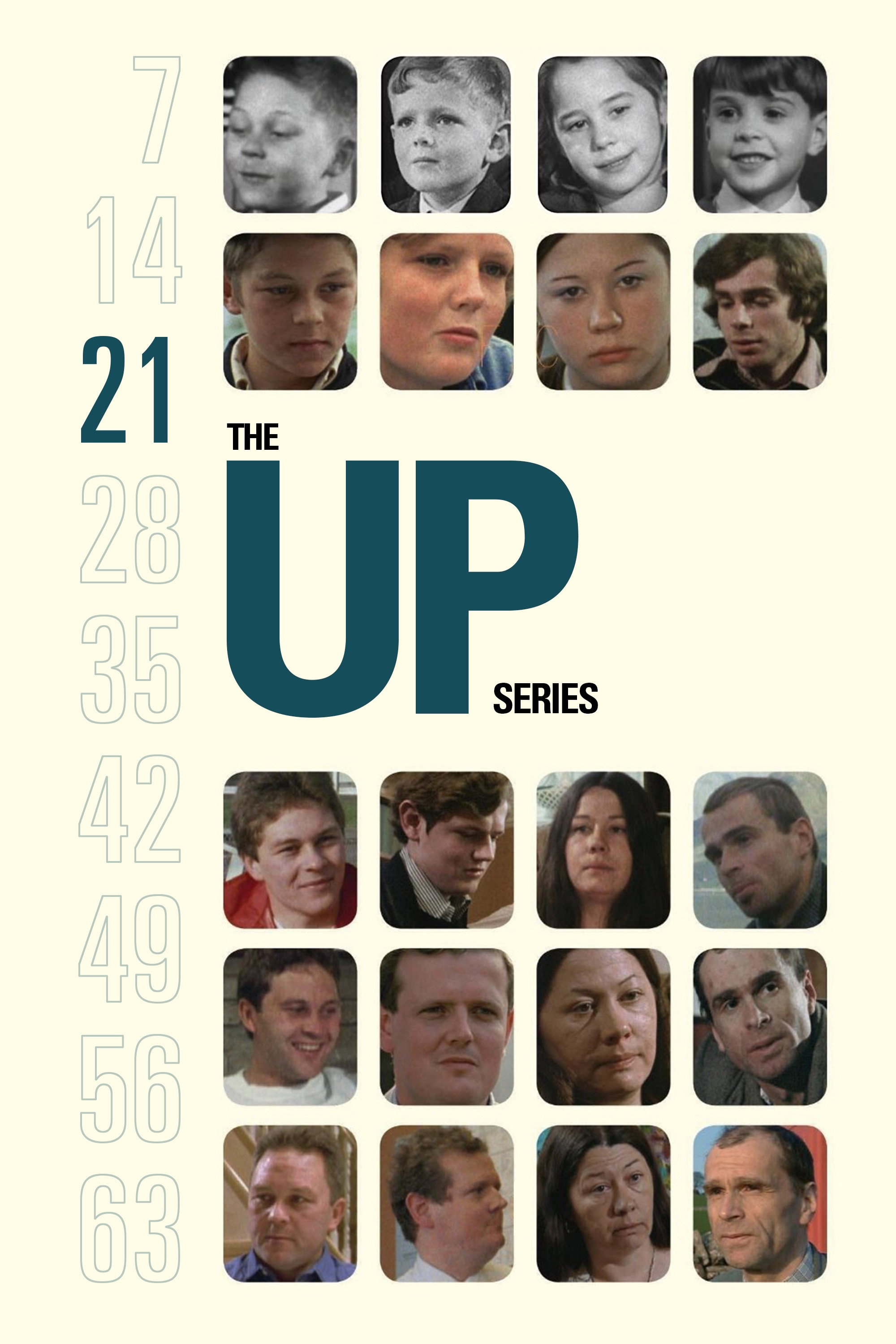
After another 7 year wait, director Michael Apted revisits the same group of British-born children from Seven Up! and 7 Plus Seven. The subjects are interviewed as to the changes that have occurred in their lives during the last seven years.
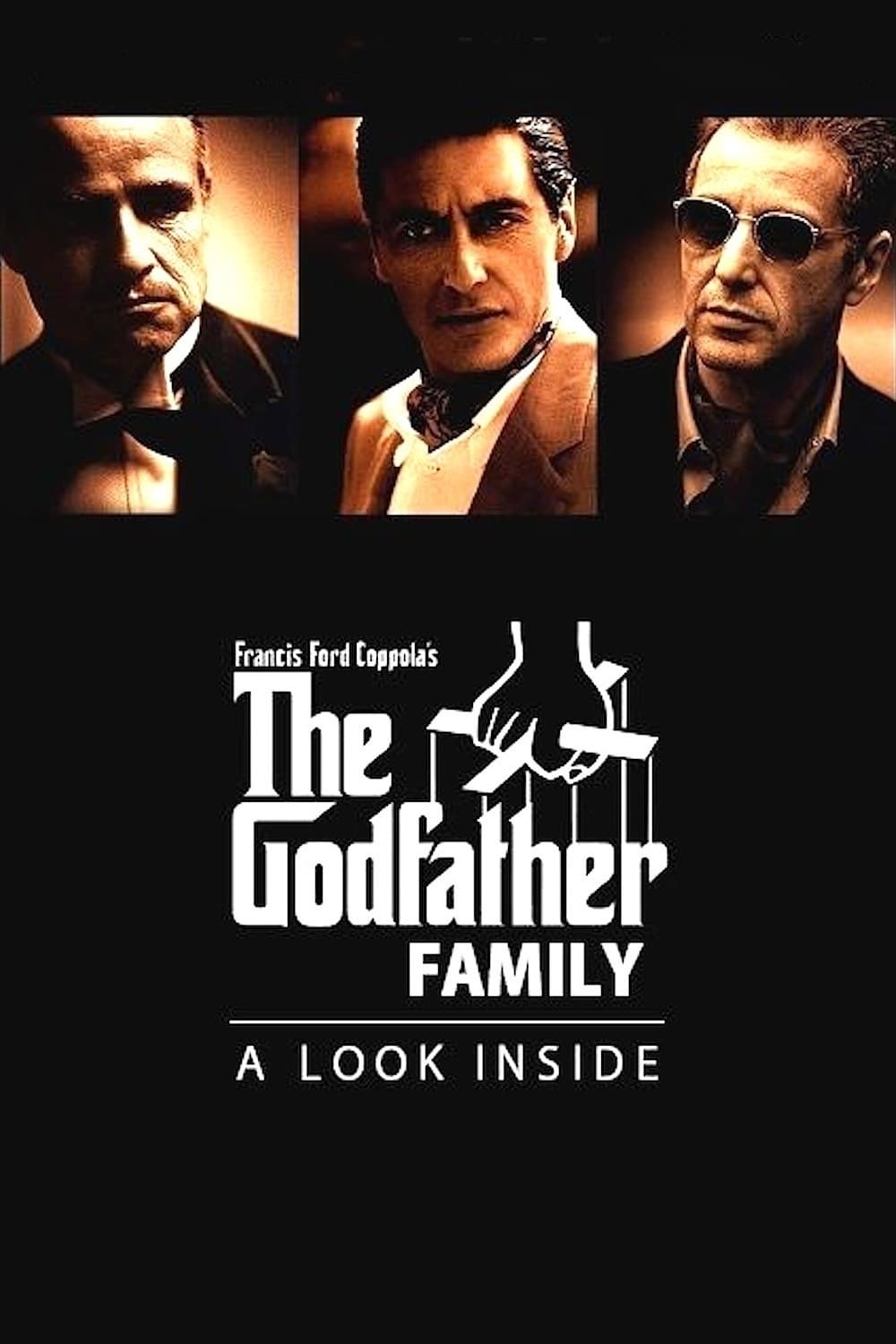
A documentary on the making of the three Godfather films, with interviews and recollections from the film makers and cast. This feature also includes the original screen tests of some of the actors for "The Godfather" film, and some candid moments on the set of "The Godfather: Part III."
Al Pacino's deeply-felt rumination on Shakespeare's significance and relevance to the modern world through interviews and an in-depth analysis of "Richard III."
A documentary on the expletive's origin, why it offends some people so deeply, and what can be gained from its use.
A documentary on kids who attend a summer camp hoping to become the next Billy Graham.
A documentary about the life and films of director John Ford.
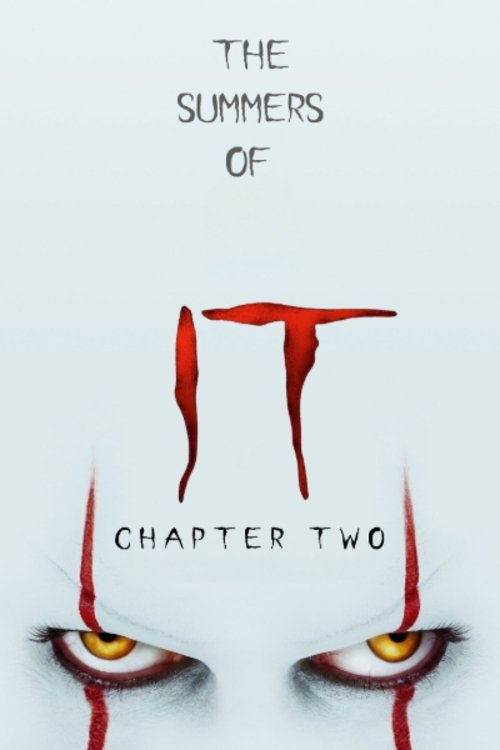
This documentary focuses on the actors and their journey over two summers to create the remake to the original IT, by Stephen King. The documentary originally released as bonus material, bundled with IT: Chapter Two.
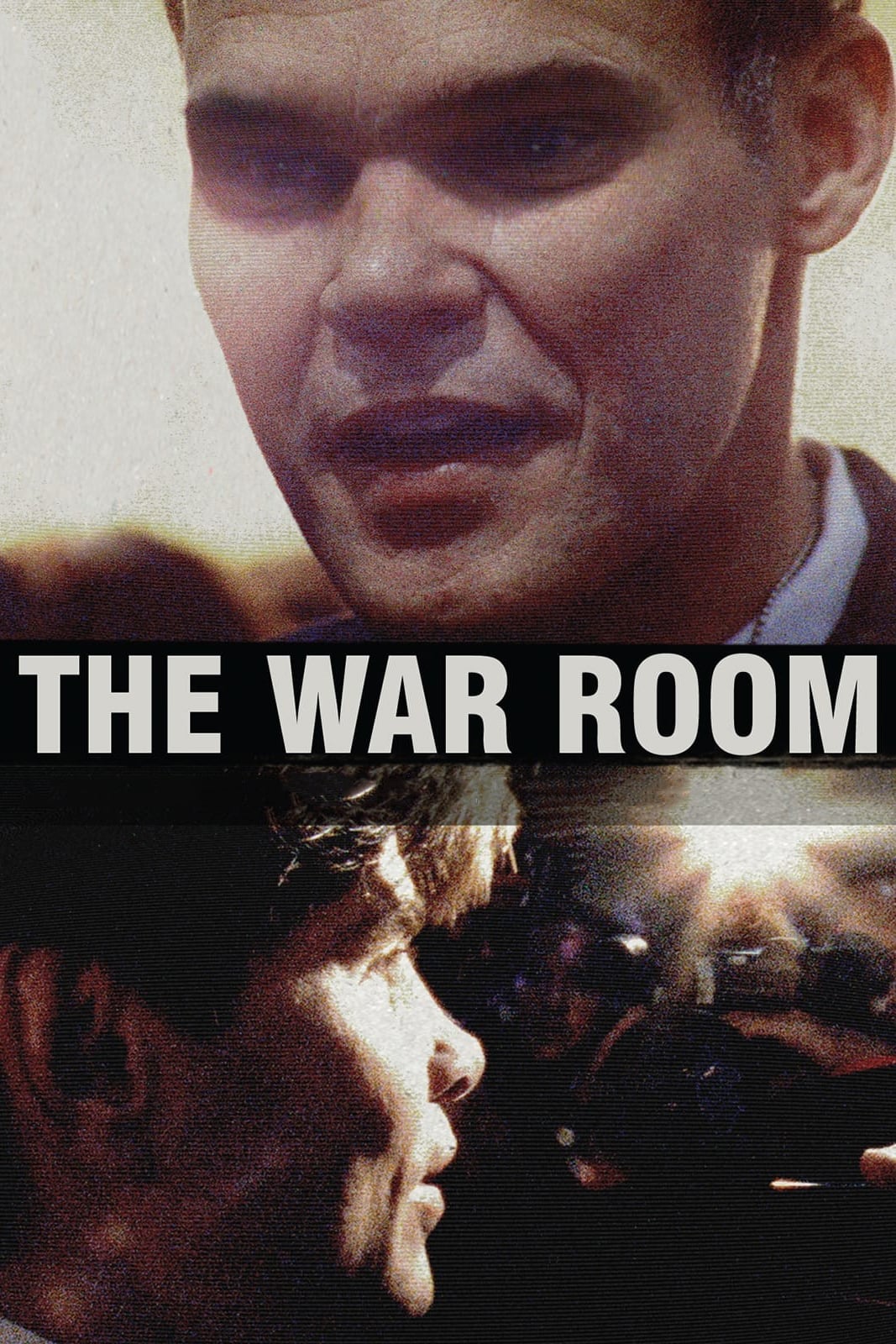
A behind-the-scenes documentary about the Clinton for President campaign, focusing on the adventures of spin doctors James Carville and George Stephanopoulos.
With unprecedented access to the official archives and intimate recollections from the band, both current and past, Iron Maiden: Burning Ambition invites fans to experience one of the most iconic journeys in music history. Spanning five decades, this electrifying documentary charts the band’s rise from the pubs of East London to the world’s biggest stadiums. Featuring exclusive interviews with band members and contributors such as Javier Bardem, Lars Ulrich and Chuck D, as well as all-new animated sequences of the band's legendary mascot, Eddie, the film offers a rare and intimate look at Iron Maiden’s uncompromising vision and unwavering connection with their truly global army of fans.
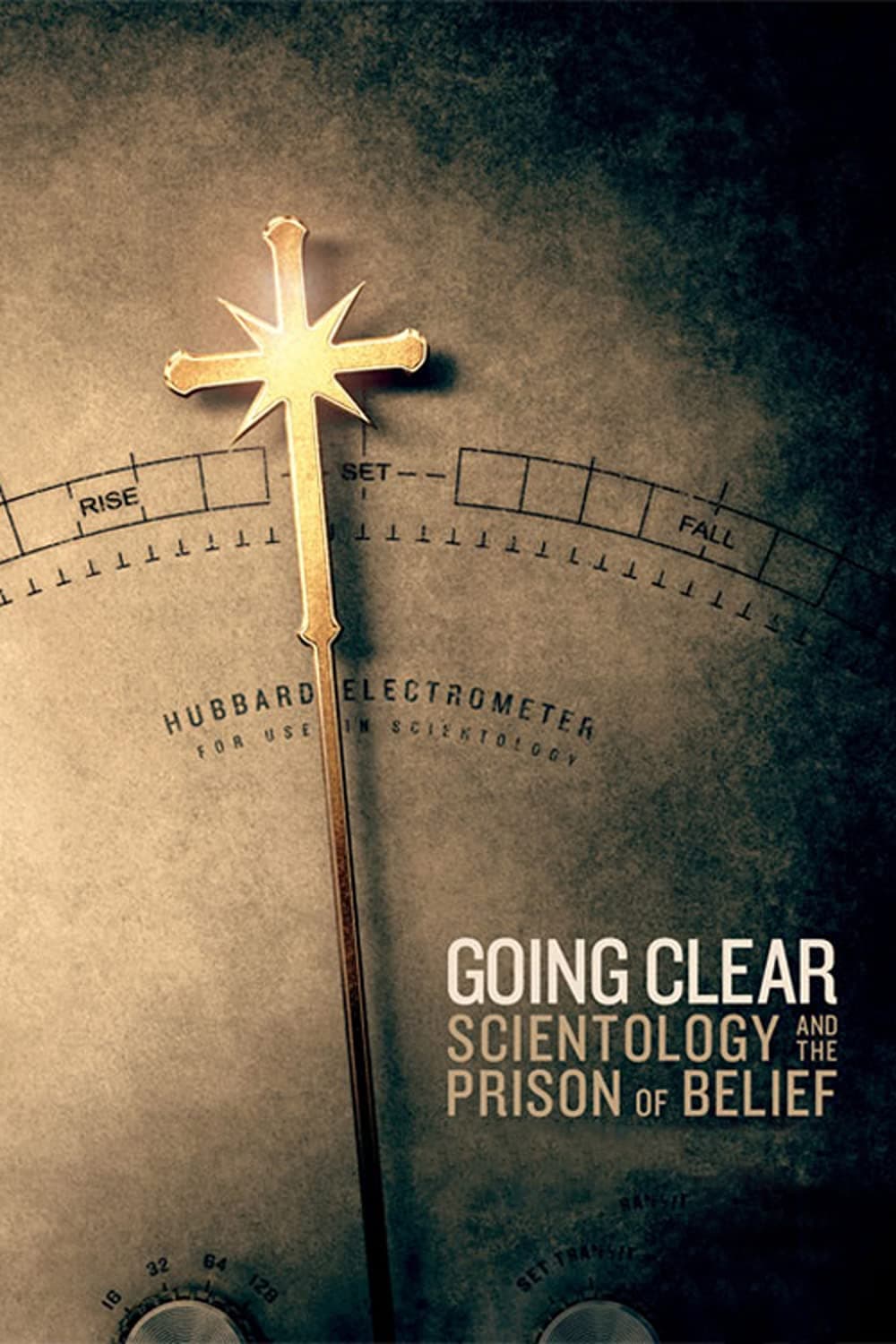
The film profiles eight former members of the Church of Scientology, shining a light on how they attract true believers and the things they do in the name of religion.