Social & External
The people behind it
A featureless land fit only for war, as the narrator, J. L. Hodson stated in the early scenes: "If war was to be fought then let it begin here". In endless miles of rock-strewn scrub desert, where civilians hardly existed. Desert Victory tells the story of the Allied campaign to drive Germany and Italy from North Africa is analysed, with the major portion of the film examining the battles at El Alamein, including some re-enactment. Won "Best Documentary Feature" at the 16th Academy Awards in 1944.
Travelers Hansel and Zikmund sail from Africa to South America. On their journey to film, they capture clouds of locusts on the plains of Argentina's Chaco, a snake farm in Butantane, skyscrapers in Buenos Aires and Rio de Janeiro, a visit to lepers in Paraguay, waterfalls in Iguazu, a daring expedition to the jungles of the Marañon river basin to hunt skull hunters. an Indian settlement in Panama and the journey ends prematurely in Mexico amidst the ruins of ancient Indian temples and pyramid.
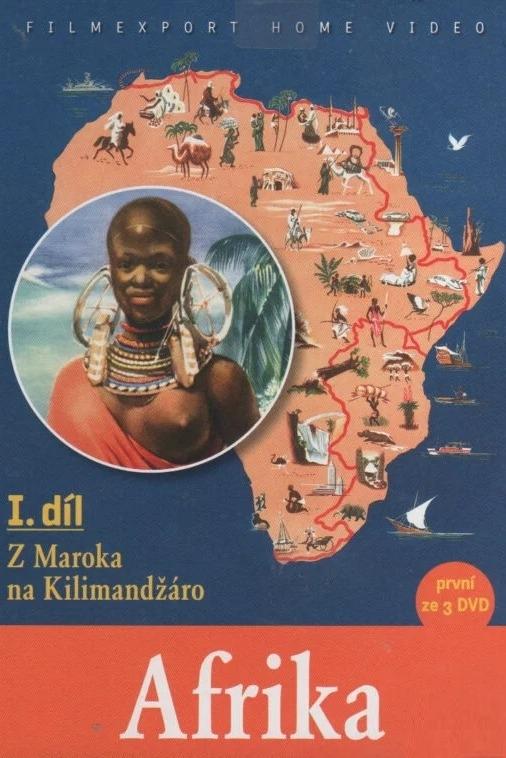
The feature-length film by engineers J. Hanzelka and M. Zikmund captures how the two travelers prepared for their first trip around the world and in documentary footage describes their experiences from the first half of the trip through Africa. You will see for yourself what obstacles they had to overcome on the ravaged roads of Abyssinia and in what danger the fate of the expedition was during the daring passage through the Nubian desert. The film culminates with an ascent to the highest mountain in Africa, the extinct volcano Kilimanjaro, whose peak is covered in ice all year round.
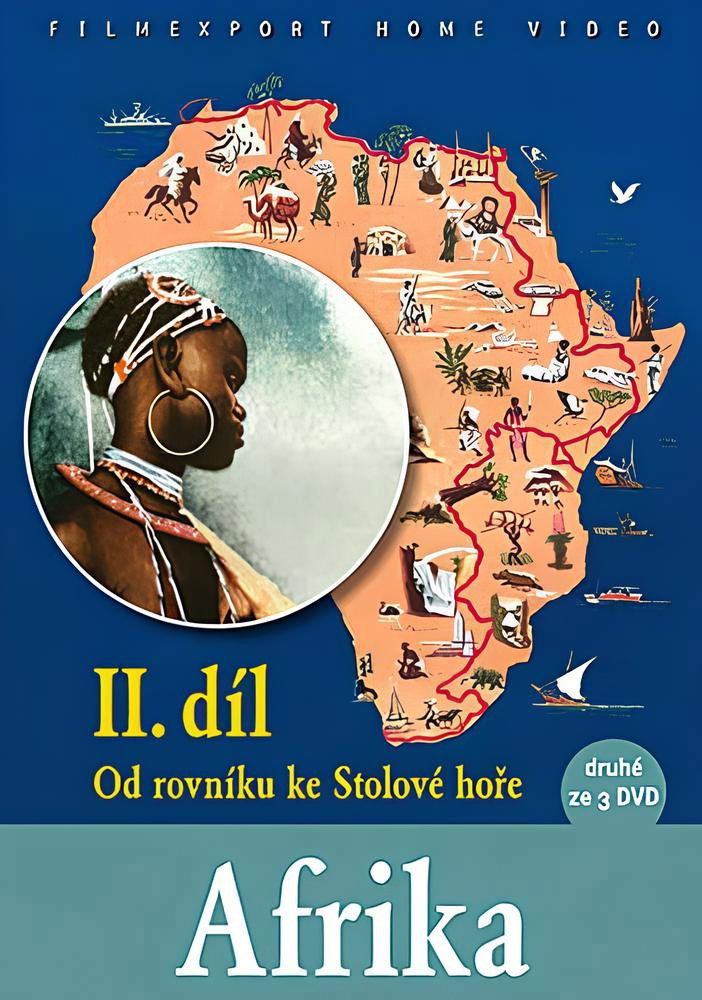
The second part of the film begins with a journey in the equatorial region, where the travelers managed to capture the most typical images of the original Africa. The journey continues to the forests of the Belgian Congo, where they filmed the smallest people in the world, black dwarfs. From Central Africa, they head south through Victoria Falls and the mysterious ruins of a medieval settlement in Zimbabwe. In Johannesburg, they witness a celebration of black gold diggers. Their journey ends at the southernmost tip of Africa under Table Mountain in Cape Town. The end of the film depicts the birth of a volcano shot from close range.
Ice skating is the theme; at the Tropical Ice Garden, in Westwood Hills, are seen a flock of skating stars including Irene Dare and Phyllis Ann Thomoson, as well as Hollywood luminaries such as Franklyn Pangborn, Norma Shearer, Rita Hayworth, Mickey Rooney, Dick Purcell and Ann Sheridan.
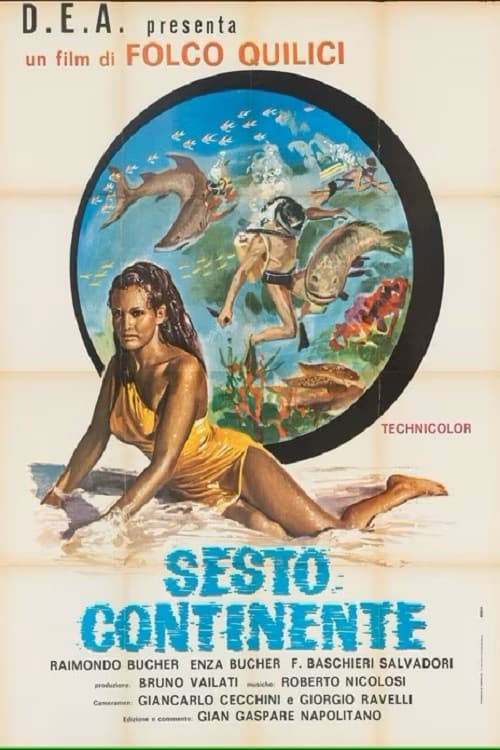
This 95-minute, full-color documentary was released in the U.S. as Sixth Continent. That continent is Africa -- or, more specifically, the coast of Ethiopia. Director Folco Quillici takes his cameras deep, deep into the waters near the coastal islands of Dalach, observing the passing parade of sea life on an up-close-and-personal basis. Particularly thrilling is a shark attack and its aftermath, with the cinematographers obviously in the thick of things. Gian Caspare Napolitano provides the narration, while the lush, evocative musical score is the handiwork of Roberto Nicolosi.
The Rolling Stones' record-breaking 1981 North American arena tour documented by director Hal Ashby. Featuring the biggest Rolling Stones songs from the first 20 years - in the words of Mick Jagger, "a feel of what it's like to be there", as 20 cameras take you onstage with the band in this groundbreaking, dynamic tour.
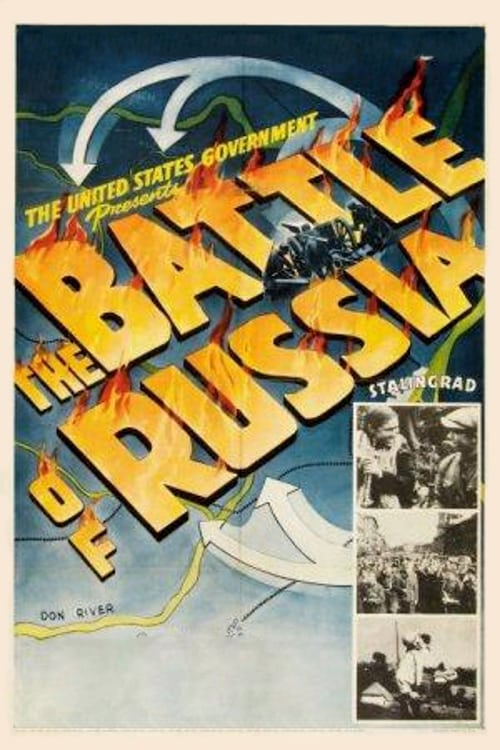
The fifth film of Frank Capra's Why We Fight propaganda film series, revealing the nature and process of the fight between the Soviet Union and Germany in the Second World War.
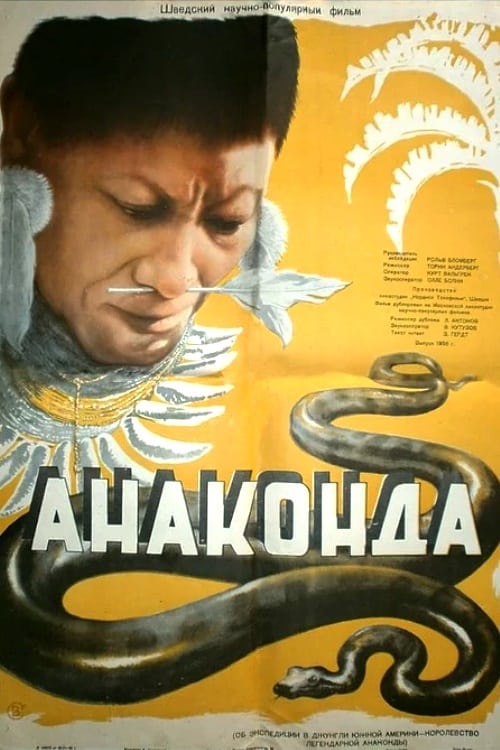
Documentary by Torgny Anderberg
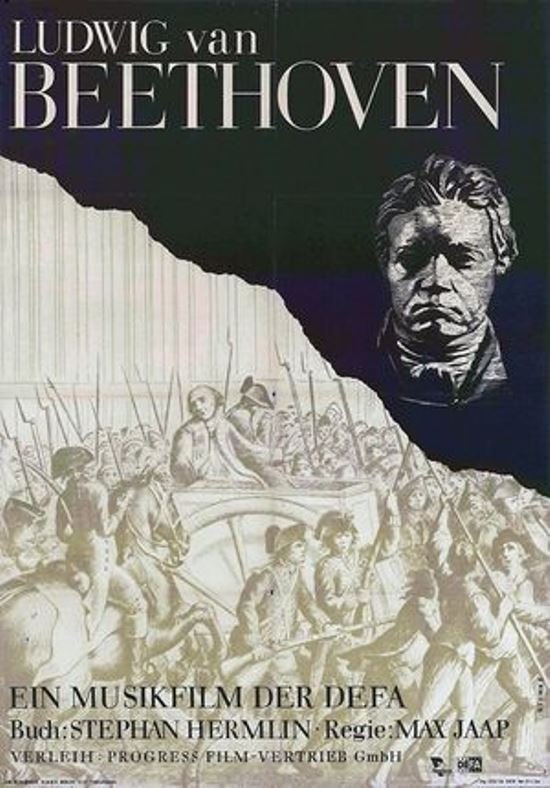
Documentary on the master composer, from a GDR point of view.
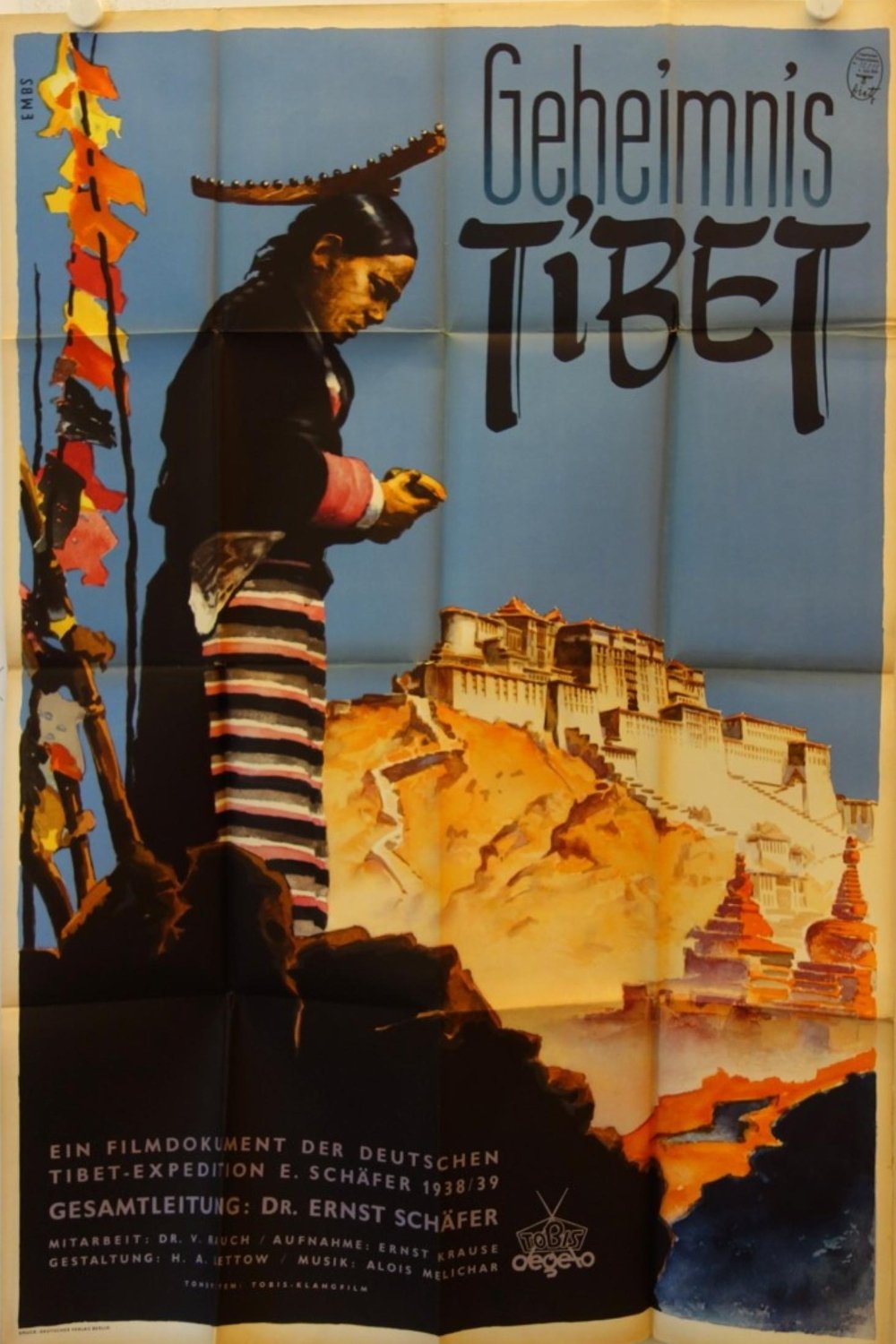
In 1938 Nazi leader Heinrich Himmler sponsored an expedition to Tibet lead by several Nazi SS scientists to study the regions flora and fauna, and to take scientific measurements of the Earths magnetic fields. The expedition was also sent to find traces of the orgins of the "Aryan" race in Tibet which was where Himmler thought evidence of could be found. This film is a Nazi era documentary of that expedition.
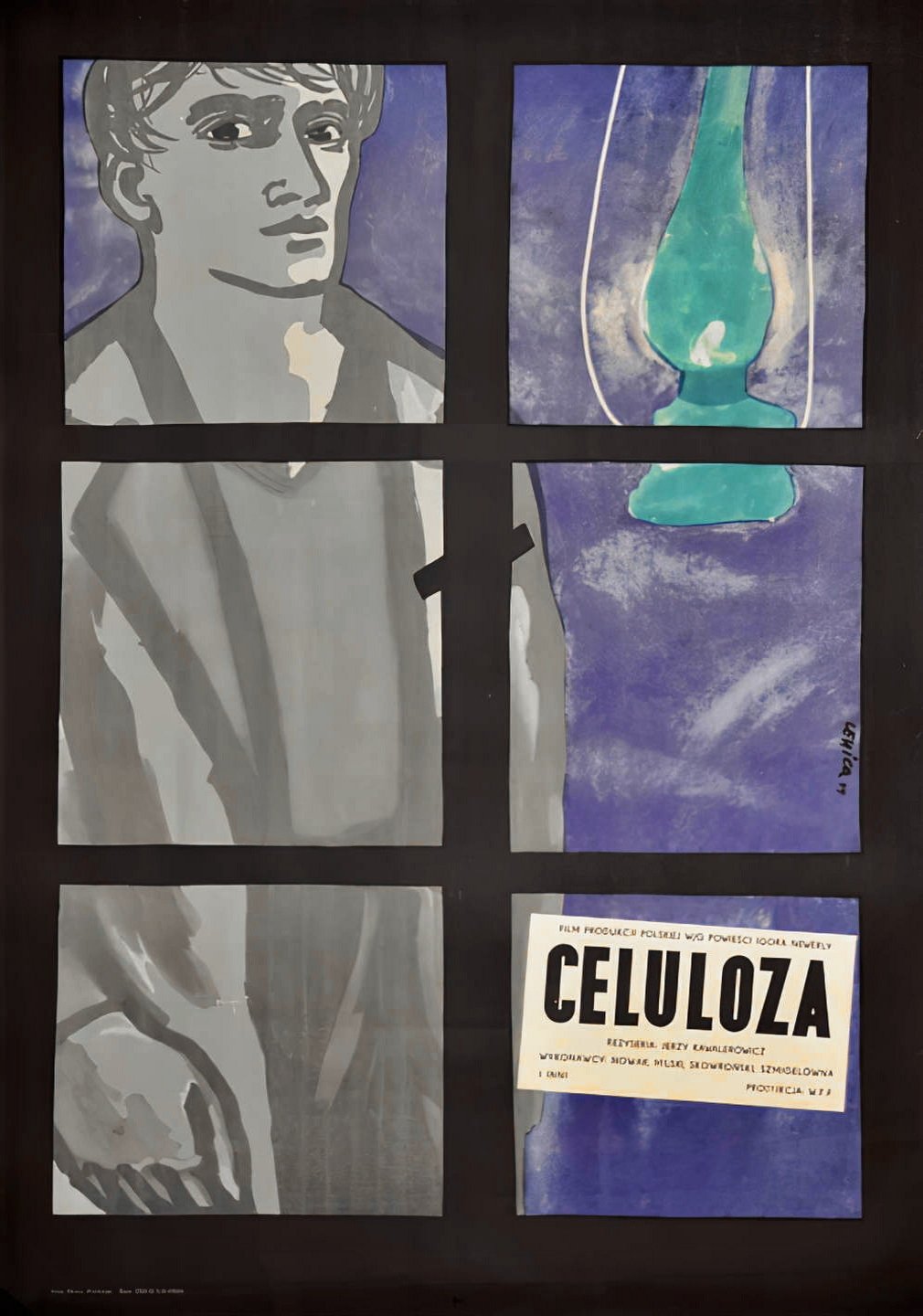
To take a revenge on countess Laura, who slapped him at his proposal, the Governor of the occupied Poland gets her fall in love with a poor student, and exposes him during wedding banquet.
The course of an organized strike by workers from North Moravian steelworks in 1931 to resist mass layoffs during the economic crisis.
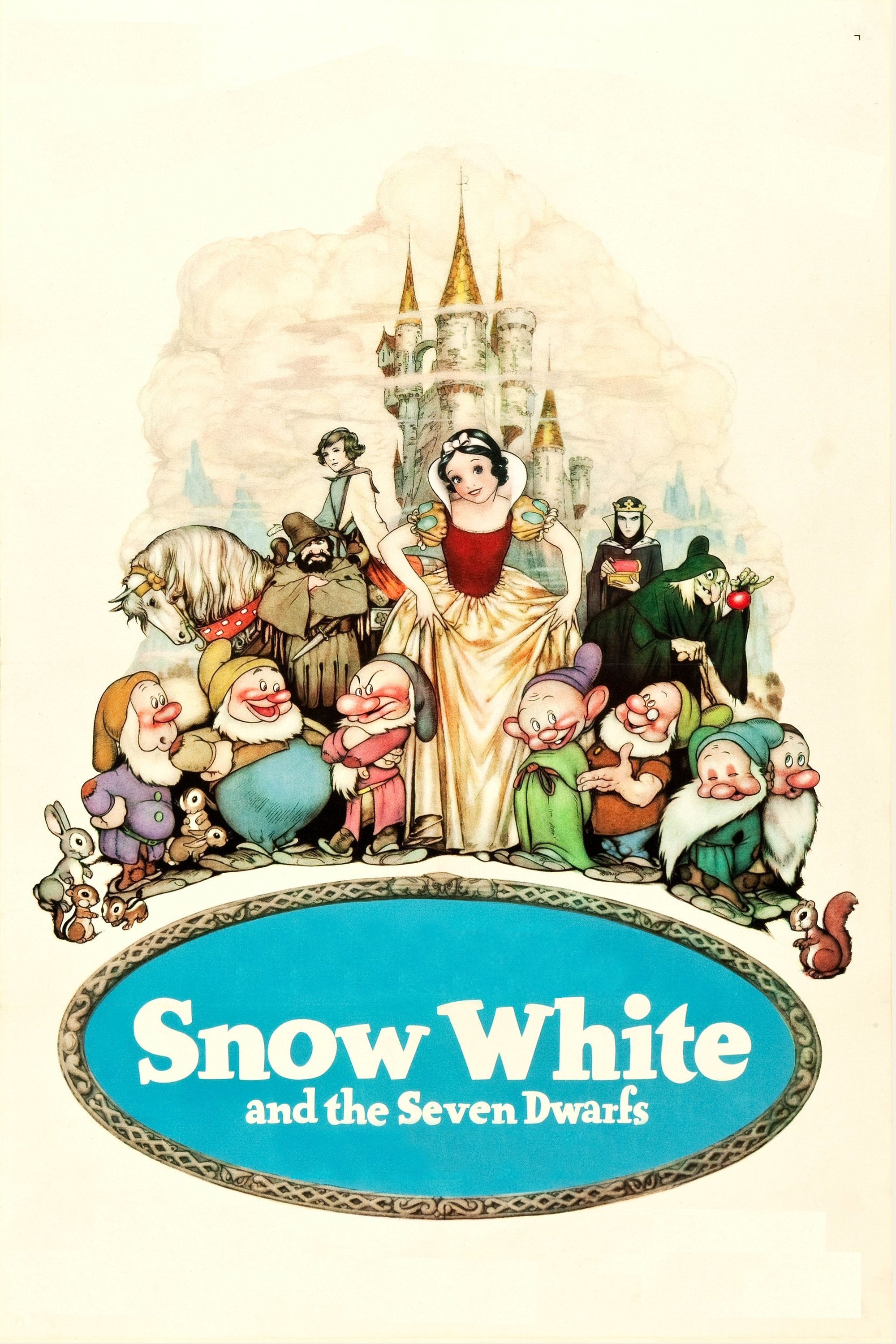
A beautiful girl, Snow White, takes refuge in the forest in the house of seven dwarfs to hide from her stepmother, the wicked Queen. The Queen is jealous because she wants to be known as "the fairest in the land," and Snow White's beauty surpasses her own.
Tom Joad returns to his home after a jail sentence to find his family kicked out of their farm due to foreclosure. He catches up with them on his Uncle’s farm, and joins them the next day as they head for California and a new life... Hopefully.
The film is an adaptation of Henrik Ibsen's play A Doll's House. The film uses Ibsen's alternate ending where the unhappy couple are reconciled at the end
René and his two artist friends lead a meager but careless life in a Parisian small apartment, their main worry being to avoid the housekeeper. Whenever they get some money they call more friends in and celebrate. This is how he meets beautiful but fragile Denise, who wants to be a singer as himself, and they fall in love. Yet when she finds out her real condition she takes a drastic decision which will determine their fates. La Bohème arias, and more.
Through the fate of the boy - whose hunger drives from his home village , and who receives a severe school of life , going through different social environments in order to become conscious , revolutionary activist - creators show a realistic panorama of conflicts in pre-WWII Poland.
In a settlement in the northern mining country. The Marles, Bréhard and Gohelle families wake up and prepare for a new day at work. The young engineer Larzac, newly appointed to the mine, will soon oppose the authoritarian and conservative methods of his superior Dubard. Georges Gohelle would like to marry Marie Bréhard, but housing difficulties thwart their plans. Brezza, a Polish immigrant, who must return to his country, would like to hate his marriage to Louise Gohelle. Roger, Marie's little brother, has just turned 14. He does not want to go down to the mine as his elders have always done. He will however have to resign himself to it. Marles evokes for him the social struggles of 1906. Roger is injured during a landslide. In front of his family and his friend Marles, who had come to the hospital, he announced his decision to continue his profession. Larzac, invited to the Marles, reveals that he refused a quiet position at the Charbonnages de Paris. He too stays.
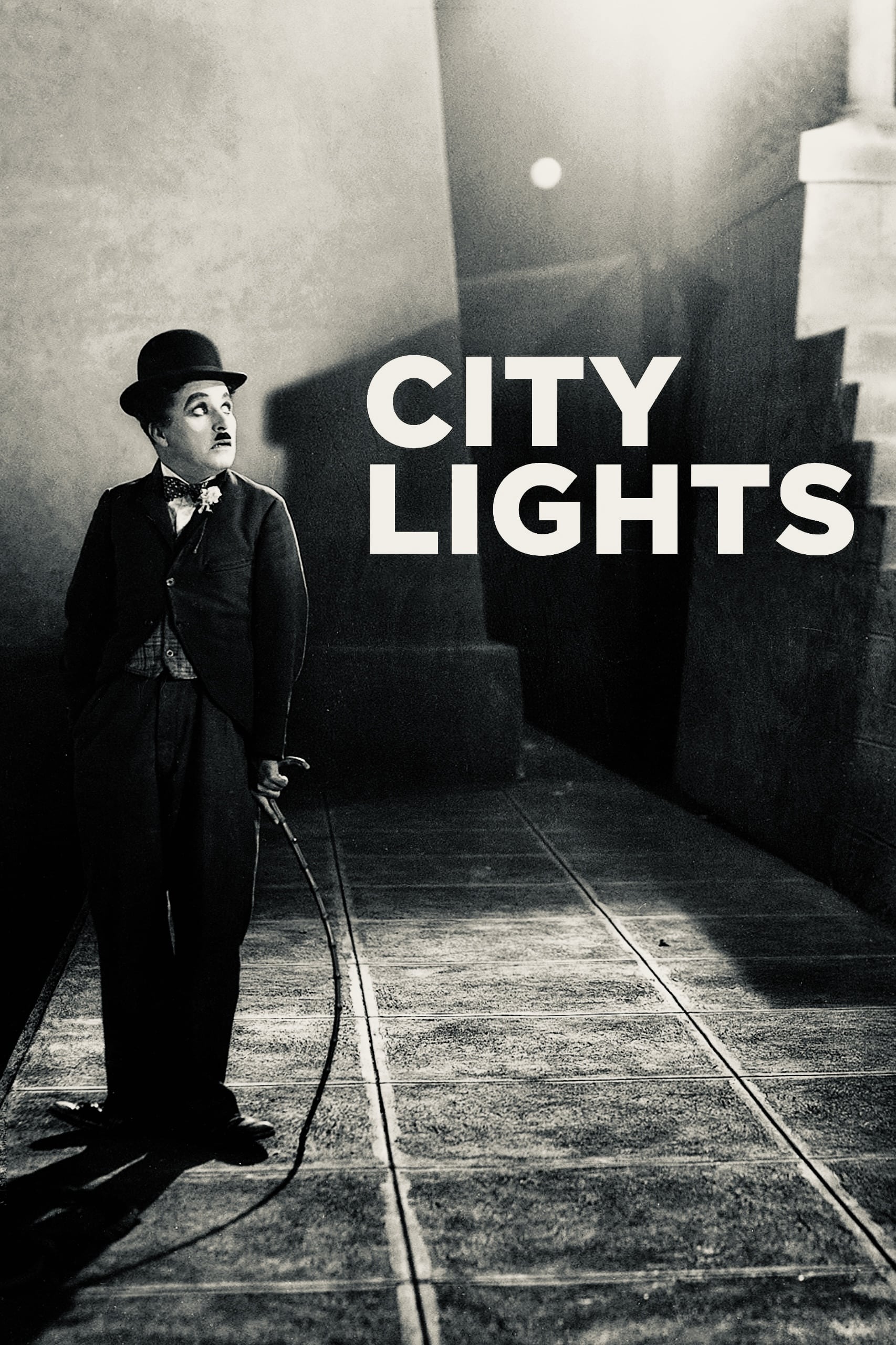
A tramp falls in love with a beautiful blind flower girl. His on-and-off friendship with a wealthy man allows him to be the girl's benefactor and suitor.
A string of threatening emails escalates into a revenge plot involving a newly married US marshal and his ex-girlfriend.
A documentary about the life and films of director John Ford.
A visual montage portrait of our contemporary world dominated by globalized technology and violence.
A documentary about how a dominant cultural and demographic institution both sustains their traditional activities and adapts to the digital revolution.
Alexander McQueen's rags-to-riches story is a modern-day fairy tale, laced with the gothic. Mirroring the savage beauty, boldness and vivacity of his design, this documentary is an intimate revelation of McQueen's own world, both tortured and inspired, which celebrates a radical and mesmerizing genius of profound influence.
A night of drunken chaos rocks a quiet Dutch town in this shocking documentary about a teen's birthday invite that accidentally went viral on Facebook.
Ranjit, a farmer in India, takes on the fight of his life when he demands justice for his 13-year-old daughter, the victim of a brutal gang rape. His decision to support his daughter is virtually unheard of, and his journey unprecedented.
This documentary focuses on the actors and their journey over two summers to create the remake to the original IT, by Stephen King. The documentary originally released as bonus material, bundled with IT: Chapter Two.
Through deeply personal interviews with her siblings and an examination of the photographs, letters, and belongings left behind, Mariska assembles a new portrait of her mother Jayne Mansfield, an extraordinary and complex woman.
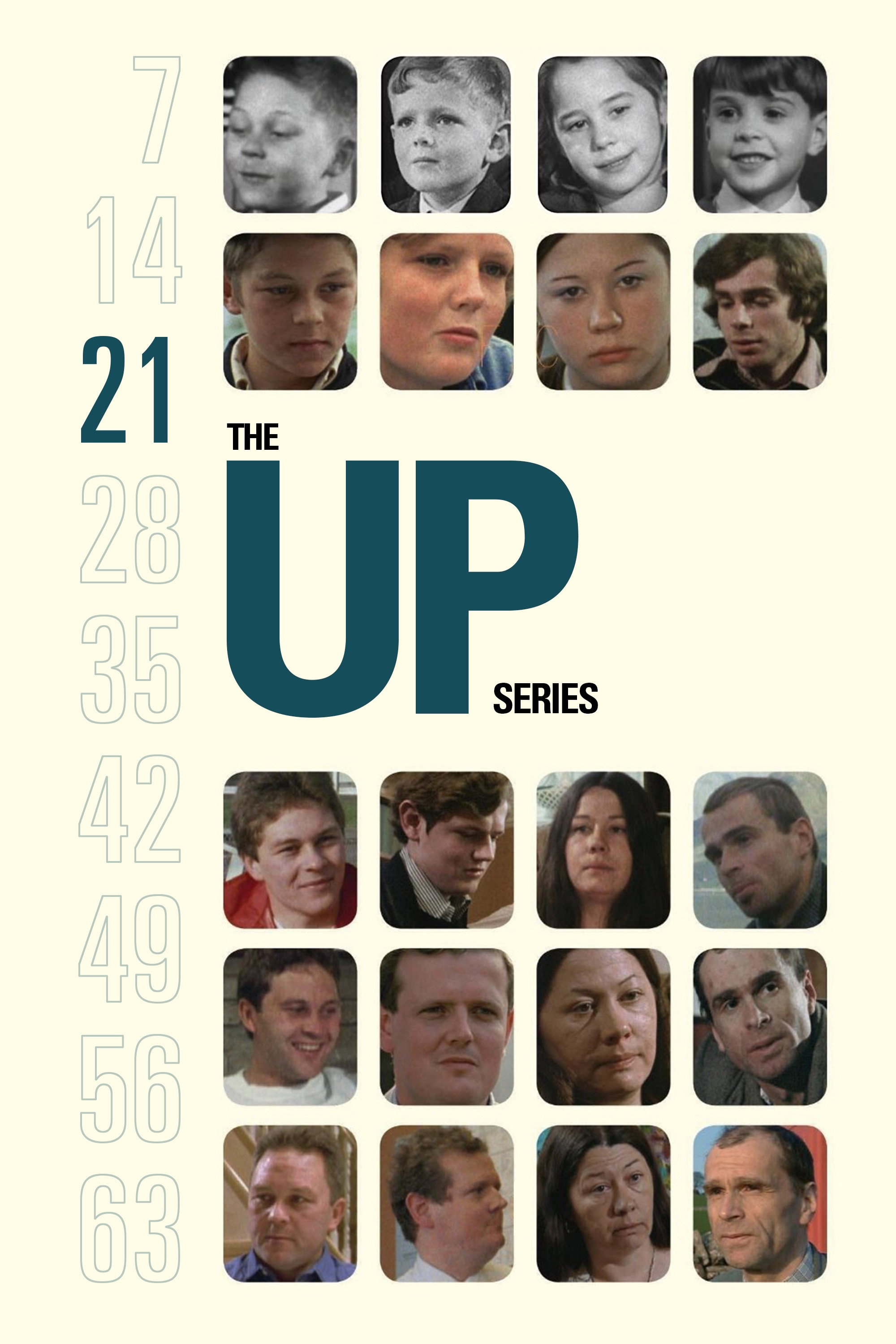
After another 7 year wait, director Michael Apted revisits the same group of British-born children from Seven Up! and 7 Plus Seven. The subjects are interviewed as to the changes that have occurred in their lives during the last seven years.
An inside look at one of the most anticipated movie sequels ever with James Cameron and cast.
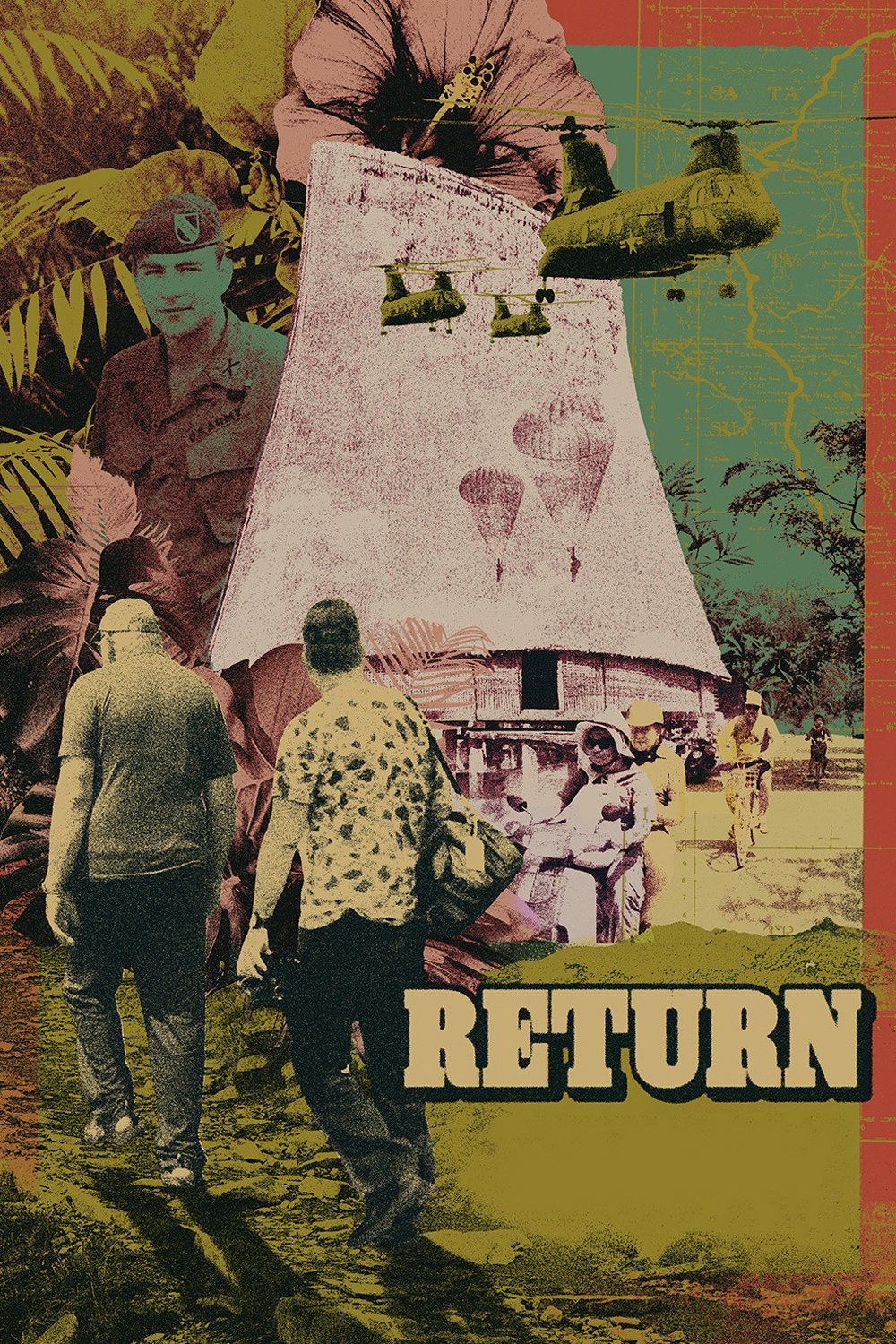
RETURN tells the story of a retired Green Beret who embarks on a healing journey from Montana to Vietnam. There he retraces his steps, shares his wartime experiences with his son, treats his Post-Traumatic Stress Disorder, and seeks out the mountain tribespeople he once lived with and fought alongside as a Special Forces officer.
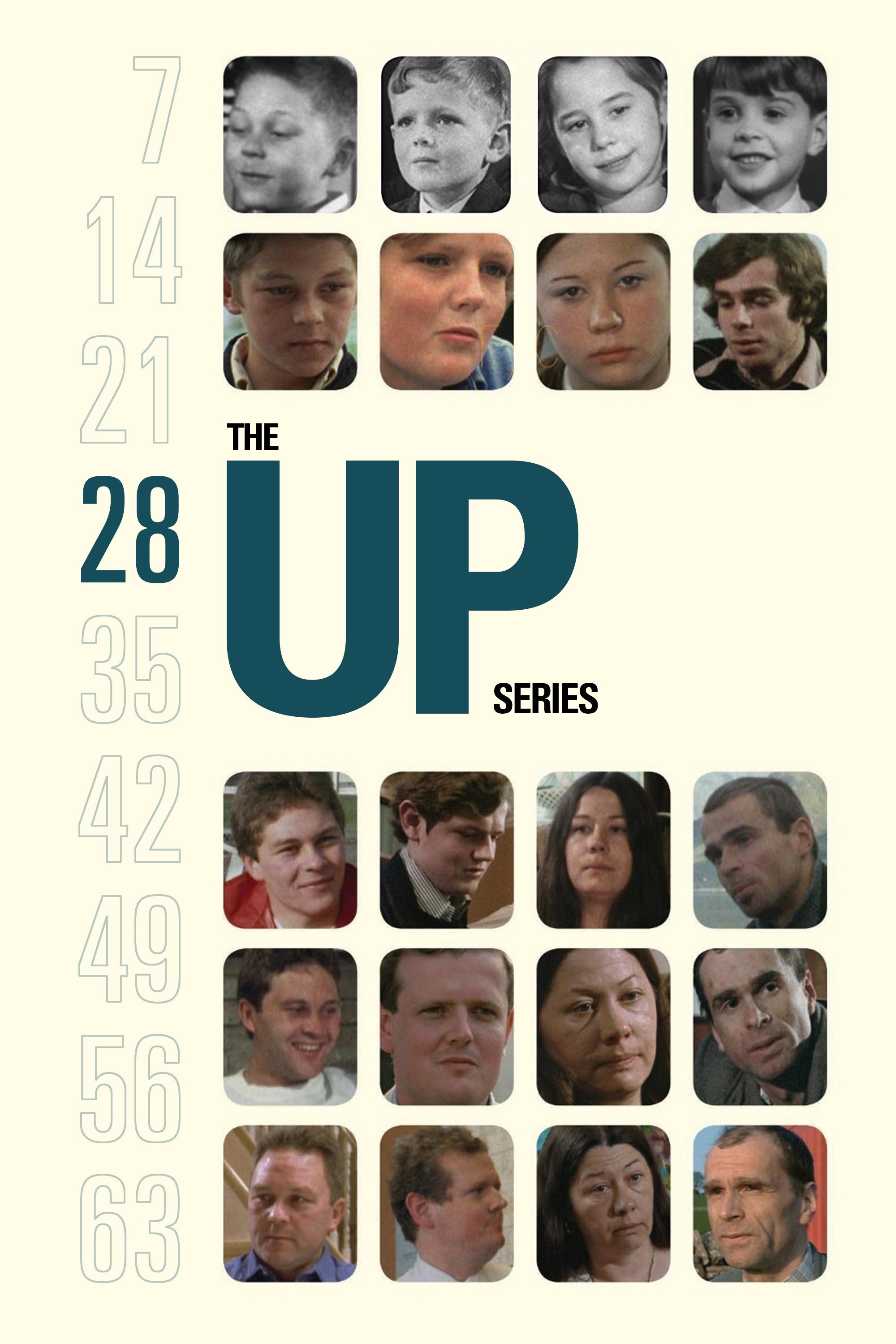
Just two years away from turning 30, participants in Michael Apted's documentary series are facing serious questions of identity and purpose, wondering whether they've found their place in the world.
A detailing of the rise to prominence and global sporting superstardom of six supremely talented young Manchester United football players (David Beckham, Nicky Butt, Ryan Giggs, Paul Scholes, Phil and Gary Neville). The film covers the period 1992-1999, culminating in Manchester United's European Cup triumph.
A purely observational non-fiction film that takes viewers into the ethically murky world of end-of-life decision making in a public hospital.
A documentary on a former Miss Wyoming who is charged with abducting and imprisoning a young Mormon Missionary.
Over 35 years after Bob Lazar's revelations, this documentary exposes secrets of a facility the government still denies. Featuring Lazar's testimony, recreations, and new evidence, it reopens a case that continues to spark global curiosity
Director Michael Apted revisits the same group of British-born adults after a 7 year wait. The subjects are interviewed as to the changes that have occurred in their lives during the last seven years.
A look at the origins, history and conspiracies behind the "Majestic 12", a clandestine group of military and corporate figureheads charged with reverse-engineering extraterrestrial technology.
Brilliant, long in-the-works story of the life and art of the world's greatest comedian and the cinema's first genius, Charlie Chaplin. Produced, written and directed by renowned film critic Richard Schickel.