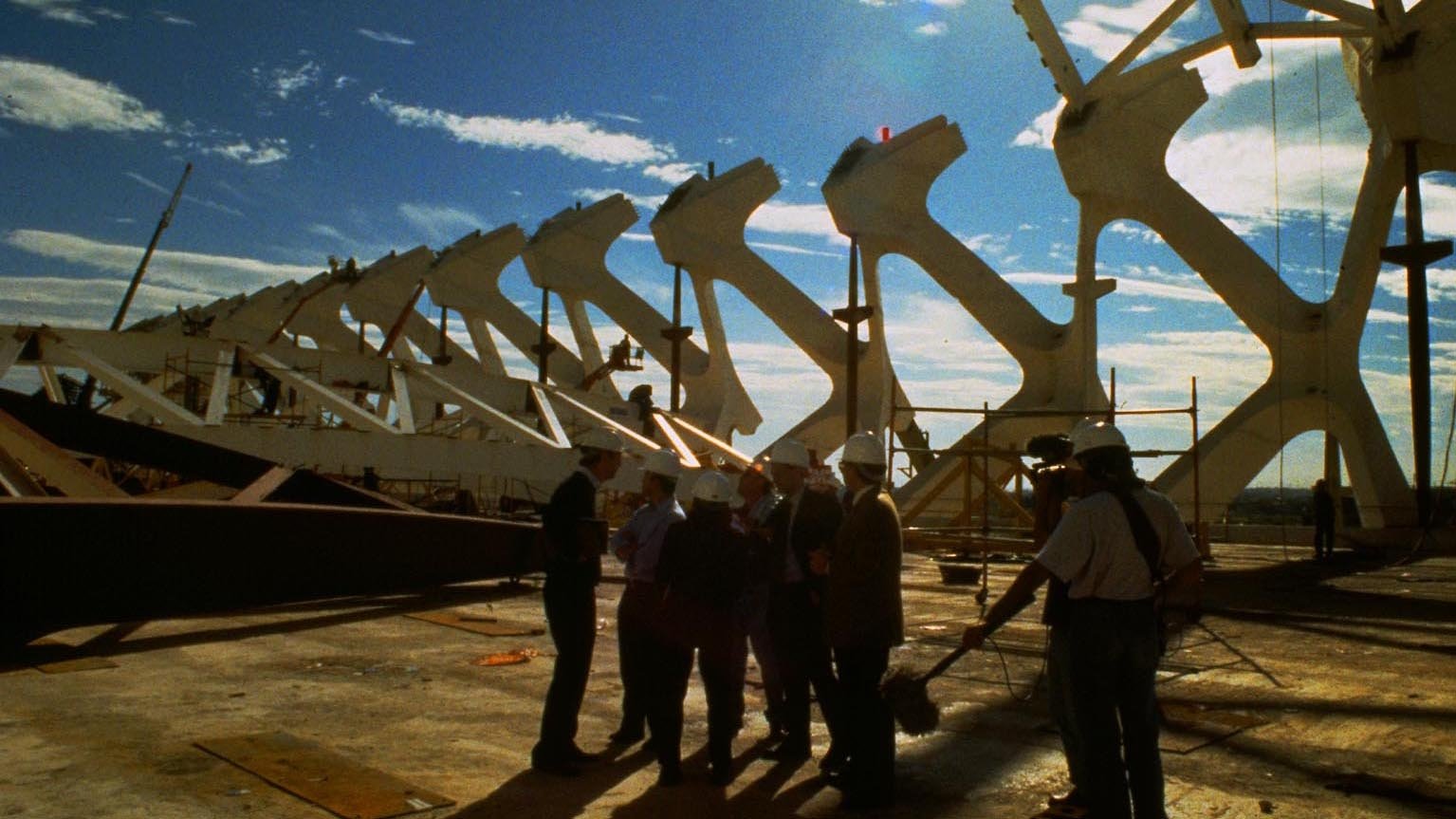
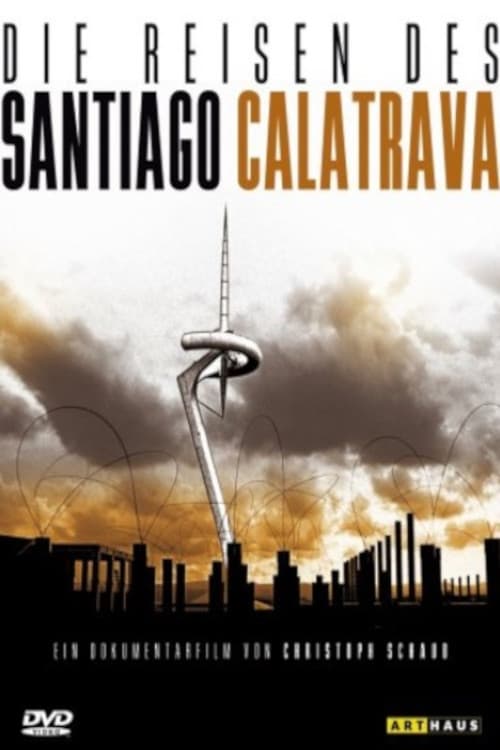
A documentary feature about architect Santiago Calatrava.
Social & External
The people behind it
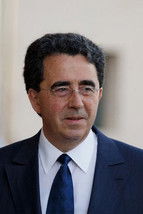
Santiago Calatrava
The film interweaves the stories of two generations of Palestinians. It tells the story of Elias Jubran, a music teacher and oud maker from Al Jaleel (Galilee), and his children, who live in a totally different way in Israel... or who have left the country in search of a more open way of life. The film shows what it takes for a culture - mired in the threatening environment of the State of Israel - to continue to thrive.
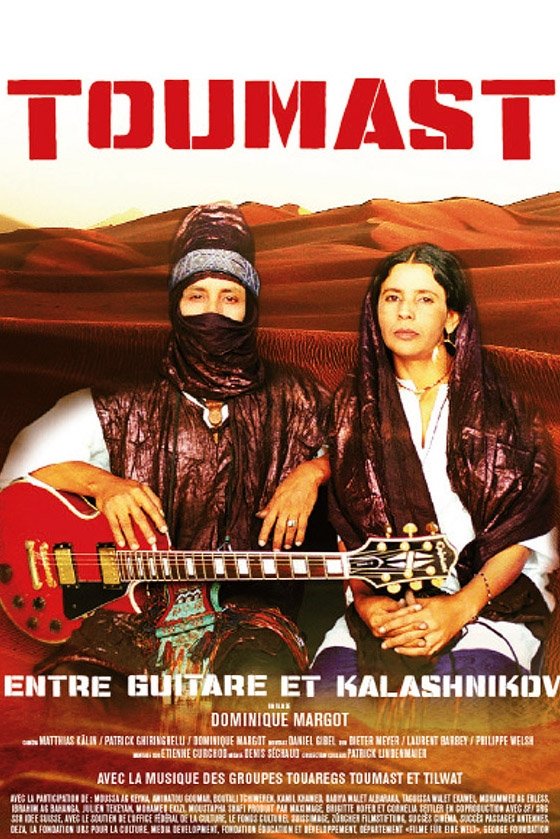
In 1996, Kalashnikovs were publicly burnt in Timbuktu. At the time, the "Flame of Peace" symbolized the end of the Touareg rebellion, which had been suppressed in bloody massacres. That year, the rebels laid down their arms. That year, with the government having made promises, the families who had fled abroad left Mauritania, Algeria and Burkina Faso to return home. In the fight for rights and survival waged by this people, who for centuries had found their freedom in one of the world's most inhospitable regions, the Sahara, culture and arms have been in direct competition ever since.
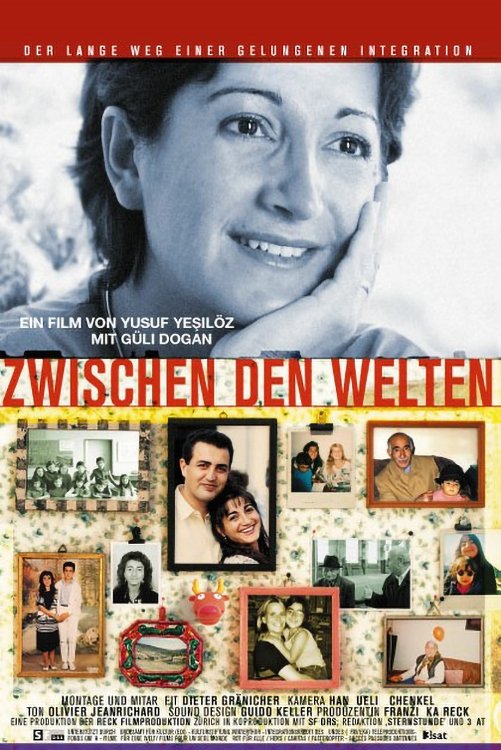
The revealing life story of Güli Dogan conveys impressively and in exemplary pictures the long and difficult path of a successful integration. Between the Worlds is the portrait of a woman who is very well integrated professionally and socially in Switzerland, but who is emotionally strongly connected to her village, which hardly exists anymore.
An inside look at one of the most anticipated movie sequels ever with James Cameron and cast.
A documentary about the life and films of director John Ford.
A string of threatening emails escalates into a revenge plot involving a newly married US marshal and his ex-girlfriend.
SEDUCED AND ABANDONED combines acting legend Alec Baldwin with director James Toback as they lead us on a troublesome and often hilarious journey of raising financing for their next feature film. Moving from director to financier to star actor, the two players provide us with a unique look behind the curtain at the world's biggest and most glamourous film festival, shining a light on the bitter-sweet relationship filmmakers have with Cannes and the film business. Featuring insights from directors Martin Scorsese, 'Bernando Bertolucci' and Roman Polanski; actors Ryan Gosling and Jessica Chastain and a host of film distribution luminaries.
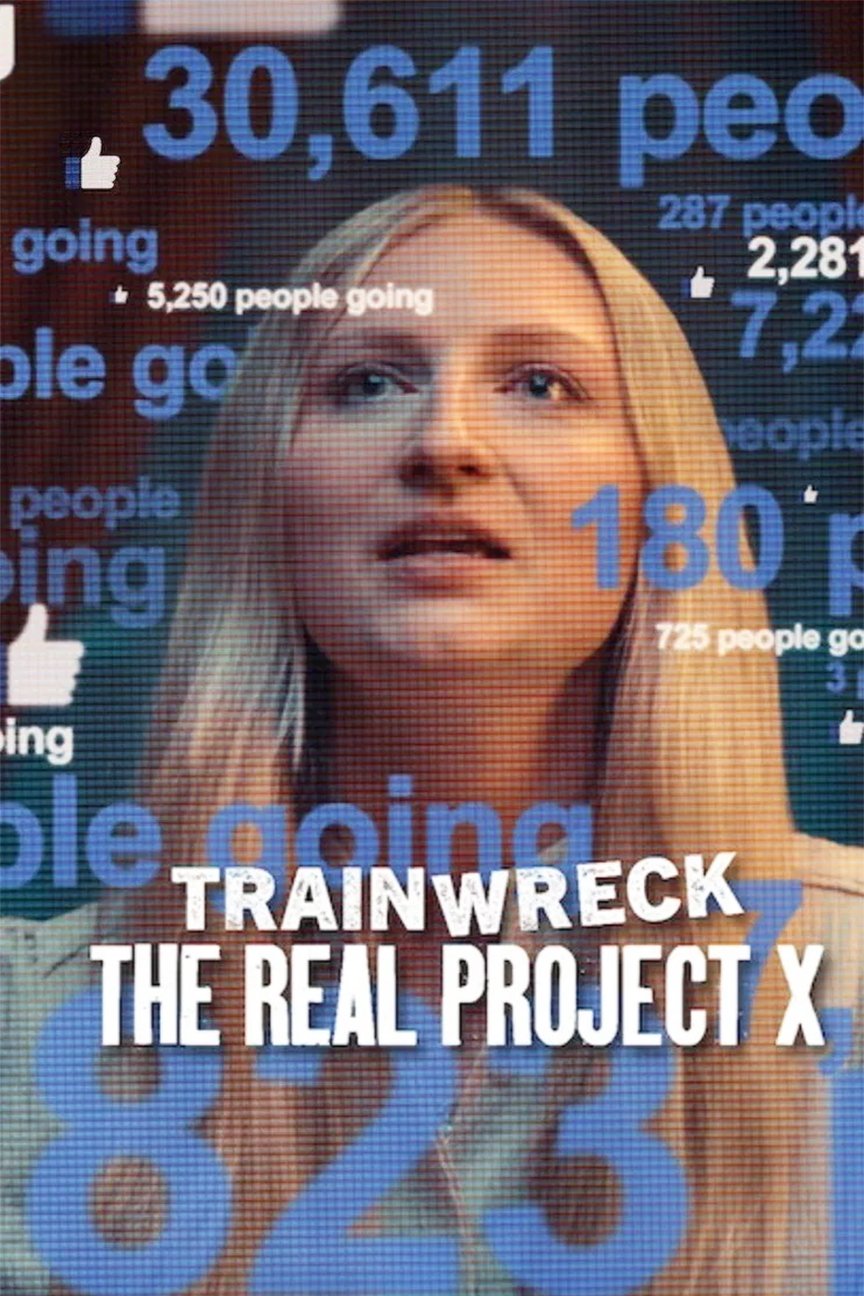
A night of drunken chaos rocks a quiet Dutch town in this shocking documentary about a teen's birthday invite that accidentally went viral on Facebook.
A visual montage portrait of our contemporary world dominated by globalized technology and violence.
Daniel Craig candidly reflects on his 15 year adventure as James Bond. Including never-before-seen archival footage from Casino Royale to the upcoming 25th film No Time To Die, Craig shares his personal memories in conversation with 007 producers, Michael G Wilson and Barbara Broccoli.
Brilliant, long in-the-works story of the life and art of the world's greatest comedian and the cinema's first genius, Charlie Chaplin. Produced, written and directed by renowned film critic Richard Schickel.
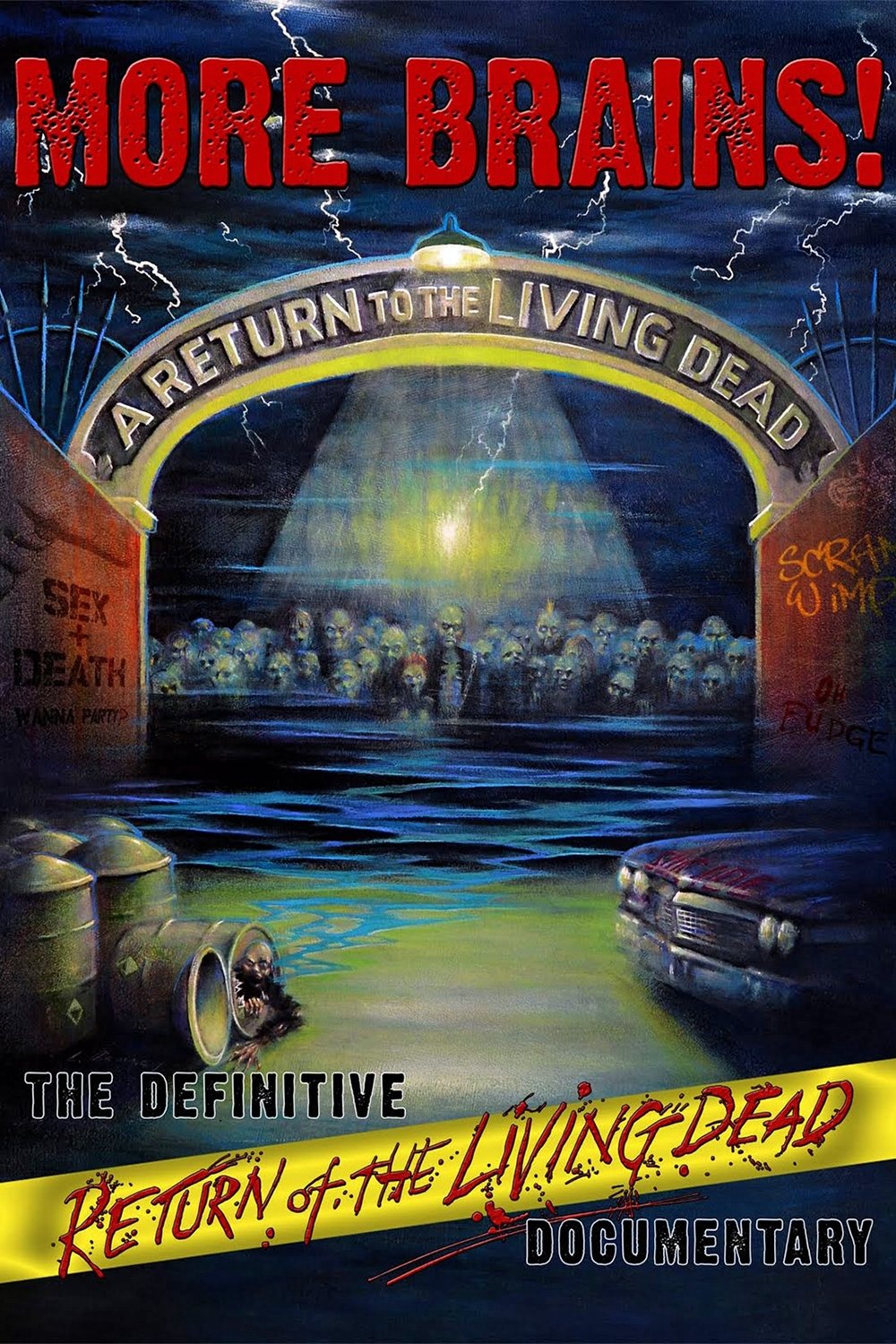
Retrospective documentary about the making of the horror cult classic "The Return of the Living Dead."
The life and career of an actor, artist, and icon. His own journey through his own camera.
Al Pacino's deeply-felt rumination on Shakespeare's significance and relevance to the modern world through interviews and an in-depth analysis of "Richard III."
Alexander McQueen's rags-to-riches story is a modern-day fairy tale, laced with the gothic. Mirroring the savage beauty, boldness and vivacity of his design, this documentary is an intimate revelation of McQueen's own world, both tortured and inspired, which celebrates a radical and mesmerizing genius of profound influence.
This revealing documentary honors the legendary Sidney Poitier—iconic actor, filmmaker, and civil rights activist. Featuring interviews with Denzel Washington, Spike Lee, Halle Berry, and more.
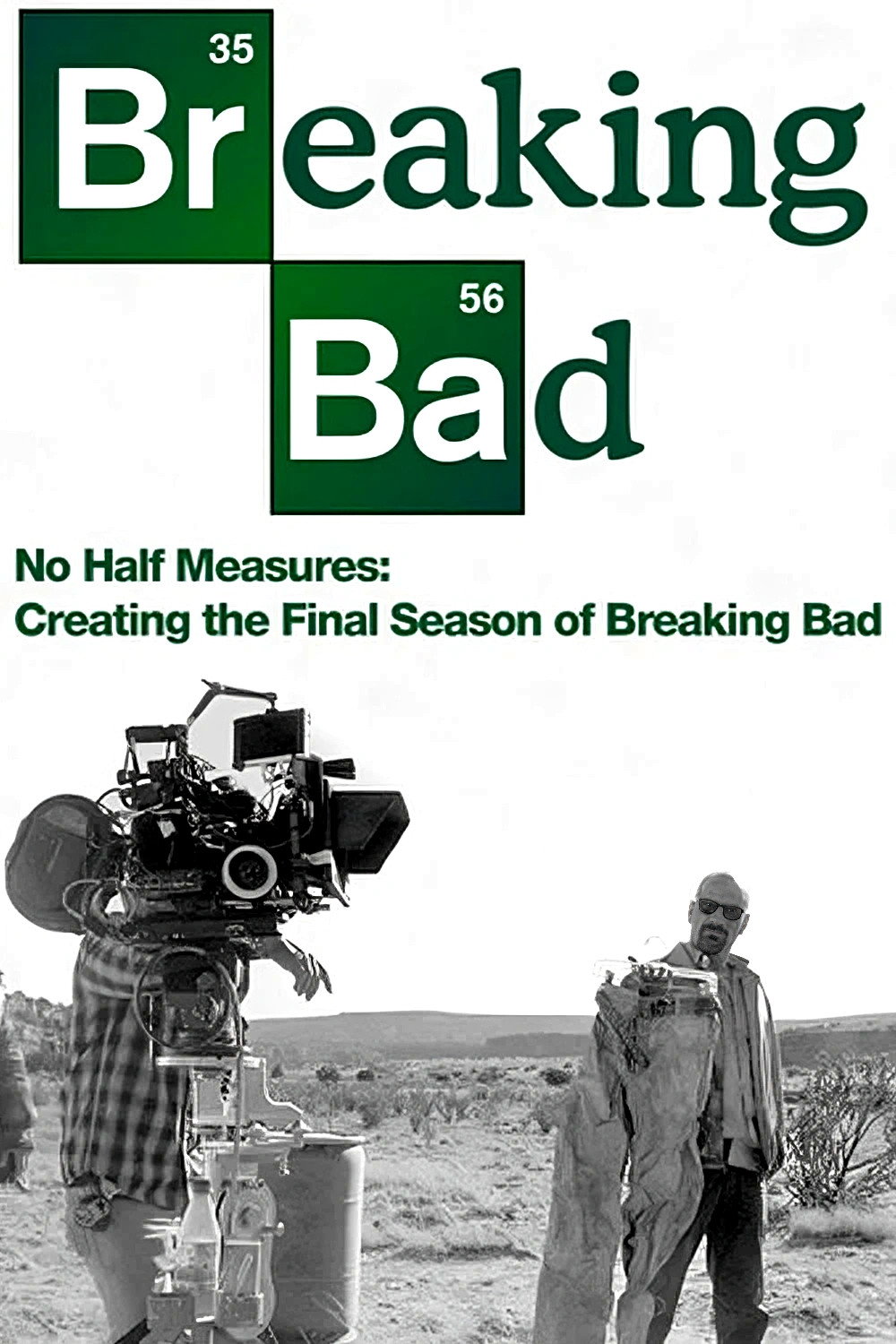
A documentary about the making of season five of the acclaimed AMC series Breaking Bad.
Over 35 years after Bob Lazar's revelations, this documentary exposes secrets of a facility the government still denies. Featuring Lazar's testimony, recreations, and new evidence, it reopens a case that continues to spark global curiosity
The film follows adventurer Jeff Johnson as he retraces the epic 1968 journey of his heroes Yvon Chouinard and Doug Tompkins to Patagonia.
Those who knew iconic funnyman John Candy best share his story, in their own words, through never-before-seen archival footage, imagery, and interviews.
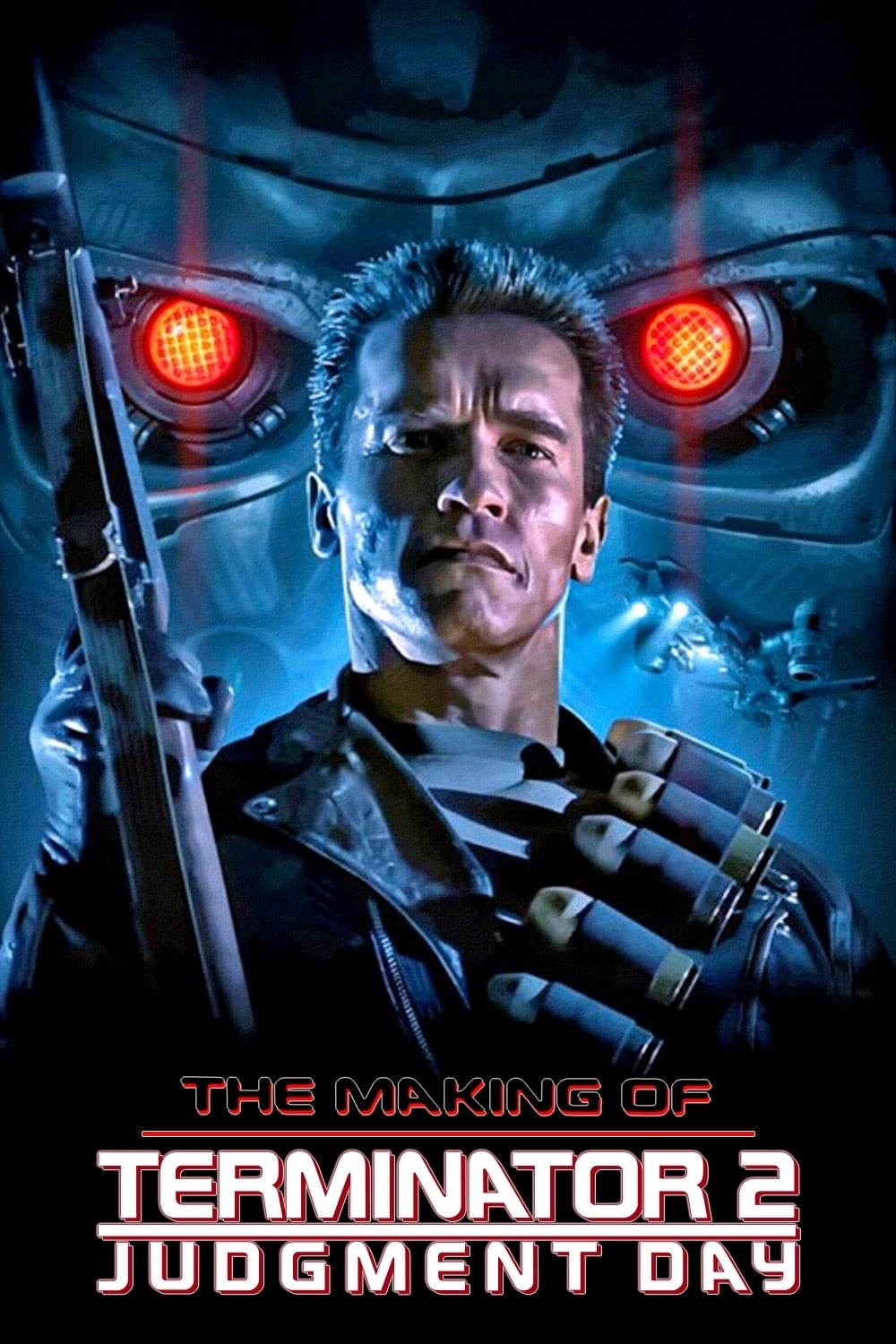
Documentary of the making of the sequel to the popular Schwarzenegger film, The Terminator.
Lyrical and powerfully personal essay film that reflects on the deaths of her husband Lou Reed, her mother, her beloved dog, and such diverse subjects as family memories, surveillance, and Buddhist teachings.
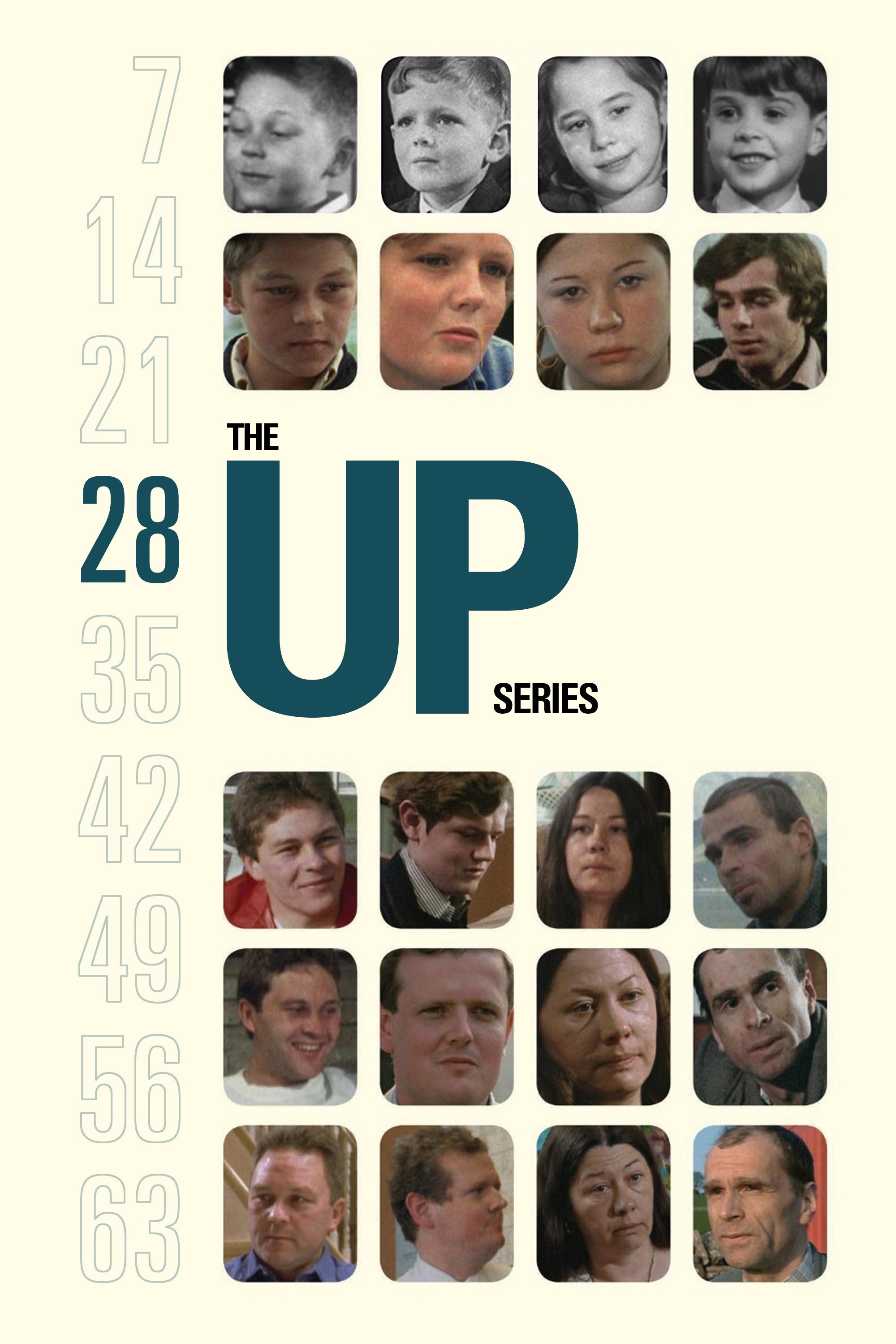
Just two years away from turning 30, participants in Michael Apted's documentary series are facing serious questions of identity and purpose, wondering whether they've found their place in the world.