Social & External
The people behind it
Alfred Hitchcock is known as a giant of movie making, a facetious master of suspense, obsessed with blond heroines in peril, with the reputation of being tyrannical towards his actors. But who knows the real Hitchcock? During his last public appearance, "Hitch" paid tribute to the wife, mother, co-writer, editor and partner of a lifetime that was Alma Reville Hitchcock. The two Hitchcock were inseparable, engineering the unquestionable masterpieces together. Their genuine collaboration never stopped from the day they met until the end of their lives. It's in light of this fusional relationship that this film will revisit and shed fresh light on the legend.
This short film combines footage of the chokehold death of Eric Garner at the hands of the New York City Police Department and an interview with an acquaintance of his.
This documentary outlines the unique properties and latest studies of "Physarum Polycephalum", also known as Blob.
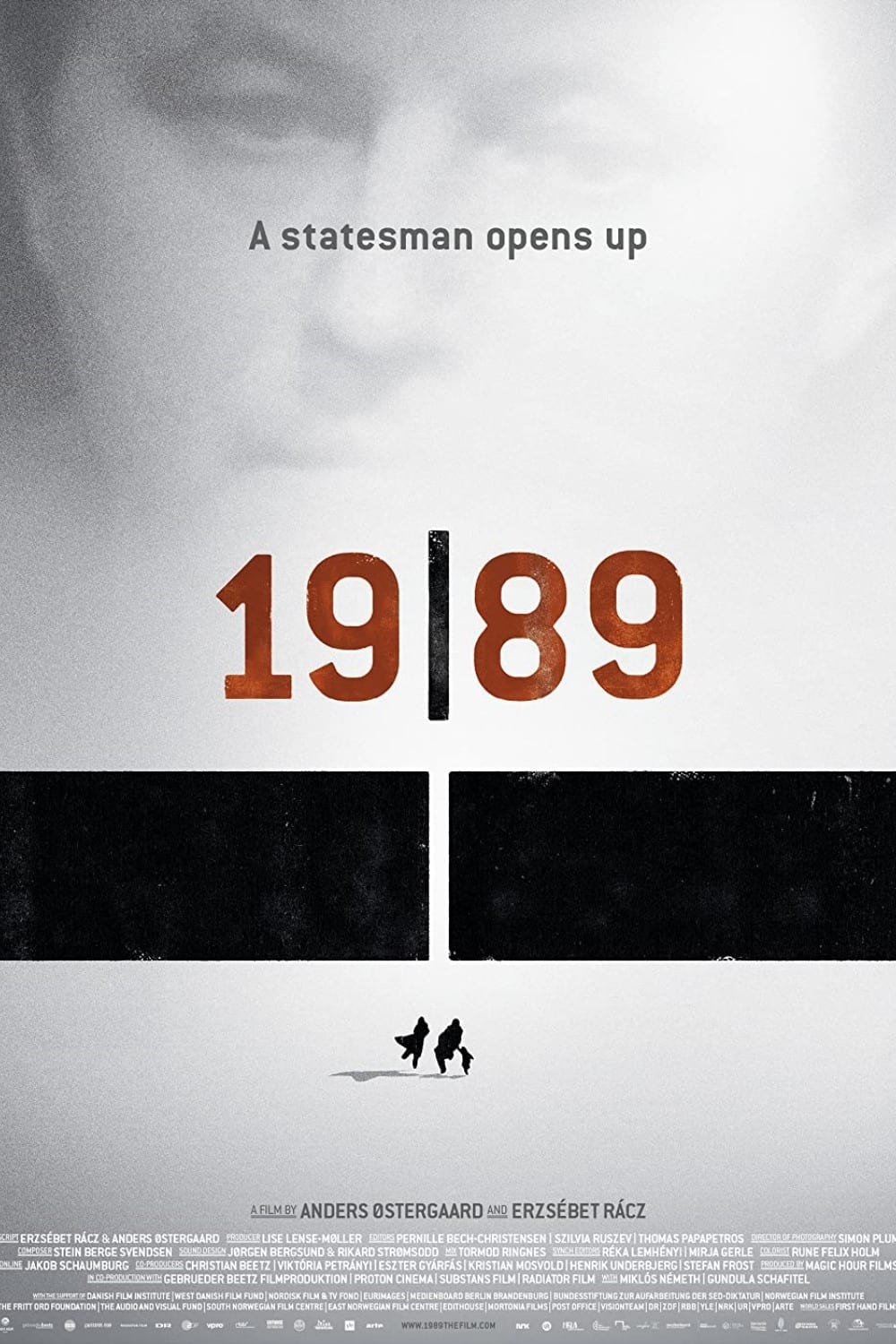
Anders Østergaard’s film is an investigative look at the year the Berlin Wall fell, documenting the events that took place in Hungary as a prelude to the dramatic changes in November 1989. The director recreates the events and leads the audiences deep into the politicians’ secret meeting rooms by using a mix of interviews, archive material and reconstructed scenes and dialogues.
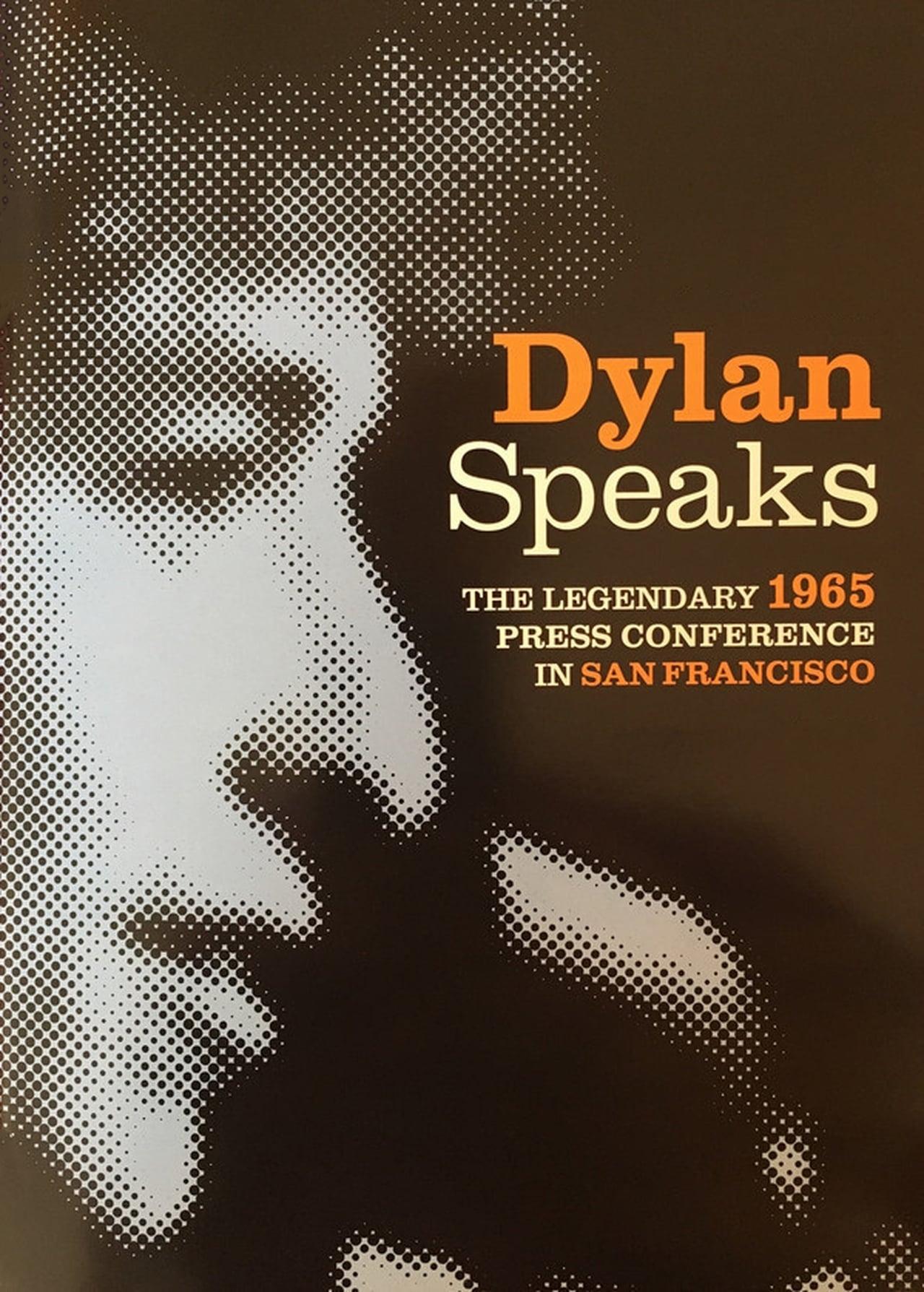
The legendary press conference in San Fransisco at KQED studios on Dec. 3rd 1965. This was a pivotal year in Bob Dylan's career. In the early part of the year he released "Bringing It All Back Home", the first album that saw him move distinctly away from his folk music origins. In the summer he followed it with "Highway 61 Revisited", an out and out rock 'n' roll album, and the single "Like A Rolling Stone" hit No.2 on the US charts. His appearance at that year's Newport Folk Festival saw him use an electric guitar on stage, a hugely controversial move at the time that saw him booed by much of the audience. Against this background, Dylan went into the studios of TV station KQED in San Francisco for a broadcast press conference hosted by Ralph J. Gleason, his only one from this era ever to be filmed.
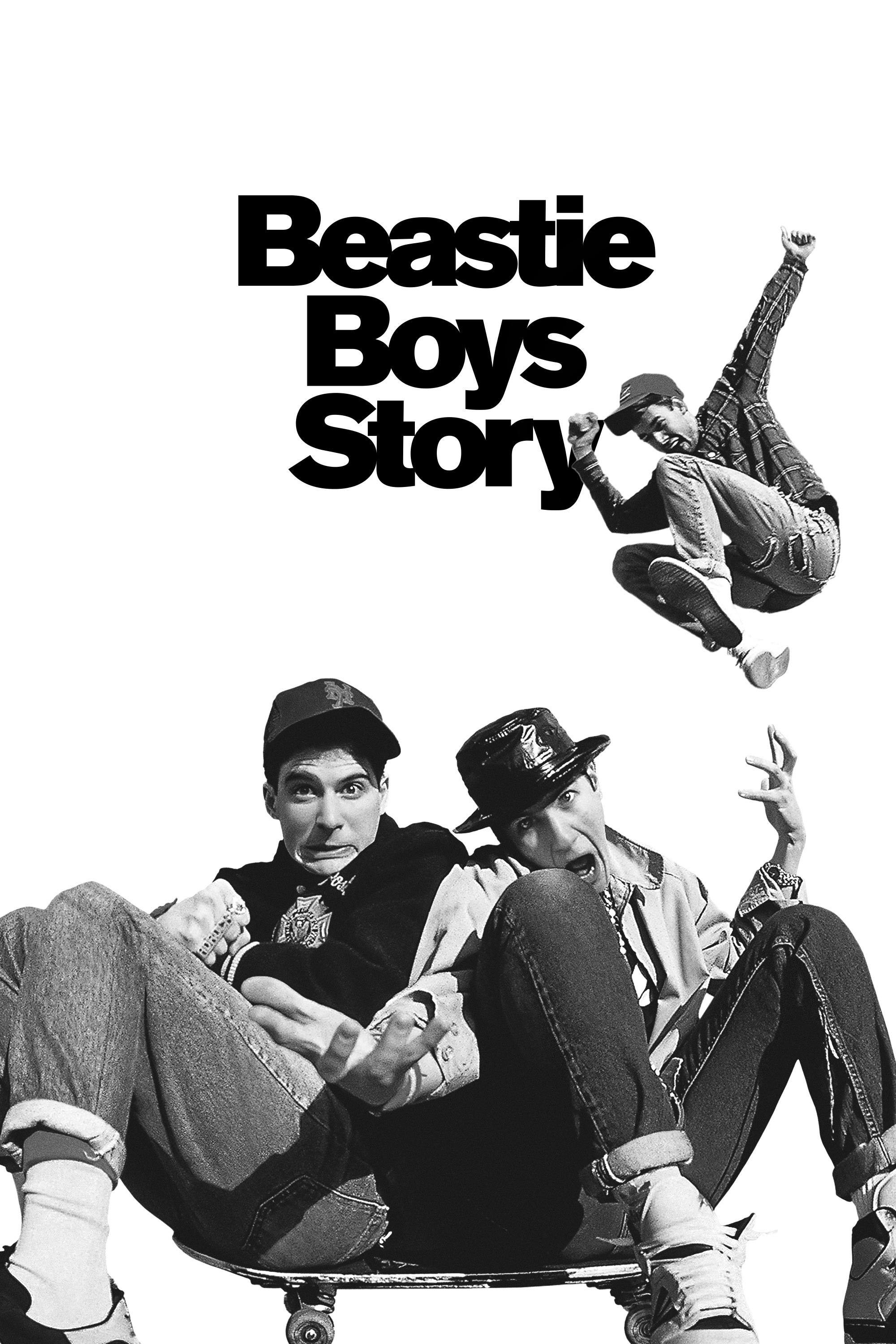
Here's a little story they're about to tell... Mike Diamond and Adam Horovitz share the story of their band and 40 years of friendship in a live documentary experience directed by friend, collaborator, and their former grandfather, Spike Jonze.
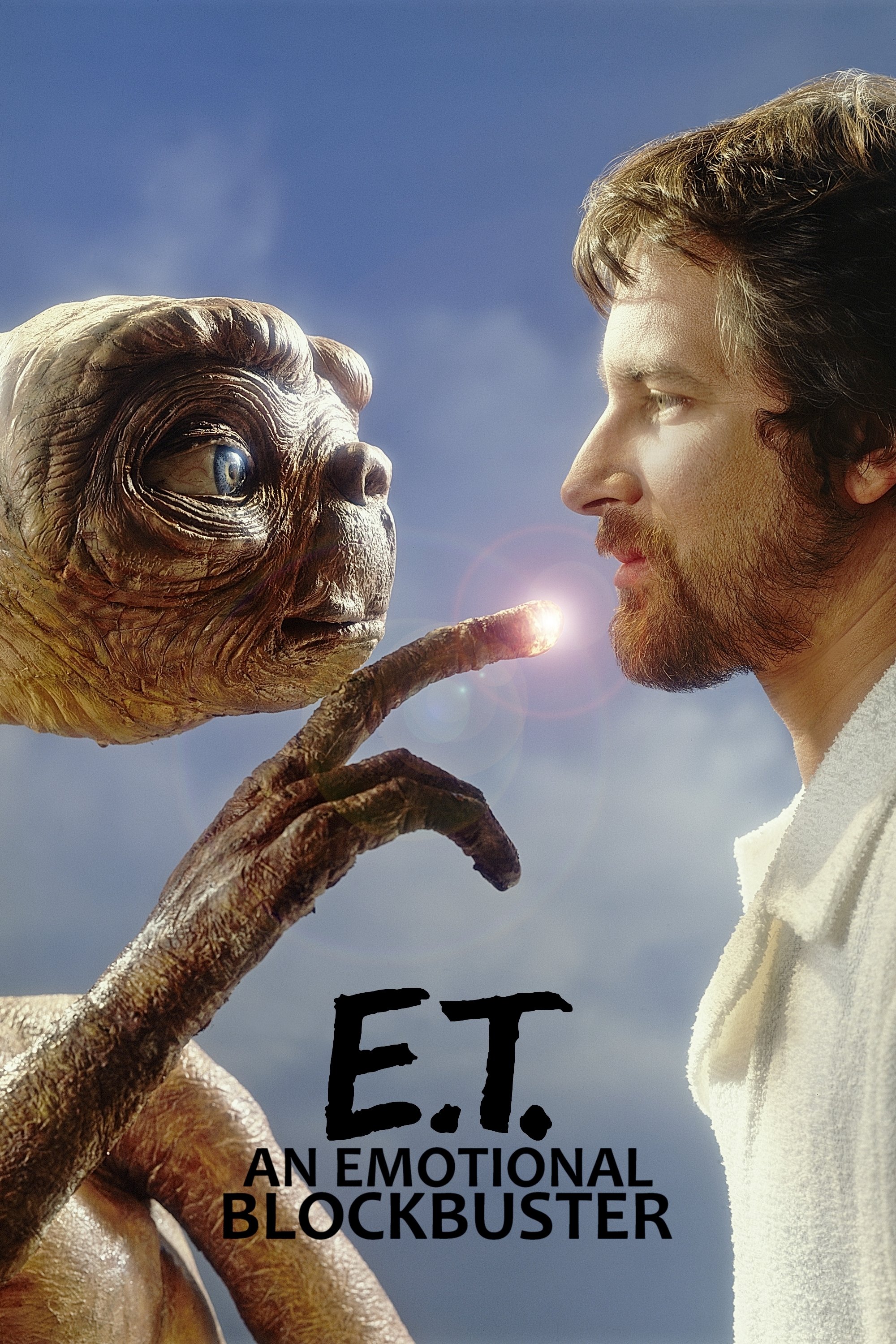
E. T. the Extra-Terrestrial, Steven Spielberg's endearing movie released in 1982, achieved the triple feat of bringing to life one of the most iconic characters in pop culture, revolutionizing science fiction cinema and establishing itself as one of the highest-grossing family movies in the history of cinema, capable of making the whole world laugh and cry.
A documentary about the making of director Rob Minkoff's feature film, "Stuart Little" that first aired on HBO.
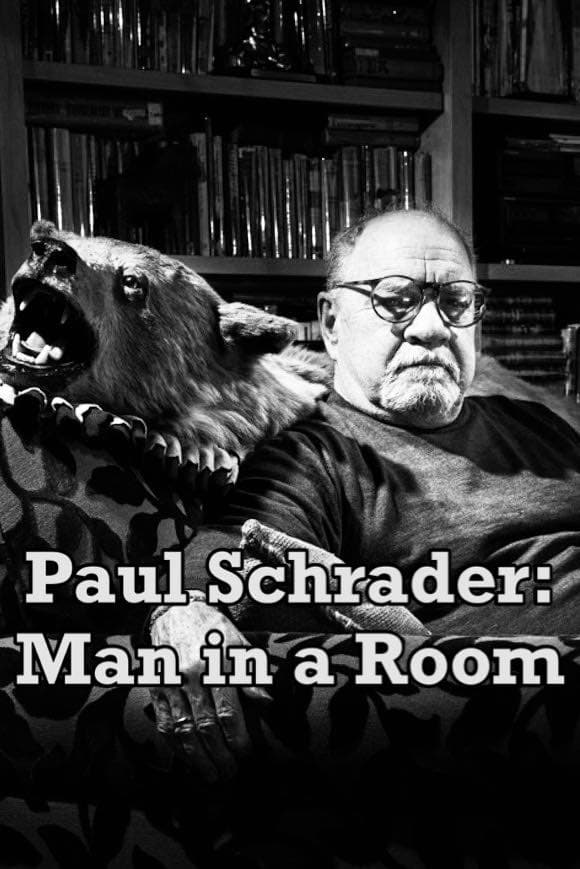
In the sixth installment of the Criterion Channel's Meet the Filmmakers series, director Alex Ross Perry (Her Smell, Listen Up Philip) visits the ever-iconoclastic auteur Paul Schrader during the making of his 2017 masterpiece First Reformed. On set and at home- where, for his own pleasure, he continues to work and rework his previous films- Schrader reflects on the highs and lows of his legendary career, the challenges and rewards of slow cinema, and the influences and experiences that continue to shape his approach to filmmaking. With this insightful portrait of one of his filmmaking heroes, Perry captures an artist who is continually at play, intentionally provocative, and never less than vital.
Jazz, dreams, and hope. The protagonist of the film is Wiesław Mrzygłód, a musician and artist. He has an extraordinarily positive attitude to the world, life, and music. In the 1980s, together with the Old Dixieland Players, he played at the most important jazz events in Poland and Europe. Despite doctors' opinions, he says, "Someday, I will play again." He refuses to give up. The film was made using analog and combined techniques, based on drawing using oil pastels, prints, and re-filming methods.
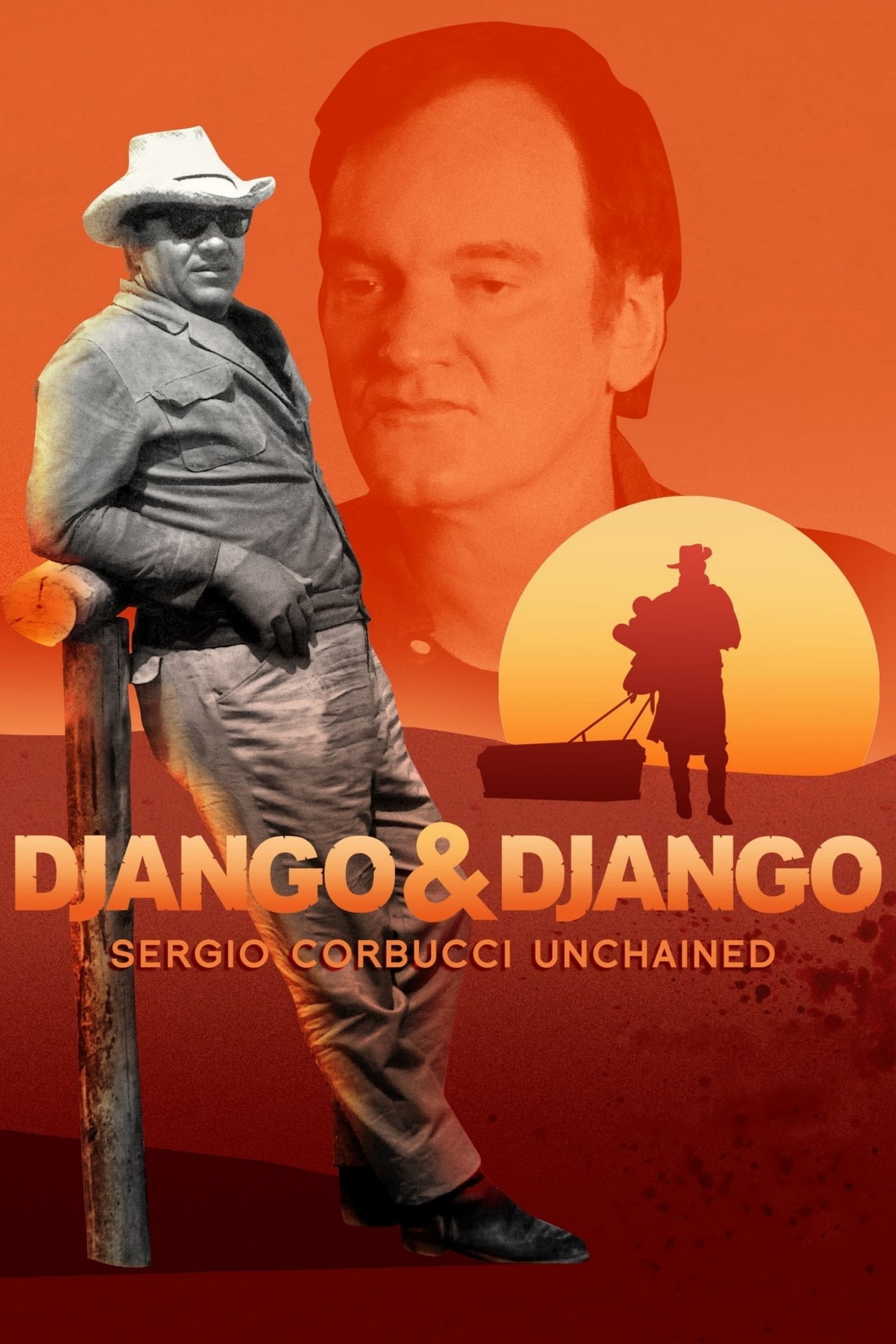
A tribute to Italian filmmaker Sergio Corbucci (1926-90), presented by American filmmaker Quentin Tarantino.
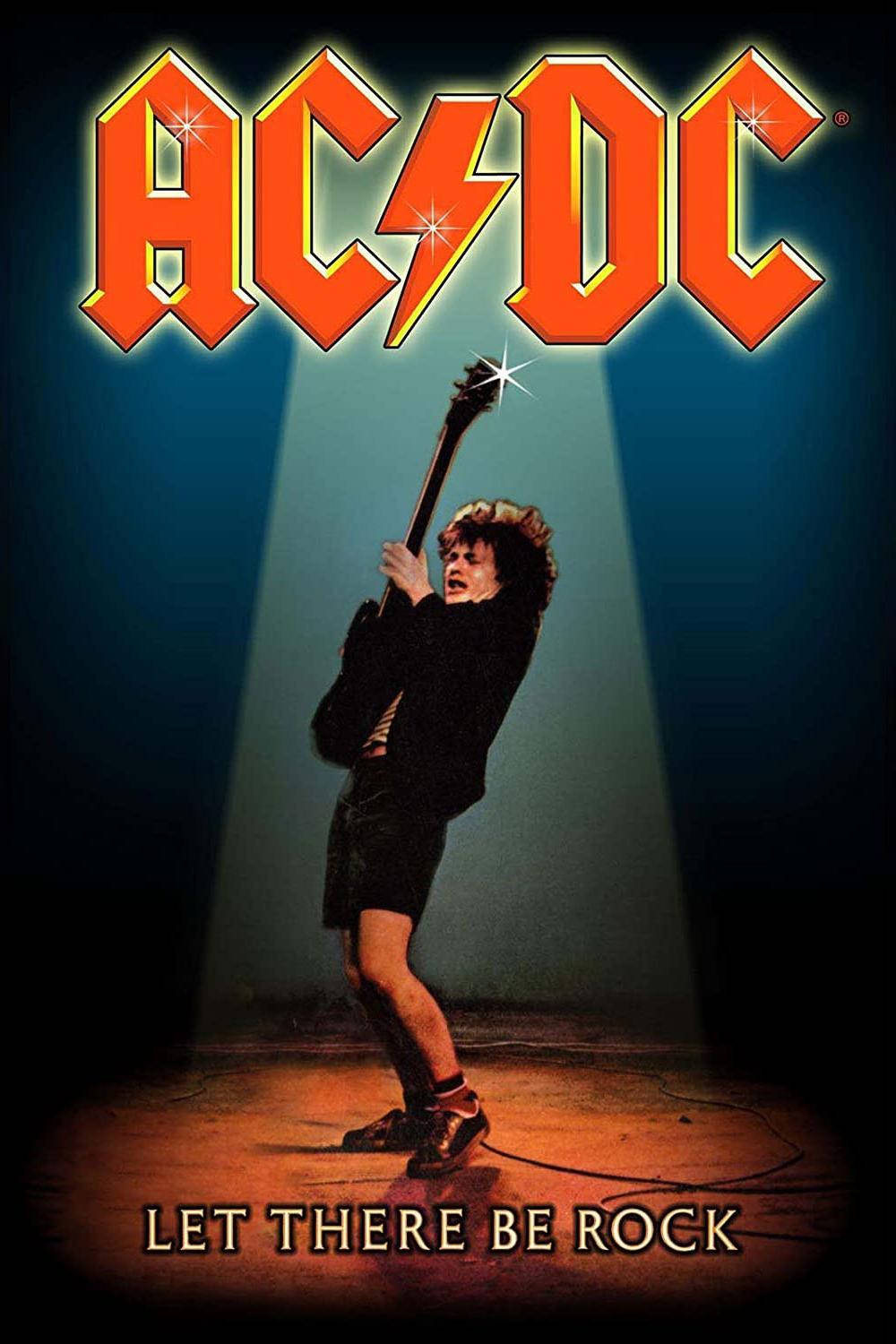
1. Live Wire 2. Shot Down In Flames 3. Hell Ain't A Bad Place To Be 4. Sin City 5. Walk All Over You 6. Bad Boy Boogie 7. The Jack 8. Highway To Hell 9. Girls Got Rhythm 10. High Voltage 11. Whole Lotta Rosie 12. Rocker 13. Let There Be Rock AC/DC: Let There Be Rock was filmed on 9 December 1979 at the Pavillon de Paris in Paris, France, and also contains interviews with members of the band, including lead vocalist Bon Scott, who died two months after filming. The concert film was re-released on a Blu-ray/DVD double pack along with a collector's tin, concert pictures, a souvenir guitar pick, and a 32-page booklet, or just as Blu-ray or DVD individual sets on 7 June 2011. Only 90,000 of the collectors tins were made, and each labeled with a number out of 90,000 on the base of the tin.
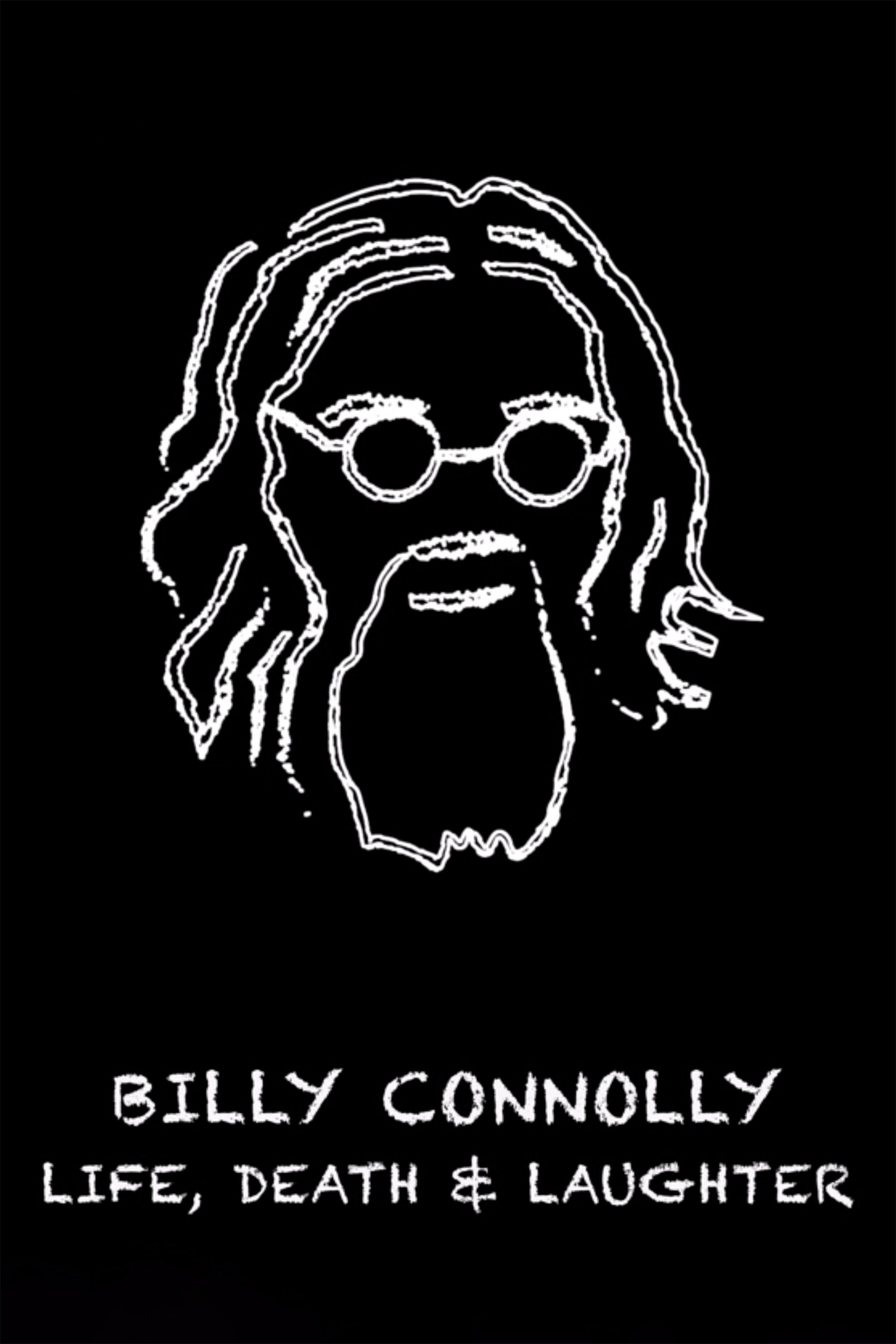
Billy Connolly returns to Glasgow’s famous Kings Theatre, where his journey into comedy first began, to talk life, death and laughter, in a no holds barred encounter with Will Gompertz.
For a long time, in France, comedy was the preserve of men. Female roles were mostly secondary and corresponded to stereotypes such as the pretty doll, the funny but unattractive woman, or the troublesome, even cantankerous wife
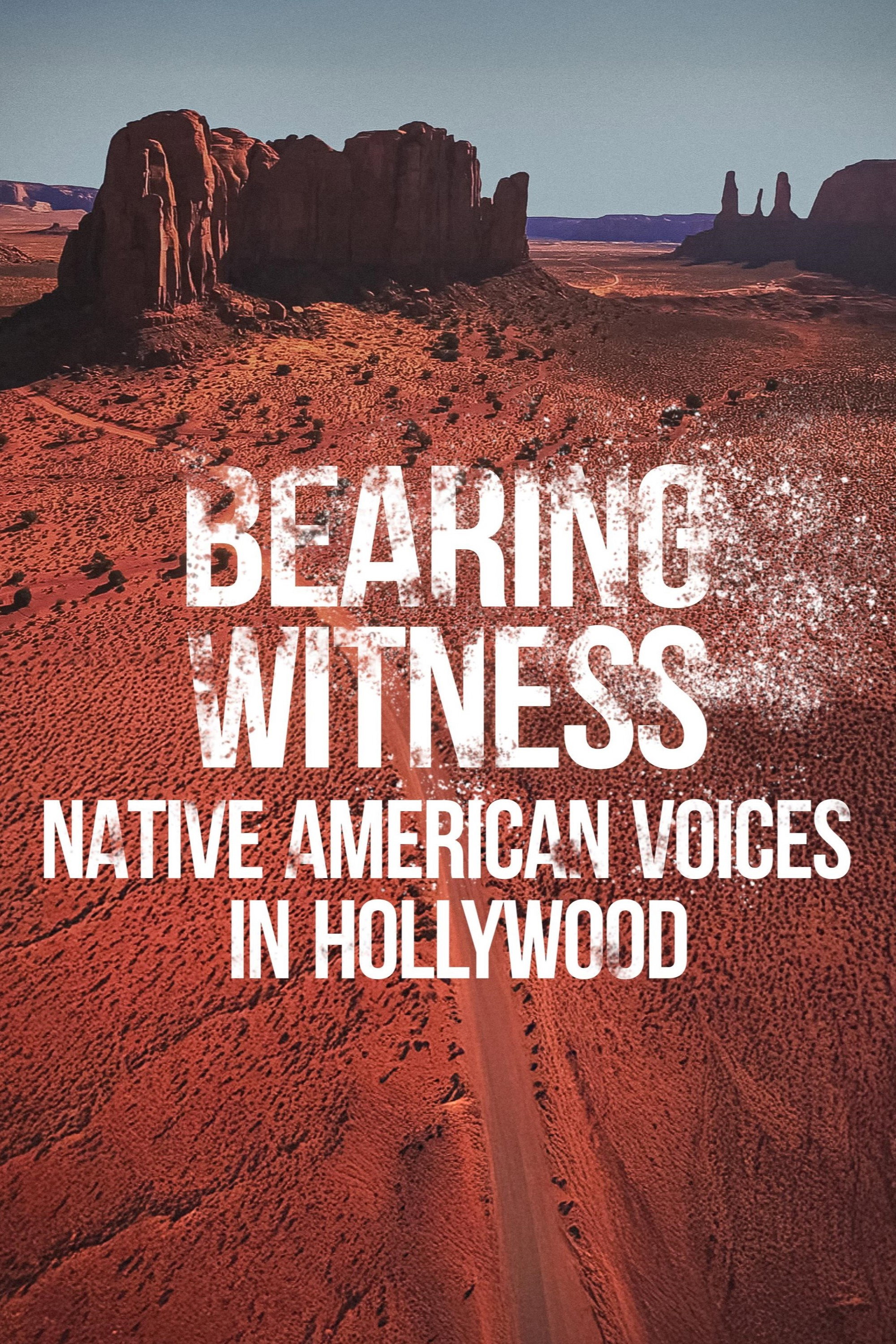
For over 100 years, Hollywood cinema has crafted the ultimate "villain"- the Indian, as they were labeled in early Westerns. Confined almost exclusively to this genre, the Western became a vehicle for American racism, obscuring the genocide upon which the United States was built. In this documentary, only Native Americans are given a voice to share their story, one that has been overshadowed by Hollywood's portrayal. Their narrative, part of the larger American story, highlights how cinema has long been used as a powerful propaganda tool, distorting history and perpetuating harmful stereotypes.
Gloria Allred overcame trauma and personal setbacks to become one of the nation’s most famous women’s rights attorneys. Now the feminist firebrand takes on two of the biggest adversaries of her career, Bill Cosby and Donald Trump, as sexual violence allegations grip the nation and keep her in the spotlight.
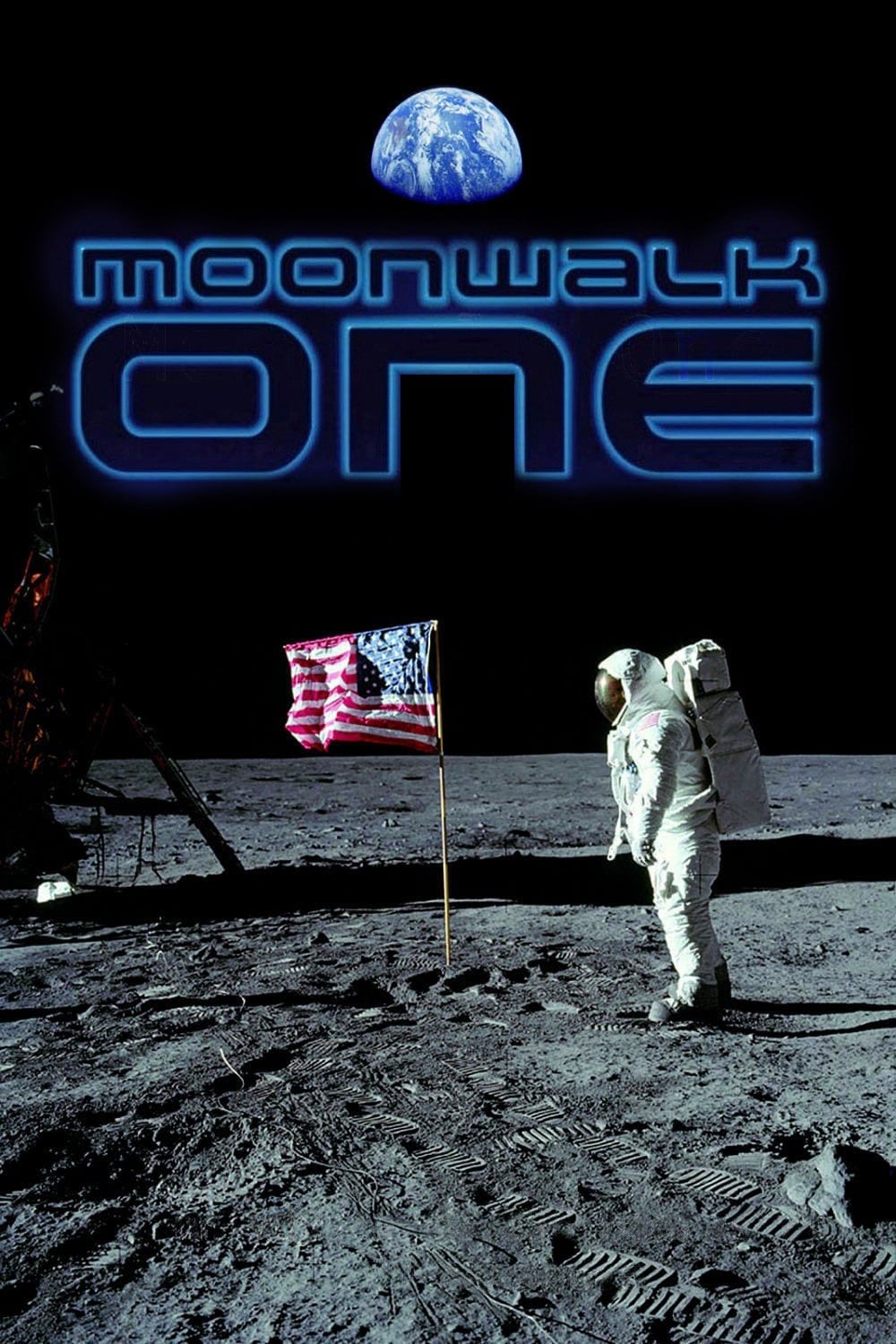
This documentary by Theo Kamecke from 1970 gives an in-depth and profound look at the Apollo 11 mission to the moon. NASA footage is interspersed with reactions to the mission around the world as the film captures the intensity as well of the philosophical significance of the event. Won special award at Cannes.
Back in 2023, Paul spent multiple days and nights outside the Eras Tour in Los Angeles getting to know a group of Taylor Swift fans that are rarely talked about... Swiftie Dads.
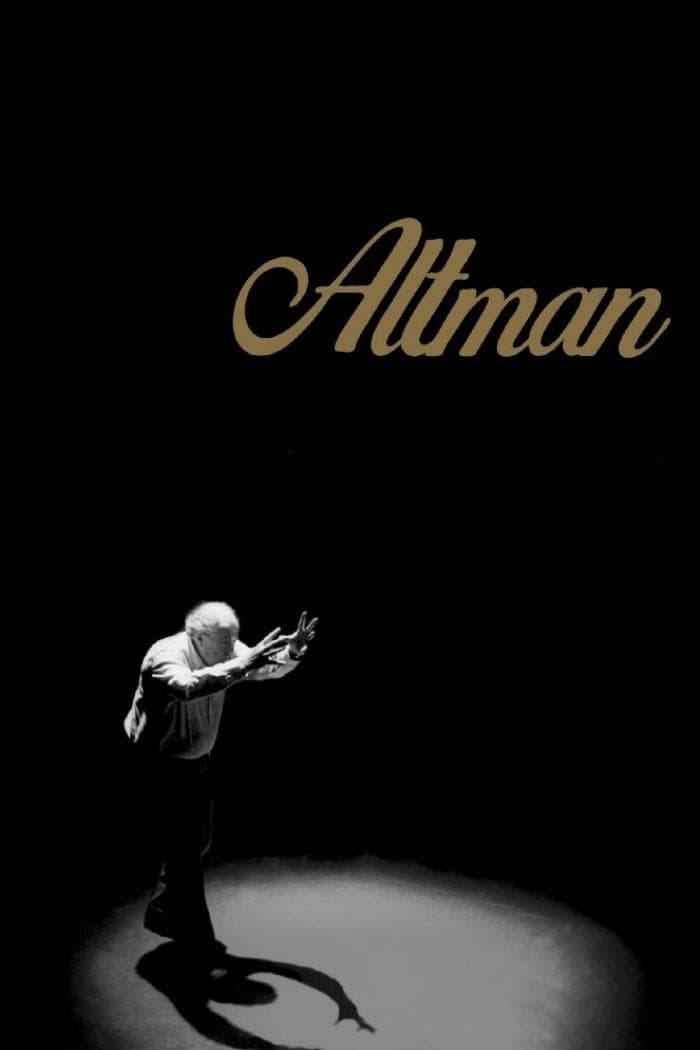
Robert Altman's life and career contained multitudes. This father of American independent cinema left an indelible mark, not merely on the evolution of his art form, but also on the western zeitgeist. With its use of rare interviews, representative film clips, archival images, and musings from his family and most recognizable collaborators, Altman is a dynamic and heartfelt mediation on an artist whose expression, passion and appetite knew few bounds.
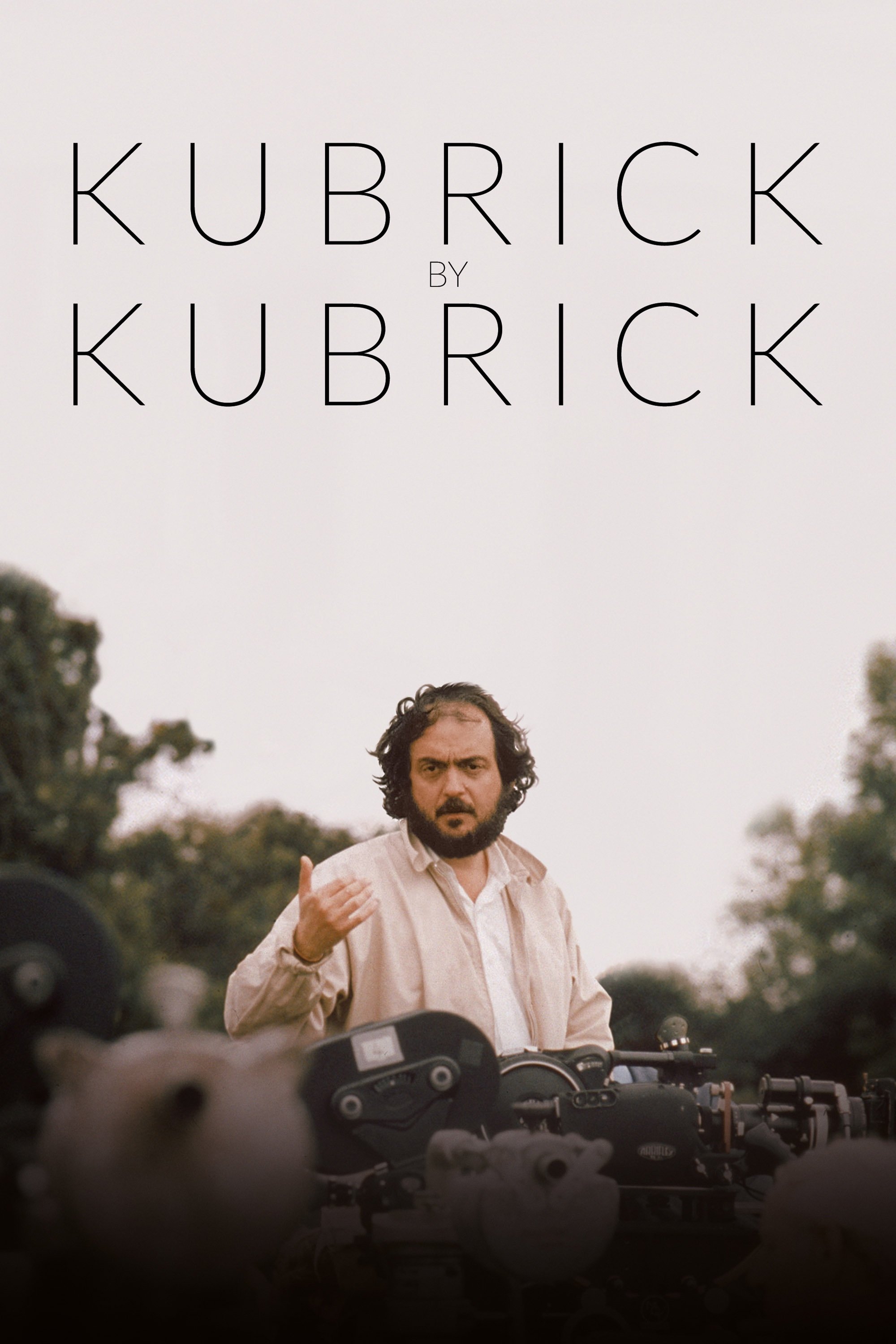
American filmmaker Stanley Kubrick (1928–1999), one of the greatest in history, but also one of the most reserved, gave few interviews throughout his long career, and none of them were filmed. A first-person journey through his life and work, based on a recorded conversation with French film critic Michel Climent.
The history of cinematic sound, told by legendary sound designers and visionary filmmakers.
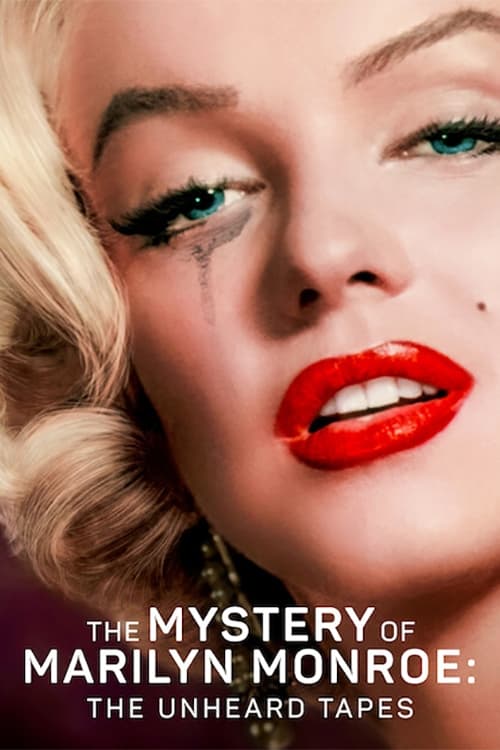
This documentary explores the mystery surrounding the death of movie icon Marilyn Monroe through previously unheard interviews with her inner circle.
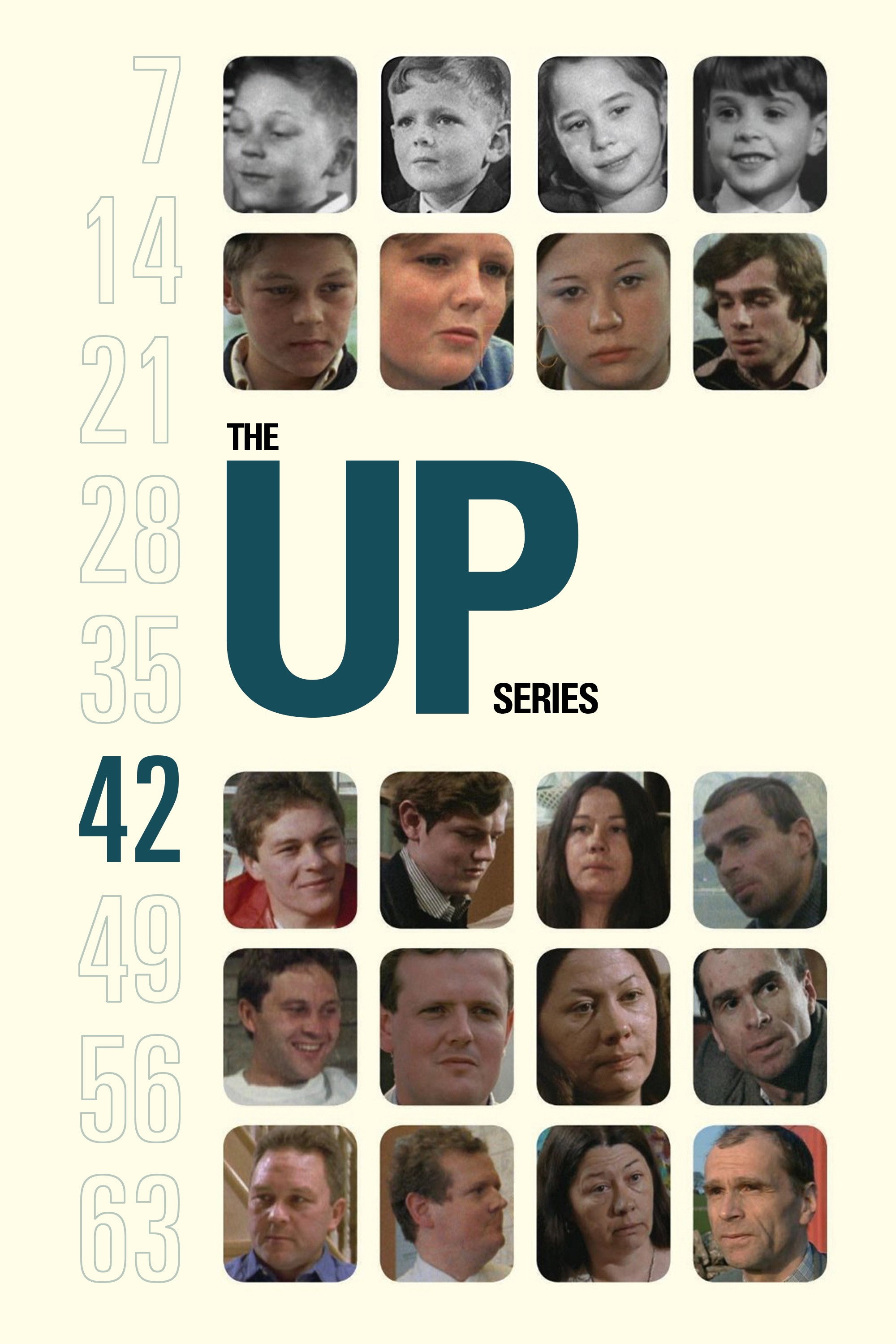
Director Michael Apted revisits the same group of British-born adults after a 7 year wait. The subjects are interviewed as to the changes that have occurred in their lives during the last seven years.
Told through performances, TV interviews, home movies, family photographs, private letters and unpublished memoirs, the film reveals the essence of an extraordinary woman who rose from humble beginnings in New York City to become a glamorous international superstar and one of the greatest artists of all time.
In 1964, Henri-Georges Clouzot's production of L'Enfer came to a halt. Despite huge expectations, major studio backing and an unlimited budget, after three weeks the production collapsed. This documentary presents Inferno's incredible expressionistic original rushes, screen tests, and on-location footage, whilst also reconstructing Clouzot's original vision, and shedding light on the ill-fated endeavor through interviews, dramatizations of unfilmed scenes, and Clouzot's own notes.
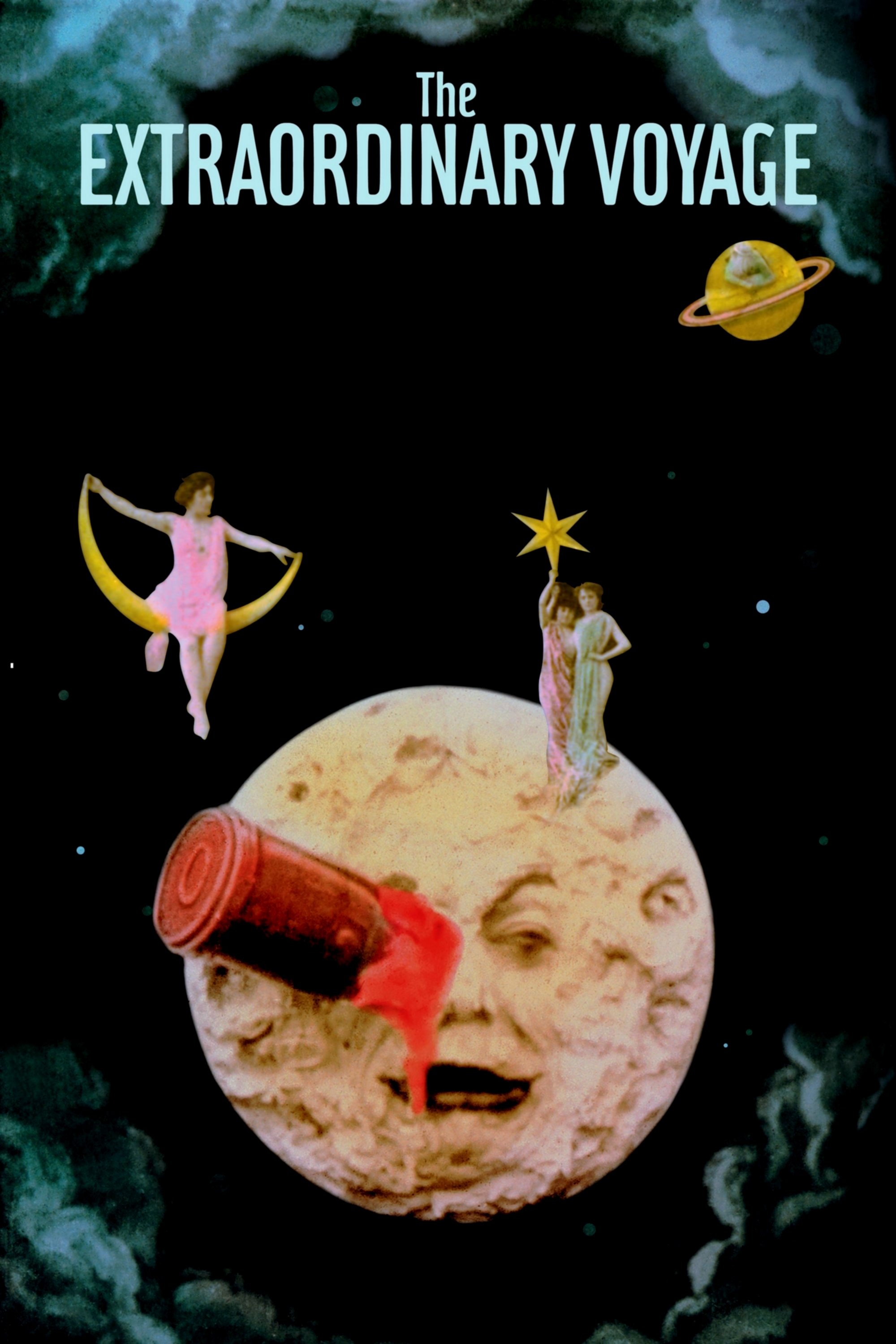
An account of the extraordinary life of film pioneer Georges Méliès (1861-1938) and the amazing story of the copy in color of his masterpiece A Trip to the Moon (1902), unexpectedly found in Spain and restored thanks to the heroic efforts of a group of true cinema lovers.
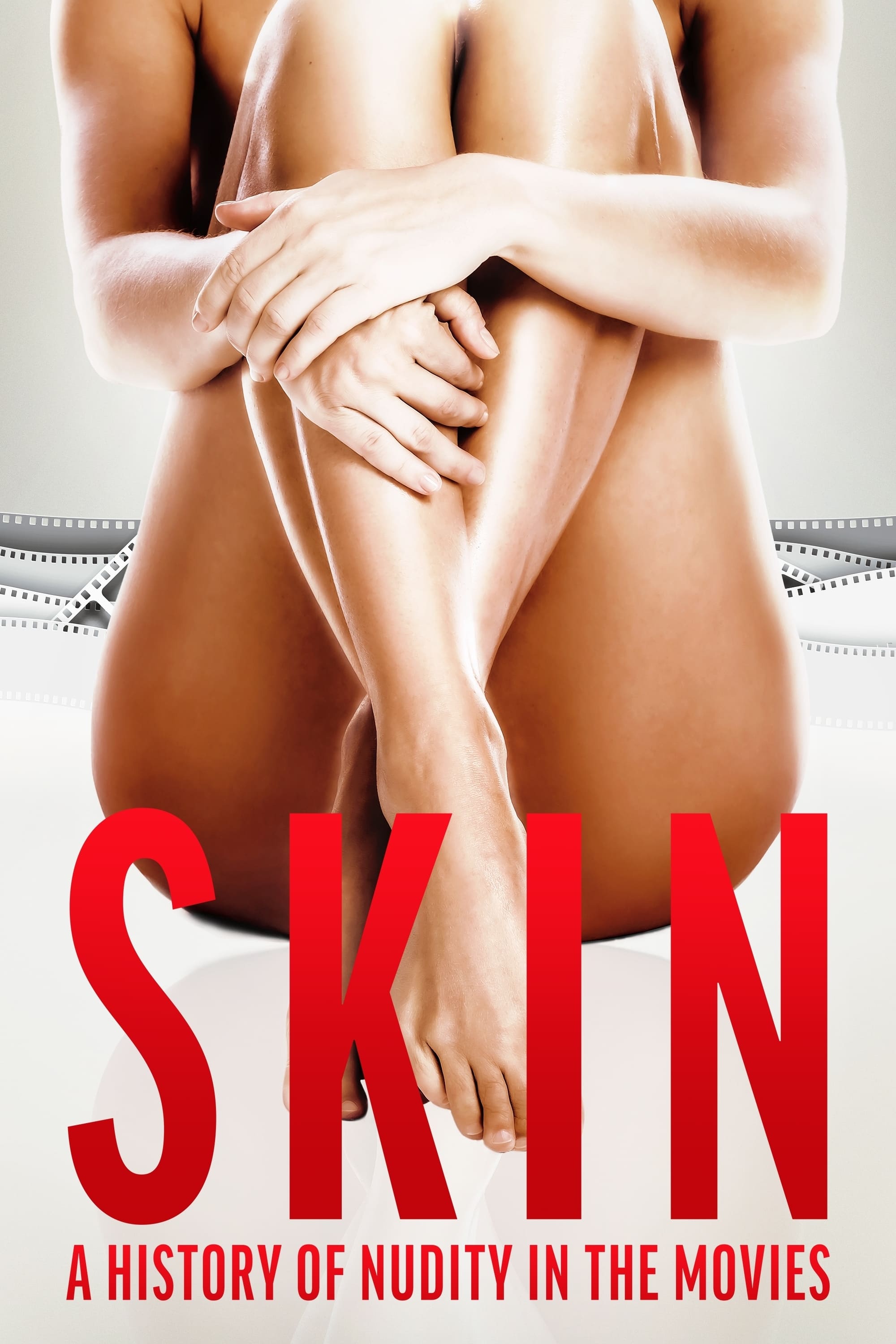
The definitive documentary on the history of nudity in feature films from the early silent days to the present, studying the changes in morality that led to the use of nudity in films while emphasizing the political, sociological and artistic changes that shaped that history. Skin will also study the gender inequality in presenting nude images in motion pictures and will follow the revolution that has created nude gender equality in feature films today.
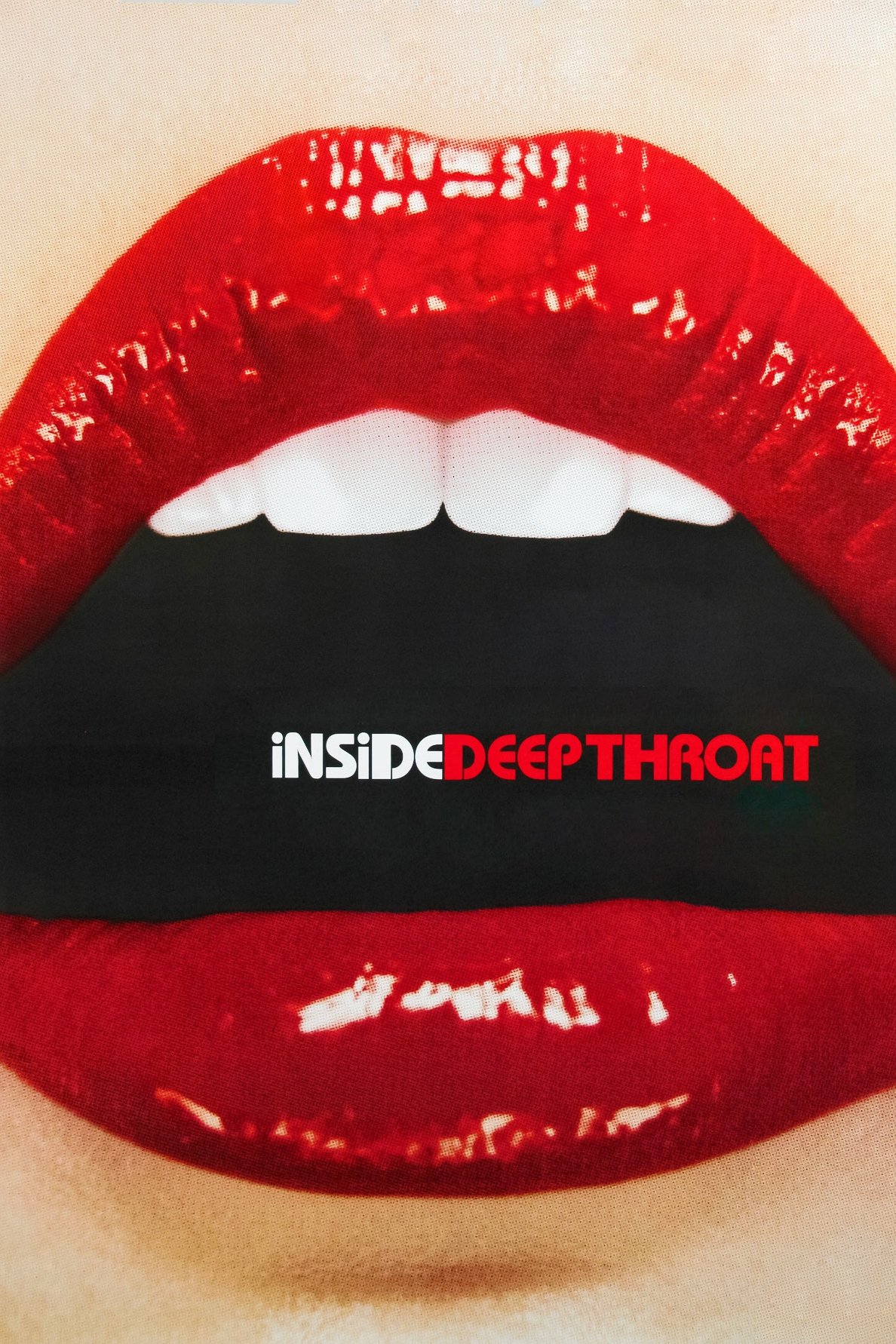
In 1972, a seemingly typical shoestring budget pornographic film was made in a Florida hotel: "Deep Throat," starring Linda Lovelace. This film would surpass the wildest expectation of everyone involved to become one of the most successful independent films of all time. It caught the public imagination which met the spirit of the times, even as the self-appointed guardians of public morality struggled to suppress it, and created, for a brief moment, a possible future where sexuality in film had a bold artistic potential. This film covers the story of the making of this controversial film, its stunning success, its hysterical opposition along with its dark side of mob influence and allegations of the on set mistreatment of the film's star.
Since the invention of cinema, the standard format for recording moving images has been film. Over the past two decades, a new form of digital filmmaking has emerged, creating a groundbreaking evolution in the medium. Keanu Reeves explores the development of cinema and the impact of digital filmmaking via in-depth interviews with Hollywood masters, such as James Cameron, David Fincher, David Lynch, Christopher Nolan, Martin Scorsese, George Lucas, Steven Soderbergh, and many more.
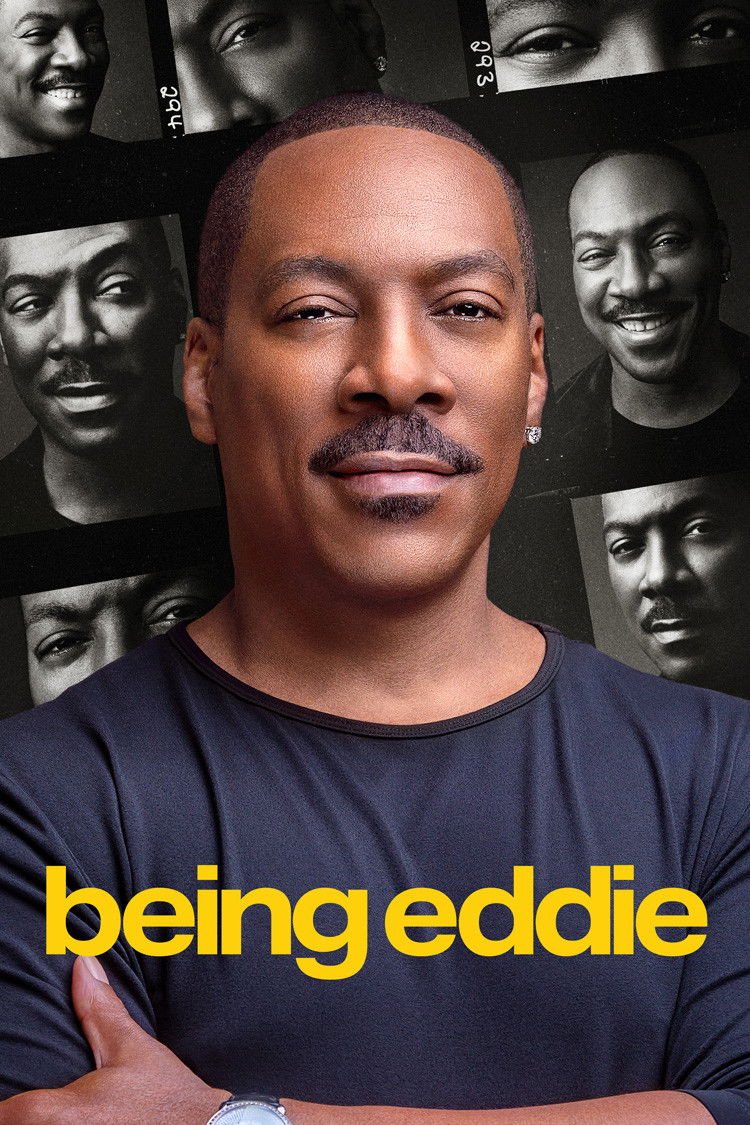
From teen comedian to Hollywood legend, Eddie Murphy revisits his extraordinary showbiz ride with raw honesty and humor.
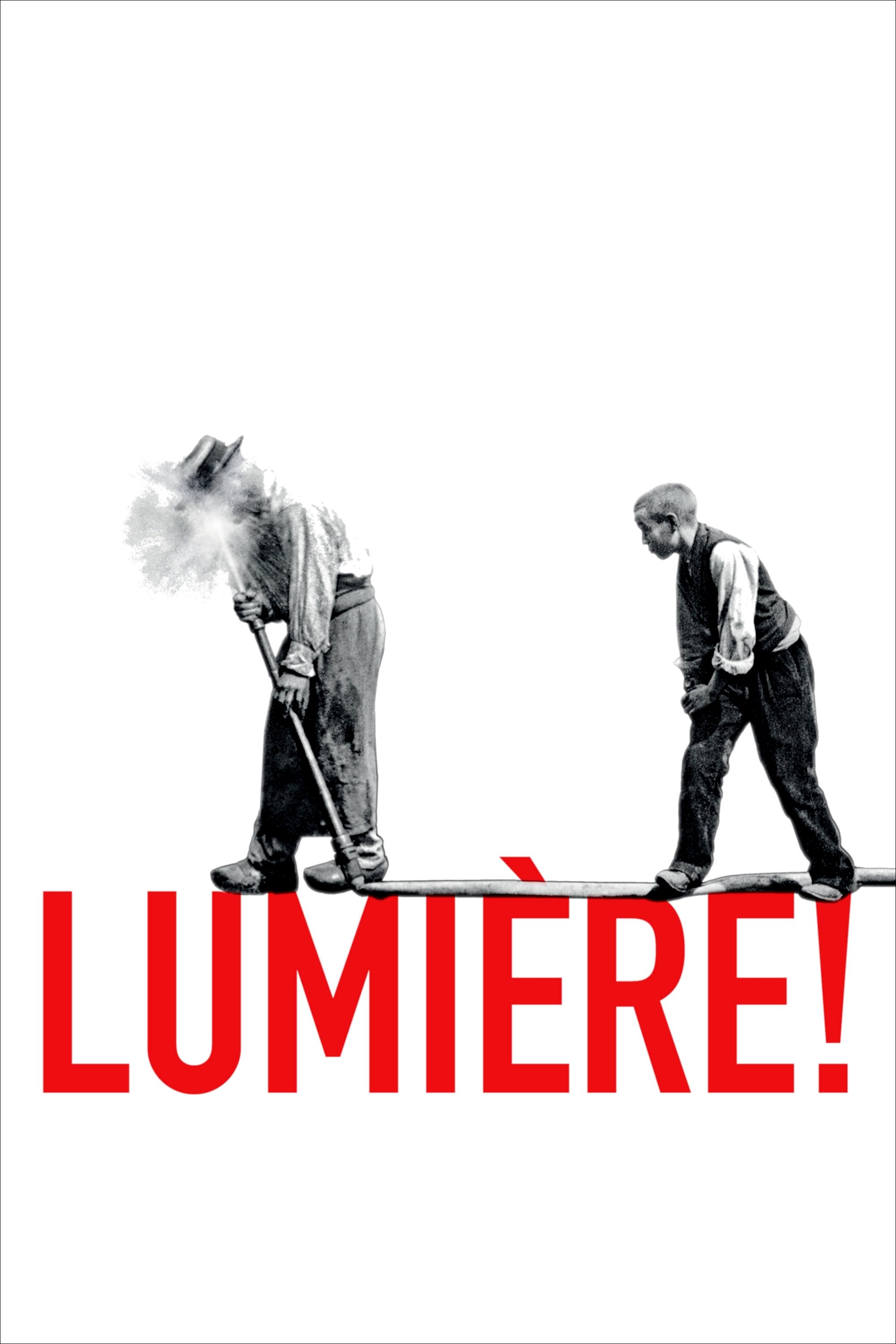
A collection of restored prints from the Lumière Brothers.
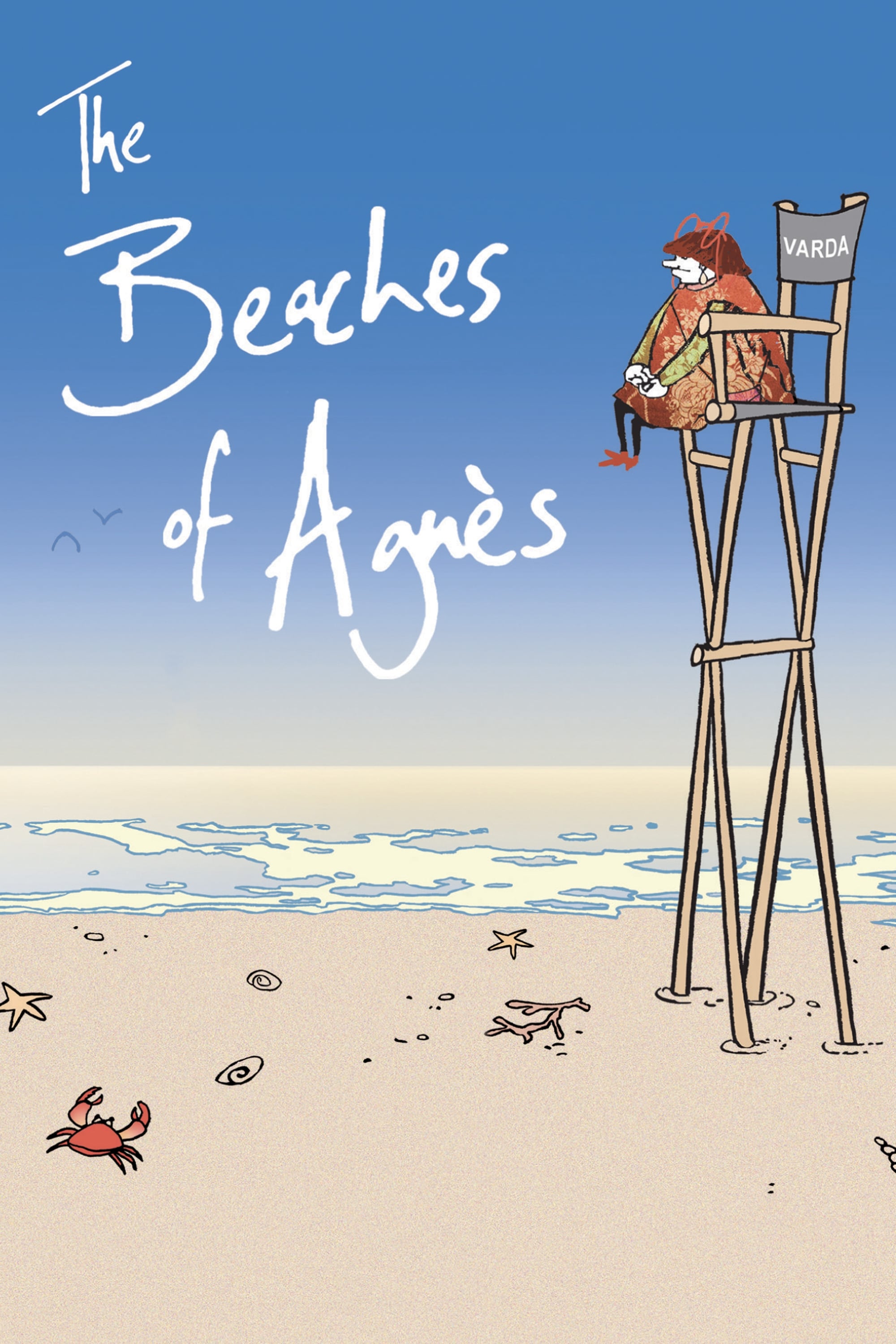
Filmmaking icon Agnès Varda, the award-winning director regarded by many as the grandmother of the French new wave, turns the camera on herself with this unique autobiographical documentary. Composed of film excerpts and elaborate dramatic re-creations, Varda's self-portrait recounts the highs and lows of her professional career, the many friendships that affected her life and her longtime marriage to cinematic giant Jacques Demy.
From a prolific career in film and television, Anton Yelchin left an indelible legacy as an actor. Through his journals and other writings, his photography, the original music he wrote, and interviews with his family, friends, and colleagues, this film looks not just at Anton's impressive career, but at a broader portrait of the man.
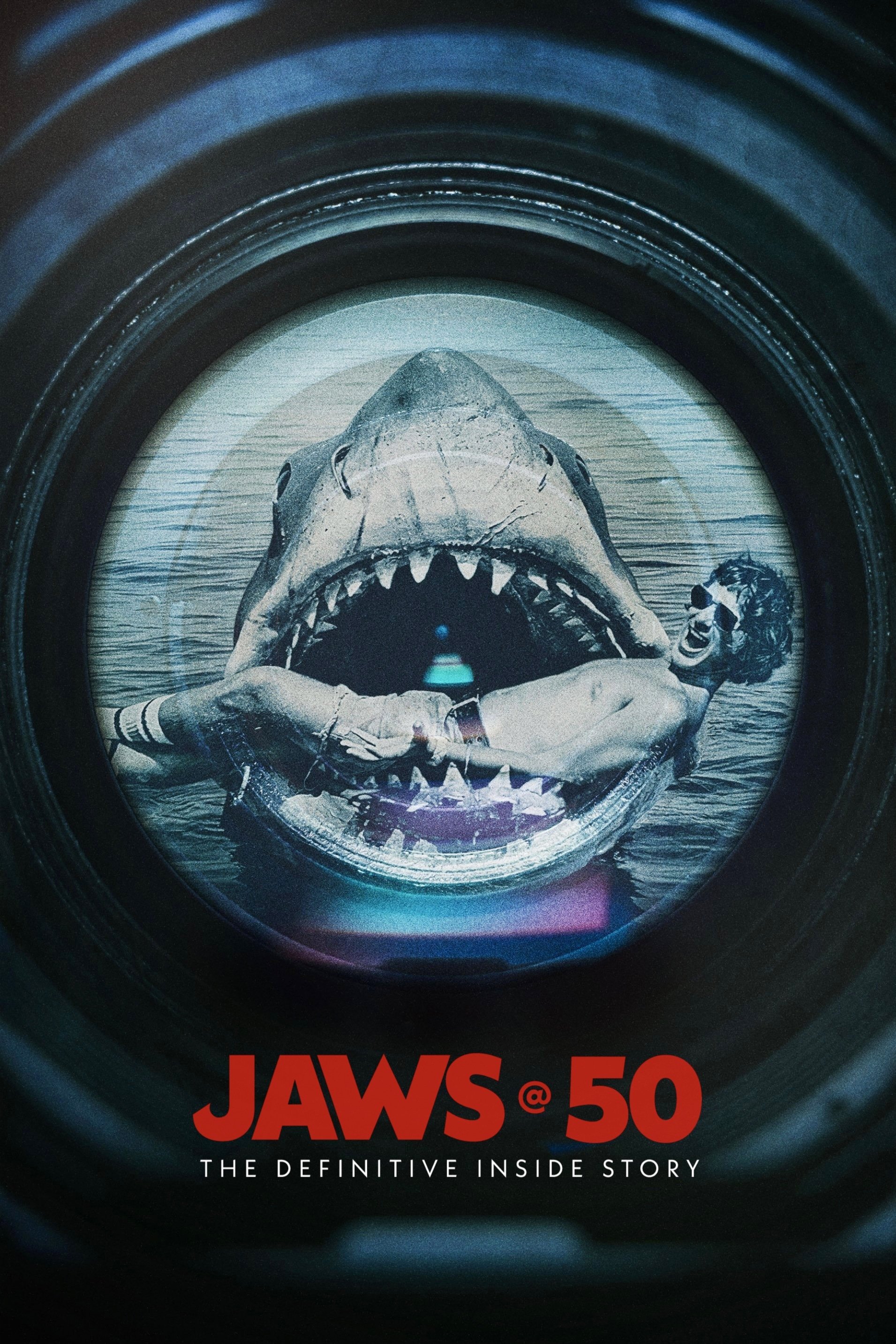
The authorized documentary celebrating the film that redefined Hollywood, 50 years after its premiere. Featuring rare archival footage and interviews with acclaimed Hollywood directors alongside Steven Spielberg, top shark scientists, and conservationists, the film uncovers the behind-the-scenes chaos and how the film launched the summer blockbuster, inspired a new wave of filmmakers, and paved the way for shark conservation that continues today.
Director Claude Lanzmann spent 11 years on this sprawling documentary about the Holocaust, conducting his own interviews and refusing to use a single frame of archival footage. Dividing Holocaust witnesses into three categories – survivors, bystanders, and perpetrators – Lanzmann presents testimonies from survivors of the Chelmno concentration camp, an Auschwitz escapee, and witnesses of the Warsaw Ghetto Uprising, as well as a chilling report of gas chambers from an SS officer at Treblinka.
Long-lost footage from Elvis Presley's legendary Las Vegas residency in the 1970s woven together with rare 16mm footage from Elvis on Tour, and 8mm from the Graceland archive, plus recordings of Elvis telling "his side of the story" rediscovered during Baz Luhrmann's research for his 2022 film, Elvis.
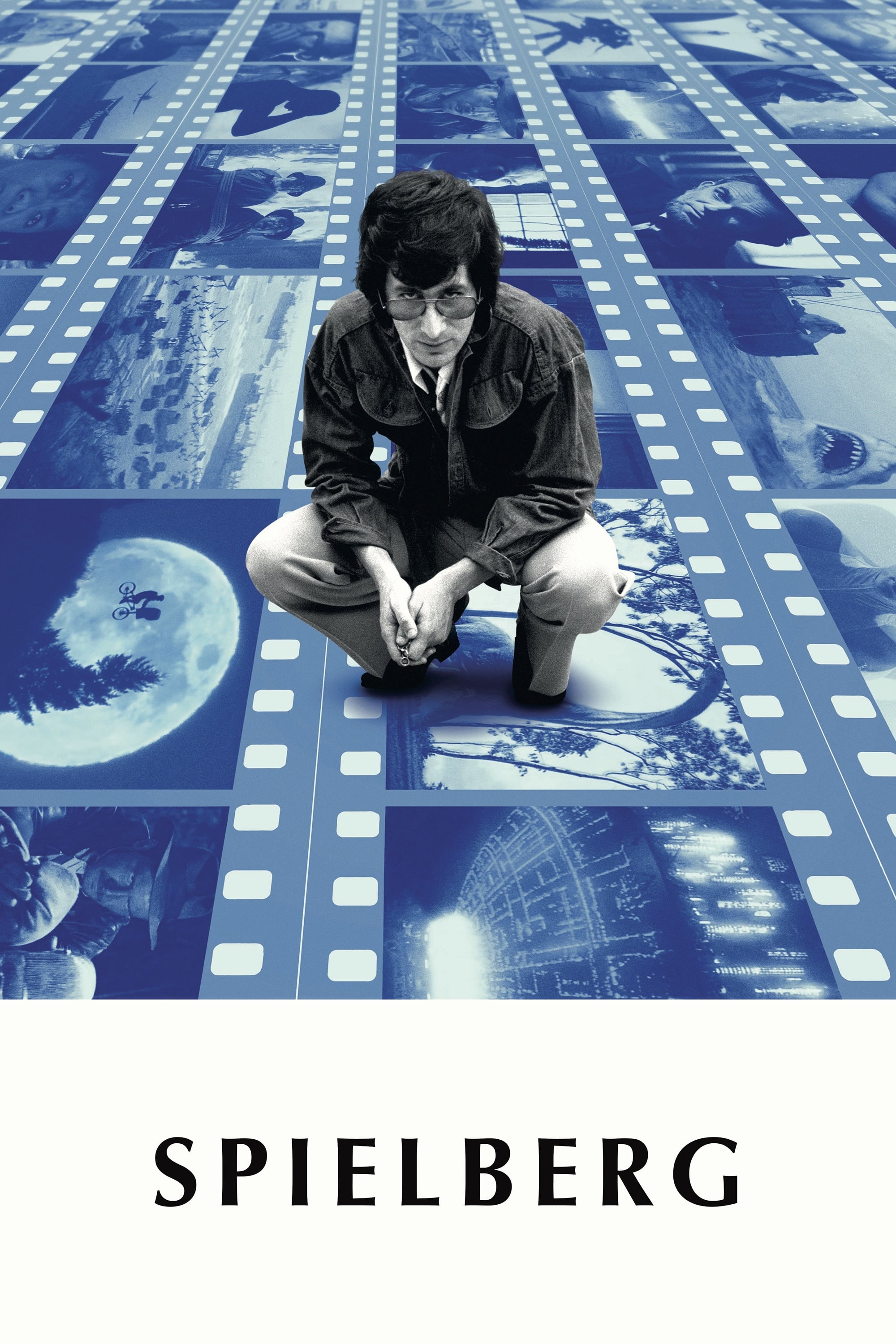
A documentary on the life and career of one of the most influential film directors of all time, Steven Spielberg.