Social & External
The people behind it
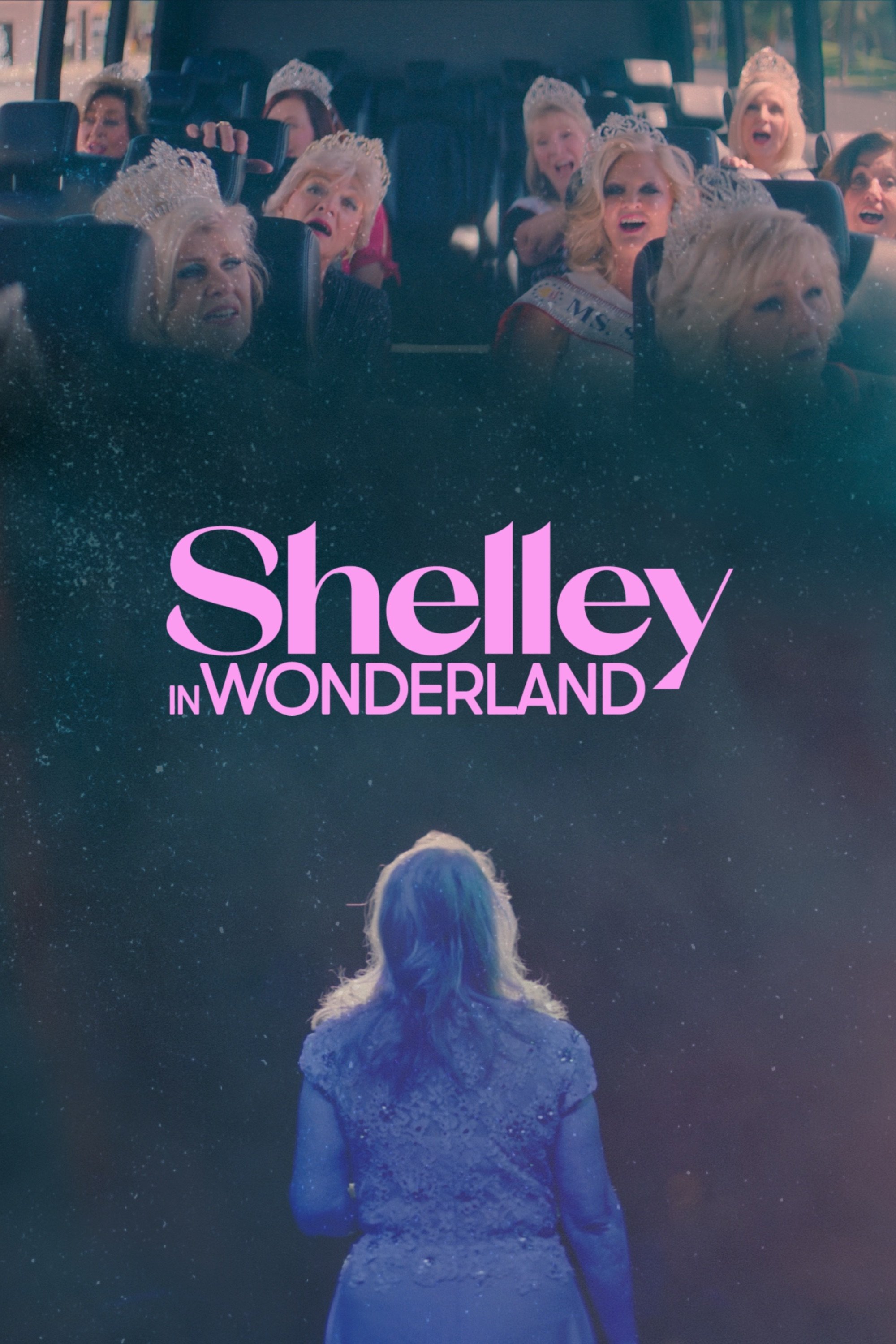
Shelley is a timid elderly lady who is competing in the Miss Senior USA pageant. Immersion in an extravagant world that also touches on the universal need for visibility, beauty and being included.
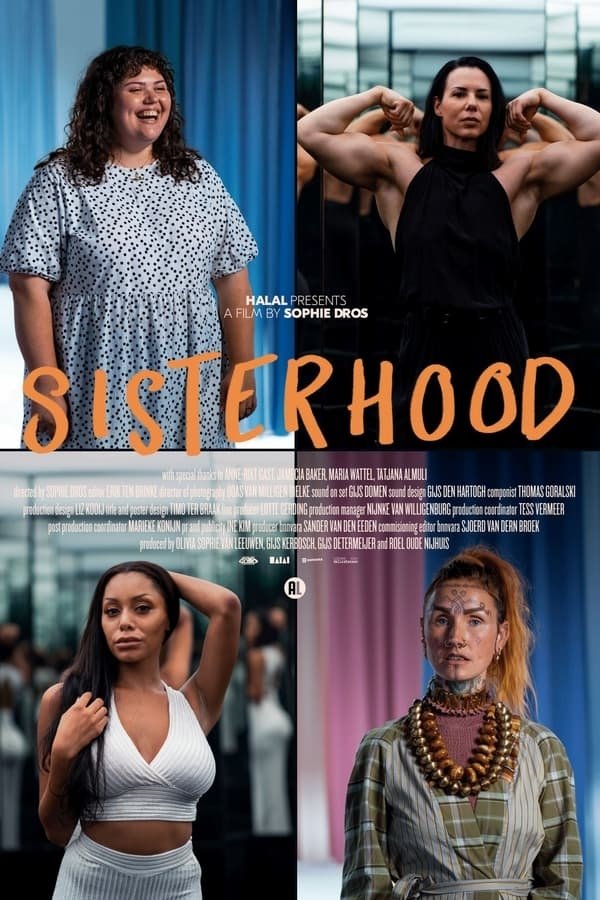
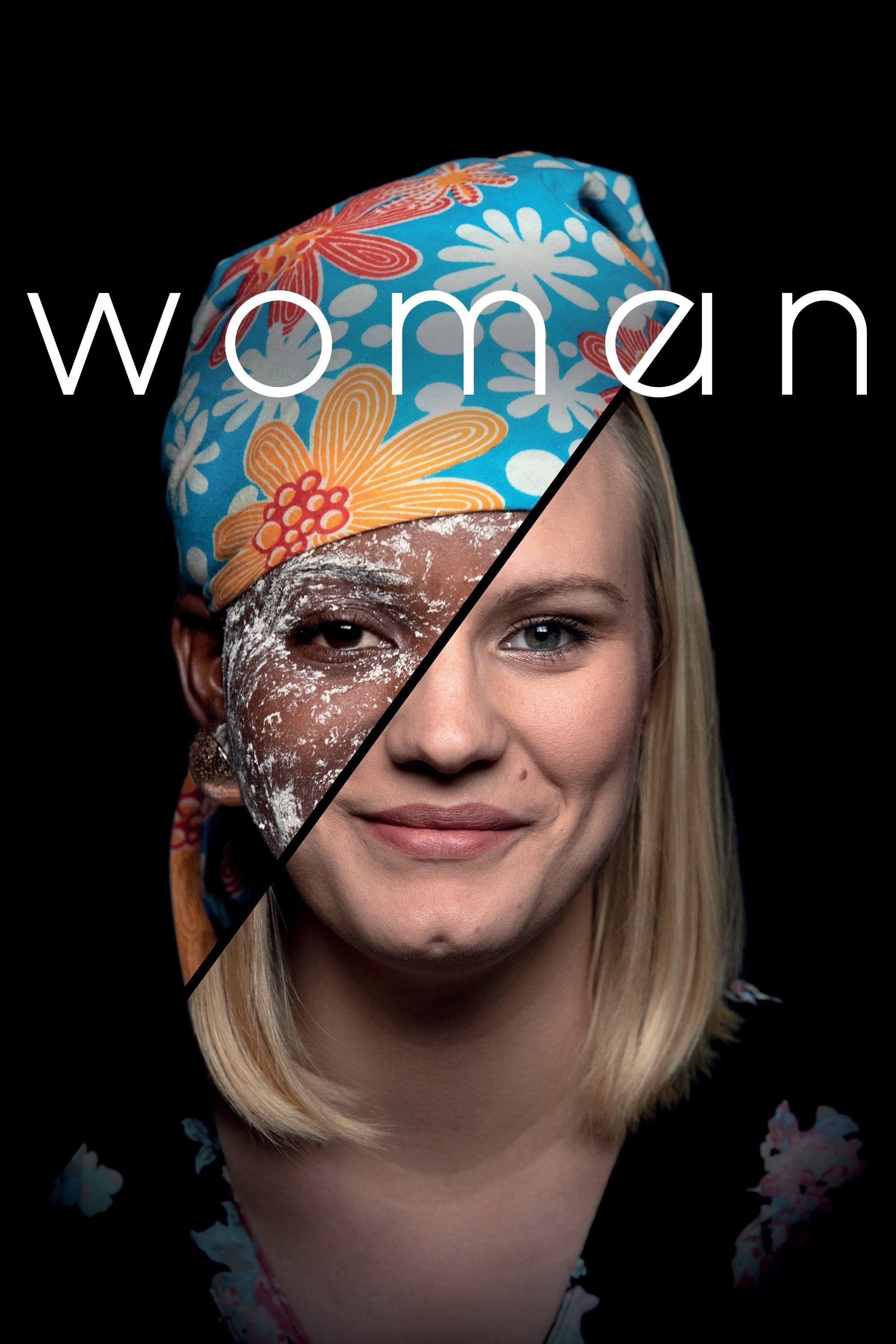
Filmmaker Sophie Dros enters into a dialogue with strong women in a powerfull document about being a woman in the Netherlands today. Inspired by Simone de Beauvoir's essay The second sex, filmmaker Sophie Dros (winner of the NFF Debut Competition 2017) talks to four women and a group of young girls. Together they go in search of universal stories; about dealing with expectations, empathy and connection, desires, fear, need for confirmation and losing control.
Smartphones, computers, gaming consoles or digital tablets are now givens in our daily lives. The electronic intrusion is causing controversy and collective hysteria. Are we damaging our brains with all these screens? How will unprecedented exposure to screens impact humanity? To find out, the filmmakers examine how science has been applied to distinguish between truth and falsehoods, and explore the suspected side-effects of screen exposure. The documentary travels through the US and Europe to meet and speak to researchers who are leaders in this field.
French actors Lucien Jean-Baptiste, Aïssa Maïga, Sonia Rolland, Deborah Lukumuena, Marie-France Malonga, Gary Dourdan and others speak up on the reality of black actors in the French movie industry.
"What Do Young Girls Dream About?" Is the internet pornography not the "best enemy of sexual freedom", and what are the consequences of the new demands that society places on young women today.
Notes on Summer is a 2023 short movie shot in Italy and France. It is up to you to grasp the meaning, because the meaning is always different, nevertheless, I want to dedicate this film to all those who already know what to do even before starting their holidays.
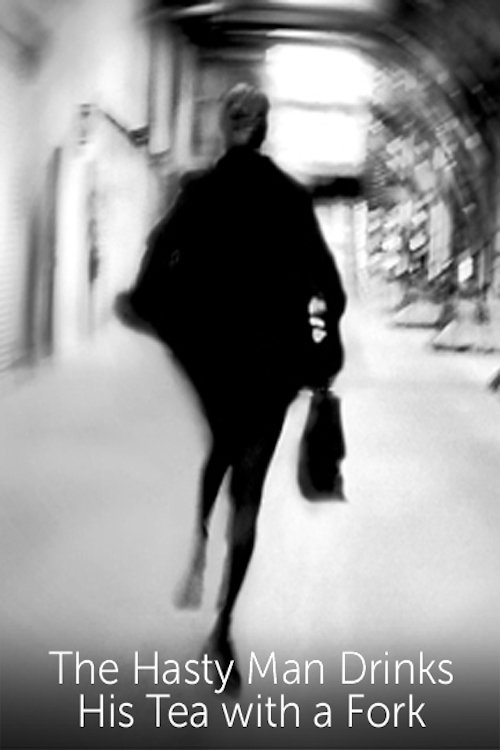
A blend of drama and documentary, this film follows several people caught up in the turmoil of the modern world. The drama centres on a woman who has burned out and who holds up her own despair – and her attempts to rebuild her life – as a mirror to the rest of us. With a blend of gravity and humour, Sylvie Groulx's film shows the absurdity of a society dedicated to the cult of speed at all costs.
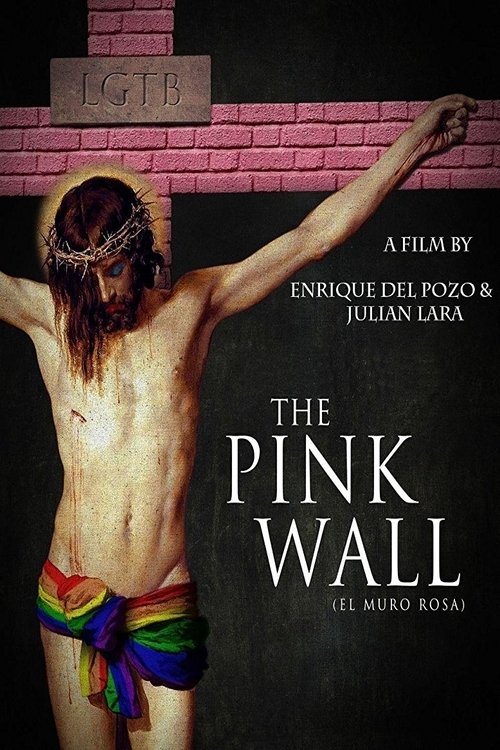
The historical memory of torture, persecution and killings of homosexuals and lesbians in Spain during Franco's dictatorship provides an opportunity to tell about discrimination and homophobia in the rest of the world. Those who lived through that period recall times when being gay was a crime and the Church was completely indifferent; even the movie (and the fashion) world turned their backs. Today Spain is actually a model for enlightened social attitudes and for the freedoms achieved by the GLBT community. So it is important to remind the young of the high price paid by the older generations. One of the directors of the film, Enrique del Pozo, is a singer and actor who is openly bisexual and very famous in Spain.
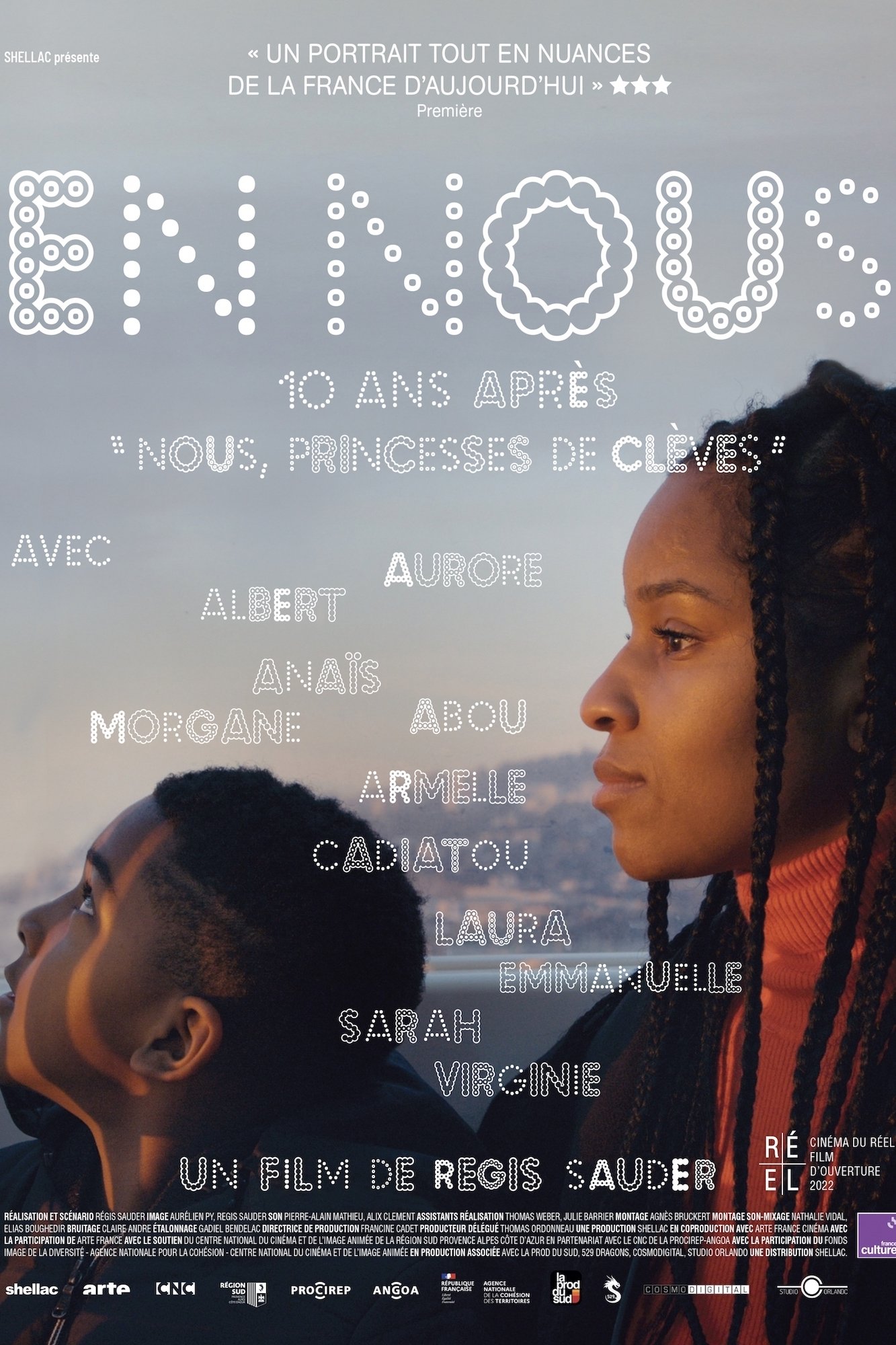
Ten years ago, the paths of Abou, Laura, Cadiatou and Jacques have crossed Emmanuelle’s. She was their French teacher at a high school in Marseille. Together they took part in a film, Children of the Princess of Cleves, in which, while analyzing the classic text, they expressed their hopes, dreams, and fears. In En Nous, the director re-connects with the protagonists : memories blend with stories of their lives and the daily obstacles they must overcome whilst trying not to lose hope. Now, the sentence of the Princess of Cleves rings poignantly true: “I know nothing can be more difficult than what I undertake”.
It’s 2020 and Minsk, the capital city of Belarus, is overflowing with anti-government protests. A dreamy figure – Mara – takes us on a journey alongside the protesting crowds. Mara’s symbolic presence is a stark contrast to the harsh reality of the street. There is a determination to Mara, but also a fragility – as if her persona reflects the collective mental state of the protesters witnessing their dream for freedom turn into a nightmare.
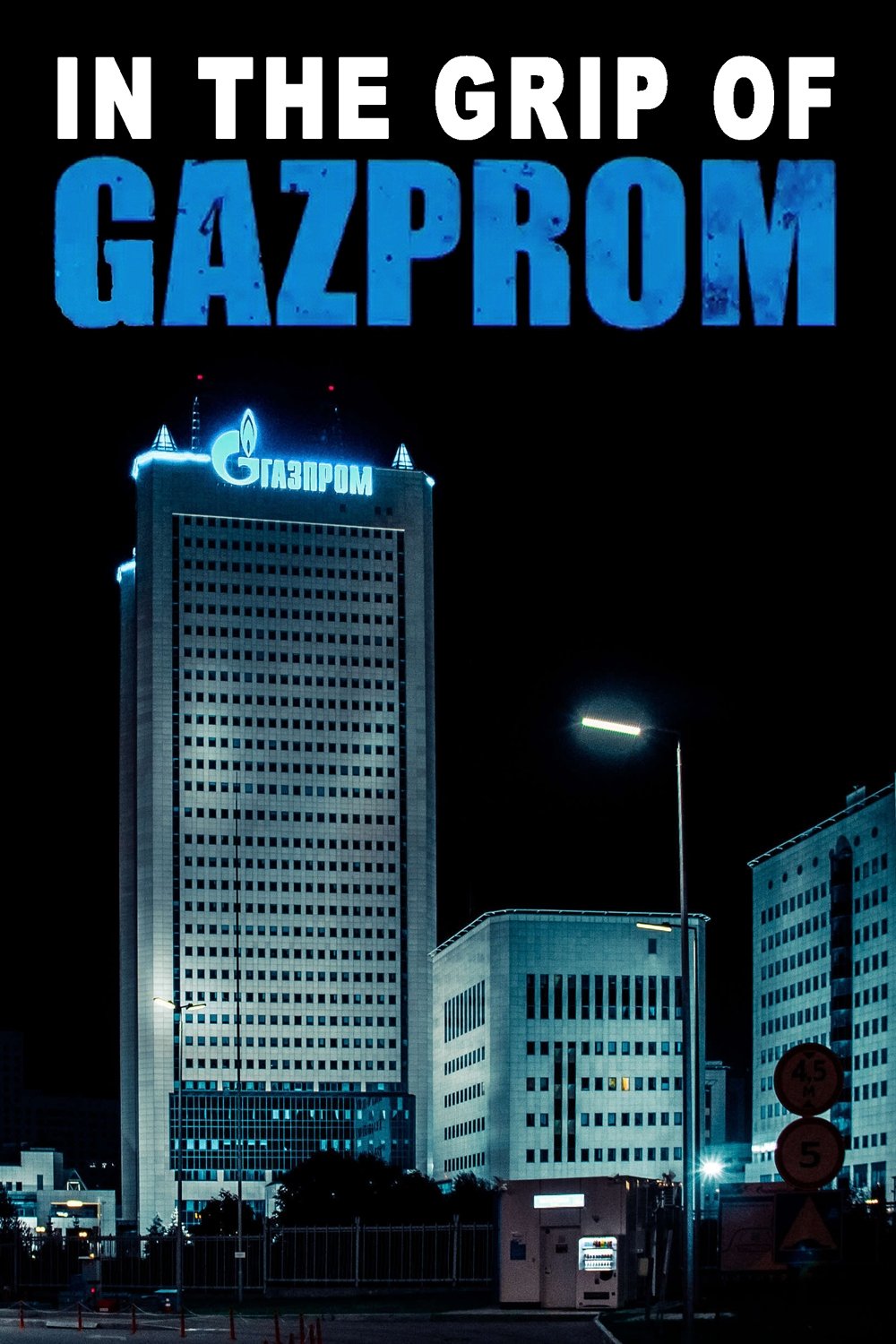
The war in the Ukraine has changed the way many European countries view Russian politics. Suddenly it became clear how dependent countries had become on Russian gas imports for decades and what Vladimir Putin was up to. However, no country needs more gas than Germany. It was only after Russia's invasion of the Ukraine that the German government realized that Russia had long used gas as a weapon to impose its will on states. The instrument created for this purpose is the natural gas production company GAZPROM. So how did Germany become so dependent on Russian gas? The documentary shows how, over several decades and several changes of government, a broad alliance of politicians and business representatives did everything possible to secure Germany's energy supply with cheap Russian gas, while the Kremlin's foreign policy became increasingly aggressive and the warnings of experts went unheeded.
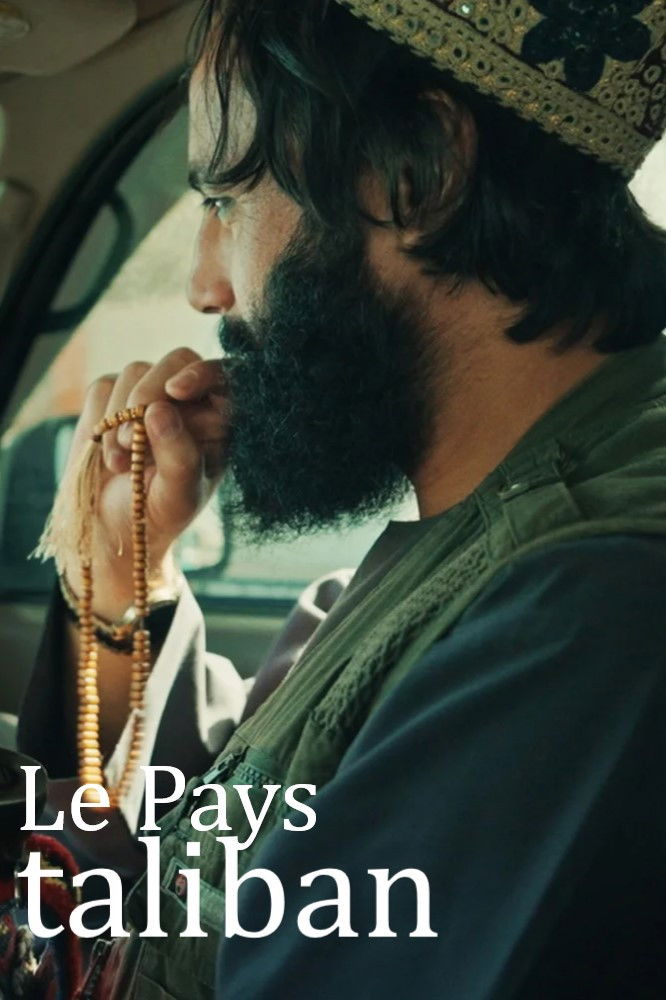
Almost five years after their return to power, a new era has dawned under the yoke of the Taliban, an inflexible fundamentalist regime. Under their rule, the former republic has disappeared, replaced by an ultra-rigid power structure closed off from the rest of the world and the foreign press. An "Islamic Emirate of Afghanistan", largely unrecognised, even by Islamic theocracies. After four shoots, mainly carried out outside the official framework, "The Taliban Country" offers a glimpse into the heart of this new Afghan reality. Through the eyes of the men and women facing these upheavals, the film paints a portrait of a paradoxical and radical system. It offers an in-depth look at the workings of a state characterised by extreme rigour, unparalleled in the contemporary world.
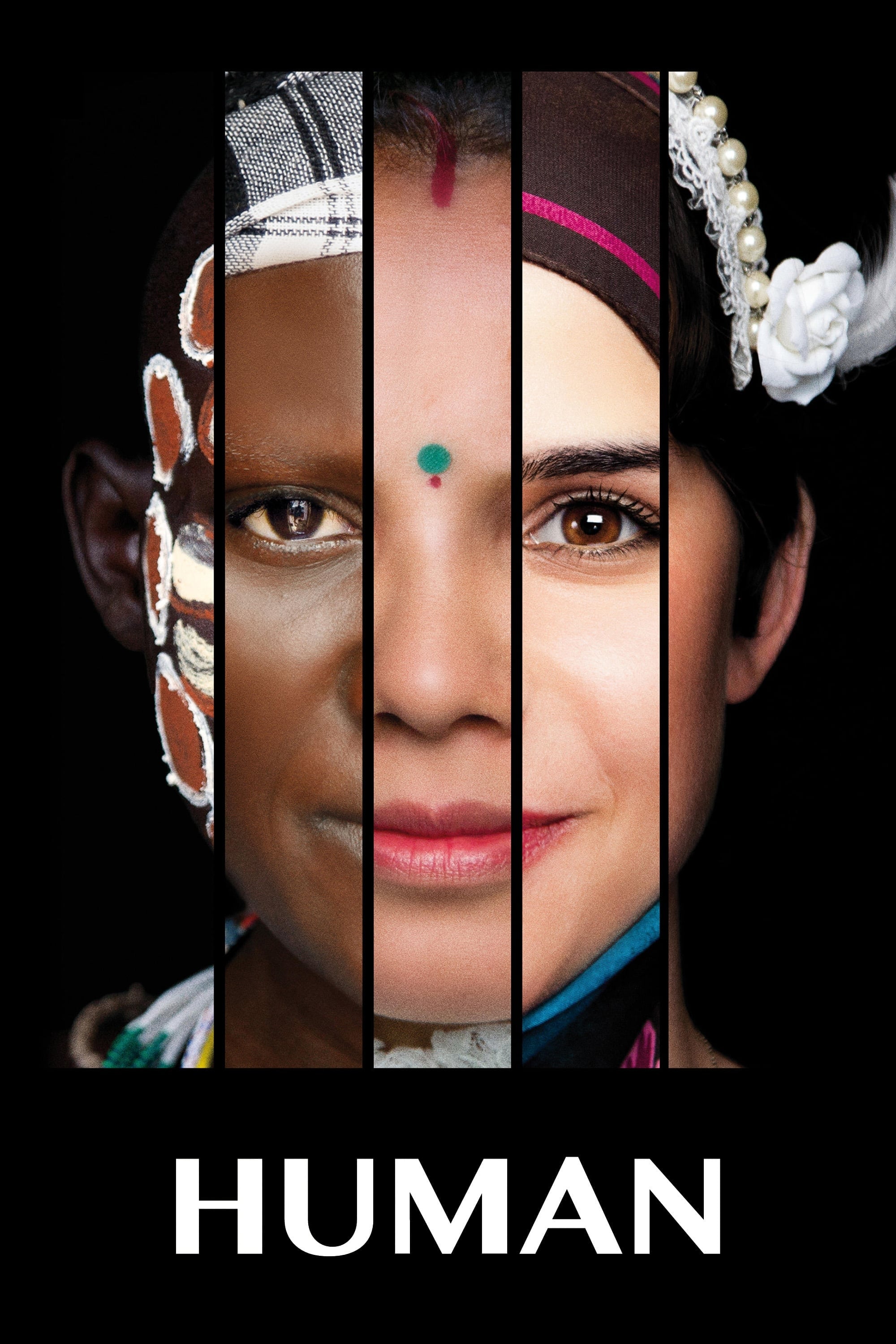
A collection of stories about and images of our world, offering an immersion to the core of what it means to be human. Through these stories full of love and happiness, as well as hatred and violence, it brings us face to face with the Other, making us reflect on our lives. From stories of everyday experiences to accounts of the most unbelievable lives, these poignant encounters share a rare sincerity and underline who we are – our darker side, but also what is most noble in us, and what is universal. Our Earth is shown at its most sublime through never-before-seen aerial images accompanied by soaring music, resulting in an ode to the beauty of the world, providing a moment to draw breath and for introspection. This film is a politically engaged work which allows us to embrace the human condition and to reflect on the meaning of our existence.
An inside look at one of the most anticipated movie sequels ever with James Cameron and cast.
Brilliant, long in-the-works story of the life and art of the world's greatest comedian and the cinema's first genius, Charlie Chaplin. Produced, written and directed by renowned film critic Richard Schickel.
A string of threatening emails escalates into a revenge plot involving a newly married US marshal and his ex-girlfriend.
The film is based on interviews with 2,000 women from 50 countries, and covers the status of women all over the world. The topics covered include forced marriages, sexual assault, female genital mutilation, acid attacks, motherhood, sexuality, menstruation, education and the professional success of women.
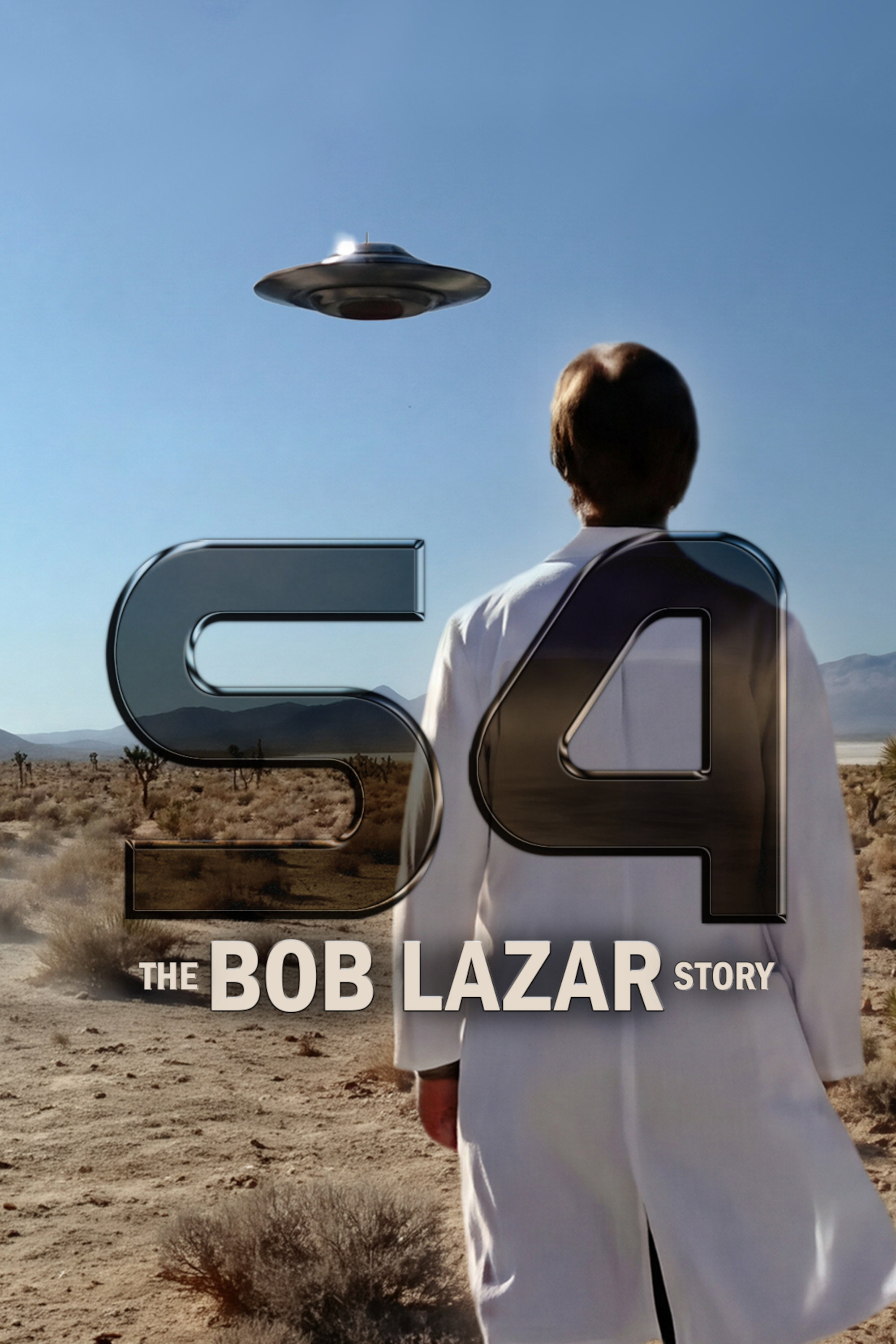
Over 35 years after Bob Lazar's revelations, this documentary exposes secrets of a facility the government still denies. Featuring Lazar's testimony, recreations, and new evidence, it reopens a case that continues to spark global curiosity
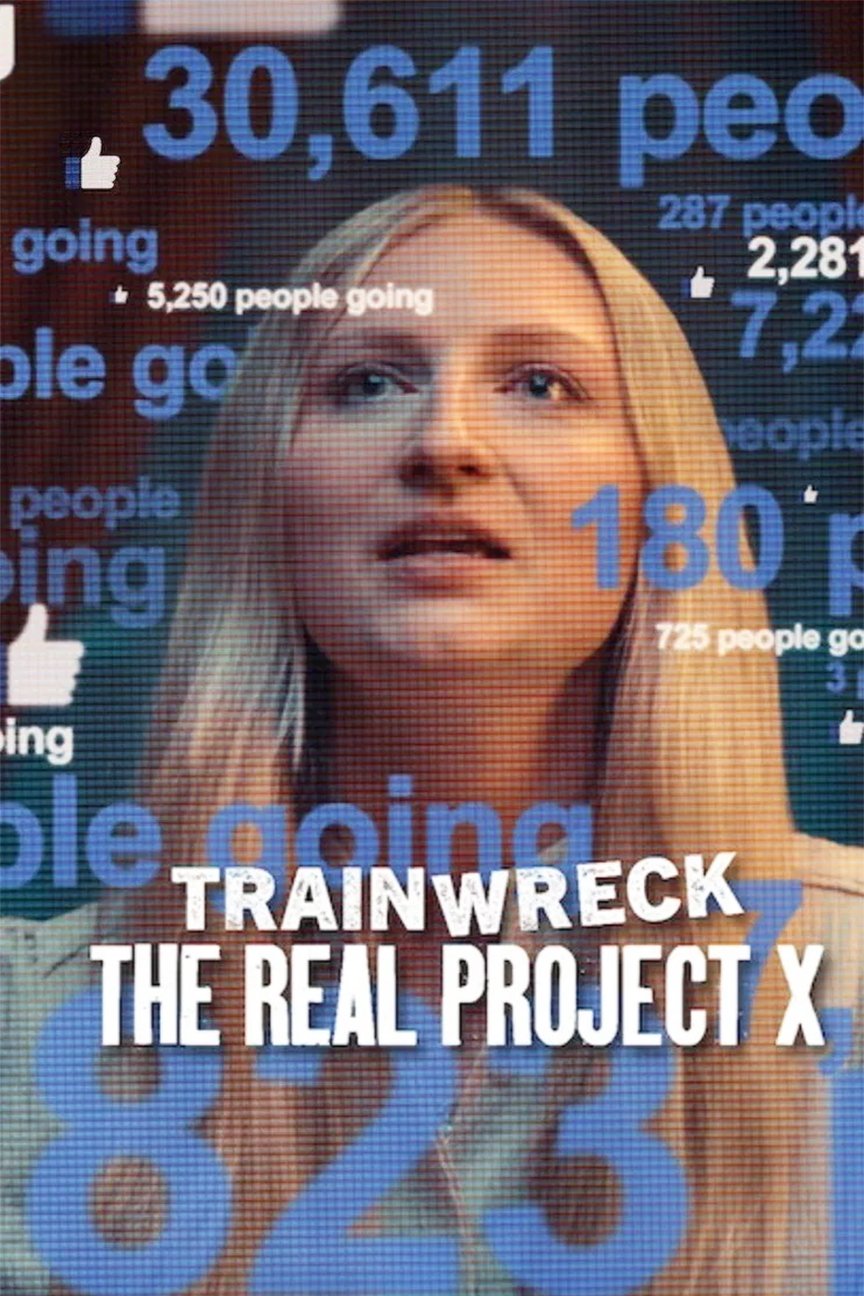
A night of drunken chaos rocks a quiet Dutch town in this shocking documentary about a teen's birthday invite that accidentally went viral on Facebook.
The life and career of an actor, artist, and icon. His own journey through his own camera.
The life of Mr. Spock, as well as that of Leonard Nimoy, the actor who played him for almost fifty years, written and directed by his son: Adam.
A documentary about the life and films of director John Ford.
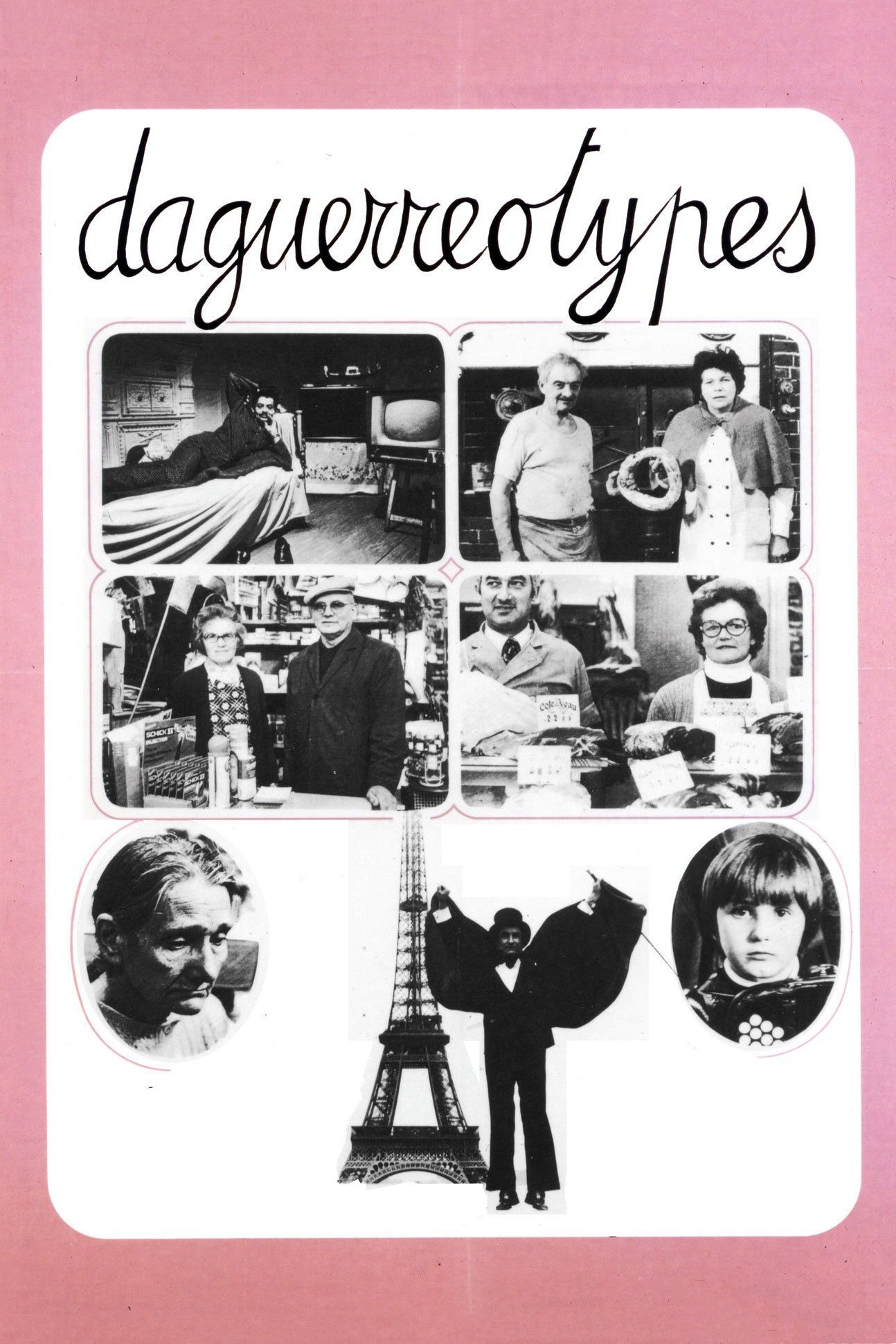
An intimate portrait of the small shops and shopkeepers of the Rue Daguerre in Paris, a picturesque street that has been the filmmaker’s home for more than 50 years.
Al Pacino's deeply-felt rumination on Shakespeare's significance and relevance to the modern world through interviews and an in-depth analysis of "Richard III."
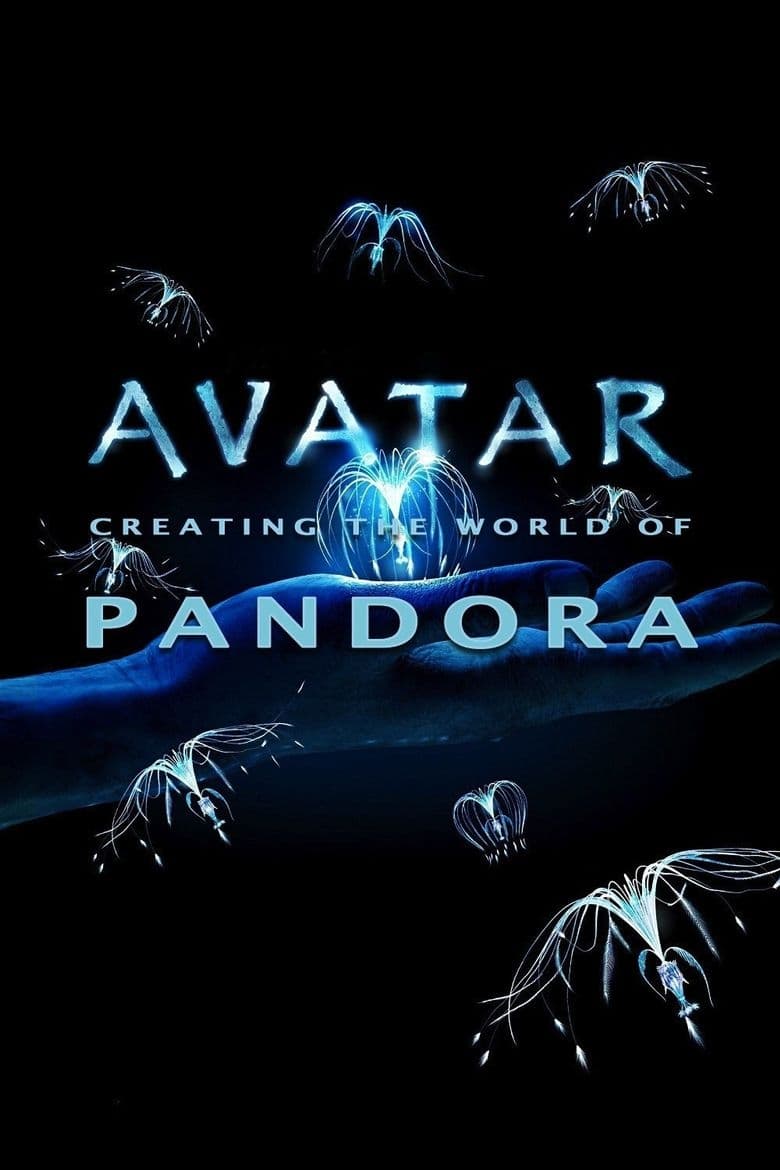
The Making-of James Cameron's Avatar. It shows interesting parts of the work on the set.
Those who knew iconic funnyman John Candy best share his story, in their own words, through never-before-seen archival footage, imagery, and interviews.
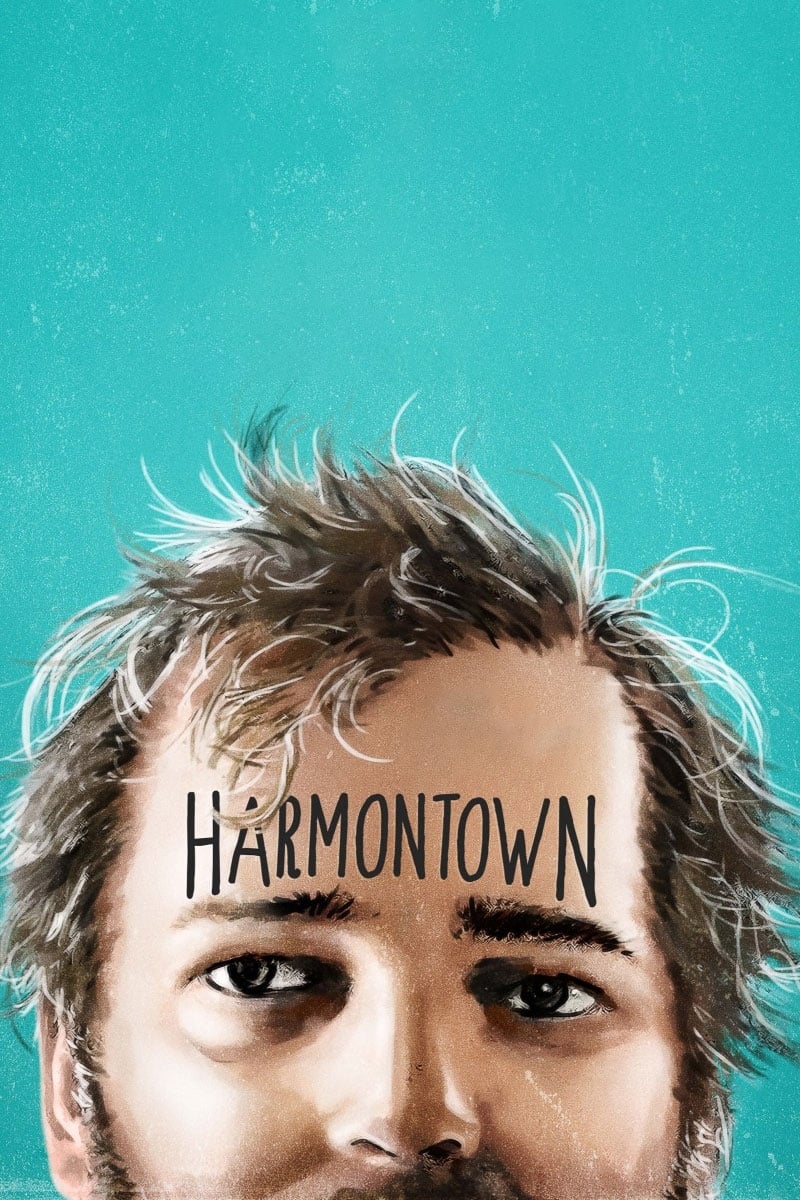
A comedic, brutally honest documentary following self-destructive TV writer Dan Harmon as he takes his live podcast on a national tour.
The life and career of one of comedy's most inimitable modern voices, Mr. Gilbert Gottfried.
“Showrunners” is the first ever feature length documentary film to explore the fascinating world of US television showrunners and the creative forces aligned around them. These are the people responsible for creating, writing and overseeing every element of production on one of the United State’s biggest exports – television drama and comedy series. Often described as the most complex job in the entertainment business, a showrunner is the chief writer / producer on a TV series and, in most instances, the show’s creator. Battling daily between art and commerce, showrunners manage every aspect of a TV show’s development and production: creative, financial and logistical.
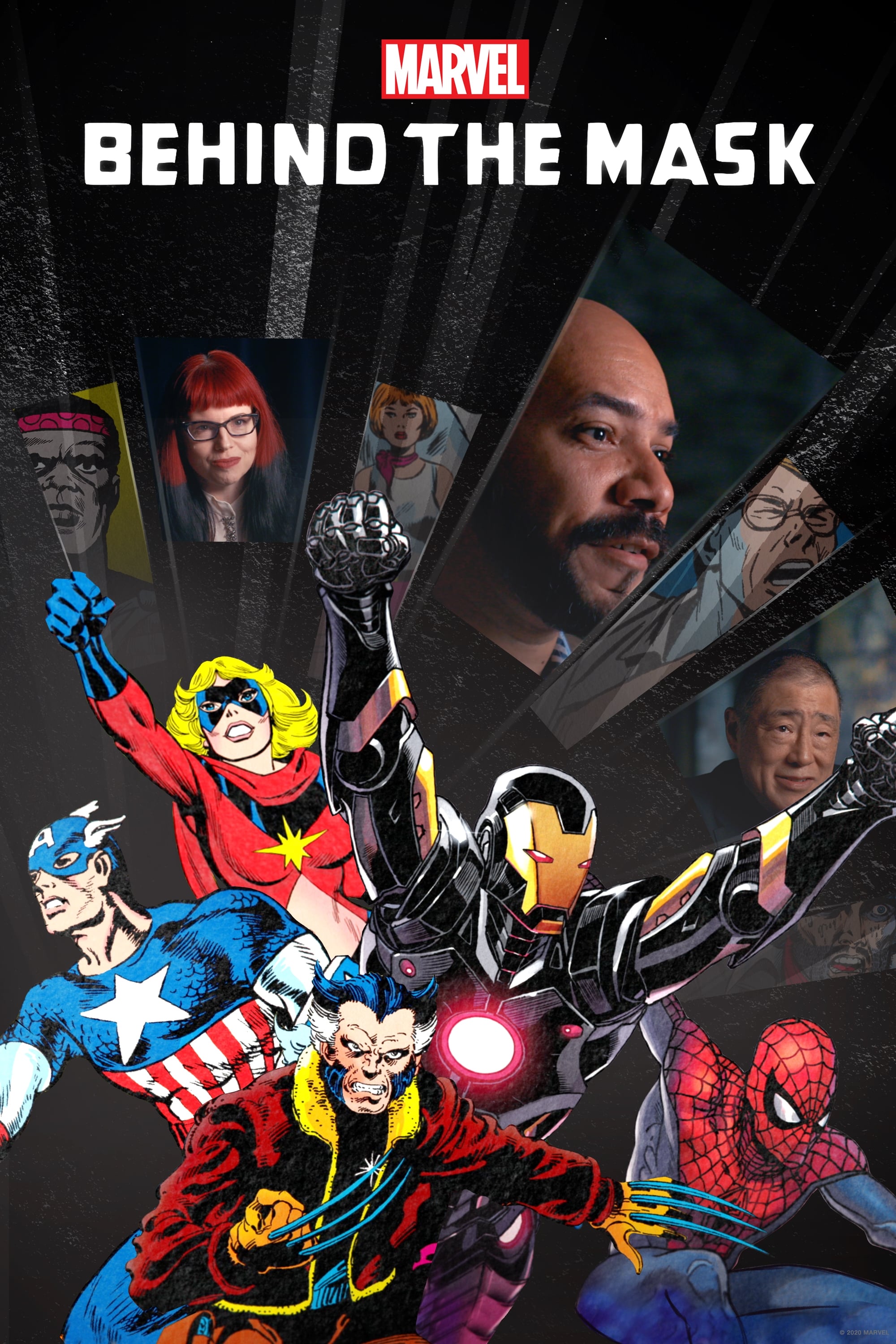
A documentary special that explores the power of identity behind the iconic superheroes we know and love today. These legendary Marvel creations and stories have not only reflected the world outside our window – they have become a reflection of our own identities and who we truly are.
A documentary detailing the epic Rogues' Gallery of DC Comics from The Joker and Lex Luthor, Sinestro, Darkseid and more, this documentary will explore the Super Villains of DC Comics.
SEDUCED AND ABANDONED combines acting legend Alec Baldwin with director James Toback as they lead us on a troublesome and often hilarious journey of raising financing for their next feature film. Moving from director to financier to star actor, the two players provide us with a unique look behind the curtain at the world's biggest and most glamourous film festival, shining a light on the bitter-sweet relationship filmmakers have with Cannes and the film business. Featuring insights from directors Martin Scorsese, 'Bernando Bertolucci' and Roman Polanski; actors Ryan Gosling and Jessica Chastain and a host of film distribution luminaries.