Social & External
The people behind it
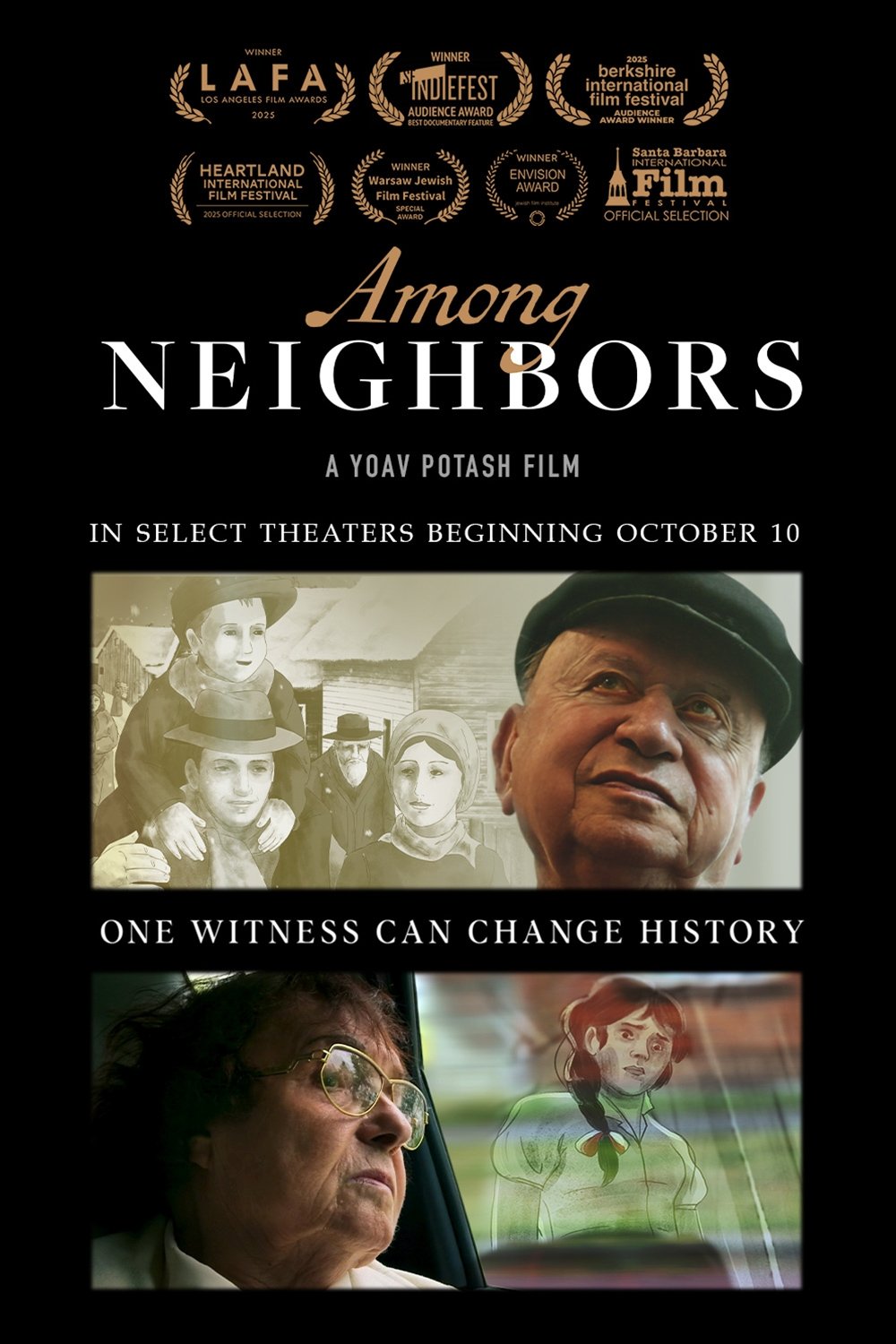
Combining magical realism and evocative hand-drawn animation with revelatory interviews and verité footage, "Among Neighbors" examines the story of a small, rural town where Jews and Polish Catholics lived side by side for centuries before World War II. The film brings the Polish response to the Holocaust to life through the last living eyewitnesses, revealing both love and betrayal as it zeroes in on one of the last living Holocaust survivors from the town, and an aging eyewitness who saw Jews murdered there — not by Nazis, but by her own Polish neighbors. Produced and directed by award-winning filmmaker Yoav Potash ("Crime After Crime," Sundance Film Festival).
Until 1942 around 100 German propaganda films were made, that were set in Africa. They were produced in Germany, with Black Germans and Africans living in Germany. Who were these Black extras and how did they come to Germany? Why did they work in film-making? Which roles did they play and what messages did they send? What were their daily experiences as Black people during the Weimar Republic and the Nazi Regime?
Historian James Bulgin reveals the origins of the Holocaust in the German invasion of the Soviet Union, exploring the mass murder, collaboration and experimentation that led to the Final Solution.
In this visually compelling and thought-provoking documentary, author, scholar and modern-day Indiana Jones, Jay Weidner uncovers some of the deepest secrets of the ancient western tradition of Alchemy - the knowledge of the fatal season of the apocalypse, the end of time and the great and imminent transformation of humanity. Using the work of the mysterious twentieth century French Alchemist, Fulcanelli, as his foundation, and his discovery of a three hundred fifty year old Alchemical Cross in the South of France, Jay Weidner describes the experiences, insights and powerful evidence that opens the door to a new view of the intimate relationship between myth, history, science and the true destiny of humanity. In doing so, he reveals the ultimate meaning underlying the resurrection of Christ, the message of the Book of the Revelations, the vision of Ezekiel and the Kabbalistic concept of the "Restoration of the World."
Trump Card is an expose of the socialism, corruption and gangsterization that now define the Democratic Party. Whether it is the creeping socialism of Joe Biden or the overt socialism of Bernie Sanders, the film reveals what is unique about modern socialism, who is behind it, why it’s evil, and how we can work together with President Trump to stop it.
Introduces the historical background necessary for understanding the progenation of John Dee's Enochian system of Theurgy into the world. This video covers the social context of Elizabethan-era England during the lifetime of Dr. Dee. compares the Sigilum Dei Aemeth, as it was used by John Dee, to the Alberti cipher disk, a poly-alphabetic encoder. Dee's version of the Sigilum incorporated both letters and numbers as a means of describing rotation of the disk (or of its elementary components) either clockwise or counter-clockwise. Examines the method of skrying Dee used, a form of crystal-ball gazing, to create his more complex system of Enochian magic.
The film is based solely on footage shot in Warsaw in 1939 by Julien Hequembourg Bryan. This American filmmaker and photographer documented life in Poland, the Soviet Union and Nazi Germany between 1935 and 1939. Following the outbreak of the Second World War, he arrived in Warsaw, where he shot a number of films documenting the city under siege, and is said to be the only foreign correspondent in the Polish capital at the time. Bryan also took the first colour photographs of wartime Warsaw.
The story of the documentary The Sorrow and the Pity (1971), directed by Marcel Ophüls, which caused a scandal in a France still traumatized by the German occupation during World War II, because it shattered the myth, cultivated by the followers of President Charles de Gaulle (1890-1970), of a united France that had supposedly stood firm in the face of the ruthless invaders.
The Nazis knew it was their last chance. The British knew it was the deadliest threat they'd ever face. And the Americans knew it could fall into the wrong hands. The V2 rocket quickly became Hitler's greatest deadly weapon and beacon of hope to turn the course of World War II in his favor. Watch Nazi Germany's desperate attempt at victory as the Allies race to stop them and see how the V2 miraculously went from deadly weapon to amazing feat of space technology.
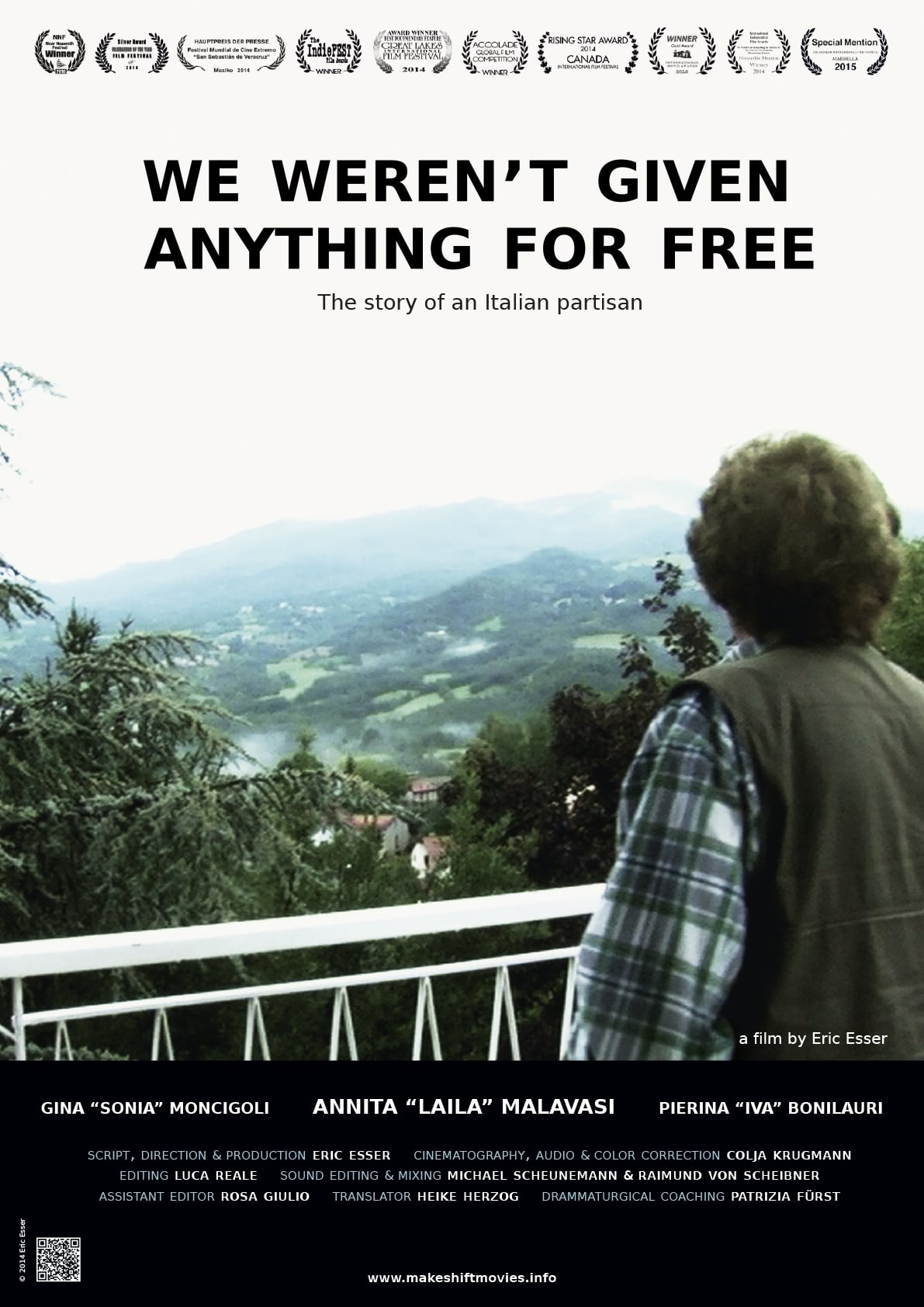
Annita Malavasi was just 22 when the Germans occupied Italy, their former allies, in 1943. As a partisan in the Italian resistance named “Laila”, she moved throughout the Apennines with and between fighting units, delivering information, transporting weapons, and taking part in battles. She spent over a year in the Apennines, fighting against the German occupation. At the same time, she had to assert herself against the men of the mountain villages. By the end of the war, Laila had risen among the ranks to become one of the few female commanders in the Italian resistance. This film chronicles the story of a lifelong struggle for emancipation that began with the battle for Italy’s liberation from fascism. Laila and her two comrades, Gina “Sonia” Moncigoli and Pierina “Iva” Bonilauri talk about their time in the Resistenza and what it meant to them and many other women.
A utopia about Finland in the year 2000, when man is finally the master of himself and his world. In the imaginary year 2000, a historical documentary series is created to provide a look at the irrational history of man in the 20th century, with all the wars and all that. The setting is an ascetic futuristic home, outside of which people move around in personal helicopters. The optimism about the future culminates in a school presentation shown simultaneously on giant screens in living rooms across the country, in which rational thinking is shown to have finally reached its fulfillment. On the other hand, faith in the development of humanity and a peaceful future is reflected in this post-war, escapist and dogmatic vision of the future.
Two men show extraordinary courage by secretly mapping Paris' underground during the 1940 German occupation.
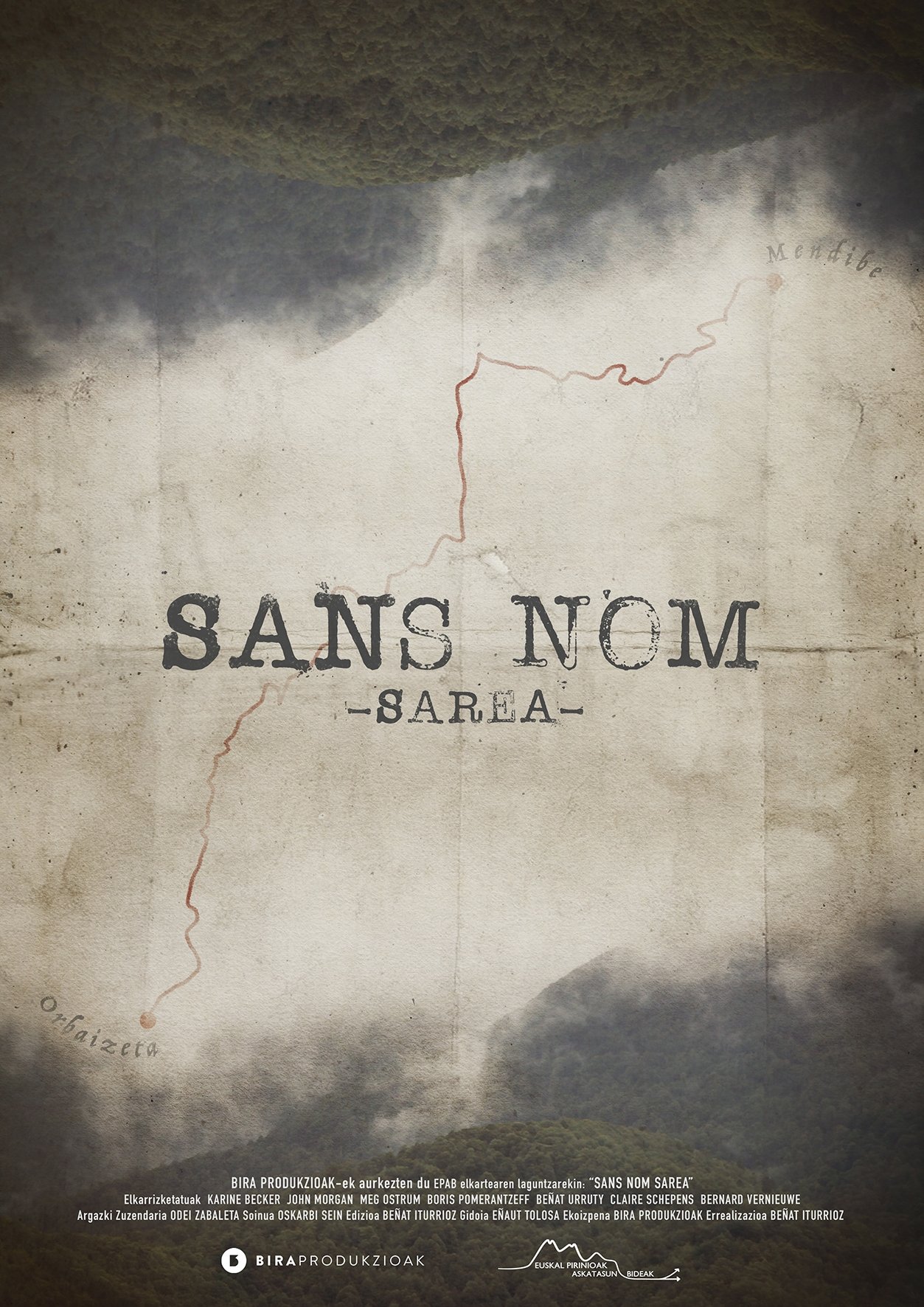
In 1942, in the midst of World War II, Nazi Germany occupied France. The Resistance launched numerous escape networks to help people escape from Nazi to the allied Europe. Among them there was the network of escapes that acted in secret between Mendibe-Orbaizeta, a network so secret that it did not even have a name. Spies, clandestine networks, smuggling, solidarity, resistance, hope... All this and more is the documentary 'Sans nom sarea' (Sans Nom Network).
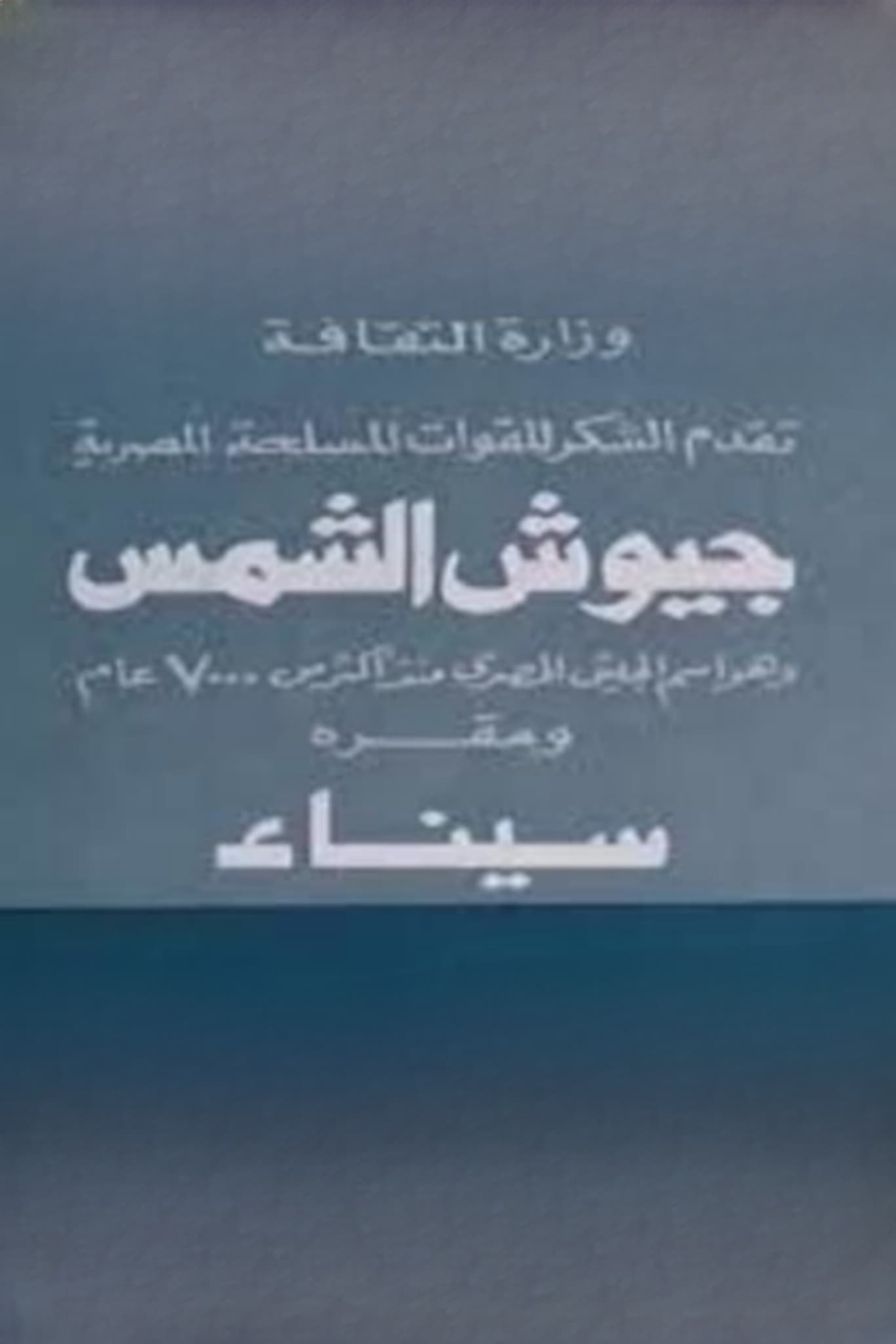
This documentary tries to capture the fresh sense of triumph in the eyes of the Egyptian soldiers after the 1973 war with Israel.
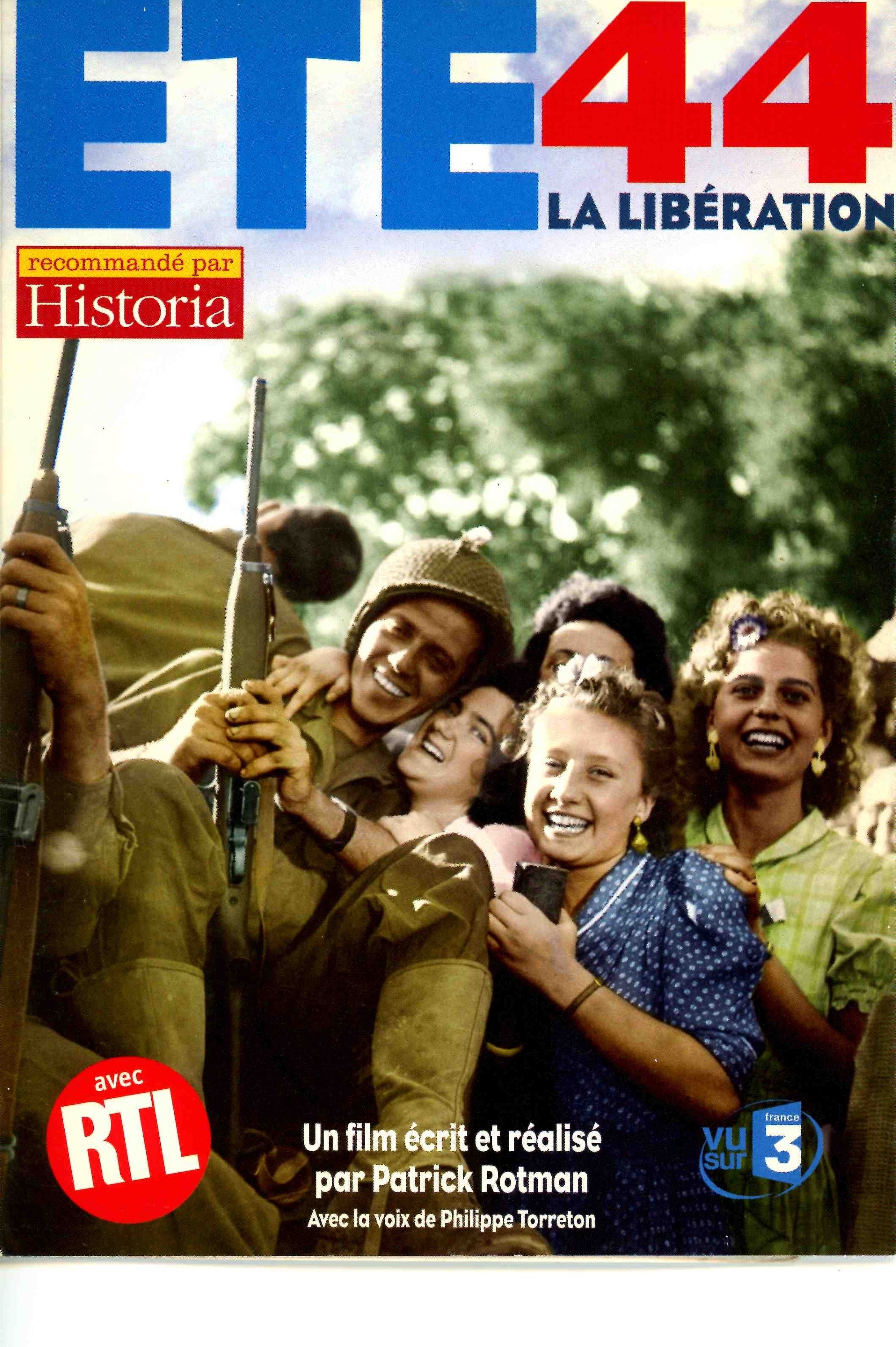
How, after four years of occupation, France was liberated between the spring and autumn of 1944. Patrick Rotman, writer, historian and director, offers a historical and political analysis of this significant period in history, from operations "Overlord" and "Dragoon" - the landing of Allied troops - to the celebrations organized for the liberation of Paris.
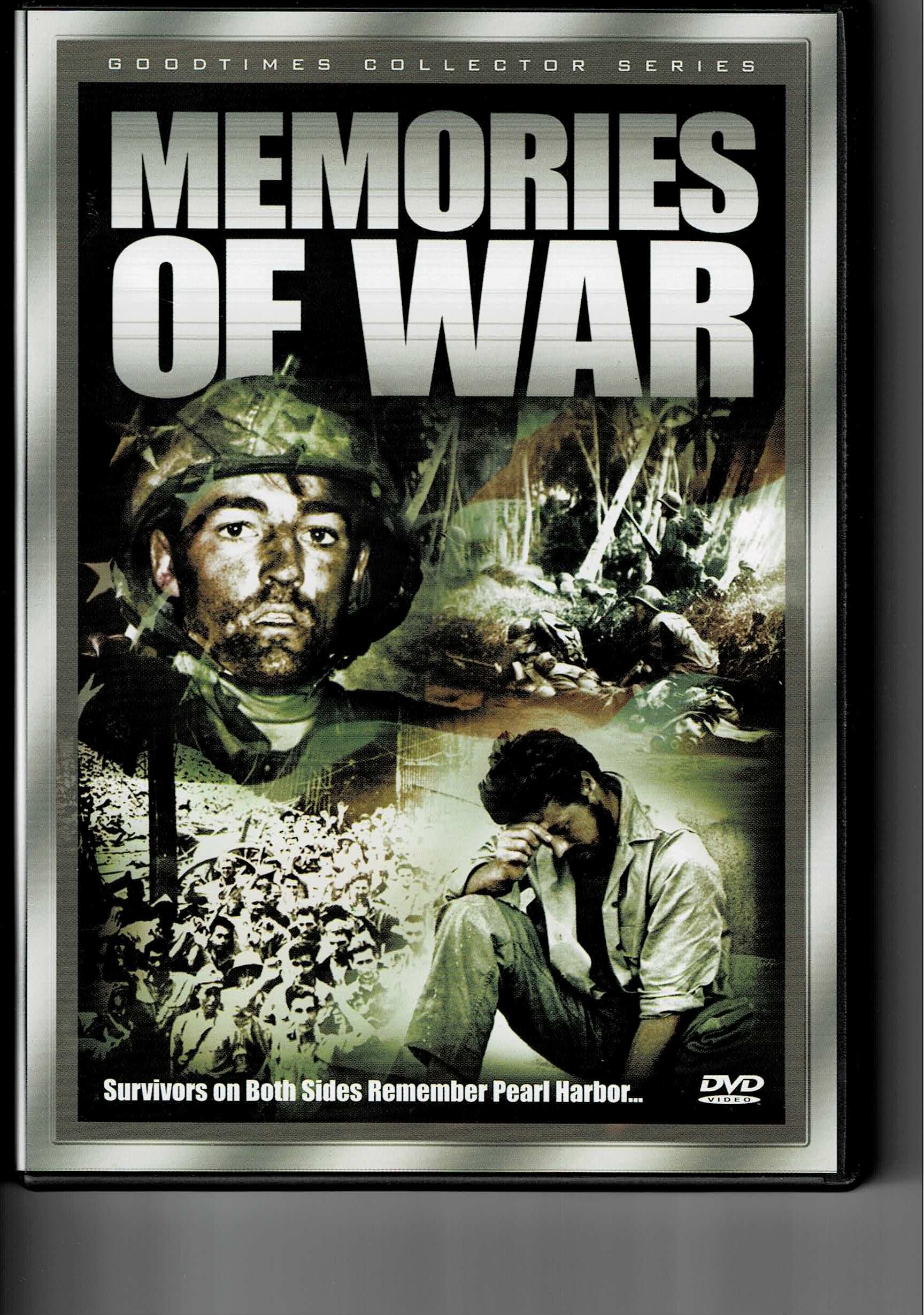
Part of "Pearl Harbor" Collector 4 Pack boxed set. Fifty years after Japan brought the U.S. into World War II, former adversaries met for the first time in friendship, at a retrospective symposium and air show re-enactment hosted by the Admiral Nimitz Museum. The men who has fought there reviewed the surprise attacks on Pearl Harbor in Hawaii and Clark Field in the Philippines, gathering in Texas to show respect and to reminisce about the heroics and fortunes of war. Mixing the aviation images of contemporary artists with interviews and historic footage, this is a unique fiftieth anniversary tribute to the brave patriots on both sides, who fought for their countries and ways of life.
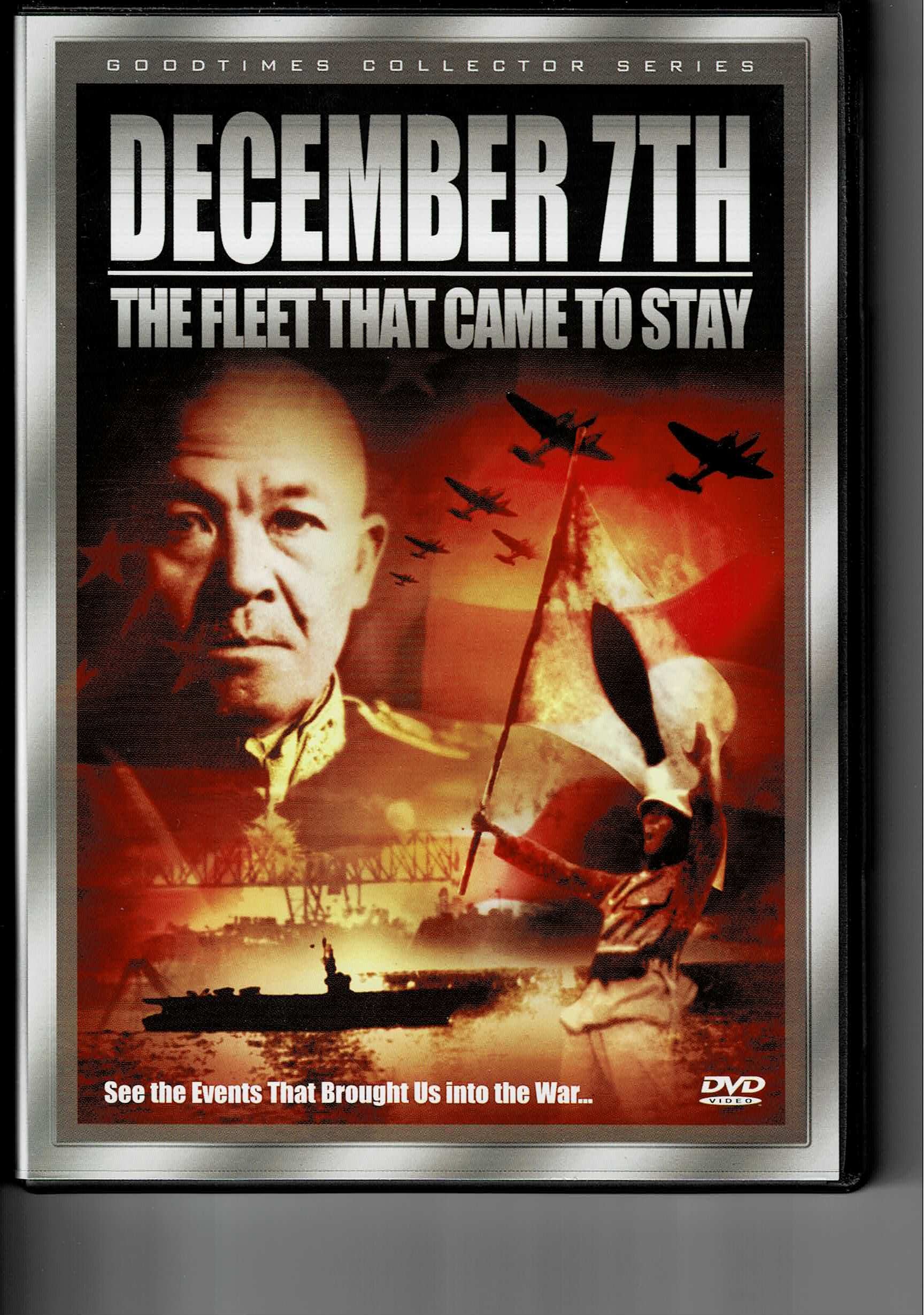
Brigadier General Stanley M. Ulanoff, a widely decorated military historian who served with the Counterintelligence Corps in Europe during World War II, introduces this gripping documentary film. At 7:55 AM on Sunday, December 7th, 1941, which FDR called "a date which will live in infamy," the Japanese began an air attack that devastated the Pacific fleet and took the lives of 2,343 servicemen. Lt. Cmdr. John Ford skillfully blends historic action with studio shots in this Oscar-winning look at the day's events. Also included is The Fleet That Came to Stay, concerning the invasion of Okinawa.
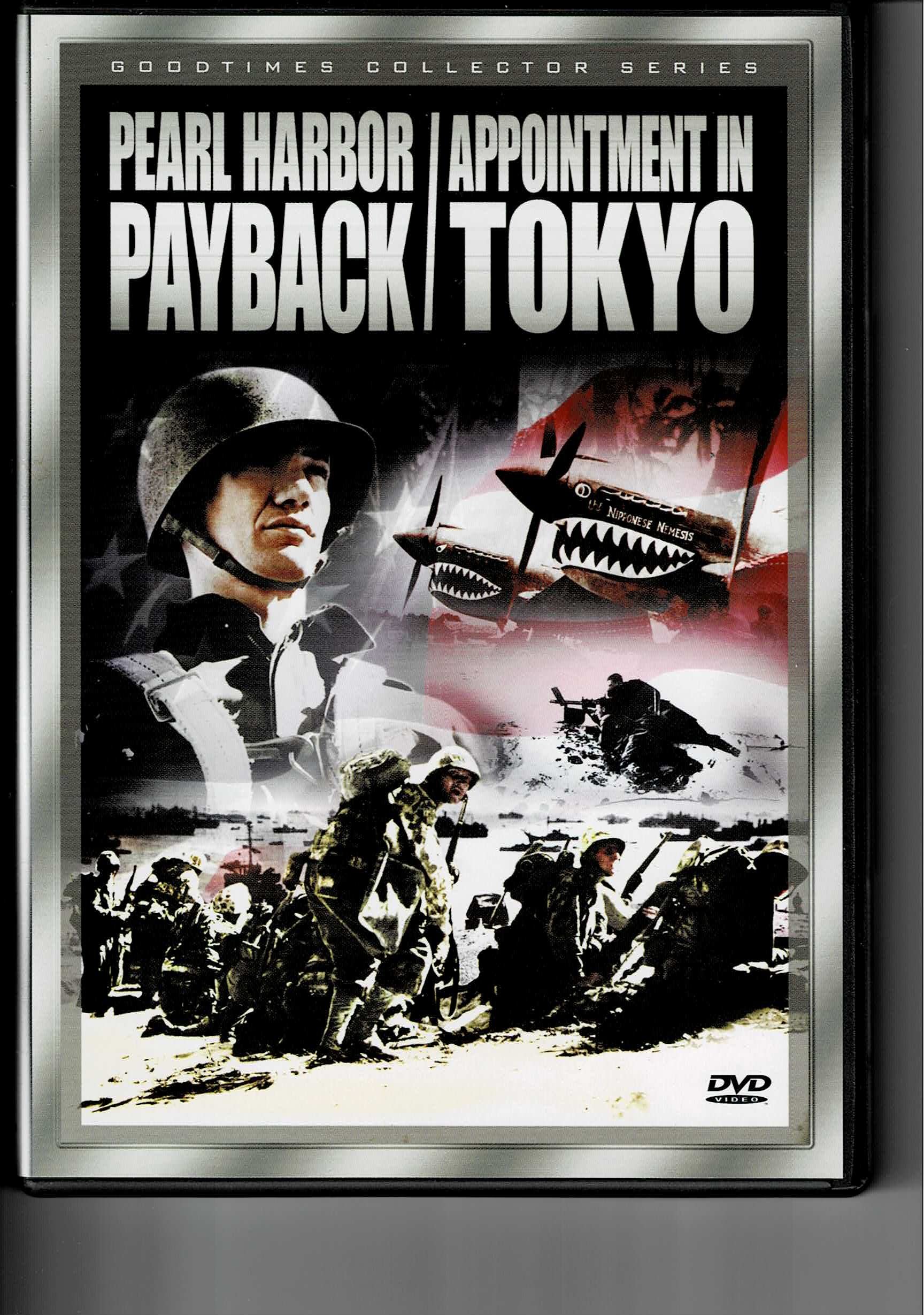
Pearl Harbor Payback: The Japanese raid on Pearl Harbor united all Americans against a common foe, and from that day forward they spared nothing in order to mobilize against the menace that continued to threaten them in the Pacific. Also included are Target Tokyo, a 1945 documentary narrated by Ronald Reagan, which follows the first bombing raid on Tokyo by B-29 Superfortresses, and another World War II short film, Air War Against Japan. Appointment in Tokyo: Featuring enemy film taken from captured Japanese newsreels, this 1945 documentary depicts MacArthur's long struggle to fight his way back to the Philippines, after his enf-rced evacuation, and beyond to Japan. From Australia, he cut through the jungle of New Guinea and up the stairway of islands, making good on his promise to return, as Adm. Chester Nimitz went from Hawaii through the Gilberts, Marshalls, and Marianas.
Behind the scenes look at the D-Day special effects created in filming The Americanization of Emily (1964).
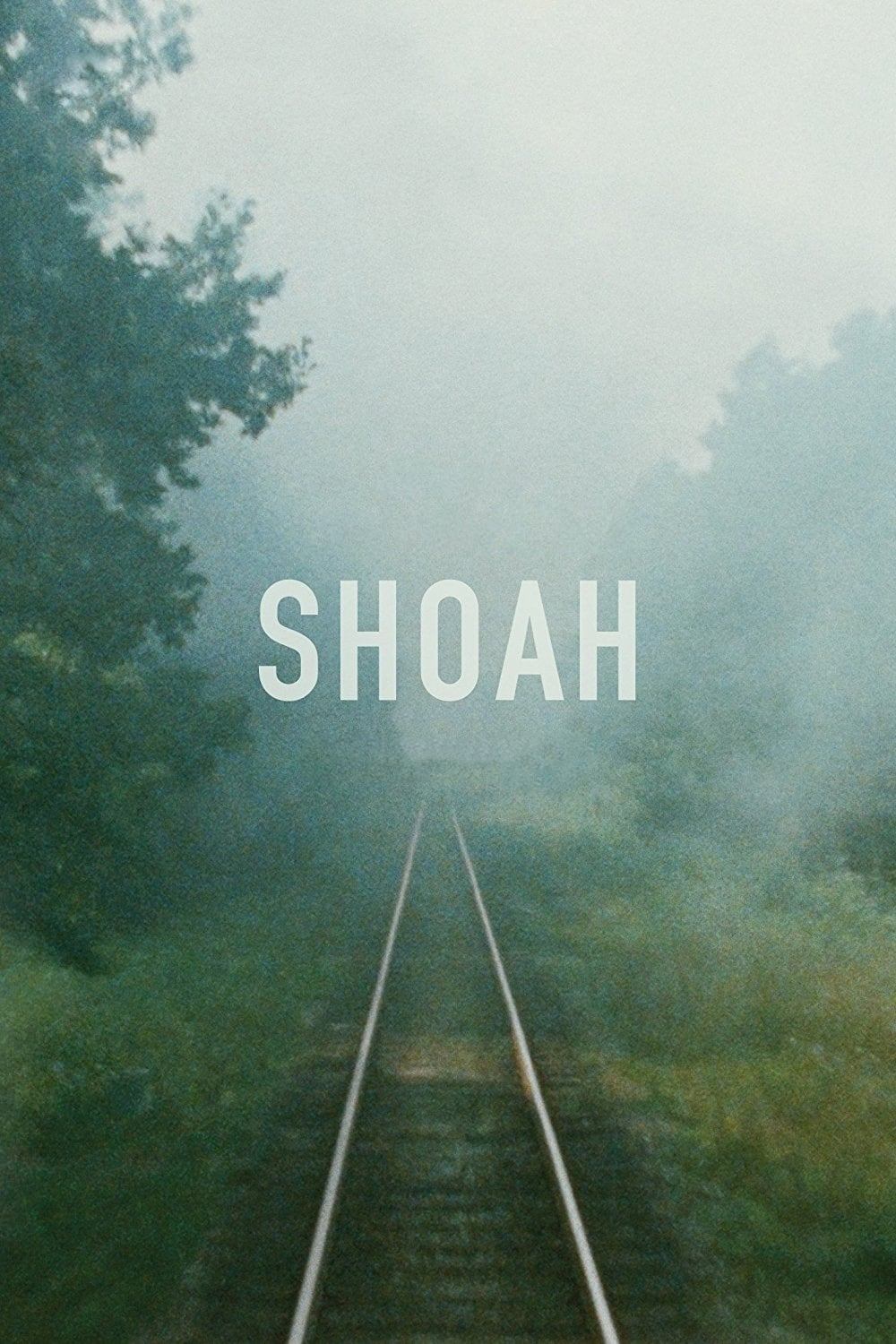
Director Claude Lanzmann spent 11 years on this sprawling documentary about the Holocaust, conducting his own interviews and refusing to use a single frame of archival footage. Dividing Holocaust witnesses into three categories – survivors, bystanders, and perpetrators – Lanzmann presents testimonies from survivors of the Chelmno concentration camp, an Auschwitz escapee, and witnesses of the Warsaw Ghetto Uprising, as well as a chilling report of gas chambers from an SS officer at Treblinka.
A documentary on the expletive's origin, why it offends some people so deeply, and what can be gained from its use.
The film is based on interviews with 2,000 women from 50 countries, and covers the status of women all over the world. The topics covered include forced marriages, sexual assault, female genital mutilation, acid attacks, motherhood, sexuality, menstruation, education and the professional success of women.
This documentary focuses on the actors and their journey over two summers to create the remake to the original IT, by Stephen King. The documentary originally released as bonus material, bundled with IT: Chapter Two.
One man's journey to discover the bitter truth about sugar. Damon Gameau embarks on a unique experiment to document the effects of a high sugar diet on a healthy body, consuming only foods that are commonly perceived as 'healthy'. Through this entertaining and informative journey, Damon highlights some of the issues that plague the sugar industry, and where sugar lurks on supermarket shelves.
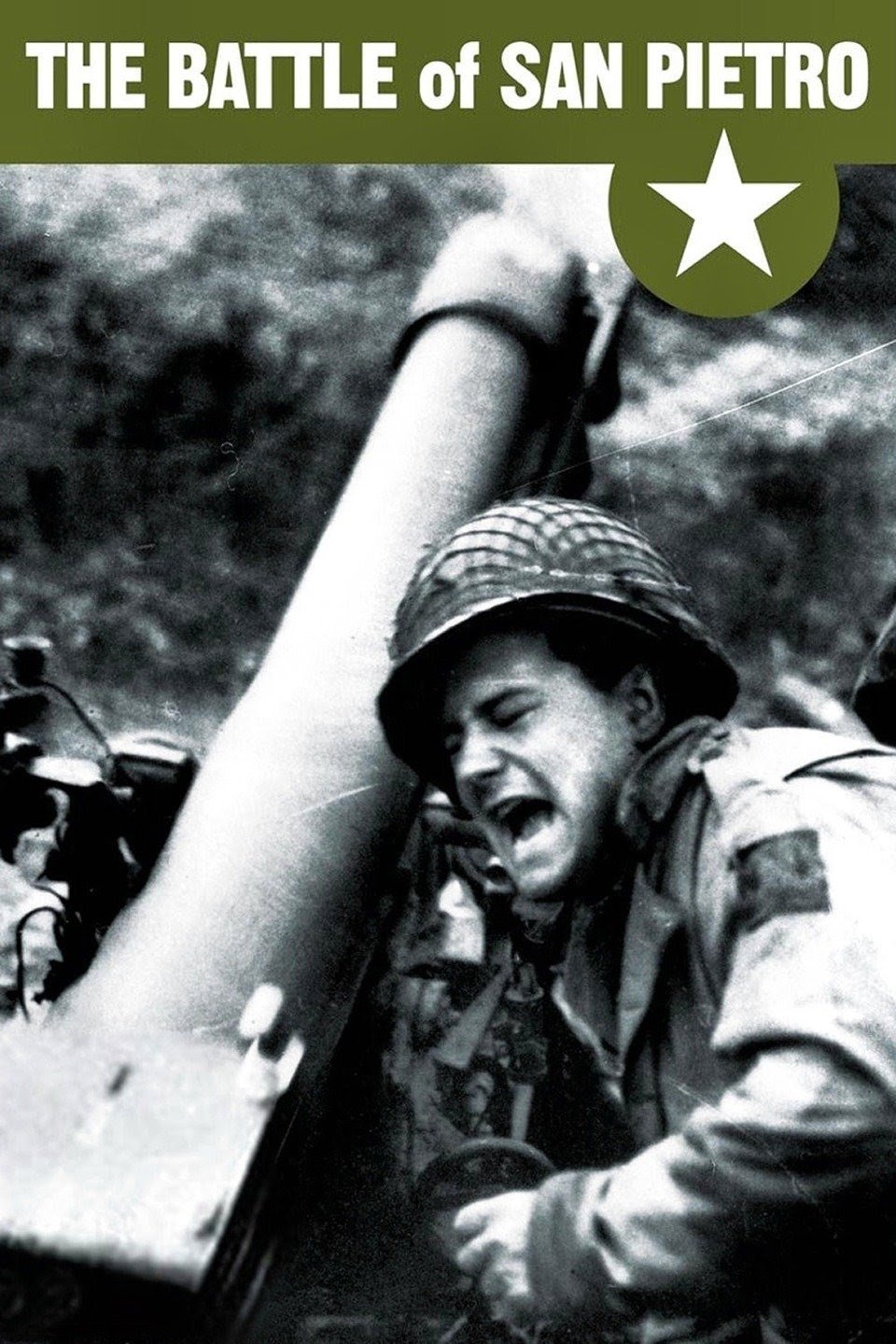
This documentary movie is about the battle of San Pietro, a small village in Italy. Over 1,100 US soldiers were killed while trying to take this location, that blocked the way for the Allied forces from the Germans. Preserved by the Academy Film Archive in 2005.
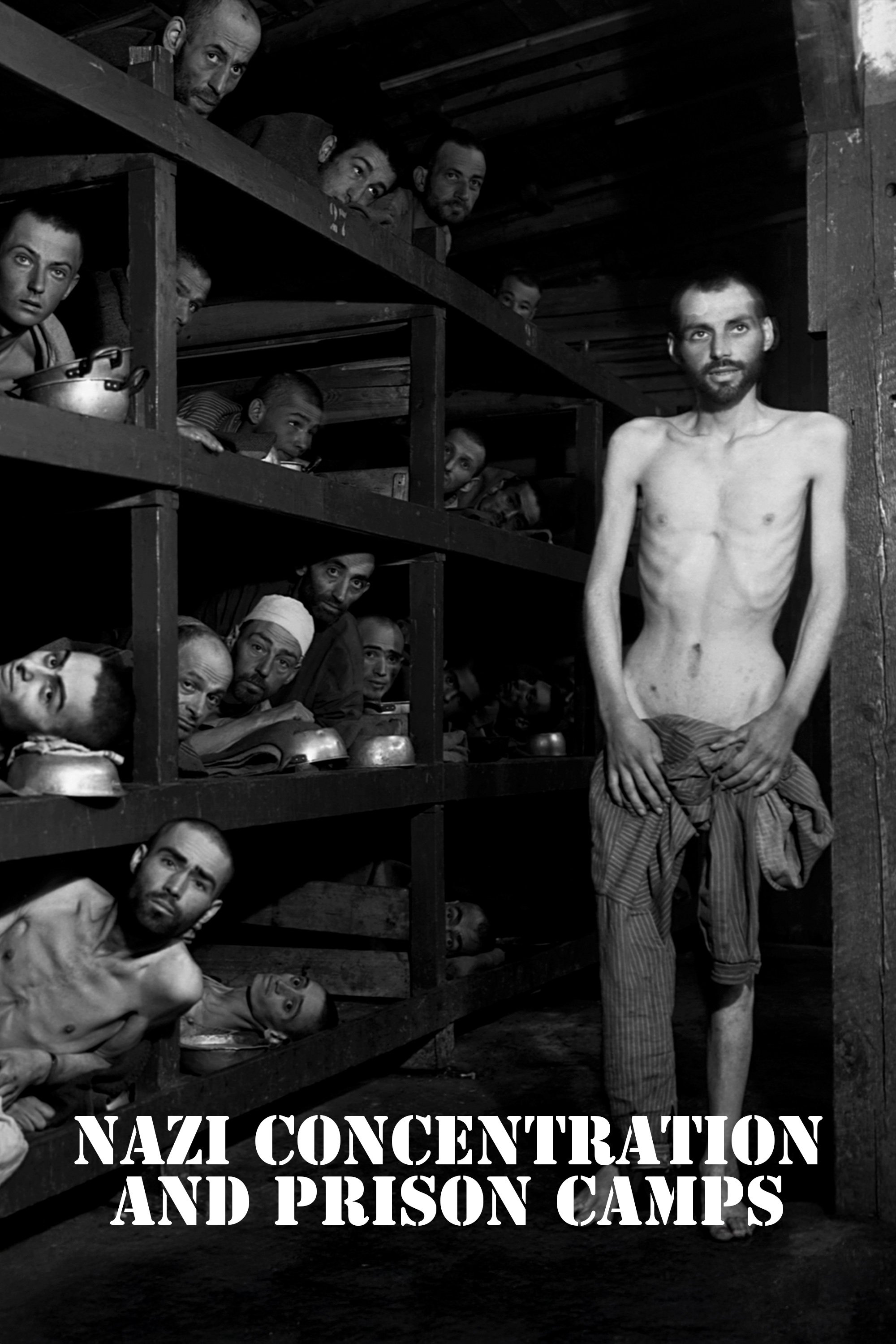
When Allied forces liberated the Nazi concentration camps in 1944-45, their terrible discoveries were recorded by army and newsreel cameramen, revealing for the first time the full horror of what had happened. Making use of British, Soviet and American footage, the Ministry of Information’s Sidney Bernstein (later founder of Granada Television) aimed to create a documentary that would provide lasting, undeniable evidence of the Nazis’ unspeakable crimes. He commissioned a wealth of British talent, including editor Stewart McAllister, writer and future cabinet minister Richard Crossman – and, as treatment advisor, his friend Alfred Hitchcock. Yet, despite initial support from the British and US Governments, the film was shelved, and only now, 70 years on, has it been restored and completed by Imperial War Museums under its original title "German Concentration Camps Factual Survey".
Filmmaker Alain Resnais documents the atrocities behind the walls of Hitler's concentration camps.
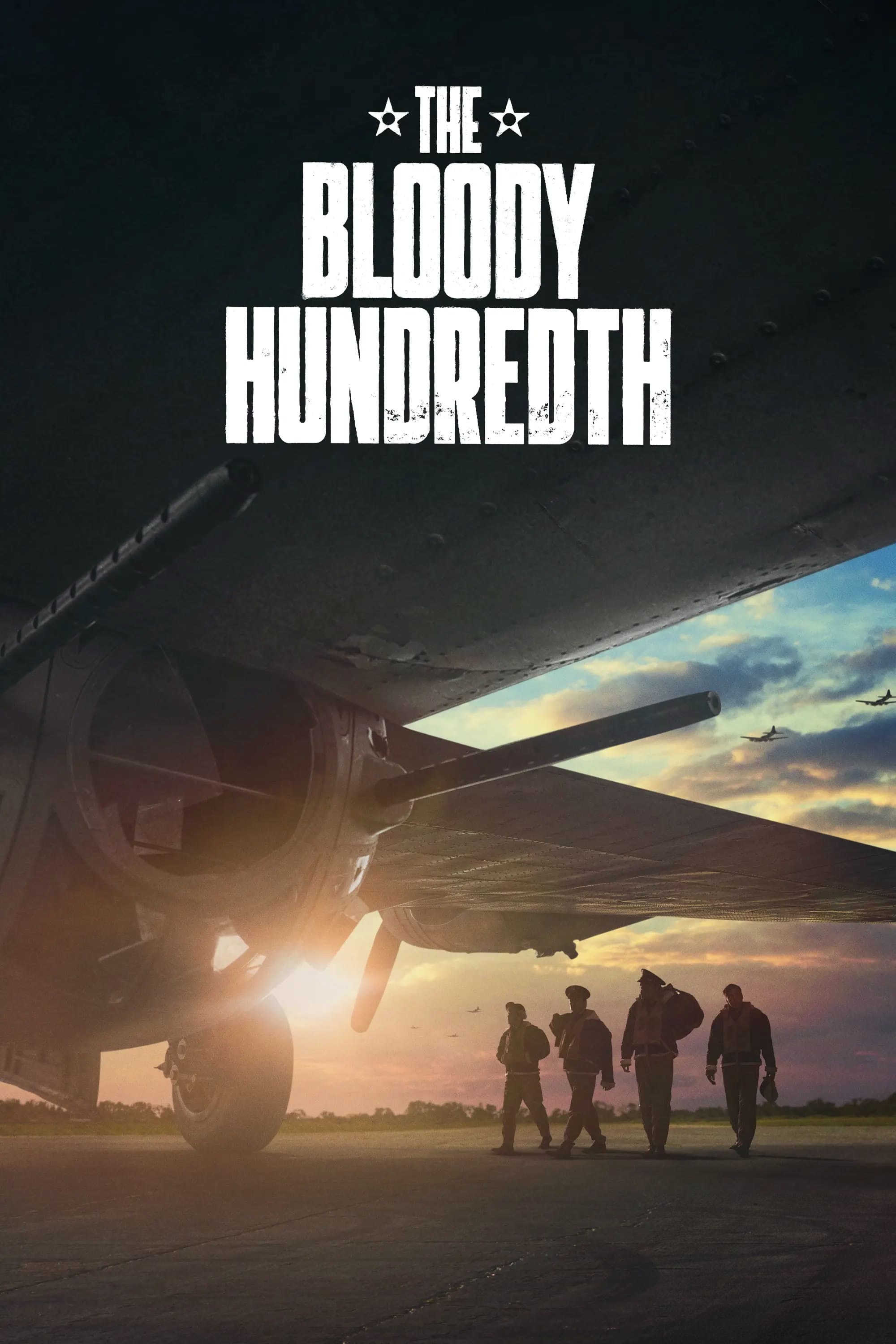
Meet the real-life airmen who inspired Masters of the Air as they share the harrowing and transformative events of the 100th Bomb Group.
A visual montage portrait of our contemporary world dominated by globalized technology and violence.
An in-depth investigation into the private world of the American writer J. D. Salinger (1919-2010), who lived most of his life behind the impenetrable wall of a self-imposed seclusion: how his dramatic experiences during World War II influenced his life and work, his relationships with very young women, his obsessive writing methods, his many literary secrets.
A purely observational non-fiction film that takes viewers into the ethically murky world of end-of-life decision making in a public hospital.
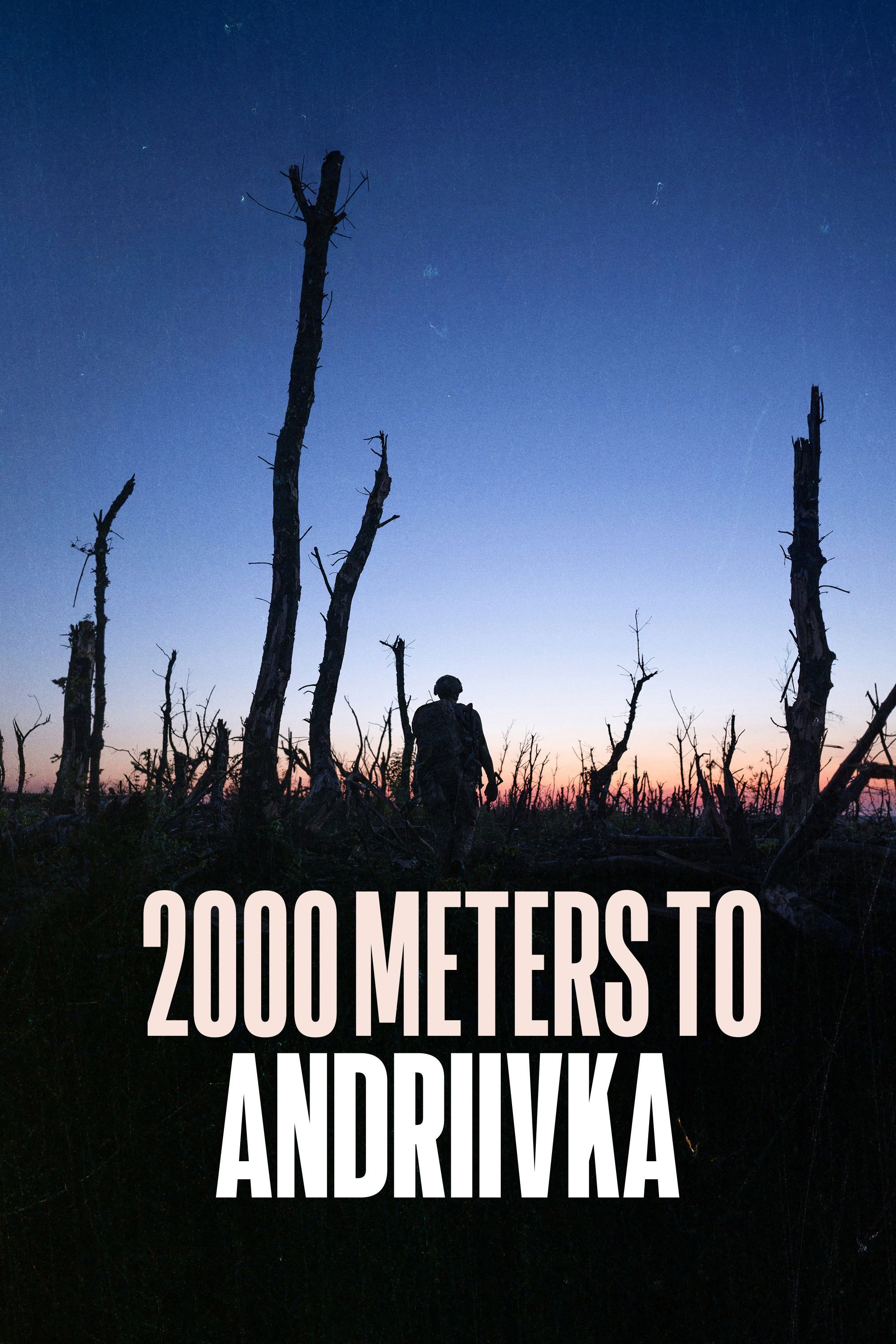
Amid the failing counteroffensive, a journalist follows a Ukrainian platoon on their mission to traverse one mile of heavily fortified forest and liberate a strategic village from Russian occupation. But the farther they advance through their destroyed homeland, the more they realize that this war may never end.
From the heights of her modeling fame to her tragic death, this documentary reveals Anna Nicole Smith through the eyes of the people closest to her.
Produced and presented as evidence at the Nuremberg war crimes trial of Hermann Göring and twenty other Nazi leaders, this film consists primarily of dead and surviving prisoners and of facilities used to kill and torture during the World War II.
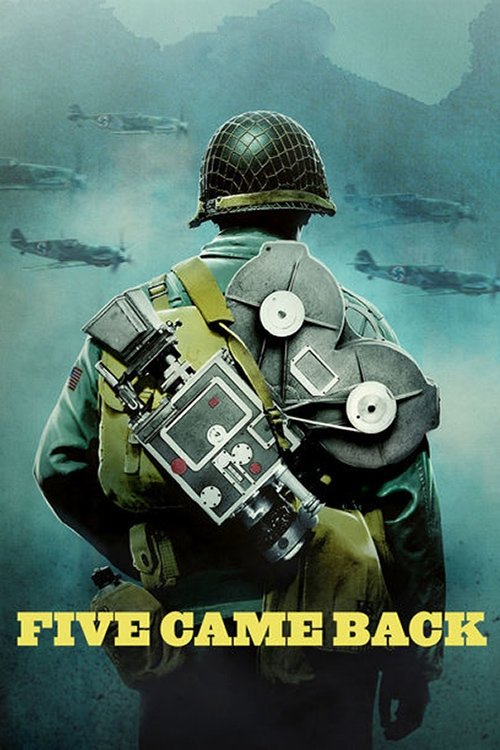
The extraordinary story of how Hollywood changed World War II – and how World War II changed Hollywood, through the interwoven experiences of five legendary filmmakers who went to war to serve their country and bring the truth to the American people: John Ford, William Wyler, John Huston, Frank Capra, and George Stevens. Based on Mark Harris’ best-selling book, “Five Came Back: A Story of Hollywood and the Second World War.”
Prelude to War was the first film of Frank Capra's Why We Fight propaganda film series, commissioned by the Pentagon and George C. Marshall. It was made to convince American troops of the necessity of combating the Axis Powers during World War II. This film examines the differences between democratic and fascist states.
Embark on a delightful journey into the world of dogs in this documentary that reveals scientific and emotional insights about our lovable BFFs.
A documentary about the legendary series of nationally televised debates in 1968 between two great public intellectuals, the liberal Gore Vidal and the conservative William F. Buckley Jr. Intended as commentary on the issues of their day, these vitriolic and explosive encounters came to define the modern era of public discourse in the media, marking the big bang moment of our contemporary media landscape when spectacle trumped content and argument replaced substance. Best of Enemies delves into the entangled biographies of these two great thinkers, and luxuriates in the language and the theater of their debates, begging the question, "What has television done to the way we discuss politics in our democracy today?"
Through deeply personal interviews with her siblings and an examination of the photographs, letters, and belongings left behind, Mariska assembles a new portrait of her mother Jayne Mansfield, an extraordinary and complex woman.