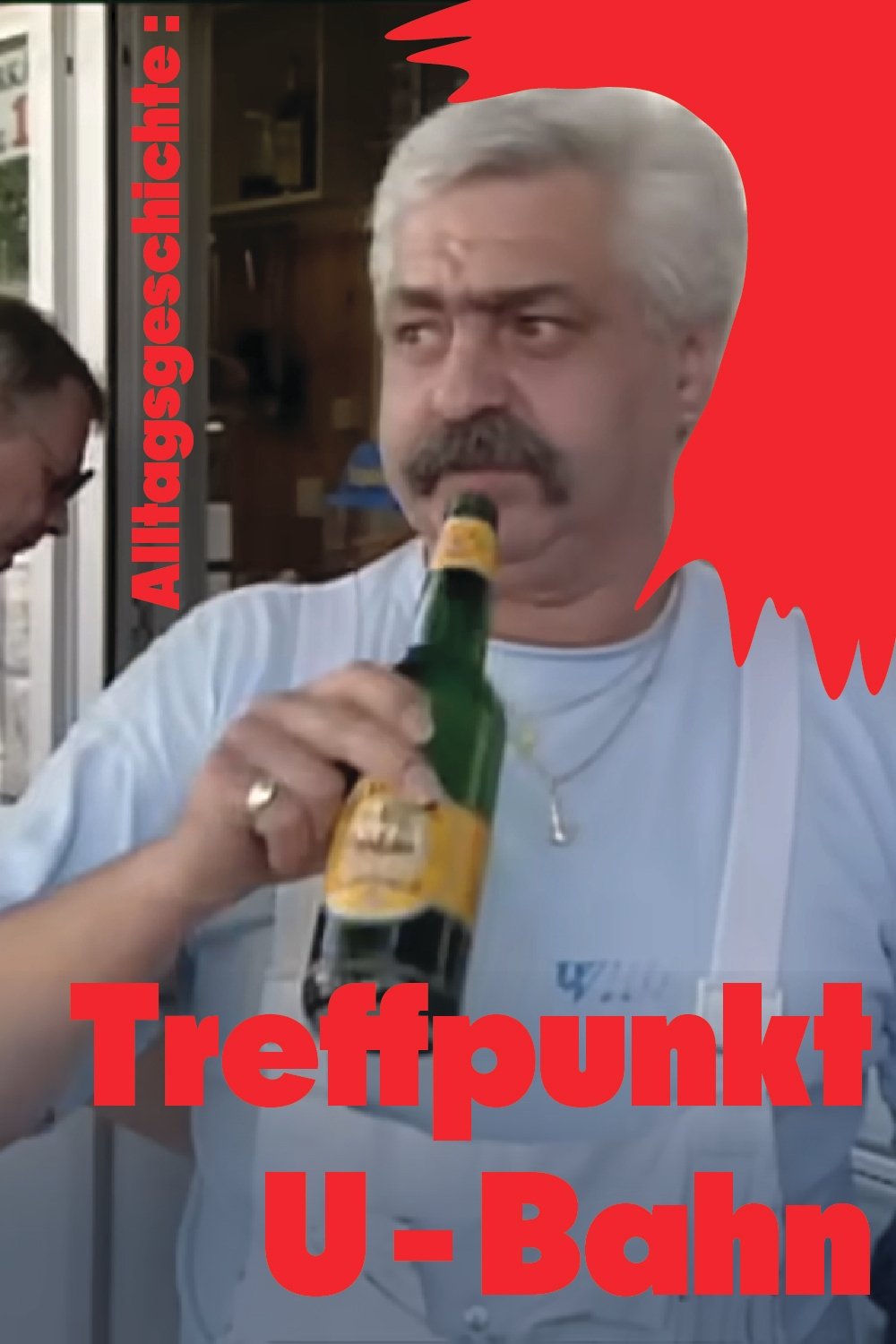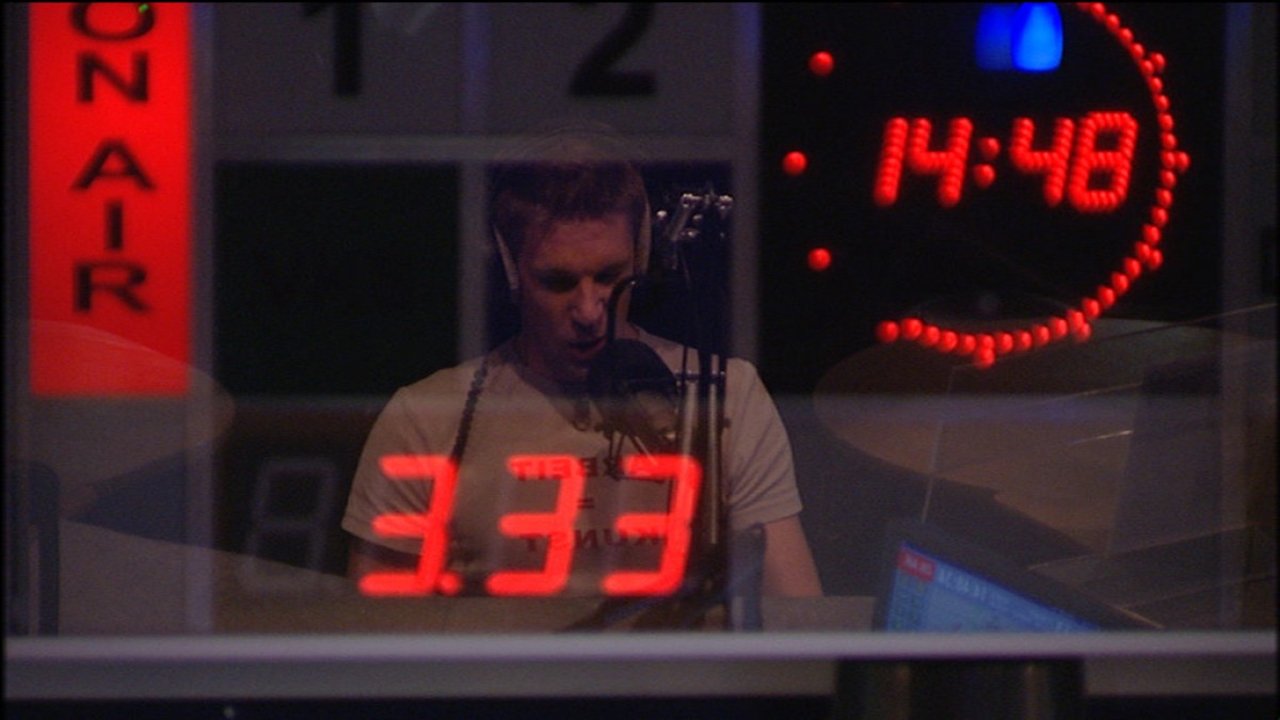
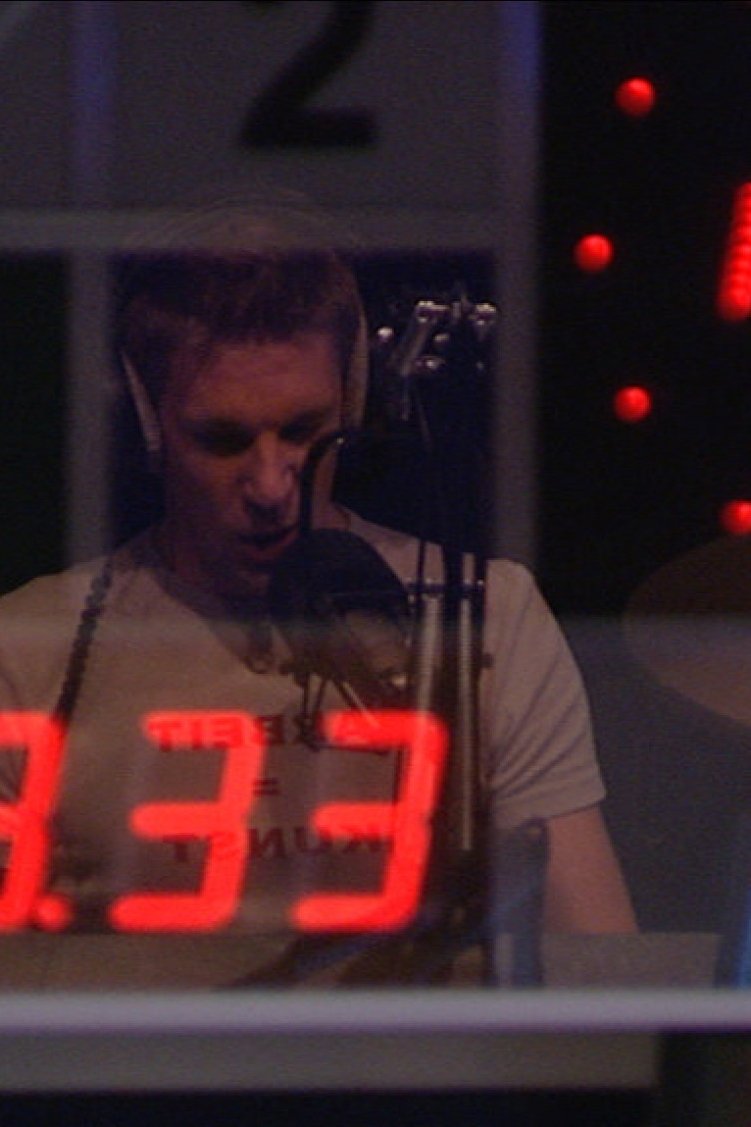
A working day in Austria, 2004. Nine modern working-class heroes are engaged in their daily struggle of survival, accompanied, motivated and influenced by the country’s most popular radio station.
Social & External
A documentary produced by the French armed forces which chronicles the way of France’s “1ere armée” in the second world war from the days it first crossed the Rhine in March of 1945, through the liberation of a POW-camp in Swabia, until the forces reached the Danube and the Alps at the end of the war and the day French troops marched in the victory parade in Berlin.
Words are loaded with meaning. Certain ones conjure joyful memories and others remind us of less happy times. For Nenda Neururer, the word 'oachkatzlschwoaf' invokes a range of emotions. The German word is very hard to pronounce and is synonymous with the Austrian state of Tyrol where locals tease outsiders by asking them to pronounce it. Despite growing up in Tyrol, Nenda Neururer often felt like an outsider when confronted with this word. But when she moved to London she grew nostalgic for it and it became her little secret. Found in Translation is a series made as part of the In The Mix project, in partnership with BBC Studios TalentWorks, Black Creators Matter and the Barbican.
An observational documentary which looks at Sydney’s first community Aboriginal radio station, 88.9 Radio Redfern. Set against a backdrop of contemporary Aboriginal music, 88.9 Radio Redfern offers a special and rare exploration of the people, attitudes and philosophies behind the lead up to a different type of celebration of Australia’s Bicentennial Year. Throughout 1988, 88.9 Radio Redfern became an important focal point for communication and solidarity within the Aboriginal community. The film reveals how urban blacks are adapting social structures such as the mass media to serve their needs.
Shadows of Light combines the loud and soft tones of life. The centerpiece is an Austrian mountain pasture where the summer solstice is celebrated with international artists and where tradition and zeitgeist are not contradictory.
Taking the demise of a textile factory in Austria’s Waldviertel region as its starting point, with the antiquated manufacturing plant initially shown in full operation, this film poses the question of what work means for people’s self-image and character. After the factory goes bankrupt and closes, the filmmaker accompanies some of its employees as they continue to make their way, questioning them about their daily routines, the circumstances in which they live, about looking for work or the new jobs they find. One woman’s situation is precarious, but that doesn’t prevent her from bringing up her grandchildren. Another woman works here and there, flexible and resourceful. One man blossoms visibly in his newly unemployed state. Bit by bit, different aspects of their private lives and personal misfortunes emerge.

Endphase tells the story of one the last WWII massacres which was not spoken about for 75 years. In the night of 2 May 1945, 228 Jewish women, children and old men were murdered in Hofamt Priel, a small village in Austria. The perpetrators were never found. The film is a journey into the past of the neighbouring communities Persenbeug and Hofamt Priel, where the brothers Hans and Tobias Hochstöger grew up. In search of an explanation they speak with the last local eyewitnesses and find Yakov Schwarz, the last survivor, and his family in Israel.
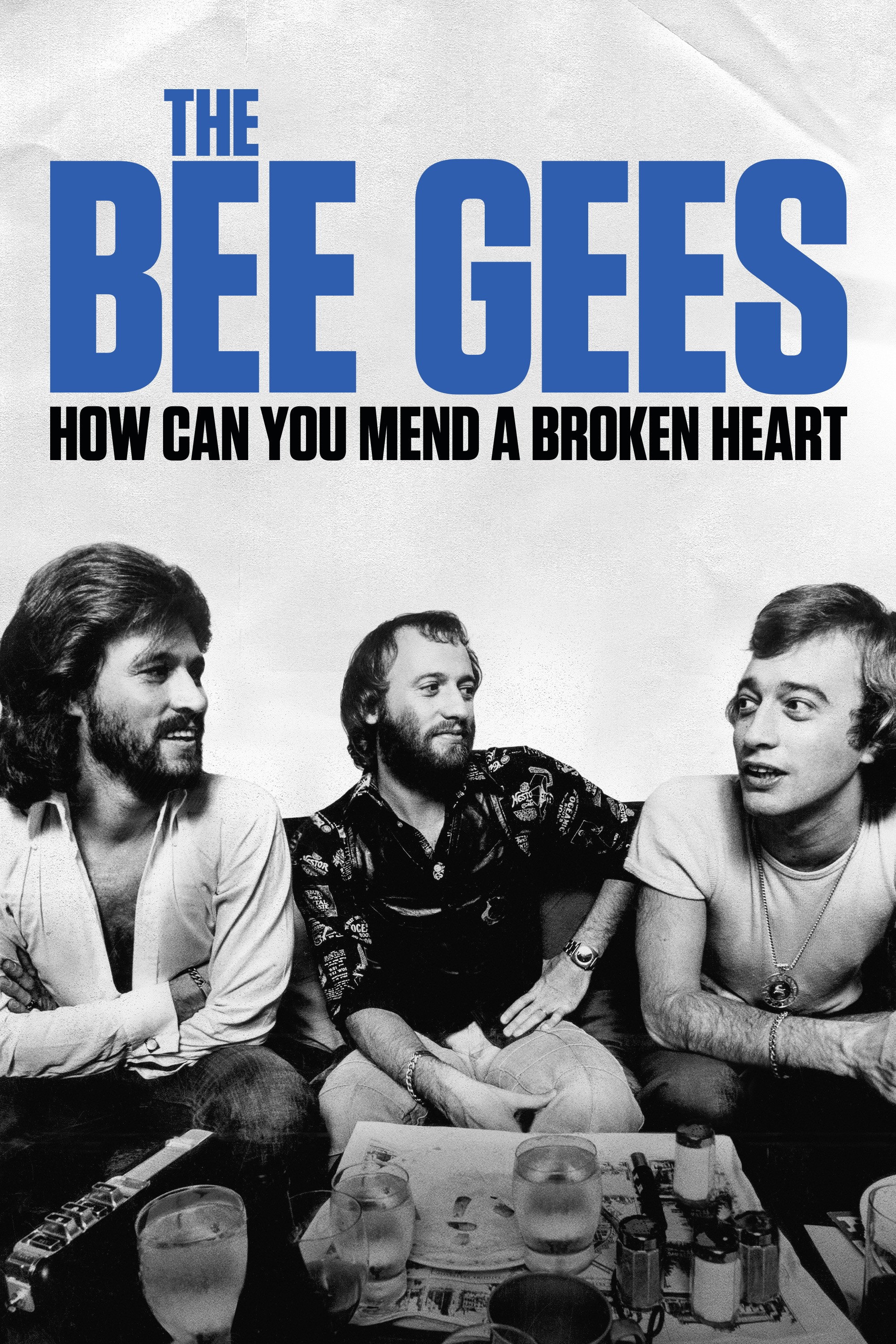

DJ Chris Moyles looks at how the Radio 1 Breakfast Show has reflected life in Britain over the past 40 years, as he meets his predecessors in the early morning slot.
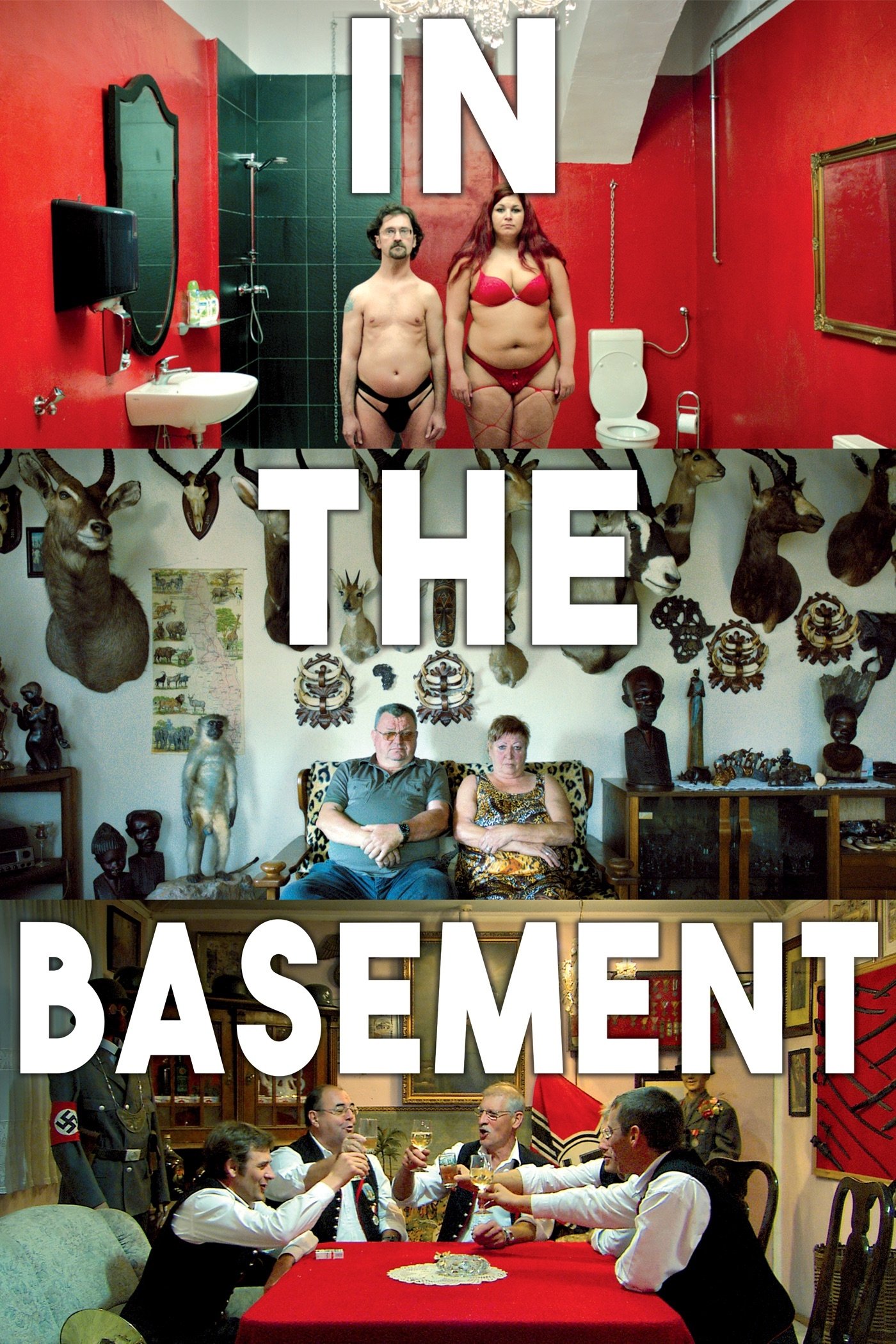
Filmmaker Ulrich Seidl explores of the dark underside of the human psyche by entering Austrian basements fitted out as private domains for secrets and fetishes.
This film journeys deep into the heart of Austria’s favorite daily newspaper, the Kronen Zeitung, the most widely-read paper per capita in the world. The “Krone’s” 2.7 million readers represent 43% of the Austrian press market. A reflection of the Austrian soul, this newspaper serves as a prism through which we can understand the rise of the populist Right in this country and examine the dangerous flirtation between media and politics.
SEX AND BROADCASTING is a feature length documentary about New Jersey's WFMU, the world's strangest and most unique radio station, and one man's attempt to keep it alive in the face of recession, the persistent threat of commercial media, and the challenges that come with keeping a rebellious group of outsiders together.
"Jolly Roger" could mean Roger Schawinski. But by definition, a "Jolly Roger" is the classic black pirate flag with skull and crossbones. This documentary tells the unvarnished story of the Swiss radio pirates who emerged in the 1970s. The focus is on Radio 24 in its wild years, when Schawinski's team broadcast from Italy, with the strongest FM station in the world at the time, straight down from Pizzo Groppera, 130 kilometers all the way to the Zurich area. Supported by numerous original documents from private filmmakers and from the SRG archives, the viewer relives the absurd radio war between David and Goliath that lasted almost four years, 24 years after this war between the radio pirates and the state power began on November 13, 1979. The many known and unknown fighters, who rallied behind their Radio Winkelried Schawinski in 1979 to help usher Switzerland into a new media age, remember the good and bad times, the demonstrations and the numerous threatened and actual closures.
FRANKREICH WIR KOMMEN is a highly enjoyable documentary, obviously intended for TV, but showing at film festivals. It shows us the highlights of the 1998 World Cup Championships in France through the eyes of several interesting and diverse fans of the Austrian national team. Entertaining, even for those not interested in football.
THE ELECTION CAMPAIGNERS tries to analyse the phenomenon of the Austrian Freedom Party (FPÖ). The party’s great success is generally regarded as a result of its leader’s demonic charisma. But this film doesn’t focus on Jörg Haider. Instead it gives a face to the people who make Haider’s election victories possible, taking a clear stance, yet refraining from commentary or judgement. It is up to the viewers to draw their own conclusions.
A day in the life of 91.1, Nuxalk Radio, a radio station built to help keep the Nuxalk language alive while broadcasting the laws of the lands and waters.
The students behind the mic and the bands they made famous tell the story of the youth and music culture that originated, and later flourished, on the airwaves of American colleges and universities, establishing a new generational voice and a new path to success for many alumni and artists.
Ulrich Seidl applies his characteristically gentle eye to the wonderful people of his hometown of Horn, documented making fools of themselves during an annual student ball.
FOREIGNERS OUT! SCHLINGENSIEFS CONTAINER is a thrilling, insightful, funny chronicle and reflection of one of he biggest public pranks and acts of art terrorism ever committed. Austria 2000: Right after the FPÖ under Jörg Haider had become part of the government, the first time an extreme right wing party became state officials after WW2, infamous German shock director Christoph Schlingensief showed a very unique form of protest. Realising public xenophobia and the new hate politics in the most drastic ways possible, he installed a public concentration camp right in the middle of Vienna's touristic heart, right beside the picturesque opera where hundreds of tourists and locals pass by daily. And it was no concentration camp you had ever feared to return from the old times, but one that cynically reflected our new multimedia culture. Satirising reality TV shows, "Big Brother" especially, a dozen asylum seekers were surveilled by a multitude of cameras, could be fed and watched by.