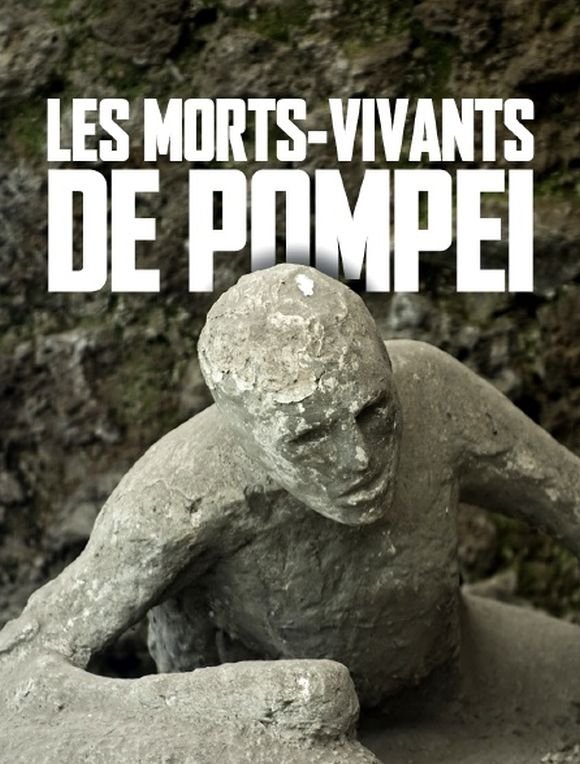
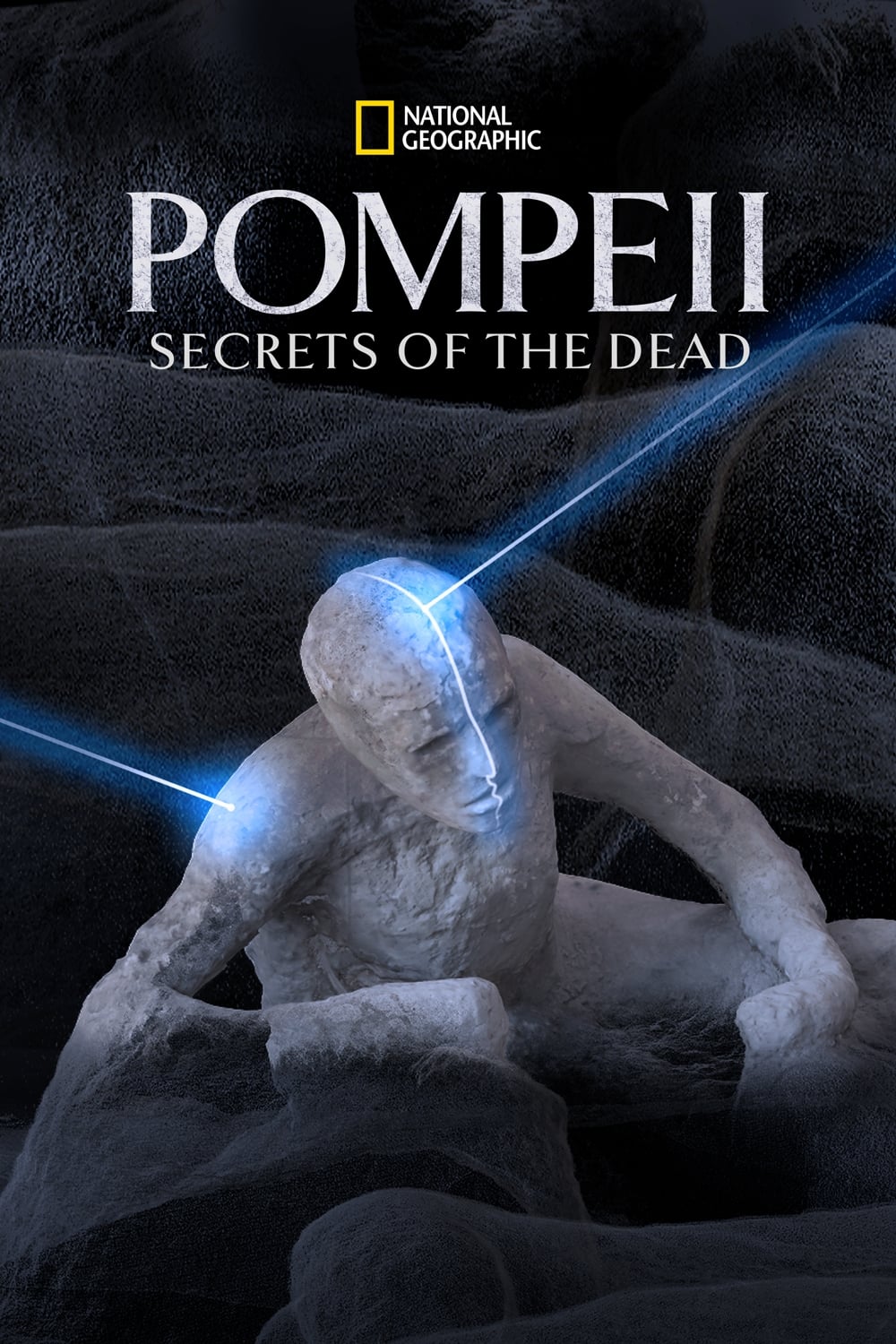
Restoration expert Giancarlo Napoli takes on the important task of saving 86 plaster casts of Pompeii citizens that were created by archaeologist Carlo Fiorelli in the 1860s.
Social & External
The people behind it
Based on events from the Balkan Wars. 1991: Amidst the cruel battle of Vukovar, a brave squad of Croatian soldiers fights its way through the besieged country to deliver a truck full of weapons to the Serbian border.
They were the absolute superstars in ancient Rome: charioteers. The heroes of the racetrack, often slaves, risked their lives in every competition. Only a few enjoyed the rewards of victory into old age. Using ancient documents and artifacts, the documentary traces the biography of Scorpus, probably the most successful Roman charioteer.
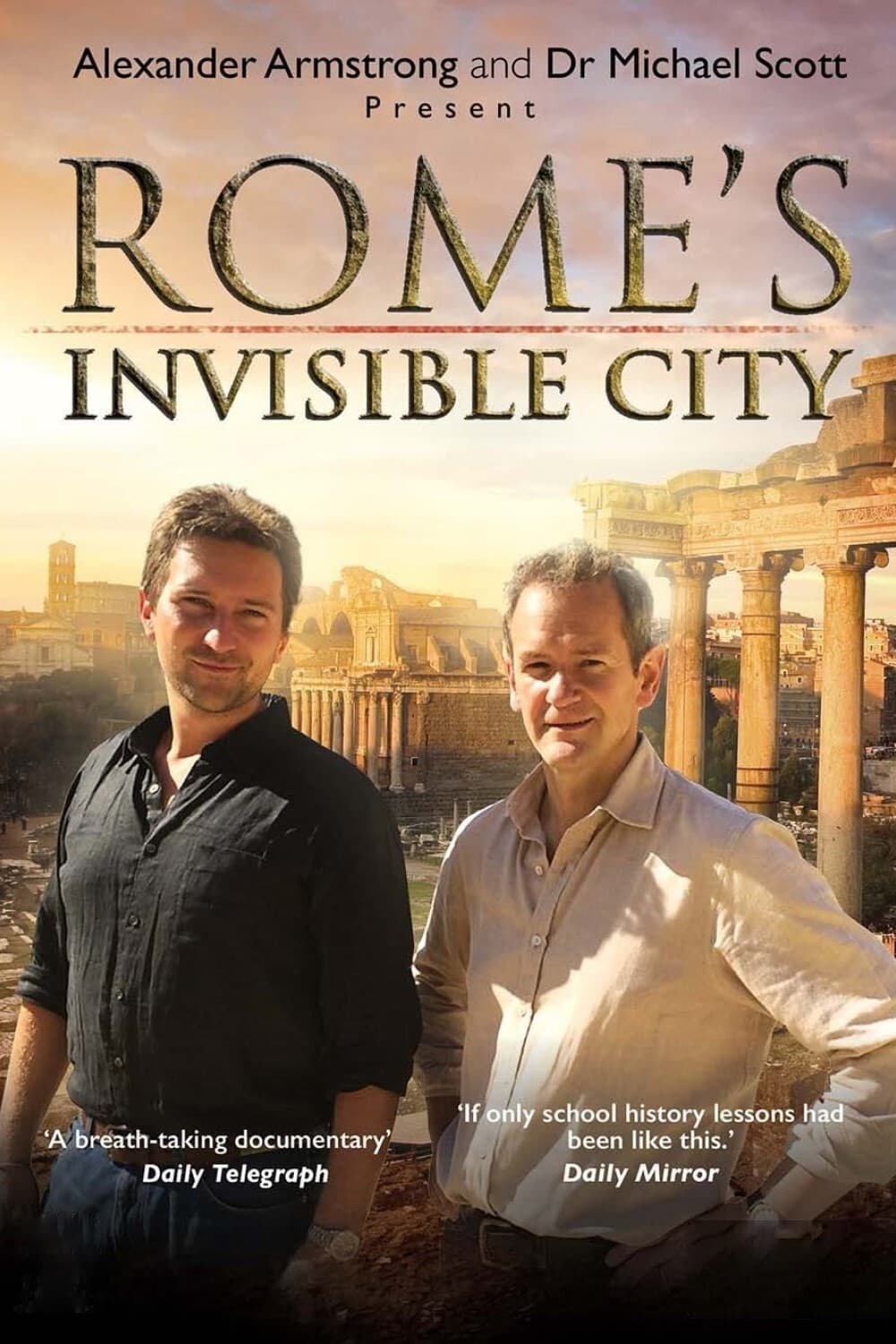
With the help of a team of experts and the latest in 3-D scanning technology, Alexander Armstrong, along with Dr Michael Scott, explores the hidden underground treasures that made Rome the powerhouse of the ancient world.
A stylized version of Vijay Tendulkar’s radical Marathi play chronicling the Peshwa regime in western India, a collective effort of direction and cinematography made by an independent group of young filmmakers.
The last representatives of Mixteco culture inhabit a village in the Sierra Madre. Deprived of their identity by modern civilization, they are facing an even bigger threat: a landslide that may destroy the village during the next torrential rains. The mayor tries to prevent the disaster. He wants to invite a geologist, so that the approaching danger can be officially confirmed. But no help is coming and the inhabitants must simply wait for the disaster.
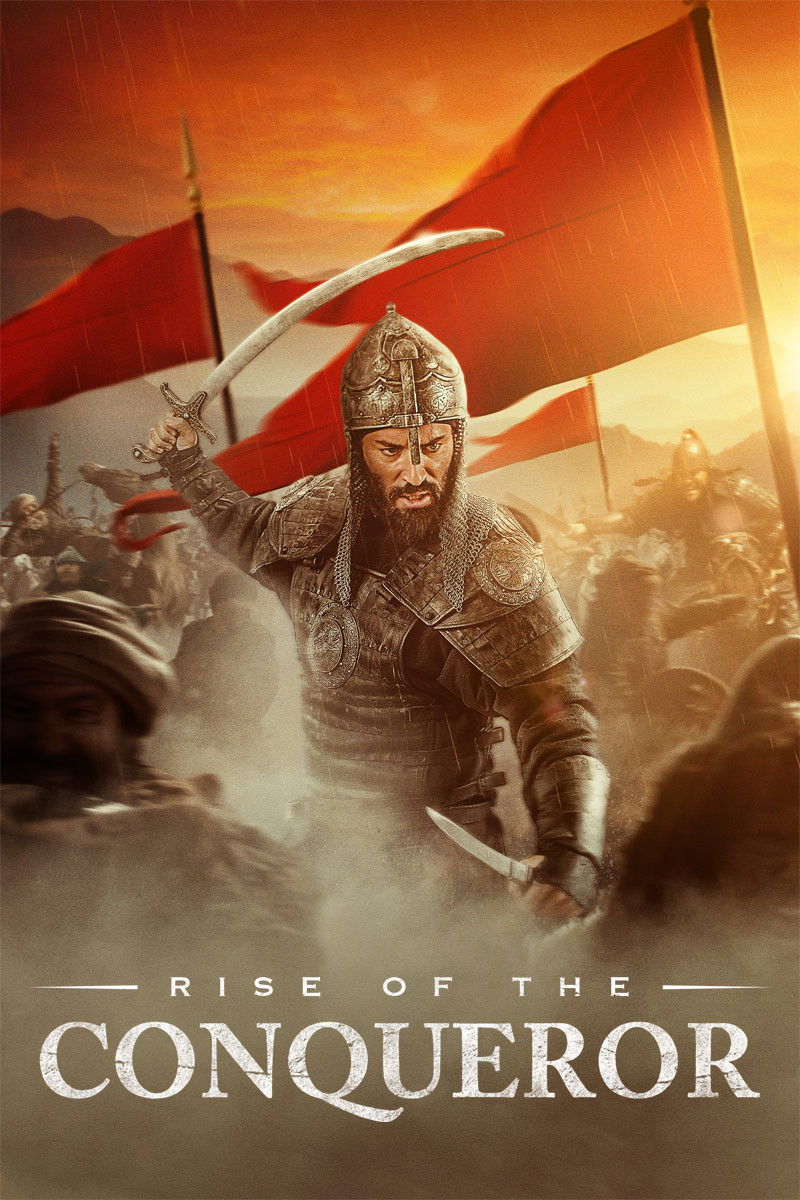
In the 14th-century, as the Silk Road crumbles and rival factions tear the land apart, fearless warrior Timur emerges from exile. Stripped of everything, he fights to unite the fractured kingdoms, using strategy and sheer will to carve an empire from chaos. Undefeated in battle and widely regarded as one of history’s greatest military leaders and tacticians, not to mention one of its most brutal, Timur would found the Timurid Empire, which ruled over modern-day Afghanistan, Iran and Central Asia.
In 1944, two prisoners miraculously escaped from Auschwitz. They told the world of the horror of the Holocaust and raised one of the greatest moral questions of the 20th century.
A close examination of the Whakaari / White Island volcanic eruption of 2019 in which 22 lives were lost, the film viscerally recounts a day when ordinary people were called upon to do extraordinary things, placing this tragic event within the larger context of nature, resilience, and the power of our shared humanity.
Sri Krishnadevaraya is a 1970 Indian historical drama film in Kannada language, produced and directed by B. R. Panthulu. It stars Rajkumar as Krishnadevaraya, an emperor of the Vijayanagara Empire in the 16th century. R. Nagendra Rao, B. R. Panthulu, Narasimharaju and N. Bharathi appear in pivotal roles.
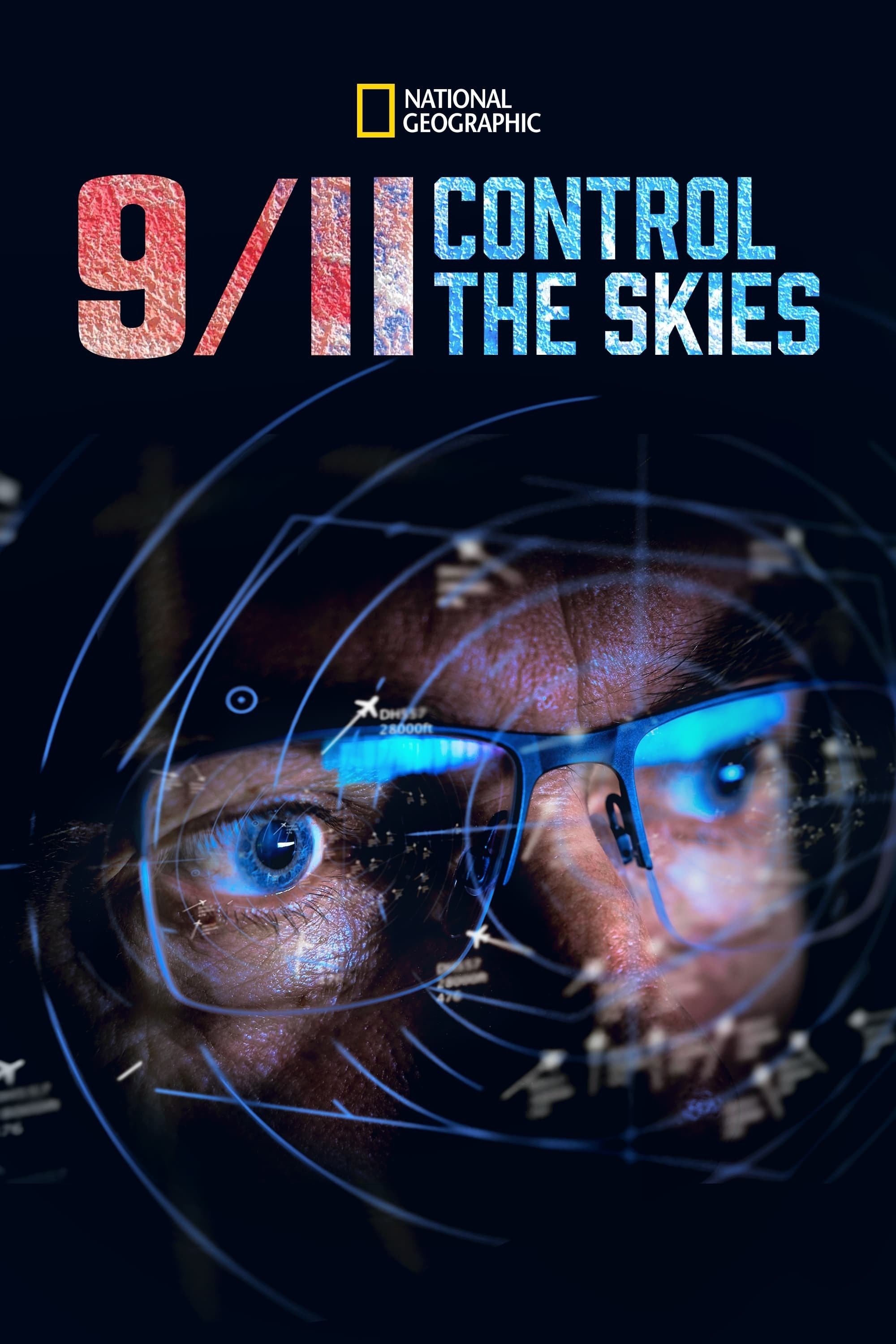
On September 11, 2001, the unimaginable transpired when devastating attacks on the World Trade Center forced the shutdown of the entire U.S. airspace. Thousands of kilometres away in Gander, Newfoundland, a group of Nav Canada air traffic controllers suddenly had the lives of 33,000 people in their hands and had to think fast to find a place for them to go. Discovery uncovers how these unsung heroes managed to safely land 224 planes in four hours, without incident.
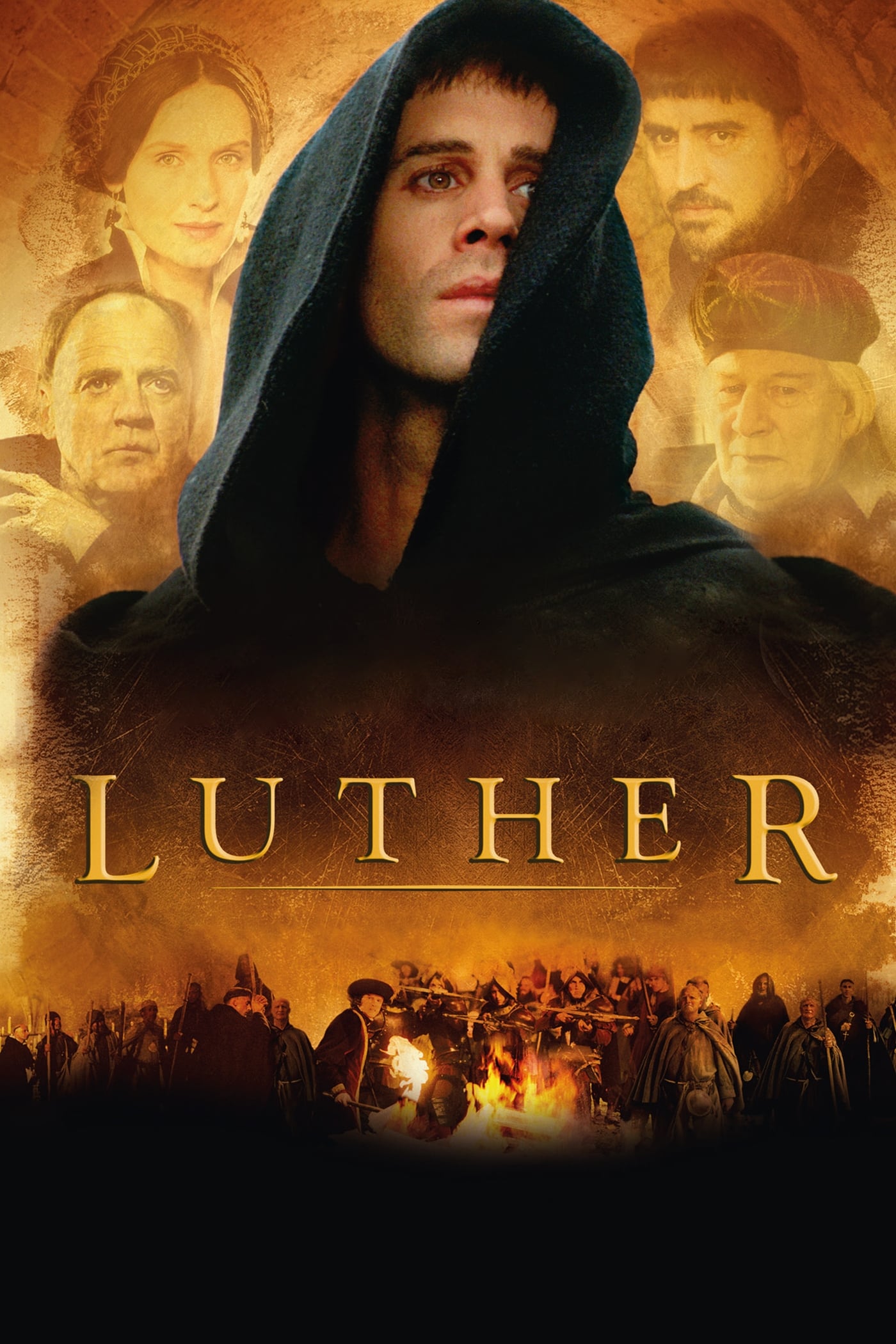
During the early 16th century, idealistic German monk Martin Luther, disgusted by the materialism in the church, begins the dialogue that will lead to the Protestant Reformation.
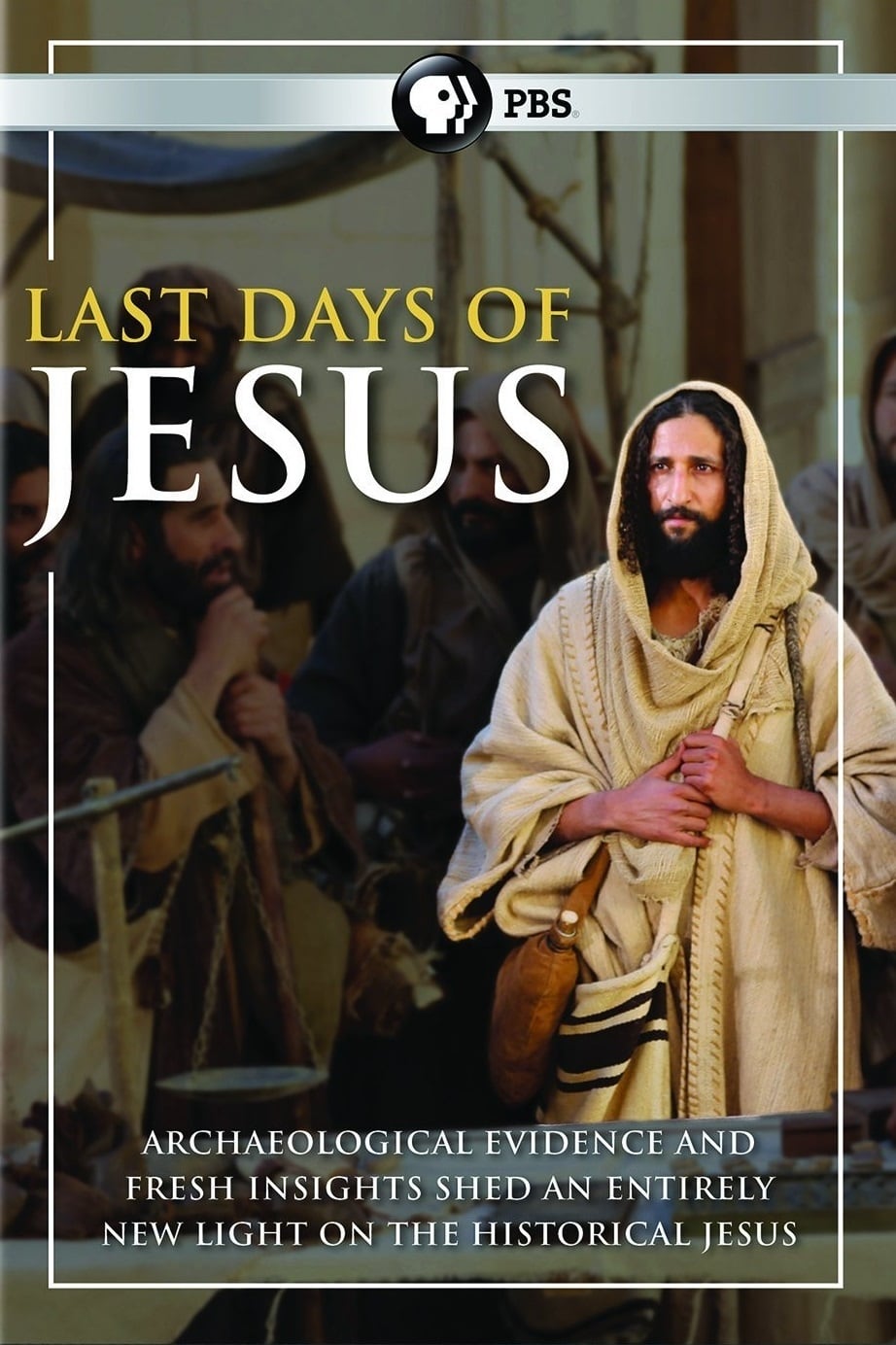
For almost two thousand years, the story of Jesus’ final days has been celebrated by Christians the world over. From Jesus’ triumphant entry into Jerusalem, through to his eventual crucifixion six days later, the key moments have been immortalized in countless films, pieces of music, and works of art. But in recent years, some historians have begun to question inconsistencies in the Gospels’ version of events. They believe that the Gospels could hide a very different story; one that casts the historical Jesus in an entirely new light. Based on a new interpretation of contemporary historical events in Rome, "Last Days of Jesus" peels back thousands of years of tradition, to explore a new political context to the events in Jerusalem. "Last Days of Jesus" explores how dramatic political events in Rome could have played a crucial role in shaping Jesus’ destiny, and examines an extraordinary political alliance that altered the course of history.
The rebellious Thracian Spartacus, born and raised a slave, is sold to Gladiator trainer Batiatus. After weeks of being trained to kill for the arena, Spartacus turns on his owners and leads the other slaves in rebellion. As the rebels move from town to town, their numbers swell as escaped slaves join their ranks. Under the leadership of Spartacus, they make their way to southern Italy, where they will cross the sea and return to their homes.
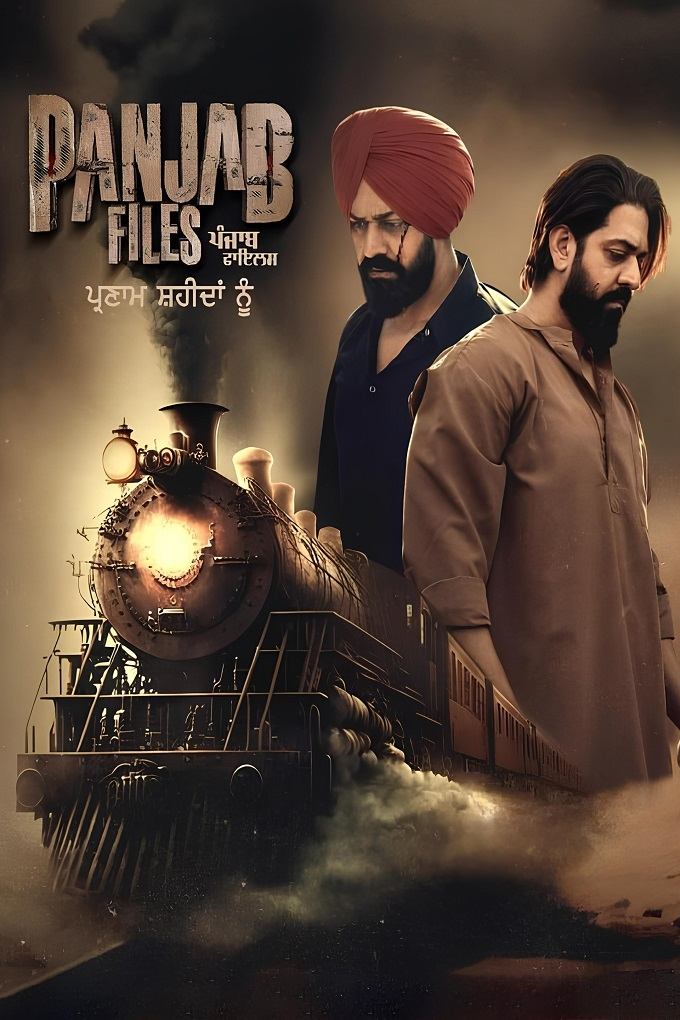
Set in pre-1947 Punjab, the film explores the sacrifices made by Punjabis in their fight for freedom. It portrays their struggle not only against colonial rule but also to reclaim gurdwaras from British control.
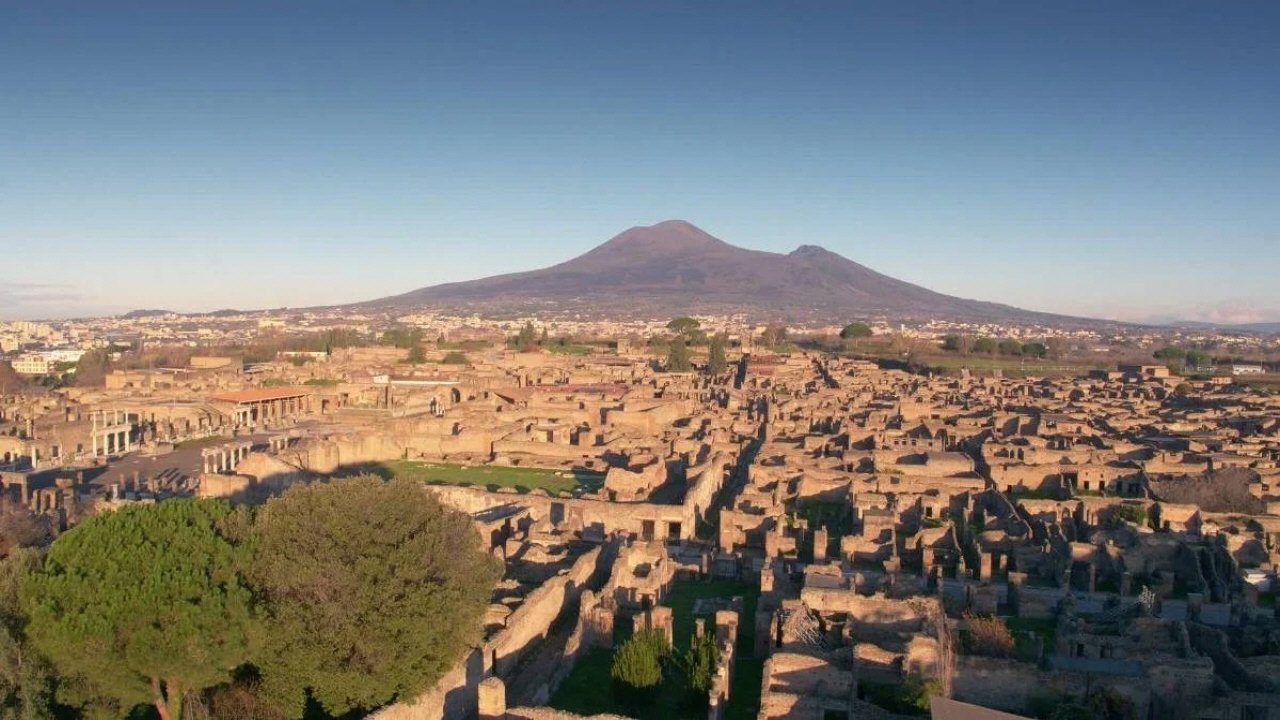
George Albert Smith and Charles Urban snaffled the plum job of travelling to Italy to take a series of views of Italy for the Warwick Trading Company, including this one. The long panning shots of Pompeii linger respectfully, as a tourist would, before the camera finally raises its eye to the mighty volcano looming in the distance beyond.
A story about one of the most famous and mysterious archaeological sites in the world.
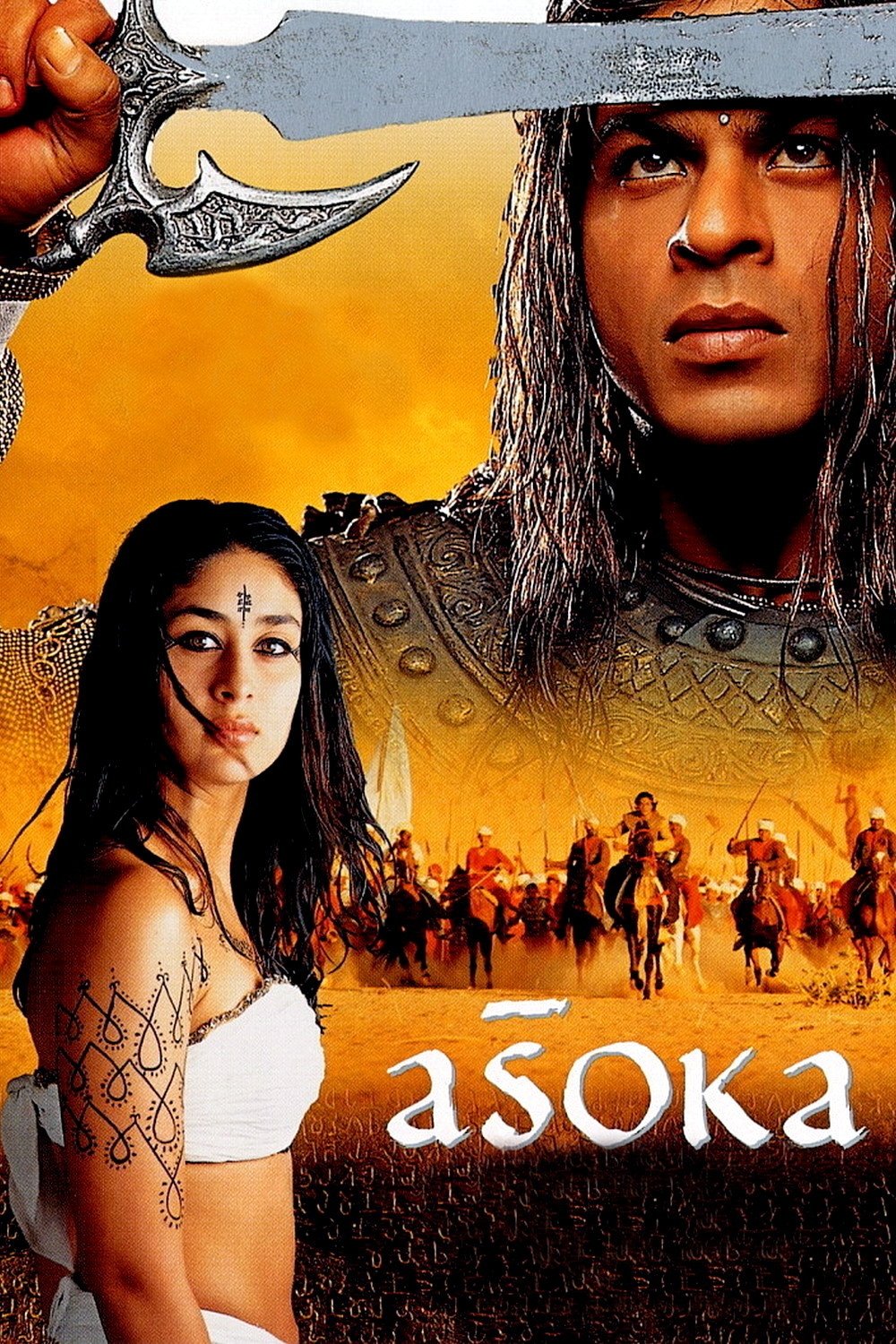
A young Prince Asoka works to perfect his skills in battle and also deals with family conflict. During a struggle with one of his step-brothers, his mother urges Asoka to escape to stay alive. While away, Asoka meets Kaurwaki and falls in love, but must use his skills as a warrior to protect her. A dangerous and heartbreaking web of conspiracy follows, which leads Asoka to embrace a Buddhist path.
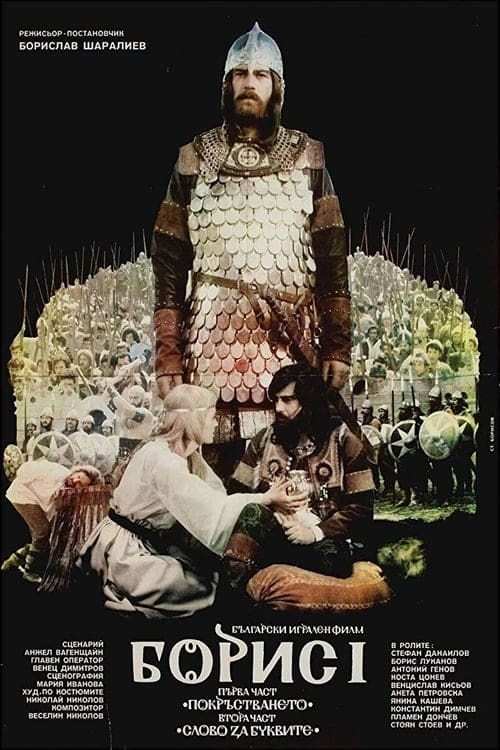
Part one of this two-part epic follows the life and deeds of Boris I – a strong historic personality, which completes his mission to the full and at the end of his life receives holy orders.
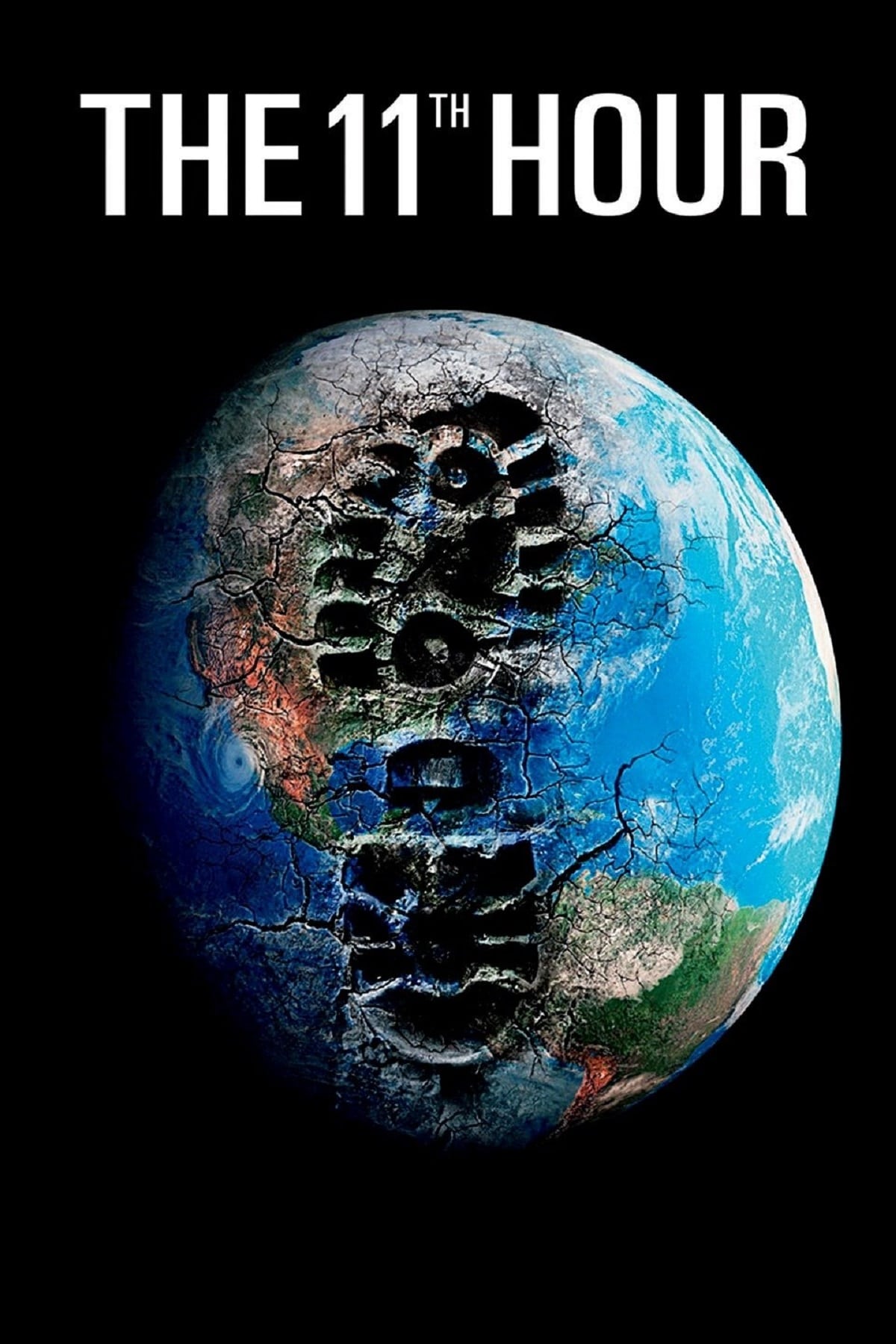
A look at the state of the global environment including visionary and practical solutions for restoring the planet's ecosystems. Featuring ongoing dialogues of experts from all over the world, including former Soviet Prime Minister Mikhail Gorbachev, renowned scientist Stephen Hawking, former head of the CIA R. James Woolse
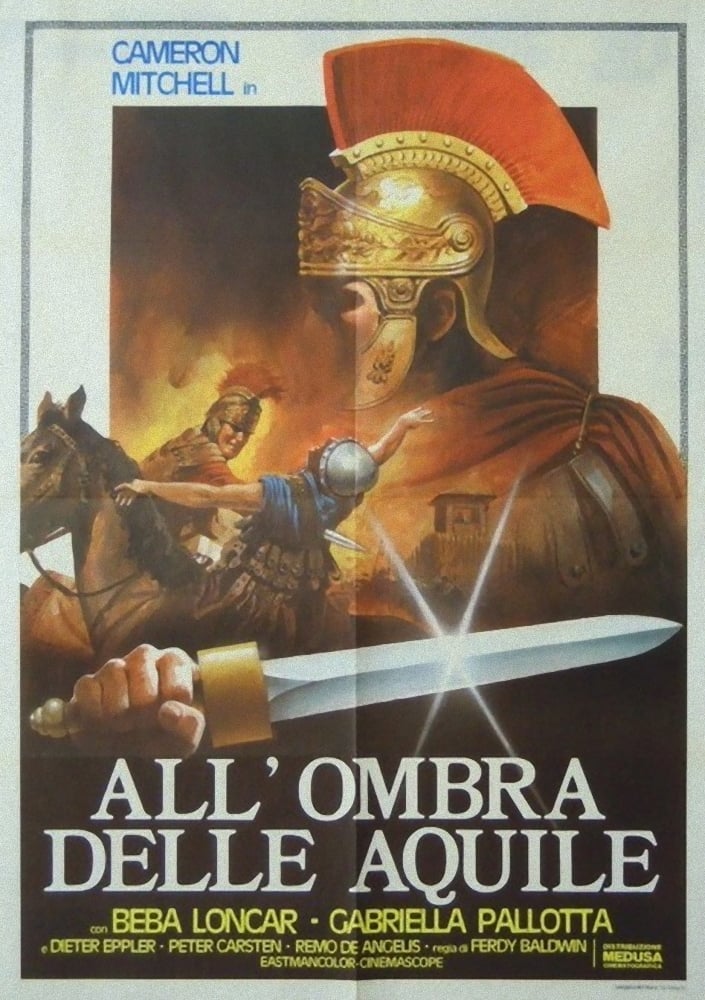
After the death of Octavian, the rebel populations of Illyria and Pannonia pose a grave threat to the Roman Empire. Tribune Marcus Ventidius is sent to subdue the uprising and, after a bitter battle, captures Pannonian chief Magdus together with a number of women hostages. These include Magdus's own daughter Helen, betrothed to cruel Illyrian warrior Batone who has killed many Romans. Julia, daughter of the Roman governor Messala, is in love with Tribune Marcus and, jealous of his sympathy for the barbarian girl, plots an escape by Helen and her father. Pursuing the fugitives, Marcus crosses a mountain pass where Batone has laid a trap.
Forensic experts scan Pompeii’s victims to investigate why they didn’t escape the eruption.
A string of threatening emails escalates into a revenge plot involving a newly married US marshal and his ex-girlfriend.
A doomed love triangle between intrepid French scientists Katia and Maurice Krafft, and their beloved volcanoes.
As England reach the final of the Euros at last, 6,000 ticketless football fans storm Wembley stadium, leaving destruction in their wake.
Ranjit, a farmer in India, takes on the fight of his life when he demands justice for his 13-year-old daughter, the victim of a brutal gang rape. His decision to support his daughter is virtually unheard of, and his journey unprecedented.
The film follows adventurer Jeff Johnson as he retraces the epic 1968 journey of his heroes Yvon Chouinard and Doug Tompkins to Patagonia.
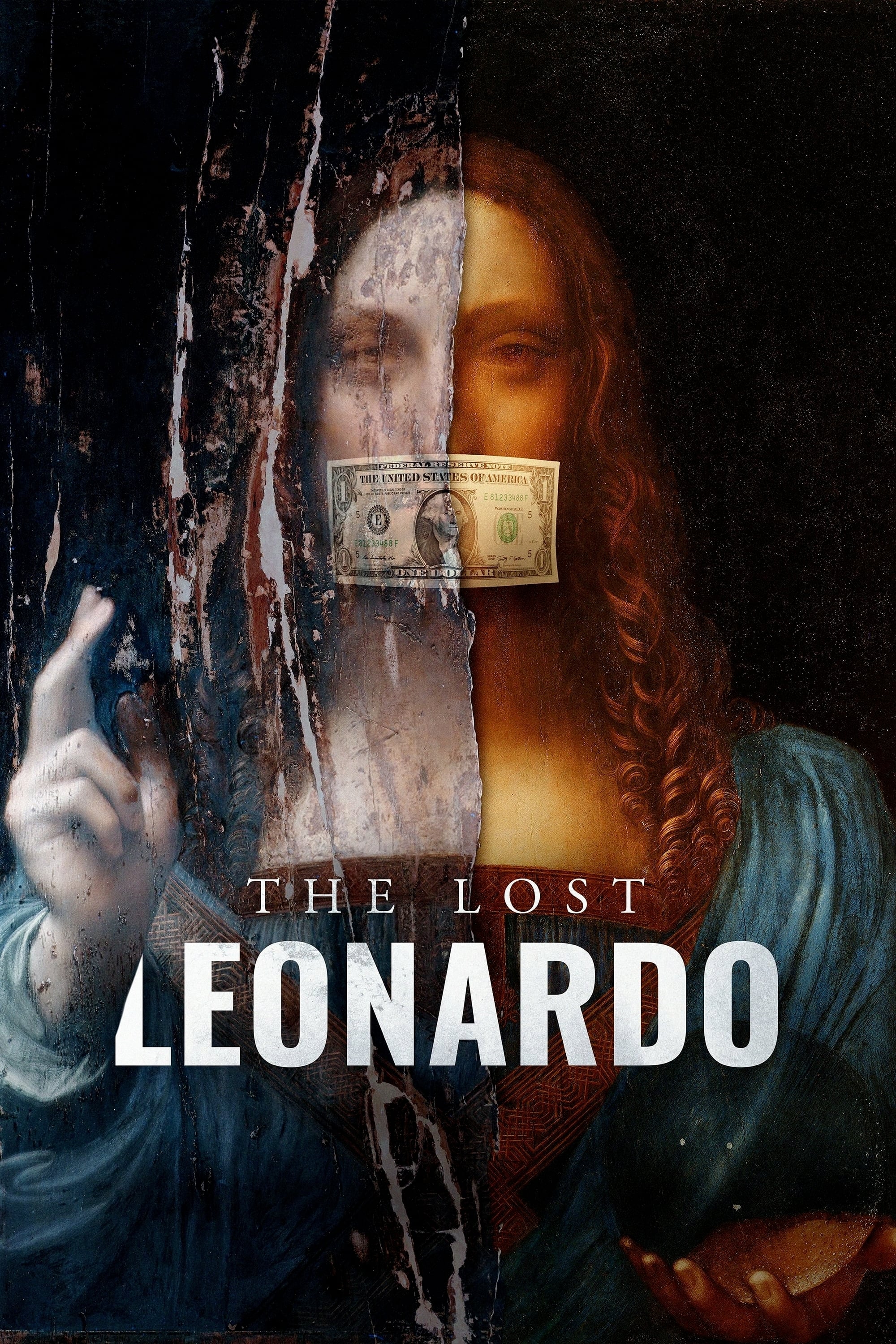
London, England, 2008. Some of the most distinguished experts on the work of Italian artist Leonardo da Vinci (1452-1519) gather at the National Gallery to examine a painting known as Salvator Mundi; an event that turns out to be the first act of one of the most fascinating stories in the history of art.
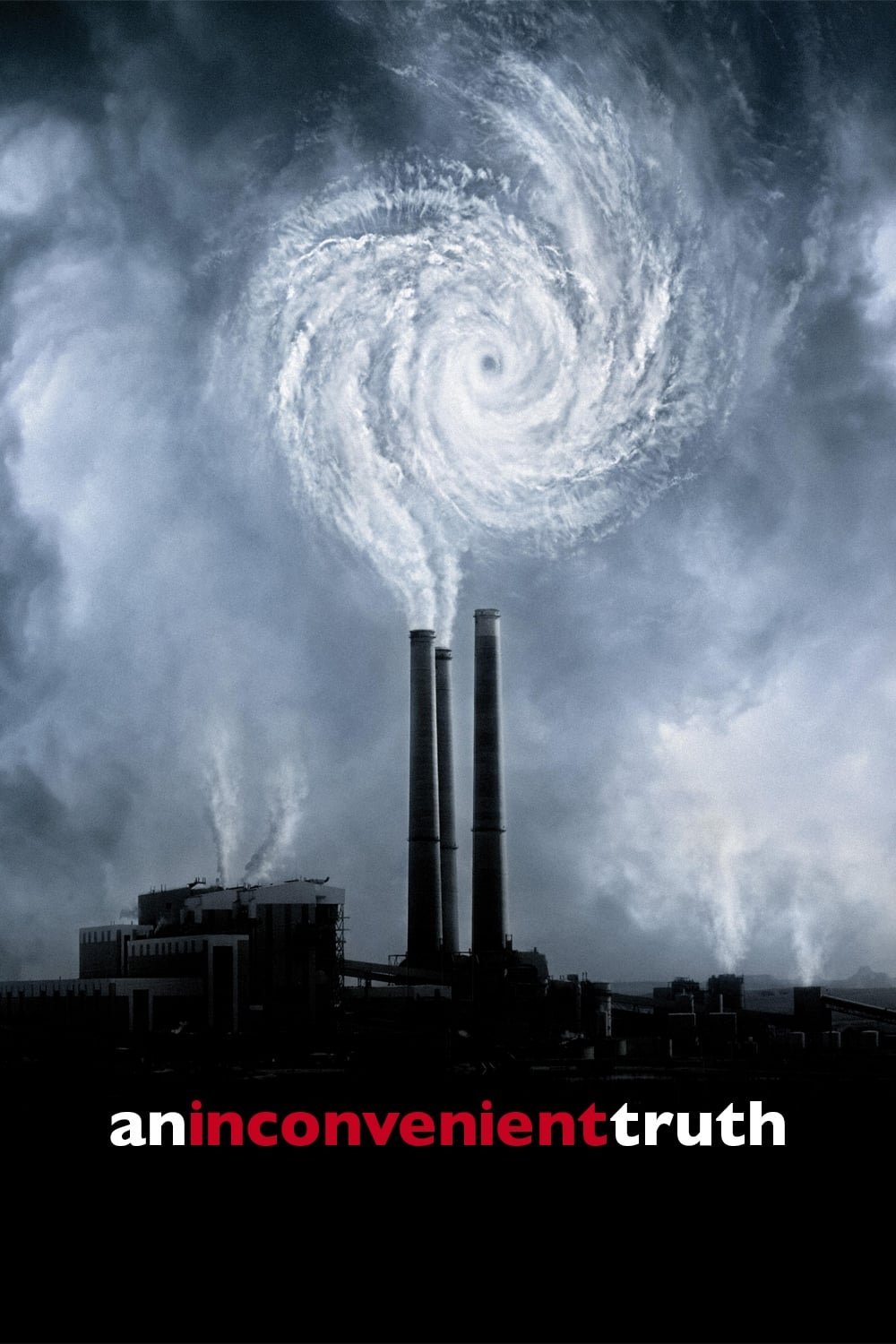
A documentary on Al Gore's campaign to make the issue of global warming a recognized problem worldwide.
Climate is changing. Instead of showing all the worst that can happen, this documentary focuses on the people suggesting solutions and their actions.
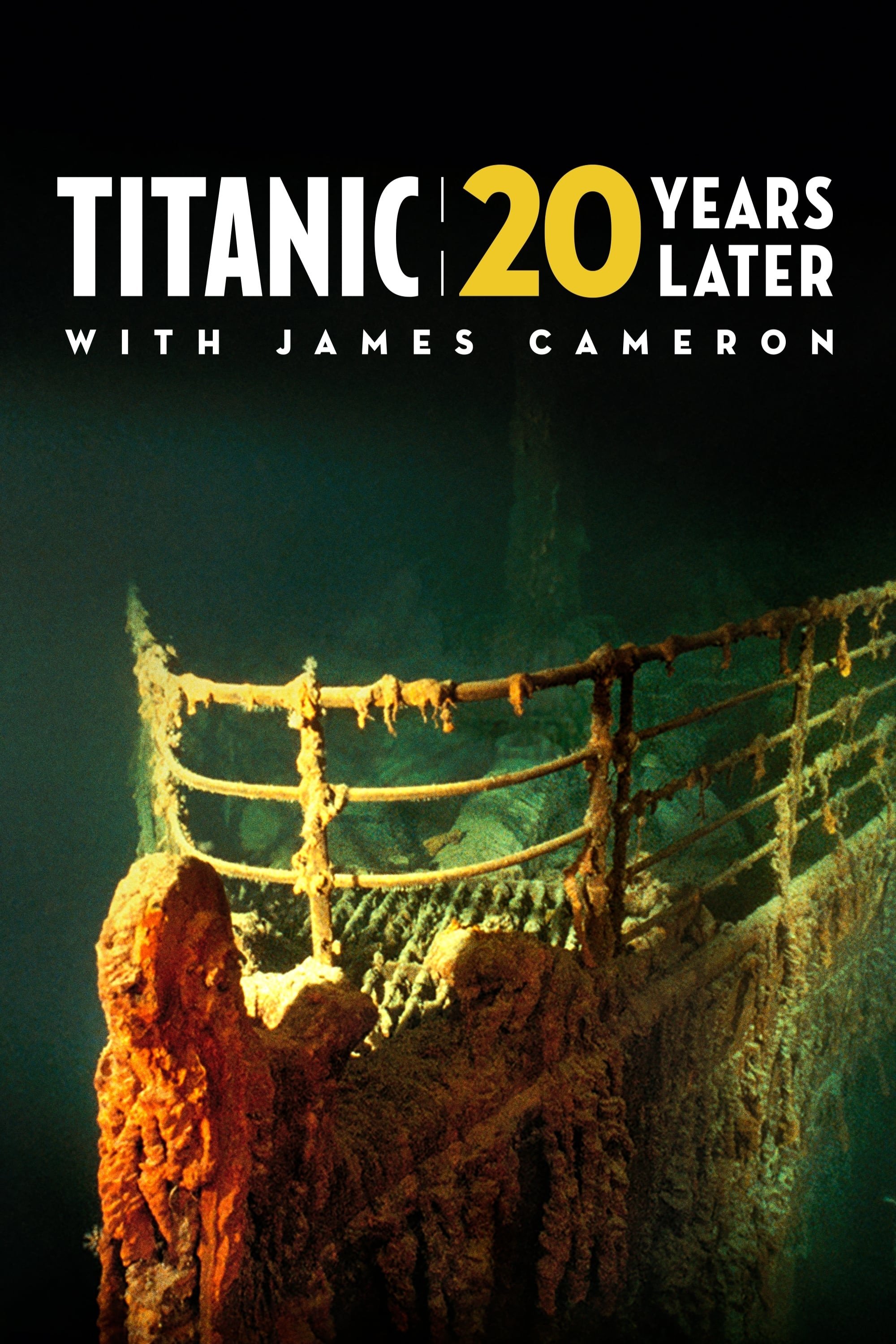
For the 20th anniversary of "Titanic," James Cameron reopens the file on the disaster.
Never-before-seen footage and survivor accounts trace the 2012 shipwreck of a luxury cruise and the disaster that ensued, in this immersive documentary.
An unprecedented and intimate look at the life, work and enduring legacy of British actress Audrey Hepburn (1929-1993).
A non-narrated documentary following the lovesome lives of four infants from birth to their first birthday. The babies featured are two from rural areas: Ponijao from Opuwo, Namibia, and Bayar from Bayanchandmani, Mongolia, as well as two from urban areas: Mari from Tokyo, Japan, and Hattie from San Francisco, USA.
In a crime-plagued neighborhood near Miami, brutal, bare-knuckled backyard fights give young men a chance to earn money -- and self-respect.
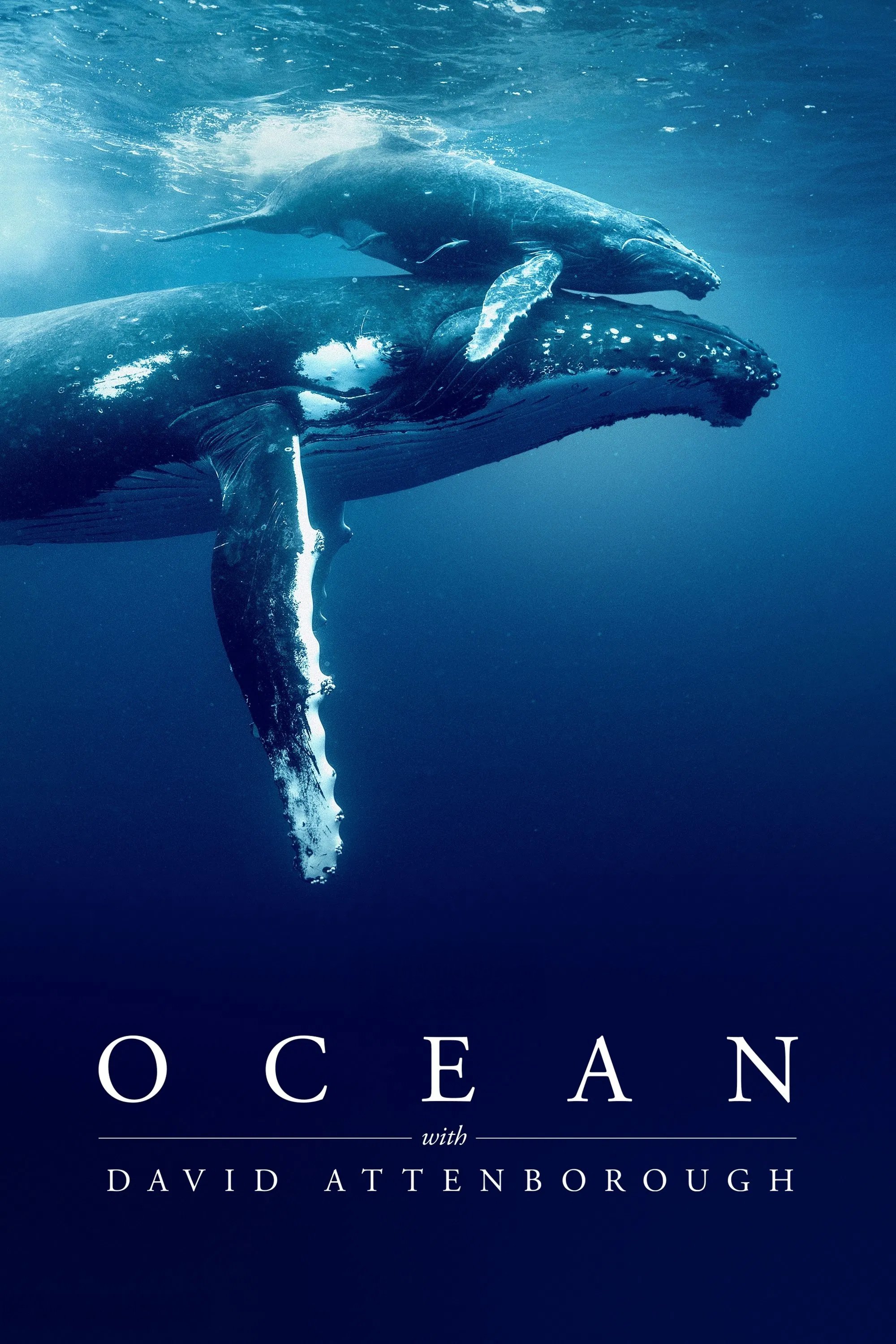
David Attenborough takes viewers on a breathtaking journey showing there is nowhere more vital for our survival, more full of life, wonder, or surprise, than the ocean. Through spectacular sequences featuring coral reefs, kelp forests and the open ocean, Attenborough shares why a healthy ocean keeps the entire planet stable and flourishing.
A father fights for decades to bring his daughter's killer to justice in France and Germany before taking extreme measures.
Director Michael Apted revisits the same group of British-born adults after a 7 year wait. The subjects are interviewed as to the changes that have occurred in their lives during the last seven years.
Vulgar, taunting texts blow up the phones of a teen and her boyfriend. Who's sending them — and why? This twisty documentary reveals the shocking answer.
A visual montage portrait of our contemporary world dominated by globalized technology and violence.
An inside look at one of the most anticipated movie sequels ever with James Cameron and cast.