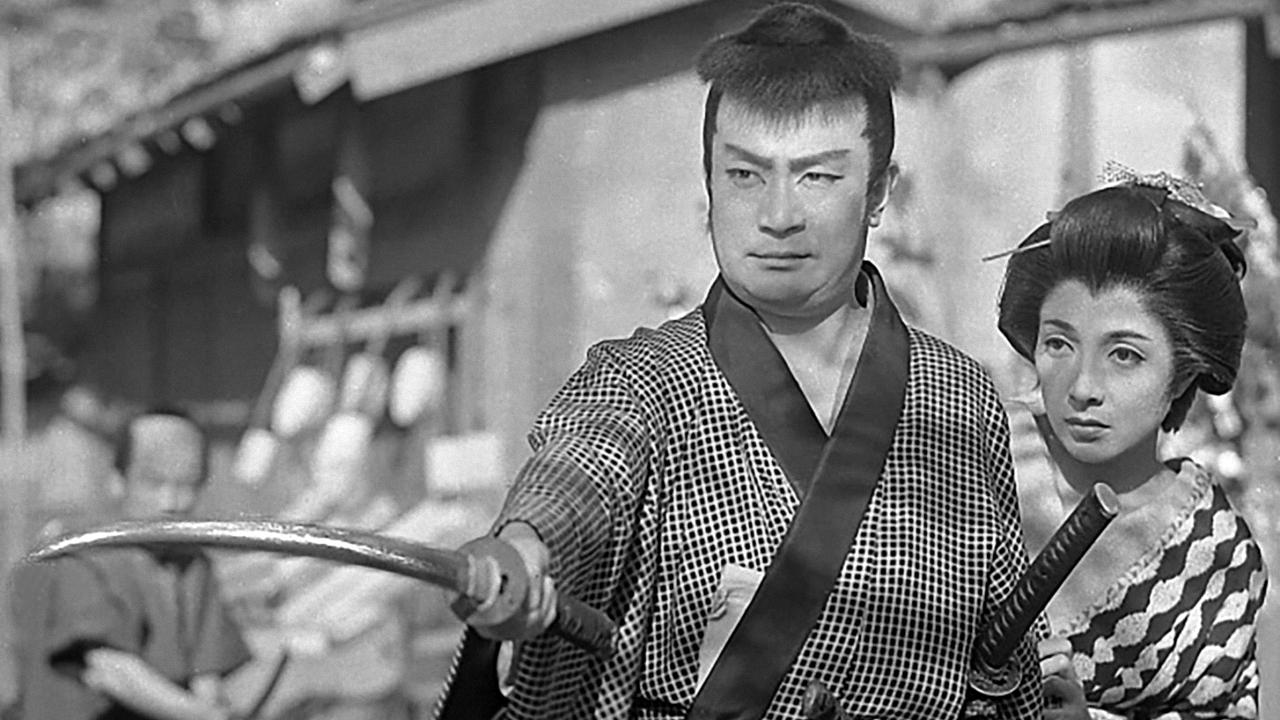
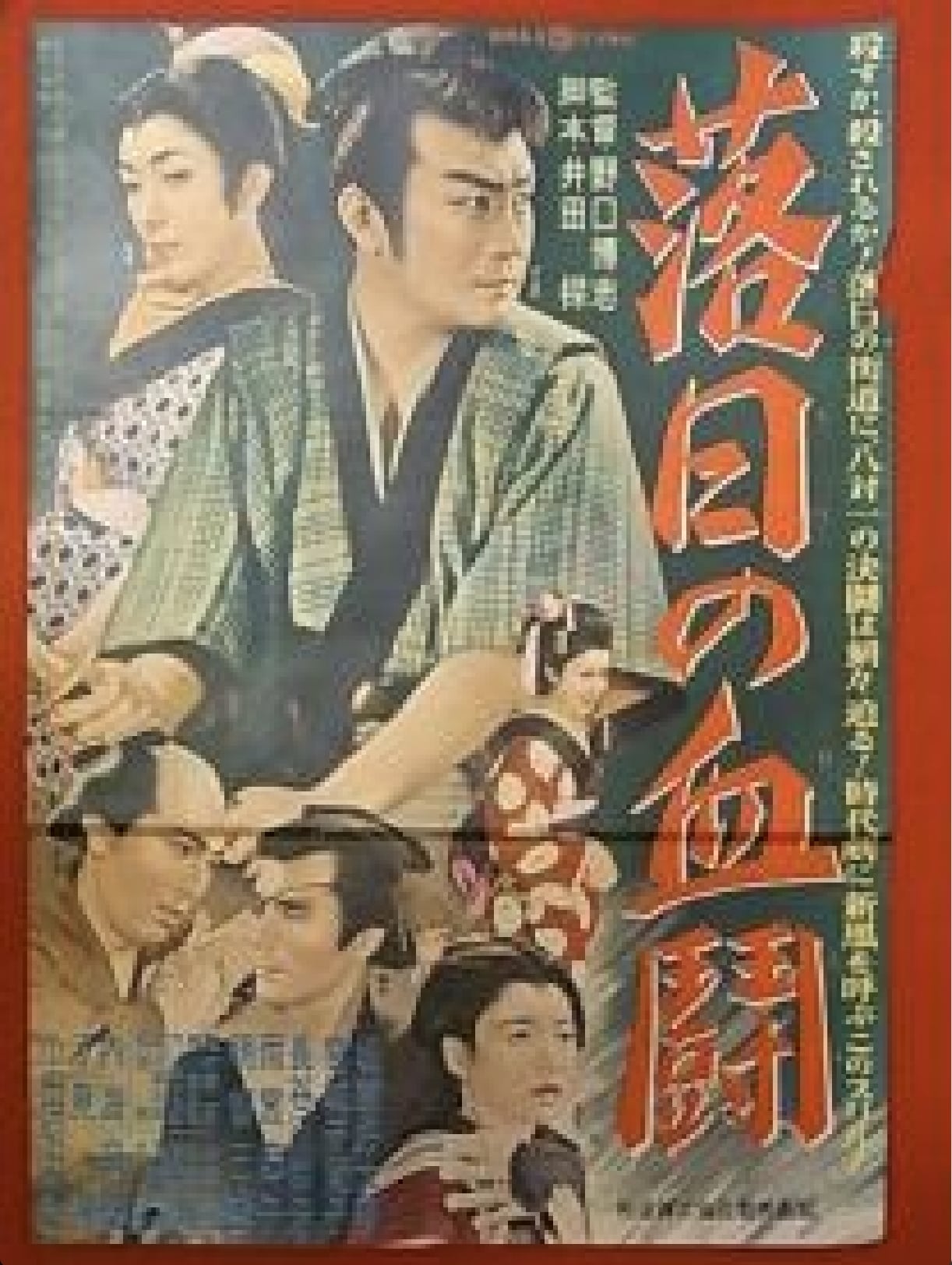
A remake of High Noon (1952) as a Japanese jidai-geki sword-fighting movie.
Social & External
The people behind it
Kōtarō Bandō
Yasunosuke
Chikako Miyagi
Okinu
Kenzaburo Akechi
Kikuko Hasegawa
Okyo
Miki Odagiri
Okatsu
Setsuko Amamiya
Emi
Kenjiro Uemura
Shuriken no Ginji
Michisaburō Segawa
Kumagura
In a world where vendettas are officially sanctioned, the people sometimes needed help in carrying out their vengeance. Sanada Hiroyuki stars as Sukeroku the Helper, a ‘cool and rambling yakuza’ that has made a business out of helping victims carry out their revenge. When he returns to his hometown to pay a visit to his mother’s grave he meets a deadly ronin who carries a secret which eventually leads him into a vendetta of his own.
The one-eyed swordsman Tange Samanosuke receives a secret order from his lord, Daizen no suke: to steal the cursed twin blades, Kenunmaru and Konryumaru. He risks his life to seize Kenunmaru, losing his right arm in the process. Saved by the fugitive Ofuji, he is reborn as the one-eyed, one-armed warrior-Tange Sazen. Soon, the turmoil reaches Town Magistrate Ooka Tadasuke.
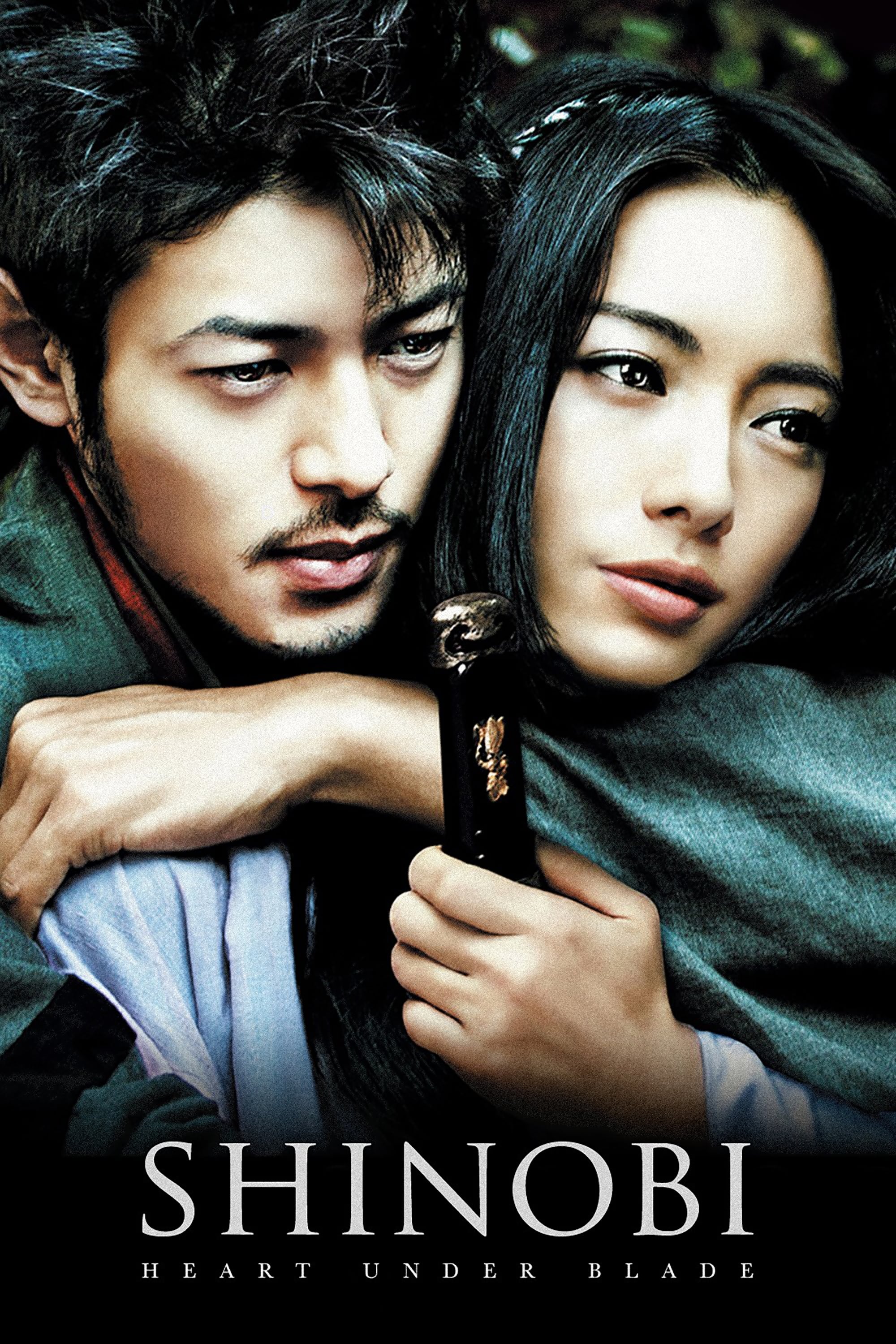
Even though Gennosuke and Oboro are from rival ninja villages, they are secretly in love. At an annual conference with the Lord, it is dictated that a competition--a fight to the death--will take place between the five best shinobi from each village. Gennosuke and Oboro's love is made even more impossible when they each got picked as the leader of the five to represent their respective villages.
The man is chased by losing the beauty and preciousness of love and the foundation of life without overcoming the hardship of life.
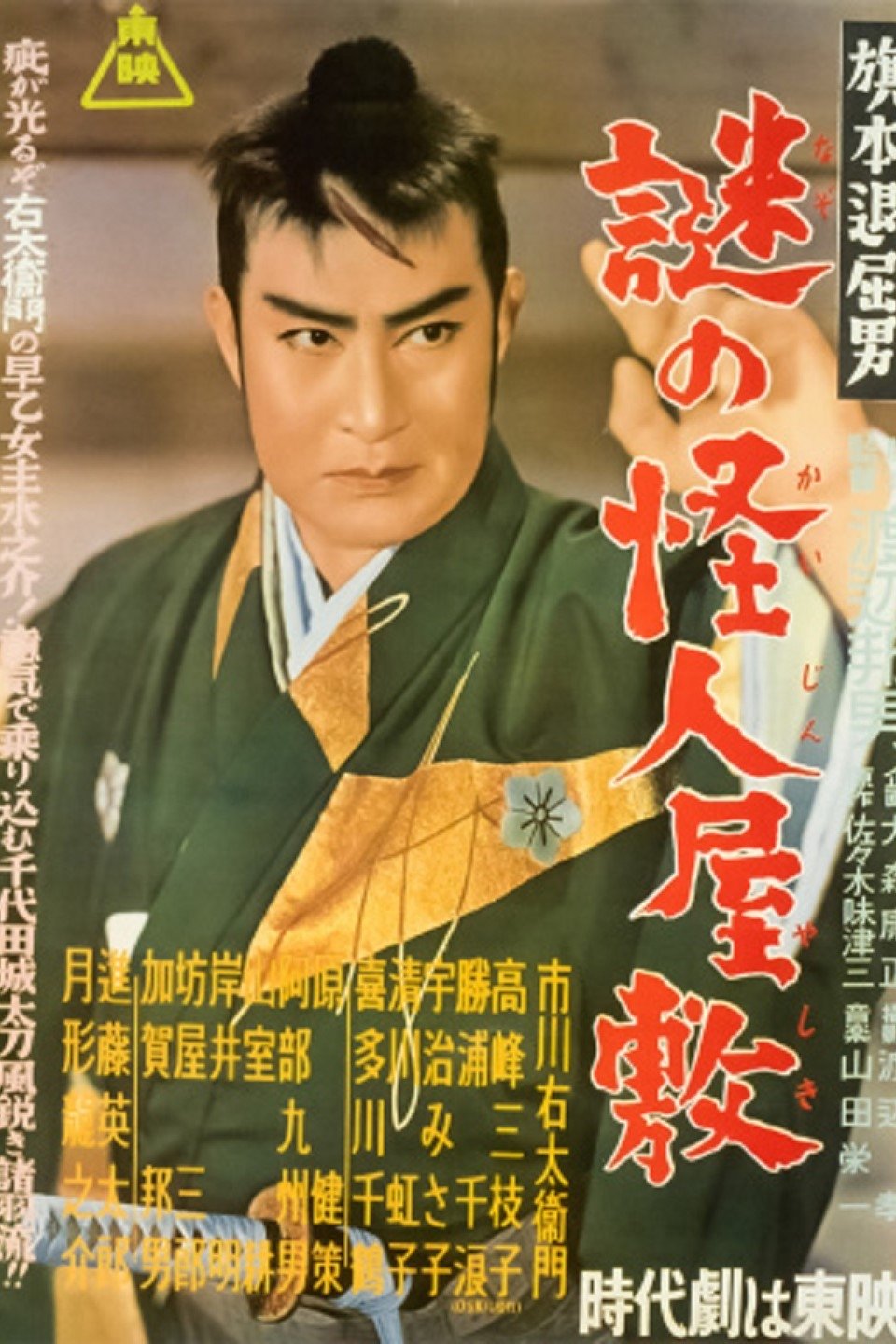
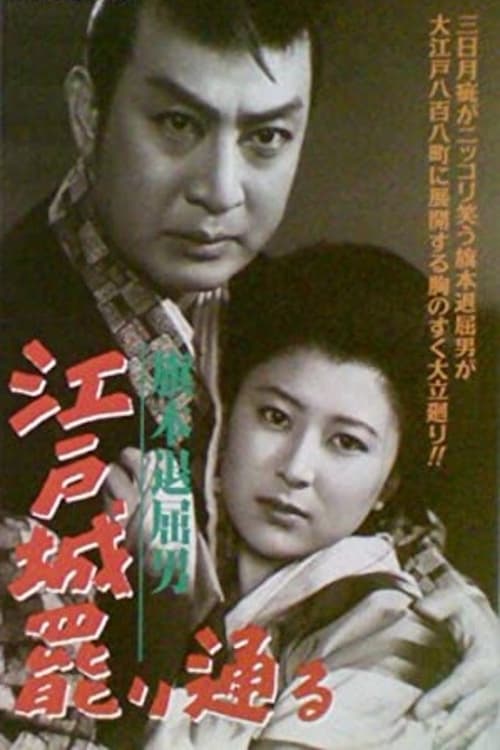
Bored Hatamoto film #17
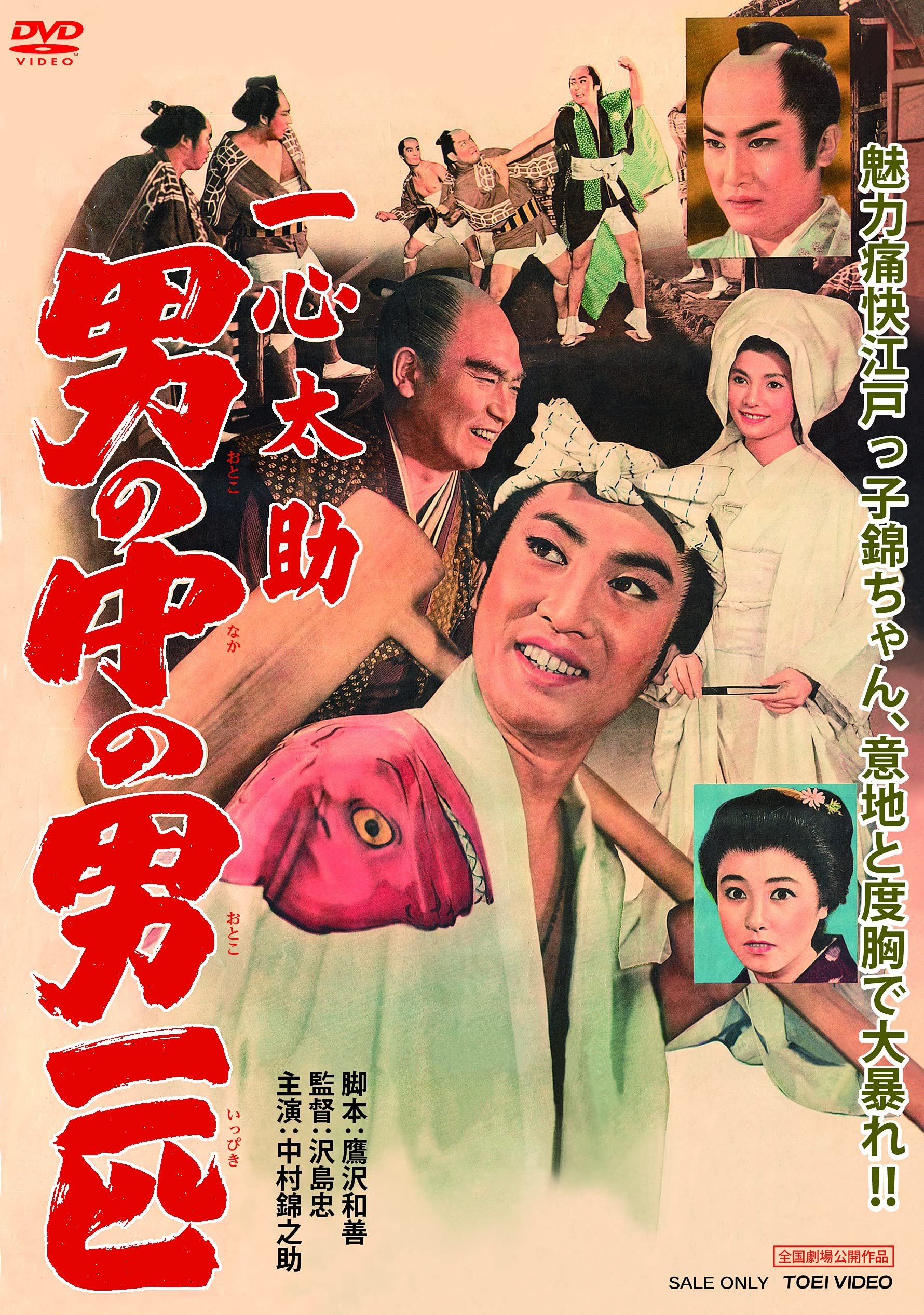
In the third entry into this mega-hit series, Isshin Tasuke, a spirited fishmonger in Edo who looks just like Shogun Iemitsu undergoes a series of unforeseen troubles in his newly wedded life.
Young Lord Genjiro, who abandoned his castle to live as a commoner in Edo, returns home to restore peace amidst disruption over an inheritance dispute. Warned by a fortune-teller that he would die by the sword, the young lord must courageously battle 30 or 40 men who attack without warning. Meanwhile, his love affair with Kocho, a singer who is also a skilled archer.
In this film, Hibari plays a dual role as brother and sister. The story involves a journey to Hanagasa for an incognito Lord (Kotaro Satomi) to overthrow an attempted usurpation of his domain, while being harassed by vassals of the usurper (Kensaku Hara). There's also a mysterious ronin played by Jushiro Konoe. The songs are seamlessly woven into the narrative and don't overwhelm the action. While the plot is derivative it is good example of its type and quite enjoyable. Note that there are some flashback sequences in black and white.
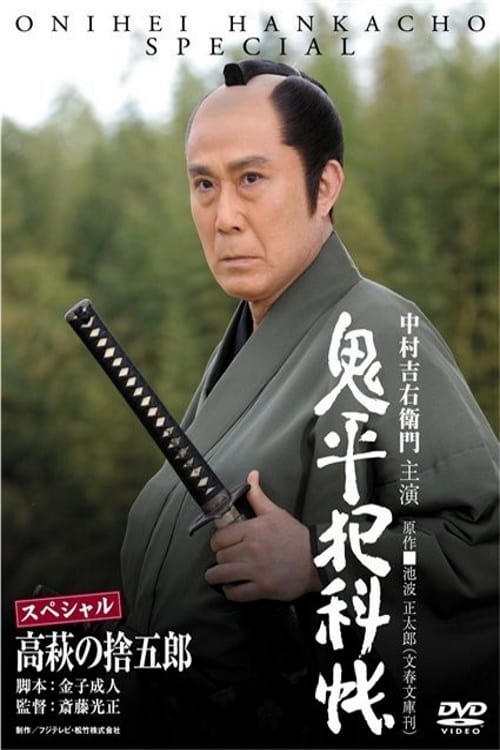
Takahagi Sutegoro is highly skilled at casing locations for thieves so that he can sell detailed floor plans to them. He suffers an injury to his leg while trying to help a parent and a child being threatened by samurai. Heizo jumps in and chases the samurai away. Feeling indebted to Heizo, Sutegoro decides to become his spy. Now, together they will try to stop scheming Myogi Danemon’s gang of merciless thieves...
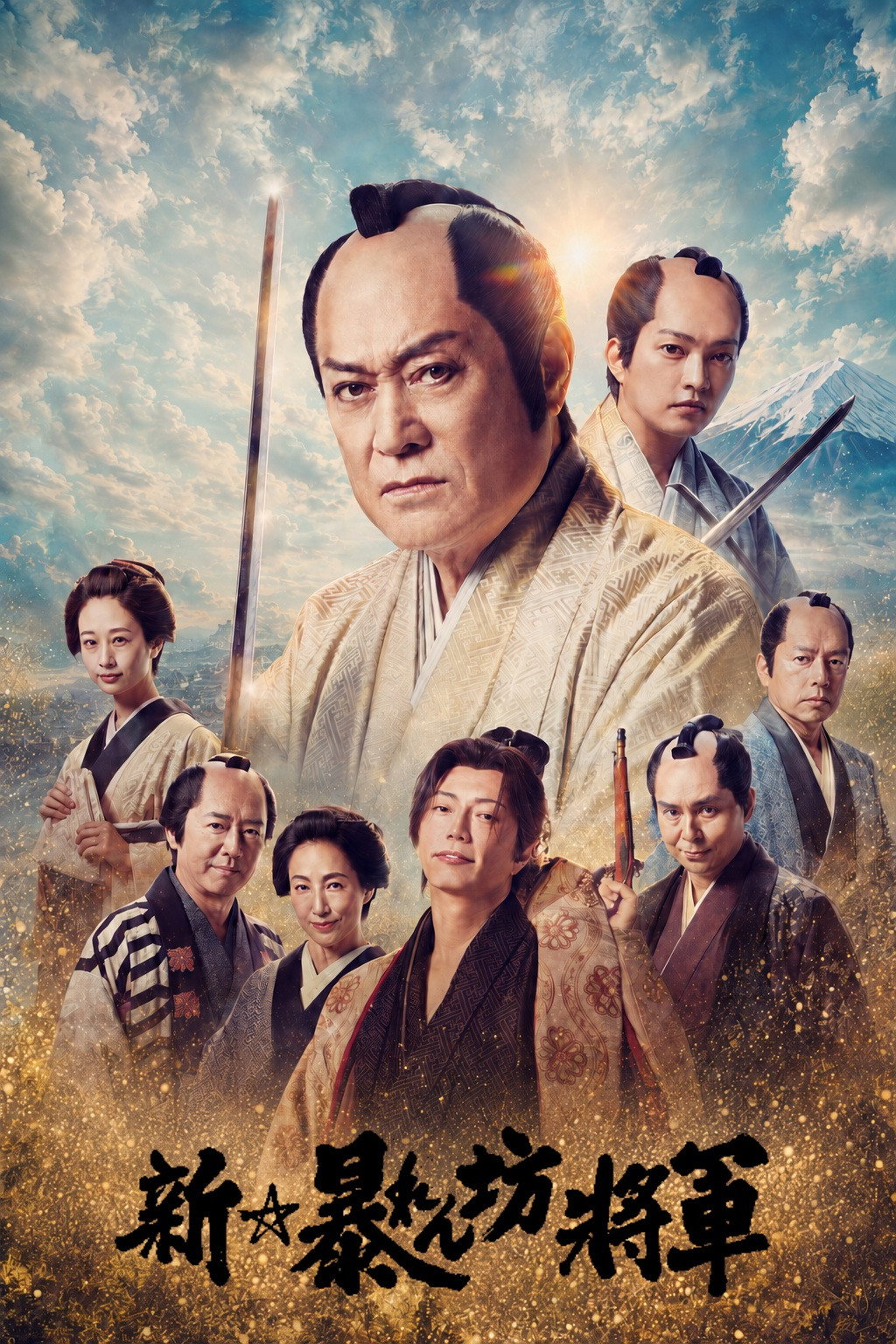
The eighth shogun, Tokugawa Yoshimune, fights against evil rampant in Edo while blending in with the common people as Tokuda Shinnosuke, the third son of a poor samurai retainer, commonly known as "Shin-san". The story depicts Yoshimune, who is shaken by the issue of succession, the drama within Edo Castle, and a difficult case involving a conspiracy that occurs in the castle town, with the addition of new characters and a sense of the era.
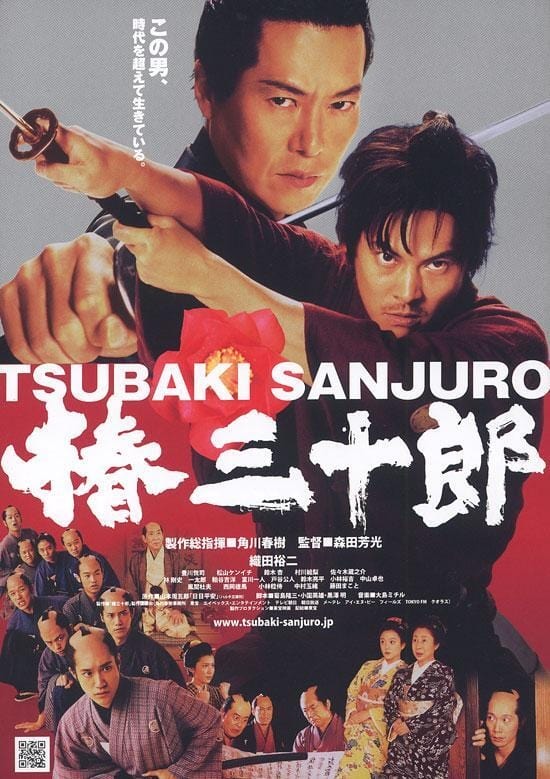
"Tsubaki Sanjuro" is a remake of Sanjuro (1962) by Akira Kurosawa. Sanjuro returns with sharper, faster, subtler sword, talking and perception. He uses them to settle the trouble and uses them good!
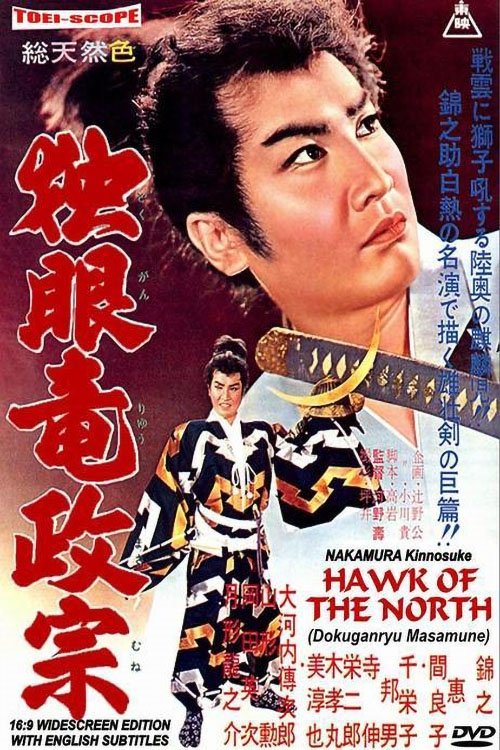
During the latter part of the 16th Century, Japan's Warring States era was coming to a close. After crushing almost all of his enemies, Date Masamune aka the "Hawk of the North" sets his eyes on Hatakeyama's lands. The young warlord is about to face his greatest challenge.
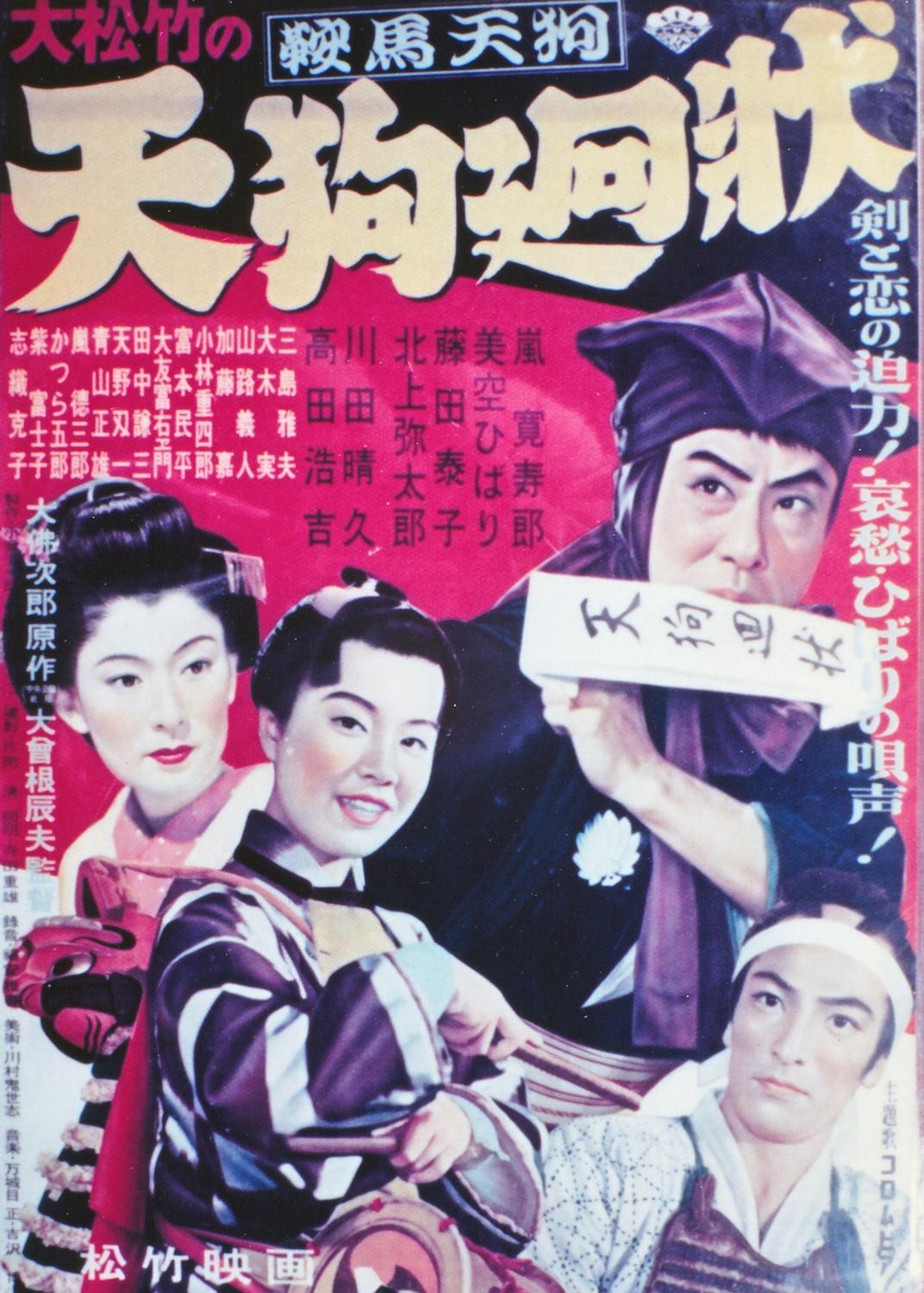
Masked avenger Kurama Tengu and his young sidekick try to stop a mysterious adversary from assassinating a group of young warriors who want to bring down the Shogunate...
Around the Genroku era, there was a man named Saotome Shusui-no-Suke, nephew to the senior councilor Matsudaira Sakon Shogen. He was commonly known as the Bored Samurai of the Hatamoto rank. Just as he was engulfed in boredom, Tokugawa Jo-Kaibo, claiming to be the Shogun's illegitimate child, made a grand entrance into Edo. At the behest of Sakon Shogen, Shusui-no-Suke was tasked to investigate Jo-Kaibo's background and had his young page Kyoya disguise as a woman to infiltrate Jo-Kaibo's gun mansion.
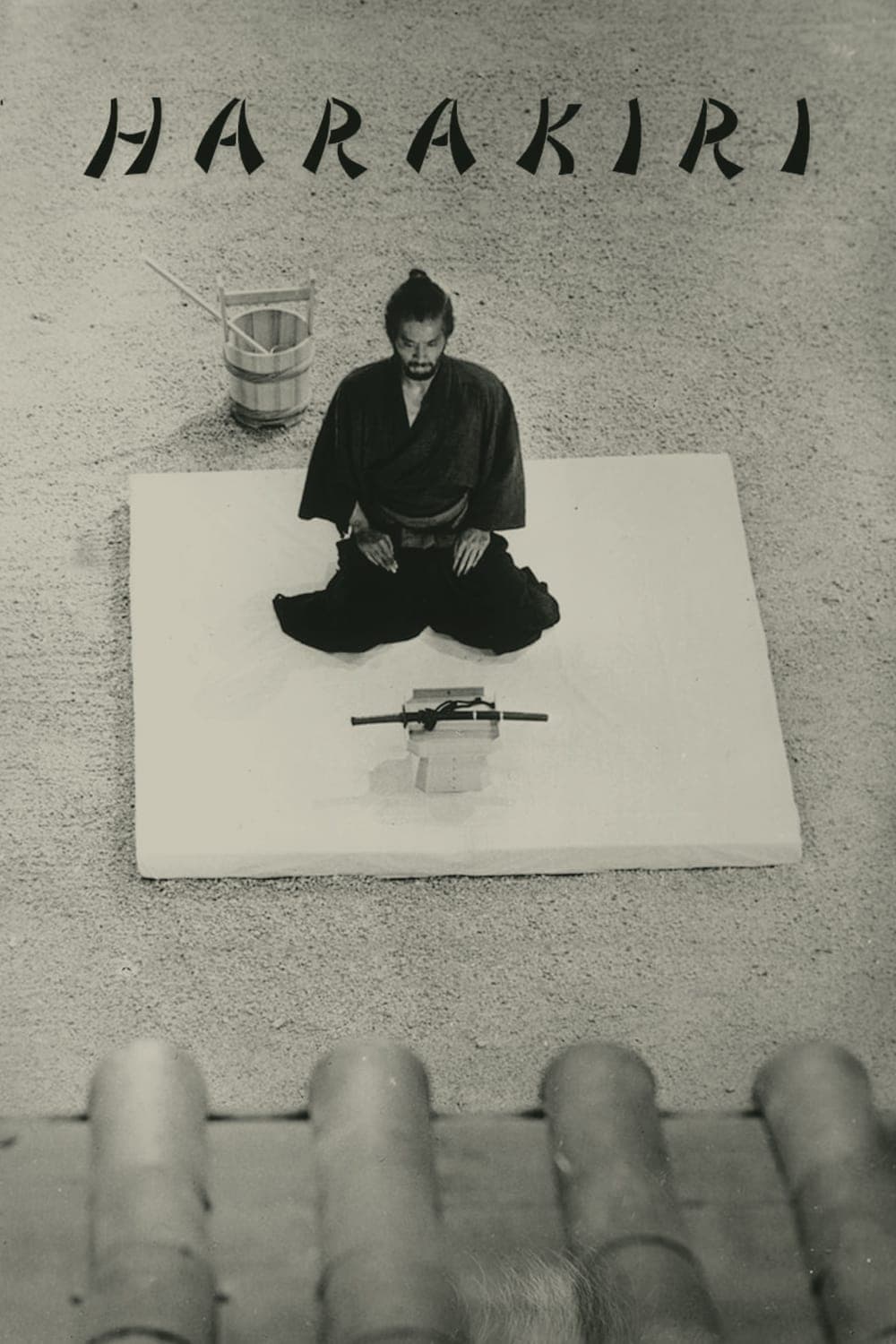
Down-on-his-luck veteran Tsugumo Hanshirō enters the courtyard of the prosperous House of Iyi. Unemployed, and with no family, he hopes to find a place to commit seppuku—and a worthy second to deliver the coup de grâce in his suicide ritual. The senior counselor for the Iyi clan questions the ronin’s resolve and integrity, suspecting Hanshirō of seeking charity rather than an honorable end. What follows is a pair of interlocking stories which lay bare the difference between honor and respect, and promises to examine the legendary foundations of the Samurai code.
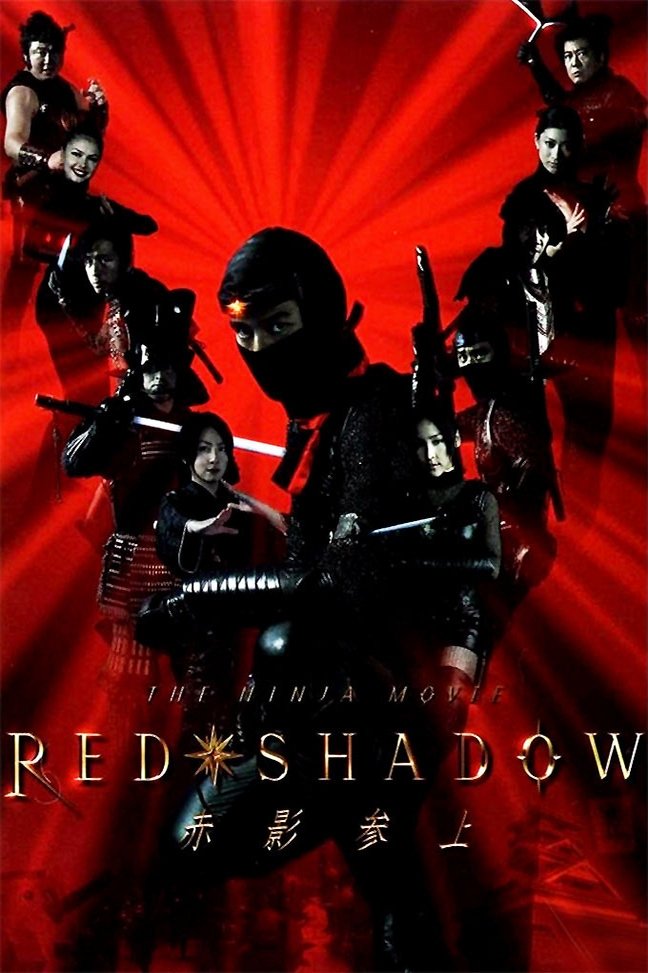
The secret warriors of feudal Japan were the ninja. Sent on impossible missions, the ninja were trained to work in shadows, gather information and defeat the enemy to build a world of peace. Akakage, Aokage, and Asuka are rookie ninjas under the tutelage of Shirokage. Their life is a series of perilous missions that entail intrigue, deception and intimidation.
Kanichiro Yoshimura is a Samurai and Family man who can no longer support his wife and children on the the low pay he receives from his small town clan, he is forced by the love for his family to leave for the city in search of higher pay to support them.
Shakespeare's King Lear is reimagined as a singular historical epic set in sixteenth-century Japan where an aging warlord divides his kingdom between his three sons.
Ryunosuke, a gifted swordsman plying his trade during the turbulent final days of Shogunate rule, has no moral code and kills without remorse. It’s a way of life that leads to madness.
Fifth movie in the Hissatsu (Sure Death!) Series. At the behest of a corrupt bureaucrat, a mysterious band of murderers wage a bloody battle against three deadly assassins.
Ogami Itto is hired to kill a tattooed female assassin and battles Retsudo, head of the Yagyu clan, and his son Gunbei.
A former DEA agent and a former undercover operative revisit their romance during a fateful weekend in Taipei, unaware of the dangerous consequences of their past.
A group of top female agents from American, British, Chinese, Colombian, and German government agencies are drawn together to try and stop an organization from acquiring a deadly weapon to send the world into chaos.
Hiding out with his son Taylor on the Mexican coast, Nero hopes to put his violent Special Forces career behind him. But after Nero’s home is attacked and Taylor is abducted, the mysterious Mzamo orders Nero to slaughter the members of three rival crime syndicates. If he fails, Taylor will die. Now, with bullets flying and bodies dropping as Nero completes his mission, he races to find Mzamo’s hideout and seek revenge.
In 1993, Maureen’s six-year-old daughter Amina is snuck out of the country by her ex-husband, Karim. After years of unsuccessful attempts to find her, Maureen intersects with a professional retriever of internationally abducted children who promises to help her find Amina in exchange for her collaboration.
A U.S. Army Captain uses her years of tactical training to save humanity from sixteen nuclear missiles launched at the U.S. as a violent attack threatens her remote missile interceptor station.
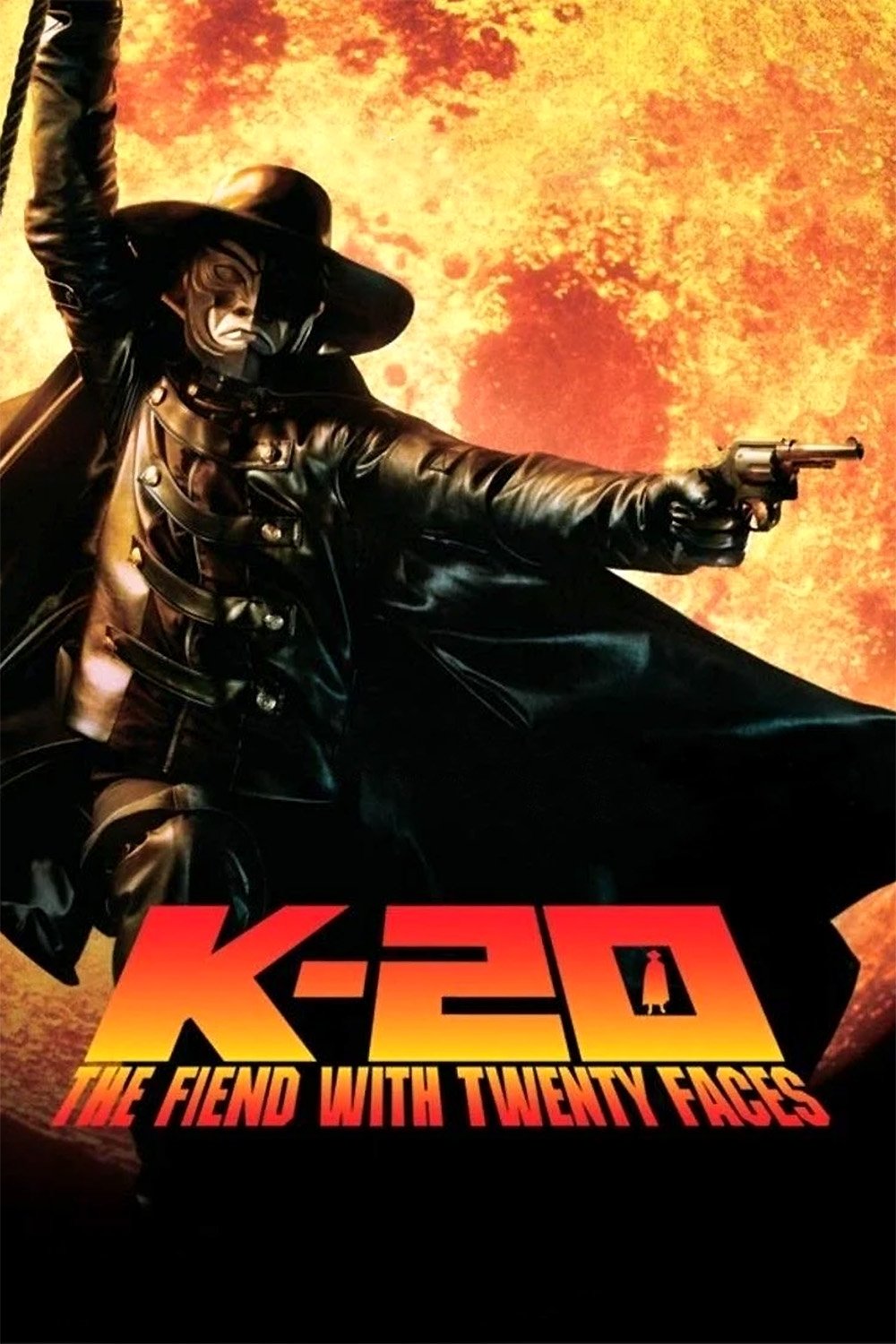
In an alternate version of 1949 Japan in which World War II never happened, the Japanese capital of Teito is home to both an ultra rich upper class and the dirt poor masses. The city is thrown into a state of panic when a phantom thief called “The Kaijin (Fiend) with 20 Faces” (K-20 for short) begins to use his mysterious abilities to steal from the rich and give to the poor. One day a circus acrobat named Heikichi Endo (Takeshi Kaneshiro) is framed for K-20’s crimes and becomes determined to clear his name. He teams up with K-20’s next target, a wealthy duchess named Yoko Hashiba (Takako Matsu) and her detective fiancé (Toru Nakamura), to take K-20 down once and for all.
A group of Russian mobsters have stolen a huge supply of paper for printing U.S. currency, and are now flooding the market with conterfeit bills. When one of the mobsters decides to give herself in and hand over a data CD to the DA, she is shot and killed, but not before handing the disc to an unsuspecting Tommy Lee. Despite working with the police as a martial arts instructor, Lee doesn't go to the cops with the disc, but instead goes on the run, giving the mafia time to kidnap his daughter and hold as a hostage in exchange for return of the disc. Will Tommy ever see his daughter again?
After his son is wrongly accused of kidnapping, a deacon who has just lost his wife takes matters into his own hands and fights a crooked police gang to clear him.
In the not-too-distant future, two drifters traveling through the desert stumble across the biggest gold nugget ever found and the dream of immense wealth and greed takes hold. They hatch a plan to excavate their bounty, with one man leaving to secure the necessary tools while the other remains with the gold. The man who remains must endure harsh desert elements, ravenous wild dogs, and mysterious intruders, while battling the sinking suspicion that he has been abandoned to his fate.
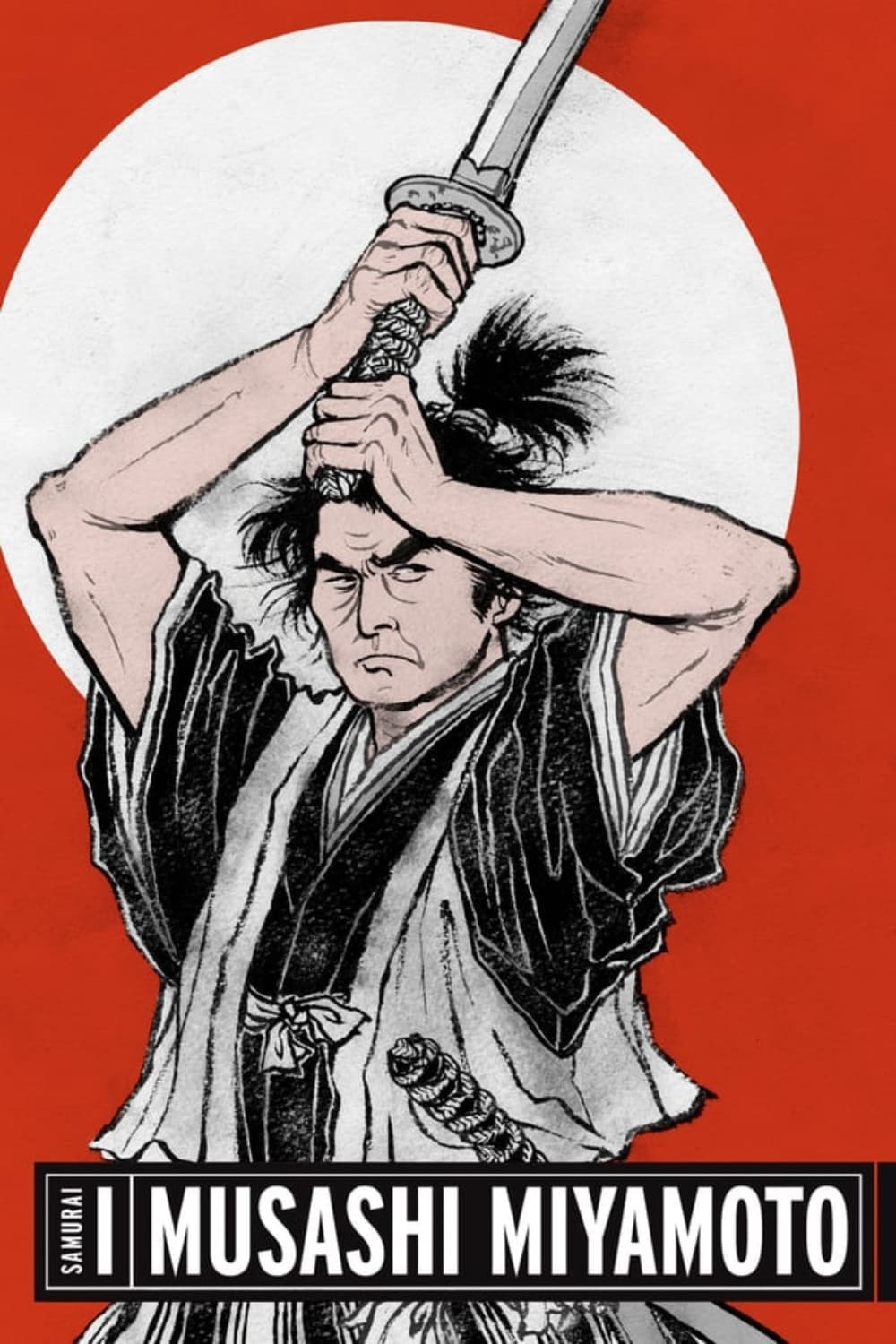
Struggling to elevate himself from his low caste in 17th century Japan, Miyamoto trains to become a mighty samurai warrior.
A news team is sent to Burundi to capture and bring home a legendary 25-foot crocodile. Their difficult task turns potentially deadly when a warlord targets them for death.
When a reclusive survivalist and his daughter rescue a mysterious, wounded woman from a river, they become entangled in a deadly web of violence and revenge, forcing them to confront a brutal criminal to survive.
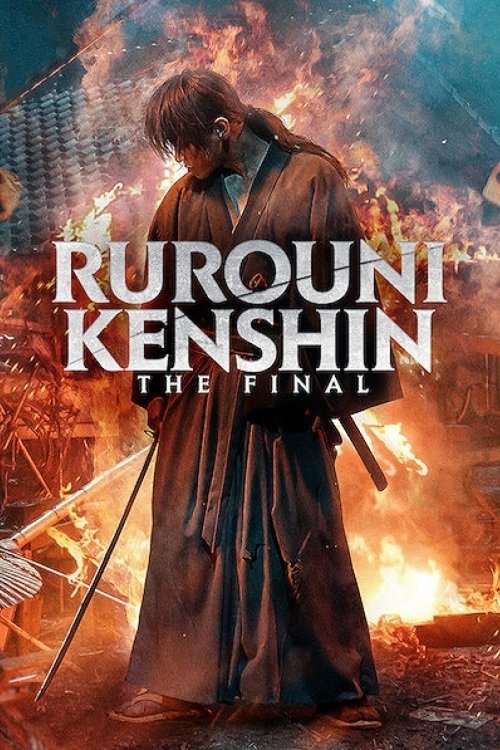
In 1879, Kenshin and his allies face their strongest enemy yet: his former brother-in-law Enishi Yukishiro and his minions, who've vowed their revenge.
On the Hokkaido frontier, a war veteran and Ainu girl race against misfits and military renegades to find treasure mapped out on tattooed outlaws.
A rag-tag team of divers attempting to salvage a sunken car from a river are thwarted by a highly aggressive bull shark.
When an artifact known as the "King's Seal" is stolen during transport from Soul Society, Hitsugaya Toushirou is assigned to retrieve it. Toushirou goes missing after a battle with the thieves, leading Seireitei to suspect him of treachery. They order his immediate capture and execution. Unwilling to believe him capable of such a crime, Ichigo, Rangiku, Rukia, and Renji set out to find Toushirou.
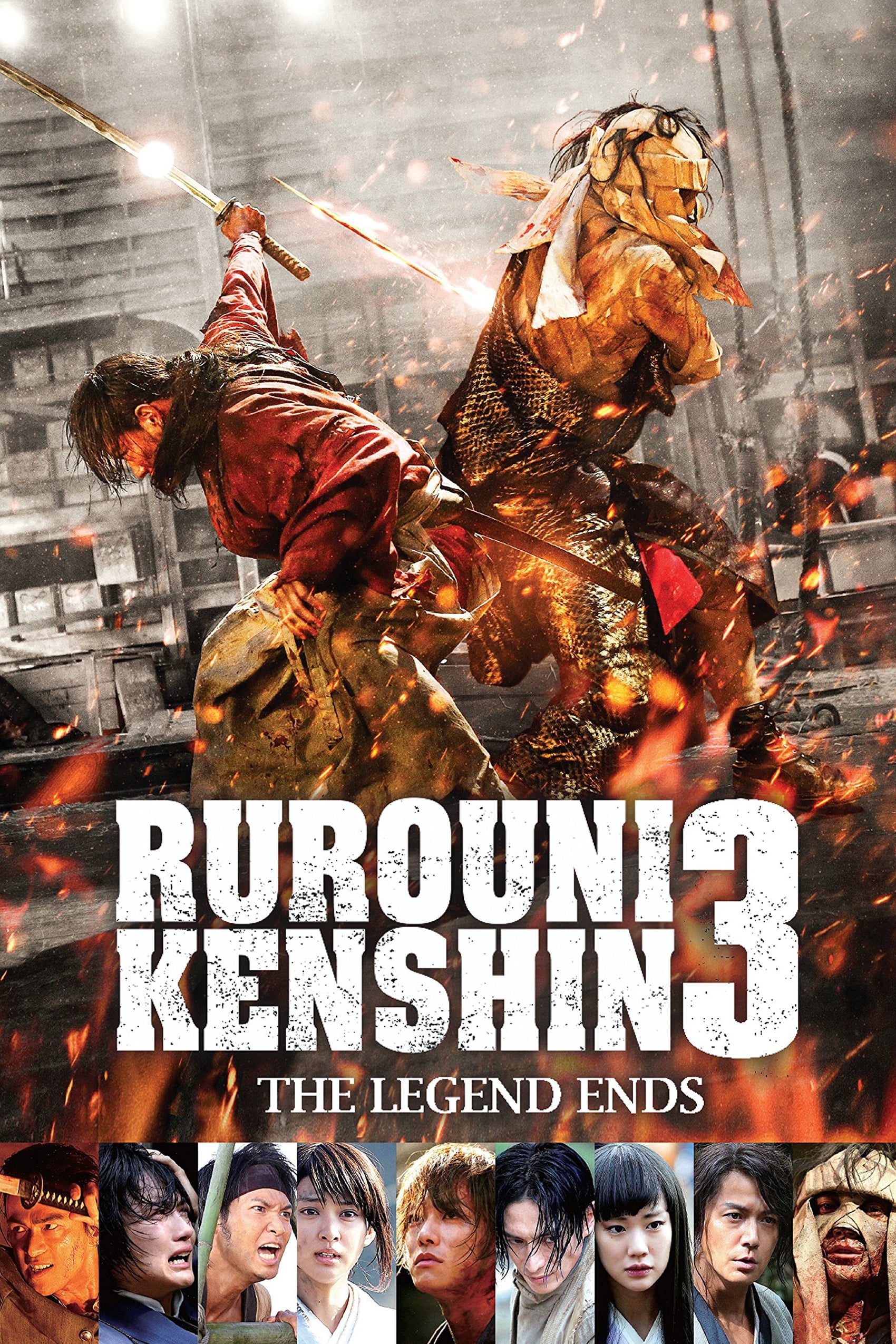
Shishio sets sail in his ironclad ship to bring down the government. In order to stop him, Kenshin trains with his old master to learn his final technique.
Good-natured teen surfer Mitchell Goosen finds himself staying with his aunt and uncle in Cincinnati, Ohio when his parents head to Australia for work. There he meets his cousin, Wiley, and together they try to navigate the perils of high school—avoid the bullies, get the girl, and win a little respect.
Follows Pete, a professional hitman, as he faces a group of assassins after the boss of a crime syndicate suspects disloyalty due to his attendance at Workaholics Anonymous meetings.