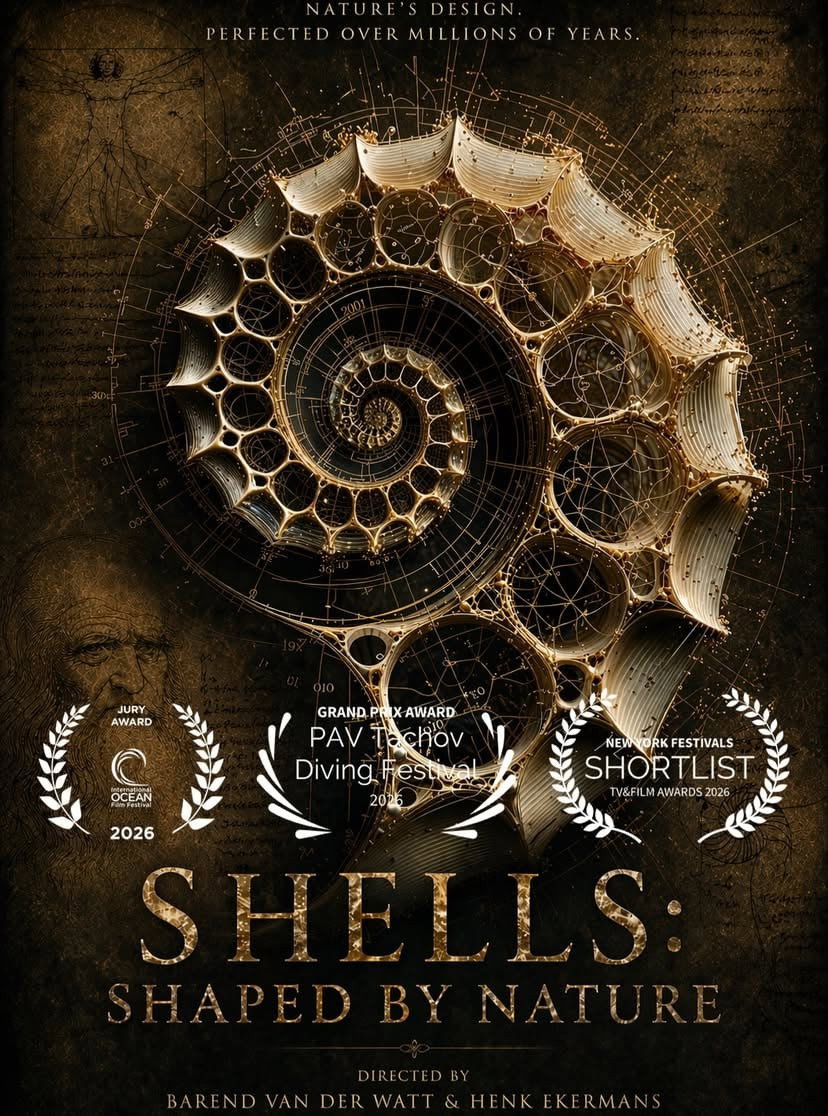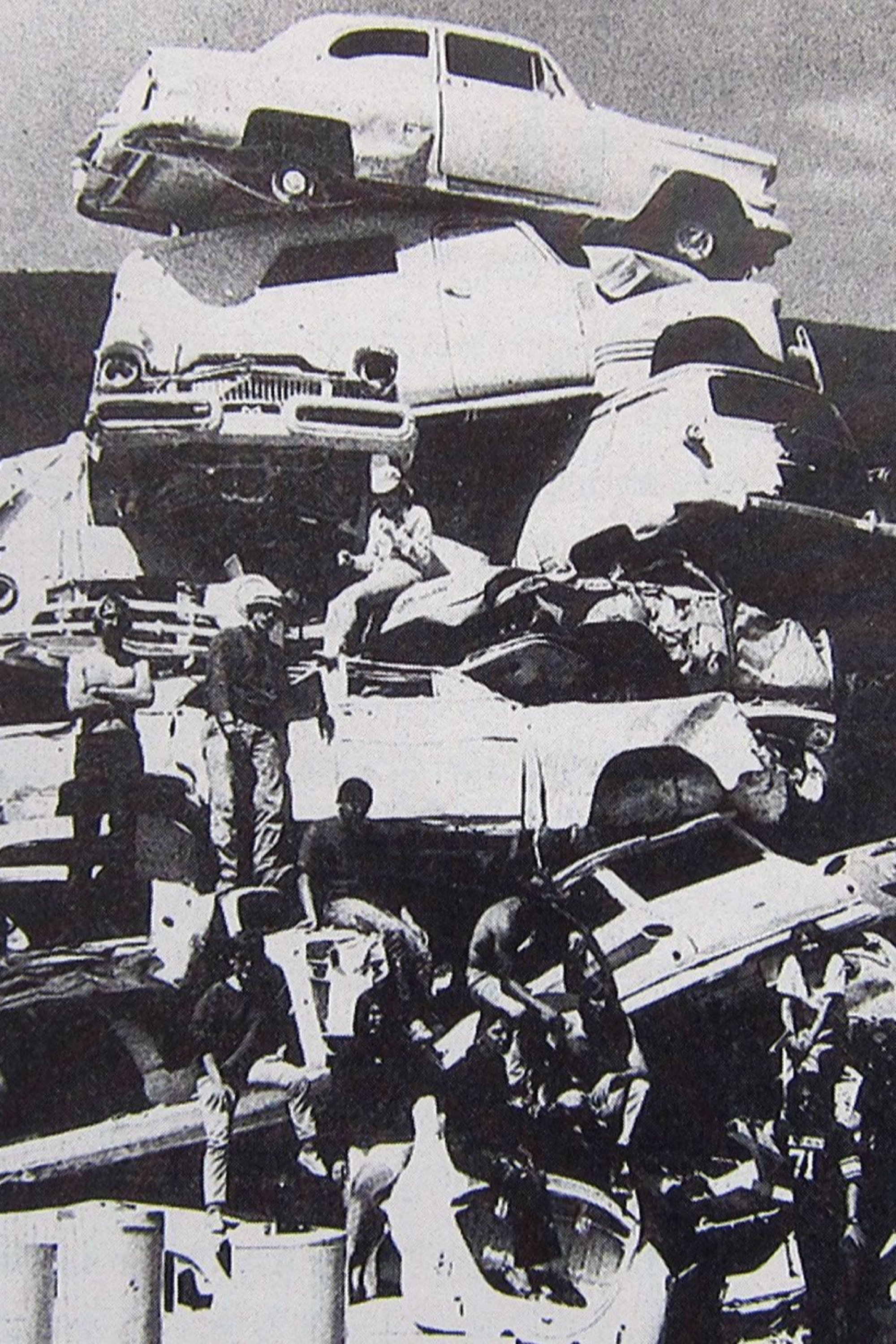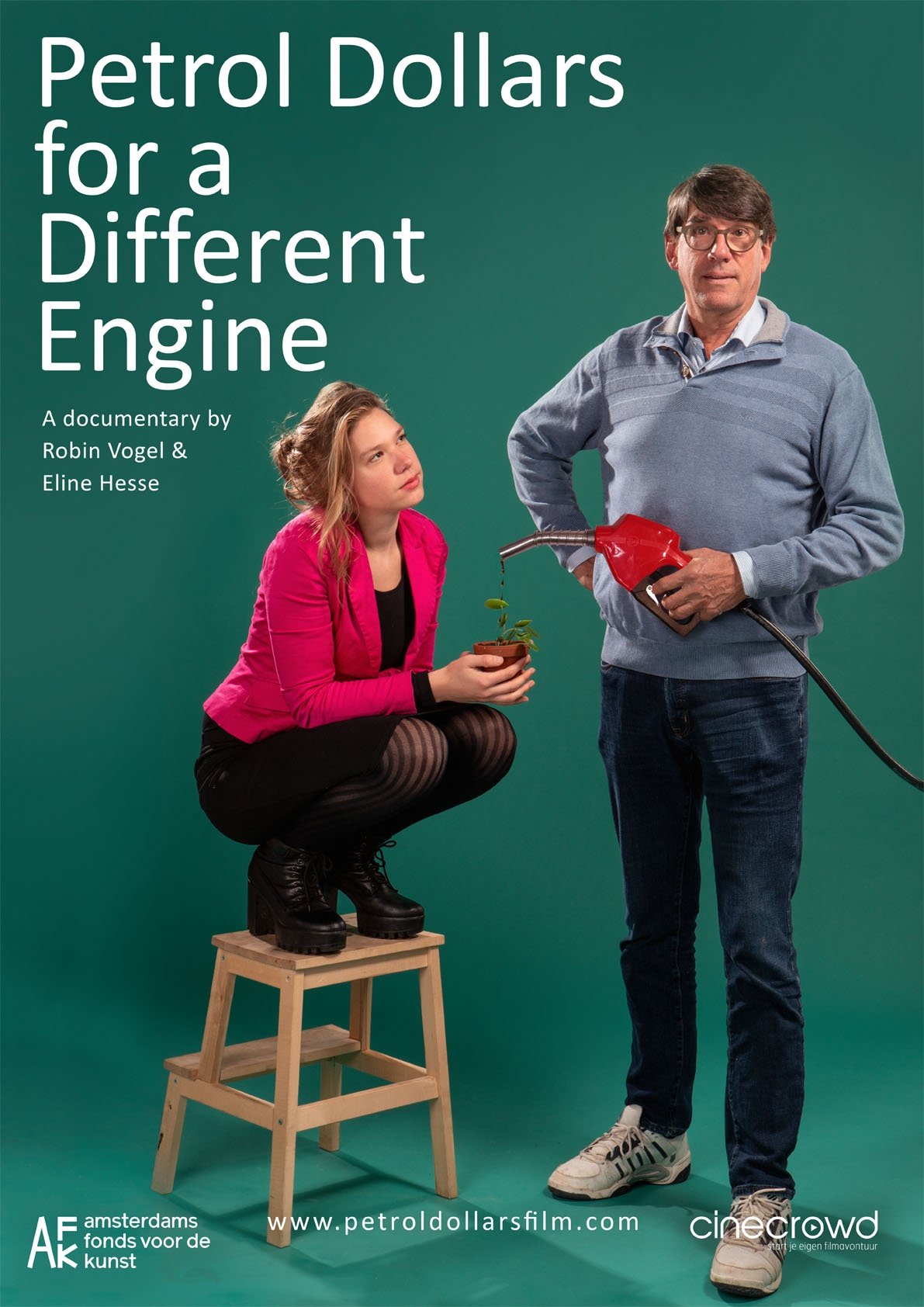
Documentary about a woman who wants to reinvest her Shell stock for a better future.
Social & External
"Melting Lives - Victims of the New Weather" is a six-part documentary series in which the viewers meet people in the Arctic region who live close to and depend on nature for survival, and who struggle to maintain their way of life. Their tales are being heard and testimonies about how life is changing as the world gets ever warmer. The host, Samuel Idivuoma, is from northern Sweden. He visits Inuits on Greenland and in Alaska, aboriginal people in Canada and Nenets from the Siberian tundra in Russia

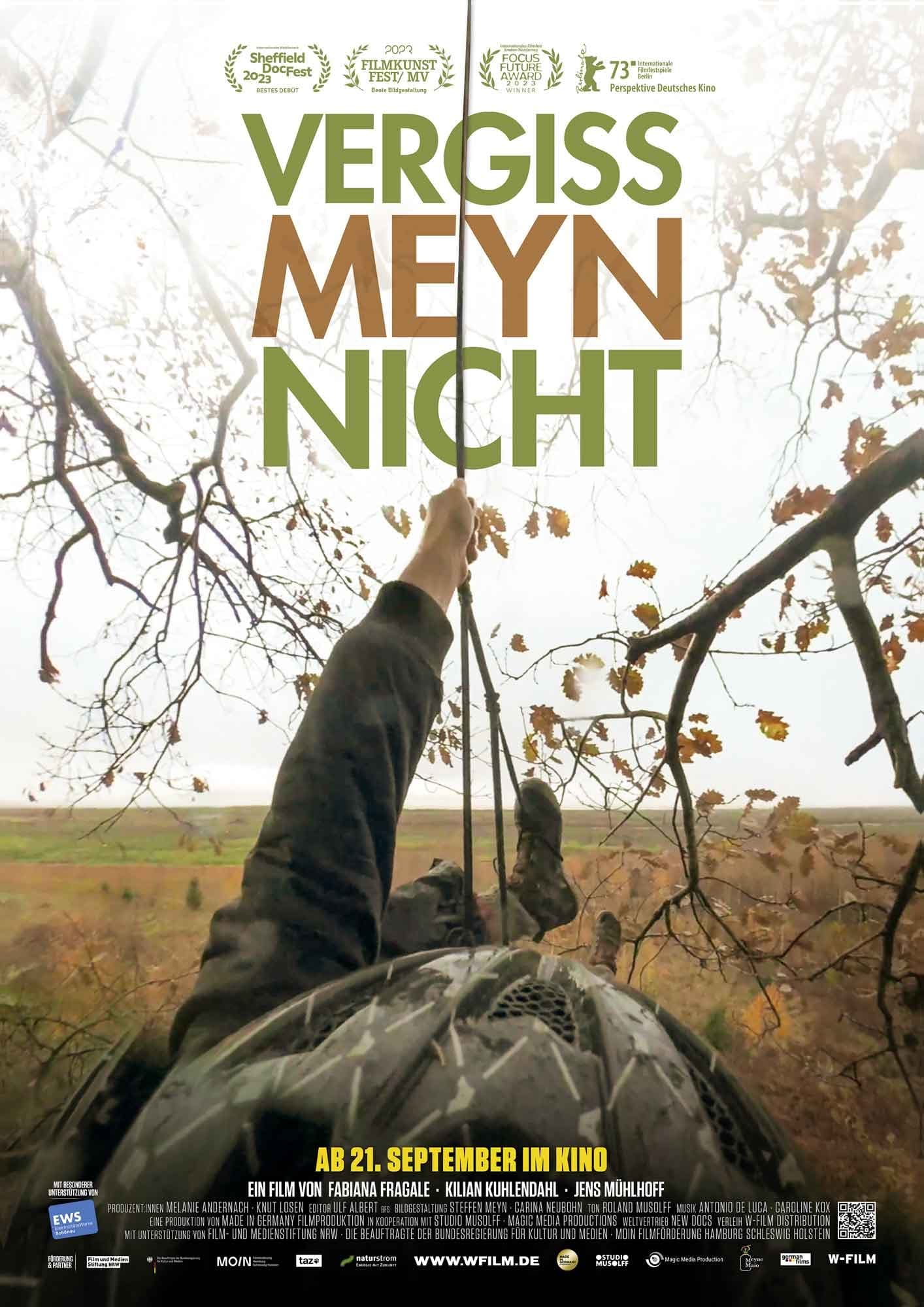
Fall 2018: The Hambach Forest becomes a chaotic scene of the climate conflict. In the midst of this chaos, film student Steffen Meyn has a fatal accident. Based on footage he collected over two years, we follow Steffen’s path up the trees and into an activism full of contradictions.

"Go Further" explores the idea that the single individual is the key to large-scale transformational change. The film follows actor Woody Harrelson as he takes a small group of friends on a bio-fueled bus-ride down the Pacific Coast Highway. Their goal? To show the people they encounter that there are viable alternatives.
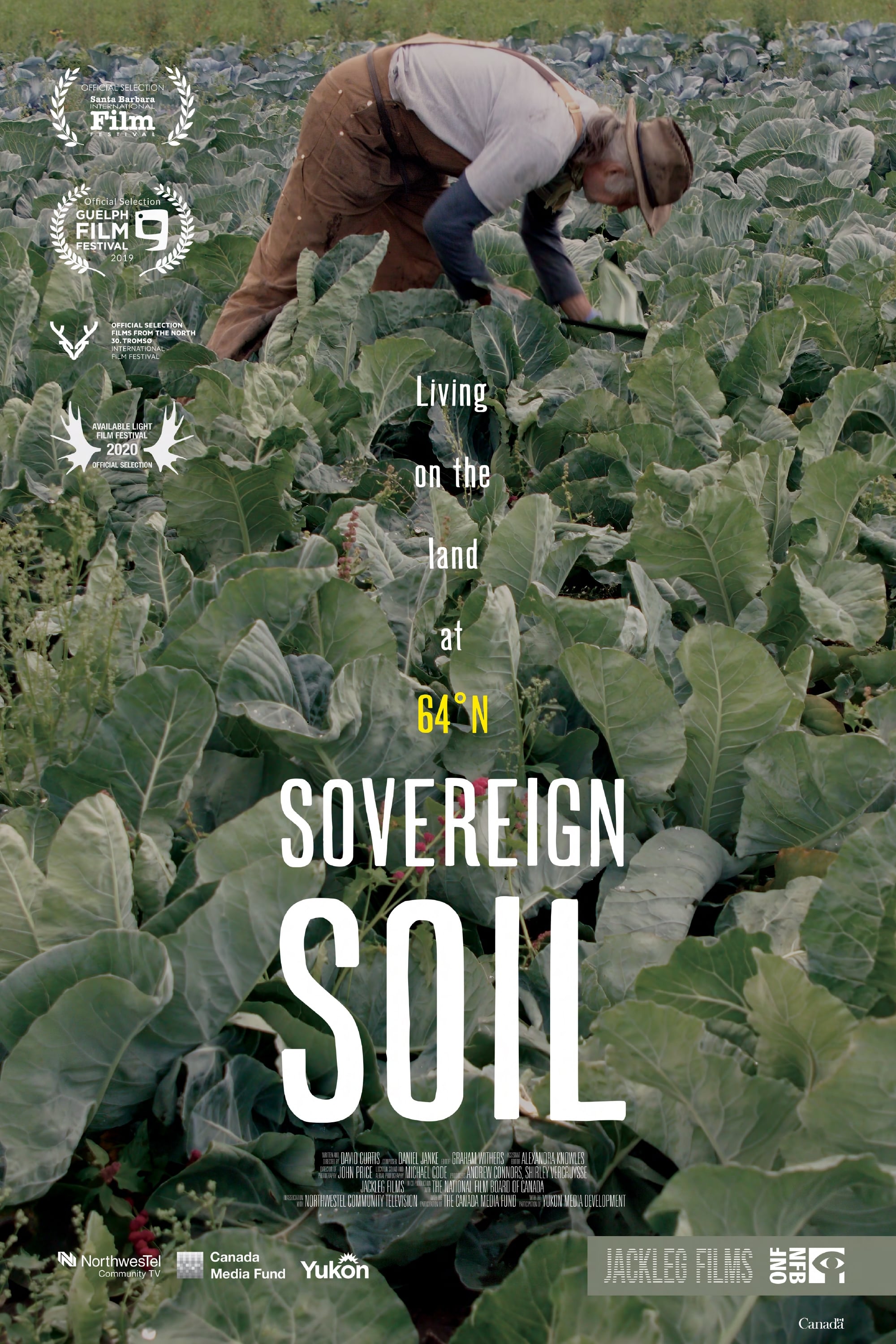
Built on a layer of frozen earth, Dawson City, Yukon, Canada has subarctic winters where temperatures routinely drop below −40°C. Meet the four season food producers who engage in small-scale agriculture, and those who support their back-to-the-land movement. These resilient unassuming farmers have carved out small patches of fertile soil, in an otherwise unforgiving expanse of isolated wilderness, to make a living and a life.
The flying foxes that soar across Sydney each evening face many challenges: impacted by heatwaves, evicted from urban parklands, struggling to survive an ongoing loss of habitat. Bat carers save a handful here and there, and ecologists document their struggles, as threats escalate. Filmed over six years, The Weather Diaries reaches its climax in 2020, as temperatures soar, bushfires rage, and flying fox pups die in record numbers. Drayton ruminates on our failure to value these essential pollinators and the forests they sustain, and reflects on the implications for her daughter Imogen, a girl long inspired by Studio Ghibli’s Princess Mononoke, who’s emerging from the classical confines of the Conservatorium High School to embark on a career as an electronic pop artist.
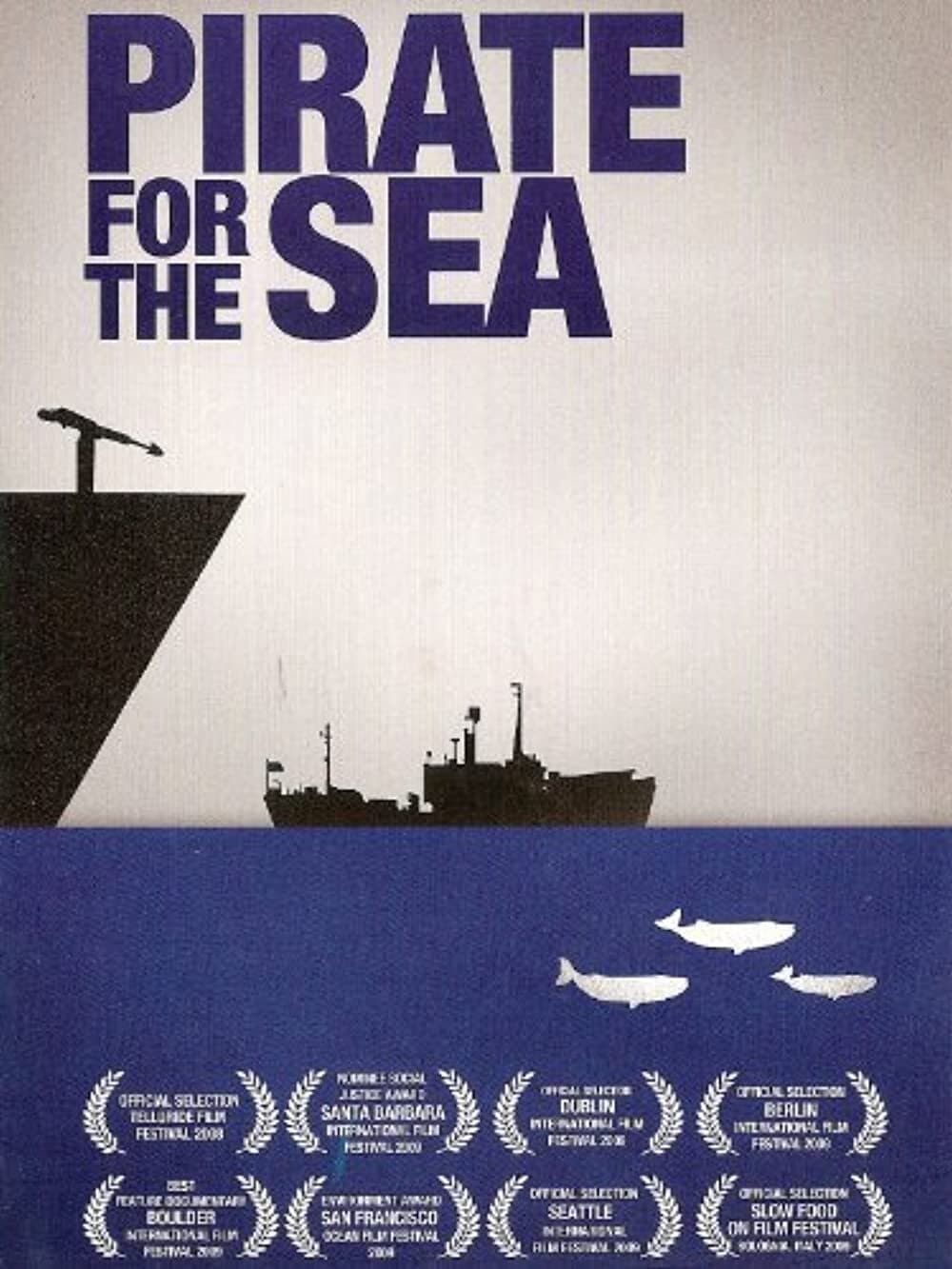
A documentary on Paul Watson, who takes the law into his own hands on the open seas, confronting, by any nonviolent means necessary, the hunters who indiscriminately slaughter whales, seals and sharks, along with complicit governments and environmental organizations. Written by Anonymous "Pirate for the Sea" is a biographical film of Captain Paul Watson, the youngest founding member of Greenpeace Canada. He organized early campaigns protesting the killing of seals, whales, and dolphins. Greenpeace ejected him for being too much of an activist. Starting his own organization, the Sea Shepherd Conservation Society, he went on to sink illegal whaling ships, stopped Canadian seal hunts for ten years, permanently halted sealing in British Isles, killing of dolphins on Iki Island, Japan, etc. This documentary witnesses his latest campaigns and explores the personal and environmental history of this controversial marine conservationist. Written by R.C.
From Inside of Here is a feature-length non-fiction film based in research in the Mexican Wolf Recovery Area in western New Mexico. The audience is invited to understand the filmmaker as a subject co-produced by their location, as well as consider the ways the land is co-produced by those on it. The place itself is a character in the film, as are the filmmaker's methods. The film is composed of multiple media: 16mm film, HD video, infrared stills, inter-titles, and sound recordings. The result is a feminist ethnographic landscape film that communicates both the majesty of 1800s landscape photography and the violence of a settler colonial gaze that is its context.
At the Edge of the World chronicles the controversial Sea Shepherd Antarctic Campaign against a Japanese whaling fleet. The international volunteer crew, under-trained and under-equipped, develop a combination of bizarre and brilliant tactics with which to stop the whalers. But first they must find the Japanese ships, a far more difficult challenge than ever imagined - long-time activist Paul Watson and first-time captain Alex Cornelissen employ an array of strategies in the hopes of finding an elusive adversary in the vast expanse of the Ross Sea. With one ship (the Farley Mowat) too slow to chase down the whaling fleet, with their second ship (the Robert Hunter) unsuited for Antarctic ice conditions and with no country supporting their efforts to enforce international law, the situation becomes increasingly desperate. Against all odds, however, a real-life pirate tale unfolds - a modern-day "David vs. Goliath" adventure.
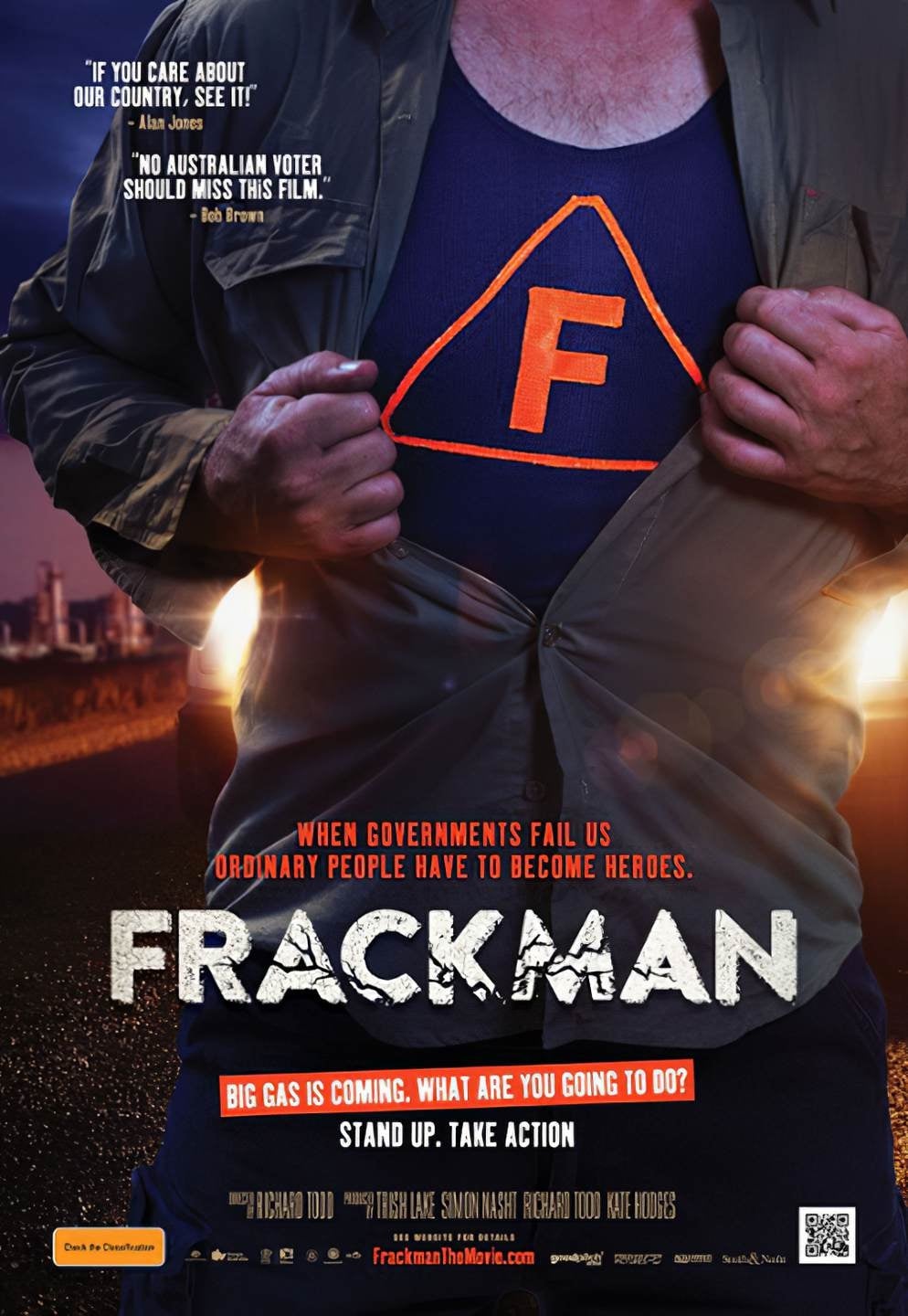
Frackman tells the story of accidental activist Dayne Pratzky and his struggle against international gas companies. Australia will soon become the world's biggest gas exporter as more than 30,000 'fracked' wells are sunk in the state of Queensland where Dayne lives. He and his neighbours have unwittingly become the centre of a massive industrial landscape and they have no legal right to stop mining on their land. Dayne embarks on a journey that transforms him from conservative pig-shooter to sophisticated global activist as the Frackman. He meets the people drawn into a battle that is crossing the ideological divide, bringing together a peculiar alliance of farmers, activists and political conservatives. Along the way Dayne encounters love, tragedy and triumph.
When the Greenpeace ship Arctic Sunrise set sail in 2013 to protest the first ever oil drilling in the Arctic Ocean, none of the people on board could have known what was coming. Seized at gunpoint by Russian special forces, the 'Arctic 30' were thrust into headlines all over the world, facing up to 15 years in prison and finding themselves at the centre of a bitter international dispute.
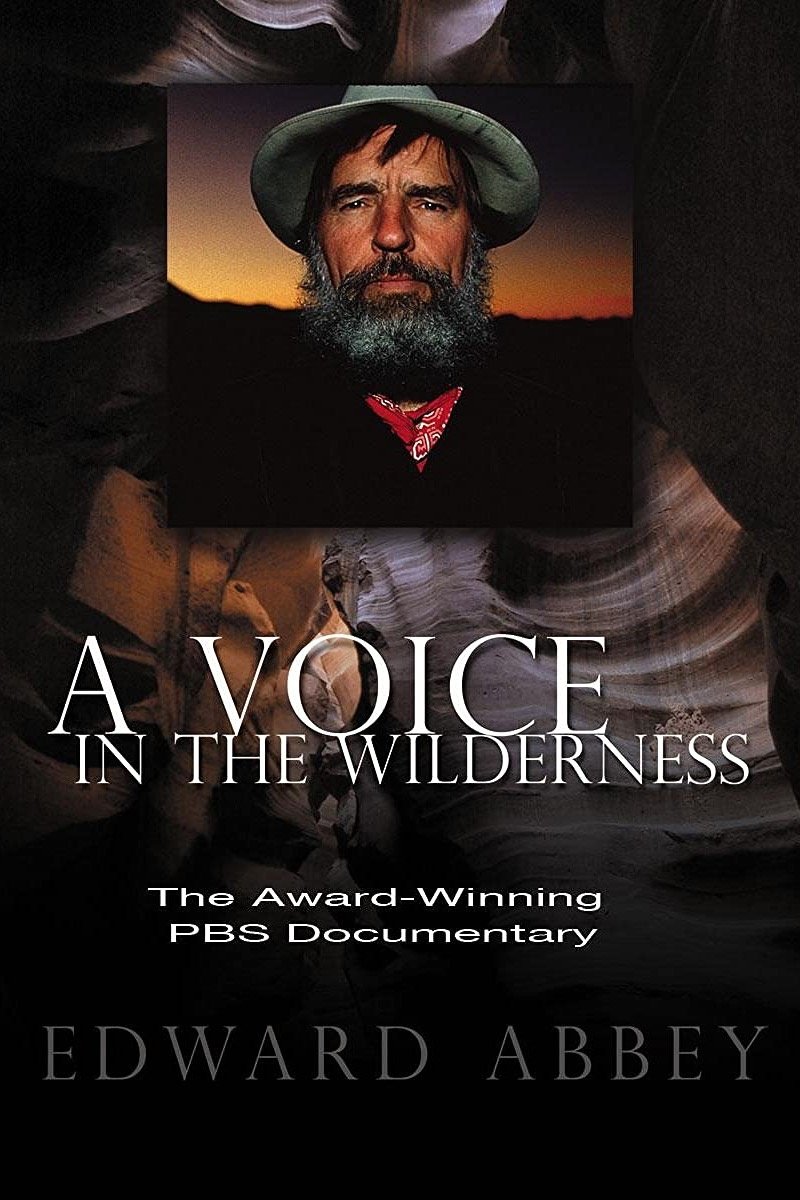
Activist/author Edward Abbey's legacy lives on in his best-selling books and now in director ML Lincoln's lively documentary. Lincoln pays tribute to Abbey and the environmental movement he inspired, reenacting his "monkeywrenching," and interviewing notable eco-warriors and present-day activists.
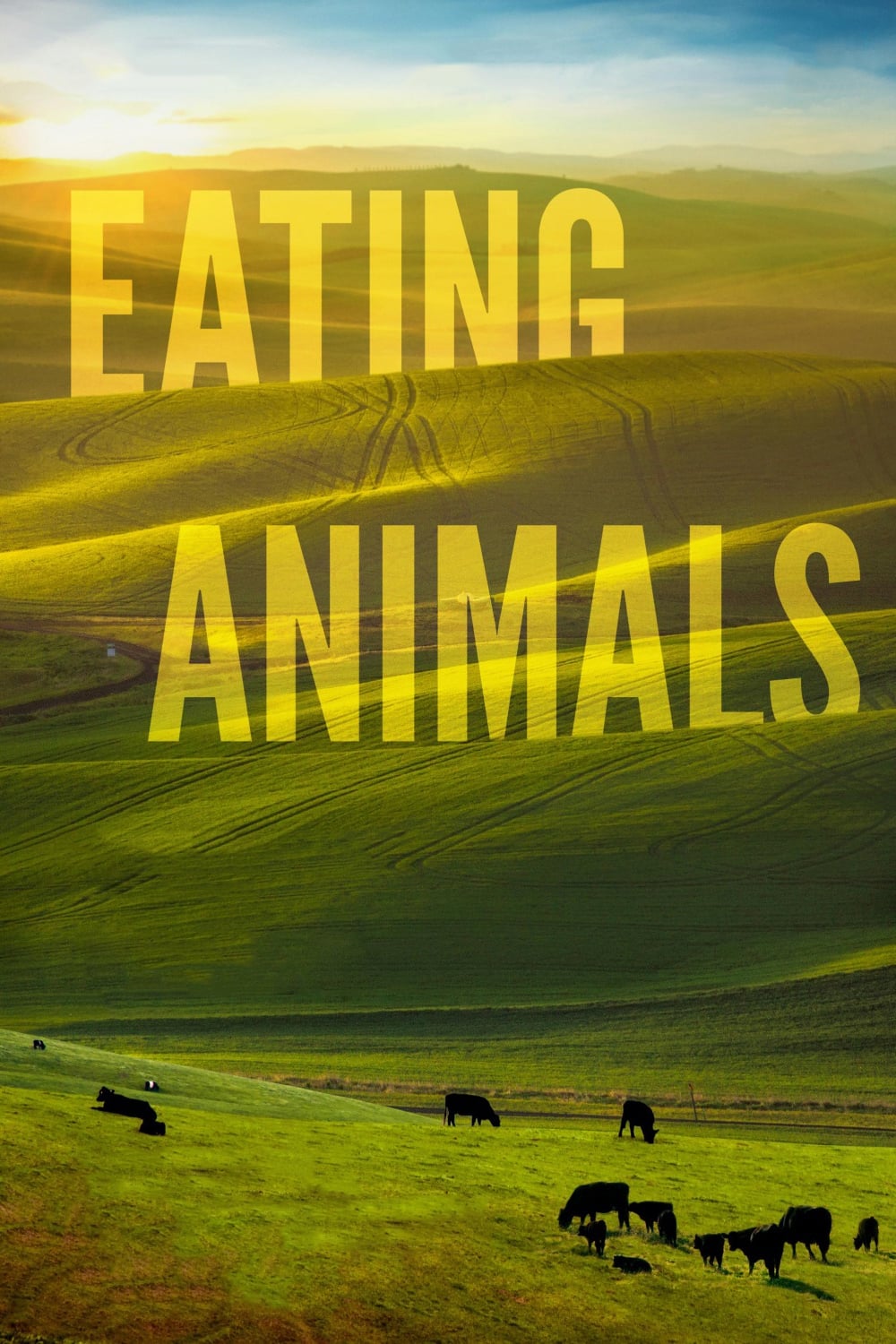
An examination of our dietary choices and the food we put in our bodies.
A compilation of conferences/debates between renowned designers, environmental activists, and students on the concept of design. Held in Aspen, Colorado, USA.
With regenerative management techniques, we can improve soil health and help mitigate climate change, by reducing atmospheric CO2 levels through long-term soil carbon sequestration. “Regenerative Renegades” presents a clear choice: Continue down the path of soil depletion or support agriculture that regenerates the land, combats climate change, and improves our economic vitality. Dig into the research and the collective consciousness behind a unique group of ranchers that make up the resilient, regenerative, renegade way at Thousand Hills. By working with nature and not against it, they have found a renewed joy in farming and a method that renews the land and our planet’s health.
Mauri (life principle, life force, vital essence inherent in all living things) The film is an intimate, visually stunning testament to a land and a people who have survived removal, exploitation and colonization — and to the healing ways that are part of the Māori ancestral knowledge. It juxtaposes the enduring trauma of colonialism with the resilience offered through Māori ancestral healing traditions.
Lydia Jennings is a member of the Huichol (Wixaritari) and Pascua Yaqui (Yoeme) Nations and holds a doctorate in soil microbiology. Her work is dedicated to environmental science and the essential role of Indigenous communities in these spaces. Her hope is to create more inclusive academic and environmental landscapes. In place of her graduation, which was canceled as a result of the pandemic, Lydia instead celebrated by running 50 miles in honor of the Indigenous scientists and knowledge keepers who came before her. It’s a run to honor the past and present while looking towards the future.
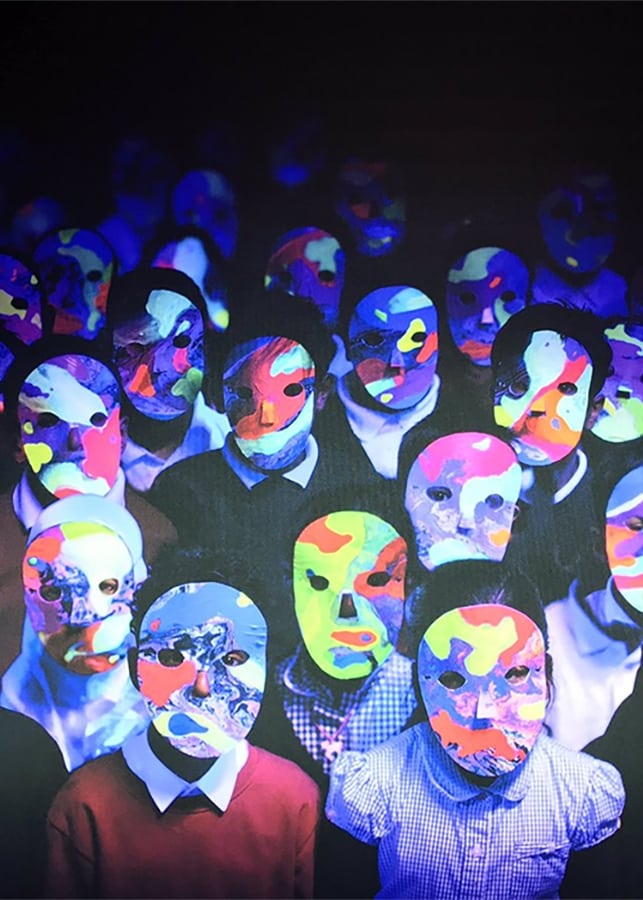
Ted Hughes's 1993 novel The Iron Woman is the springboard for this multi-media project by Mikhail Karikis. The video section of the installation features seven-year-olds from Mayflower Primary School in East London discussing the novel's environmental themes.
Filmmaker Marshall Curry explores the inner workings of the Earth Liberation Front, a revolutionary movement devoted to crippling facilities involved in deforestation, while simultaneously offering a profile of Oregon ELF member Daniel McGowan, who was brought up on terrorism charges for his involvement with the radical group.
Humanity’s ascent is often measured by the speed of progress. But what if progress is actually spiraling us downwards, towards collapse? Ronald Wright, whose best-seller, “A Short History Of Progress” inspired “Surviving Progress”, shows how past civilizations were destroyed by “progress traps”—alluring technologies and belief systems that serve immediate needs, but ransom the future. As pressure on the world’s resources accelerates and financial elites bankrupt nations, can our globally-entwined civilization escape a final, catastrophic progress trap? With potent images and illuminating insights from thinkers who have probed our genes, our brains, and our social behaviour, this requiem to progress-as-usual also poses a challenge: to prove that making apes smarter isn’t an evolutionary dead-end.
The story of the Monarch butterfly: a symbol of American pride and the embodiment of the returning dead in Mexico. It would be a happy story, only, today they are dying. The monarch butterflies population has declined by up to 80% in the last decade. Who is to blame?