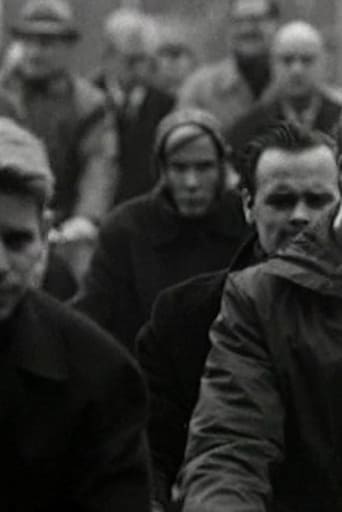
These two views were taken during the celebrations given in 1896 on the occasion of the millennium of the foundation of the kingdom of Hungary. Horsemen and men on foot parade, all dressed in historic uniforms.
Social & External
A day in the city of Berlin, which experienced an industrial boom in the 1920s, and still provides an insight into the living and working conditions at that time. Germany had just recovered a little from the worst consequences of the First World War, the great economic crisis was still a few years away and Hitler was not yet an issue at the time.
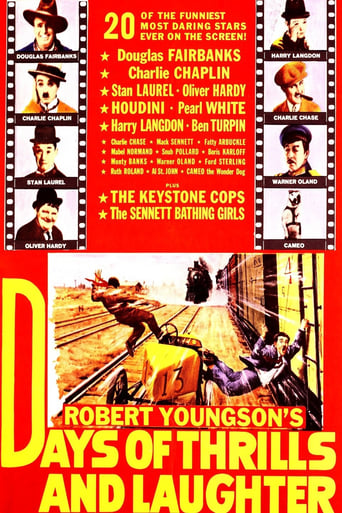
An appreciative, uncritical look at silent film comedies and thrillers from early in the century through the 1920s.
This pioneering documentary film depicts the lives of the indigenous Inuit people of Canada's northern Quebec region. Although the production contains some fictional elements, it vividly shows how its resourceful subjects survive in such a harsh climate, revealing how they construct their igloo homes and find food by hunting and fishing. The film also captures the beautiful, if unforgiving, frozen landscape of the Great White North, far removed from conventional civilization.
A tour of Istanbul in all its glory. All the sights, such as the Hagia Sophia, but also the small details are shown.
This film records the vast public response to the early death of Vera Kholodnaya, the first star of Russian cinema.
On a market day in Kernascleden, two Breton women exchange their hair for a few coins. The hair becomes hairpieces. Last scene, an elegant Parisian removes her hat and exposes her generous wig skillfully coiffed.
Also known as The Operation of Dr. Alejandro Posadas. Filmed with early orthochromatic film in the Hospital de Clínicas de la Ciudad in Buenos Aires.
Finland’s first nature documentary. The filmmakers’ expedition leads them all the way to the Åland Islands and the Karelian Isthmus.
A film by Louis Aimé Augustin Le Prince, shot in late October 1888, showing pedestrians and carriages crossing Leeds Bridge.
The first woman to appear in front of an Edison motion picture camera and possibly the first woman to appear in a motion picture within the United States. In the film, Carmencita is recorded going through a routine she had been performing at Koster & Bial's in New York since February 1890.
A short documentary detailing the forging of a katana.
Farmers' wives from Amager selling flowers.
Swimming. The Russian swimmer Romantschenko visits Copenhagen. He jumps into the water and swims around in the harbor, and he is later seen together with journalist Anker Kirkeby.
A cameraman wanders around with a camera slung over his shoulder, documenting urban life with dazzling inventiveness.
A short dance film in Pathécolor, also know as stencil colouring. The editing cuts correspond with the dancers' costume changes. More about stencil colouring at http://zauberklang.ch/filmcolors/timeline-entry/1218/.
Experimental film fragment made with the Edison-Dickson-Heise experimental horizontal-feed kinetograph camera and viewer, using 3/4-inch wide film.
A unique hybrid of documentary, silent film, drama and dance, 'Breaking Plates' puts revolutionary women of the past on the screen with present day filmmakers. Contemporary women talk to characters from 100 years ago, reanimate their antics and emulate their mayhem moves. As early 21st century performers step into the clothes of their early 20th century counterparts, battling their haywire machines, exploding gags, and eruptive bodies, they learn to wield humour as a weapon against the structures that contain them today.
Short film about the attractions of the Italian coastal town of Rapallo.
The Tsar visits the Russian embassy