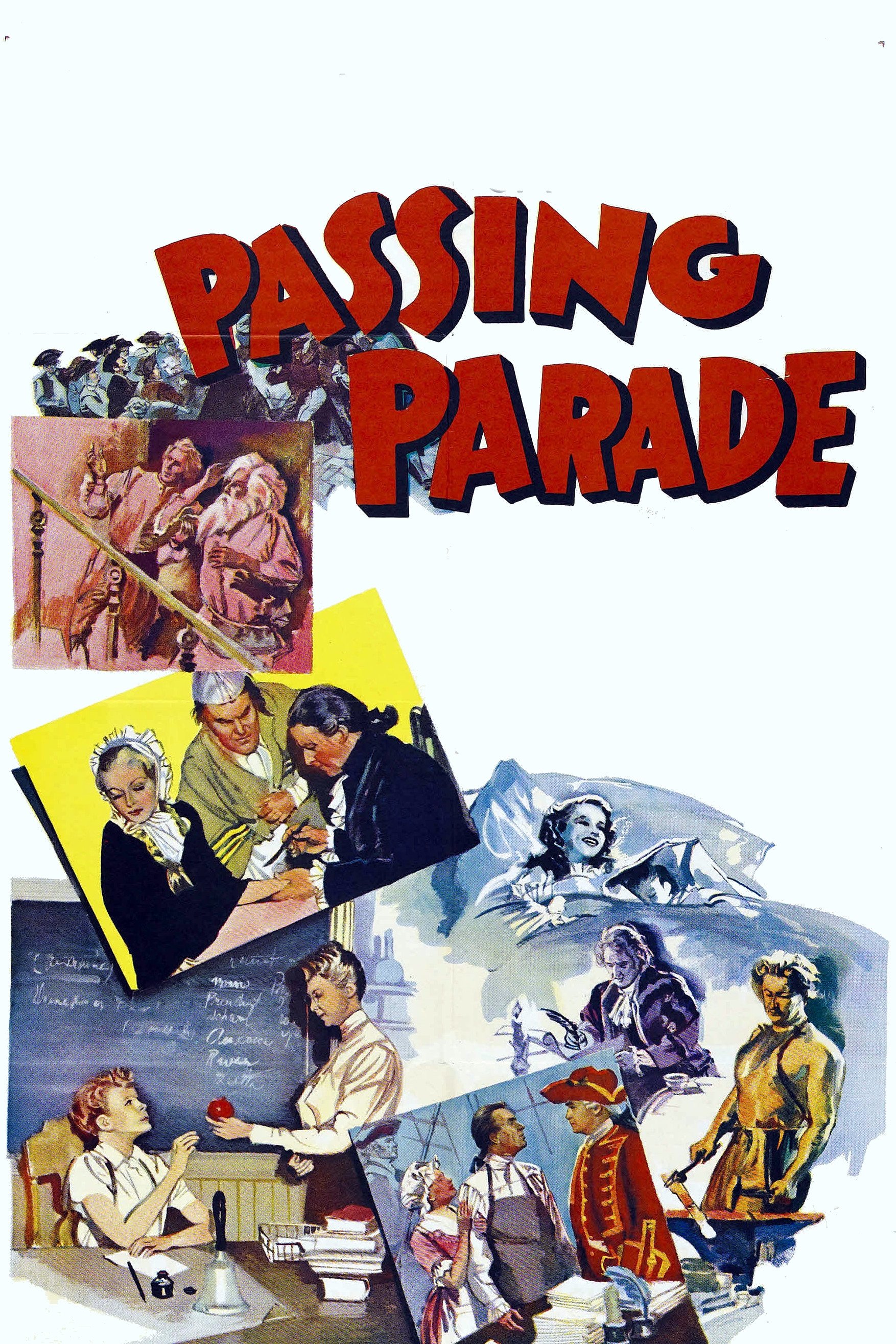
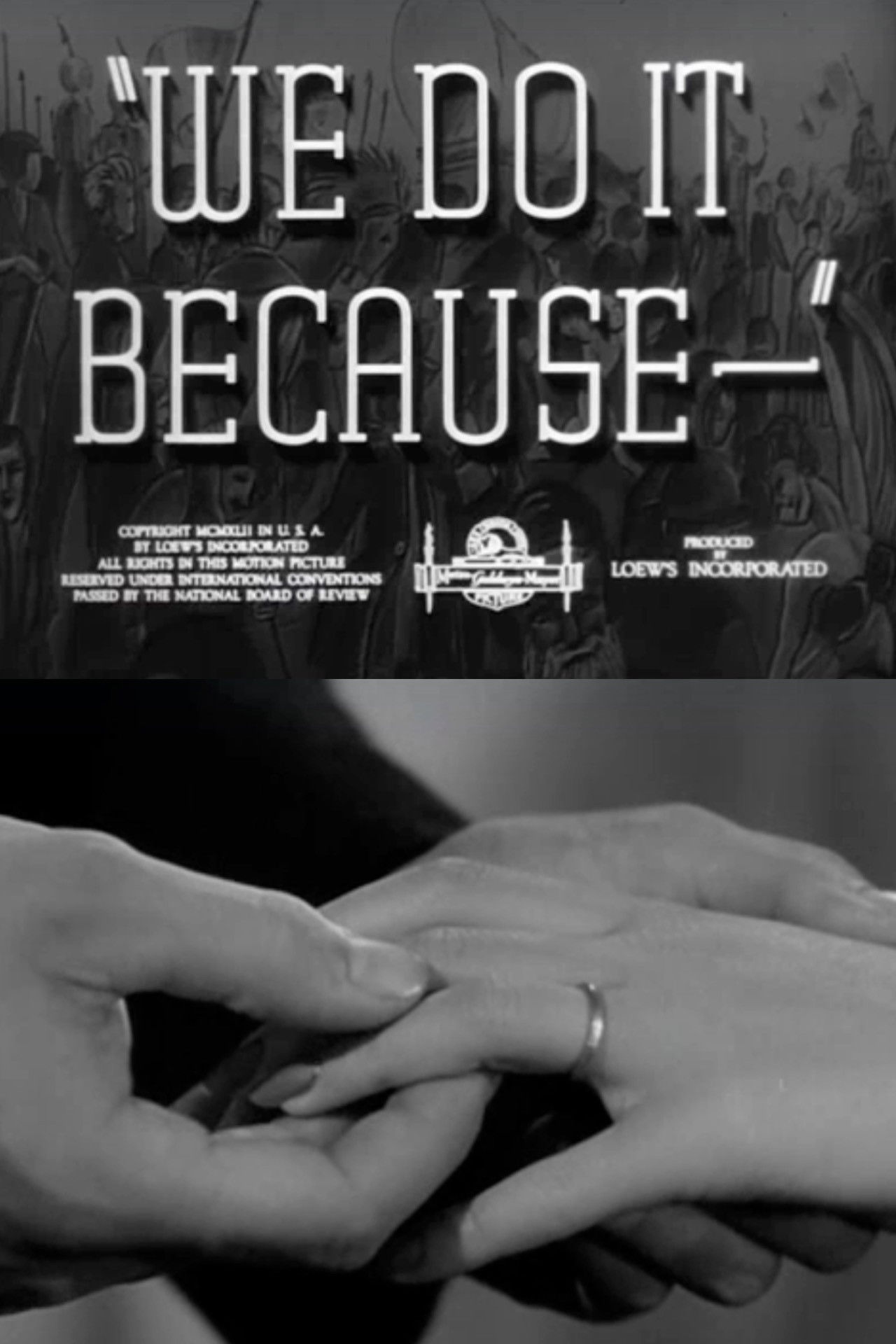
This Passing Parade series short chronicles the political life of Francisco Madero, who tried to bring democracy and land reform to Mexico.
Social & External
The people behind it
John Nesbitt
Himself - Narrator (voice)
Paul Guilfoyle
Don Francisco Madero
John Picorri
Vice President Piño Suarez (uncredited)
Julian Rivero
Peón (uncredited)
Frederick Worlock
Aristocratic Landowner (uncredited)
The personal stories lived by the Uncle, the Father and the Son, respectively, form a tragic experience that is drawn along a line in time. This line is comparable to a crease in the pages of the family album, but also to a crack in the walls of the paternal house. It resembles the open wound created when drilling into a mountain, but also a scar in the collective imaginary of a society, where the idea of salvation finds its tragic destiny in the political struggle. What is at the end of that line? Will old war songs be enough to circumvent that destiny?
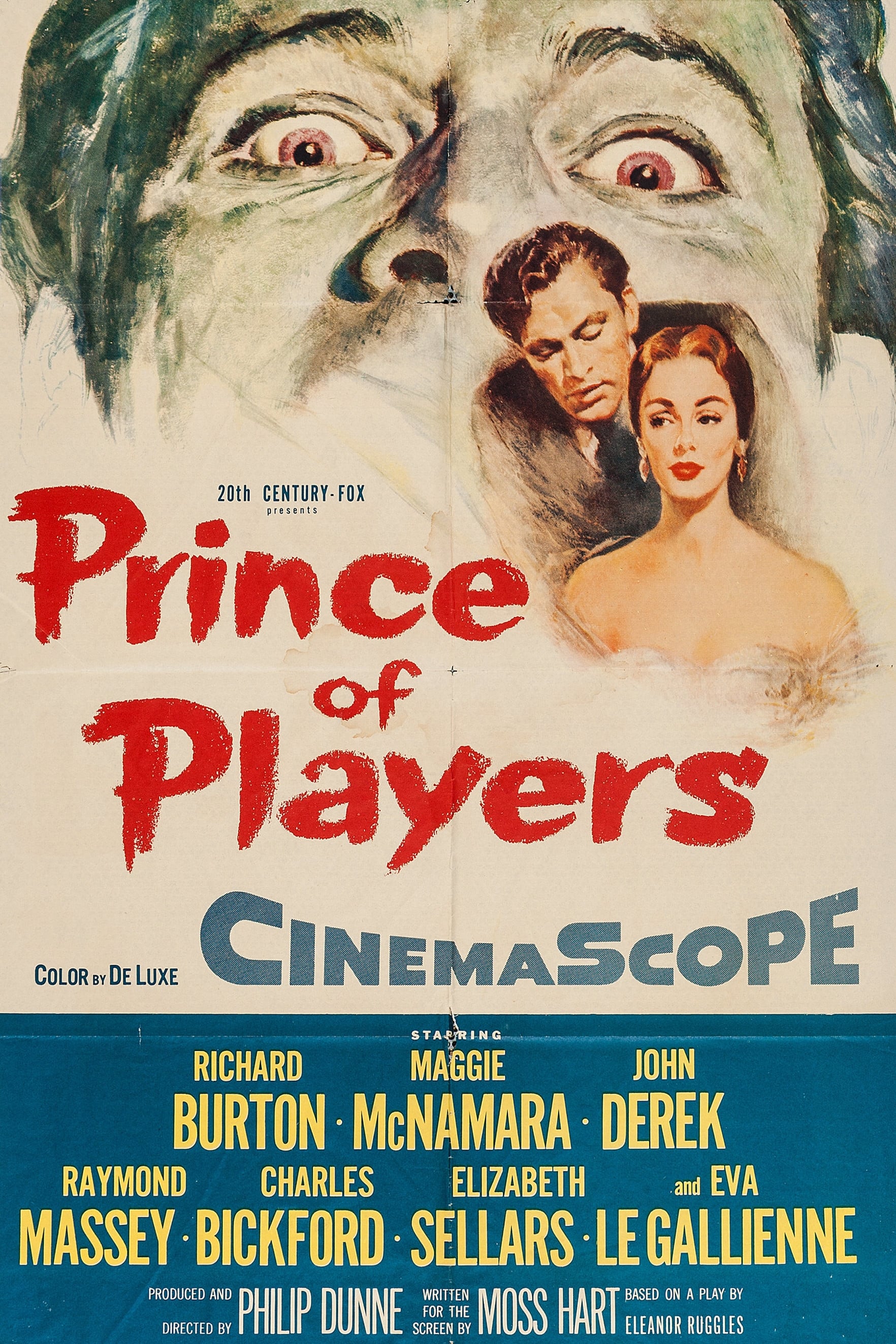
This biopic follows the story of Shakespearean actor Edwin Booth and his rise to fame. Edwin's career begins when he replaces his alcoholic father, the great actor Junius Brutus Booth, in a production of "Richard III" after Junius forgets his lines. As an adult, Edwin performs many lead roles and sparks a rivalry with his brother, John Wilkes. But after his brief time as a celebrity, Edwin's career is cut short by family tragedy.
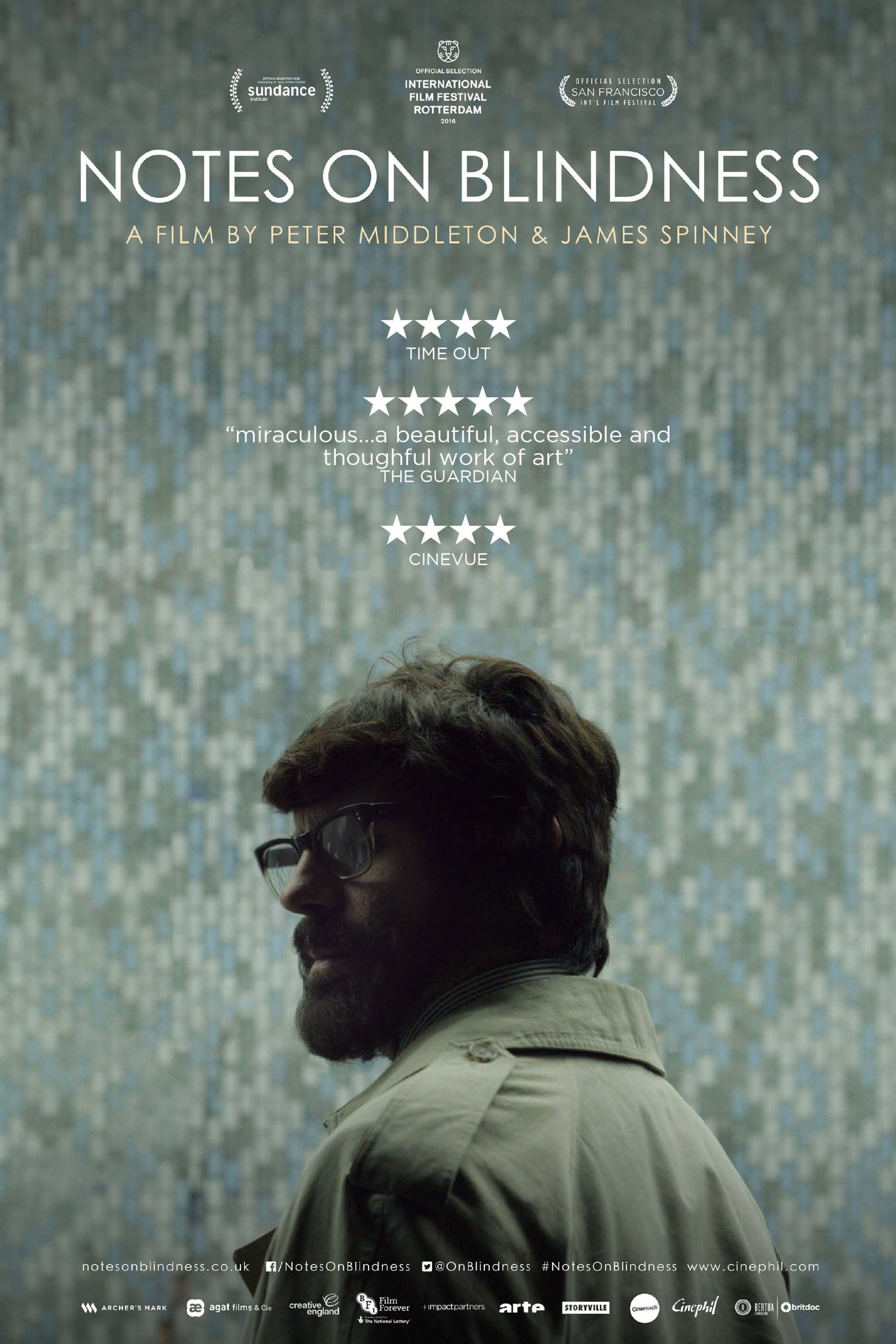
After losing sight in 1983, John Hull began keeping an audio diary, a unique testimony of loss, rebirth and renewal, excavating the interior world of blindness. Following on from the Emmy Award-winning short film of the same name, Notes on Blindness is an ambitious and groundbreaking work, both affecting and innovative.
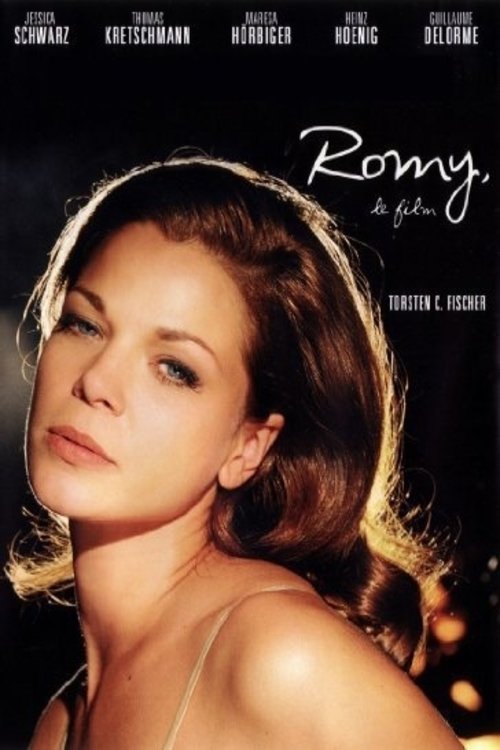
From her on-screen triumphs to her off-screen tribulations, this biopic focuses on the captivating life and career of actress Romy Schneider.
This John Nesbitt's Passing Parade short explores the origins of various customs such as shaking hands, kissing, and why ships are christened.
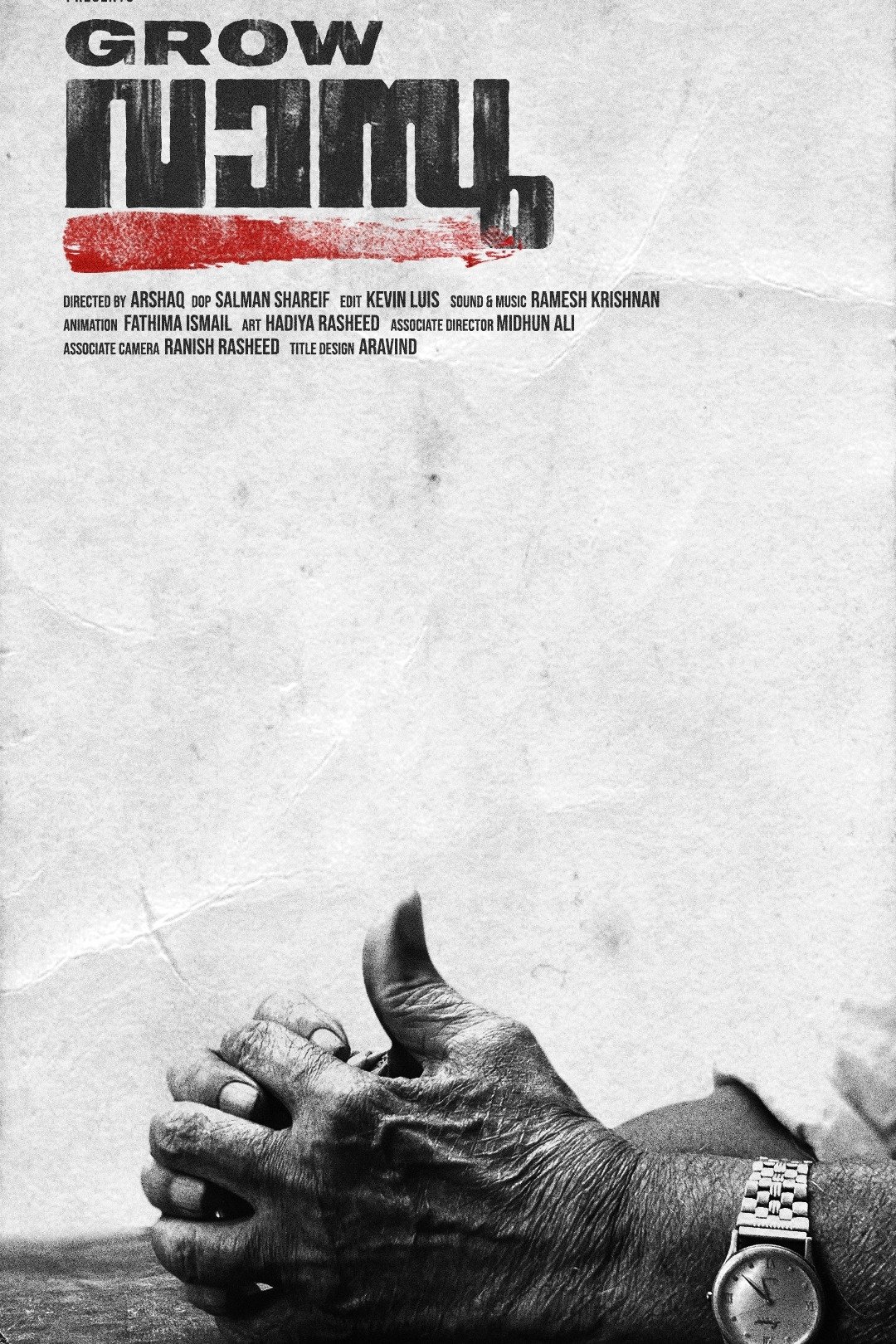
Grow Vasu is a biographical documentary on the life of comrade Ayinoor Vasu aka Grow Vasu, a leader of the working class, as well as a champion of Muslim, Dalit, and marginalized communities and human rights movements. At 94 years young, he was jailed for questioning the authority, yet, Vasu continues his fight against oppression, for justice, and for the revolution. The film follows a narrative style divided into ten chapters consists of his personal-political up and downs.
This first co-production of the Soviet and Indian cinematographers is dedicated to the Tver merchant Afanasy Nikitin who in 1466-1472 blazed the trade way from Europe to India. The film is based on Nikitin’s travel notes. Starring in the film are popular Russian actor Oleg Strizhenov and India’s 1950s movie star Nargis.
Scenes from the life of composer Zdeněk Fibich accompanied by excerpts from his work in a poetic documentary... The story of the Czech artist is embodied in a single day in the life of his collaborator and lover Anežka Schulzová (Iveta Rálková). Between waking up in the morning and falling asleep at night, she brings fragments of her beloved man's life experiences to life in her memories. It is a drama of emotions that draws her into its trap. Fibich left the safe haven of his family for her love, seeking inspiration in passion and eroticism. This clearly tense human situation is complicated by Anežka's rival and Fibich's wife Betty.
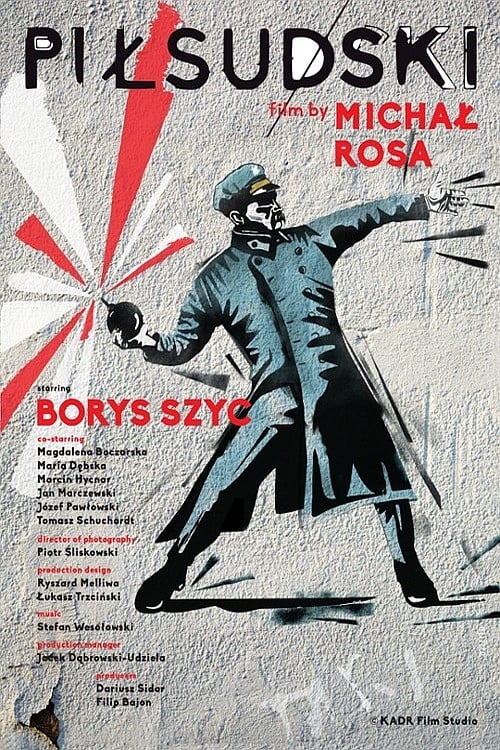
The year 1901, a psychiatric hospital in the Russian partition. One of the patients is a political prisoner - Józef Piłsudski. The Polish underground independence movement is preparing their mission to rescue the famous activist. Piłsudski is freed, but he will not get back his idyll family life that he once knew. Uncertain years are coming, marked by revolutionary events, violence and betrayal. Pilsudski must find a way to man oeuvre on the boggy ground - between the conservative passivity of the Polish Socialist Party and the aggression against the invaders, resulting in retaliation. The year 1914 is coming, and the chance for restoring an independent country, independent Poland, is now or never.
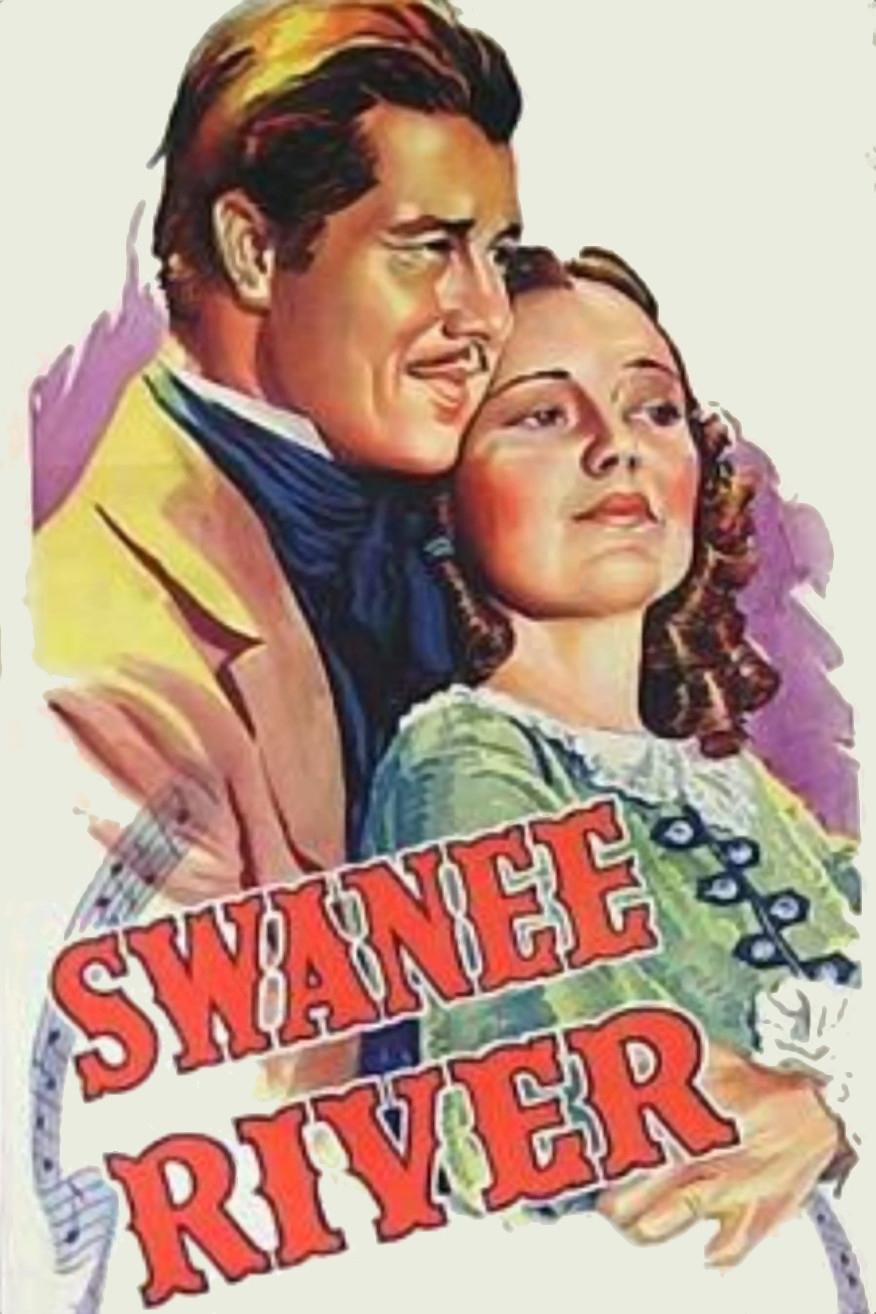
Swanee River is a 1940 American biopic about Stephen Foster, a songwriter from Pittsburgh who falls in love with the South, marries a Southern girl, then is accused of sympathizing when the Civil War breaks out. Typical of 20th Century Fox biopics of the time, the film is more fictional than factual biography.
When David Smallbone's successful music company collapses, he moves his family from Australia to the United States in search of a brighter future. With nothing more than their six children, their suitcases, and their love of music, David and his pregnant wife Helen set out to rebuild their lives from the ground up. Based on a remarkable true story, a mum's faith stands against all odds; and inspires her husband and children to hold onto theirs.
The conflict between Dole Food Company and Swedish filmmaker Fredrik Gertten unfolds dramatically in the documentary "BIG BOYS GONE BANANAS!" as the corporation attempts to suppress Gertten's earlier film, "BANANAS!"—chronicling Nicaraguan workers' lawsuit against Dole. Initially selected for the 2009 Los Angeles Film Festival, "BANANAS!" was abruptly removed from competition, followed by a negative article in the Los Angeles Business Journal and legal threats from Dole's attorneys. Gertten captures this saga of corporate intimidation, media manipulation, and legal challenges in his documentary, showcasing the struggles documentary filmmakers face and highlighting the threat to freedom of speech posed by powerful corporations protecting their reputations.
A biopic of Indonesian group band God Bless.
A coming-of-age tale centered on Modigliani's youth. Amedeo moves to Paris in his early 20s, dies while still young, and all his artist friends, immersed in Bohemian madness, are his contemporaries. "Telling the story of Modigliani also means celebrating the culture of a united Europe," Longoni explains, "Paris, in the years around World War I, brought together the leading artists of the century. The French capital was a place where borders and barriers were not built but where people reflected on the future and on art beyond conflict."
Set during the volatile final months of Indonesia’s New Order regime, the narrative chronicles a young student activist's perilous commitment to pro-democracy underground movements and his family's subsequent, grueling quest for justice following his forced disappearance.
In what would cause a fantastic media frenzy, Clifford Irving sells his bogus biography of Howard Hughes to a premiere publishing house in the early 1970s.
A famous stand-up comedian debates on whether telling or not a polemic joke he just wrote. His whole night changes when he realizes that he has lost the ability to hear laughter...
Based on the real life story, the director turned his camera towards the real world of Âşık Veysel, the great poet who wandered around the Anatolian villages.
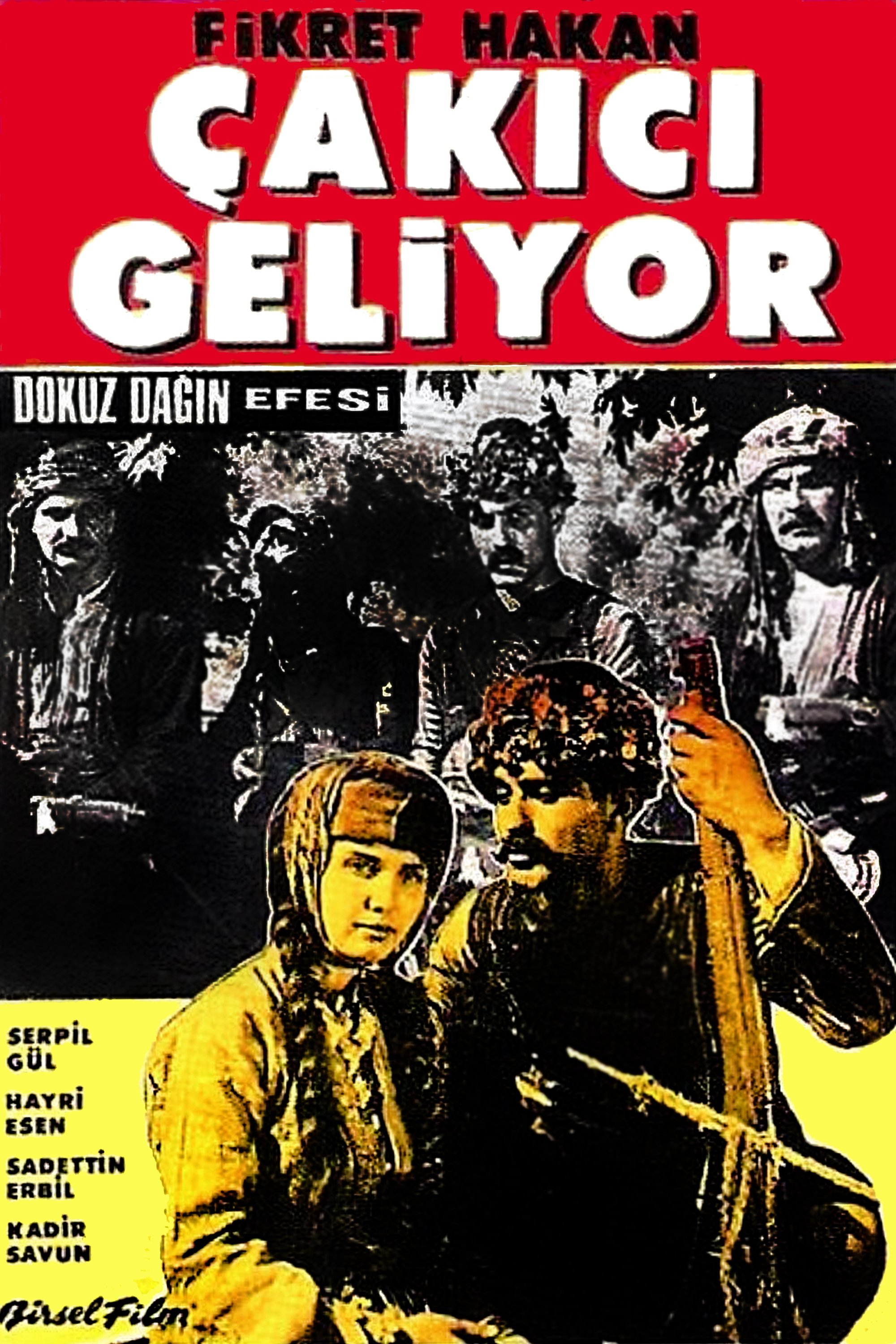
The film traces the life of Çakırcalı Mehmet Efe, a Zeybek (active as an outlaw in the region enclosing İzmir, Aydın, Denizli, Muğla and Antalya in modern western Turkey, from 1893 to 1910) whose father, Çakırcalı Koca Ahmet Efe was murdered by an Ottoman sergeant.
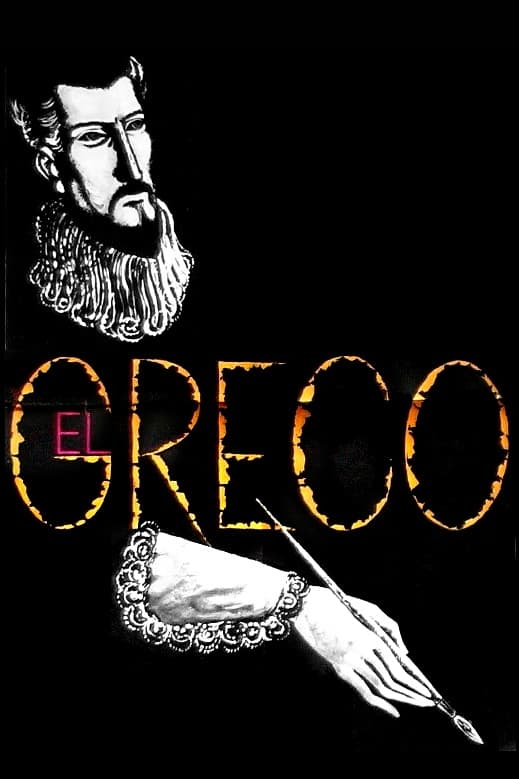
Greek painter Domenikos Theotokopoulos (Mel Ferrer) woos a beauty (Rosanna Schiaffino) and faces the Inquisition in 16th-century Spain.
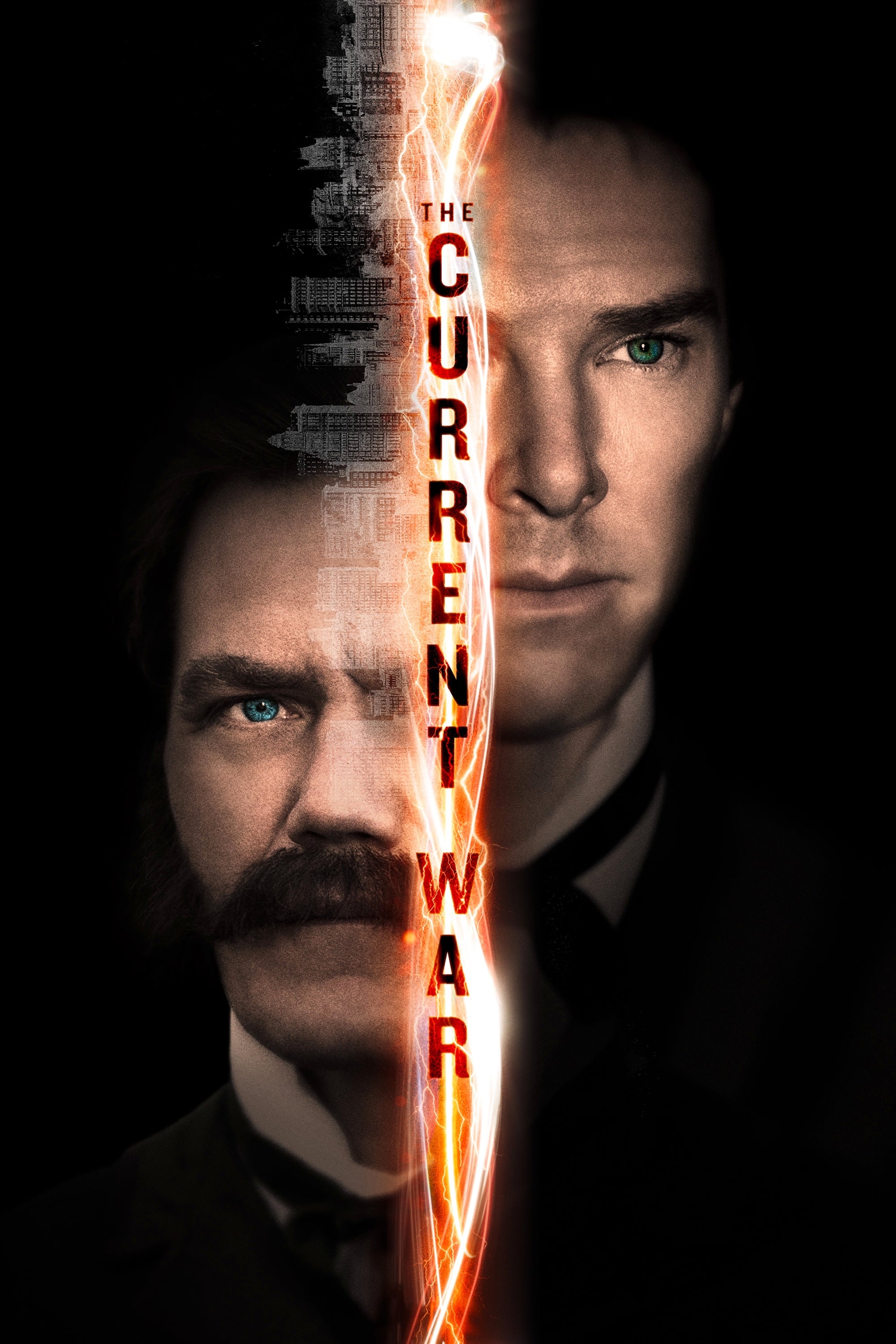
Electricity titans Thomas Edison and George Westinghouse compete to create a sustainable system and market it to the American people.
The life of engineer and former NASA astronaut José M. Hernández, the first migrant farmworker to go to space.
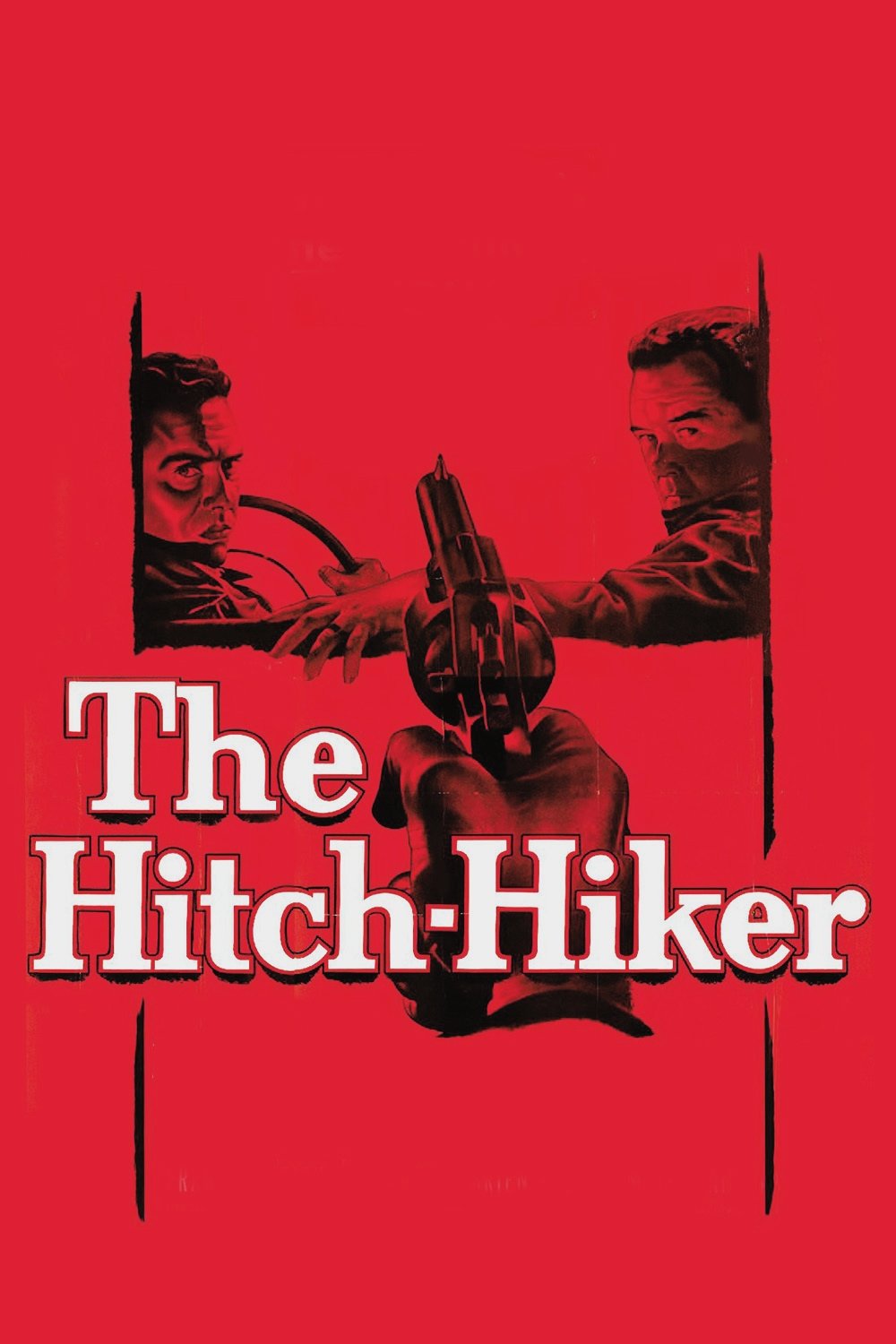
Roy and Gilbert's fishing trip takes a terrifying turn when the hitchhiker they pick up turns out to be a sociopath on the run from the law. He's killed before, and he lets the two know that as soon as they're no longer useful, he'll kill again. The two friends plot an escape, but the hitchhiker's peculiar physical affliction, an eye that never closes even when he sleeps, makes it impossible for them to tell when they can make a break for it.
The true story of immigration attorney Judy Wood and how she singlehandedly changed the U.S. law of asylum to save women's lives.
At the behest of an old and dear friend, playwright Lillian Hellman undertakes a dangerous mission to smuggle funds into Nazi Germany.
Young women toiling in a factory are exposed to hazardous material which takes a disastrous toll on their health.
Director Alfred Hitchcock is revered as one of the greatest creative minds in the history of cinema. Known for his psychological thrillers, Hitchcock’s leading ladies were cool, beautiful and preferably blonde. One such actress was Tippi Hedren, an unknown fashion model given her big break when Hitchcock’s wife saw her on a TV commercial. Brought to Universal Studios, Hedren was shocked when the director, at the peak of his career, quickly cast her to star in his next feature, 1963’s The Birds. Little did Hedren know that as ambitious and terrifying as the production would be to shoot, the most daunting aspect of the film ended up coming from behind the camera.
Actor William Hartnell felt trapped by a succession of hard-man roles while wannabe producer Verity Lambert was frustrated by the TV industry's glass ceiling. Both of them were to find unlikely hope and unexpected challenges in the form of a Saturday tea-time drama. Allied with a team of unusual but brilliant people, they went on to create the longest running science fiction series ever made.
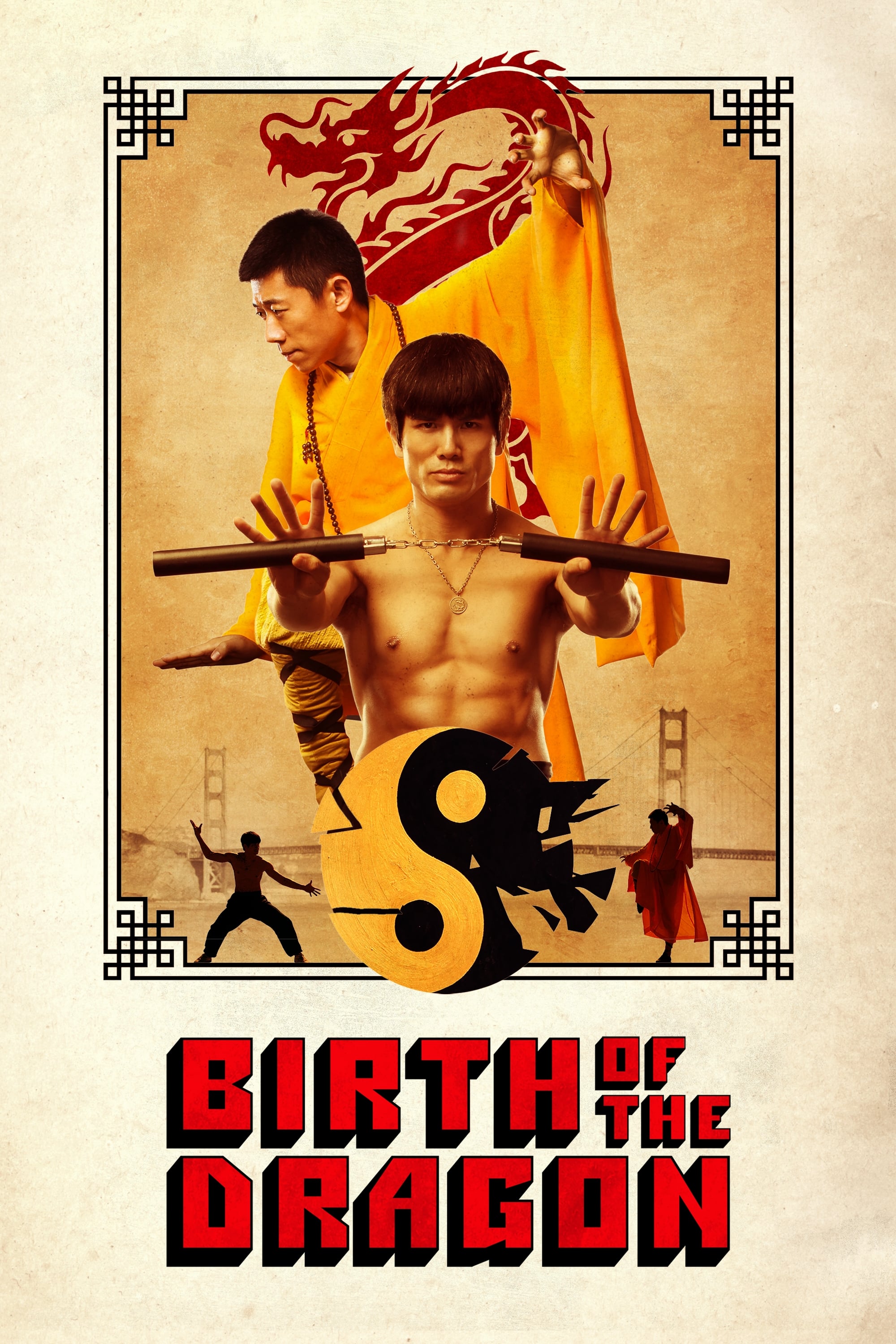
Set against the backdrop of San Francisco’s Chinatown, this cross-cultural biopic chronicles Bruce Lee’s emergence as a martial-arts superstar after his legendary secret showdown with fellow martial artist Wong Jack Man.
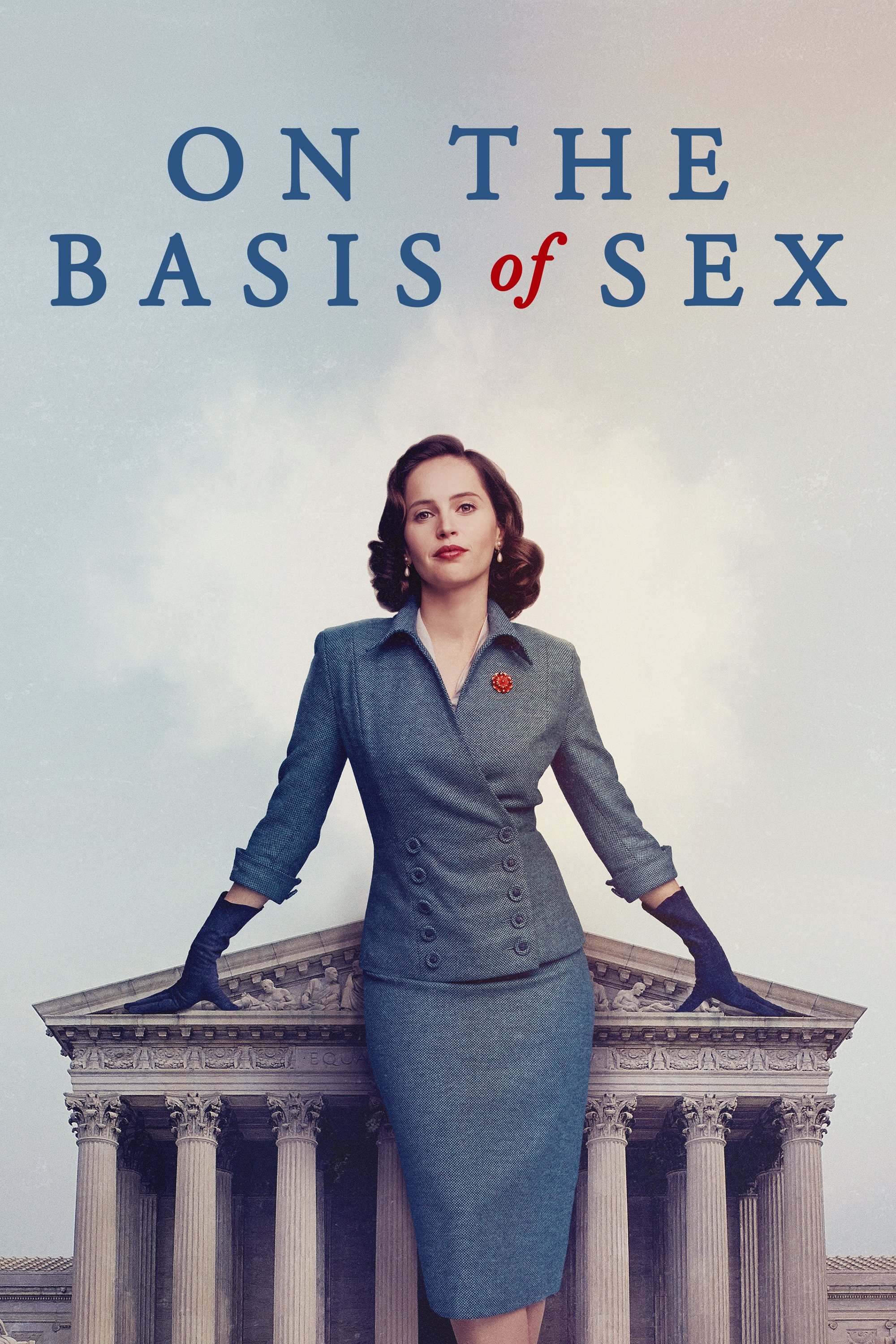
Young lawyer Ruth Bader Ginsburg teams with her husband Marty to bring a groundbreaking case before the U.S. Court of Appeals and overturn a century of sex discrimination.
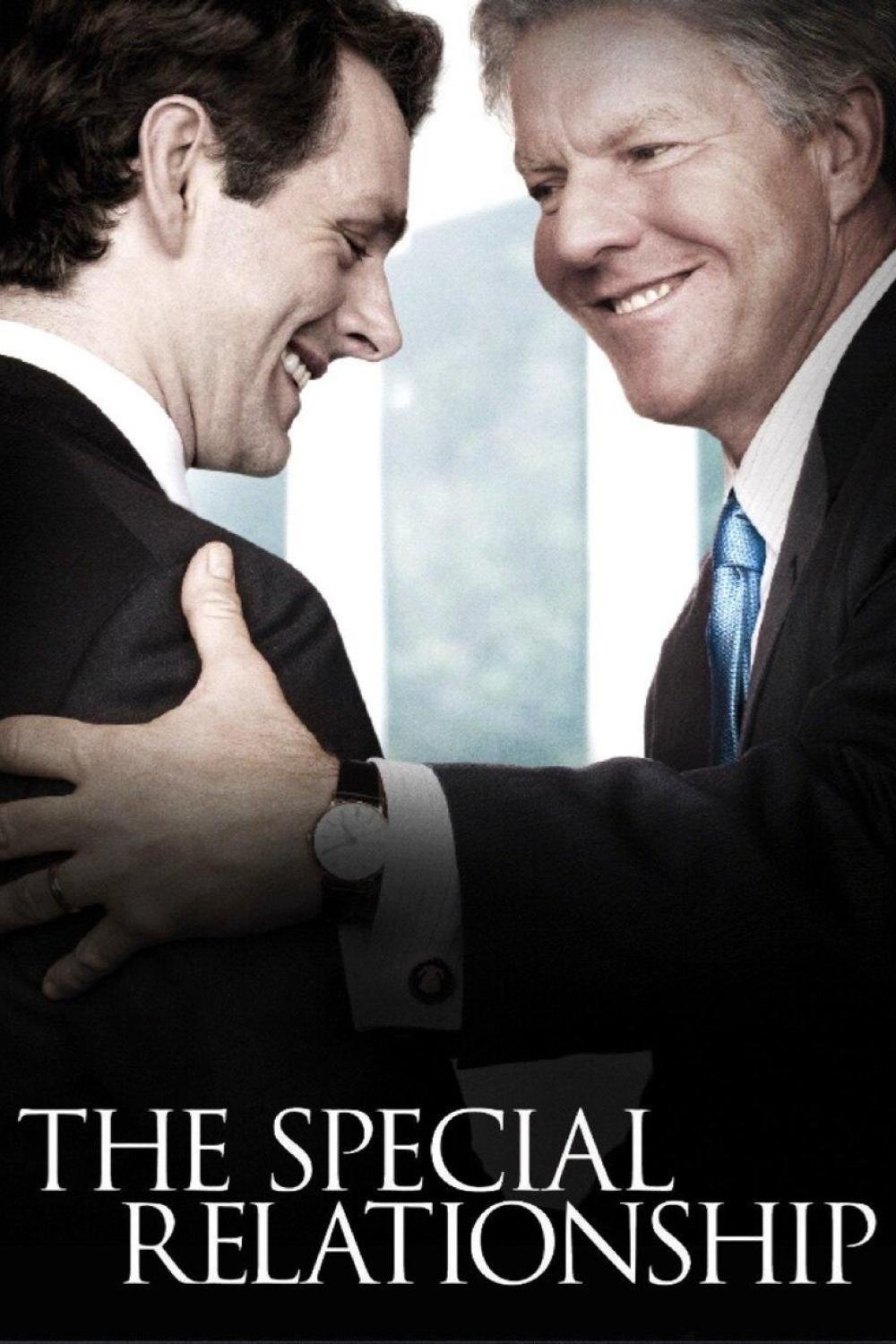
A dramatisation that follows Tony Blair's journey from political understudy waiting in the wings of the world arena to accomplished prime minister standing confidently in the spotlight of centre stage. It is a story about relationships, between two powerful men (Blair and Bill Clinton), two powerful couples, and husbands and wives.
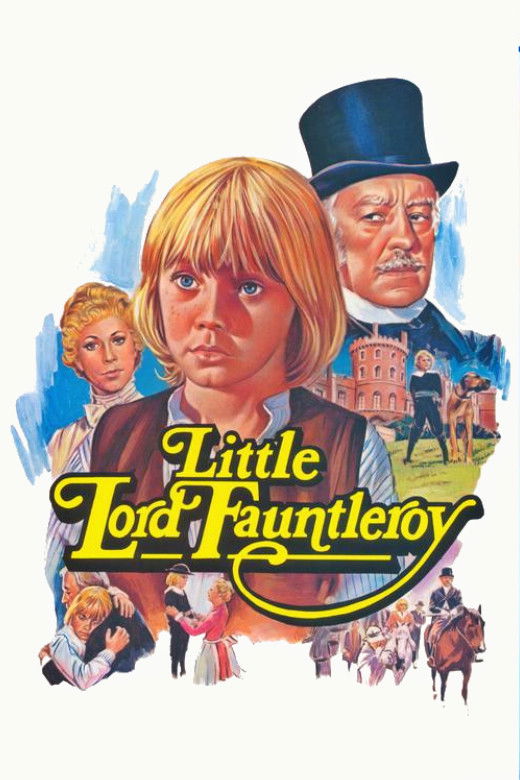
Young Cedric Errol and his widowed mother live in genteel poverty in 1880s Brooklyn after the death of his father. Cedric's grandfather, the Earl of Dorincourt, has long ago disowned his son for marrying an American. But after the death of the Earl's remaining son, he decides to accept Cedric as his heir.
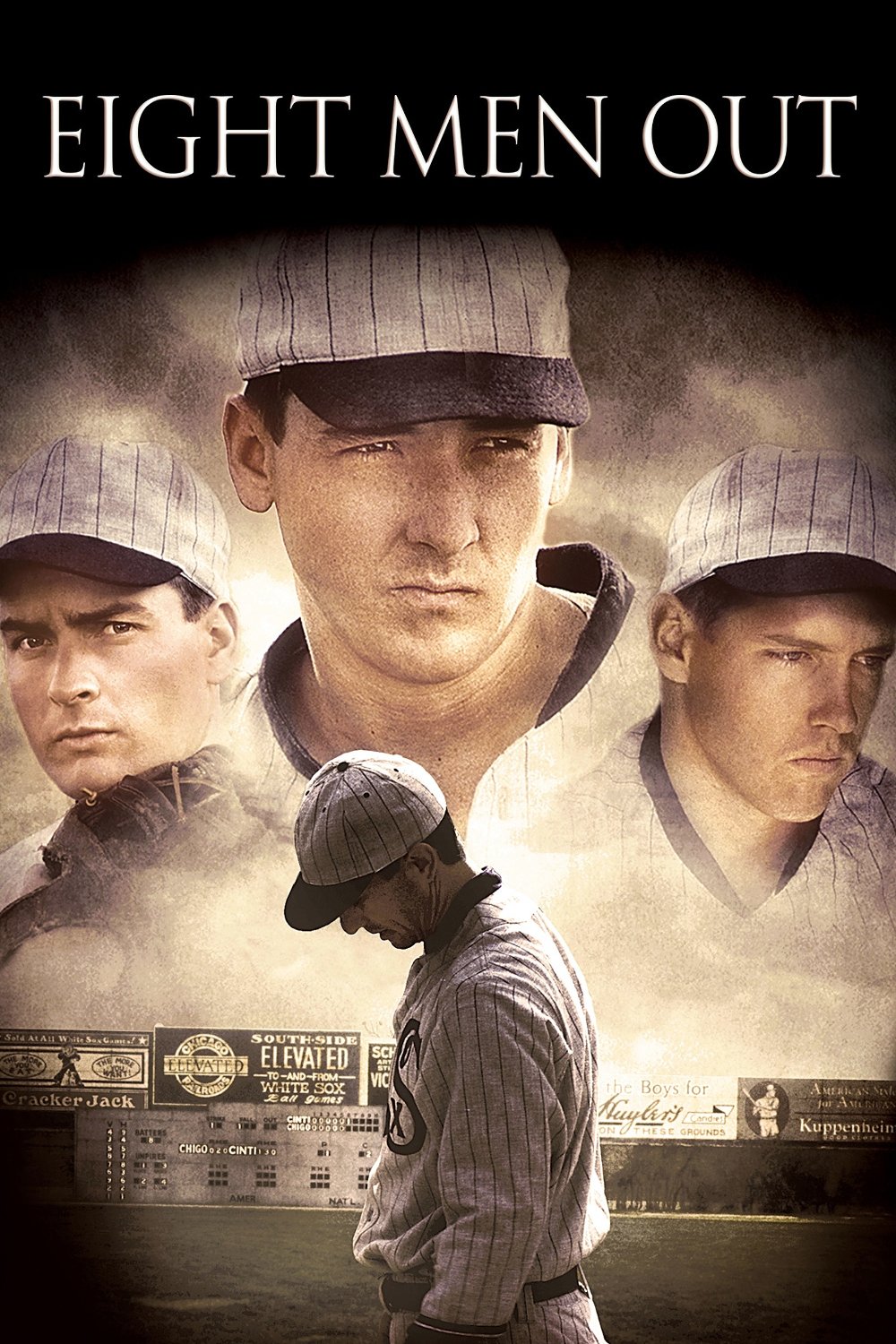
Buck Weaver and Hap Felsch are young idealistic players on the Chicago White Sox, a pennant-winning team owned by Charles Comiskey - a penny-pinching, hands-on manager who underpays his players and treats them with disdain. And when gamblers and hustlers discover that Comiskey's demoralized players are ripe for a money-making scheme, one by one the team members agree to throw the World Series. But when the White Sox are defeated, a couple of sports writers smell a fix and a national scandal explodes, ripping the cover off America's favorite pastime.
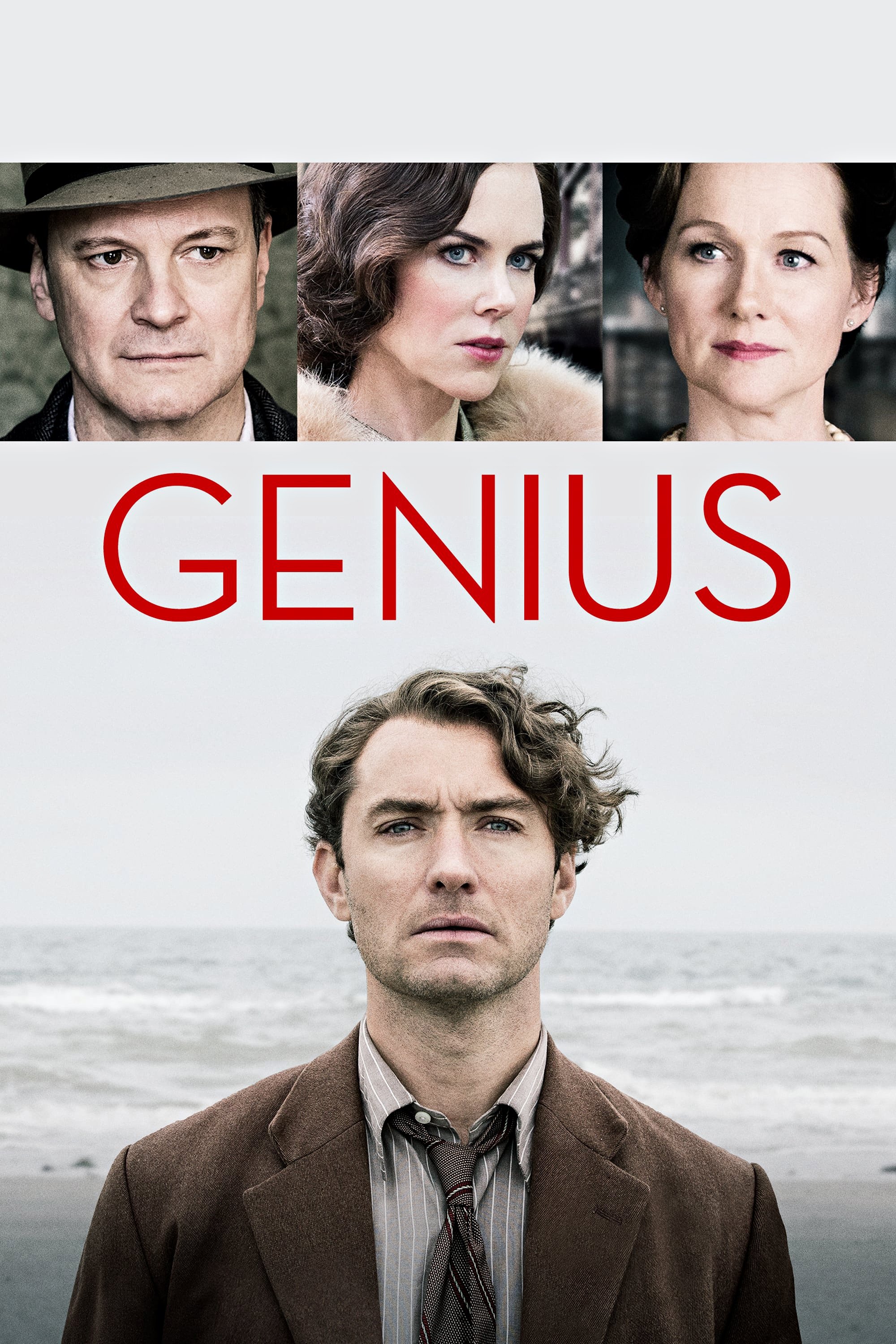
New York in the 1920s. Max Perkins, a literary editor is the first to sign such subsequent literary greats as Ernest Hemingway and F. Scott Fitzgerald. When a sprawling, chaotic 1,000-page manuscript by an unknown writer falls into his hands, Perkins is convinced he has discovered a literary genius.
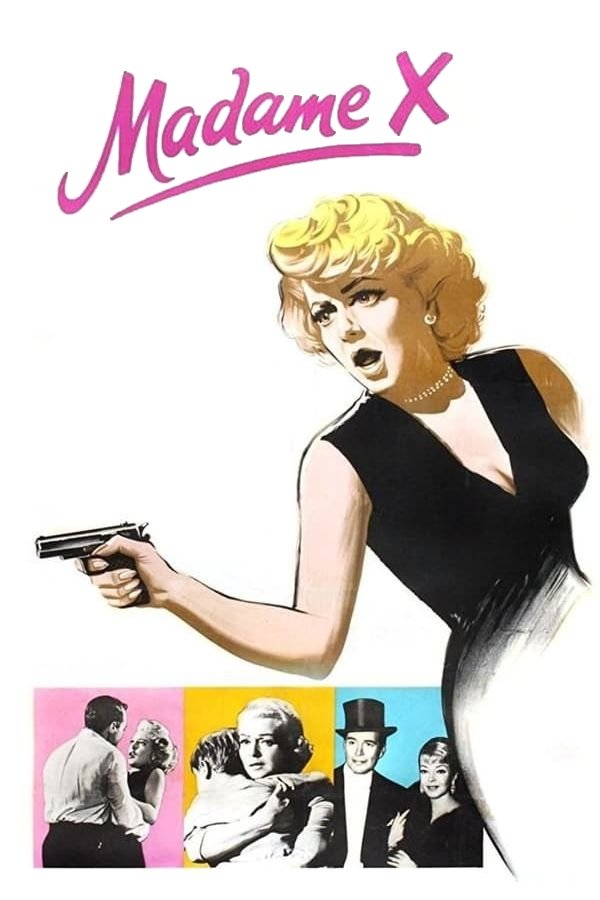
Holly Parker, the wife of a wealthy diplomat, is compromised by the accidental death of a man who has been romantically pursuing her. She is forced by her mother-in-law to assume a new identity in order to save the reputation of her husband and infant son. She wanders the world, trying to forget her heartbreak with the aid of alcohol and unsavory men. Eventually returning to the city of her downfall, she murders a blackmailer who threatens to expose her past. Amazingly, Holly is represented at her murder trial by her now adult son, who has become a public defender. In the hope of protecting her family, she refuses to reveal her real name and is known to the court as "Madame X".
Anti-Catholic and anti-cleric policies in the Mexican state of Tabasco lead the revolutionary government to persecute the state's last remaining priest.
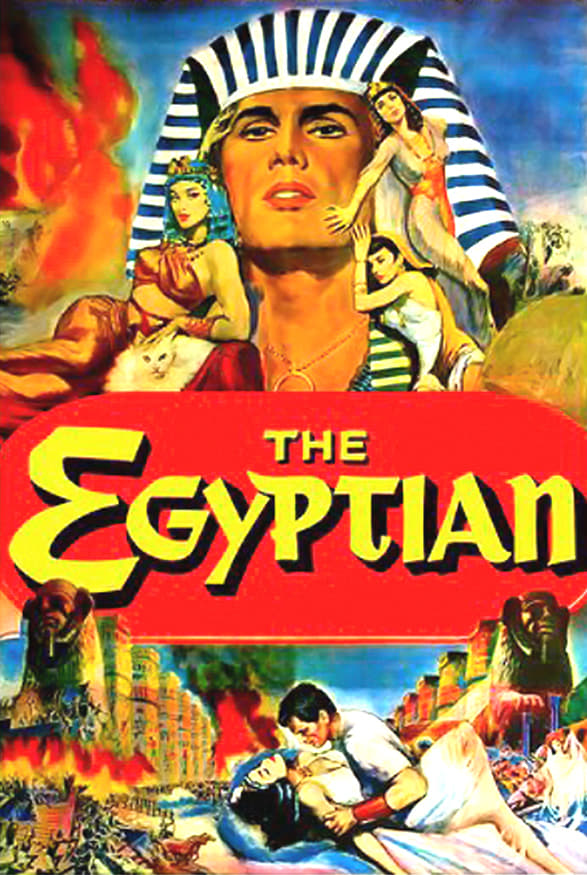
In eighteenth-dynasty Egypt, Sinuhe, a poor orphan, becomes a brilliant physician and with his friend Horemheb is appointed to the service of the new Pharoah. Sinuhe's personal triumphs and tragedies are played against the larger canvas of the turbulent events of the 18th dynasty. As Sinuhe is drawn into court intrigues he learns the answers to the questions he has sought since his birth.
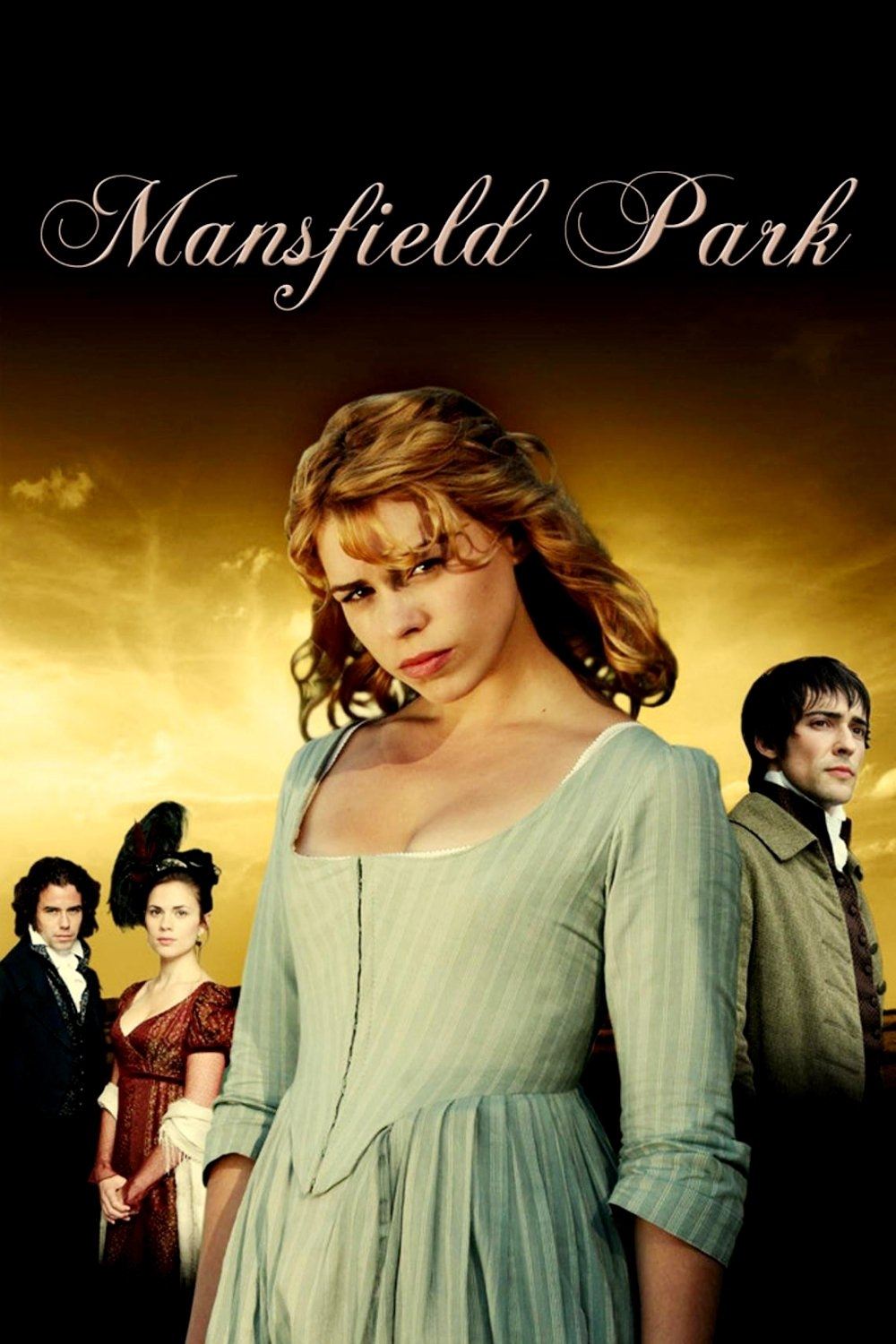
Fanny Price is sent to live with her wealthy relatives, the Bertrams, where she is treated poorly by most except her cousin Edmund. Her life is complicated by the arrival of the worldly Mary and Henry Crawford
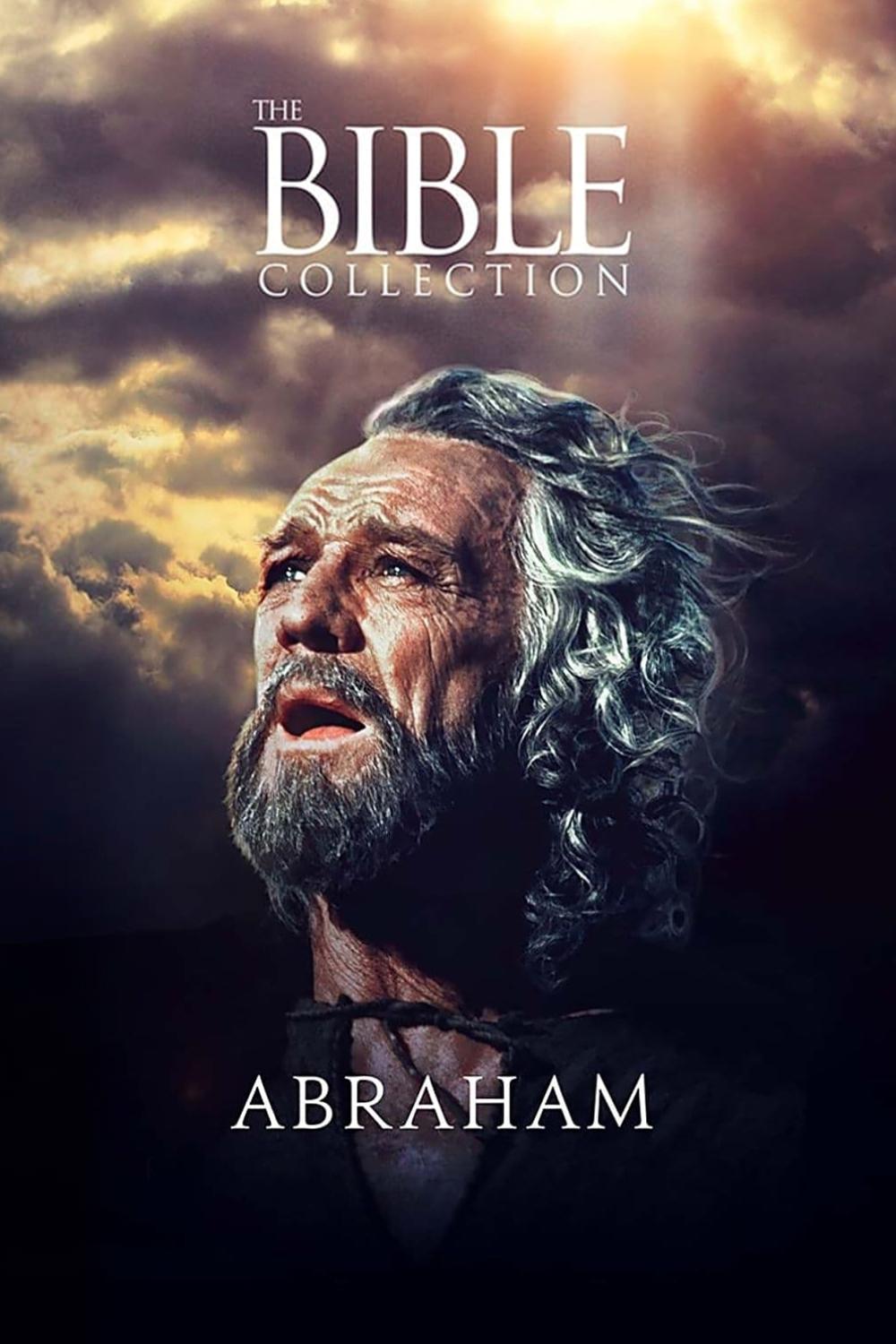
Rather than choosing a great leader or king, God chooses Abraham, an elderly shepherd from Mesopotamia, as the way to establish his Covenant with mankind... A man of great faith, Abraham continues to believe in God even when He seems to have abandoned him.
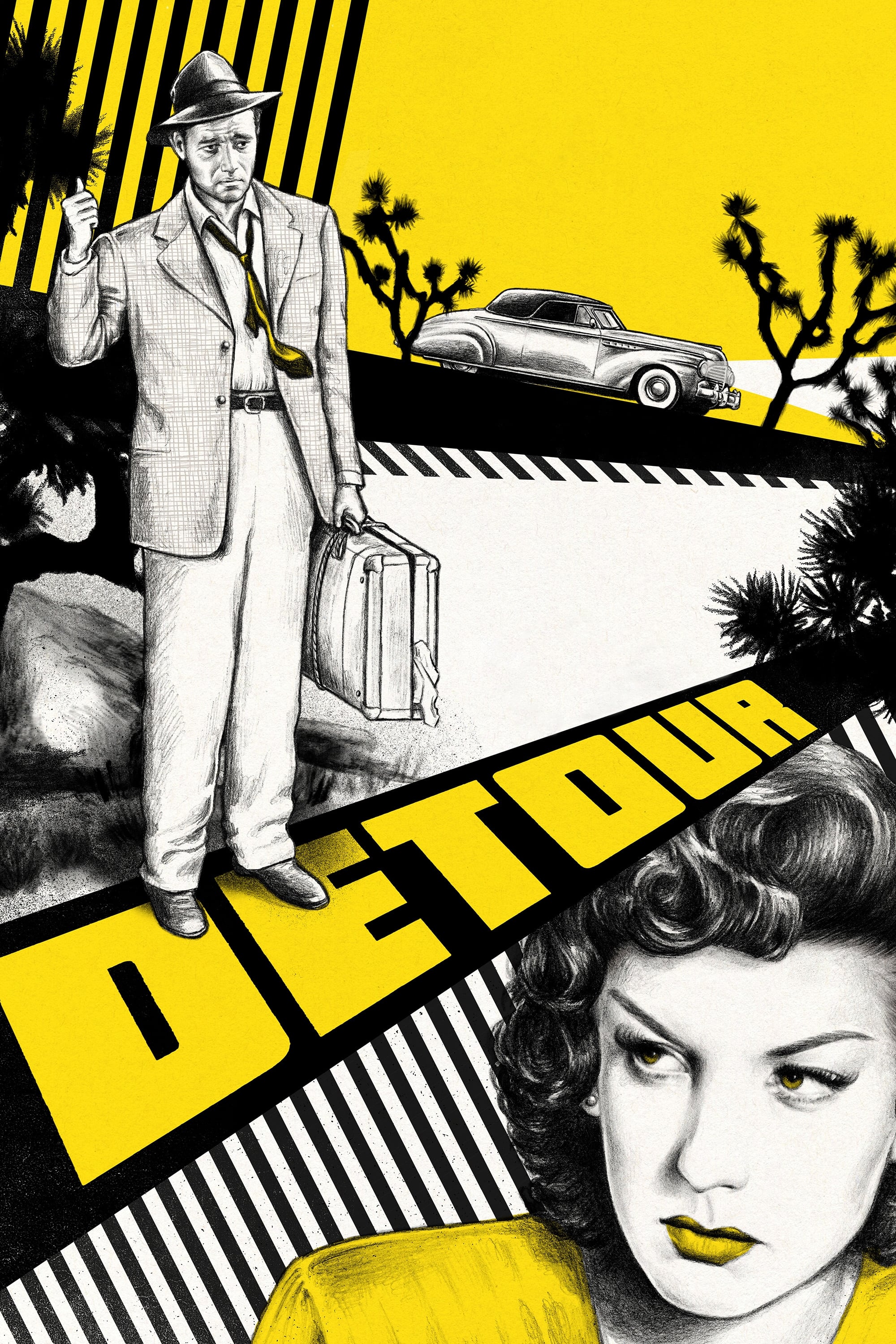
The life of Al Roberts, a pianist in a New York nightclub, turns into a nightmare when he decides to hitchhike to Los Angeles to visit his girlfriend.