Social & External
This documentary film asks whether a citizens' experiment, the CSA (Community-supported Agriculture), developing new partnership models between consumers and farmers, has the power to change society.
Climate is changing. Instead of showing all the worst that can happen, this documentary focuses on the people suggesting solutions and their actions.
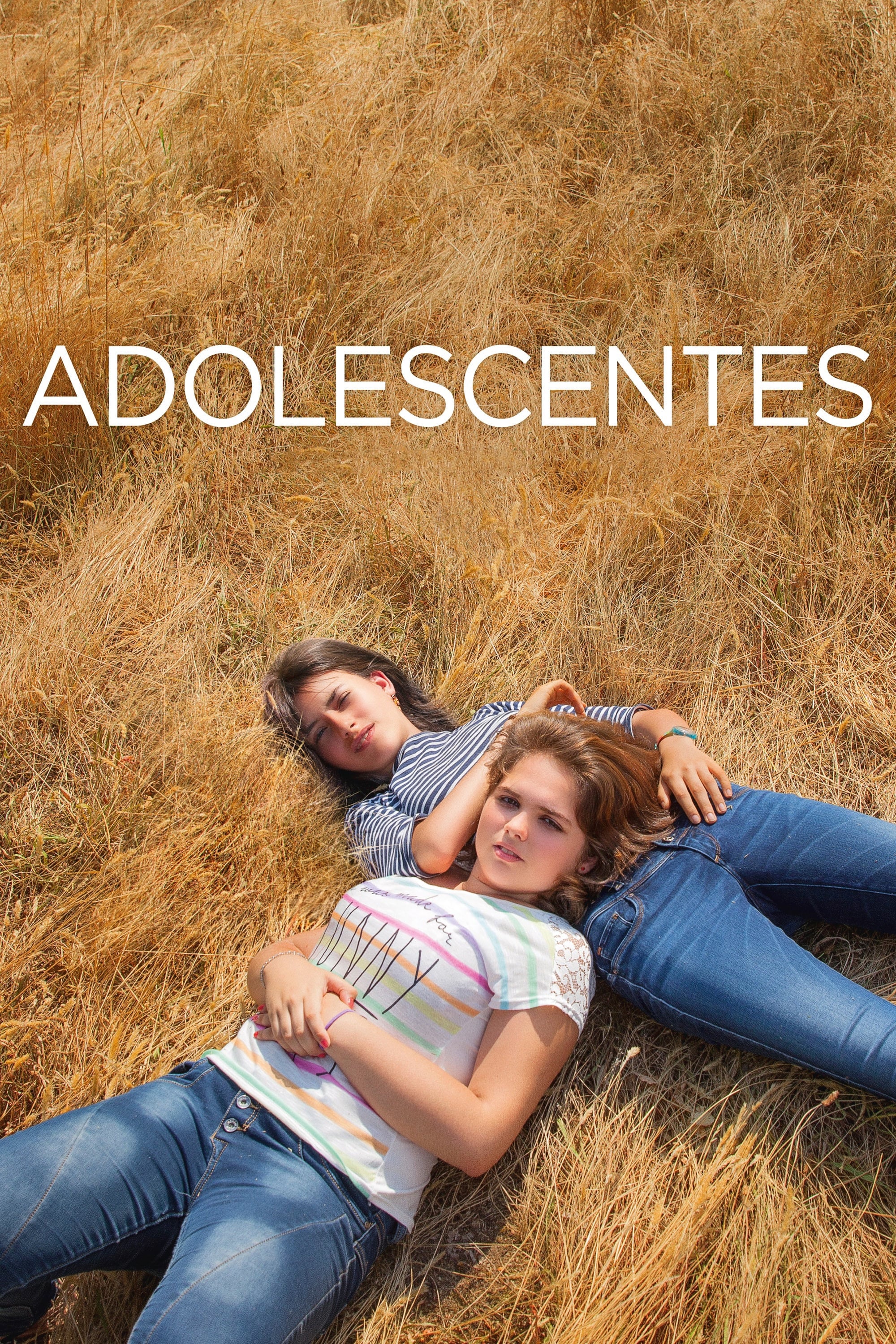
Emma and Anaïs are best friends and yet everything in their life seems to set them apart, their social backgrounds but also their personalities. From the age of thirteen to eighteen, Adolescentes follows the two teenagers during these years where radical transformations and first times punctuate daily life. Through their personal stories, the film offers a rare portrait of France and its recent history.
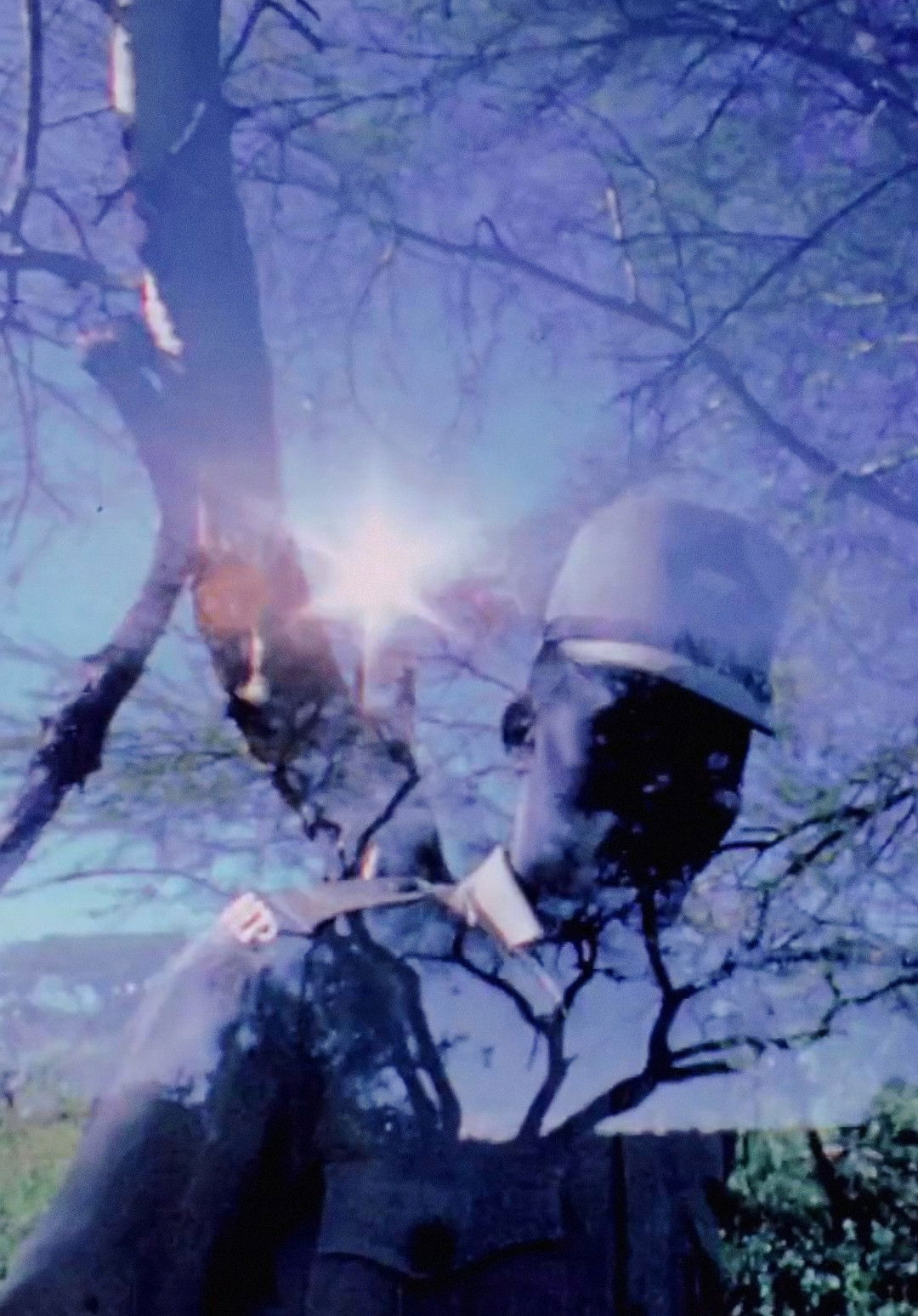
Moonchild is one of Fulton’s very earliest ethnographic projects. Filming in East Africa while on another production, he shoots with single frame bursts from his Bolex camera with an Angenieux 5.9 lens. He could shoot inconspicuously from the hip, an approach he learned from his father, filmmaker Robert Fulton Jr. In Moonchild, he shares his first impressions of Africa.
An observational documentary that follows dairy farmer Sophie Gregory at Home Farm.
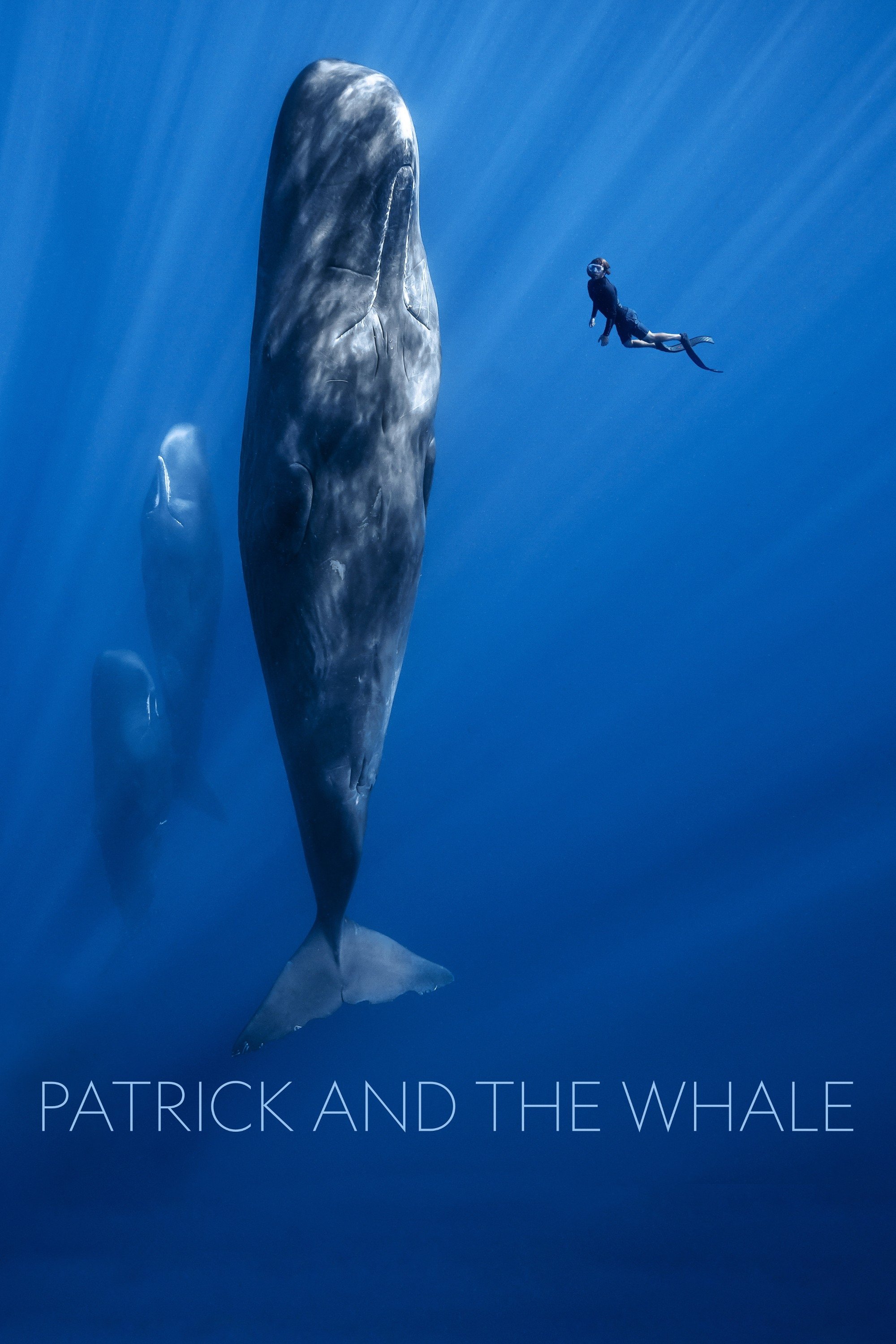
Weighing more than 15 tons, a sperm whale has a brain larger than any other animal on earth and is considered one of the more social whale species. Over the years, Patrick Dykstra has worked with the Massachusetts Institute of Technology to learn how whales communicate, how they perceive other creatures in the water, and how they behave in his immediate presence. With sensitivity and experience, he gets closer to whales than nearly anyone else, leading to once-in-a-lifetime experiences and personal bonds with specific whales.
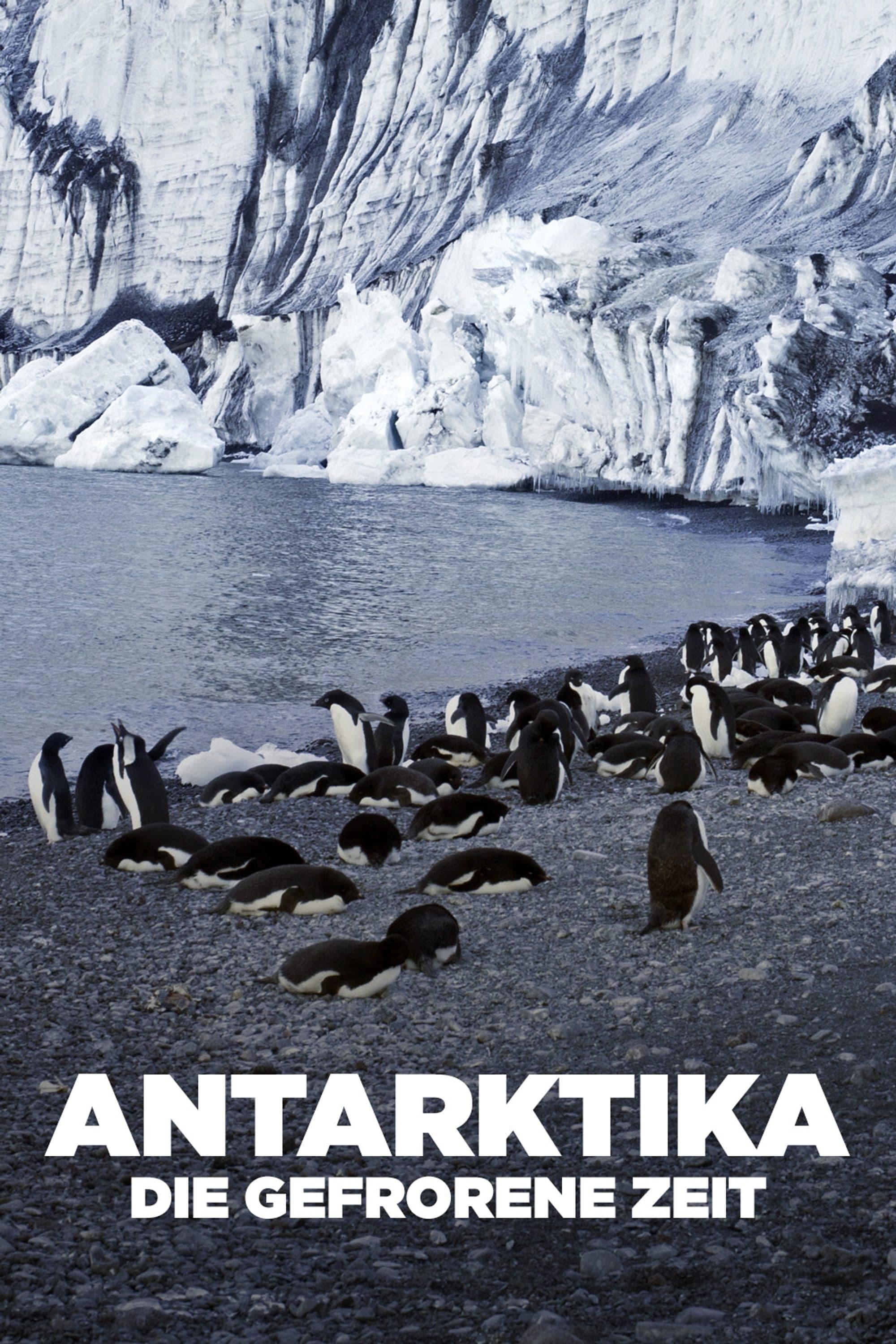
The bleakness of Antarctica is a fallacy. The ice continent is full of life and offers a biodiversity of which only about two percent are known. Much of it is under water and could determine the future of human beings. When the northern lights cover the ice landscape in summer, the animals in the Antarctic are in a paradisiacal state. Whales blow their fountains in the sky, penguins fly like small rockets into the water, seals dive for crabs under the glittering ice floes. From the bay of the Ross Sea to the ice shelf, from the huge penguin colonies to steaming volcanoes, a life in rhythm with the ice. But the consequences of climate change are slowly becoming apparent here too. While some species are dying, others are spreading. They could bring new viruses and bacteria with them, and new dangers for humans too. The structure of nature has gotten off course. How many generations will still be able to experience the magic of Antarctica?
A Glimpse Through The Bennington Lens follows Will and Ana, two journalist theater students at Bennington, as they interview faculty and administration members to get to the bottom of some uncanny events
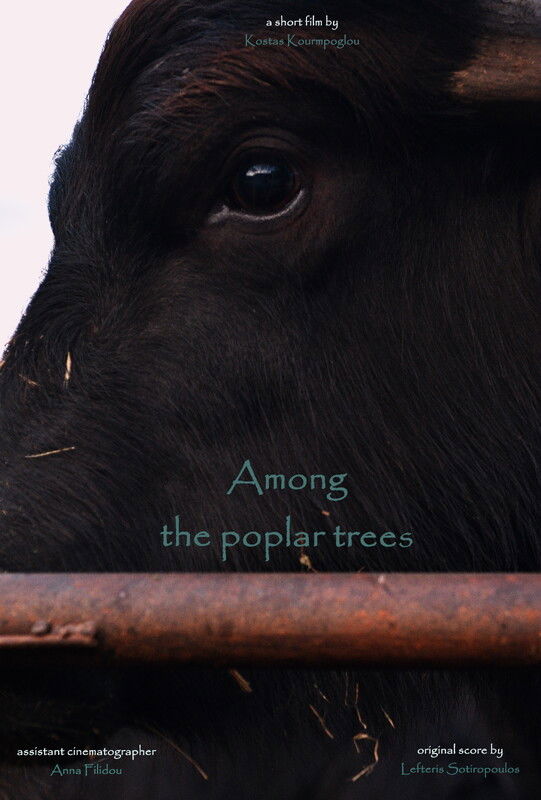
By the shore of Lake Kerkini, nestled among the poplar trees, lies a small farm. There, a father and his son raise buffaloes. The camera lens roaming between their feet, quietly observing the daily life of both the men and the buffaloes. A wetland where the natural wealth is evident as loneliness.
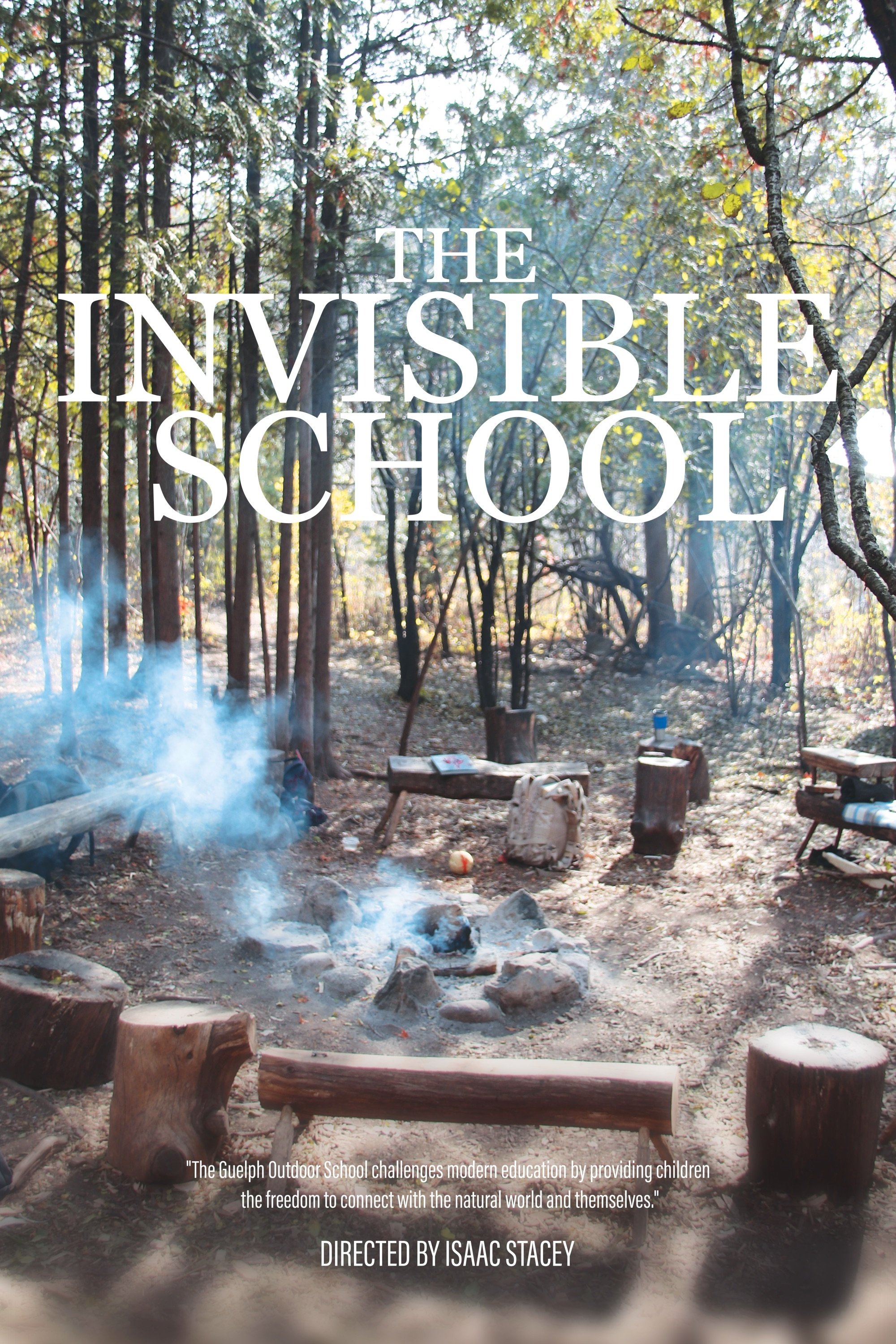
The Guelph Outdoor School challenges modern education by providing children the freedom to connect with the natural world and themselves.
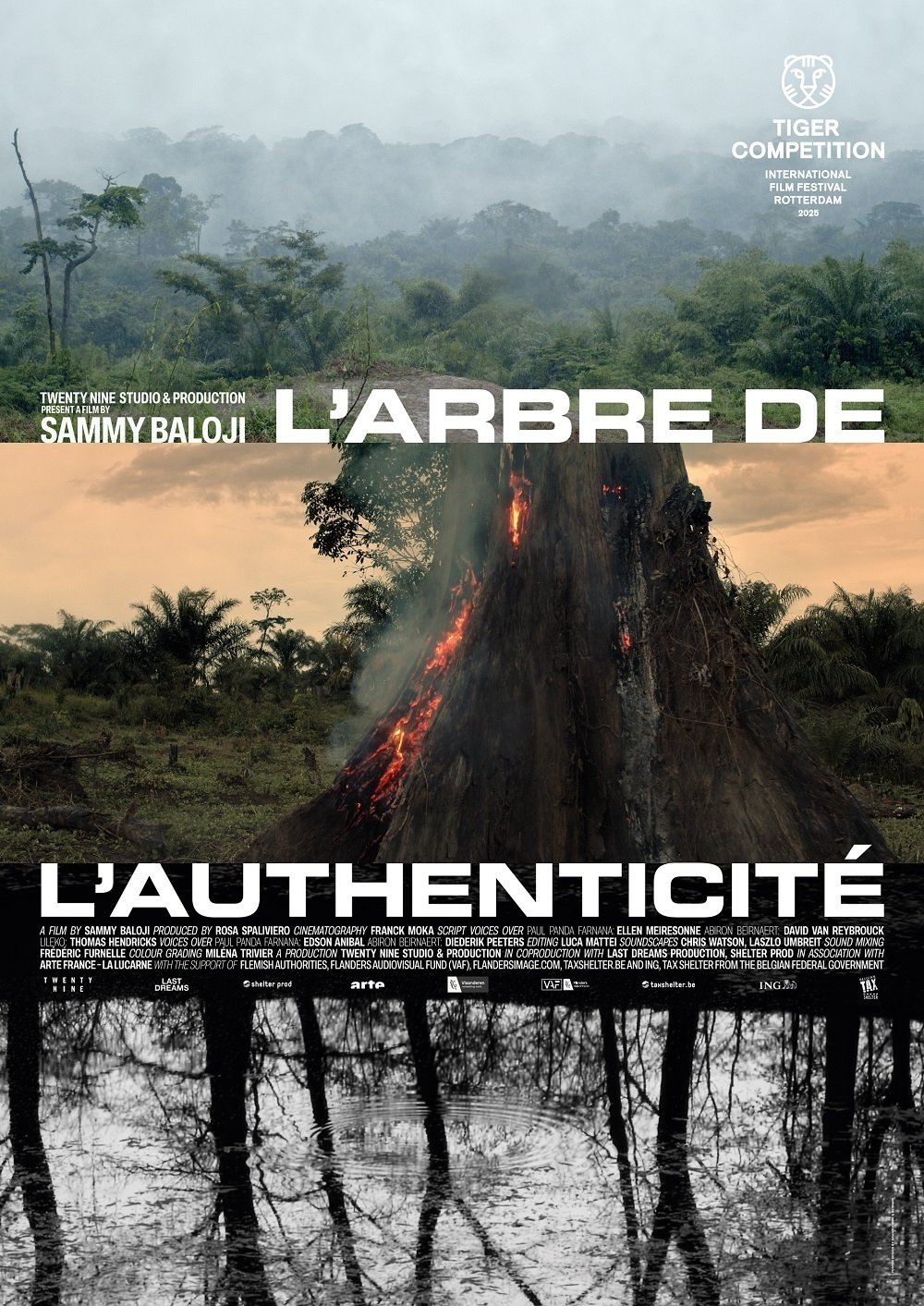
Photographer and visual artist Sammy Baloji’s fascinating film essay explores the Democratic Republic of Congo’s colonial history and its ecological significance. Drawing on research from the 1930s, the film highlights the Congo Basin’s vital role in consuming carbon dioxide and shaping global environmental balance over a century.
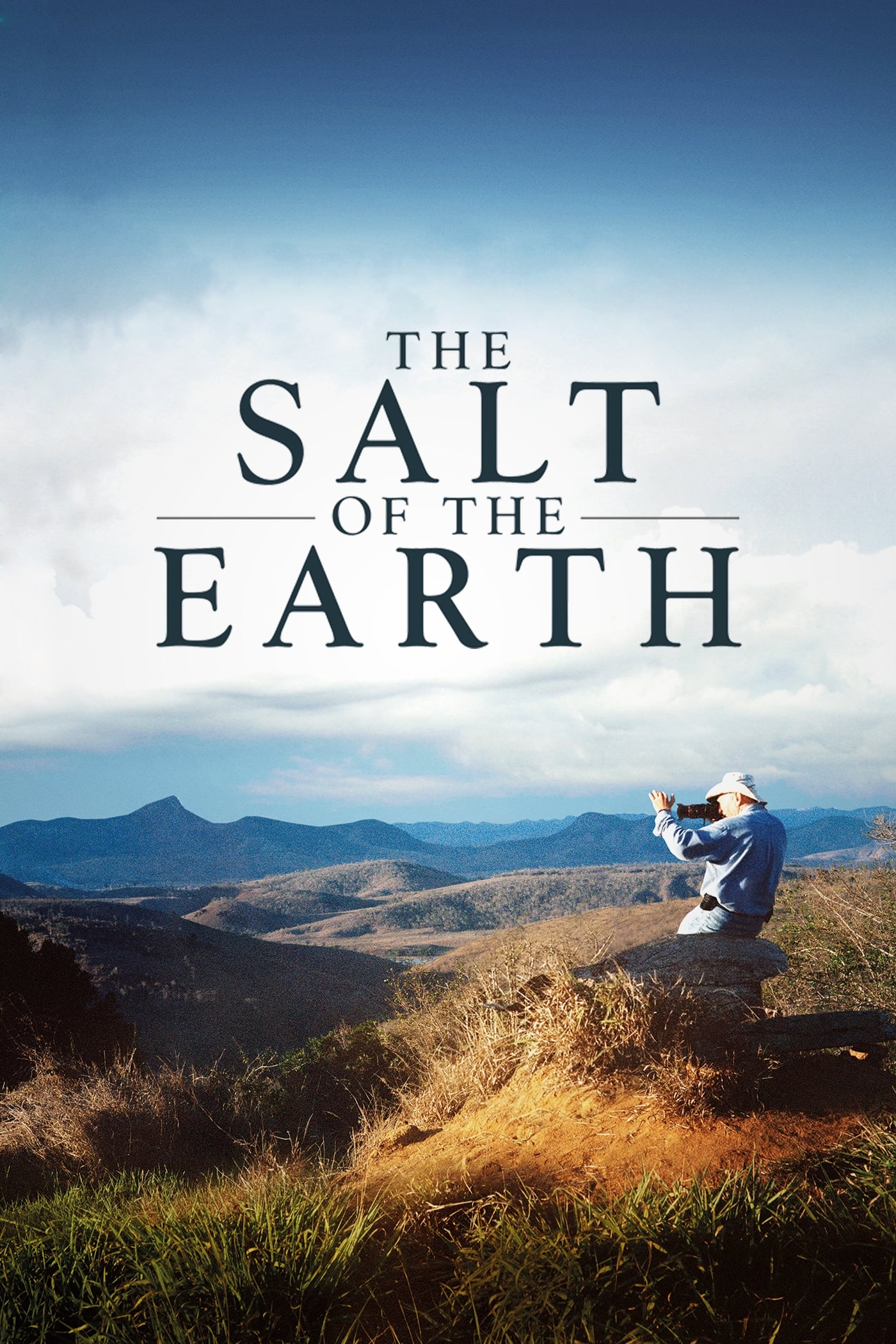
During the last forty years, the photographer Sebastião Salgado has been travelling through the continents, in the footsteps of an ever-changing humanity. He has witnessed the major events of our recent history: international conflicts, starvations and exodus… He is now embarking on the discovery of pristine territories, of the wild fauna and flora, of grandiose landscapes: a huge photographic project which is a tribute to the planet's beauty. Salgado's life and work are revealed to us by his son, Juliano, who went with him during his last journeys, and by Wim Wenders, a photographer himself.
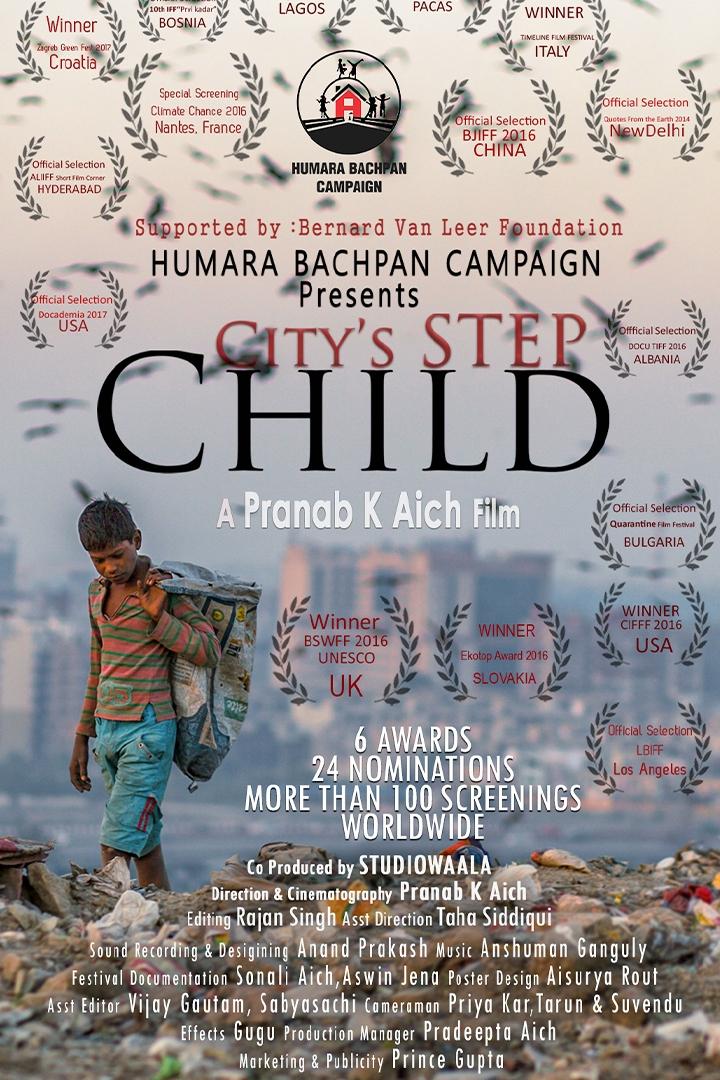
Unlike the many rag pickers working at this Dump Hill(Land Fill) in Delhi, young Devendra is committed to collect electronic waste discarded from our homes, in an attempt to create machines. Even the carcinogenic gases emitting from this hill have not been able to poison his engineering dreams.
Most of us think of death as something clear-cut, and that medical science has it neatly figured out. This feature documentary explodes such assumptions through its exploration of a phenomenon that blurs life and death to an unprecedented degree. In what Tibetan Buddhists call tukdam, advanced meditators die in a consciously controlled manner. Though dead according to our biomedical standards, they often stay sitting upright in meditation; remarkably, their bodies remain fresh and lifelike, without signs of decay for days, sometimes weeks after clinical death. Following ground-breaking scientific research into tukdam and taking us into intimate death stories of Tibetan meditators, the film juxtaposes scientific and Tibetan perspectives as it tries to unravel the mystery of tukdam.
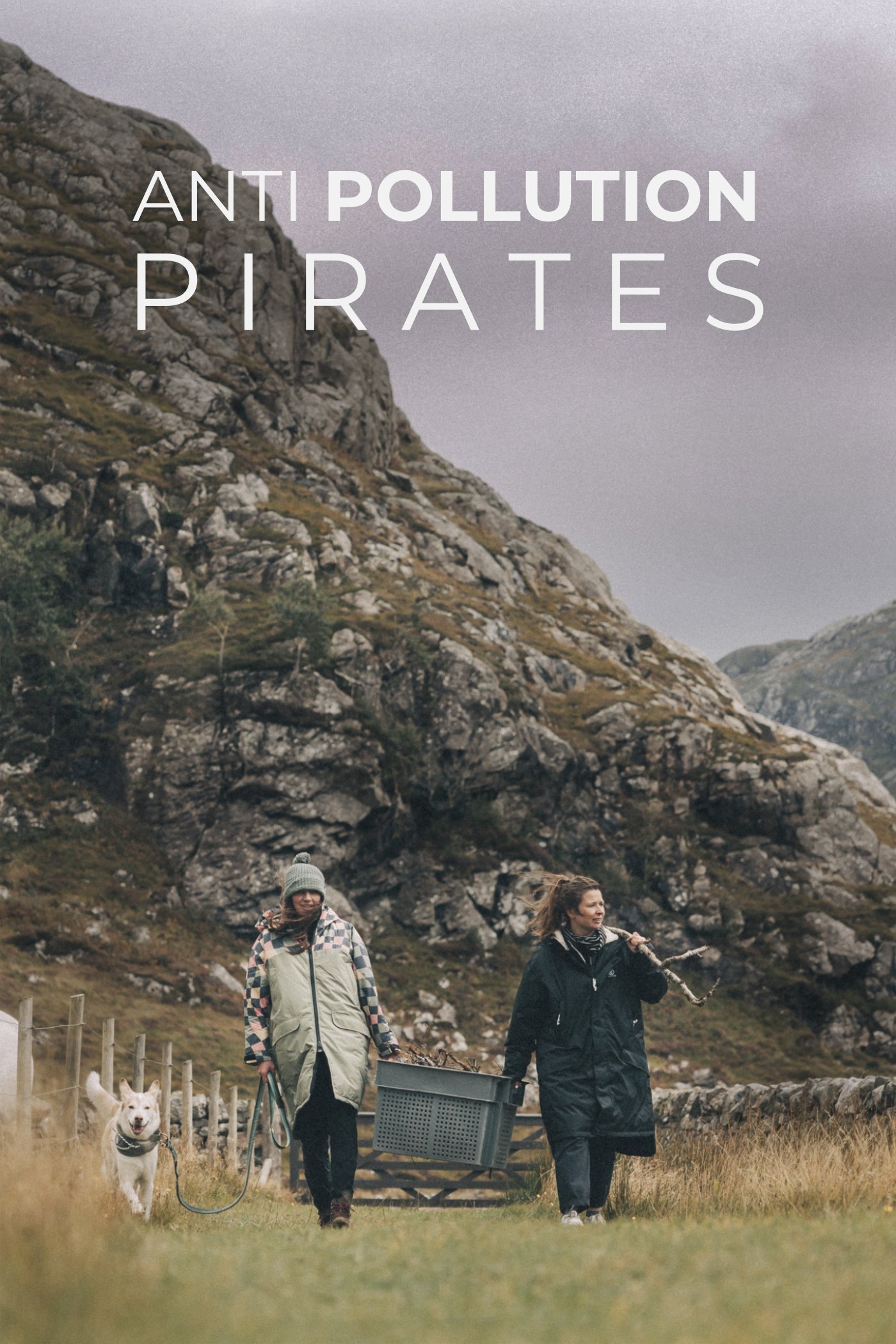
Anti Pollution Pirates follows a small crew who hike into a remote Highland beach to clear some of the the huge volume of waste washed ashore. What begins as a simple clean becomes a reminder of connection, shared purpose and the power of small actions. Between gathering debris, cooking over a fire and swimming in cold water, the team find hope alongside the sadness. The film shows that environmental care can be joyful, creative and rooted in showing up.
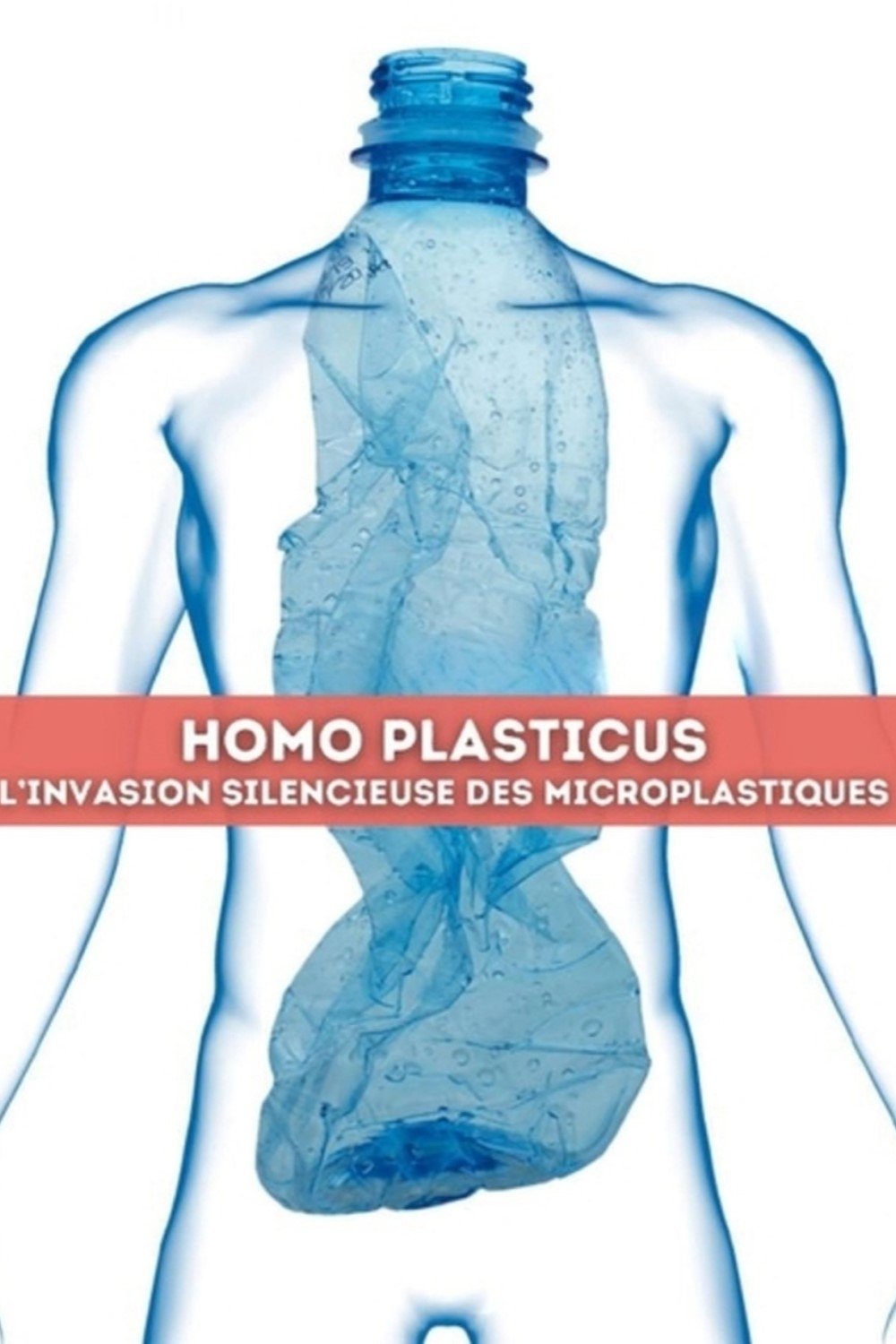
Every day, we eat and breathe tiny plastic residues. What effects does this insidious contamination have on our bodies? Rigorous and lucid, this scientific investigation gathers the most recent discoveries and sounds the alarm.
The story of Nisar Ahmed Khan, told through his children and the people he served, a spiritual guide whose followers still visit his tomb on his birth and death anniversaries. And alongside how his family spends a few days at the village keeping his traditions alive.
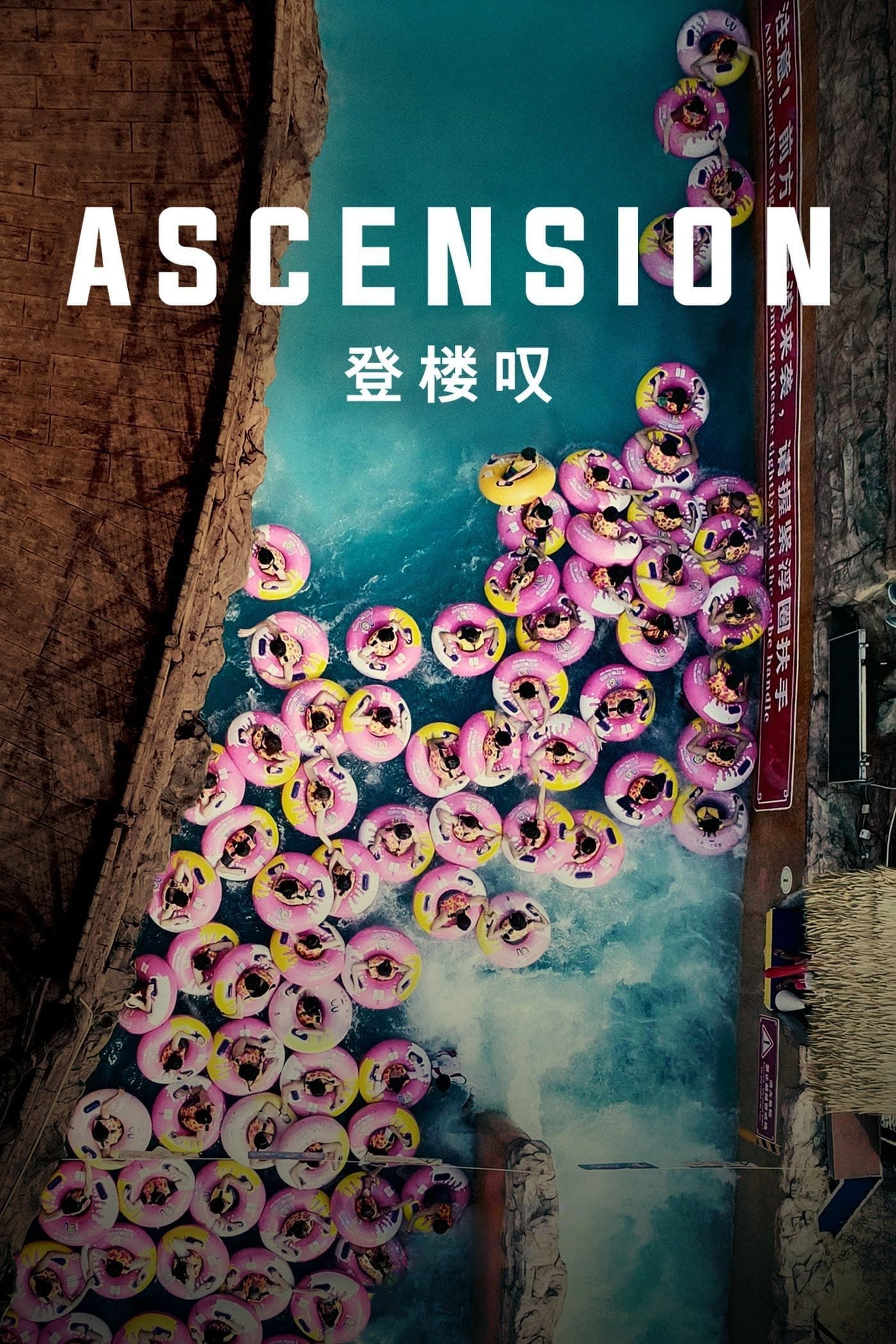
The film explores the pursuit of the “Chinese Dream.” Driven by mesmerizing—and sometimes humorous—imagery, this observational documentary presents a contemporary vision of China that prioritizes productivity and innovation above all.
The “Prophecy of the 7th Fire” says a “black snake” will bring destruction to the earth. For Winona LaDuke, the “black snake” is oil trains and pipelines. When she learns that Canadian-owned Enbridge plans to route a new pipeline through her tribe’s 1855 Treaty land, she and her community spring into action to save the sacred wild rice lakes and preserve their traditional indigenous way of life. Launching an annual spiritual horse ride along the proposed pipeline route, speaking at community meetings and regulatory hearings. Winona testifies that the pipeline route follows one of historical and present-day trauma. The tribe participates in the pipeline permitting process, asserting their treaty rights to protect their natural resources. LaDuke joins with her tribe and others to demand that the pipelines’ impact on tribal people’s resources be considered in the permitting process.
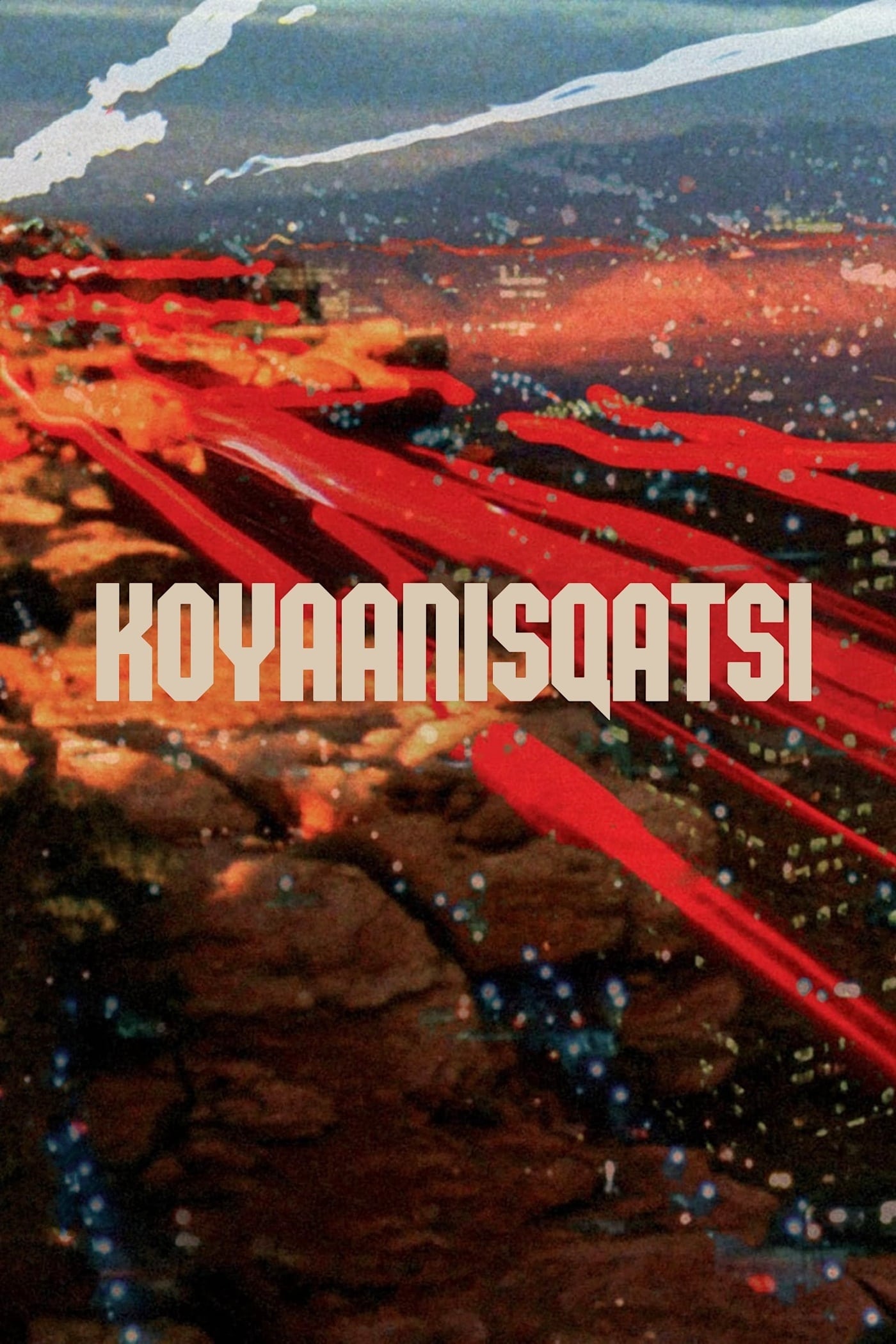
Takes us to locations all around the US and shows us the heavy toll that modern technology is having on humans and the earth. The visual tone poem contains neither dialogue nor a vocalized narration: its tone is set by the juxtaposition of images and the exceptional music by Philip Glass.
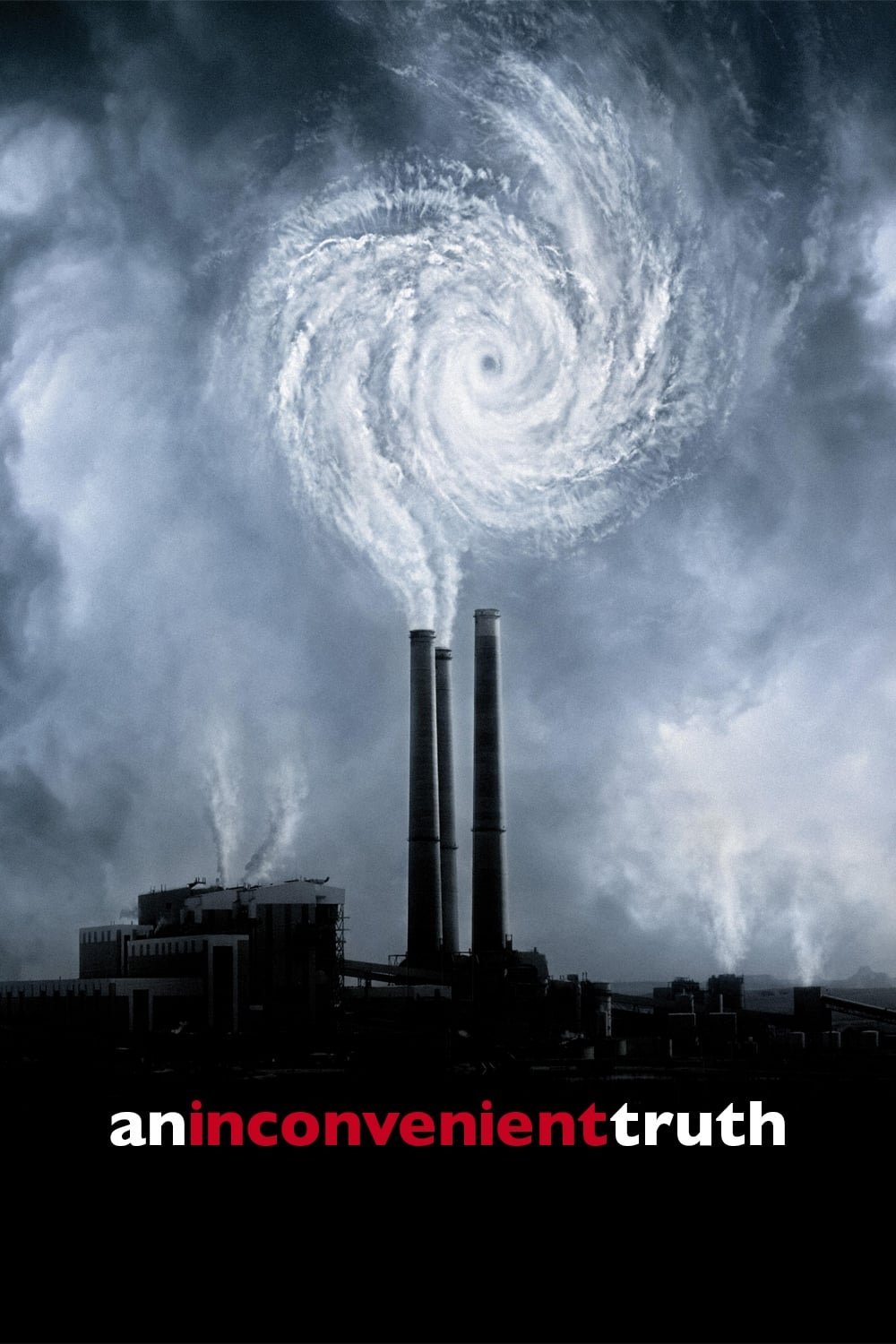
A documentary on Al Gore's campaign to make the issue of global warming a recognized problem worldwide.
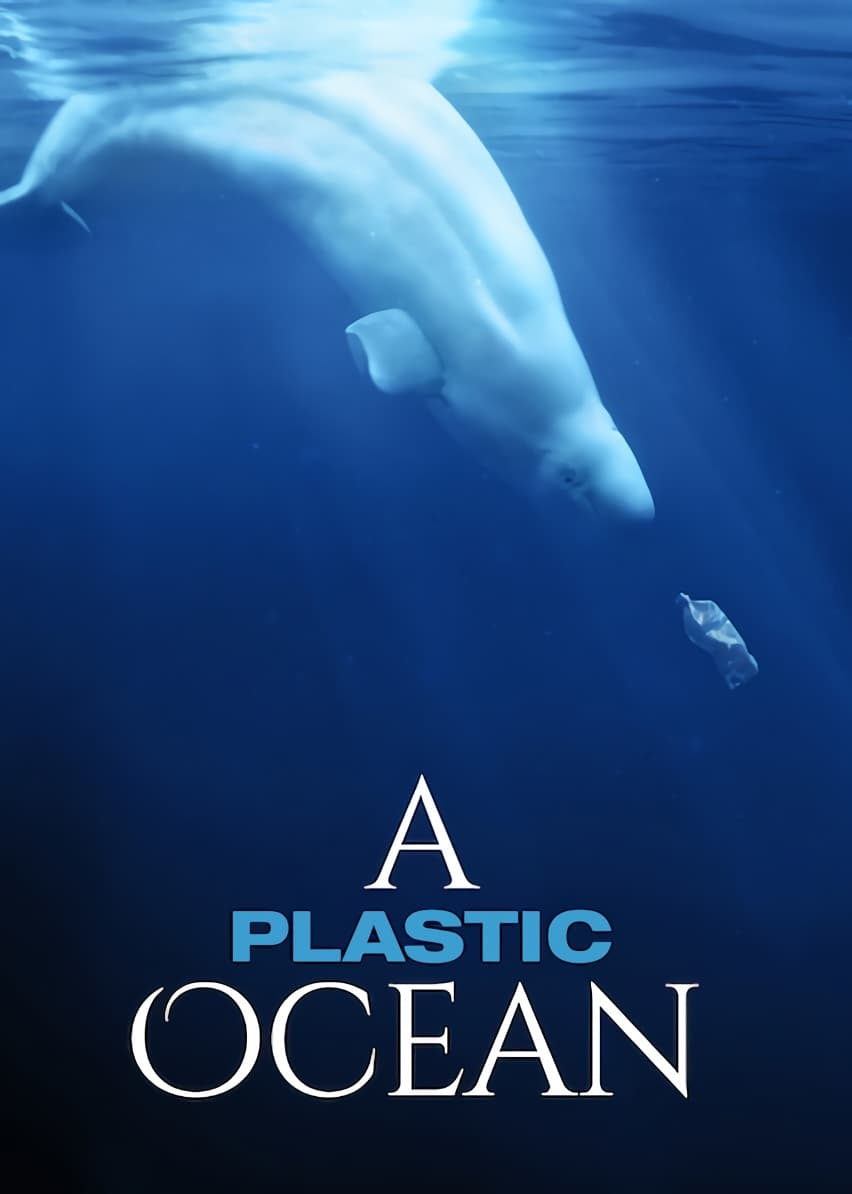
A documentary focused on plastic pollution in the world's oceans.
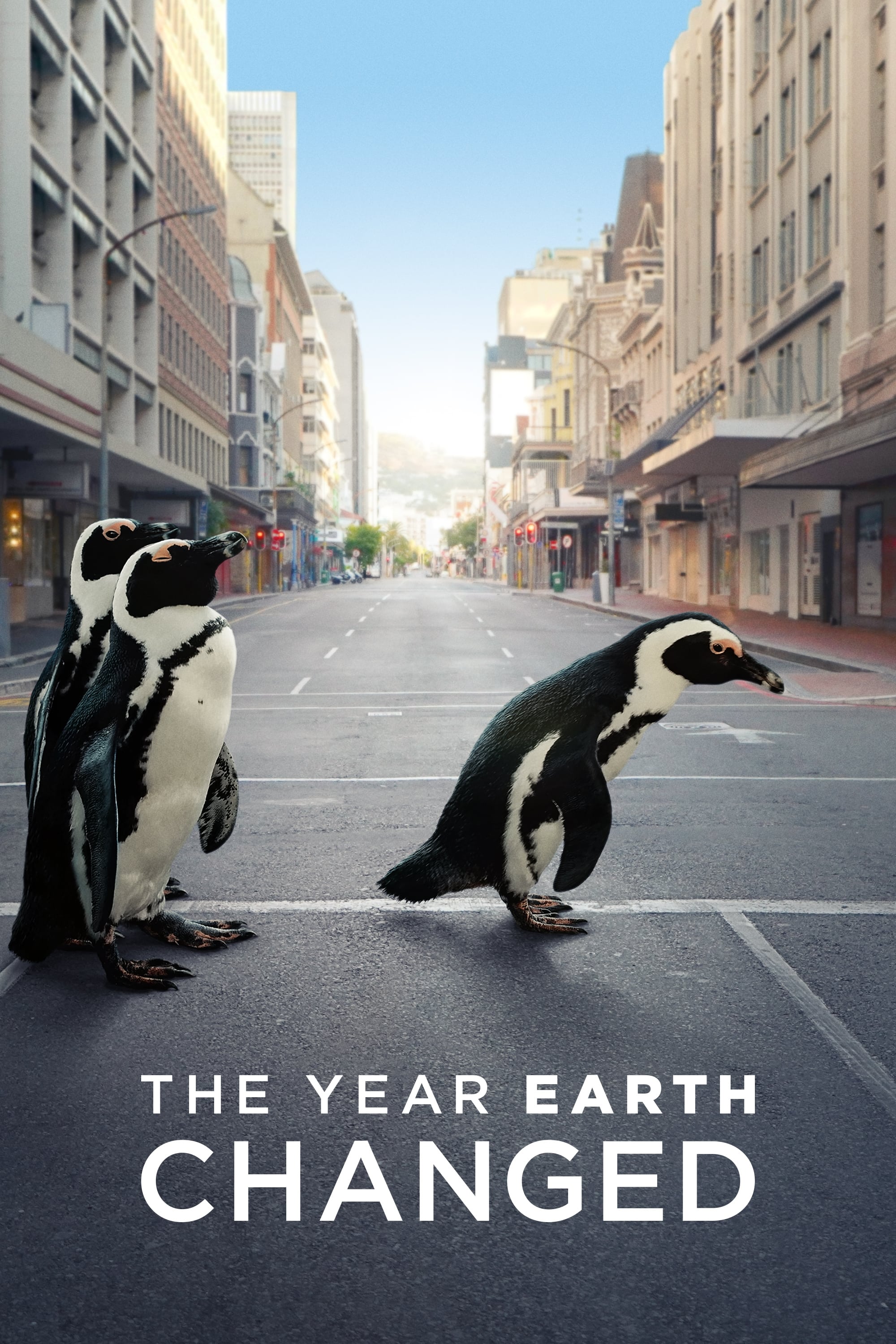
Never-before-seen footage shows how our living in lockdown opened the door for nature to bounce back and thrive. Across the seas, skies, and lands, Earth found its rhythm when we came to a stop.
A visual montage portrait of our contemporary world dominated by globalized technology and violence.
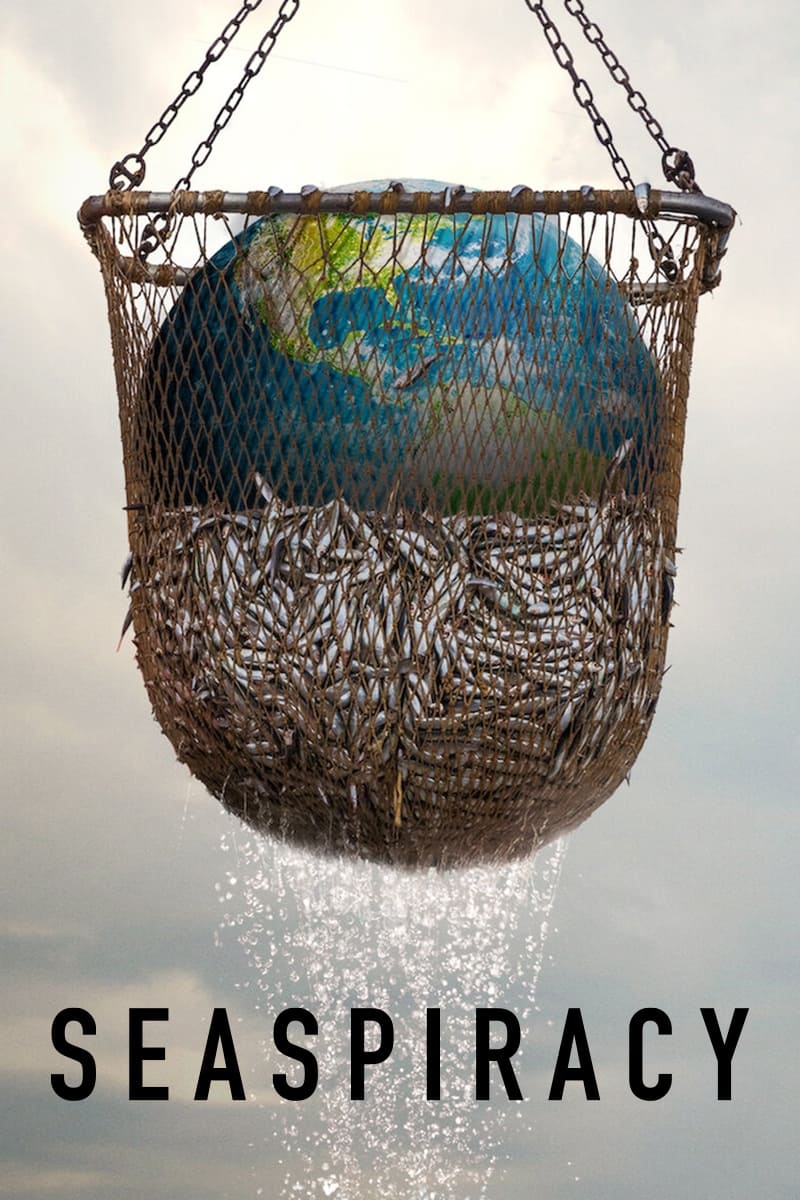
Passionate about ocean life, a filmmaker sets out to document the harm that humans do to marine species — and uncovers an alarming global conspiracy.
Dive into our planet's greatest mysteries with a team of international underwater cinematographers as they explore the breathtaking bond between humanity and the ocean.
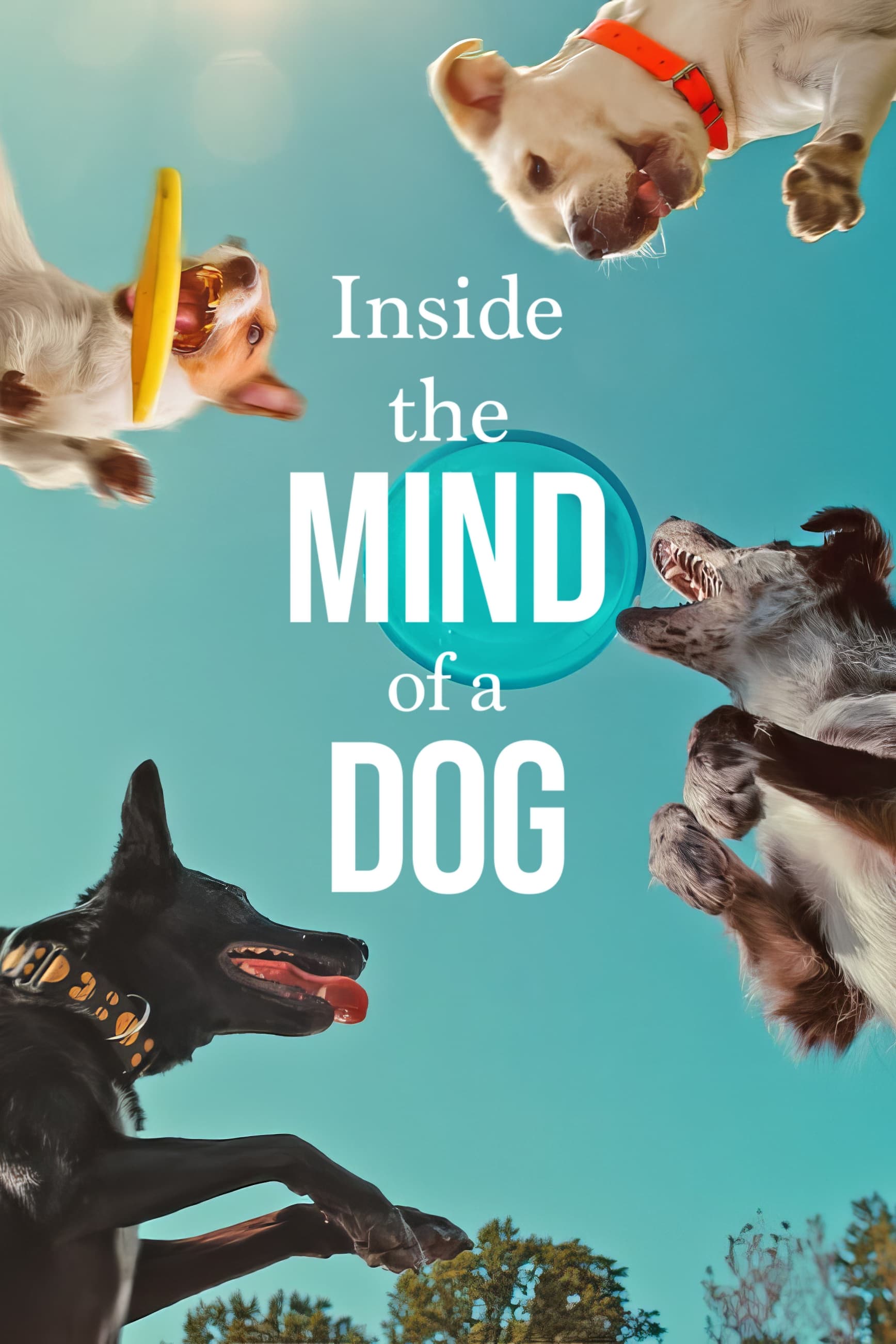
Embark on a delightful journey into the world of dogs in this documentary that reveals scientific and emotional insights about our lovable BFFs.
An exploration of technologically developing nations and the effect the transition to Western-style modernization has had on them.
While investigating the furtive world of illegal doping in sports, director Bryan Fogel connects with renegade Russian scientist Dr. Grigory Rodchenkov—a pillar of his country’s “anti-doping” program. Over dozens of Skype calls, urine samples, and badly administered hormone injections, Fogel and Rodchenkov grow closer despite shocking allegations that place Rodchenkov at the center of Russia’s state-sponsored Olympic doping program.
Carefully picked scenes of nature and civilization are viewed at high speed using time-lapse cinematography in an effort to demonstrate the history of various regions.
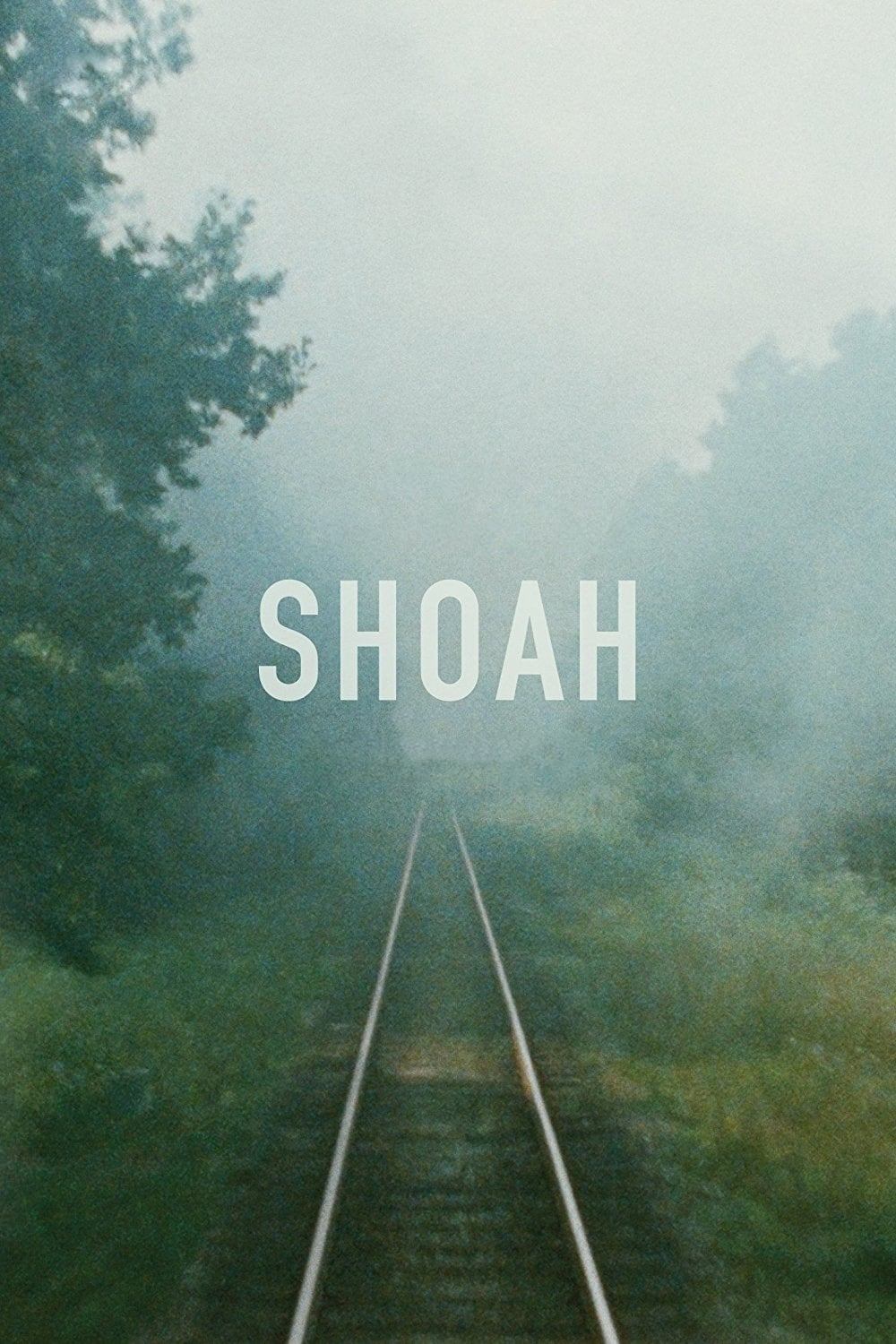
Director Claude Lanzmann spent 11 years on this sprawling documentary about the Holocaust, conducting his own interviews and refusing to use a single frame of archival footage. Dividing Holocaust witnesses into three categories – survivors, bystanders, and perpetrators – Lanzmann presents testimonies from survivors of the Chelmno concentration camp, an Auschwitz escapee, and witnesses of the Warsaw Ghetto Uprising, as well as a chilling report of gas chambers from an SS officer at Treblinka.
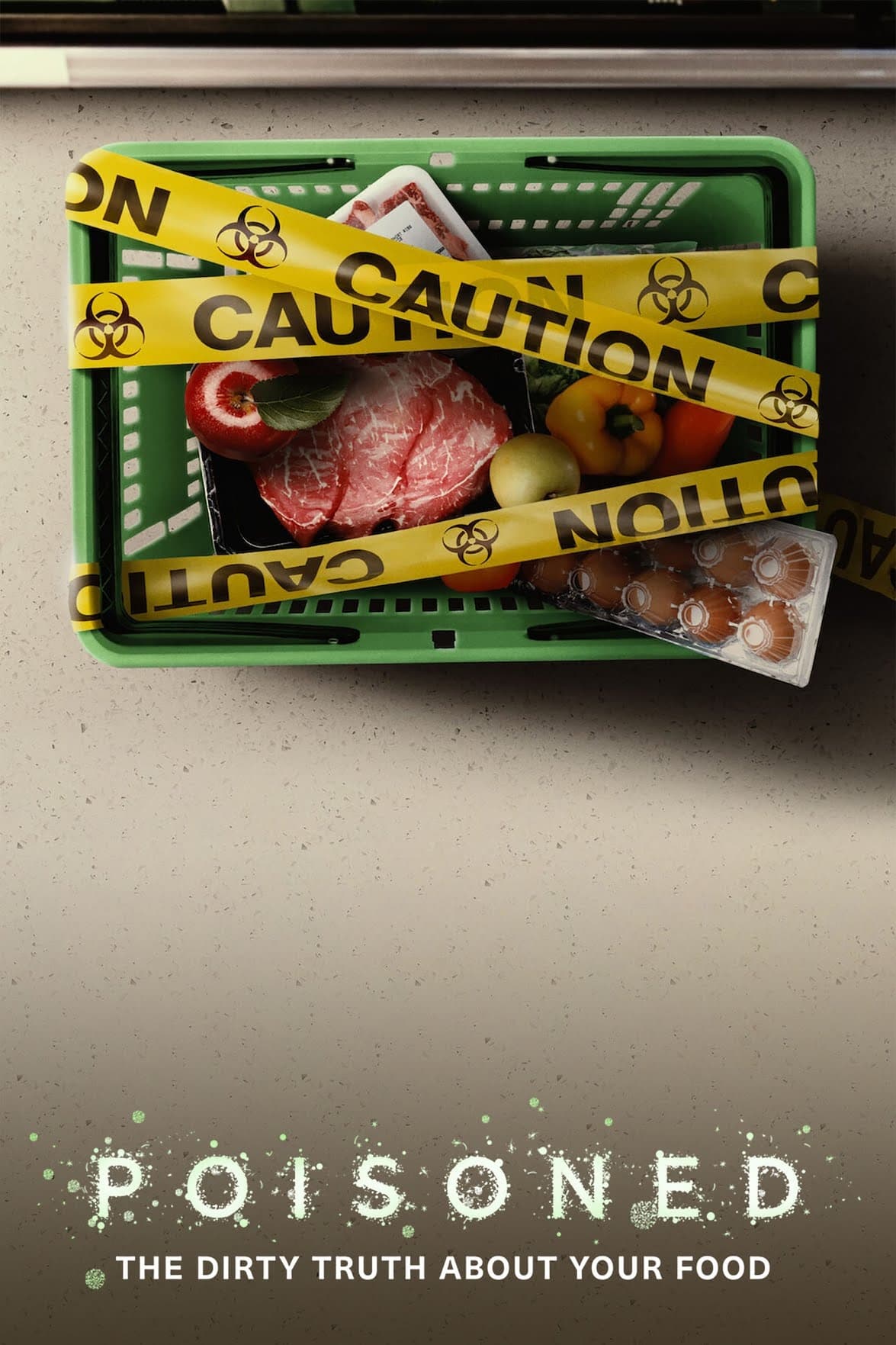
Through revealing interviews with experts and victims' families, this gripping documentary examines the problem of deadly foodborne illness in the US.
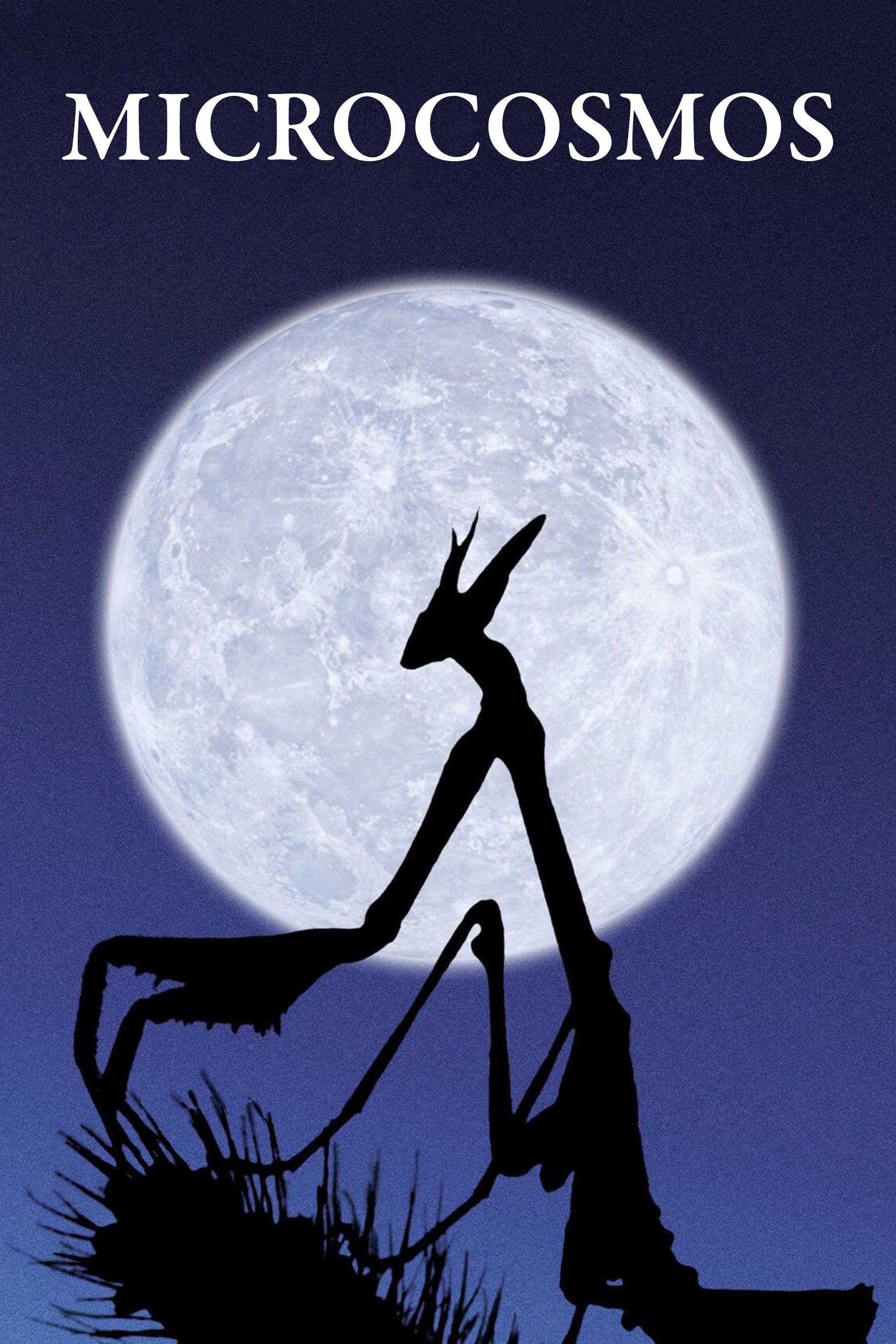
A documentary of insect life in meadows and ponds, using incredible close-ups, slow motion, and time-lapse photography. It includes bees collecting nectar, ladybugs eating mites, snails mating, spiders wrapping their catch, a scarab beetle relentlessly pushing its ball of dung uphill, endless lines of caterpillars, an underwater spider creating an air bubble to live in, and a mosquito hatching.
David Attenborough and scientist Johan Rockström examine Earth's biodiversity collapse and how this crisis can still be averted.
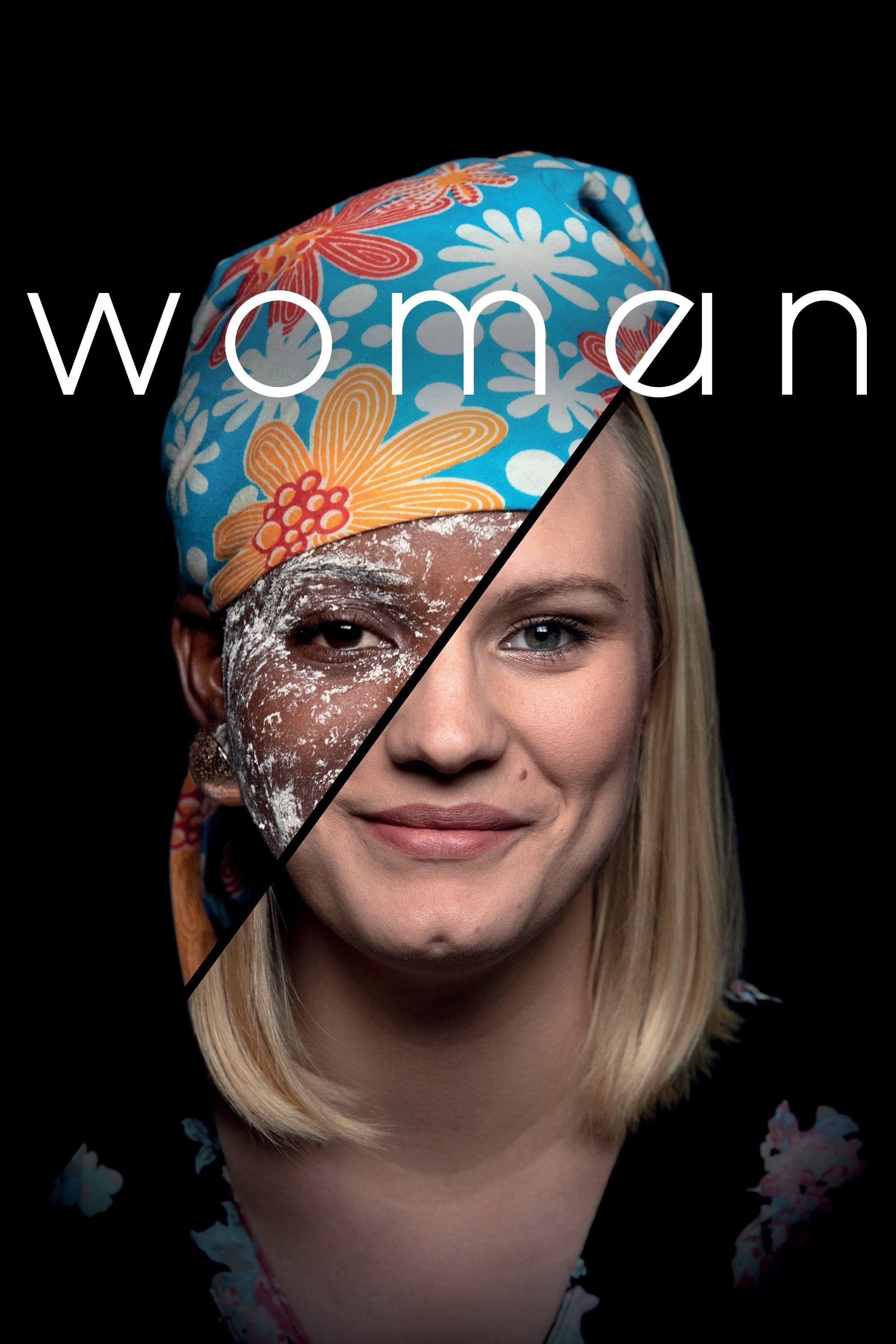
The film is based on interviews with 2,000 women from 50 countries, and covers the status of women all over the world. The topics covered include forced marriages, sexual assault, female genital mutilation, acid attacks, motherhood, sexuality, menstruation, education and the professional success of women.
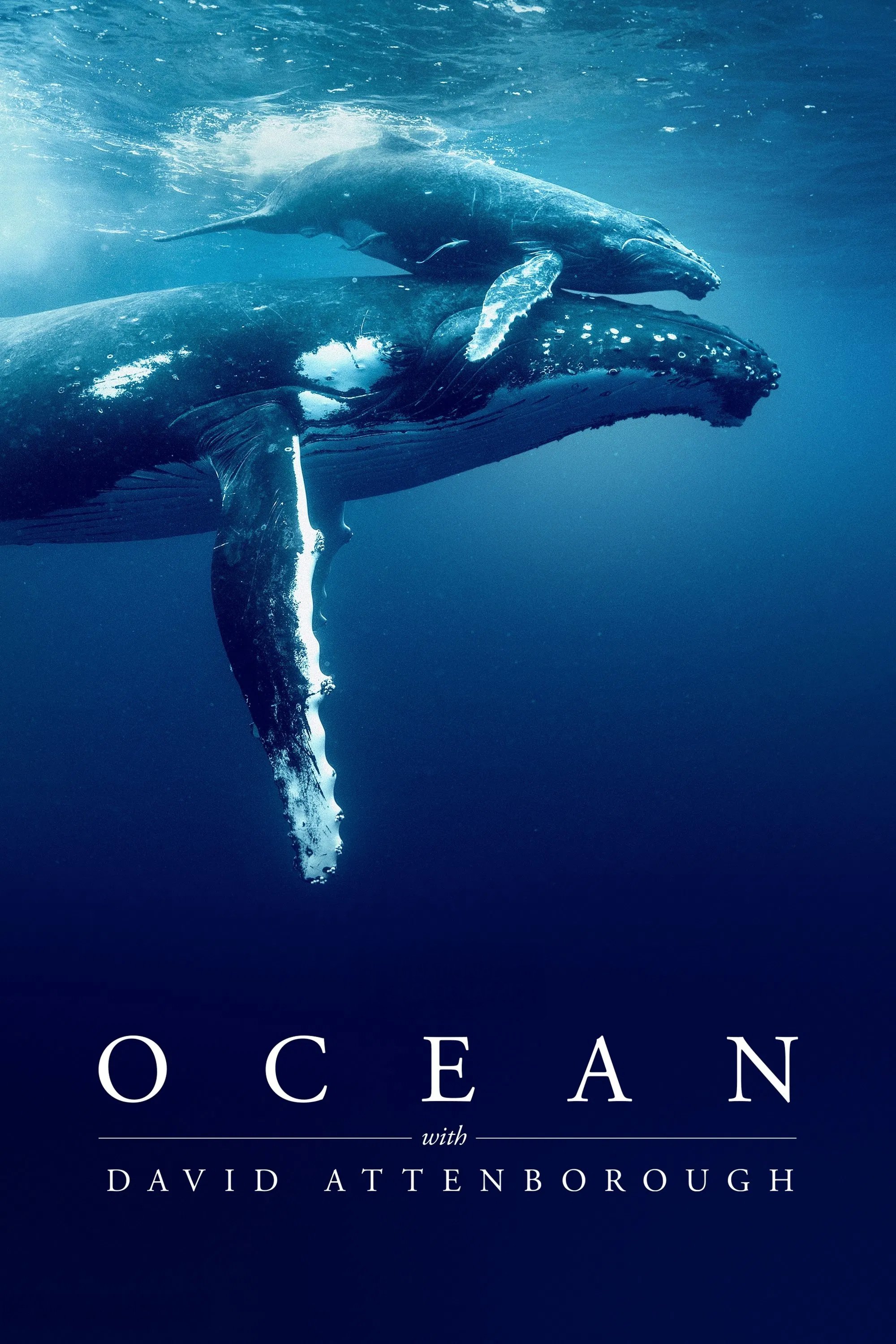
David Attenborough takes viewers on a breathtaking journey showing there is nowhere more vital for our survival, more full of life, wonder, or surprise, than the ocean. Through spectacular sequences featuring coral reefs, kelp forests and the open ocean, Attenborough shares why a healthy ocean keeps the entire planet stable and flourishing.
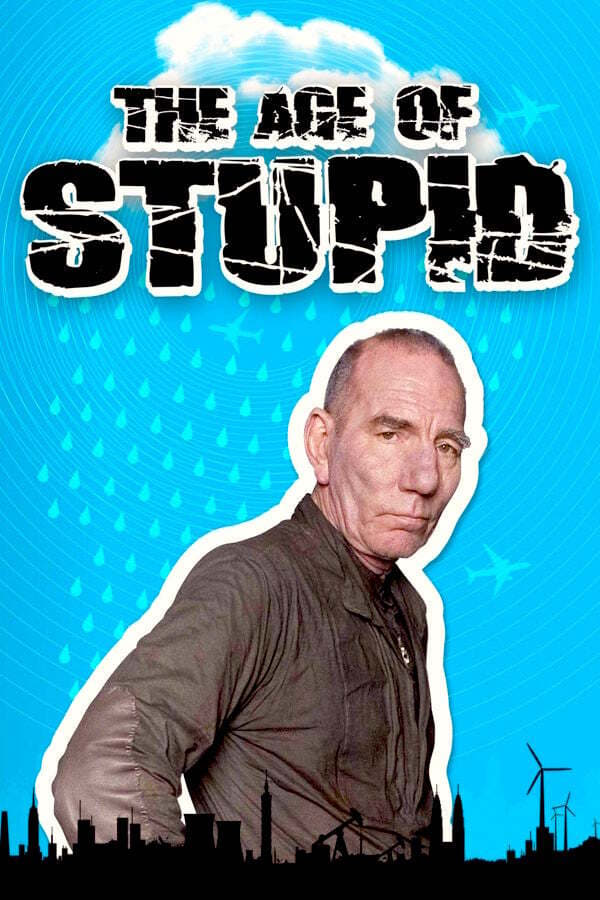
Pete Postlethwaite stars as a man living alone in the devastated future world of 2055, looking at old footage from 2008 and asking: why didn’t we stop climate change when we had the chance?