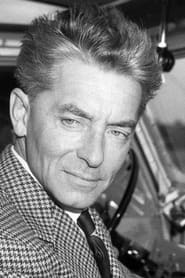
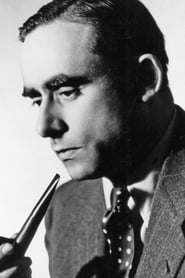
Karajan conducts rehearsal and performance of Schubert's Symphony No. 4 with the Vienna Symphony in Vienna, Nov. 1965, and Beethoven's Symphony No. 5 with the Berlin Philharmonic, January 1966. Henri-Georges Clouzot directs.
Social & External
The people behind it
Herbert von Karajan
Self - Conductor
Berlin Philharmonic
Self - Orchestra
Vienna Symphony
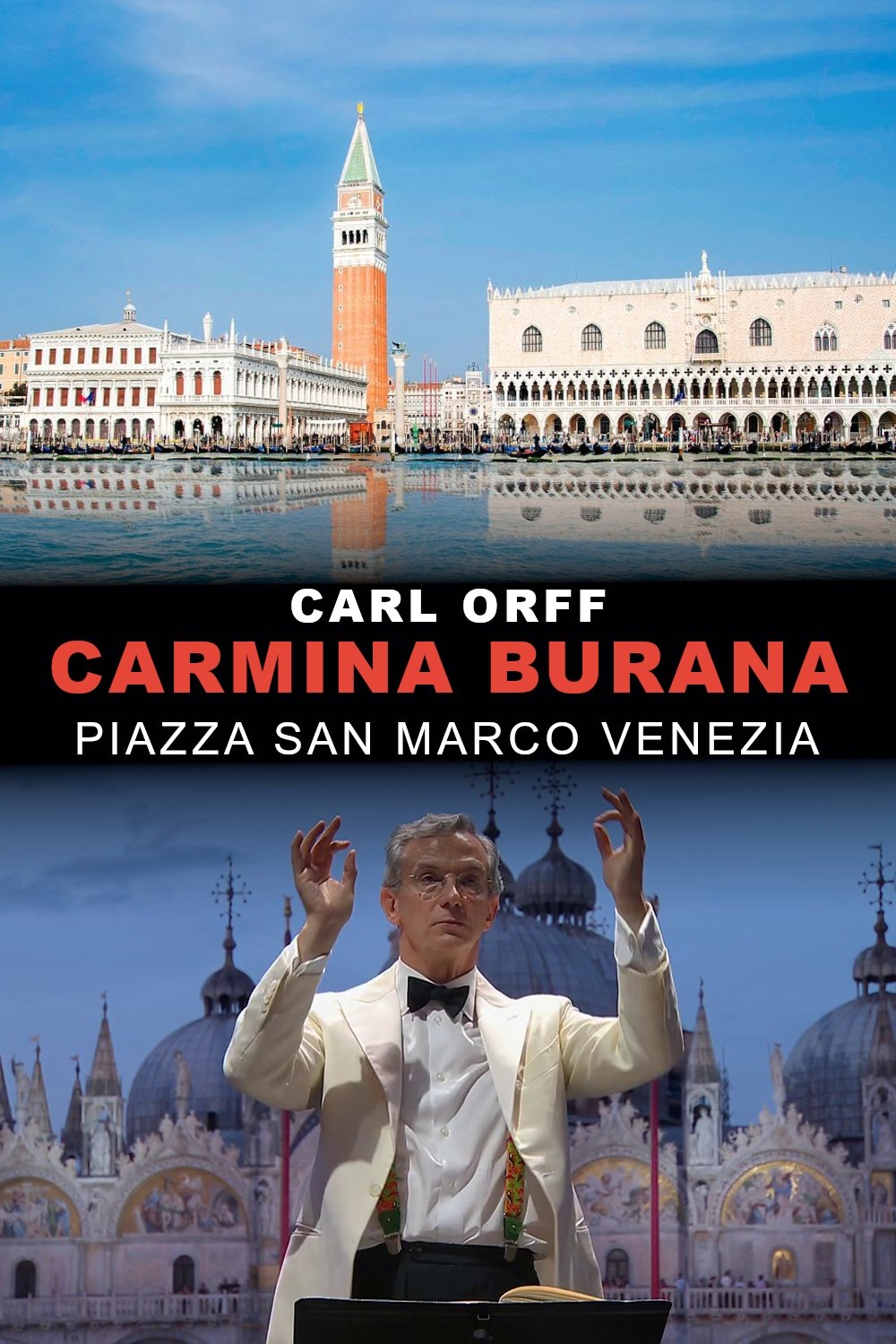
The Choir and Orchestra of the La Fenice Theatre, conducted by Fabio Luisi, take over Piazza San Marco in Venice for a grandiose concert. Facing the basilica, the musicians perform the famous cantata "Carmina burana", twenty-four medieval poems set to music by Carl Orff between 1935 and 1936.
Filmed on tour at Berlin's Philharmonie, this account of the valedictory Ninth Symphony is an intense interpretation, expressing Bernstein's conviction that modern man had at last caught up with the message encoded in Mahler's last completed work. Having made his famous 1966 studio recording of "Das Lied von der Erde" in Vienna, Bernstein re-recorded this in Israel with the same searing subjectivity. René Kollo draws on the voice of a great Wagner tenor, while Christa Ludwig, the greatest exponent of the contralto songs at the time, is unbearably poignant in the final movement's fusion of elation and sadness.
Leonard Bernstein made these recordings during his wonderfully productive collaboration with the Wiener Philharmoniker in the mid-1970s when he was at the peak of his career. Humphrey Burton's direction is, as always, very fine, giving the viewer/listener both the larger picture and highlighting individual soloists, players or groups of musicians and, of course, the maestro. The video and audio tracks show their age, but are quite acceptable even for today's standards. Bernstein's Seventh is everything one could desire: dark and spooky, highly sensual, but also structurally strong and assertive where needed. Bernstein's reading does not gloss over breakdowns in tonality and the foreshadowing of later musical developments.
In the 1960s Karl Böhm (1894–1981) had made his mark as interpreter of Mozart with the the Berlin Philharmonic. Yet his recordings with the Vienna Symphony demonstrate a mutual sympathy and deep love for this timeless music. The musicians are razor-sharp in attack, harmony, and release. Böhm's style is minimalist: a firm downbeat, a ruffled hand here and there, a slight sway, no mugging. Occasionally, when quite excited, he gives a little hop but immediately pulls himself on a tight leash.
Almost any recording of a Mozart symphony by Austrian conductor Karl Bohm (1894-1981) is a sure thing: excellent sound, and sensible, solid, non-sentimental interpretation. This DVD has 3 Mozart Symphonies, all conducted by Bohm: Nos. 33 and 39 with the Vienna Symphony, recorded in Studio-Wien in 1969, and a live 1970 performance of Symphony 28 with the Vienna Philharmonic, filmed in the Musikvereinsalle in Vienna. All 3 symphonies have excellent film quality and sound, although some viewers may prefer Symphony 28, as the presence of a live audience really brings out the best in the Vienna Philharmonic.
There are only a couple of DVD recordings of Mozart's Symphony No. 40. Fortunately, this one by Karl Bohm, recorded live in Vienna's Musikvereinssaal, is excellent, as are the other Mozart symphonies on this DVD. Since this disc offers three of the big six last symphonies of Mozart, Nos. 35 (Haffner), 40, and 41 (Jupiter), plus two more, it is an outstanding value. Despite the age of the recordings (1973-74), both the sound and the video are quite good.
In the 19th century, Romantic composer/pianist Franz Liszt tries to end his hedonistic ways but keeps getting sucked back in by his seductive fellow composer Richard Wagner.
This is one of the most important recordings of the 20th century, both for its content (considered by many the greatest cello music of all time) and for the intense devotion, careful preparation, and towering technical skill that went into the project. It was a brilliant idea to make a video as well as an audio recording. Cellists will welcome the chance to study Rostropovich's bowing and fingering techniques, close up and at leisure. And music-lovers will welcome the visuals of the recording location, a French church whose architecture, statues, and flickering candles complement the music.
For Peter and the Wolf, premiered in 1936, Prokofiev chose the form of a symphonic tale, featuring a narrator alongside the orchestra. A unique work in which each instrument embodies a character. Renaud Capuçon conducts the Orchestre de Chambre de Lausanne, while Jean Reno takes on the role of narrator.
These recordings, filmed in March and April 1974 for the BBC, occurred at the tail end of the old performance era and the very start of the new. Vladimir Ashkenazy was a graduate of the same Soviet school of piano playing that produced Sviatoslav Richter, Emil Gilels, Lazar Berman and a host of others of that era. There are simularities that unite them, including a broad romanticism, a degree of Lisztian showmanship coupled with periods of introspection, powerful technique that occasionally borders on pounding and an intellectual streak that produces some deeply insightful playing. Ashkenazy was younger than the others, more modern in his playing.
In April 1981 violinist Gidon Kremer performed Vivaldi's Four Seasons leading the English Chamber Orchestra recorded in the baroque library of the monastery in Polling, near Munich. It is, as one would expect from a master violinist, a superbly insightful performance. The sound is resonant and satisfying although surely not true 5.1, and those who wish to have this music on video might well investigate it.
On Air presents Igor Stravinsky's The Firebird, performed by the world-renowned Royal Philharmonic Orchestra, conducted by Peter Breiner, and recorded at BBC Television Centre. Expertly brought to life by some of the world's most sought-after classical musicians, The Firebird comprises 74 musicians: 51 string, 11 brass, 8 woodwind and 4 percussion. Available now to watch on demand in cinematic quality.
On Air presents Igor Stravinsky's The Rite of Spring, performed by the world-renowned Royal Philharmonic Orchestra, conducted by Peter Breiner, and recorded at BBC Television Centre. Expertly brought to life by some of the world's most sought-after classical musicians, the ensemble comprises 93 instruments: 51 string, 16 woodwind, 20 brass and 6 percussion. The full performance is available to watch on demand in cinematic quality.
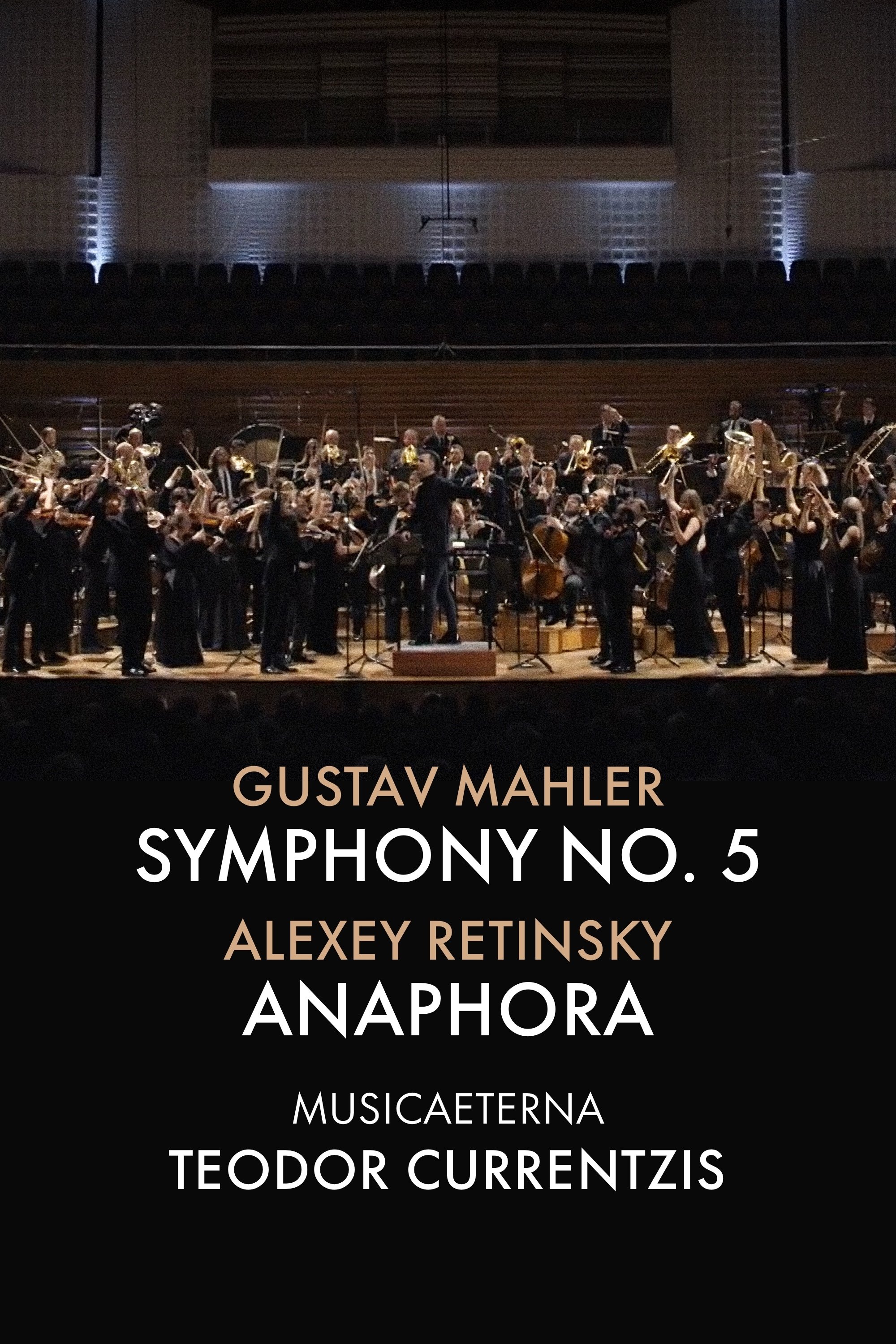
For Mahler, symphonies always were a means of interpreting the most convoluted philosophical problems that couldn’t be resolved verbally. The ambitious structure of the five-part Fifth Symphony spans from the Funeral March to the roaring finale. It is a forthright attempt to resolve the tragic conflict with the surrounding world. The brilliant fourth part of the symphony, Adagietto, resembles a beautifully mysterious flower that every conductor reimagines in their own style. As one of the twentieth century’s most influential maestros, Mahler redefined the conductor’s role. For him, the conductor is just as integral to his own musical works as they are to the composer. When a maestro steps onto the podium and opens the score, he recreates musical universes from scratch. Teodor Currentzis and the musicAeterna orchestra have performed Mahler’s symphonies around the world for many years. The Fifth Symphony has earned its place as one of the highlights of the cycle.
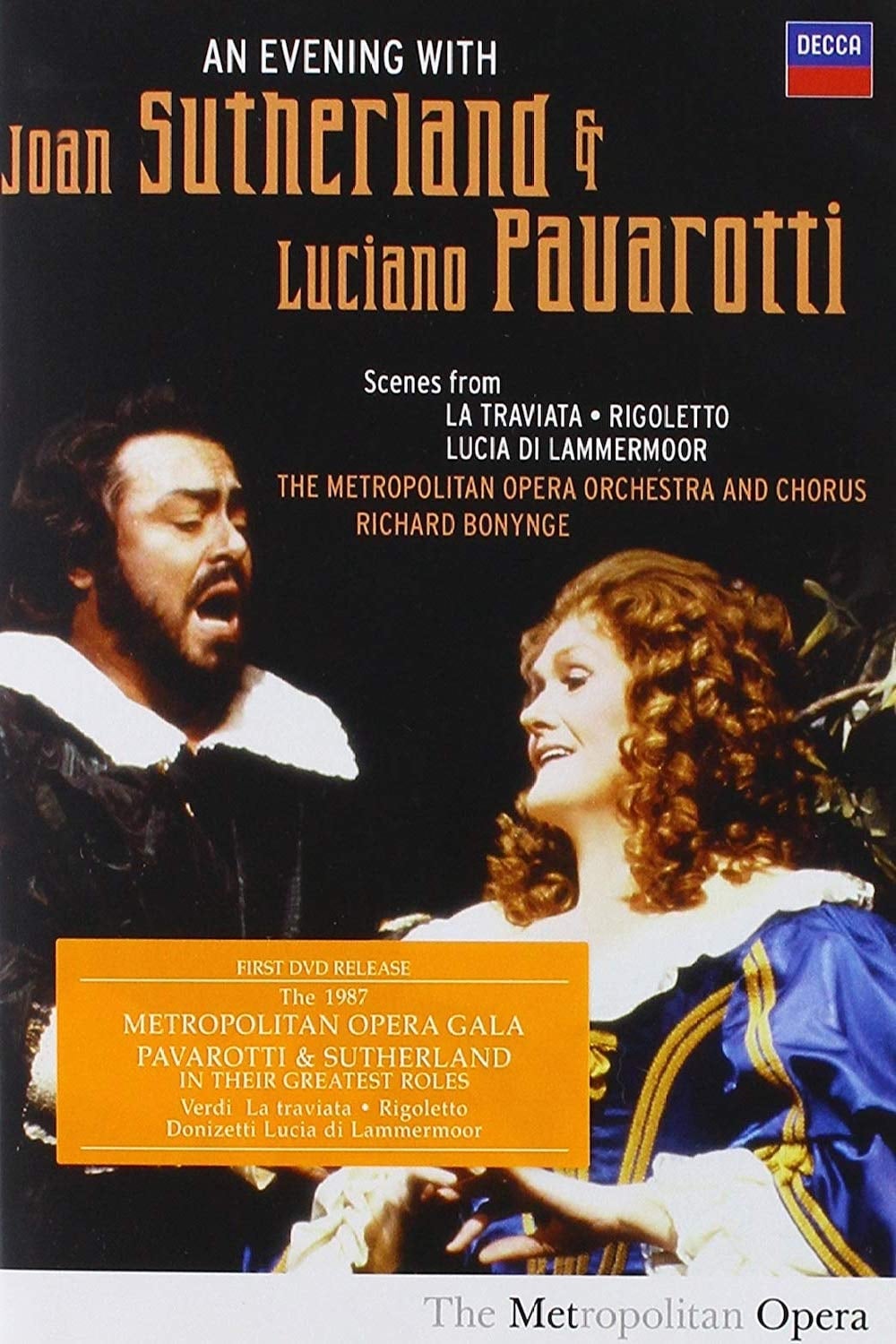
Opera greats Luciano Pavarotti and Joan Sutherland -- one of the most acclaimed tenors and one of the most beloved sopranos of the 20th century -- take the stage at the Met for a gala evening of opera scenes with special guest Leo Nucci. Filmed in 1987, the memorable program includes scenes from the first and third acts of Donizetti's "Lucia di Lammermoor," the third act of Verdi's "La Traviata" and the third act of Verdi's "Rigoletto."
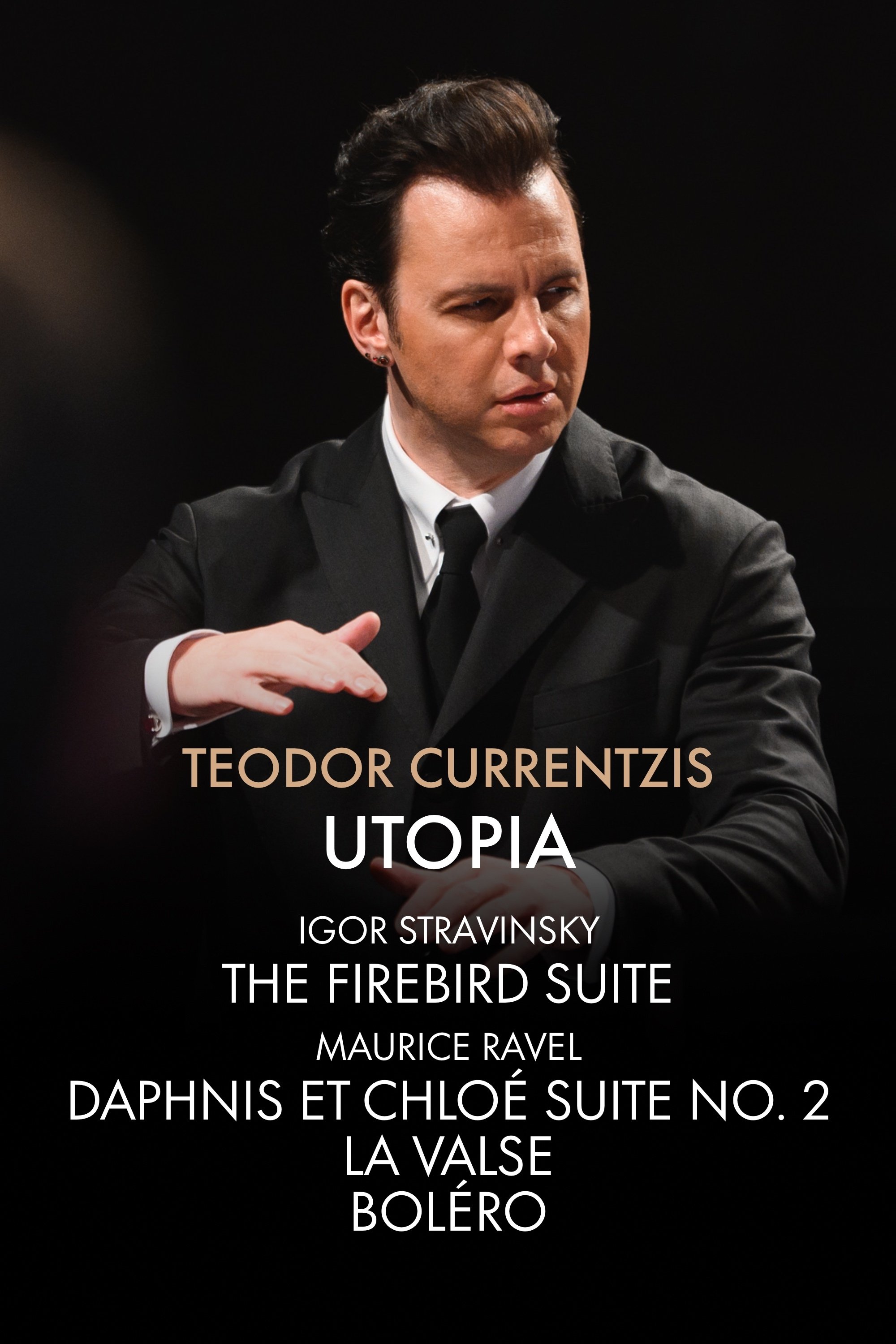
Utopia, the new orchestra of conductor Teodor Currentzis, can be experienced for the first time in Vienna on its inaugural tour with the 1945 version of Igor Stravinsky’s ‘The Firebird’ and Maurice Ravel’s Suite No. 2 of ‘Daphnis et Chloé’, ‘La Valse’ and ‘Boléro’.
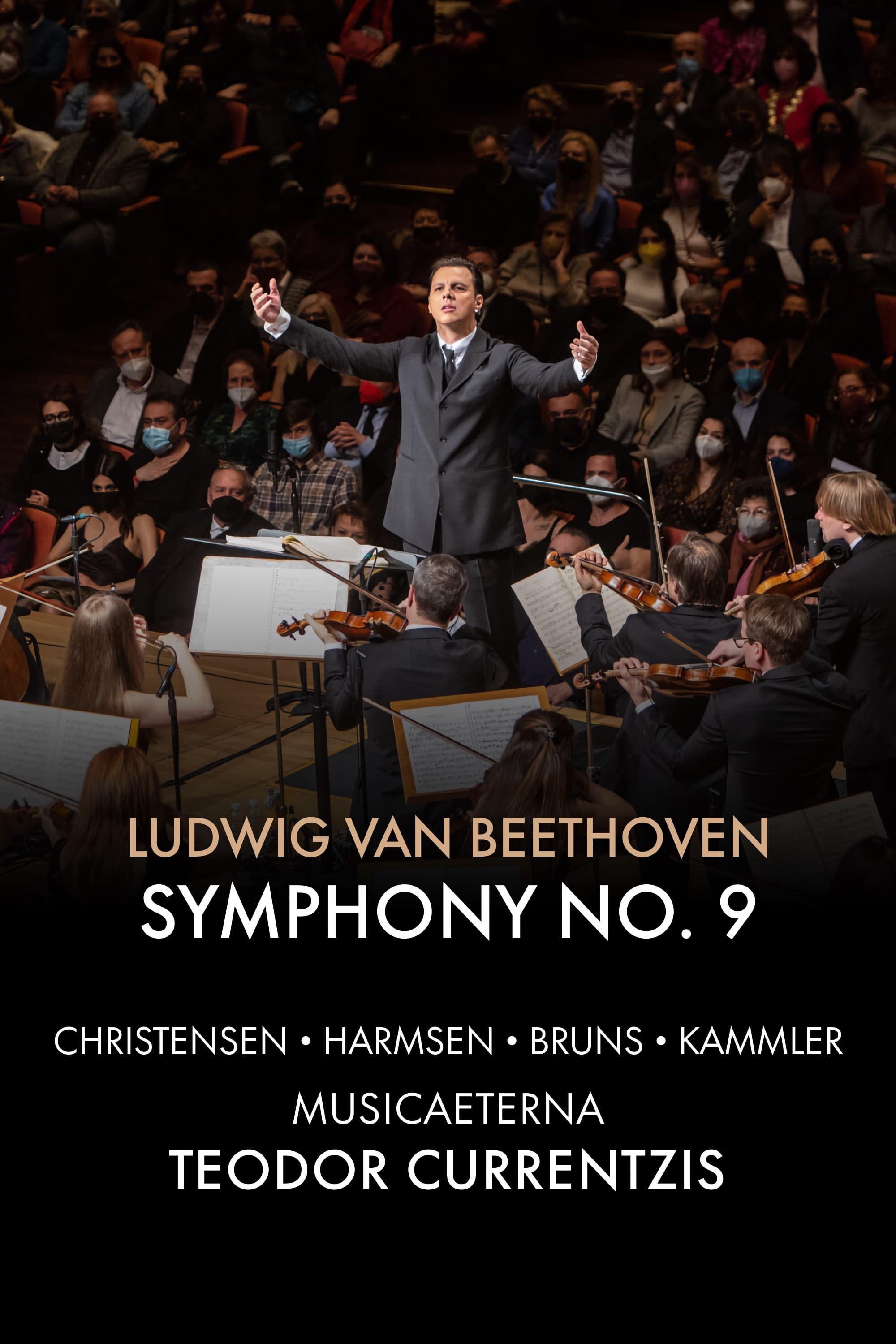
Ludwig van Beethoven headed for Symphony No. 9 literally his entire life. As early as the 1790s, he had an eye on Ode to Joy, perhaps the most well-known poem by Friedrich Schiller, written on the threshold of the French Revolution (1786). In his mature and, in particular, later years, the deaf composer with an acute ‘hearing vision’ increasingly distanced himself from conventional forms and genres and wrote parts beyond the possibilities of instruments of his day. He nurtured the idea of a symphony with a choir for at least several years. The history of the Ninth’s interpretations includes 200 years of staggering revelations and lingering stagnation. Performed by the musicAeterna orchestra, choir, and guest soloists under the baton of Teodor Currentzis, Beethoven’s opus magnum acquires the original poignancy and energy of a recent discovery.
A primetime special with performances from the superstar including Adele’s first new material in six years plus her chart-topping hits. The special will also feature an exclusive interview with Adele by Oprah Winfrey from her rose garden, in Adele’s first televised wide-ranging conversation.
Live Aid was held on 13 July 1985, simultaneously in Wembley Stadium in London, England, and the John F. Kennedy Stadium in Philadelphia, United States. It was one of the largest scale satellite link-ups and television broadcasts of all time: watched live by an estimated global audience of 1.9 billion, across 150 nations. "It's twelve noon in London, seven AM in Philadelphia, and around the world it's time for Live Aid...!"
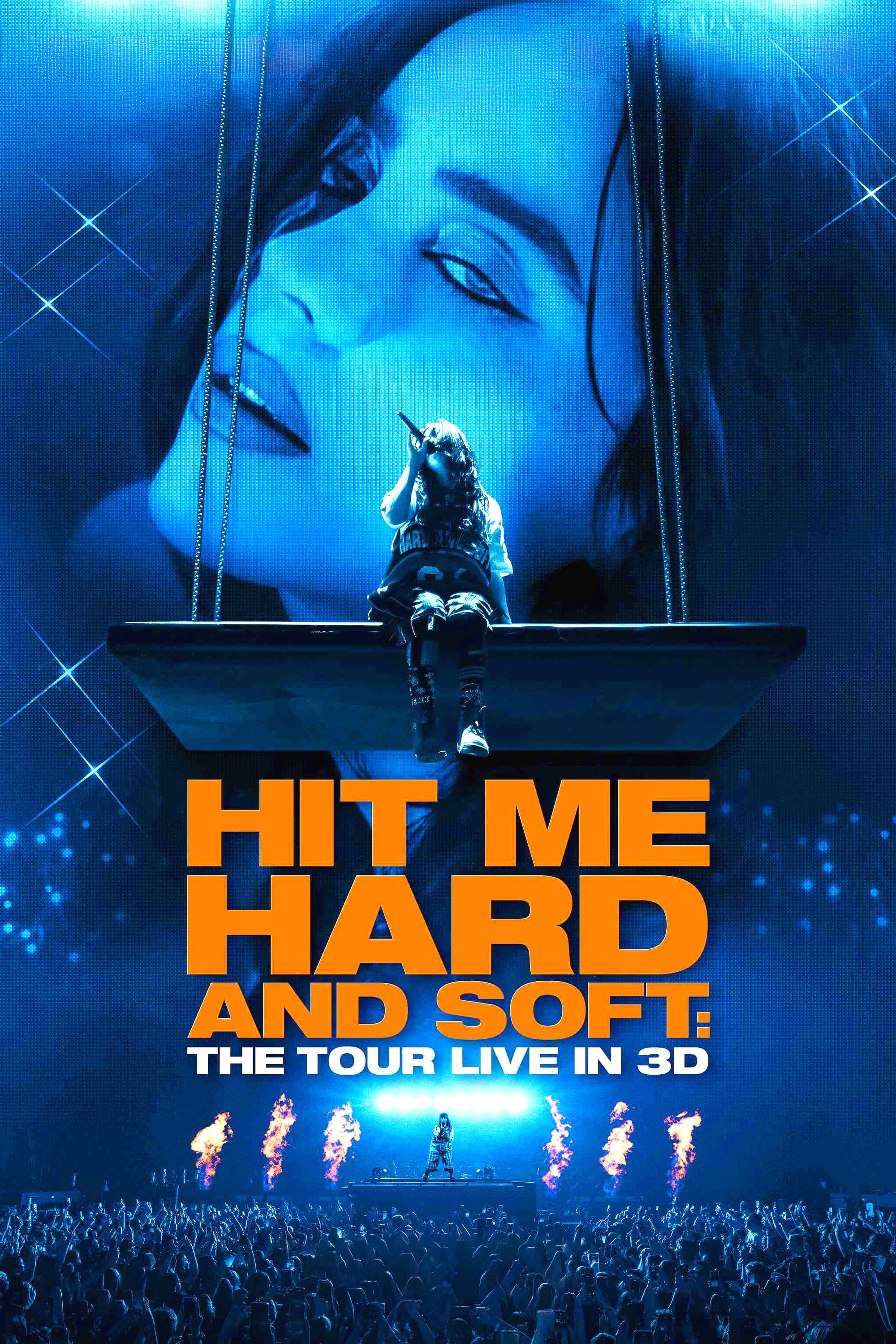
Captured during Billie Eilish's sold-out world tour, a concert experience from one of the most celebrated and successful artists of her generation, presented in immersive 3D.
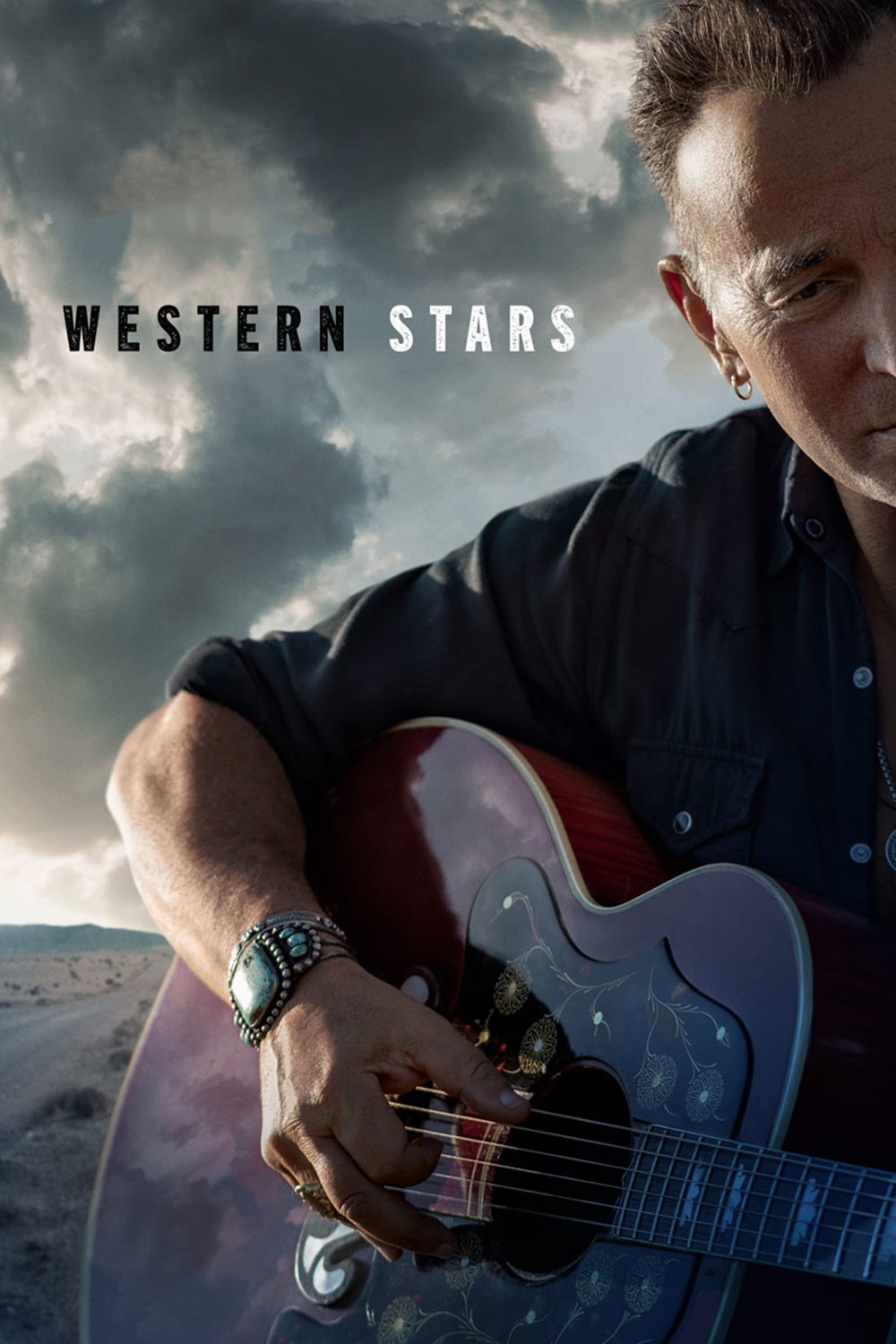
The incomparable Bruce Springsteen performs his critically acclaimed latest album and muses on life, rock, and the American dream, in this intimate and personal concert film co-directed by Thom Zimny and Springsteen himself.
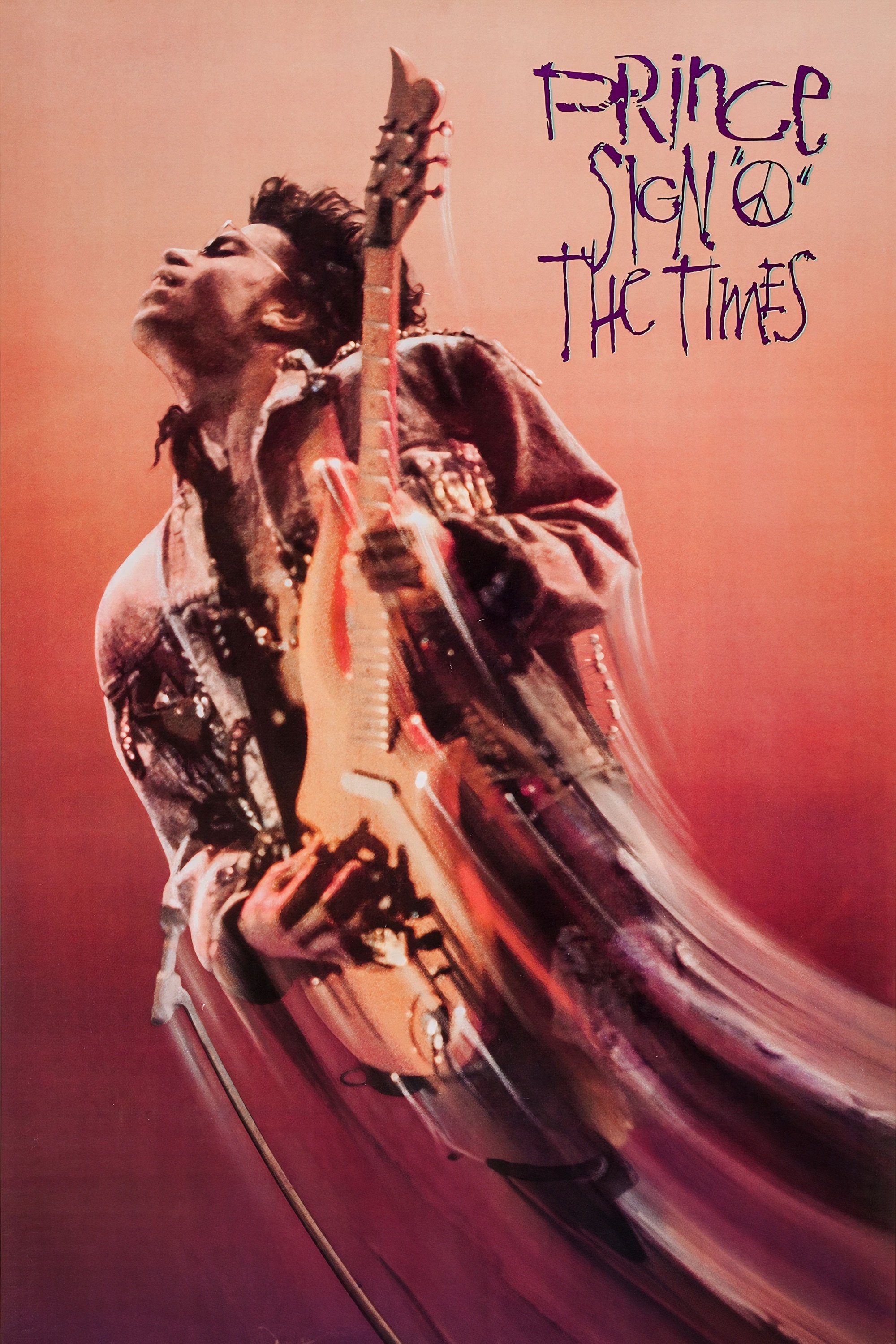
In 1987, to capitalize on his growing success in Europe, Prince toured extensively to promote the album of the same name and sales increased accordingly. However, the United States remained resistant to his latest album, and sales began to drop; it was at this point that Prince decided to film a live concert promoting the new material, for eventual distribution to theaters in America. Featuring the band that accompanied Prince on his 1987 Sign o' the Times Tour, including dancer Cat Glover, keyboardist Boni Boyer, bassist Levi Seacer, Jr., guitarist Miko Weaver, drummer Sheila E. and former member of The Revolution keyboardist Dr. Fink, the film sees the group perform live on stage (although "U Got the Look" is represented by its promotional music video).
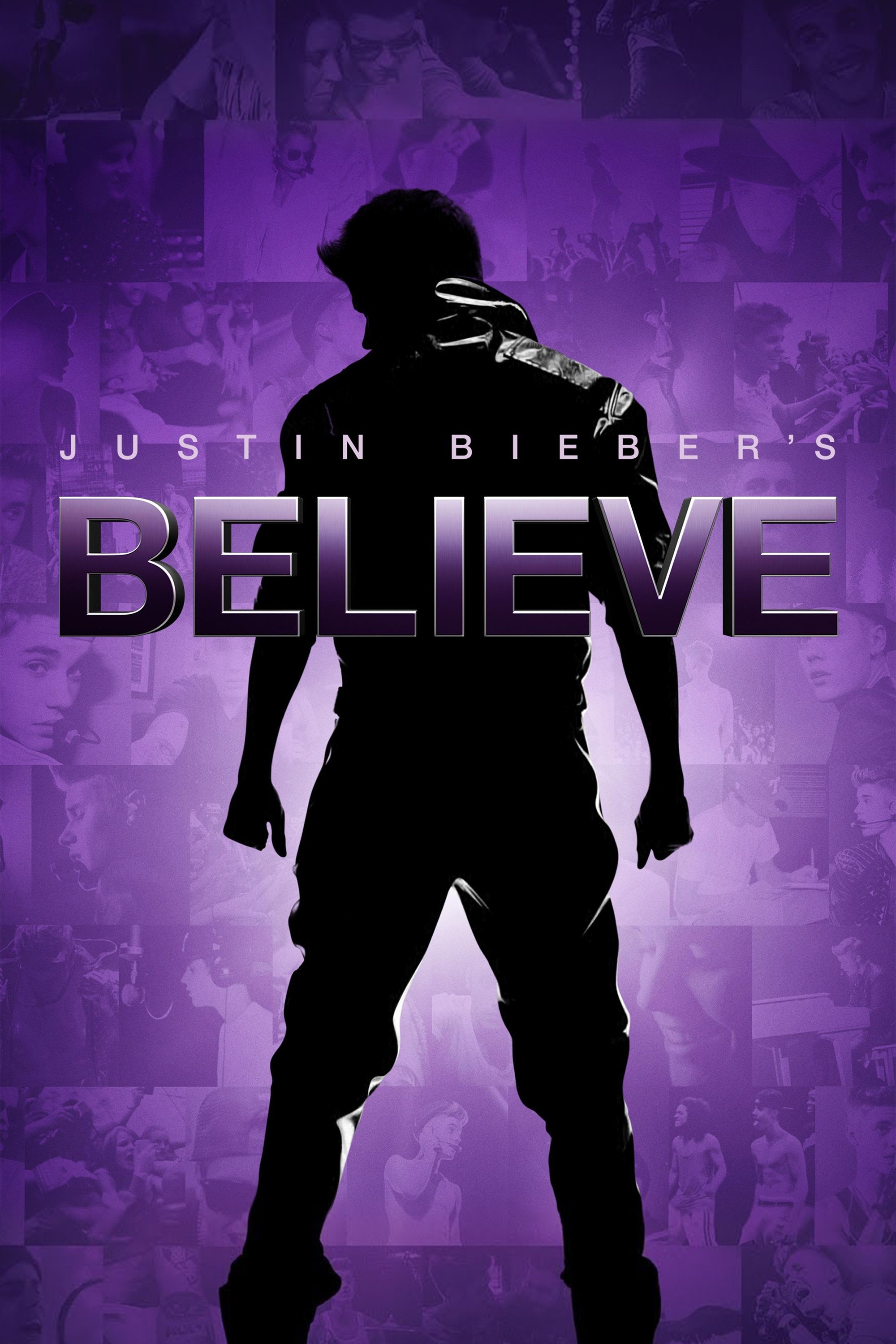
A backstage and on-stage look at Justin Bieber during his rise to super stardom.
Where We Are: Live from San Siro Stadium features the entire 23 track concert filmed at San Siro Stadium in Milan in June 2014, as well as 24 minutes of bonus content including backstage footage of One Direction and their crew.
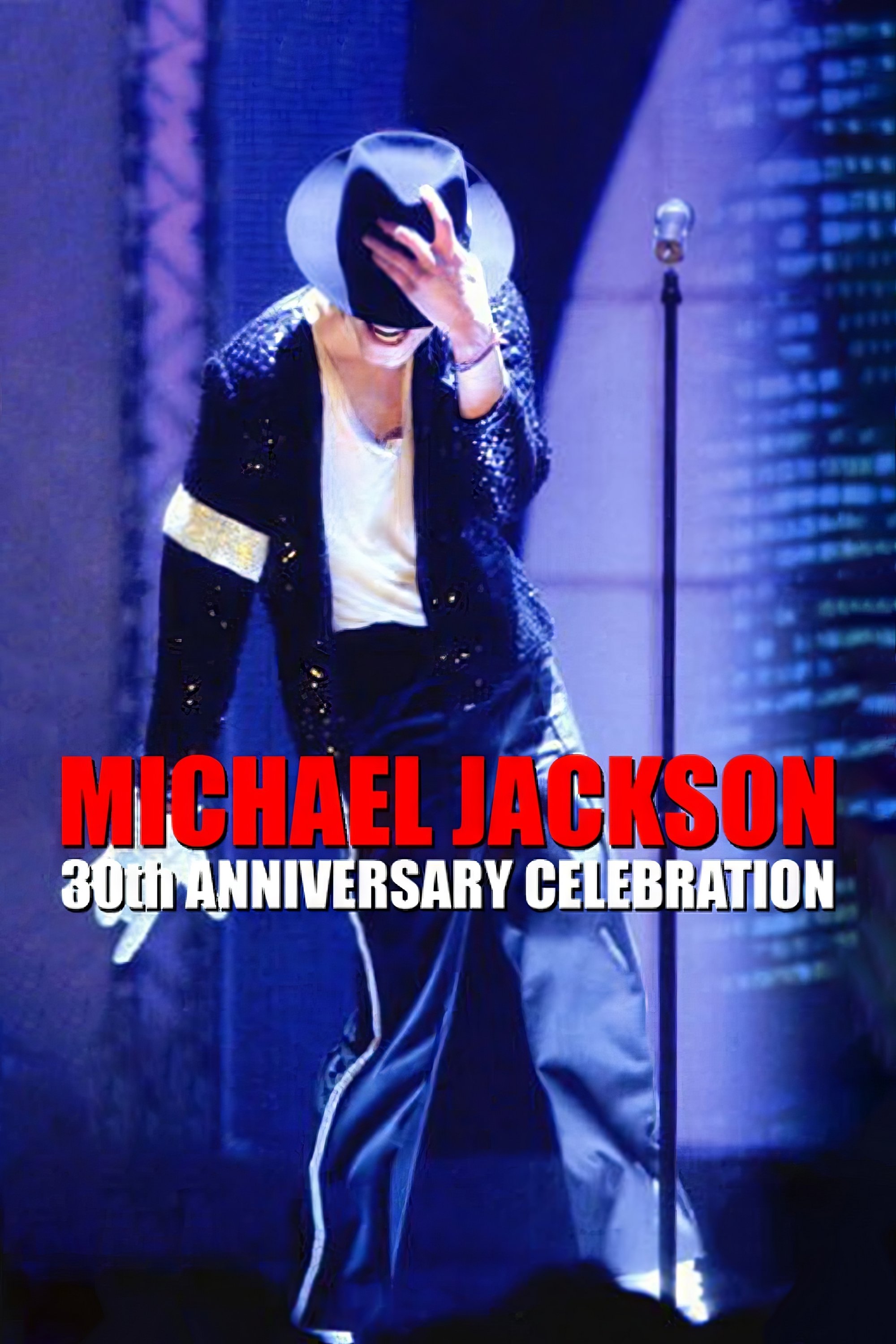
Celebrating the 30 year anniversary of Michael Jackson's solo career, this legendary performance took place on September 10, 2001.
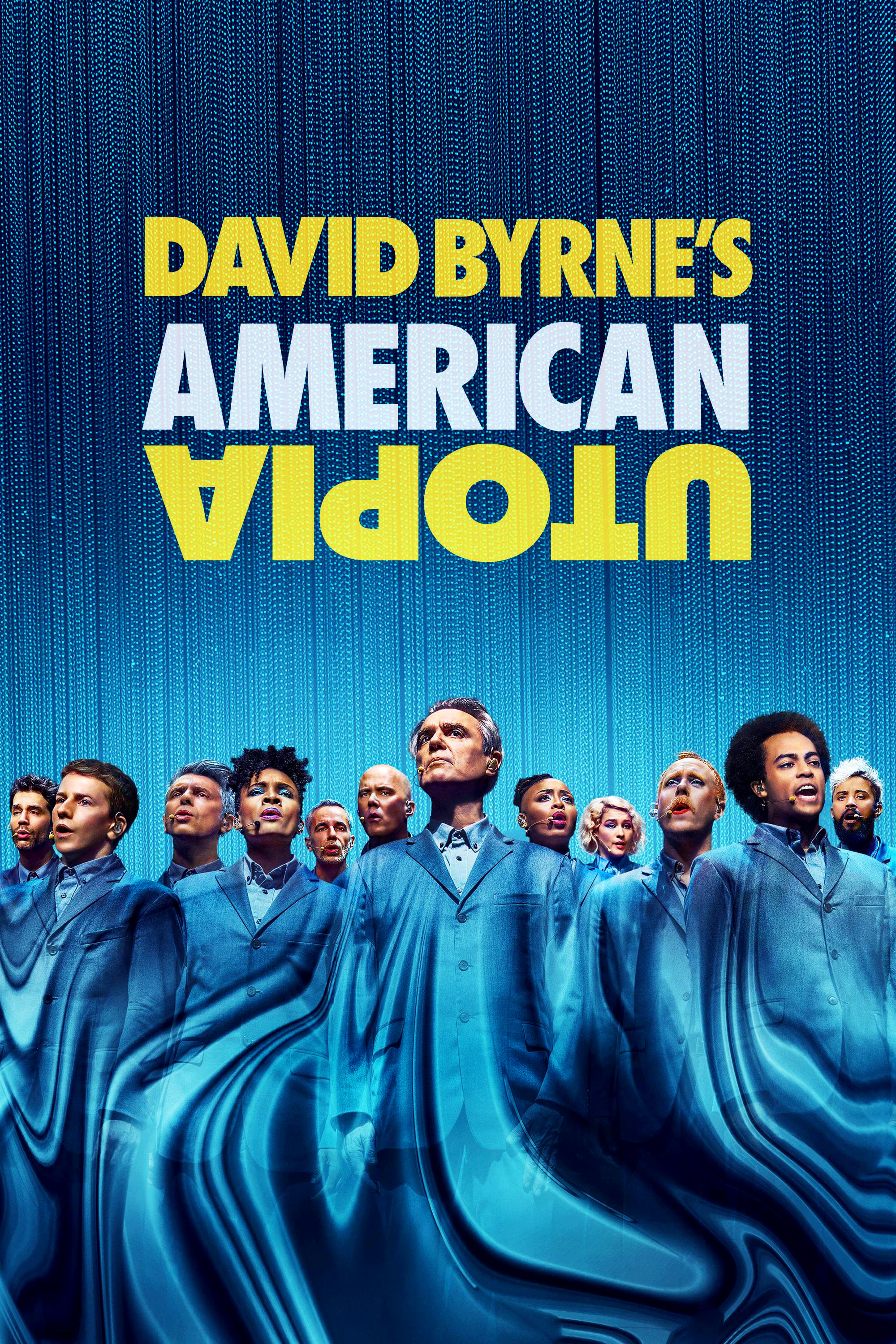
A filmed version of David Byrne's Broadway show, a unifying musical celebration that inspires audiences to connect to each other and to the global community.
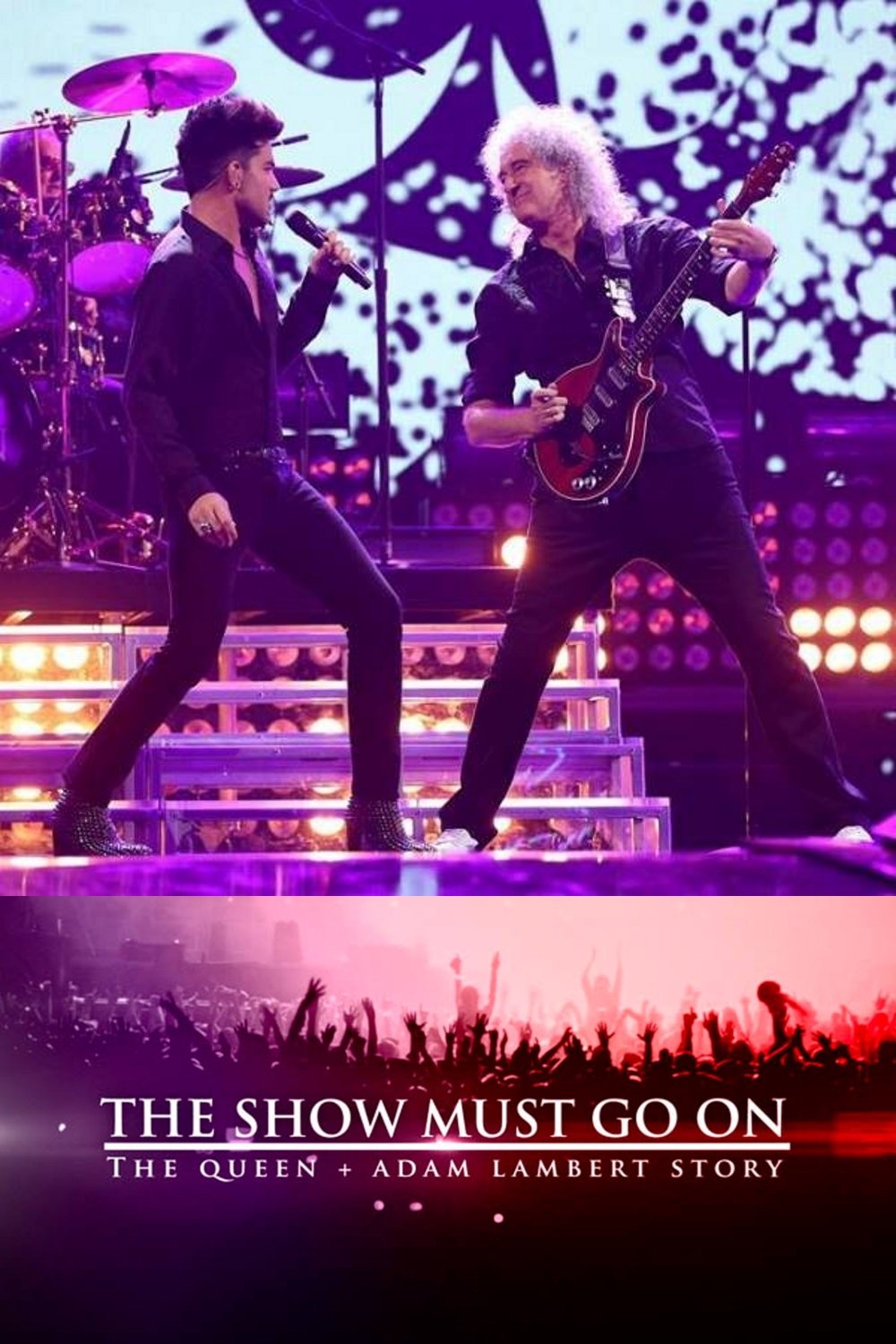
A documentary chronicling Queen and Lambert's incredible journey since they first shared the stage together on "American Idol" in 2009.
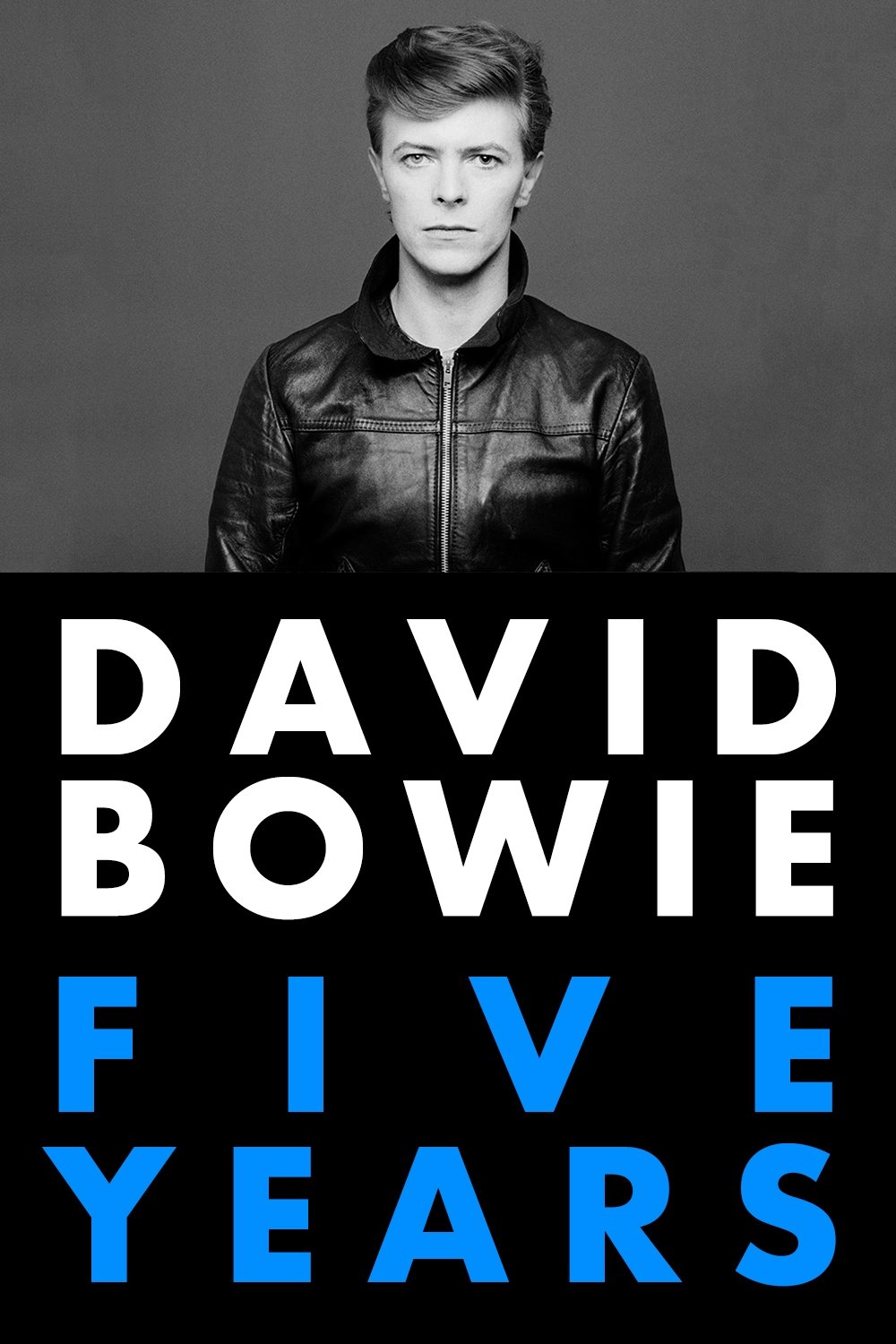
Featuring a wealth of previously unseen archive, this film looks at how Bowie continually evolved: from Ziggy Stardust to the Soul Star of Young Americans, to the ‘Thin White Duke’. It explores his regeneration in Berlin with the critically acclaimed album Heroes, his triumph with Scary Monsters and his global success with Let’s Dance. With interviews with all his closest collaborators, David Bowie - Five Years presents a unique account of why Bowie has become an ‘icon of our times’.
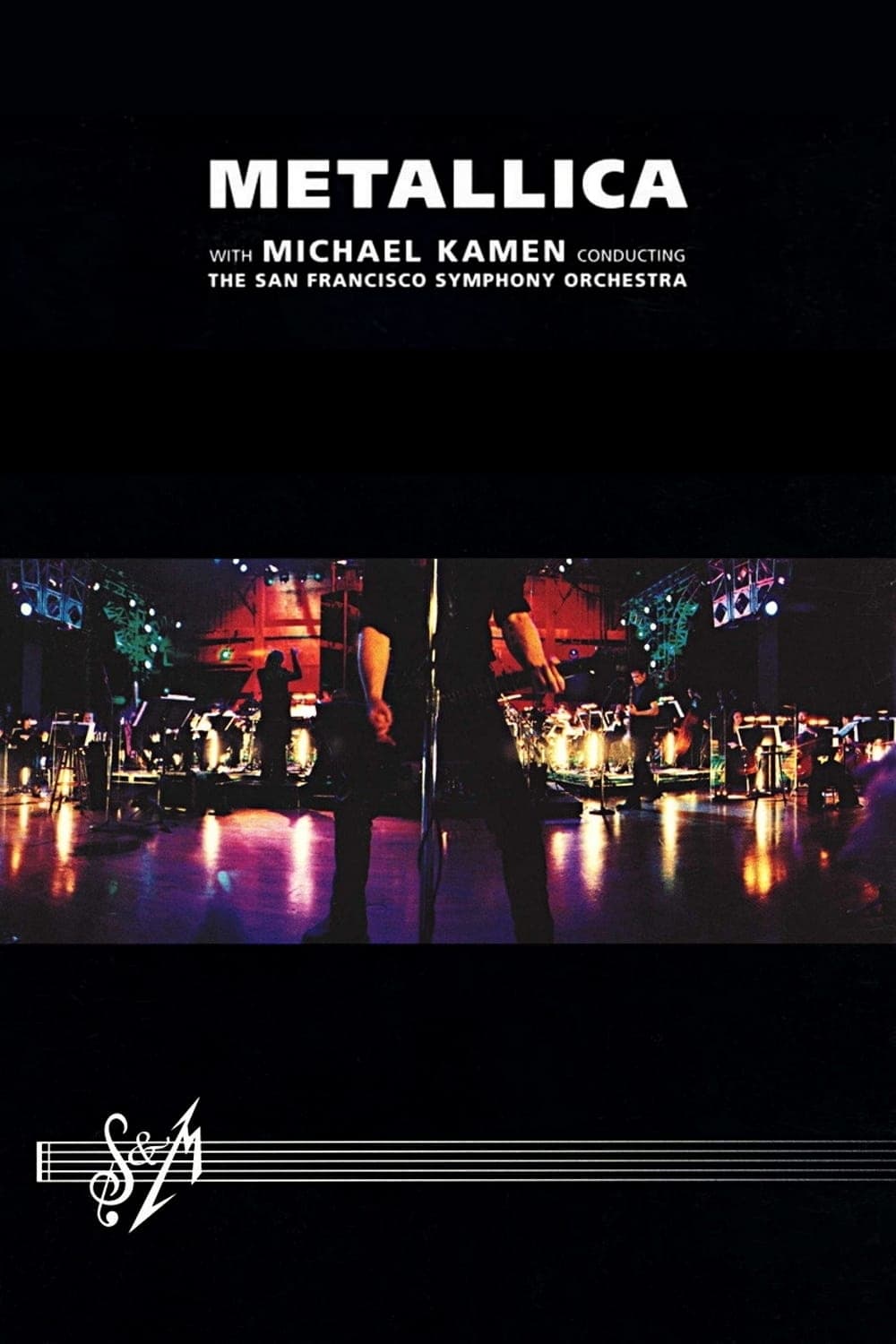
Michael Kamen conducts the San Francisco Symphony Orchestra in support of metal rockers Metallica in this 1999 concert performance.
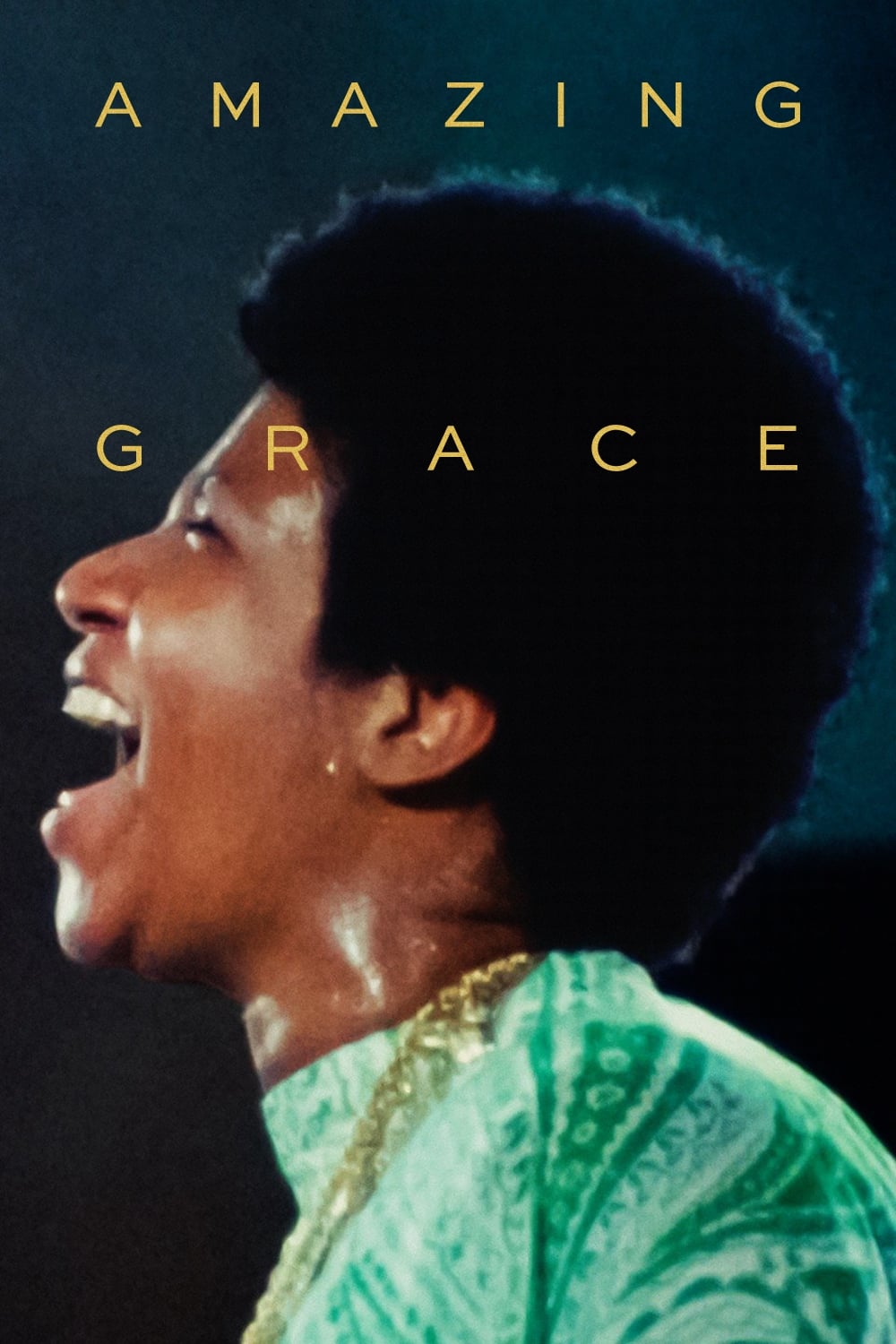
A behind-the-scenes documentary about the recording of Aretha Franklin's best-selling album finally sees the light of day more than four decades after the original footage was shot.
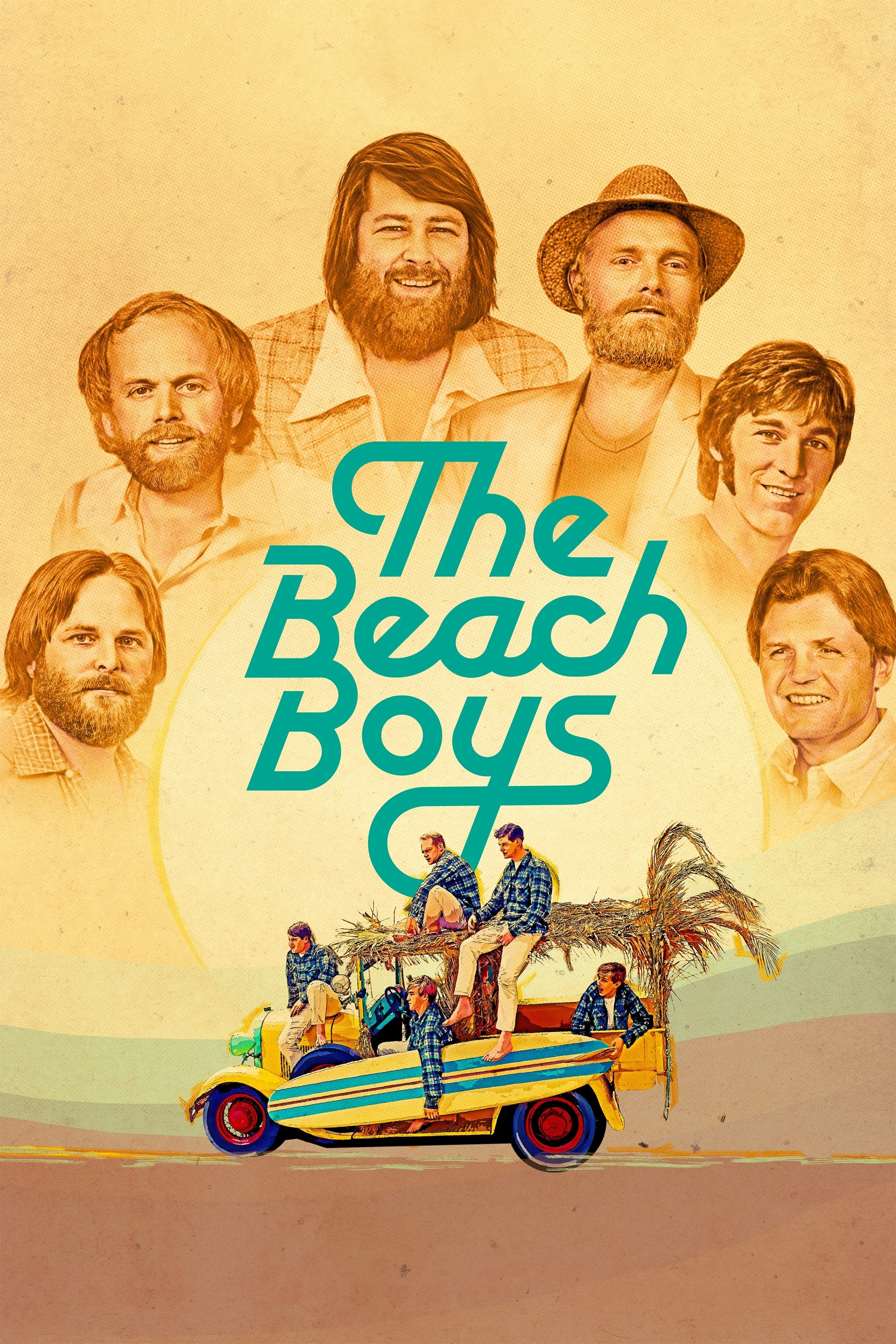
A celebration of the legendary band that revolutionized pop music, and the iconic, harmonious sound they created that personified the California dream, captivating fans for generations and generations to come.
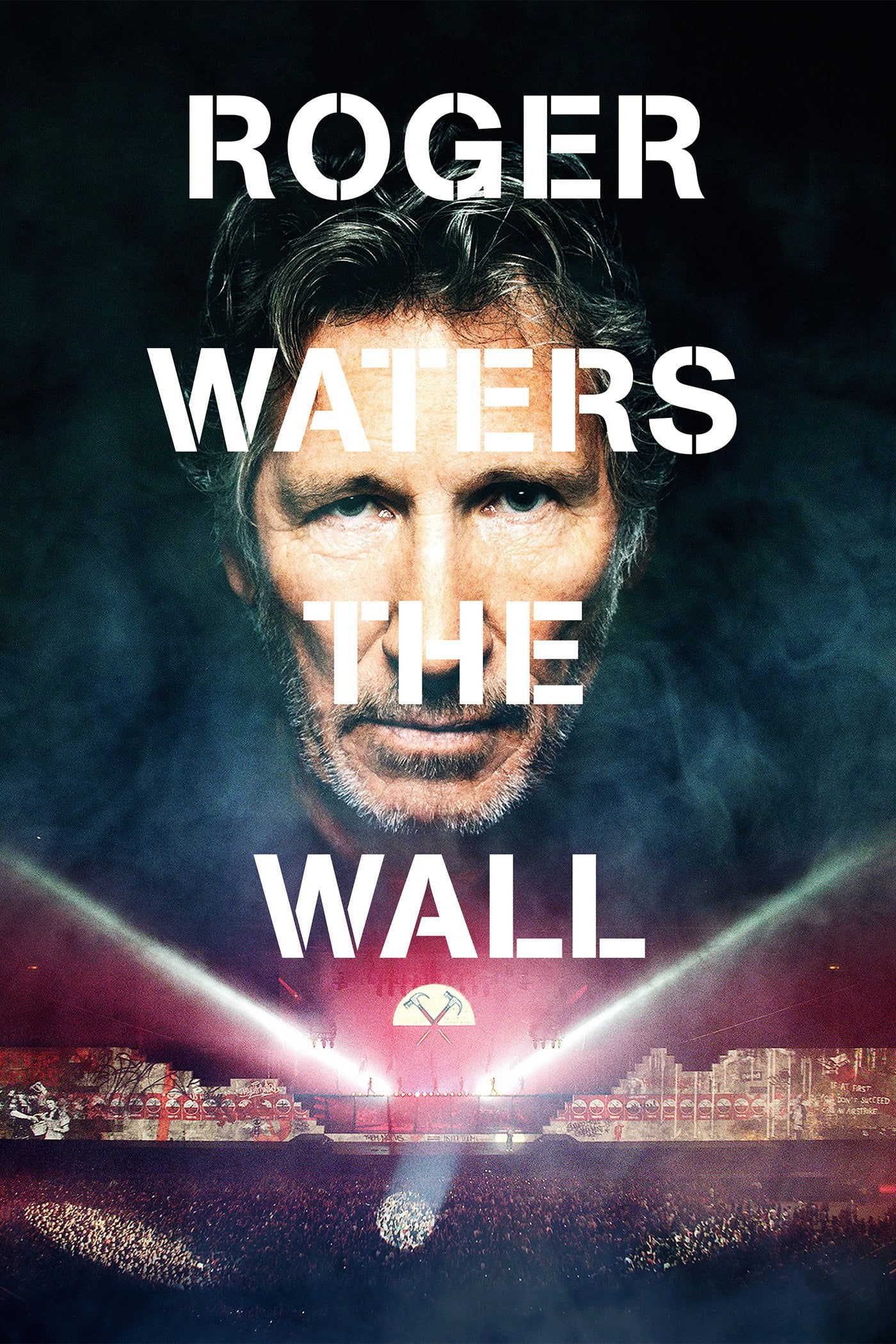
A concert film that the former Pink Floyd singer-songwriter made on various tour dates between 2010 and 2013, when he was playing his former group's 1980 double-album in its entirety.
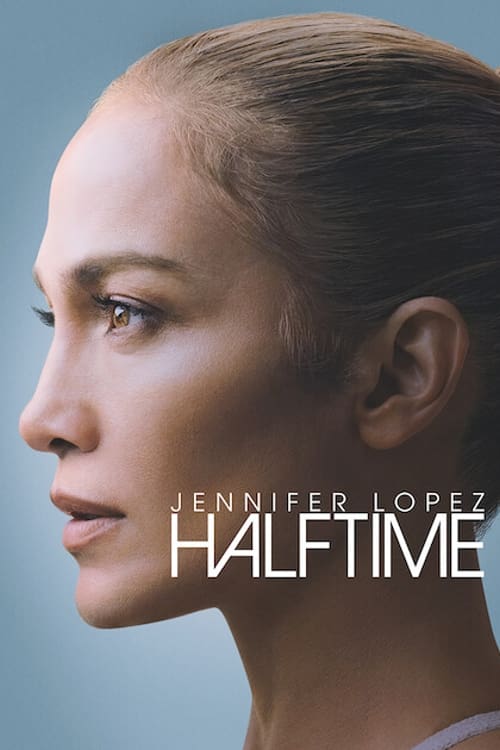
Global superstar Jennifer Lopez reflects on her multifaceted career and the pressure of life in the spotlight in this intimate documentary.
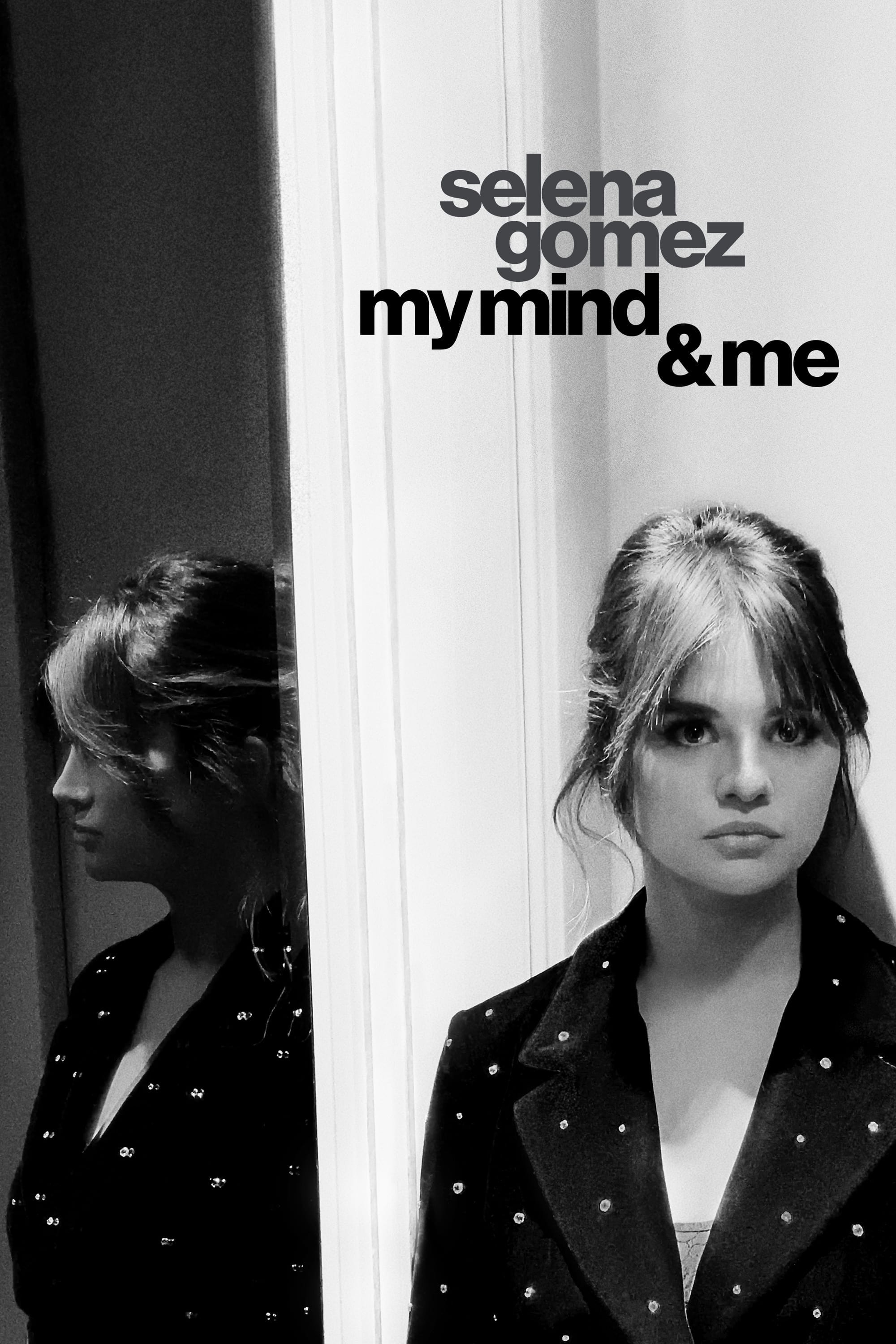
After years in the limelight, Selena Gomez achieves unimaginable stardom. But just as she reaches a new peak, an unexpected turn pulls her into darkness. This uniquely raw and intimate documentary spans her six-year journey into a new light.
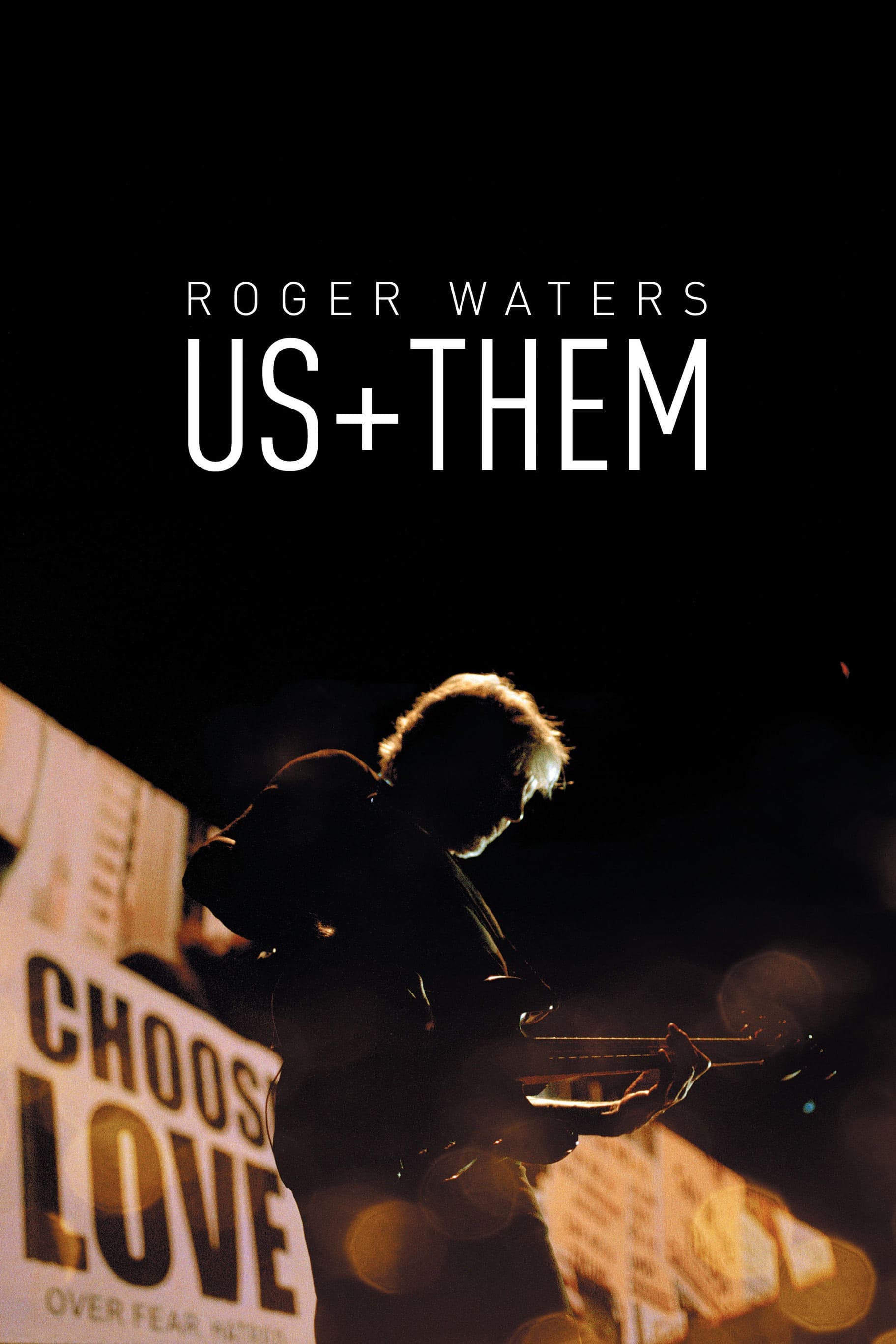
Filmed in Amsterdam on the European leg of his 2017 – 2018 Us + Them tour which saw Waters perform to over two million people worldwide, the film features songs from his legendary Pink Floyd albums (The Dark Side of the Moon, The Wall, Animals, Wish You Were Here) and from his last album, Is This The Life We Really Want?
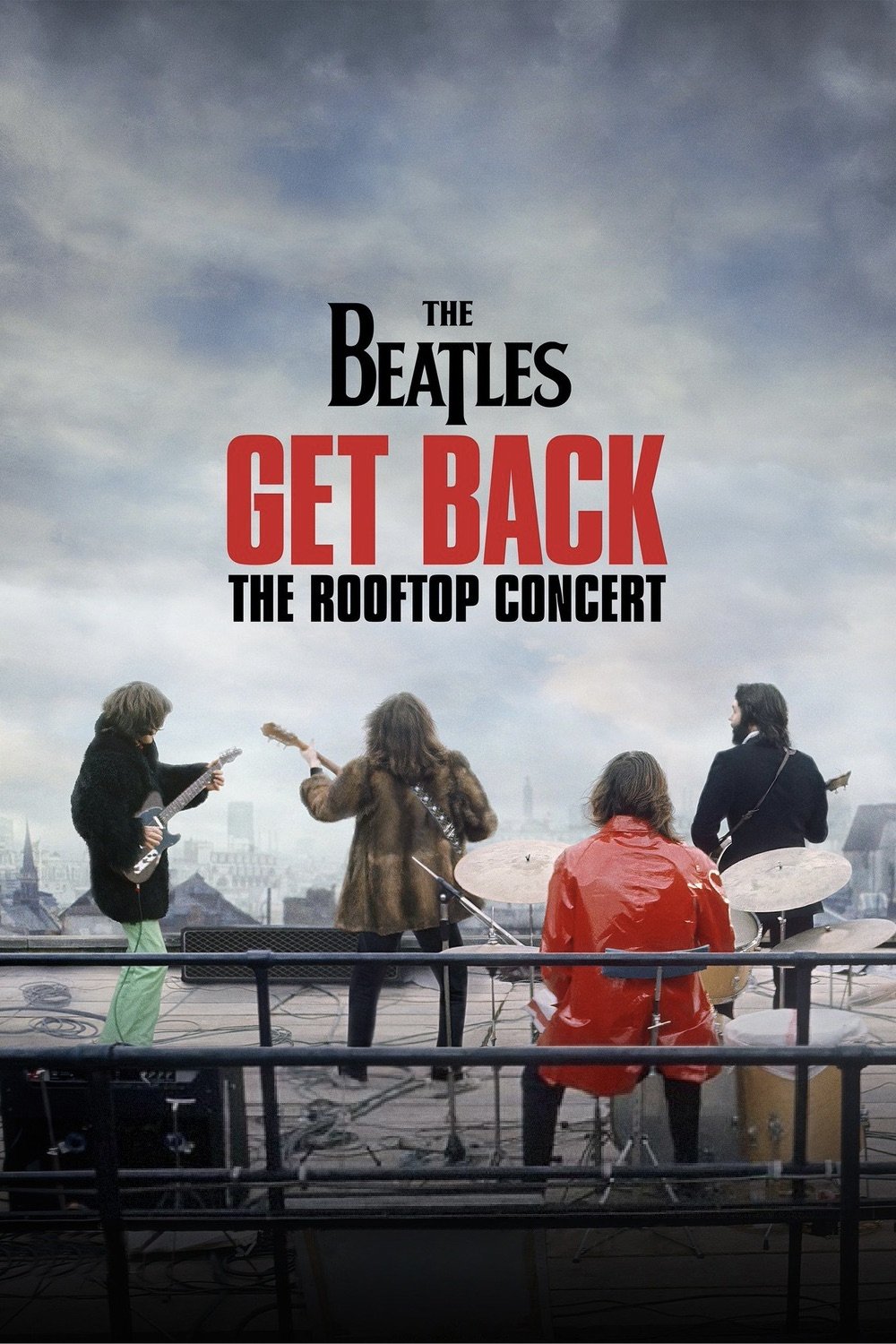
On the 30th of January, 1969, the Beatles performed an unannounced concert from the rooftop of their Apple Corps headquarters at Savile Row, within central London's office and fashion district. Experience the final and unforgettable iconic performance of The Beatles in a special 60-minute presentation, digitally remastered into the image and sound quality of IMAX DMR technology.
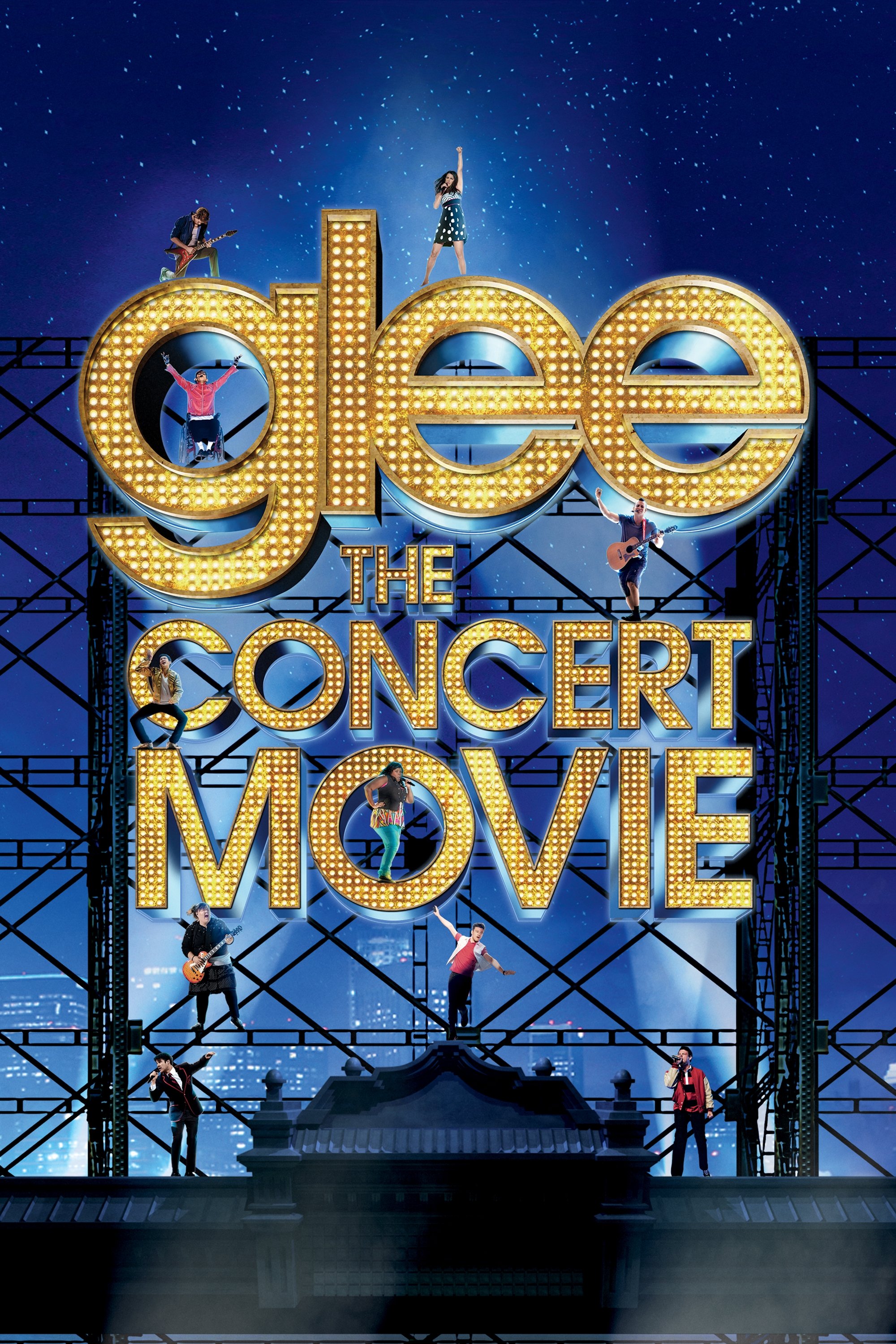
A concert documentary shot during the Glee Live! In Concert! summer 2011 tour, featuring song performances and fans' life stories and how the show influenced them.