Social & External
The people behind it
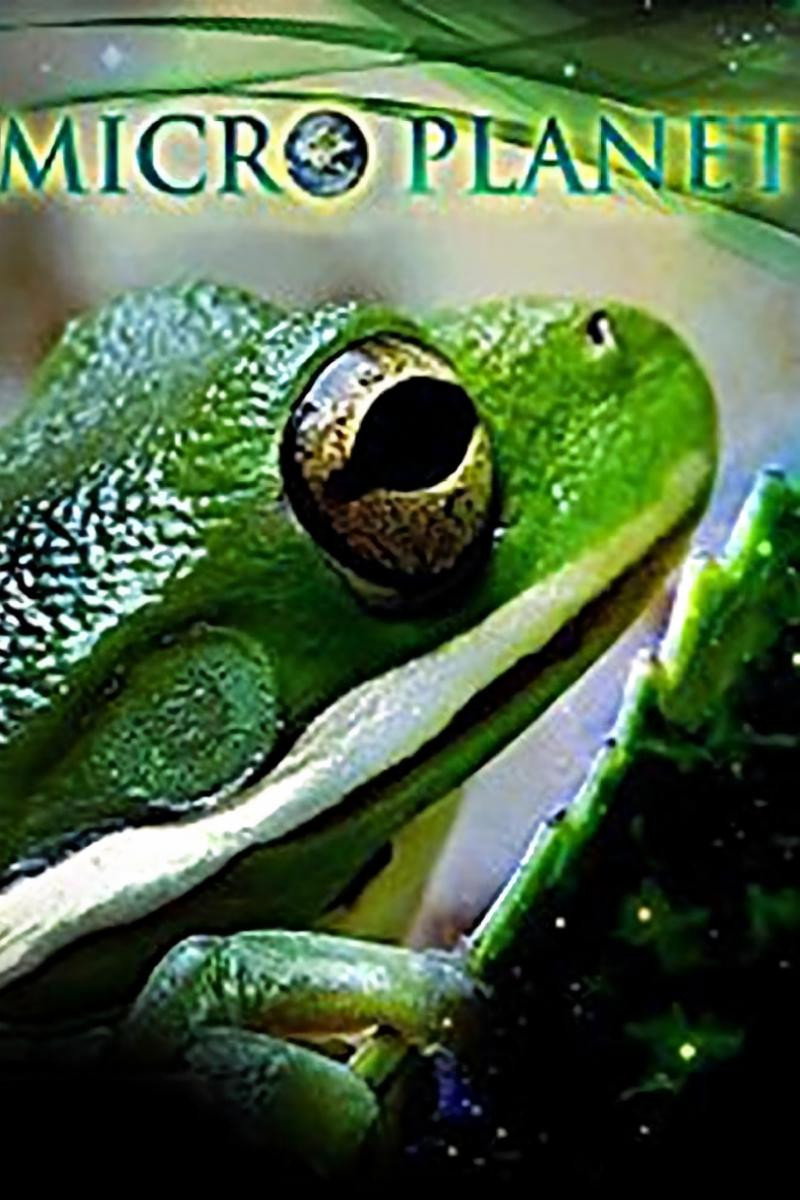
Stunning macro 3D filmmaking takes viewers on an unforgettable journey from lake bottom battles for territory to lovelorn toads searching for a mate to lizards prowling the forest for a meal. We humans are but lumbering, clumsy giants striding through these miniature ecosystems that thrive without us... even in spite of us.
A gradual immersion into Greece and its stories.
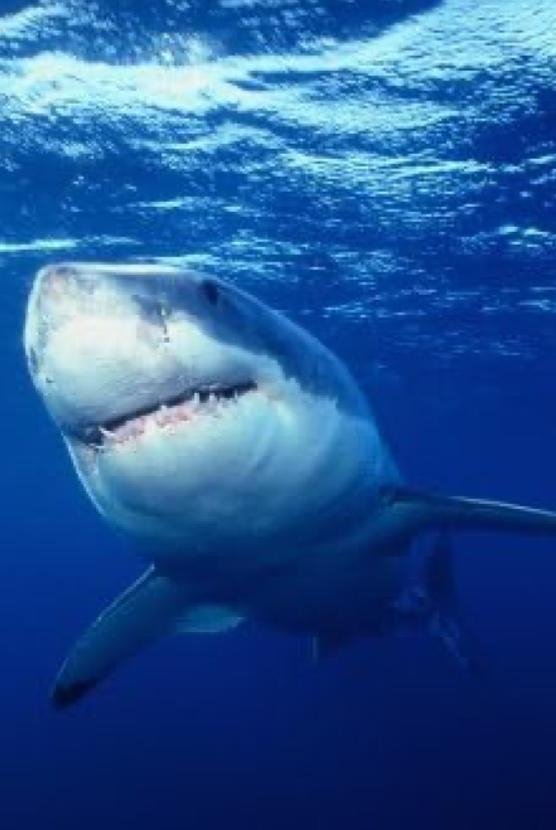
Using revolutionary filming techniques we are given the opportunity to follow the great white shark into its natural habitats.
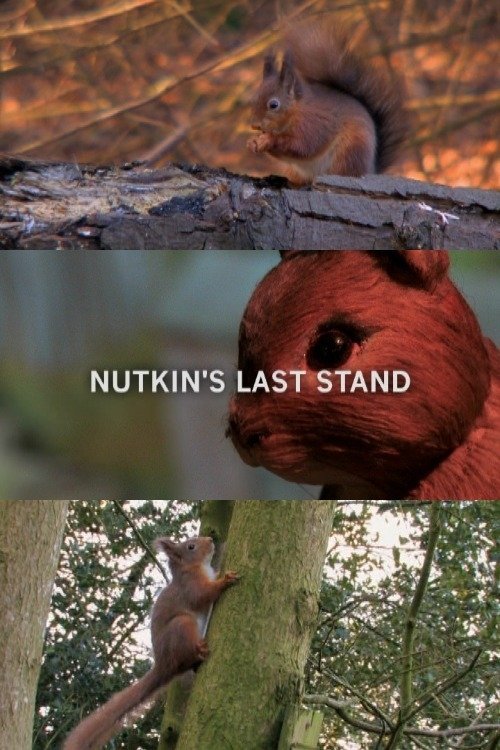
Something is rotten in England. A plague of North American grey squirrels threatens the beloved native red squirrel. The English are up in arms, and a band of patriots - including lords, priests, artists and farmers - has come together to fight back against the grey menace.
In the Aysén region dwell a population of 90000 isolated souls sharing the harsh landscapes of an area about the size of England. Here where beauty seems to be on first-name terms with fear and danger,in a place where the immensity of nature can never be dominated, the setting hesitates, along the expanses, between sparkling colours and the black and white of the snow and the water. The day-to-day images intermingle with a story of mythological aspect; that of the timeless quest for the Lost City of the Caesars, a city of gold built 500 years ago by the conquerors.
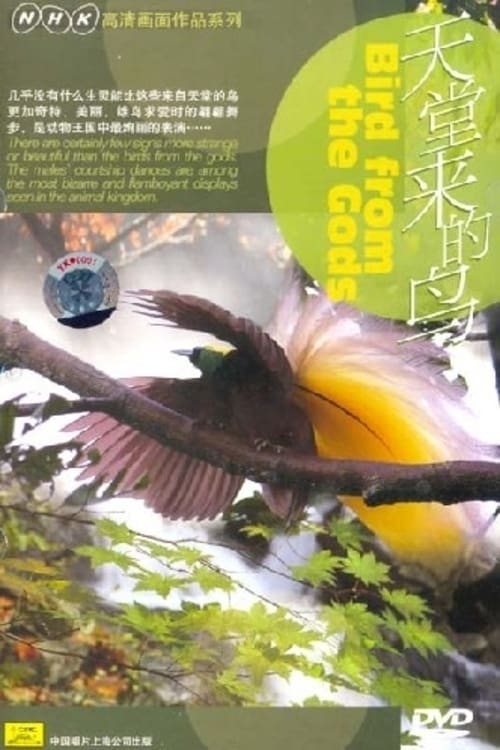
A Japanese animal photographer, Tadashi Shimada, captures crucial photographs of wild birds in Oceania. This episode of Shimada filmed in high-definition, focuses on the rare and fascinating Birds of Paradise in New Guinea and their beautiful yet humorous courtship behavior. In yellow, red, and hybrid orange, the long-feathered Greater Bird of Paradise and Raggiana Bird of Paradise dance together in the air. The Paradise Riflebird with its distinctive jet-black body and long blue feathers lives deep in the jungle. The program captures splendid images of the Magnificent Bird of Paradise's courtship dance that's never been seen on film before. Shimada's brilliant camera work creates the supreme art of nature..
The proboscis monkey is one of Borneo's most threatened species. This program is about the behaviour of the proboscis monkey, the habitat in which it lives and some of the creatures it shares this habitat with.
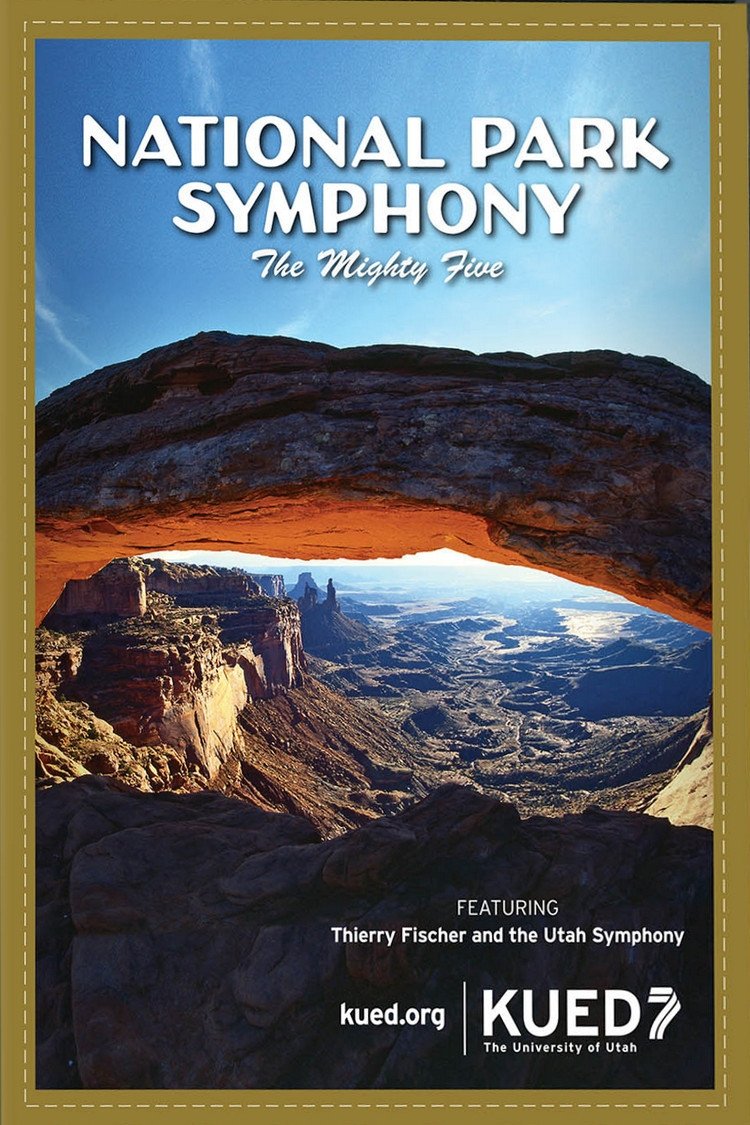
Celebrate the grandeur and majesty of Utah’s five national parks set to glorious music from the Utah Symphony. See stunning iconic images, grand vistas and secret locations in Zion, Bryce Canyon, Canyonlands, Capitol Reef and Arches National Parks.
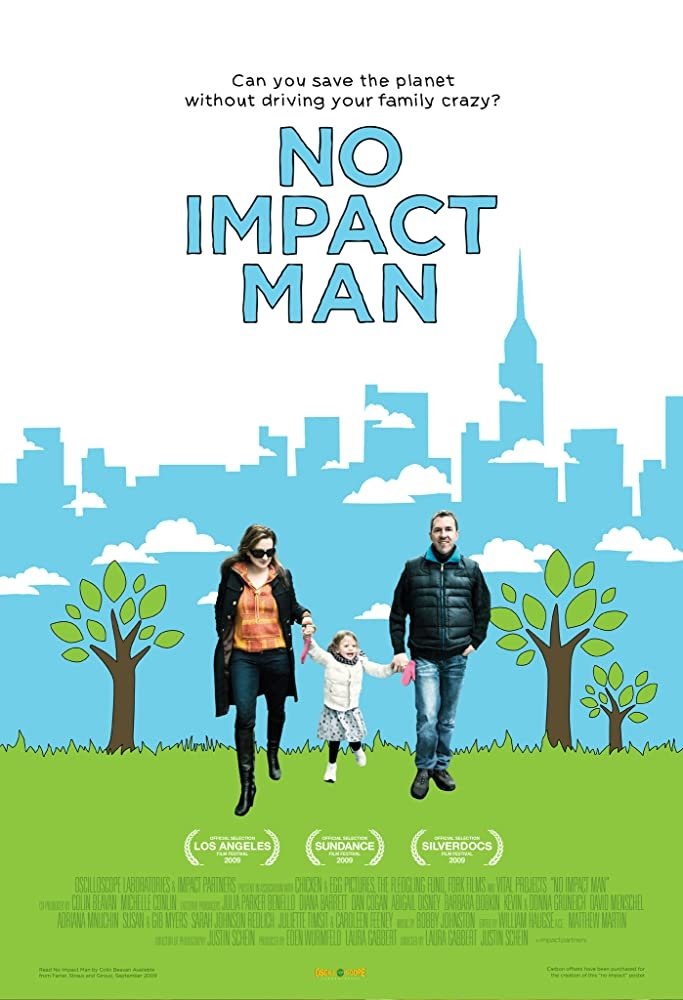
Follow the Manhattan-based Beavan family as they abandon their high consumption 5th Avenue lifestyle and try to live a year while making no net environmental impact.
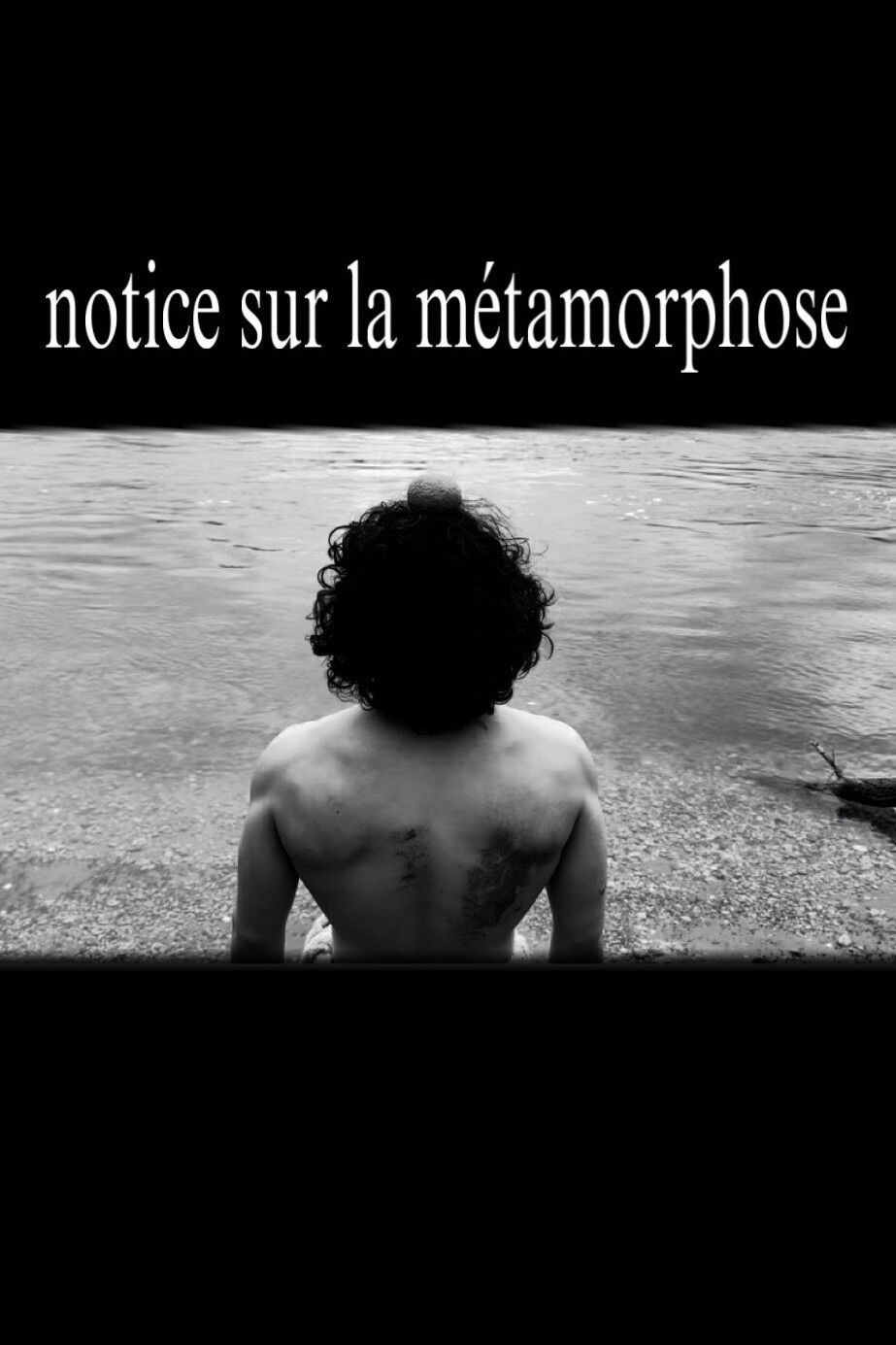
A group of artists settle in a swamp on the banks of the Indre River. Meanwhile, a voice describes a utopian world.
The primary defender of Israeli nature is virtually the only person breaking ground in the talks between Israelis, Palestinians and Jordanians. A religious scholar who lives in the territories, Professor Yossi Leshem is waging an uncompromising battle for coexistence between the parties with the aid of birds. Through a project that he initiated, barn owls are used as exterminators in the fields to prevent pollution of the groundwater for everyone. But Prof. Leshem dreams of implementing the project even further in the entire Middle East, enabling the birds of prey to survive instead of becoming extinct while simultaneously bringing together the divided peoples.
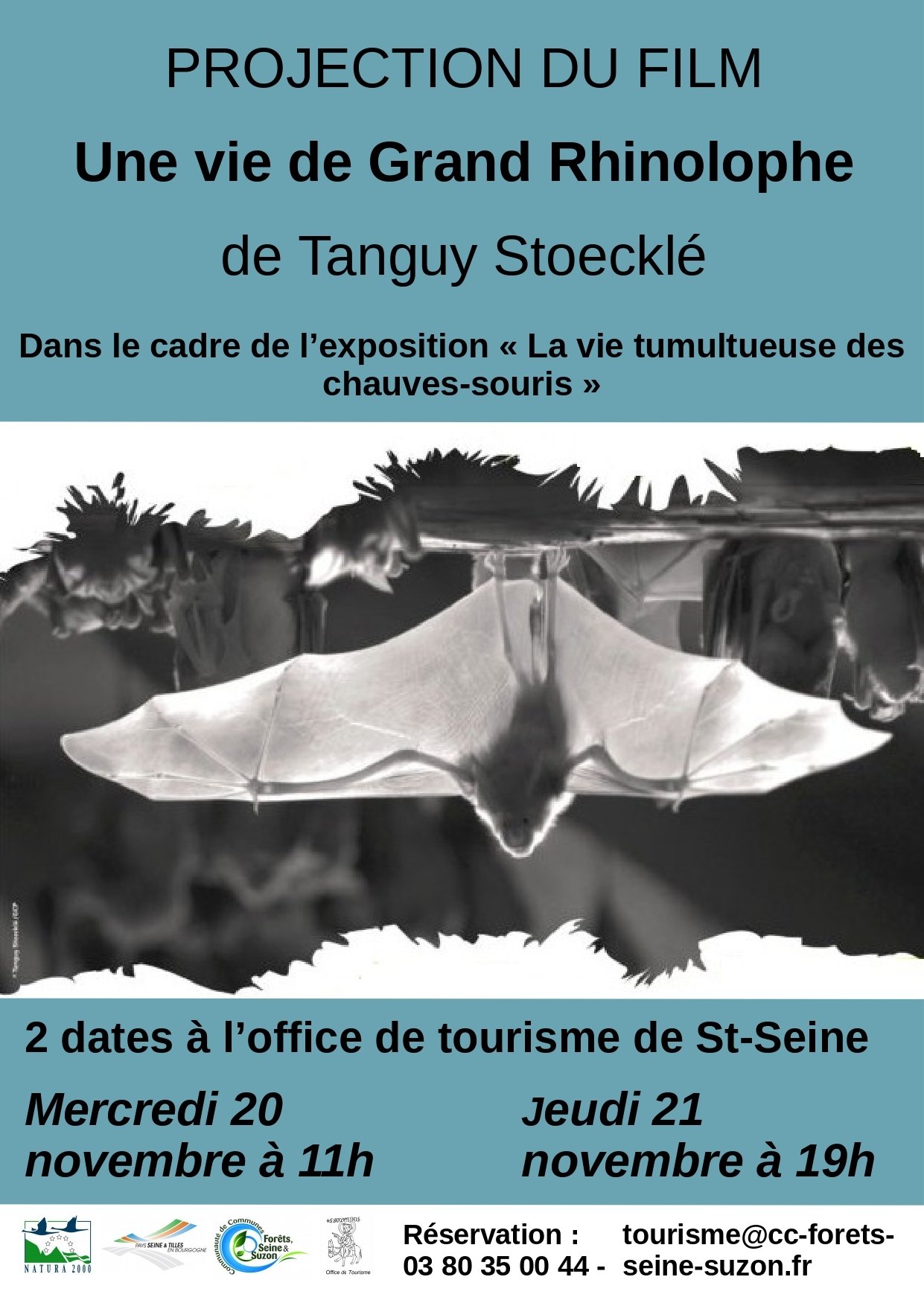
There is a fabulous colony of Greater Horseshoe Bats in the heart of the Camargue. This species of bat is one of the most amazing. A true little clown equipped with the very latest biological technologies, the Greater Horseshoe Bat is as rare as it is mysterious. "The life of a Greater Horseshoe Bat" invites you to share the life of a young female and her mother, for better or for worse...
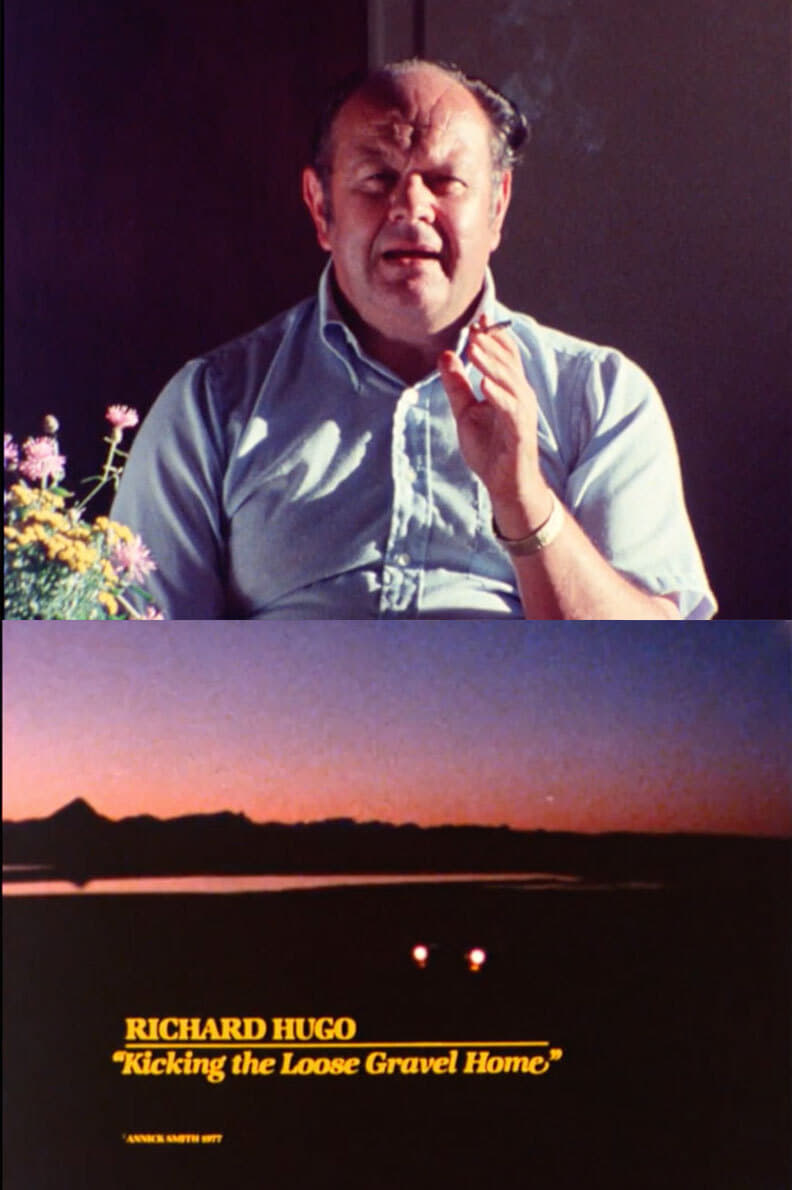
Filmed on location in Montana and Washington State, this 1976 biography of poet and teacher Richard Hugo features readings of some of his most famous poems as well as interviews with his family and friends.
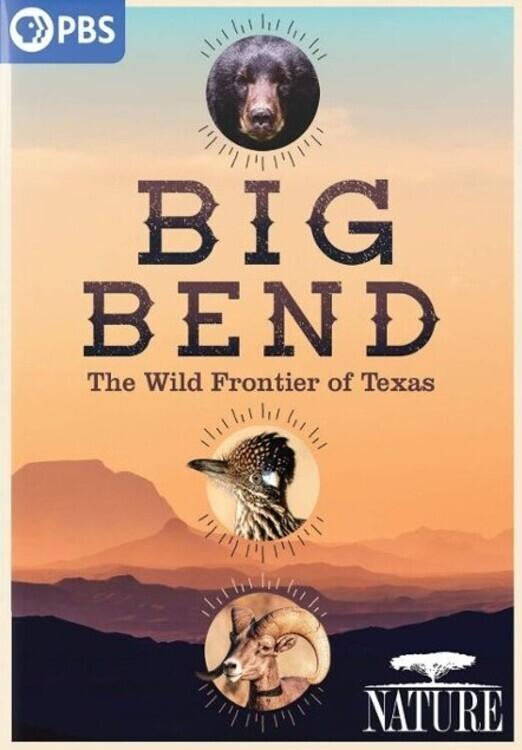
Roam the Wild West frontier land of the Rio Grande’s Big Bend alongside its iconic animals, including black bears, rattlesnakes and scorpions.
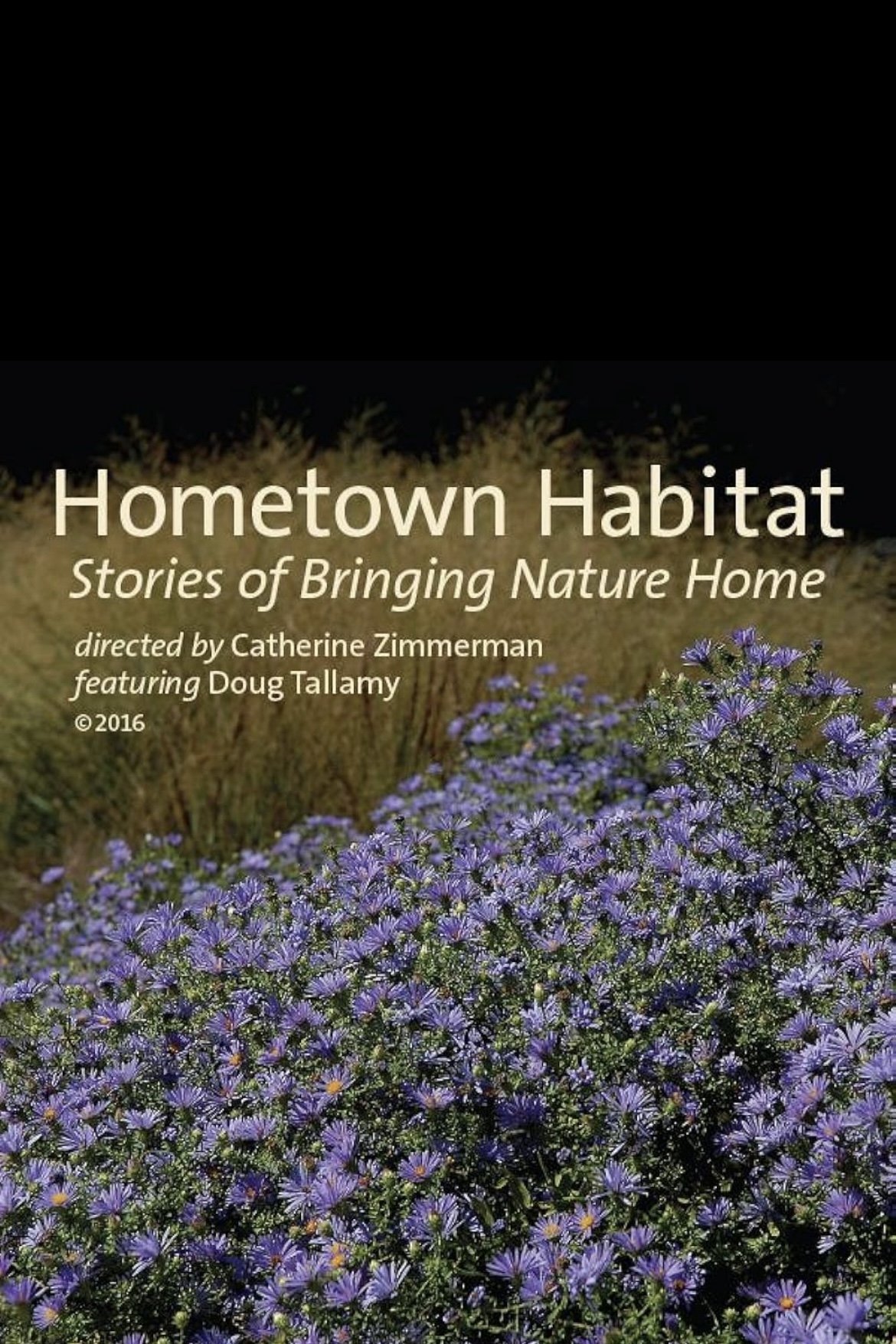
Hometown Habitat features renowned entomologist Dr. Douglas Tallamy, whose research, books and lectures on the use of non-native plants in landscaping, sound the alarm about habitat and species loss. Tallamy provides the narrative thread that challenges the notion that humans are here and nature is someplace else. “It doesn’t have to, and shouldn’t be that way.” Inspiring stories of community commitment to conservation landscaping illustrate Tallamy’s vision by showing how humans and nature can co-exist with mutual benefits.
An ode to the Florida Everglades, past and present, told through the prescient writings of Marjory Stoneman Douglas and those who today call the region home.
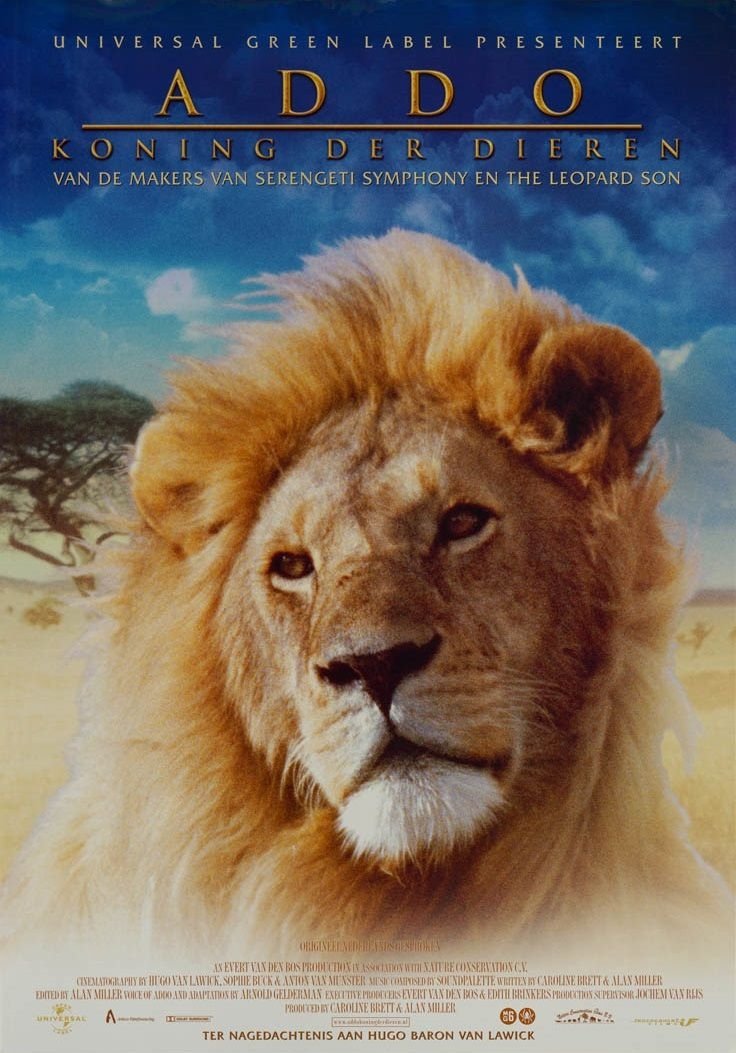
This documentary follows the harsh and competitive life of Addo, a male lion born into a successful pride.
A visual montage portrait of our contemporary world dominated by globalized technology and violence.
In an intimate and joyful story of love in the face of loss, celebrated poets Andrea Gibson and Megan Falley find strength—and unexpected hilarity—in what might be their final year together.
Through deeply personal interviews with her siblings and an examination of the photographs, letters, and belongings left behind, Mariska assembles a new portrait of her mother Jayne Mansfield, an extraordinary and complex woman.
An inside look at one of the most anticipated movie sequels ever with James Cameron and cast.
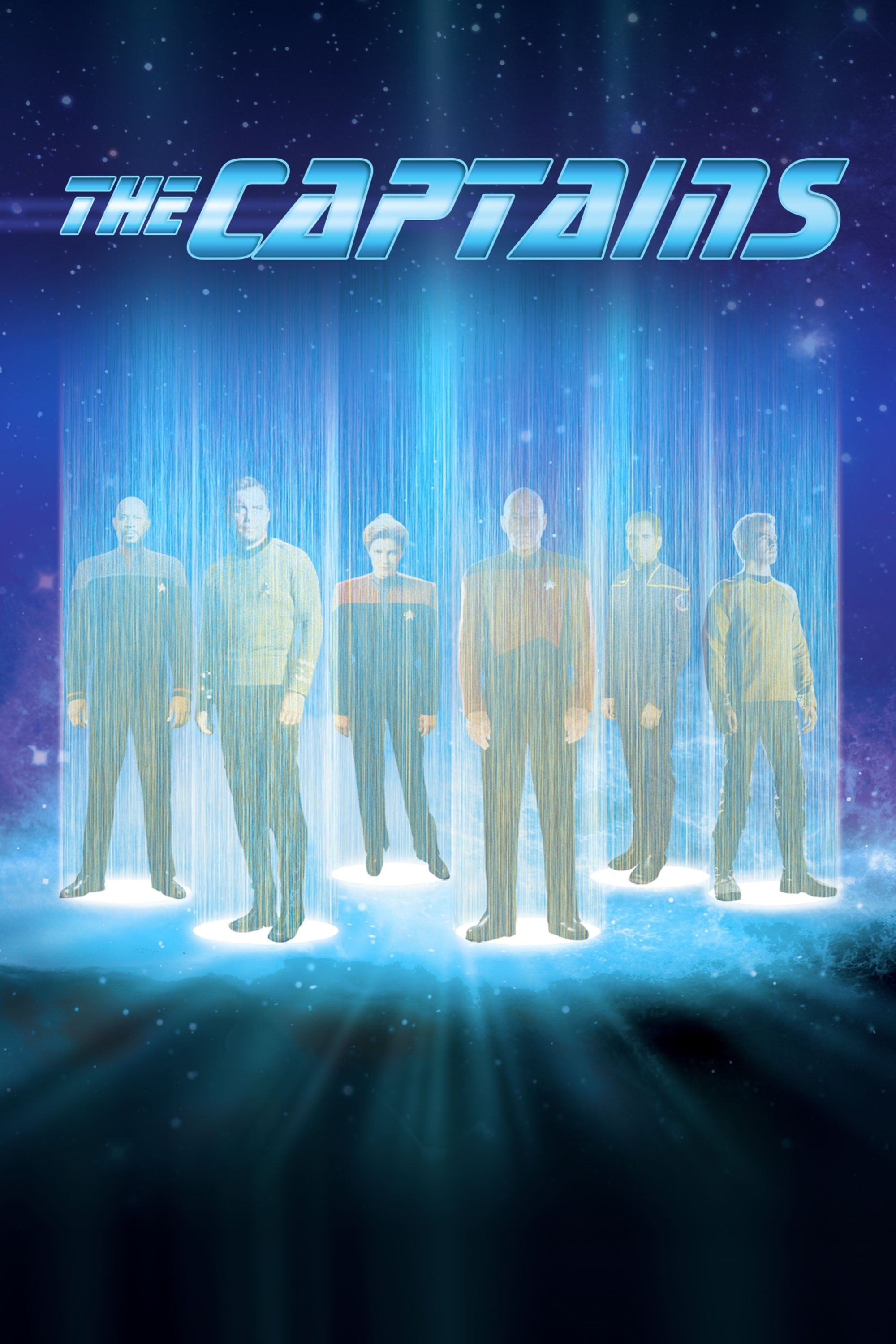
The Captains is a feature-length documentary film written and directed by William Shatner. The film follows Shatner as he interviews the other actors who have portrayed starship captains in the Star Trek franchise.
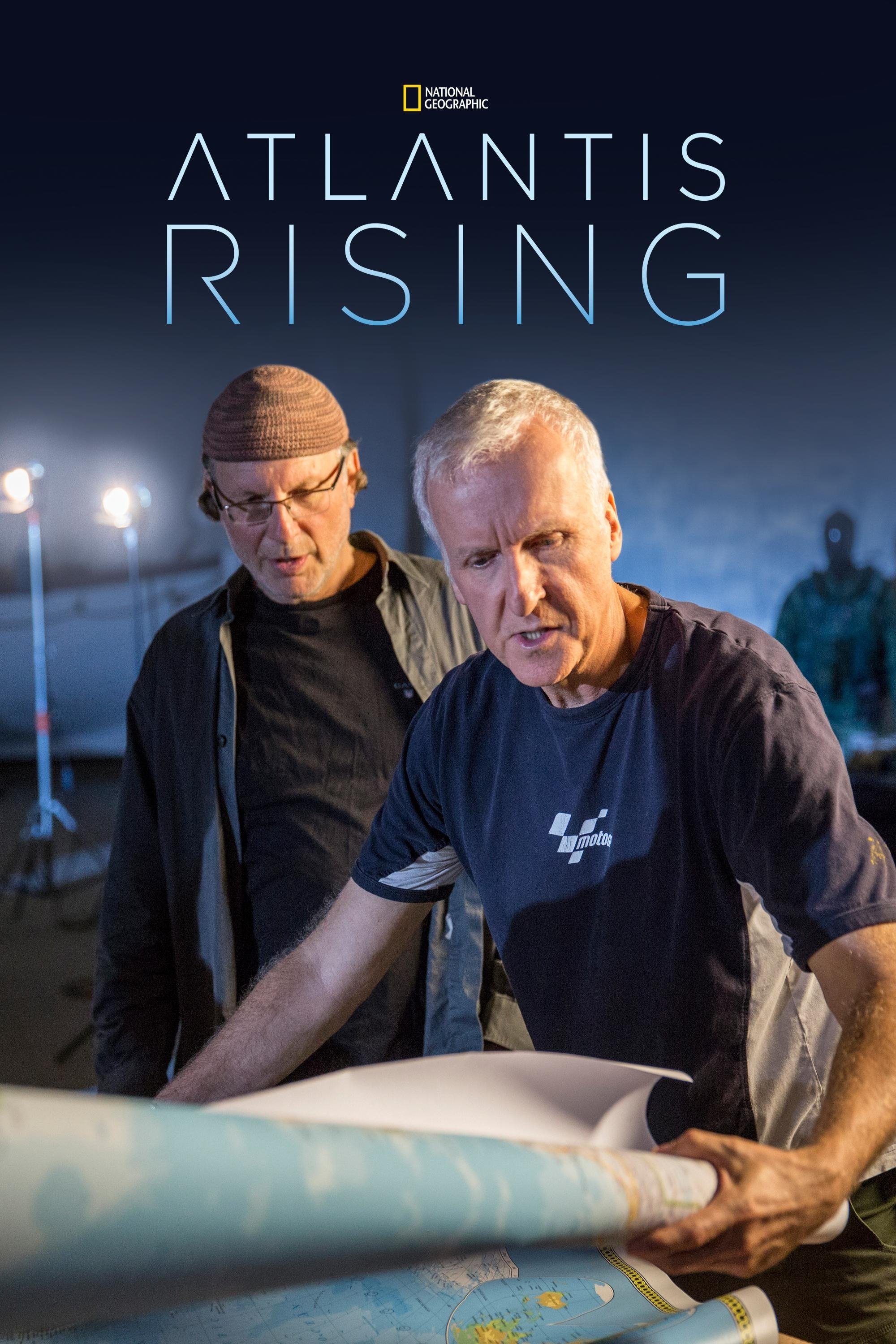
James Cameron and Simcha Jacobovici go on an adventure to find the lost city of Atlantis by using Greek philosopher Plato as a virtual treasure map.
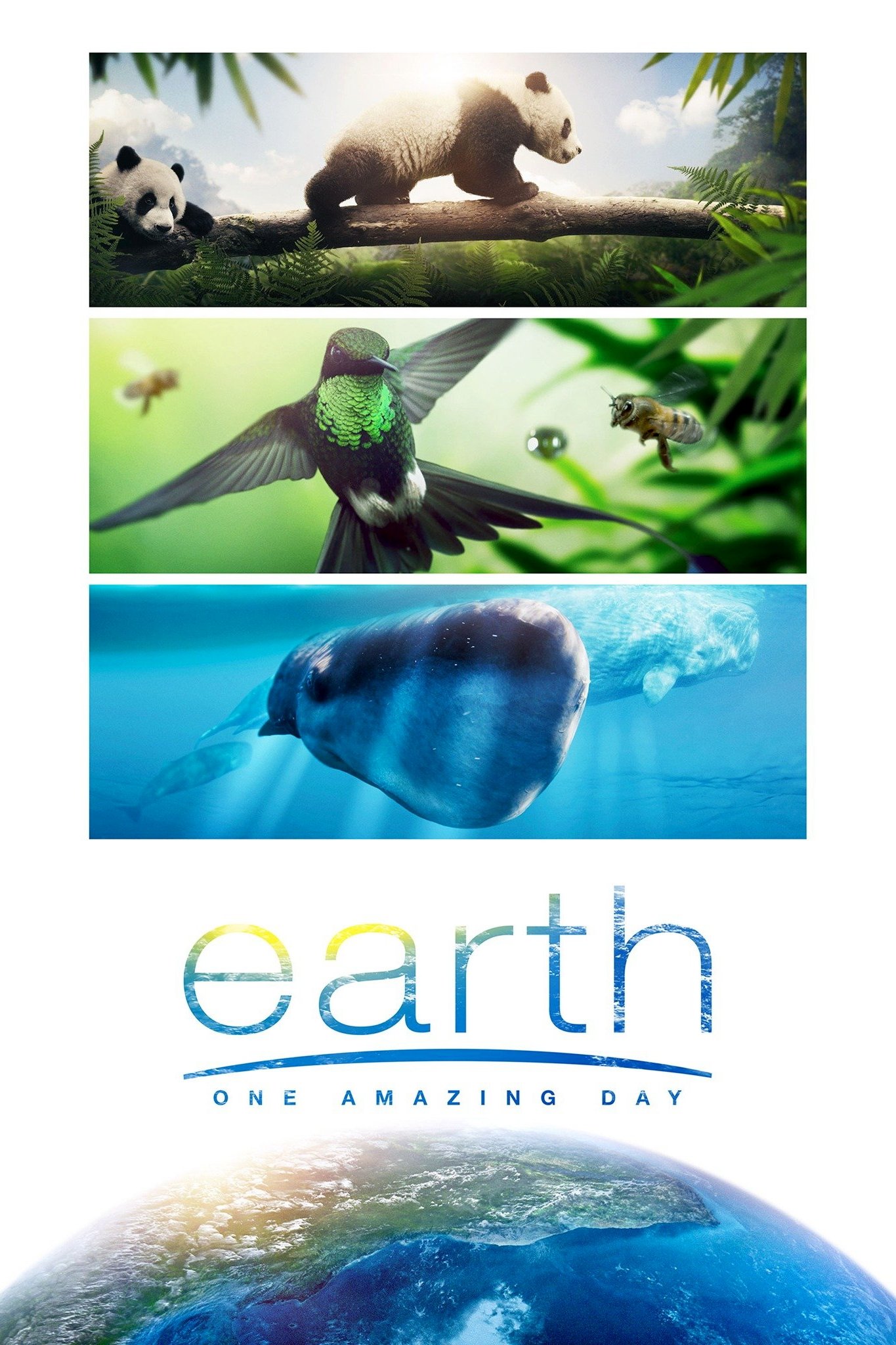
An astonishing journey revealing the awesome power of the natural world. Over the course of one single day, we track the sun from the highest mountains to the remotest islands to exotic jungles.
The film follows adventurer Jeff Johnson as he retraces the epic 1968 journey of his heroes Yvon Chouinard and Doug Tompkins to Patagonia.
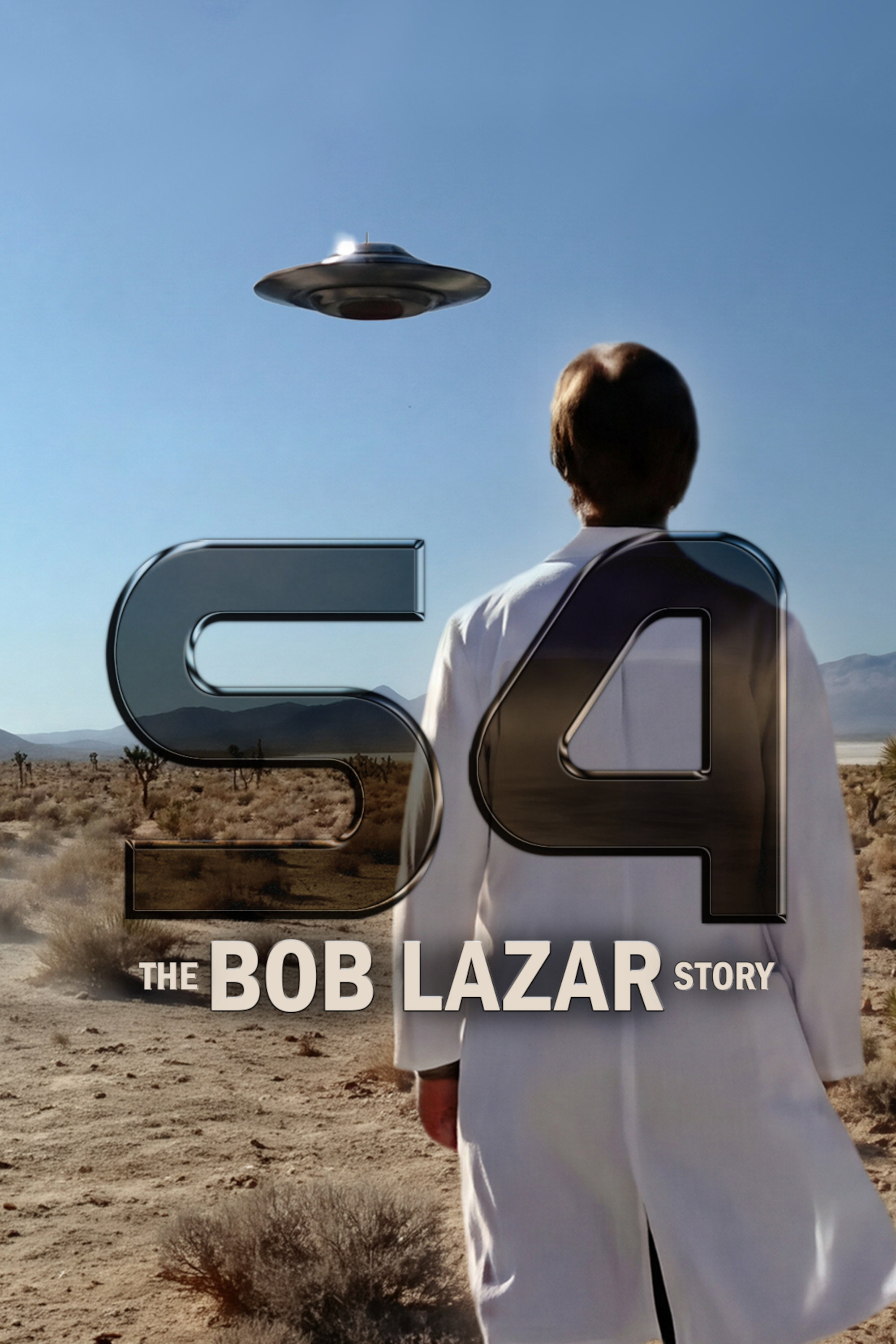
Over 35 years after Bob Lazar's revelations, this documentary exposes secrets of a facility the government still denies. Featuring Lazar's testimony, recreations, and new evidence, it reopens a case that continues to spark global curiosity
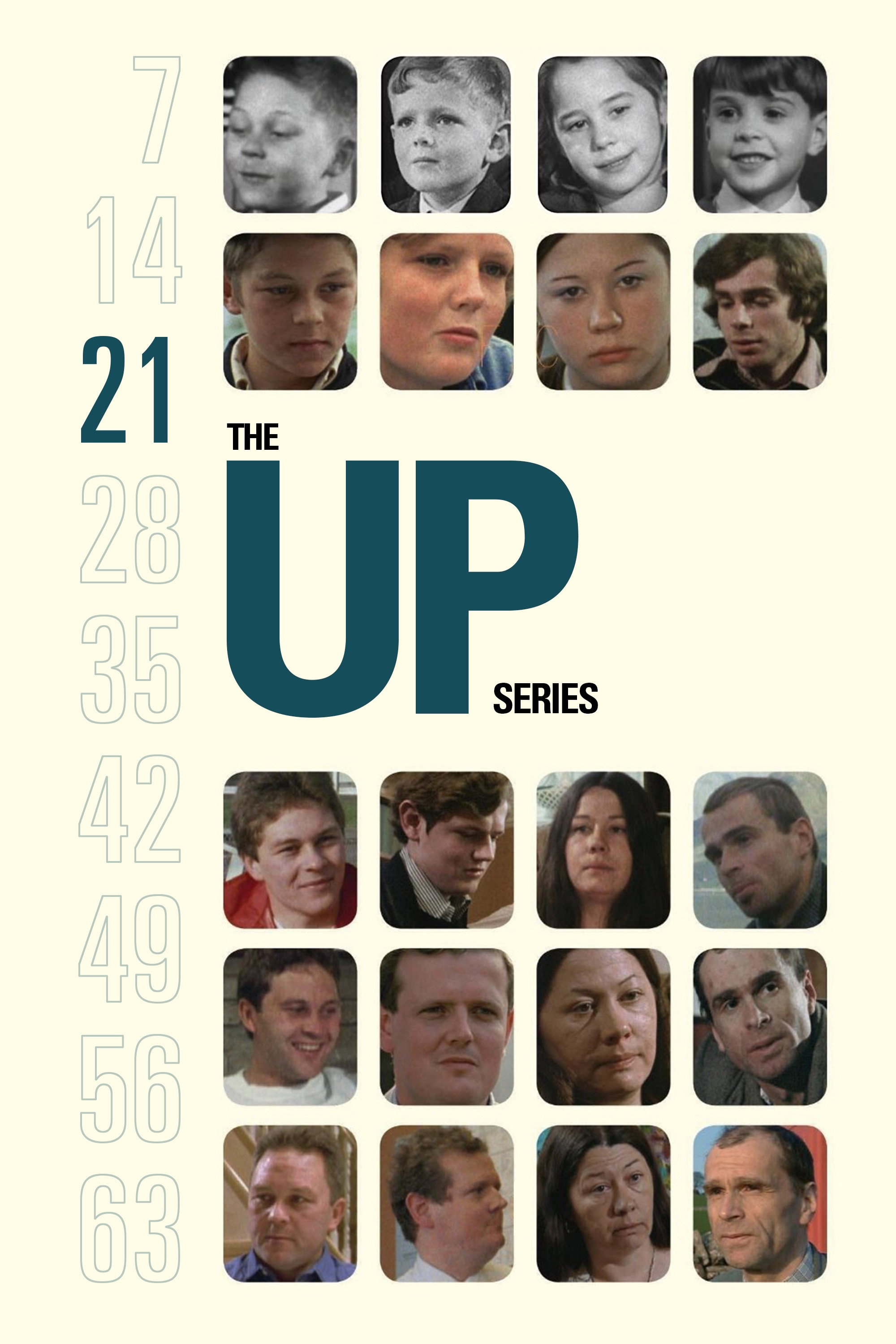
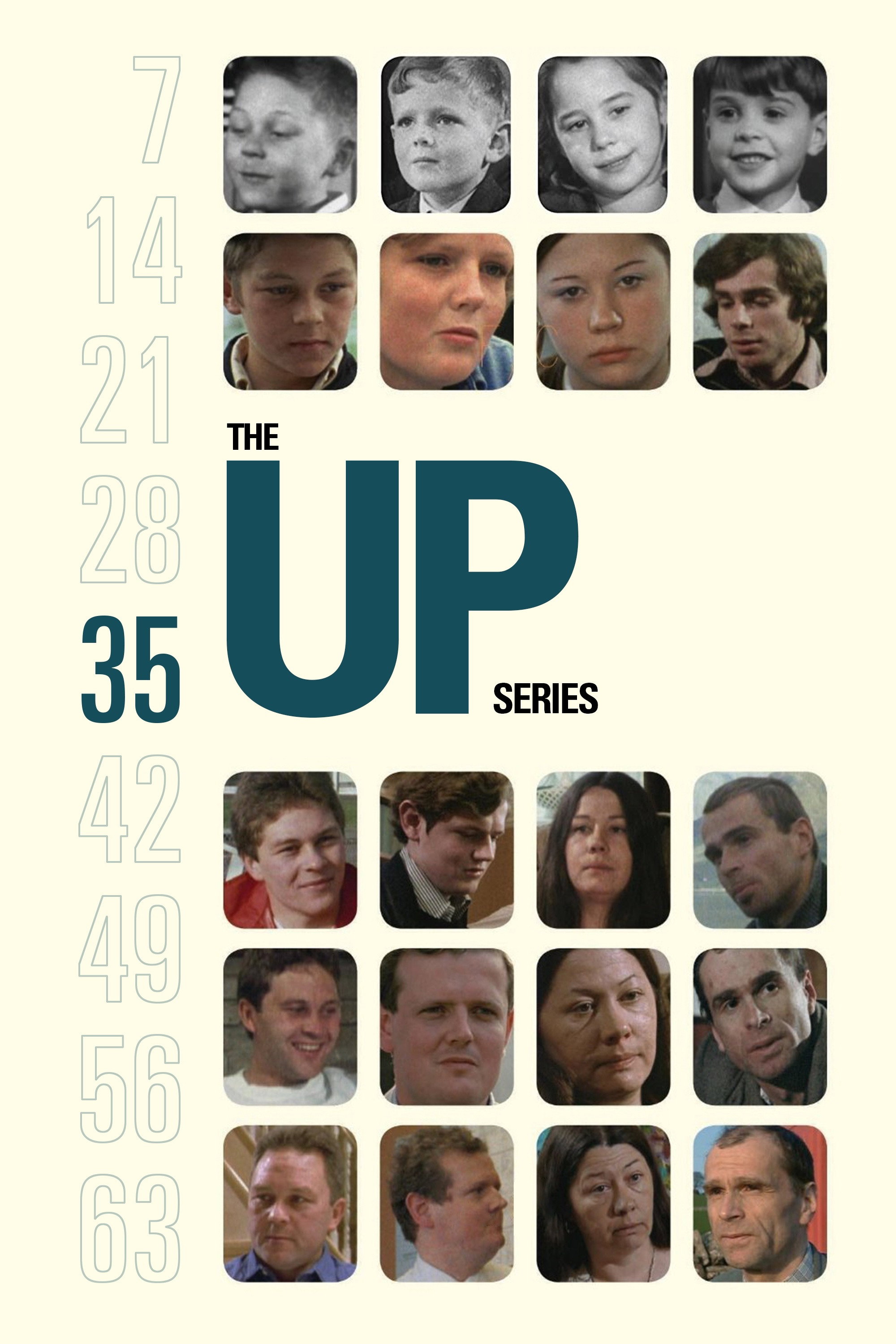
After another 7 year wait, director Michael Apted revisits the same group of British-born children from Seven Up! and 7 Plus Seven. The subjects are interviewed as to the changes that have occurred in their lives during the last seven years.
A candid look at rehearsal footage in support of a focus on pre-viz.
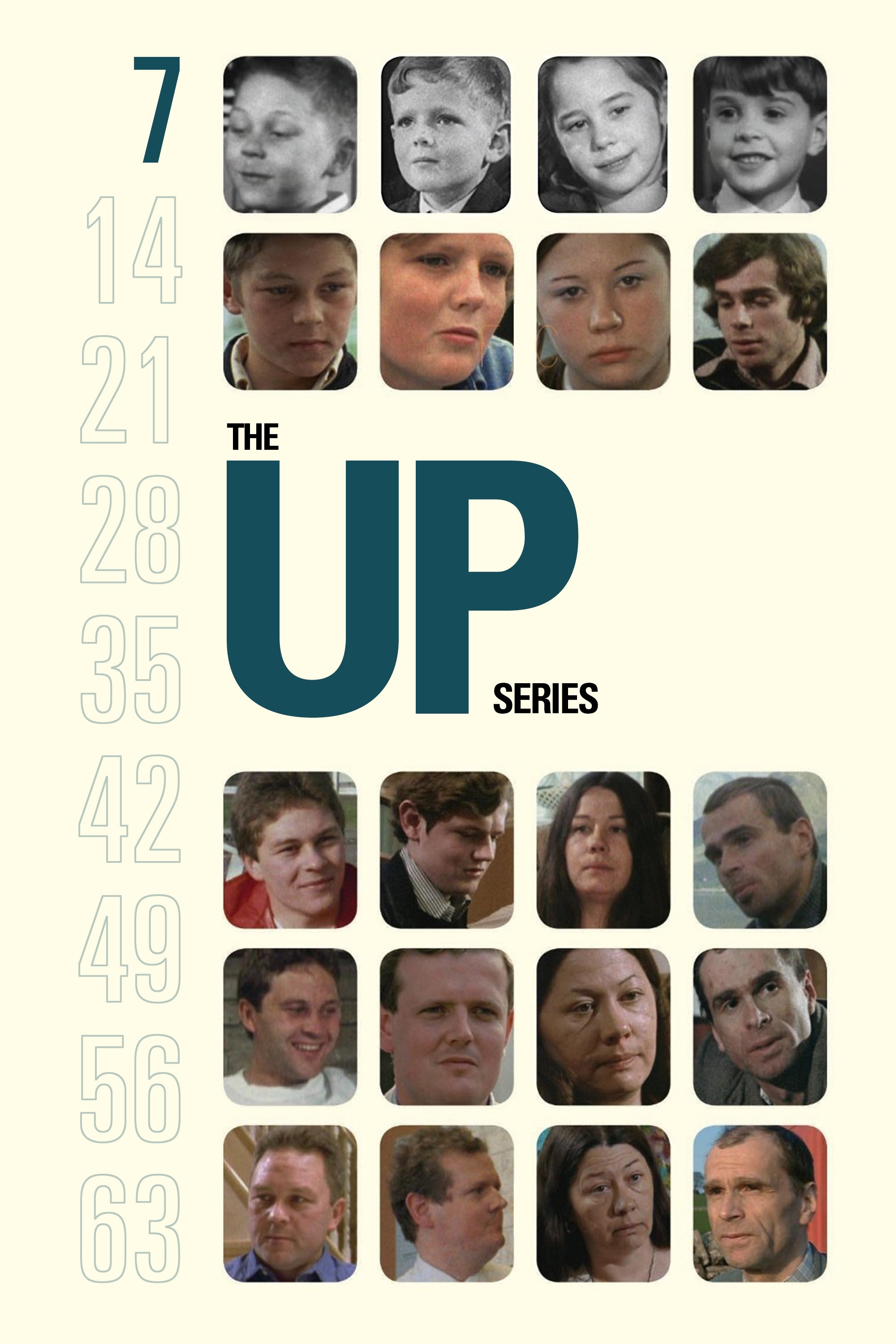
A group of British children aged 7 from widely ranging backgrounds are interviewed about a range of subjects. The filmmakers plan to re-interview them at 7 year intervals to track how their lives and attitudes change as they age.
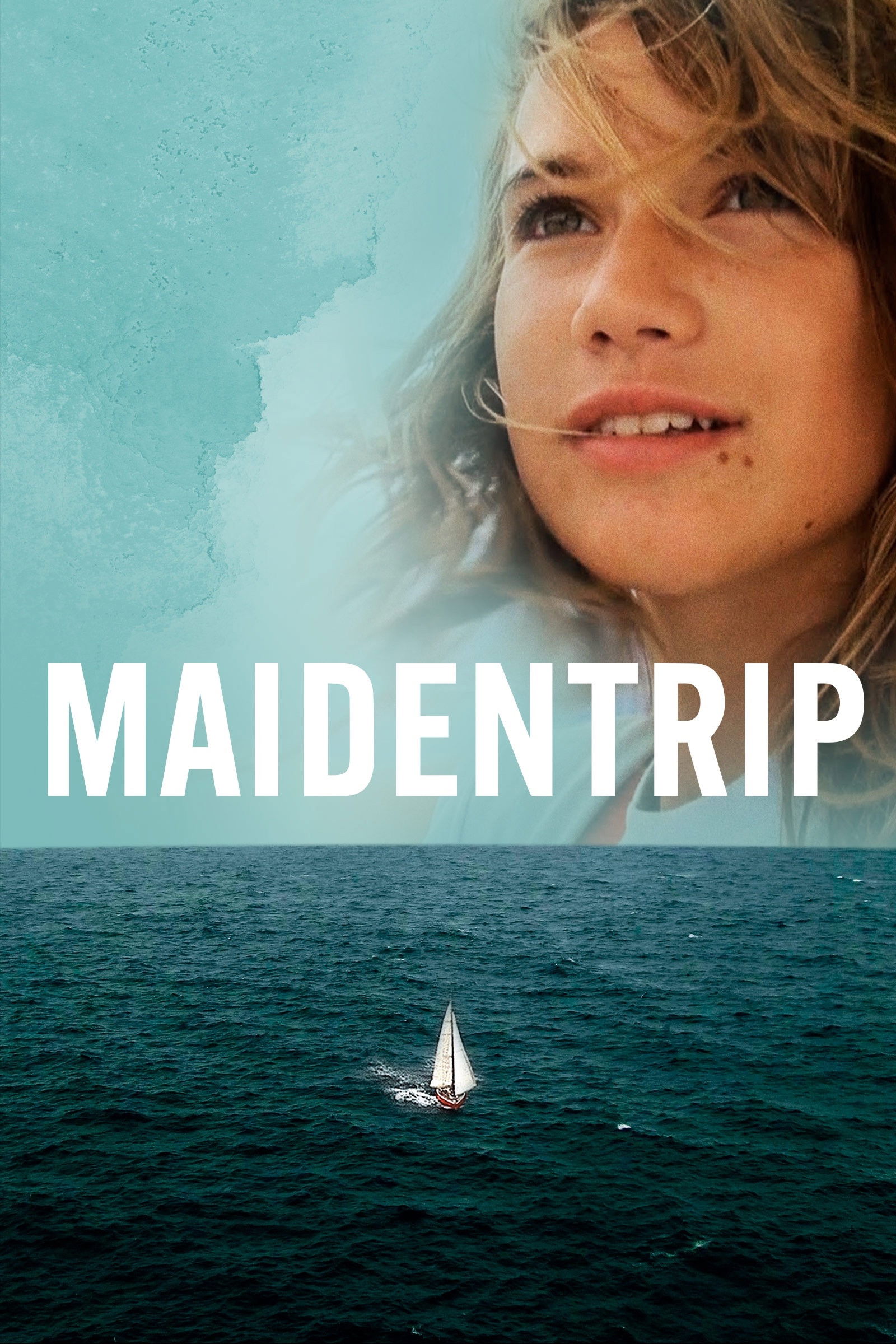
14-year-old Laura Dekker sets out on a two-year voyage in pursuit of her dream to become the youngest person ever to sail around the world alone.
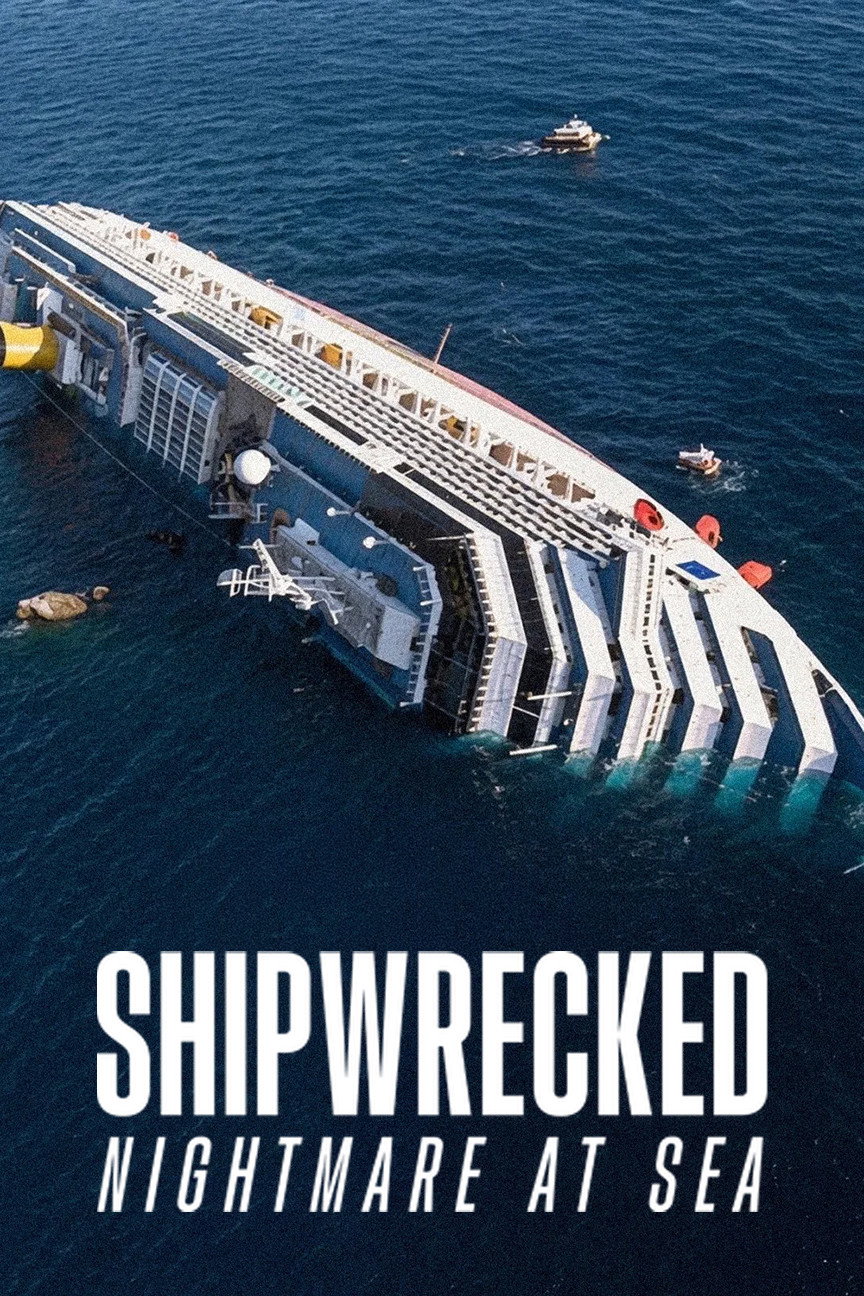
Never-before-seen footage and survivor accounts trace the 2012 shipwreck of a luxury cruise and the disaster that ensued, in this immersive documentary.
Director Michael Apted revisits the same group of British-born adults after a 7 year wait. The subjects are interviewed as to the changes that have occurred in their lives during the last seven years.
The Adamant is a unique day-care centre. A floating structure located on the Seine in the heart of Paris, it welcomes adults suffering from mental disorders, offering the kind of care that grounds them in time and space and helps them to recover or keep up their spirits. The team running it tries to resist the deterioration and dehumanisation of psychiatry as best as they can.
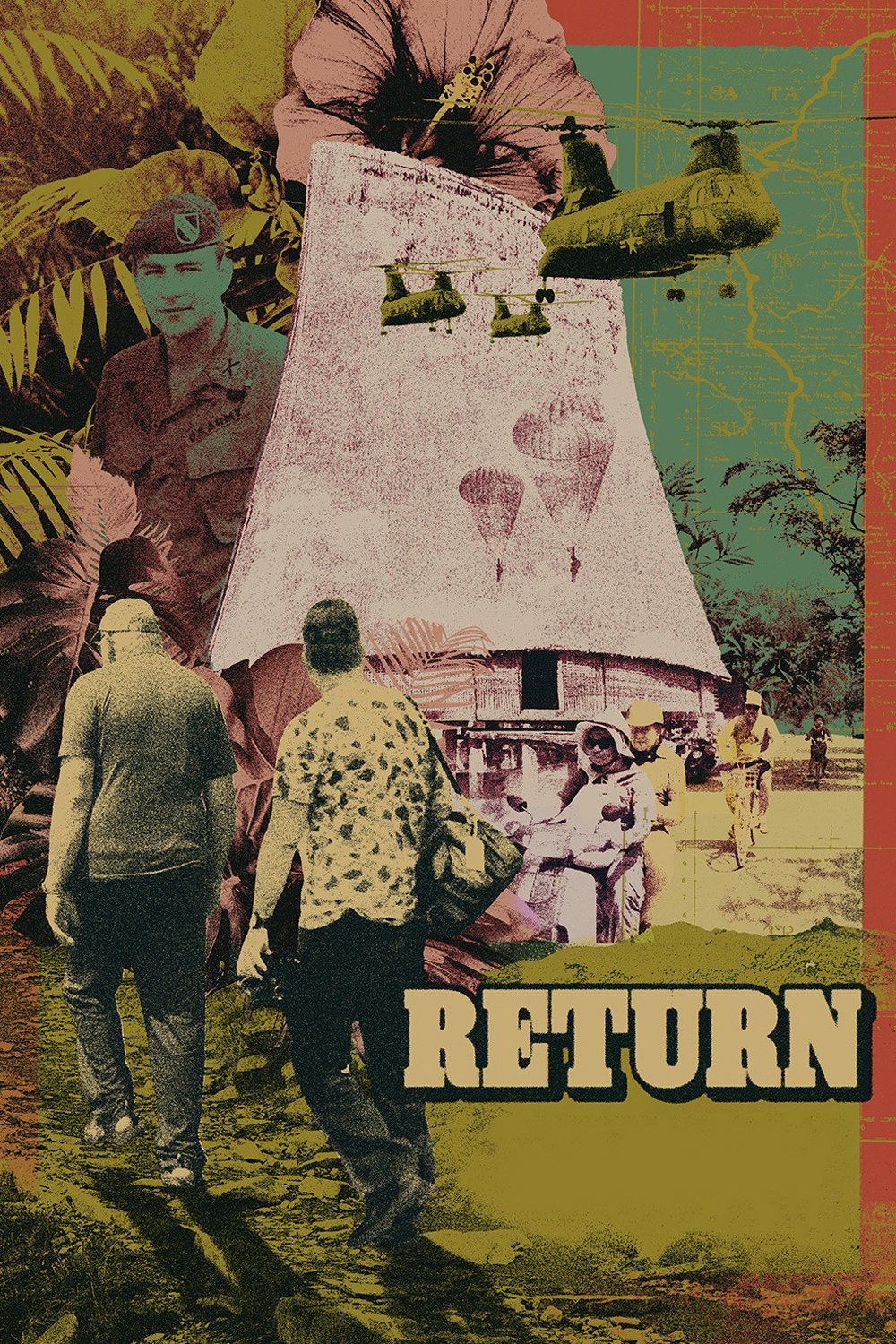
RETURN tells the story of a retired Green Beret who embarks on a healing journey from Montana to Vietnam. There he retraces his steps, shares his wartime experiences with his son, treats his Post-Traumatic Stress Disorder, and seeks out the mountain tribespeople he once lived with and fought alongside as a Special Forces officer.
Al Pacino's deeply-felt rumination on Shakespeare's significance and relevance to the modern world through interviews and an in-depth analysis of "Richard III."
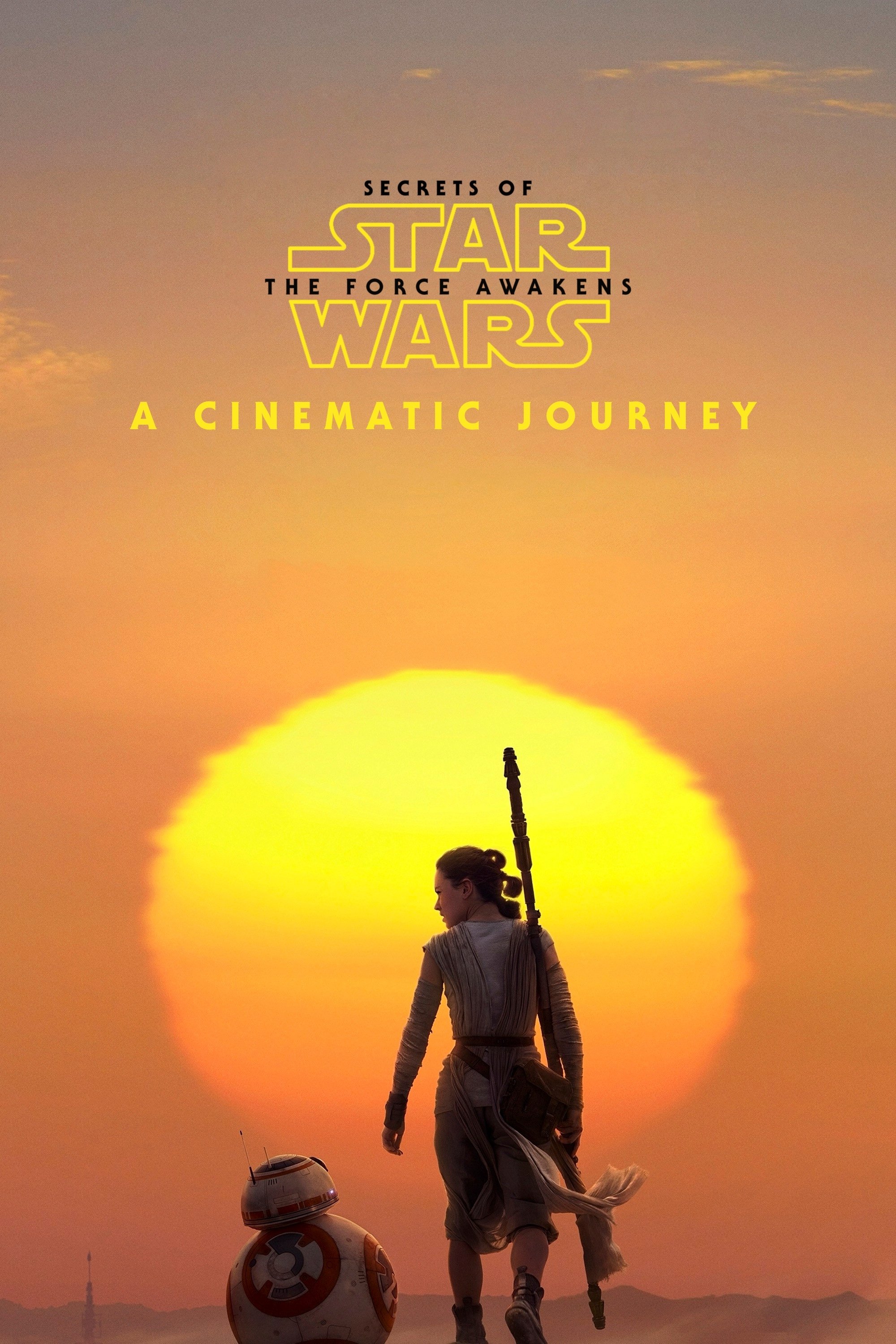
An inside look at the making of the movie Star Wars: Episode VII - The Force Awakens (2015), featuring footage and exclusive interviews with the actors and filmmakers.
A non-narrated documentary following the lovesome lives of four infants from birth to their first birthday. The babies featured are two from rural areas: Ponijao from Opuwo, Namibia, and Bayar from Bayanchandmani, Mongolia, as well as two from urban areas: Mari from Tokyo, Japan, and Hattie from San Francisco, USA.