Social & External
The people behind it
Carlotta Bolognini
Self
Manolo Bolognini
Desiree Corridoni
Franco Corridoni
Maria Teresa Corridoni
Alberto Dell'Acqua
Raffaella Fantasia
Francesco Frigeri
Fabio Frizzi
Fabrizio Frizzi
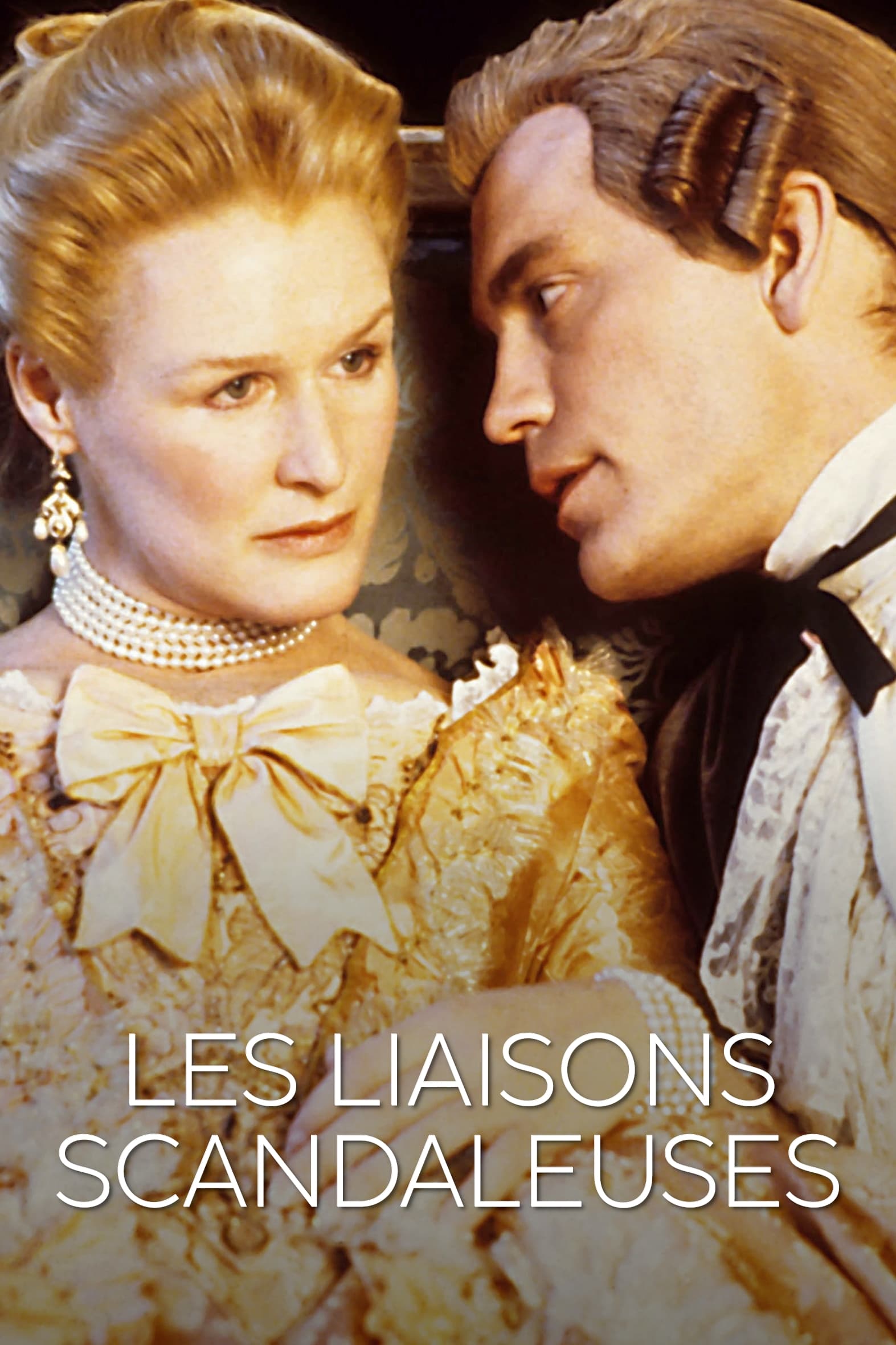
Well known for its exploration of seduction and revenge, the “Dangerous Liaisons” by Choderlos de Laclos caused a scandal from its first publication in 1782. Despite – or because of the scandal – the book was a top-seller. Since then, it stood the test of time. Combining eras, continents and people, the novel is adapted around the world. Marvelous tool for reflection on the female condition, social satire announcing the Revolution, remarkable work on the conflicting nature of love but also of the gender war, consecration of the power of the words, a libertine manual… “Dangerous Liaisons” is all of these at once.
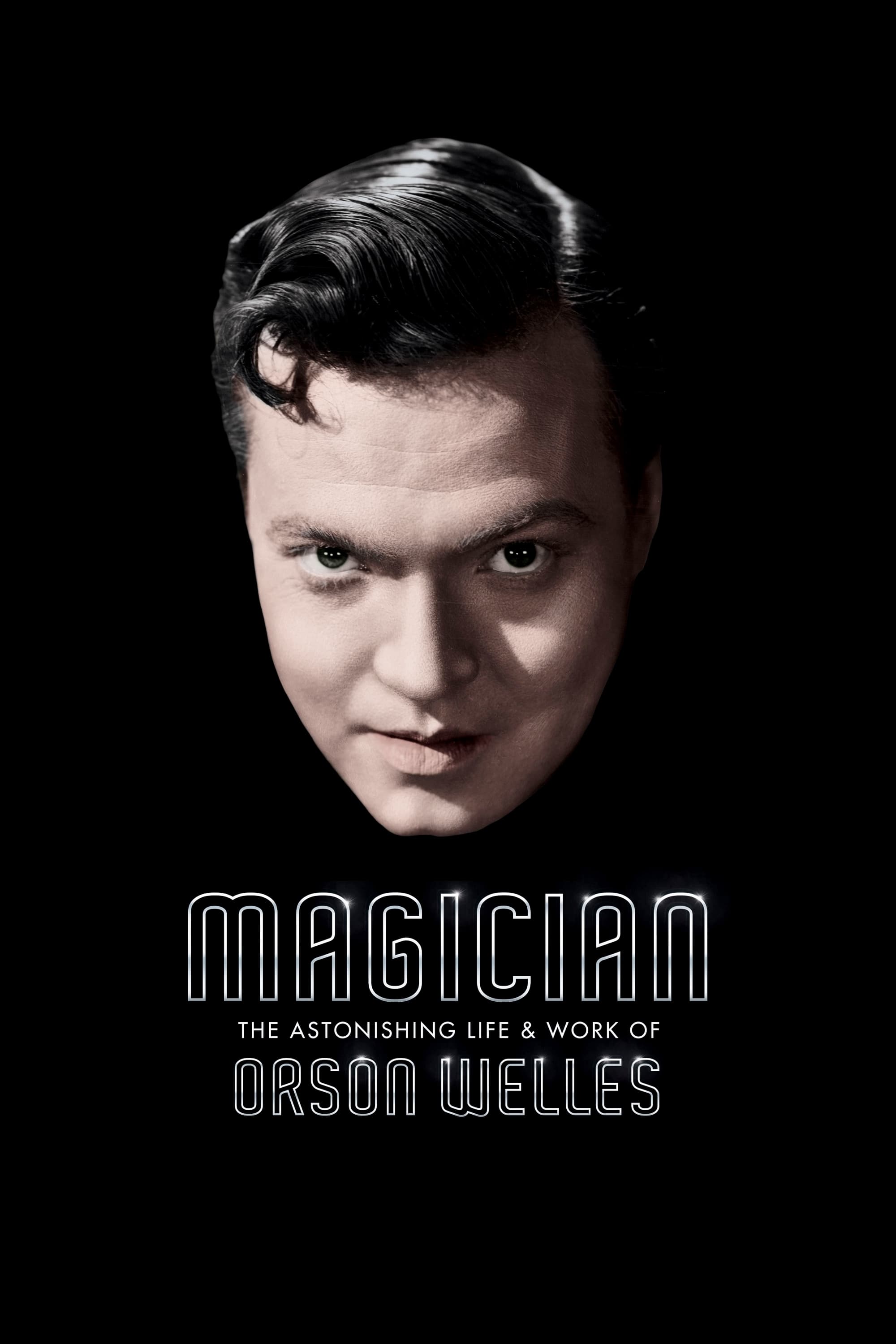
The extraordinary life of Orson Welles (1915-85), an enigma of Hollywood, an irreducible independent creator: a musical prodigy, an excellent painter, a master of theater and radio, a modern Shakespeare, a magician who was always searching for a new trick to surprise his audience, a romantic and legendary figure who lived only for cinema.
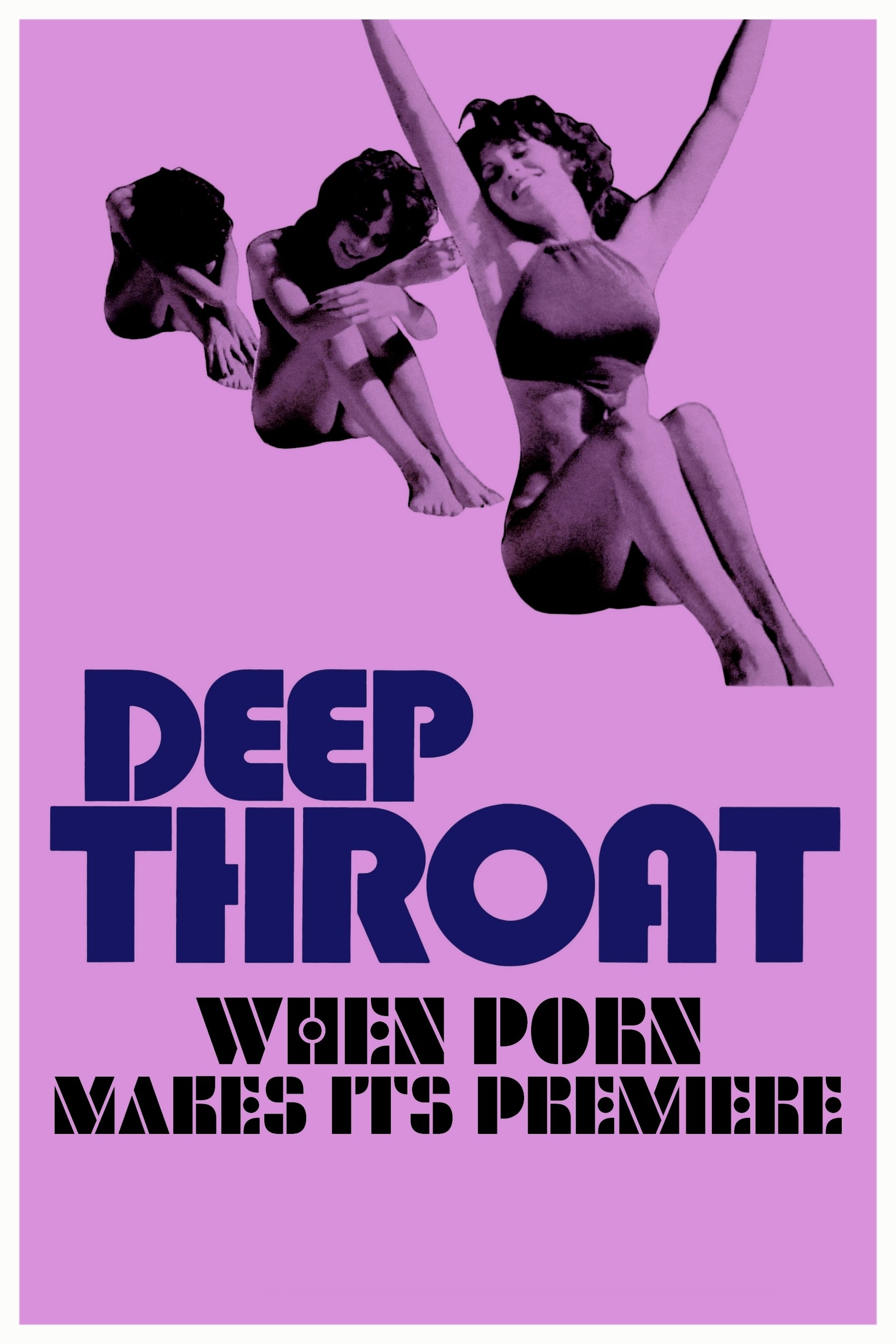
Deep Throat, a pornographic film directed by Gerard Damiano, a film-loving hairdresser, and starring Linda Lovelace, a shy girl manipulated by a controlling husband, was released in 1972 and divided audiences, who began to talk openly about sex, desire and female pleasure; but also about violence and abuse; and about pornography, until then an almost clandestine industry, as a revolutionary cultural phenomenon.
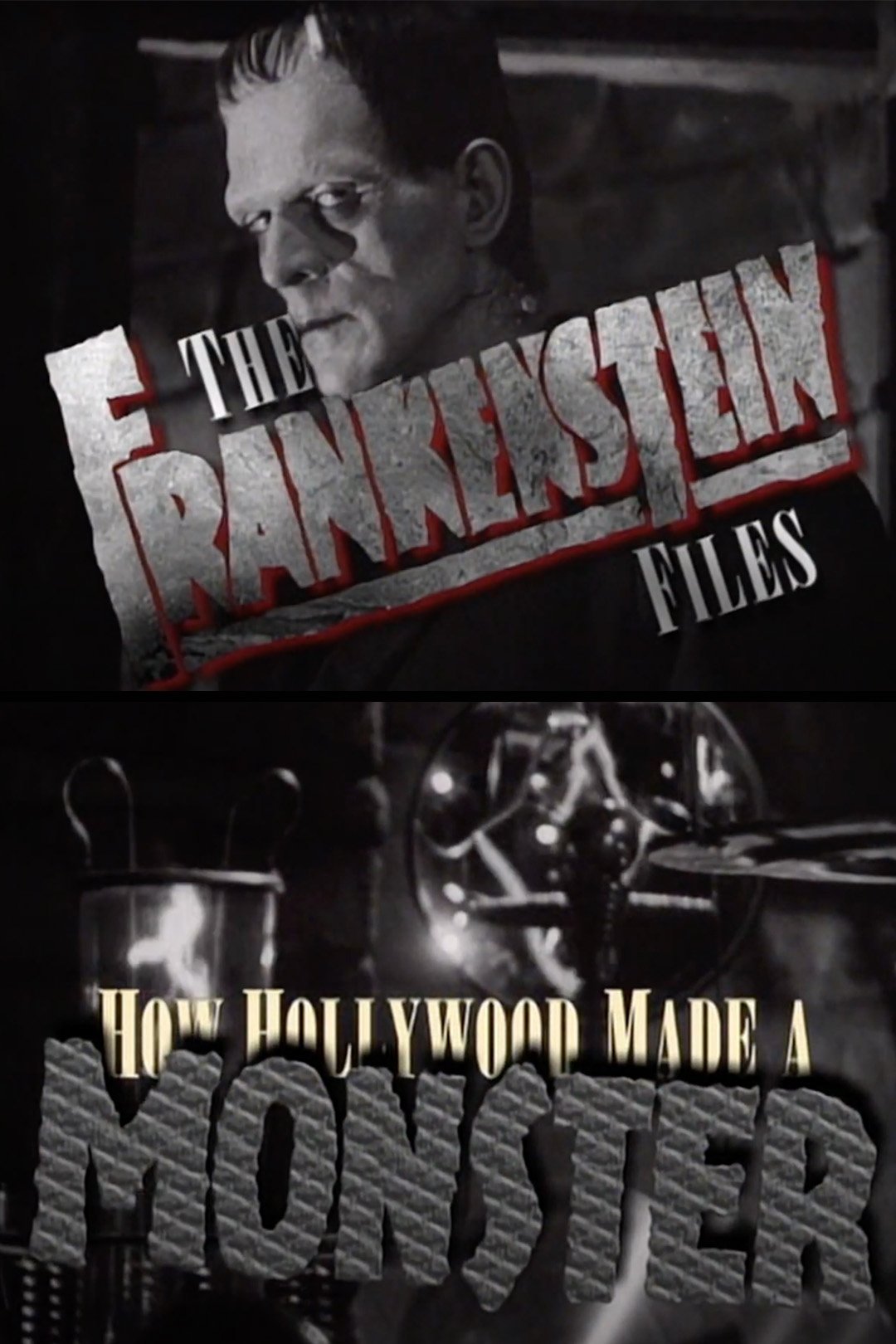
The history of Frankenstein's journey from novel to stage to screen to icon.
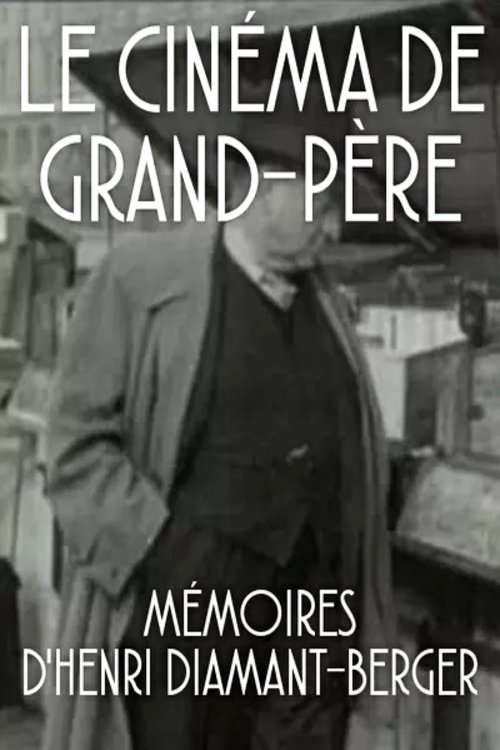
Remarkable life story of Henri Diamant-Berger, a director and screenwriter whose devotion to cinema led him to collaborate with some of the greatest actors and filmmakers of his time.
Documentary illustrating the birth of sound cinema.
Japan, 1954. A legend emerges from the ashes of Hiroshima and Nagasaki, devastated by atomic bombs in 1945. The creature's name is Godzilla. The film that tells its story is the first of kaiju eiga, the giant monster movies.
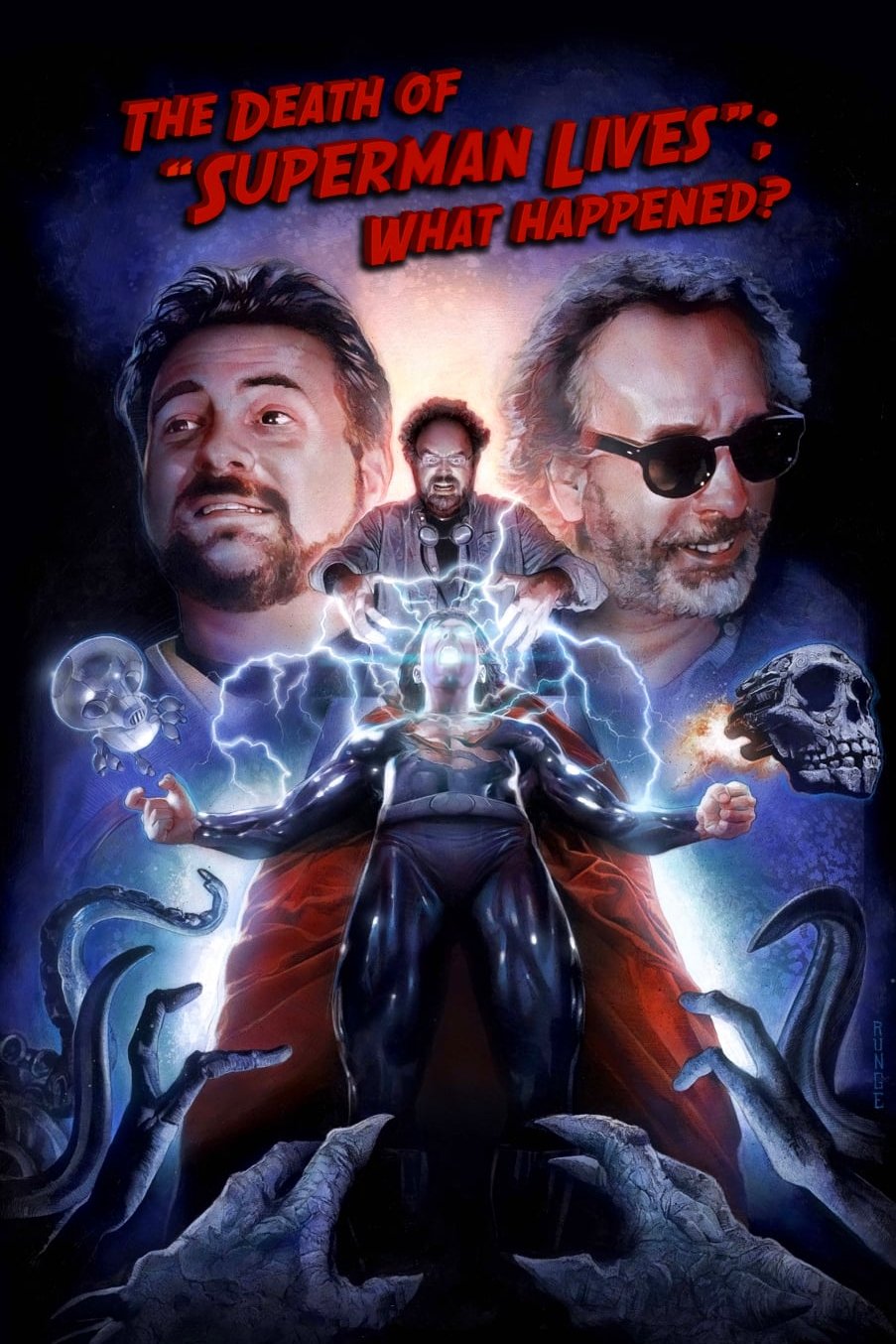
The Death of 'Superman Lives': What Happened? feature film documents the process of development of the ill fated "Superman Lives" movie, that was to be directed by Tim Burton and star Nicolas Cage as the man of steel himself, Superman. The project went through years of development before the plug was pulled, and this documentary interviews the major filmmakers: Kevin Smith, Tim Burton, Jon Peters, Dan Gilroy, Colleen Atwood, Lorenzo di Bonaventura and many many more.
A retrospective documentary about the groundbreaking horror series, Friday the 13th, featuring interviews with cast and crew from the twelve films spanning 3 decades.
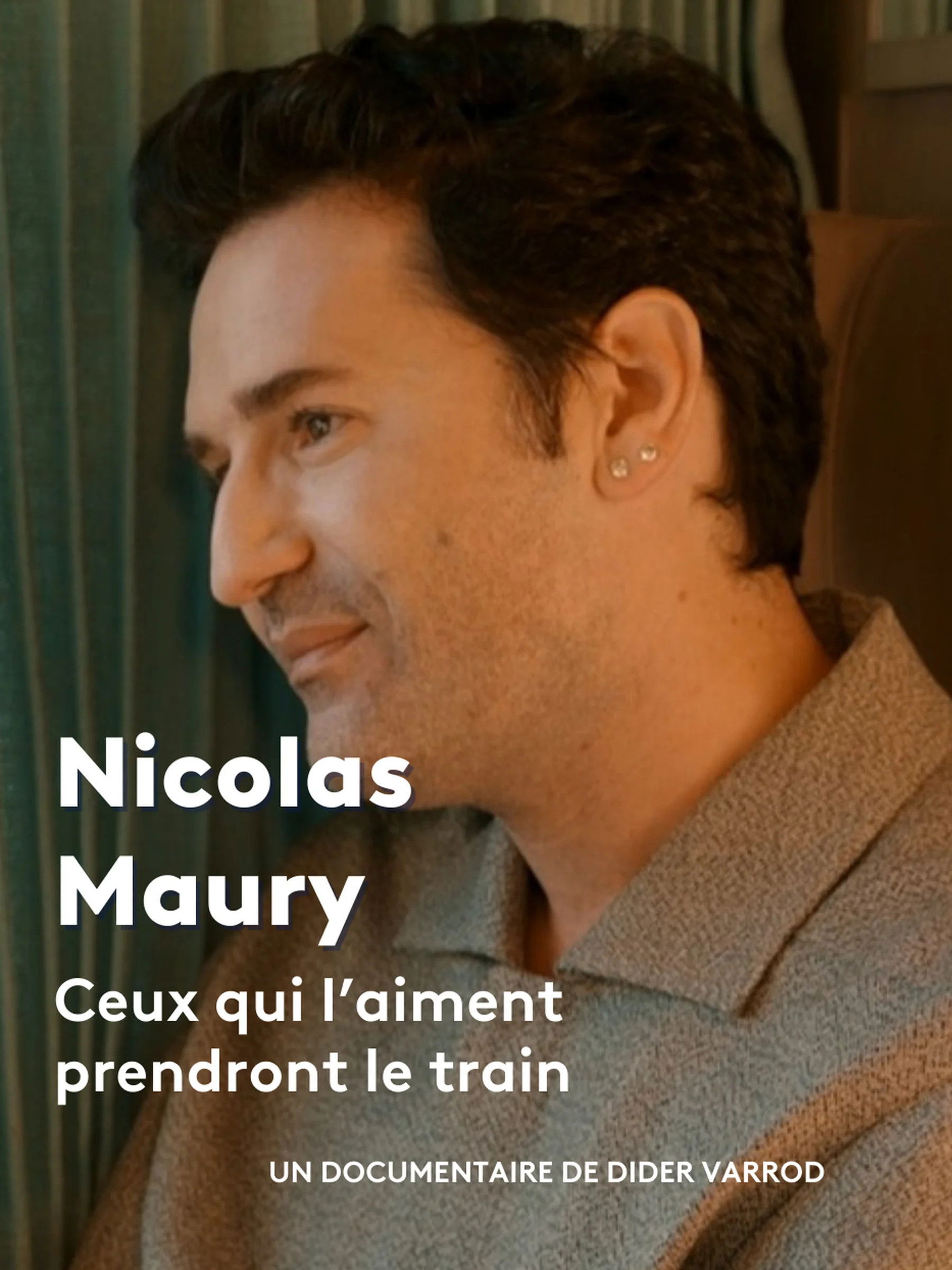
Between the nostalgia of resurfacing roots and the desire to venture into song to experience a rebirth, Nicolas Maury reveals himself unguarded before Didier Varrod, with a deeply moving sincerity. Nicolas Maury released his first album, La porcelaine de Limoges, in January 2023—a new experience for this unique, demanding, and multifaceted actor. It is an opportunity to paint an intimate portrait of him through an extended interview on a train between Paris and Limoges. In this specific setting, which was also that of his first (silent) film role with Patrice Chéreau in Those Who Love Me Can Take the Train, Nicolas discovers archives and hears from close acquaintances who speak about him. A documentary film, like a kind of initiation rite, it moves back and forth between memories of France and childhood, and his condition as a man and artist today, taking on a new identity through music.
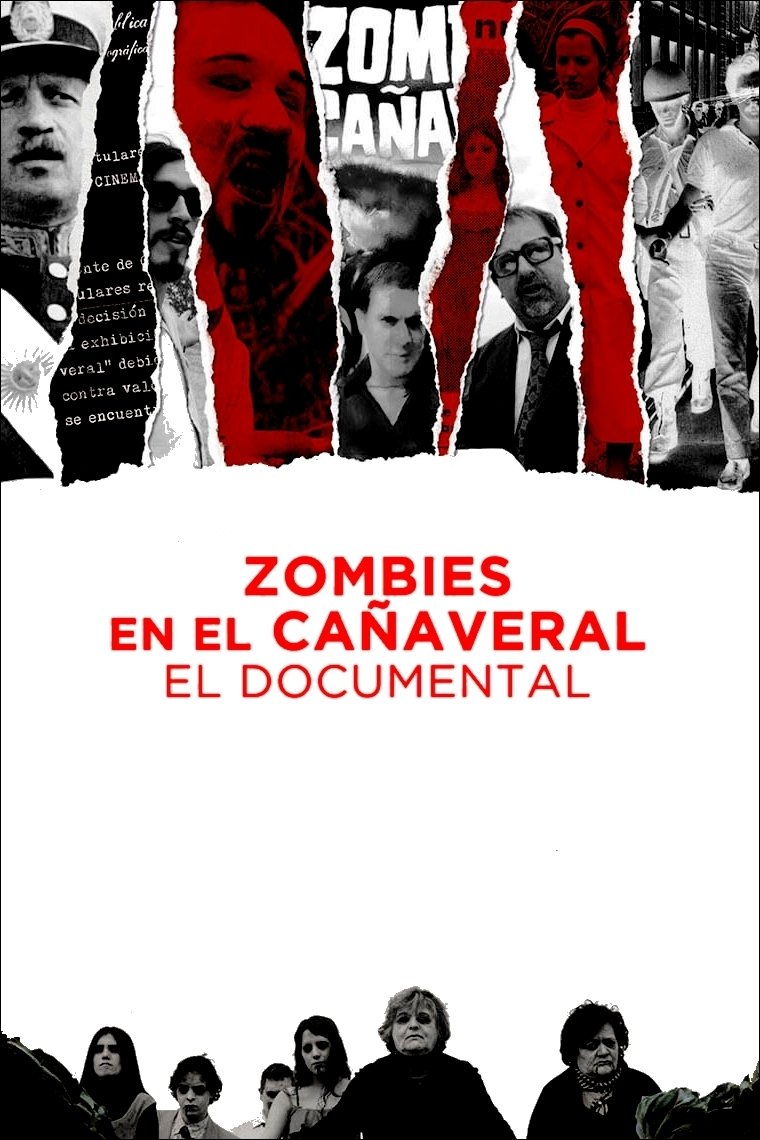
Tucumán, Argentina, 1965. Three years before George A. Romero's Night of the Living Dead was released, director Ofelio Linares Montt shot Zombies in the Sugar Cane Field, which turned out to be both a horror film and a political statement. It was a success in the US, but could not be shown in Argentina due to Juan Carlos Onganía's dictatorship, and was eventually lost. Writer and researcher Luciano Saracino embarks on the search for the origins of this cursed work.
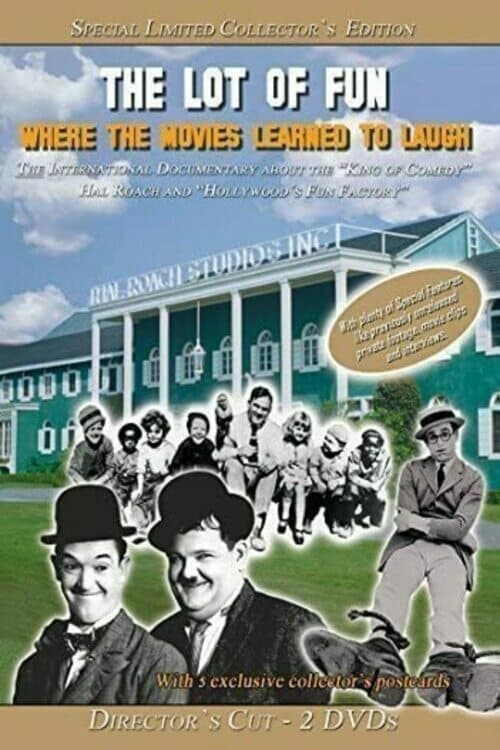
A documentary about film producer Hal Roach.
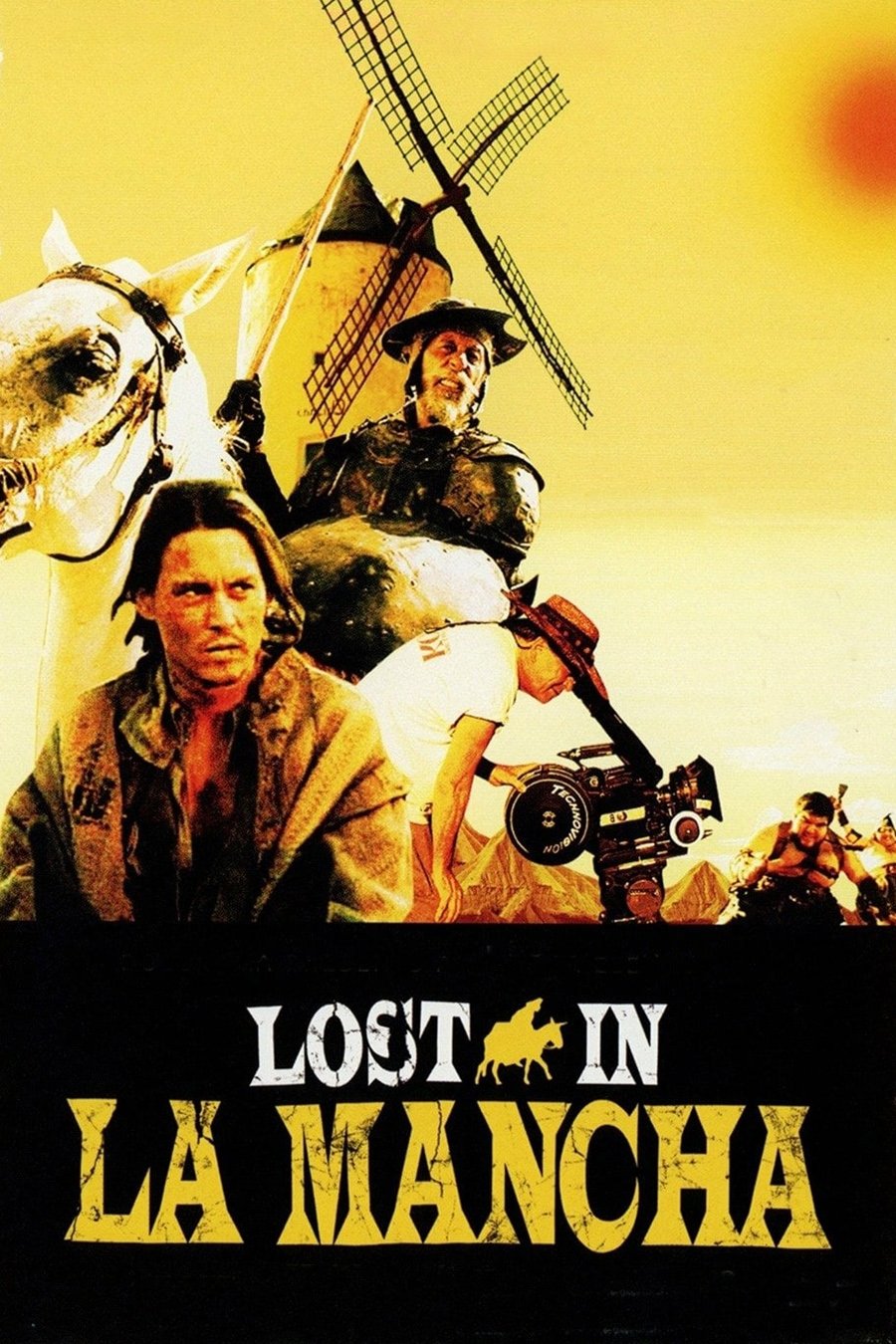
Fulton and Pepe's 2000 documentary captures Terry Gilliam's attempt to get The Man Who Killed Don Quixote off the ground. Back injuries, freakish storms, and more zoom in to sabotage the project.
The order comes in the summer of 1941 from Propaganda Minister Joseph Goebbels himself: The best animators are summoned to Berlin. Their task: Producing feature-length cartoons in ‘Disney quality’ with the newly founded ‘Deutsche Zeichenfilm GmbH’. To get trained, the Disney movie “Snow White” is retraced frame by frame. After the final victory, one new feature-length production of quality shall be released every year from 1947 onwards – that is the plan. Only in 1943, the first production is completed: “Armer Hansi”, a 17-minute-long colour movie, realized with the effortful multiplane technology. The second film by the ‘Deutsche Zeichenfilm’ is only completed in 1946 – by DEFA. In the territories occupied by Germany, cartoons are produced as well, sometimes harmless ones, sometimes propagandistic ones. With excerpts from animated movies, live action film documents, and witness reports by contemporaries, this documentary draws a picture of the cartoon production in the Third Reich.
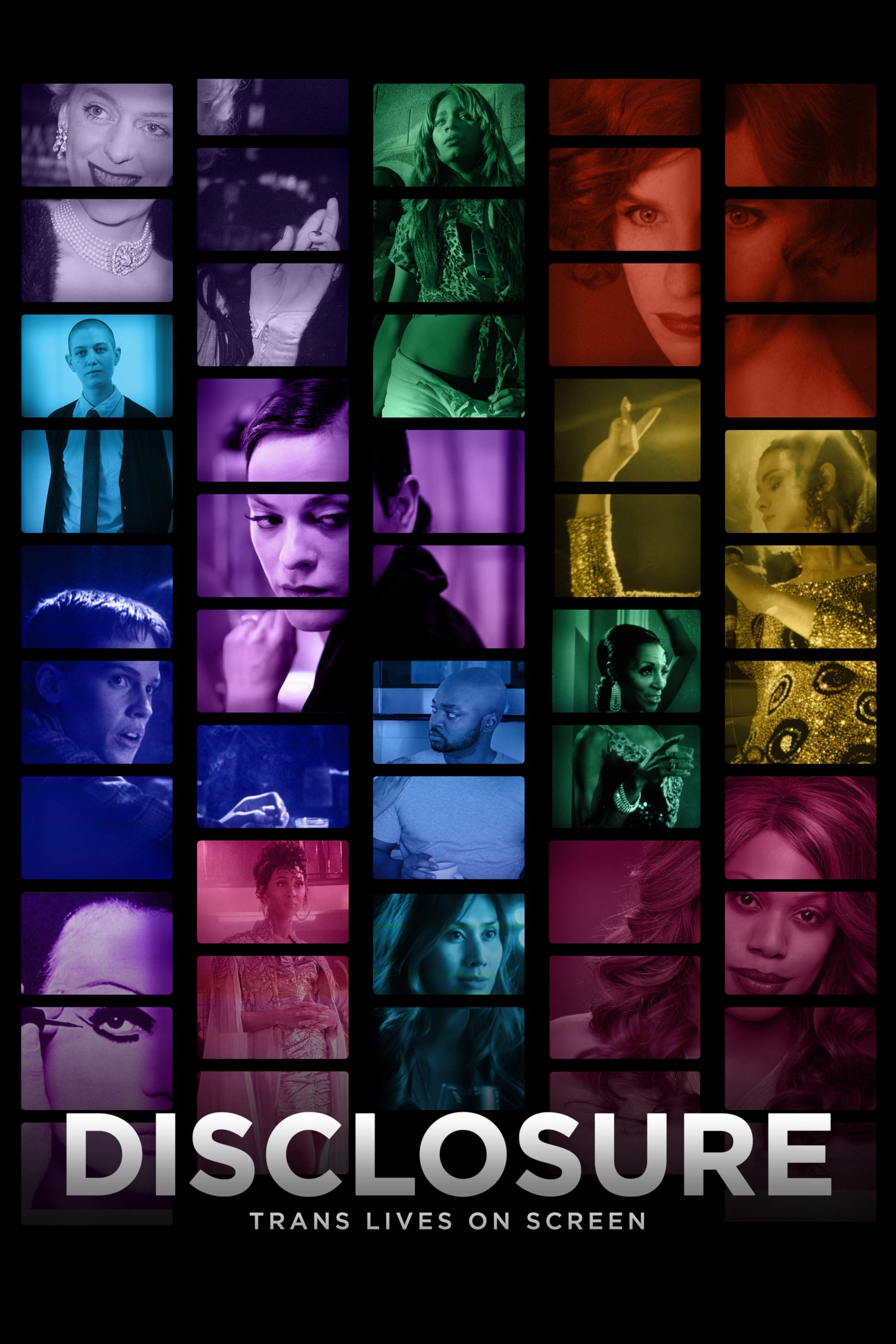
An investigation of how Hollywood's fabled stories have deeply influenced how Americans feel about transgender people, and how transgender people have been taught to feel about themselves.
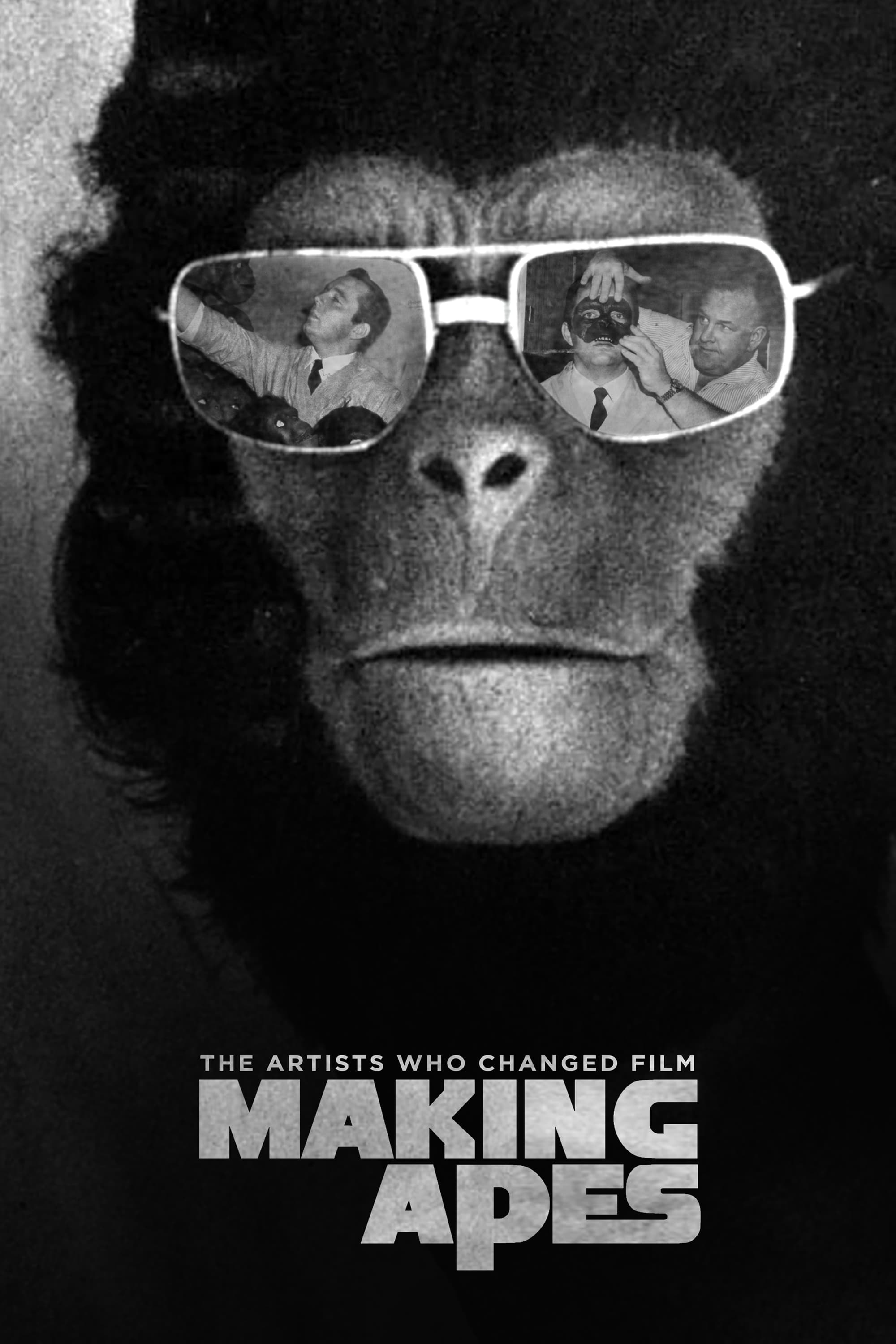
Fifty years after its release, the special effects makeup team behind Planet of the Apes reflect on making the iconic film.
The Captains' Summit documents the first time in Star Trek history that four stars who at some point have played Captains in Star Trek (William Shatner, Patrick Stewart, Leonard Nimoy, Jonathan Frakes) have been brought together for a 70-minute rare and unprecedented round table event. Whoopi Goldberg, star of Star Trek: The Next Generation, hosts the event.
A feature-length documentary about the film Galaxy Quest and its legacy, celebrating its milestone 20th anniversary.
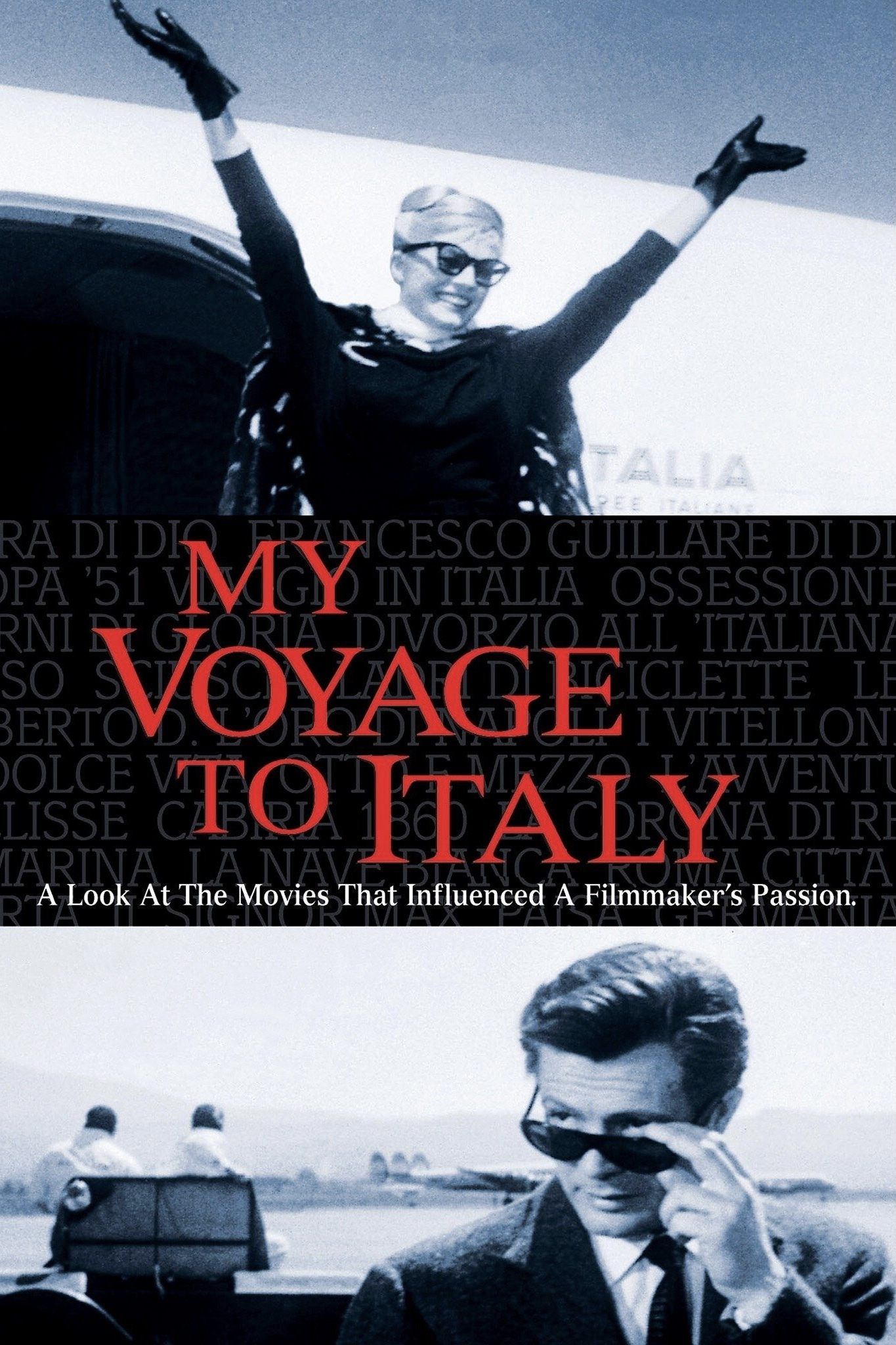
World-renowned director Martin Scorsese narrates this journey through his favorites in Italian cinema.
The history of cinematic sound, told by legendary sound designers and visionary filmmakers.
This revealing documentary honors the legendary Sidney Poitier—iconic actor, filmmaker, and civil rights activist. Featuring interviews with Denzel Washington, Spike Lee, Halle Berry, and more.
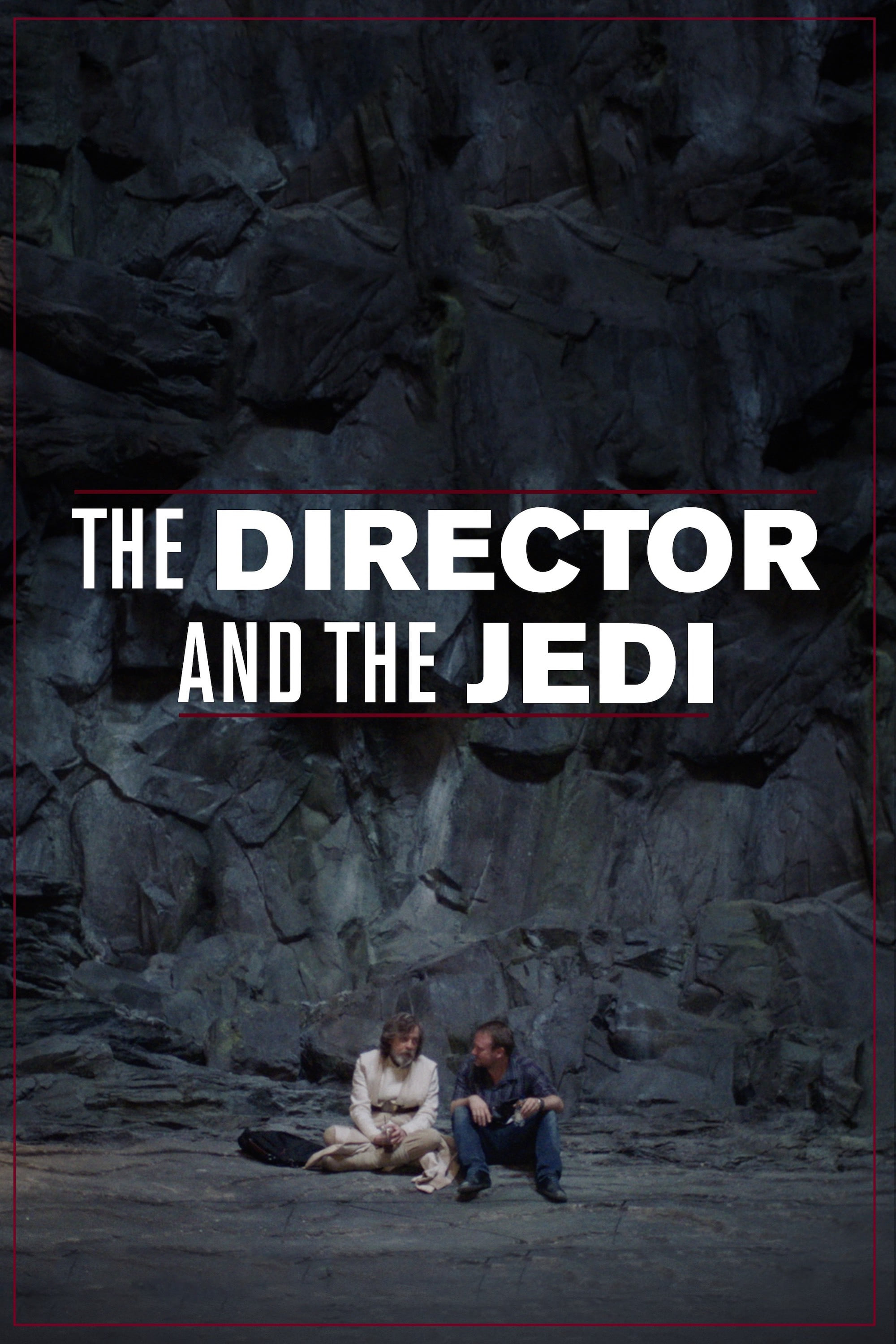
An intimate documentary delving into Rian Johnson's process as he comes in as a director new to the Star Wars universe.
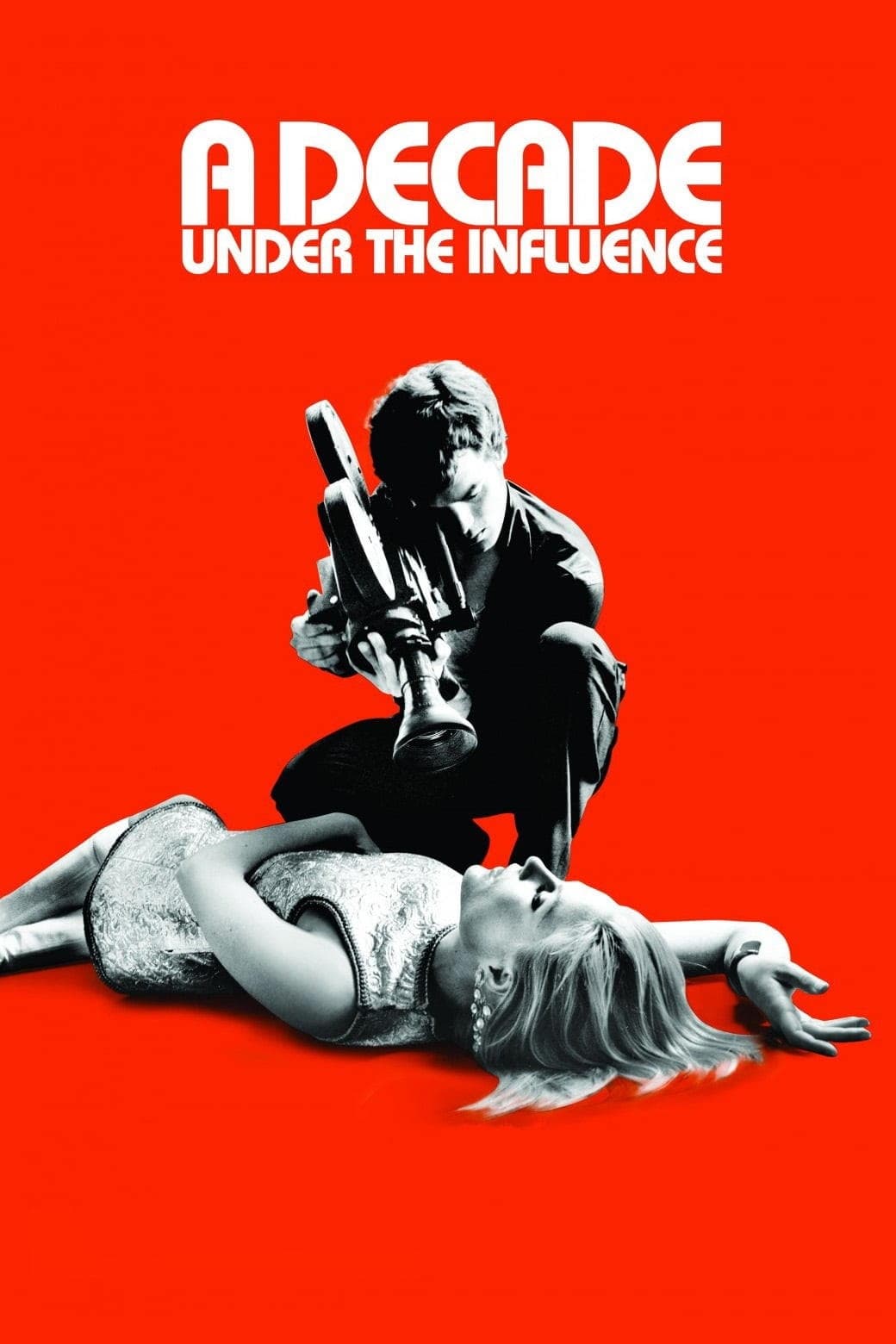
A documentary examining the decade of the 1970s as a turning point in American cinema. Some of today's best filmmakers interview the influential directors of that time.
The story lives forever in this feature-length documentary that charts the making of Star Wars: The Rise of Skywalker.
Director Michael Apted revisits the same group of British-born adults after a 7 year wait. The subjects are interviewed as to the changes that have occurred in their lives during the last seven years.
SEDUCED AND ABANDONED combines acting legend Alec Baldwin with director James Toback as they lead us on a troublesome and often hilarious journey of raising financing for their next feature film. Moving from director to financier to star actor, the two players provide us with a unique look behind the curtain at the world's biggest and most glamourous film festival, shining a light on the bitter-sweet relationship filmmakers have with Cannes and the film business. Featuring insights from directors Martin Scorsese, 'Bernando Bertolucci' and Roman Polanski; actors Ryan Gosling and Jessica Chastain and a host of film distribution luminaries.
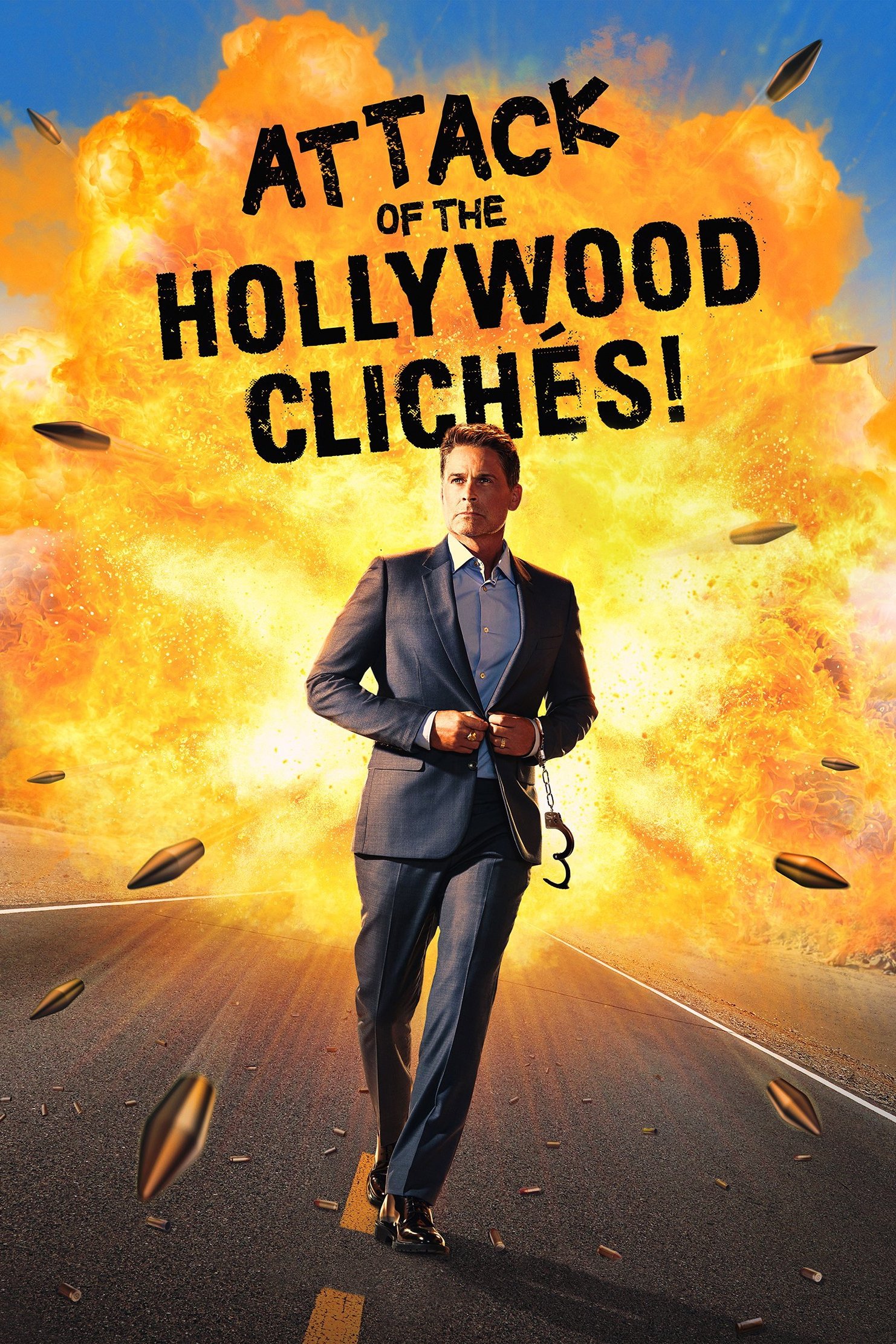
One-man armies, meet-cutes, casual strolls away from huge explosions — stars and industry insiders toast and roast these cinematic chestnuts and more.
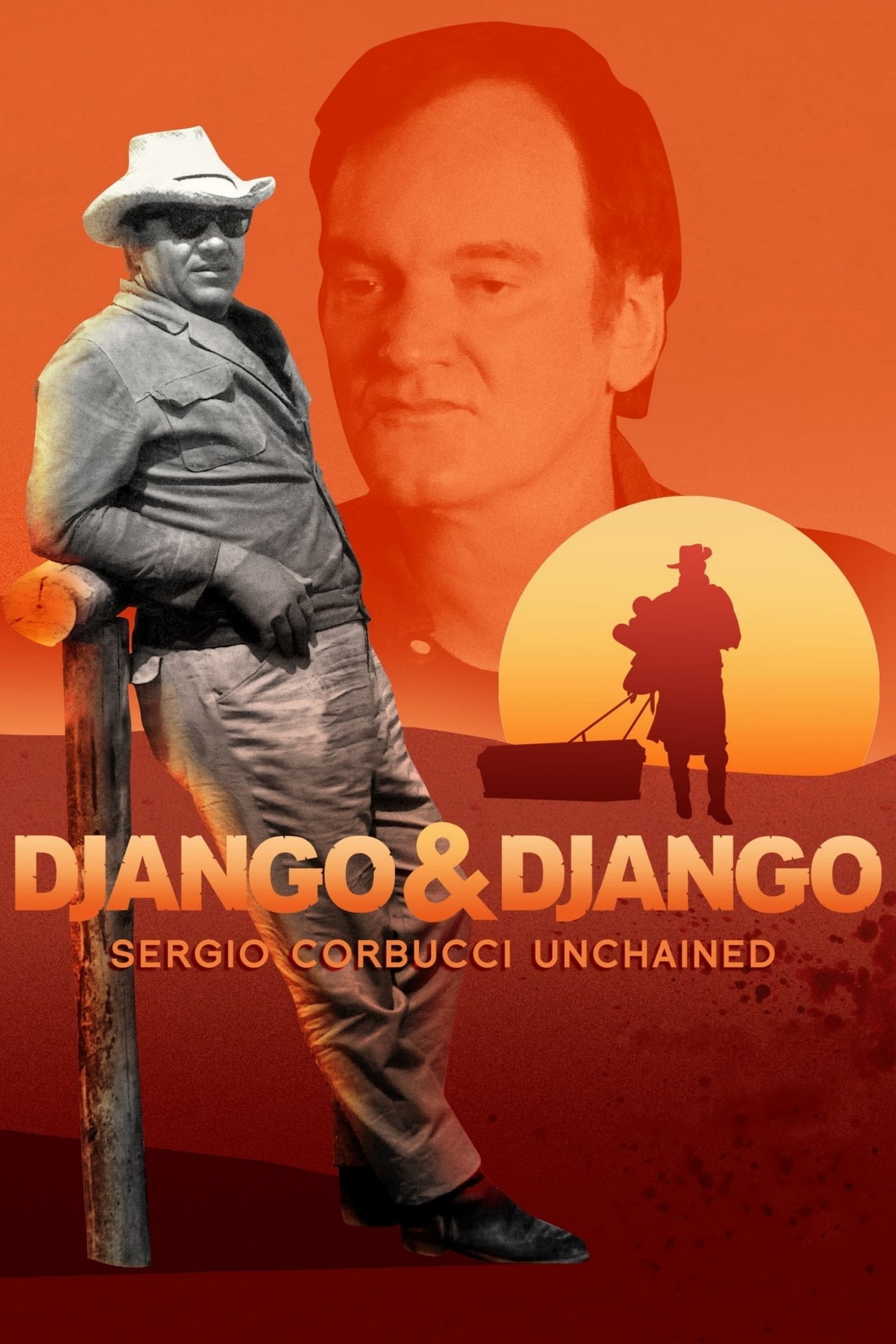
A tribute to Italian filmmaker Sergio Corbucci (1926-90), presented by American filmmaker Quentin Tarantino.
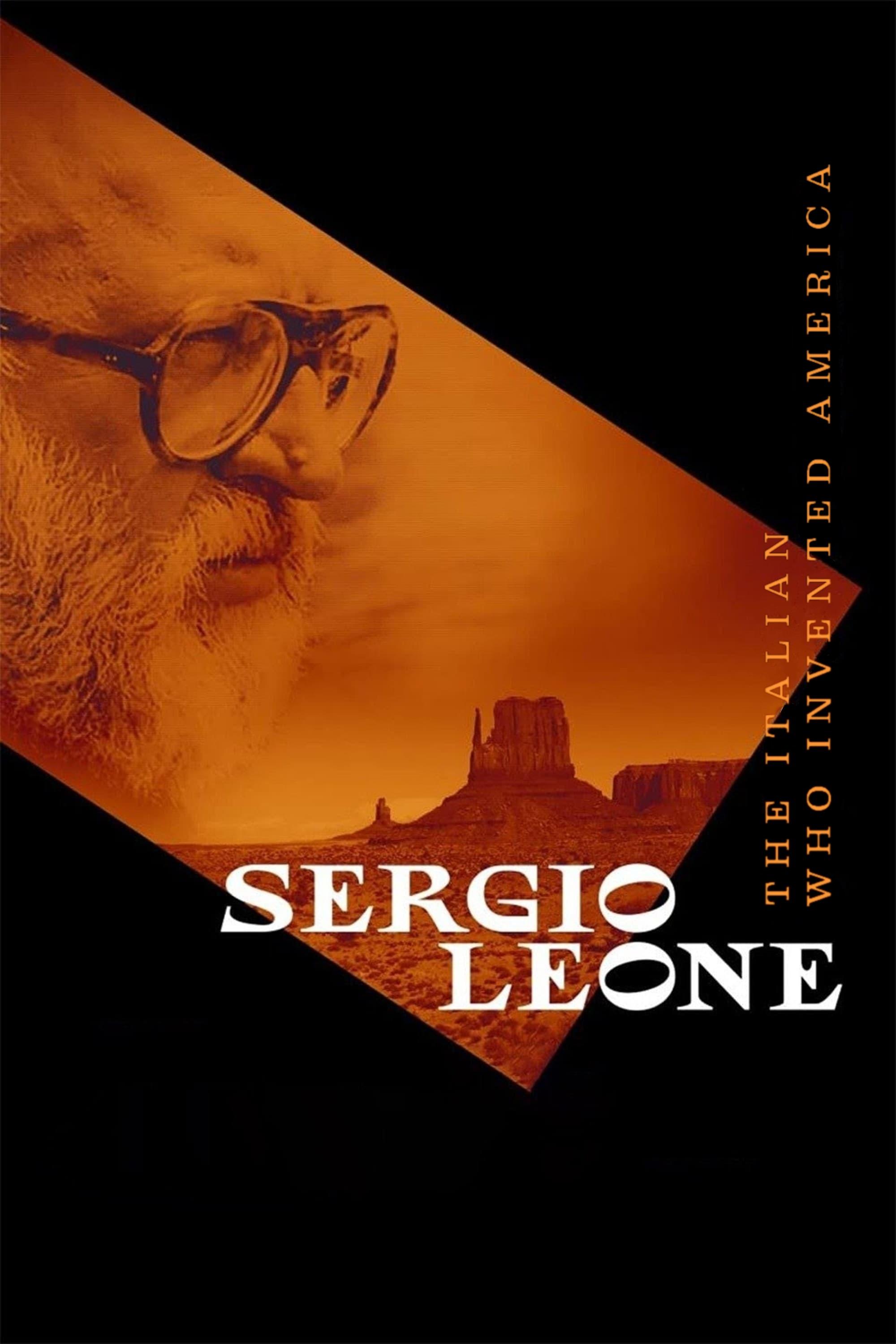
To mark the recent thirtieth anniversary of Sergio Leone’s death, this documentary sets out to pay tribute to one of the great legends of world cinema. The singular artistic vision of Sergio Leone has transcended national borders, creating the Spaghetti Western genre and transforming the international cinematic panorama forever with his innovative stylistic and narrative solutions, which have now become part of the language of the movies. The film, which is enriched with precious archive footage from the Cineteca di Bologna, including rare audio recordings and film clips shot behind the scenes, sees for the first time the direct participation of the Leone family and has interviews both with Leone’s longtime collaborators and with icons of Hollywood who have been profoundly influenced by his work.
A documentary about the life and films of director John Ford.
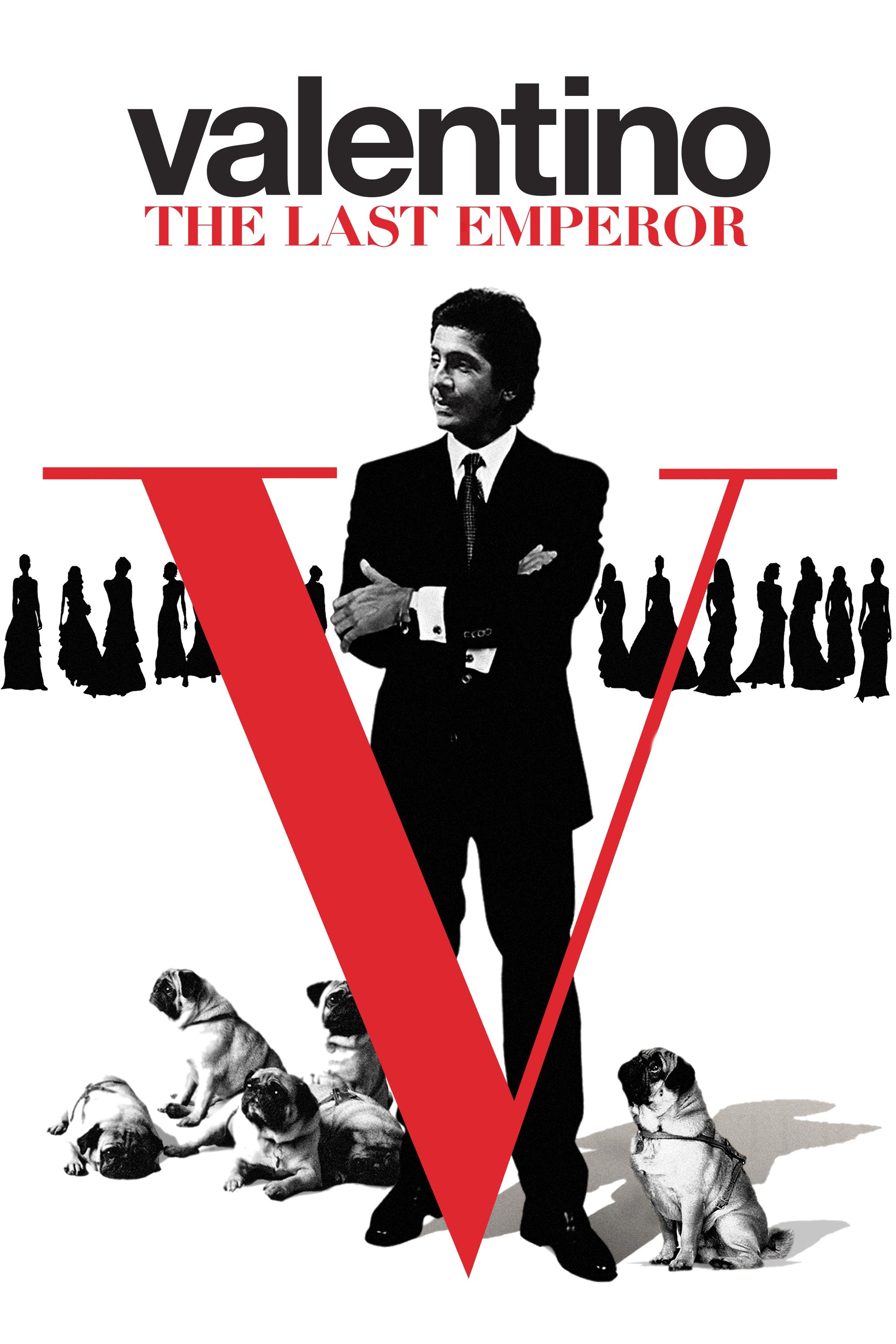
Film which travels inside the singular world of one of Italy's most famous fashion designers, Valentino Garavani, documenting the colourful and dramatic closing act of his celebrated career and capturing the end of an era in global fashion. However, at the heart of the film is a love story - the unique relationship between Valentino and his business partner and companion of 50 years, Giancarlo Giammetti. Capturing intimate moments in the lives of two of Italy's richest and most famous men, the film lifts the curtain on the final act of a nearly 50-year reign at the top of the glamorous and fiercely competitive world of fashion. (Storyville)
An inside look at one of the most anticipated movie sequels ever with James Cameron and cast.
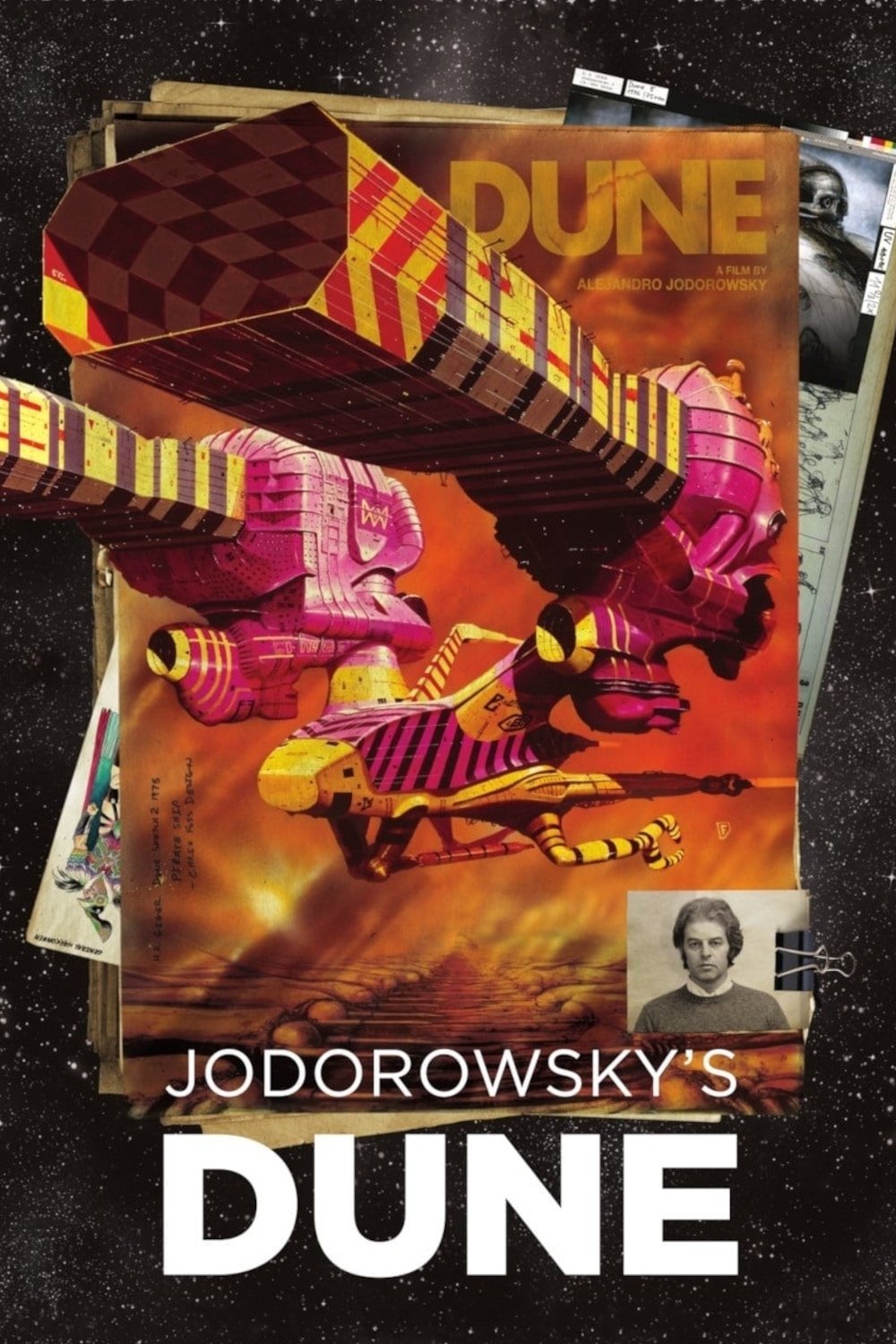
In 1974, Chilean-French director Alejandro Jodorowsky embarked on the quixotic project of adapting Frank Herbert's influential novel Dune (1969) for the big screen. After investing two years, and millions of dollars, the gigantic project ended in failure; but the artists Jodorowsky brought together to carry it out continued to work together, and ended up laying the foundations for modern science fiction cinema.
A string of threatening emails escalates into a revenge plot involving a newly married US marshal and his ex-girlfriend.
A compilation of over 30 years of private home movie footage shot by Lithuanian-American avant-garde director Jonas Mekas, assembled by Mekas "purely by chance", without concern for chronological order.
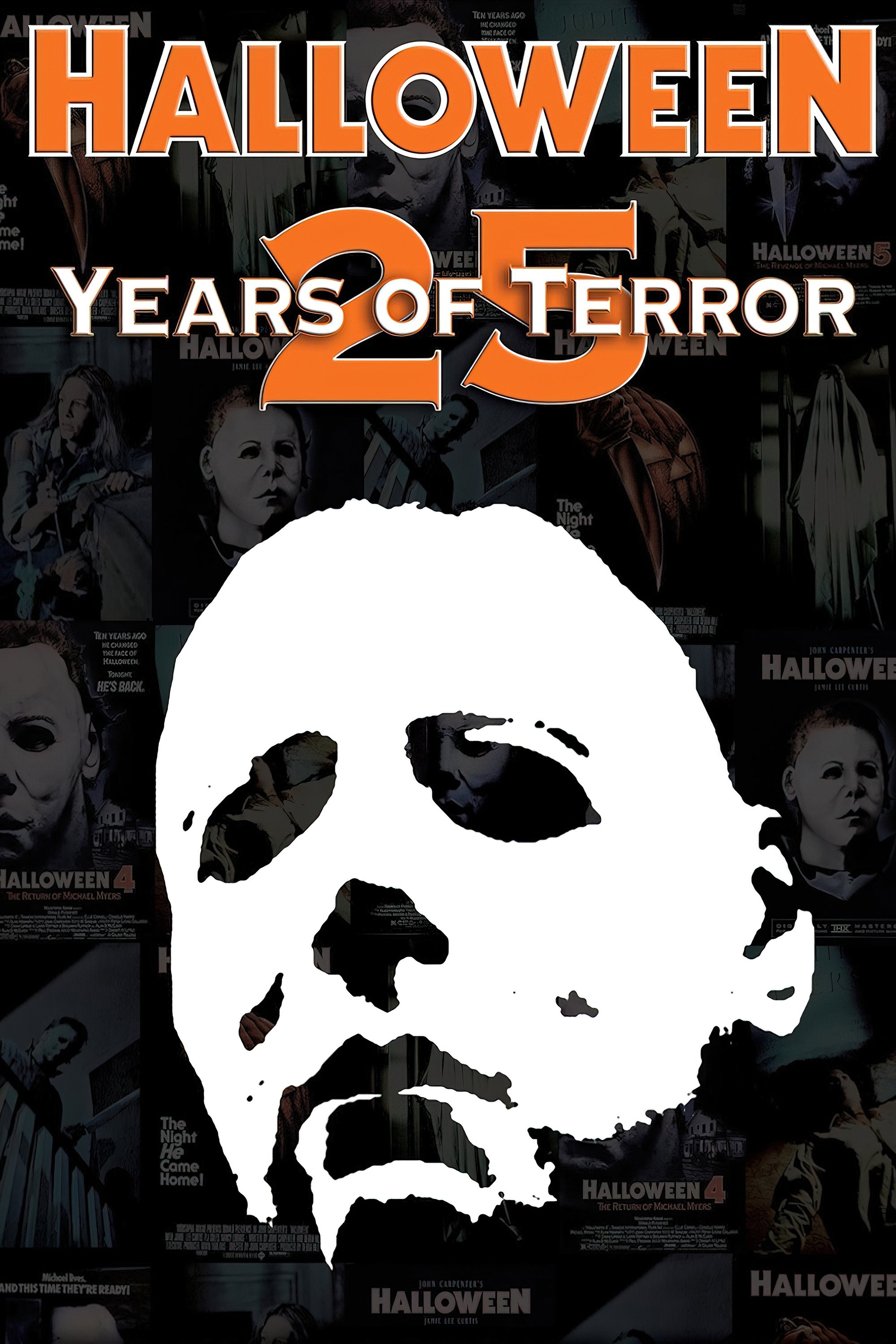
Follow the evolution of the 'Halloween' movies over the past twenty-five years. It examines why the films are so popular and revisits many of the original locations used in the films - seeing the effects on the local community. For the first time, cast, crew, critics and fans join together in the ultimate 'Halloween' retrospective.
A subjective documentary that explores various theories about hidden meanings in Stanley Kubrick's classic film The Shining. Five very different points of view are illuminated through voice over, film clips, animation and dramatic reenactments.
Using the book 'Fragments', which collects Marilyn Monroe's poems, notes and letters, and with participation from the Arthur Miller and Truman Capote estates who have contributed more material, each of the actresses will embody the legend at various stages in her life.