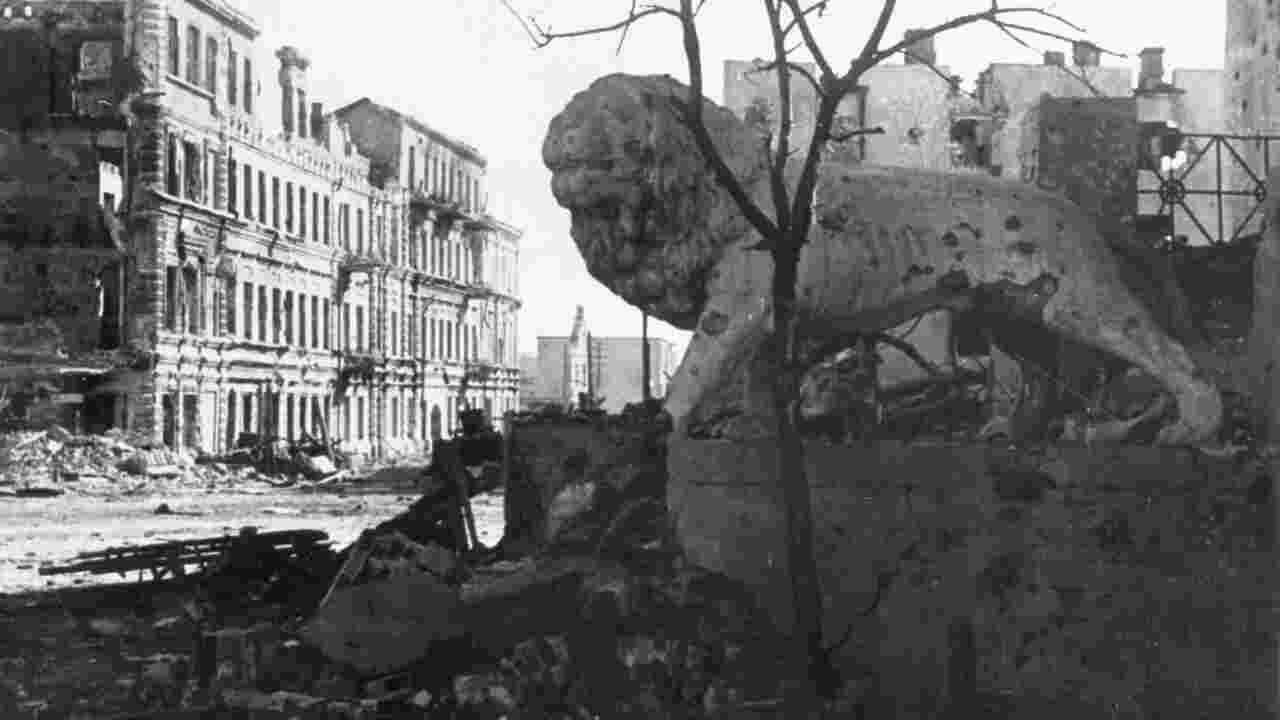
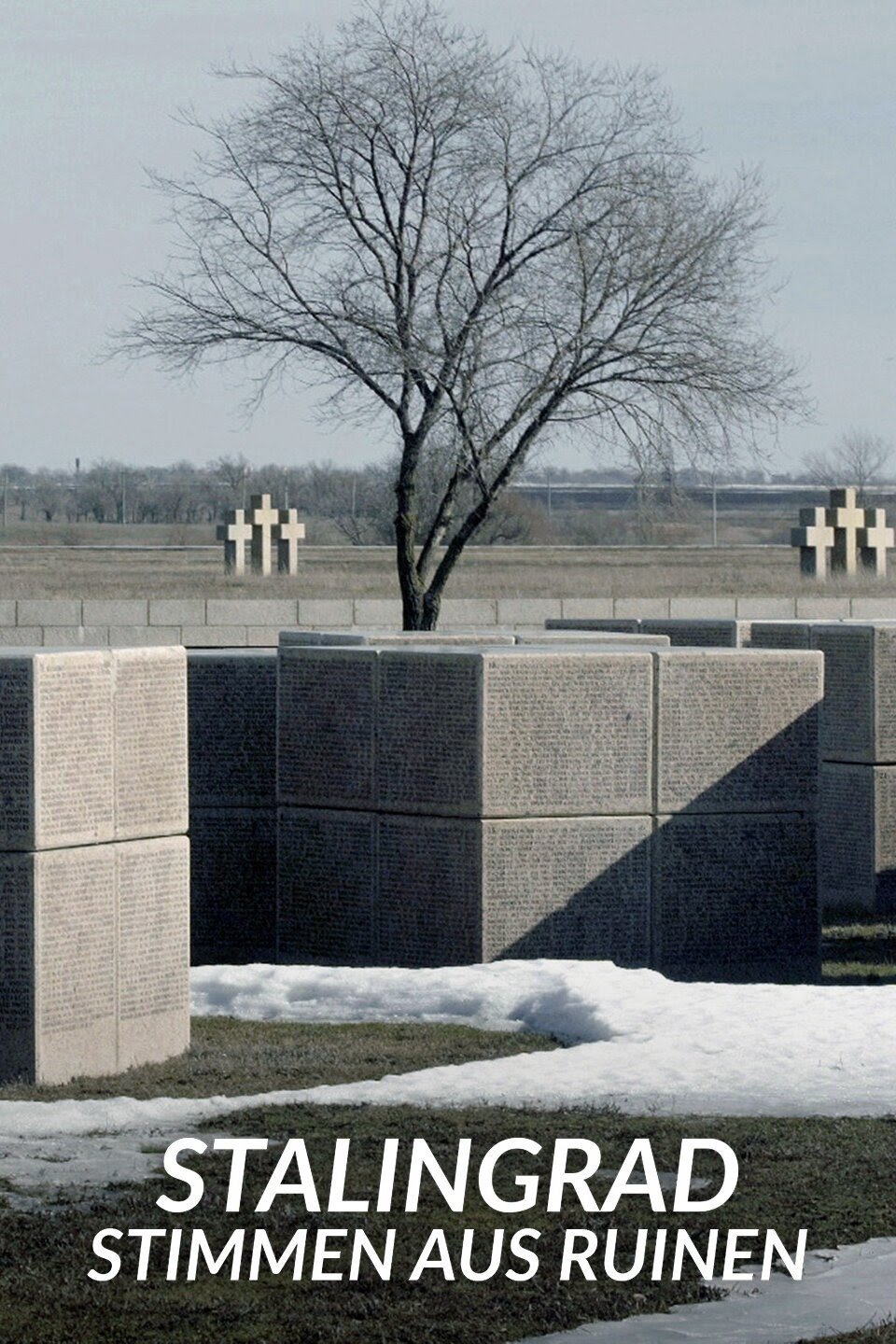
Featuring excerpts from diaries and letters written by local residents and soldiers from both sides, the documentary tells the story of the Battle of Stalingrad through the voices of those who lived it.

Social & External
The people behind it
The incredible story of swimmer Alfred Nakache, played by Amir Haddad. Alfred Nakache is one of those modern-day heroes whose story is little known. Born in Constantine and raised in Toulouse, he was France's best swimmer in the 1940s. Arrested by the Gestapo and then deported, he swam in the unsanitary pools of Auschwitz, from which his wife and daughter never returned. In their memory, this survivor of horror picked himself up and resumed competition until he regained his title as French Champion and once again represented his country at the Olympic Games. Filmed at Studio Marigny at the Théâtre Marigny in Paris's 8th arrondissement.
This is October 1955. The place is a village in Loire-Atlantique, La Chapelle-Basse-Mer, where an old clog-maker works and lives with his wife and their adopted son. The clog-maker's meticulous craft is described with love and close attention to detail. On the other hand, forthcoming death pervades the quiet everyday life of the elderly couple.

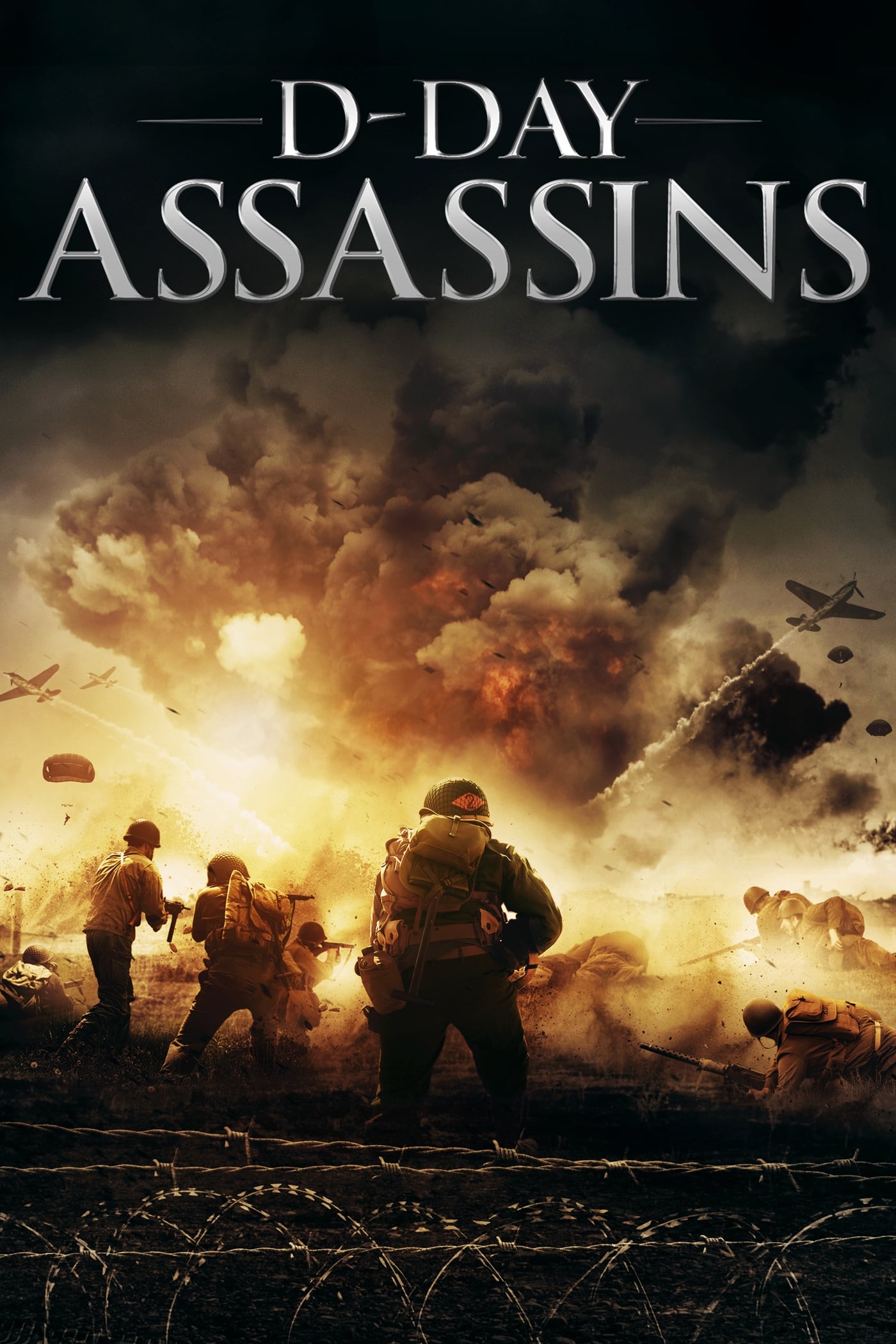
In 1944, group of rebellious American soldiers known as "The Filthy Thirteen" parachute into Normandy to carry out a deadly mission.
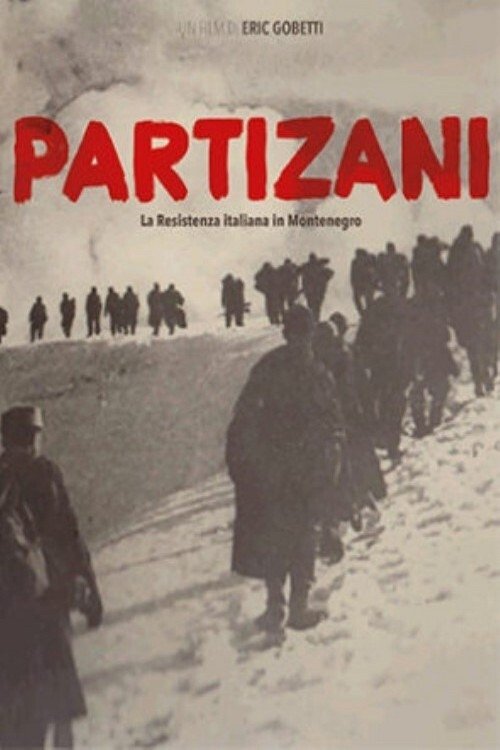
Nikšić, Montenegro, September the 9th, 1943. Few moments after the dawn, the artilleryman Sante Pelosin, nickname Tarcisio, fires the first cannon shot against a German column that was proceeding towards Italian placement. In the following weeks about 20000 Italian soldiers decide to not surrender and join Jugoslavian Resistance. The partisans of the Garibaldi Division narrated in this documentary are simple heroes, that fought the freeze, the hunger, and a crushing typhus fever epidemy, paying with tremoundous sufferings a valiant and aware choice of field .
A British Intelligence Officer in Naples at the end of World War II: Norman Lewis's acknowledged masterpiece about a war-torn city and its unforgettable humanity.
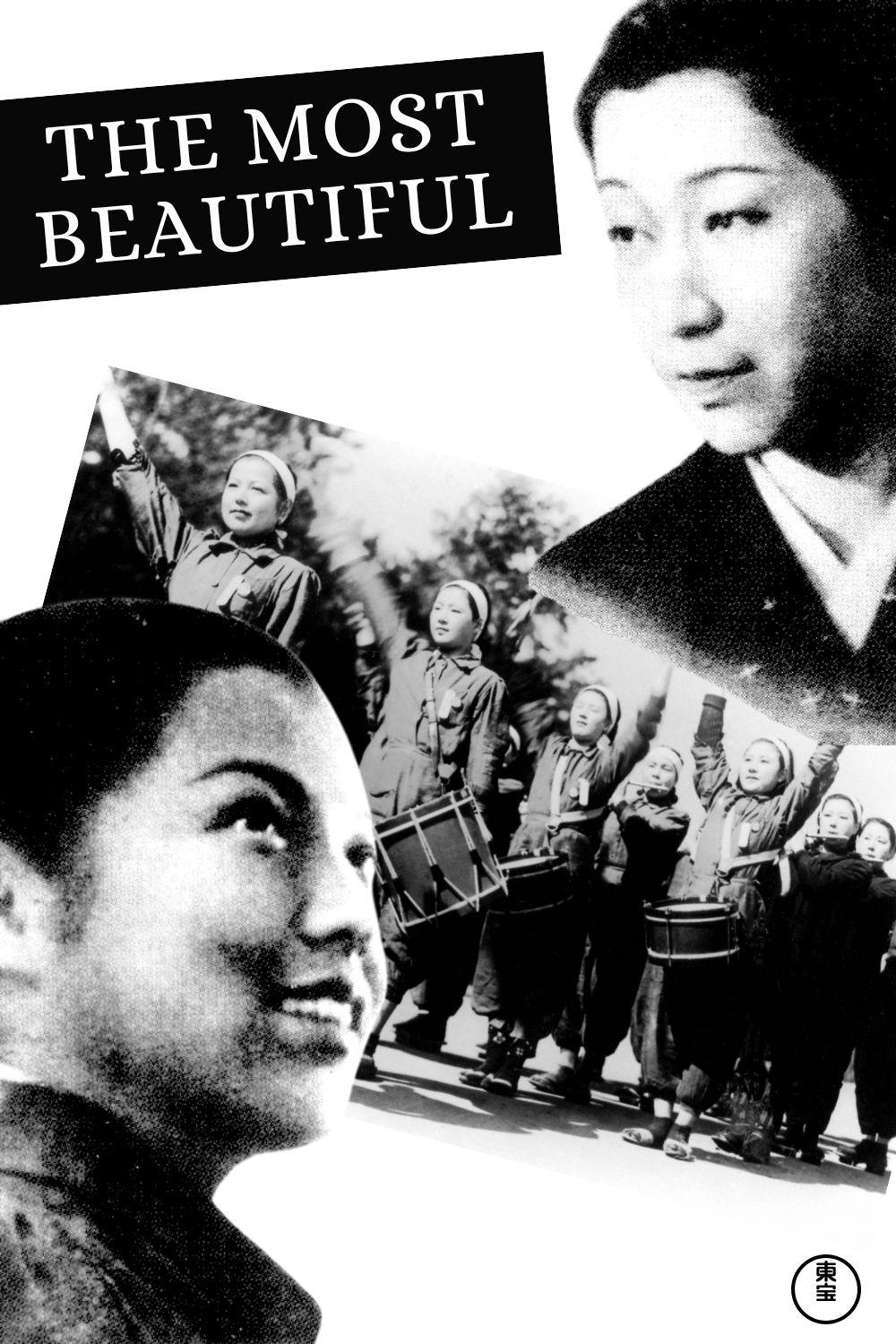
Young women at a precision optics factory in wartime Japan push to exceed production quotas, enduring illness, injury, and personal hardship to “serve the country.” Led by Tsuru Watanabe, they fight fatigue and setbacks to keep their line moving—even when duty collides with grief.
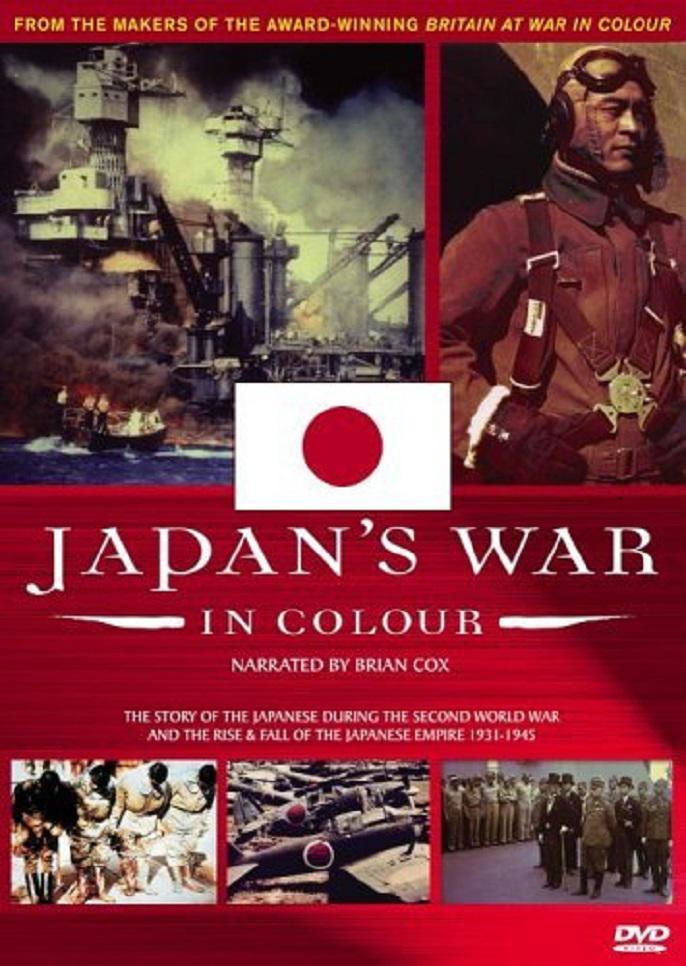
Using never-before-seen footage, Japan's War In Colour tells a previously untold story. It recounts the history of the Second World War from a Japanese perspective, combining original colour film with letters and diaries written by Japanese people. It tells the story of a nation at war from the diverse perspectives of those who lived through it: the leaders and the ordinary people, the oppressors and the victims, the guilty and the innocent. Until recently, it was believed that no colour film of Japan existed prior to 1945. But specialist research has now unearthed a remarkable colour record from as early as the 1930s. For eight years the Japanese fought what they believed was a Holy War that became a fight to the death. Japan's War In Colour shows how militarism took hold of the Japanese people; describes why Japan felt compelled to attack the West; explains what drove the Japanese to resist the Allies for so long; and, finally, reveals how they dealt with the shame of defeat.
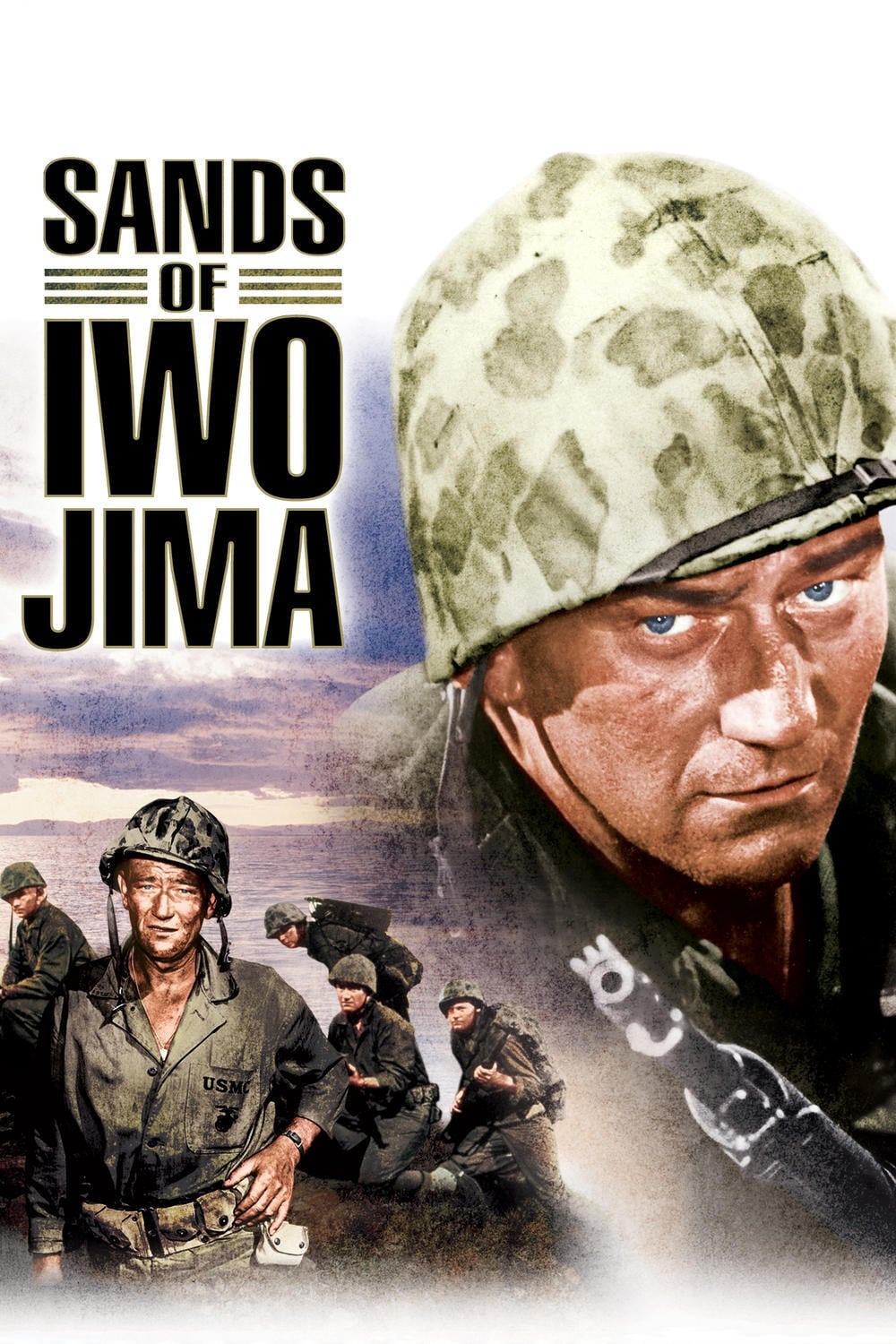
Haunted by personal demons, Marine Sgt. John Stryker is hated and feared by his men, who see him as a cold-hearted sadist. But when their boots hit the beaches, they begin to understand the reason for Stryker's rigid form of discipline.
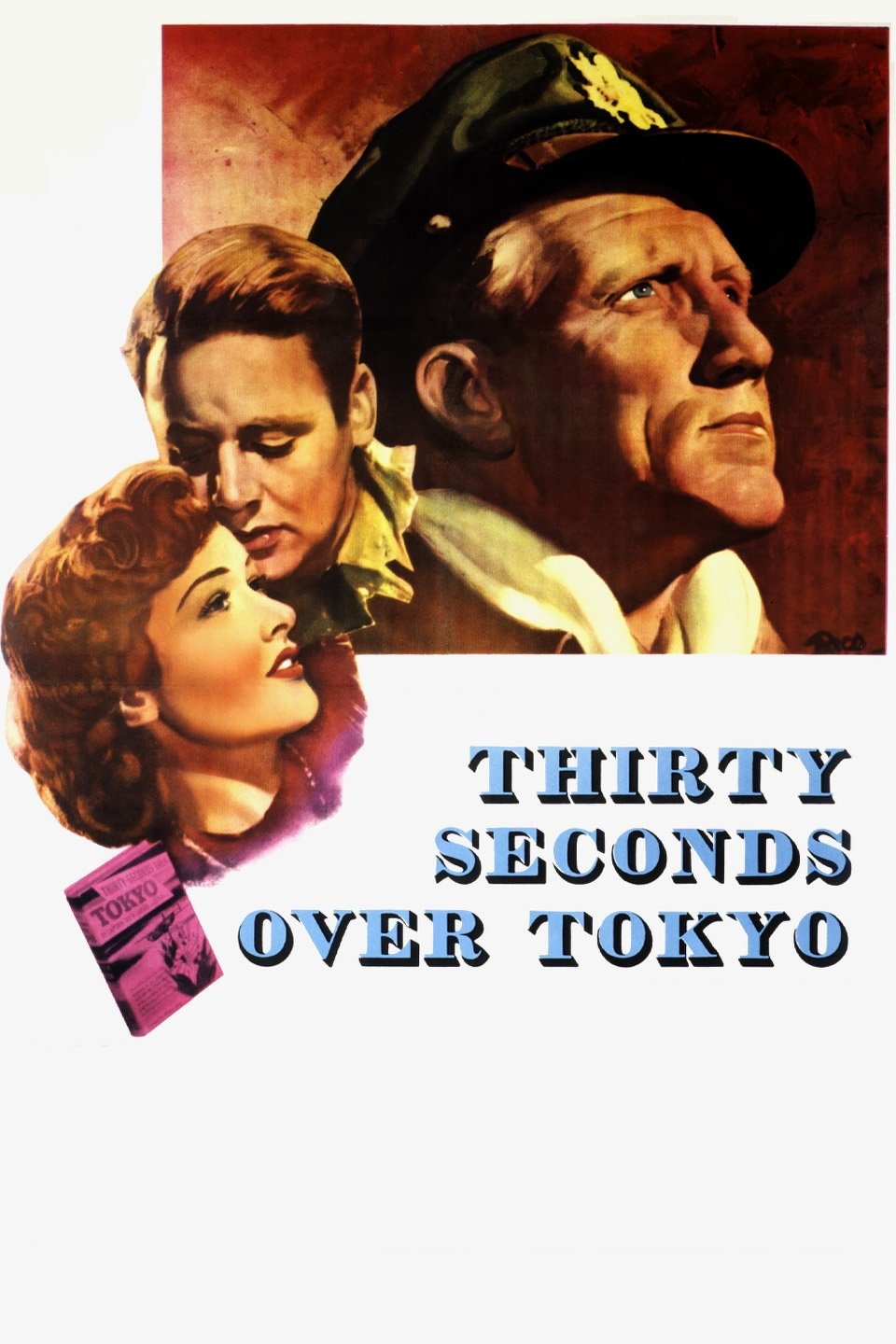
In the wake of Pearl Harbor, a young lieutenant leaves his expectant wife to volunteer for a secret bombing mission which will take the war to the Japanese homeland.
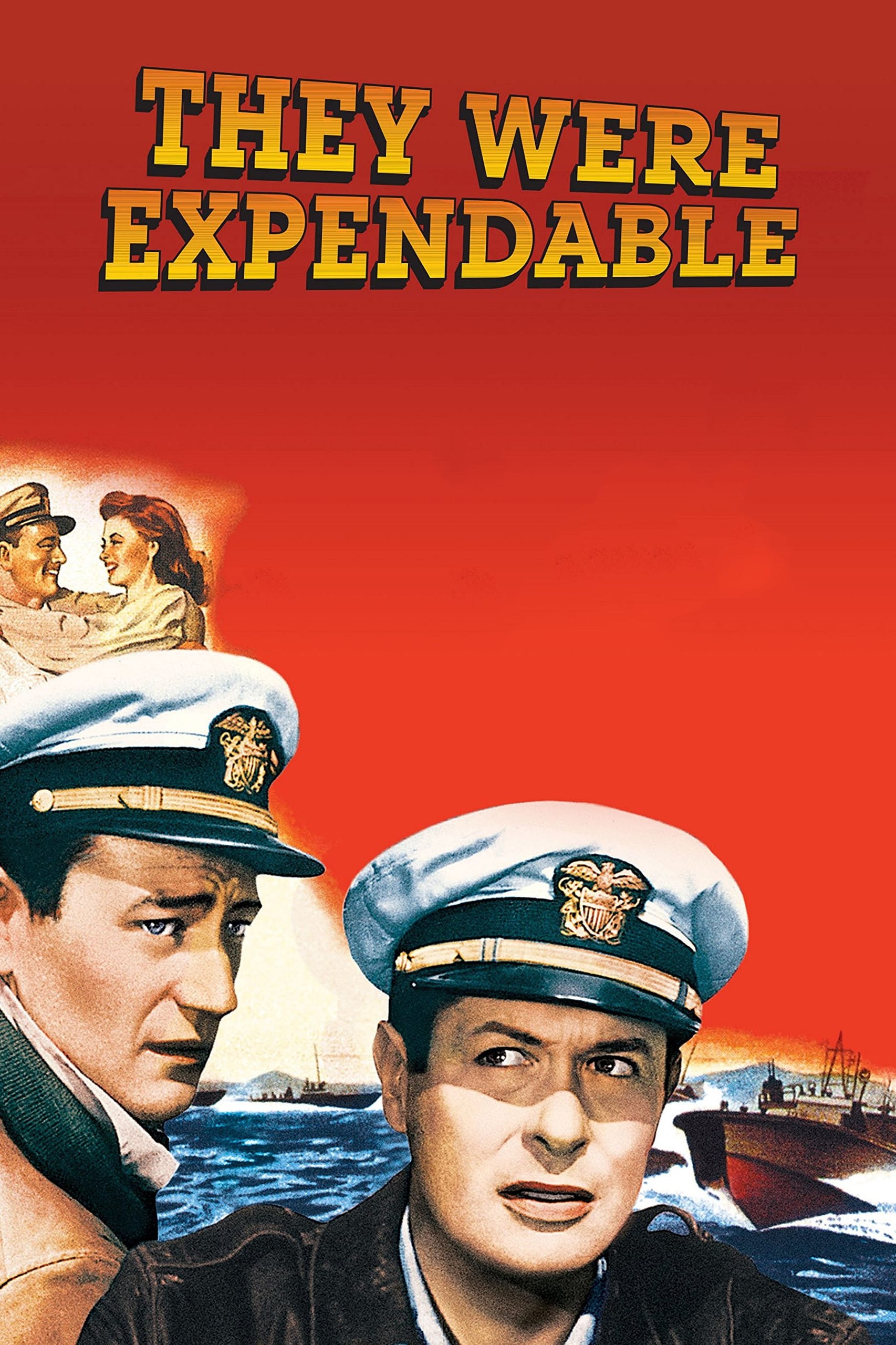
After a demonstration of new PT boats, Navy brass are still unconvinced of their viability in combat, leaving Lt. "Rusty" Ryan frustrated. After the attack on Pearl Harbor, however, Ryan and his buddy Lt. Brickley are told they can finally take their squadron into battle. The PT boats quickly prove their worth, successfully shooting down Japanese planes, relaying messages between islands, and picking off a multitude of enemy ships.
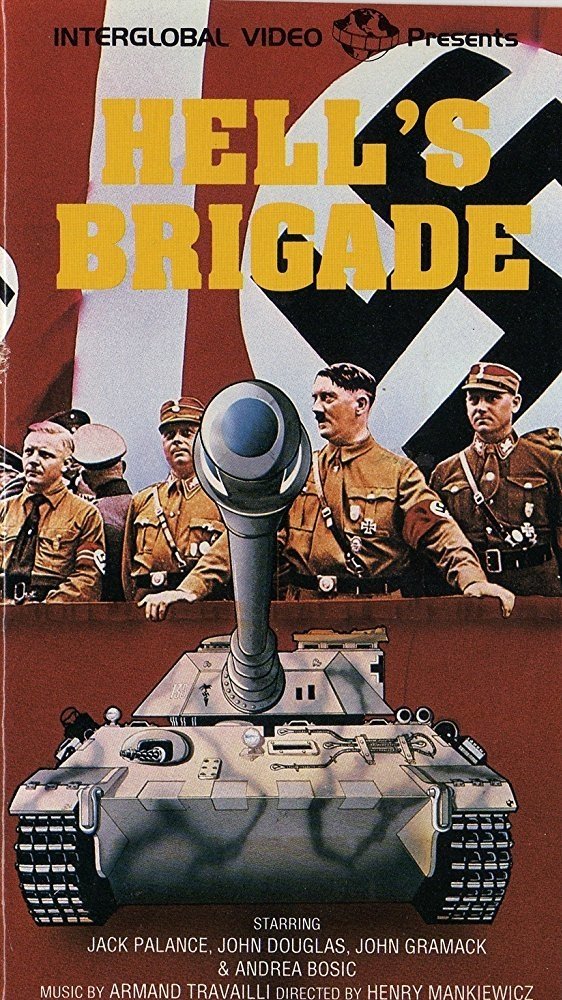
During World War II, a tough officer organizes a commando raid into Germany.
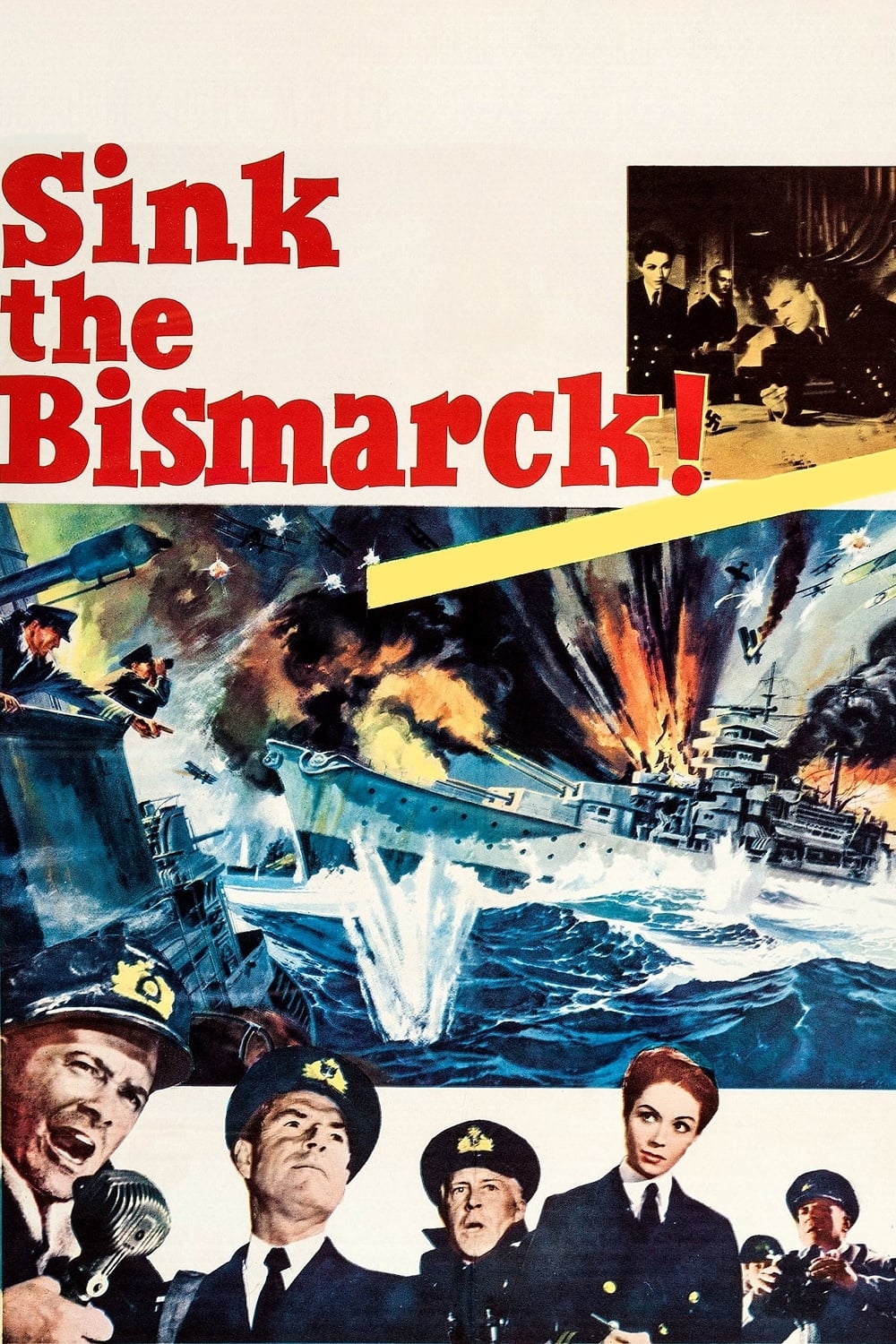
The story of the breakout of the German battleship Bismarck—accompanied by the heavy cruiser Prinz Eugen—during the early days of World War II. The Bismarck and her sister ship, Tirpitz, were the most powerful battleships in the European theater of World War II. The British Navy must find and destroy Bismarck before it can escape into the convoy lanes to inflict severe damage on the cargo shipping which was the lifeblood of the British Isles. With eight 15 inch guns, it was capable of destroying every ship in a convoy while remaining beyond the range of all Royal Navy warships.
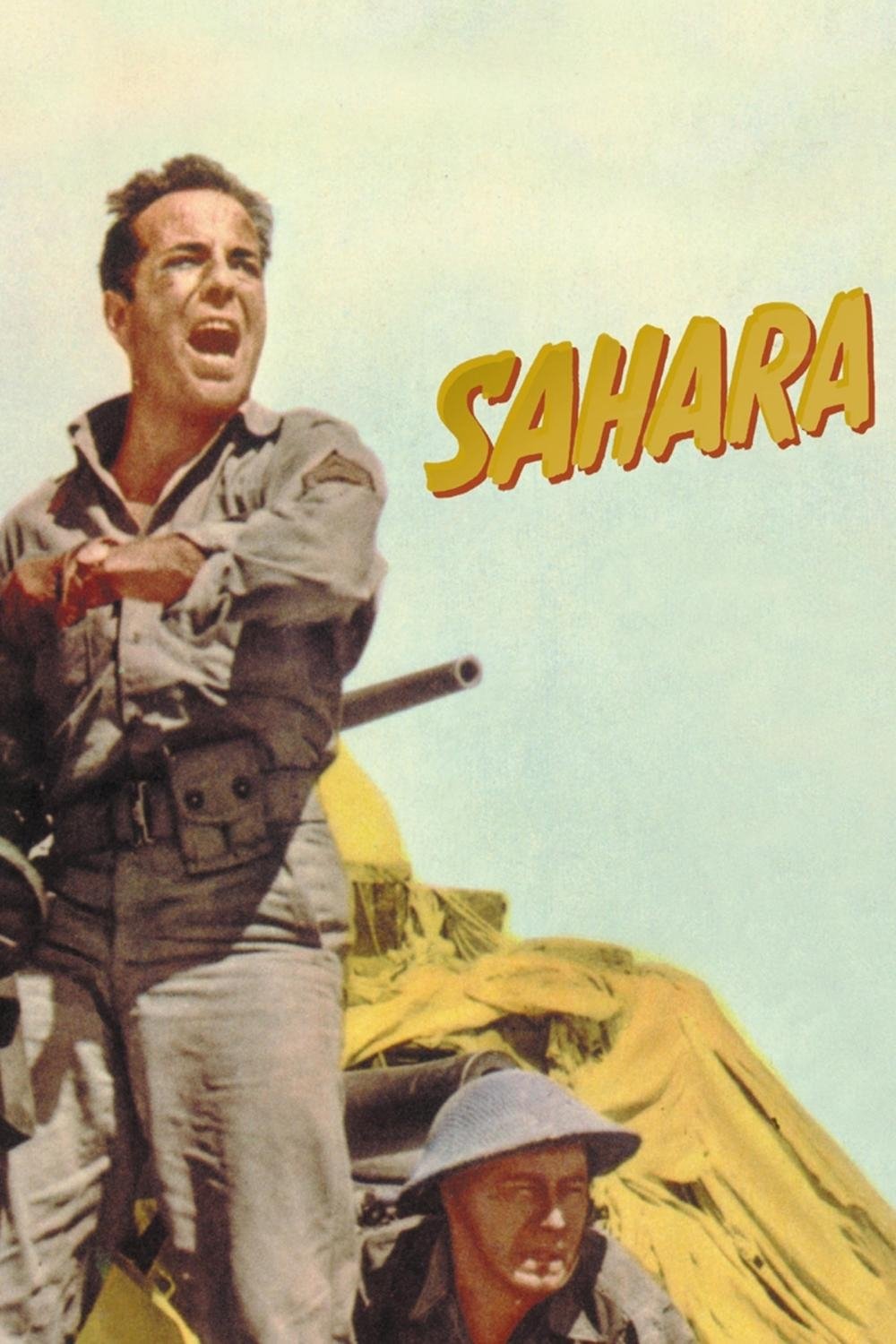
In Libya, an American tank commander, along with a handful of Allied soldiers, tries to defend an isolated well with a limited supply of water from a German Afrika Korps battalion during the Western Desert Campaign of World War II.
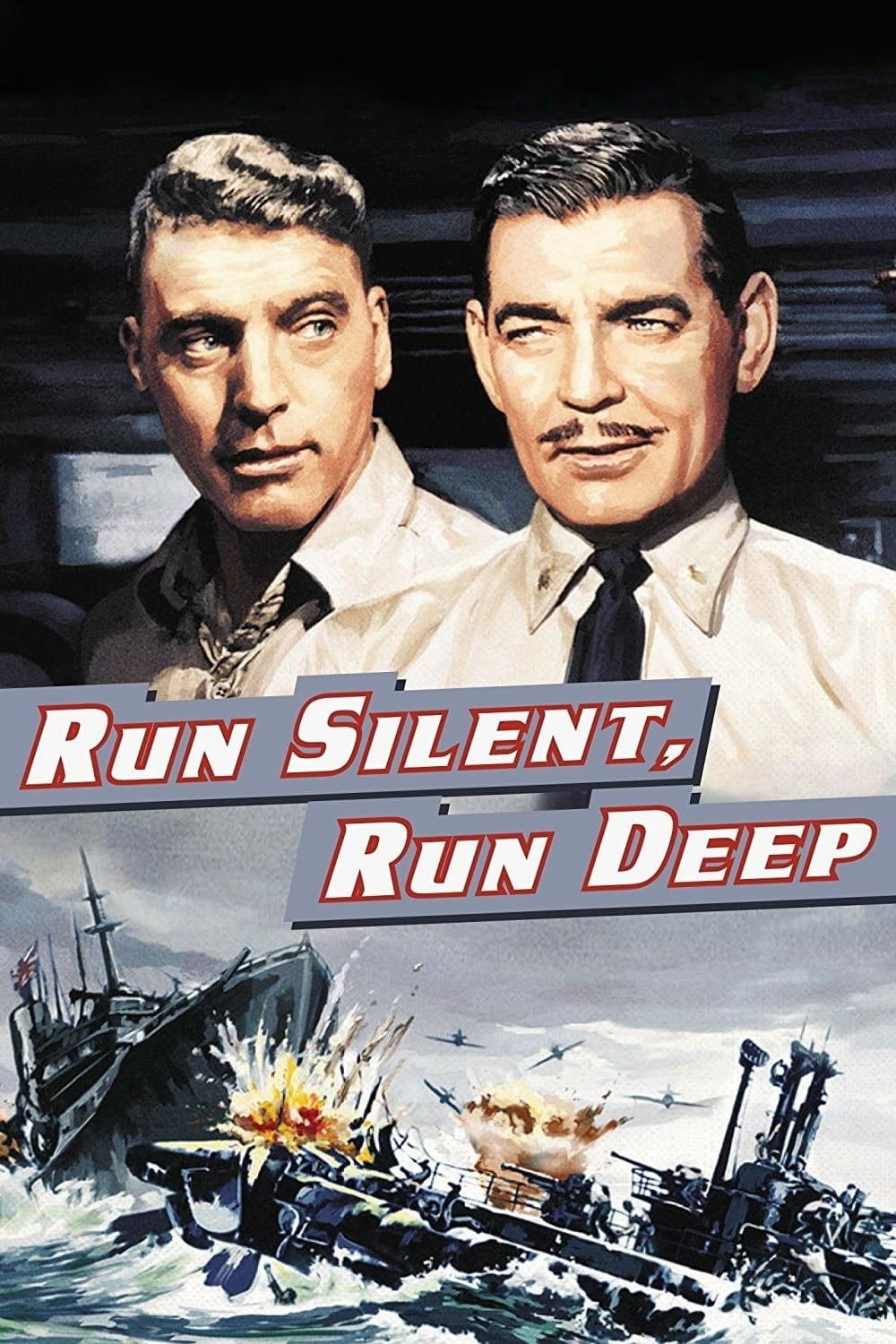
The captain of a submarine sunk by the Japanese during WWII is finally given a chance to skipper another sub after a year of working a desk job. His singleminded determination for revenge against the destroyer that sunk his previous vessel puts his new crew in unneccessary danger.
Gilda Bessé shares her Paris apartment with an Irish schoolteacher, Guy Malyon, and Mia, a refugee from Spain. As the world drifts toward war, Gilda defiantly pursues her hedonistic lifestyle and her burgeoning career as a photographer. But Guy and Mia feel impelled to join the fight against fascism, and the three friends are separated.
How the Soviet Union was able to copy the Boeing B-29 Superfortress bomber, and the influence of the resulting Tupolev TU-4 on the Cold War.
A U.S. Army colonel leads local fighters in a guerrilla campaign against the Japanese in the Philippines.
Nostalgic comic drama in which Cyril and Amos, two veterans of the Normandy landings, return to France to visit the grave of their wartime buddy. They encounter Waldo, an American on a similar mission, and the meeting sparks memories of an old girlfriend from the past. With the mysterious American lady Lisa in their wake, Cyril and Waldo decide to try and track her down.
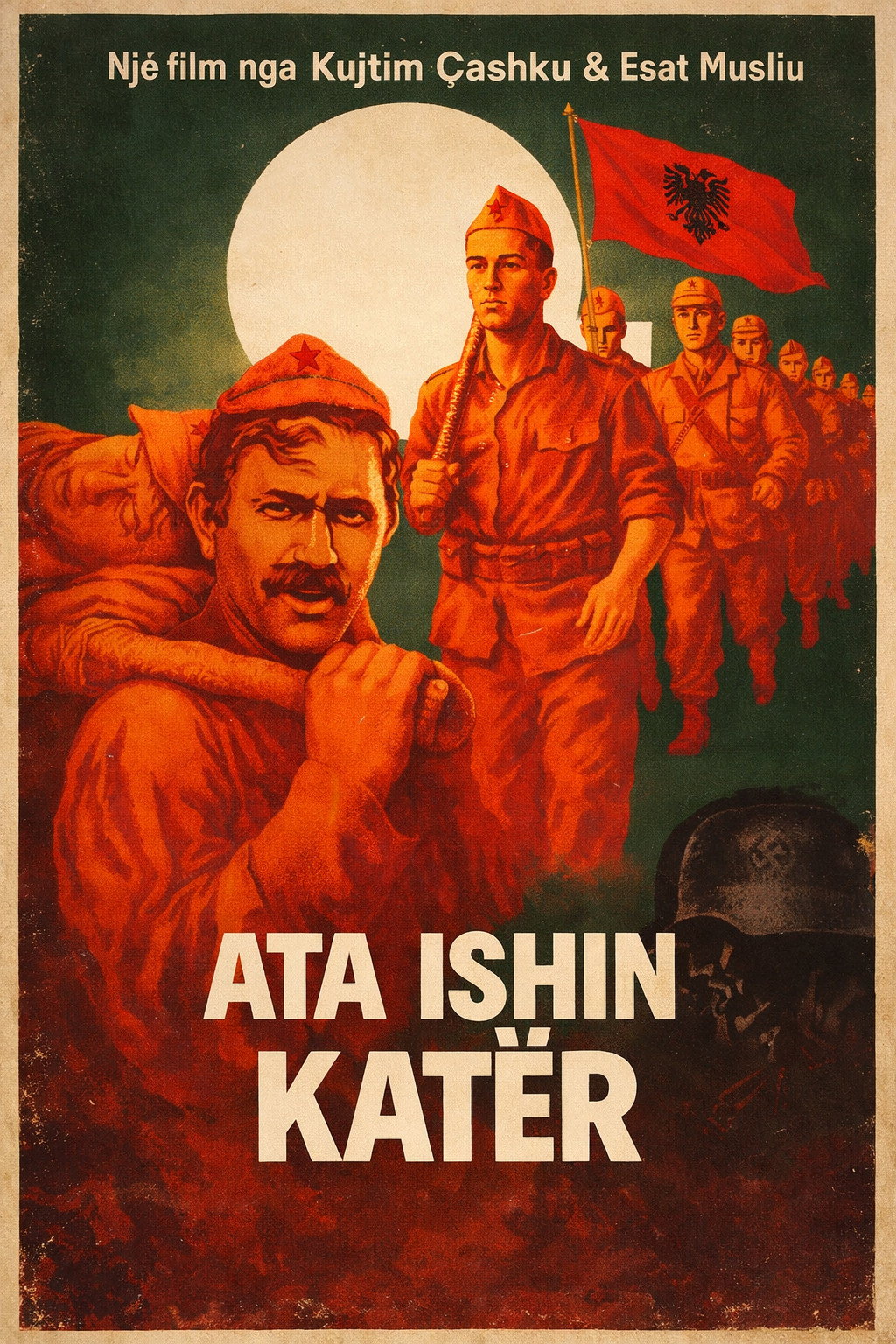
Film set in three different times. In the beginning, Miti is killed while defending his land. Then, the film focuses on his son Gjergji who fights against the Italian forces. In the end, the land is redistributed by the agrarian reform.
Four partisans are tasked with delivering a song to the Congress of Përmet.
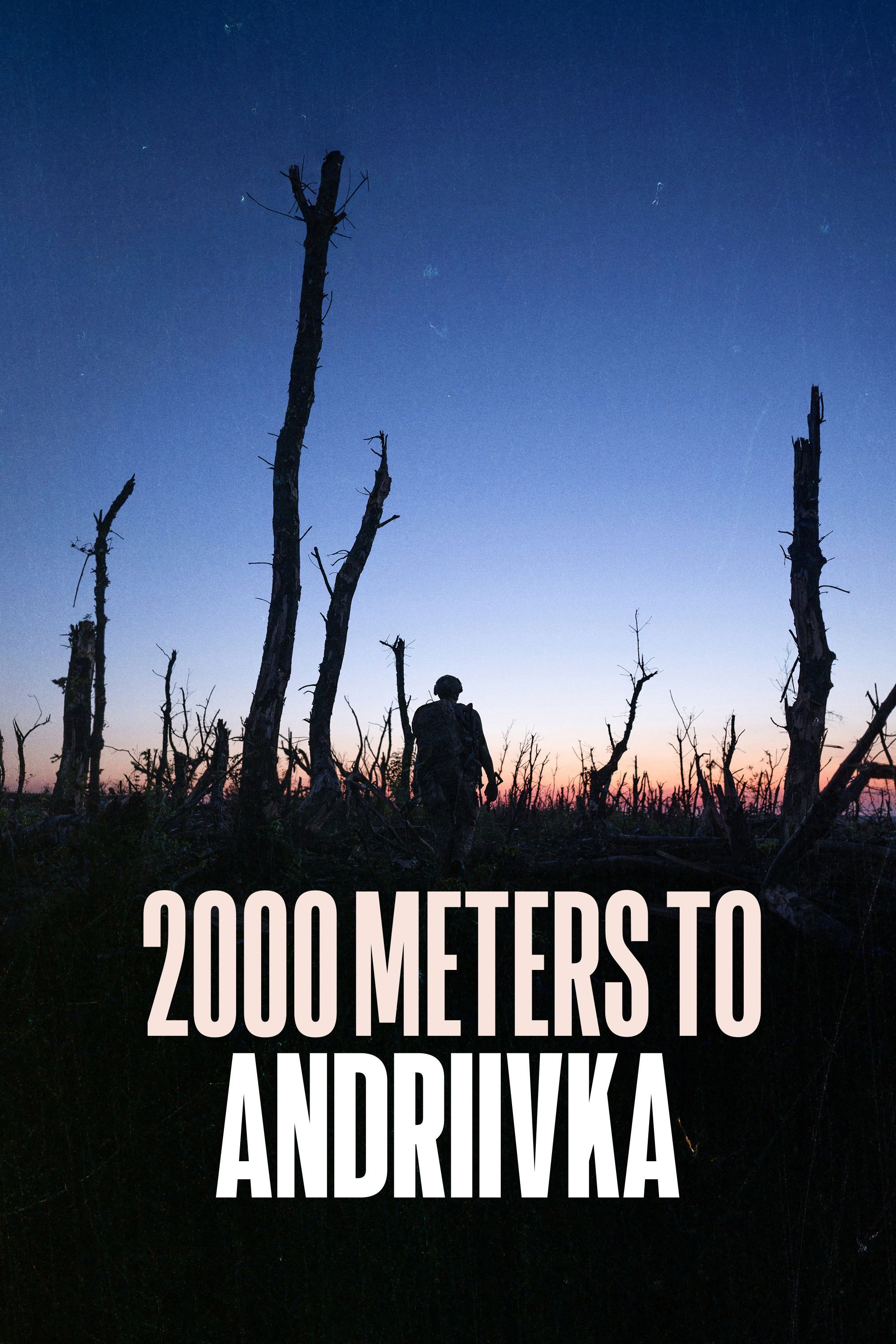
Amid the failing counteroffensive, a journalist follows a Ukrainian platoon on their mission to traverse one mile of heavily fortified forest and liberate a strategic village from Russian occupation. But the farther they advance through their destroyed homeland, the more they realize that this war may never end.
Prelude to War was the first film of Frank Capra's Why We Fight propaganda film series, commissioned by the Pentagon and George C. Marshall. It was made to convince American troops of the necessity of combating the Axis Powers during World War II. This film examines the differences between democratic and fascist states.
“The Soviet Story” is a story of an Allied power, which helped the Nazis to fight Jews and which slaughtered its own people on an industrial scale. Assisted by the West, this power triumphed on May 9th, 1945. Its crimes were made taboo, and the complete story of Europe’s most murderous regime has never been told. Until now...
A documentary about World War I with never-before-seen footage to commemorate the centennial of Armistice Day, and the end of the war.
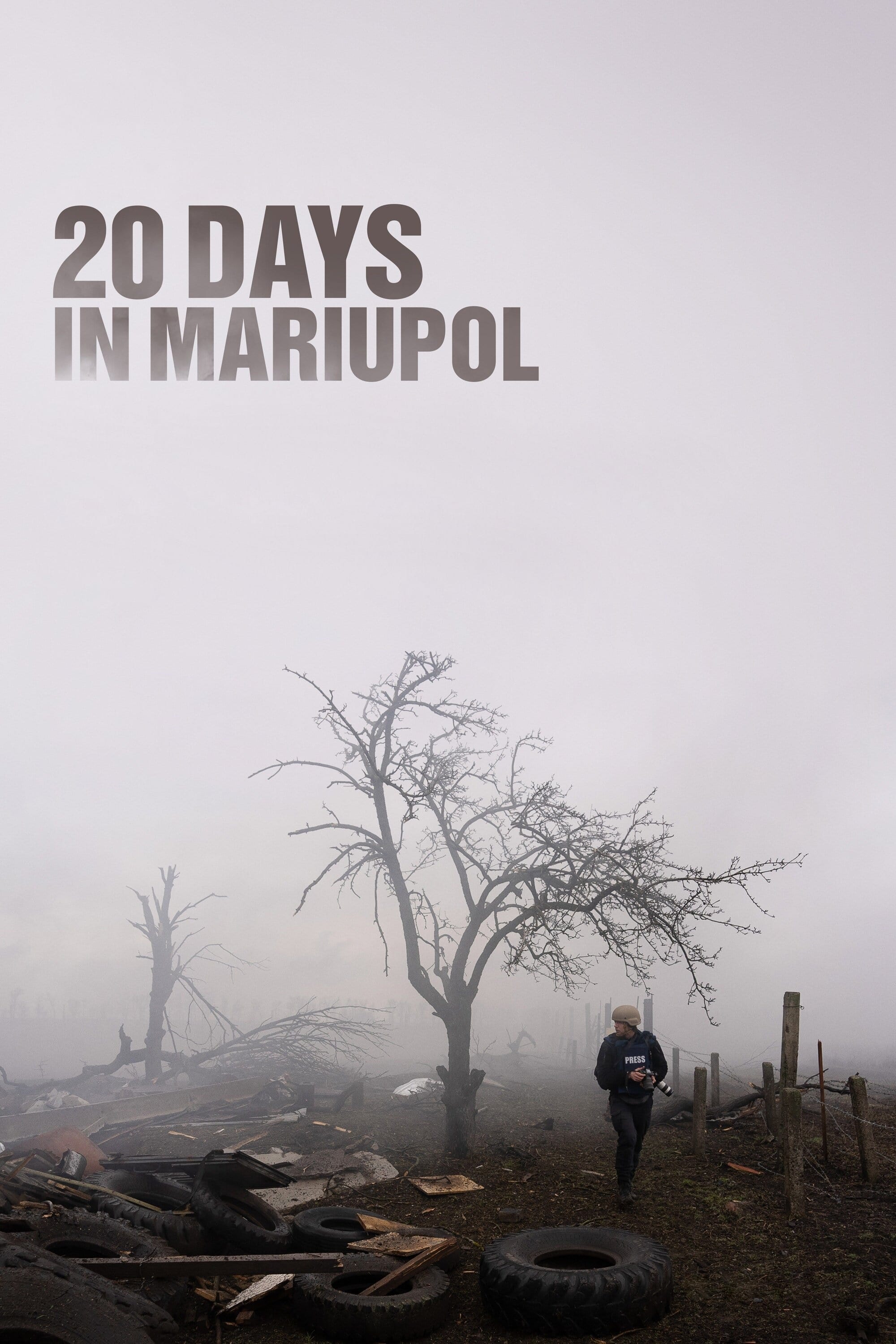
As the Russian invasion begins, a team of Ukrainian journalists trapped in the besieged city of Mariupol struggle to continue their work documenting the war's atrocities.
Meet the real-life airmen who inspired Masters of the Air as they share the harrowing and transformative events of the 100th Bomb Group.
A love letter from a young mother to her daughter, the film tells the story of Waad al-Kateab’s life through five years of the uprising in Aleppo, Syria as she falls in love, gets married and gives birth to Sama, all while cataclysmic conflict rises around her. Her camera captures incredible stories of loss, laughter and survival as Waad wrestles with an impossible choice– whether or not to flee the city to protect her daughter’s life, when leaving means abandoning the struggle for freedom for which she has already sacrificed so much.
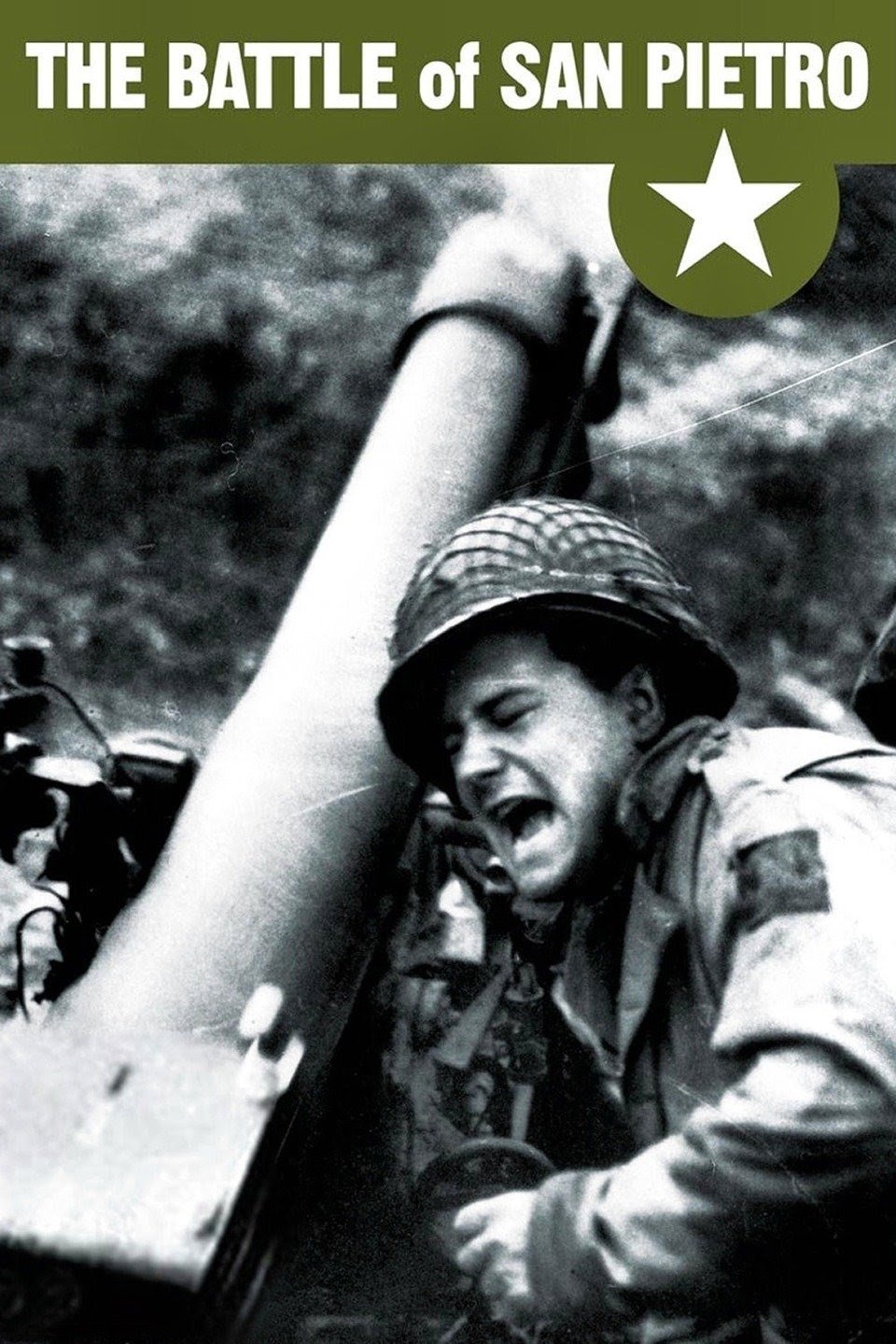
This documentary movie is about the battle of San Pietro, a small village in Italy. Over 1,100 US soldiers were killed while trying to take this location, that blocked the way for the Allied forces from the Germans. Preserved by the Academy Film Archive in 2005.
Korengal picks up where Restrepo left off; the same men, the same valley, the same commanders, but a very different look at the experience of war.
Over a period of two years, Mark Cowen and his crew travelled to thirty U.S. states and ten European cities, to interview the veterans of Easy Company. The stories told by the veterans themselves, create a history of the Second World War from the point of view of this heroic company of men, made famous in the mini-series Band of Brothers.
Documentary about war photographer James Nachtwey, considered by many the greatest war photographer ever.
A keen chronicle of the unlikely rise to power of Adolf Hitler (1889-1945) and a dissection of the Third Reich (1933-1945), but also an analysis of mass psychology and how the desperate crowd can be deceived and shepherded to the slaughterhouse.
The extraordinary story of how Hollywood changed World War II – and how World War II changed Hollywood, through the interwoven experiences of five legendary filmmakers who went to war to serve their country and bring the truth to the American people: John Ford, William Wyler, John Huston, Frank Capra, and George Stevens. Based on Mark Harris’ best-selling book, “Five Came Back: A Story of Hollywood and the Second World War.”
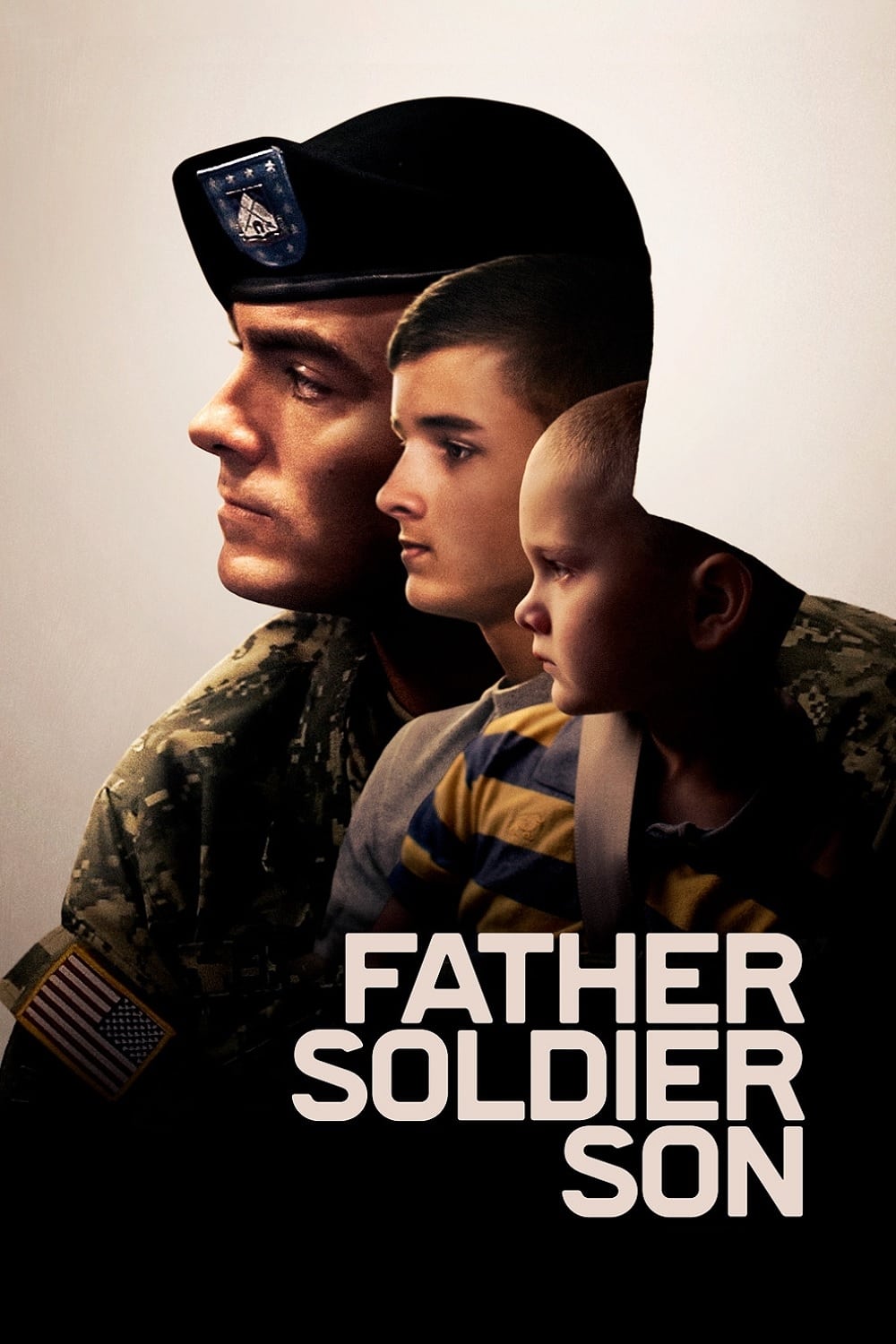
When Sgt. First Class Brian Eisch is critically wounded in Afghanistan, it sets him and his sons on a journey of love, loss, redemption and legacy.
In an intimate and joyful story of love in the face of loss, celebrated poets Andrea Gibson and Megan Falley find strength—and unexpected hilarity—in what might be their final year together.
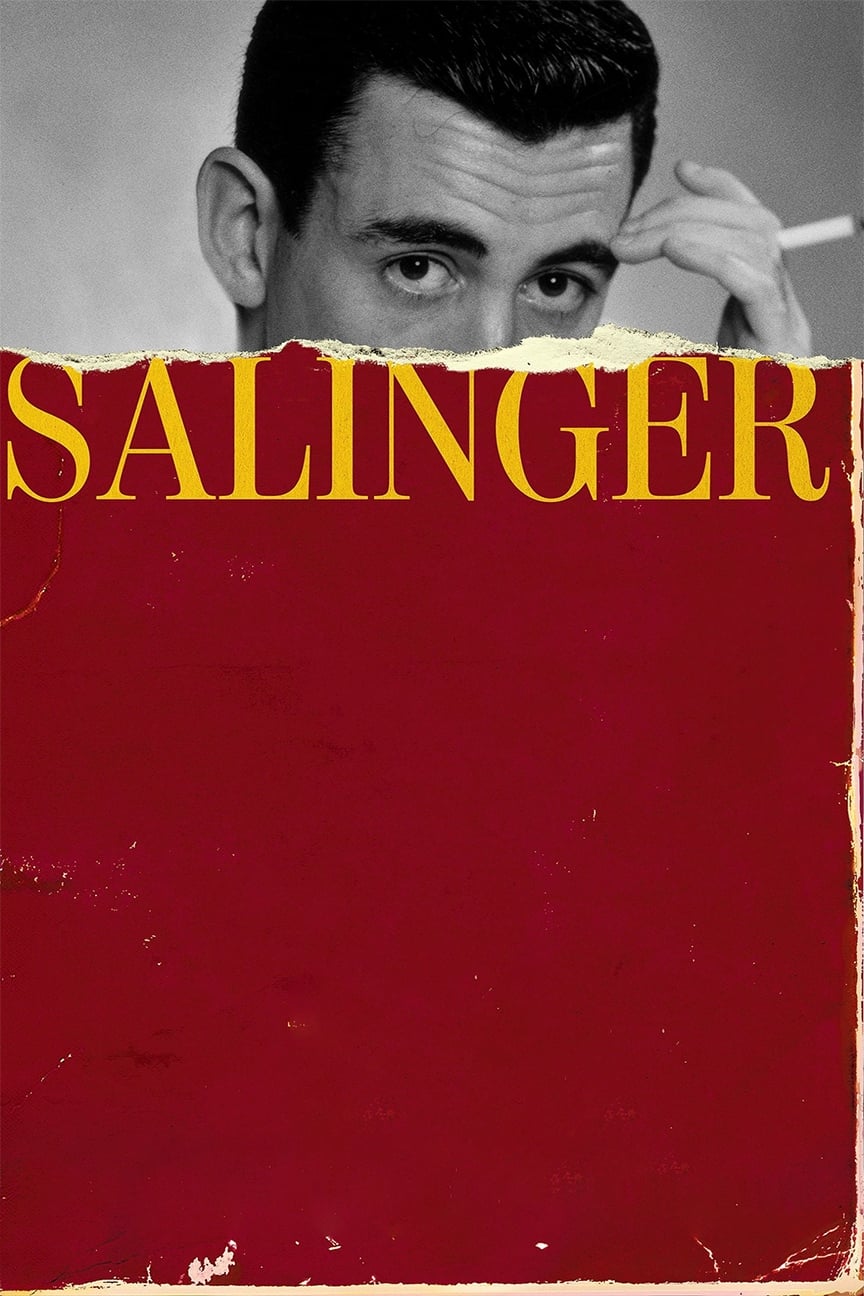
An in-depth investigation into the private world of the American writer J. D. Salinger (1919-2010), who lived most of his life behind the impenetrable wall of a self-imposed seclusion: how his dramatic experiences during World War II influenced his life and work, his relationships with very young women, his obsessive writing methods, his many literary secrets.
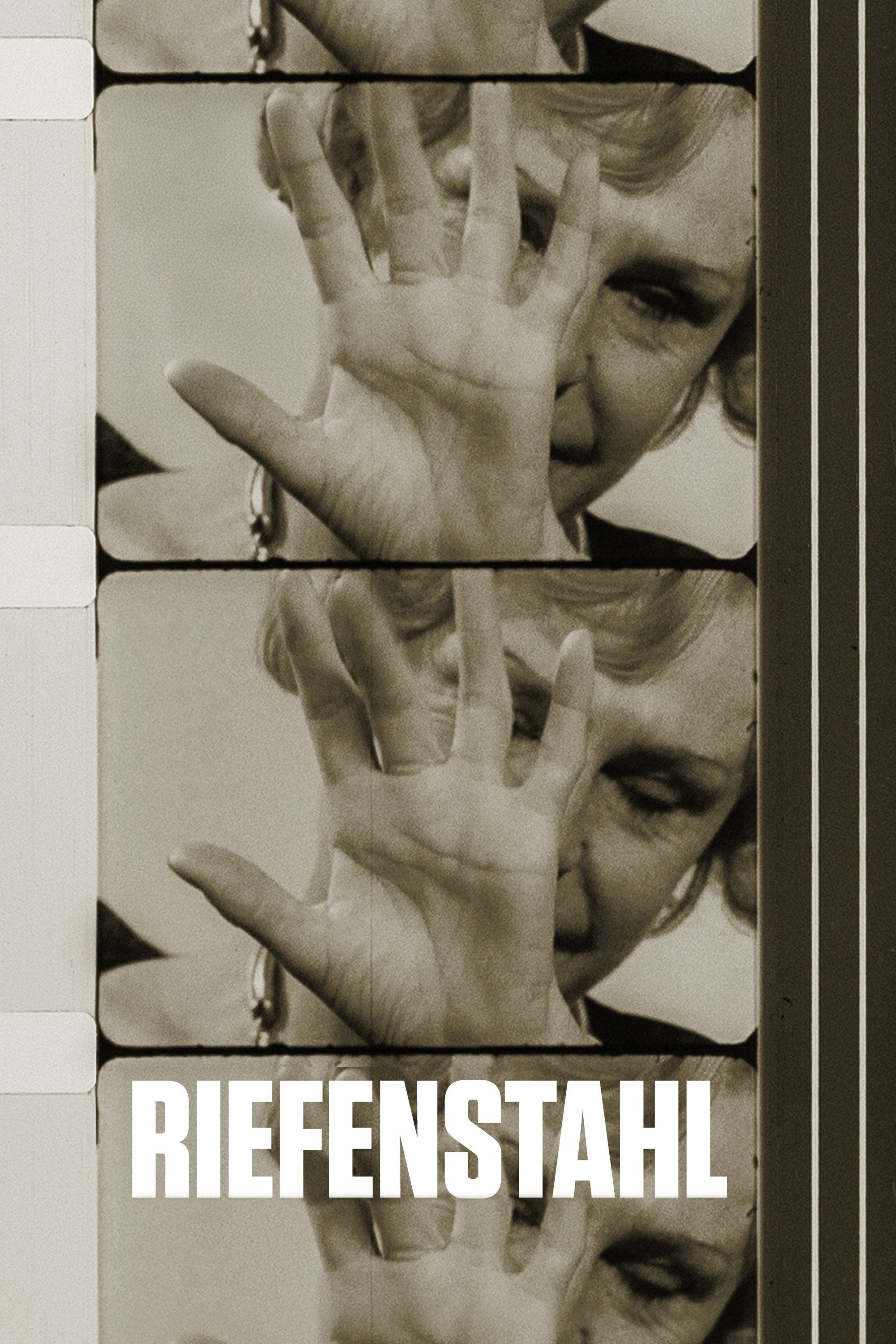
Explores Leni Riefenstahl's artistic legacy and her complex ties to the Nazi regime, juxtaposing her self-portrayal with evidence suggesting awareness of the regime's atrocities.
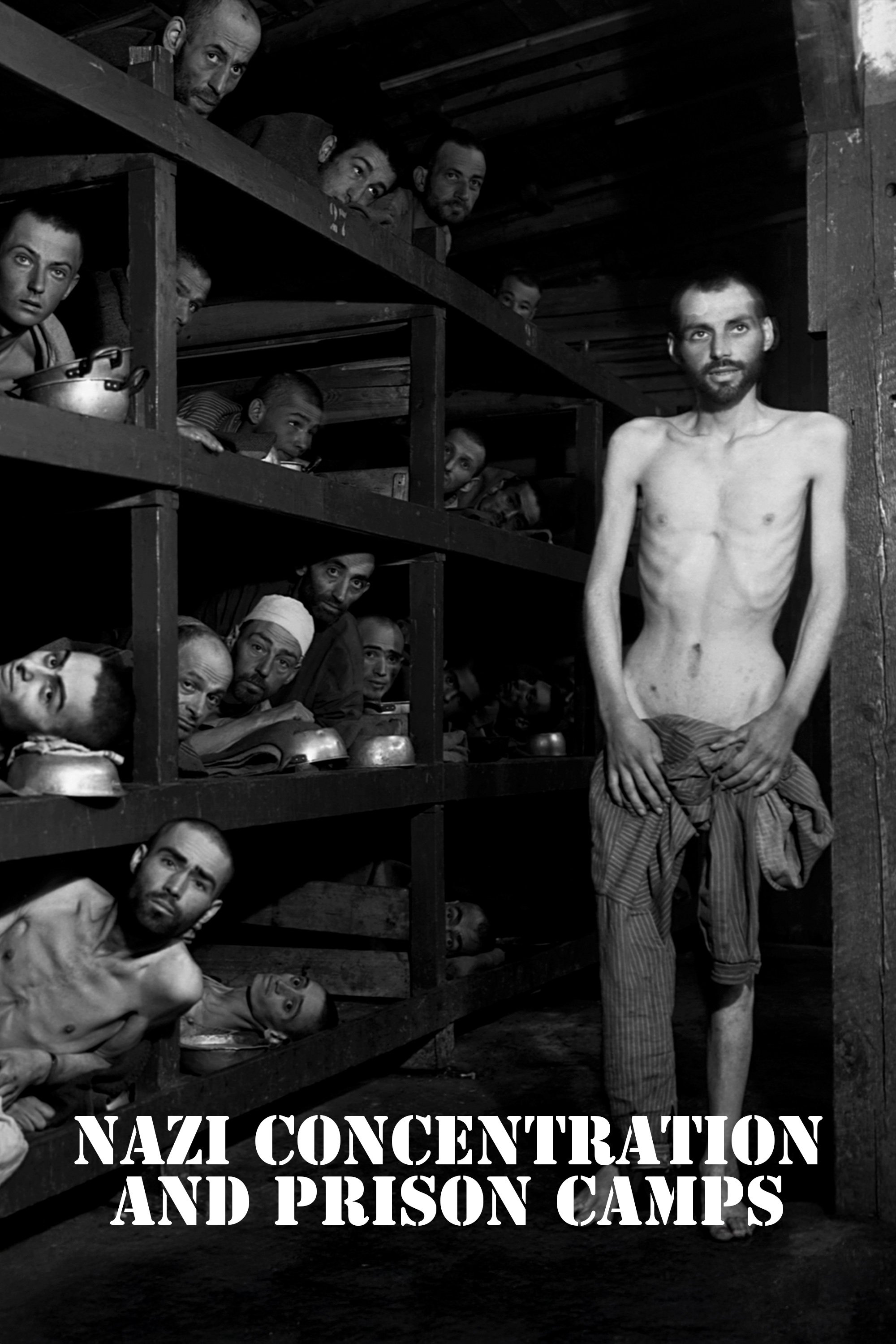
Produced and presented as evidence at the Nuremberg war crimes trial of Hermann Göring and twenty other Nazi leaders, this film consists primarily of dead and surviving prisoners and of facilities used to kill and torture during the World War II.
Those who knew iconic funnyman John Candy best share his story, in their own words, through never-before-seen archival footage, imagery, and interviews.
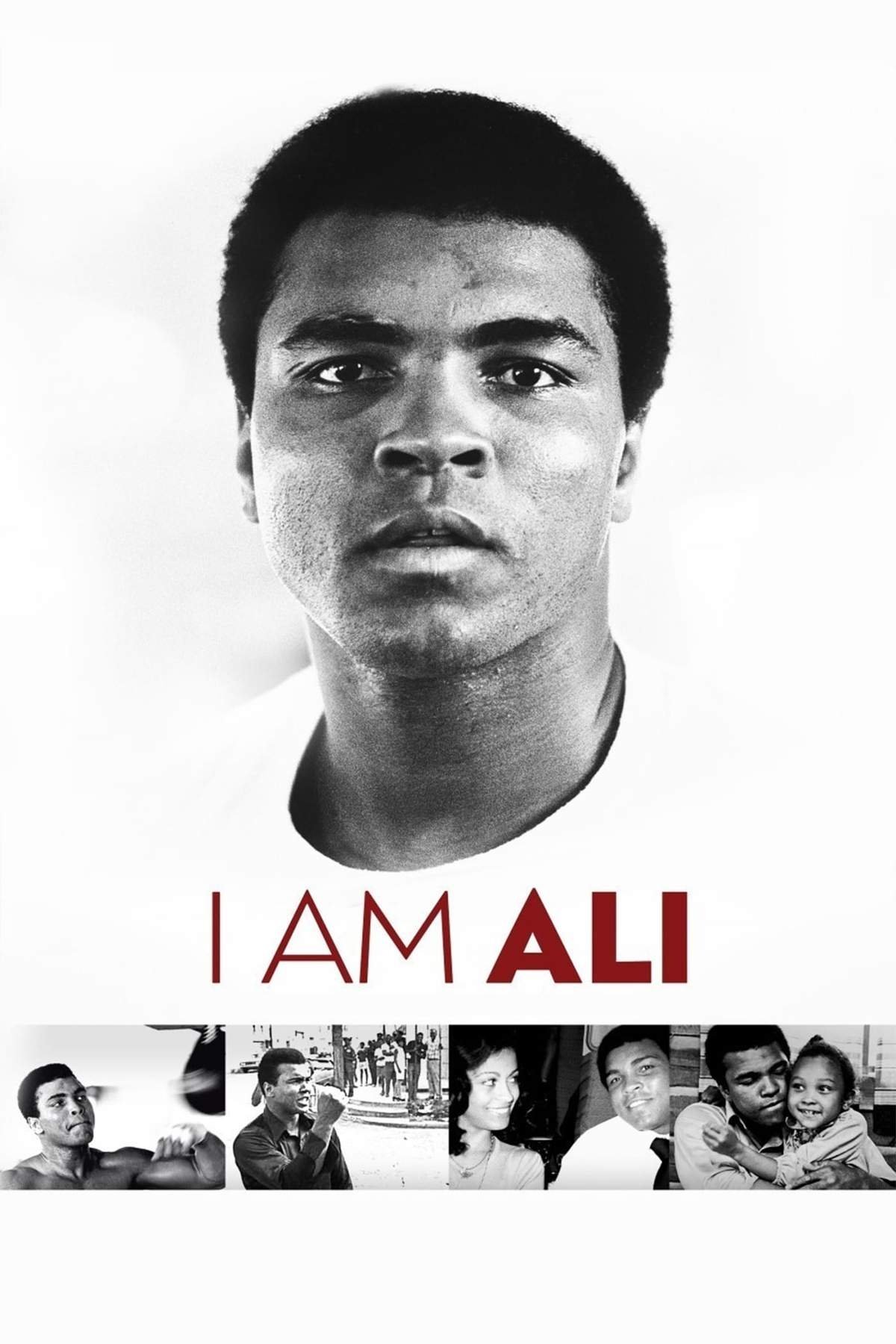
Unprecedented access to Muhammad Ali's personal archive of "audio journals" as well as interviews and testimonials from his inner circle of family and friends are used to tell the legend's life story.