Social & External
An in-depth interview with José Antonio Urrutikoetxea, known as Josu Ternera, one of the most relevant leaders of the terrorist gang ETA.
An attempt to create a bridge between the different political positions that coexist, sometimes violently, in the Basque Country, in northern Spain.
The history of the citizens' movement that for thirty years worked hard to overcome fear, fight hatred and eradicate the violence exercised by the savage terrorist gang ETA, both in the Basque Country and in the rest of Spain.
The chronicle of the process, ten long years, that led to the end of ETA (Euskadi Ta Askatasuna), a Basque terrorist gang that perpetrated robberies, kidnappings and murders in Spain and the French Basque Country for more than fifty years. Almost 1,000 people died, but others are still alive to tell the story of how the nightmare finally ended.
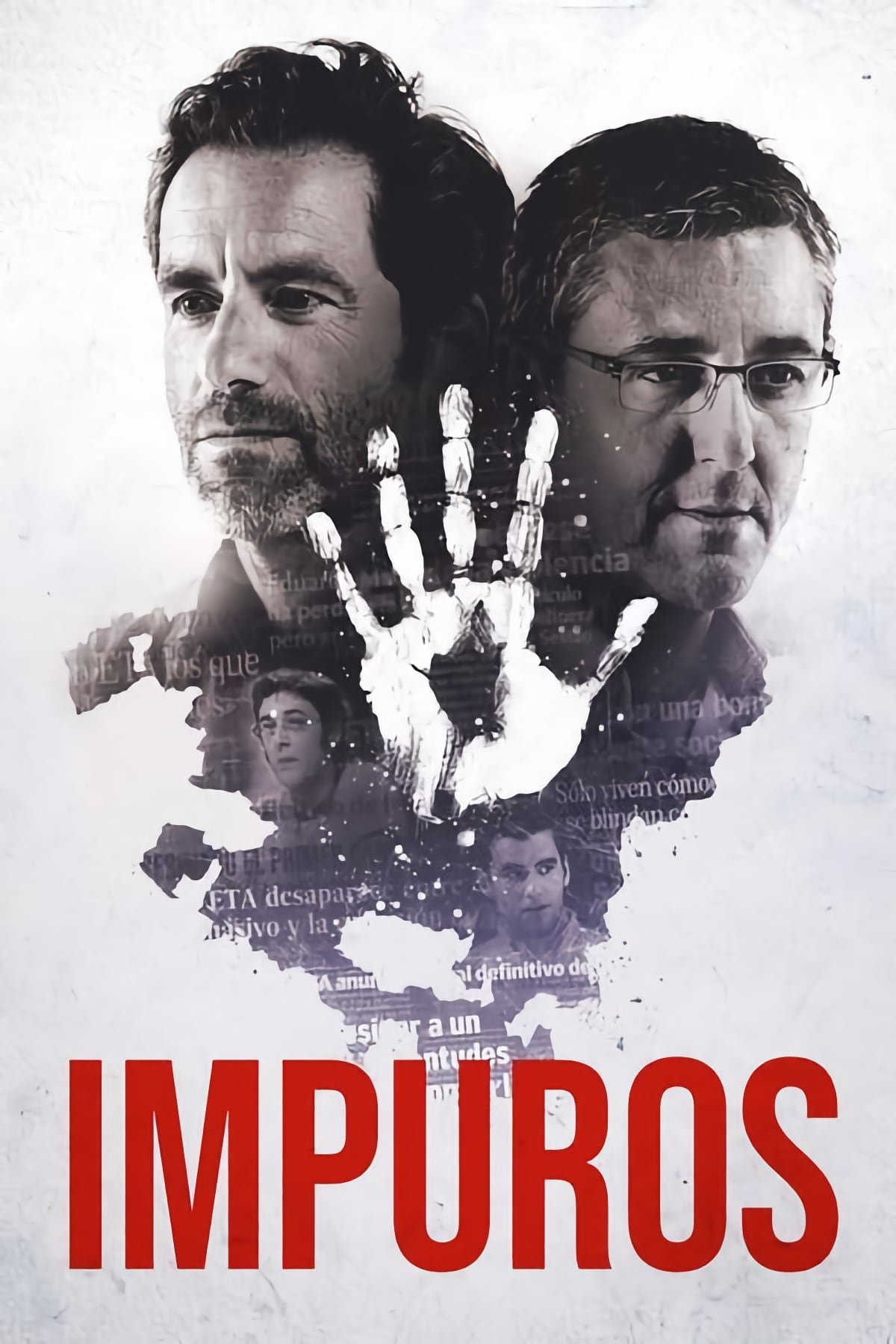
At just 17 years old, Eduardo Madina and Borja Semper decided to enter politics to defend freedom of thought in the Basque Country. This made them a target of the ETA terrorist group for almost two decades.
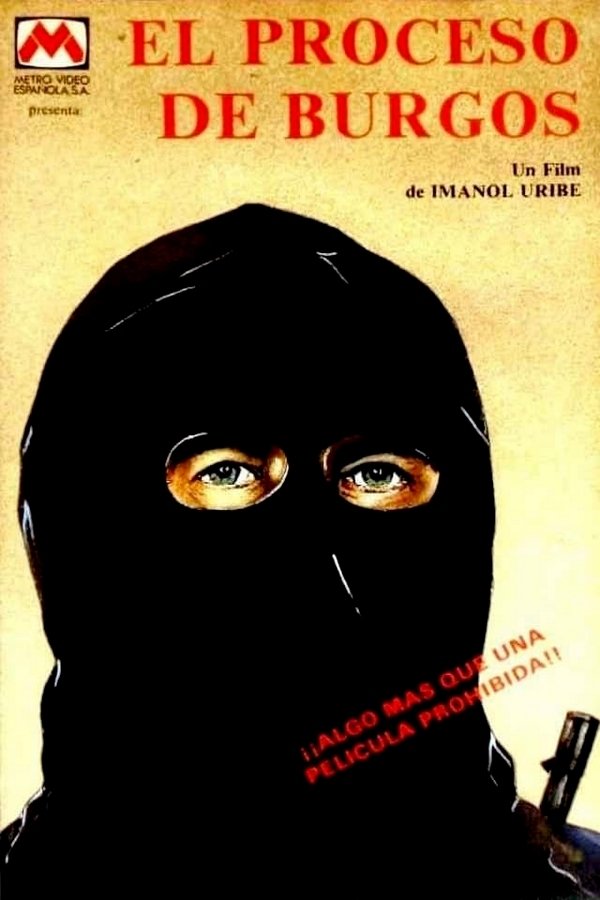
Documentary about the court martial held following the assassination of Melitón Manzanas, commissioner of the Political-Social Brigade of Guipúzcoa, in an attack carried out by ETA on August 2, 1968. The film includes a series of interviews and testimonies from those imprisoned and prosecuted in that court martial. Following the attack, a state of emergency was declared in Guipúzcoa and hundreds of people were arrested.
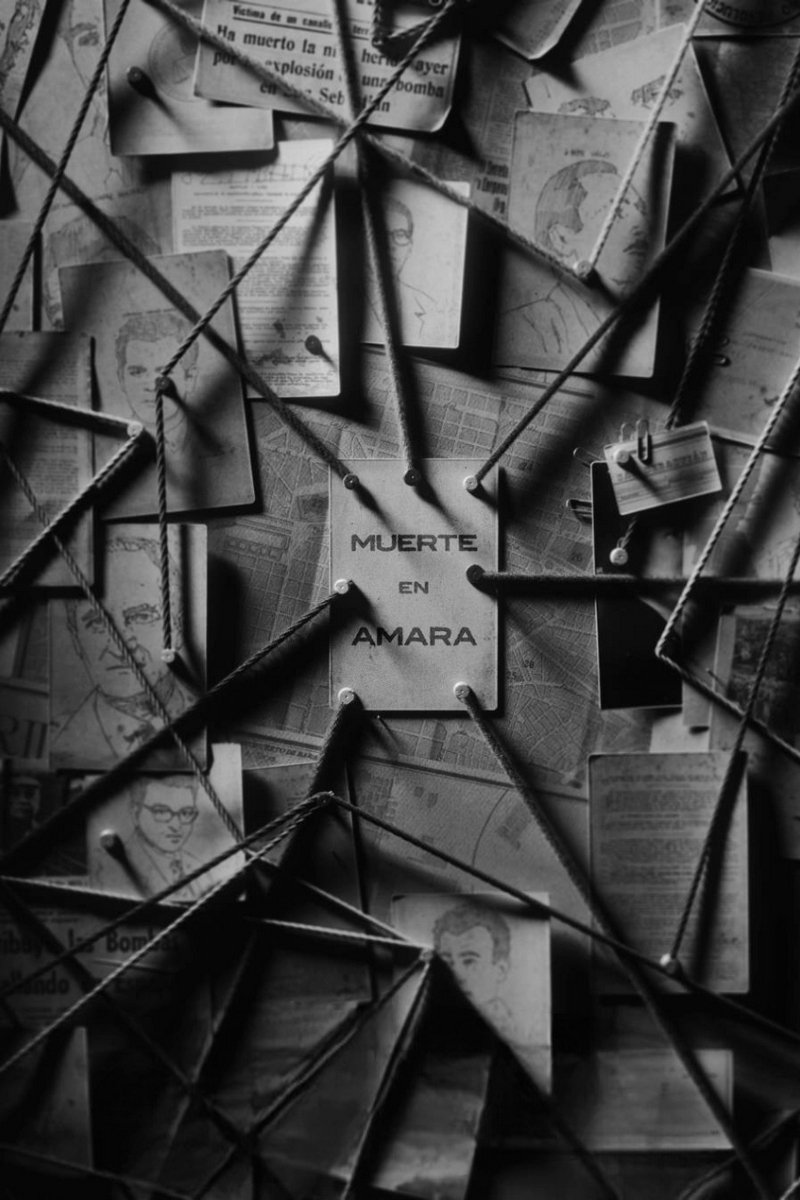
San Sebastian, Basque Country, Spain, June 27, 1960. A bomb explodes at the Amara train station. Begoña, a child of only twenty months, dies a few hours later as a result of the injuries sustained in the attack.
The relatives of the victims of the terrorist gang ETA speak of their suffering, their fear, their loneliness; of the systematic oblivion to which they are subjected by Basque society, both by those who remain silent and look the other way and by those who, accomplices of the criminals, share their repugnant ideology and celebrate extortion, kidnapping and murder, thus contributing to perpetuating a bloody reign of terror.
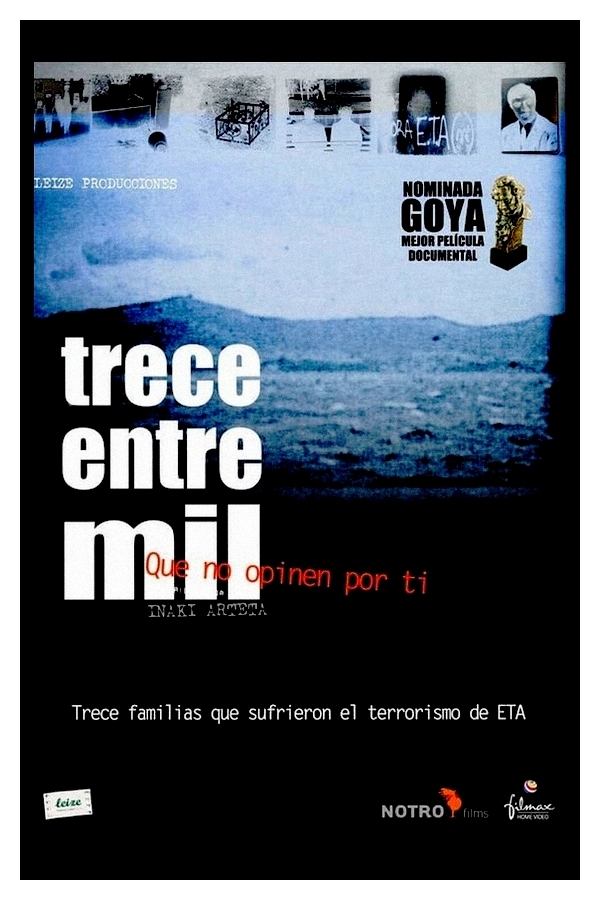
The abject crimes of the terrorist gang ETA have marked the lives of many Spaniards; men, women and children who were silenced, harassed, persecuted, finally murdered. Thirteen stories, thirteen tragedies, just thirteen among thousands.
This documentary updates the life experiences of victims of ETA terrorist activity, twenty years after the multi-award-winning documentary Sin libertad (Without Freedom, 2001). With an experimental intent, it seeks to link the present and the future through five young journalism students in their twenties who have not experienced ETA terrorism and are responsible for interviewing the victims.
Basque Country, Spain. No one seems to know them. Some glances avoid theirs. Their social circle becomes smaller and smaller. They live under escort, watched by those who protect them and by those who threaten them: it is the experience of living in the shadow of ETA, a savage terrorist gang of unscrupulous criminals… of merely existing under the yoke of those who tomorrow could be their executioners.
The personal stories lived by the Uncle, the Father and the Son, respectively, form a tragic experience that is drawn along a line in time. This line is comparable to a crease in the pages of the family album, but also to a crack in the walls of the paternal house. It resembles the open wound created when drilling into a mountain, but also a scar in the collective imaginary of a society, where the idea of salvation finds its tragic destiny in the political struggle. What is at the end of that line? Will old war songs be enough to circumvent that destiny?
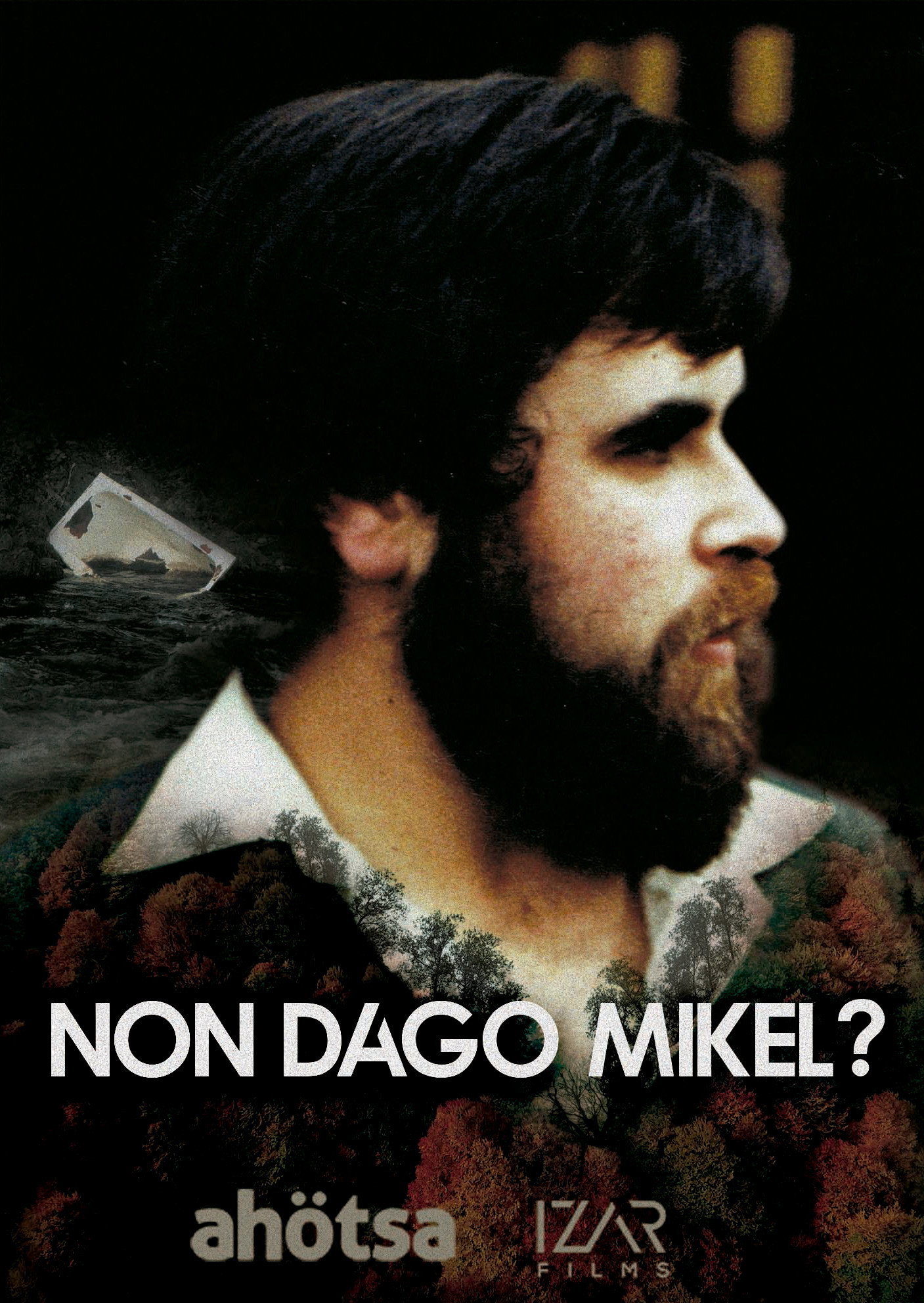
Donostia-San Sebastián, Basque Country, Spain, November 26th, 1985, at night. Mikel Zabalza, a young bus driver, is arrested along with other people by the Guardia Civil as part of an operation against the ruthless terrorist gang ETA. When the other detainees are released, they denounce that they have been brutally tortured in the Intxaurrondo facilities. Besides, Mikel is not among them: Mikel has disappeared.
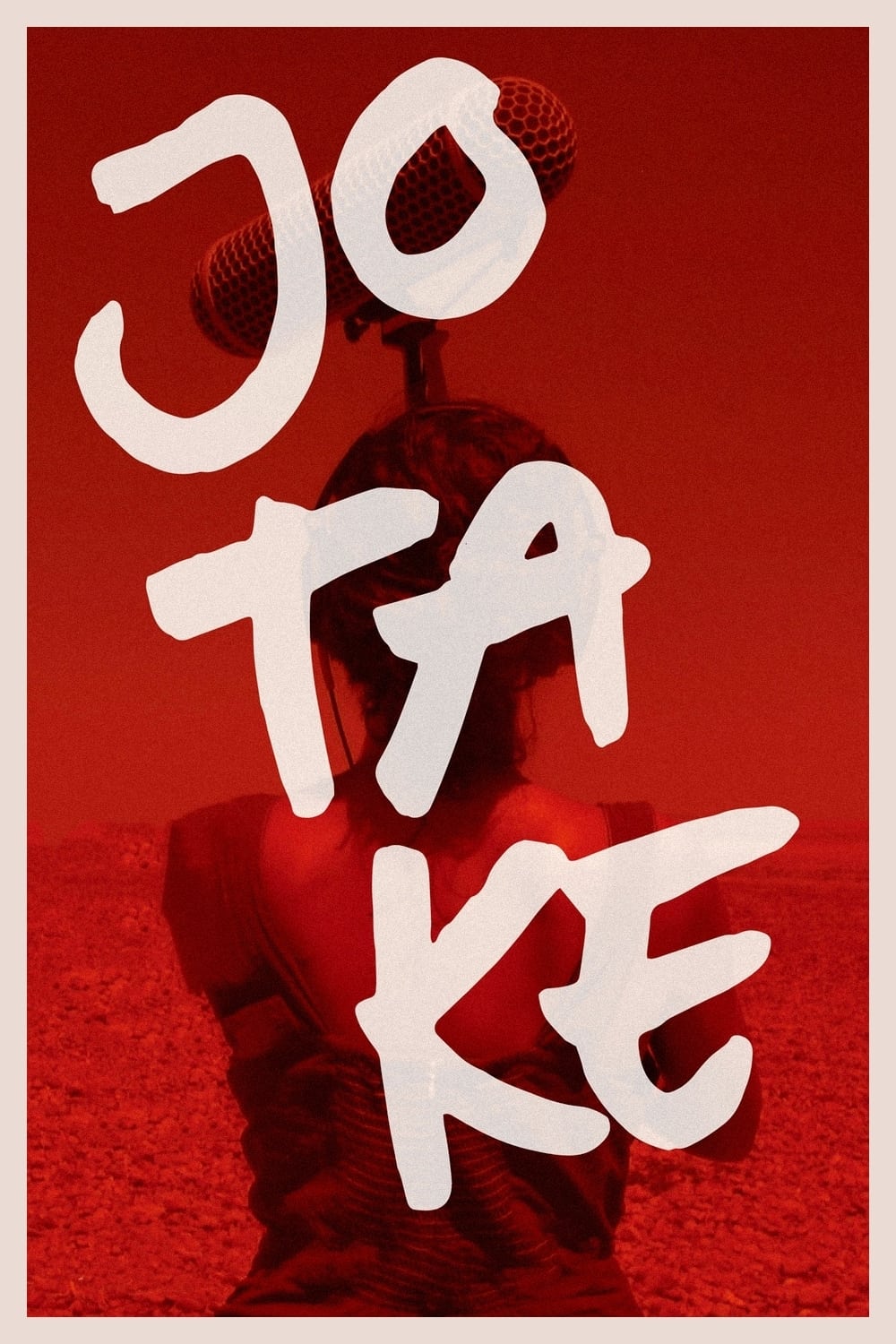
Province of Ciudad Real, Spain, December 29, 1990. During the annual march to the Herrera de la Mancha prison, held in support of the members of the terrorist gang ETA imprisoned there, the Basque rock band Negu Gorriak holds a concert, which is recorded, edited on video and turned into a tool of vindication. Decades later, a film crew tries to elaborate a personal essay around this event and its meaning.
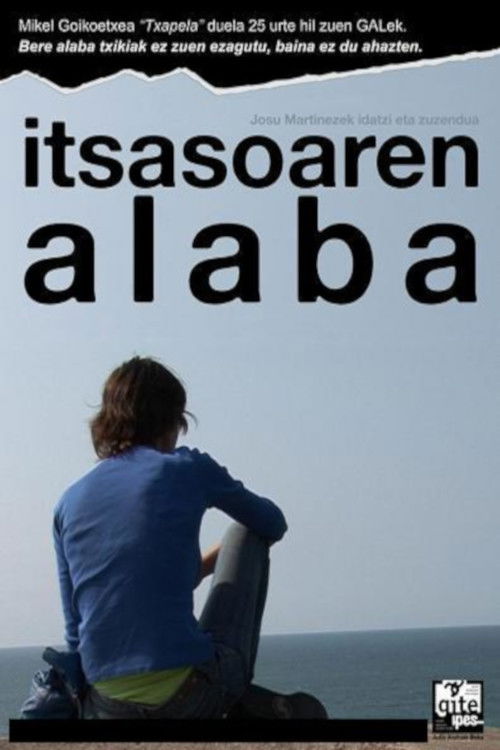
Before she turned two, Haize's father, Mikel Goikoetxea, a member of ETA nicknamed 'Txapela', was killed by the GAL. With no recollection of the man whatsoever, 25 years down the line she starts asking questions. Piecing together the testimonies of those who knew him, Haize gradually discovers her father and his time.
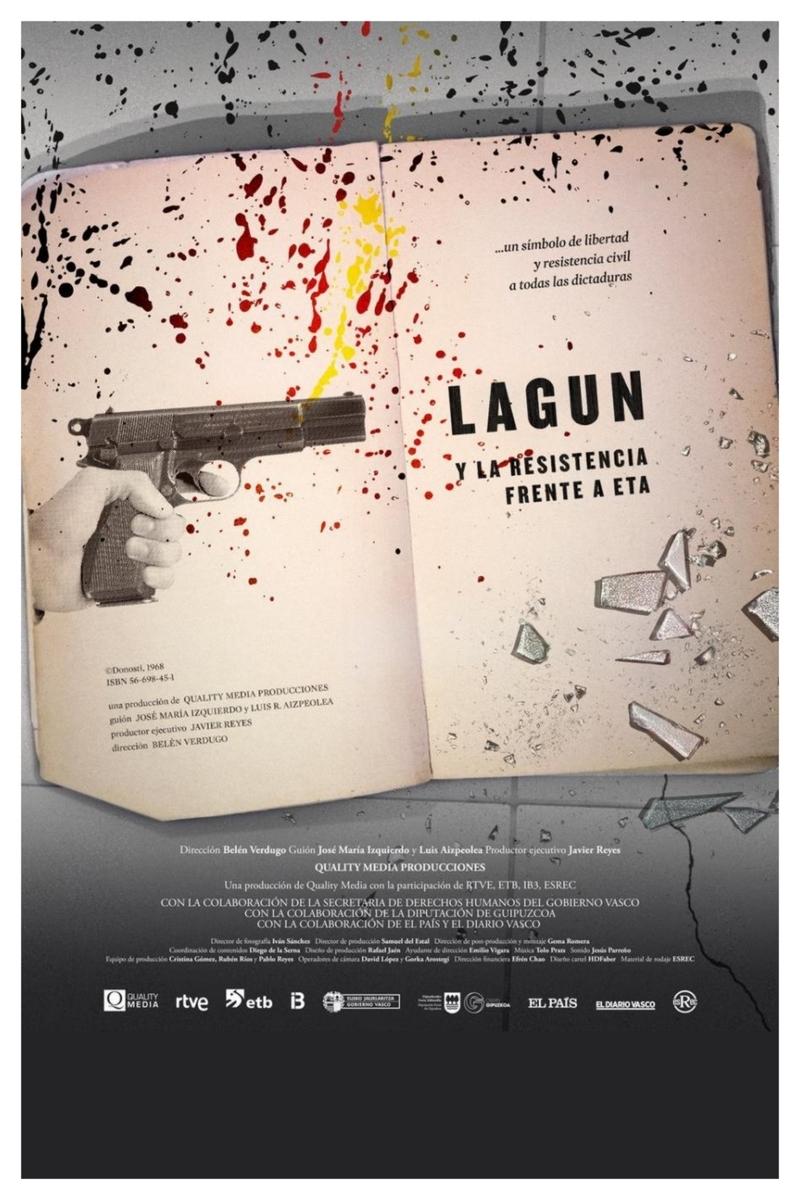
The turbulent story of the Lagun bookstore — located in San Sebastián, in the Basque Country, Spain — is a powerful tale of courage, resistance and struggle; first against the Franco dictatorship, then against the terrorist gang ETA and its numerous and sinister acolytes.
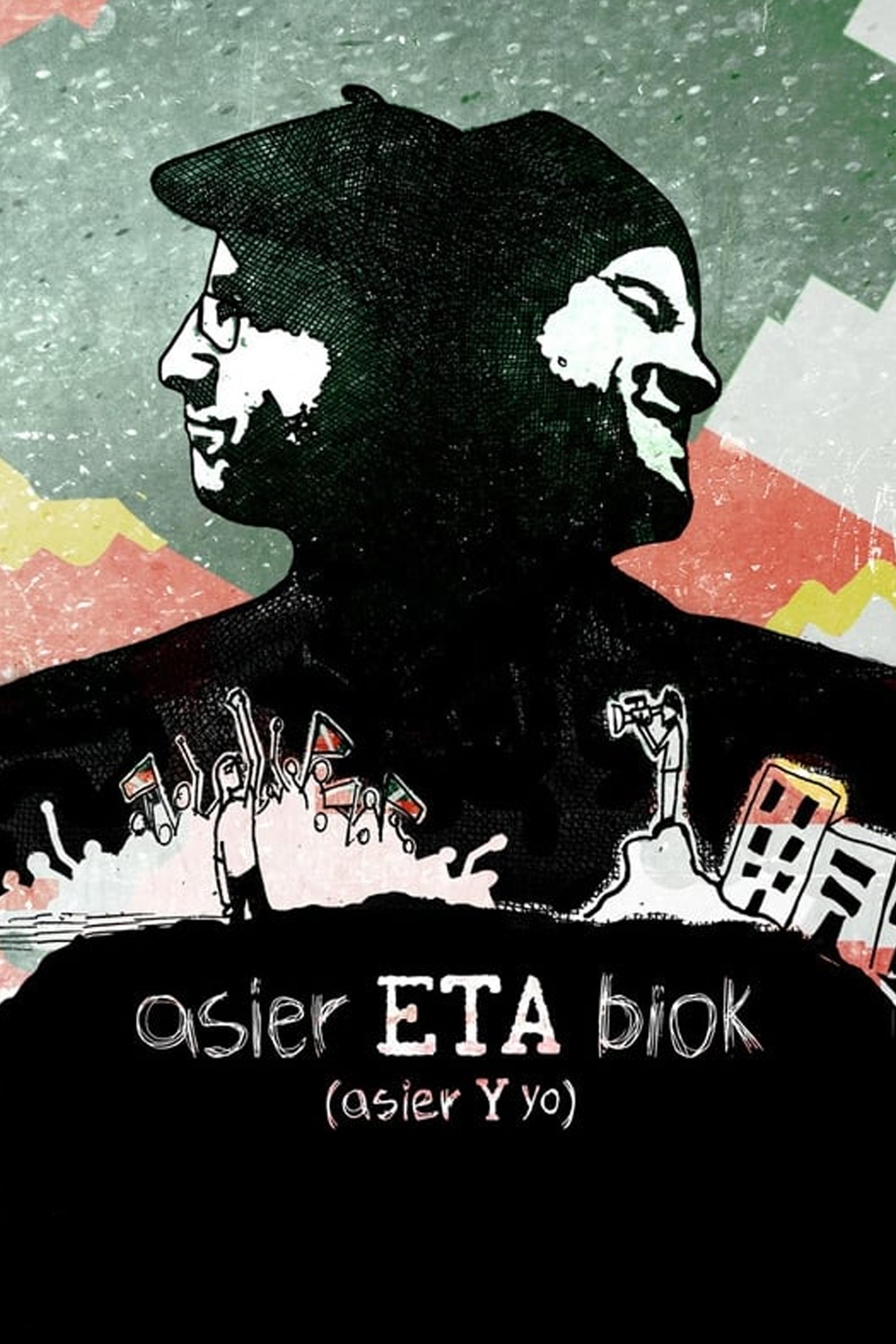
Asier and I grew up in the Basque Country. But one day he disappeared, later I found out he had joined ETA.
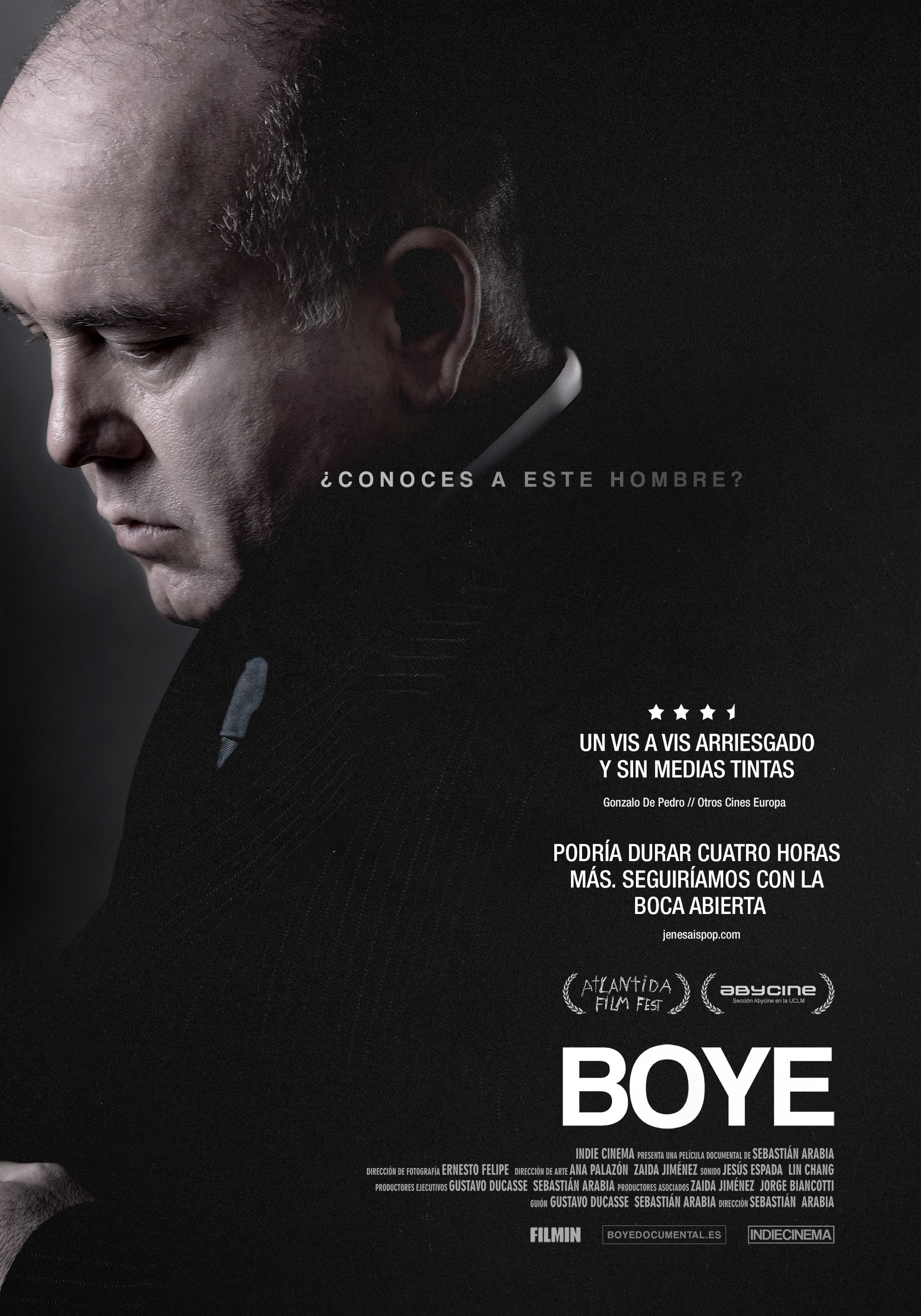
Gonzalo Boye, a lawyer, businessman, and editor of Mongolia magazine, was convicted in the 1990s for allegedly collaborating with ETA in a kidnapping, a crime he denies. His story, told in a documentary by Sebastián Arabia, begins in Chile and continues in Spain, where he served 14 years in prison. During this time, he studied law and later handled significant cases like the 11M trials, the Bárcenas case, defending Edward Snowden, and suing the George W. Bush administration over Guantanamo.
A reflection on the assassinations of social democrat politician Fernando Buesa Blanco and his bodyguard Jorge Díez Elorza, perpetrated by the terrorist gang ETA in Vitoria-Gasteiz, Basque Country, Spain, on February 22, 2000.
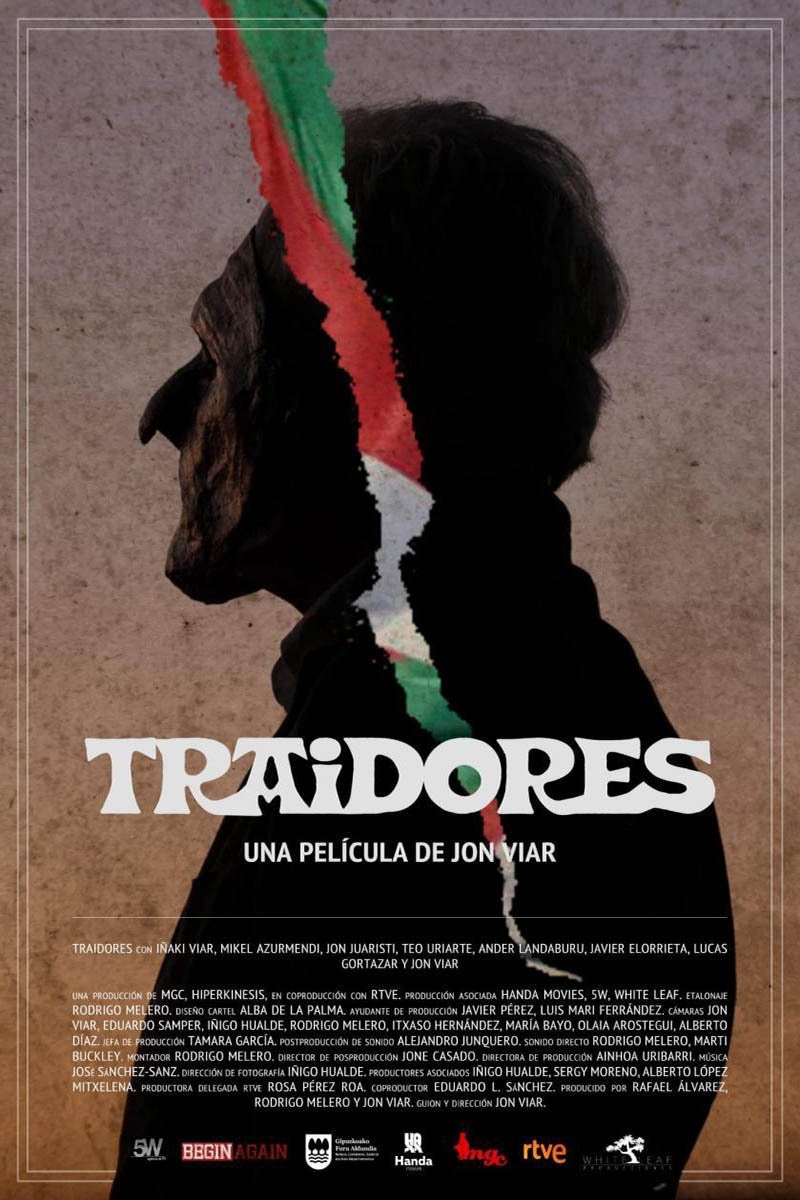
When he was just a child, Jon discovered his father's past, Iñaki Viar, linked to ETA. Son, grandson, and great-grandson of Basque nationalists, Iñaki was arrested in 1969 by the political-social brigade and tried alongside Teo Uriarte and Mario Onaindia in the Burgos Trial. Years later, he organized the escape from Segovia and, finally, in 1977, he regained his freedom. Iñaki, like many other prisoners, renounces nationalism and condemns terrorist violence. Jon, a film buff, tries to understand his father's past while living with attacks, kidnappings, and a lot of silence. By then, Iñaki is already considered a "traitor" by the nationalist world.
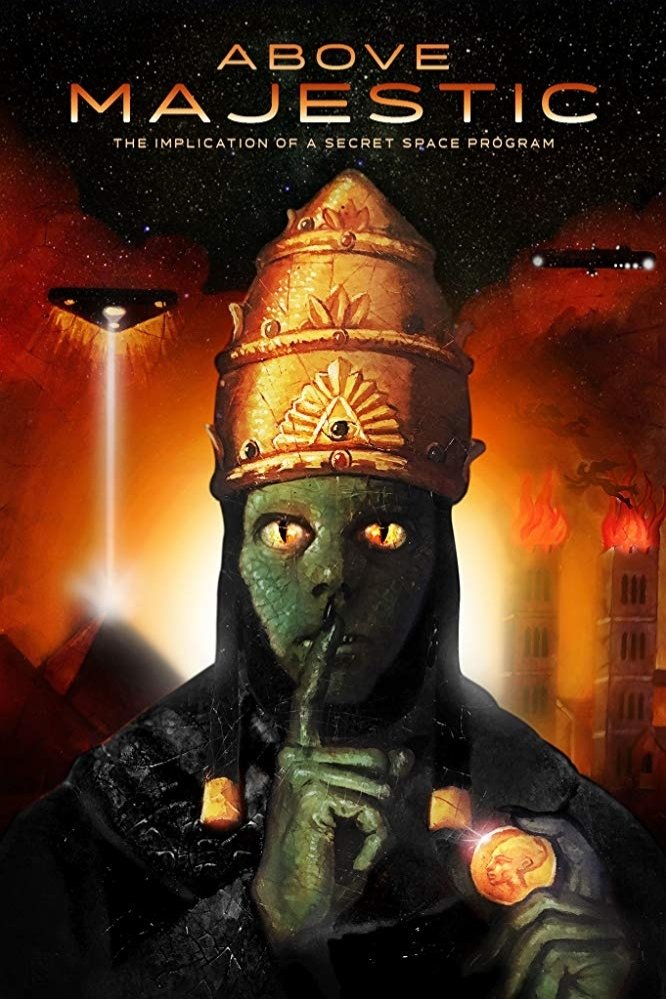
A look at the origins, history and conspiracies behind the "Majestic 12", a clandestine group of military and corporate figureheads charged with reverse-engineering extraterrestrial technology.
JB Smoove and Martin Starr host a celebration of 20 years of "Spider-Man" movies, from the Sam Raimi trilogy to Marc Webb's movies and the trio from Jon Watts.
A compilation of over 30 years of private home movie footage shot by Lithuanian-American avant-garde director Jonas Mekas, assembled by Mekas "purely by chance", without concern for chronological order.
A documentary about how a dominant cultural and demographic institution both sustains their traditional activities and adapts to the digital revolution.
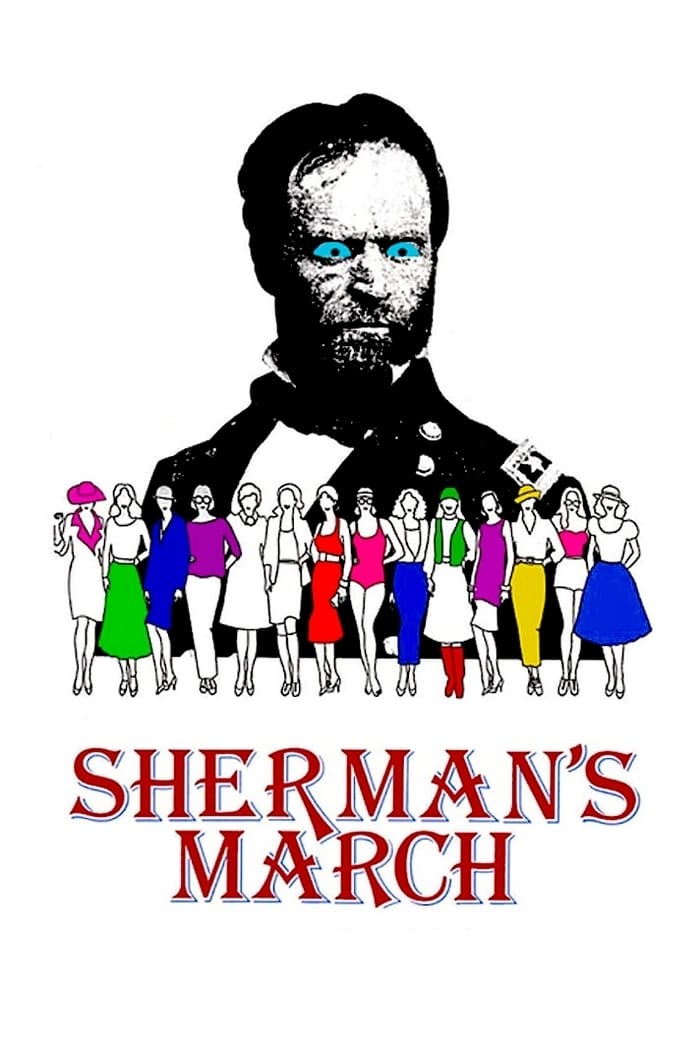
Ross McElwee sets out to make a documentary about the lingering effects of General Sherman's march of destruction through the South during the Civil War, but is continually sidetracked by women who come and go in his life, his recurring dreams of nuclear holocaust, and Burt Reynolds.
A detailing of the rise to prominence and global sporting superstardom of six supremely talented young Manchester United football players (David Beckham, Nicky Butt, Ryan Giggs, Paul Scholes, Phil and Gary Neville). The film covers the period 1992-1999, culminating in Manchester United's European Cup triumph.
A visual montage portrait of our contemporary world dominated by globalized technology and violence.
A documentary on the life of John Lennon, with a focus on the time in his life when he transformed from a musician into an antiwar activist.
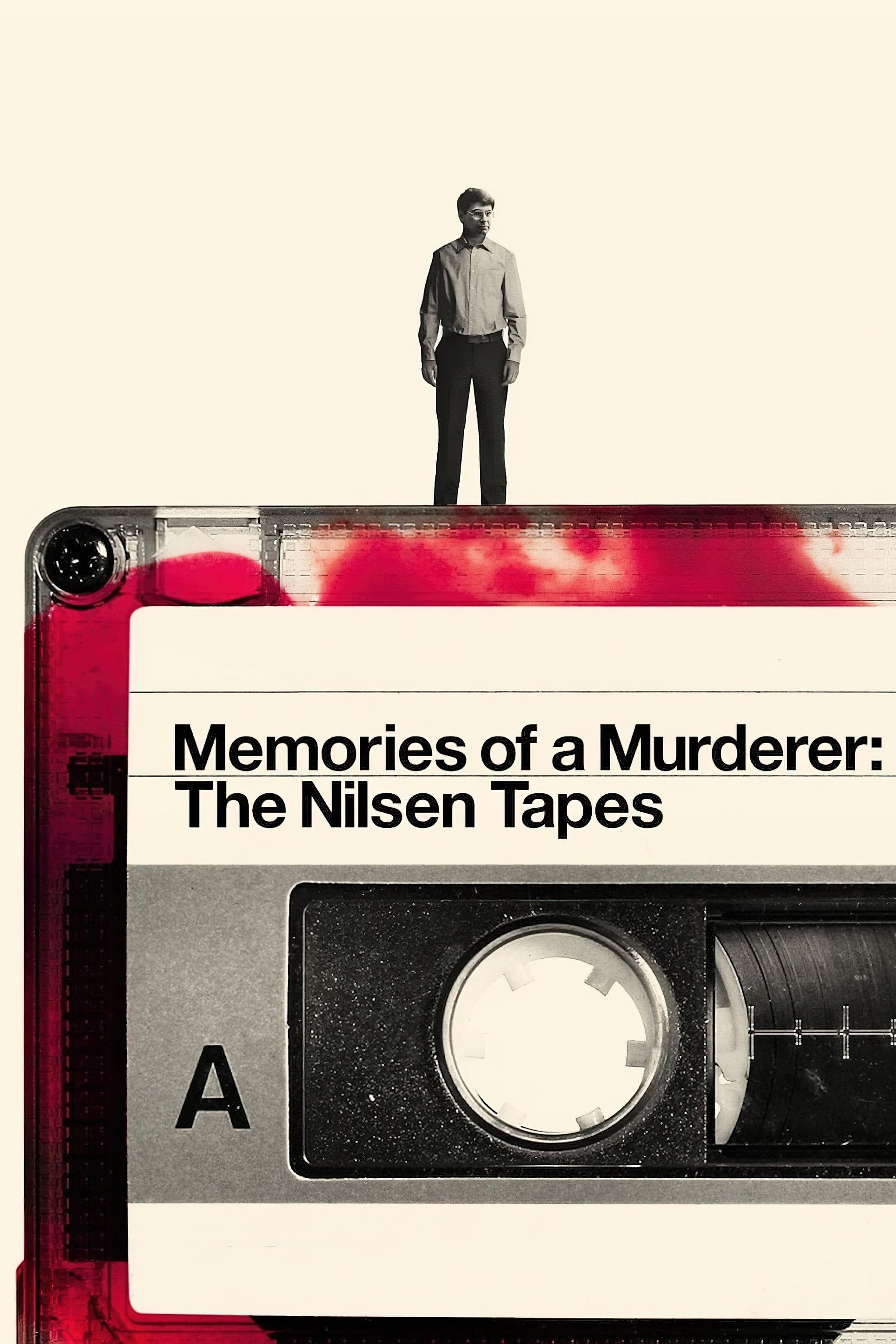
Serial killer Dennis Nilsen narrates his life and horrific crimes via a series of chilling audiotapes recorded from his jail cell.
Amber Heard and Nicole Kidman discuss their characters Mera and Atlanna.
A candid look at rehearsal footage in support of a focus on pre-viz.
A documentary that explores the downloading revolution; the kids that created it, the bands and the businesses that were affected by it, and its impact on the world at large.
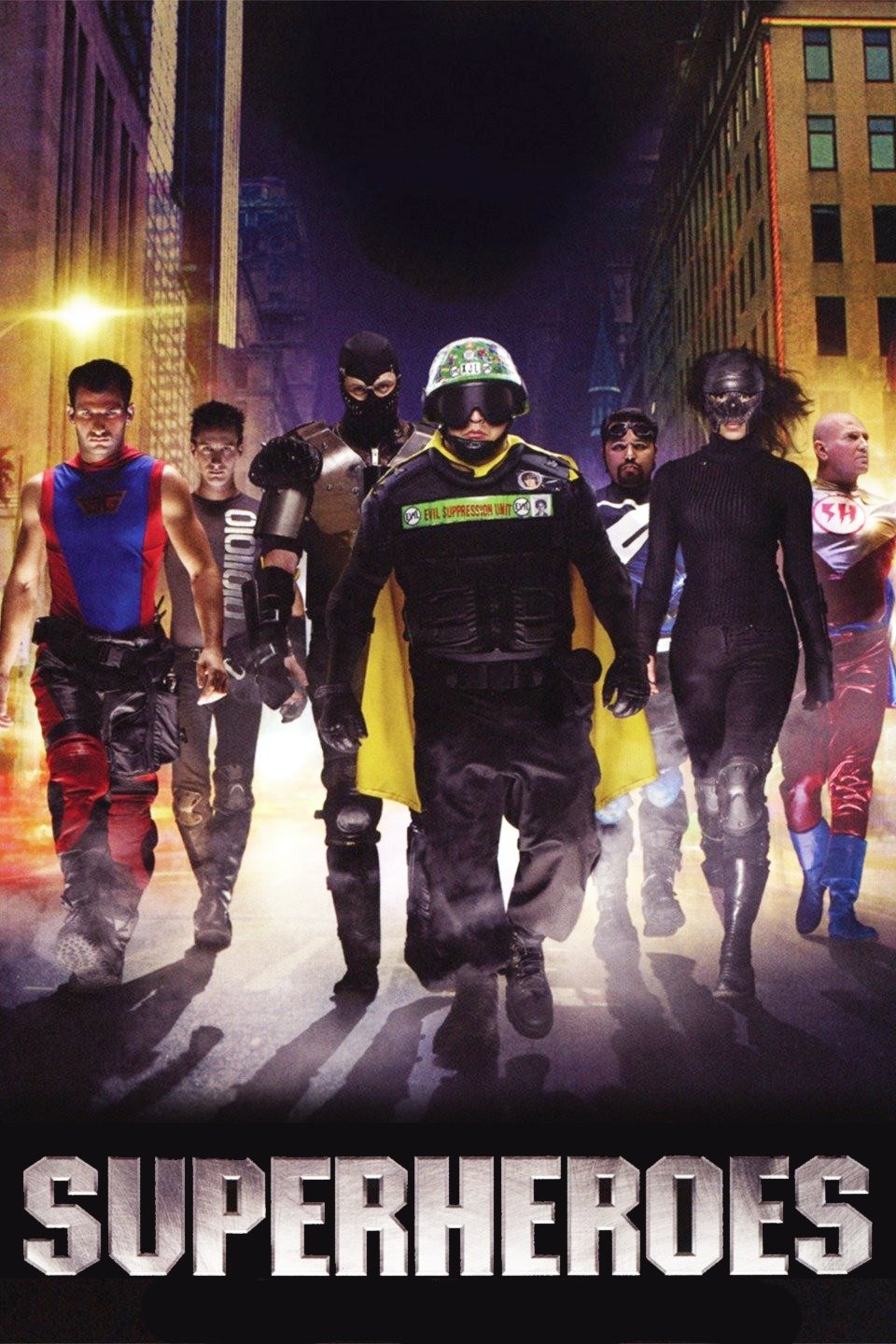
A journey inside the world of real life caped crusaders. From all over America, these self-proclaimed crime fighters, don masks, homemade costumes and elaborate utility belts in an attempt to bring justice to evildoers everywhere.
A documentary on the expletive's origin, why it offends some people so deeply, and what can be gained from its use.
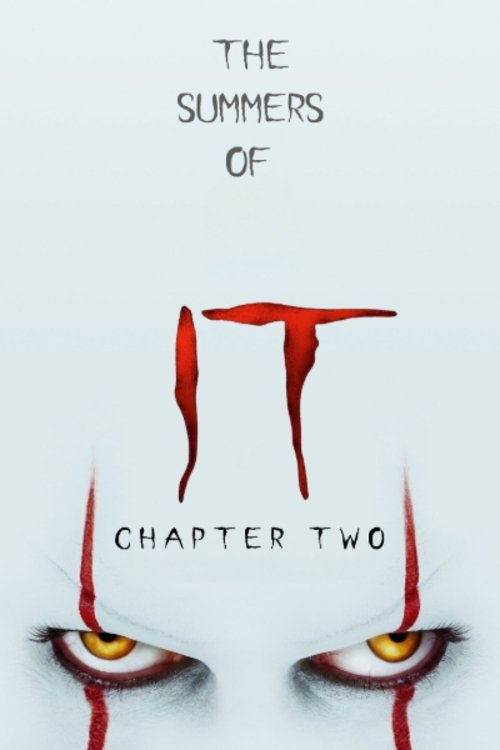
This documentary focuses on the actors and their journey over two summers to create the remake to the original IT, by Stephen King. The documentary originally released as bonus material, bundled with IT: Chapter Two.
Alexander McQueen's rags-to-riches story is a modern-day fairy tale, laced with the gothic. Mirroring the savage beauty, boldness and vivacity of his design, this documentary is an intimate revelation of McQueen's own world, both tortured and inspired, which celebrates a radical and mesmerizing genius of profound influence.
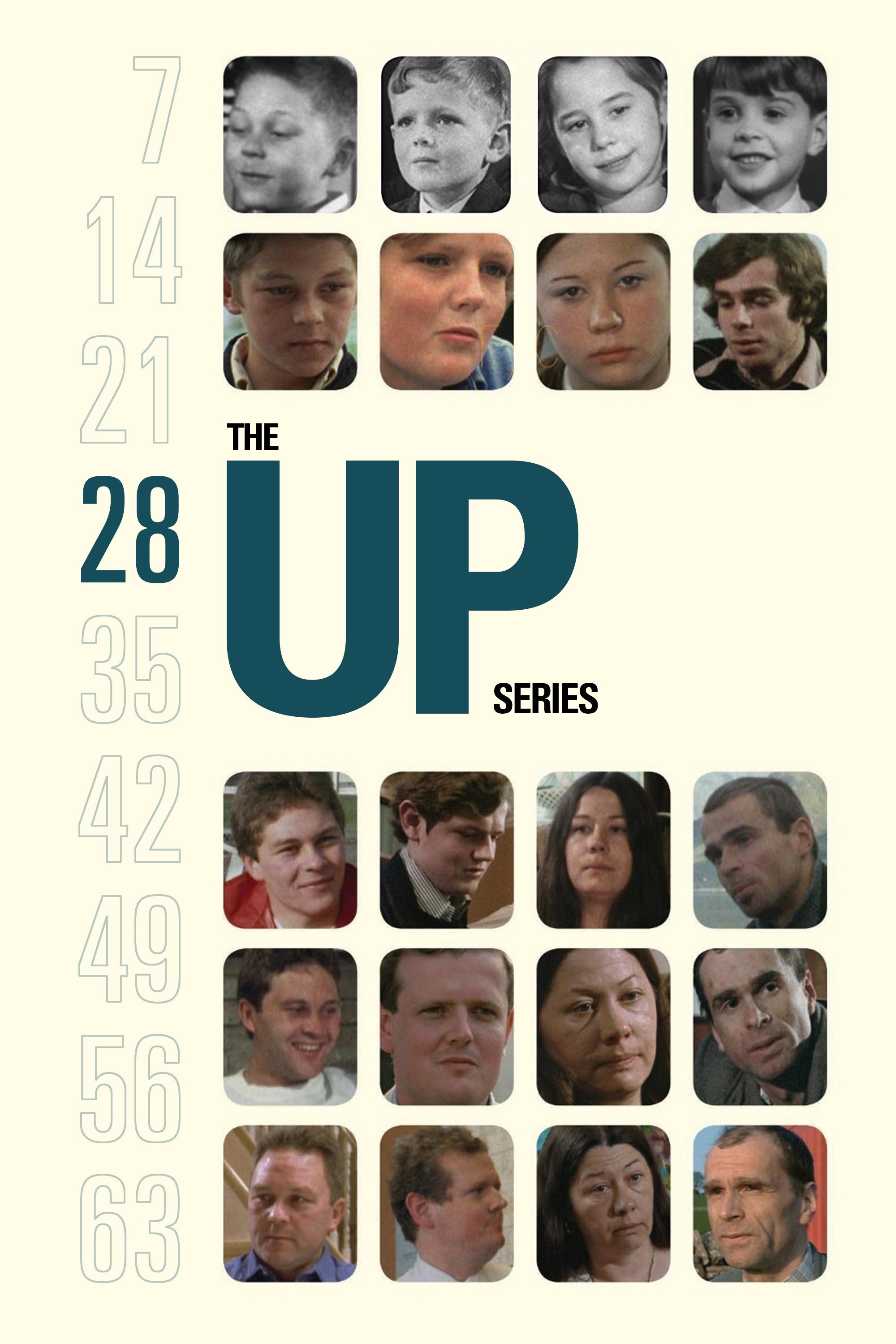
Just two years away from turning 30, participants in Michael Apted's documentary series are facing serious questions of identity and purpose, wondering whether they've found their place in the world.
When Allied forces liberated the Nazi concentration camps in 1944-45, their terrible discoveries were recorded by army and newsreel cameramen, revealing for the first time the full horror of what had happened. Making use of British, Soviet and American footage, the Ministry of Information’s Sidney Bernstein (later founder of Granada Television) aimed to create a documentary that would provide lasting, undeniable evidence of the Nazis’ unspeakable crimes. He commissioned a wealth of British talent, including editor Stewart McAllister, writer and future cabinet minister Richard Crossman – and, as treatment advisor, his friend Alfred Hitchcock. Yet, despite initial support from the British and US Governments, the film was shelved, and only now, 70 years on, has it been restored and completed by Imperial War Museums under its original title "German Concentration Camps Factual Survey".
Film adaptation of French economist Thomas Piketty's ground-breaking global bestseller of the same name: an eye-opening journey through wealth and power.
A sexual wellness company gains fame and followers, then members come forward with shocking allegations.