Social & External
The people behind it
Arthur St-Laurent
Himself
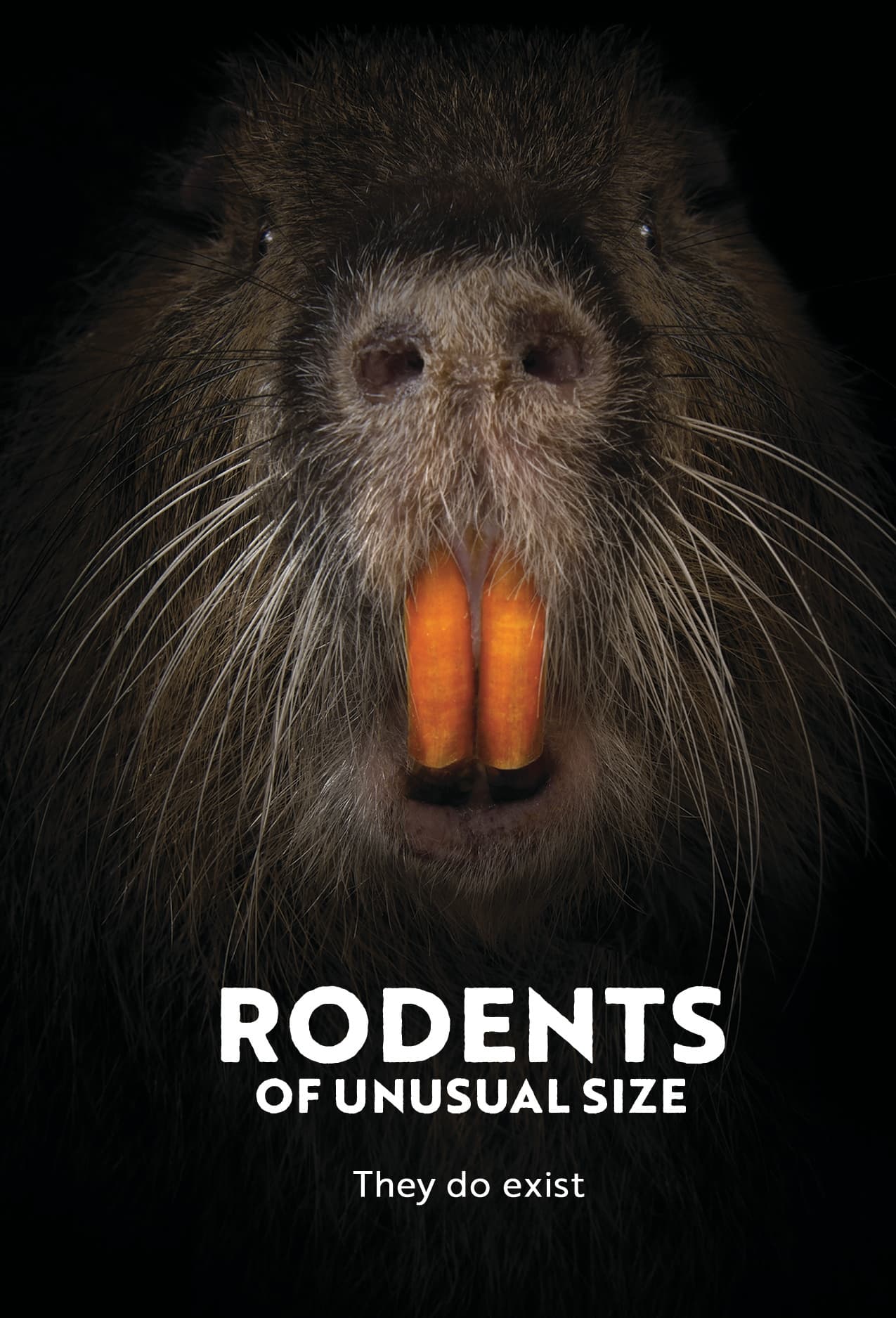
After decades of hurricanes and oil spills, Louisiana faces a new threat - hordes of monstrous 20 pound swamp rats. Known as "nutria", these invasive South American rodents breed faster than bounty hunters can "control" them. With their orange teeth and voracious appetite they are eating up the coastal wetlands that protects Thomas and his town of Delacroix Island from hurricanes, but the people who have lived here for generations will not give up without a fight.
An experimental short about the nature of humans and how we experience ourselves as part or seperate from it.
An introduction to the wildlife, particularly in swampy areas.
In every leaf, the infinite unfolding. In every creature, your higher self looking back.
An ode to the Florida Everglades, past and present, told through the prescient writings of Marjory Stoneman Douglas and those who today call the region home.
Investigating autumn, temporal alterations, and their effect on movement
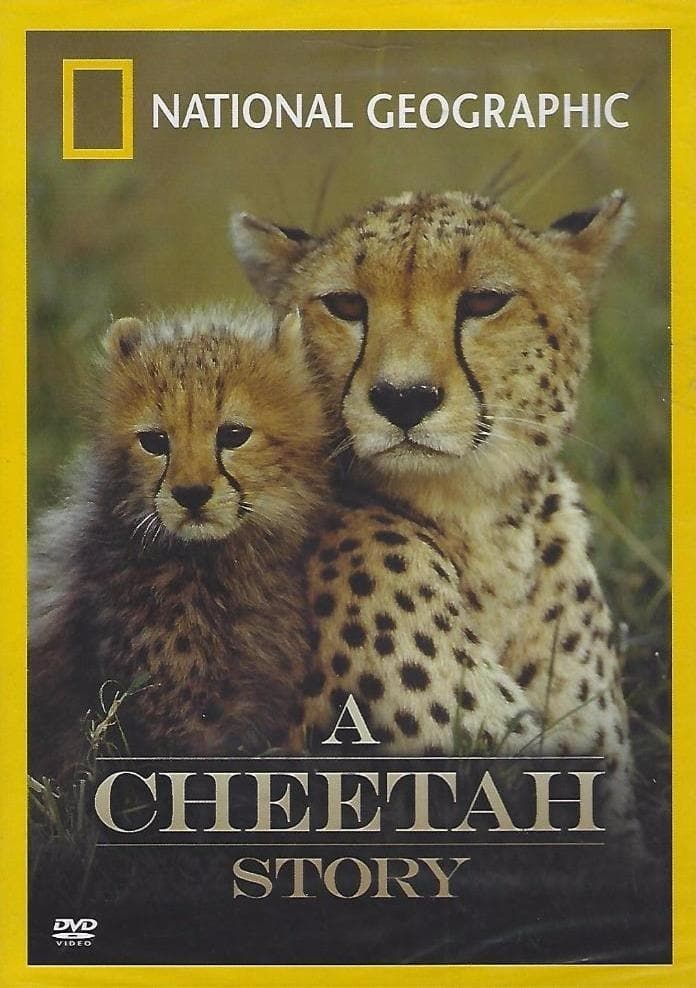
The Serengeti is Africa's largest nature reserve and one of its most notable inhabitants is the cheetah, also called cheetah. A young cheetah tells of his carefree childhood on the Serengeti Plain in Tanzania, thanks to his wonderful mother. She takes care of food on the shelf and with her he and his brothers and sister have nothing to fear. Lesson one: tripping the calf, lesson two: choking and biting to death, lesson three: Catching a calf yourself. Mother cheeta allows her boy to practice on a gazelle calf she has caught for them. One day, the young cheetahs will have to hunt themselves. Without Mommy's help.
Sir David Attenborough is larger than life, his distinctive voice as recognisable as his name. In this program, renowned Australian journalist Ray Martin turns the cameras away from the beloved wildlife Sir David has spent his life documenting and onto the man himself. The show is an edited interview culled from a series of sold-out events held in theatres across Australia in 2012 and 2013.
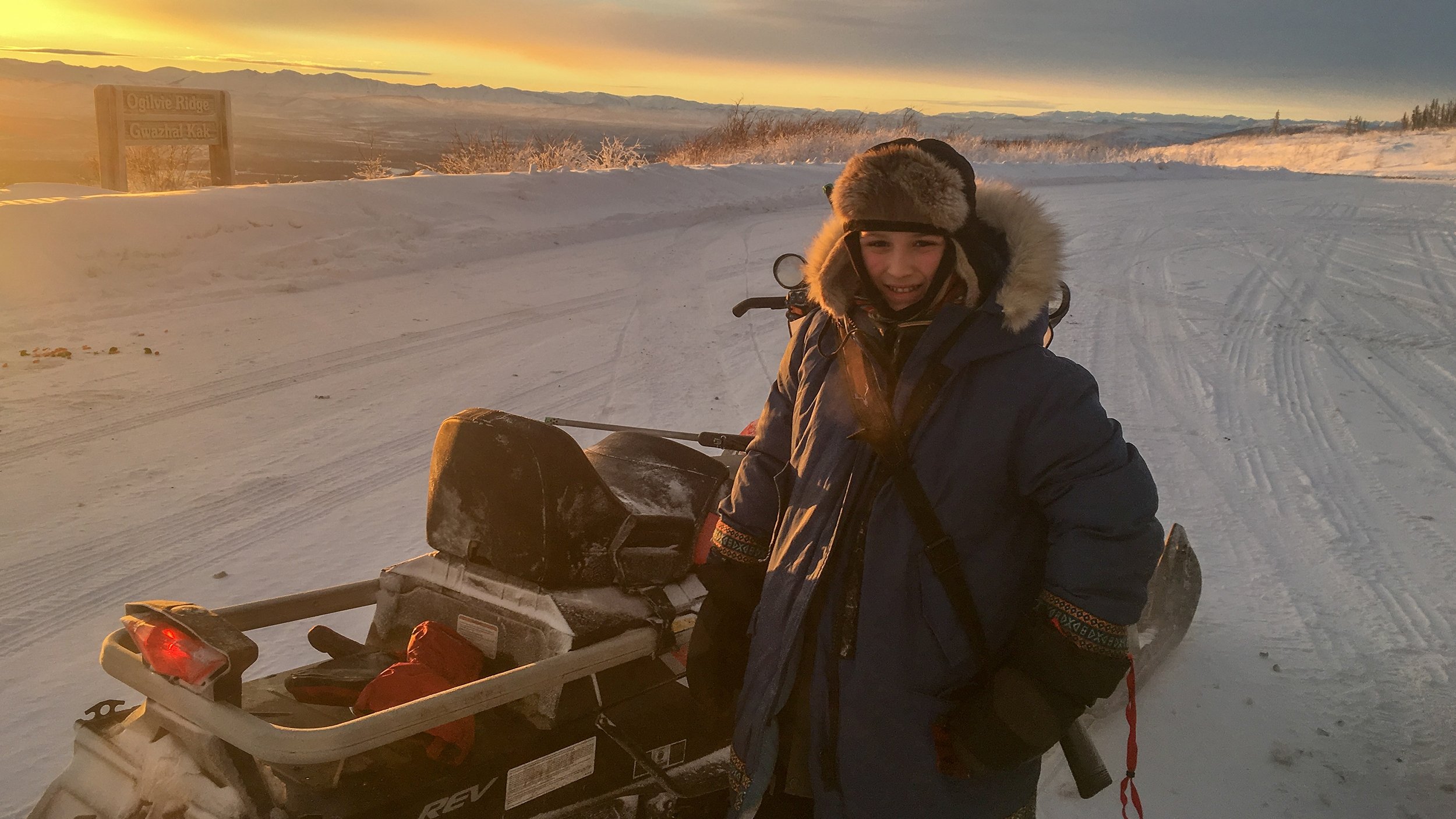
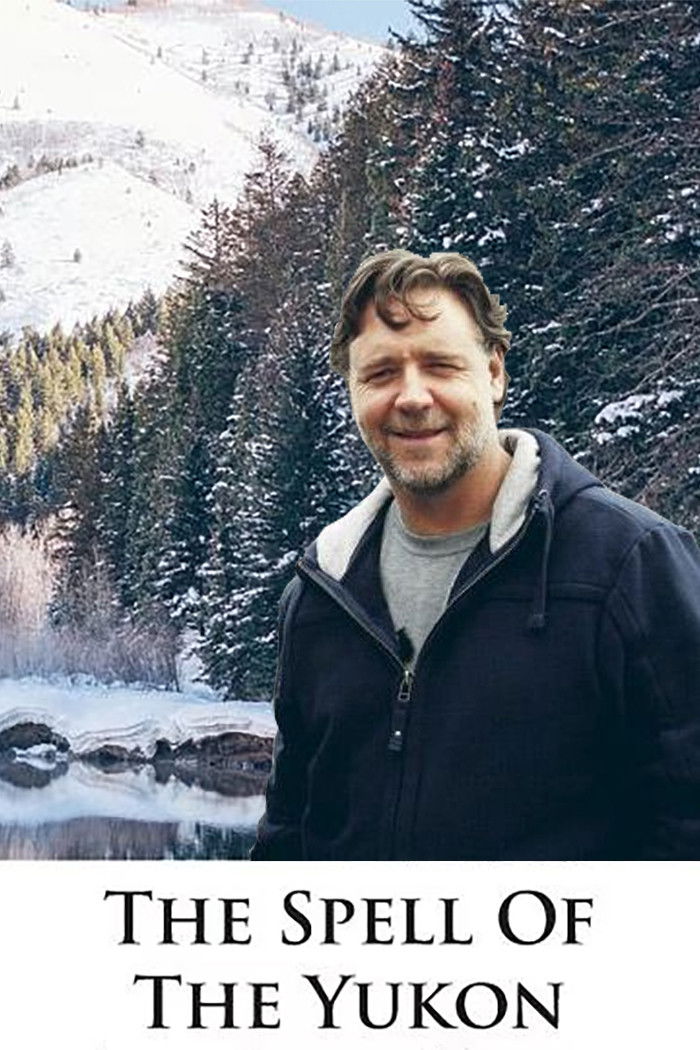
This documentary tells the haunting story of the Klondike Gold Rush in legendary Dawson City. Peppered with Robert Service poems read by New Zealand-born Hollywood actor Russell Crowe, the film recounts how stampedes of fortune seekers came to the Yukon from far and wide in 1897. Less than half of the 100,000 adventurers ever finished the treacherous journey. Archival photographs re-create the saga of the Klondike, including stories from the deadly Chilkoot Pass and Dawson City itself, where fortunes were made and lost overnight. With a personal stake and a sense of wonder, filmmaker Rita Roy discovers a territory still vibrant with legends, and miners still panning for gold under the spell of the harsh yet stunning wilderness.
This installment of the series produced by the acclaimed Nature team showcases the grandeur of the Emerald Isle. Going beyond the usual travelogue, the film takes viewers to places they've never been before so they can truly appreciate the natural treasures of the country: the lush plant life; the animal families that call the country home, including peregrine falcons and dolphins; and the magnificent countryside, from the mountains to the bogs.
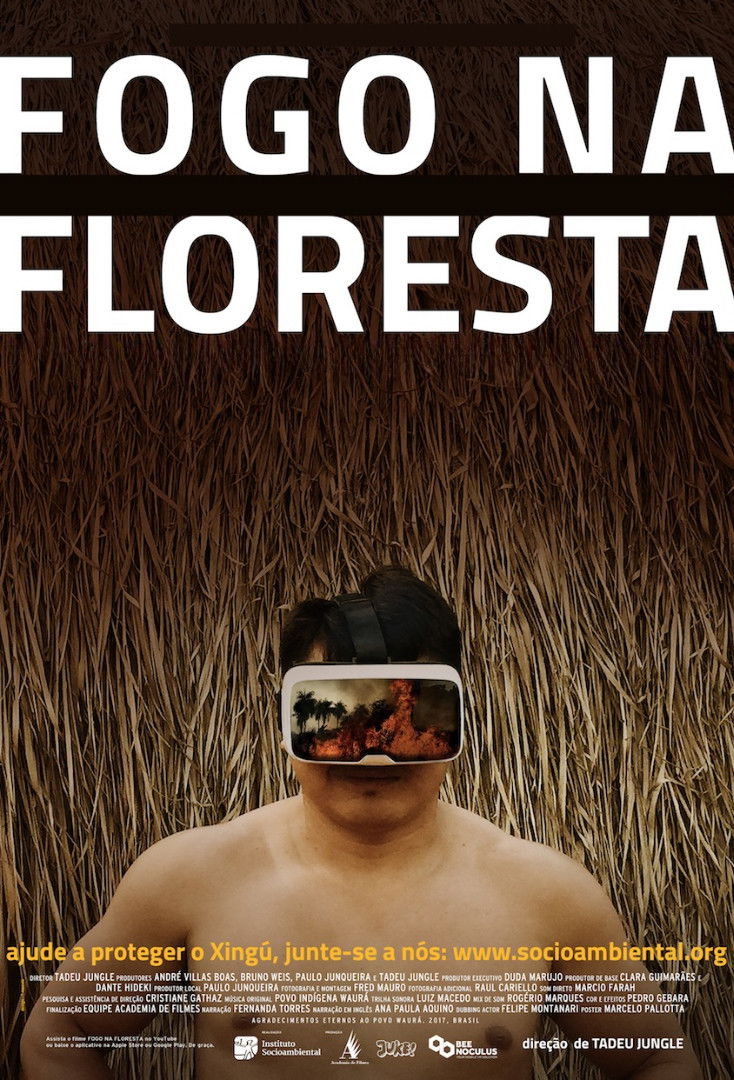
The film shows the daily life of indigenous village Piyulaga, home of Waurá tribe --an ethnicity of 560 people who live at Xingu Park in Mato Grosso, Brazil. It also reveals how the indigenous community keeps its traditional culture while incorporating habits and technologies from the “white”.
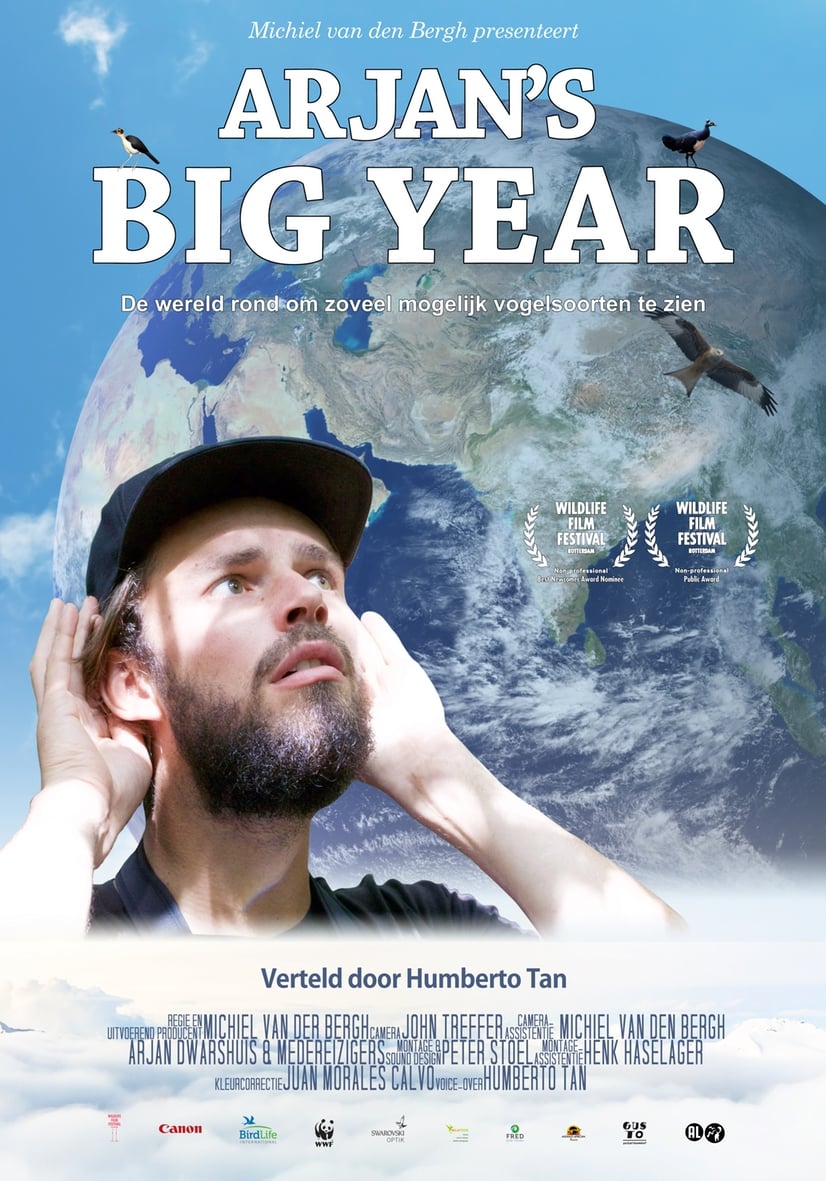
In 2016, Dutch birdwatcher Arjan Dwarshuis traveled the world to spot as many birds as possible in the span of one year, with the goal to break the big year world record (6042 species, set by Noah Strycker in 2015).
A Latvian poetic documentary about the town Kuldīga.
Wolves have been demonized for centuries, blood thirsty beasts haunting our nightmares. We were determined to dispel this myth and show the true nature of wolves. Compassionate family animals, both playful and affectionate. For six years in a tented camp in the wilderness of Idaho, we lived among a pack of wolves, listening to them, earning their trust.Now in "Living With Wolves," we share more of the story of The Sawtooth Pack, first told in our two-time Emmy Award-winning documentary, Wolves at Our Door. Our own lives, brought together by a devotion to wildlife, were forever changed by these elusive, intelligent animals who accepted us. Overcoming forest fires, marauding mountain lions and sub-zero winters, we share with you a heart-warming and unique partnership of human and predator, built on trust and defying the storm of controversy surrounding the wolf.
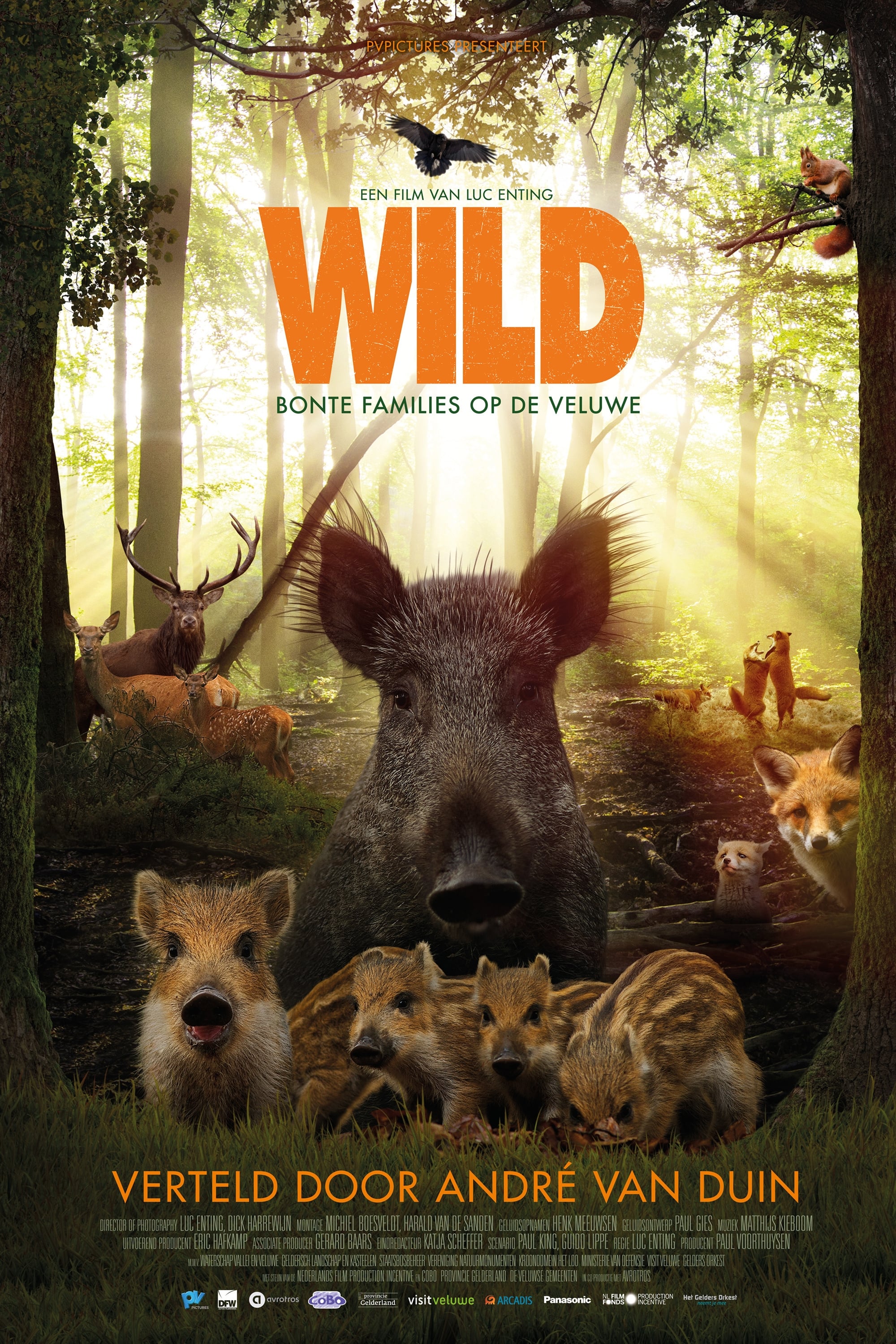
From the imposing mating call of the red deer and the flight of the buzzard to the hunt of the fox and the micro-ecosystem on a massive oak: nature documentarist Luc Enting recorded it all for his stunning feature film Wild Heart of Holland, produced by PVPictures. The result of his efforts is an exciting, moving and often humorous film, revealing the beauty and diversity of this wild park in every season. We also watch the main characters grow up to adulthood, a path inevitably dogged with challenges. Enting: “To me, this park, in any season, has an almost un-Dutch beauty. It is the largest continuous nature reserve in northwest Europe with an incredible variety of landscapes and life. It has forests, heath, sand drifts, brooks and pushed moraines. With my film, I would like to give a new insight into its incredibly diverse nature.”
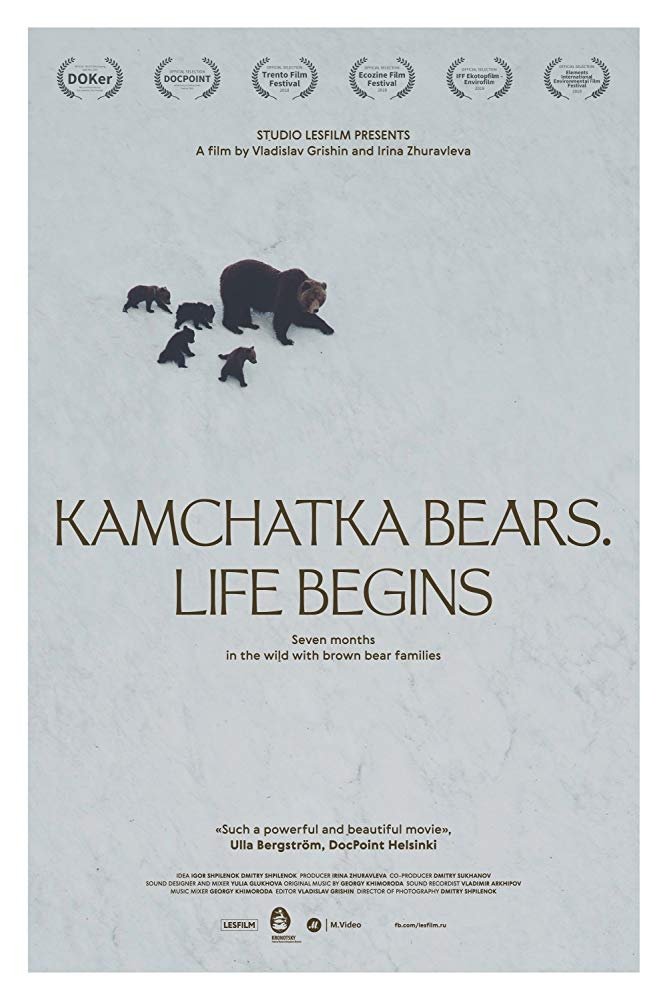
Seven months of filming brown bear cubs life resulted in a movie that allows to plunge into the beauty of wild nature, and experience a boundary, beyond which a man should not interfere.
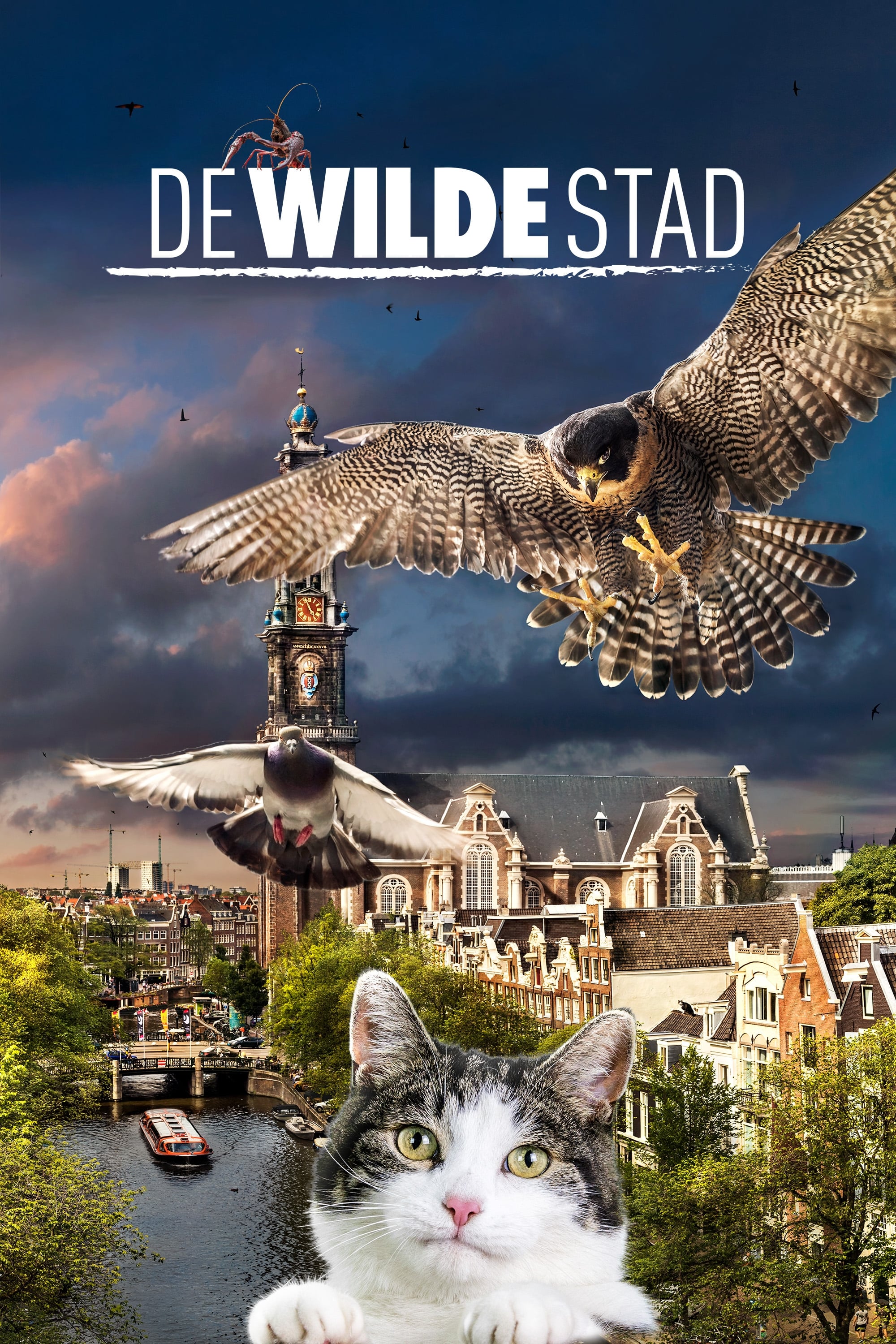
The city from the unique perspective of the many wild animals and plants that inhabit it. Seen through the eyes of the adventurous urban cat, Abatutu.
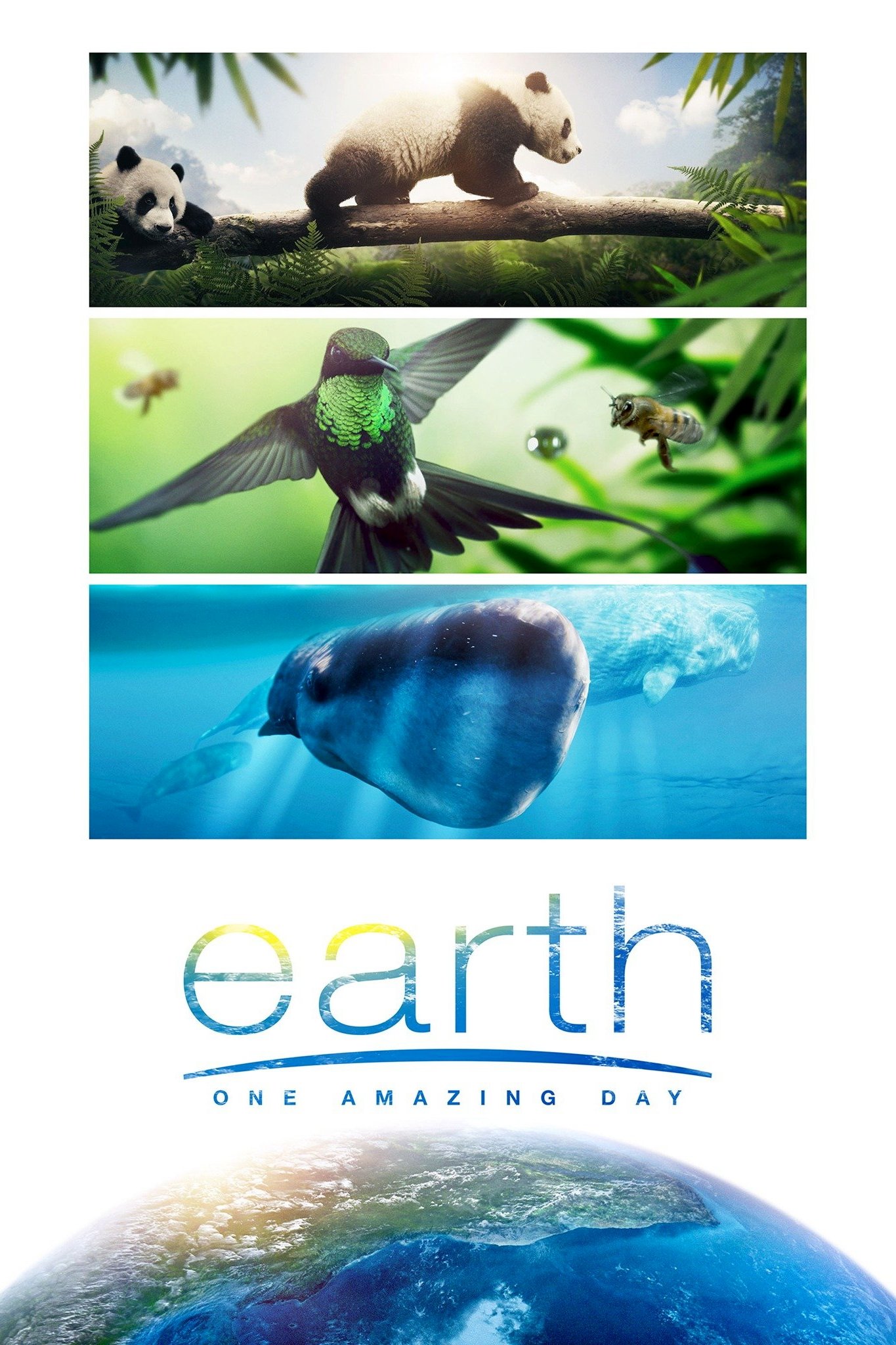
An astonishing journey revealing the awesome power of the natural world. Over the course of one single day, we track the sun from the highest mountains to the remotest islands to exotic jungles.
Through deeply personal interviews with her siblings and an examination of the photographs, letters, and belongings left behind, Mariska assembles a new portrait of her mother Jayne Mansfield, an extraordinary and complex woman.
Vulgar, taunting texts blow up the phones of a teen and her boyfriend. Who's sending them — and why? This twisty documentary reveals the shocking answer.
Alexander McQueen's rags-to-riches story is a modern-day fairy tale, laced with the gothic. Mirroring the savage beauty, boldness and vivacity of his design, this documentary is an intimate revelation of McQueen's own world, both tortured and inspired, which celebrates a radical and mesmerizing genius of profound influence.
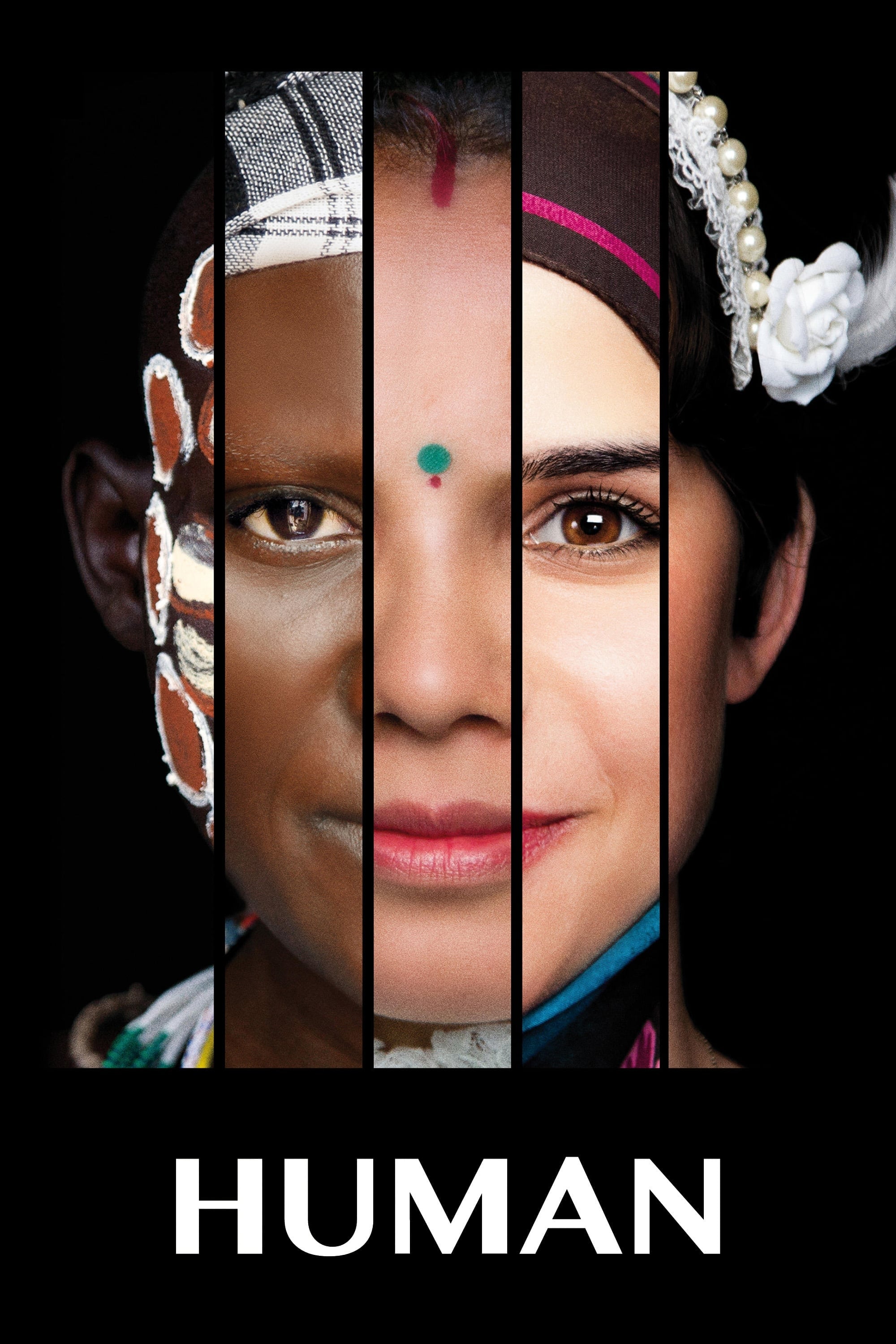
A collection of stories about and images of our world, offering an immersion to the core of what it means to be human. Through these stories full of love and happiness, as well as hatred and violence, it brings us face to face with the Other, making us reflect on our lives. From stories of everyday experiences to accounts of the most unbelievable lives, these poignant encounters share a rare sincerity and underline who we are – our darker side, but also what is most noble in us, and what is universal. Our Earth is shown at its most sublime through never-before-seen aerial images accompanied by soaring music, resulting in an ode to the beauty of the world, providing a moment to draw breath and for introspection. This film is a politically engaged work which allows us to embrace the human condition and to reflect on the meaning of our existence.
A visual montage portrait of our contemporary world dominated by globalized technology and violence.
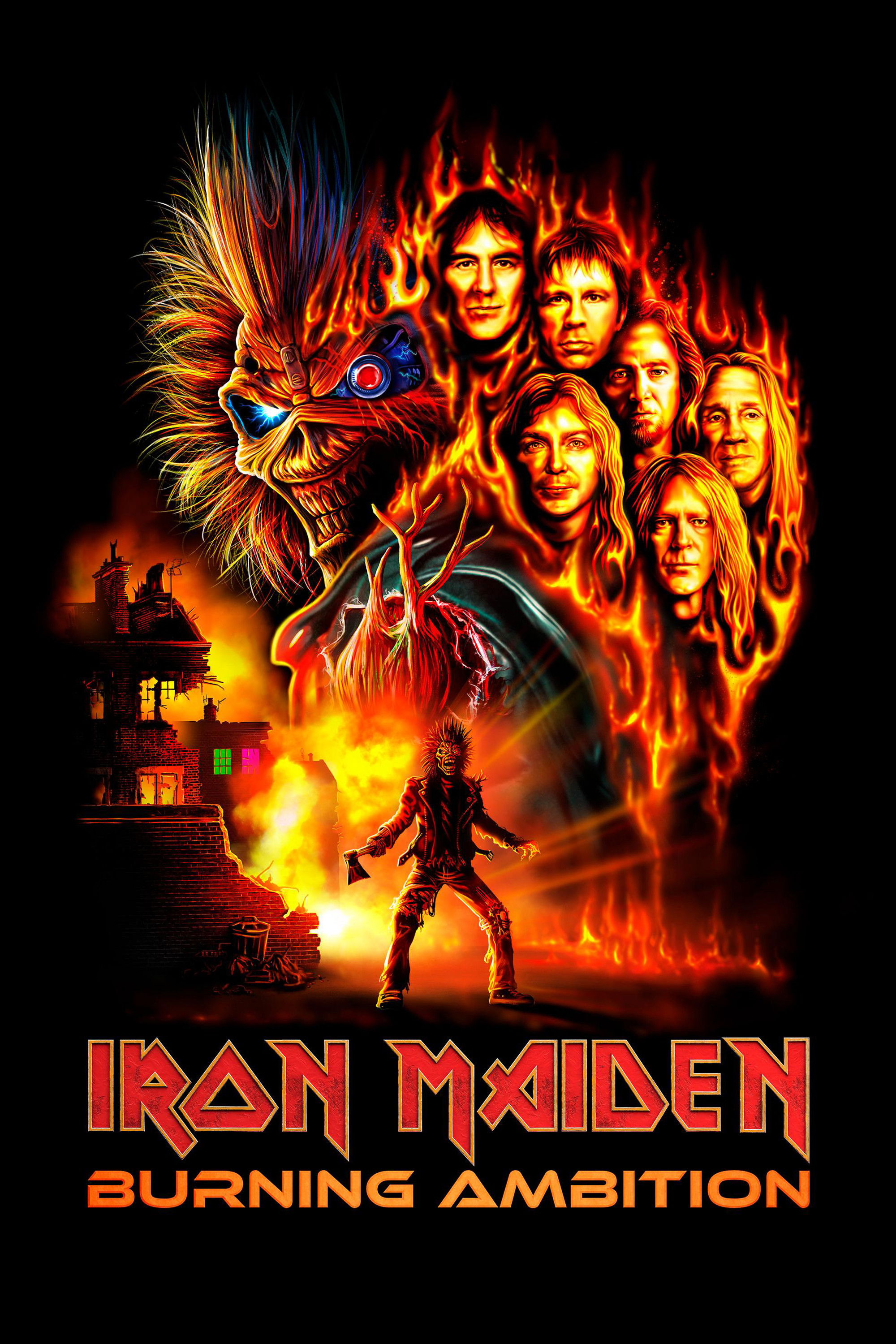
With unprecedented access to the official archives and intimate recollections from the band, both current and past, Iron Maiden: Burning Ambition invites fans to experience one of the most iconic journeys in music history. Spanning five decades, this electrifying documentary charts the band’s rise from the pubs of East London to the world’s biggest stadiums. Featuring exclusive interviews with band members and contributors such as Javier Bardem, Lars Ulrich and Chuck D, as well as all-new animated sequences of the band's legendary mascot, Eddie, the film offers a rare and intimate look at Iron Maiden’s uncompromising vision and unwavering connection with their truly global army of fans.
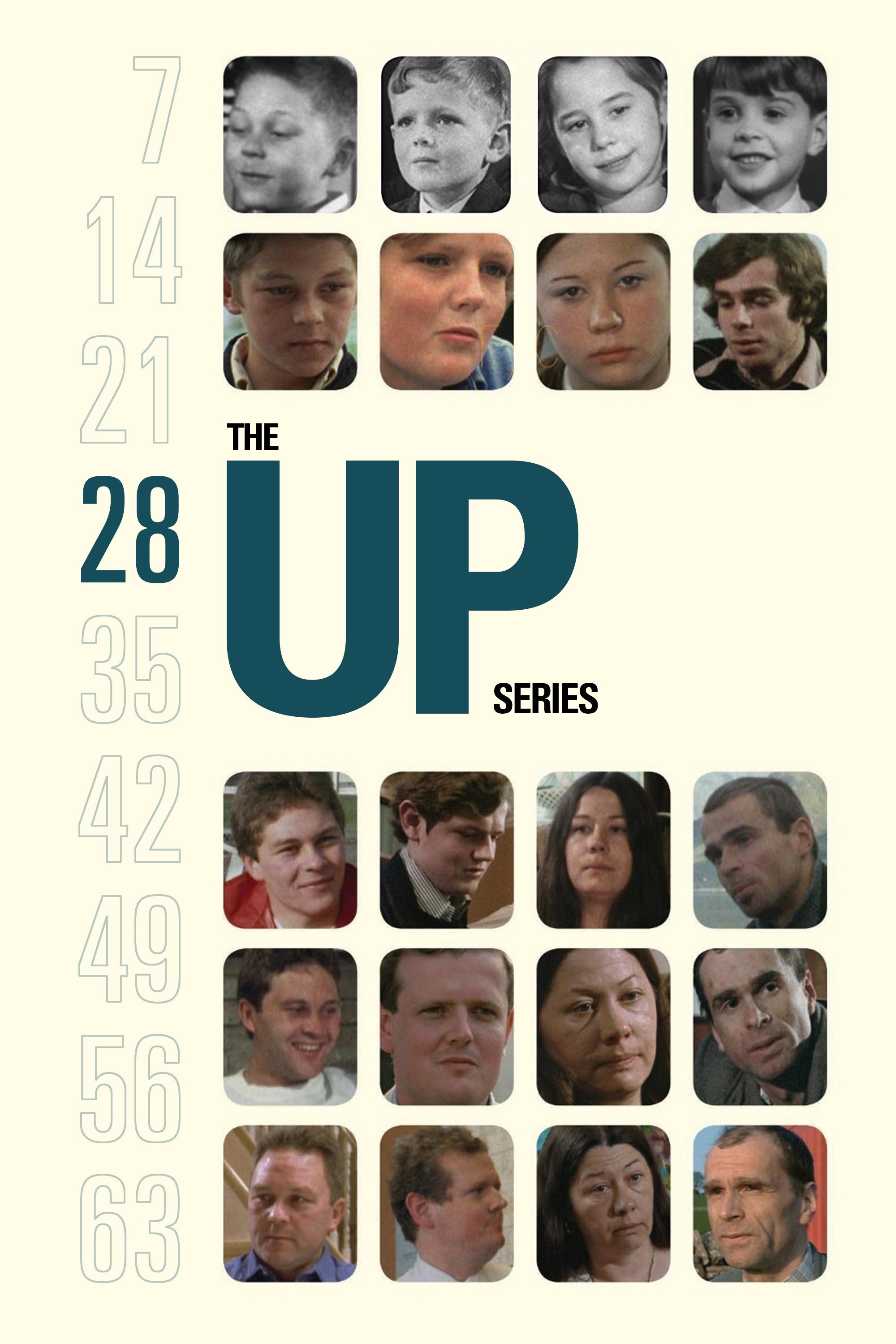
Just two years away from turning 30, participants in Michael Apted's documentary series are facing serious questions of identity and purpose, wondering whether they've found their place in the world.
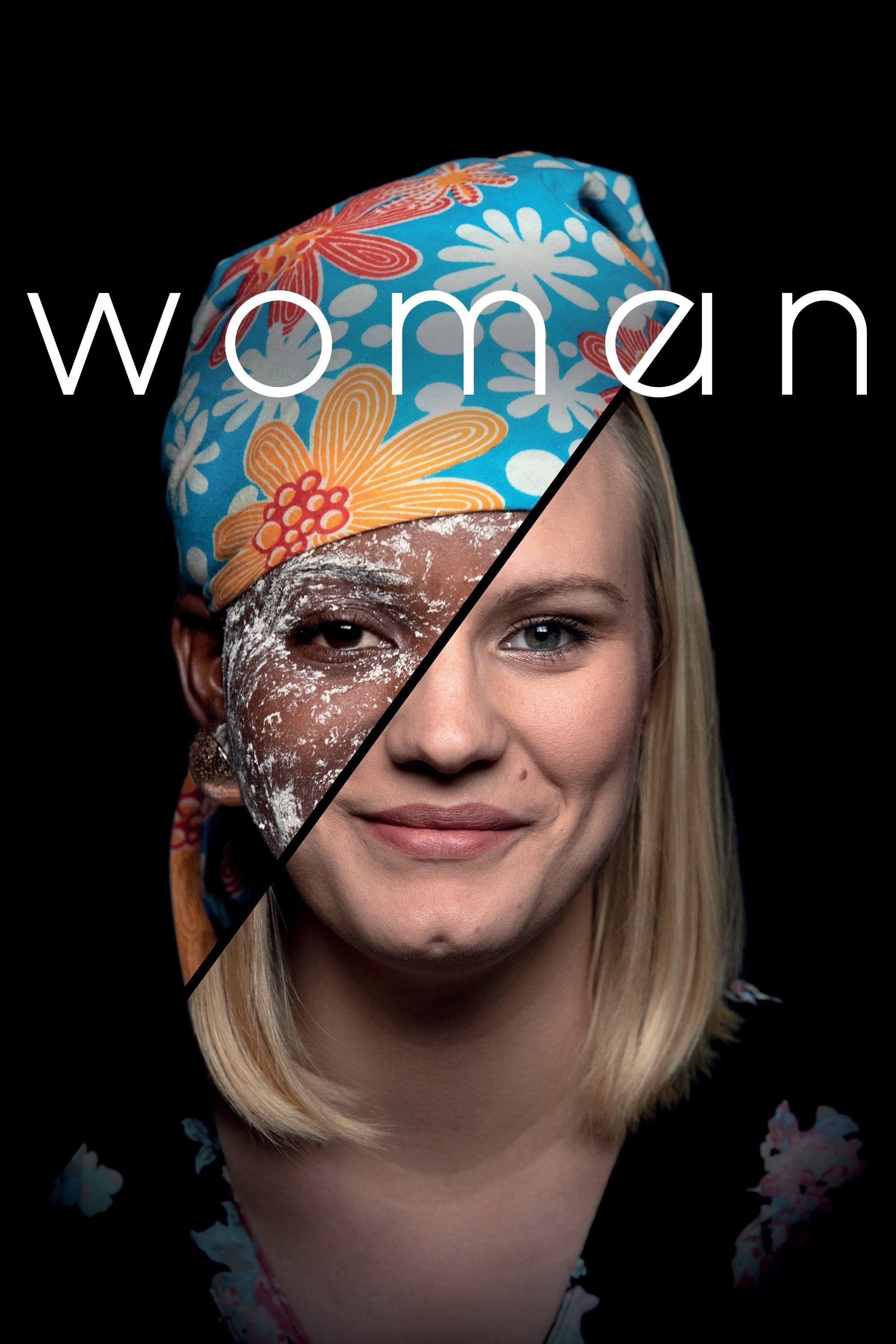
The film is based on interviews with 2,000 women from 50 countries, and covers the status of women all over the world. The topics covered include forced marriages, sexual assault, female genital mutilation, acid attacks, motherhood, sexuality, menstruation, education and the professional success of women.
Interviews with leading authors, philosophers and scientists, with an in-depth discussion of the Law of Attraction. The audience is shown how they can learn and use 'The Secret' in their everyday lives.
In the Realms of the Unreal is a documentary about the reclusive Chicago-based artist Henry Darger. Henry Darger was so reclusive that when he died his neighbors were surprised to find a 15,145-page manuscript along with hundreds of paintings depicting The Story of the Vivian Girls, in What is Known as the Realms of the Unreal, of the Glodeco-Angelinnian War Storm, Cased by the Child Slave Rebellion.
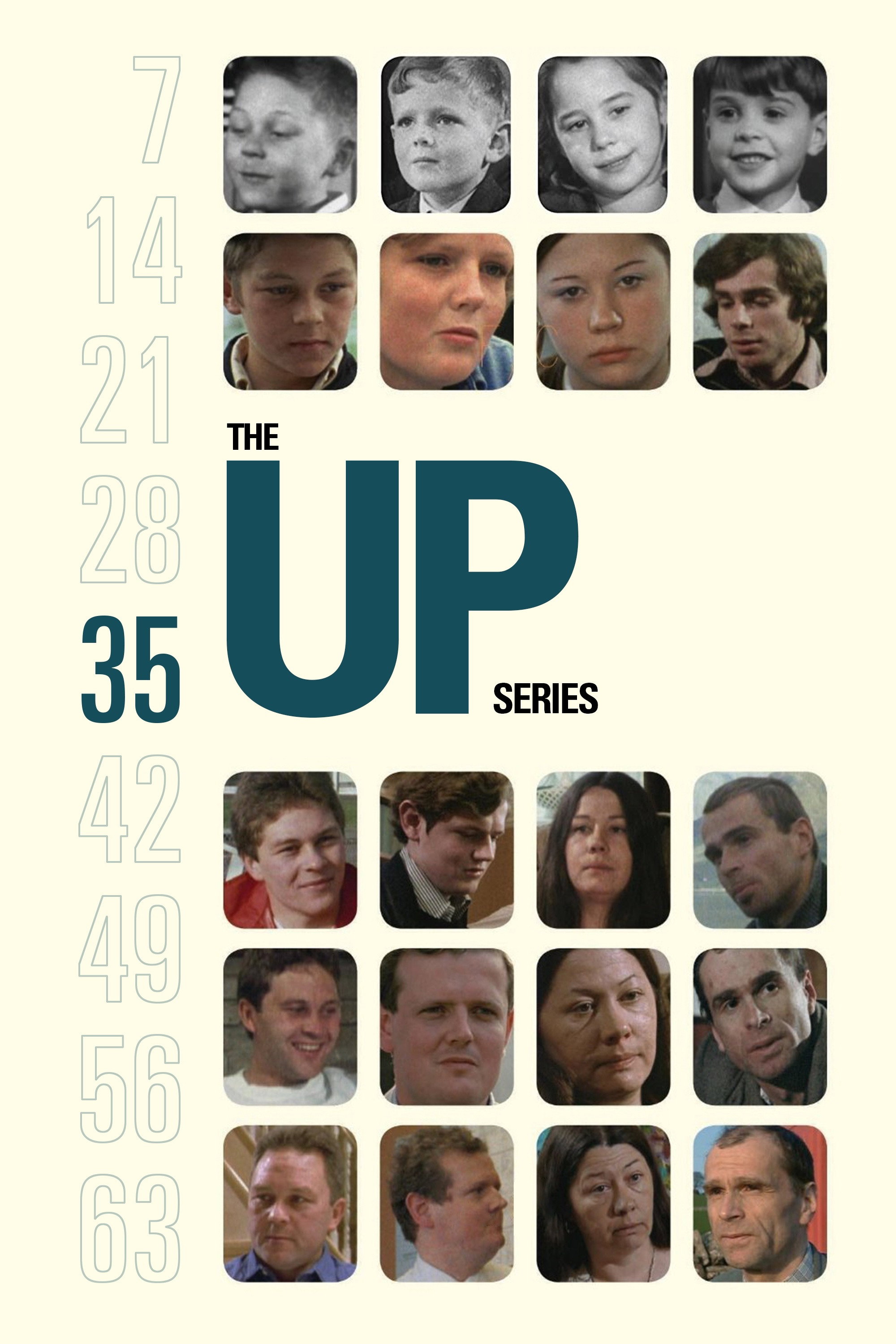
Director Michael Apted revisits the same group of British-born adults after a 7 year wait. The subjects are interviewed as to the changes that have occurred in their lives during the last seven years.
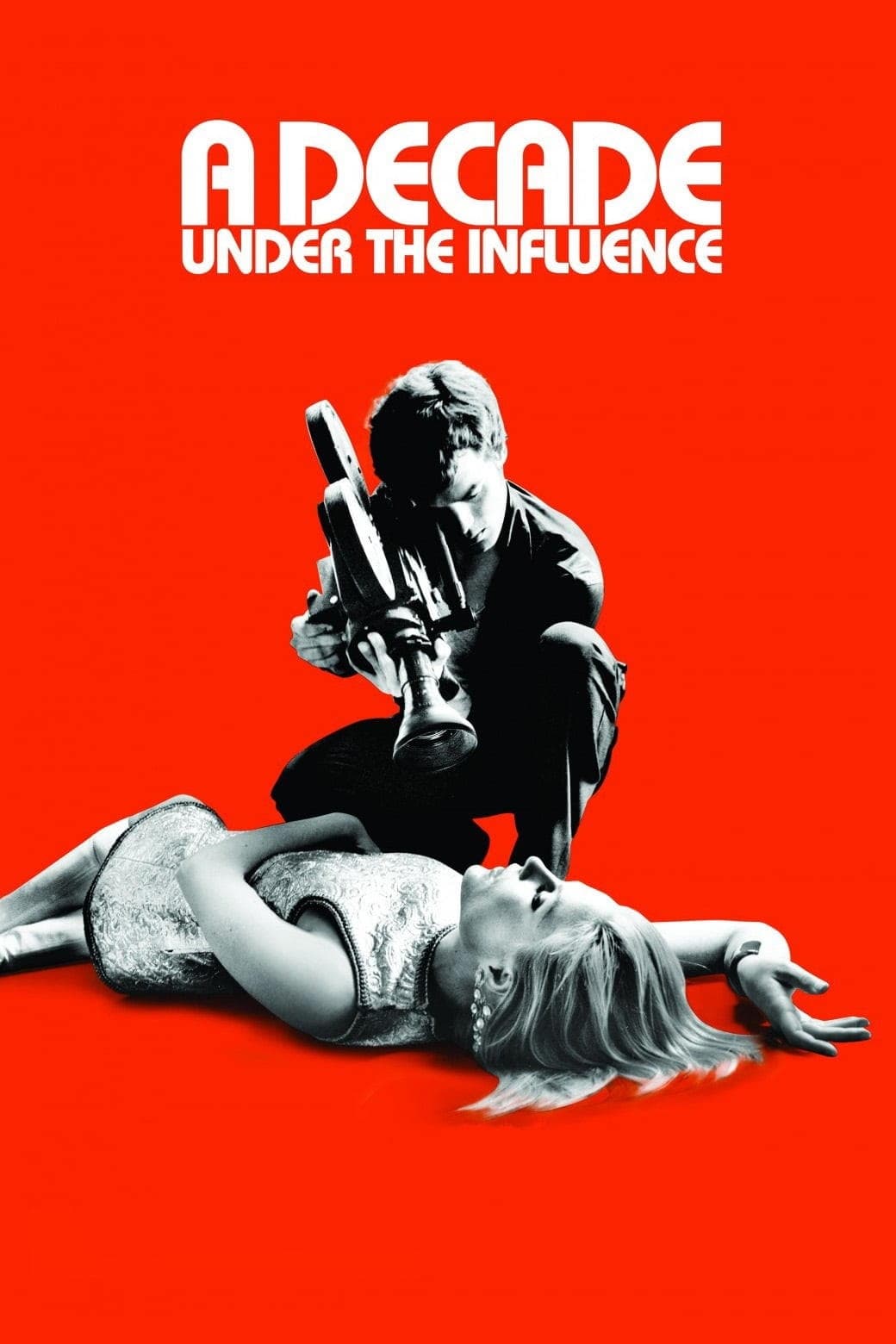
A documentary examining the decade of the 1970s as a turning point in American cinema. Some of today's best filmmakers interview the influential directors of that time.
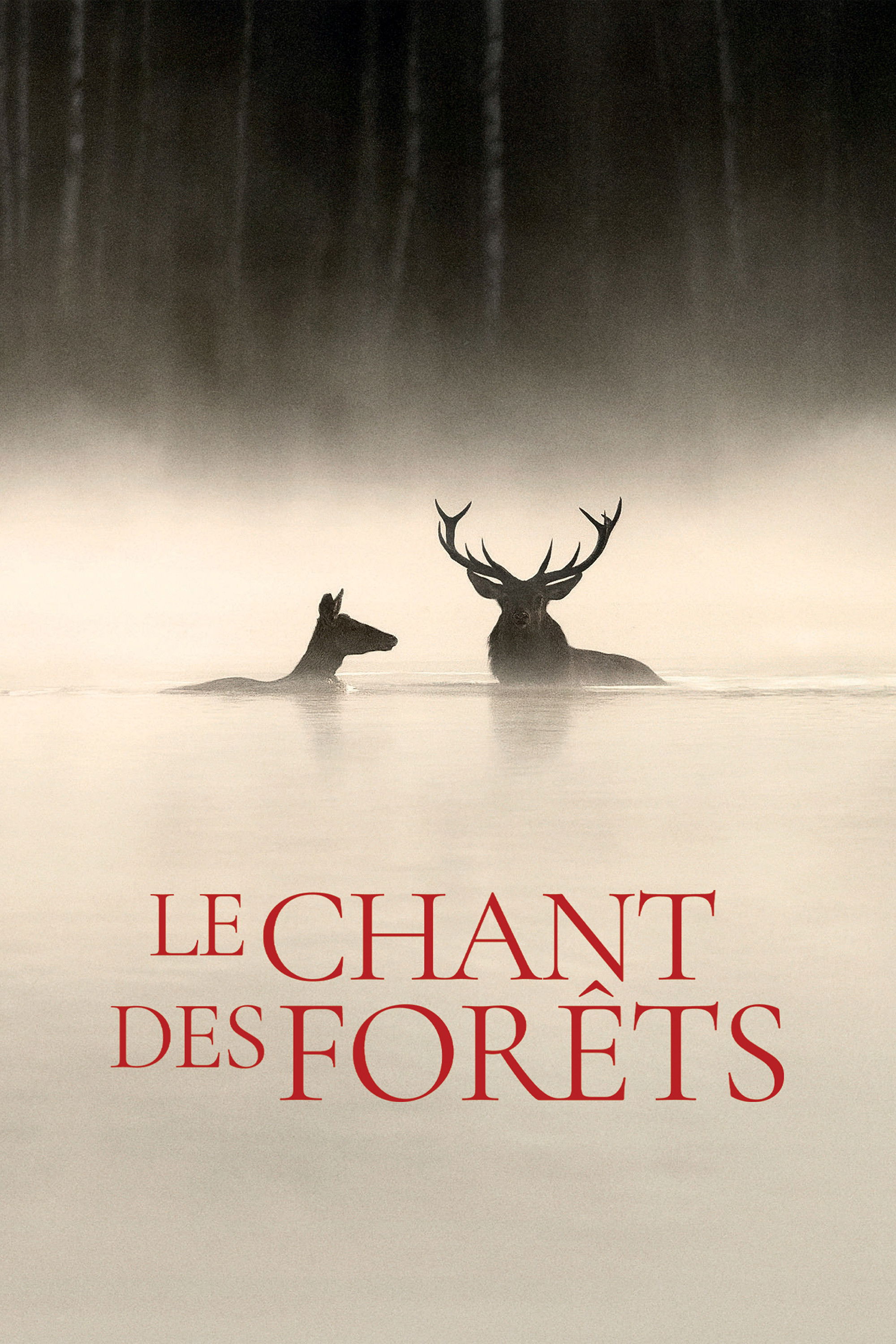
In the heart of the tranquil Vosges forests, where lynxes, bears and deer roam freely, Vincent Munier accompanies his father on his expeditions. He not only seeks to capture the visual wonders of this forest kingdom, but also aims to make its sounds audible. Every whisper of the forest is a reminder of the knowledge of nature that his father once imbued in him – knowledge that Vincent now passes on to his own son. Vincent Munier combines breathtaking footage of nature and its sounds to create a fairytale-like cinematic experience that slows time down.
A non-narrated documentary following the lovesome lives of four infants from birth to their first birthday. The babies featured are two from rural areas: Ponijao from Opuwo, Namibia, and Bayar from Bayanchandmani, Mongolia, as well as two from urban areas: Mari from Tokyo, Japan, and Hattie from San Francisco, USA.
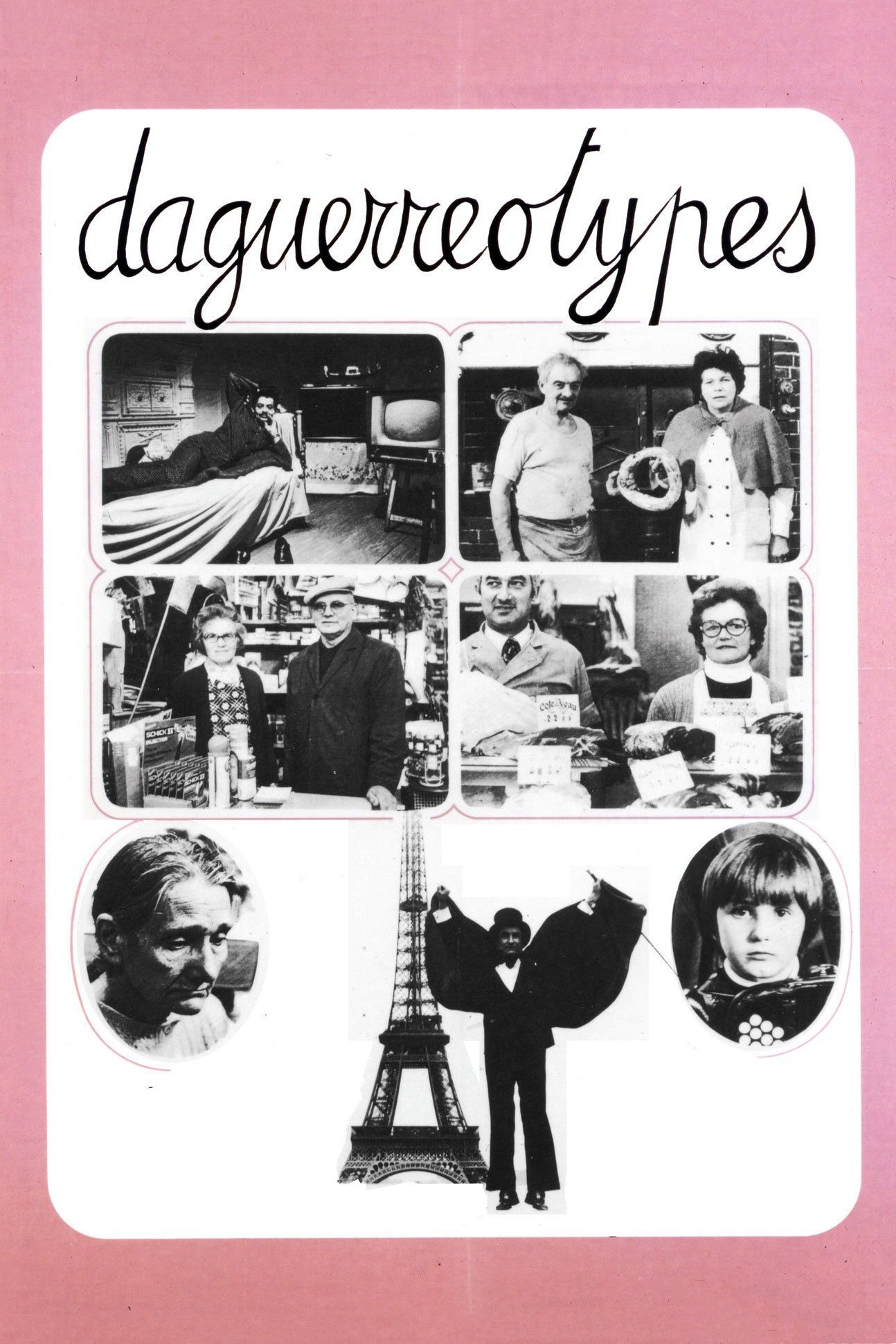
An intimate portrait of the small shops and shopkeepers of the Rue Daguerre in Paris, a picturesque street that has been the filmmaker’s home for more than 50 years.
Unravel the case of Utah therapist Jodi Hildebrandt, whose child abuse arrest with parenting YouTuber Ruby Franke exposed a twisted tale of manipulation.
Those who knew iconic funnyman John Candy best share his story, in their own words, through never-before-seen archival footage, imagery, and interviews.
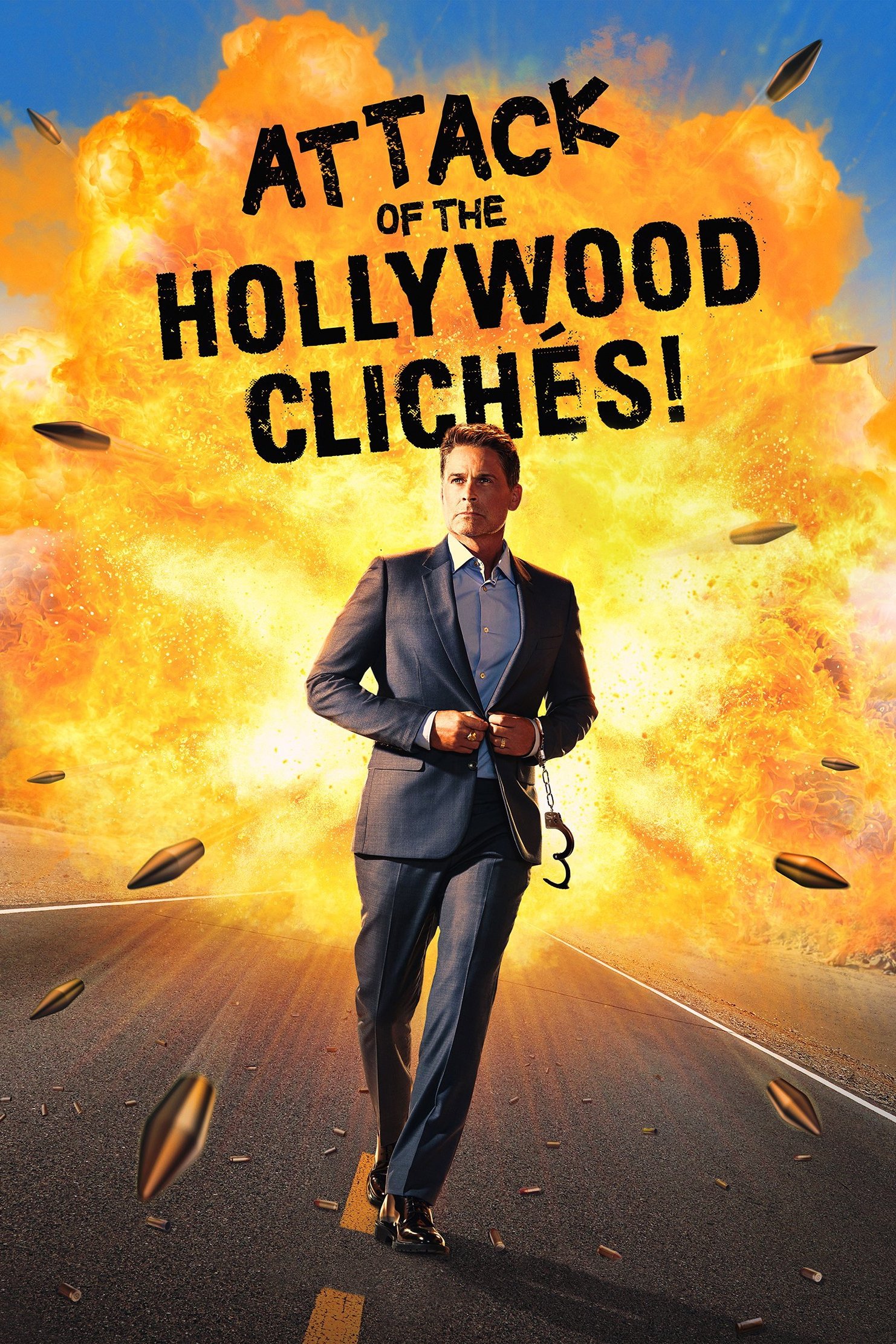
One-man armies, meet-cutes, casual strolls away from huge explosions — stars and industry insiders toast and roast these cinematic chestnuts and more.
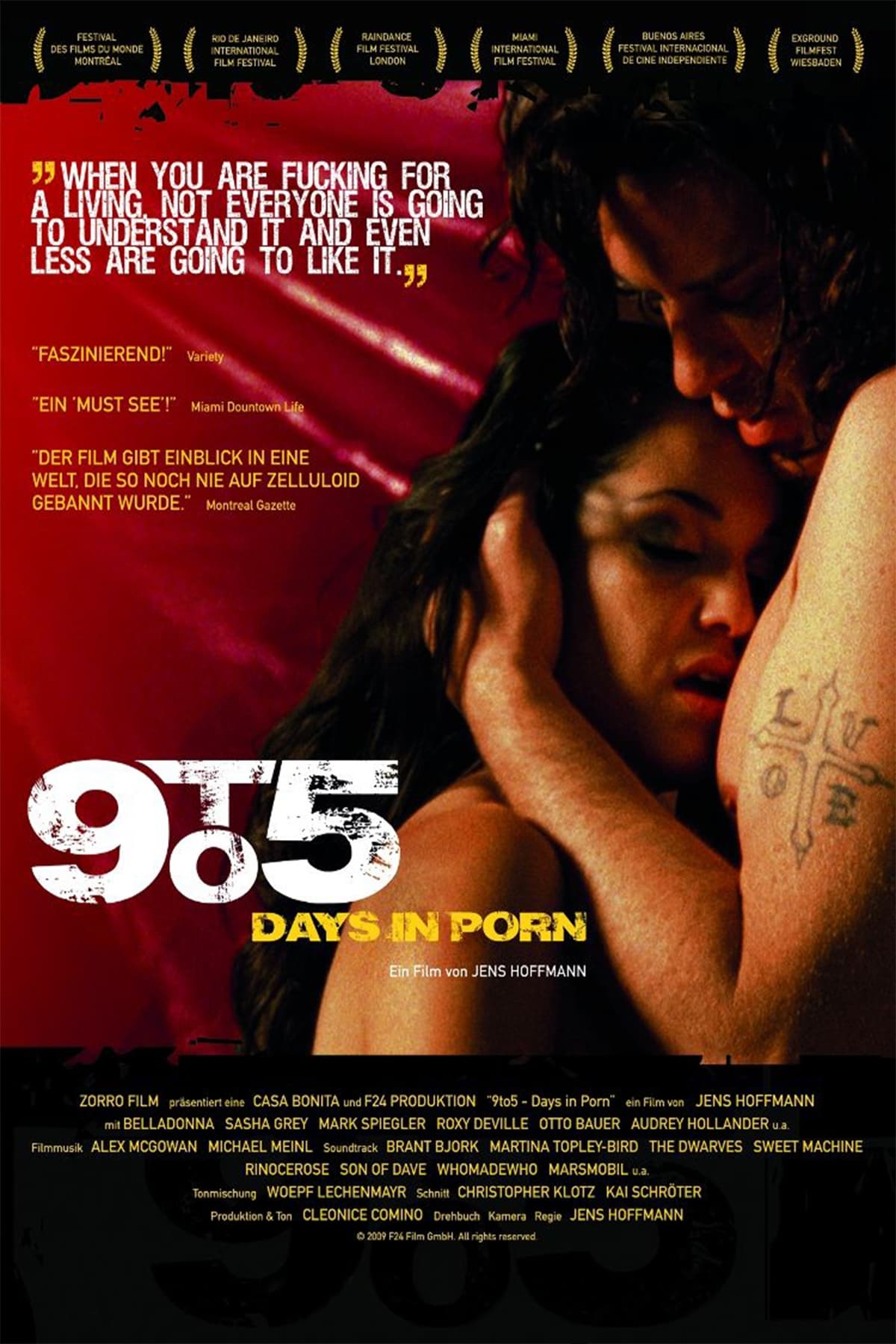
9to5 - Days in Porn focuses on the people behind a controversial and multi-billion dollar industry "The Adult Entertainment industry". It depicts their stories, each one different, unadorned and authentic, without glorification or prejudice. It delivers deep insight into their personal lives - from glamorous to grotesque - strange, fascinating, offensive, absurd and sometimes funny moments all at once.