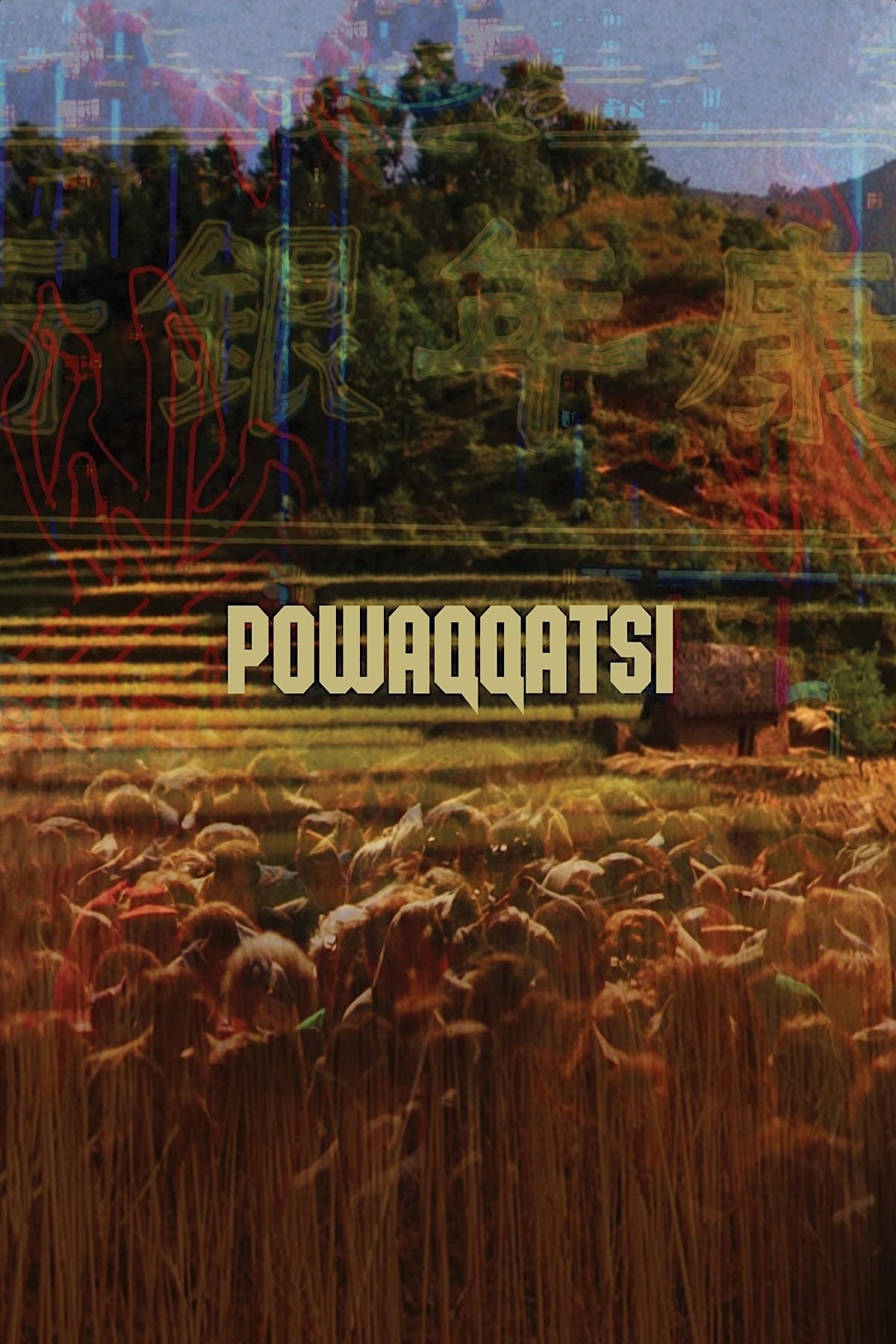
The Karikpo masquerade - a traditional dance of the Ogoni tribe - is transposed onto the remnants of a faded oil industry programme in the Niger delta.
Social & External
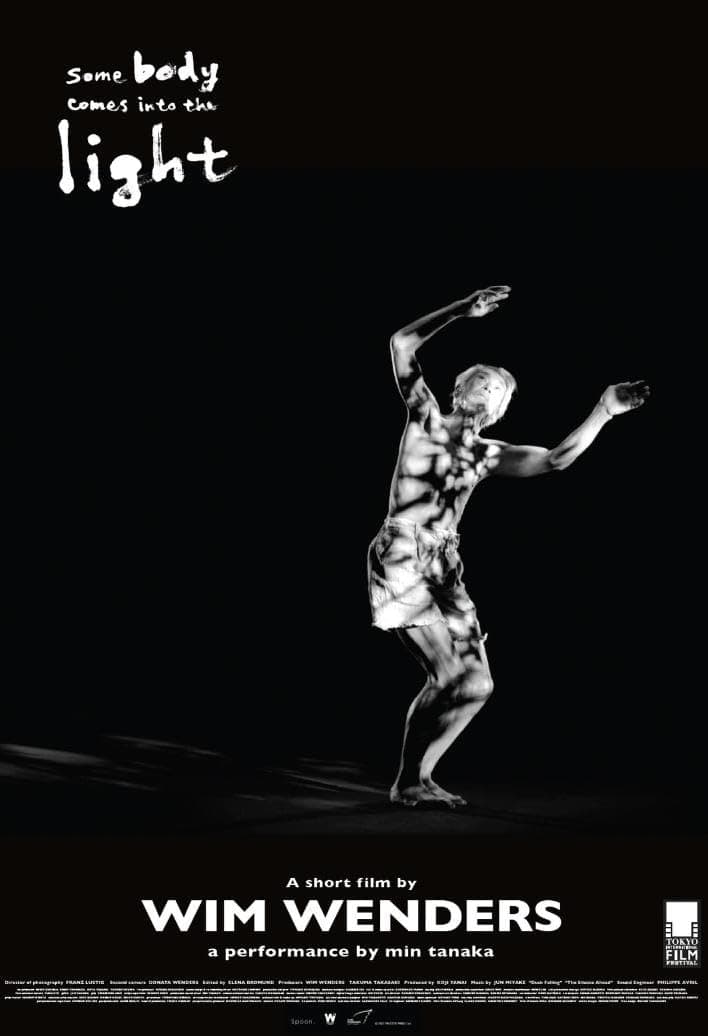
Experience a mystical journey through nature performed by a movement artist. Felix faces the whirling challenges of his inner turbulence with an emotionally charged dynamic, delicate strength, graceful dignity, as well as ecstatic devotion. Behold the fire dancer in the night.
A Bunch of Questions with No Answers (2025) is a 23-hour film by artists Alex Reynolds and Robert M. Ochshorn. Compiled entirely from questions posed by journalists at U.S. State Department press briefings between October 3, 2023, and the end of the Biden administration, the work removes the officials’ answers, leaving only the unresolved demands for clarity and accountability.
One of Paik’s most overtly political and poignant statements, Guadalcanal Requiem is a performance/documentary collage that confronts history, time, cultural memory and mythology on the site of one of World War II’s most devastating battles.

In Junior War, a throng of highschoolers congregate at night for a party in the woods sometime in the year 2000. A band plays, the kids get drunk, the boys and girls tepidly flirt, and groups deploy into cars for the purpose of destroying mailboxes, tee-peeing houses, breaking lawn ornaments, and sparring with the police. The film is composed entirely of footage Trecartin took during his senior year of high school in exurban Ohio; as such, it baits the viewer with genealogical significance.

The most popular breakdancer in ex-Yugoslavia, Hamit Djogani, better known as Djole Djogani, made a documentary about his life and collaboration with the biggest stars of regional music scene. With rich documentary material and recordings from private archives, Djogani gathers close associates again and creates an interesting story that testifies to a specific time in the 1990s.
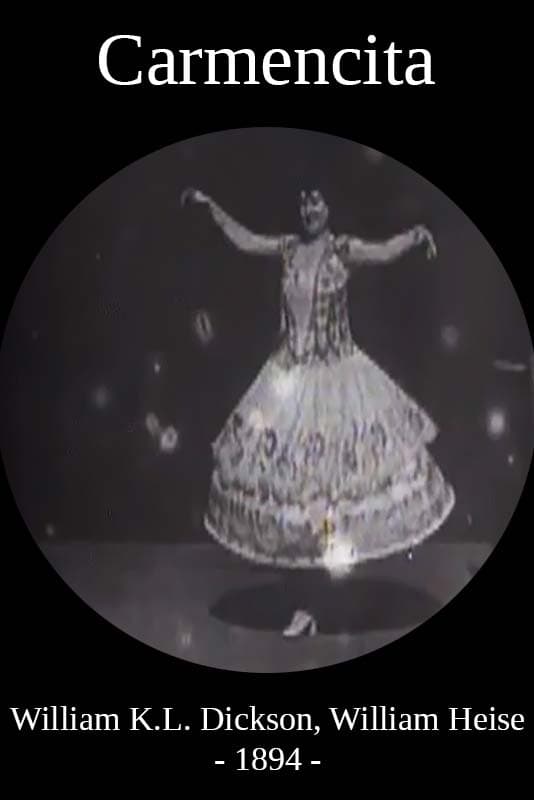
The first woman to appear in front of an Edison motion picture camera and possibly the first woman to appear in a motion picture within the United States. In the film, Carmencita is recorded going through a routine she had been performing at Koster & Bial's in New York since February 1890.
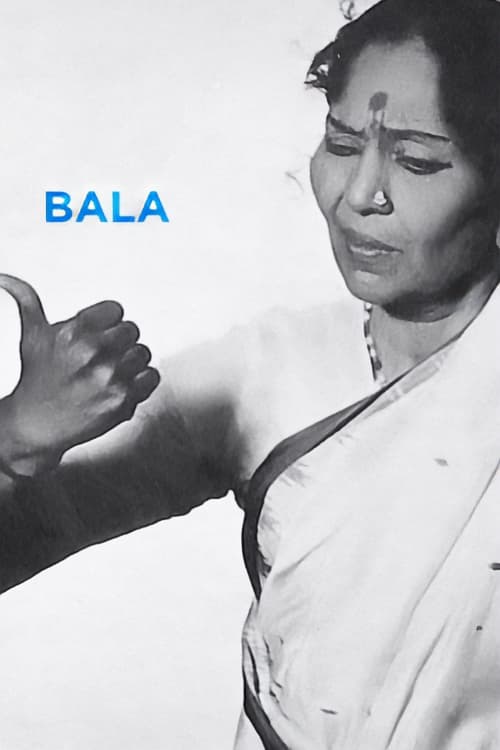
A documentary about the aging prima ballerina Balasaraswati (popularly known as "Bala"), the most famous exponent of the Bharatanatyam dance.
Today, analogue video is attractive primarily thanks to the distinctive aesthetic quality of its pixelated image and raster errors. But for Czech artists who first explored the possibilities offered by video art in the late 1980s, this medium represented a path towards freedom. Through a portrait of her grandfather Radek Pilař, one of the pioneers of Czech video art, the director explores her own legacy of imperative creative fascination. Her film’s main story, i.e., the process of reconstructing the 1989 exhibition Video Day, contrasts this enchantment with life in the final days of the totalitarian regime, which different sharply with the adventures of those who decided to emigrate – whom the filmmaker also visits in order to discover forgotten works, get to know their creators, and re-establish broken ties.
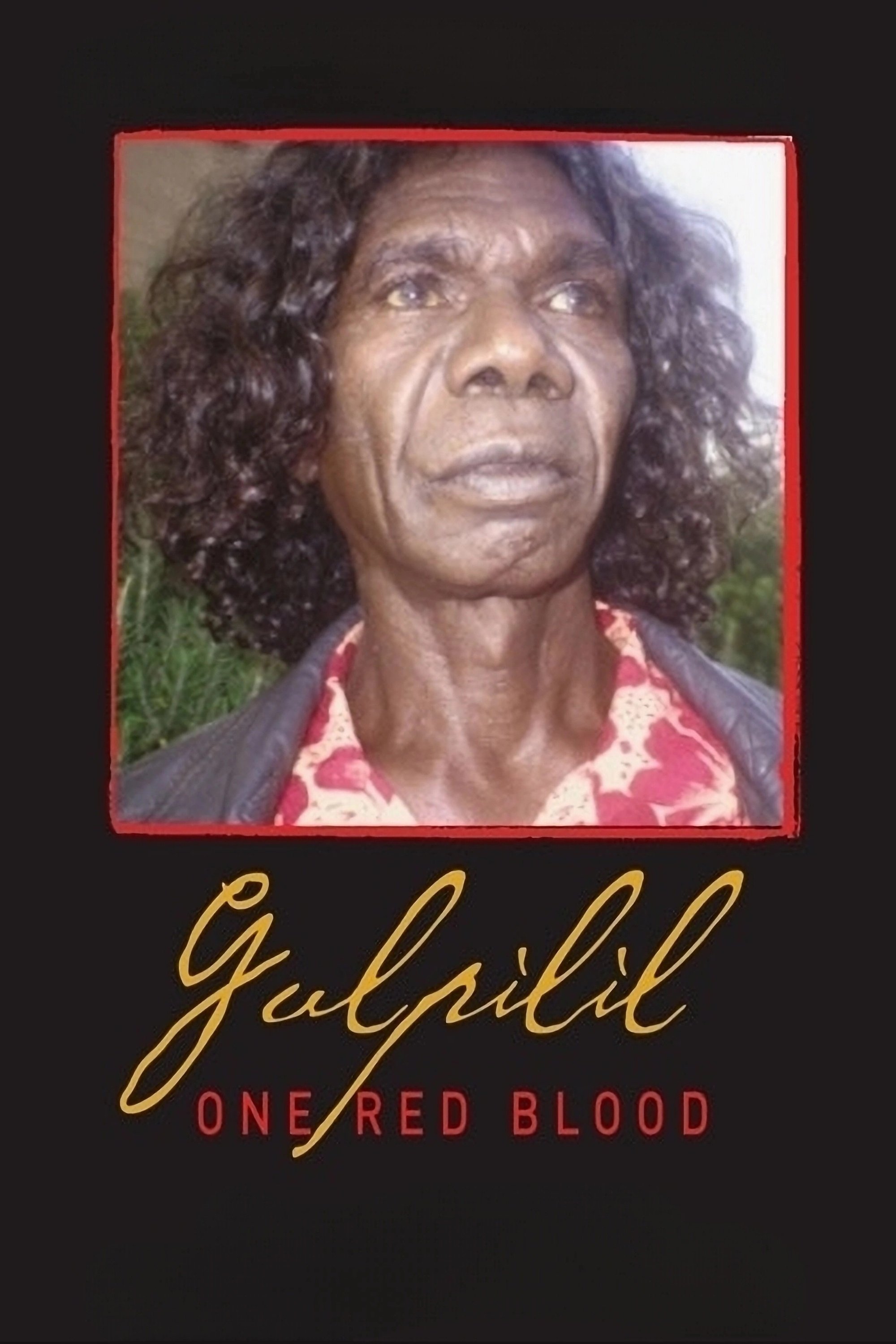
An hour-long documentary on the life and career of actor David Gulpilil.
IDFA and Canadian filmmaker Peter Wintonick had a close relationship for decades. He was a hard worker and often far from home, visiting festivals around the world. In 2013, he died after a short illness. His daughter Mira was left behind with a whole lot of questions, and a box full of videotapes that Wintonick shot for his Utopia project. She resolved to investigate what sort of film he envisaged, and to complete it for him.
The hilarious and bizarre story of Frank Sidebottom, the cult British comedian in a papier mâché head, and the secretive life of Chris Sievey, the artist trapped inside.
A hard-hitting public information film made at the height of the Great Influenza 1918-18.
In his book "1984", George Orwell saw the television of the future as a control instrument in the hands of Big Brother. Right at the start of the much-anticipated Orwellian year, Paik and Co. were keen to demonstrate satellite TV's ability to serve positive ends-- Namely, the intercontinental exchange of culture, combining both highbrow and entertainment elements. A live broadcast shared between WNET TV in New York and the Centre Pompidou in Paris, linked up with broadcasters in Germany and South Korea, reached a worldwide audience of over 10 or even 25 million (including the later repeat transmissions).
These 131 video monitors stacked in a grid present simultaneous, continuous footage of the German artist during the last year of his life. In this filmed diary-project that Dieter Roth executed while convalescing in Reykjavik and Basel, we see him not only working in his studio but also while he sleeps, bathes, and uses the bathroom. It is nearly impossible to pay attention to only one video without becoming distracted by an unexpected sound or movement coming from one of the many other screens. Each monitor broadcasts a different point in the artist's daily routine, while the gridlike arrangement of monitors reinforces a sense of order and chronology.
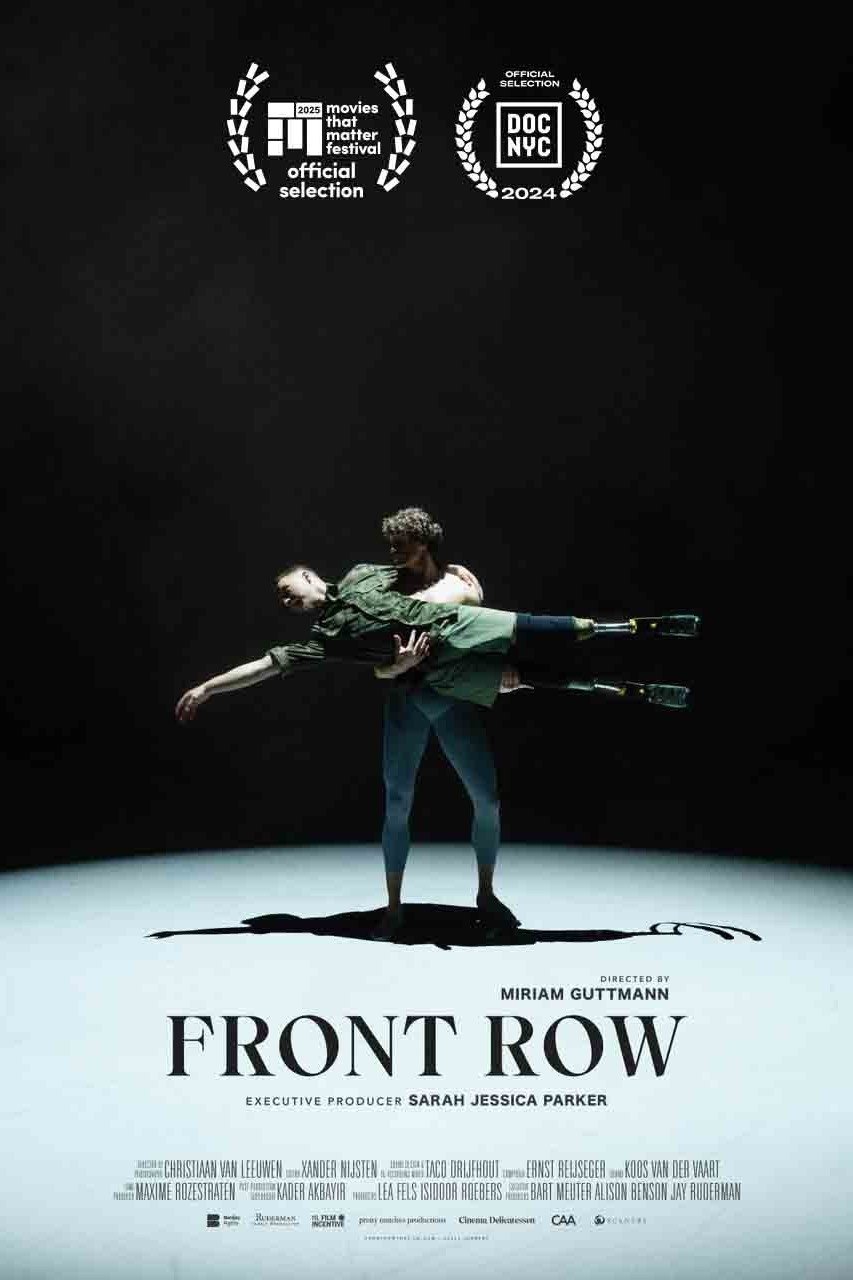
Stories about young Ukrainian dancers and their hasty flight to the Netherlands. You see their new life as refugees. The former conservatory in The Hague is a shelter for them where they collect their lives and find refuge in their profession: dance. The formation of a new ballet company, The United Ukrainian Ballet, is an important foothold in winning back their lives. They find comfort in each other and close friendships develop. In addition, there is the great love for ballet, for the dancers the best way to express themselves.
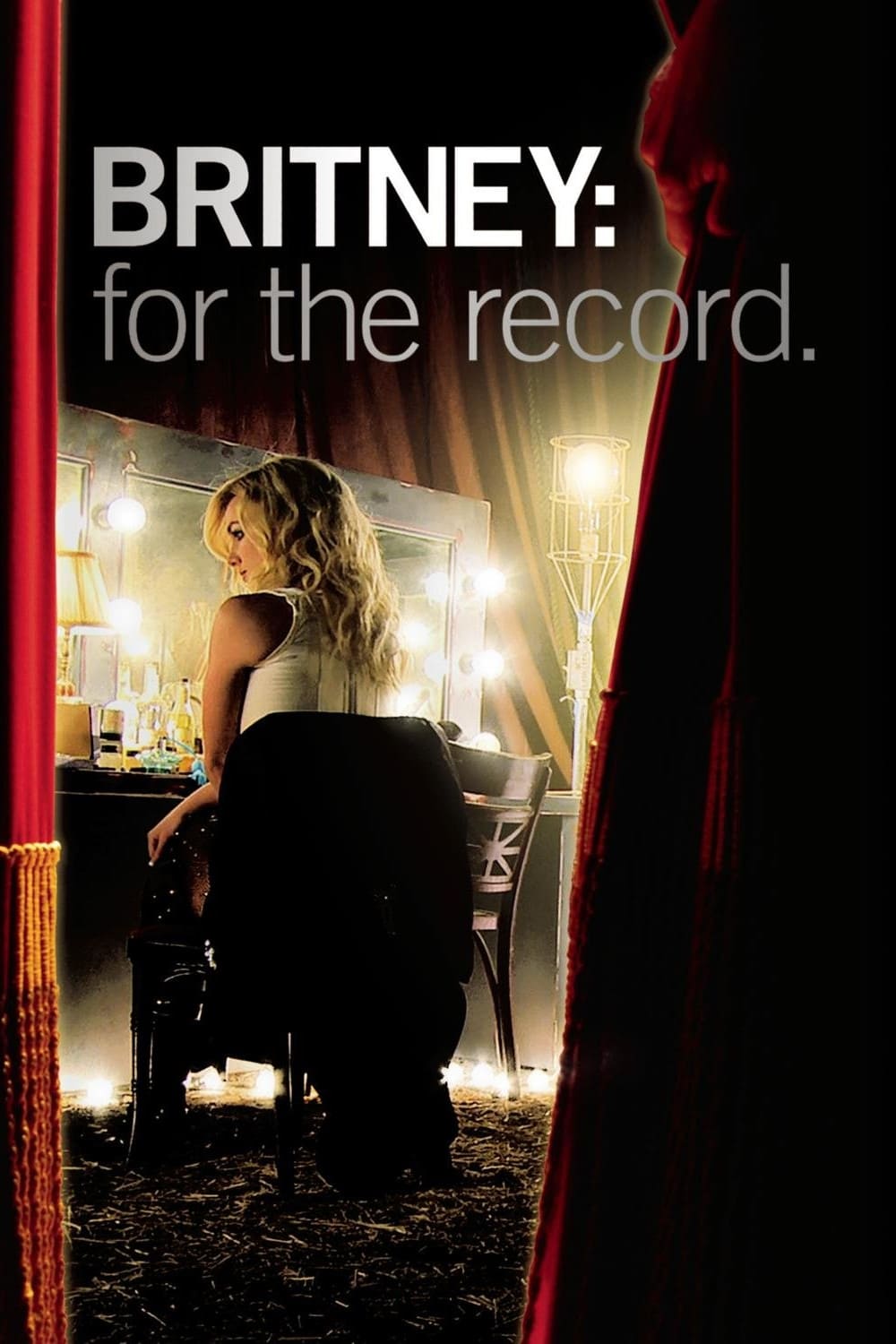
An introspective documentary which chronicles pop music queen Britney Spears' return to the spotlight after her much-publicized professional and personal struggles. Honest, raw and revealing, the one-hour special shares some of Spears' most intimate moments in the span of 60 days, and gives fans an inside look at Britney in the recording studio and on set filming the music videos for one of music's most triumphant comebacks.
"Come In" explores how Morse history is entangled with the history of the Spiritualist church. The Spiritualist Church was founded by the Fox sisters in 1850. They claimed that they were mediums who could communicate with the dead and they justified this ability by citing the new ability, through Morse, to speak with someone far away almost instantaneously. After fifty years of practicing Spiritualism, the sisters declared the religion a hoax, and many years later Morse code officially lost its role in the commercial realm. As Spiritualists continue to send messages to the dead in spite of the sisters’ statements, and Morse operators transmit messages into the ether with hope, Johnson asks: How do communication networks and technologies affect our calls and responses and make visible our desire for reciprocity?
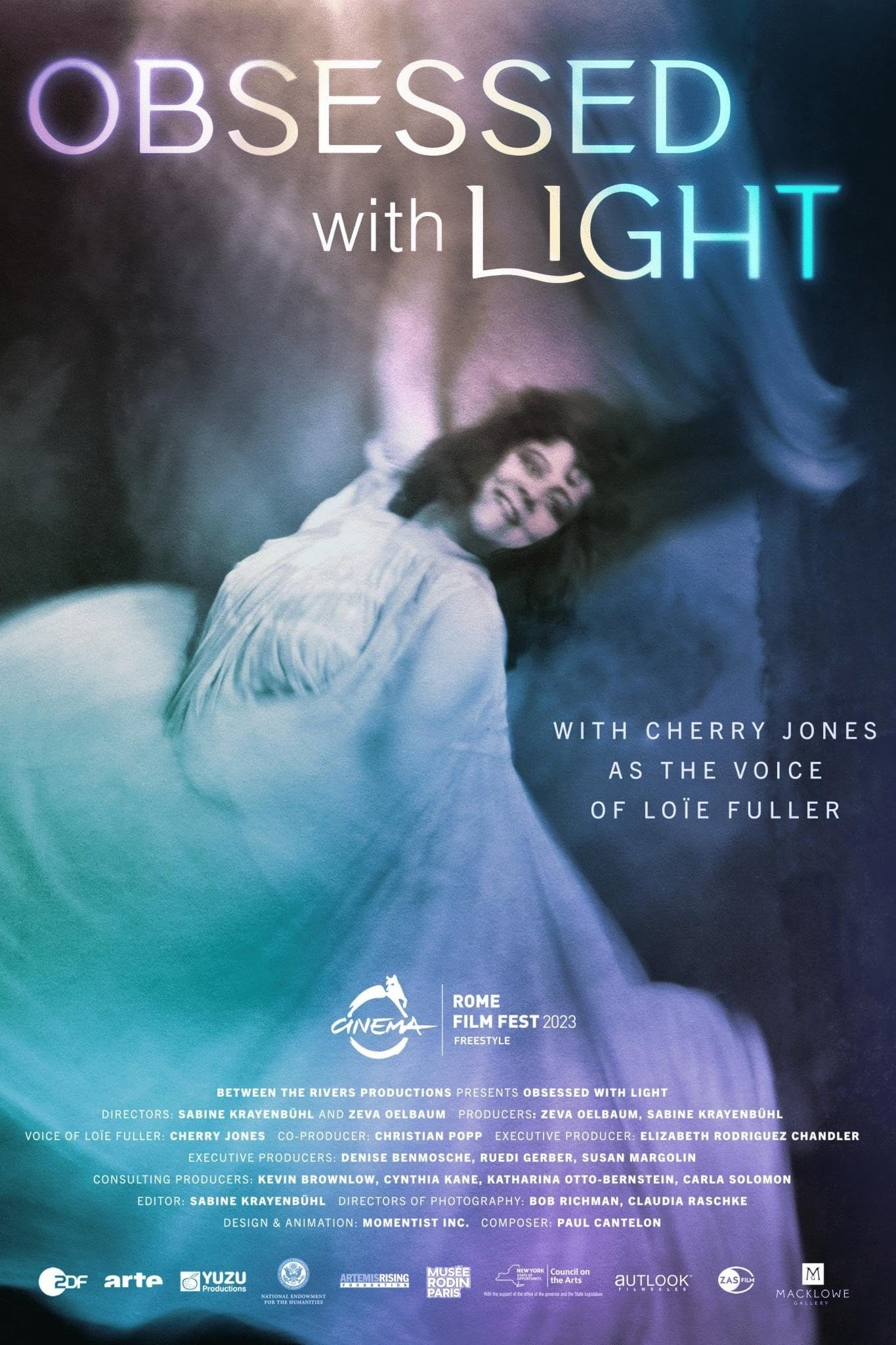
The outrageous life of the American dancer of the 1920s, Isadora Duncan, whom Ken Russell described as "part genius and part charlatan".