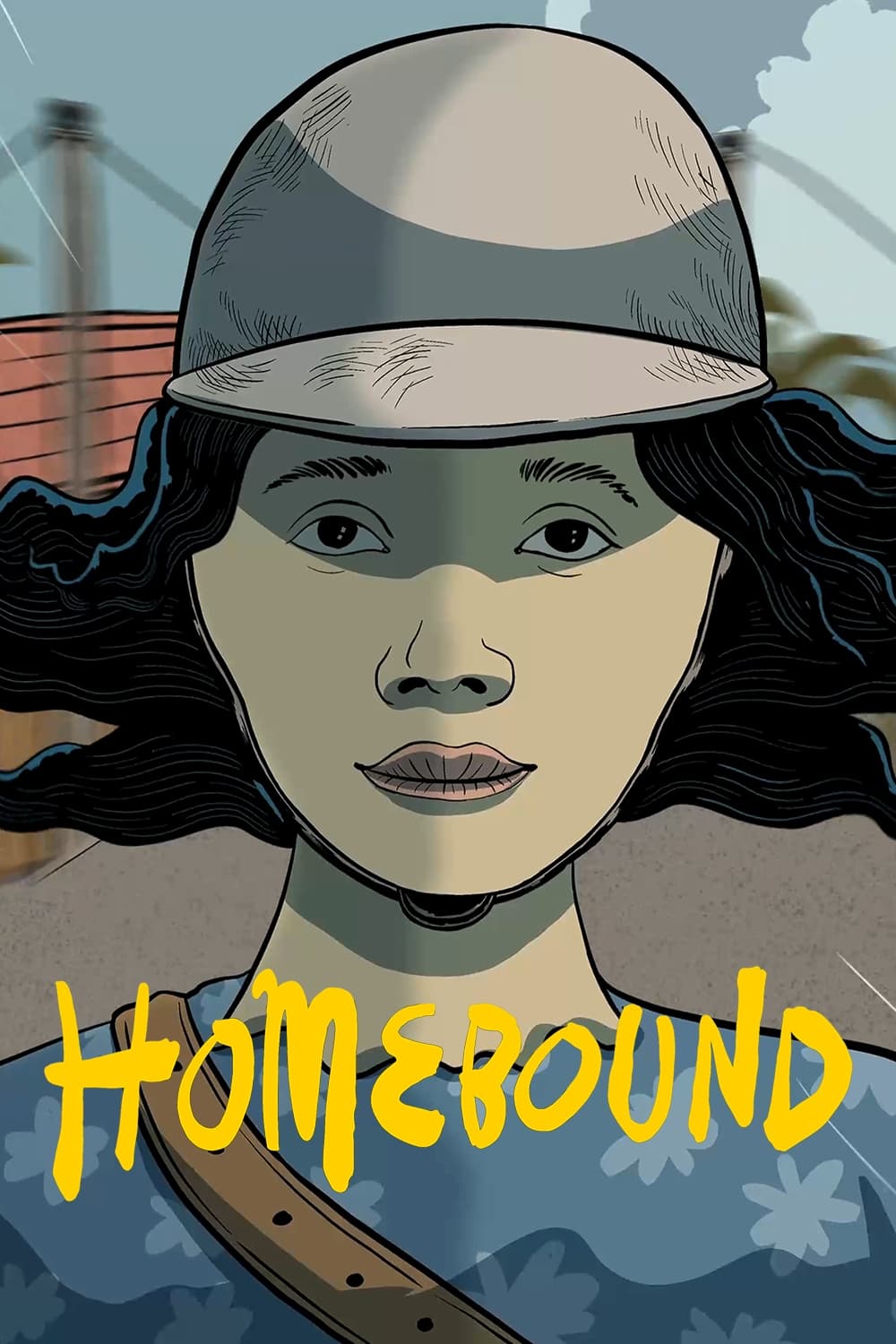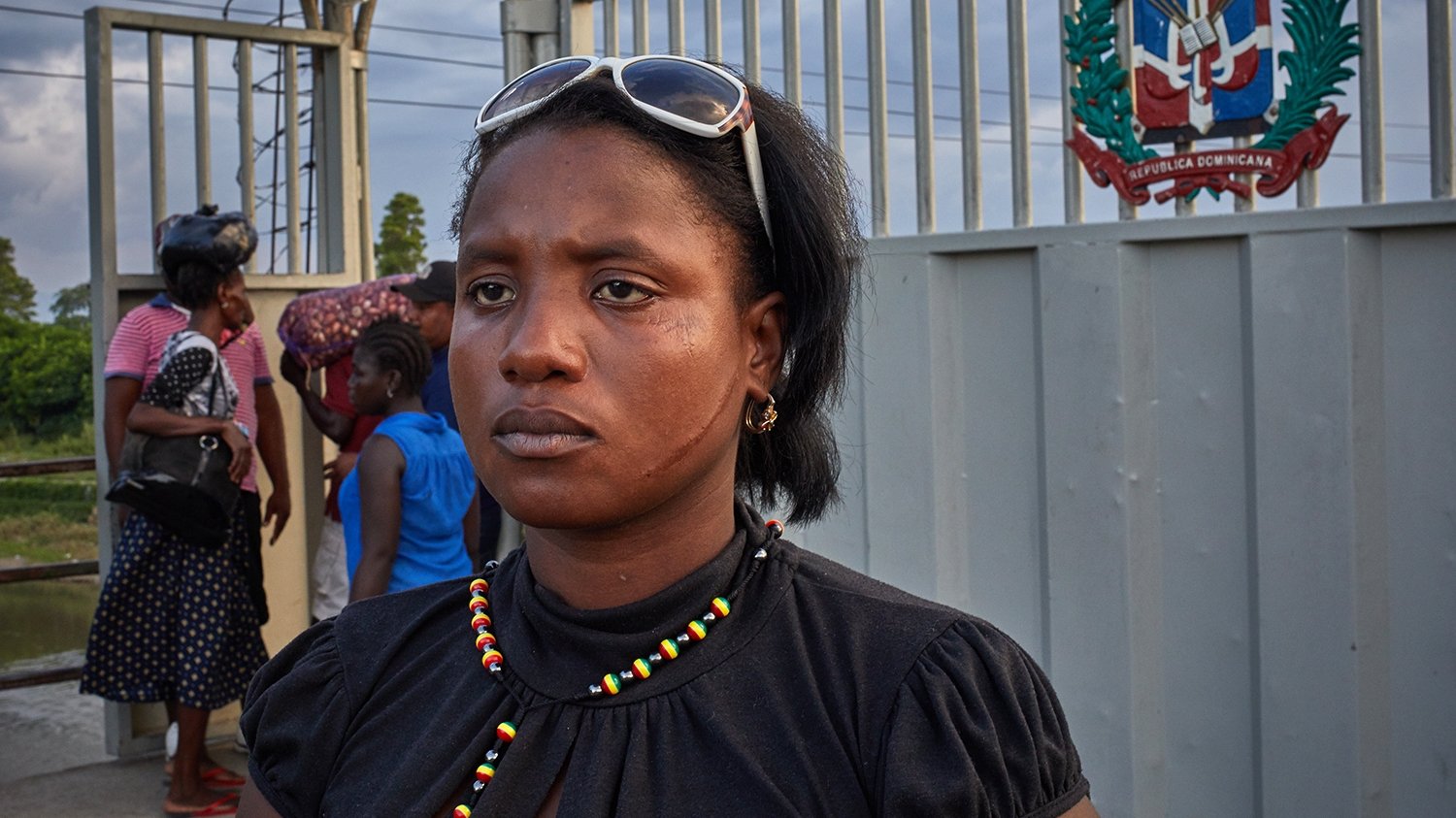
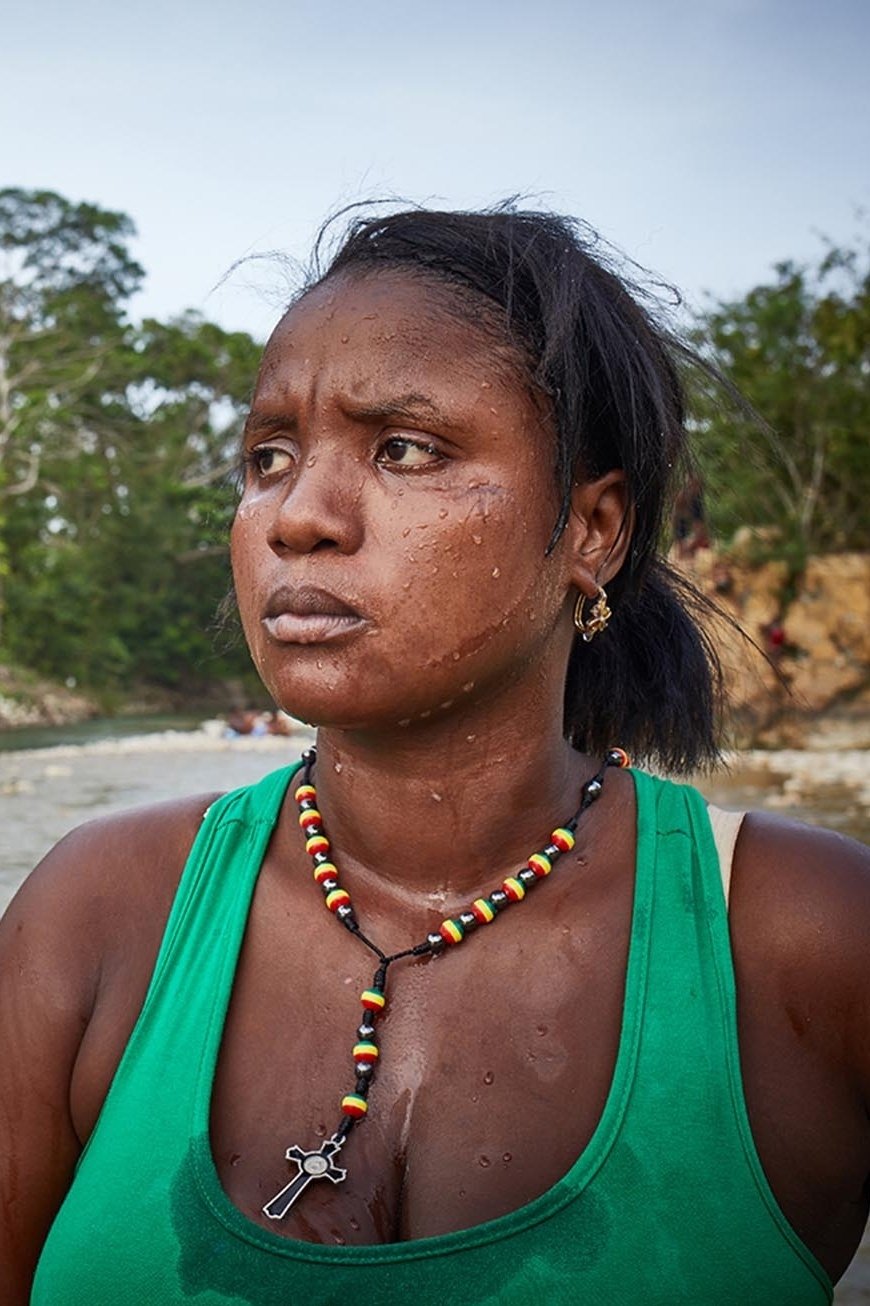
Pikilina is a Dominican-born woman of Haitian descent. Racial and political violence erupts when the country of her birth, the Dominican Republic, reverses birthright citizenship and she and 200,000 others are left stateless.
Social & External
The story puts İlhan Çomak at the center, even though he is not physically present in the film. It focuses on the 21 years that İlhan spent in prison and his family’s experience of those years without him. The narrative is constructed through the letters İlhan wrote and aims to describe his life, his emotions and longings. The film constructs İlhan’s history through a chronology in the prison but refrains from restricting it only to a “prisoner’s quest for justice”, and rather tells a story of the situations he finds himself in over the years and his emotions and their equivalents in life.

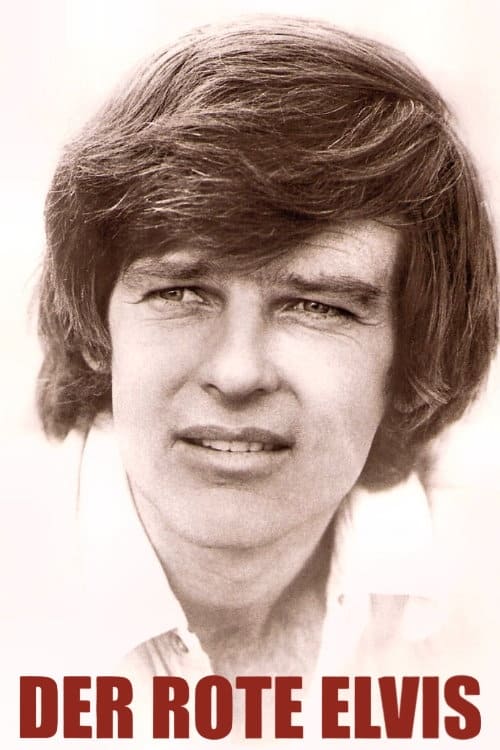
A documentary on the late American entertainer Dean Reed, who became a huge star in East Germany after settling there in 1973.
Between reality and animation, the story of Nidhal is told, a young homosexual Tunisian who defended individual freedoms in Tunisia through his work in radio. He found himself under a lot of pressure which forced him to leave the country and seek asylum in the Netherlands.
Svetlana has lost her son who was found dead while he was in the army. As she tries to shed light on the culture of violence and abuse in the Belarusian military, a group of young friends from the techno underground soon face being drafted themselves. They go to rave parties in undershirts and round sunglasses, but in a moment the party could be over – at least until huge protests break out in the streets following the recent ‘re-election’ of dictator-president and Putin sympathiser, Aleksandr Lukashenko. A glimmer of hope and a promise of change, which only causes the brutality of the authoritarian society to erupt in full force.
Crump's mission to raise the value of Black life as the civil lawyer for the families of George Floyd, Breonna Taylor, Black farmers and banking while Black victims, Crump challenges America to come to terms with what it owes his clients.
So Yun Um’s debut feature is a moving portrait of two Korean American children of liquor store owners reconciling their dreams with those of their immigrant parents, against the backdrop of struggles for racial equity in Los Angeles.
This film recreates the true story of Tom Sukanen, an eccentric Finnish immigrant who homesteaded in Saskatchewan in the 1920s and 1930s. Sukanen spent ten years building and moving overland a huge iron ship that was to carry him back to his native Finland. The ship never reached water.
This documentary follows 8 teens and pre-teens as they work their way toward the finals of the Scripps Howard national spelling bee championship in Washington D.C.
In the 1990s many people in Kurdistan were taken into custody and interrogated under torture; their killers disposed of the bodies by throwing them out of helicopters, or burying them in acid-filled wells. Thousands were murdered/disappeared by paramilitary forces—such as Jitem and Hizbul-Kontra—that were financed and supported by the state, though they have always stuck to the line: “We didn’t do it.” The documentary looks at the case of seven people, including four children, who were disappeared from the town of Kerboran [Dargeçit] in 1995, and tells the story of their families’ tireless search for their bones
Through a training trip, in which the filmmakers also participate, the contrasts that exist between the conservatism of machismo and the new masculinity are evident; testimonies, discoveries and liberation in a circle of men.
Gary's Story is part of a collective filmmaking project that looks at relationships between teenagers and their grandparents in families that have recently immigrated to the US from the former Soviet Union. Gary's family is from Moscow.
This Ukrainian-Jewish teenager immigrated to San Francisco as a young child. Now on the brink of adulthood, she interviews her grandparents about their new lives yearning to see her American world through their eyes. Yelena understands that life in the US has changed her profoundly.
The autobiographical account of the tormented life of a witness of the century: Louisa Ighilahriz, activist and leading figure in Algerian independence. A student, she joined the independence struggle at the age of 20, joining the ranks of the FLN on the eve of the Battle of Algiers in late 1956 under the name Lila. She took part in the high school students' strike, then fled into the maquis when she was actively sought after. She was part of the French FLN support network of "suitcase carriers" during the Battle of Algiers. Seriously wounded alongside her network leader, Saïd Bakel, during an ambush in 1957, hospitalized and then imprisoned, she suffered numerous tortures in French prisons. She will be saved from certain death by an anonymous person, she will seek, for forty years, to find him just to show him her gratitude... Emblematic of the painful Franco-Algerian history, Louisa's story is poignant and imbued with humanism.
The black power salute by Tommie Smith and John Carlos at the 1968 Mexico Olympics was an iconic moment in the US civil rights struggle. Far less known is the part in that episode in history played by Peter Norman, the white Australian on the podium who had run second — and the price paid afterward by all three athletes.
2003 documentary film produced by Oliver Stone for the HBO series America Undercover about the conflict in occupied Palestine. He speaks with Ehud Barak and Benjamin Netanyahu, former prime ministers of Israel, Yasser Arafat, late president of the Palestinian National Authority, and various Palestinian activists resisting the oppression of the zionist regime.
Though both the historical and modern-day persecution of Armenians and other Christians is relatively uncovered in the mainstream media and not on the radar of many average Americans, it is a subject that has gotten far more attention in recent years.
This feature documentary takes us to the heart of the Jane-Finch "Corridor" in the early 1980s. Covering six square blocks in Toronto's North York, the area readily evokes images of vandalism, high-density subsidized housing, racial tension, despair and crime. By focusing on the lives of several of the residents, many of them black or members of other visible minorities, the film provides a powerful view of a community that, contrary to its popular image, is working towards a more positive future.
In a candid and unflinching portrait of Palestinian prisoners, Shimon Dotan takes viewers inside the highest security prisons in Israel where thousands of Palestinians fill these detention facilities.
French documentary campaigning for the liberalization of abortion and contraception, directed by Charles Belmont and Marielle Issartel in 1973.
Deep beneath the surface in the Syrian province of Ghouta, a group of female doctors have established an underground field hospital. Under the supervision of paediatrician Dr. Amani and her staff of doctors and nurses, hope is restored for some of the thousands of children and civilian victims of the ruthless Syrian civil war.
Nine filmmakers each profile a young girl from a different part of the world to weave a global tapestry of youth in the 21st century.
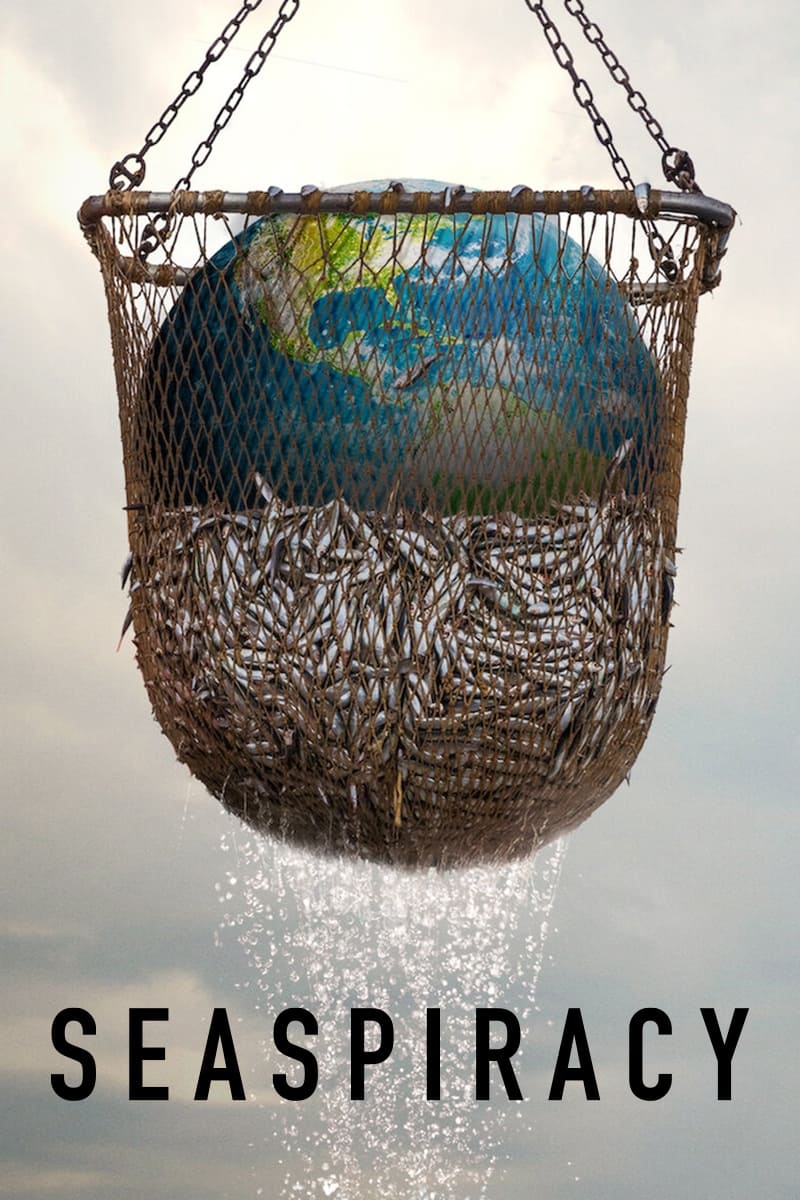
An experimental portrait of the North American commercial fishing industry through the lens of GoPro cameras placed on a fishing vessel off the coast of New England.
This searing investigative work shadows a group of activists risking unimaginable peril to confront the ongoing anti-LGBTQ program raging in the repressive and closed Russian republic. Unfettered access and a remarkable approach to protecting anonymity exposes this under-reported atrocity–and an extraordinary group of people confronting evil.
Over seven decades, actor and activist George Takei journeyed from a World War II internment camp to the helm of the Starship Enterprise, and then to the daily news feeds of five million Facebook fans. Join George and his husband, Brad, on a wacky and profound trek for life, liberty, and love.
The Captains is a feature-length documentary film written and directed by William Shatner. The film follows Shatner as he interviews the other actors who have portrayed starship captains in the Star Trek franchise.
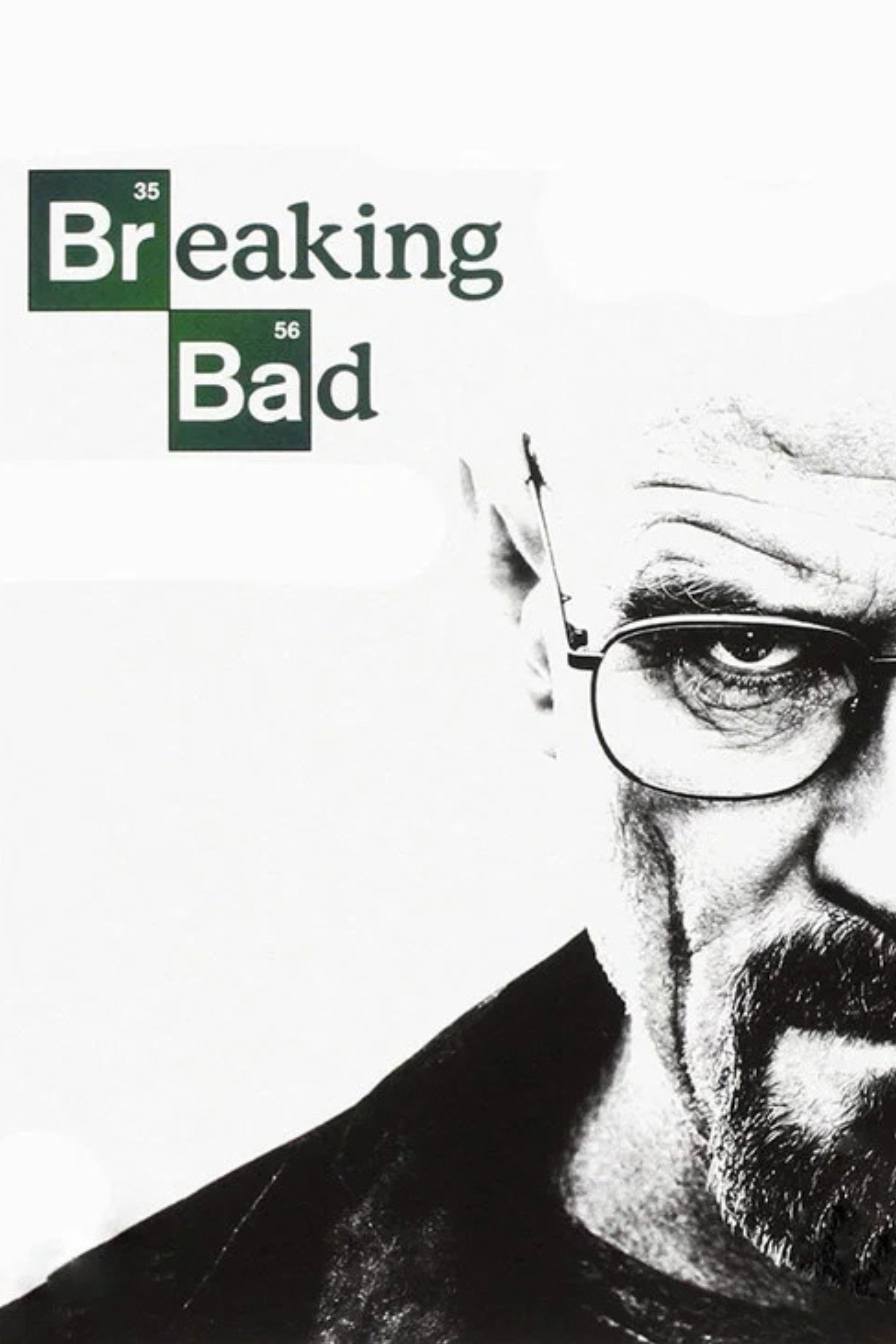
A documentary about the making of season five of the acclaimed AMC series Breaking Bad.
When Allied forces liberated the Nazi concentration camps in 1944-45, their terrible discoveries were recorded by army and newsreel cameramen, revealing for the first time the full horror of what had happened. Making use of British, Soviet and American footage, the Ministry of Information’s Sidney Bernstein (later founder of Granada Television) aimed to create a documentary that would provide lasting, undeniable evidence of the Nazis’ unspeakable crimes. He commissioned a wealth of British talent, including editor Stewart McAllister, writer and future cabinet minister Richard Crossman – and, as treatment advisor, his friend Alfred Hitchcock. Yet, despite initial support from the British and US Governments, the film was shelved, and only now, 70 years on, has it been restored and completed by Imperial War Museums under its original title "German Concentration Camps Factual Survey".
“Showrunners” is the first ever feature length documentary film to explore the fascinating world of US television showrunners and the creative forces aligned around them. These are the people responsible for creating, writing and overseeing every element of production on one of the United State’s biggest exports – television drama and comedy series. Often described as the most complex job in the entertainment business, a showrunner is the chief writer / producer on a TV series and, in most instances, the show’s creator. Battling daily between art and commerce, showrunners manage every aspect of a TV show’s development and production: creative, financial and logistical.
This documentary follows oceanographer Sylvia Earle's campaign to save the world's oceans from threats such as overfishing and toxic waste.
The geographical dead center of North America and the beloved birthplace of Guy Maddin, Winnipeg, is the frosty and mysterious star of Maddin’s film. Fact, fantasy and memory are woven seamlessly together in this work, conjuring a city as delightful as it is fearsome.
DEEP WATER is the stunning true story of the fateful voyage of Donald Crowhurst, an amateur yachtsman who enters the most daring nautical challenge ever – the very first solo, non-stop, round-the-world boat race.
A documentary focused on plastic pollution in the world's oceans.
A visual montage portrait of our contemporary world dominated by globalized technology and violence.
An impressionistic portrait of the iconic actor Harry Dean Stanton comprised of intimate moments, film clips from some of his 250 films and his renditions of American folk songs.
Years spent recording footage of creatures from every corner of the globe is bound to produce a bit of drama. Here's a behind-the-scenes look.
Al Pacino's deeply-felt rumination on Shakespeare's significance and relevance to the modern world through interviews and an in-depth analysis of "Richard III."
Against the darkening backdrop of New Delhi's apocalyptic air and escalating violence, two brothers devote their lives to protecting one casualty of the turbulent times: the bird known as the black kite.
A documentary on the expletive's origin, why it offends some people so deeply, and what can be gained from its use.
More than 65 million people around the world have been forced from their homes to escape famine, climate change and war, the greatest displacement since World War II. Filmmaker Ai Weiwei examines the staggering scale of the refugee crisis and its profoundly personal human impact. Over the course of one year in 23 countries, Weiwei follows a chain of urgent human stories that stretch across the globe, including Afghanistan, France, Greece, Germany and Iraq.