Social & External
The people behind it
This film celebrates the long and successful collaboration of Elton John and Bernie Taupin, including a compilation of Elton John performances and in-depth interviews with both men.
This film takes a close look at Africa's varied geography and the people who settled and live in these region. Also it contrasts the rural villages and the modern cities.
Thabo, Thabiso and Moalosi are young, attractive and deal openly with their HIV status. Nearly a third of the population in Lesotho is HIV positive.
A conversation between an older, HIV positive woman and her niece. The women talk about what it means to be a woman, mother, elderly and HIV positive in Lesotho. They speak about love, marriage, motherhood, inter-generational sex and health systems in the context of HIV in Lesotho.
A film about a lion.
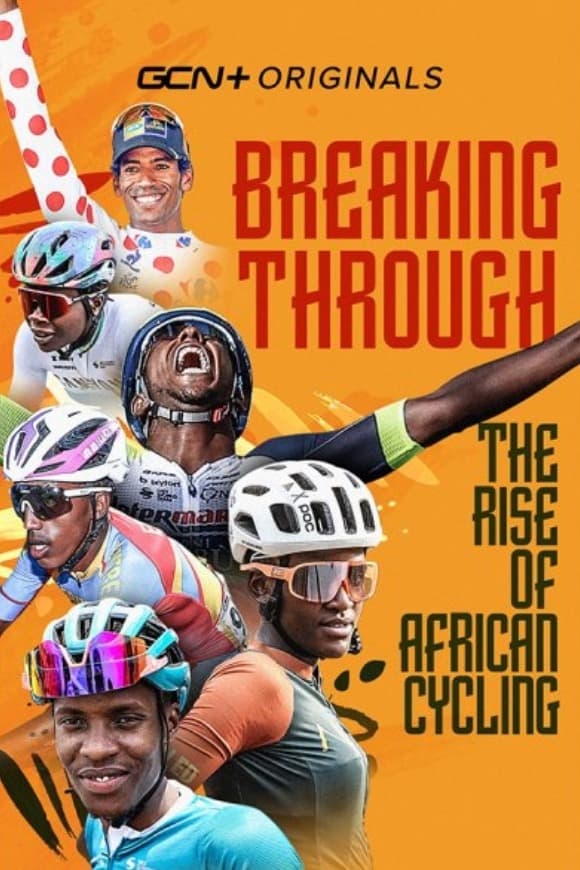
Biniam Girmay’s recent successes have shown that African cycling is on the up, ready at last to follow athletics and football into the big time. But why has it taken so long, and what’s needed to take it all the way? Set against the beauty and battles of the Tour du Rwanda, we explore the past, present and future of riders from Eritrea, South Africa, Rwanda and more, meeting Girmay and the rising stars hot on his heels, as well as the people passionate about giving these riders the opportunities they deserve. This is the story of the next great continent in cycling - Africa.
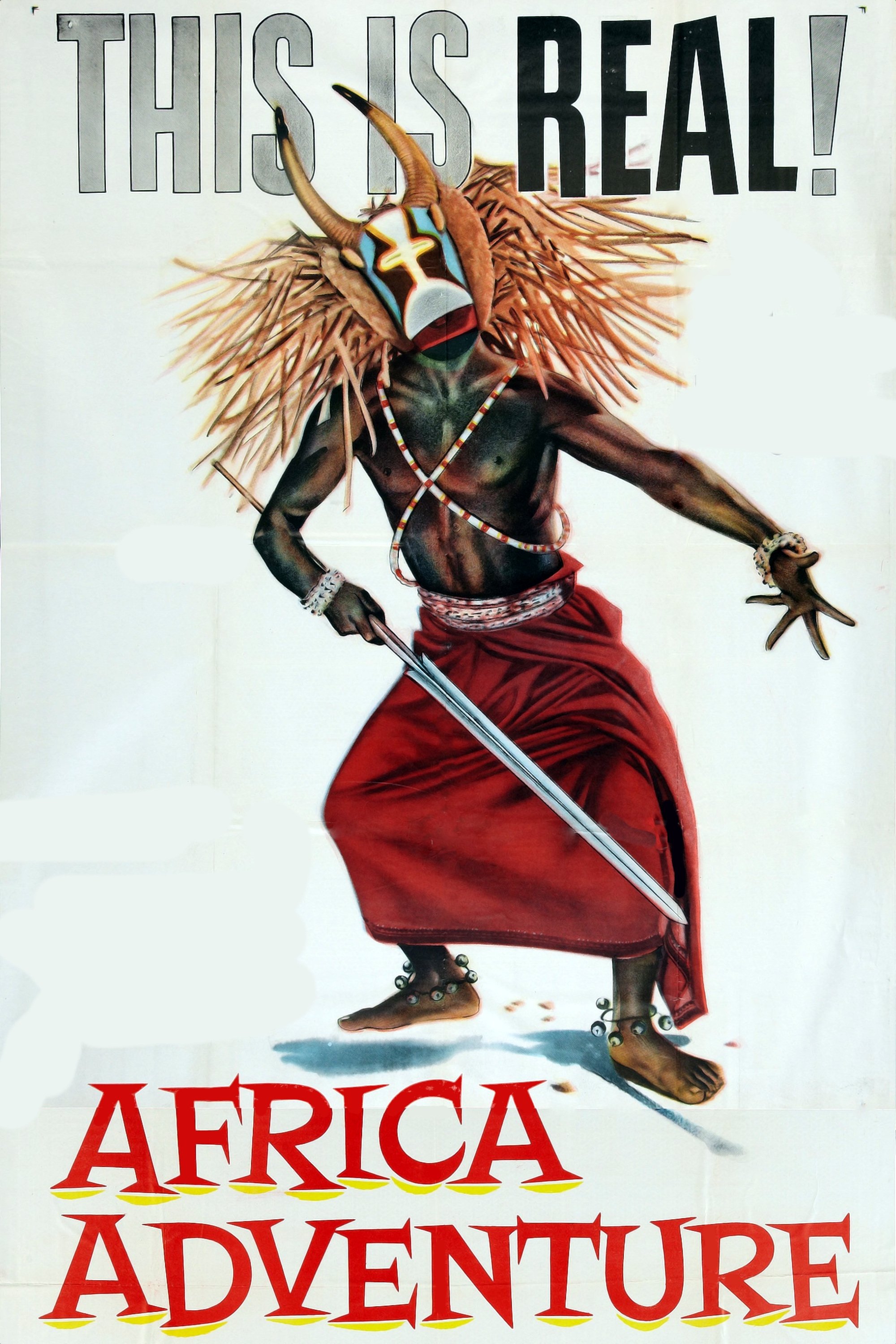
A true film account of a three-month safari in the big game hunting areas of the Dark Continent, undoctored with any faked plot or contrivance.
This shocking documentary reveals the plight of young Nigerians branded as witches.
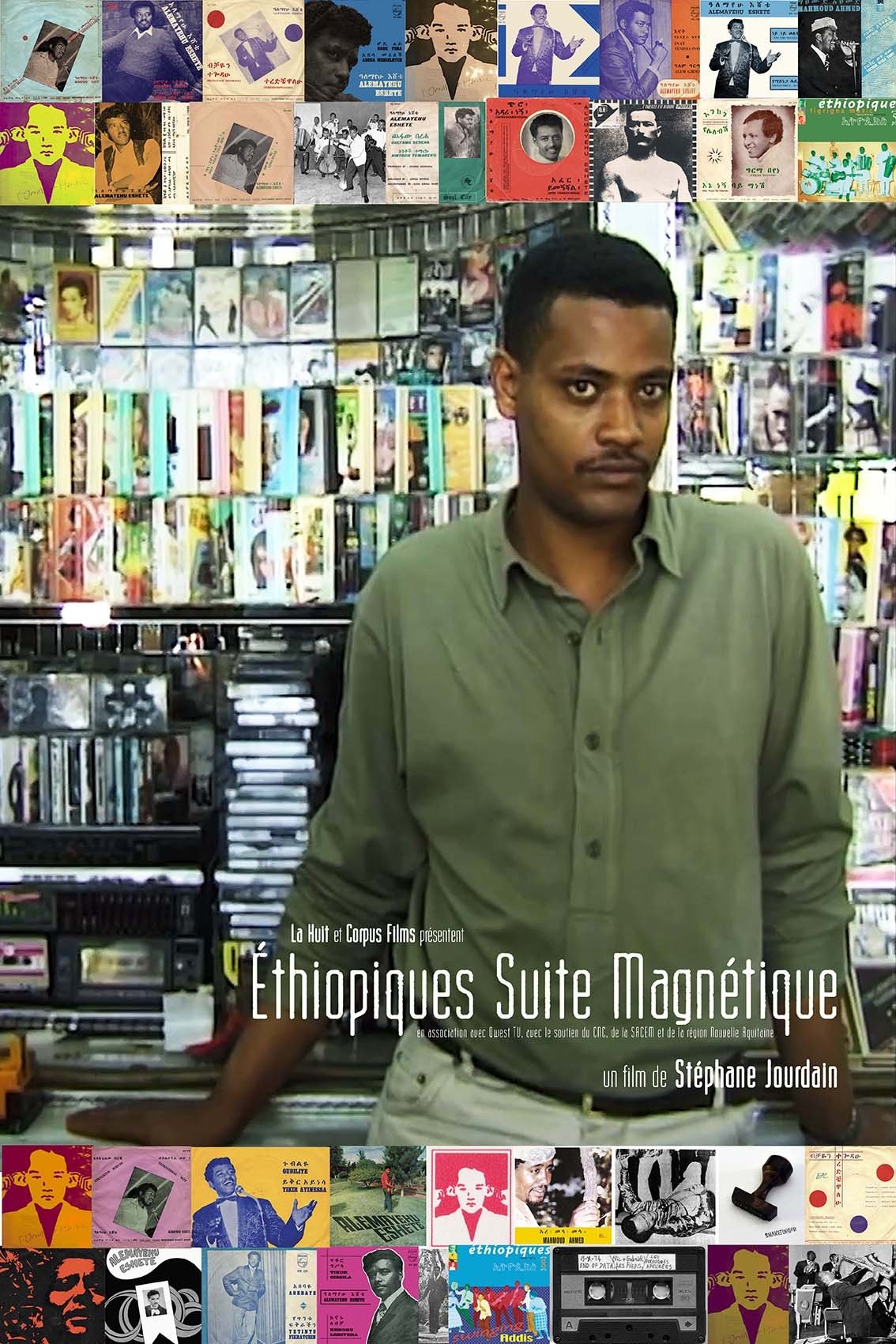
Dazzled by the surrealist movement, Francis Falceto decided at the age of 17 to live an extraordinary life. In the 1980s, co-created l'Oreille est Hardie and Le Confort Moderne in Poitiers, leaving his mark on French underground culture. A record he discovered by chance opened another important chapter in his life: Ethiopian music, of which he became a great champion. "Ethiopiques Magnetic Suite" is the portrait of a discreet and essential man, a plunge into the counterculture, an invitation to live his his life.
On a journey to West Africa, award-winning documentarian Mathew Welsh fashions portraits of six 'middle class' Gambians - taking us beyond stereotypes about Africa - and teaching us that we in the Developed World have a lot to learn from West Africa about how we give, how we live. These are six personalities that will resonate with a Western audience.
This film speaks of archaic peoples, their customs and mores, in an attempt to make the last snapshots of their traditional lifestyles before they are gone for good.
Filmmaker Christopher Quinn observes the ordeal of three Sudanese refugees -- Jon Bul Dau, Daniel Abul Pach and Panther Bior -- as they try to come to terms with the horrors they experienced in their homeland, while adjusting to their new lives in the United States.
"Childhoods without Borders: Voices in Motion" is a documentary in which migrant boys and girls narrate the experiences and challenges they have faced in search of a better life.
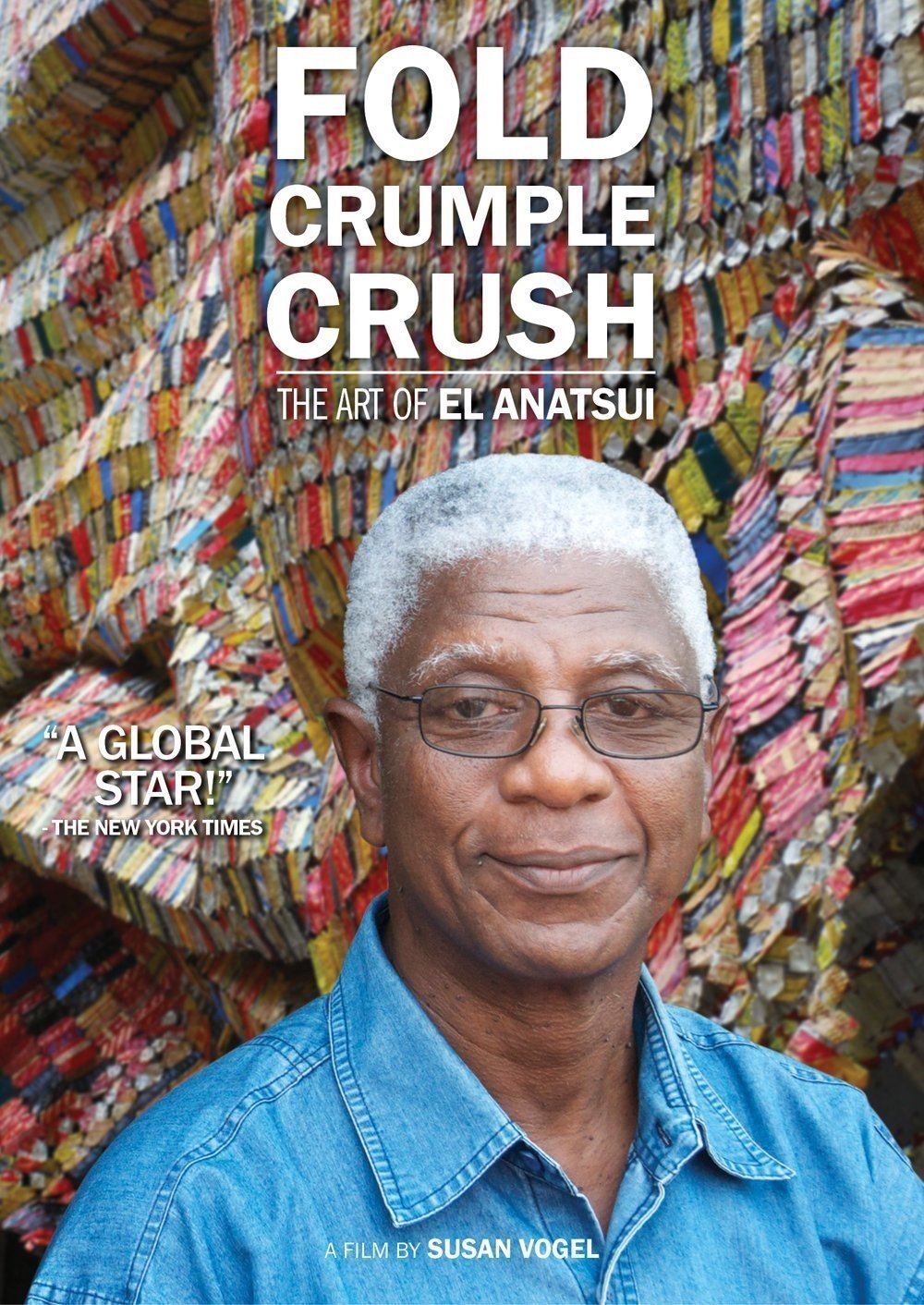
A powerful portrait of Africa's most widely acclaimed contemporary artist El Anatsui. It gives an insider's view of the artist's practice, the ingenious steps and thousands of hours of labor that convert used bottle tops into huge, opulent wall hangings.
Silent adventure film
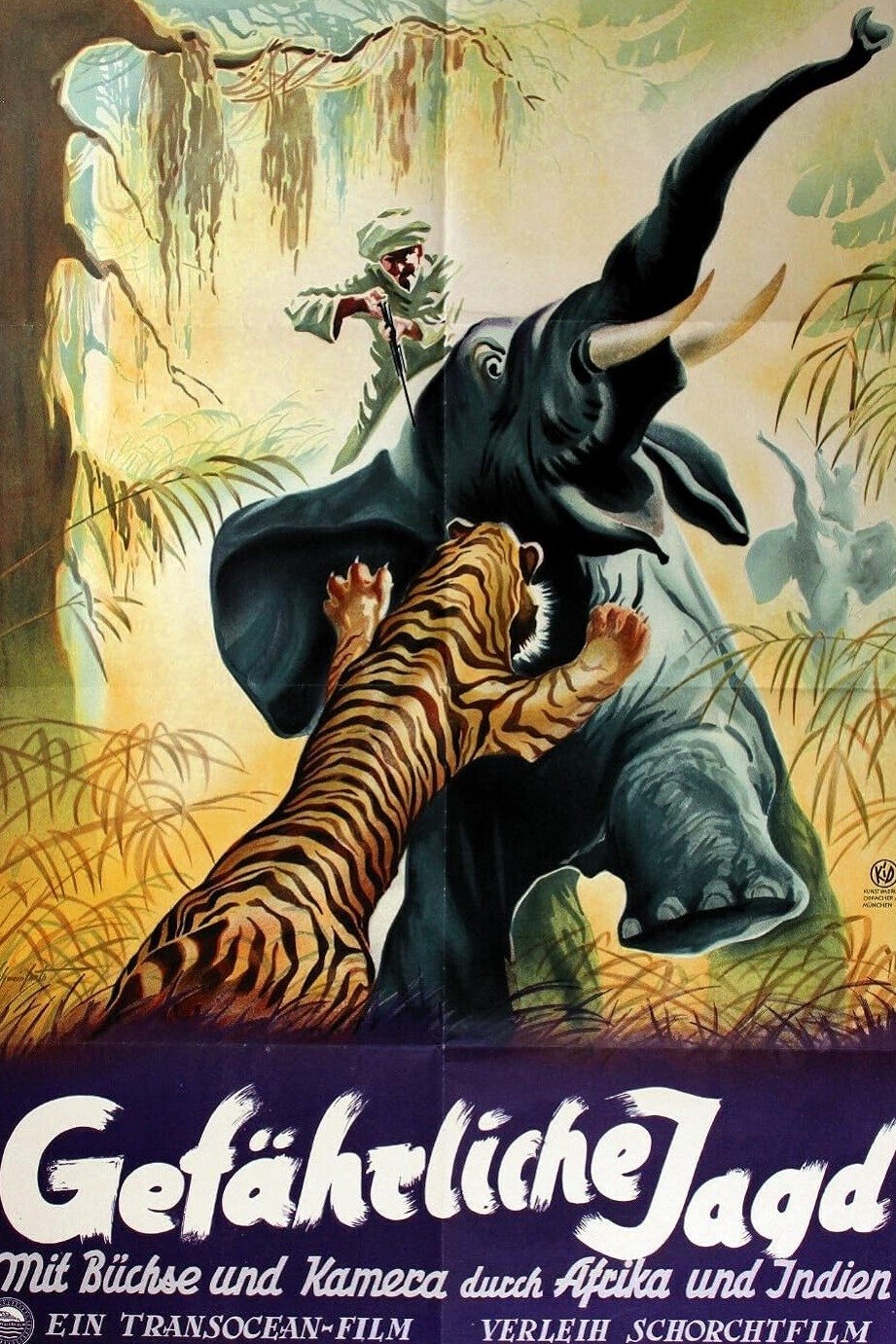
A humorous documentary about a historic hunt in 1929 through the African savannah and Indian jungle with lots of animal footage.
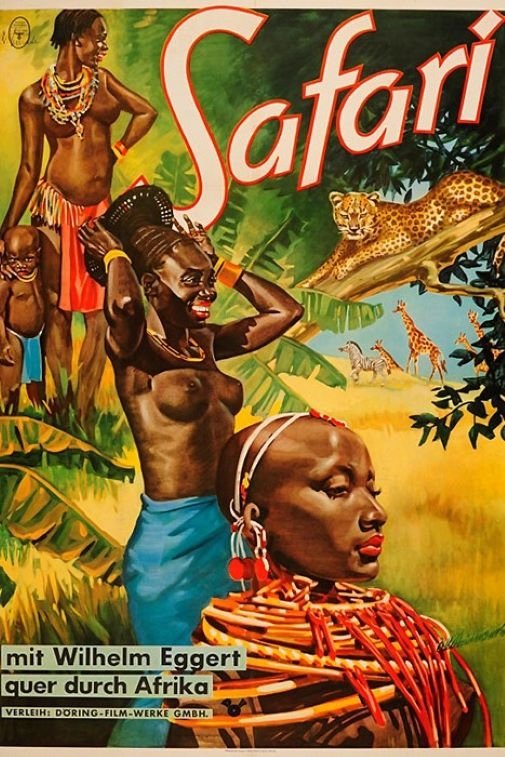
Between 1933 and 1935, the painter Wilhelm Eggert and his wife Dora Kuster traveled the African continent. Their expedition took them from Mediterranean Algiers through the Sahara and parts of the African west coast to the Congo and Kenya. Not only did the couple explore vast stretches of land that were almost completely unknown, at least to private travelers at the time, they also captured this journey on film. A screenable documentary film was compiled from the original 12,000m of film material. In cinemas and film clubs, European audiences were presented with a film that was evidently able to satisfy an interest in foreign, 'wild' cultures and exotic landscapes, albeit one that was always Eurocentric. The spectacular shots of African lifestyles and nature, which in many respects were new to European viewers who were almost completely unfamiliar with Africa, were praised and appreciated precisely because of their supposed authenticity.
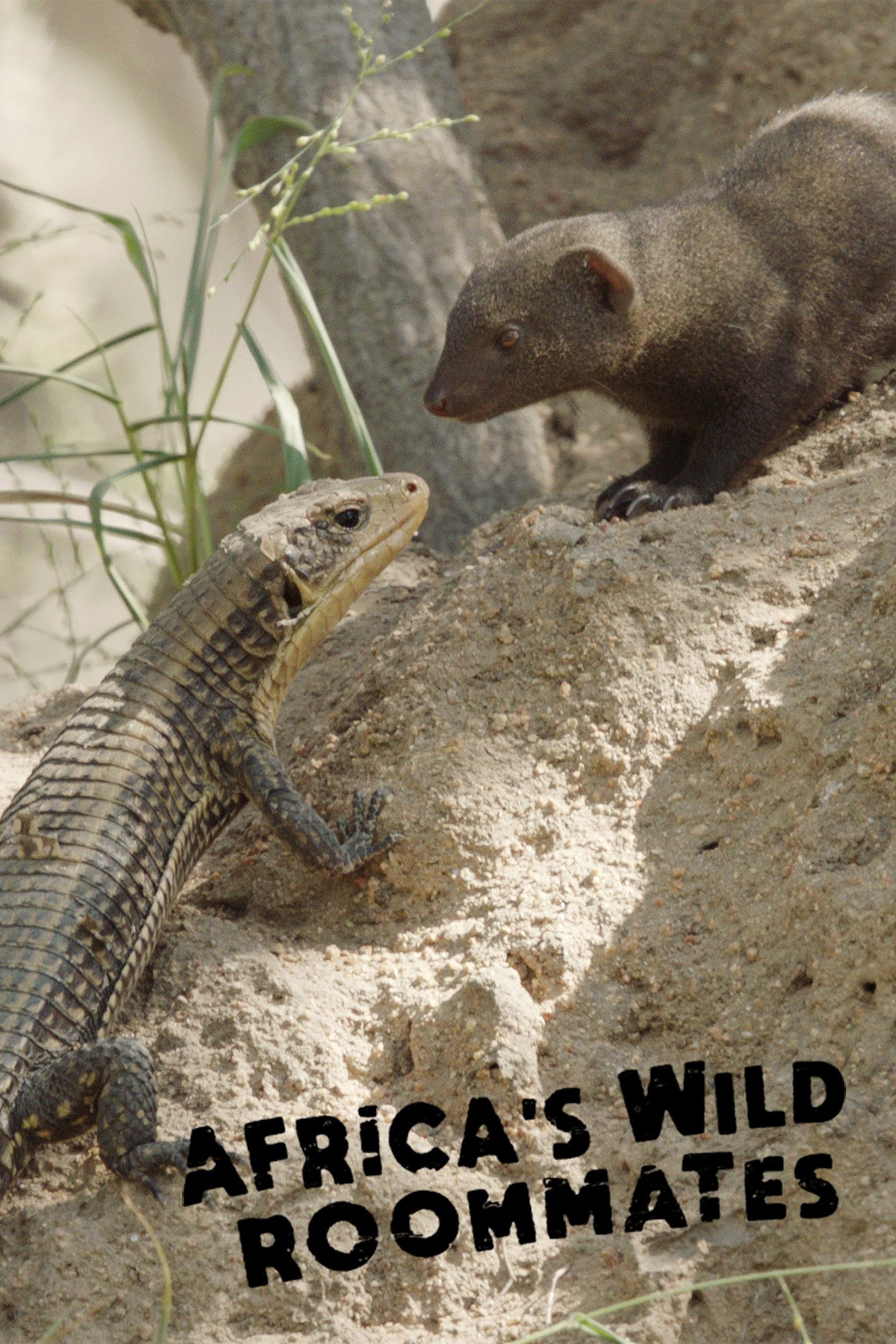
A unique look at three of the greatest builders of the African Savannah: weaver birds, aardvarks and termites. In their spectacular buildings they do not live alone! Many roommates from other species, from small insects, reptiles and birds to large mammals, not only live together — they also benefit from sharing the same roof.
In an intimate and joyful story of love in the face of loss, celebrated poets Andrea Gibson and Megan Falley find strength—and unexpected hilarity—in what might be their final year together.
An inside look at one of the most anticipated movie sequels ever with James Cameron and cast.
A string of threatening emails escalates into a revenge plot involving a newly married US marshal and his ex-girlfriend.
A documentary that explores the downloading revolution; the kids that created it, the bands and the businesses that were affected by it, and its impact on the world at large.
Brilliant, long in-the-works story of the life and art of the world's greatest comedian and the cinema's first genius, Charlie Chaplin. Produced, written and directed by renowned film critic Richard Schickel.
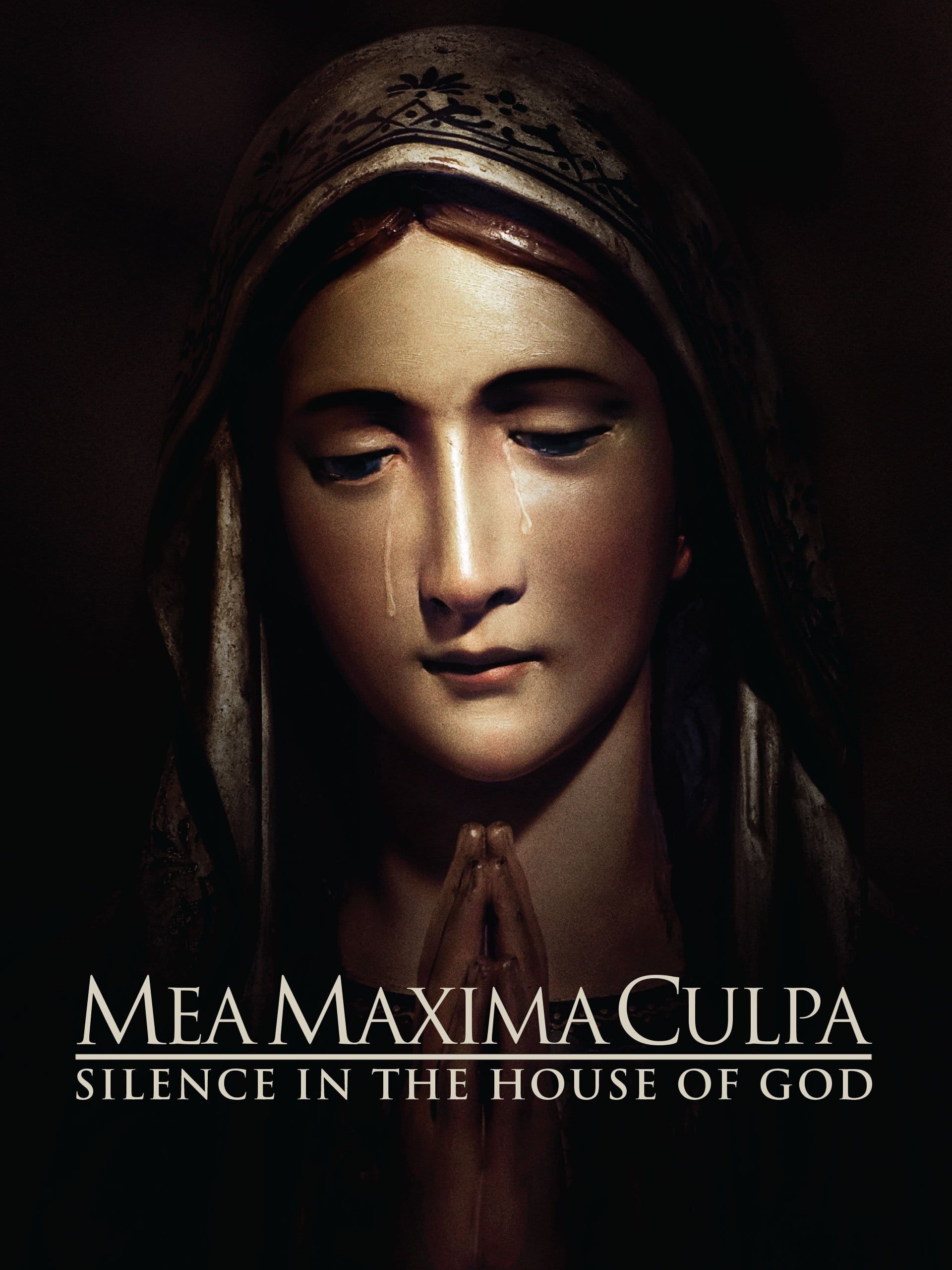
Alex Gibney explores the charged issue of pedophilia in the Catholic Church, following a trail from the first known protest against clerical sexual abuse in the United States and all way to the Vatican.
The film is based on interviews with 2,000 women from 50 countries, and covers the status of women all over the world. The topics covered include forced marriages, sexual assault, female genital mutilation, acid attacks, motherhood, sexuality, menstruation, education and the professional success of women.
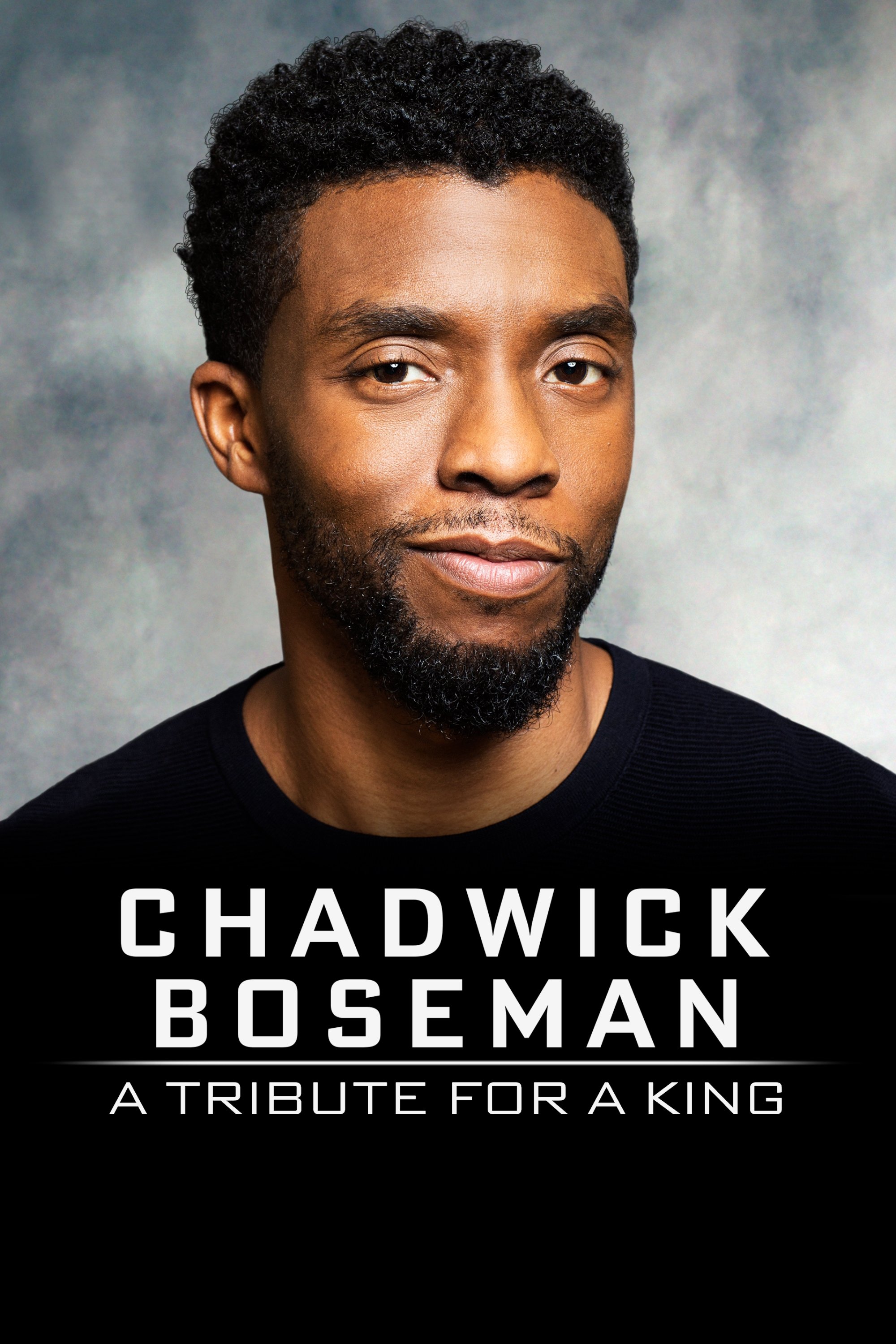
A tribute to Chadwick Boseman, celebrating his life and legacy.
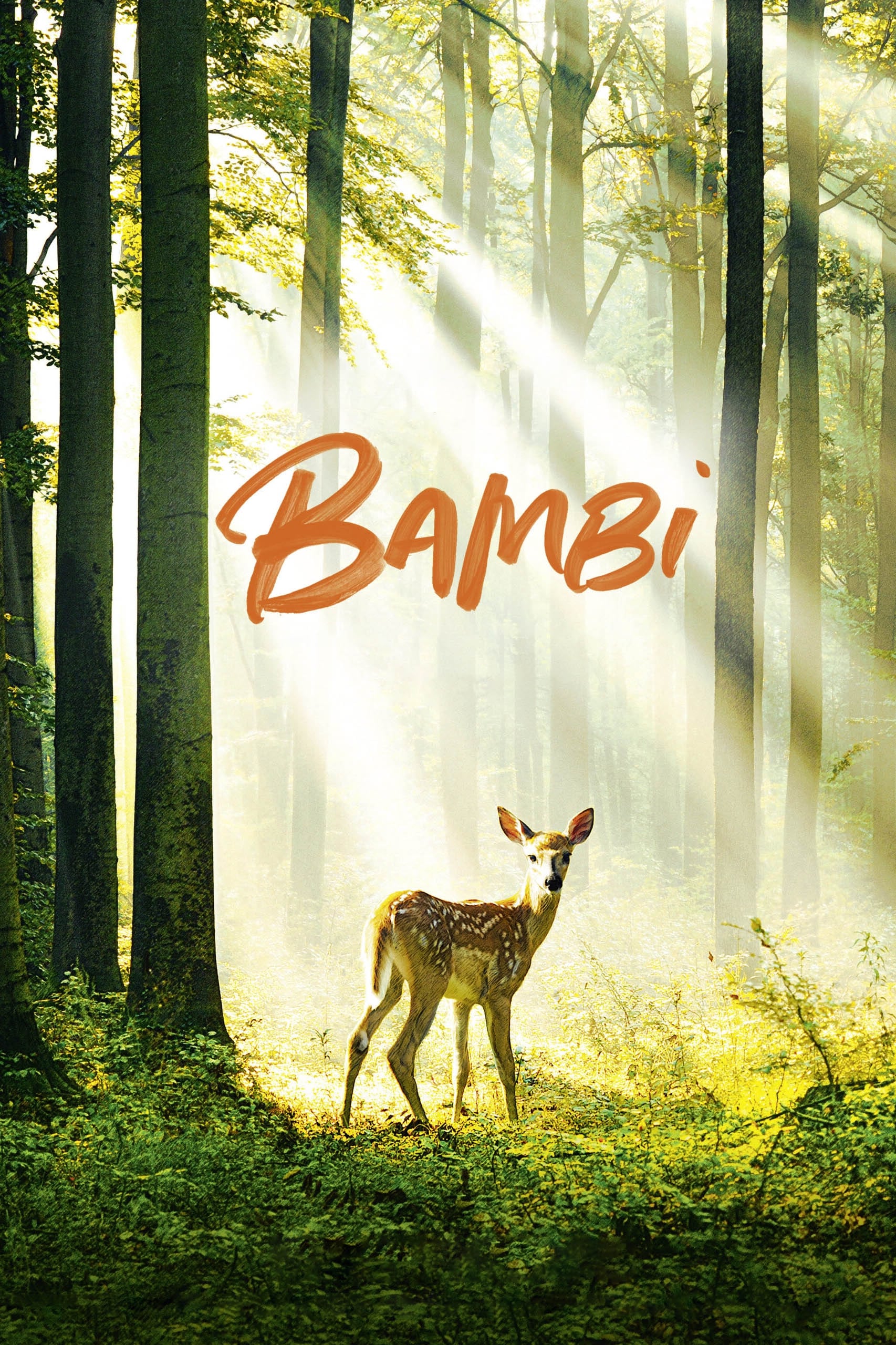
The life of Bambi, a male roe deer, from his birth through childhood, the loss of his mother, the finding of a mate, the lessons he learns from his father, and the experience he gains about the dangers posed by human hunters in the forest.
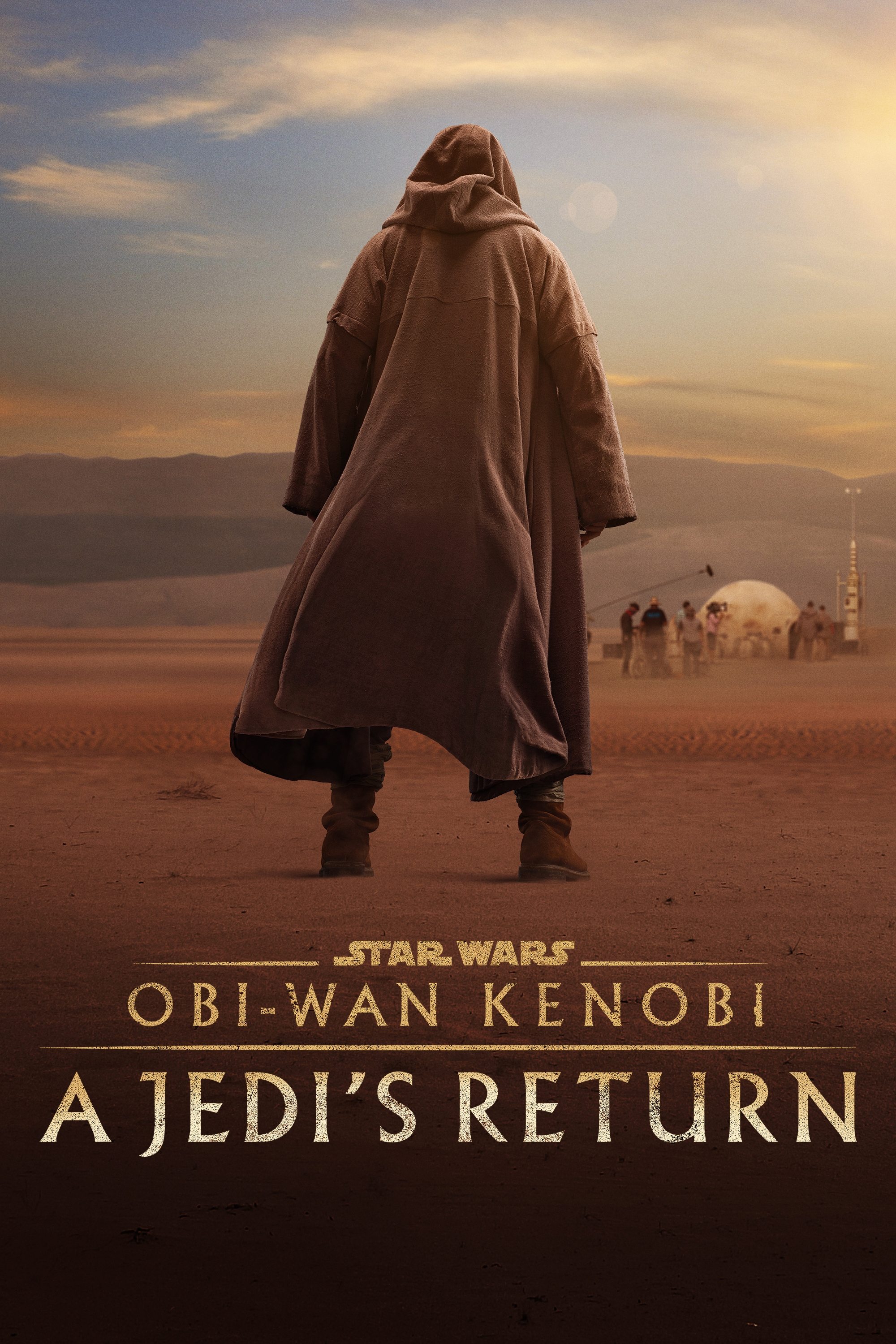
This special explores the return of Obi-Wan Kenobi and Anakin Skywalker to the screen, as well as Ewan McGregor and Hayden Christensen to their classic roles. Director Deborah Chow leads the cast and crew as they create new heroes and villains that live alongside new incarnations of beloved Star Wars characters, and an epic story that dramatically bridges the saga films.
A documentary about the making of season five of the acclaimed AMC series Breaking Bad.
The film follows adventurer Jeff Johnson as he retraces the epic 1968 journey of his heroes Yvon Chouinard and Doug Tompkins to Patagonia.
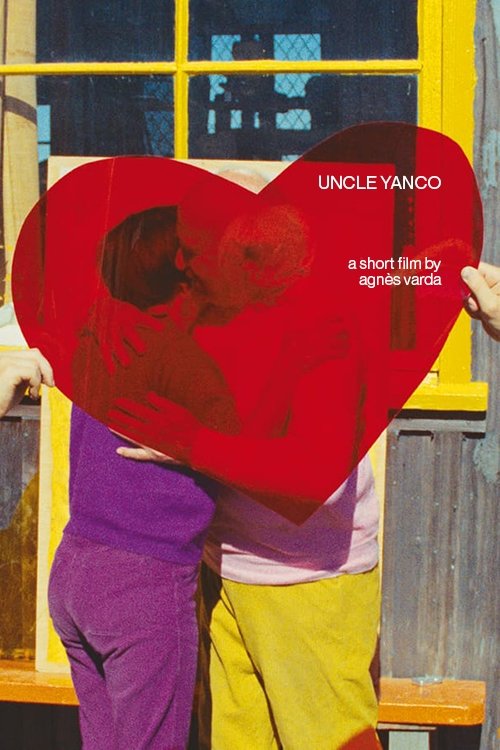
While in San Francisco for the promotion of her last film in October 1967, Agnès Varda, tipped by her friend Tom Luddy, gets to know a relative she had never heard of before, Jean Varda, nicknamed "Yanco". This hitherto unknown uncle lives on a boat in Sausalito, is a painter, has adopted a hippie lifestyle and loves life. The meeting is a very happy one.
Director Michael Apted revisits the same group of British-born adults after a 7 year wait. The subjects are interviewed as to the changes that have occurred in their lives during the last seven years.
Al Pacino's deeply-felt rumination on Shakespeare's significance and relevance to the modern world through interviews and an in-depth analysis of "Richard III."
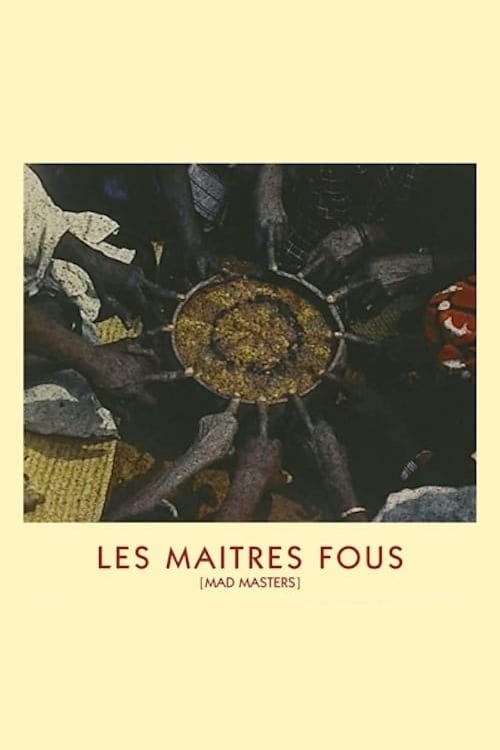
The subject of the film was the Hauka movement. The Hauka movement consisted of mimicry and dancing to become possessed by French Colonial administrators. The participants performed the same elaborate military ceremonies of their colonial occupiers, but in more of a trance than true recreation.
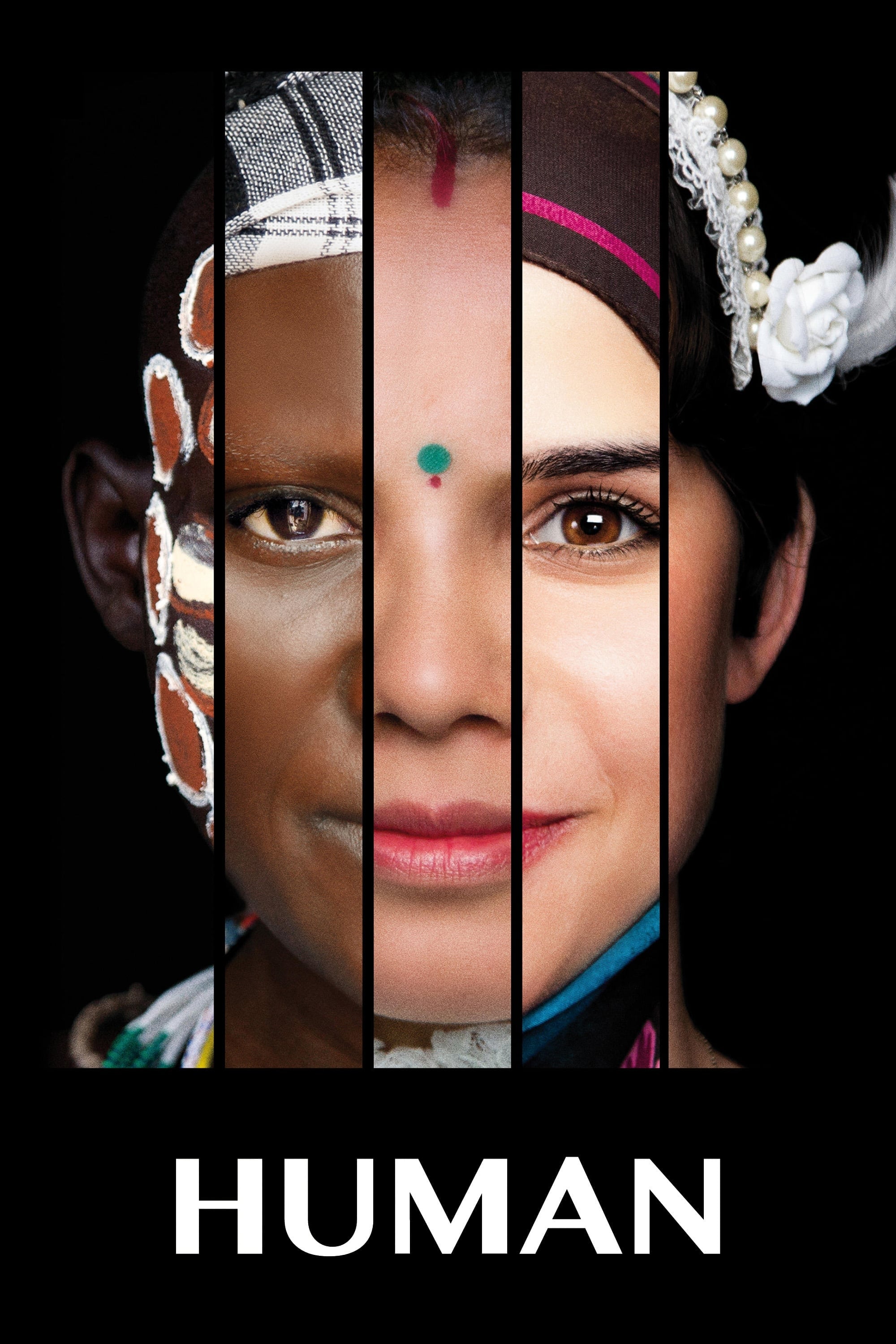
A collection of stories about and images of our world, offering an immersion to the core of what it means to be human. Through these stories full of love and happiness, as well as hatred and violence, it brings us face to face with the Other, making us reflect on our lives. From stories of everyday experiences to accounts of the most unbelievable lives, these poignant encounters share a rare sincerity and underline who we are – our darker side, but also what is most noble in us, and what is universal. Our Earth is shown at its most sublime through never-before-seen aerial images accompanied by soaring music, resulting in an ode to the beauty of the world, providing a moment to draw breath and for introspection. This film is a politically engaged work which allows us to embrace the human condition and to reflect on the meaning of our existence.
The life and career of one of comedy's most inimitable modern voices, Mr. Gilbert Gottfried.
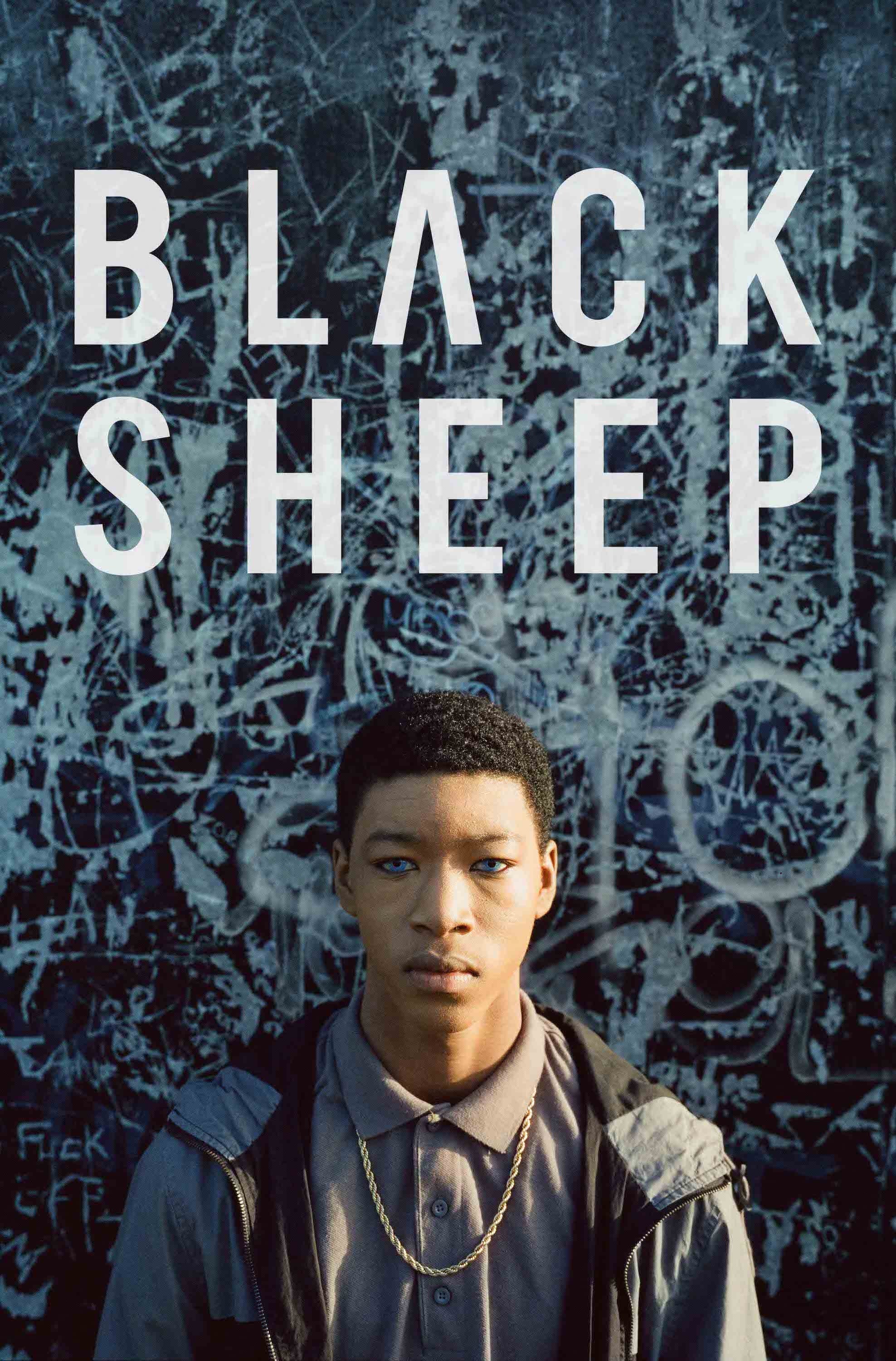
After the high-profile killing of Damilola Taylor, Cornelius' family move out of London. But when they discover their new town is run by racists, Cornelius takes a drastic step to survive.