Social & External
The people behind it
Raymond Tarabay
Himself
Hiba El Jaafil
Herself
An inspiring feature documentary film about overcoming homelessness and addiction in the City of Los Angeles.
Although the past two years have been challenging for the Theatre industry, they also showed its incredible strength and resilience. Through interviews with West End performers and creatives, this documentary outlines the difficulties presented to our industry over the course of the pandemic, as well as highlighting changes - both positive and negative - that have come from it. An emotional reflection on a battle it was worth fighting for. All profits will be going to 'Acting for Others', an organisation that provides support to all theatre workers through 14 member charities. We hope these stories full of passion for Theatre inspire you just as much as they inspired us!
Documentary following an investigation by The Sun into Madeleine McCann's disappearance, which uncovers further evidence that could point towards the prime suspect's involvement in this unsolved crime
The true story of a young teenage girl whose mother is incarcerated for murder. Living in a Catholic Children's home run by an order of nuns, she provides poignant commentary about her mother, her own situation and her outlook for the future.
We are a conversation is a 2014 documentary directed by Alexis karpouzos and Spyros rasidakis and written by Alexis karpouzos exploring the unity of humanity, featuring poets from around the world, whose lives have been dedicated to explore the mysteries of life and existence.
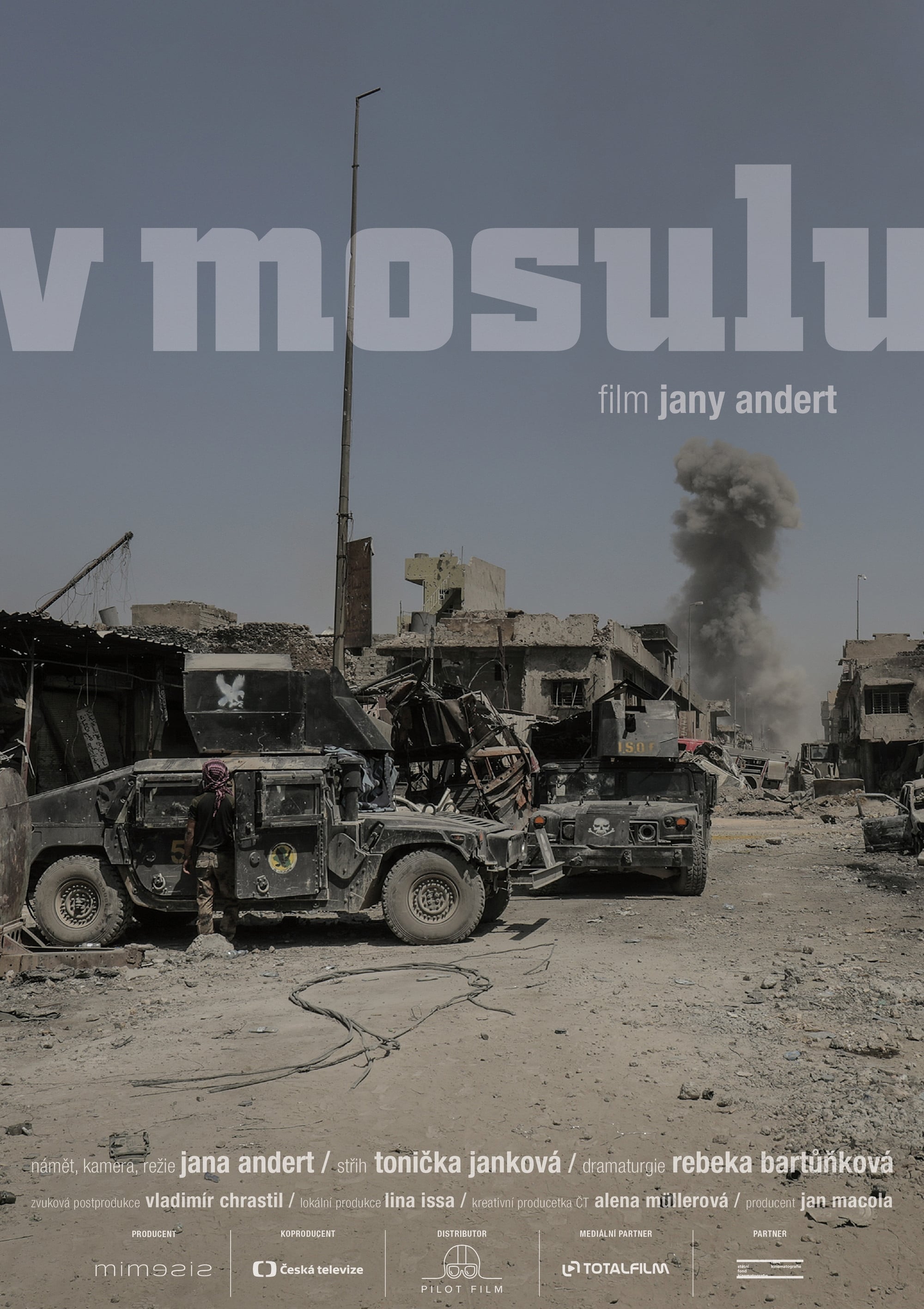
A shock therapy of news coverage from the war front. Documentarist Jana Andert spent eight months with an elite Iraqi Army unit on the front lines of the battle for Mosul, occupied by Islamic State fighters from 2014 to June 2017. An unflinching report from a city in ruins, robbed of its soul by one of the worst catastrophes of modern times.
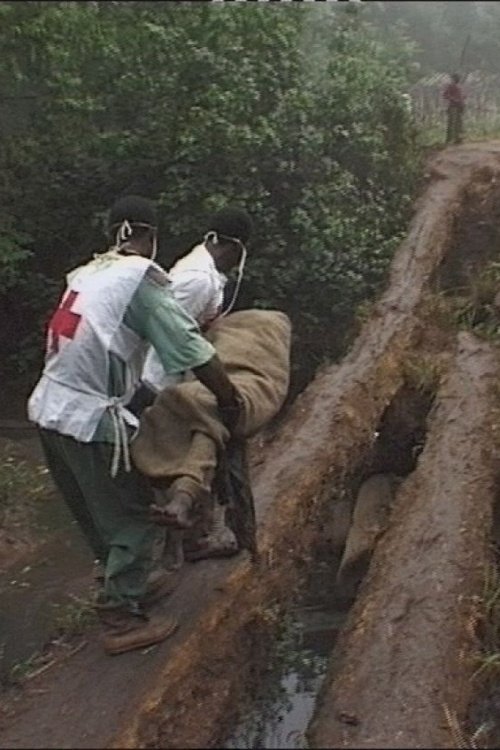
Along an overgrown rail track south of the Zairean town Kisangani, a UN expedition together with a handful of journalists discover “lost” refugees. They are eighty thousand Hutus from far away Rwanda, the last survivors of three years of hunger and armed persecution that transpired throughout the vast Congo basin. The Hutu-refugees leave the forest, gathering in two gigantic camps. Hundreds of refugees die every day from diseases and malnutrition The Rwandans are promised repatriation with airplanes out of Kisangani. The film traces those refugees into the heart of the rainforest, and the hopeless attempts to help them.. But only four weeks later, the unprotected UN-camps are again attacked by machine-gun fire, deliberately massacred by factions of the rebel army (AFDL) of today’s Democratic Republic Congo. Eighty thousand men, women and children disappear once again back into the jungle. (jedensvet.cz)
The definitive documentary on the history of nudity in feature films from the early silent days to the present, studying the changes in morality that led to the use of nudity in films while emphasizing the political, sociological and artistic changes that shaped that history. Skin will also study the gender inequality in presenting nude images in motion pictures and will follow the revolution that has created nude gender equality in feature films today.
Today, against a backdrop of sharply increasing demand, growth in the world population and the growing impact of an unsettled climate, water has become one of the most precious natural resources of our planet.
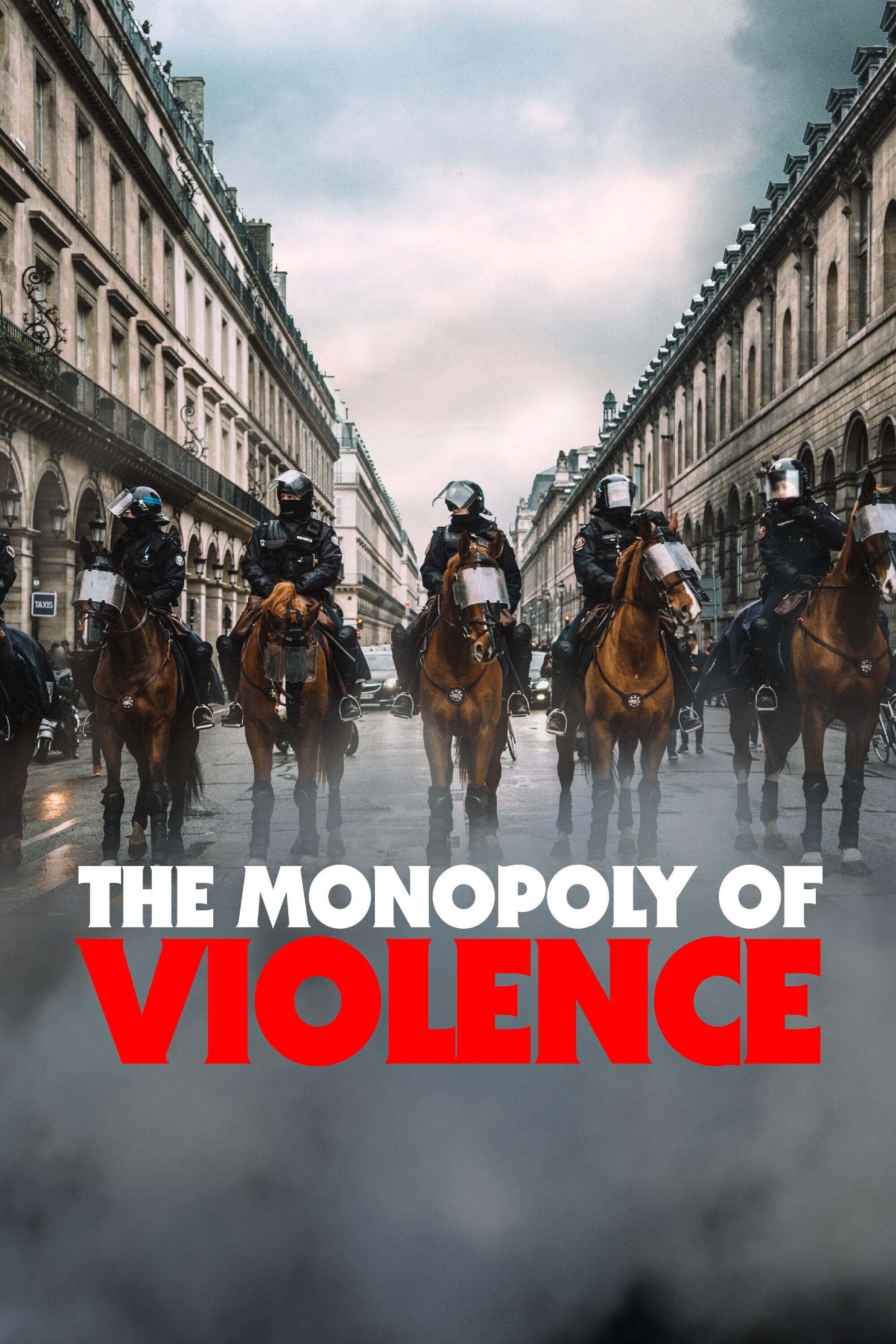
As anger and resentment grow in the face of social inequalities, many citizens-led protests are being repressed with an ever-increasing violence. In this documentary, David Dufresne gathers a panel of citizens to question, exchange and confront their views on the social order and the legitimacy of the use of force by the State.
Private McKinley Nolan vanished 40 years ago in Vietnam on the Cambodian frontier. Some say he was captured, some say he was a traitor, some even say he was an American operative. The US Army officially claims he was radicalized and went native, joining the Viet Cong and later encountering the Khmer Rouge. In 2006, retired US Army Lt. Dan Smith, revisiting the battlefields of his youth, may have encountered the elusive McKinley, alive. So began a journey into the heart of darkness.
The Game of Death is a documentary co-produced by France Télévisions and Radio Television Switzerland1 in 2009 and staging a fake game show (The Xtreme Zone) during which a candidate must send electric shocks increasingly strong candidate to another until voltages that can cause death. The staging reproduces the Milgram experiment carried out initially in the United States in 1960 to study the influence of authority on obedience: electric shocks are fictitious, an actor pretending to suffer, and objective is to test the ability to disobey the candidate who inflicts this treatment and who is not aware of the experiment. The notable difference with the original experience is that scientific authority is replaced by a television presenter, Tania Young.
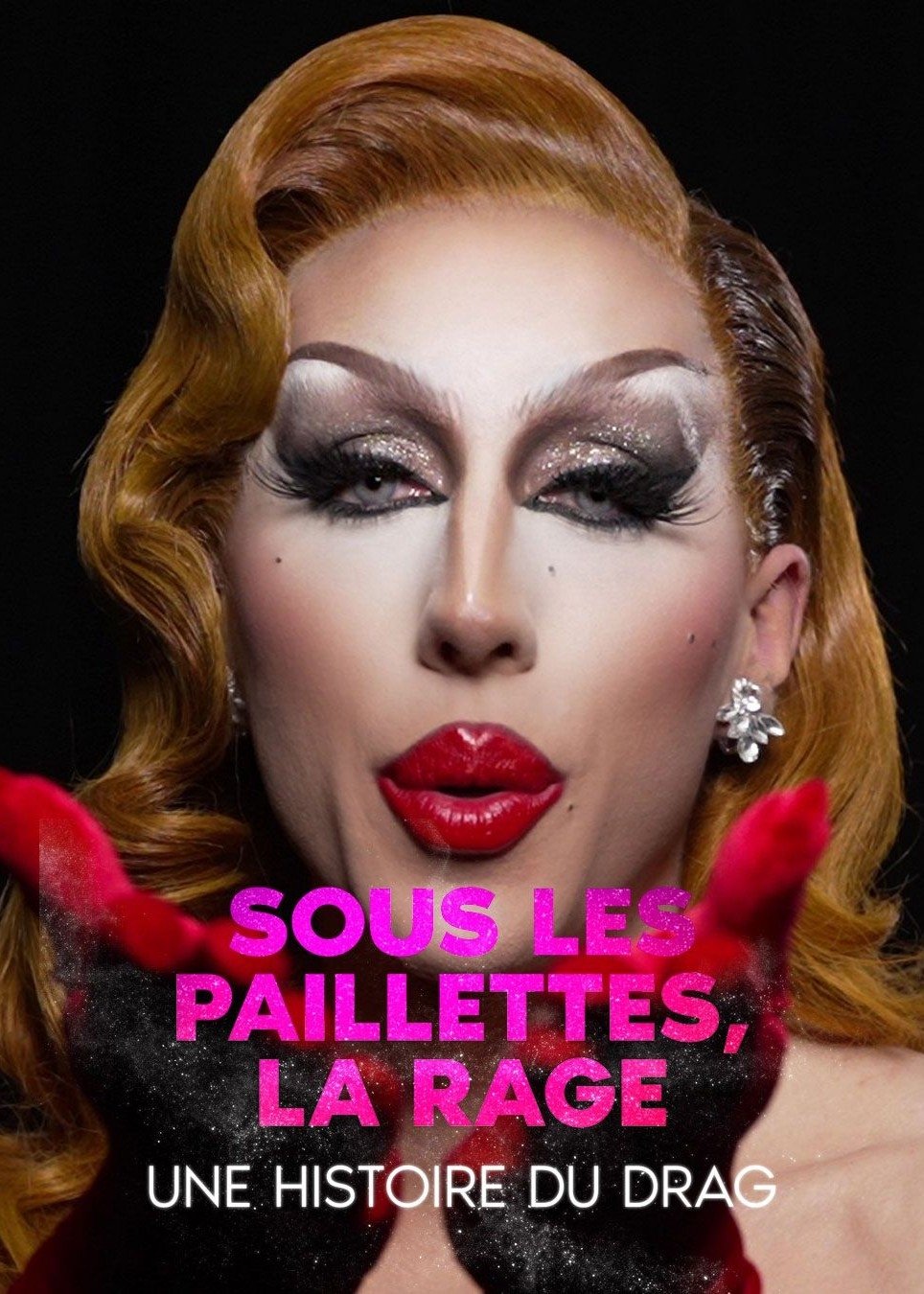
The art of drag represents an artistic transformation where individuals create characters by amplifying gendered traits, challenging established social norms. This practice, known for its spectacular performances, has evolved through periods of repression and acceptance. Through humor and self-mockery, drag disrupts conventions and is deeply rooted in the history of LGBT+ movements. This documentary traces the history of Drag in France and around the world, from William Dorsey Swann—a young emancipated slave considered the first drag queen—to RuPaul, Nicky Doll, and Paloma. Featuring contributions from historians, anthropologists, and sociologists specialized in drag, as well as testimonies from drag artists who are shaping or have shaped this history.
Documentary exploring the experience of Soviet soldiers during the Soviet war in Afghanistan.
Patrolled by desperate gunmen looking to capture any vessel that strays into their path, the waters off East Africa are among the most dangerous in the world. With Somali pirates continuing to make headlines, this timely documentary tells the story of the US container ship Maersk Alabama, which was stormed by bandits in April 2009. With the captain taken hostage, the unarmed crew made the remarkable decision to confront the gun-toting invaders in a brave attempt to save their skipper and the ship. Now, using dramatic recreations and interviews with the crew and their families, this exclusive one-hour special reveals the incredible events that took place over those few days.
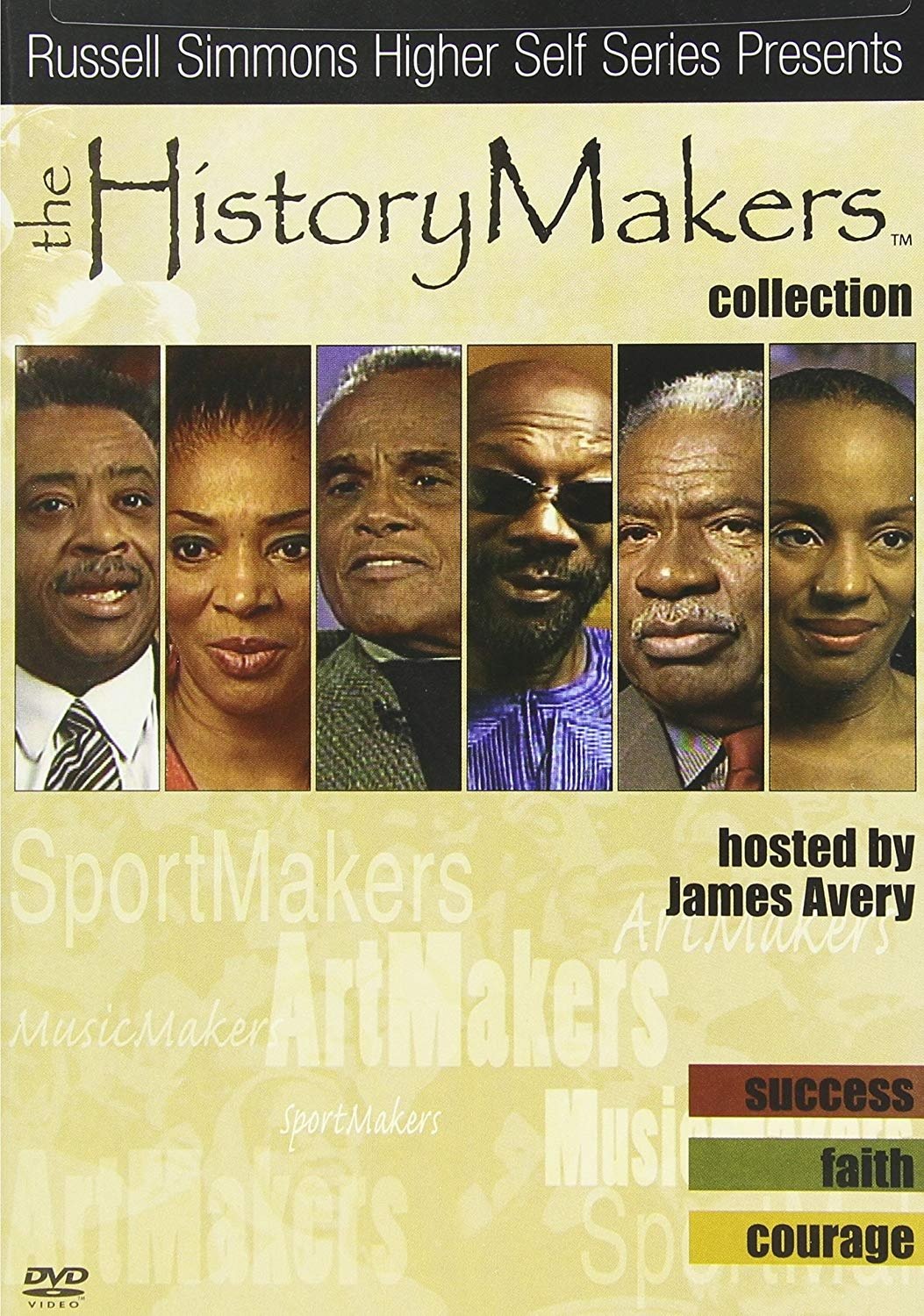
Ossie Davis, Terry McMillan, Horace Julian Bond, Isaac Hayes, Dionne Warwick and many others share their inspiring stories of success in the first installment of this series about African-American history makers, including civil rights leaders, actors and authors. A good education, dedication to work, dogged determination and the courage to take risks figure prominently in these remarkable success stories told by notable African Americans.
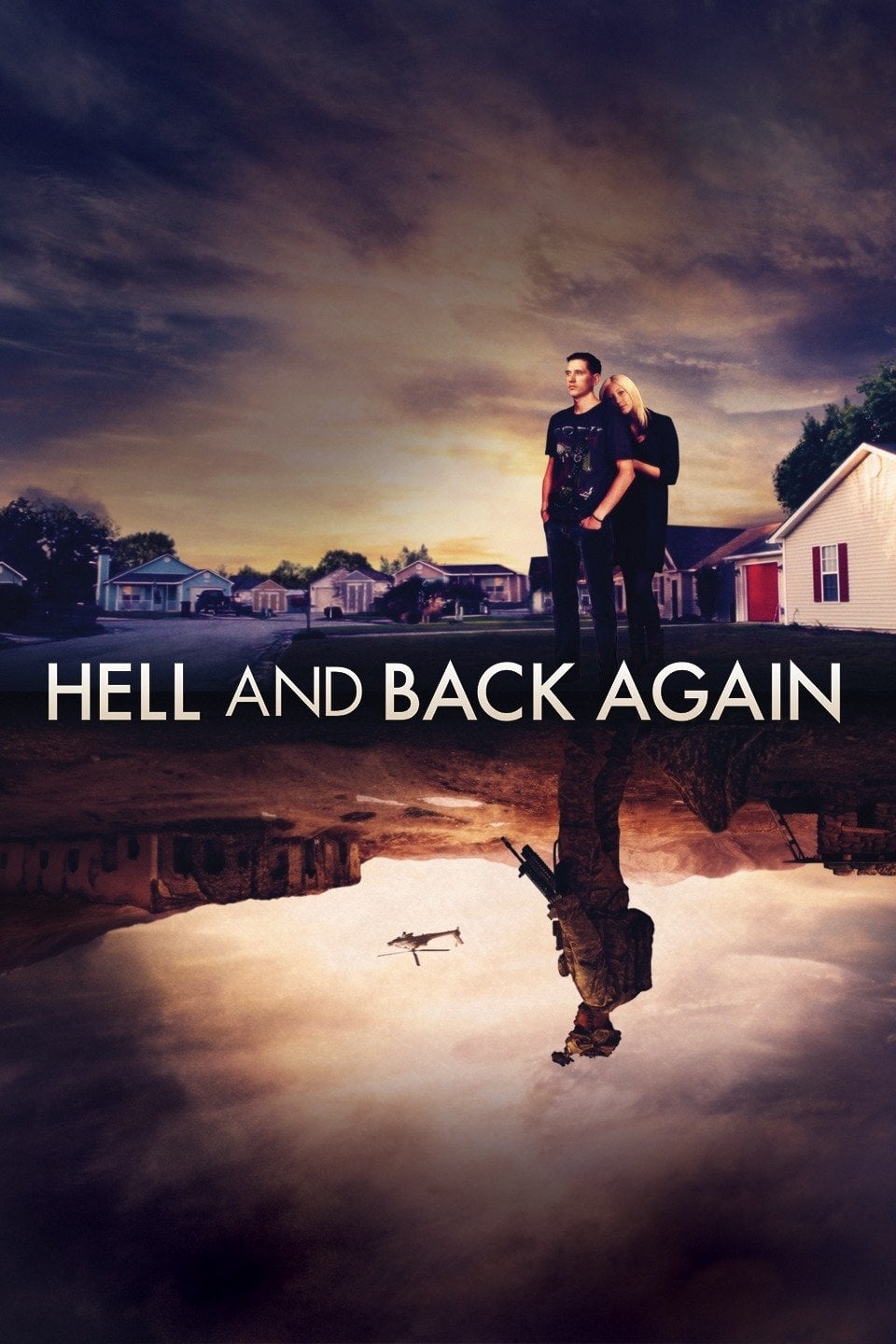
What does it mean to lead men in war? What does it mean to come home? Hell and Back Again is a cinematically revolutionary film that asks and answers these questions with a power and intimacy no previous film about the conflict in Afghanistan has been able to achieve. It is a masterpiece in the cinema of war.
Cédric Herrou is a farmer who supports and houses African refugees in the alpine village of Breil-Sur-Roya in southern France. Some regard him as a heroic good Samaritan, but others – including the French border police and state prosecutor – denounce him as the leader of a band of smugglers, bringing migrants from Italy into France while flouting official border controls. As Cedric moves from one prosecution to another, why do he and his fellow activists feel compelled to defy the authorities?
A documentary on the expletive's origin, why it offends some people so deeply, and what can be gained from its use.
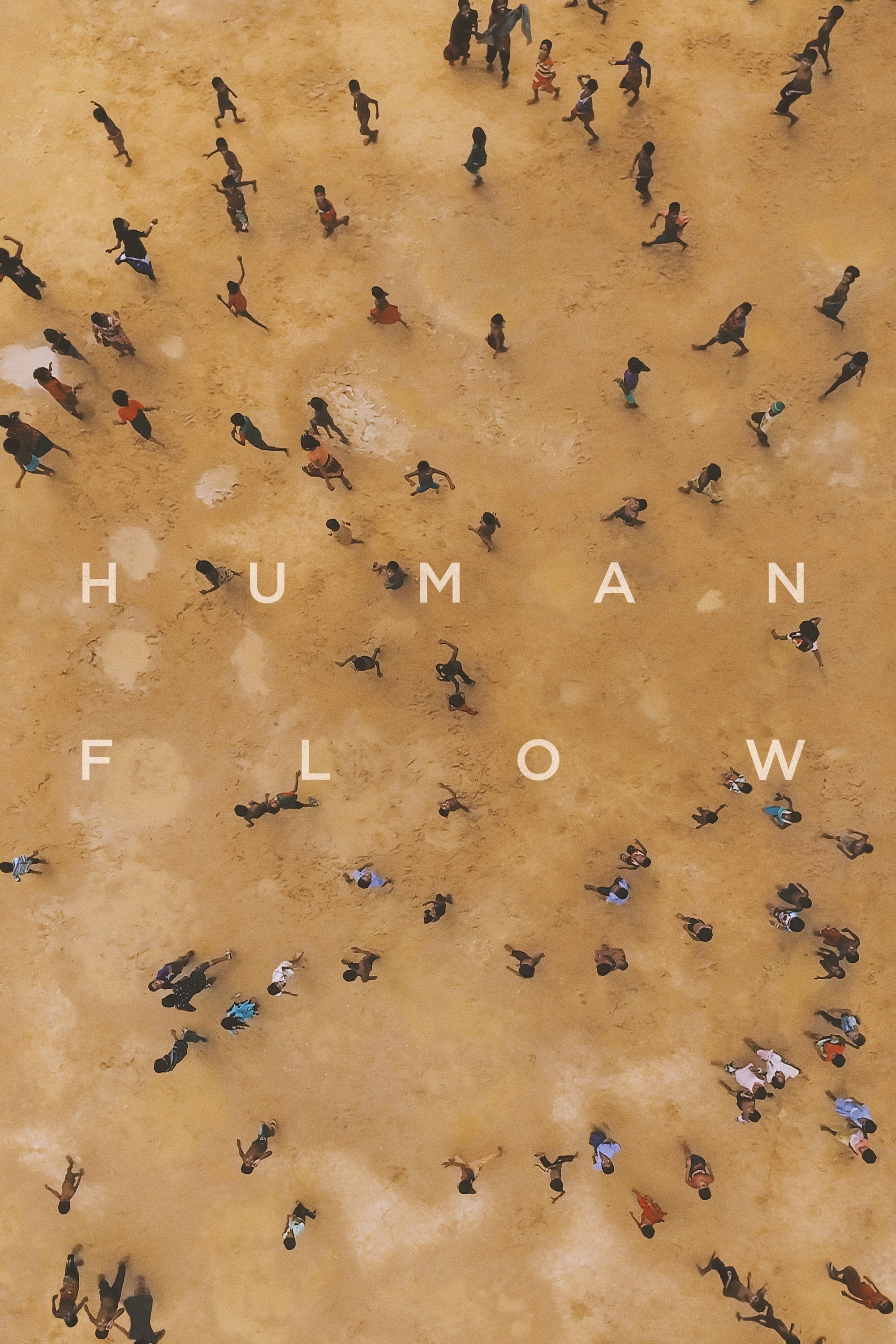
More than 65 million people around the world have been forced from their homes to escape famine, climate change and war, the greatest displacement since World War II. Filmmaker Ai Weiwei examines the staggering scale of the refugee crisis and its profoundly personal human impact. Over the course of one year in 23 countries, Weiwei follows a chain of urgent human stories that stretch across the globe, including Afghanistan, France, Greece, Germany and Iraq.
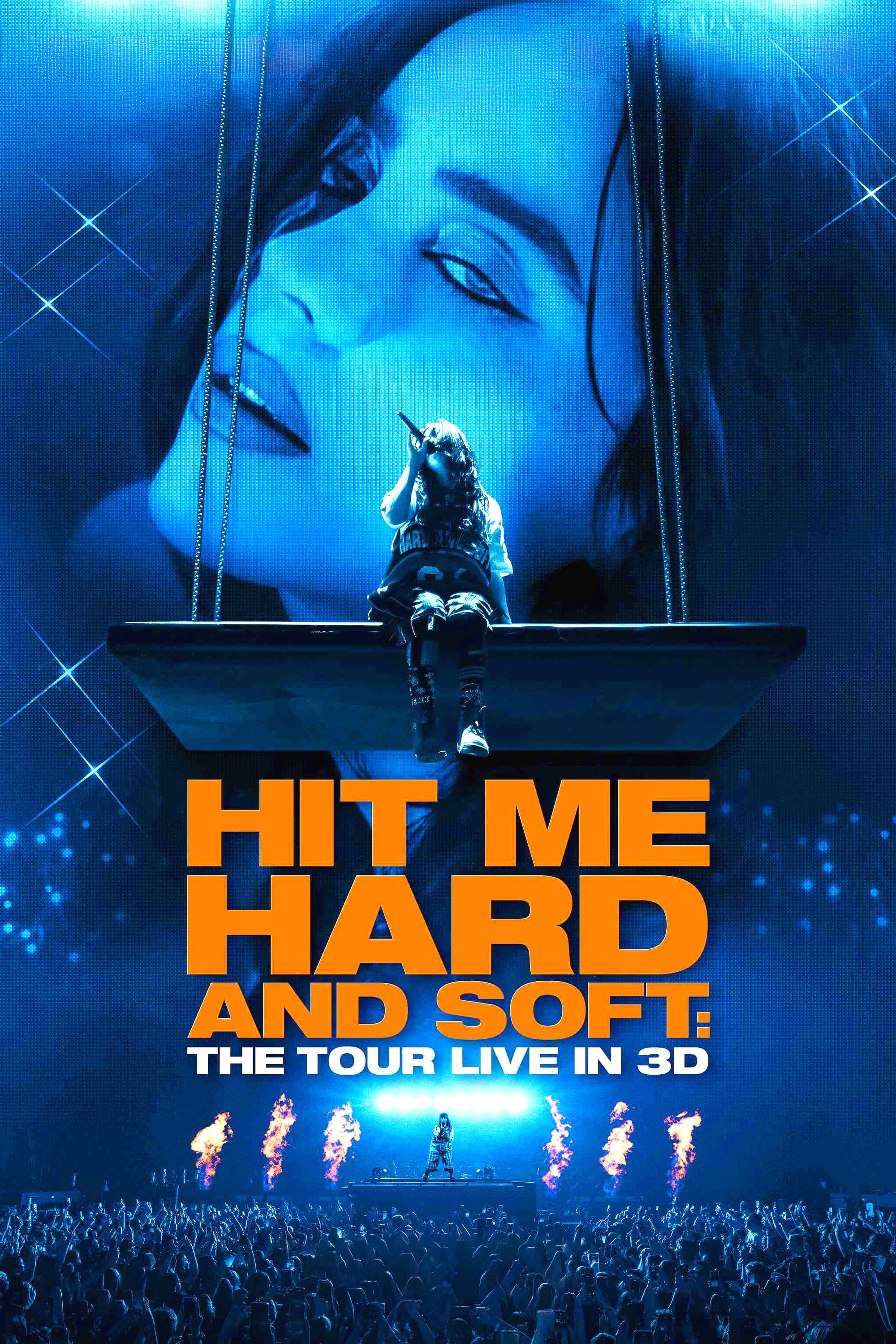
Captured during Billie Eilish's sold-out world tour, a concert experience from one of the most celebrated and successful artists of her generation, presented in immersive 3D.
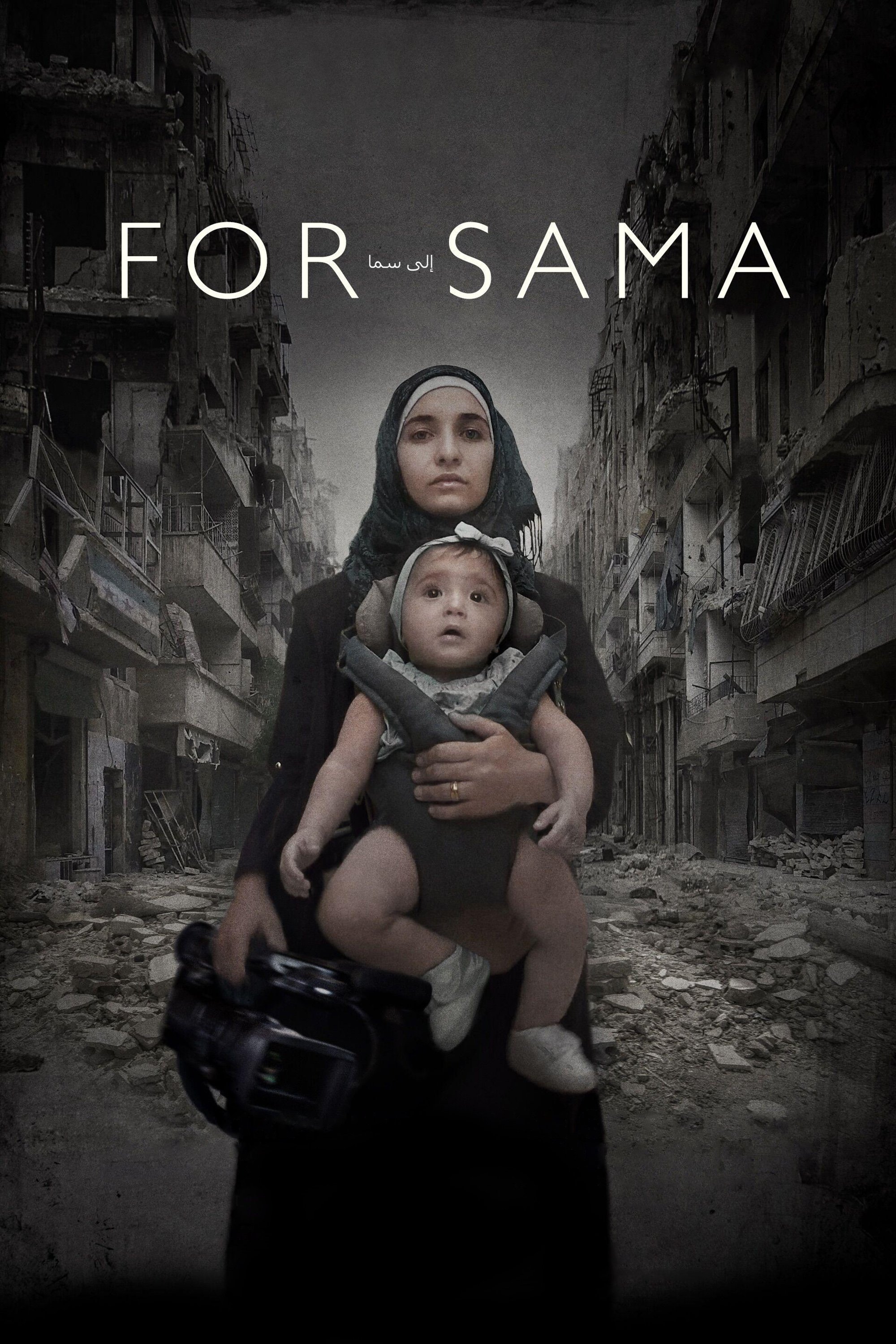
A love letter from a young mother to her daughter, the film tells the story of Waad al-Kateab’s life through five years of the uprising in Aleppo, Syria as she falls in love, gets married and gives birth to Sama, all while cataclysmic conflict rises around her. Her camera captures incredible stories of loss, laughter and survival as Waad wrestles with an impossible choice– whether or not to flee the city to protect her daughter’s life, when leaving means abandoning the struggle for freedom for which she has already sacrificed so much.
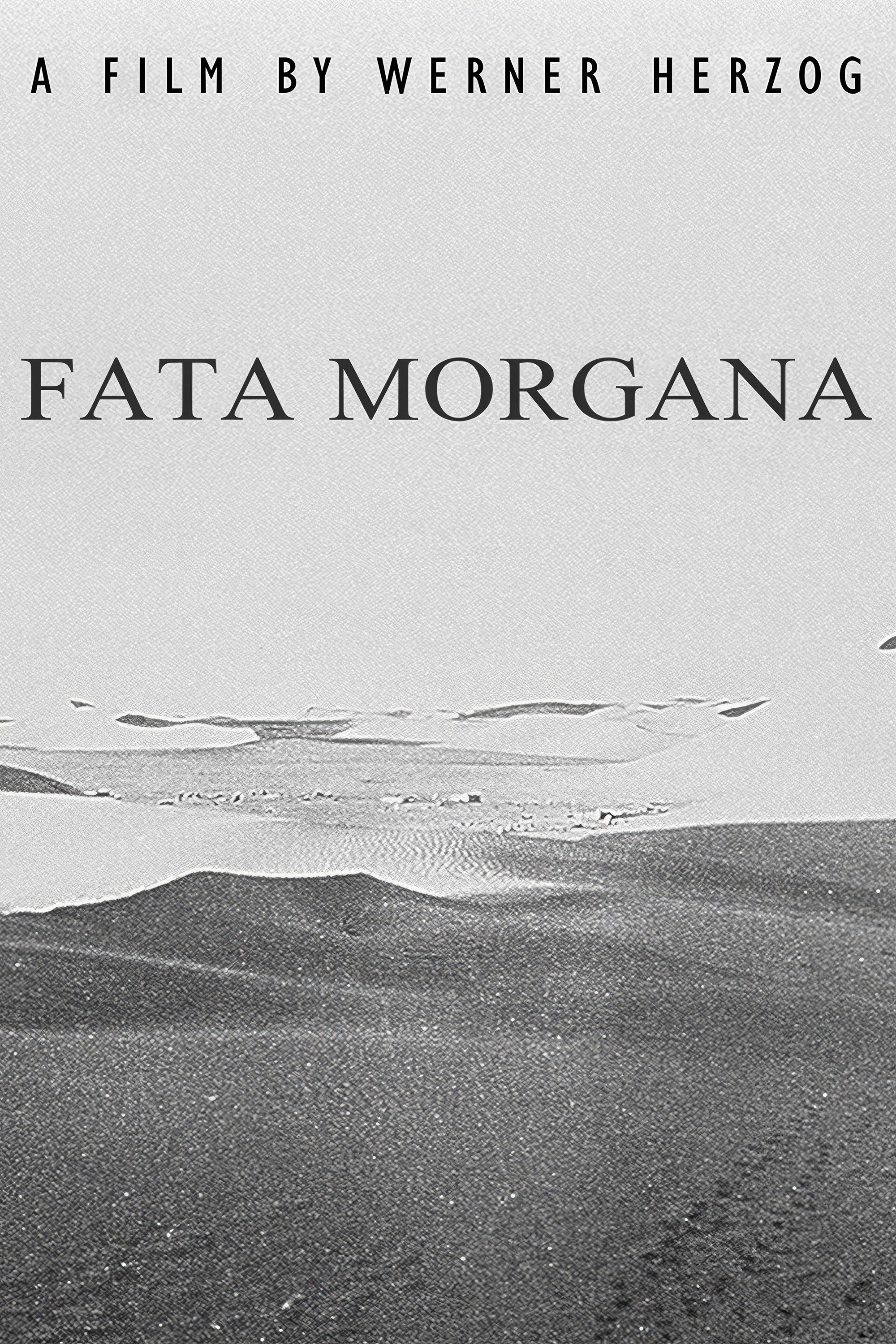
Shot under extreme conditions and inspired by Mayan creation theory, the film contemplates the illusion of reality and the possibility of capturing for the camera something which is not there. It is about the mirages of nature—and the nature of mirage.
Alexander McQueen's rags-to-riches story is a modern-day fairy tale, laced with the gothic. Mirroring the savage beauty, boldness and vivacity of his design, this documentary is an intimate revelation of McQueen's own world, both tortured and inspired, which celebrates a radical and mesmerizing genius of profound influence.
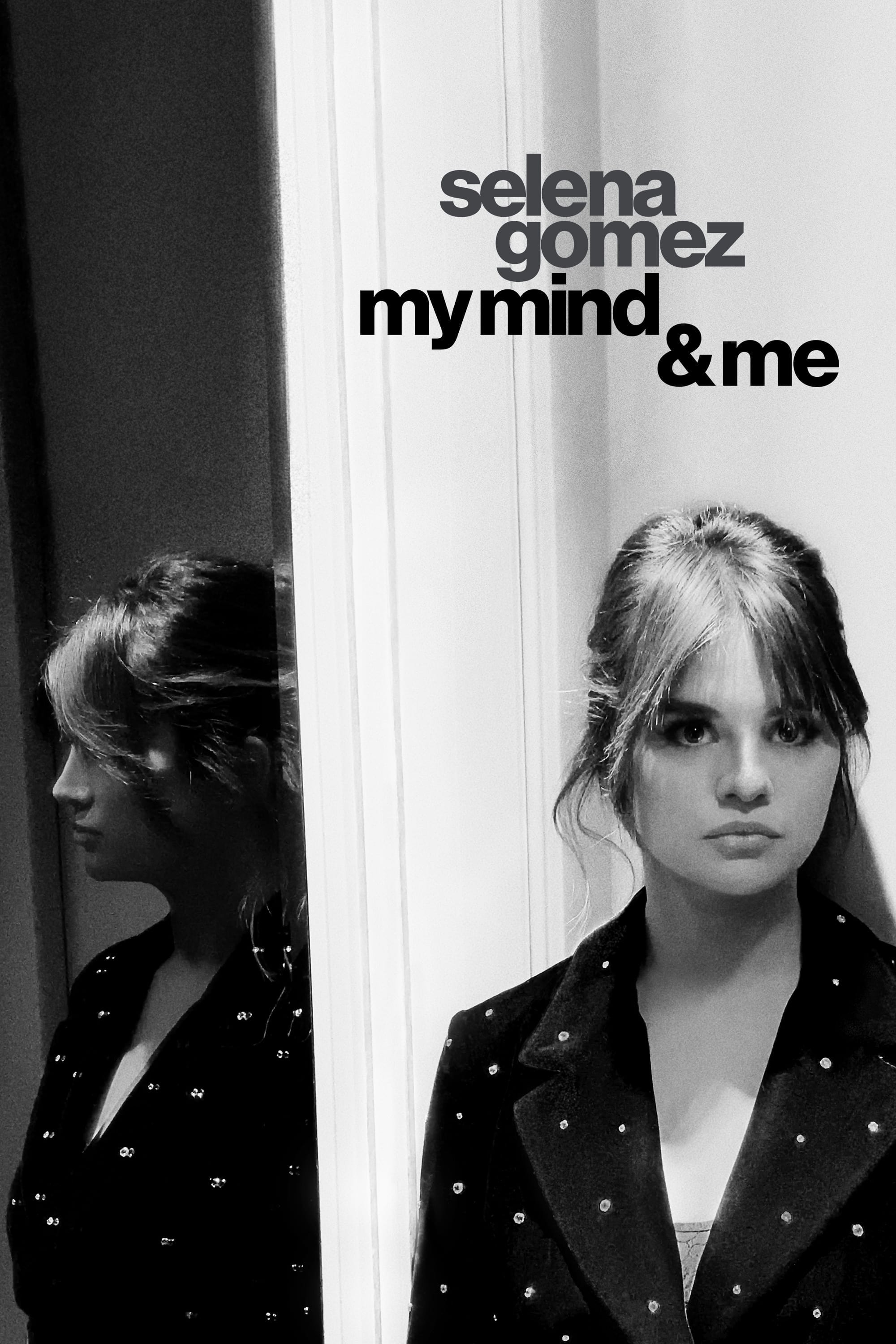
After years in the limelight, Selena Gomez achieves unimaginable stardom. But just as she reaches a new peak, an unexpected turn pulls her into darkness. This uniquely raw and intimate documentary spans her six-year journey into a new light.
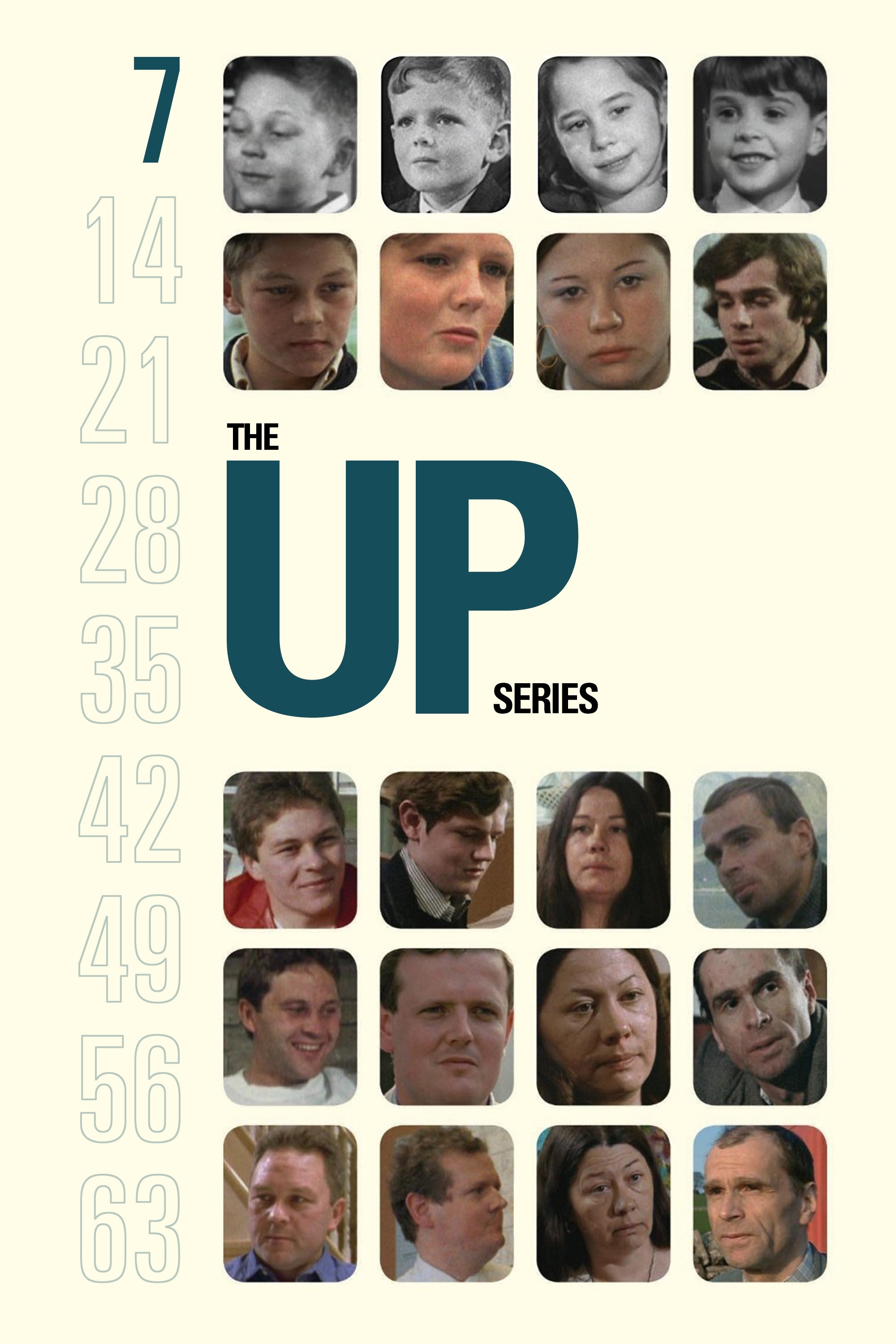
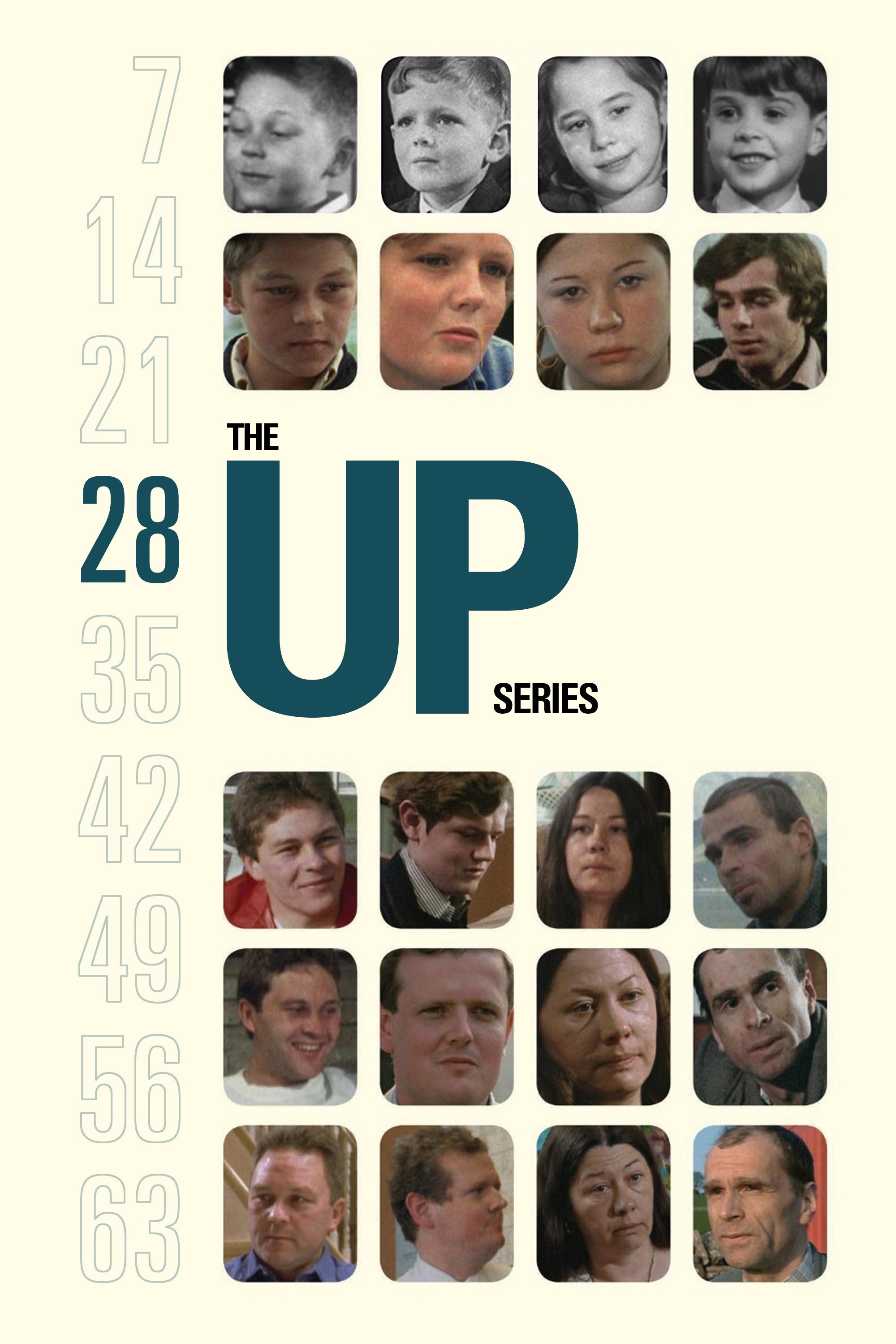
A group of British children aged 7 from widely ranging backgrounds are interviewed about a range of subjects. The filmmakers plan to re-interview them at 7 year intervals to track how their lives and attitudes change as they age.
After another 7 year wait, director Michael Apted revisits the same group of British-born children from Seven Up! and 7 Plus Seven. The subjects are interviewed as to the changes that have occurred in their lives during the last seven years.
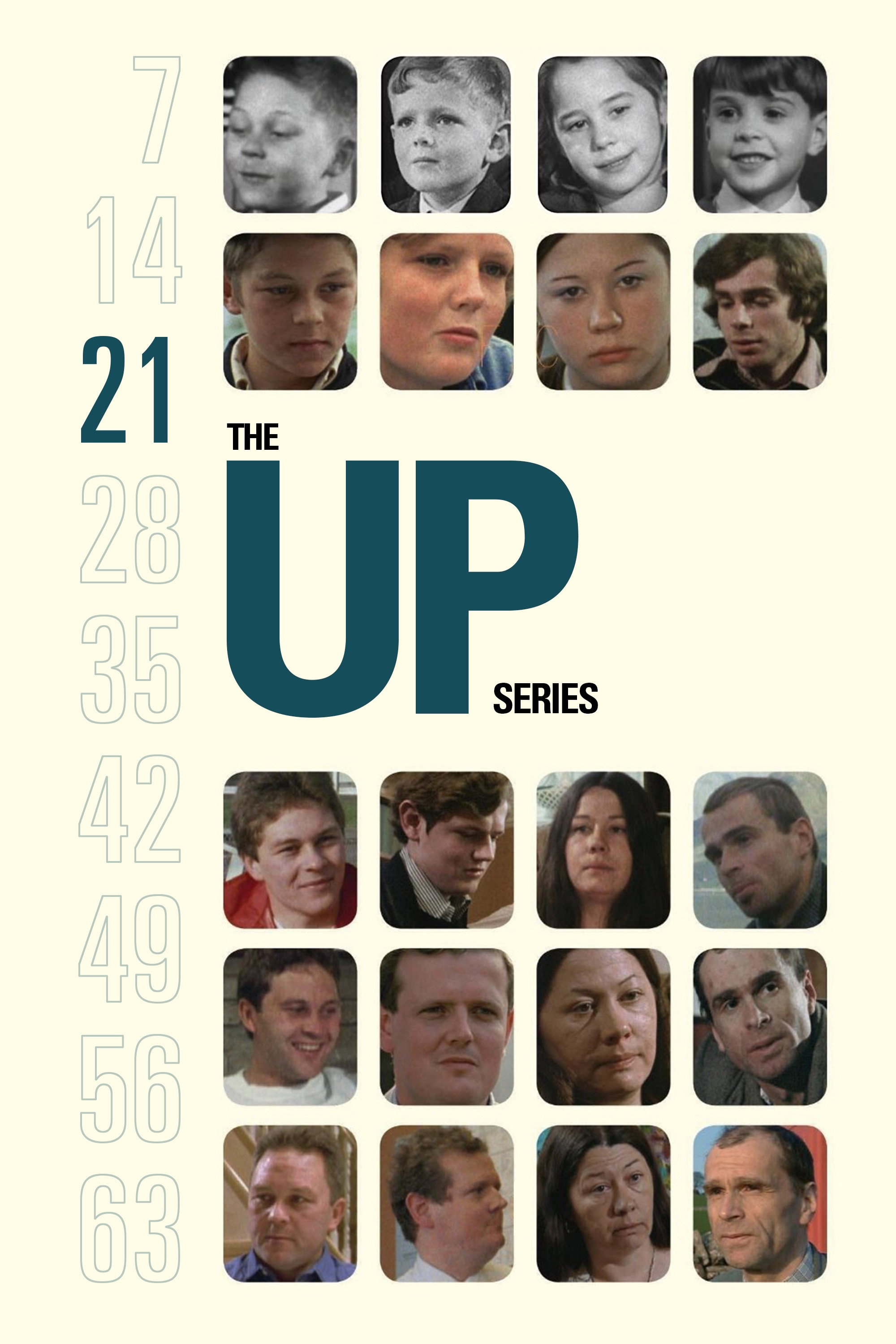
Just two years away from turning 30, participants in Michael Apted's documentary series are facing serious questions of identity and purpose, wondering whether they've found their place in the world.
Director Michael Apted revisits the same group of British-born adults after a 7 year wait. The subjects are interviewed as to the changes that have occurred in their lives during the last seven years.
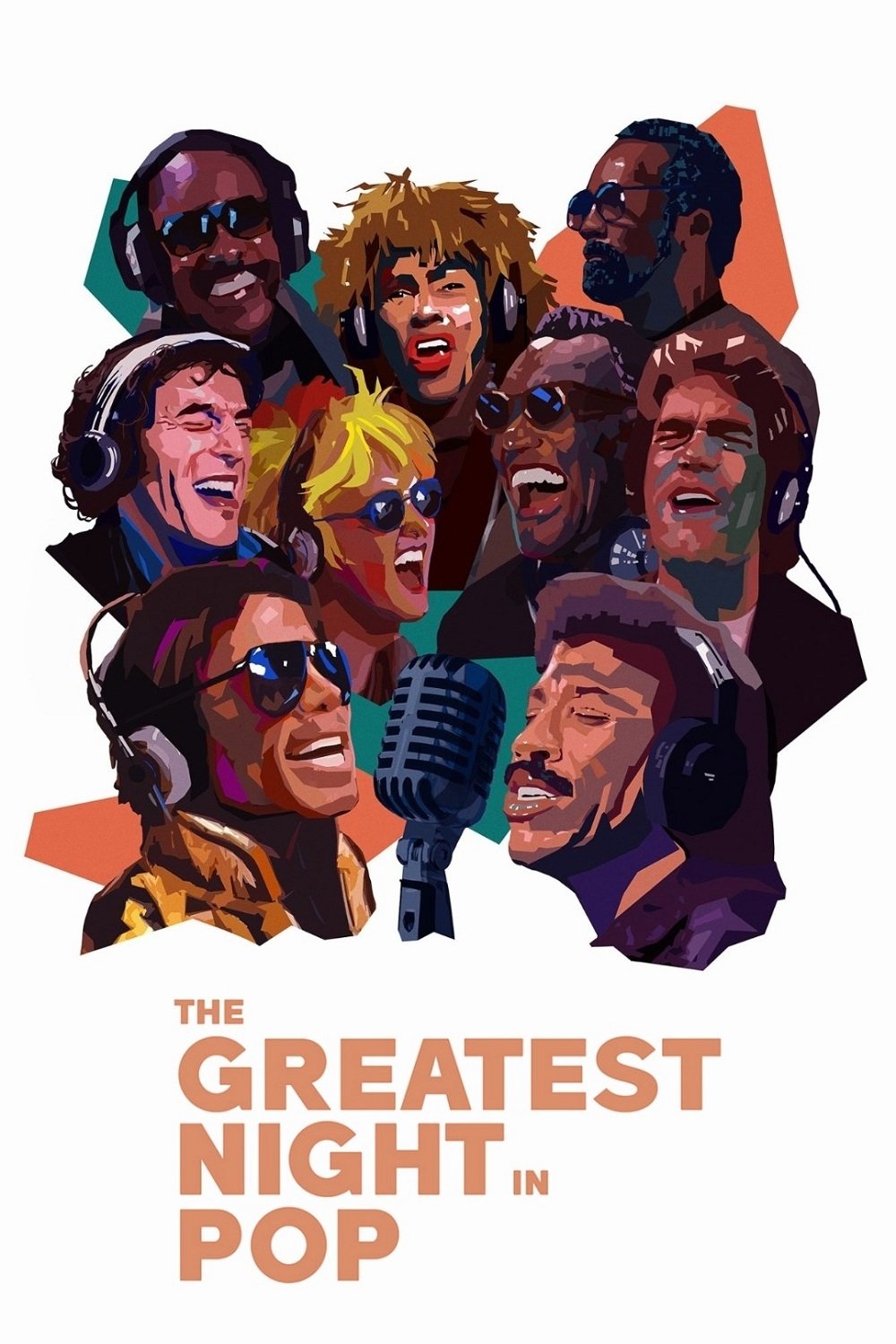
On a January night in 1985, music's biggest stars gathered to record "We Are the World." This documentary goes behind the scenes of the historic event.
An unprecedented and intimate look at the life, work and enduring legacy of British actress Audrey Hepburn (1929-1993).
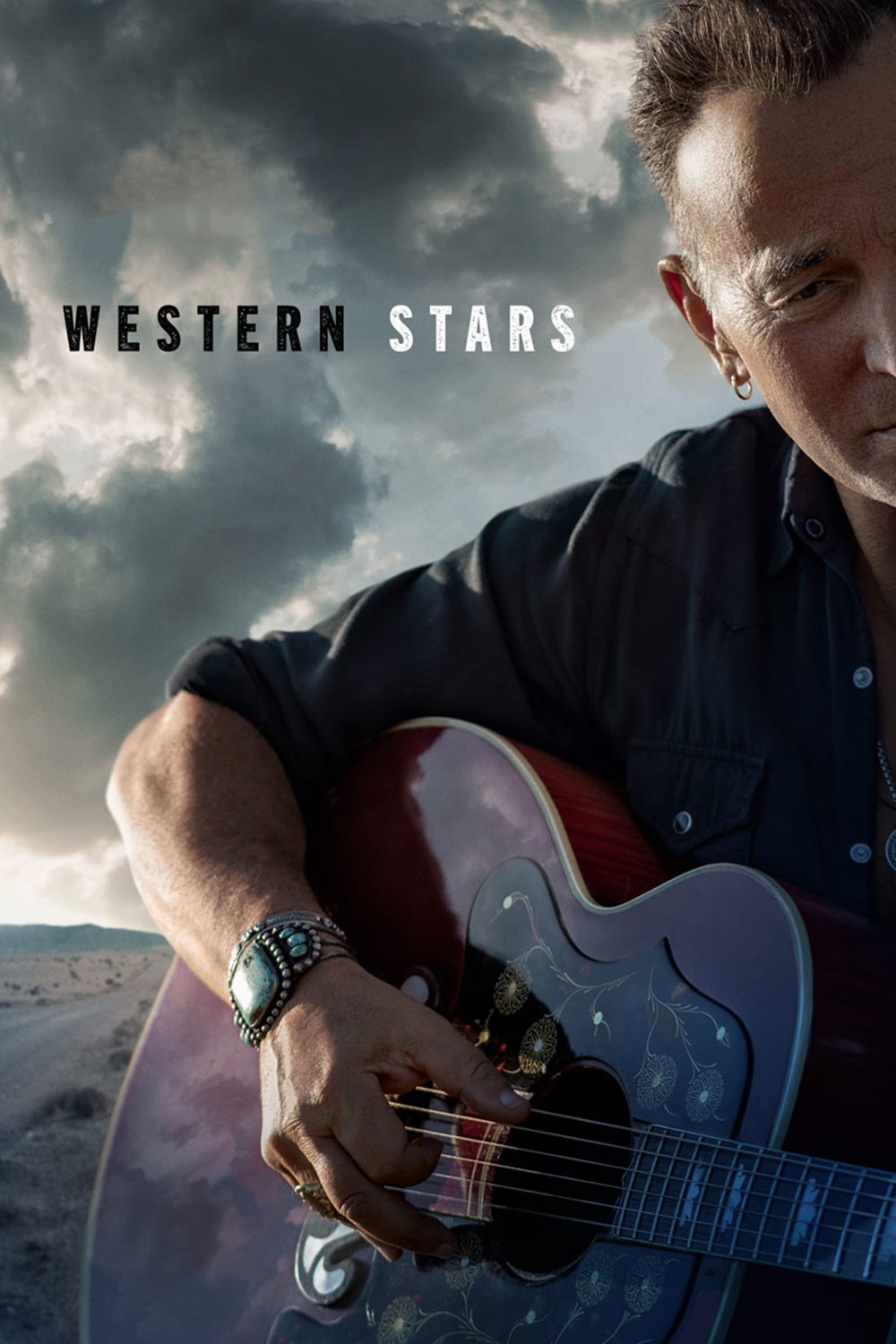
The incomparable Bruce Springsteen performs his critically acclaimed latest album and muses on life, rock, and the American dream, in this intimate and personal concert film co-directed by Thom Zimny and Springsteen himself.
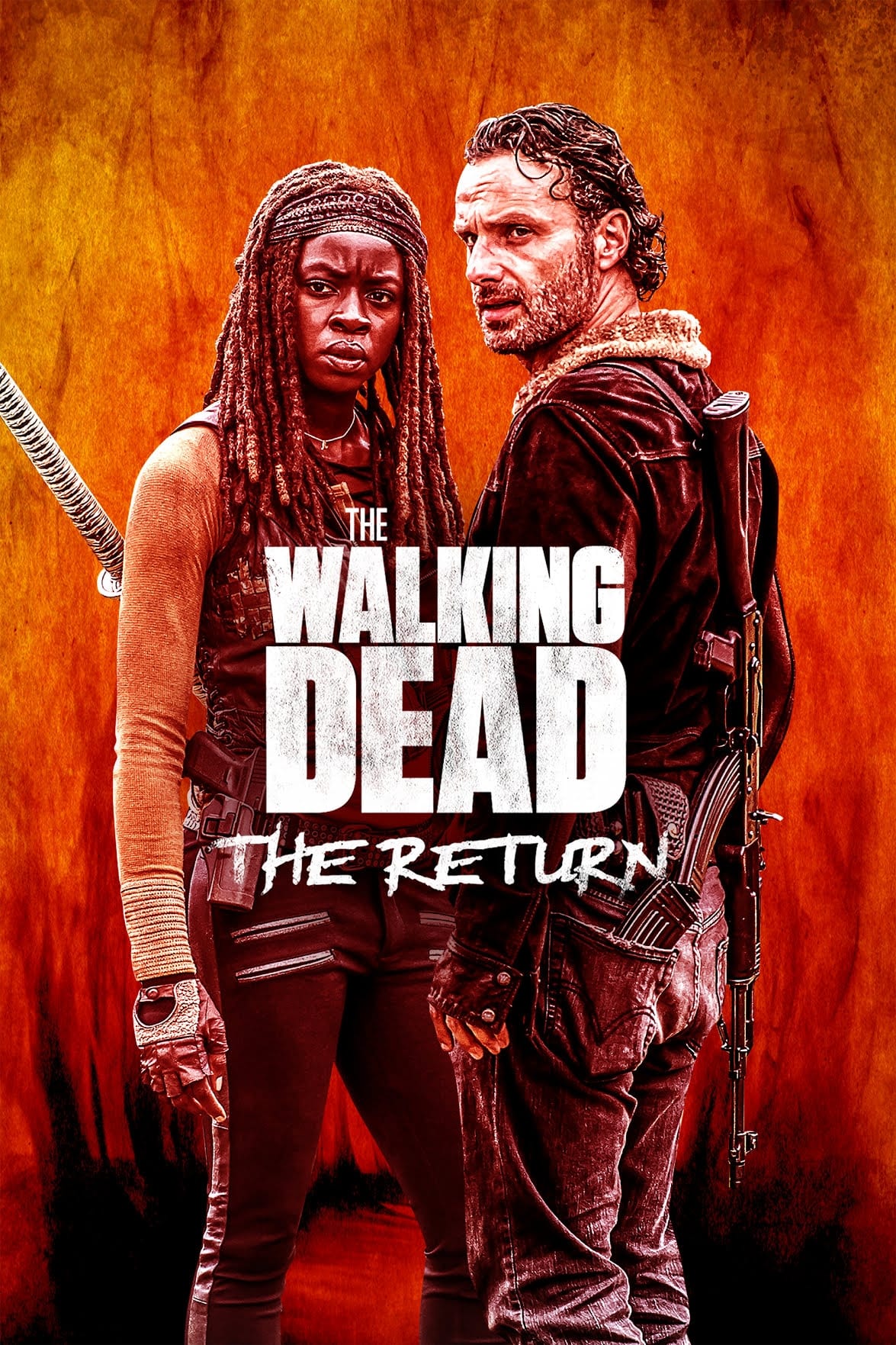
Stars of "The Walking Dead," Andrew Lincoln and Danai Gurira, walk down memory lane and visit iconic locations where pivotal moments between their characters, Rick and Michonne, were filmed.
Unravel the case of Utah therapist Jodi Hildebrandt, whose child abuse arrest with parenting YouTuber Ruby Franke exposed a twisted tale of manipulation.
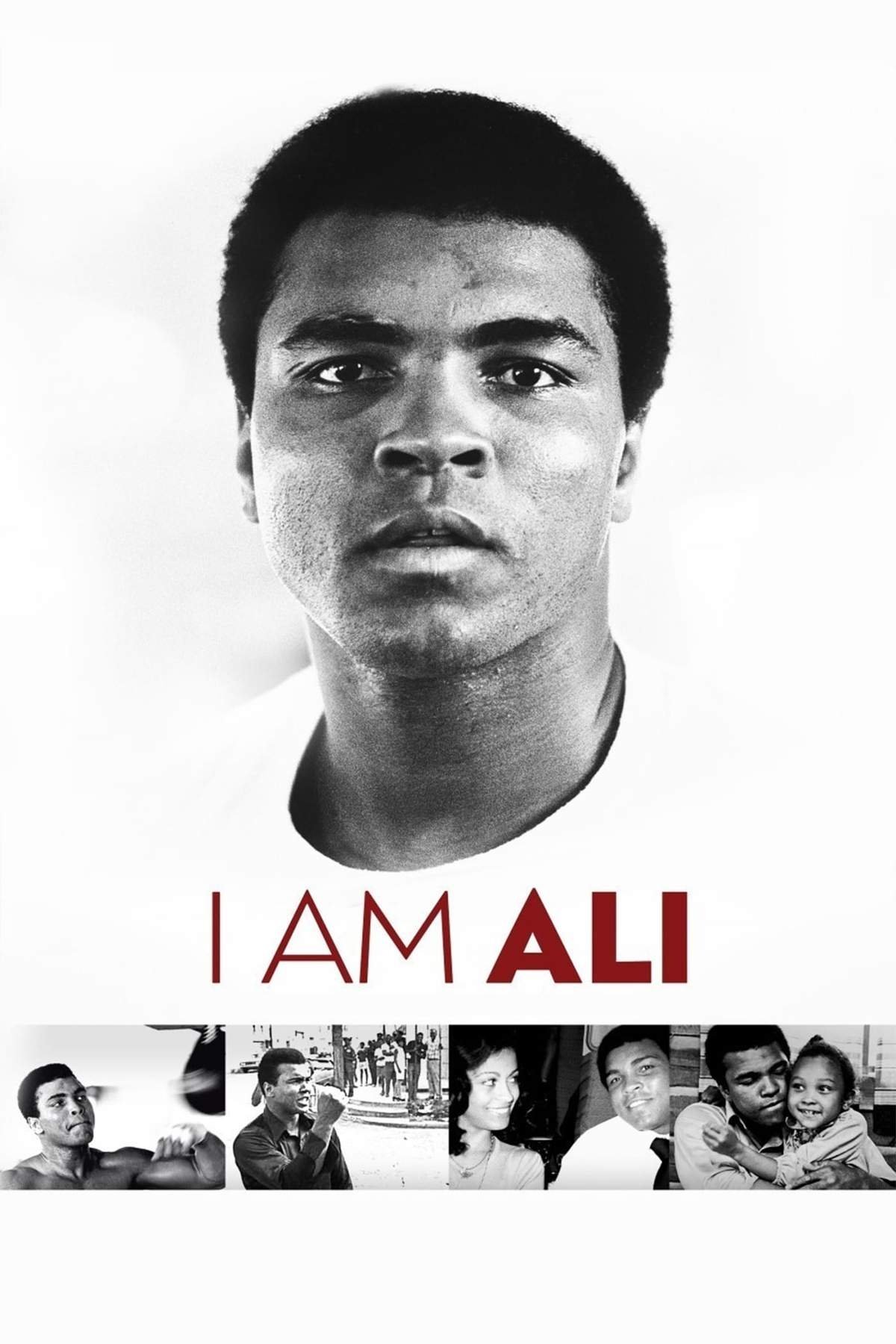
Unprecedented access to Muhammad Ali's personal archive of "audio journals" as well as interviews and testimonials from his inner circle of family and friends are used to tell the legend's life story.
Daniel Craig candidly reflects on his 15 year adventure as James Bond. Including never-before-seen archival footage from Casino Royale to the upcoming 25th film No Time To Die, Craig shares his personal memories in conversation with 007 producers, Michael G Wilson and Barbara Broccoli.
Police pull over a woman who claims she just gave birth. But the baby — and the blood — aren't hers. Twisted lies unravel in this true-crime documentary.