Social & External
The people behind it
A documentary about a cat cafe for a film class
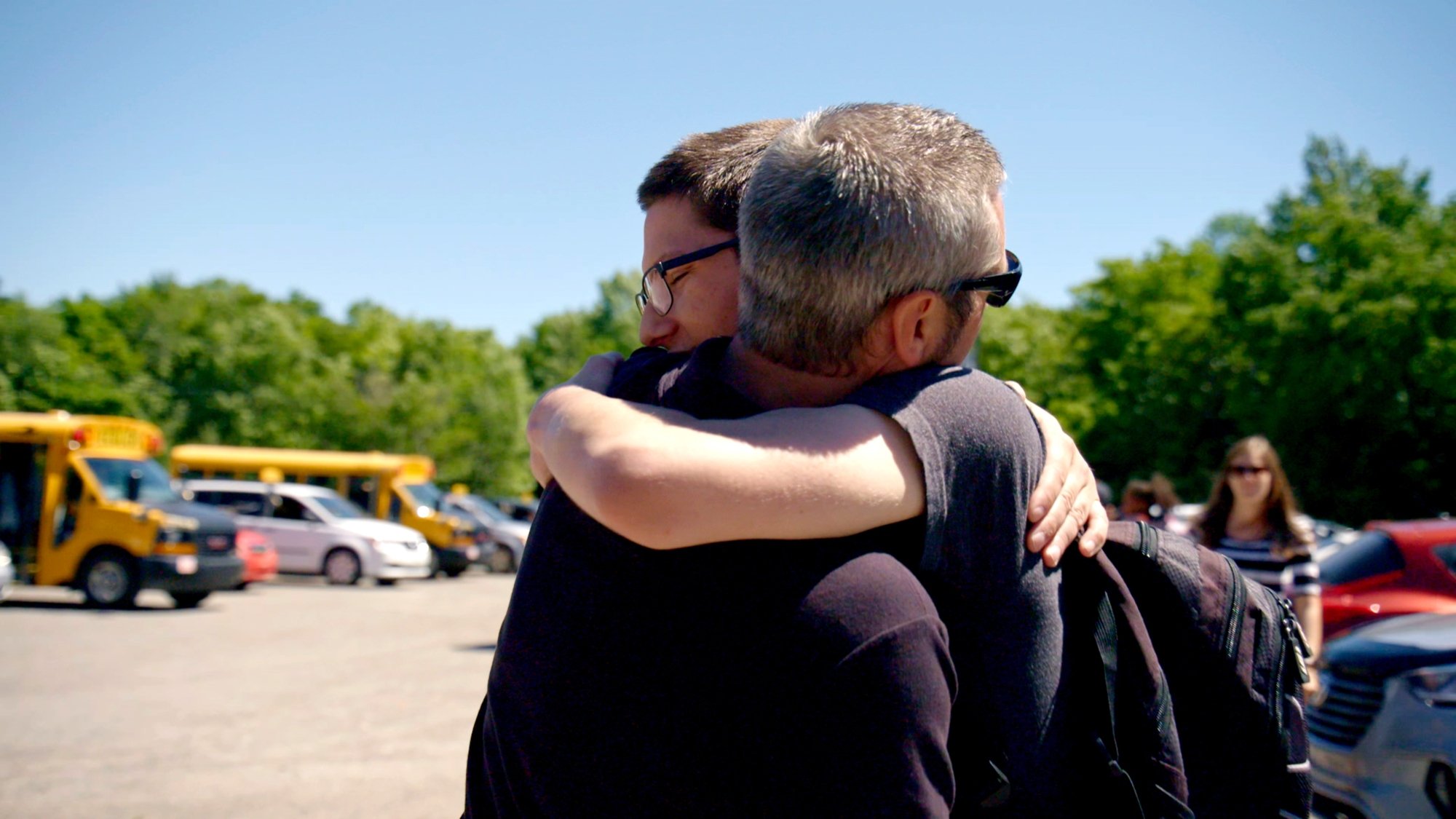
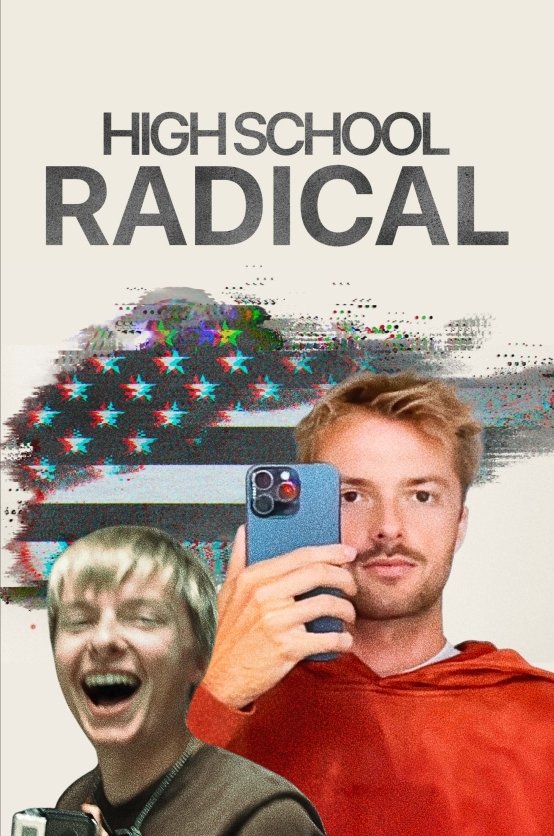
At 16, Max left with dreams and a GoPro slung over his shoulder for an exchange program at a high school in Oklahoma. Since then, Donald Trump has become president, the Capitol has been stormed, and abortion bans have gained ground. On the eve of Trump’s second term, Max goes back to see his friends to understand what their journeys reveal about the evolution of American society
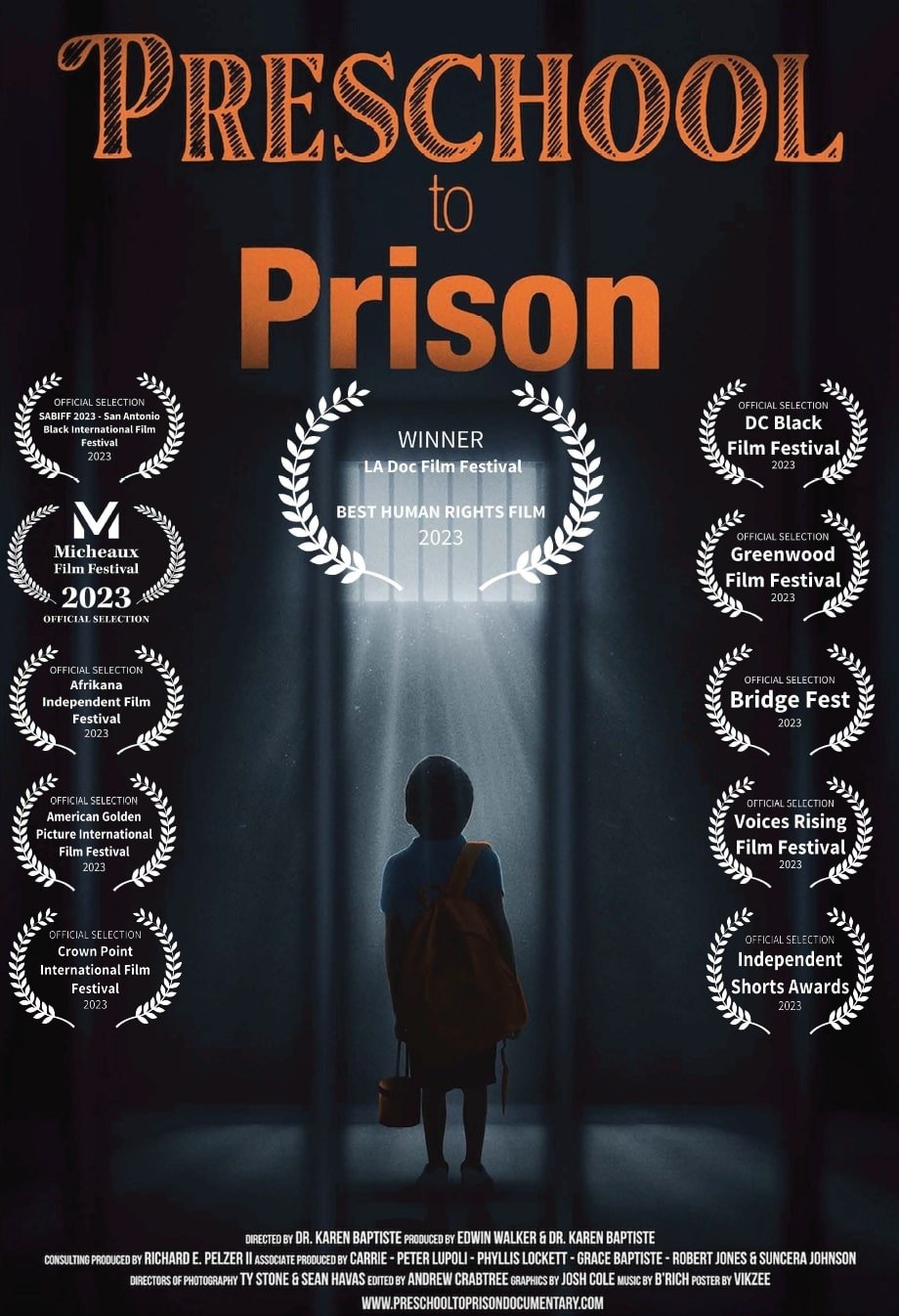
Preschool to Prison is a compelling examination of how the United States public school system is built and operated like prisons. Zero-tolerance policies are used to justify suspension and arrests that set up a pathway to send children of color and children with special needs from school to prison. Children are being suspended, restrained, dragged, physically manhandled, and subsequently arrested for minor offenses such as throwing candy on a school bus. These personal accounts from people affected by the school-to-prison pipeline give riveting tales about the generational impact on society.
Behind-the-scenes documentary about the making and broadcasting of pedagogical radio shows on the BBC.
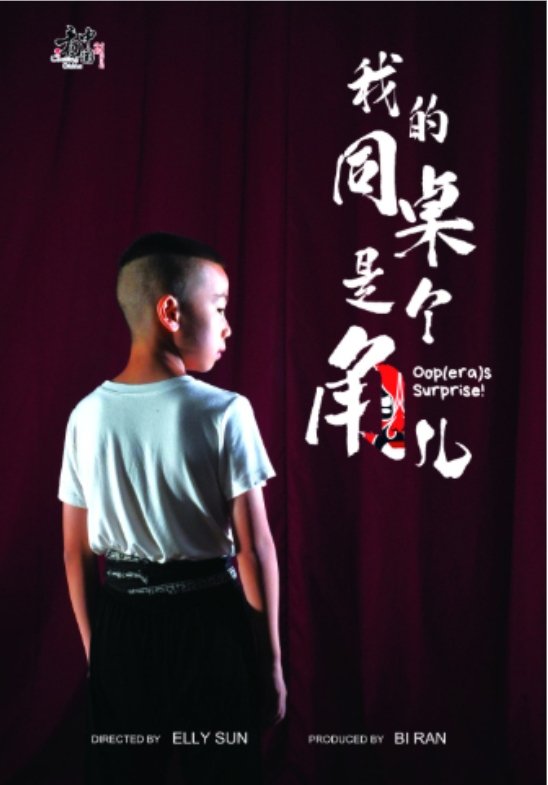
This short film delves into the Peking Opera club of the Fourth Primary School of Donggaodi in Fengtai District, Beijing, to explore what Peking Opera is like in the eyes of children. When sweat flows over the oil paint and the tender voices sing in the old tunes, what we witness is not only the inheritance of national treasures, but also the unique journey of a little soul growing between its role and itself.
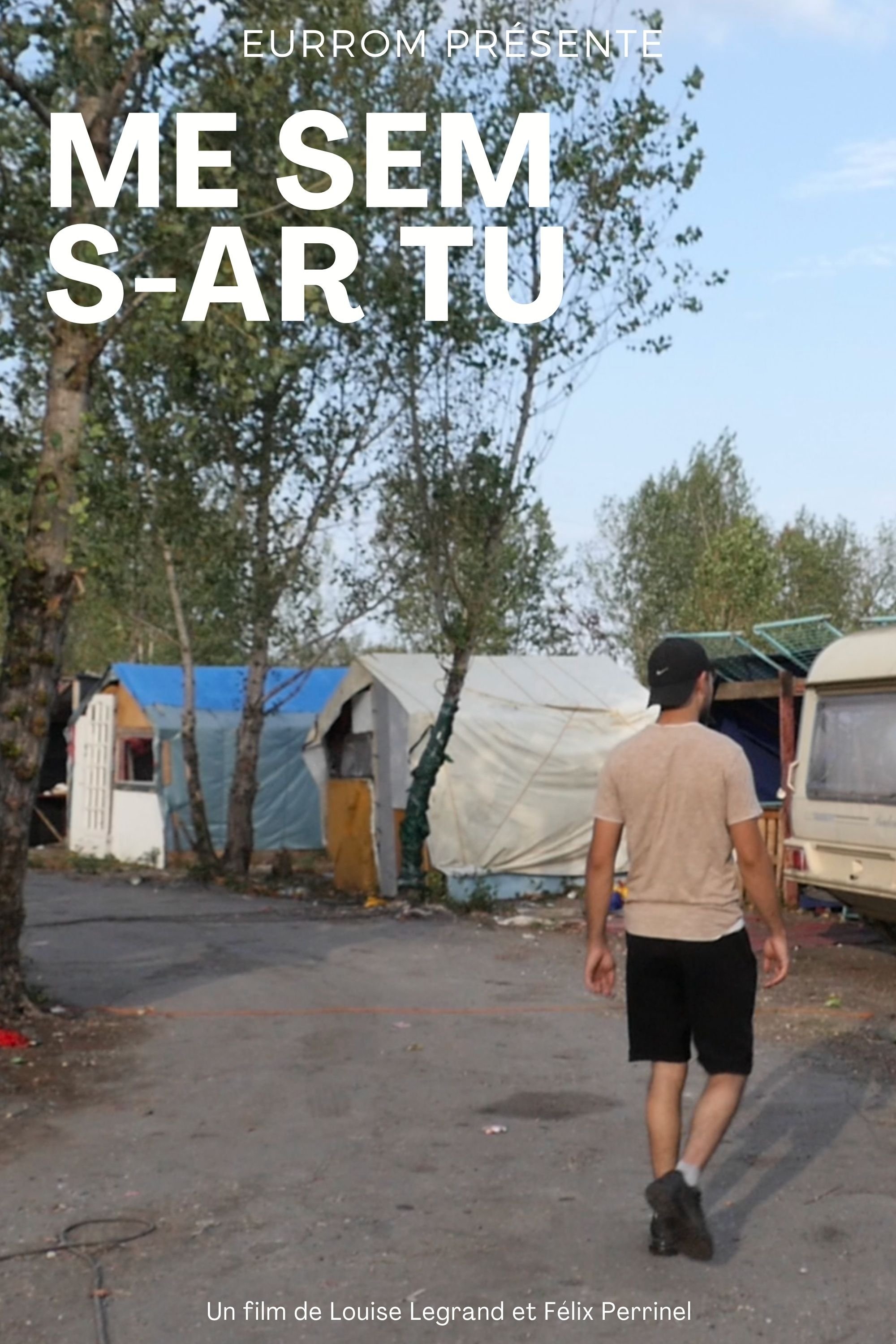
Sainte-Marie-aux-Mines, in rural Alsace. A vocational high school. A class of year 12 ASSP (Assistance, Care and Service to Person) pupils experience contemporary dancing based on improvised contacts for the first time.
Minimalist movie making at its best: kids learn the art of film language using illustrations and margarine boxes.
Children get ready to start the first grade. They start learning the first letters.
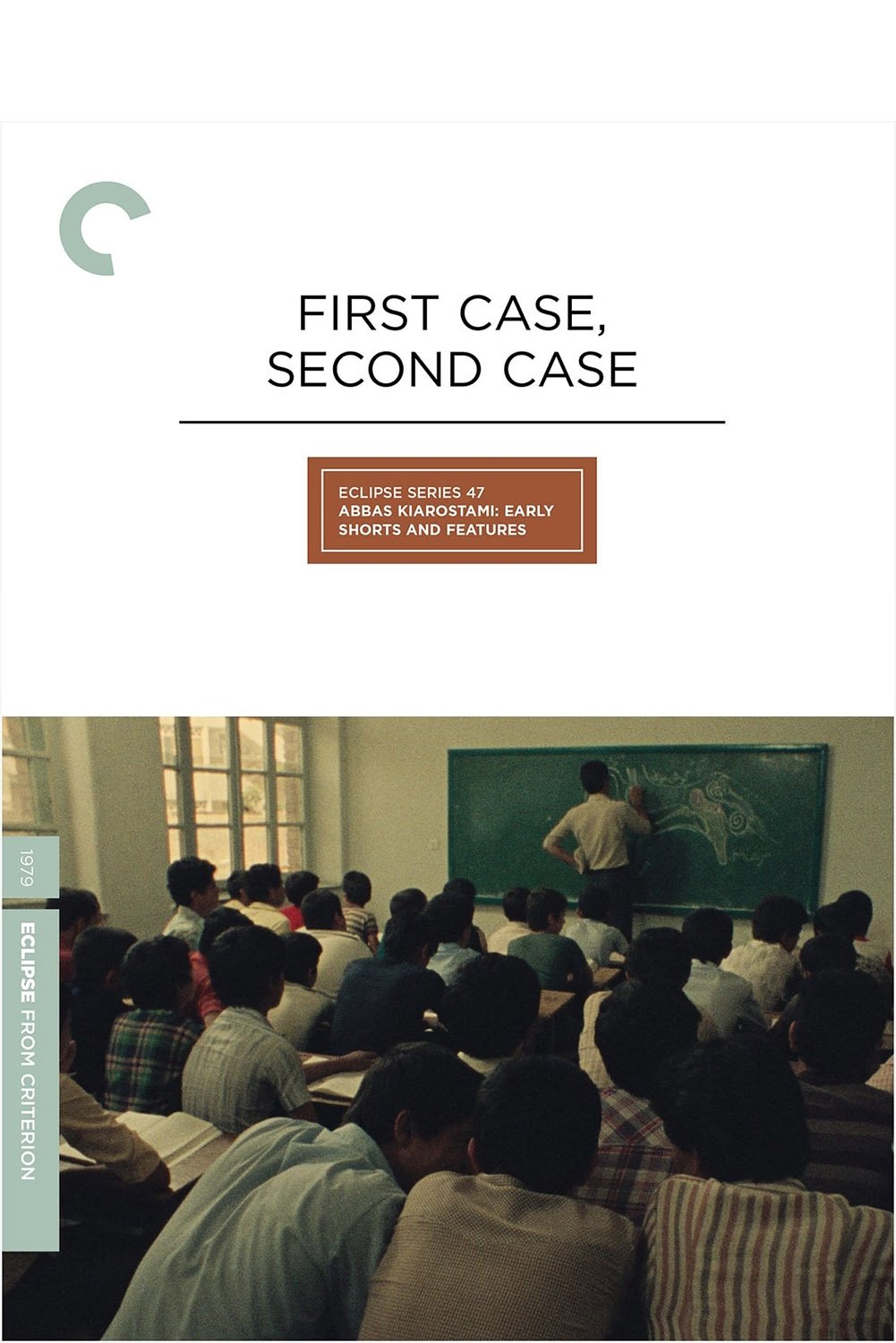
A documentary about a teacher who sends a group of pupils out of the classroom when one of them does not own up to talking behind the master's back.
The purpose of Rise Above the Mark, narrated by Peter Coyote, is to educate the general public about the “corporate takeover” of Indiana public schools and what parents, community members and educators can do to protect their local public schools. Legislators are calling the shots and putting public schools in an ever-shrinking box. WLCSC Board of School Trustees and Superintendent of Schools, Rocky Killion, want to secure resources and legislative relief necessary to achieve the school district’s mission of creating a world-class educational system for all children. The school district’s strategic plan will introduce a model of education that puts decision making back into the hands of local communities and public school teachers, rather than leaving it in the hands of legislators and ultimately lining the pockets of corporations.
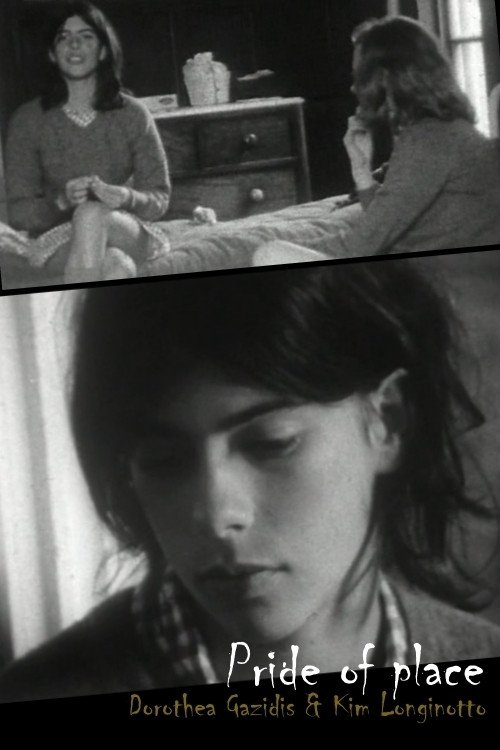
In this first project of Kim Longinotto while she was a student at Englands National School of Television and Film she filmed the daily life in a girls boarding school situated in an old isolated castle in Buckinghamshire. Until she was 17, Longinotto lived in this boarding school, finaly she run away from there. In this dark and expressive black and white documentary, Longinotto exposes the repressive school from the students perspective. It seems to be a kind of miniature state with bizzare rules, idigestibel food and absurd punishments. The documentary begins with an graduation ceremony. The director blows her own trumpet, afterwards the film describes the daily routine of schoollife. The film ends up with the students leaving for holidays. As a result of this documentary, the boarding school was closed down one year after the release of the film.
The food in Plumcrest School Cafeteria has gone on strike to protest the poor lunchroom manners of the children! After Banana issues a two-week ultimatum, the students take some positive steps toward better lunchroom manners.
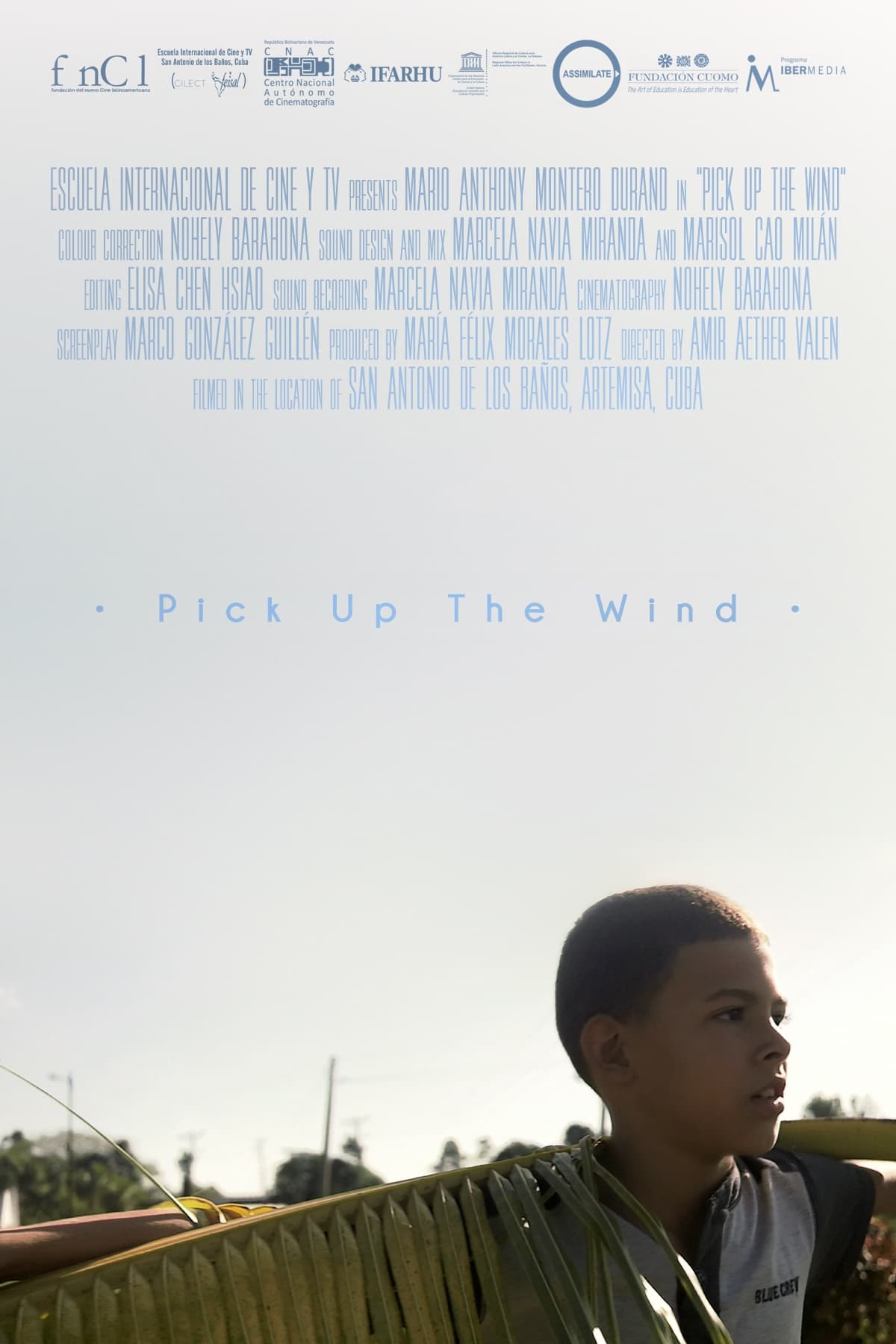
A short film following Anthony, a young child from the small, rural town of San Antonio de los Baños, Cuba. We see him in different moments of his daily life as he interacts with different forms of environmental, familial, and social influences. While Anthony displays contradictory traits of creativity, destruction, rigidity, and tenderness as he interacts with his external and internal worlds, we see a story built from the the multidimensionality of Anthony's layered personality as a young man.
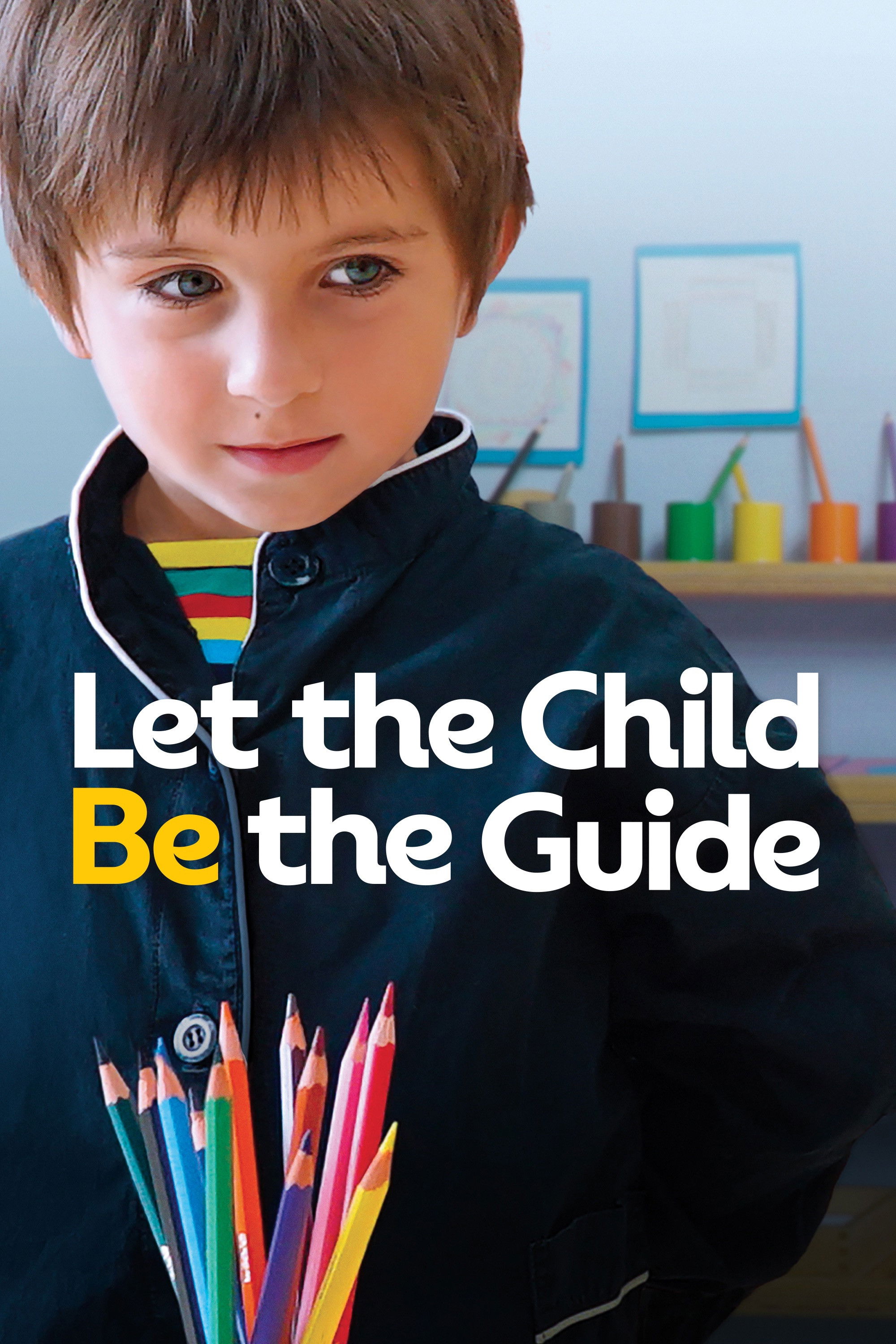
As a young father, watching his daughter go through her life experiences, film director Alexandre Mourot discovered the Montessori approach and decided to set his camera up in a children's house (3 to 6 years of age) in the oldest Montessori school in France. Alexandre was warmly welcomed in a surprisingly calm and peaceful environment, filled with flowers, fruits and Montessori materials. He met happy children, who were free to move about, working alone or in small groups. The teacher remained very discreet. Some children were reading, others were making bread, doing division, laughing or sleeping. The children guided the film director throughout the whole school year, helping him to understand the magic of their autonomy and self-esteem - the seeds of a new society of peace and freedom, which Maria Montessori dedicated her life work to.
An inside look at one of the most anticipated movie sequels ever with James Cameron and cast.
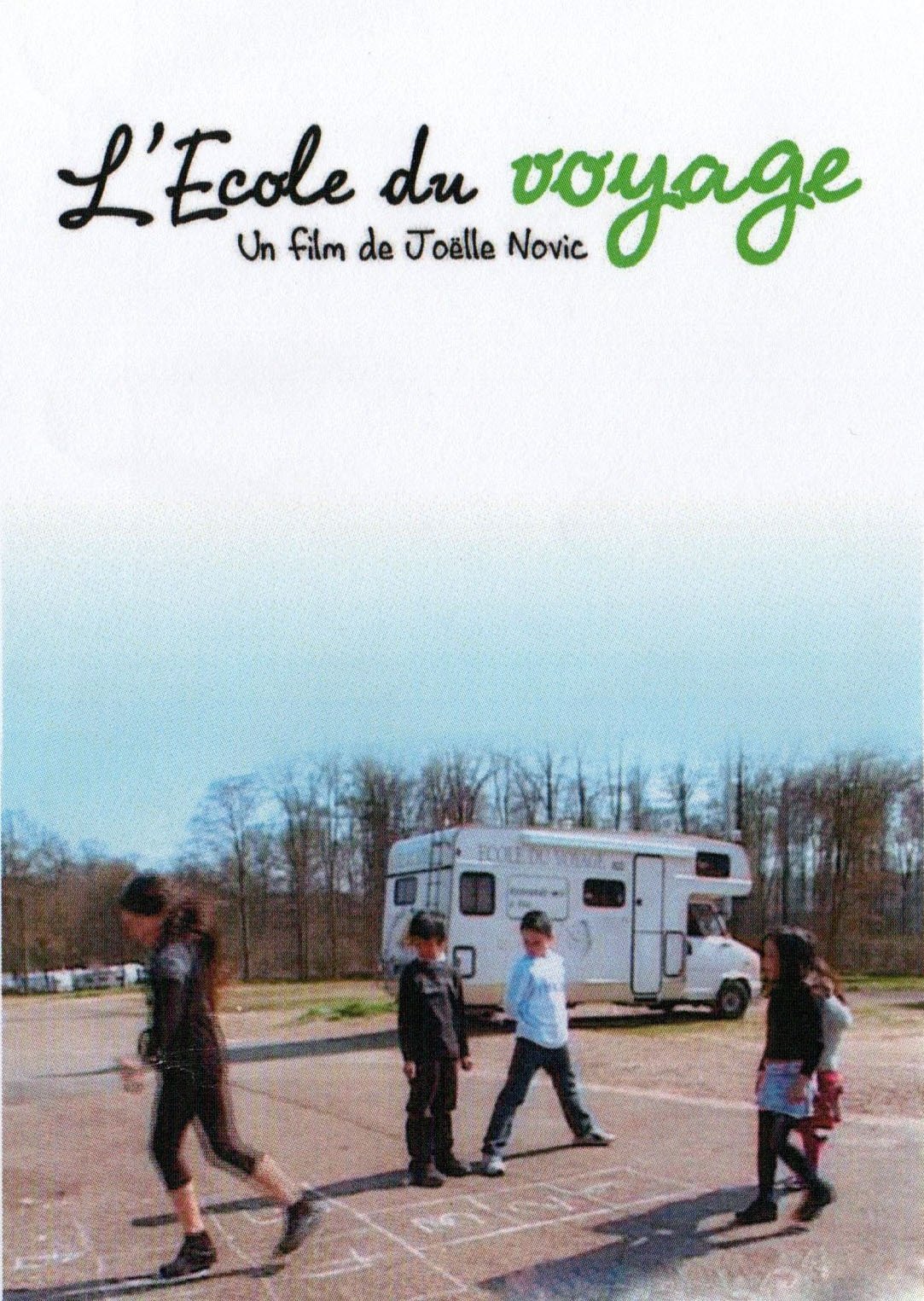
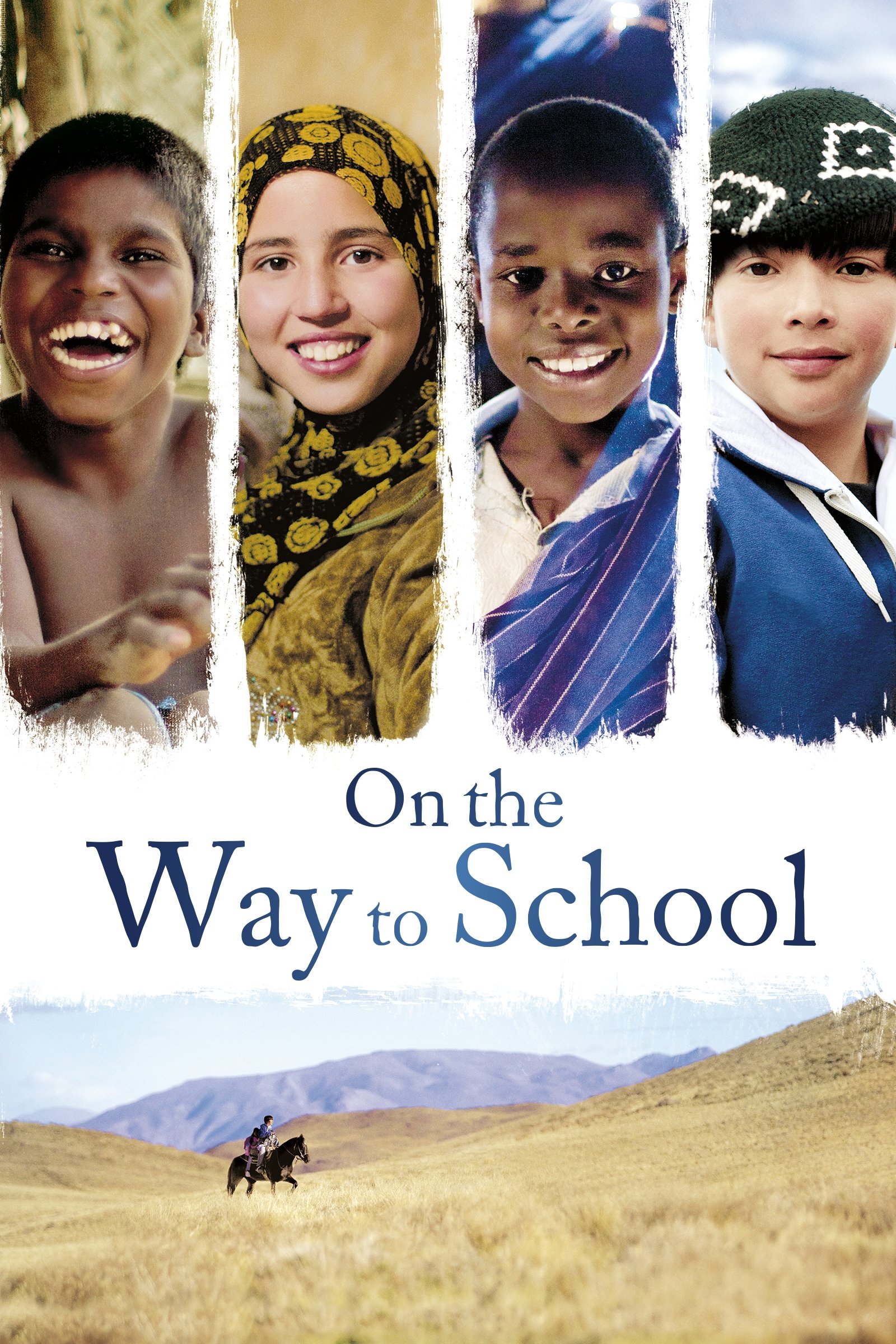
These children live in the four corners of the earth, but share the same thirst for learning. They understand that only education will allow them a better future and that is why, every day, they must set out on the long and perilous journey that will lead them to knowledge. Jackson and his younger sister from Kenya walk 15 kilometres each way through a savannah populated by wild animals; Carlito rides more than 18 kilometres twice a day with his younger sister, across the plains of Argentina; Zahira lives in the Moroccan Atlas Mountains who has an exhausting 22 kilometres walk along punishing mountain paths before she reaches her boarding school; Samuel from India sits in a clumsy DIY wheelchair and the 4 kilometres journey is an ordeal each day, as his two younger brothers have to push him all the way to school…
This revealing documentary honors the legendary Sidney Poitier—iconic actor, filmmaker, and civil rights activist. Featuring interviews with Denzel Washington, Spike Lee, Halle Berry, and more.
Through deeply personal interviews with her siblings and an examination of the photographs, letters, and belongings left behind, Mariska assembles a new portrait of her mother Jayne Mansfield, an extraordinary and complex woman.
Alexander McQueen's rags-to-riches story is a modern-day fairy tale, laced with the gothic. Mirroring the savage beauty, boldness and vivacity of his design, this documentary is an intimate revelation of McQueen's own world, both tortured and inspired, which celebrates a radical and mesmerizing genius of profound influence.
The film follows adventurer Jeff Johnson as he retraces the epic 1968 journey of his heroes Yvon Chouinard and Doug Tompkins to Patagonia.
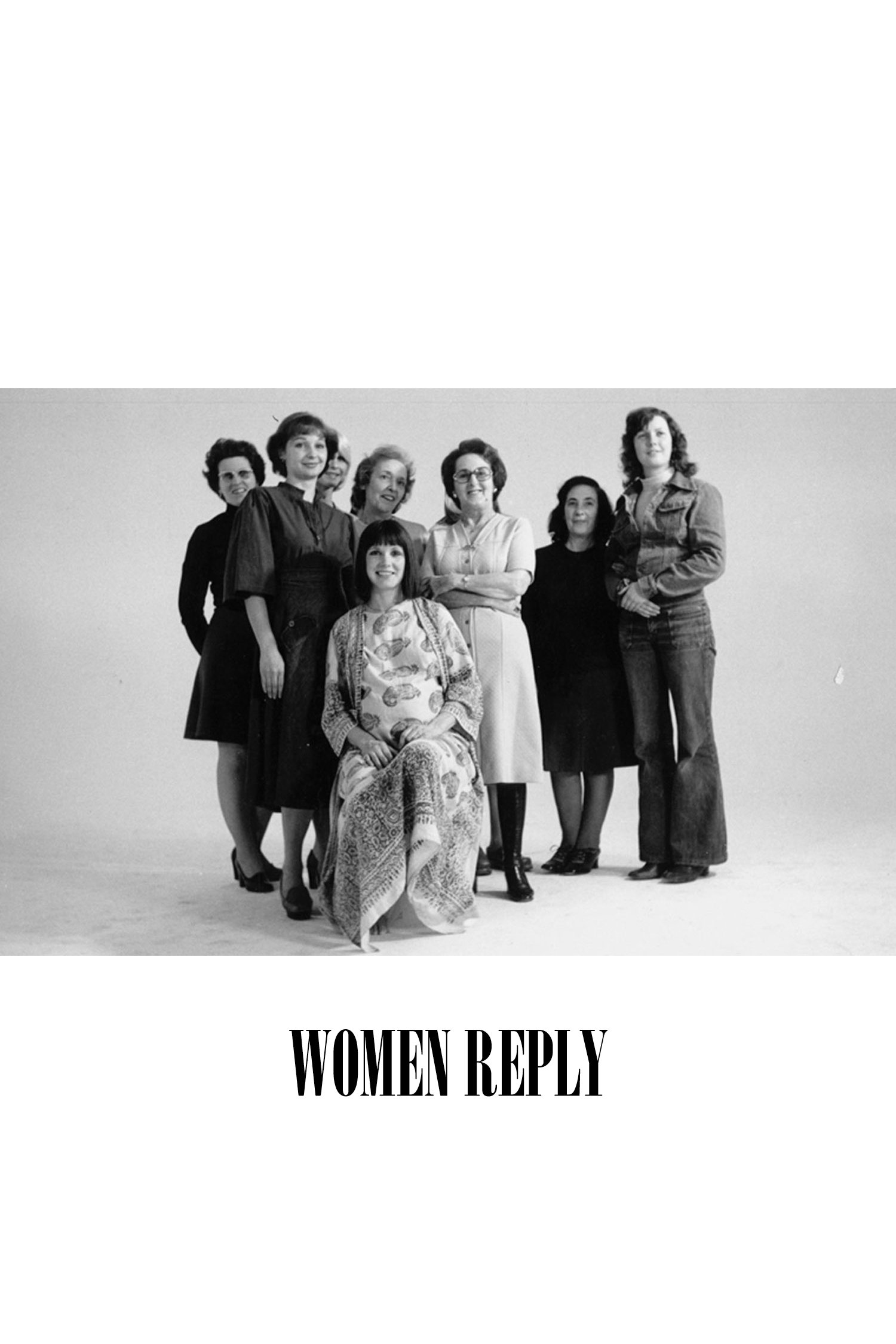
What does being a woman really mean? How do women live the status society reserves for them? A group of women, beautiful or not, young or not, gifted with motherly instinct or not, answer before Agnès Varda's camera.
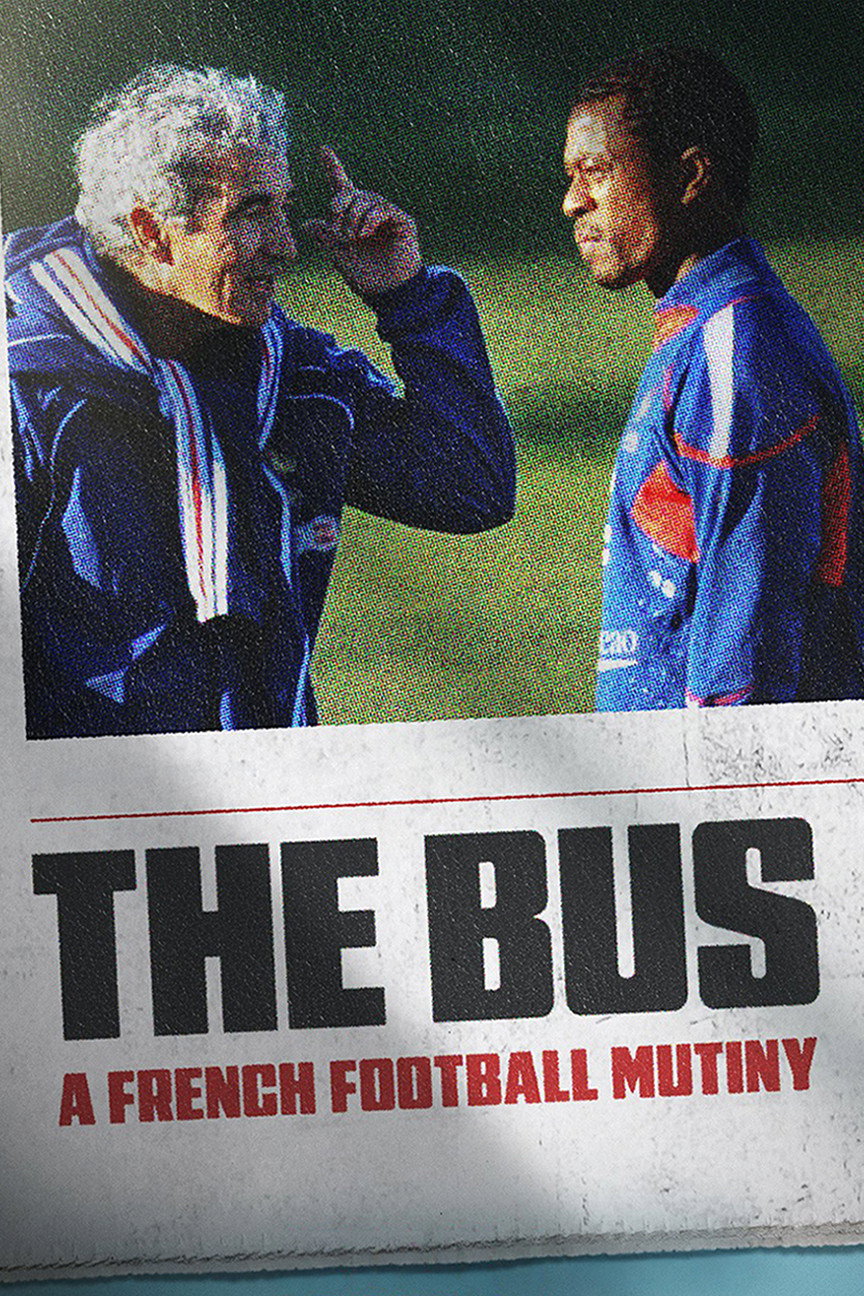
This documentary revisits the French football team's controversial 2010 World Cup and the bus strike that sparked global headlines and national outrage.
Al Pacino's deeply-felt rumination on Shakespeare's significance and relevance to the modern world through interviews and an in-depth analysis of "Richard III."
A night of drunken chaos rocks a quiet Dutch town in this shocking documentary about a teen's birthday invite that accidentally went viral on Facebook.
Those who knew iconic funnyman John Candy best share his story, in their own words, through never-before-seen archival footage, imagery, and interviews.
Over 35 years after Bob Lazar's revelations, this documentary exposes secrets of a facility the government still denies. Featuring Lazar's testimony, recreations, and new evidence, it reopens a case that continues to spark global curiosity
A documentary about the life and films of director John Ford.
Behind-the-scenes documentary revealing what goes on inside the colourful, privileged, and sometimes stressful Christian Dior fashion house.
A new documentary by filmmaker-photographer Raymond Depardon – where justice and psychiatry meet.
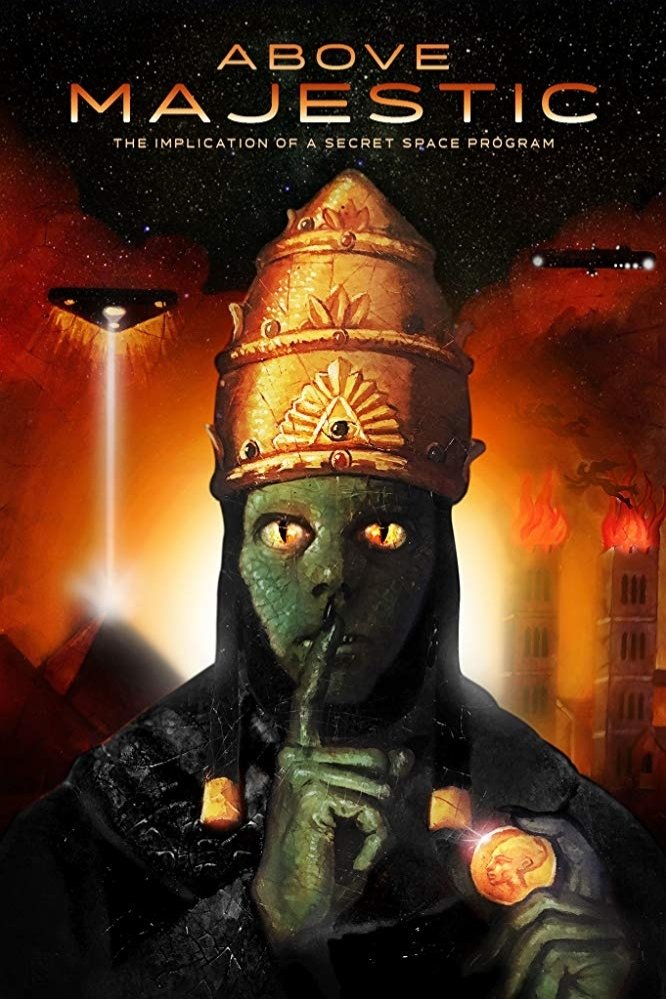
A look at the origins, history and conspiracies behind the "Majestic 12", a clandestine group of military and corporate figureheads charged with reverse-engineering extraterrestrial technology.
The Captains is a feature-length documentary film written and directed by William Shatner. The film follows Shatner as he interviews the other actors who have portrayed starship captains in the Star Trek franchise.
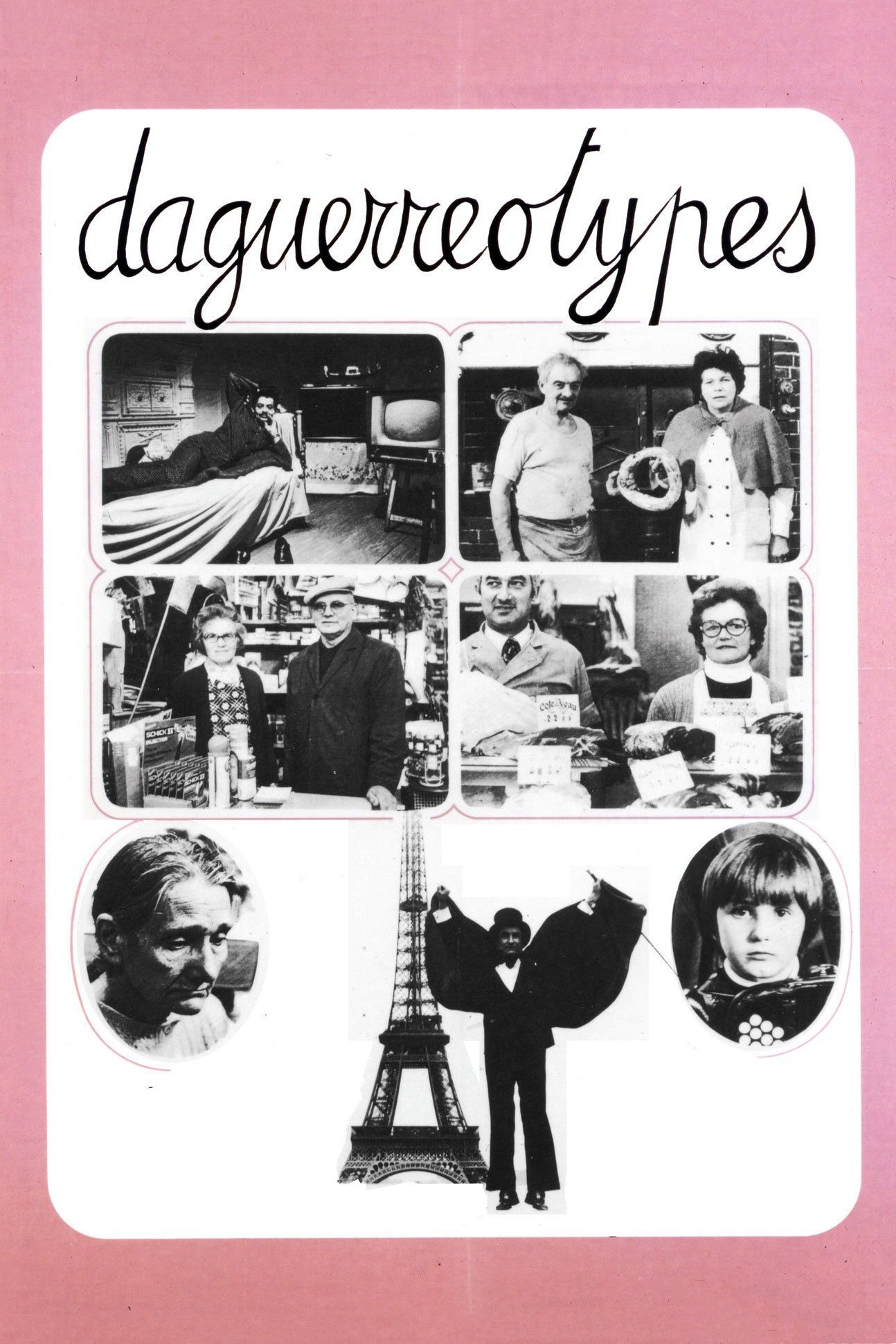
An intimate portrait of the small shops and shopkeepers of the Rue Daguerre in Paris, a picturesque street that has been the filmmaker’s home for more than 50 years.
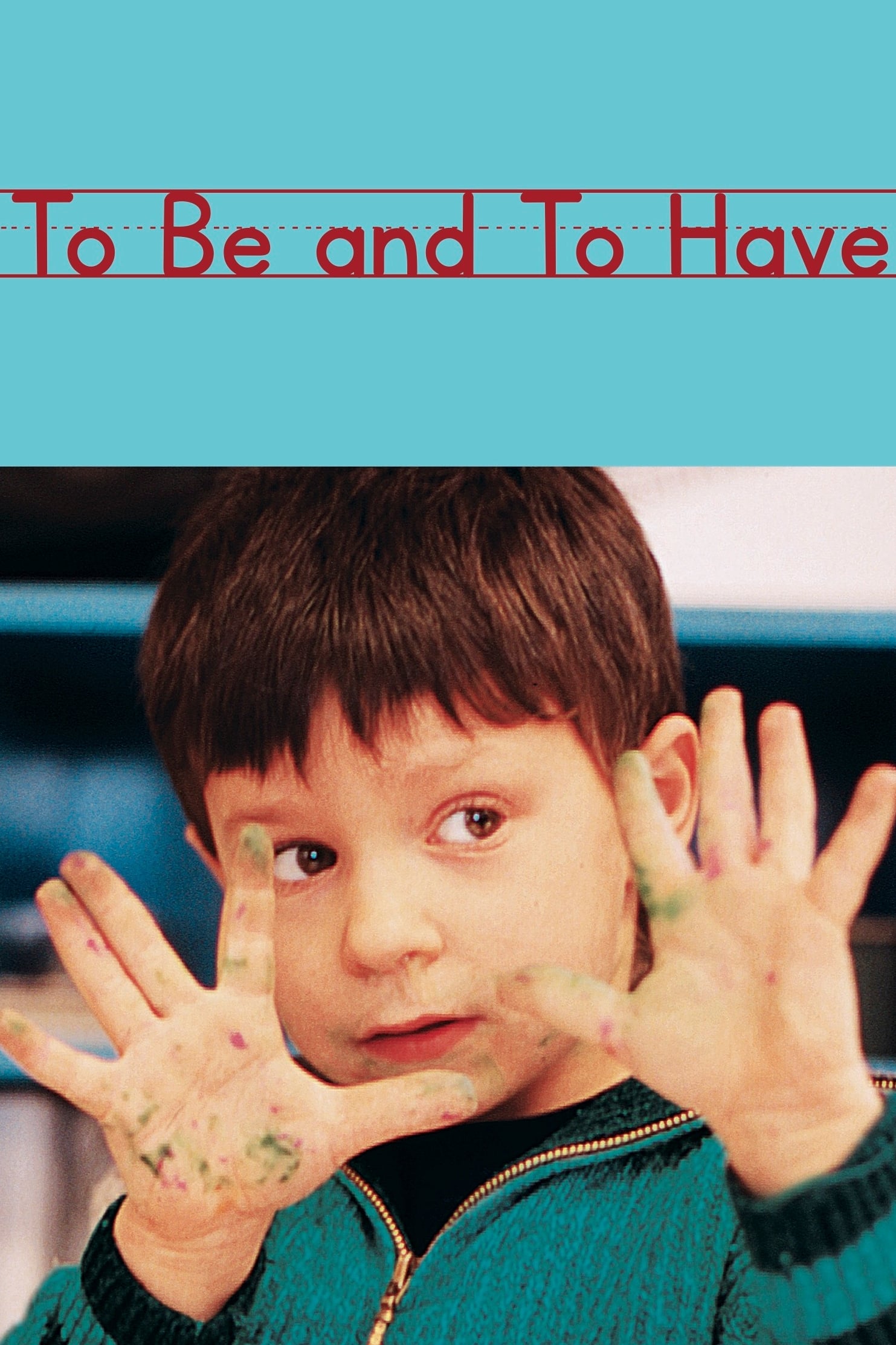
The documentary's title translates as "to be and to have", the two auxiliary verbs in the French language. It is about a primary school in the commune of Saint-Étienne-sur-Usson, Puy-de-Dôme, France, the population of which is just over 200. The school has one small class of mixed ages (from four to twelve years), with a dedicated teacher, Georges Lopez, who shows patience and respect for the children as we follow their story through a single school year.
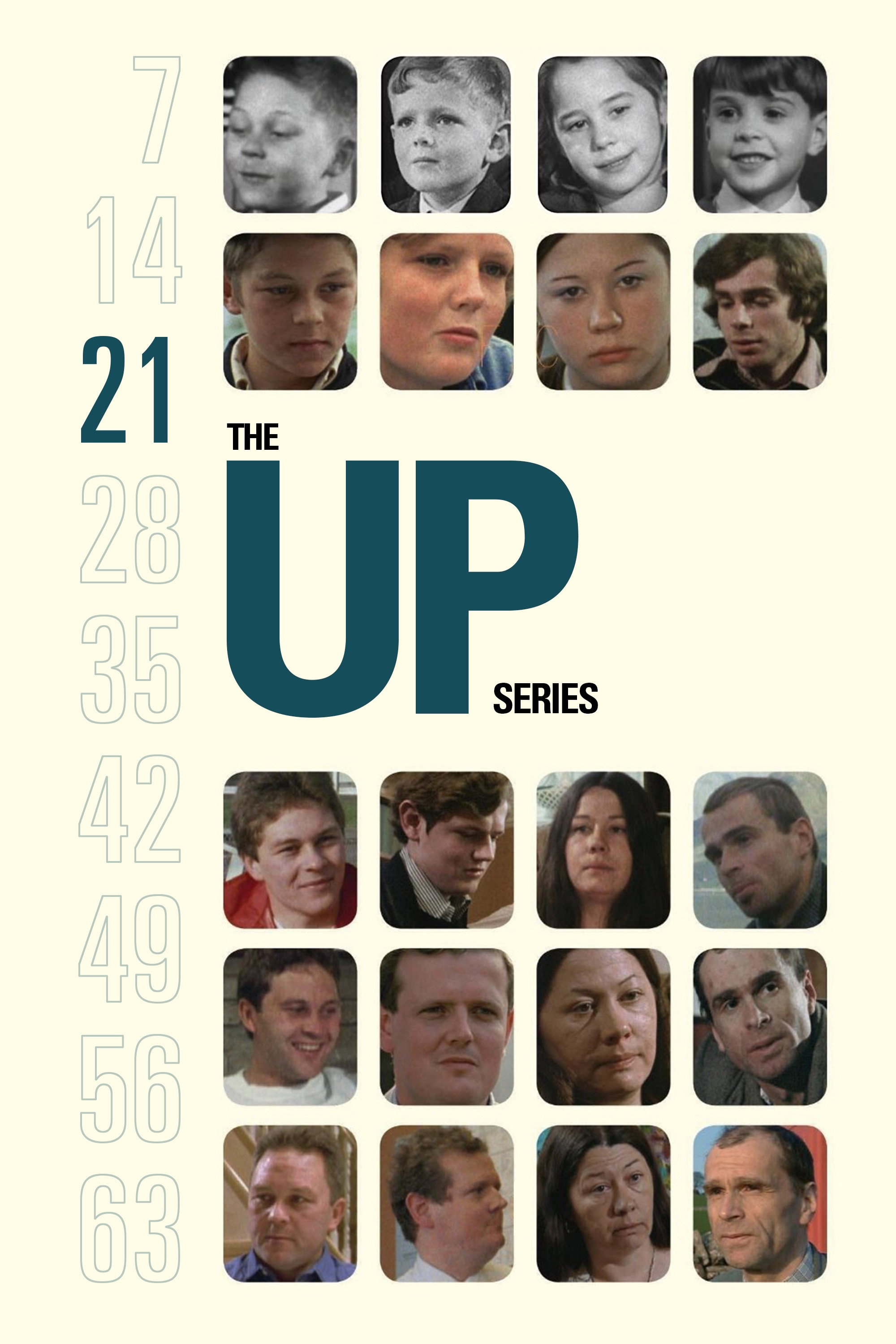
After another 7 year wait, director Michael Apted revisits the same group of British-born children from Seven Up! and 7 Plus Seven. The subjects are interviewed as to the changes that have occurred in their lives during the last seven years.