A look at the destruction that follows the breaking of long-neglected dikes and the measures being taken to prevent future problems.
Social & External
The people behind it
The film shows a single-row beet harvester in action during the sugar beet harvest. The topping of the beets is shown at normal speed. The test conditions used are explained.
The film shows the connection between agricultural overproduction in Europe and hunger in Brazil.
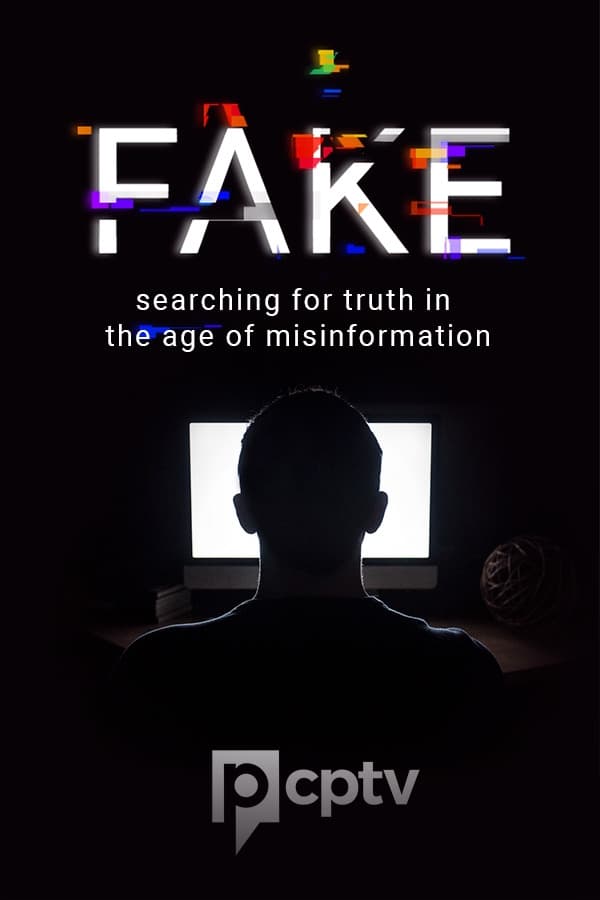
A new, original documentary from Connecticut Public, Fake: Searching for Truth in the Age of Misinformation, takes on this topic, just in time for the 2020 election season. Viewers will learn how and why misinformation spreads, and how to be a smarter information consumer in our increasingly digital world.
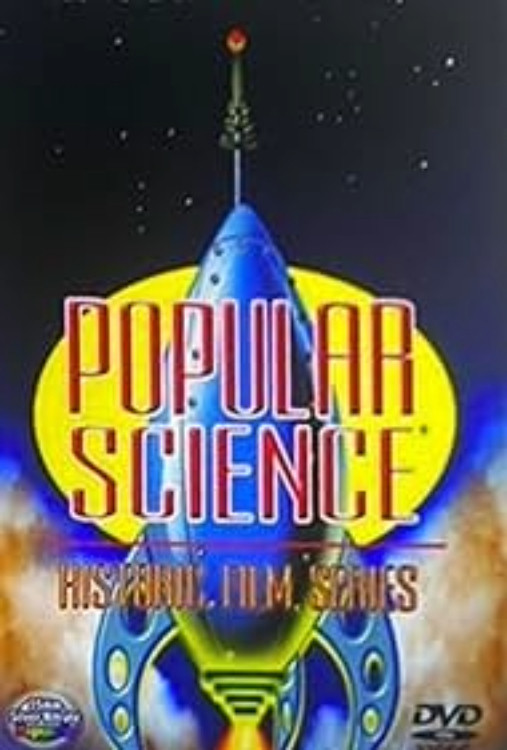
The usual interesting sequences, depicting a home made sun dial, some gadgets for the modern kitchen. Professor Oakes, and Dorothy Lamour singing "Moon Over Burma" (coming soon to your favorite theatre: Moon Over Burma (1940)).
A disaster truck, which is equipped to meet practically any emergency that arises in the community; In Oklahoma a breeder of under-slung cattle, making possible smaller grazing areas for milk herds; a deburping machine, of all things.
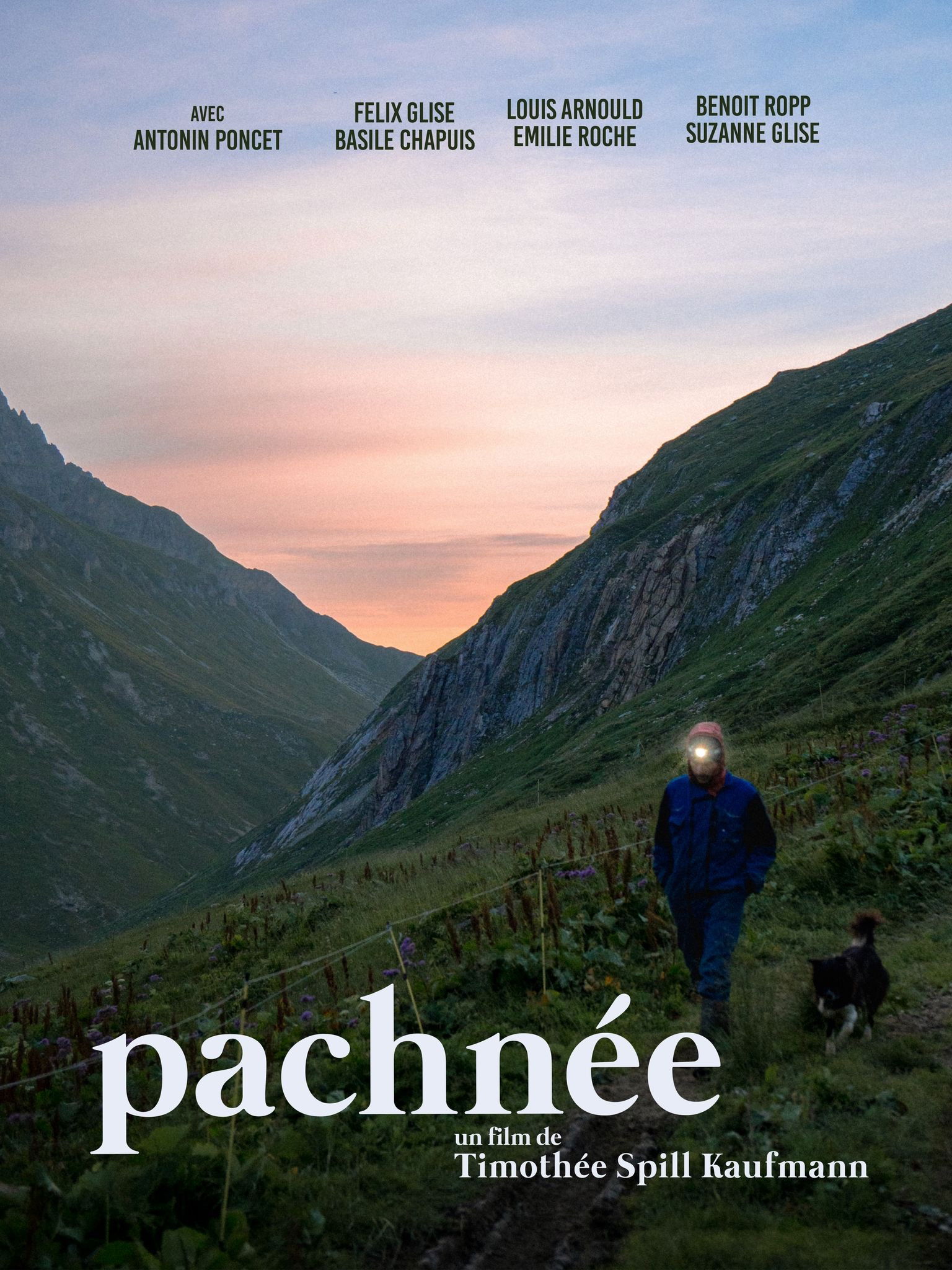
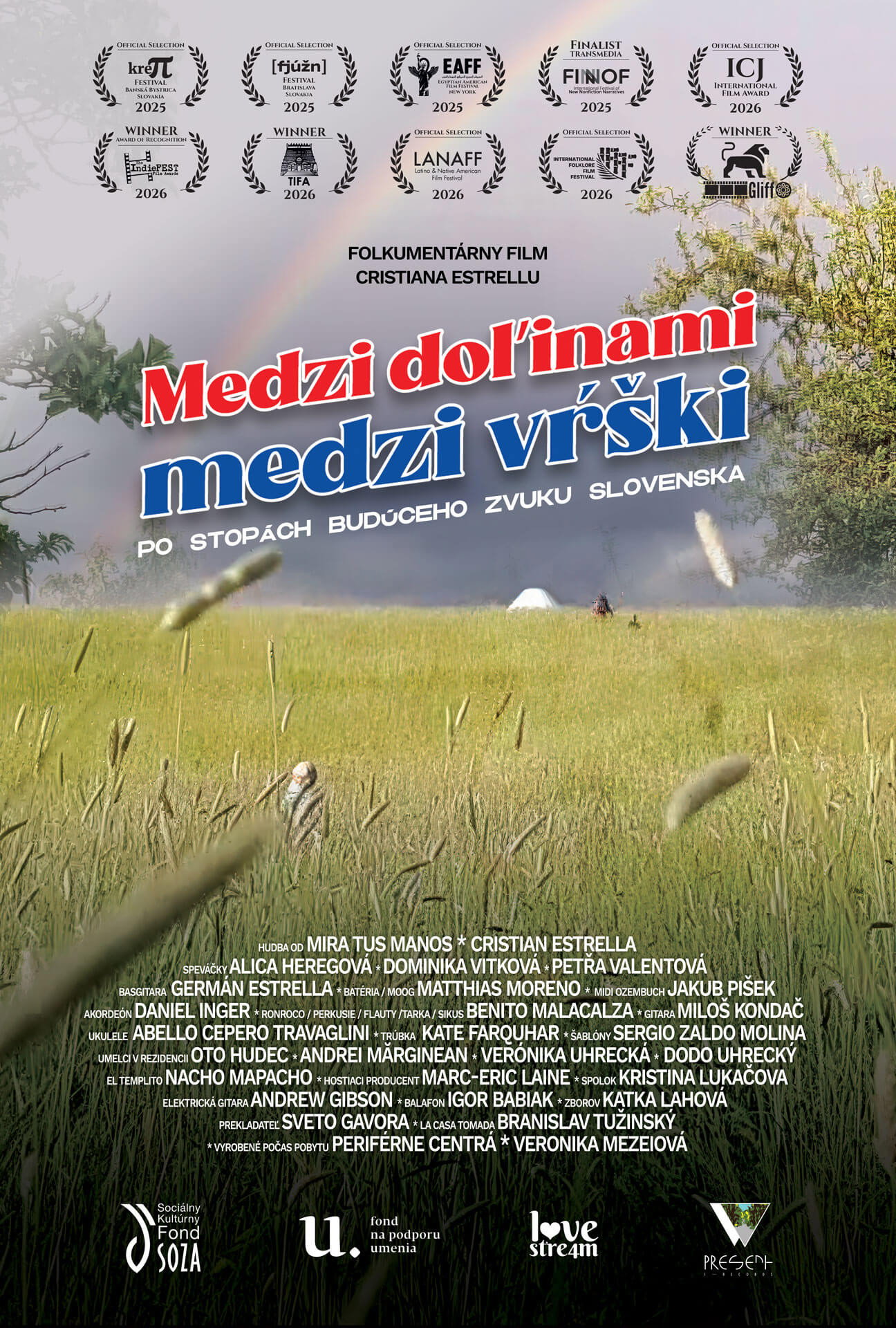
This is not just a “folkumentary”, but an invitation to reflect on the future of humanity on a planet where tradition and technology coexist, and where the unknown reminds us that there are still unanswered questions.
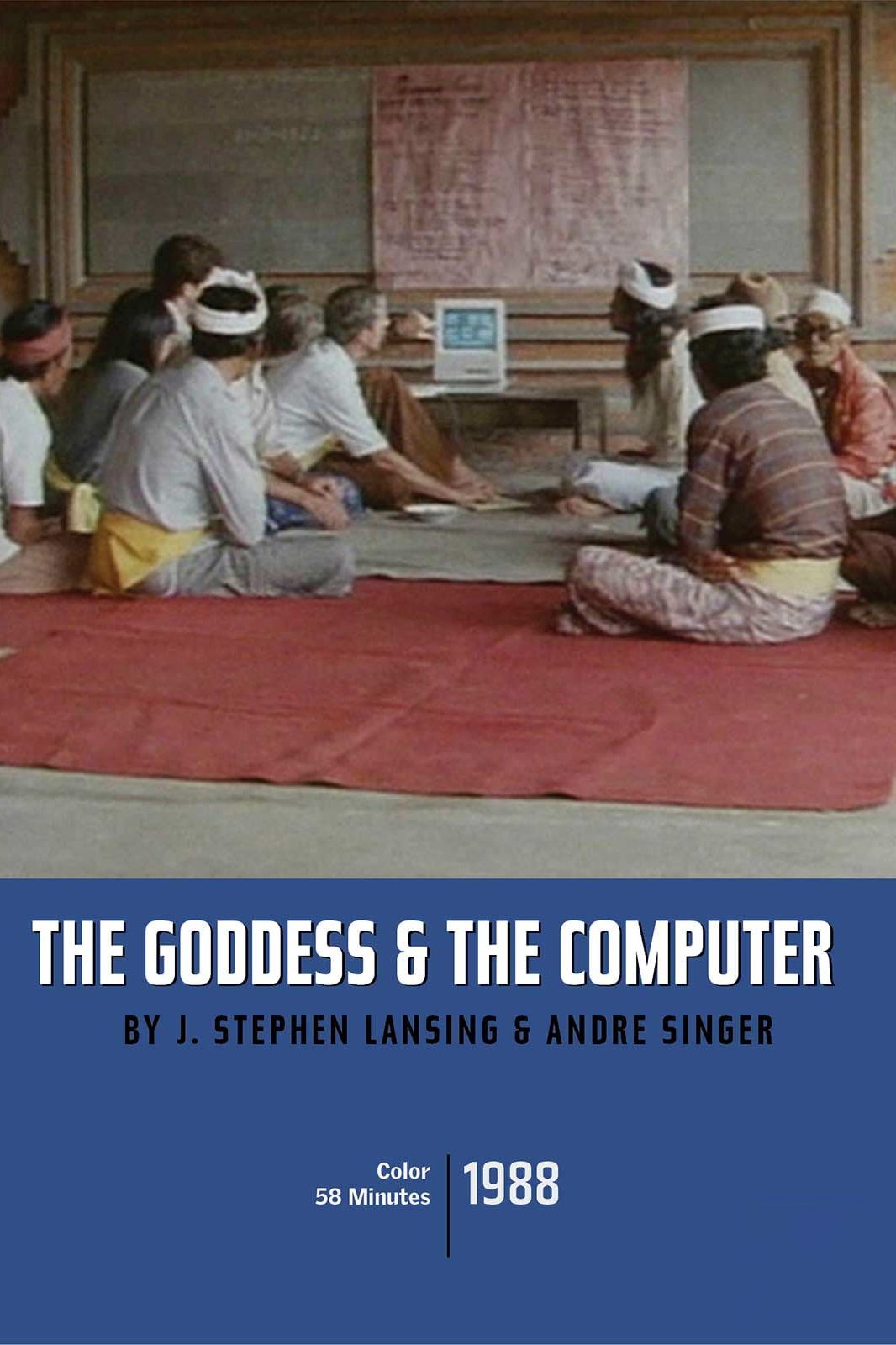
For centuries, rice farmers on the island of Bali have taken great care not to offend Dewi Danu, the water goddess who dwells in the crater lake near the peak of Batur volcano. Through an analysis of ritual, resource management practices (planting schedules, irrigation vs. conservation, etc) and social organization, anthropologist Steve Lansing and ecologist James Kremer discover the intricacy and sustainability of this ancient water management agricultural system.
On June 11th, 1997, Philippe Kahn created the first camera phone solution to share pictures instantly on public networks. The impetus for this invention was the birth of Kahn's daughter, when he jerry-rigged a mobile phone with a digital camera and sent photos in real time. In 2016 Time Magazine included Kahn's first camera phone photo in their list of the 100 most influential photos of all time.
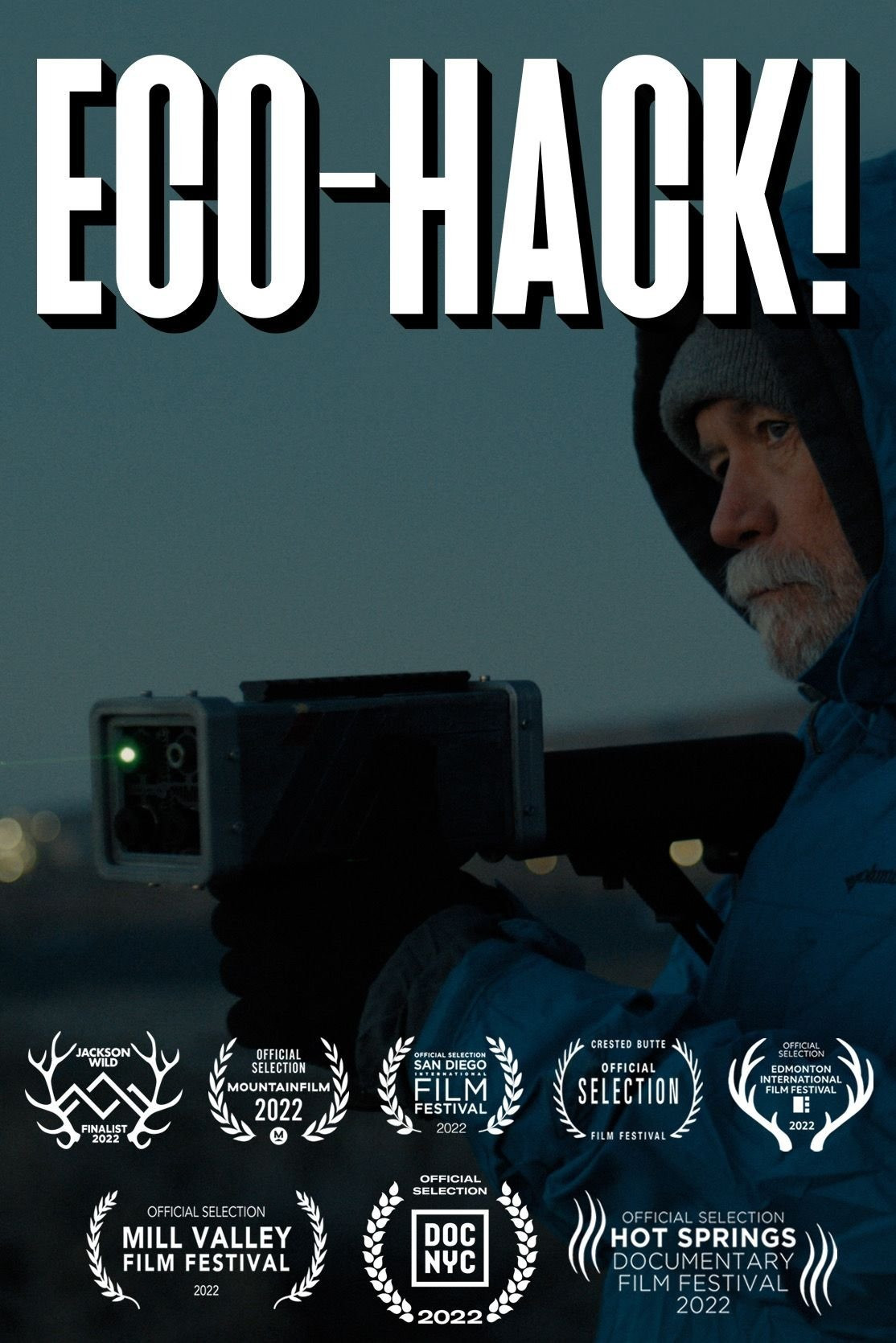
Conservation biologist Tim Shields sees urgency in the field and finds that traditional conservation practices are lacking when it comes to saving desert tortoise populations from ravens. He goes rogue, employing an arsenal of lasers, exploding model turtles, drones and desert rovers as a means of protecting the tortoise's dwindling numbers.
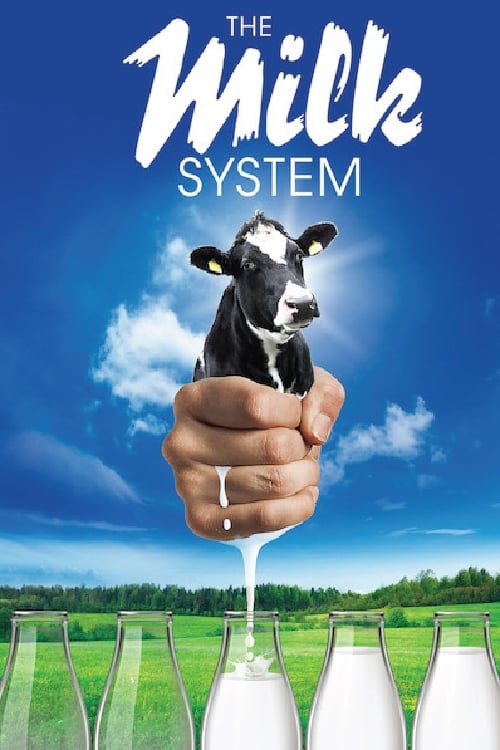
Milk is Big Business. Behind the innocent appearances of the white stuff lies a multi-billion euro industry, which perhaps isn't so innocent…
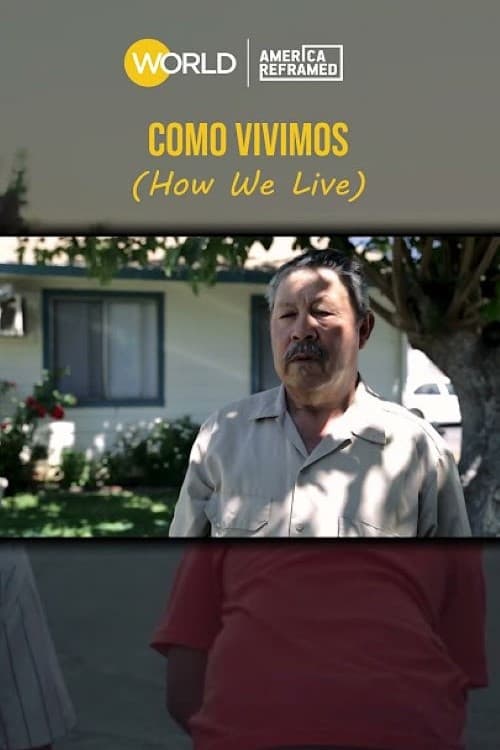
In California’s Central Valley, tucked between the county jail and the shooting range, 100 Mexican-American farmworking families live, love and strive at the Artesi II Migrant Family Housing Center. Until every December, that is, when they’re asked to leave.
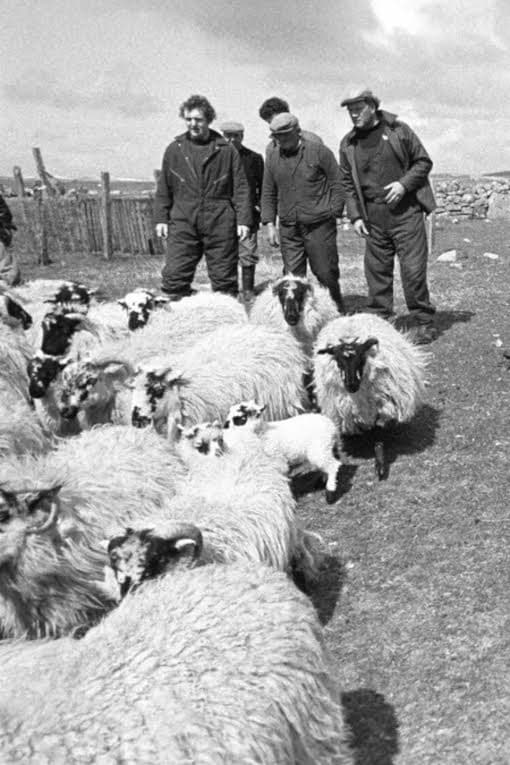
In 1980, Jack Shae and Allen Moore, two ethnographic filmmakers from Harvard University, moved their families to the island of Berneray in the Outer Hebrides. Over the course of 18 months they documented the everyday lives and struggles of the crofters they lived among, whom were even then a vanishing breed. The film is in English and Gaelic. This carefully observed documentary by filmmakers Jack Shae and Allen Moore is a poetic ethnographic film in the style of their mentor, Robert Gardner (“Dead Birds”). It follows the rhythm of life on a wind-swept island in the Outer Hebrides through the four seasons and in the filmmakers’ observation of the day-to-day struggles of a vanishing society we see the deep-time legacy of their kind. The film is in English and Gaelic.
Mariana and Xevi work the land from opposite ends of the world. Rooted in agroecology, their projects trace a quiet dialogue between territory, nature and family.
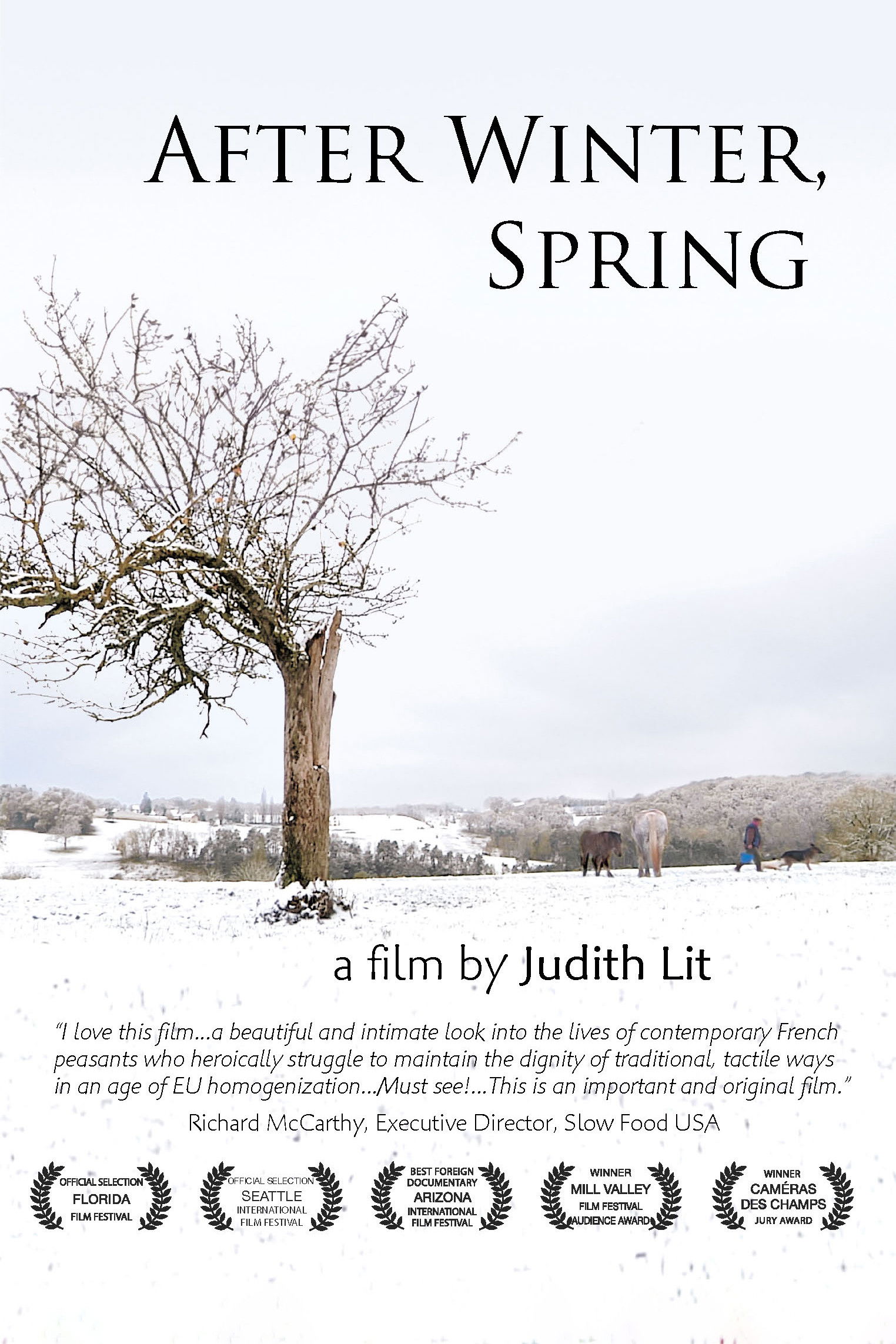
Family farmers in southwest France practice an ancestral way of life under threat in a world increasingly dominated by large-scale industrial agriculture.
In an intimate and joyful story of love in the face of loss, celebrated poets Andrea Gibson and Megan Falley find strength—and unexpected hilarity—in what might be their final year together.
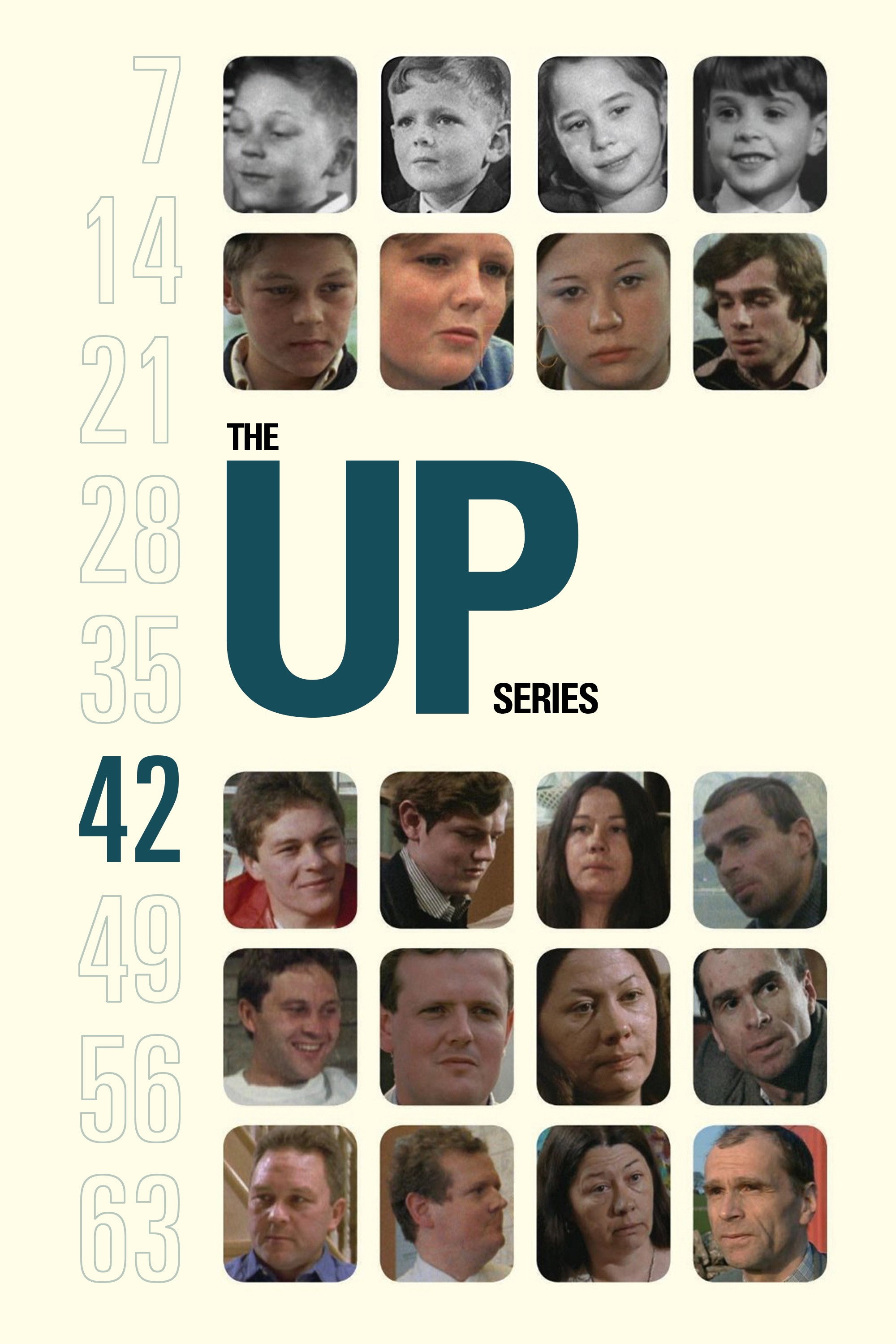
Director Michael Apted revisits the same group of British-born adults after a 7 year wait. The subjects are interviewed as to the changes that have occurred in their lives during the last seven years.
Al Pacino's deeply-felt rumination on Shakespeare's significance and relevance to the modern world through interviews and an in-depth analysis of "Richard III."
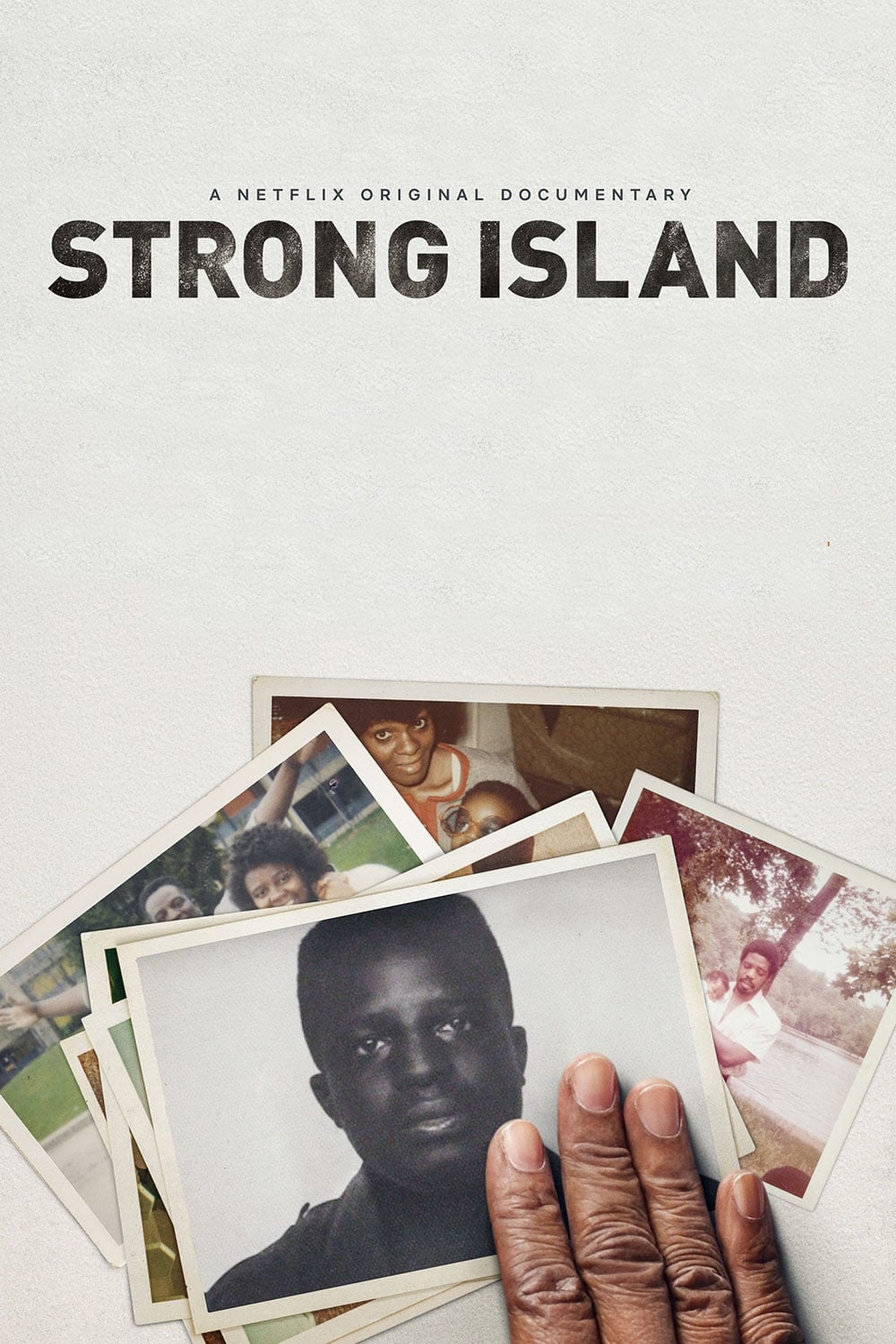
Examining the violent death of the filmmaker’s brother and the judicial system that allowed his killer to go free, this documentary interrogates murderous fear and racialized perception, and re-imagines the wreckage in catastrophe’s wake, challenging us to change.
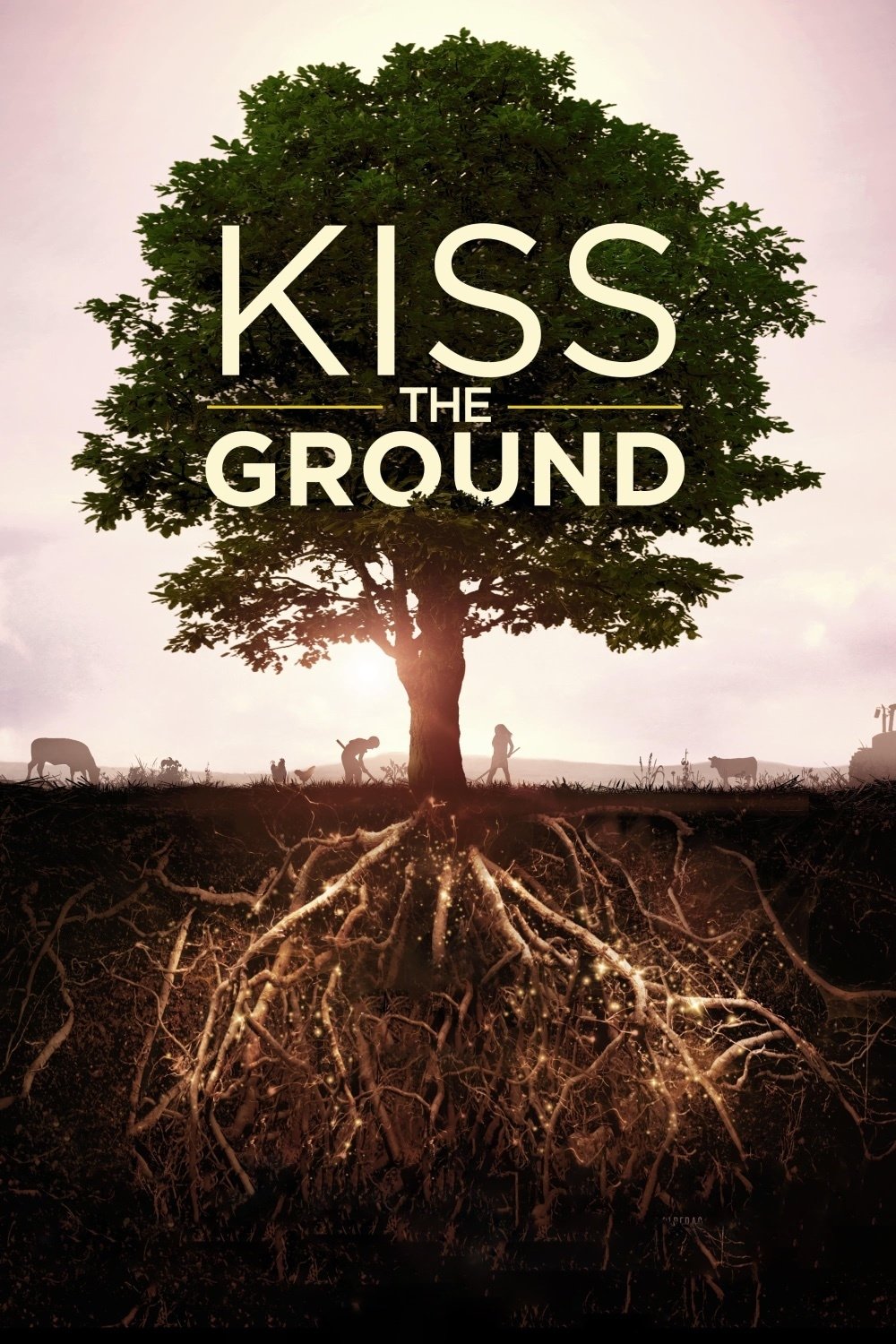
Sheds light on an alternative approach to farming called “regenerative agriculture” that could balance our climate, replenish our vast water supplies, and feed the world.
An inside look at one of the most anticipated movie sequels ever with James Cameron and cast.
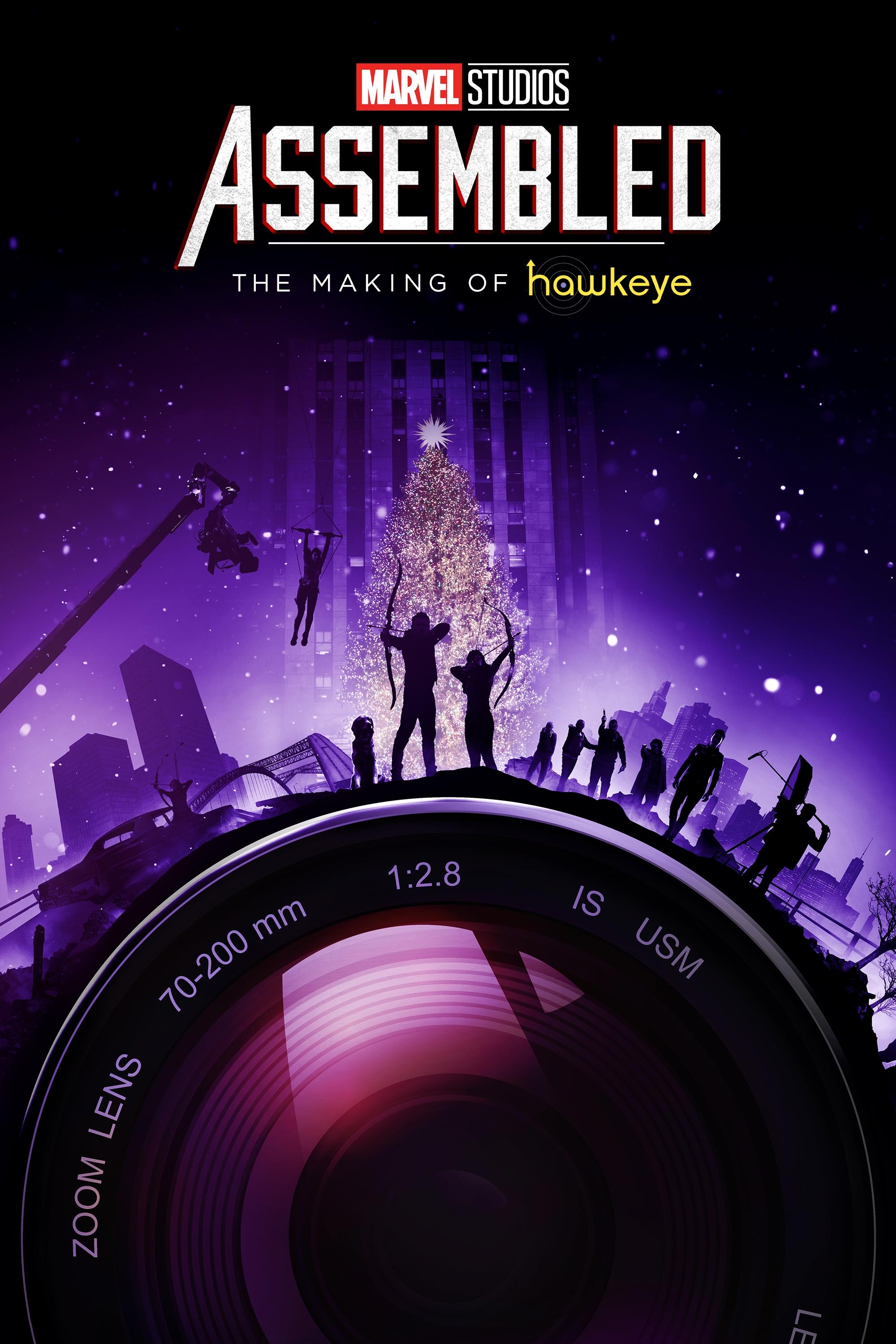
Join the likes of Jeremy Renner, Hailee Steinfeld, Florence Pugh, and Vincent D’Onofrio as they reveal how Marvel Studios’ “Hawkeye” was conceived and created. Witness firsthand what it took to pull off the show’s pulse-pounding action set pieces, and discover how iconic characters from the pages of Marvel Comics such as Kate Bishop were adapted and brought to life for the six-episode series.
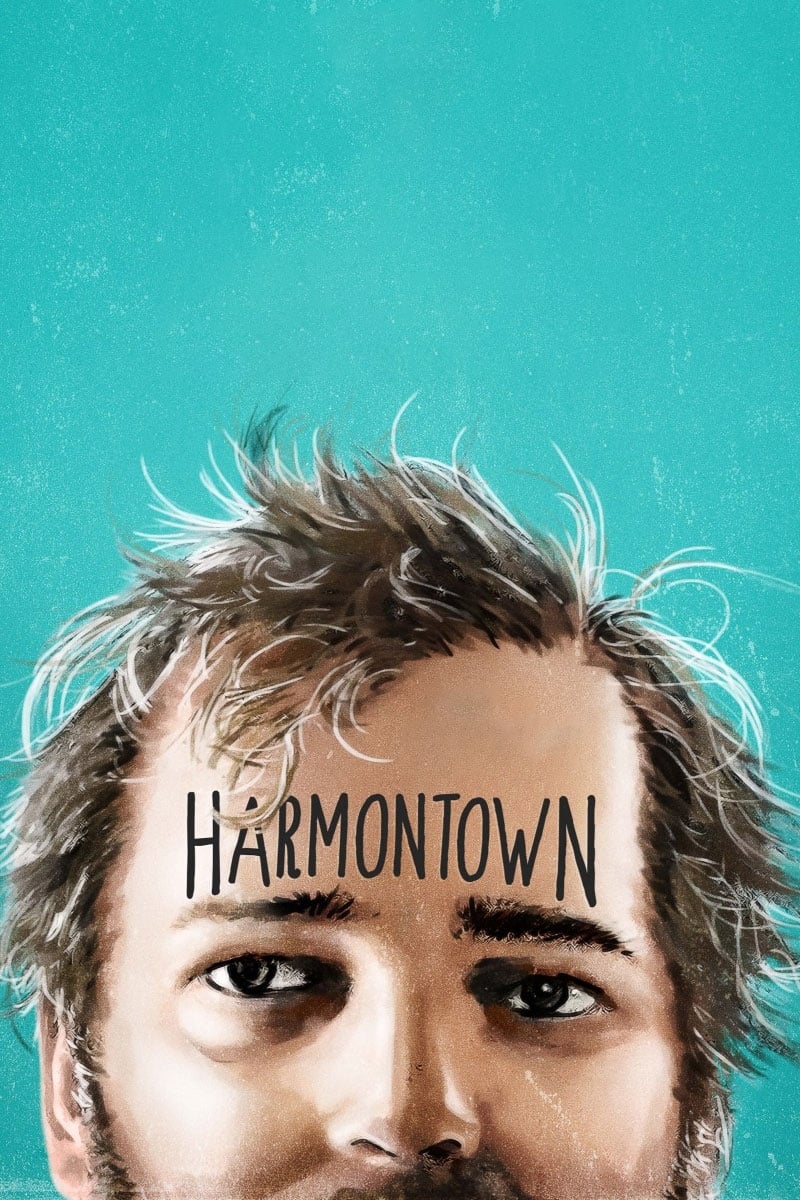
A comedic, brutally honest documentary following self-destructive TV writer Dan Harmon as he takes his live podcast on a national tour.
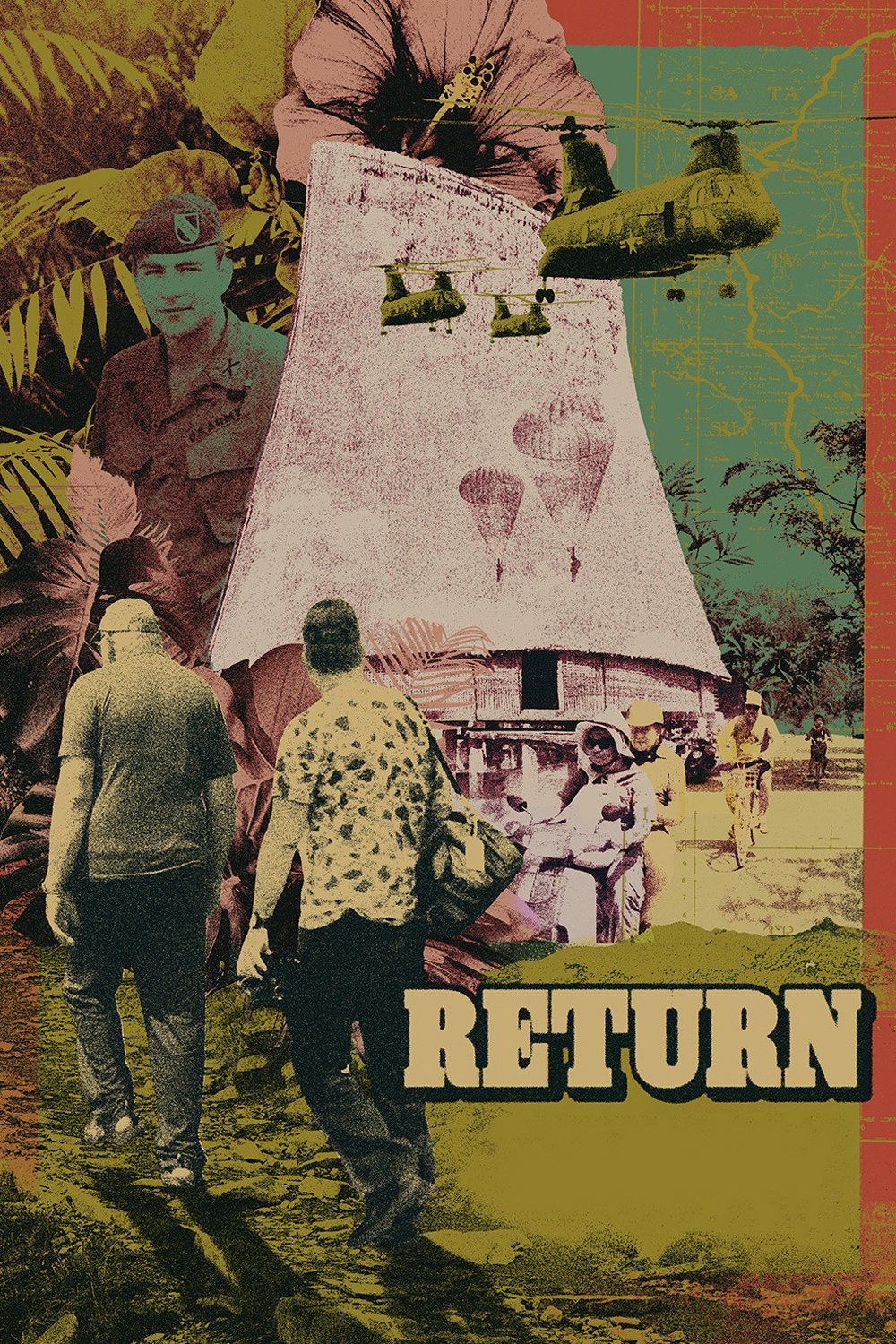
RETURN tells the story of a retired Green Beret who embarks on a healing journey from Montana to Vietnam. There he retraces his steps, shares his wartime experiences with his son, treats his Post-Traumatic Stress Disorder, and seeks out the mountain tribespeople he once lived with and fought alongside as a Special Forces officer.
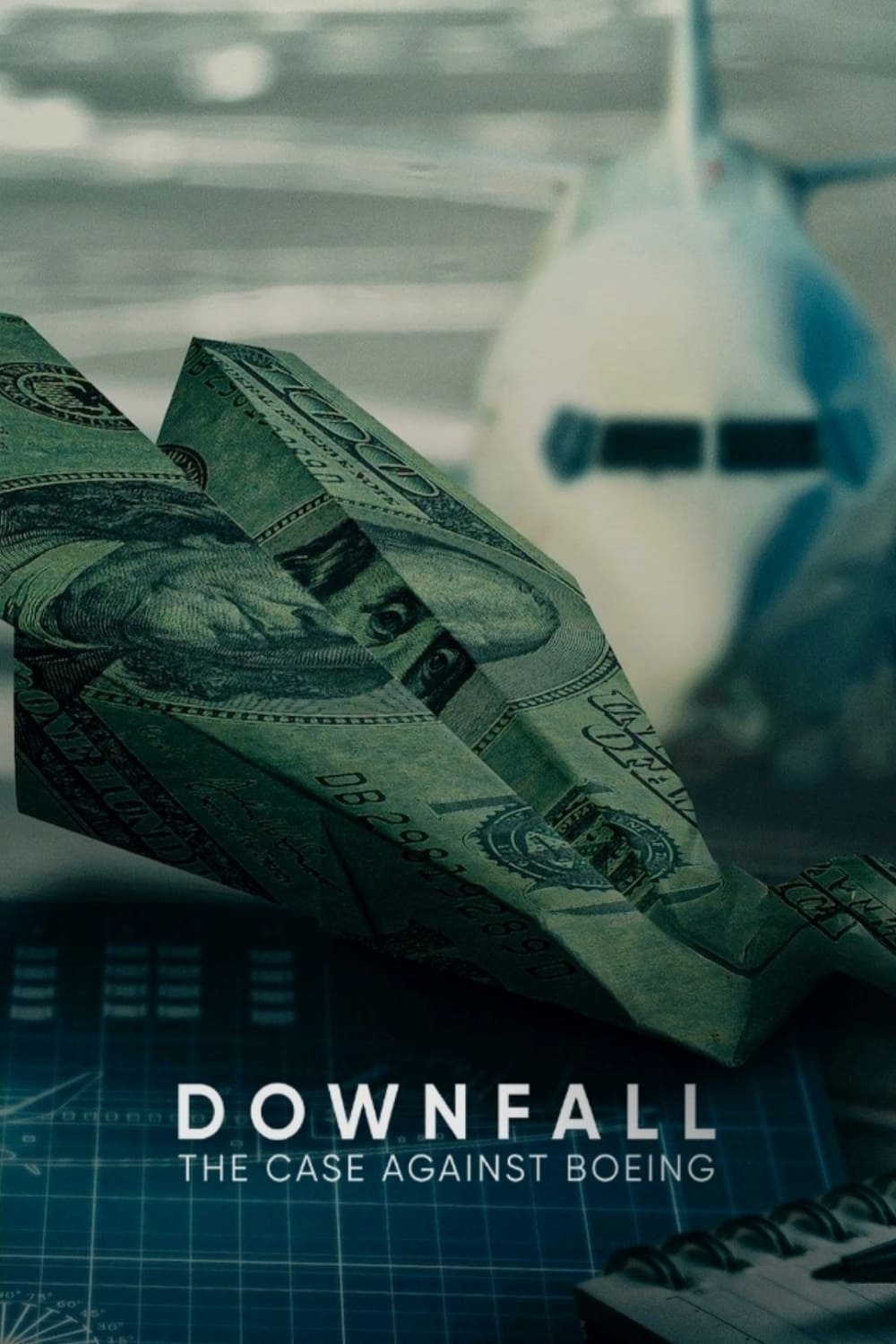
Investigators reveal how Boeing’s alleged priority of profit over safety could have contributed to two catastrophic crashes within months of each other.
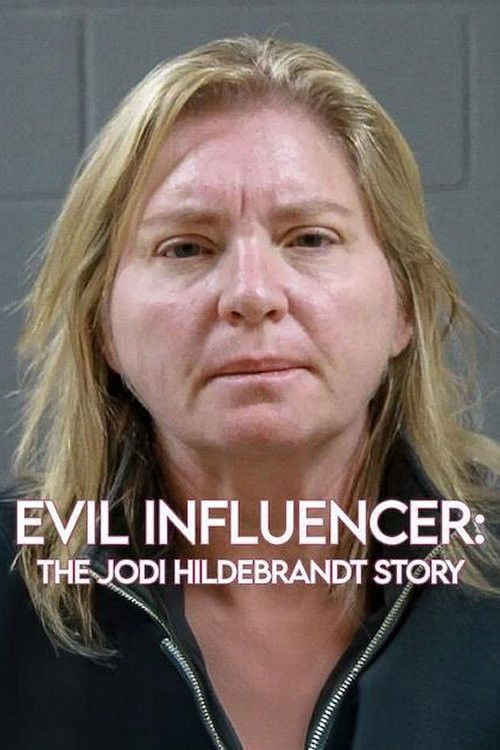
Unravel the case of Utah therapist Jodi Hildebrandt, whose child abuse arrest with parenting YouTuber Ruby Franke exposed a twisted tale of manipulation.
Through deeply personal interviews with her siblings and an examination of the photographs, letters, and belongings left behind, Mariska assembles a new portrait of her mother Jayne Mansfield, an extraordinary and complex woman.
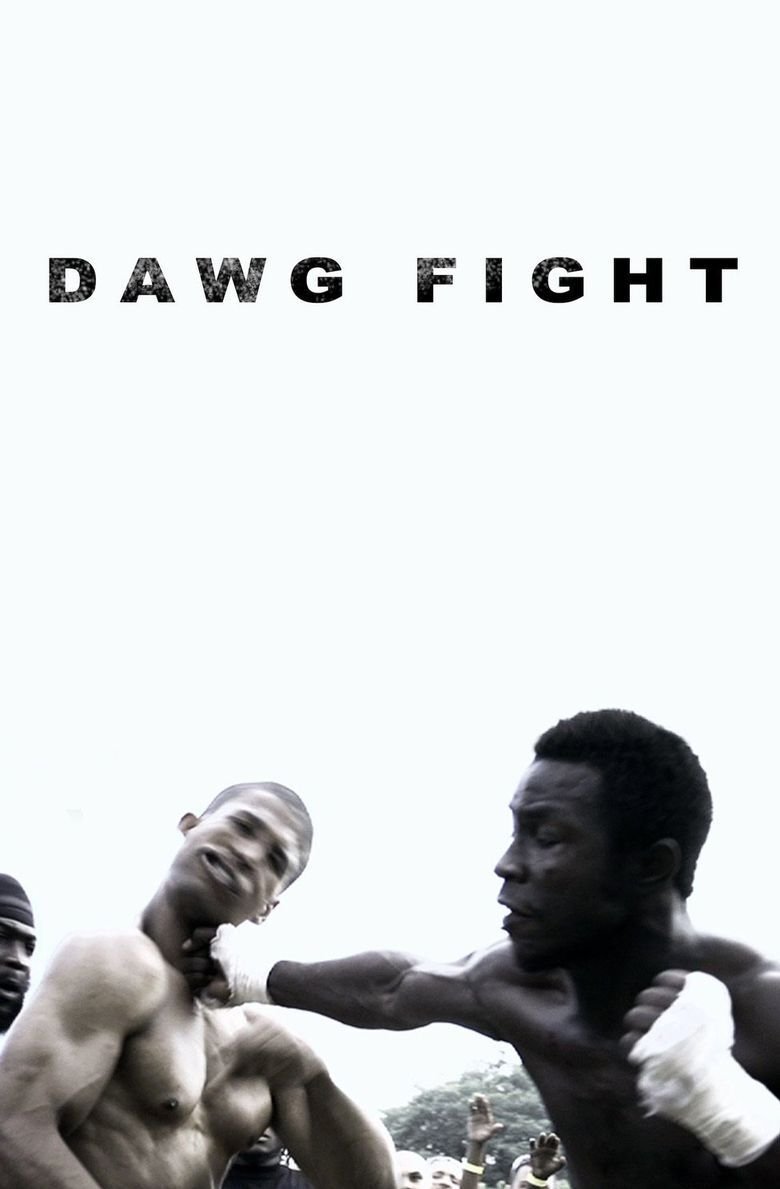
In a crime-plagued neighborhood near Miami, brutal, bare-knuckled backyard fights give young men a chance to earn money -- and self-respect.
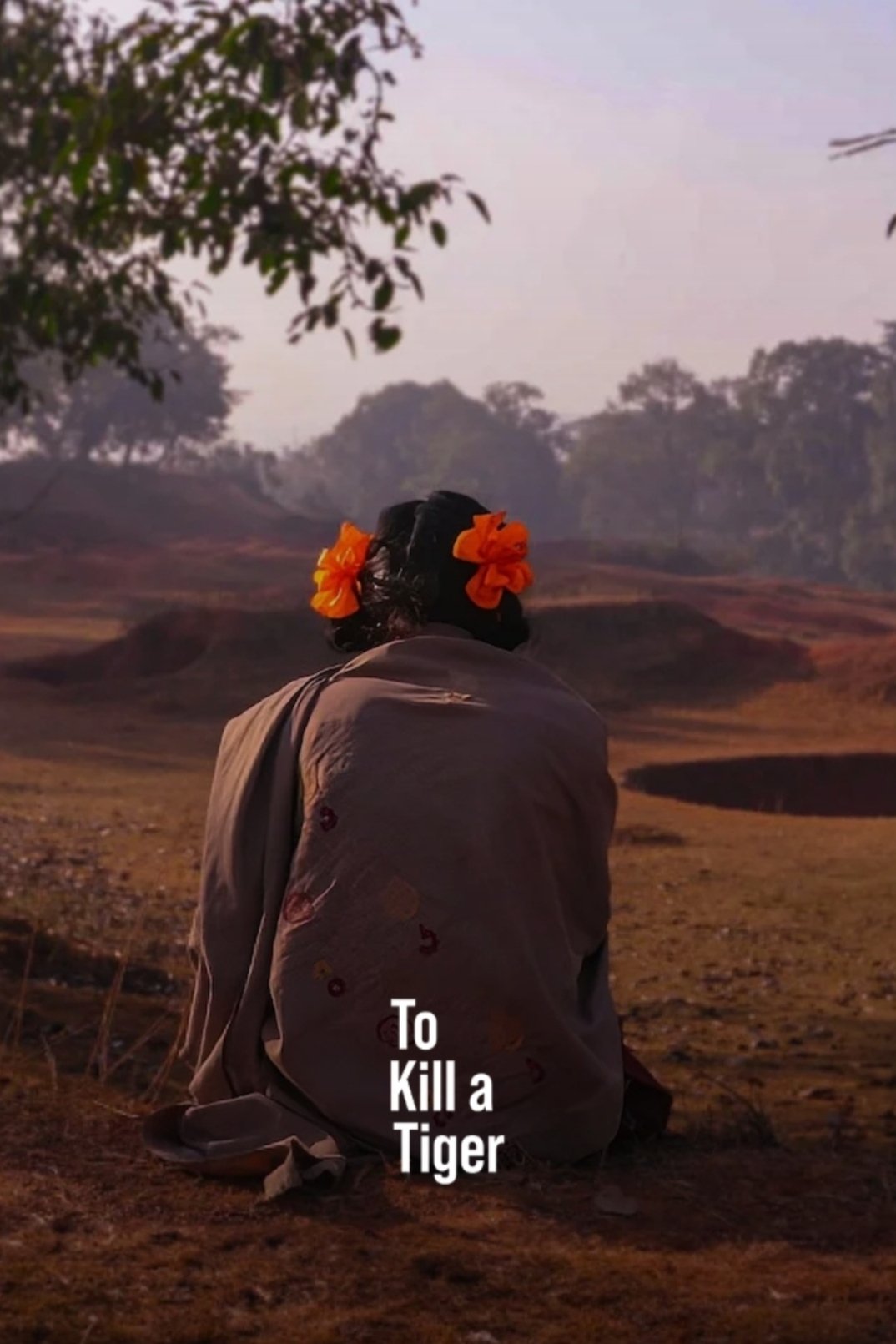
Ranjit, a farmer in India, takes on the fight of his life when he demands justice for his 13-year-old daughter, the victim of a brutal gang rape. His decision to support his daughter is virtually unheard of, and his journey unprecedented.
Vulgar, taunting texts blow up the phones of a teen and her boyfriend. Who's sending them — and why? This twisty documentary reveals the shocking answer.
A documentary about the making of season five of the acclaimed AMC series Breaking Bad.
Over 35 years after Bob Lazar's revelations, this documentary exposes secrets of a facility the government still denies. Featuring Lazar's testimony, recreations, and new evidence, it reopens a case that continues to spark global curiosity
This revealing documentary honors the legendary Sidney Poitier—iconic actor, filmmaker, and civil rights activist. Featuring interviews with Denzel Washington, Spike Lee, Halle Berry, and more.
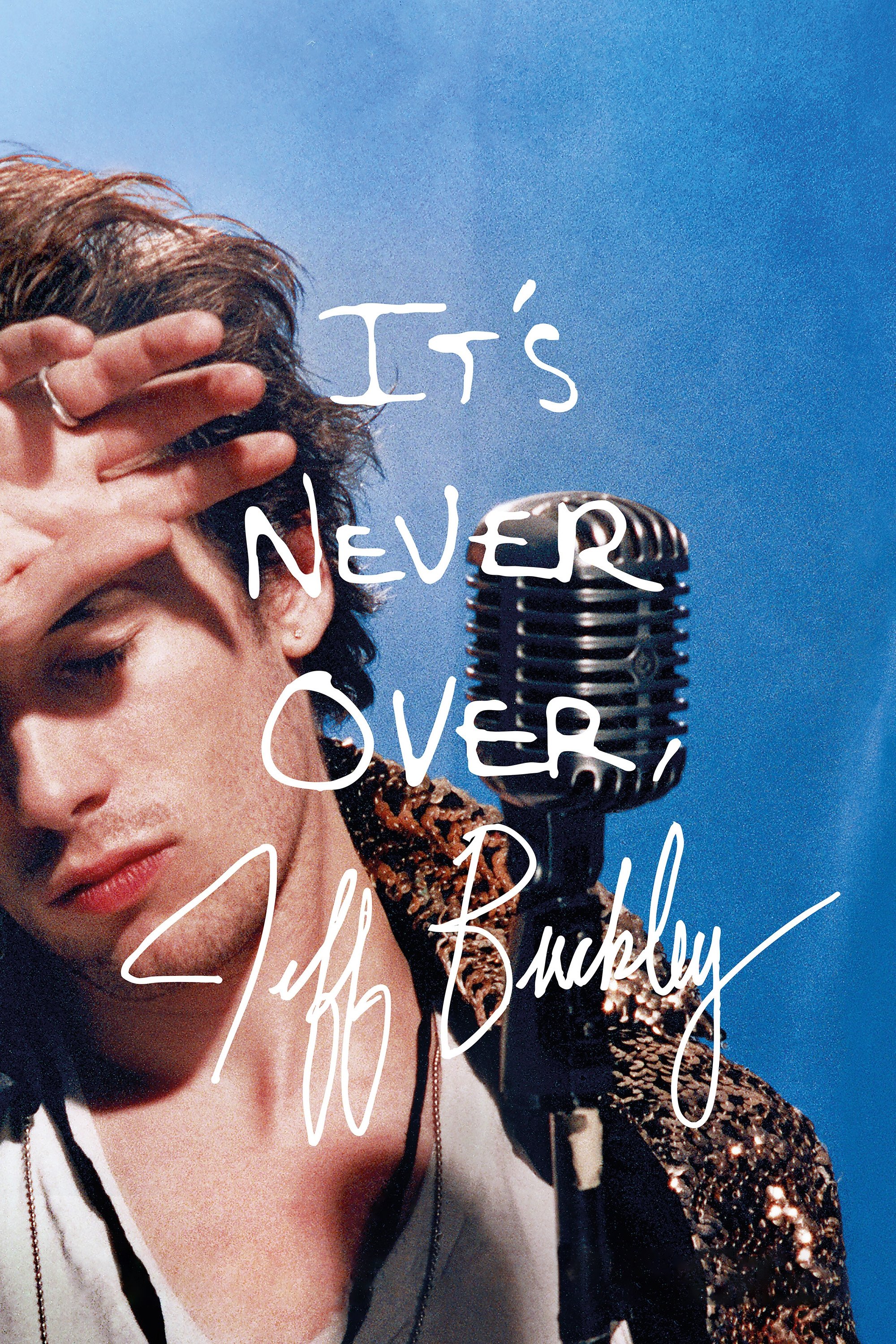
Rising musician Jeff Buckley had only released one album when he died suddenly in 1997. Now, never-before-seen footage, exclusive voice messages, and accounts from those closest to him offer a portrait of the captivating singer.
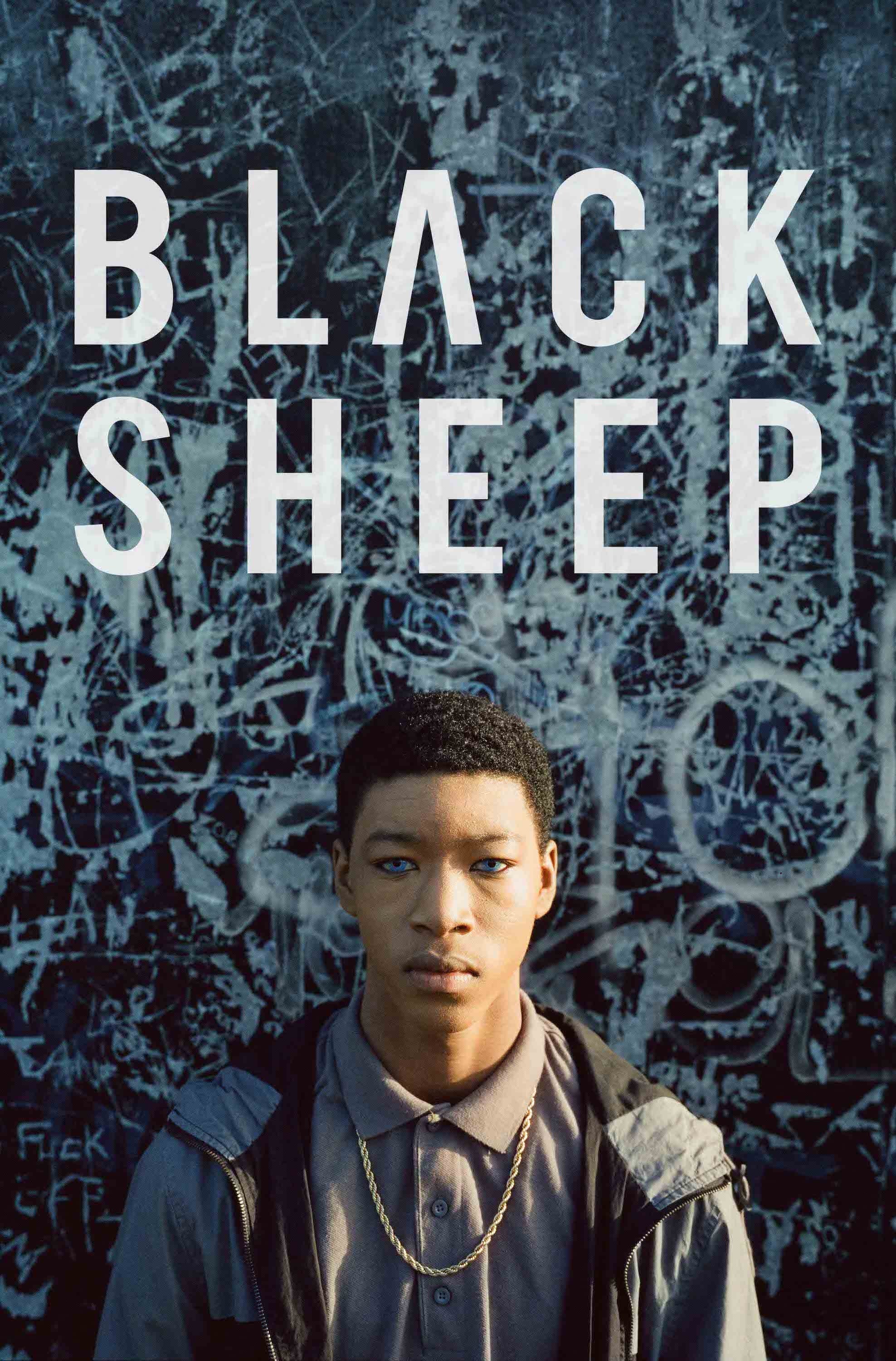
After the high-profile killing of Damilola Taylor, Cornelius' family move out of London. But when they discover their new town is run by racists, Cornelius takes a drastic step to survive.