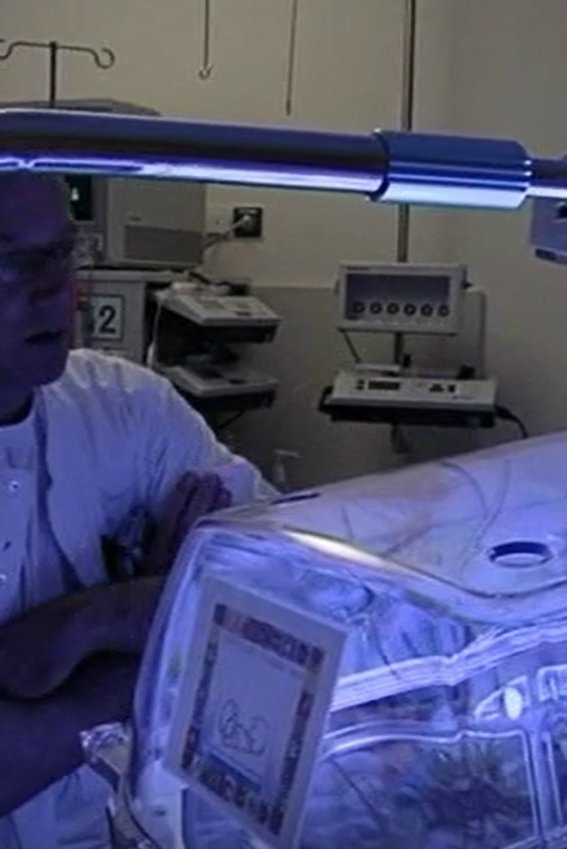
If We Knew is a documentary about paediatricians in an intensive-care unit for newborns. A film about the compassion needed to heal the sick and occasionally needed to hasten the death of a child.
Social & External
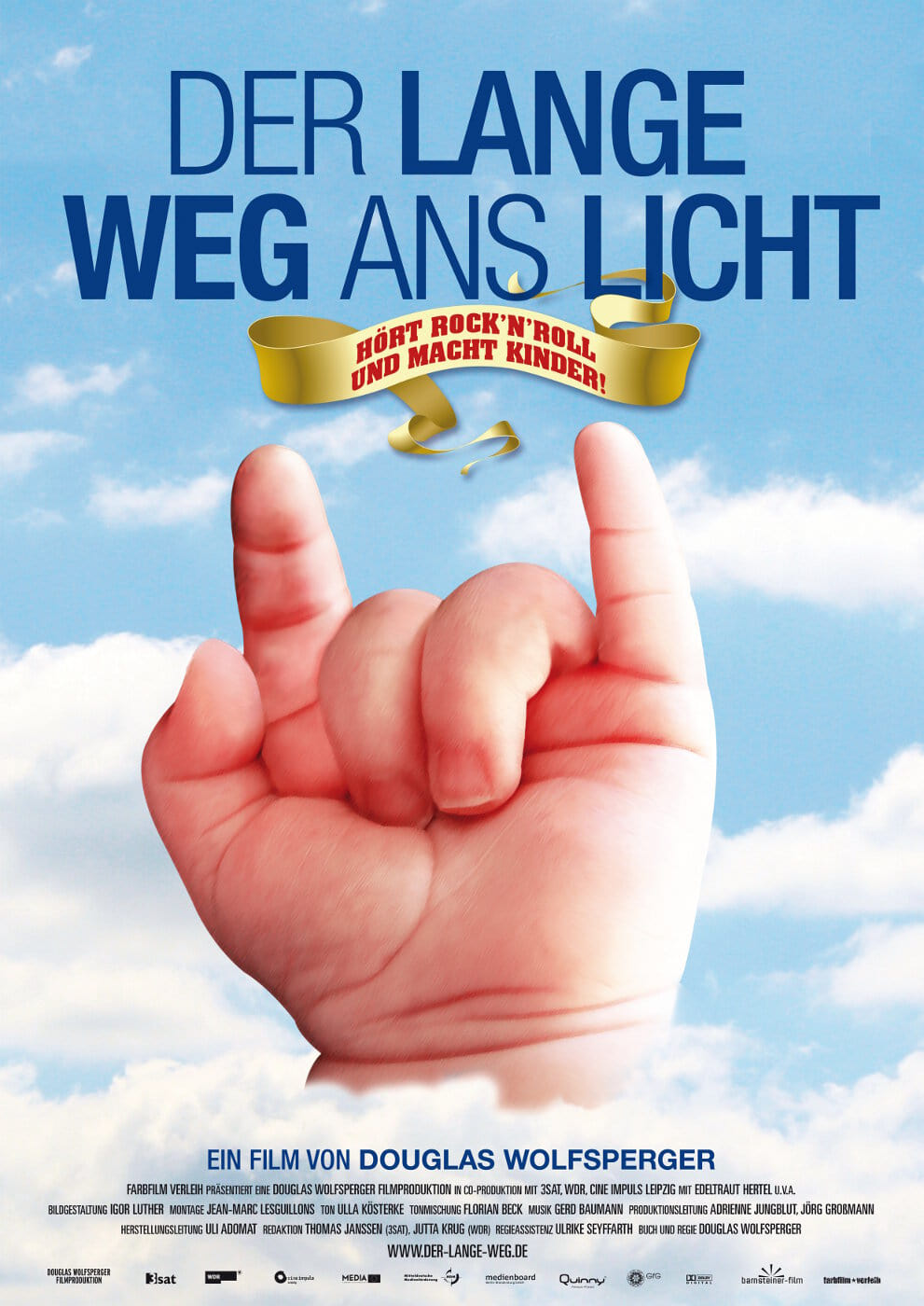
Edeltraut Hertel - a midwife caught between two worlds. She has been working as a midwife in a small village near Chemnitz for almost 20 years, supporting expectant mothers before, during and after the birth of their offspring. However, working as a midwife brings with it social problems such as a decline in birth rates and migration from the provinces. Competition for babies between birthing centers has become fierce, particularly in financial terms. Obstetrics in Tanzania, Africa, Edeltraud's second place of work, is completely different. Here, the midwife not only delivers babies, she also trains successors, carries out educational and development work and struggles with the country's cultural and social problems.
A joyful exploration of modern fatherhood, this doc gathers the testimonies of dads around the world, from famous comedians to everyday parents. Their unfiltered stories speak to the beauty, struggles, and ridiculous hilarity of being a dad today.
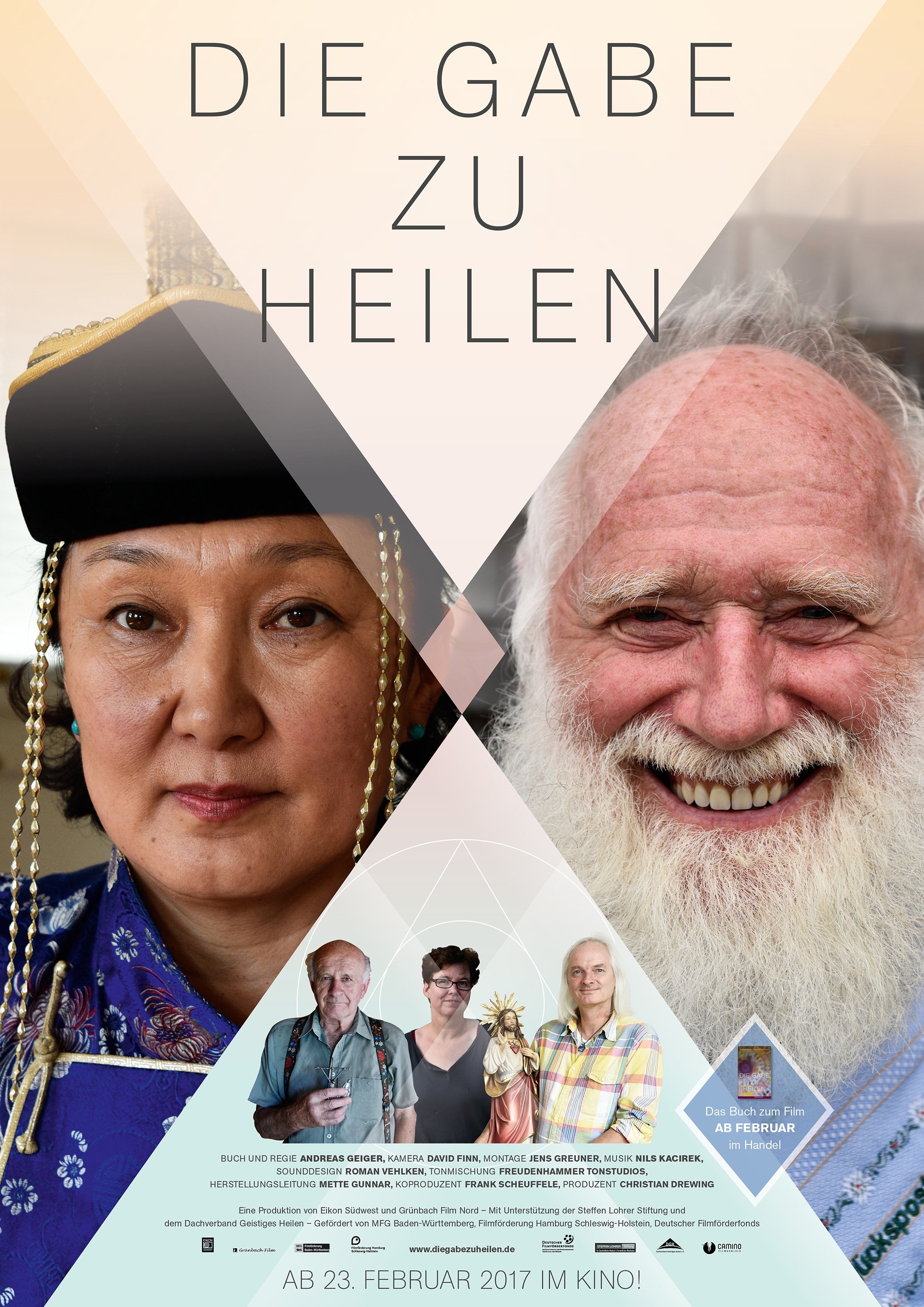
The film tells the stories of five people with special abilities who treat and heal their patients in an unconventional way. These charismatic healers from Germany, Austria and Switzerland are the subjects of this documentary which sets out to show how their old-school, arcane methods can serve as an addition to conventional, academic medicine.
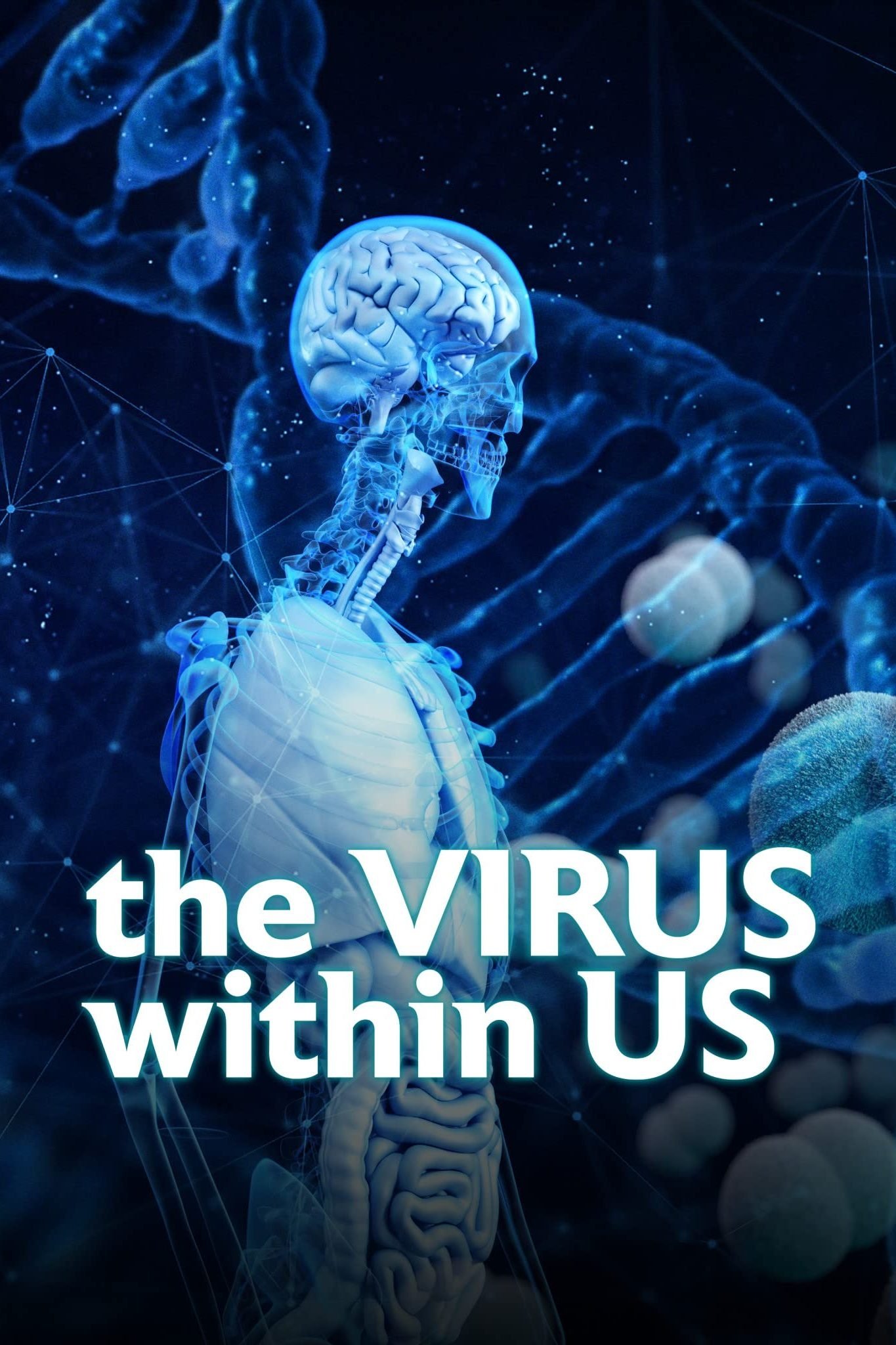
They are the most common creatures on earth. They have been around forever and are considered dangerous and deadly - but they are much more than that. Around 50 percent of our DNA comes from viruses.
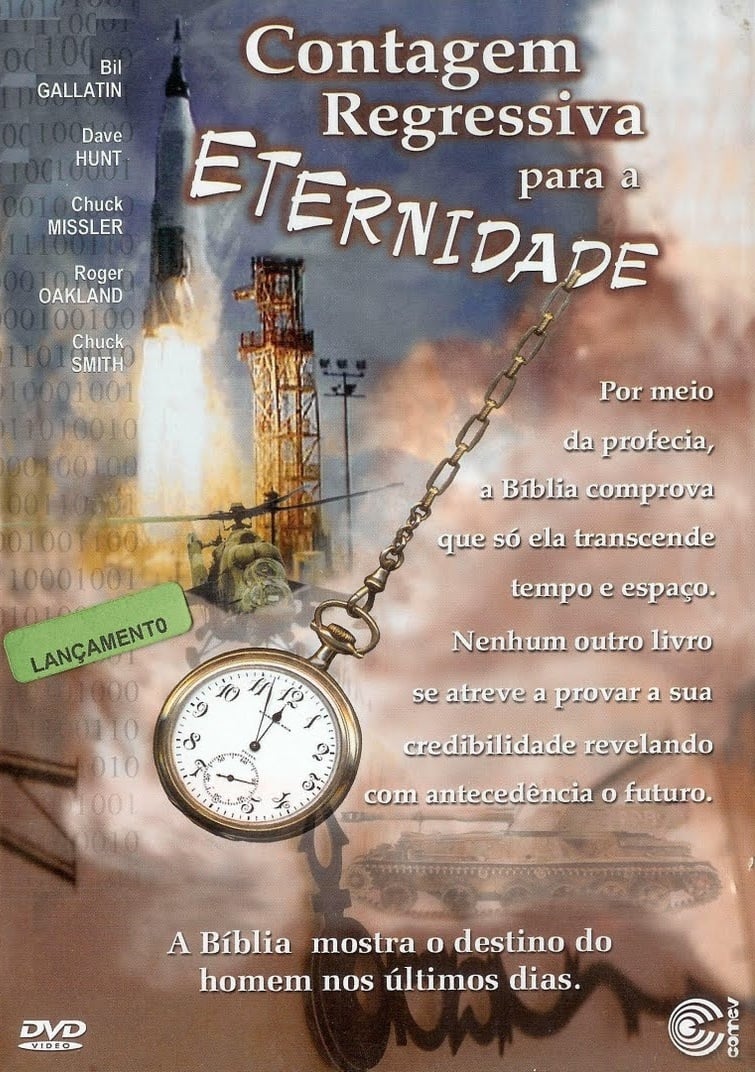
Bible expert Bill Gallatin explores biblical prophecies from the Book of Revelation that have transpired, with a discussion of whether these events signify that we are now living in the End Times preceding the return of Jesus Christ. Gallatin touches on events such as the increasingly acute difficulties in the Middle East, numerous environmental catastrophes, earthquakes and more, explaining how they connect to scriptural writings.
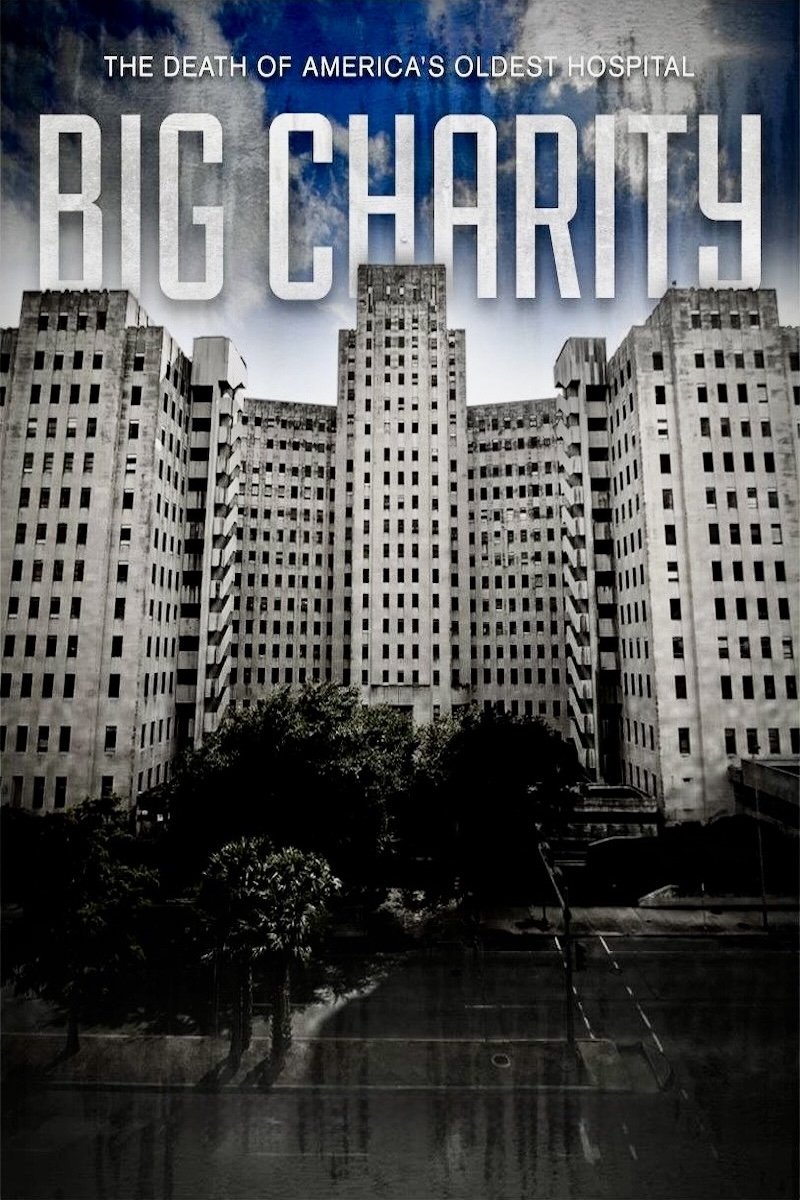
This documentary film includes never-before-seen footage and exclusive interviews to tell the story of Charity Hospital, from its roots to its controversial closing in the wake of Hurricane Katrina. From the firsthand accounts of healthcare providers and hospital employees who withstood the storm inside the hospital, to interviews with key players involved in the closing of Charity and the opening of New Orleans’ newest hospital, “Big Charity” shares the untold, true story around its closure and sheds new light on the sacrifices made for the sake of progress.
Because of the internet's accessibility, anonymity, and affordability, pornography addictions have risen to epidemic levels, destroying intimacy, marriages and families, while distorting our definition of sex and sexuality.
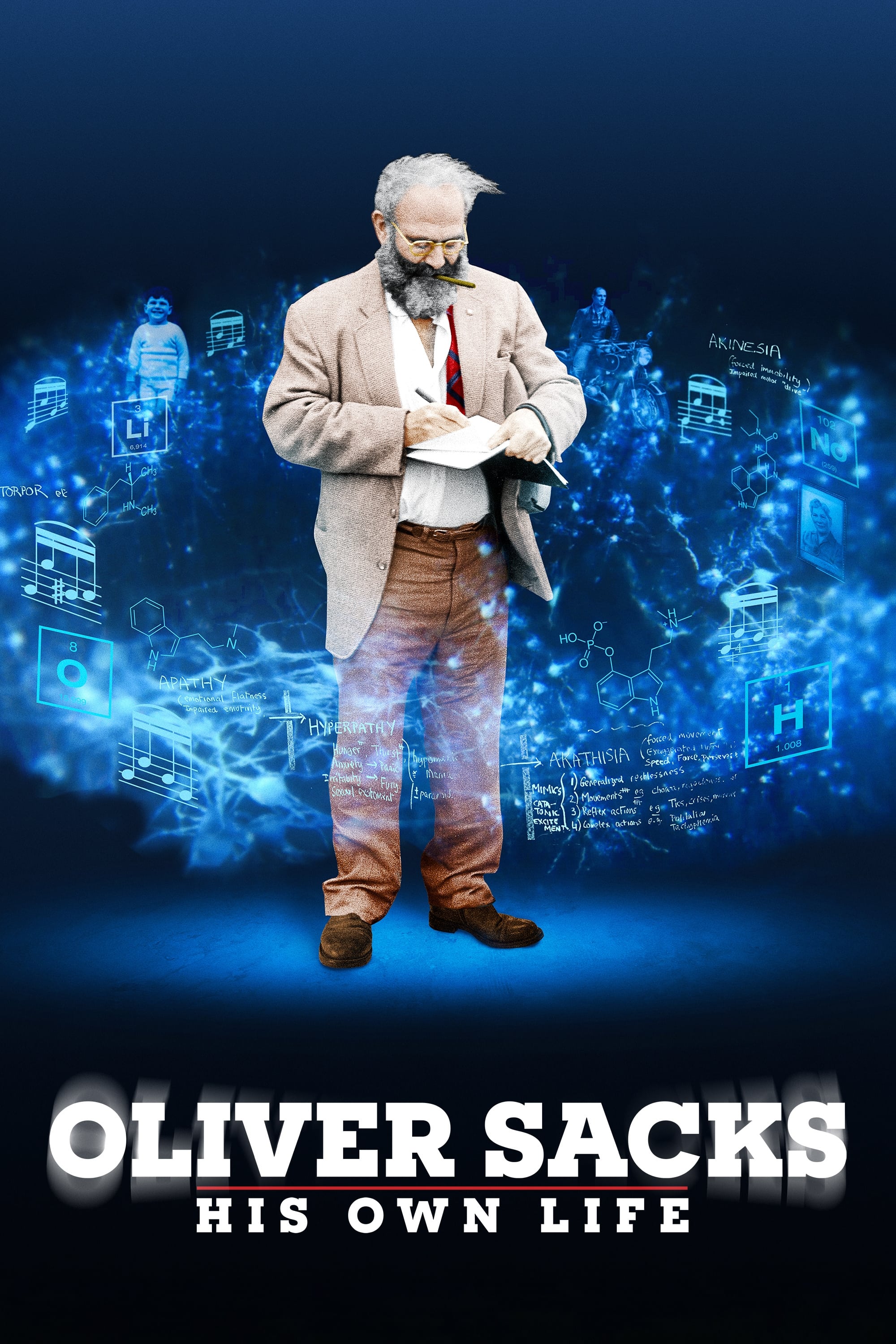
Oliver Sacks: His Own Life explores the life and work of the legendary neurologist and storyteller, as he shares intimate details of his battles with drug addiction, homophobia, and a medical establishment that accepted his work only decades after the fact. Sacks was a fearless explorer of unknown mental worlds who helped redefine our understanding of the brain and mind, the diversity of human experience, and our shared humanity.
Follow filmmaker Elle-Máijá Tailfeathers as she creates an intimate portrait of her community and the impacts of the substance use and overdose epidemic. Witness the change brought by community members with substance-use disorder, first responders and medical professionals as they strive for harm reduction in the Kainai First Nation.
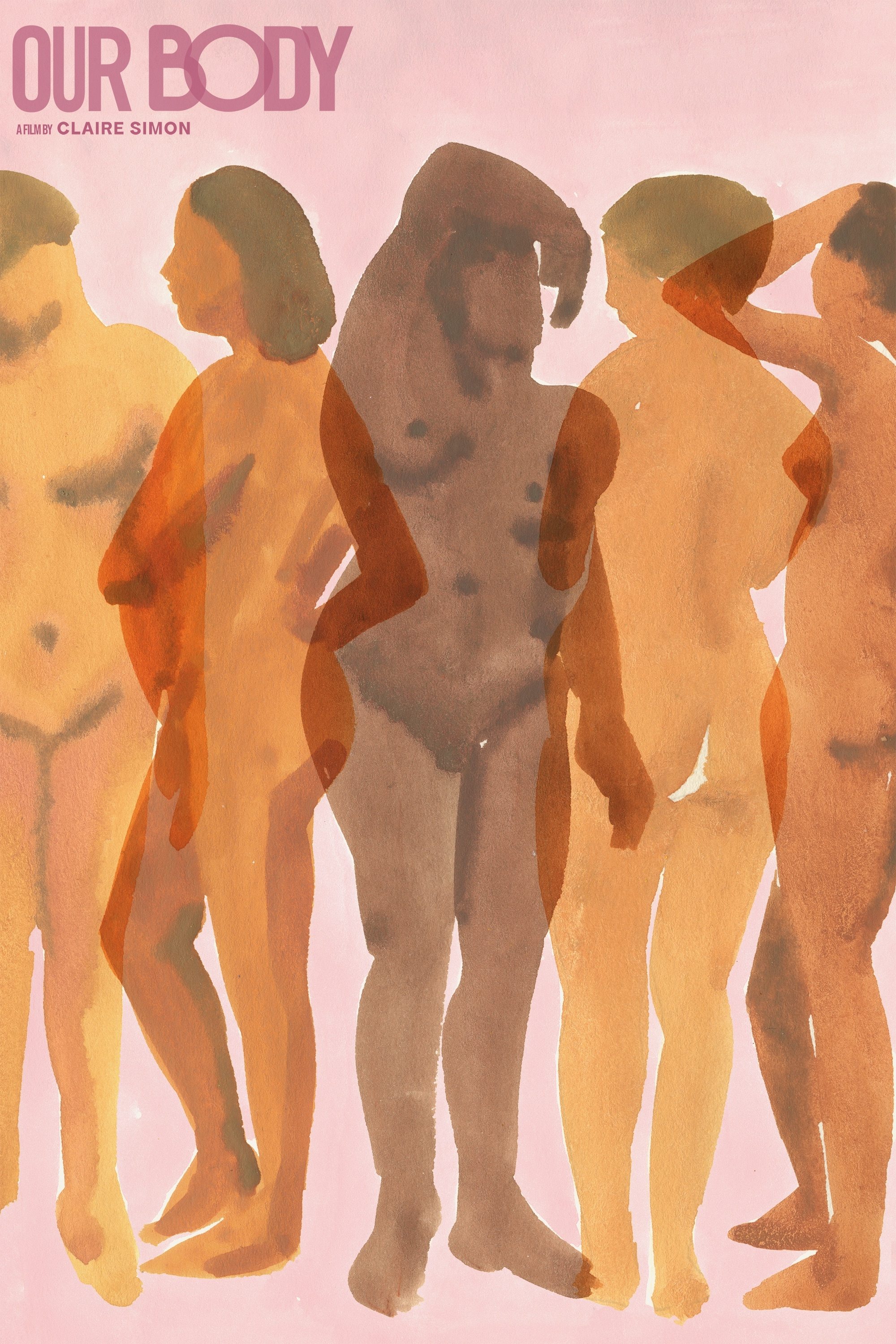
In a Parisian public hospital, Claire Simon questions what it means to live in women’s bodies, filming their diversity, singularity and their beauty in all stages throughout life. Unique stories of desires, fears and struggles unfold, including the one of the filmmaker herself.
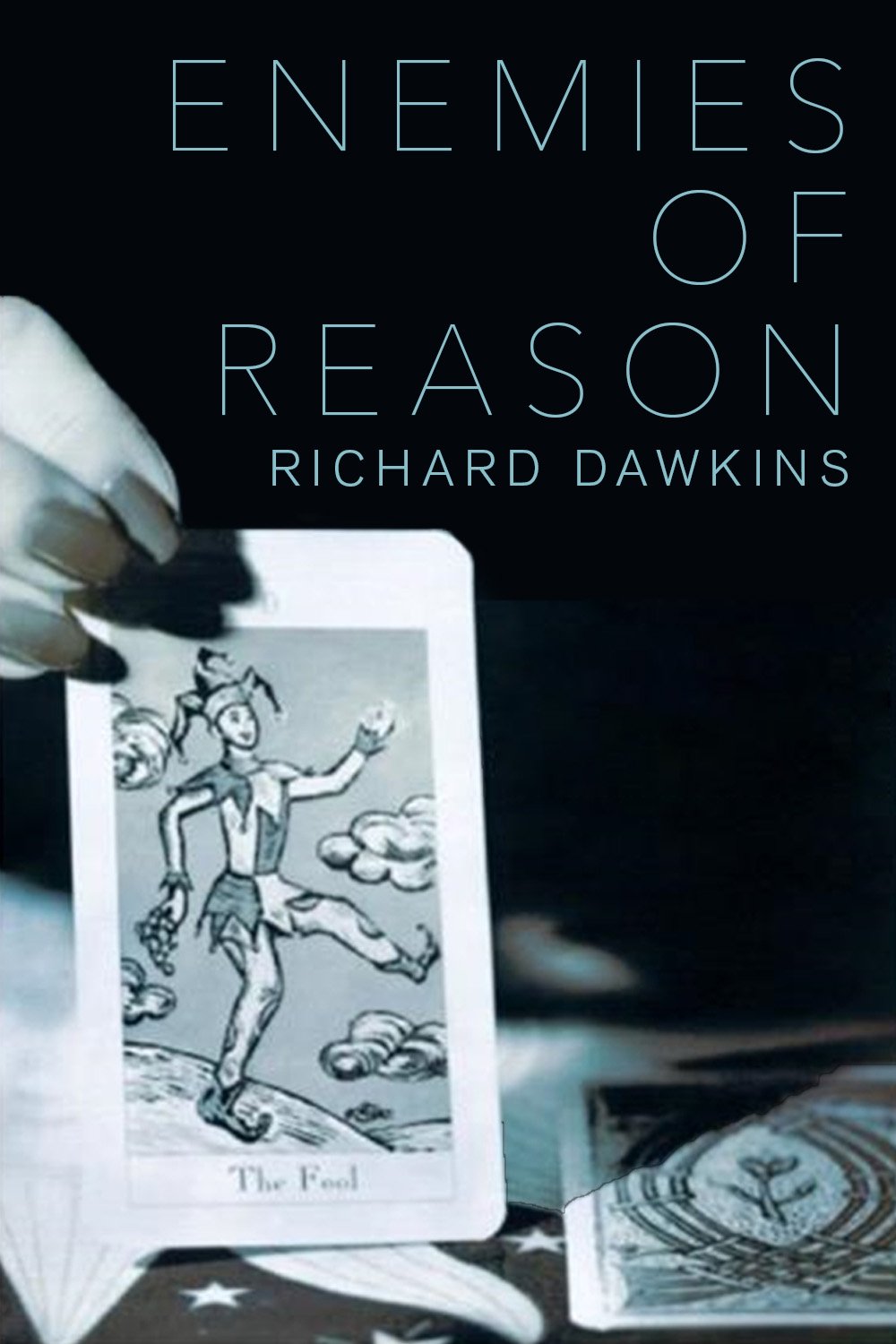
Documentary written and presented by scientist Richard Dawkins, in which he seeks to expose "those areas of belief that exist without scientific proof, yet manage to hold the nation under their spell", including mediumship, psychokinesis, acupuncture, and other forms of alternative medicine.
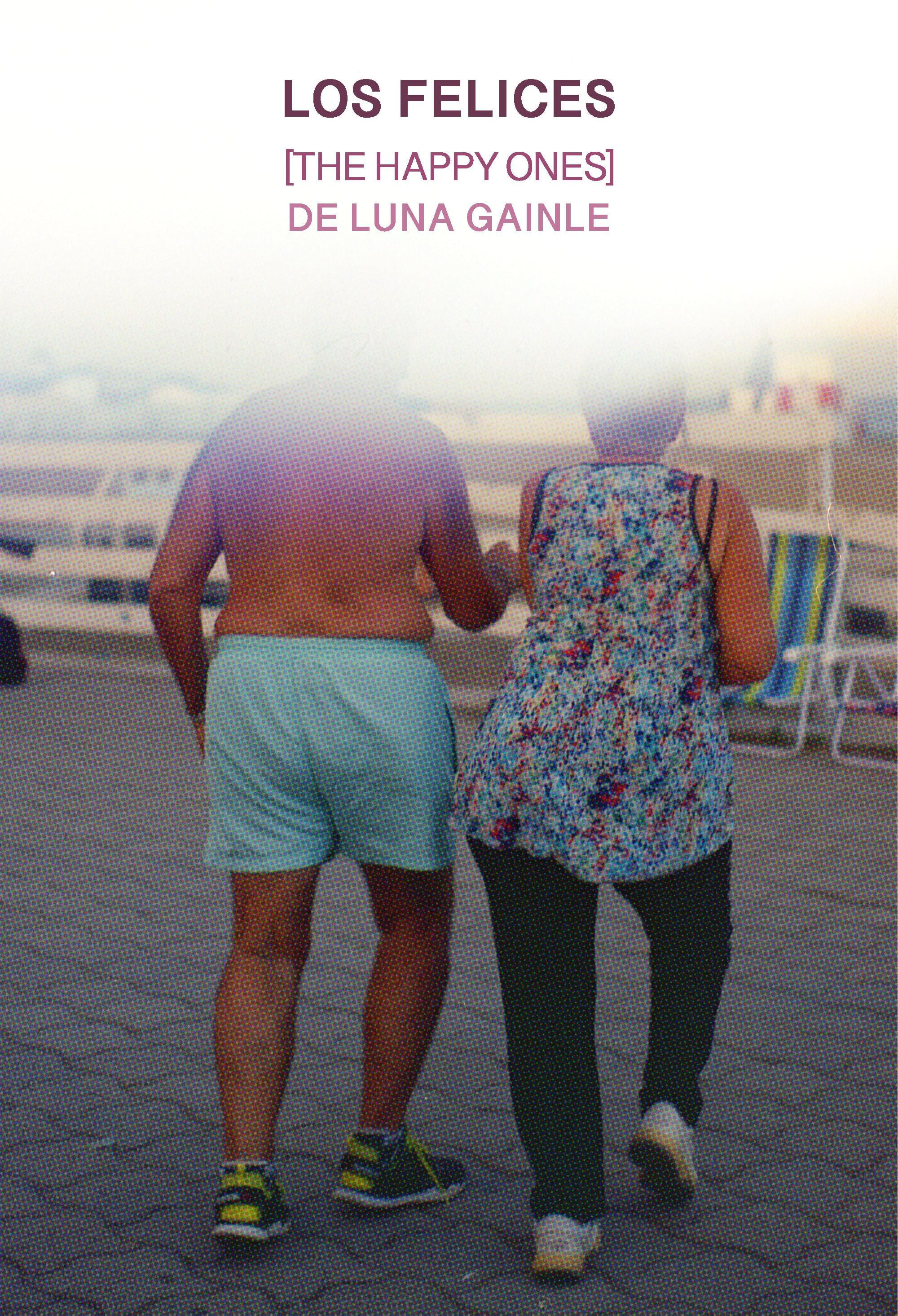
A love letter to Mar del Plata made of images, times and a road trip. "The Happy Ones" is an experimental short documentary composed of past and present family footage. It portrays a place in the summer, the city of Mar del Plata, with a span of 20 years between past and present images (January 2000 and 2020). Despite the time that passed by, it's beaches, essence and people remain, always willing to keep dancing.
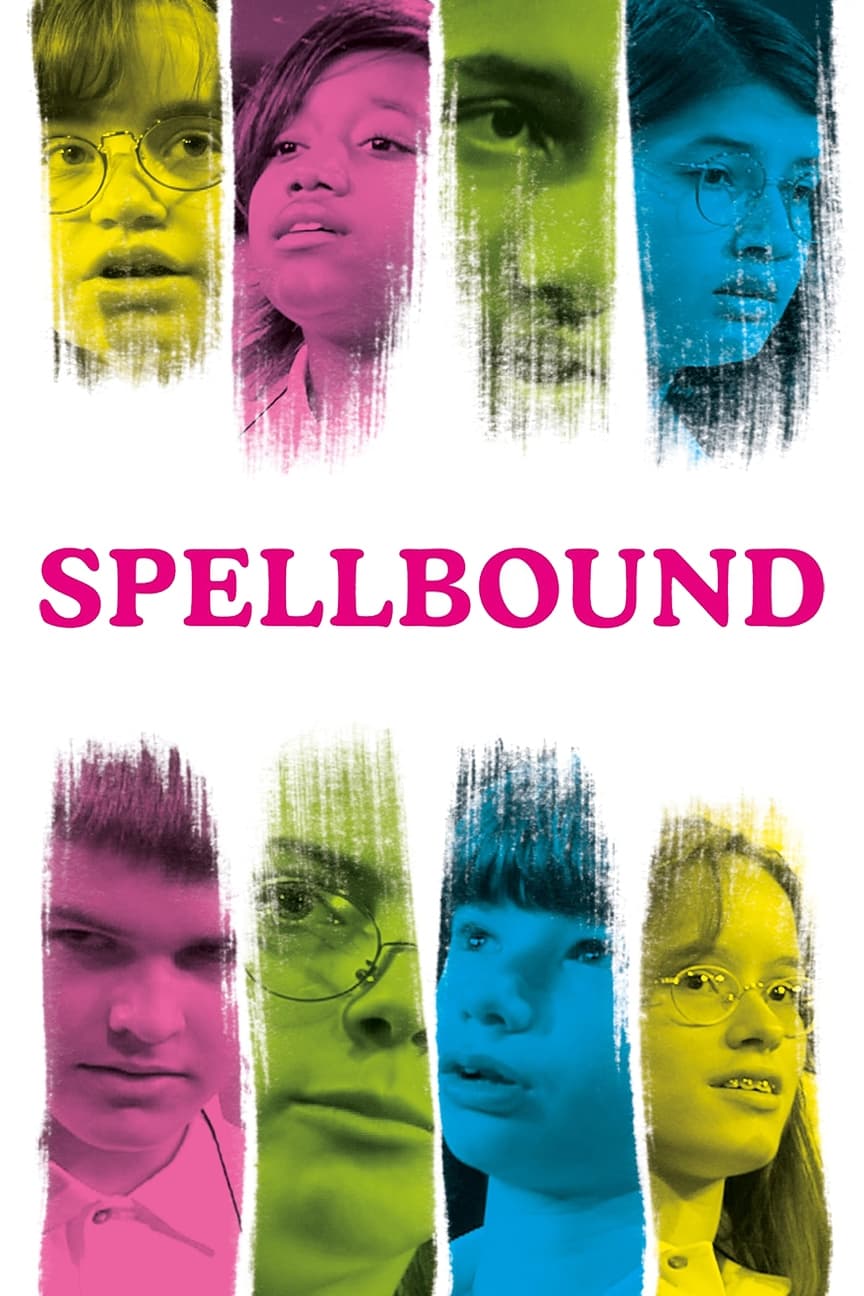
This documentary follows 8 teens and pre-teens as they work their way toward the finals of the Scripps Howard national spelling bee championship in Washington D.C.
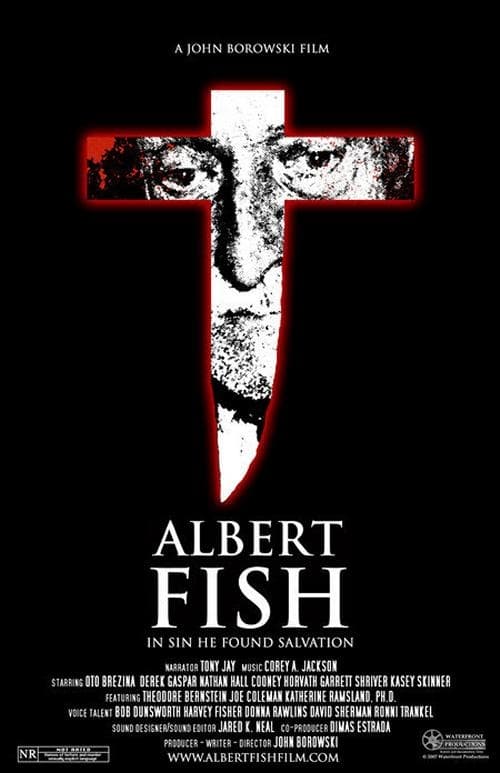
Albert Fish, the horrific true story of elderly cannibal, sadomasochist, and serial killer, who lured children to their deaths in Depression-era New York City. Distorting biblical tales, Albert Fish takes the themes of pain, torture, atonement and suffering literally as he preys on victims to torture and sacrifice.
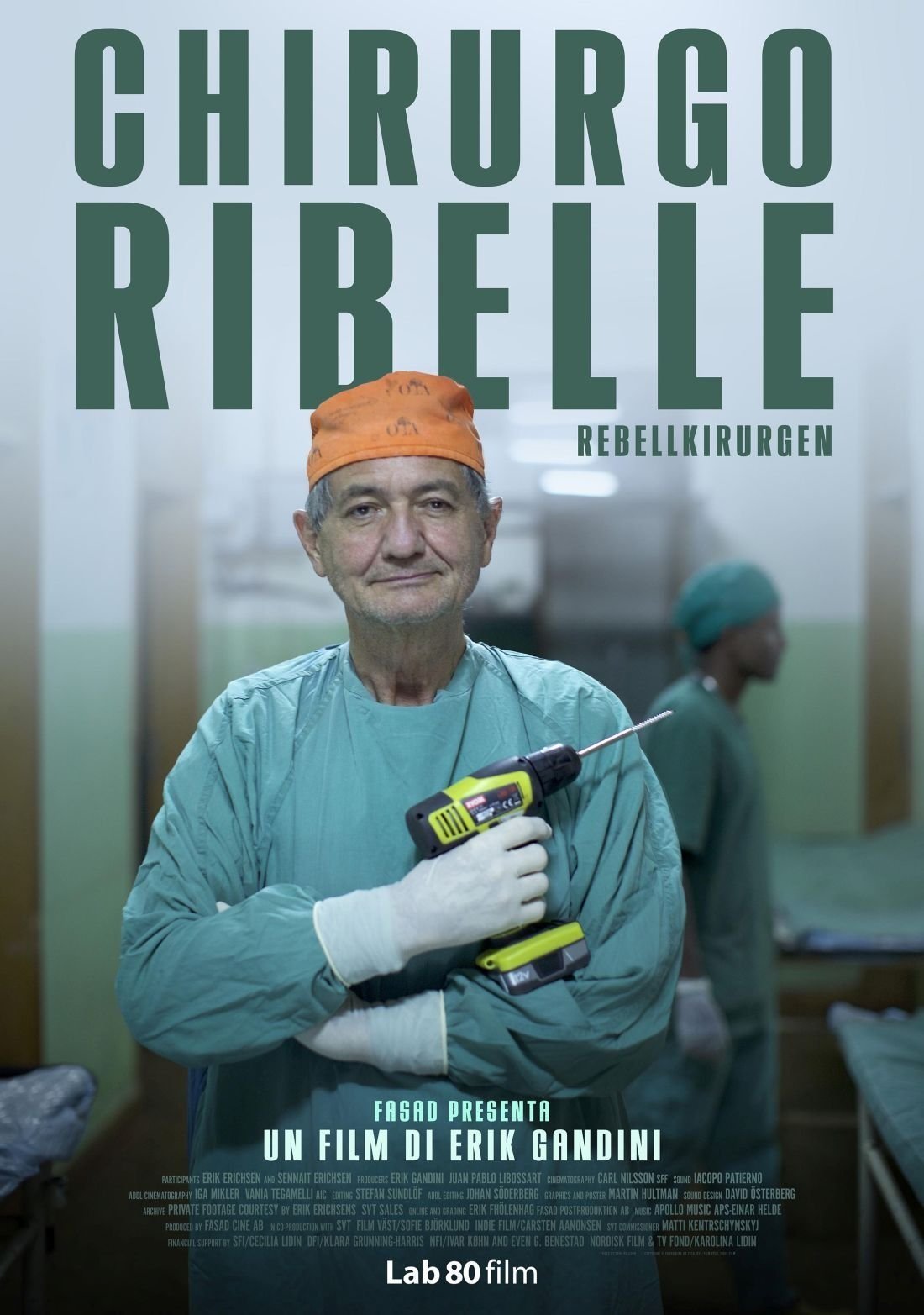
Portrayal of a surgeon who feels stifled by Swedish bureaucracy and relocates to Ethiopia to practice medicine. In a small field hospital, with limited resources, he uses anything at hand to help the patients.
When Covid-19 hit New York City in 2020, filmmaker Matthew Heineman gained unique access to one of New York’s hardest-hit hospital systems. The resulting film focuses on the doctors, nurses, and patients on the frontlines during the “first wave” from March to June 2020. Their distinct storylines each serve as a microcosm to understand how the city persevered through the worst pandemic in a century
A portrait of Highlights Magazine following the creation of the cultural phenomenon's 70th Anniversary issue, from the first editorial meeting to its arrival in homes, and introducing the quirky people who passionately produce the monthly publication for "the world's most important people,"...children. Along the way, a rich and tragic history is revealed, the state of childhood, technology, and education is explored, and the future of print media is questioned.
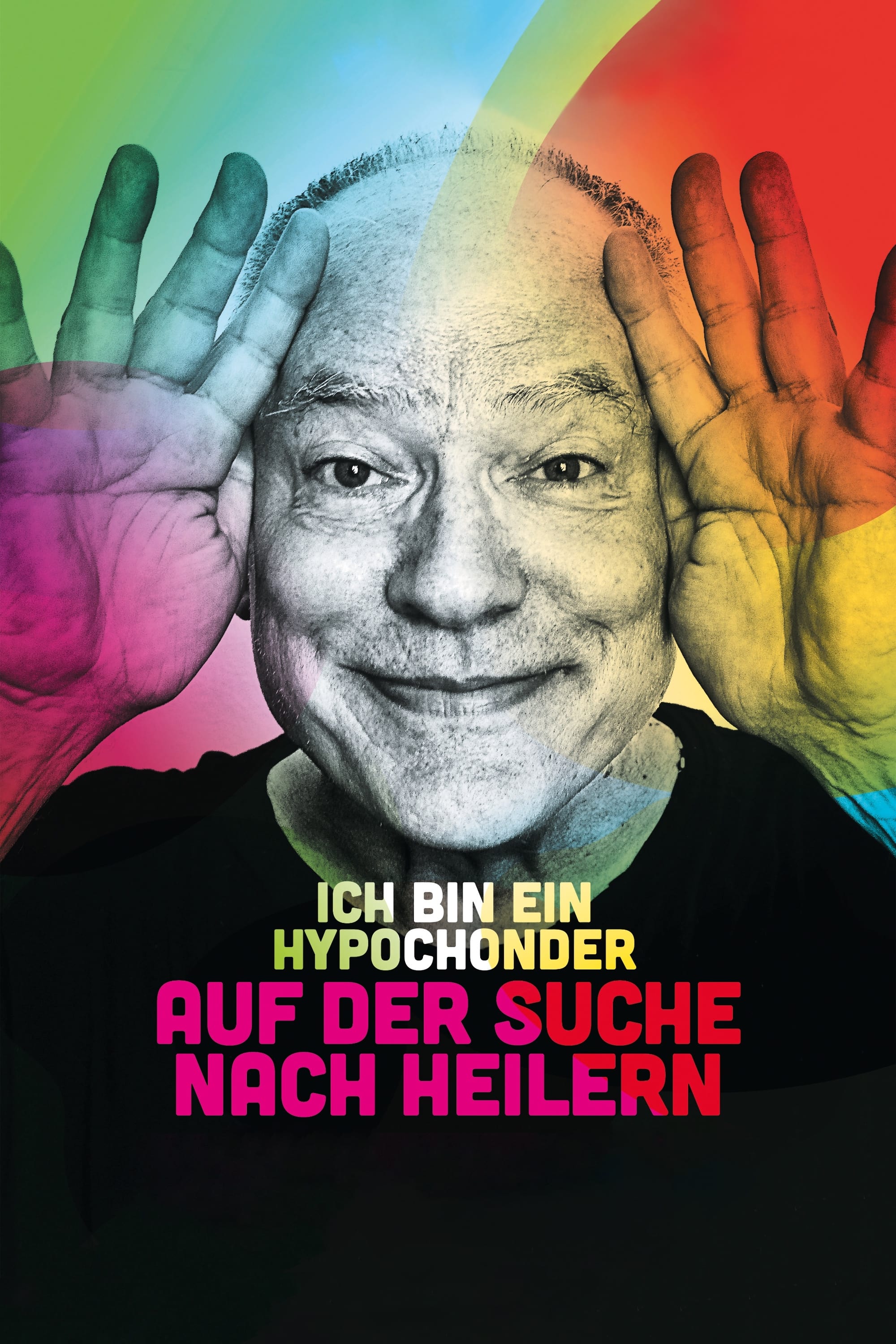
“I am a hypochondriac”, admits Rosa Von Praunheim, the icon of the gay movement, right at the beginning at the film. The director, who turned seventy in 2012, is afraid of cancer, and he actually suffers from glaucoma, with osteoarthritis in his big toe. Von Praunheim is interested in alternative medicine and goes on a foray into the scene.
Each year in the United States, unparalleled innovations in medical diagnostics, treatment, and technology hit the market. But when the same devices designed to save patients end up harming them, who is accountable?
Filmed and edited in intimate vérité style, this movie follows visionary medical practitioners who are working on the cutting edge of life and death and are dedicated to changing our thinking about both.
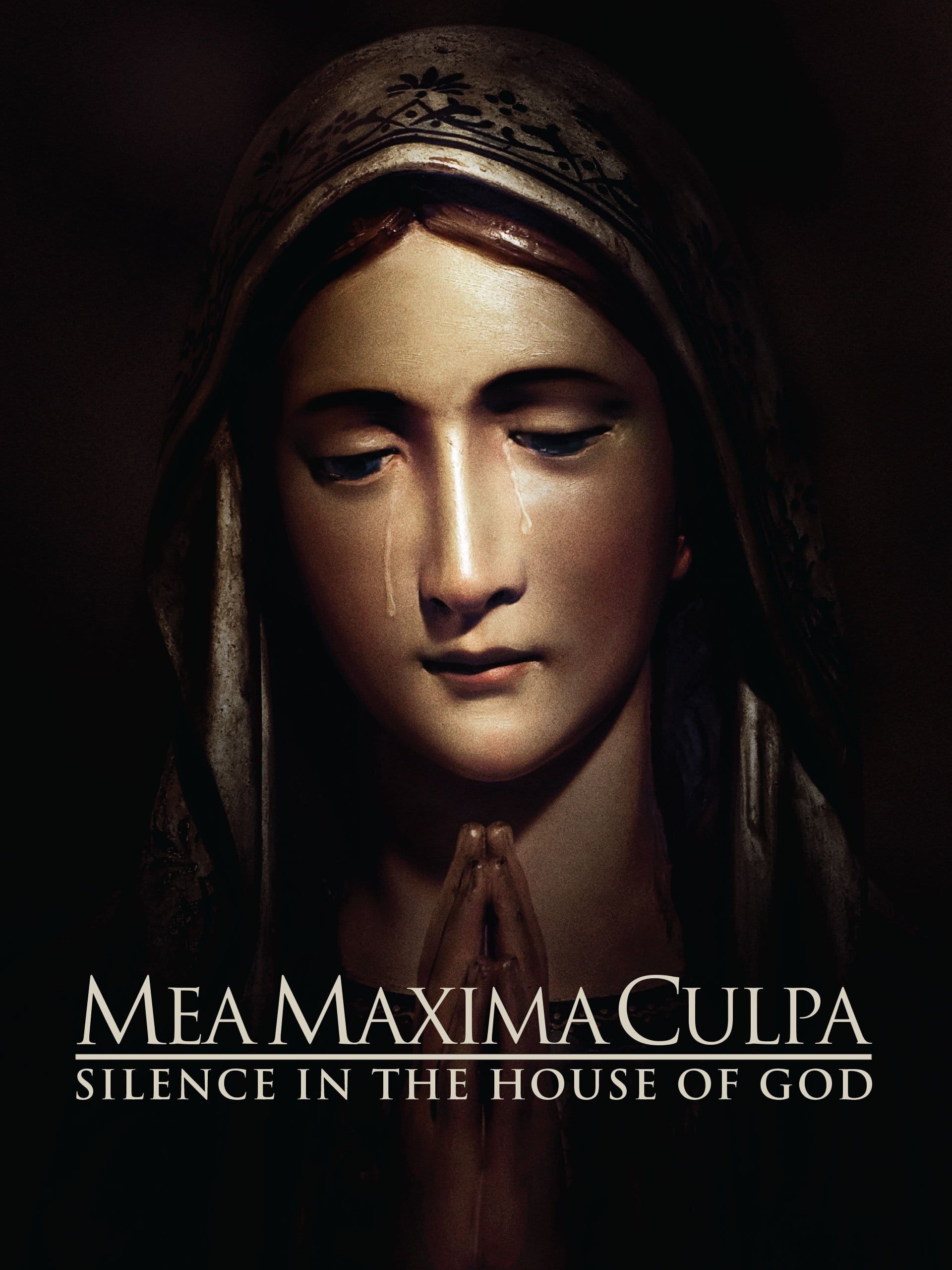
Documentary filmmaker Amy Berg investigates the life of 30-year pedophile Father Oliver O'Grady and exposes the corruption inside the Catholic Church that allowed him to abuse countless children. Victims' stories and a disturbing interview with O'Grady offer a view into the troubled mind of the spiritual leader who moved from parish to parish gaining trust ... all the while betraying so many.
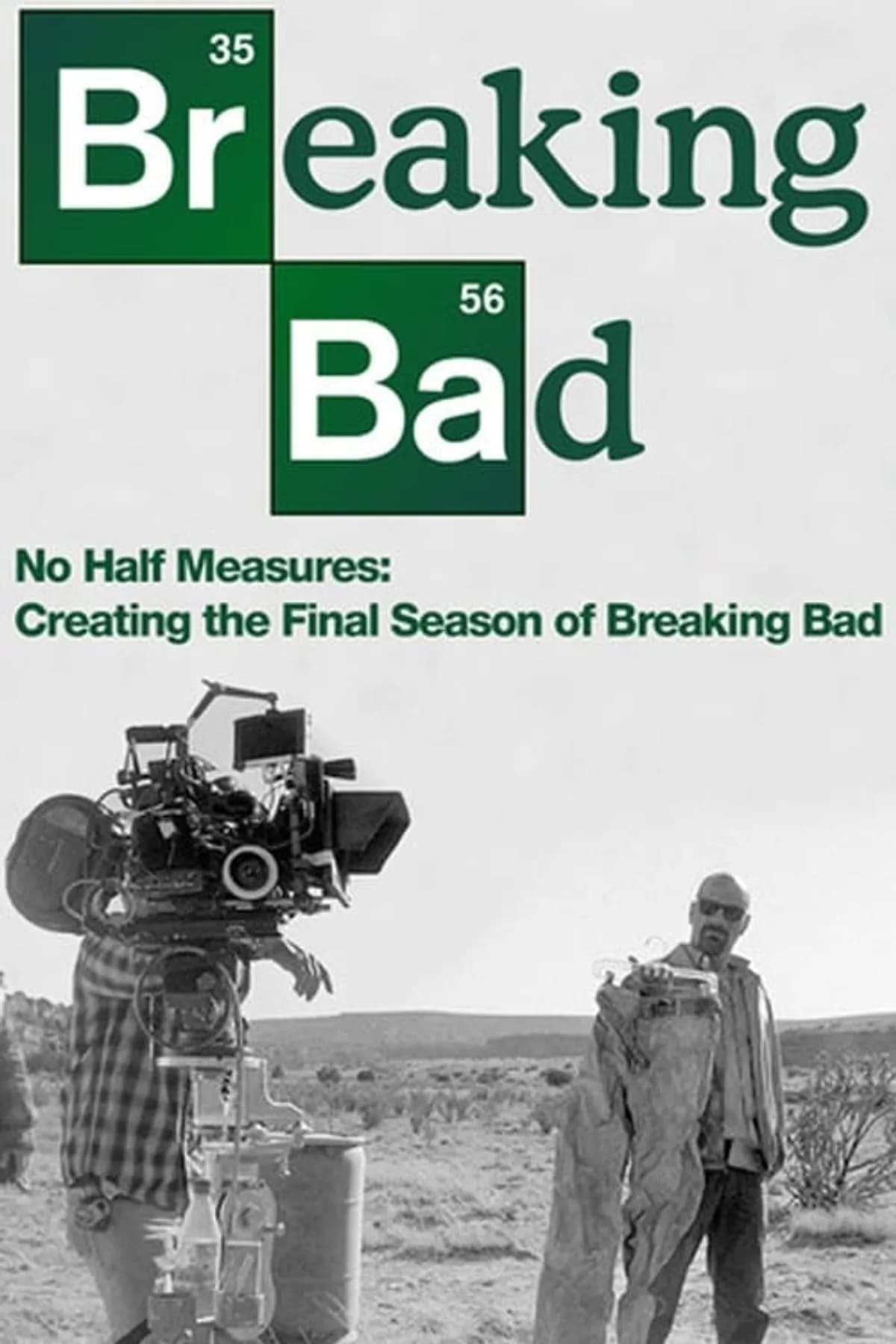
A documentary about the making of season five of the acclaimed AMC series Breaking Bad.
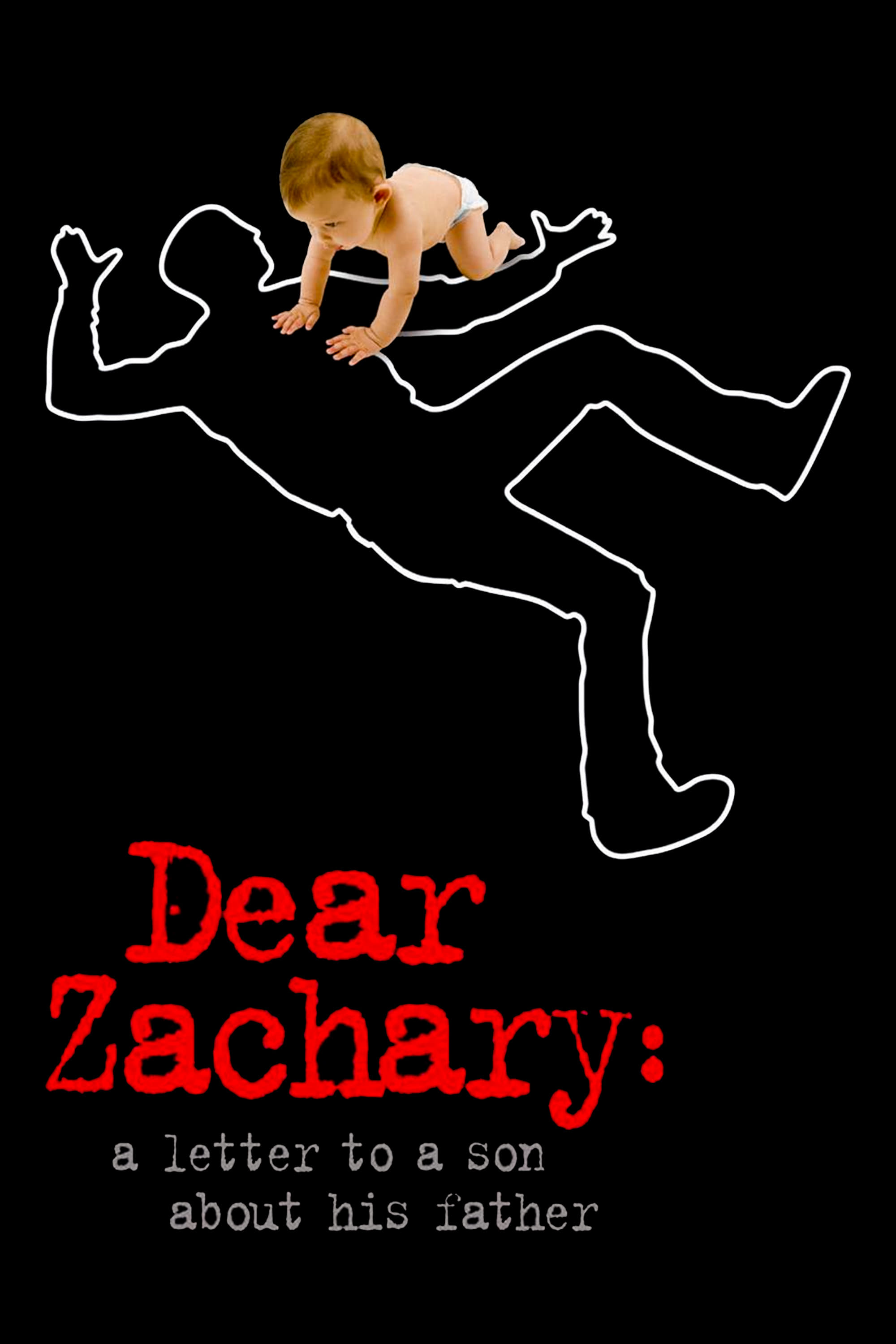
In 2001, Andrew Bagby, a medical resident, is murdered not long after breaking up with his girlfriend. Soon after, when she announces she's pregnant, one of Andrew's many close friends, Kurt Kuenne, begins this film, a gift to the child.
Police pull over a woman who claims she just gave birth. But the baby — and the blood — aren't hers. Twisted lies unravel in this true-crime documentary.
Lyrical and powerfully personal essay film that reflects on the deaths of her husband Lou Reed, her mother, her beloved dog, and such diverse subjects as family memories, surveillance, and Buddhist teachings.
Iverson is the ultimate legacy of NBA legend Allen Iverson, who rose from a childhood of crushing poverty in Hampton, Virginia, to become an 11-time NBA All-Star and universally recognized icon of his sport. Off the court, his audacious rejection of conservative NBA convention and unapologetic embrace of hip hop culture sent shockwaves throughout the league and influenced an entire generation. Told largely in Iverson's own words, the film charts the career highs and lows of one of the most distinctive and accomplished figures the sport of basketball has ever seen.
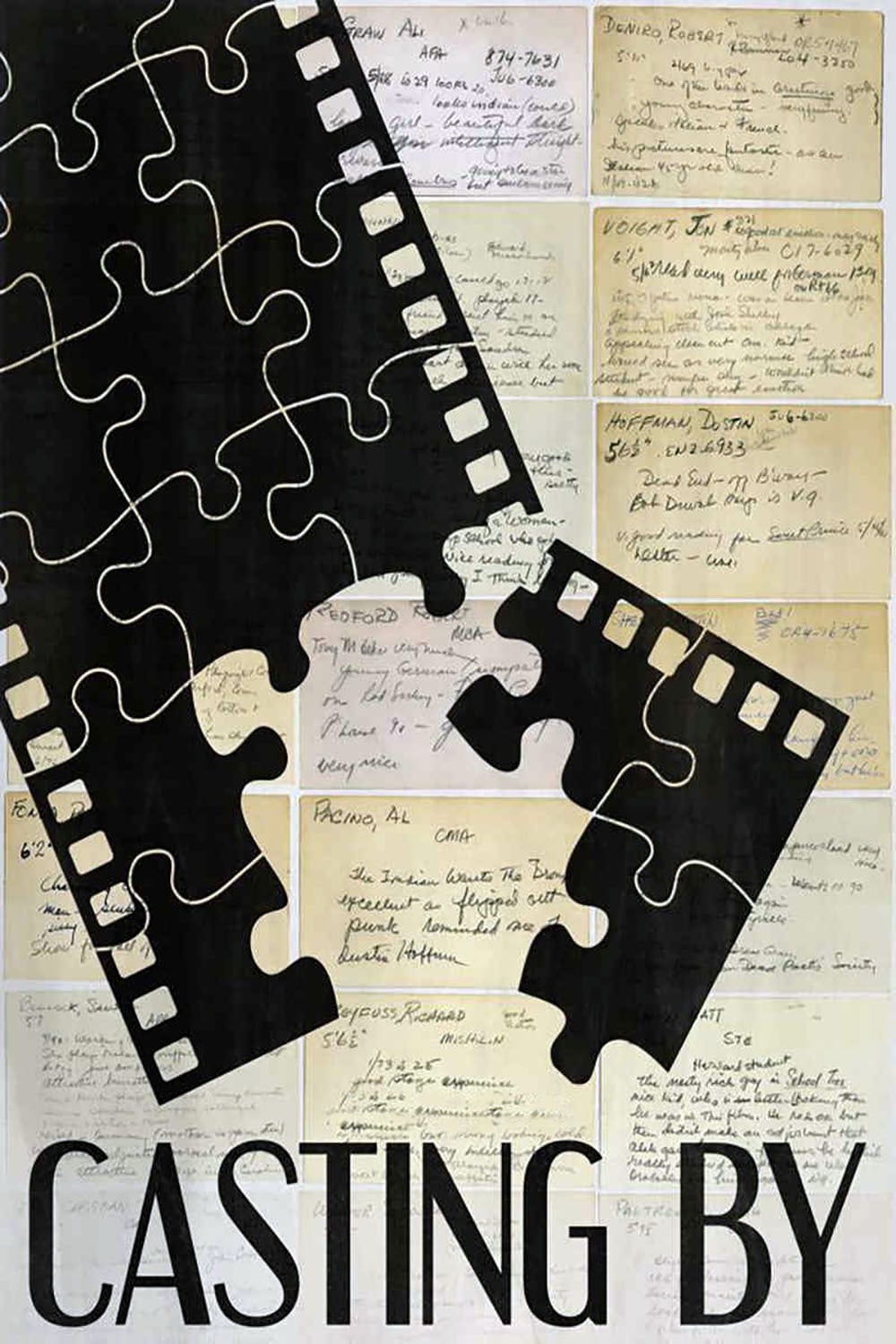
This essential new documentary pays tribute to the legacy of the late, legendary casting director Marion Dougherty and shines a light on one of the most overlooked and least understood crafts in filmmaking.
Alex Gibney explores the charged issue of pedophilia in the Catholic Church, following a trail from the first known protest against clerical sexual abuse in the United States and all way to the Vatican.
A documentary that explores the downloading revolution; the kids that created it, the bands and the businesses that were affected by it, and its impact on the world at large.
Al Pacino's deeply-felt rumination on Shakespeare's significance and relevance to the modern world through interviews and an in-depth analysis of "Richard III."
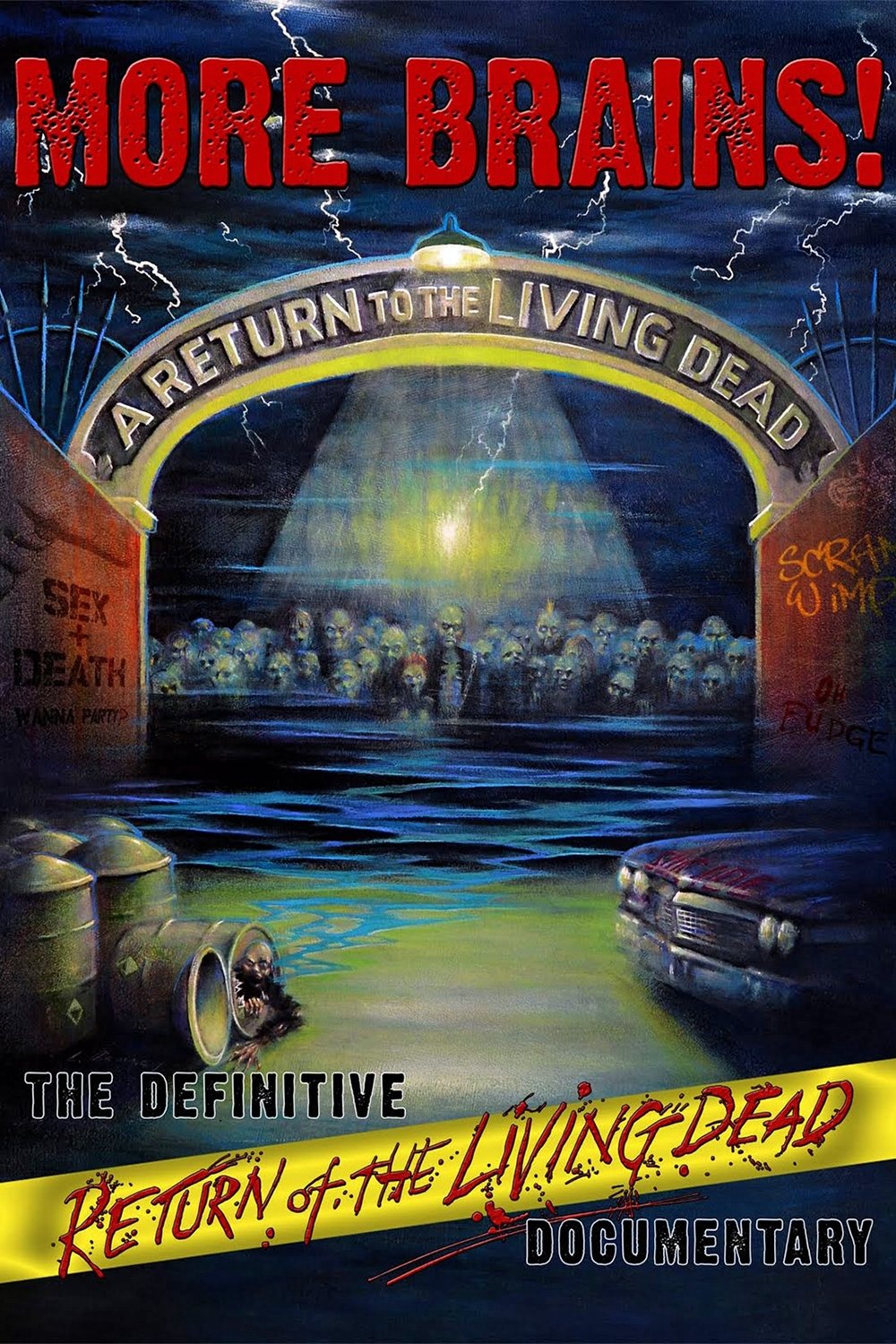
Retrospective documentary about the making of the horror cult classic "The Return of the Living Dead."
A detailing of the rise to prominence and global sporting superstardom of six supremely talented young Manchester United football players (David Beckham, Nicky Butt, Ryan Giggs, Paul Scholes, Phil and Gary Neville). The film covers the period 1992-1999, culminating in Manchester United's European Cup triumph.
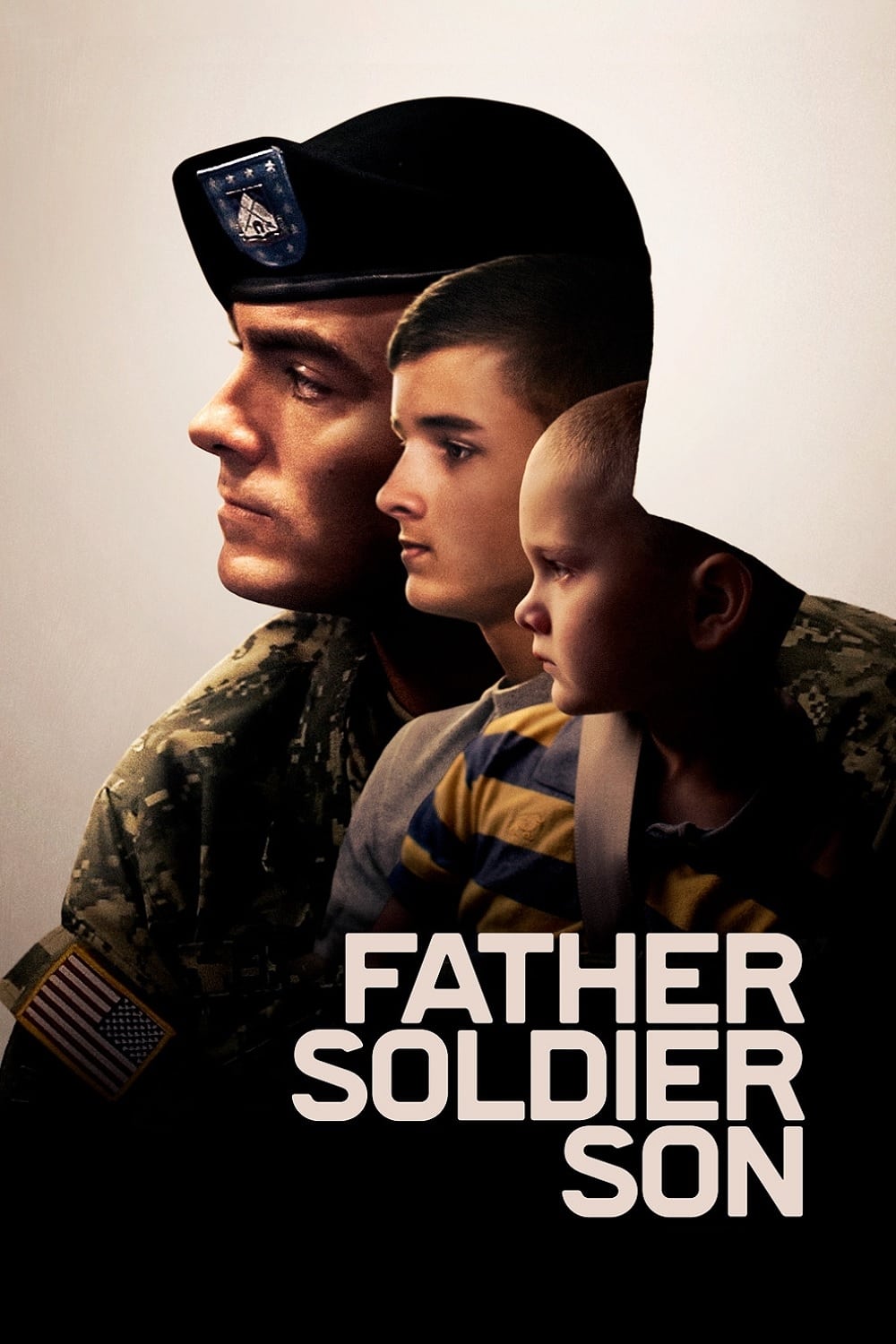
When Sgt. First Class Brian Eisch is critically wounded in Afghanistan, it sets him and his sons on a journey of love, loss, redemption and legacy.
A history of the ill-fated 1994 production of “The Fantastic Four” that was executive produced by Roger Corman.
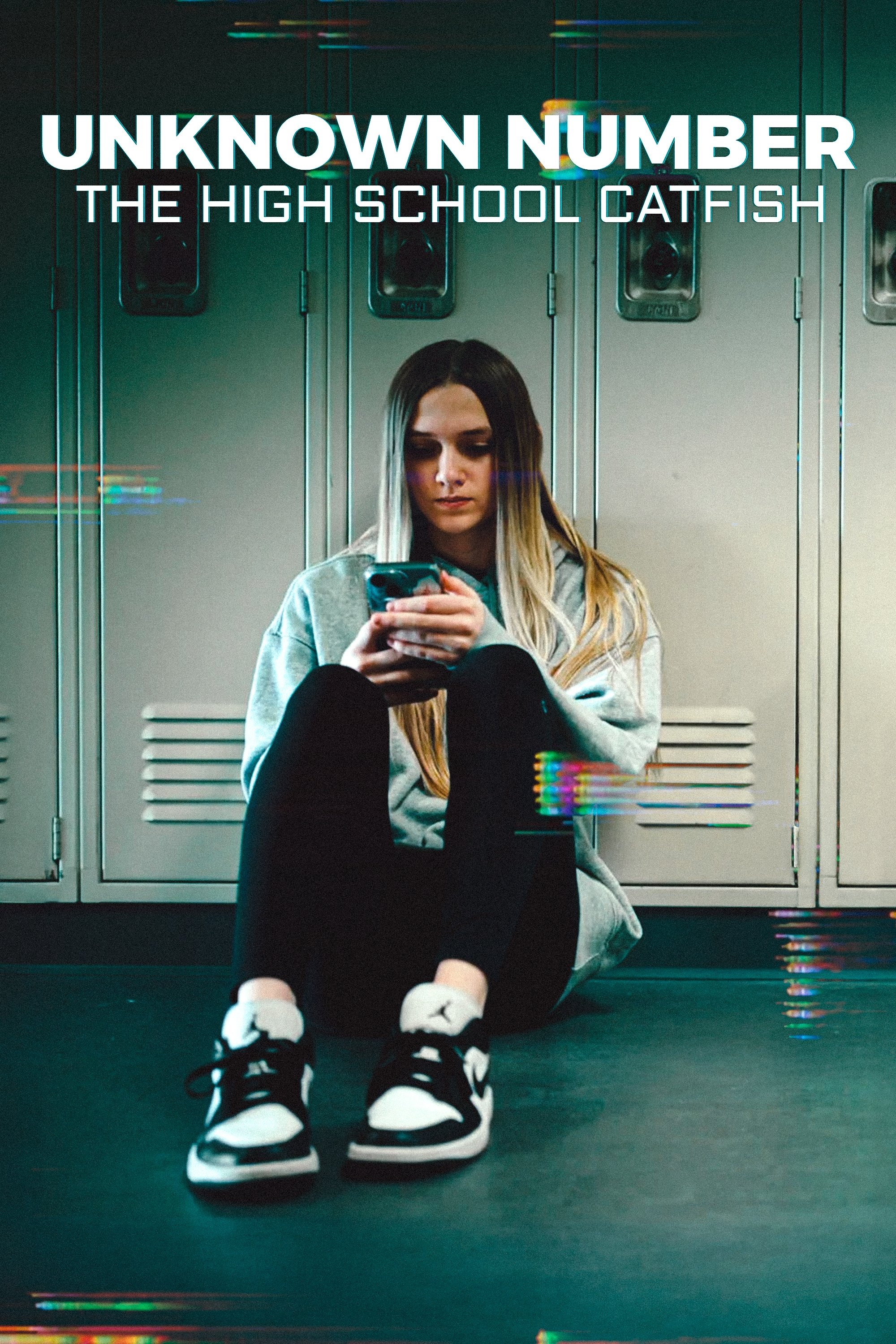
Vulgar, taunting texts blow up the phones of a teen and her boyfriend. Who's sending them — and why? This twisty documentary reveals the shocking answer.
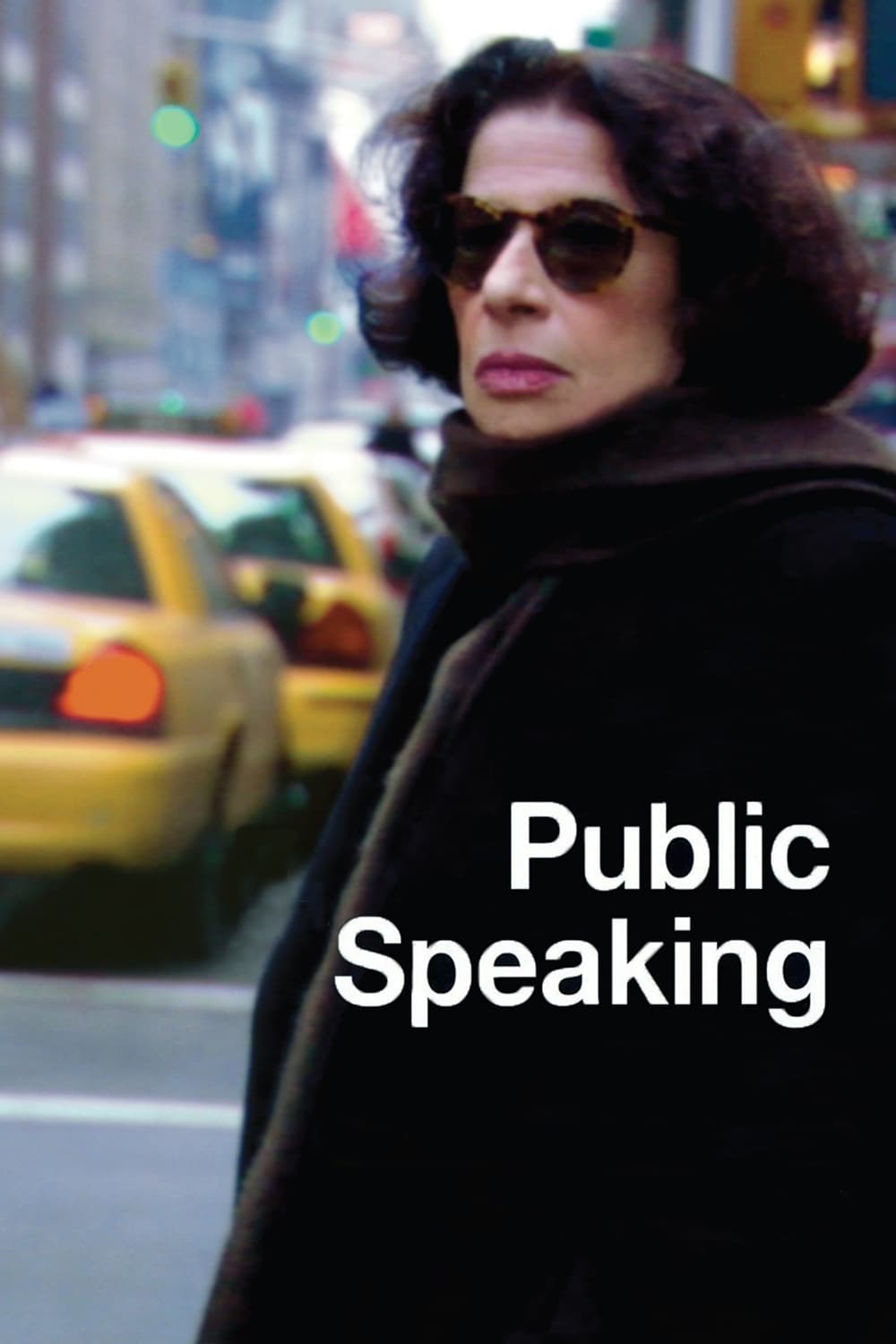
Martin Scorsese’s portrait of writer and social commentator Fran Lebowitz, celebrated for her sharp wit and observations on modern life. Filmed at New York’s Waverly Inn and intercut with archival footage and interviews, the documentary captures Lebowitz’s distinctive worldview through her spontaneous monologues and public appearances.
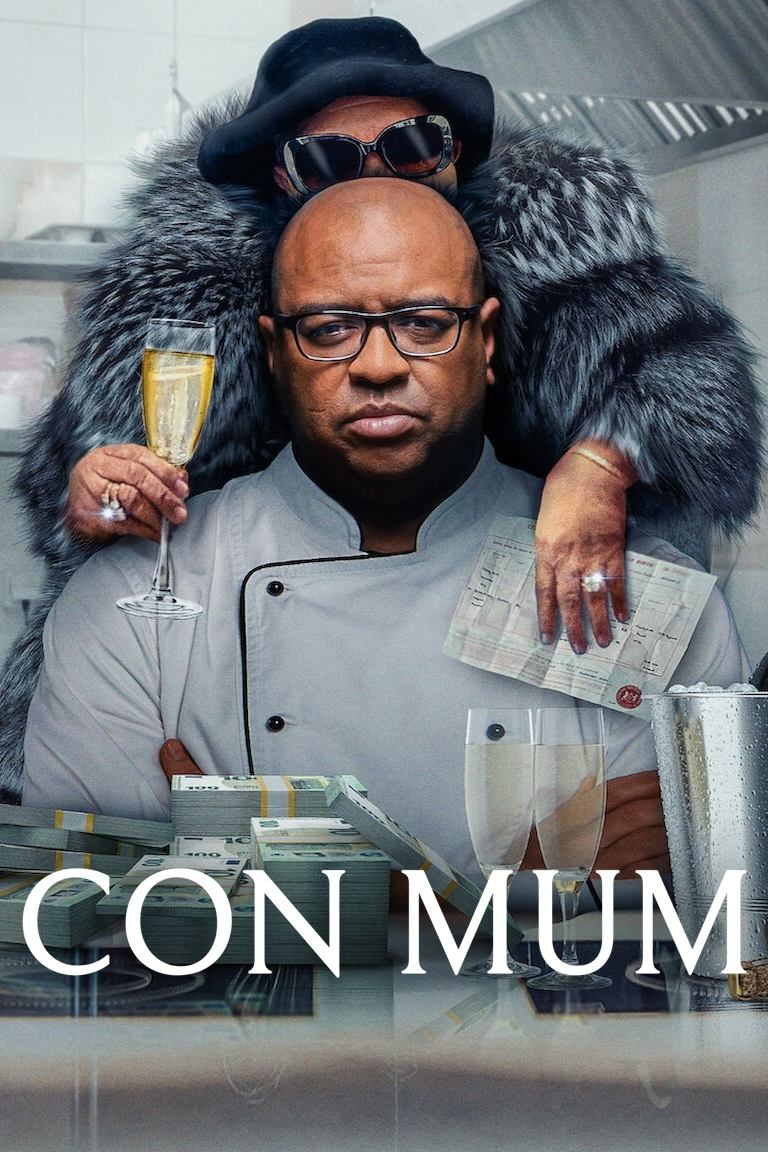
A chef's life is upended when a jet-setting, champagne-sipping, hotel-hopping woman claims to be his long-lost mother. This documentary reveals the untold story.
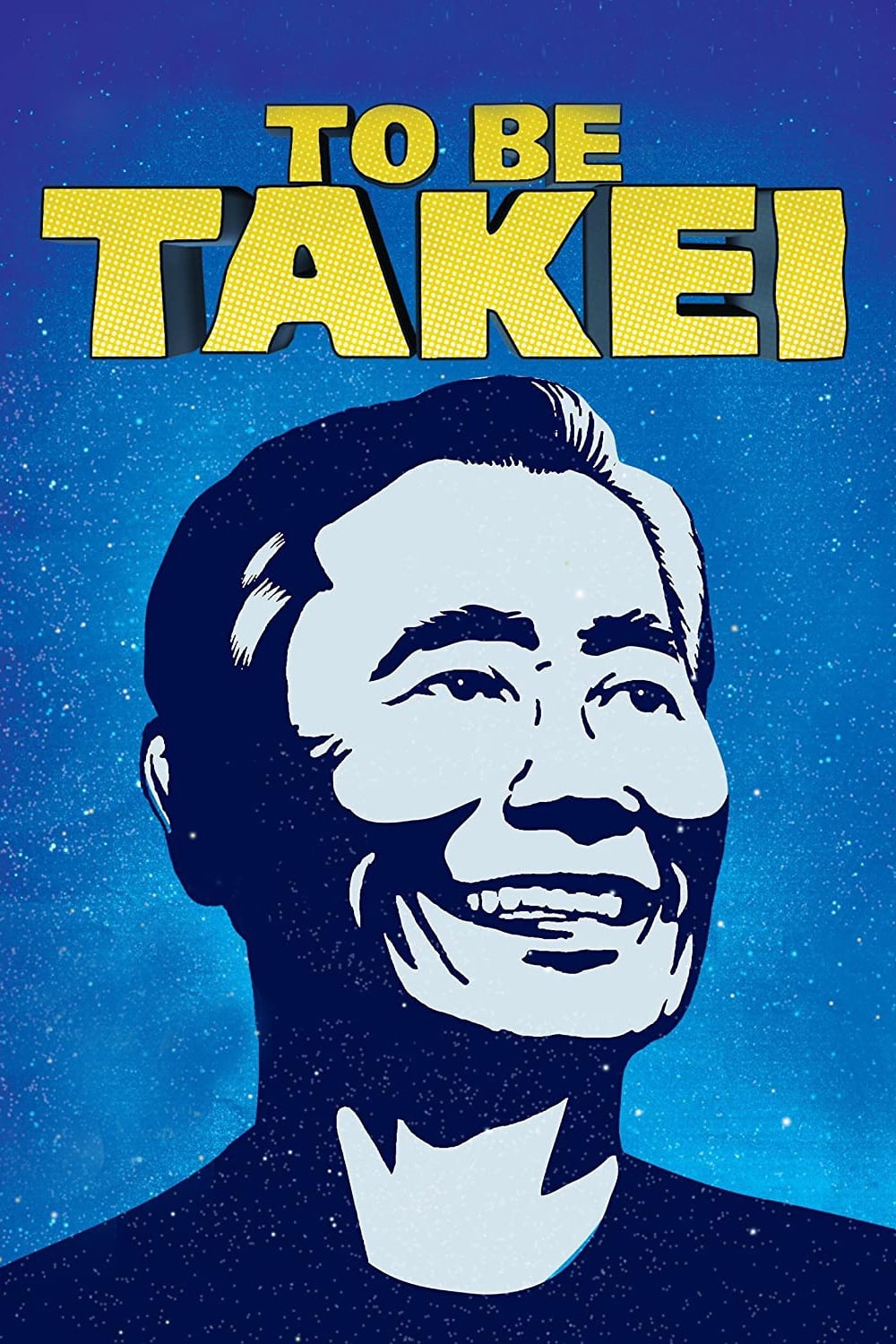
Over seven decades, actor and activist George Takei journeyed from a World War II internment camp to the helm of the Starship Enterprise, and then to the daily news feeds of five million Facebook fans. Join George and his husband, Brad, on a wacky and profound trek for life, liberty, and love.