About the war effort in the West Indies.
Social & External
The people behind it
Learie Constantine
Self - Speaker
Ulric Cross
Self - Speaker (as Flying Officer Ulric Cross)
Carlton Fairweather
Archie Lewis
Self - Singer
Una Marson
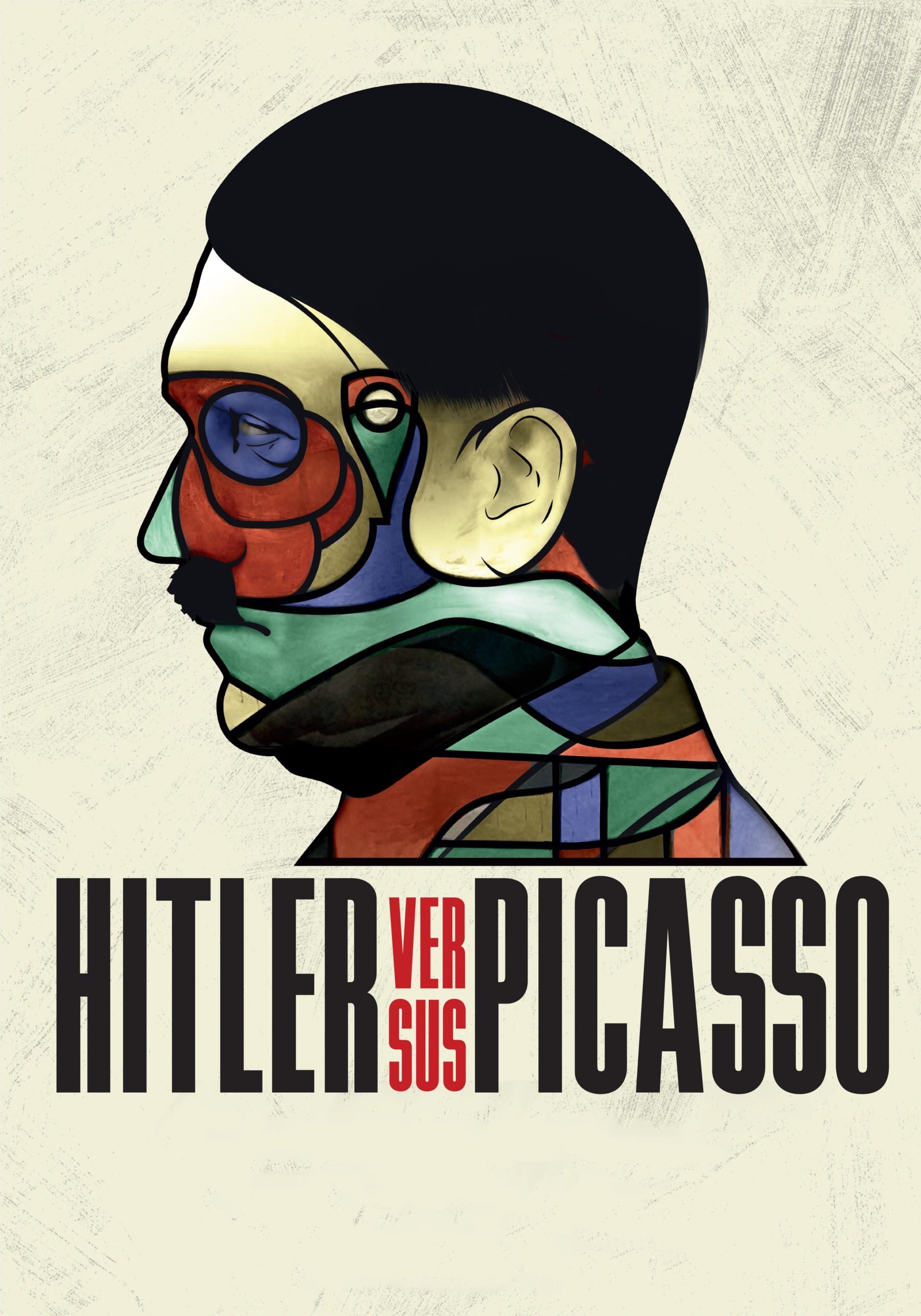
In 1937 the Nazi regime held two exhibitions in Munich: one to stigmatize “Degenerate Art” (which they systematically looted and destroyed) and one, personally curated by Hitler, to glorify “Classic Art”. This immersive new documentary reveals the Nazi’s complicated relationship with classical and modern art, displaying an incredible number of masterpieces by Botticelli, Klee, Matisse, Monet, Chagall, Renoir and Gauguin amongst others, intertwined with human stories from the most infamous period of the twentieth century. A state-of-the-art detective story exploring the Nazis’ obsession with creative expression, Hitler versus Picasso combines history, art and human drama for an unforgettable cinema experience.
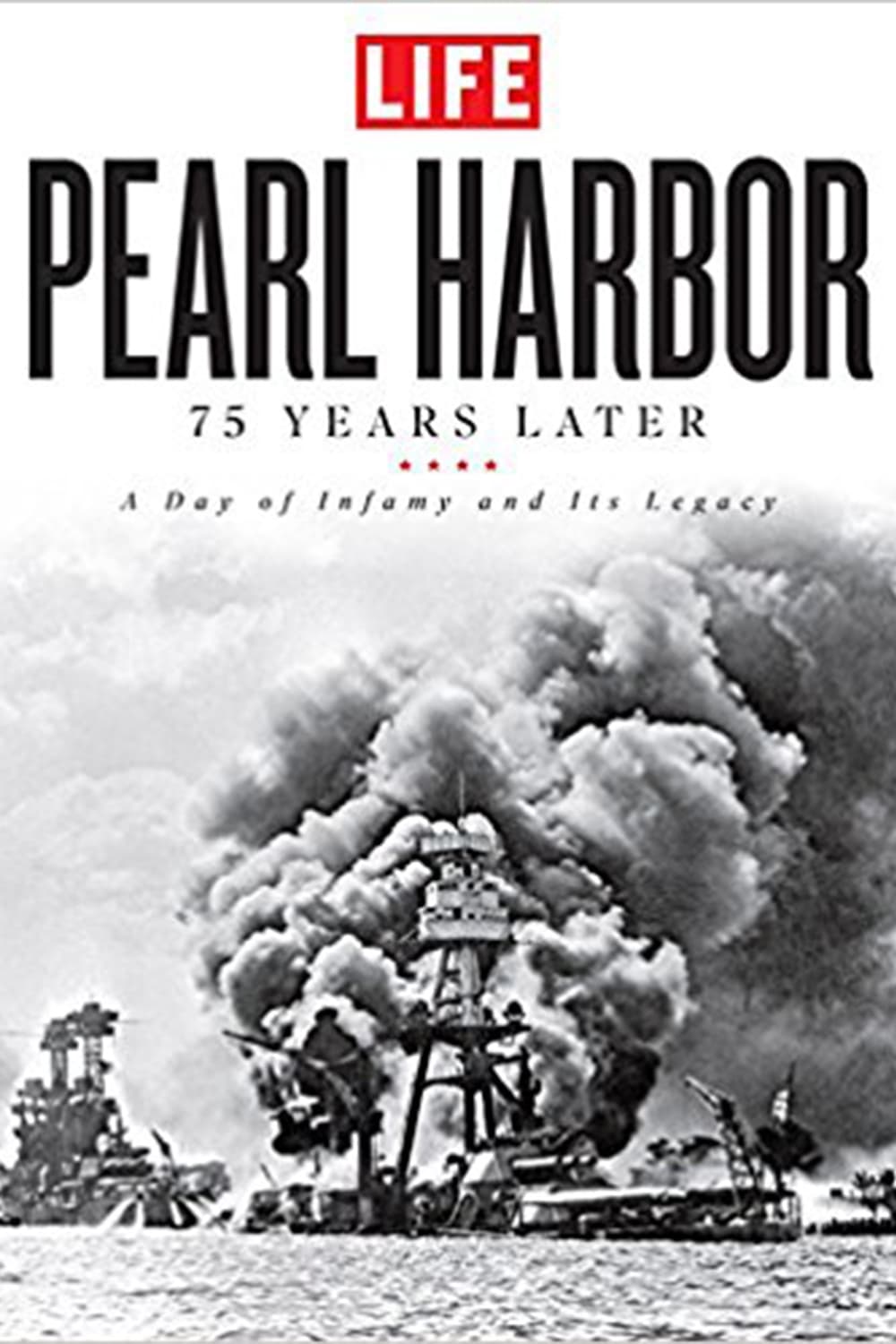
This two-hour special looks back at Dec. 7, 1941 - the date that has indeed lived in infamy, as President Franklin Roosevelt promised - when imperial Japan attacked the U.S. naval forces in Hawaii, ushering America into World War II. The attack killed more than 2,400 people, wounded 1,000 and damaged or destroyed nearly 20 American ships and over 300 airplanes.
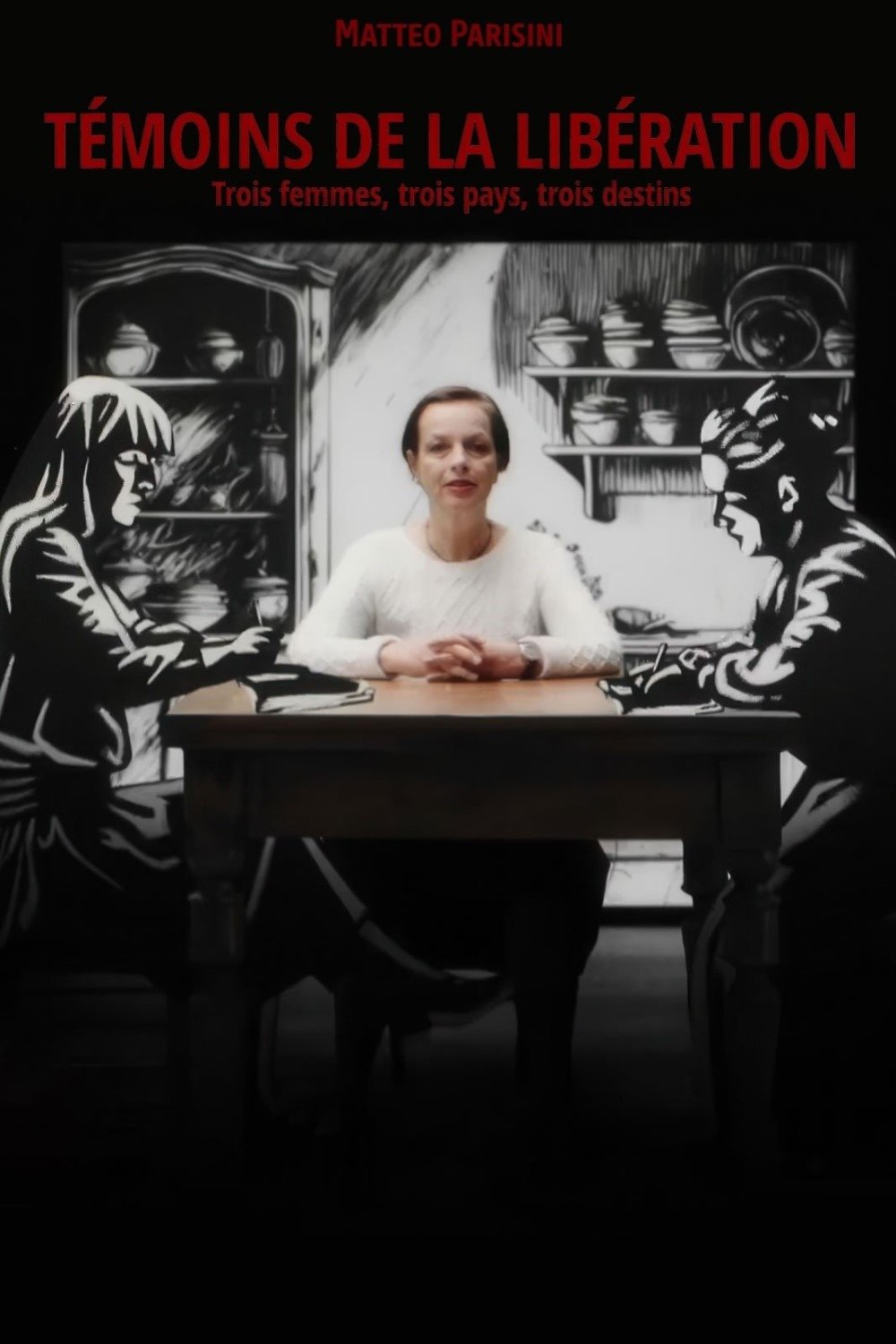
The end of World War II brings Europe a new political system, reshapes national and personal identities. Three women from Milan, Paris and Berlin report on the days of liberation in their diaries. Their personal stories expand the historical picture and make LIBERATION DIARIES a chronicle of female self-empowerment, resistance and resilience.
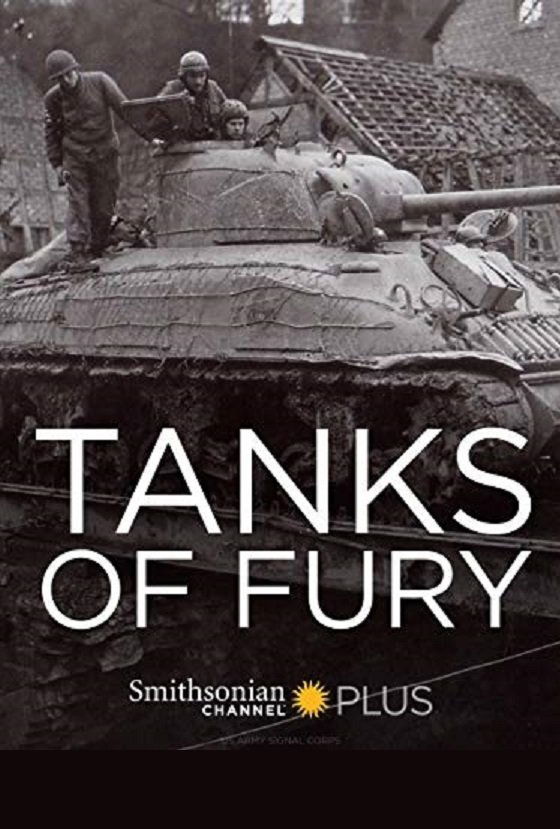
Crew and actors from the movie 'Fury' give behind-the-scenes details of the movie's technical production and special effects. Actual WWII tank footage and interviews with veterans are also included.
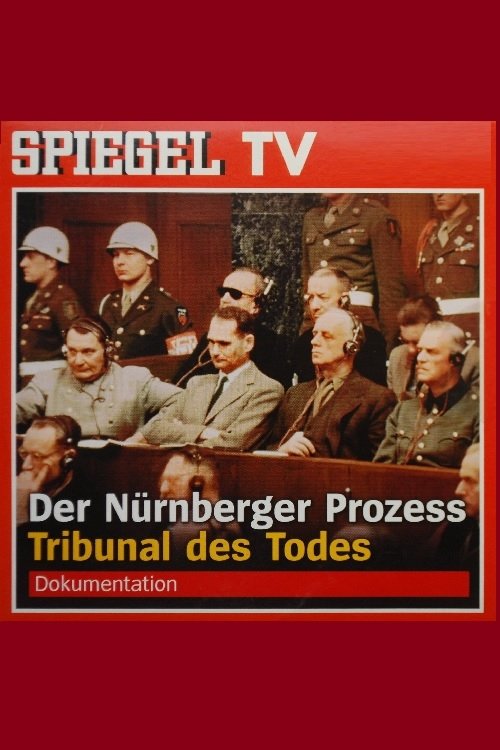
When the Allies realized the full extent of the crimes of the Third Reich at the end of the Second World War, it was clear that they would not be satisfied with a simple capitulation. Those responsible should not get away with it. The result of these deliberations was the International Military Tribunal, whose proceedings have gone down in history as the "Nuremberg Trial" after the venue.
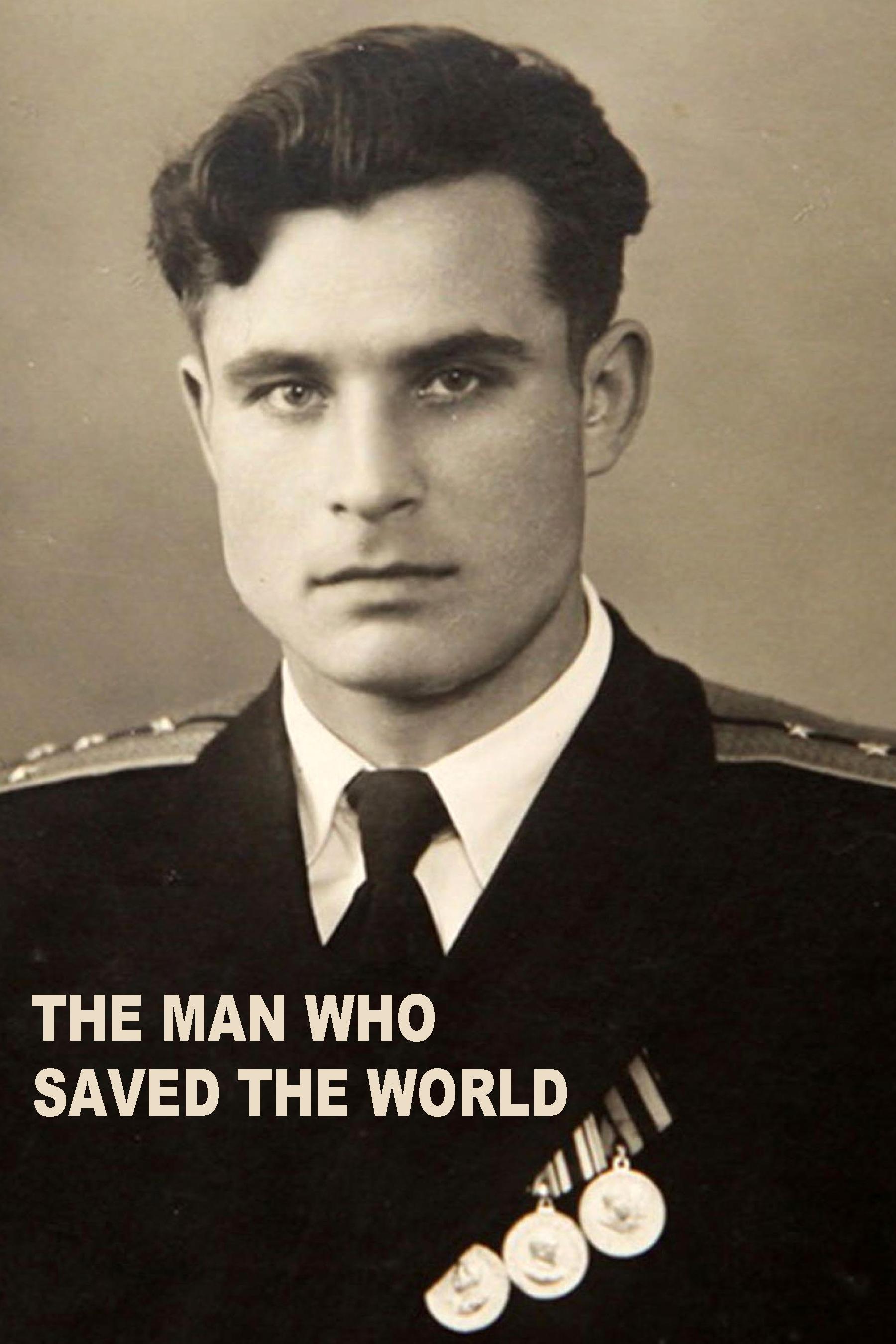
During the Cuban Missile Crisis of 1962, Soviet Navy officer Vasily Arkhipov refused to launch a nuclear strike and saved the world from nuclear war and total destruction.
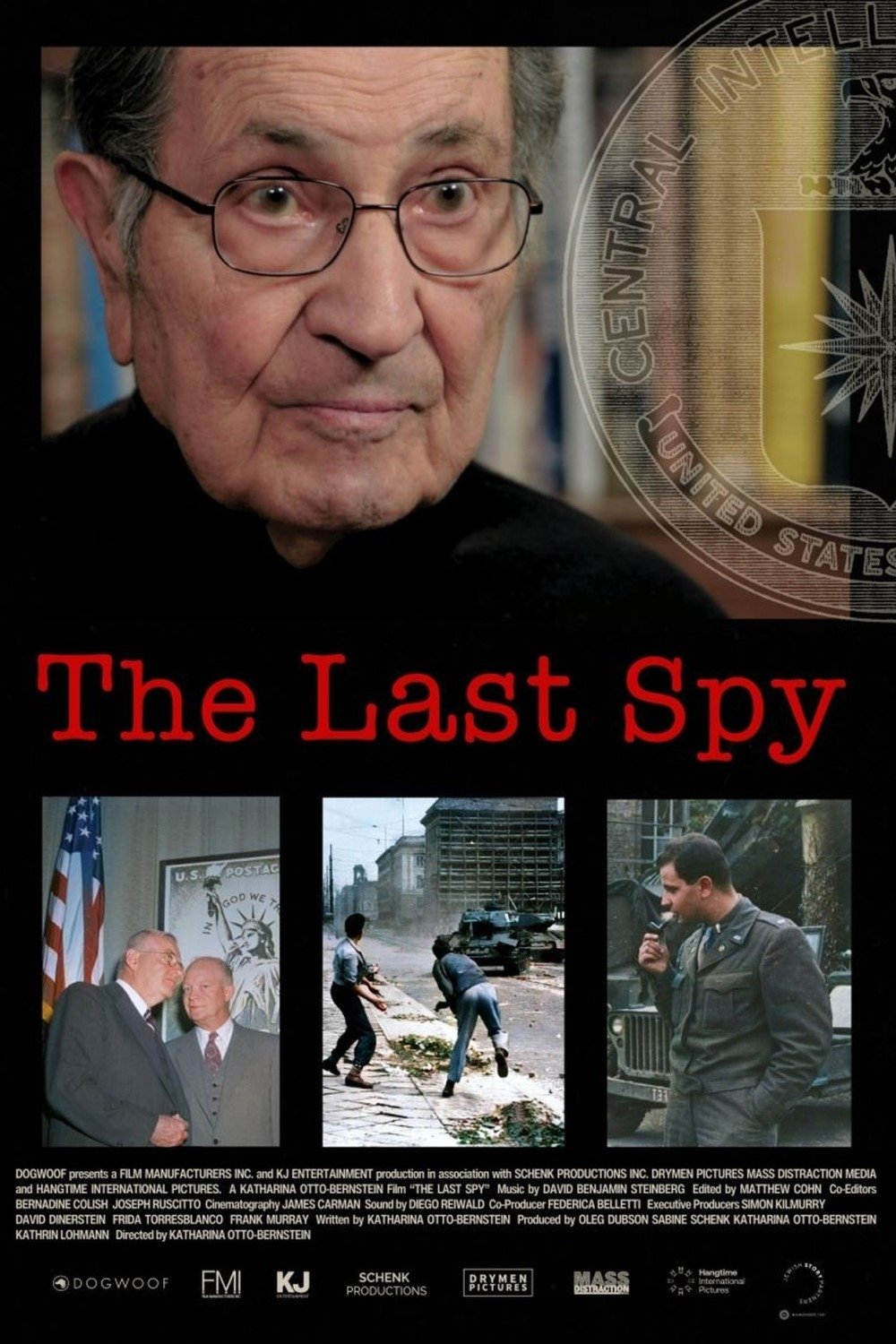
The riveting biography of 102-year-old CIA spymaster Peter Sichel, who unpacks the obscured roots of conflicts that plague today’s world and the toll espionage took on his personal life.
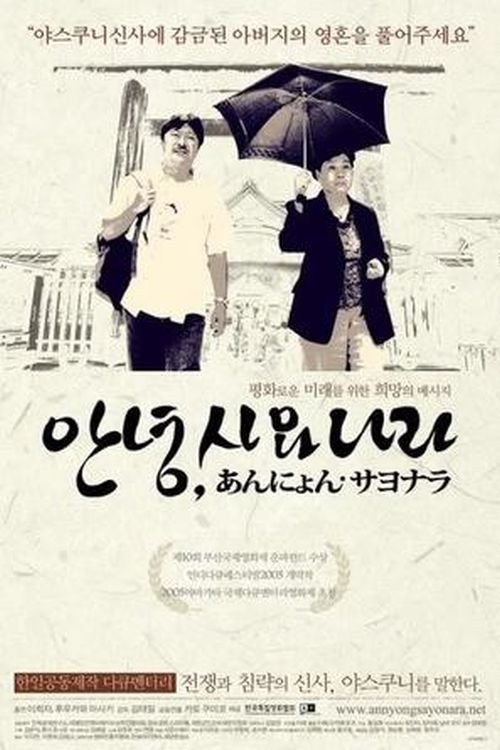
This joint Korean-Japanese production follows a Korean woman, Lee Ha-jong, as she searches for her father's remains. He - like tens of thousands of other Koreans - was forced into the Japanese military, and subsequently killed during WW2. She is joined by a Japanese man, seeking reconciliation between his country's military past, and the countries victimized by that history. The filmmakers portray both sides of a still highly emotional debate that centers around the enshrinement of soldiers at the Yasukuni Shrine, and Lee's lawsuit to prevent her father from being enshrined there. As Lee visits Japan and the controversial Yasukuni Shrine, she confronts - and is confronted by a wall of nationalistic pride that might be compared to neo-Nazis defending the righteousness of The Reich. This is contrasted with her meeting and working with Japanese peace activists, who deplore their countries' militaristic past, and seek to heal the wounds with her neighbors.
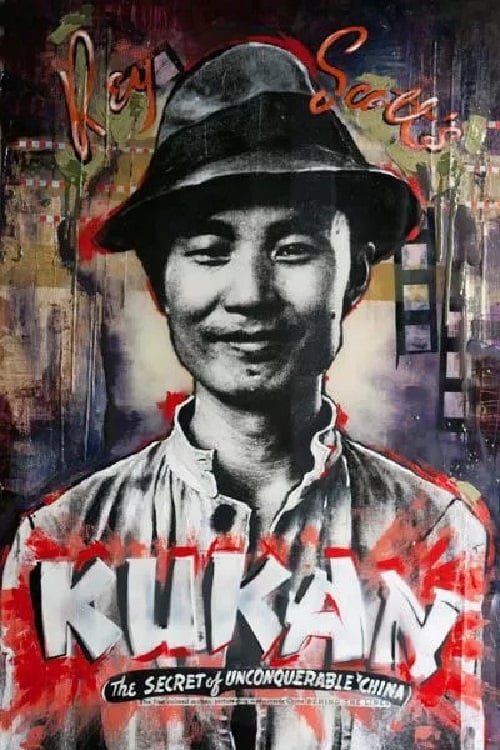
Rey Scott received an Honorary Academy Award for this documentary "for his extraordinary achievement in producing Kukan, the film record of China's struggle, including its photography with a 16mm camera under the most difficult and dangerous conditions." Producer David O. Selznick thought so much of it, that he distributed KUKAN in 35mm, even after the film had already had an extensive run in 16mm.
This short film in support of the war effort focuses on the training and missions of Army Air Corps Captain Hewitt T. Wheless just after the U.S. entry into World War II.
Henry Browne, an African American farmer, and his family are profiled in this film. The important job of a farmer during times of war is highlighted, specifically his efforts growing peanuts and cotton. This role is made even more poingnant when they visit the eldest son who is a cadet in the 99th Pursuit Squadron.
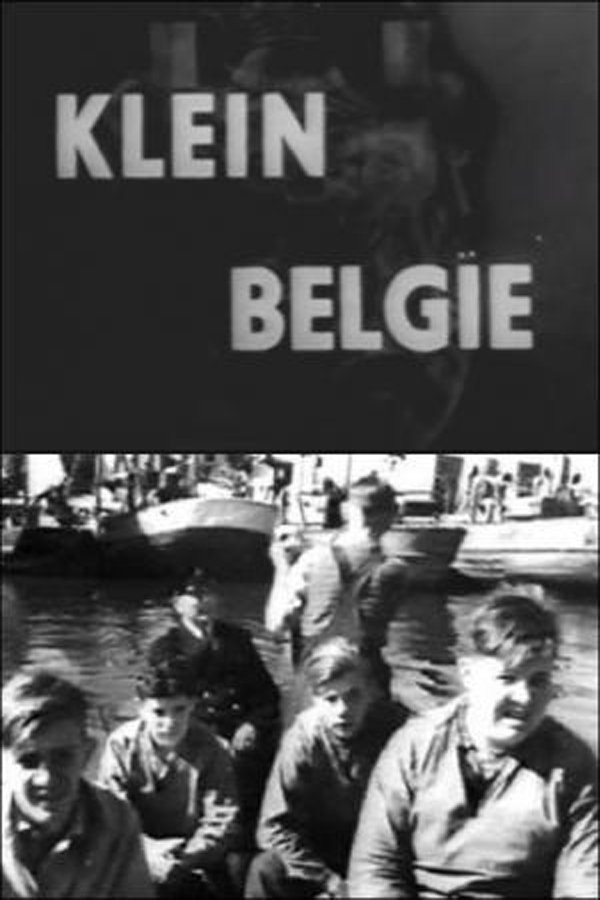
A profile of the more than 2,000 Belgian refugees in the fishing port of Brixham.
In WWII, the English Channel was a vital passageway. Here, explore the previously untold story of the invaluable superguns that guarded it.
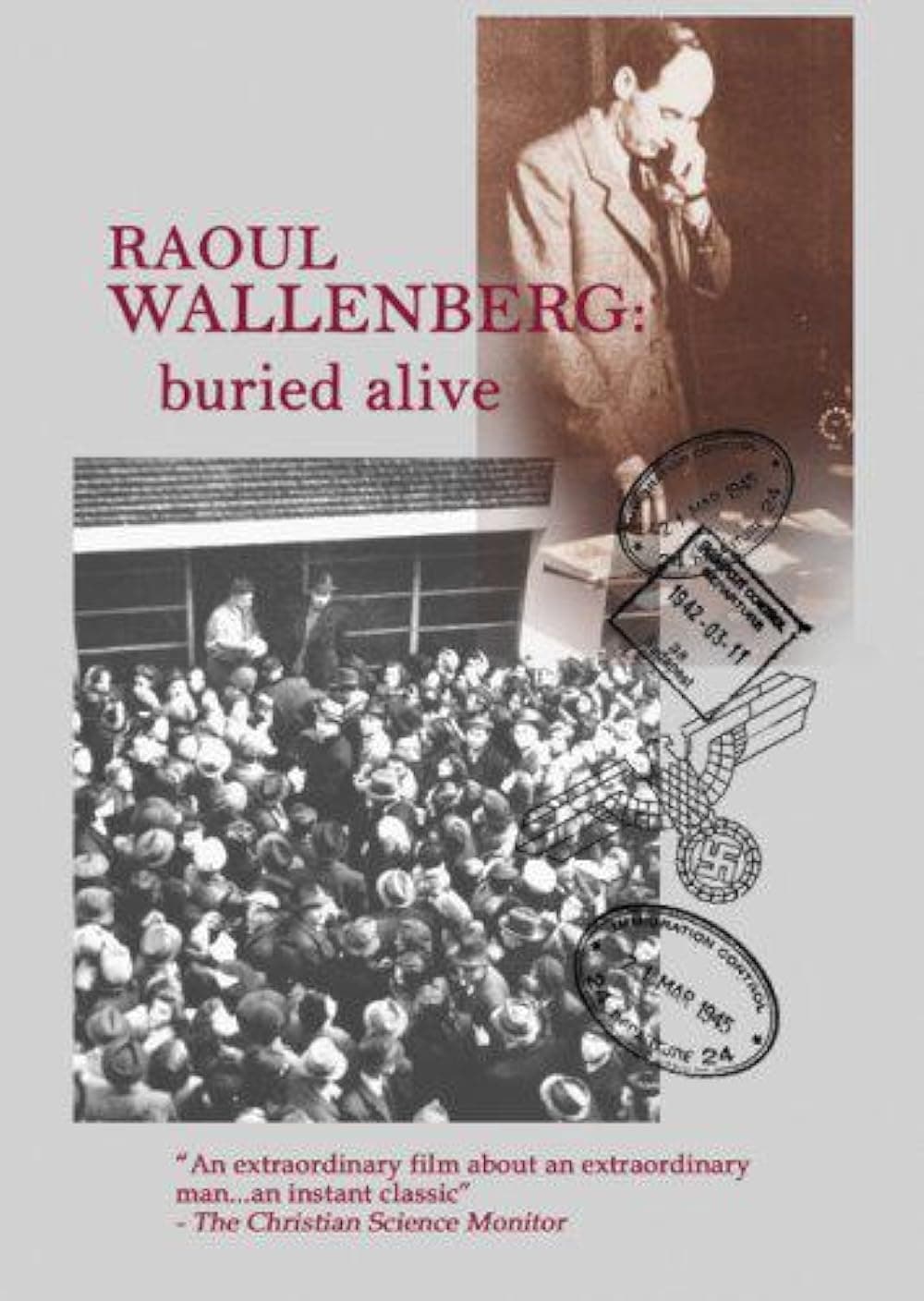
A profile of Swedish diplomat Raoul Wallenberg, the film covers his role in saving the lives of Jewish refugees from the Holocaust, as well as exploring the evidence that he may still have been alive in a Soviet gulag as late as the early 1980s.
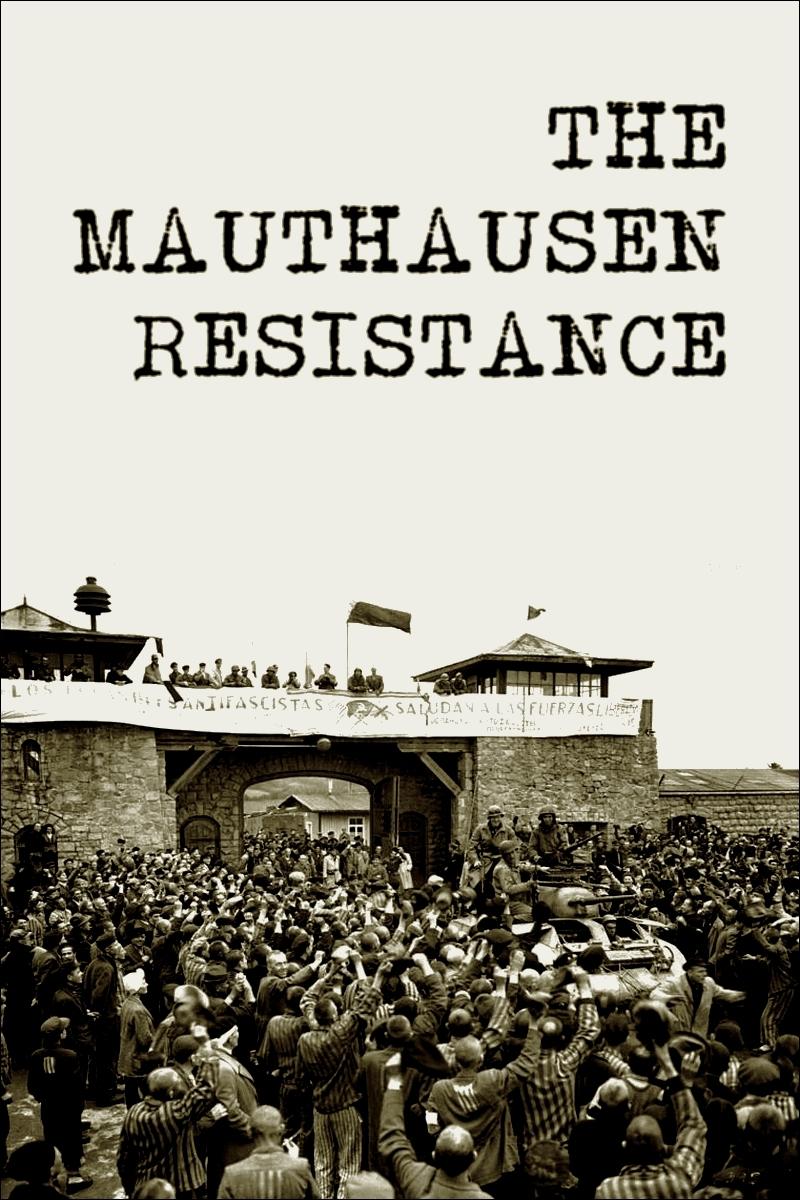
During World War II, the photographer Francisco Boix and other Spanish Republican prisoners of the Mauthausen concentration camp, where 120,000 people died, managed not only to survive their indescribable experience, but also, after the war, to reveal to the world what really happened in that hell, saving from destruction thousands of official photographs taken by the SS.
Filmmaker Rosanne Ehrlich unearths hundreds of letters her father wrote her mother while he was away from home, fighting in WWII, and shares them in this documentary that blends narration with, archival footage.
Meet the real-life airmen who inspired Masters of the Air as they share the harrowing and transformative events of the 100th Bomb Group.
Those who knew iconic funnyman John Candy best share his story, in their own words, through never-before-seen archival footage, imagery, and interviews.
Prelude to War was the first film of Frank Capra's Why We Fight propaganda film series, commissioned by the Pentagon and George C. Marshall. It was made to convince American troops of the necessity of combating the Axis Powers during World War II. This film examines the differences between democratic and fascist states.
A string of threatening emails escalates into a revenge plot involving a newly married US marshal and his ex-girlfriend.
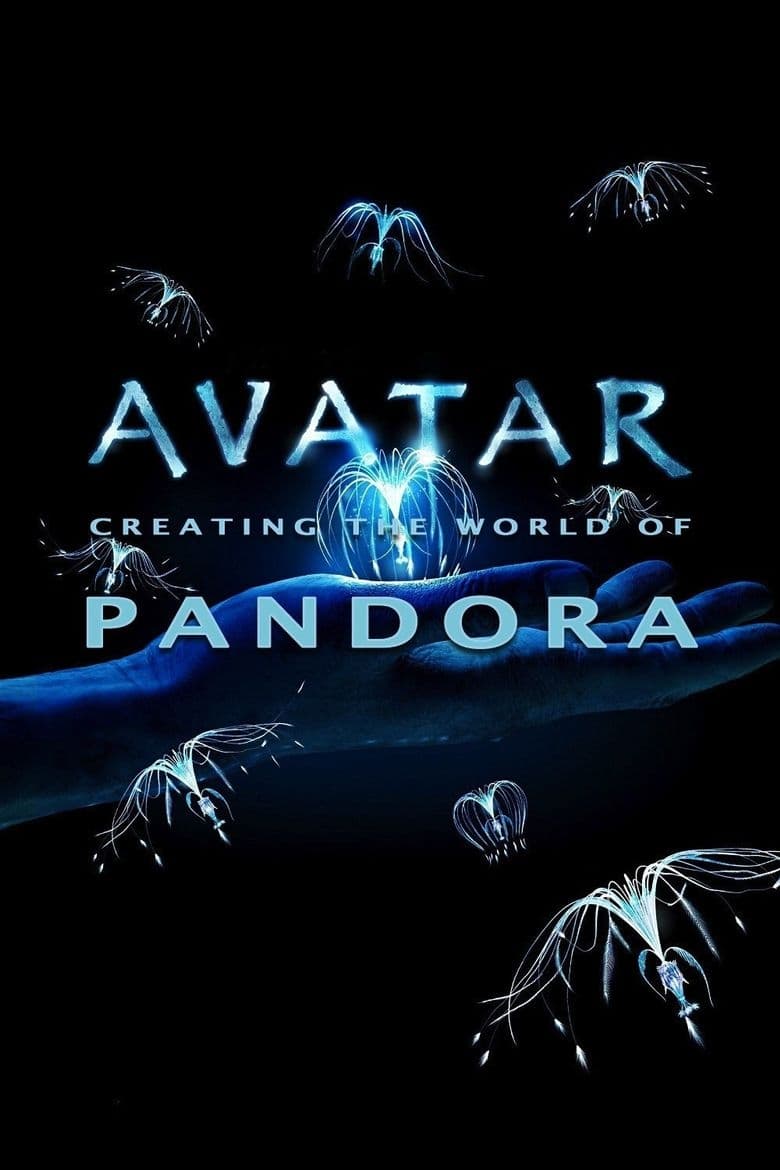
The Making-of James Cameron's Avatar. It shows interesting parts of the work on the set.
A visual montage portrait of our contemporary world dominated by globalized technology and violence.
Through deeply personal interviews with her siblings and an examination of the photographs, letters, and belongings left behind, Mariska assembles a new portrait of her mother Jayne Mansfield, an extraordinary and complex woman.
In an intimate and joyful story of love in the face of loss, celebrated poets Andrea Gibson and Megan Falley find strength—and unexpected hilarity—in what might be their final year together.
A detailing of the rise to prominence and global sporting superstardom of six supremely talented young Manchester United football players (David Beckham, Nicky Butt, Ryan Giggs, Paul Scholes, Phil and Gary Neville). The film covers the period 1992-1999, culminating in Manchester United's European Cup triumph.
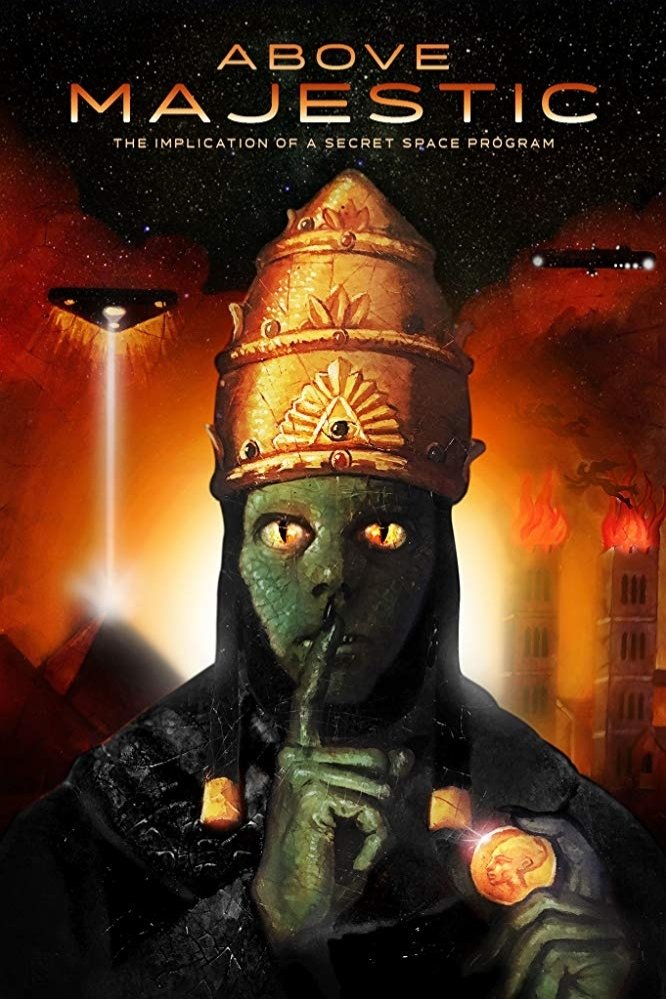
A look at the origins, history and conspiracies behind the "Majestic 12", a clandestine group of military and corporate figureheads charged with reverse-engineering extraterrestrial technology.
Lupita Nyong'o narrates a documentary about Peanuts and its creator, Charles M. Schulz. Famous fans—including Drew Barrymore, Kevin Smith, and Al Roker—share its influence on them, and a new animated story finds Charlie Brown on a quest.
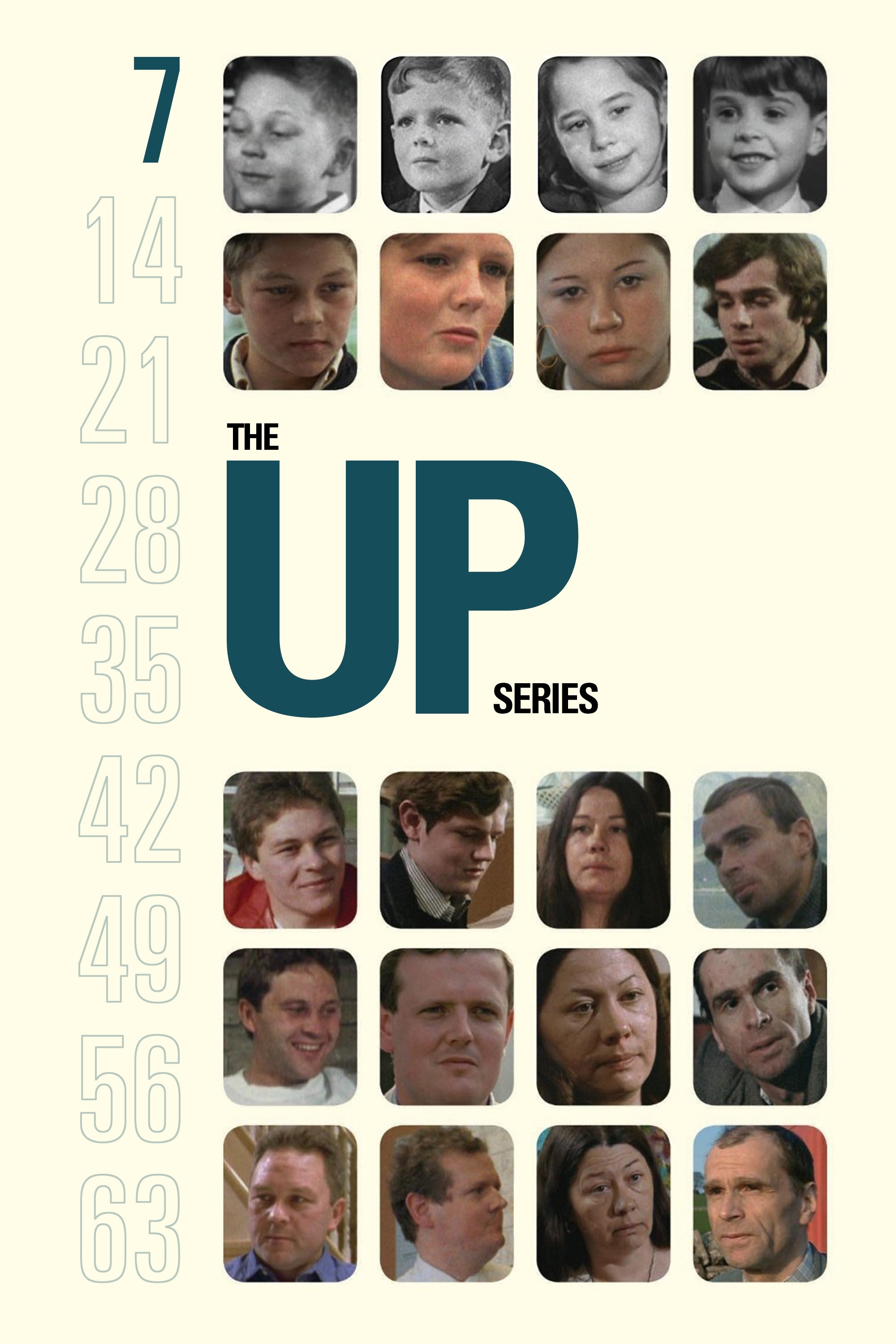
A group of British children aged 7 from widely ranging backgrounds are interviewed about a range of subjects. The filmmakers plan to re-interview them at 7 year intervals to track how their lives and attitudes change as they age.
Over 35 years after Bob Lazar's revelations, this documentary exposes secrets of a facility the government still denies. Featuring Lazar's testimony, recreations, and new evidence, it reopens a case that continues to spark global curiosity
The remarkable coming-of-age story of Stephen Curry—one of the most influential, dynamic, and unexpected players in basketball history—and his rise from an undersized college player to a four-time NBA champion.
In her own words, through personal video and diaries, Pamela Anderson shares the story of her rise to fame, rocky romances and infamous sex tape scandal.
Originally a home video never intended for public viewing, this film captures the final chapter in Roger Federer's legendary tennis career, featuring Roger, his family, and his three main rivals: Rafael Nadal, Novak Djokovic, and Andy Murray.
An inside look at one of the most anticipated movie sequels ever with James Cameron and cast.
Ranjit, a farmer in India, takes on the fight of his life when he demands justice for his 13-year-old daughter, the victim of a brutal gang rape. His decision to support his daughter is virtually unheard of, and his journey unprecedented.
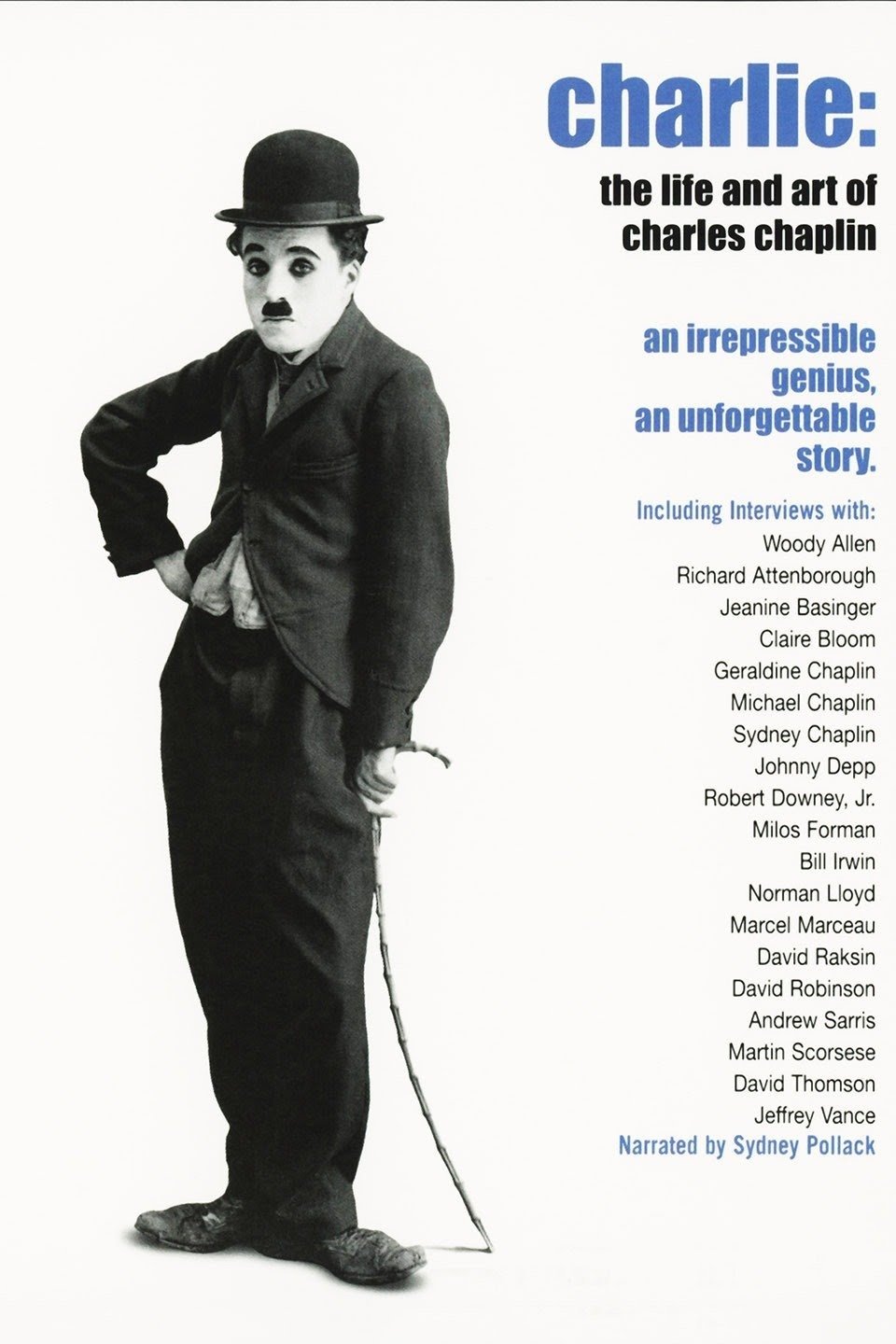
Brilliant, long in-the-works story of the life and art of the world's greatest comedian and the cinema's first genius, Charlie Chaplin. Produced, written and directed by renowned film critic Richard Schickel.
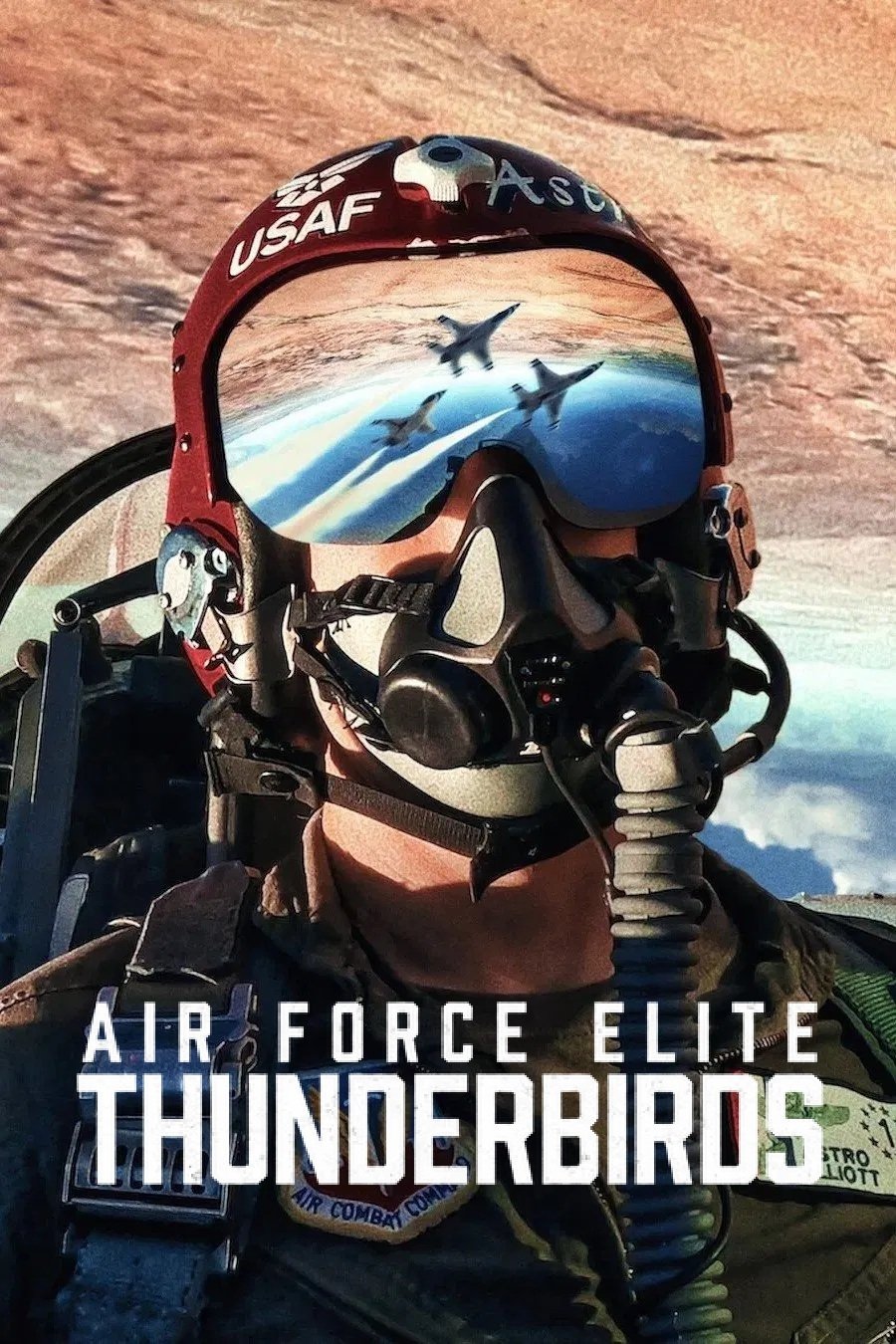
The elite pilots of the Air Force Thunderbirds display exceptional skill, trust and courage during a high-stakes training season.