A British documentary on tunneling if a building falls in ruins.
Social & External
Physicist Ted Hall is recruited to join the Manhattan Project as a teenager and goes to Los Alamos with no idea what he'll be working on. When he learns the true nature of the weapon being designed, he fears the post-war risk of a nuclear holocaust and begins to pass significant information to the Soviet Union.
The extraordinary story of how Hollywood changed World War II – and how World War II changed Hollywood, through the interwoven experiences of five legendary filmmakers who went to war to serve their country and bring the truth to the American people: John Ford, William Wyler, John Huston, Frank Capra, and George Stevens. Based on Mark Harris’ best-selling book, “Five Came Back: A Story of Hollywood and the Second World War.”
The Polish city of Łódź was under Nazi occupation for nearly the entirety of WWII. The segregation of the Jewish population into the ghetto, and the subsequent horrors are vividly chronicled via newsreels and photographs. The narration is taken almost entirely from journals and diaries of those who lived–and died–through the course of the occupation, with the number of different narrators diminishing as the film progresses, symbolic of the death of each narrator.
A documentary examining possible historical and modern conspiracies surrounding Christianity, the 9/11 terrorist attacks, and the Federal Reserve bank.
102 Years in the Heart of Europe: A Portrait of Ernst Jünger (Swedish: 102 år i hjärtat av Europa) is a Swedish documentary film from 1998 directed by Jesper Wachtmeister. It consists of an interview by the journalist Björn Cederberg with the German writer, philosopher and war veteran Ernst Jünger (1895-1998). Jünger talks about his life, his authorship, his interests and ideas. The actor Mikael Persbrandt reads passages from some of Jünger's works, such as Storm of Steel, The Worker, On the Marble Cliffs and The Glass Bees.
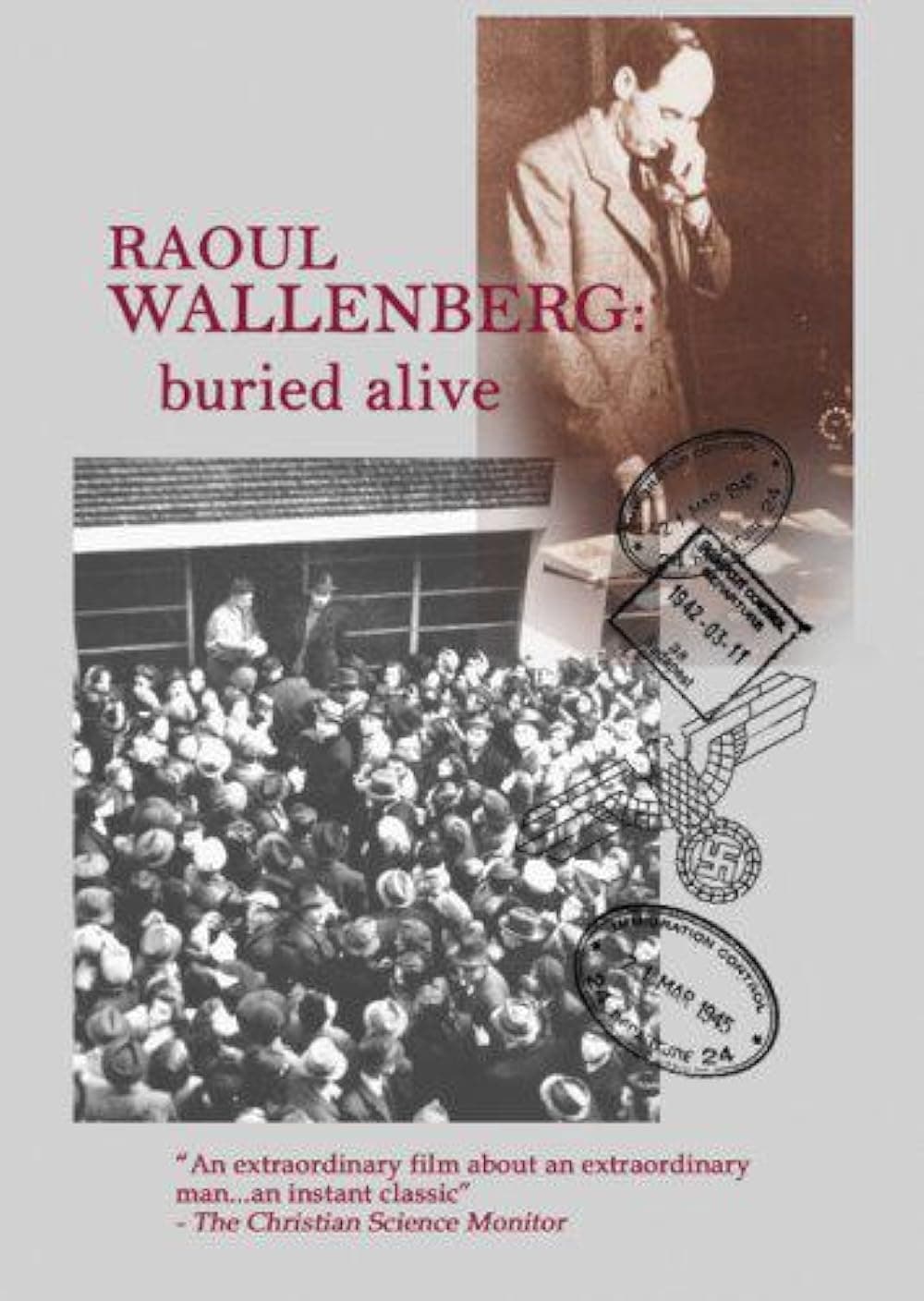
A profile of Swedish diplomat Raoul Wallenberg, the film covers his role in saving the lives of Jewish refugees from the Holocaust, as well as exploring the evidence that he may still have been alive in a Soviet gulag as late as the early 1980s.
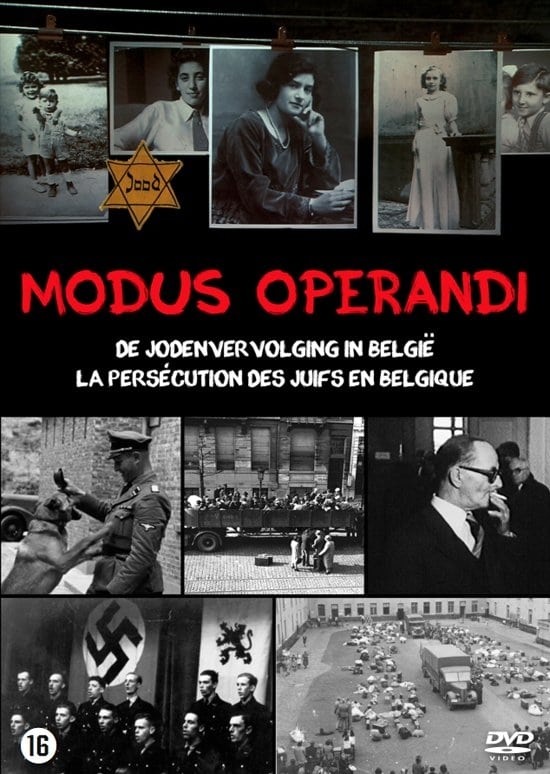
Between 1942 and 1944 some 24,916 Jews were deported from Belgium to Auschwitz. The roundups and deportations were organized and carried out by the Nazis with the - not always conscious - cooperation of Belgian authorities. The attitude of the authorities here varied from outright resistance to voluntary or unwitting collaboration.
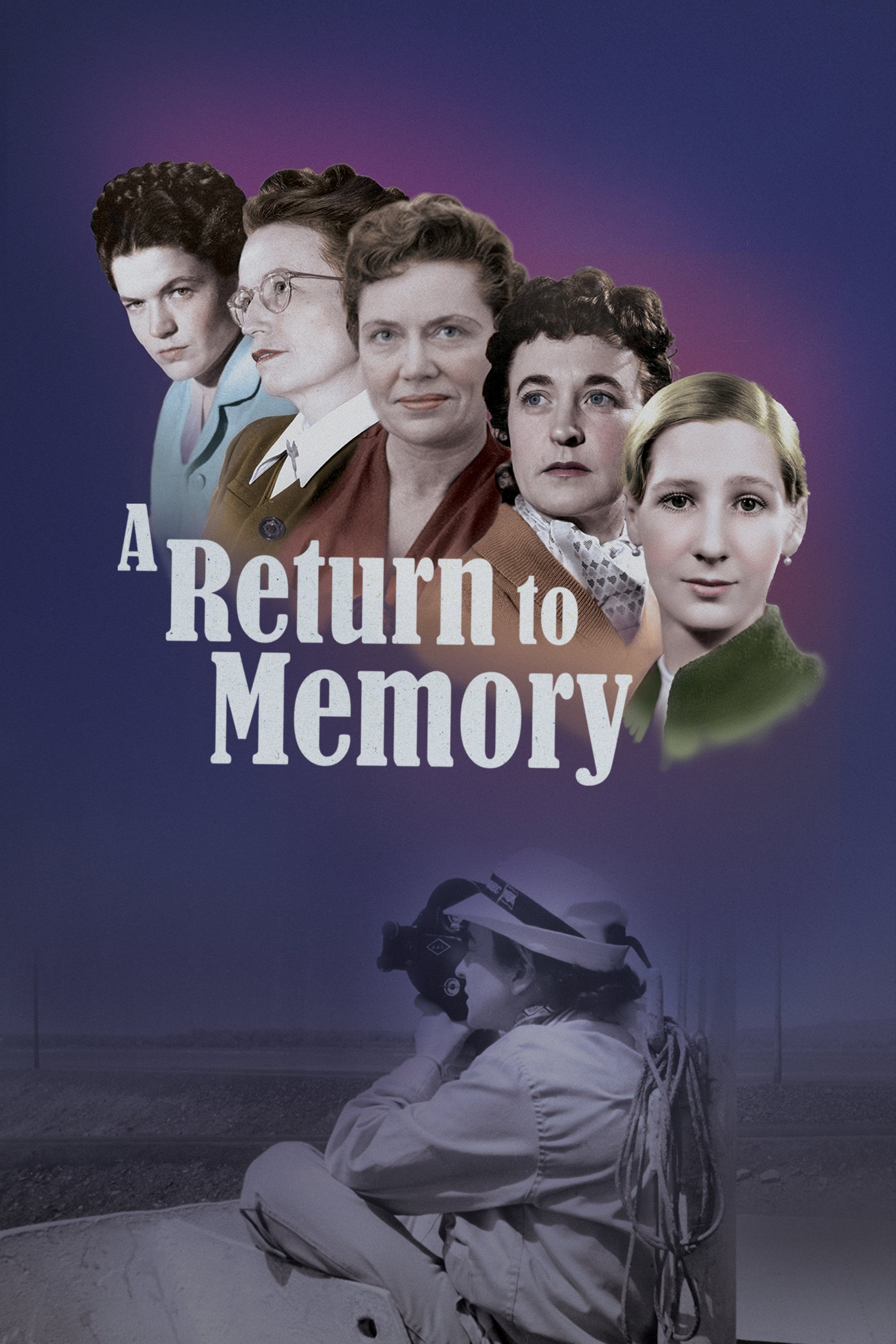
When Canada entered World War II, the National Film Board suddenly had an urgent new mission—and hundreds of women stepped forward, helping to create Canadian cinema as we now know it.
This chilling, vitally important documentary was produced to mark the 40th anniversary of the liberation of Auschwitz Concentration Camp. The film contains unedited, previously unavailable film footage of Auschwitz shot by the Soviet military forces between January 27 and February 28, 1945 and includes an interview with Alexander Voronsov, the cameraman who shot the footage. The horrifying images include: survivors; camp visit by Soviet investigation commission; criminal experiments; forced laborers; evacuation of ill and weak prisoners with the aid of Russian and Polish volunteers; aerial photos of the IG Farben Works in Monowitz; and pictures of local people cleaning up the camp under Soviet supervision. - Written by National Center for Jewish Film
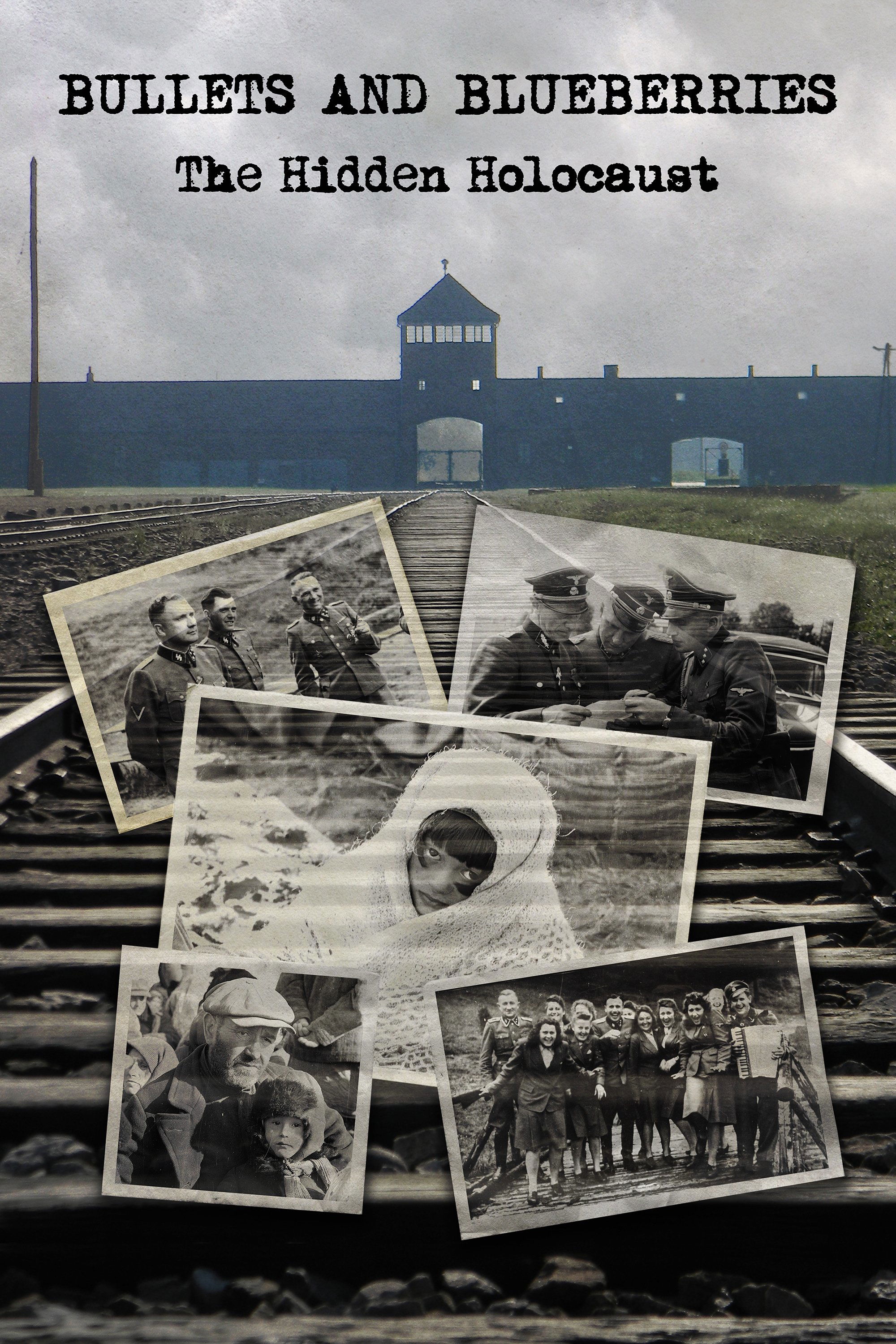
The Holocaust began with the indiscriminate mass shootings by the Einsatzgruppen in the bloodlands of Eastern Europe and was perfected in the gas chambers at Auschwitz. “Bullets And Blueberries” explores the motives, methods and madness of the perpetrators, using never-before-seen images captured by the killers themselves — images that fully capture the banality of evil.
Documentary about the liberation of Maastricht.
Documentary about Japan's Unit 731 of World War II.
Upon Canada's entry into World War II, the RCMP rounded up thousands of people it considered fascist sympathizers. Among them, 700 Italian-Canadians were held for up to three years in internment camps. None were ever charged with a criminal offence.
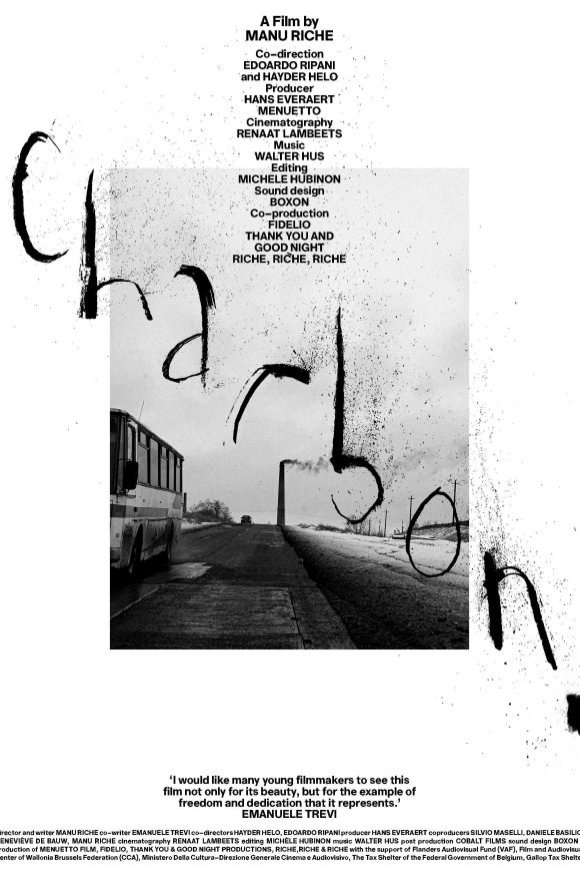
CHARBON depicts how Europe was built on fossil fuels over the past 100 years. And how it was torn apart by wars that were the result of these same fossil fuels. During 3 trips to Ukraine, Italy and Iraq, filmmaker Manu Riche explains how he and his French-German family are inseparably connected to the fate of the Iraqi filmmaker and refugee Hayder Helo.
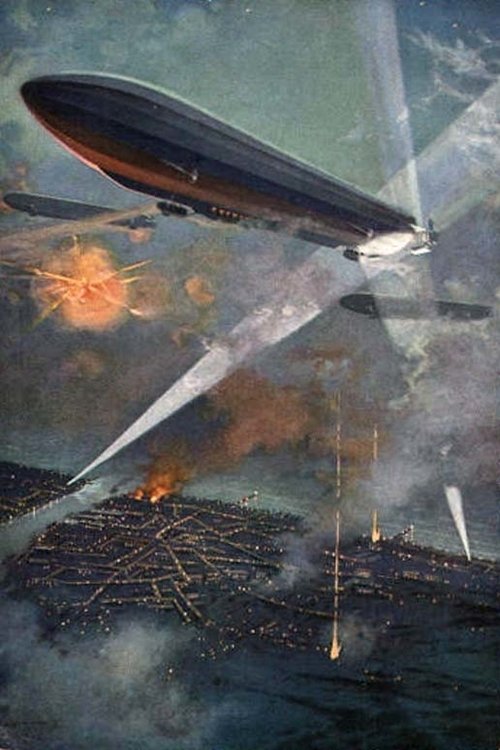
Engineer Dr Hugh Hunt revisits the little-known story of the First World War's Blitz, when the Zeppelin waged an 18-month terror campaign on the people of London.
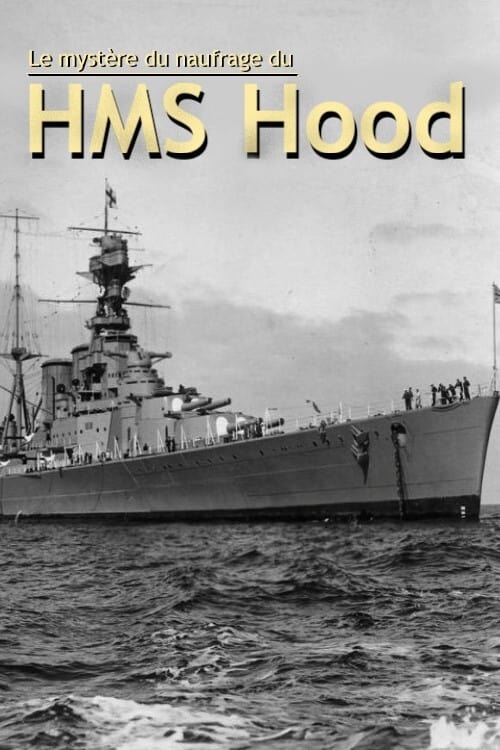
The 'mighty' Hood was the pride of the British Navy for more than 20 years, revered around the world as the largest and most powerful warship afloat. But when it was sunk by the German battleship Bismarck off the coast of Greenland on 24 May 1941, its end was shockingly swift.
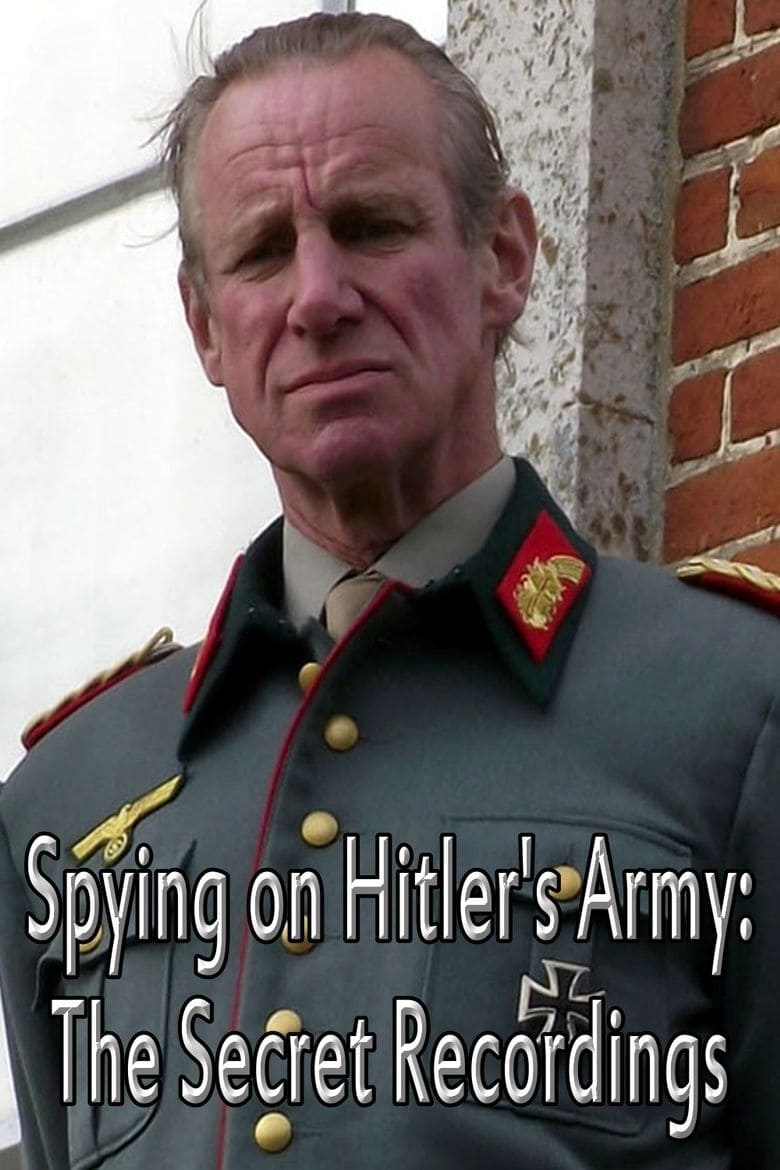
British intelligence undertook an audacious operation to listen in on the private conversations of 10,000 German prisoners of war without their ever knowing they were being overheard. The prisoners' unguarded reminiscences and unintentional confessions have only just come to light, and prove how closely the German army were involved in the atrocities of the Holocaust. British intelligence requisitioned three stately homes for this epic task, and converted each into an elaborate trap. The 100,000 hours of conversation they captured provided crucial intelligence that changed the course of the war, and revealed some of its worst horrors, from rape to mass executions to one of the earliest bulletins from the concentration camps. But when the fighting ended, the recordings were destroyed and the transcripts locked away for half a century. Only now have they been declassified, researched and cross-referenced.
In WWII, the English Channel was a vital passageway. Here, explore the previously untold story of the invaluable superguns that guarded it.
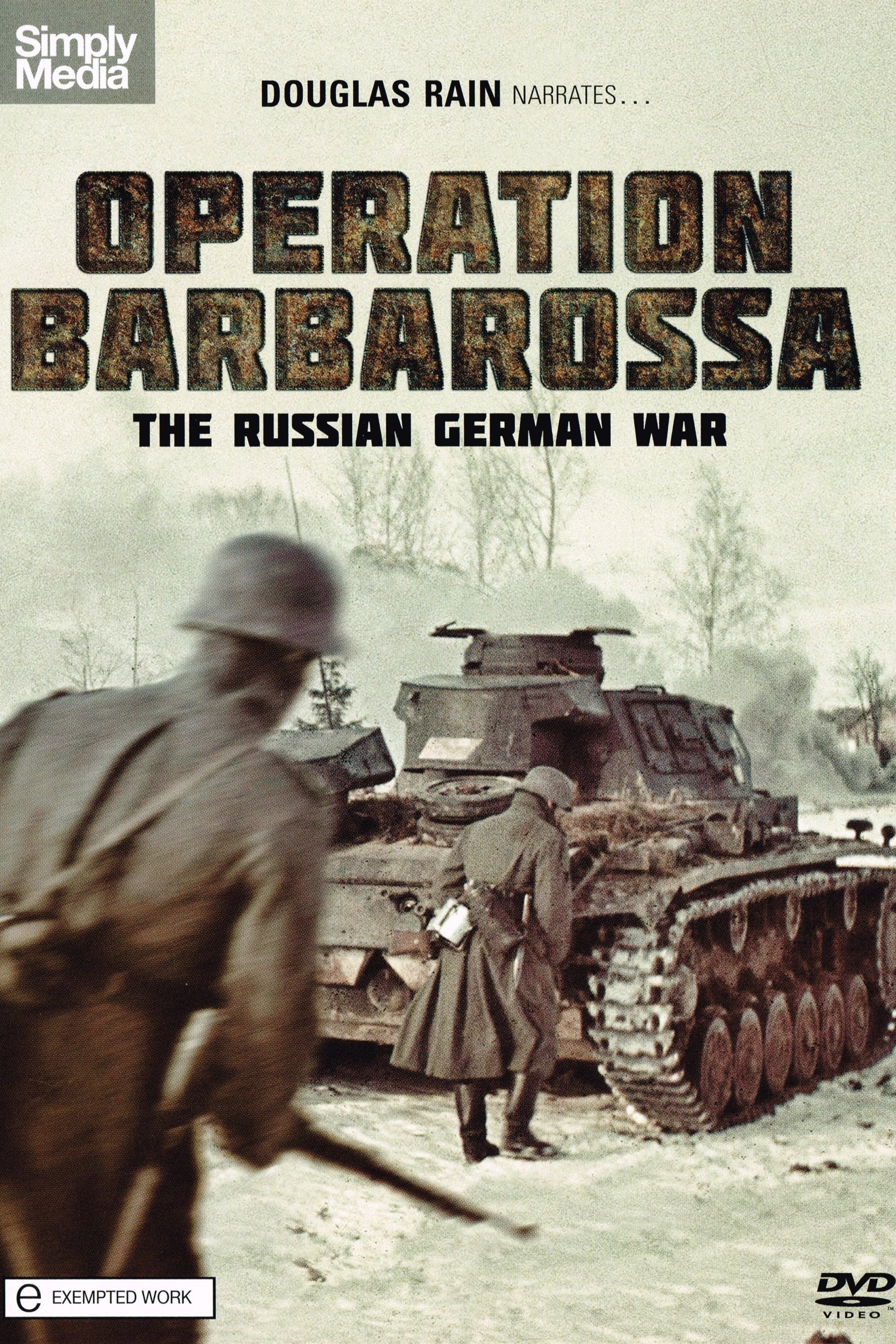
This is a rare look at one of the worst horror stories in the long infamous history of warfare. This series features captured German and Russian film footage, much of which has never been seen before. For decades the Cold War prevented us from looking closely at what really happened between the Russians and the Germans on the Eastern Front during World War II. More than a struggle between nations, it pitted maniacal tyrant against maniacal tyrant, evil ideology against evil ideology. The lives of tens of millions of human beings were consumed by its raging hatreds and appalling indignities. One in every ten Russians died. One in every four Poles died. Whole divisions of Italians, Romanians, Hungarians disappeared with barely a trace. An average of 17,800 people died on every single day and this, the war on the Russian German Front, lasted for 1,400 days. This series features captured German and Russian film footage, much of which has never been seen before.
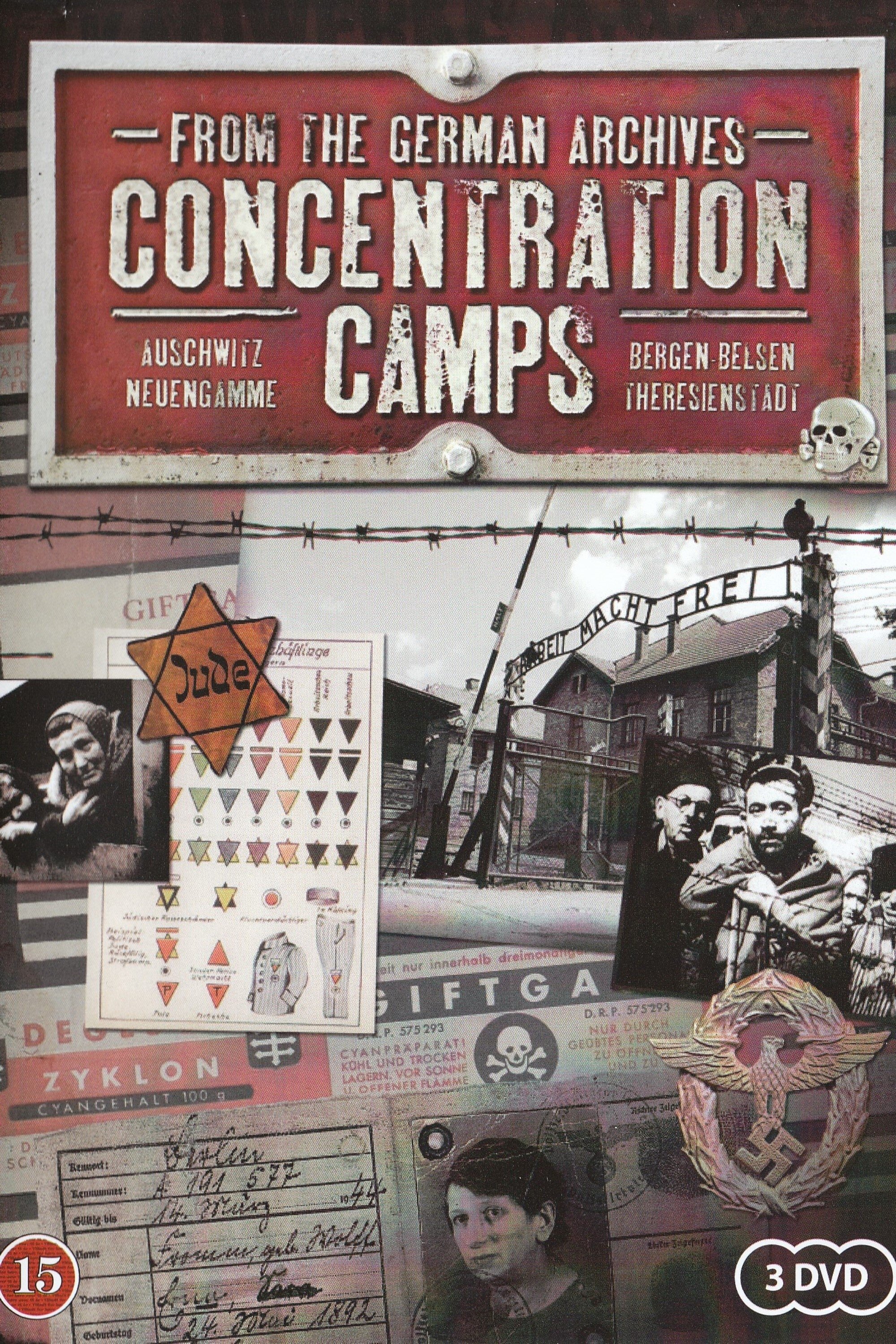
When Allied forces liberated the Nazi concentration camps in 1944-45, their terrible discoveries were recorded by army and newsreel cameramen, revealing for the first time the full horror of what had happened. Making use of British, Soviet and American footage, the Ministry of Information’s Sidney Bernstein (later founder of Granada Television) aimed to create a documentary that would provide lasting, undeniable evidence of the Nazis’ unspeakable crimes. He commissioned a wealth of British talent, including editor Stewart McAllister, writer and future cabinet minister Richard Crossman – and, as treatment advisor, his friend Alfred Hitchcock. Yet, despite initial support from the British and US Governments, the film was shelved, and only now, 70 years on, has it been restored and completed by Imperial War Museums under its original title "German Concentration Camps Factual Survey".
A documentary about the life and films of director John Ford.
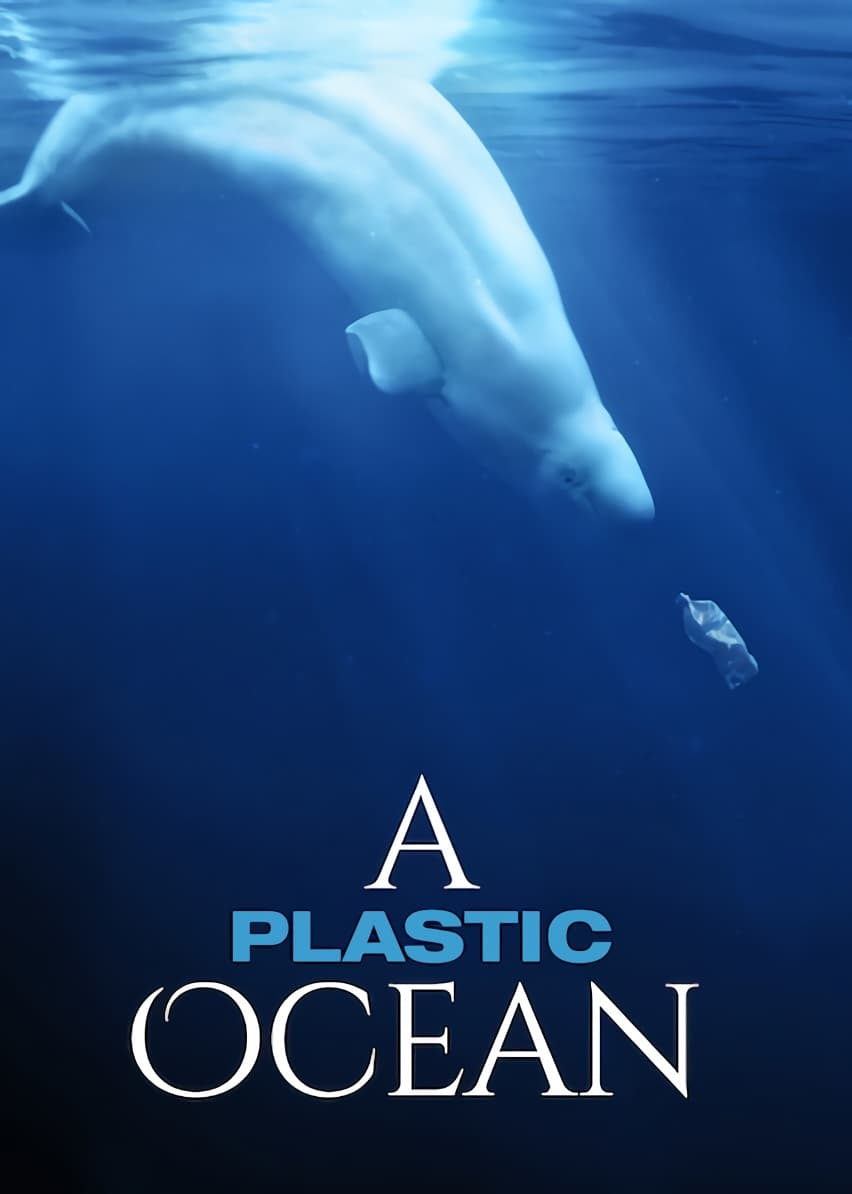
A documentary focused on plastic pollution in the world's oceans.
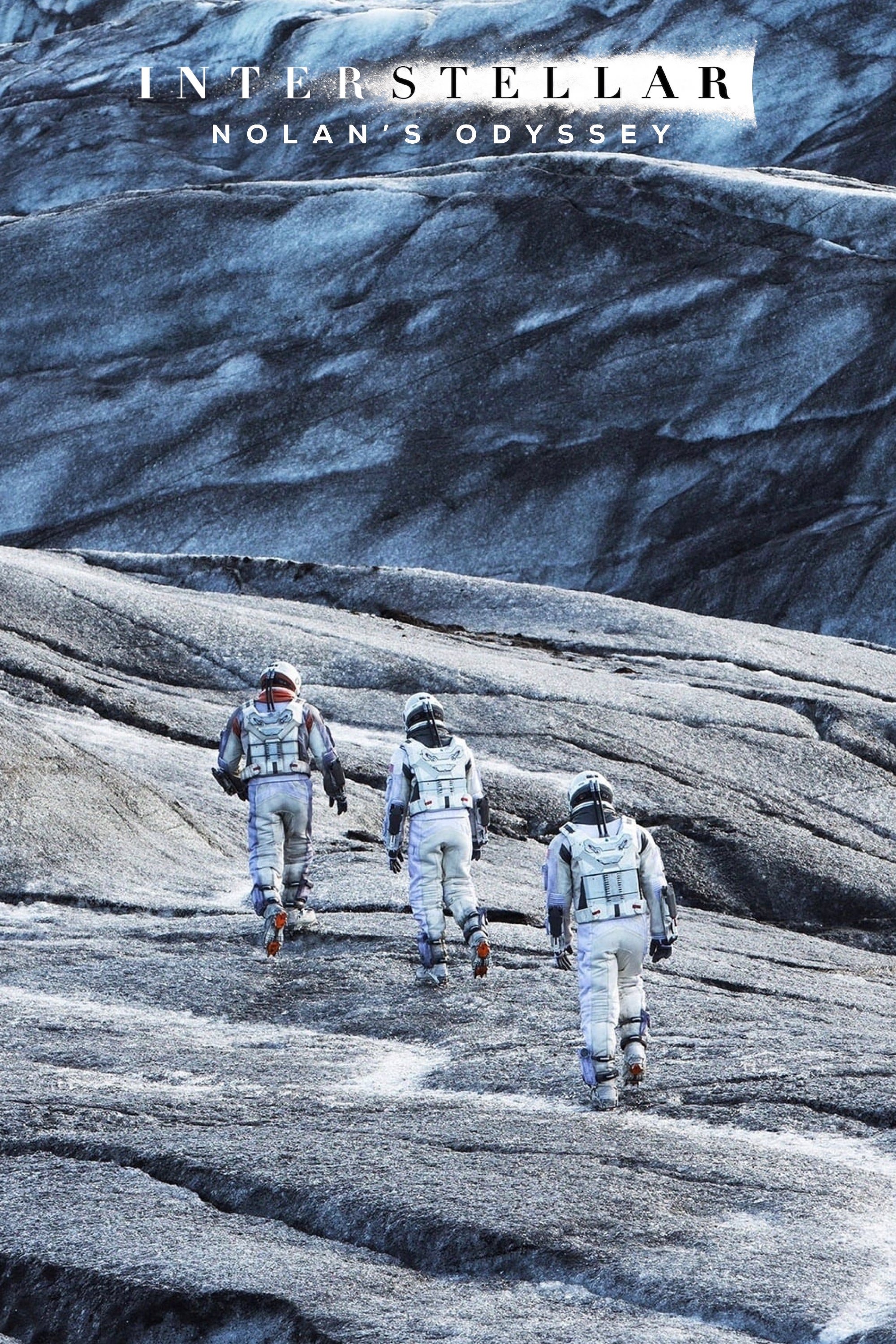
A look behind the lens of Christopher Nolan's space epic.
JB Smoove and Martin Starr host a celebration of 20 years of "Spider-Man" movies, from the Sam Raimi trilogy to Marc Webb's movies and the trio from Jon Watts.
Alexander McQueen's rags-to-riches story is a modern-day fairy tale, laced with the gothic. Mirroring the savage beauty, boldness and vivacity of his design, this documentary is an intimate revelation of McQueen's own world, both tortured and inspired, which celebrates a radical and mesmerizing genius of profound influence.
The film follows adventurer Jeff Johnson as he retraces the epic 1968 journey of his heroes Yvon Chouinard and Doug Tompkins to Patagonia.
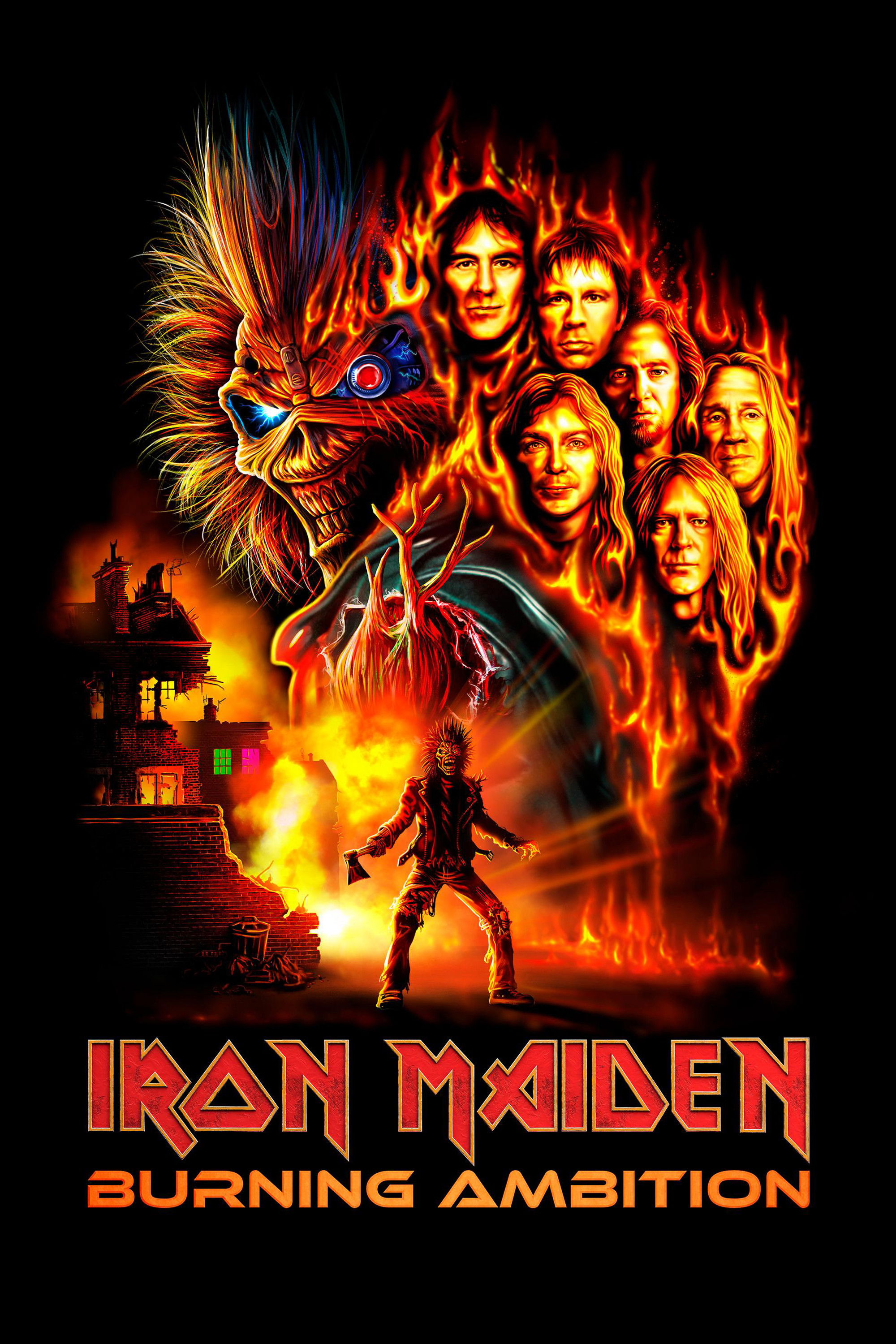
With unprecedented access to the official archives and intimate recollections from the band, both current and past, Iron Maiden: Burning Ambition invites fans to experience one of the most iconic journeys in music history. Spanning five decades, this electrifying documentary charts the band’s rise from the pubs of East London to the world’s biggest stadiums. Featuring exclusive interviews with band members and contributors such as Javier Bardem, Lars Ulrich and Chuck D, as well as all-new animated sequences of the band's legendary mascot, Eddie, the film offers a rare and intimate look at Iron Maiden’s uncompromising vision and unwavering connection with their truly global army of fans.
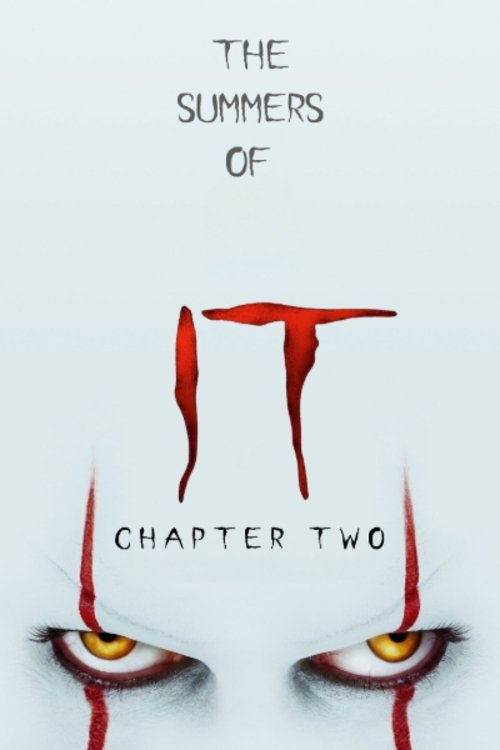
This documentary focuses on the actors and their journey over two summers to create the remake to the original IT, by Stephen King. The documentary originally released as bonus material, bundled with IT: Chapter Two.
A subjective documentary that explores various theories about hidden meanings in Stanley Kubrick's classic film The Shining. Five very different points of view are illuminated through voice over, film clips, animation and dramatic reenactments.
A detailing of the rise to prominence and global sporting superstardom of six supremely talented young Manchester United football players (David Beckham, Nicky Butt, Ryan Giggs, Paul Scholes, Phil and Gary Neville). The film covers the period 1992-1999, culminating in Manchester United's European Cup triumph.
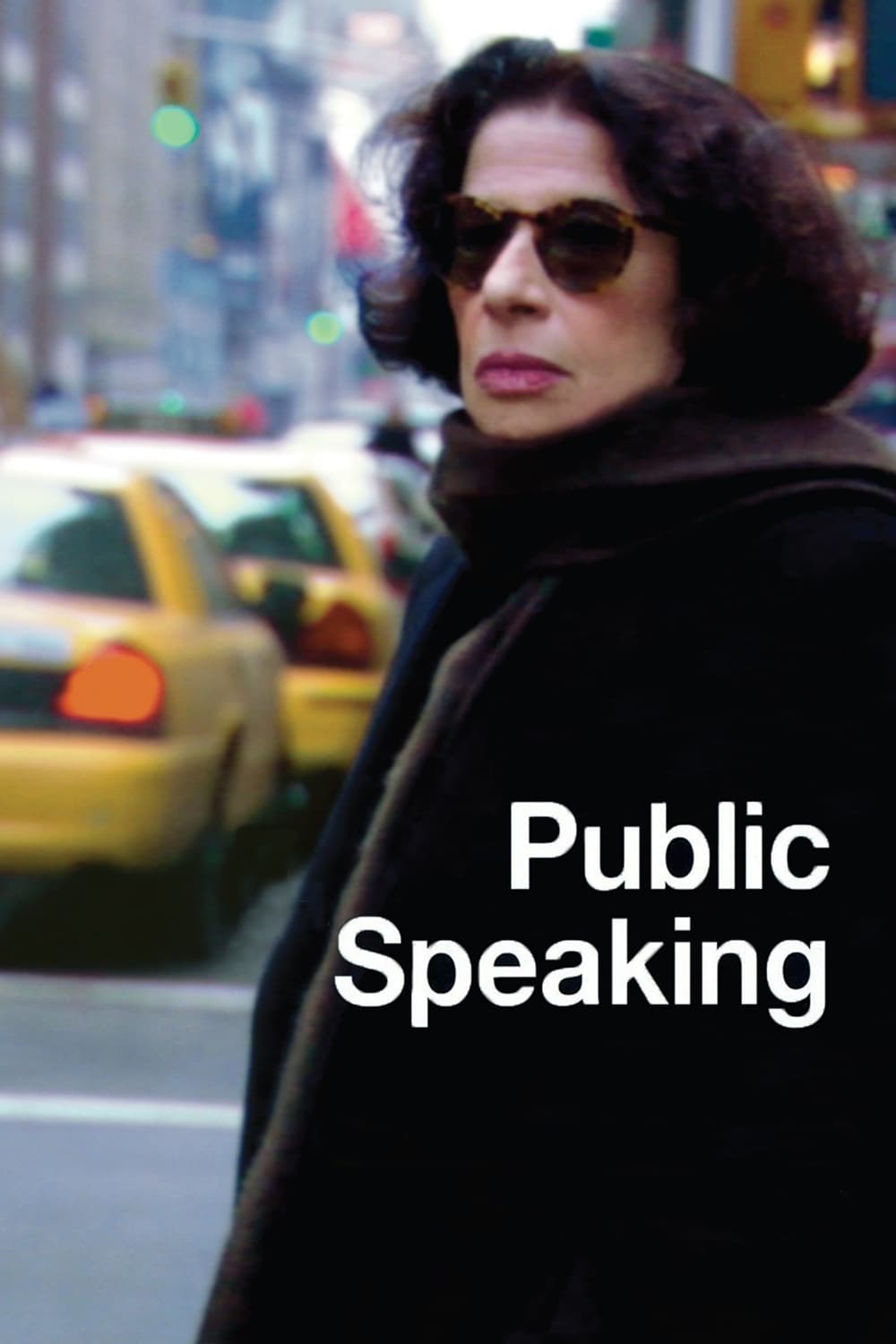
Martin Scorsese’s portrait of writer and social commentator Fran Lebowitz, celebrated for her sharp wit and observations on modern life. Filmed at New York’s Waverly Inn and intercut with archival footage and interviews, the documentary captures Lebowitz’s distinctive worldview through her spontaneous monologues and public appearances.
This special explores the return of Obi-Wan Kenobi and Anakin Skywalker to the screen, as well as Ewan McGregor and Hayden Christensen to their classic roles. Director Deborah Chow leads the cast and crew as they create new heroes and villains that live alongside new incarnations of beloved Star Wars characters, and an epic story that dramatically bridges the saga films.
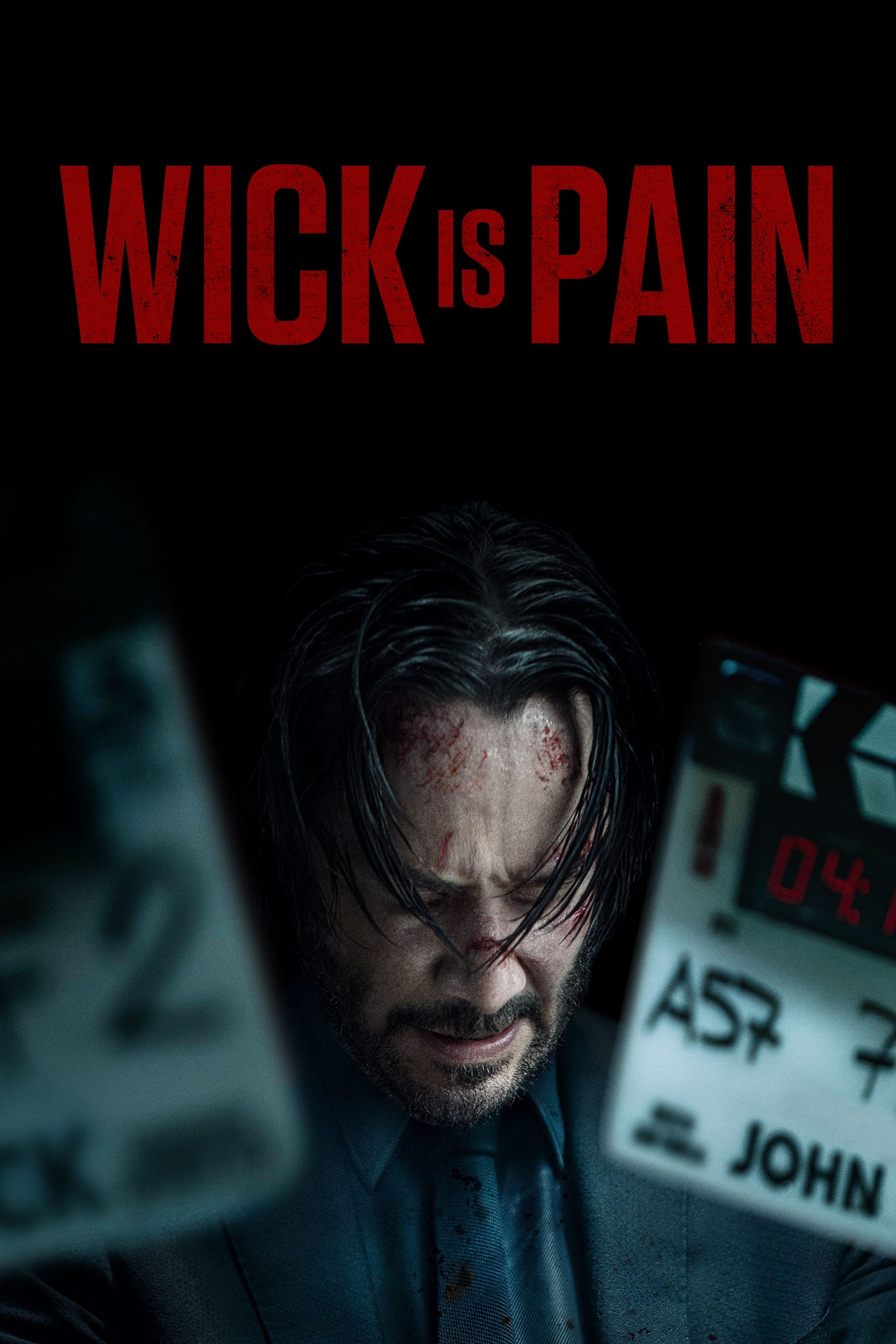
Witness the never-before-seen footage and true story behind the John Wick phenomenon – from independent film to billion-dollar franchise.
Stars of "The Walking Dead," Andrew Lincoln and Danai Gurira, walk down memory lane and visit iconic locations where pivotal moments between their characters, Rick and Michonne, were filmed.
Those who knew iconic funnyman John Candy best share his story, in their own words, through never-before-seen archival footage, imagery, and interviews.
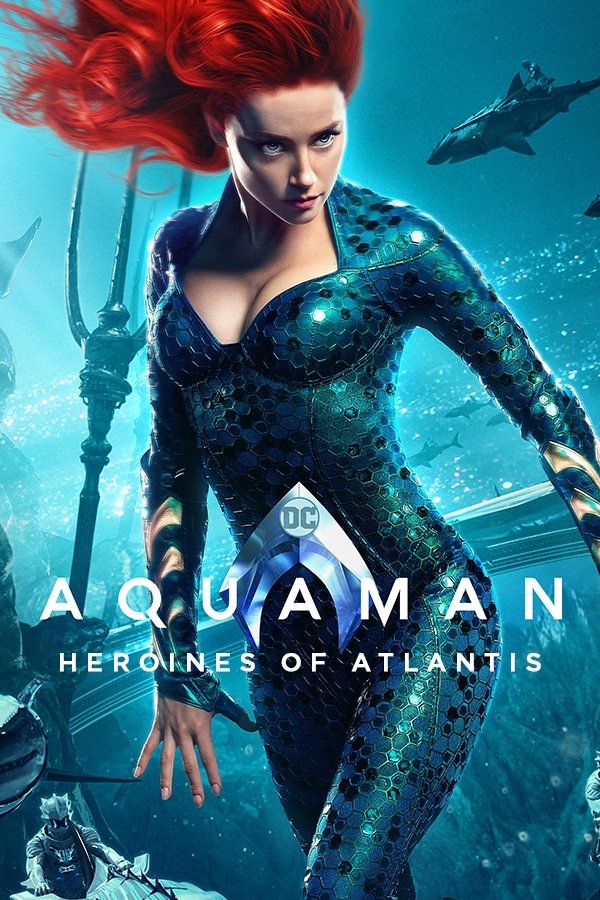
Amber Heard and Nicole Kidman discuss their characters Mera and Atlanna.
In the Realms of the Unreal is a documentary about the reclusive Chicago-based artist Henry Darger. Henry Darger was so reclusive that when he died his neighbors were surprised to find a 15,145-page manuscript along with hundreds of paintings depicting The Story of the Vivian Girls, in What is Known as the Realms of the Unreal, of the Glodeco-Angelinnian War Storm, Cased by the Child Slave Rebellion.
Daniel Craig candidly reflects on his 15 year adventure as James Bond. Including never-before-seen archival footage from Casino Royale to the upcoming 25th film No Time To Die, Craig shares his personal memories in conversation with 007 producers, Michael G Wilson and Barbara Broccoli.
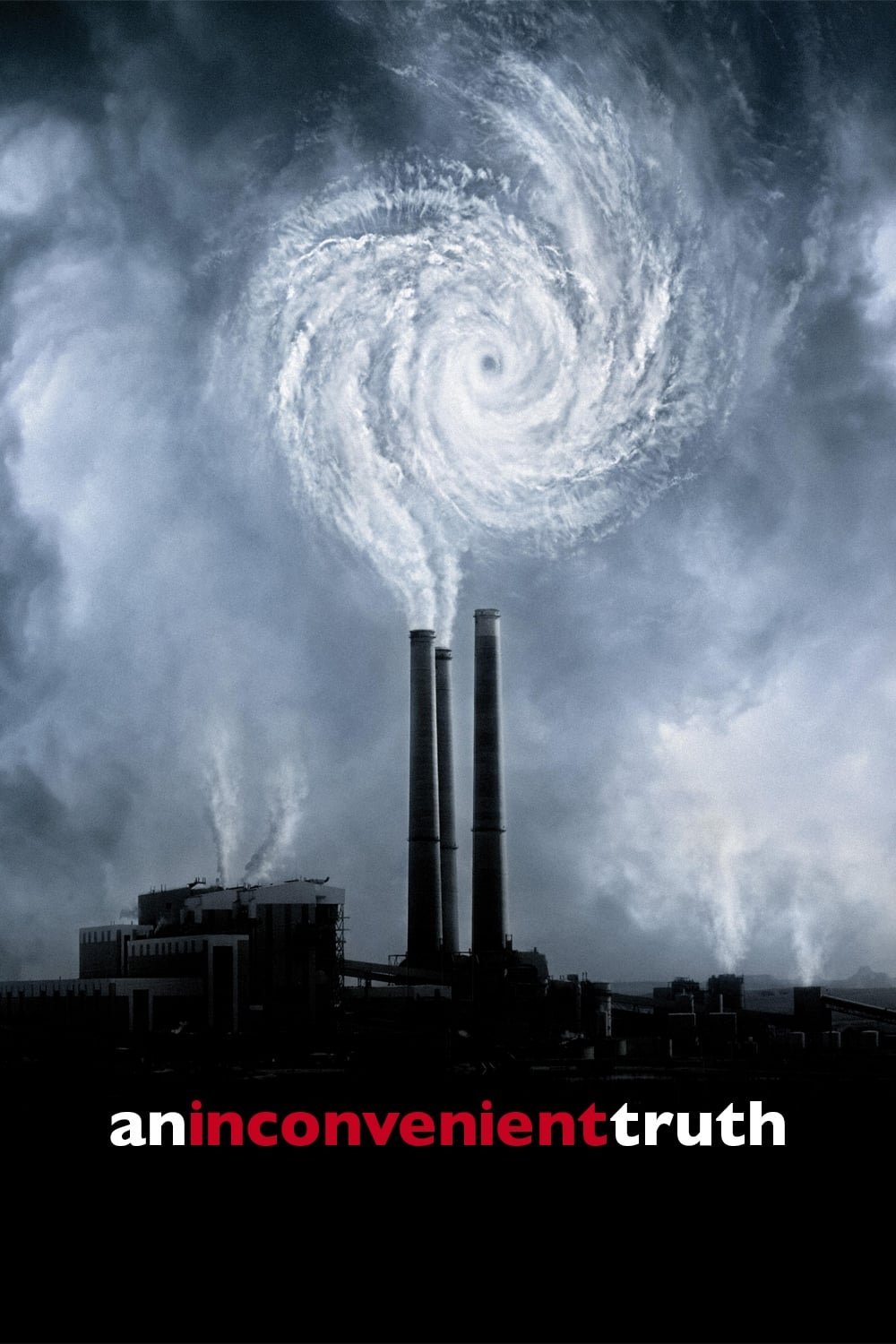
A documentary on Al Gore's campaign to make the issue of global warming a recognized problem worldwide.