A documentary about Domus department stores in Sweden.
Social & External
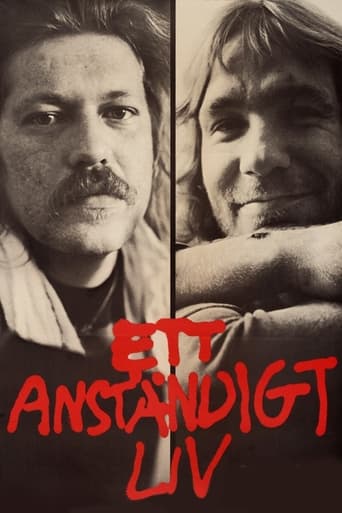
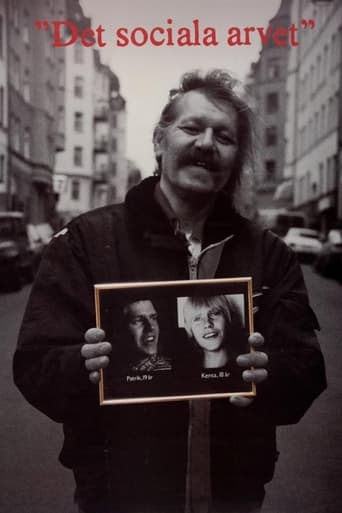
A decade has gone by and the spirit of the preceding film, Dom kallar oss mods, has disappeared. Kenta is an alcoholic and lives with his girlfriend Eva. Together they have a son, Patric. Kenta's mom is in jail for manslaughter and Kenta goes to Kronoberg to greet her. Heroin also comes to play and Stoffe is one of those who falls victim to it. He lives with his girlfriend Lena and their young son, Janne. Lena later throws Stoffe out their home when she gets enough of his abuse, and he is forced to live with his mother. Kenta calls Stoffe and decides to meet him, and he tries to persuade him to give up heroin, but the two have a falling out and they separate. This film features other users from the previous film, such as Jajje and Kenta Bergkvist. The film ends with the death of a prominent person in the trilogy.
Misfits to Yuppies is the last of three films (Dom kallar oss mods, Ett anständigt liv, Det sociala arvet) that shows conditions for addicts in Stockholm and try to find out how social legacy have been transferred to their children from previous films.
Critical documentary about urban planning in the city of Stockholm. Made by students at the Swedish Film Institute's film school. The film created a great debate in Swedish media and especially between the film institute's CEO Harry Schein and the filmmakers.
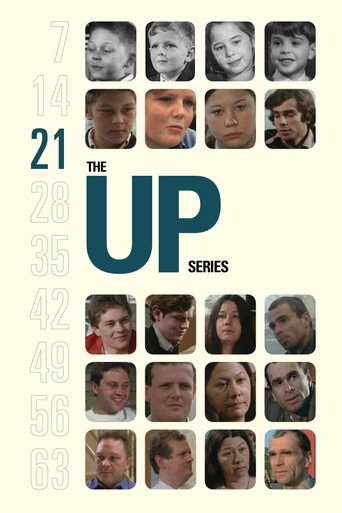
The fifth movie of the kids from a school class in Jordbrovägen which the director has followed for over 24 years allows the now adult children through interviews talking about their lives. This is interspersed with inklipp from their everyday life and work, as well as clips from the previous movies.
A film about "the father" of Malmö Eric Svenning and how the city has developed during his time.
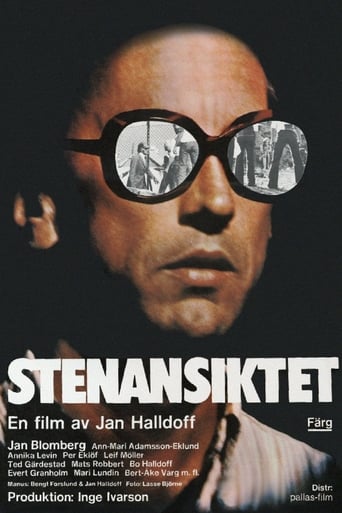
After losing his son in a traffic accident and his wife to mental illness, Harry moves to a gloomy Stockholm suburb. A local youth gang is harassing the neighborhood and Harry comes up with the idea of hiring the gang to kill the bureaucrats who are responsible for the construction of the suburb. The film is a fierce critique of the political project of building suburbs designed only for workers to sleep in and also wants to have a say in the debate over nature vs nurture.
An exploration of how the U.S. military employs video game technology to train troops for war. Filmed at the United States Marine Corps Air Ground Combat Center, Watson is Down pairs footage of soldiers at computers engaging in combat-simulation training with scenes from the video games.
Rolf and Susanne visit an indoor swimming pool. They learn how to buy tickets at the ticket office, how to find and use the changing rooms and showers and how to behave correctly in the pools for swimmers and non-swimmers.
TV-Documentary about the German painter Anselm Feuerbach
How can children communicate with other road users as pedestrians and cyclists? A pantomime also explains sign language.
An exploration of how the U.S. military employs video game technology to train troops for war. Three Dead depicts a military exercise within a mock Iraqi town built on the outskirts of Twentynine Palms, California, blurring the line between computer simulation and reality.
An exploration of how the U.S. military employs video game technology to train troops for war. In Immersion, Farocki presents footage of a role-playing exercise in which military psychologists demonstrate how to use the PTSD program on their colleagues, who describe traumatic wartime experiences. On a second channel, their descriptions play out as virtual renderings.
An exploration of how the U.S. military employs video game technology to train troops for war. In A Sun With No Shadow, Farocki calls attention to the subtle differences between the simulations for combat training and PTSD. With the former, the sun can be programmed to cast shadows in the virtual combat zones, while the latter, less expensive technology does not offer this feature.
Ifni ceased to be a Spanish province in 1969, the year in which it was transferred to Morocco. In 1965, General Franco's regime enacted a law that would prevent many of the widows of Moroccan personnel from the former colony from receiving their corresponding widow's pensions. Abandoned by Spain, and repudiated by Morocco, today these women live in miserable conditions.
Frank P. DeLarzelere III, a middle-aged car part salesman, operates as a motivational bicyclist under the pseudonym Biker Fox. He soon reveals his misunderstood personality and various complexities all while attempting to conserve local wildlife, overcome harassment by law enforcement, deal with his brash mood swings and become a public figure in his hometown of Tulsa, Oklahoma.
Documentary of the lives of Dutch gangsters
Actual footage by the United States Signal Corps of the landing and attack on Arawe Beach, Cape Glouster, New Britain island in 1943 in the South Pacific theatre of World War Two, and the handicaps of the wild jungle in addition to the Japanese snipers and pill-box emplacements.
B-17 Flying Legend examines the importance of World War II's most famous airplane, and raises awareness about the importance of keeping the remaining B-17s flying for generations to come. This documentary covers the history of the airplane, from early designs to the outbreak of war, and the stories of bravery behind the faces of the men who flew them. It contrasts the past by also focusing on today's struggles to keep these flying museums in operation. Unless awareness is created to help with this preservation, in the near future B-17s will only be found in static displays. Almost 13,000 B-17s were built during the war. Sixty years later only 13 still fly. It is important to capture the history of the men behind these flying machines while they are still alive. It is also important to capture images of these machines while they still exist.